The past, in a modern kitchen

Ancient Recipes for Modern Kitchens

100 practical dishes inspired by ancient texts and food evidence, with everyday ingredients, clear methods and source links.

100 of 100 recipes ready. Each labels its historical evidence. Illustrations are generated.

Region and evidence
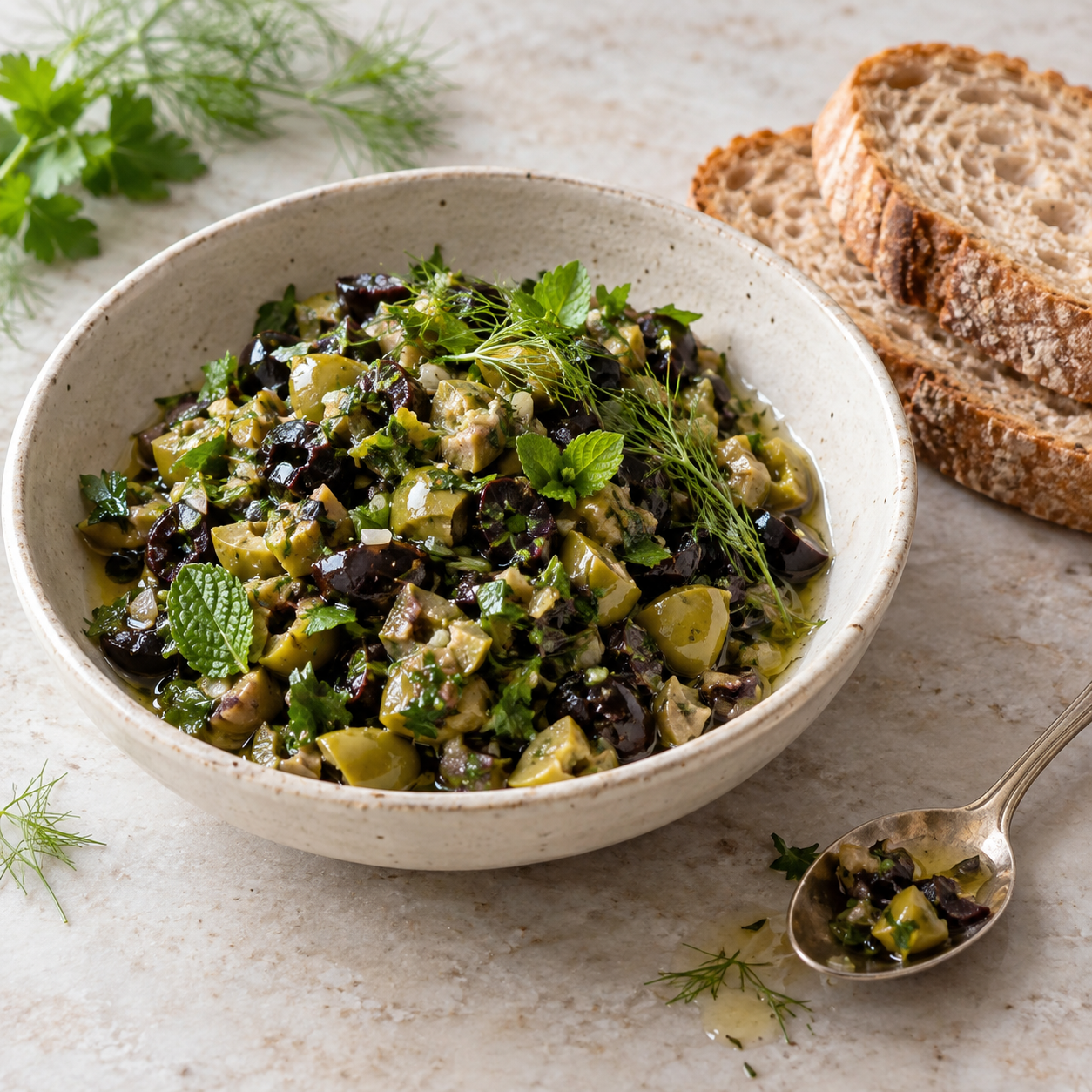
Chopped mixed olives and green herbs in a shallow bowl beside bread.
001 · Roman · Approximately 2nd century BCE

Olive and Herb Relish

Chopped cured olives meet mint, fennel and vinegar in a quick relish for bread or cooked vegetables.
adapted surviving recipe
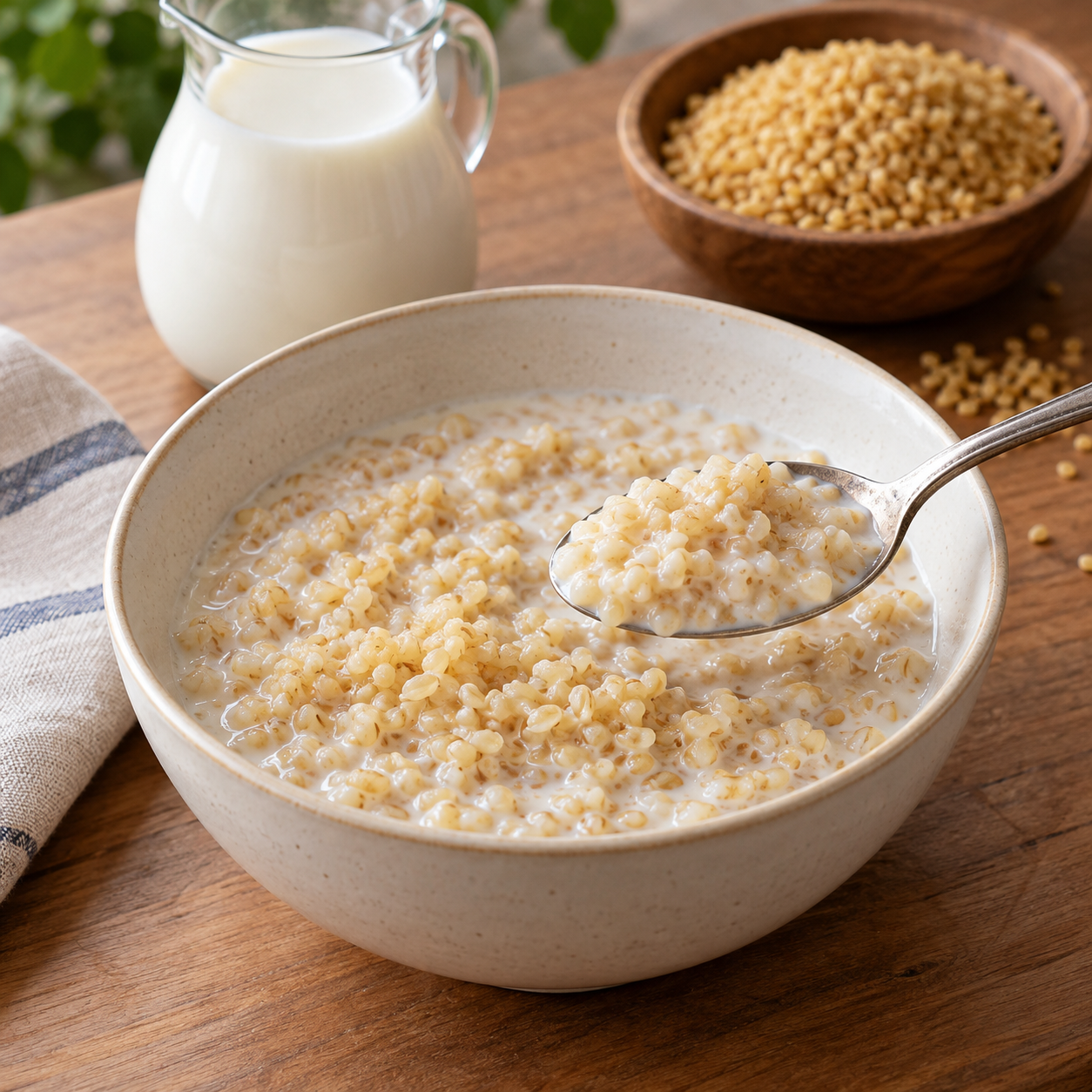
Creamy bulgur wheat porridge with a small milk jug and dry grain.
002 · Roman · Approximately 2nd century BCE

Creamy Wheat and Milk Porridge

Coarse bulgur softens in water before milk turns it into a gentle, creamy breakfast.
adapted surviving recipe
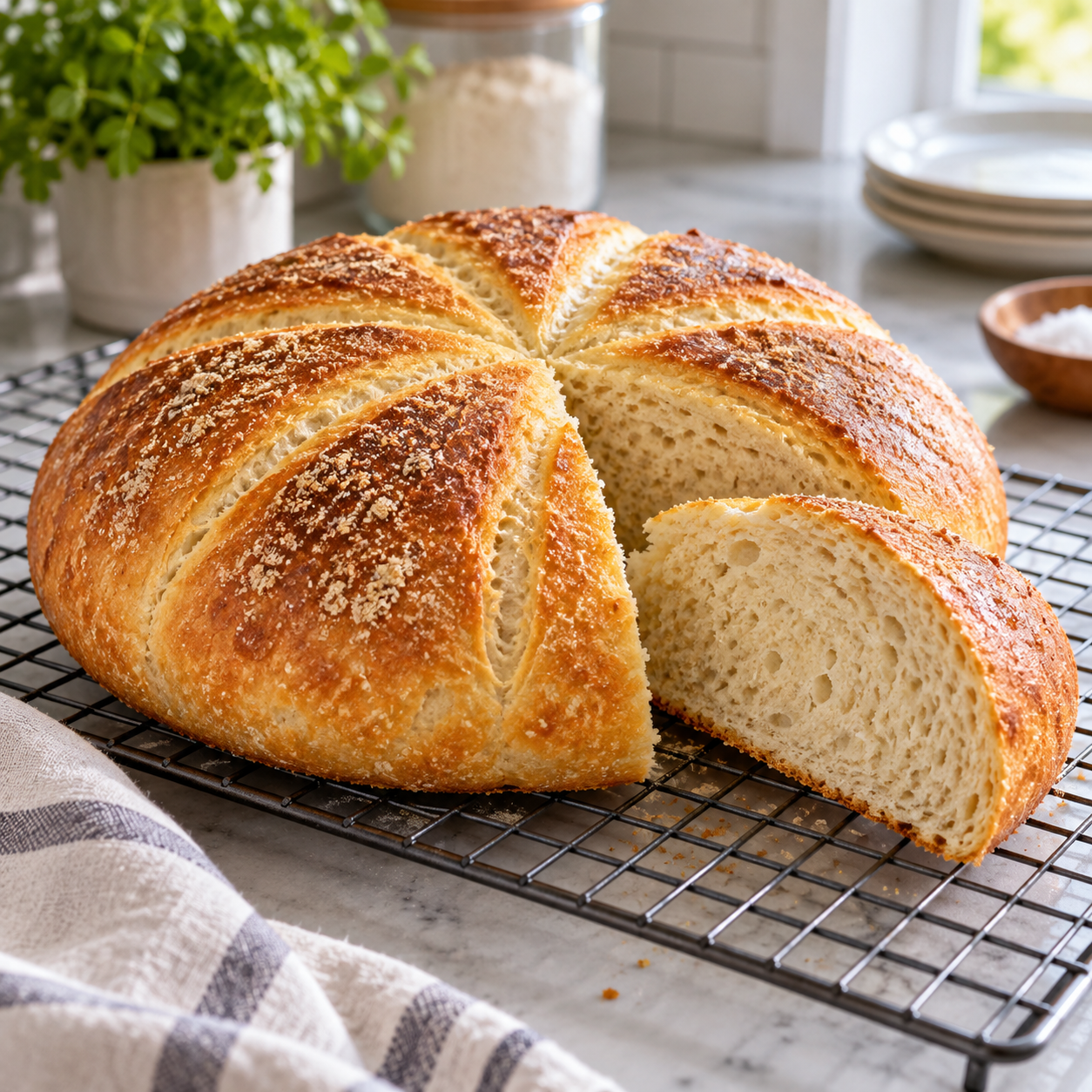
Eight-section golden wheat loaf cooling on a rack with a cut slice.
003 · Roman · Shape inspired by bread preserved in 79 CE

Everyday Segmented Wheat Loaf

A simple mixed-wheat yeast dough bakes into a golden round with eight shallow scored sections.
archaeological reconstruction
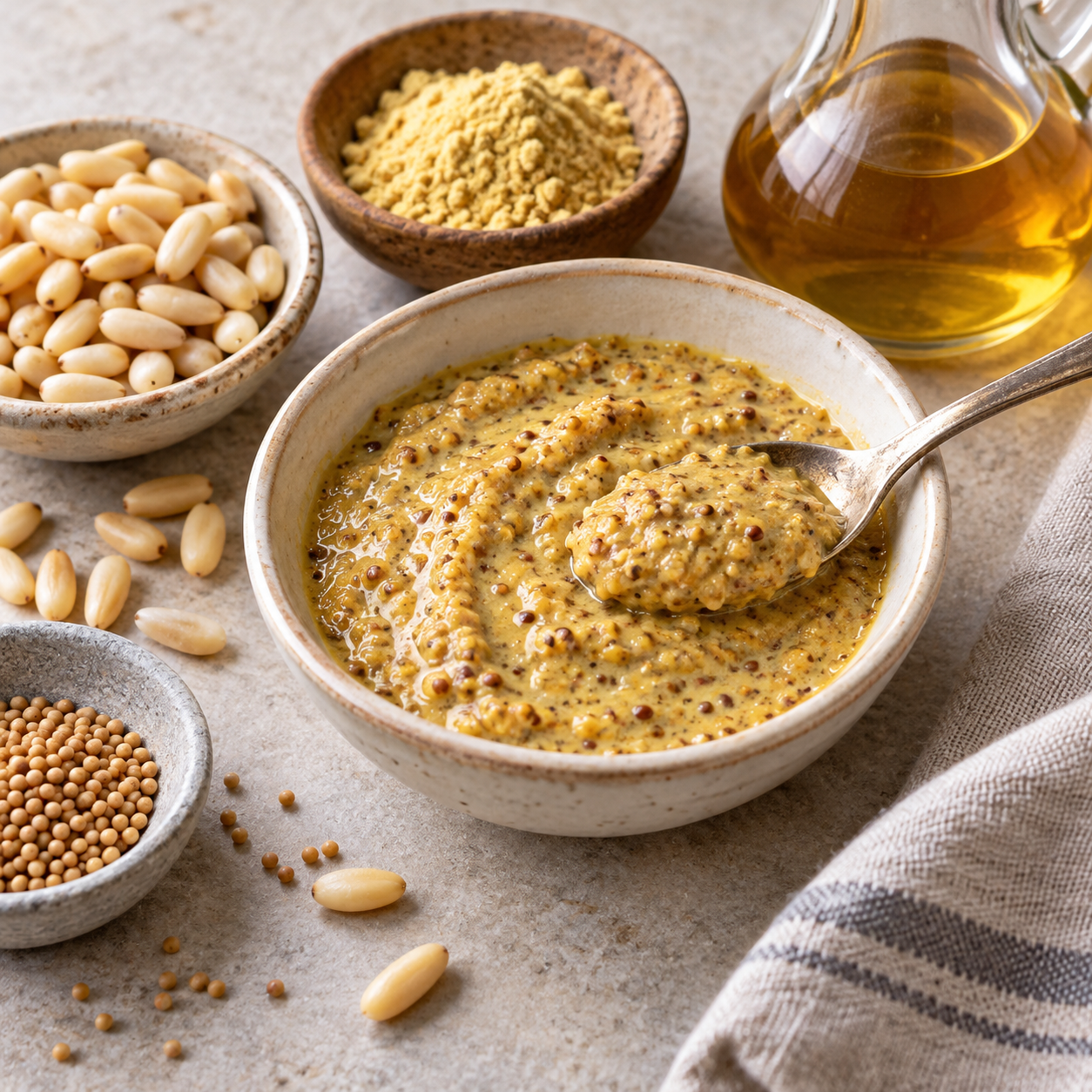
Pale pine-nut mustard with mustard powder, nuts and vinegar.
004 · Roman · Approximately 1st century CE

Pine-Nut Table Mustard

Ground mustard, pine nuts and vinegar make a small creamy condiment for vegetables or meat.
adapted surviving recipe
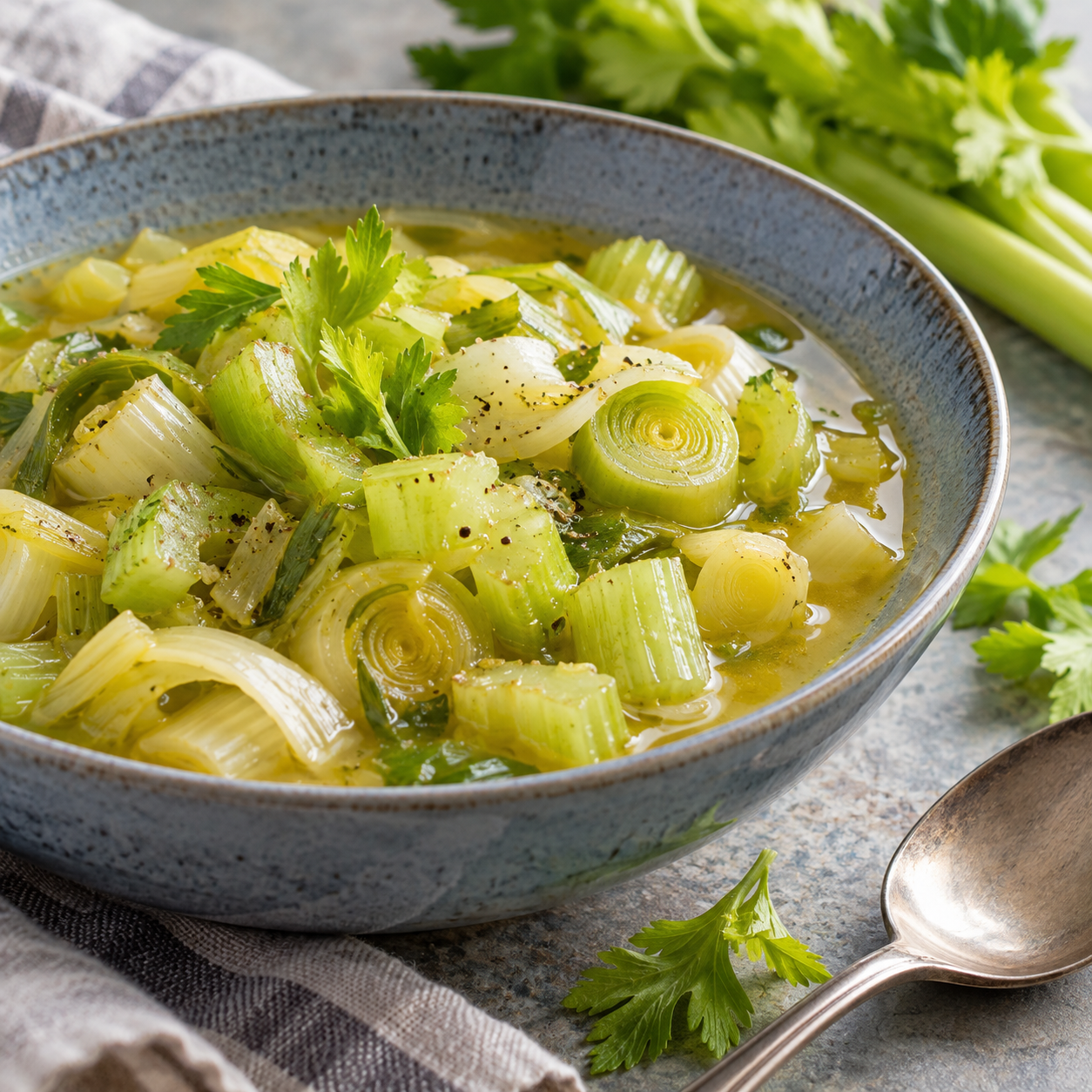
Tender celery and leeks with a small amount of glossy broth.
005 · Roman · Roman imperial tradition; surviving compilation approximately 4th–5th centuries CE

Celery and Leeks in a Light Honey Sauce

Tender celery and silky leeks simmer in a lightly sweetened broth for an easy warm side.
adapted surviving recipe
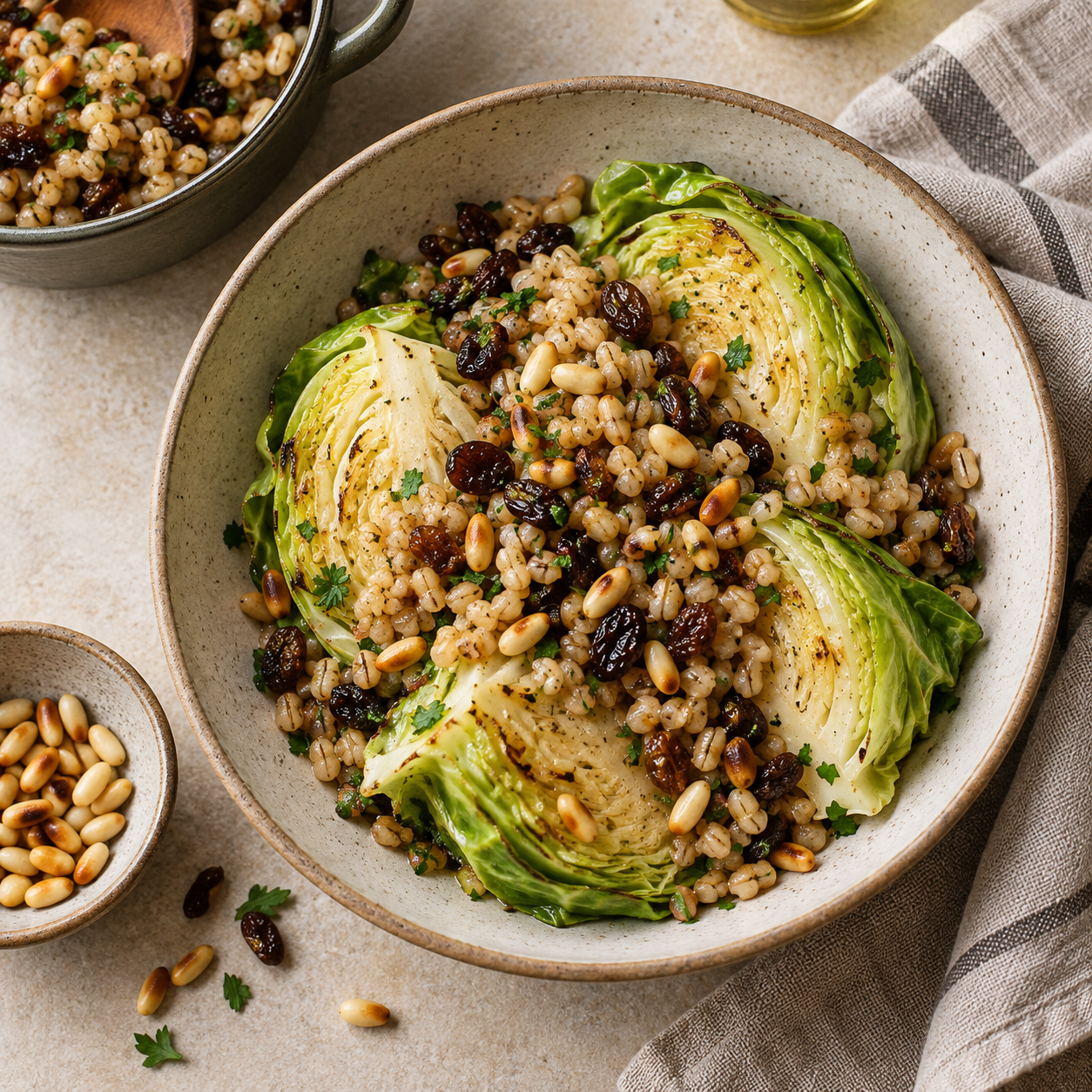
Cooked cabbage wedges topped with barley, raisins and pine nuts.
006 · Roman · Roman imperial tradition; surviving compilation approximately 4th–5th centuries CE

Cabbage, Grain and Raisin Bowl

Cooked cabbage wedges carry chewy grain, plump raisins and toasted nuts for a substantial vegetarian bowl.
adapted surviving recipe
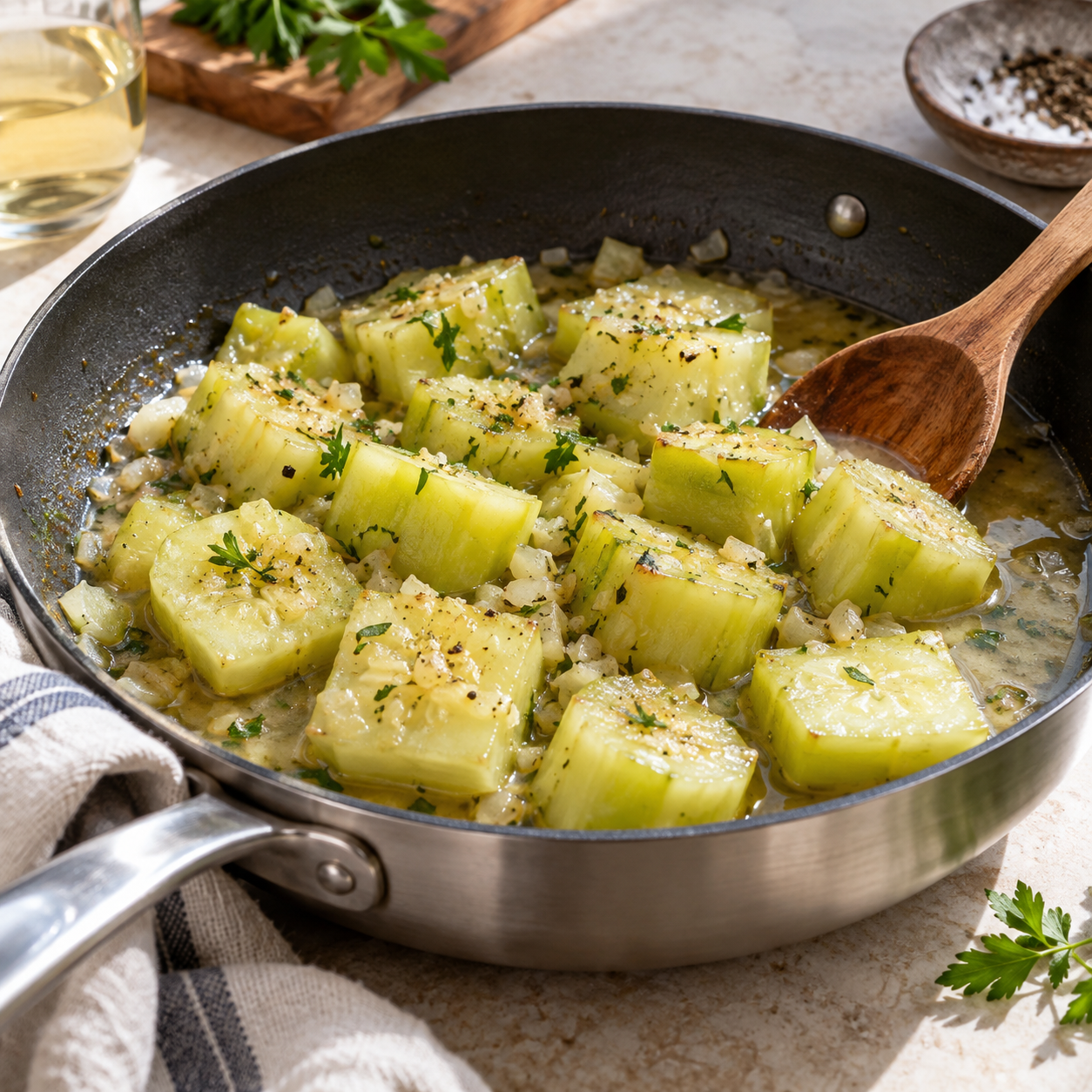
Thick peeled cucumber pieces cooking in a shallow skillet of light wine sauce.
007 · Roman · Roman imperial tradition; surviving compilation approximately 4th–5th centuries CE

Warm Wine-Braised Cucumber

Peeled cucumber becomes a tender warm vegetable in a small amount of wine and stock.
adapted surviving recipe
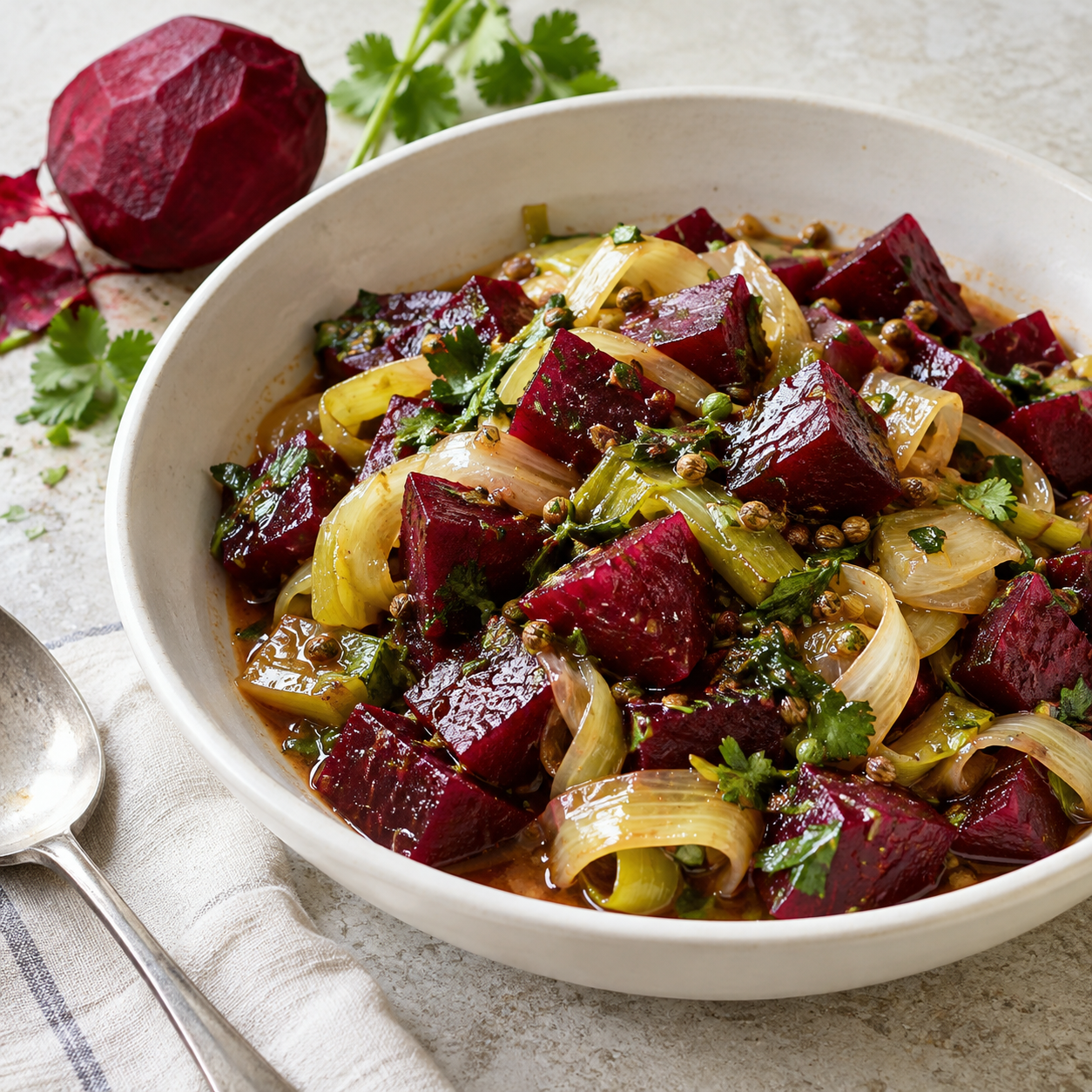
Ruby beet cubes and soft leek ribbons in a shallow glossy sauce.
008 · Roman · Roman imperial tradition; surviving compilation approximately 4th–5th centuries CE

Beet and Leek Coriander Braise

Beetroot cubes simmer with leeks, coriander and cumin, then finish with a little vinegar.
adapted surviving recipe
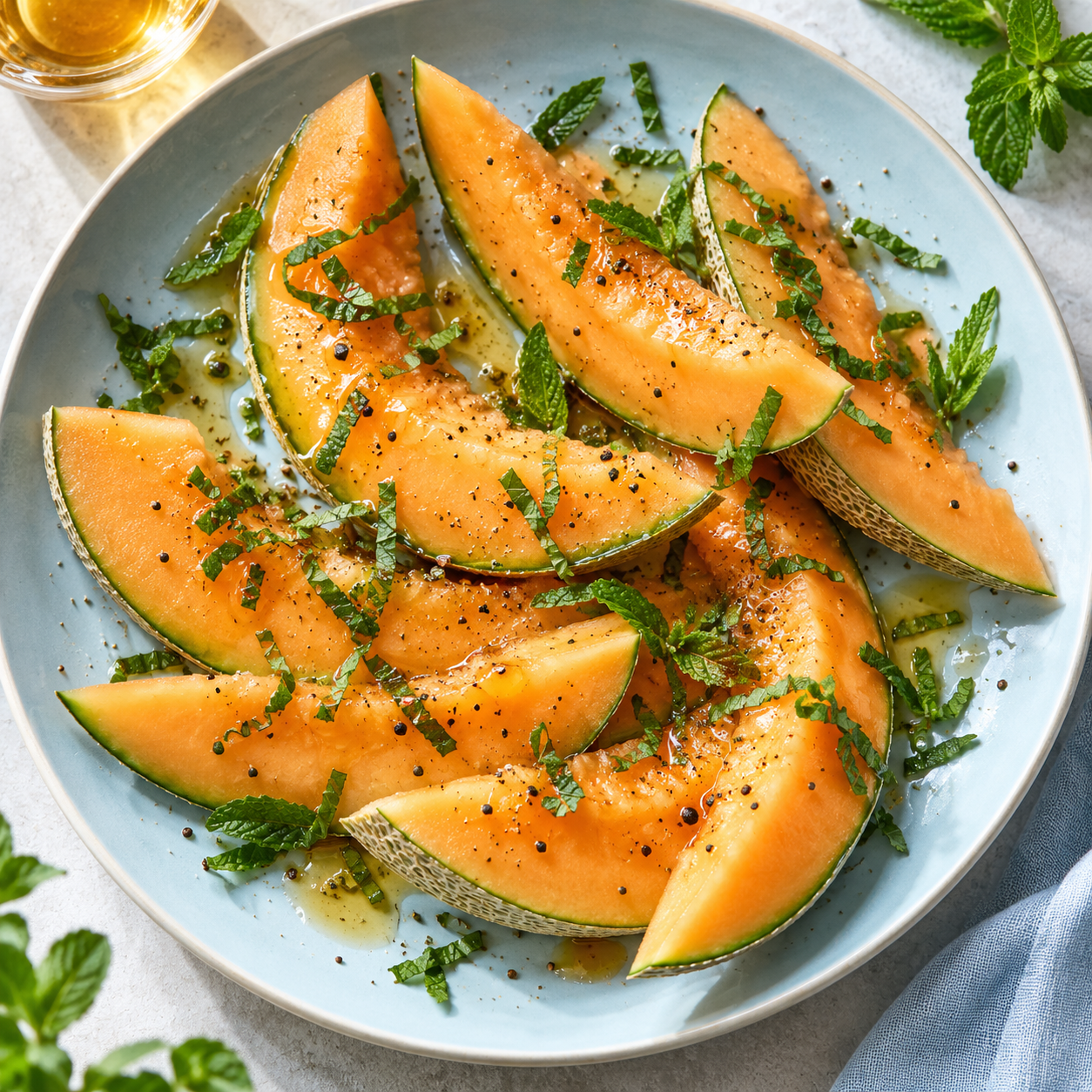
Orange melon wedges with mint ribbons and fine black pepper.
009 · Roman · Roman imperial tradition; surviving compilation approximately 4th–5th centuries CE

Peppered Melon with Mint Dressing

Ripe melon gains a fresh savoury edge from mint, fine pepper and a light sweet-sharp dressing.
adapted surviving recipe
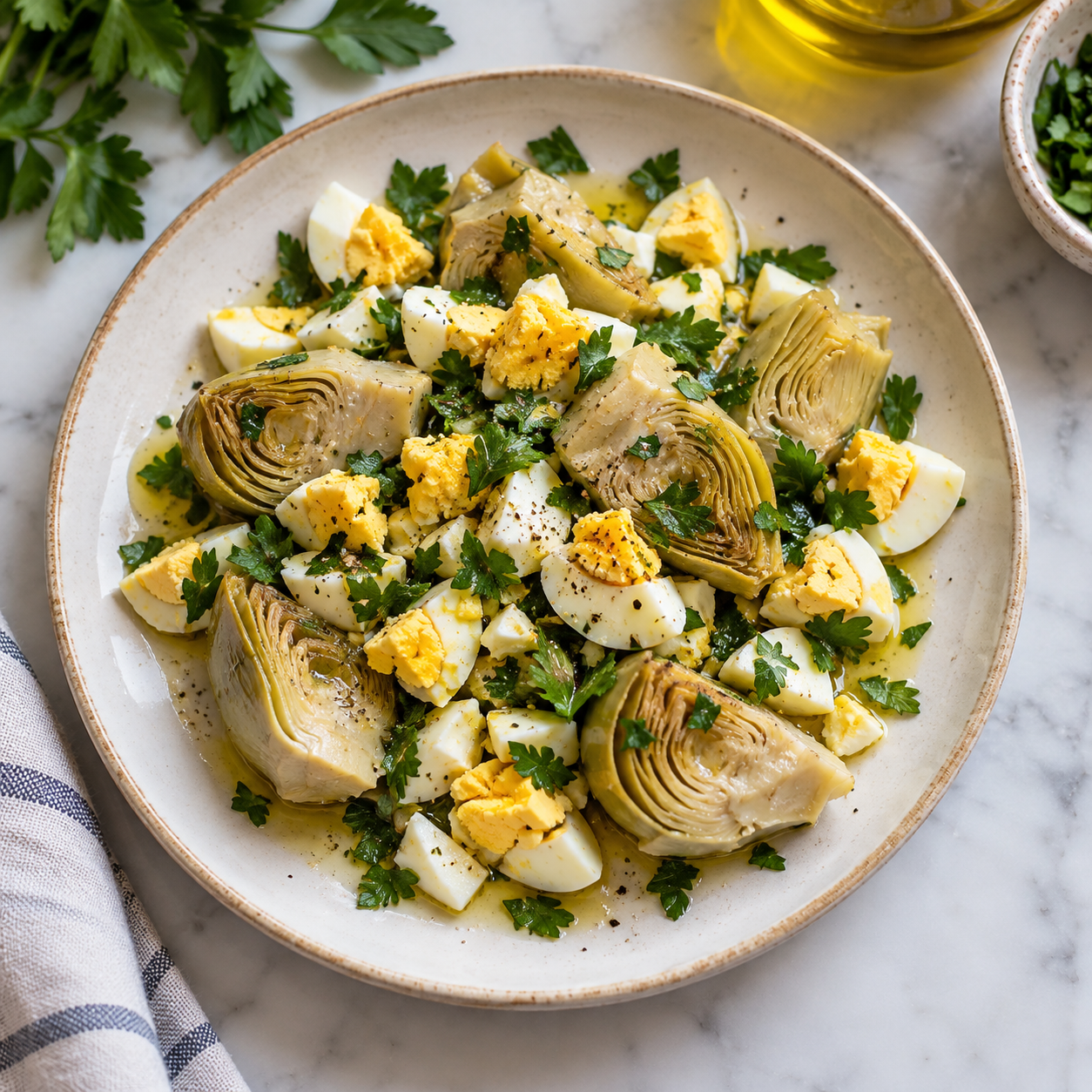
Artichoke hearts dressed with chopped hard-boiled egg and parsley.
010 · Roman · Roman imperial tradition; surviving compilation approximately 4th–5th centuries CE

Artichoke Hearts with Chopped Egg

Jarred artichoke hearts and firm chopped egg form a quick, lightly dressed lunch plate.
historically informed adaptation
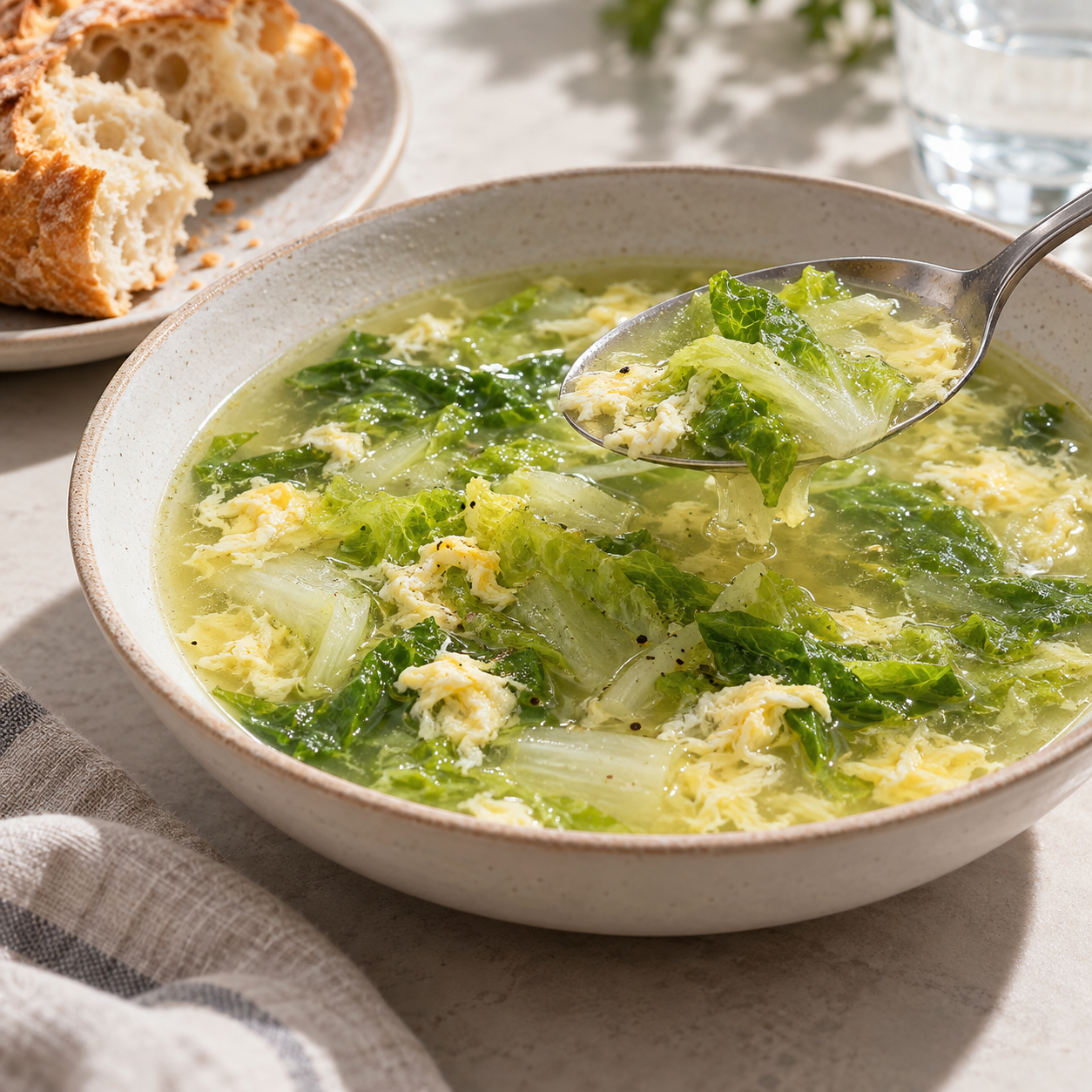
Warm pale-green lettuce soup with small cooked egg flecks.
011 · Roman · Roman imperial tradition; surviving compilation approximately 4th–5th centuries CE

Warm Lettuce and Egg Soup

Romaine ribs and leaves soften into a warm broth gently thickened with cooked eggs.
adapted surviving recipe
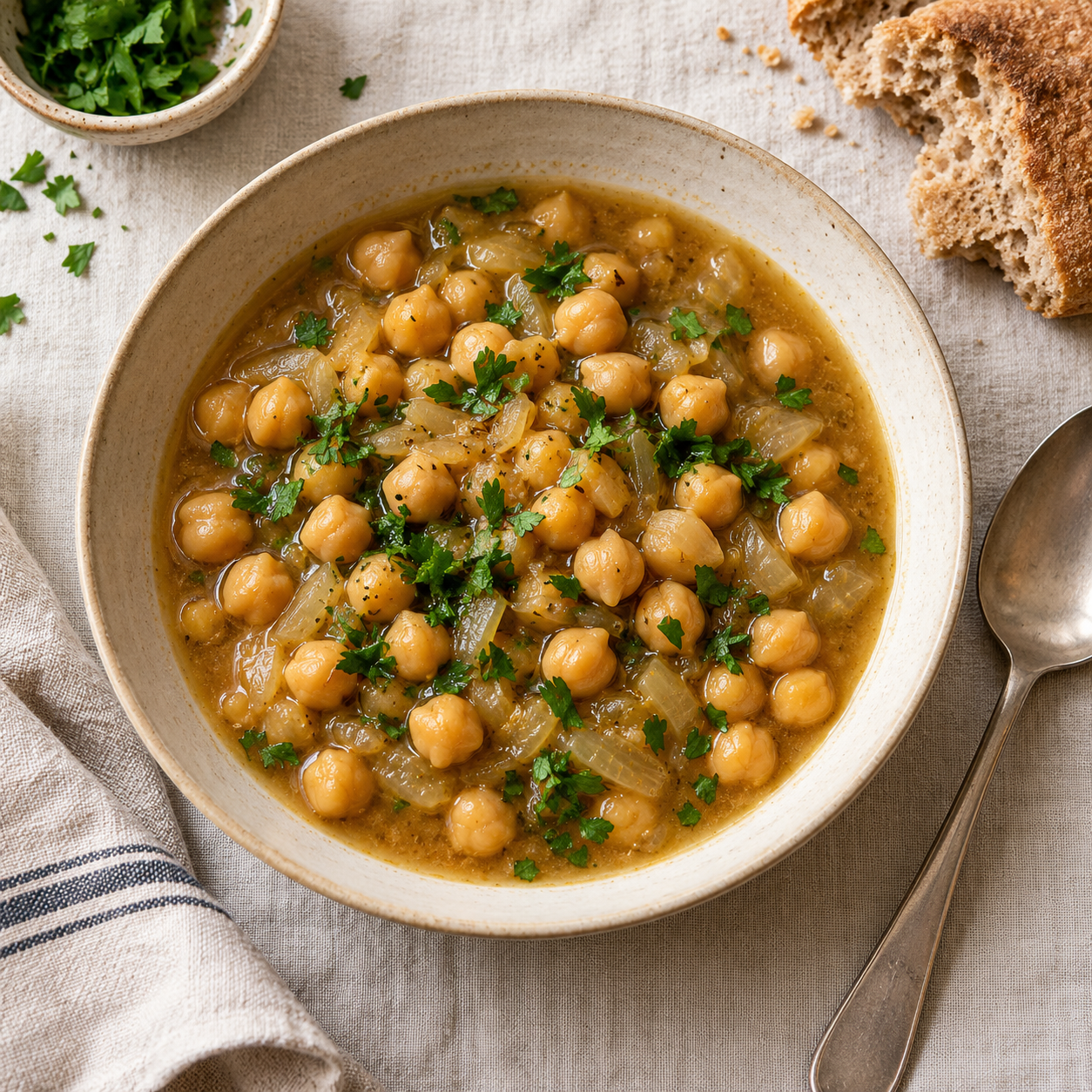
Whole chickpeas in a light cumin broth scattered with parsley.
012 · Roman · Roman imperial tradition; surviving compilation approximately 4th–5th centuries CE

Quick Chickpea and Cumin Soup

Canned chickpeas and softened onion become a lightly thickened cumin broth in one saucepan.
historically informed adaptation
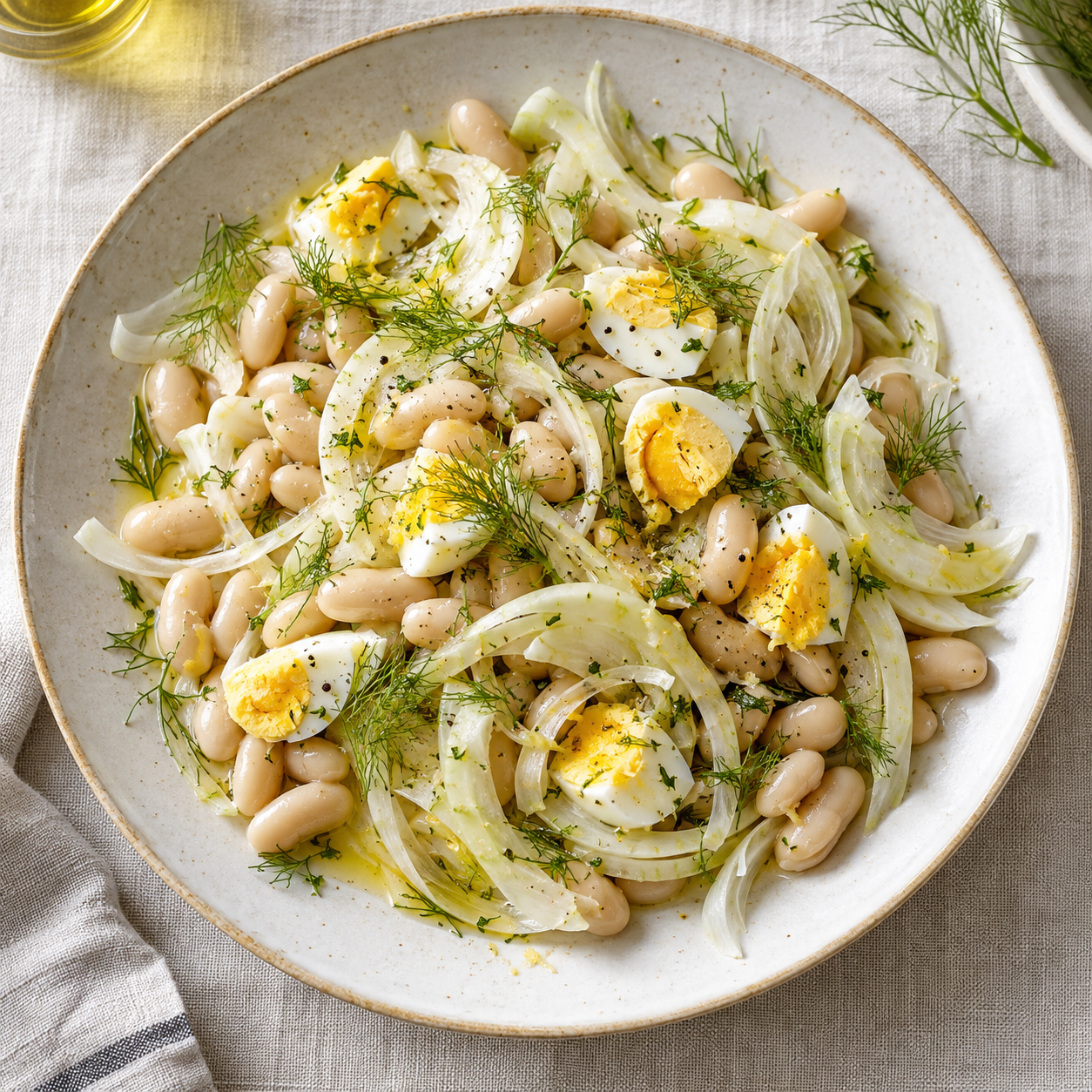
White beans, thin fennel and chopped hard-boiled egg with fennel fronds.
013 · Roman · Roman imperial tradition; surviving compilation approximately 4th–5th centuries CE

White Beans, Fennel and Egg Salad

White beans, thin fennel and hard-boiled eggs make a cool, filling salad with a sweet-sharp dressing.
historically informed adaptation
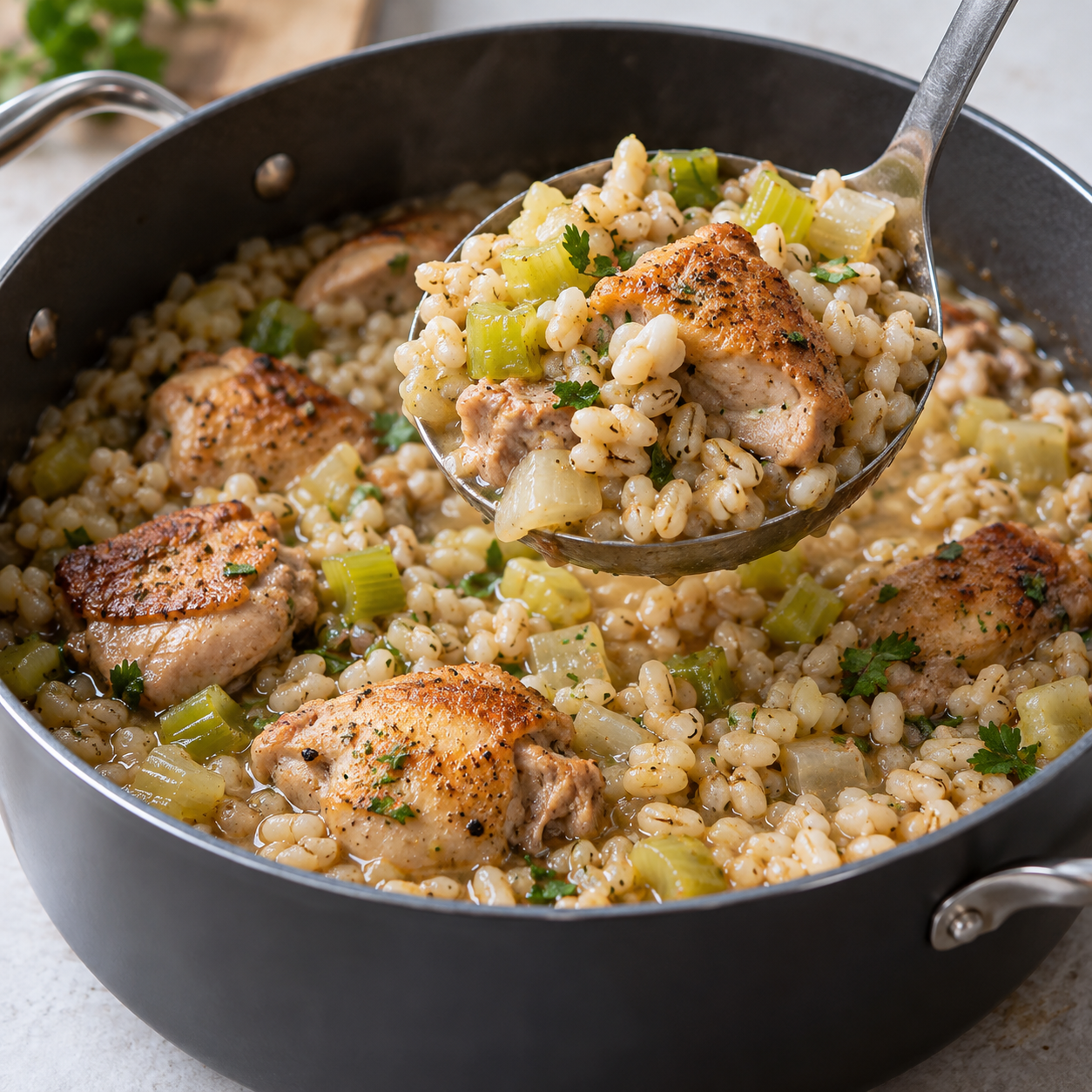
Chicken pieces and soft cooked grain in a moist one-pot bowl; barley substitution shown.
014 · Roman · Roman imperial tradition; surviving compilation approximately 4th–5th centuries CE

Chicken and Wheat One-Pot Bowl

Chicken pieces and pearled wheat cook together in a moist pot flavoured with celery and thyme.
historically informed adaptation
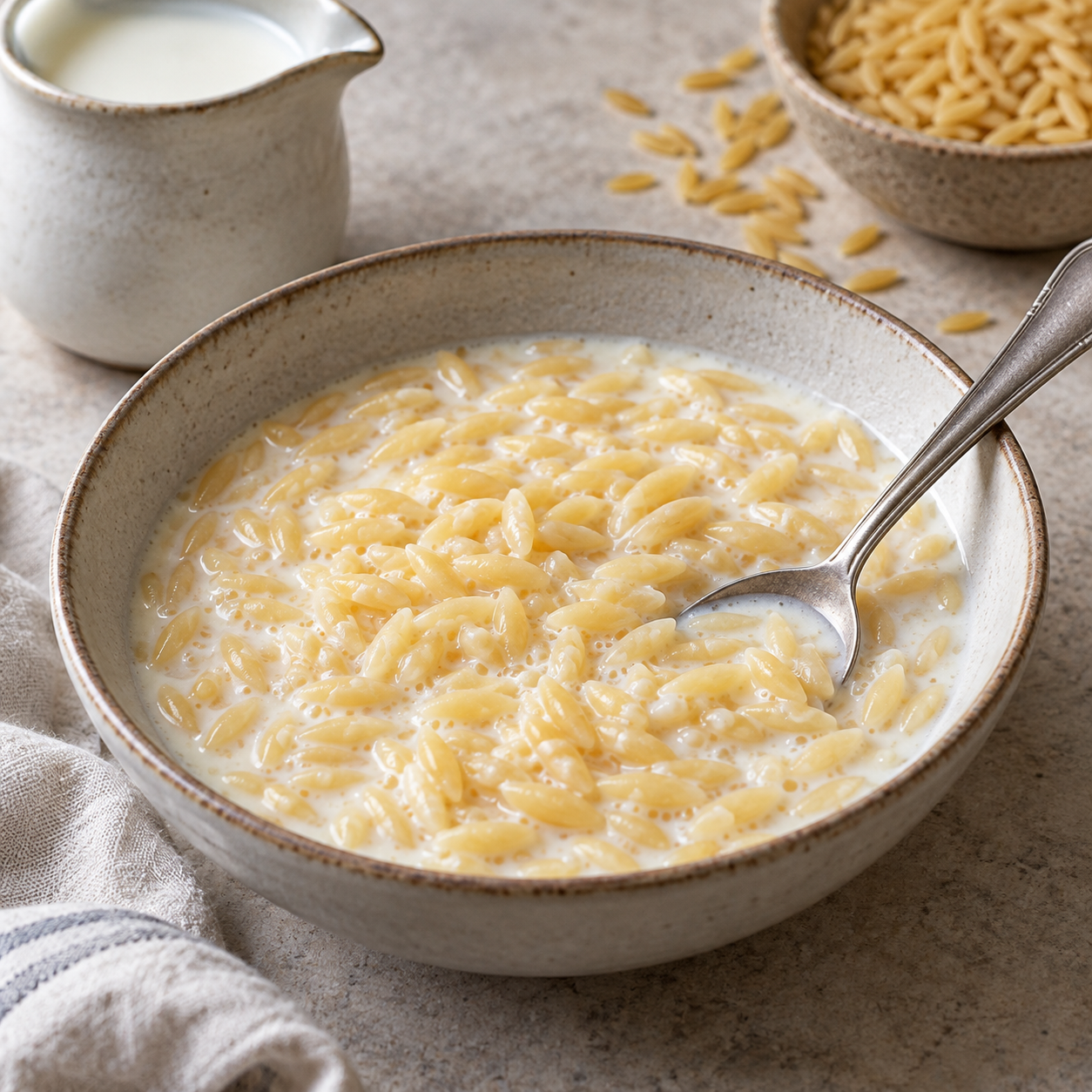
Small pasta pieces in a loose creamy milk breakfast bowl.
015 · Roman · Roman imperial tradition; surviving compilation approximately 4th–5th centuries CE

Milk Pasta Breakfast Bowl

Small dried pasta simmers slowly in milk for a soft breakfast with an optional honey finish.
historically informed adaptation
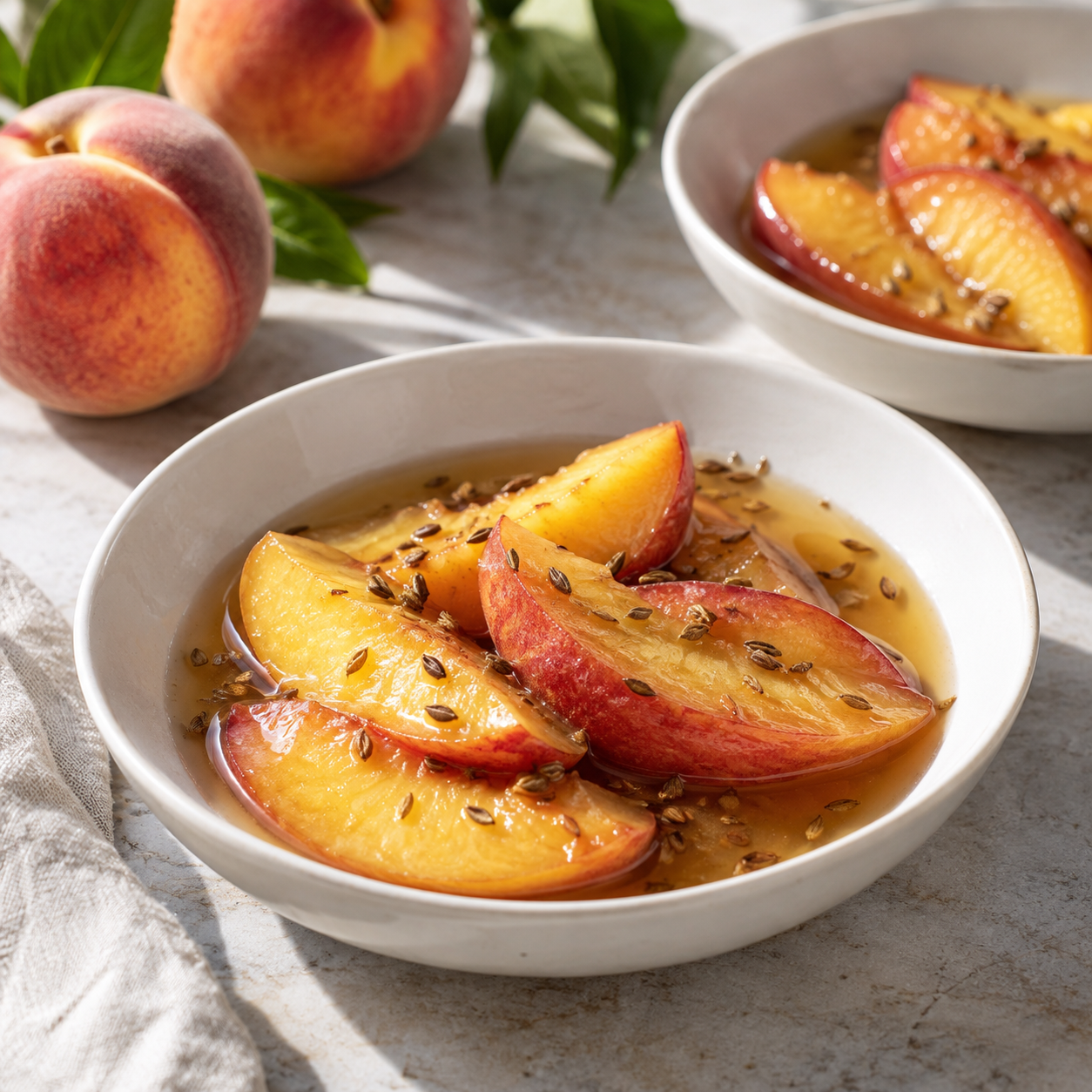
Warm peach slices in a little translucent cumin wine sauce.
016 · Roman · Roman imperial tradition; surviving compilation approximately 4th–5th centuries CE

Warm Peaches in Cumin Wine

Firm peach slices warm briefly in cumin wine, keeping their shape in a light fruit sauce.
adapted surviving recipe
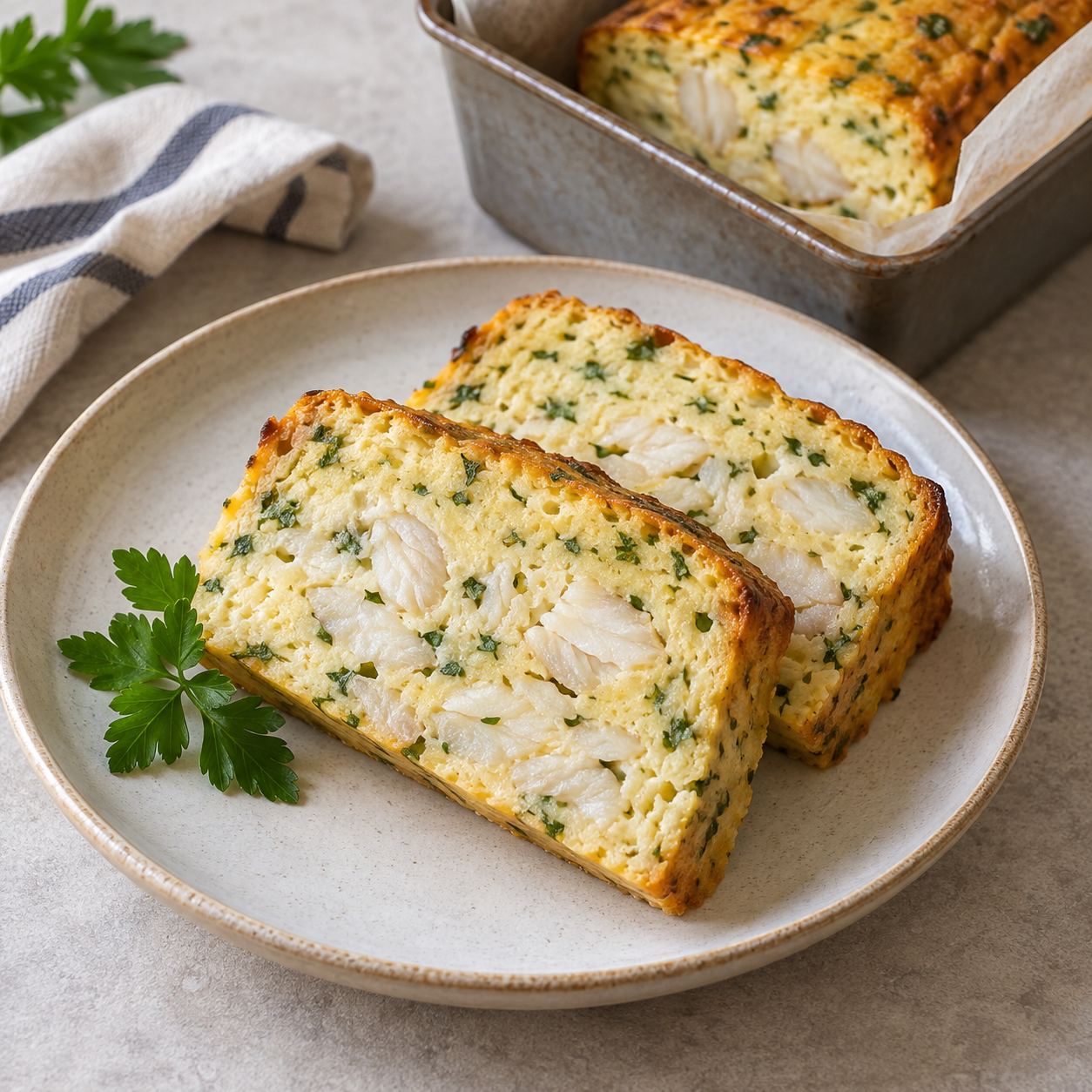
Sliced cooked egg terrine with white-fish flakes and parsley.
017 · Roman · Roman imperial tradition; surviving compilation approximately 4th–5th centuries CE

Baked White-Fish and Egg Terrine

Cooked white-fish flakes and eggs bake gently into a moist terrine that cuts into thick slices.
adapted surviving recipe
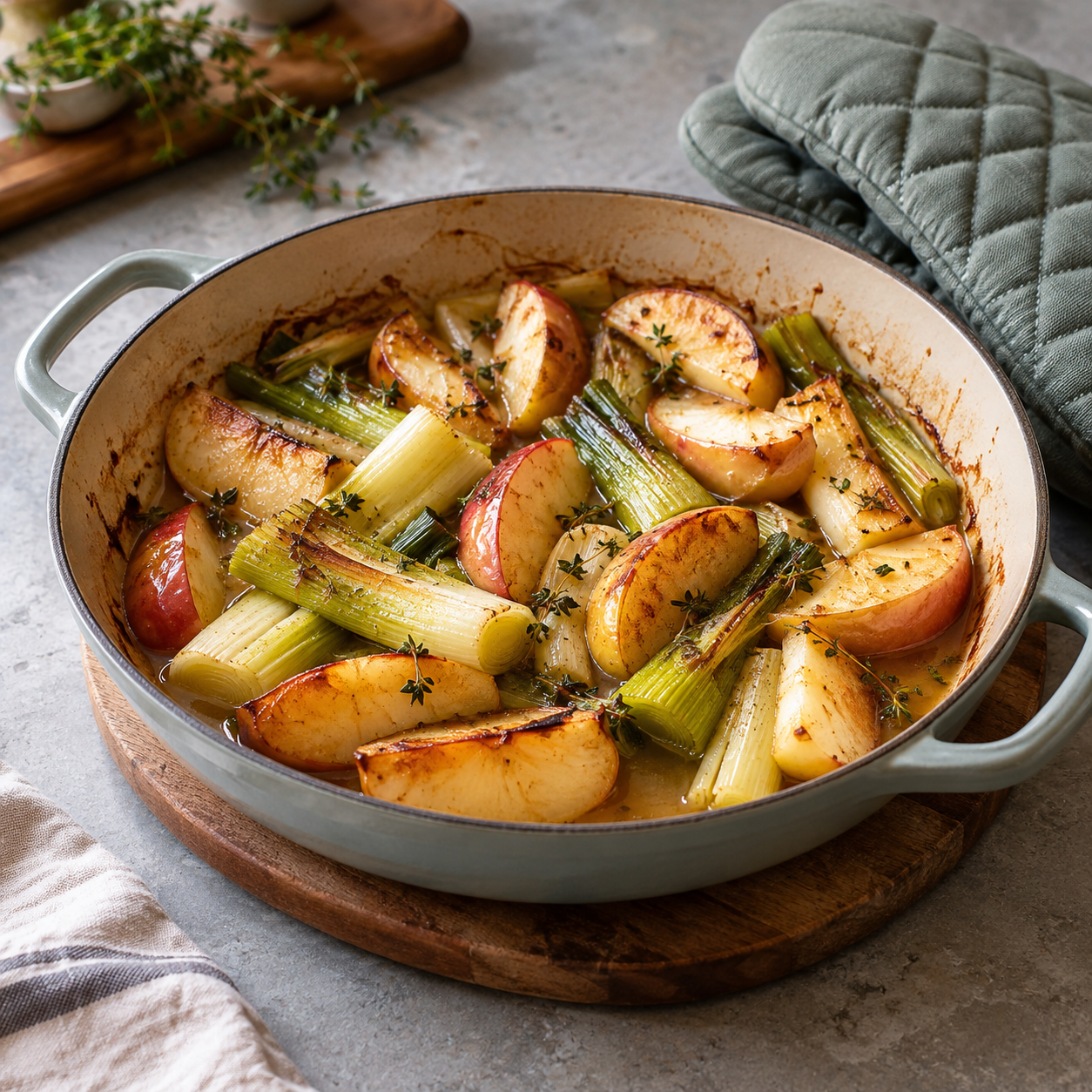
Baked apple wedges and leek lengths in a shallow casserole.
018 · Roman · Roman imperial tradition; surviving compilation approximately 4th–5th centuries CE

Apple and Leek Casserole from a Quince Recipe

Firm apples replace seasonal quinces in a lightly honeyed casserole with tender leeks.
historically informed adaptation
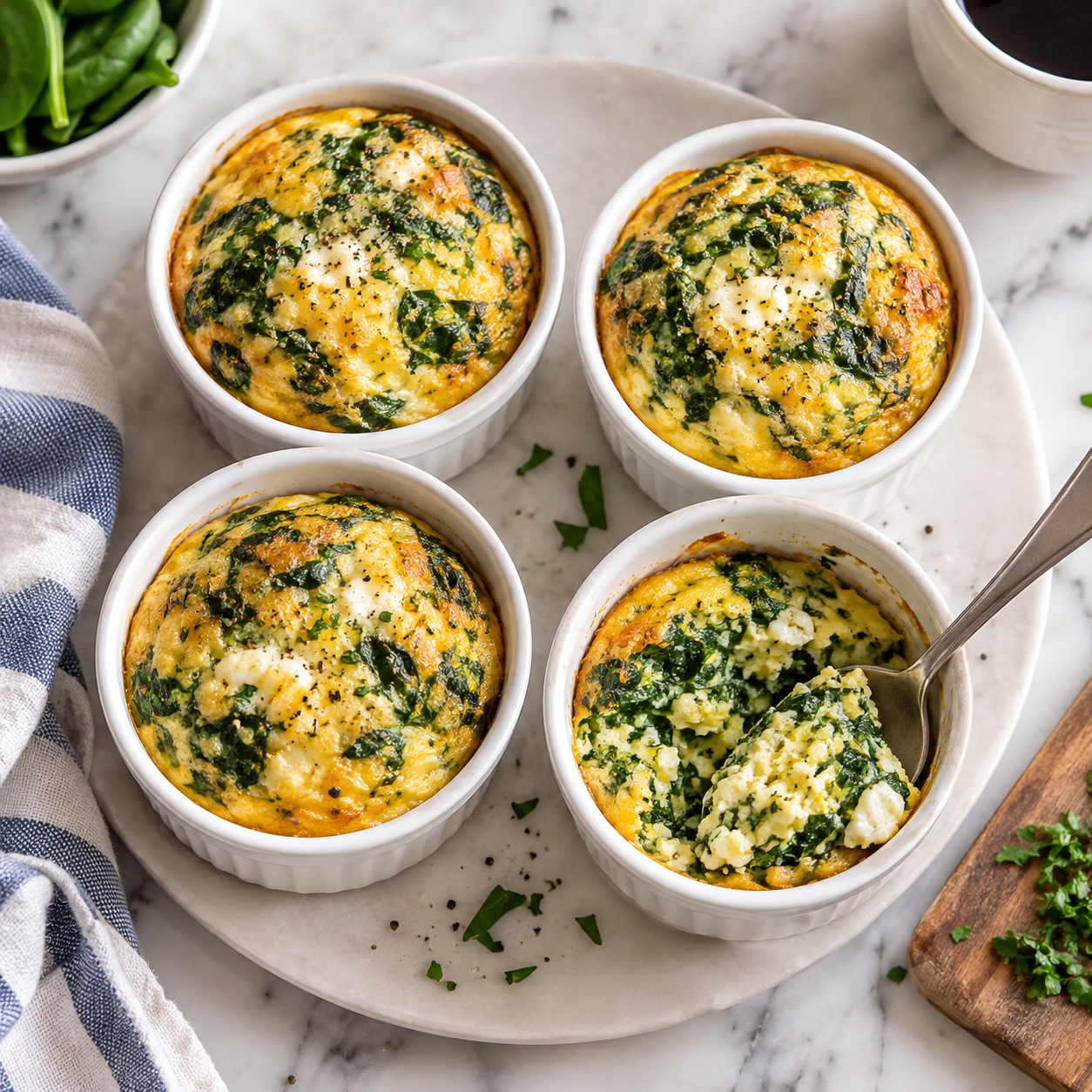
Four baked spinach egg cups with a spoon showing their set interior.
019 · Roman · Roman imperial tradition; surviving compilation approximately 4th–5th centuries CE

Individual Spinach and Egg Cups

Drained spinach and eggs bake into individual cups with clear, fully set centres.
historically informed adaptation
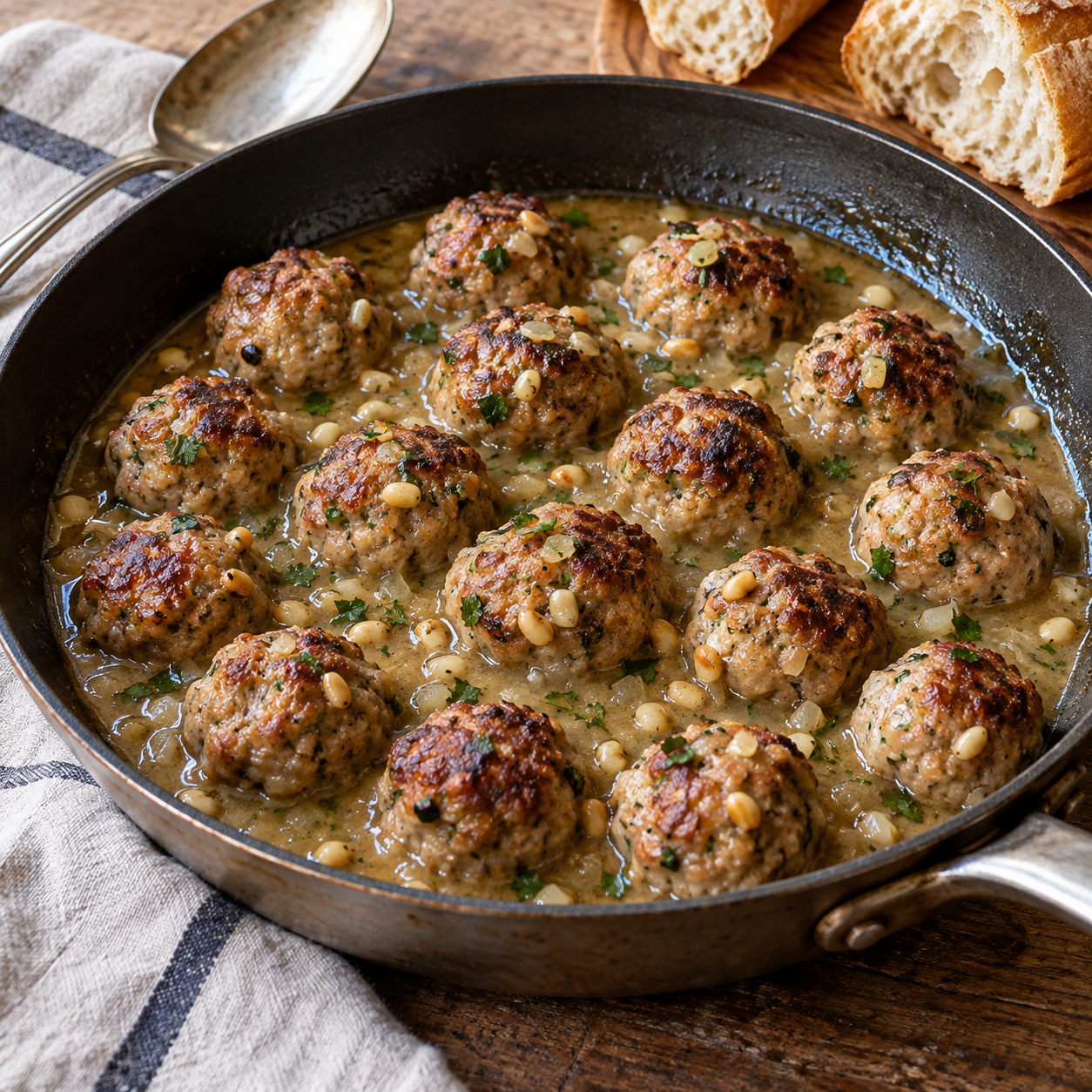
Small browned pork and pine-nut meatballs in light wine gravy.
020 · Roman · Roman imperial tradition; surviving compilation approximately 4th–5th centuries CE

Pork and Pine-Nut Meatballs

Ground pork, crumbs and chopped nuts form small browned meatballs finished in a light wine gravy.
adapted surviving recipe
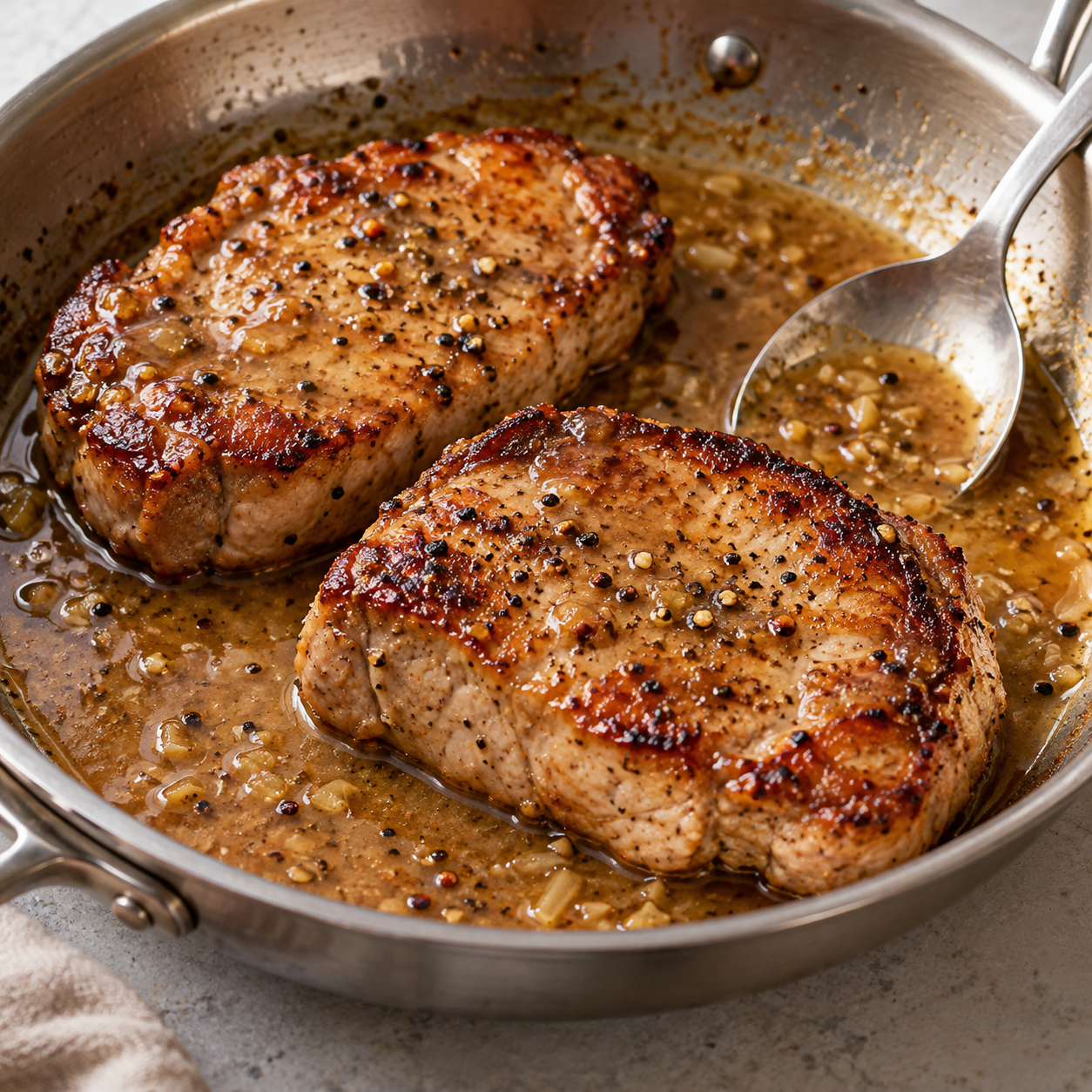
Browned pork chops with a little light pan gravy.
021 · Roman · Roman imperial tradition; surviving compilation approximately 4th–5th centuries CE

Hunter-Style Pork Chops

Even pork chops brown in a pan, then finish in a lightly sweet aromatic gravy.
adapted surviving recipe
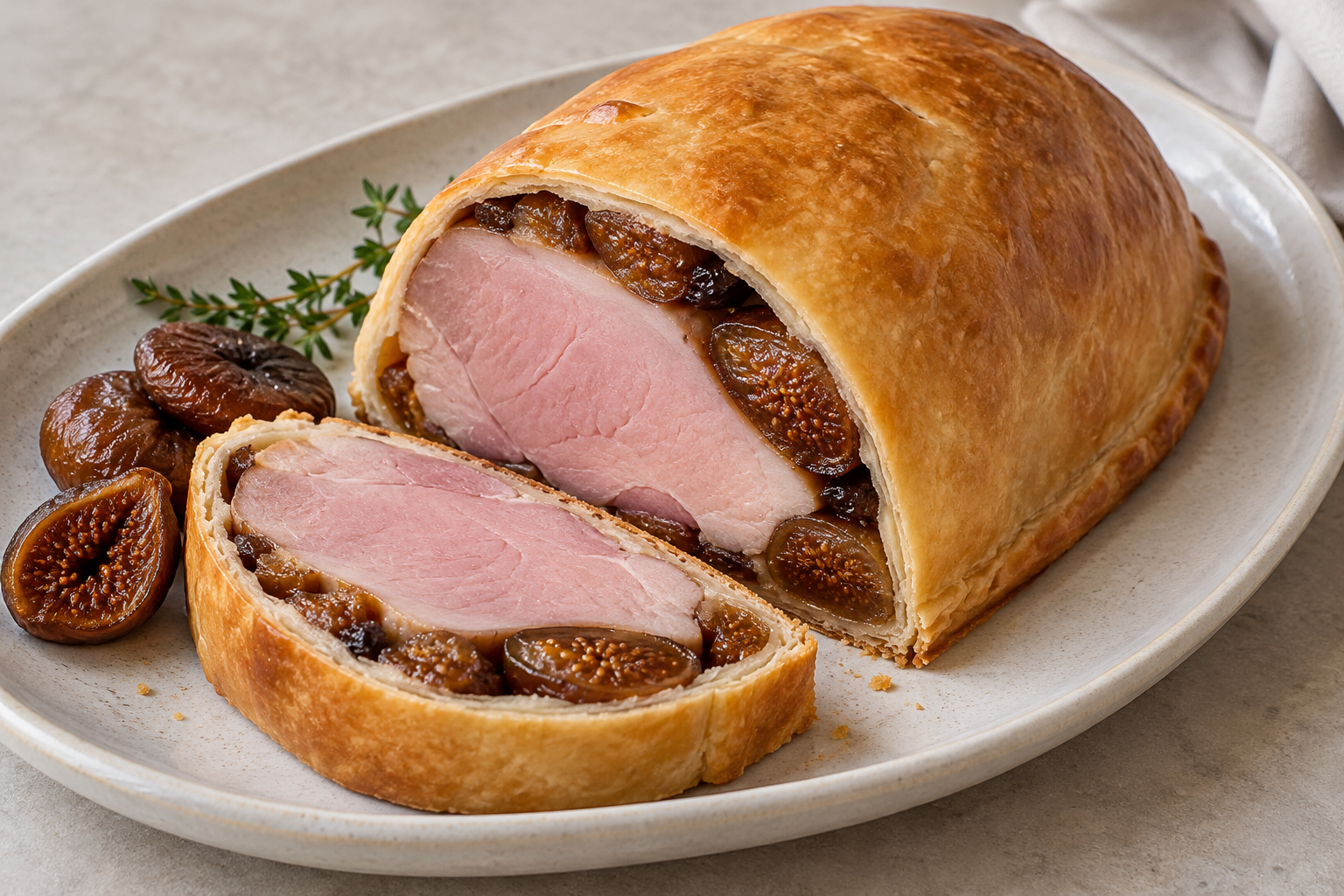
Golden pastry parcel cut open to reveal cooked ham and softened figs.
022 · Roman · Roman imperial tradition; surviving compilation approximately 4th–5th centuries CE

Fig Ham in a Simple Pastry Crust

Fully cooked ham and soft figs bake inside a simple flour-and-oil crust for a generous meal.
adapted surviving recipe
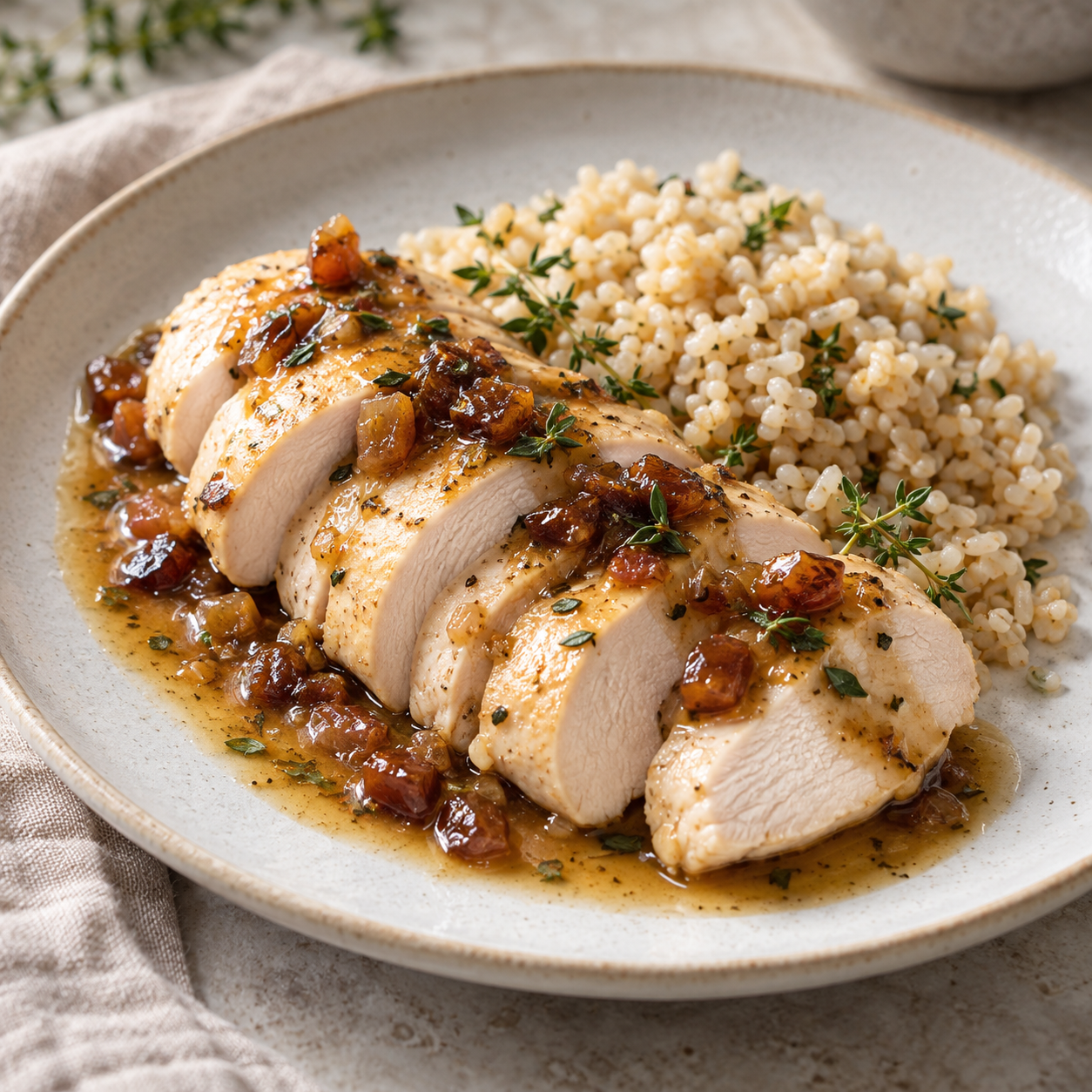
Sliced poached chicken covered with a light date and thyme sauce.
023 · Roman · Roman imperial tradition; surviving compilation approximately 4th–5th centuries CE

Poached Chicken with Date and Thyme Sauce

Gently poached chicken serves with a pourable date sauce scented with thyme, cumin and fennel.
adapted surviving recipe
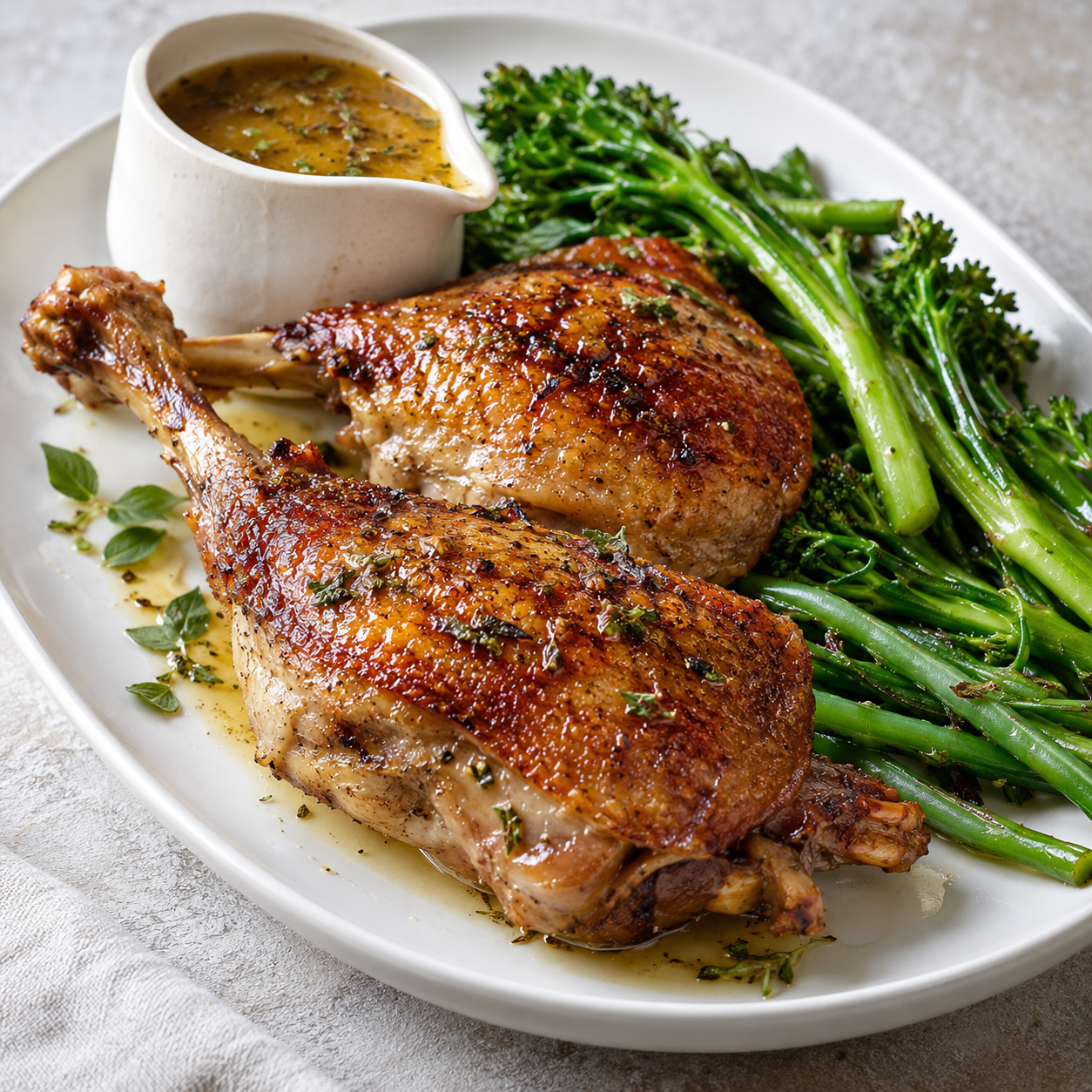
Crisp roasted duck legs with a small jug of honey and oregano gravy.
024 · Roman · Roman imperial tradition; surviving compilation approximately 4th–5th centuries CE

Roast Duck Legs with Honey and Oregano Gravy

Duck legs roast until tender and crisp, with a small honey-vinegar oregano gravy served alongside.
adapted surviving recipe
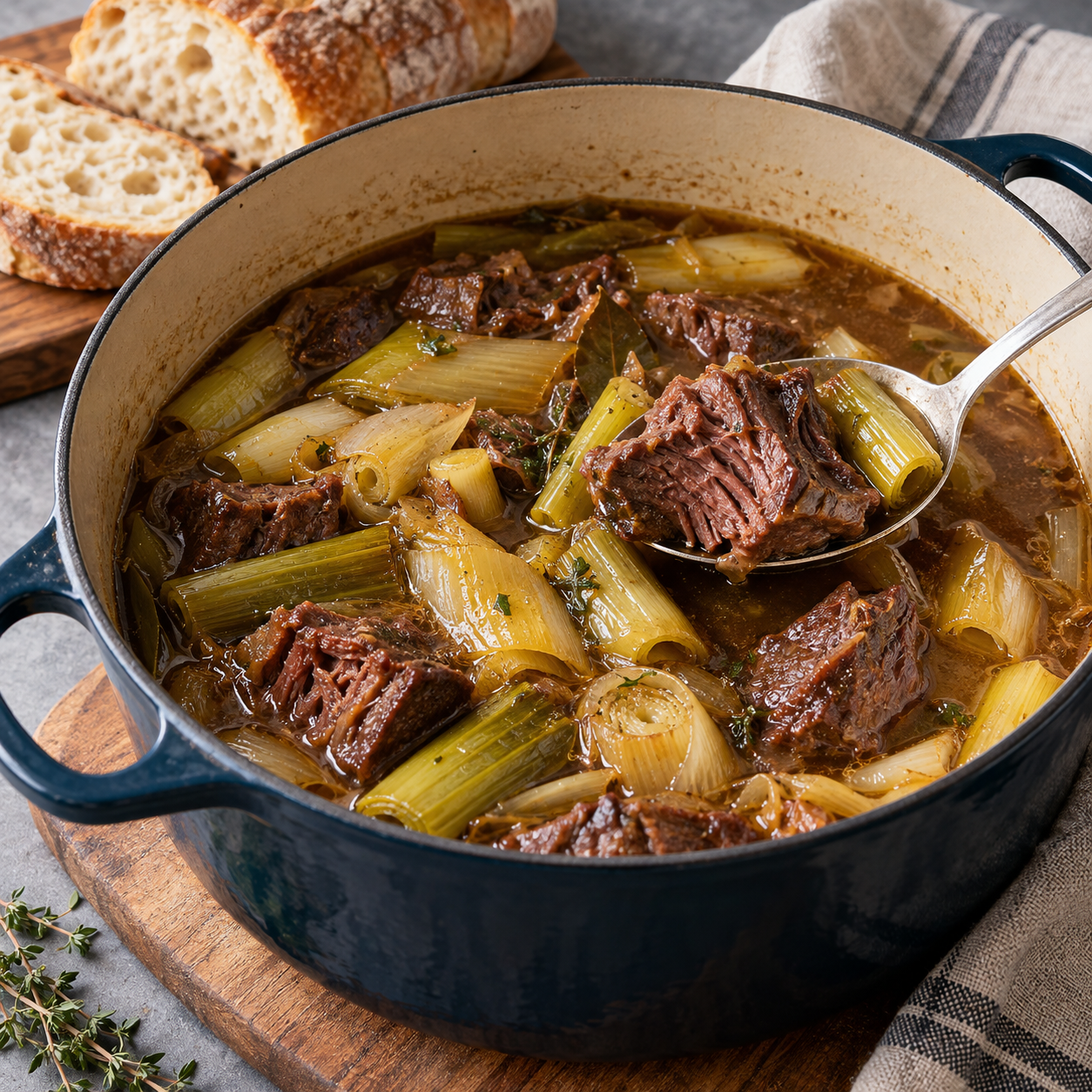
Slow-cooked beef chunks and soft leeks in brown braising broth.
025 · Roman · Roman imperial tradition; surviving compilation approximately 4th–5th centuries CE

Slow Beef and Leek Braise

An economical beef cut cooks slowly with washed leeks until tender enough for a fork.
adapted surviving recipe
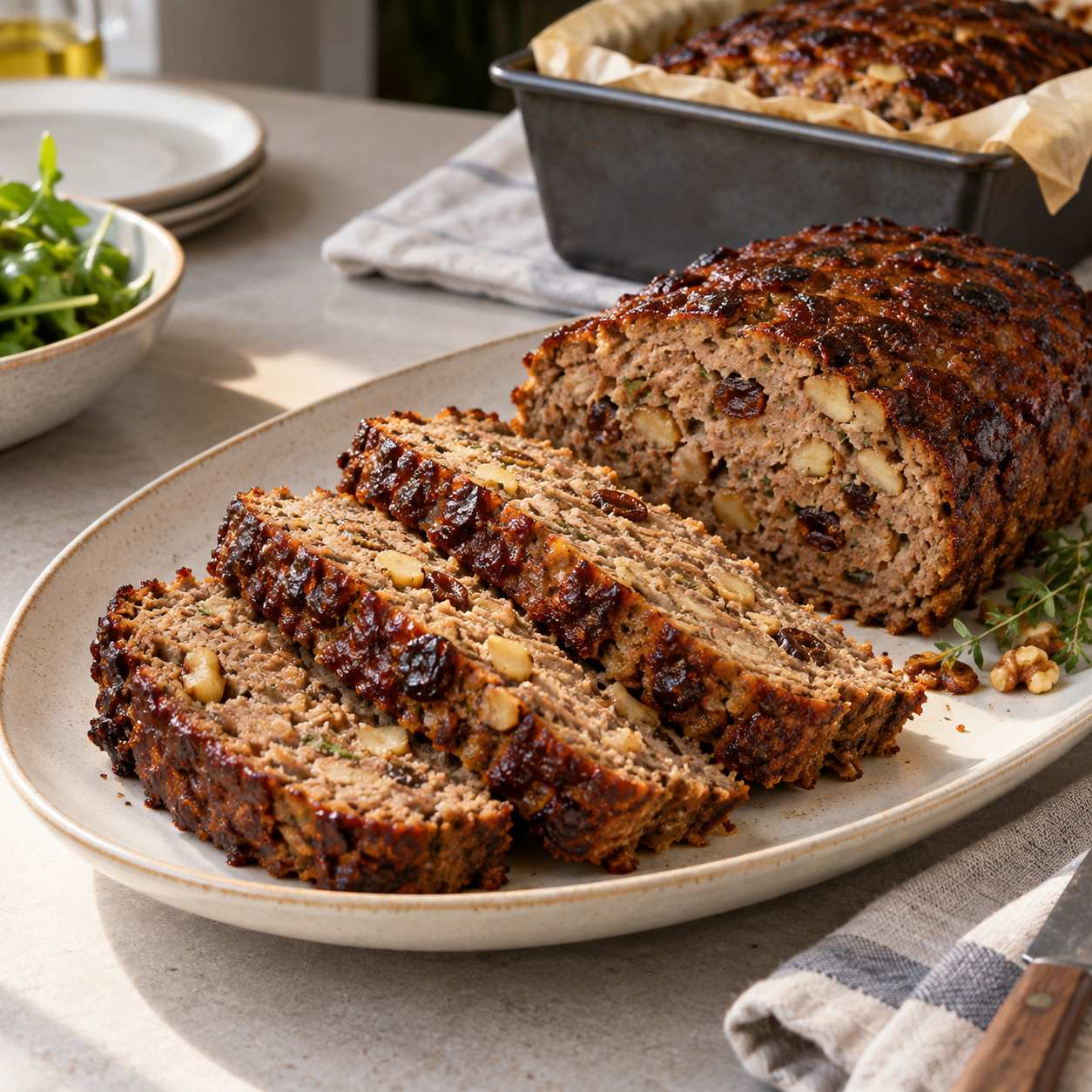
Cooked lamb meatloaf slices with small walnut and date pieces.
026 · Roman · Roman imperial tradition; surviving compilation approximately 4th–5th centuries CE

Lamb and Nut Meatloaf Inspired by Stuffed Hare

Ground lamb, chopped nuts and date flecks bake as a sliceable modern loaf inspired by hare forcemeat.
historically informed adaptation
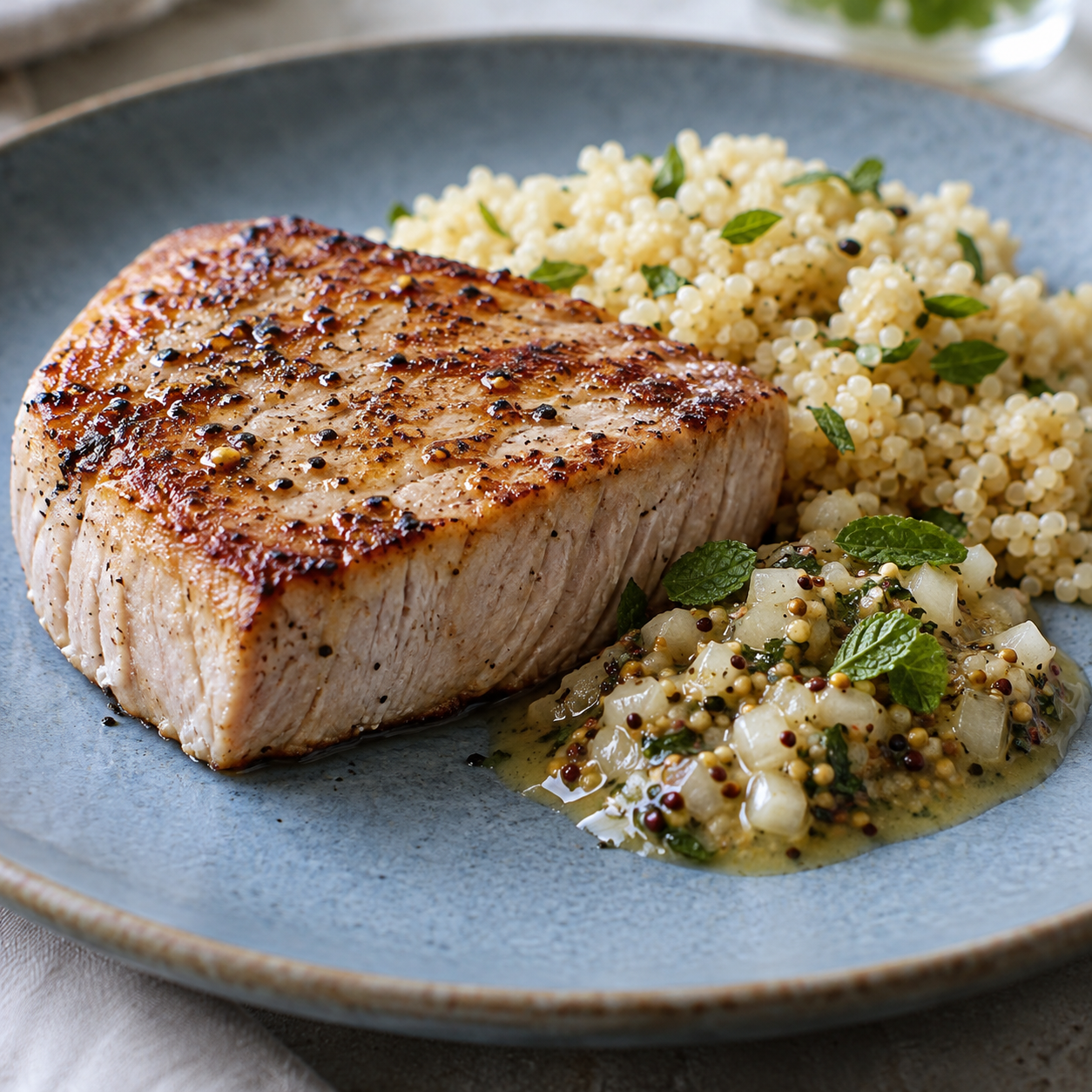
Cooked tuna steak with onion, mint and mustard sauce.
027 · Roman · Roman imperial tradition; surviving compilation approximately 4th–5th centuries CE

Pan-Cooked Tuna with Mint and Mustard Sauce

Cooked-through tuna steaks meet a quick onion sauce with mint, cumin and mustard.
adapted surviving recipe
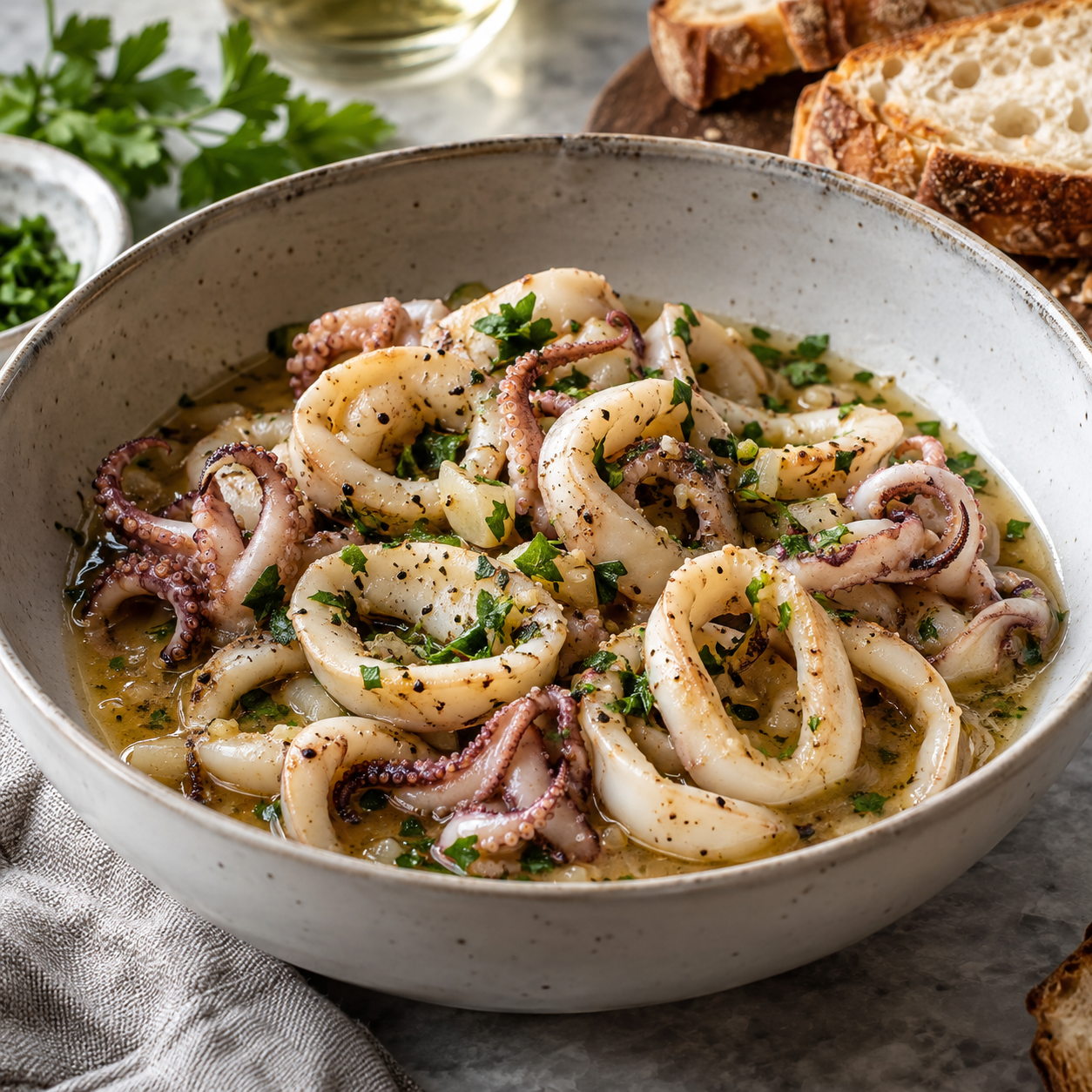
Cooked squid rings and tentacles in a light peppery wine sauce.
028 · Roman · Roman imperial tradition; surviving compilation approximately 4th–5th centuries CE

Tender Squid in Peppery Wine Sauce

Cleaned squid rings simmer patiently in peppery wine until tender, with parsley added at the end.
adapted surviving recipe
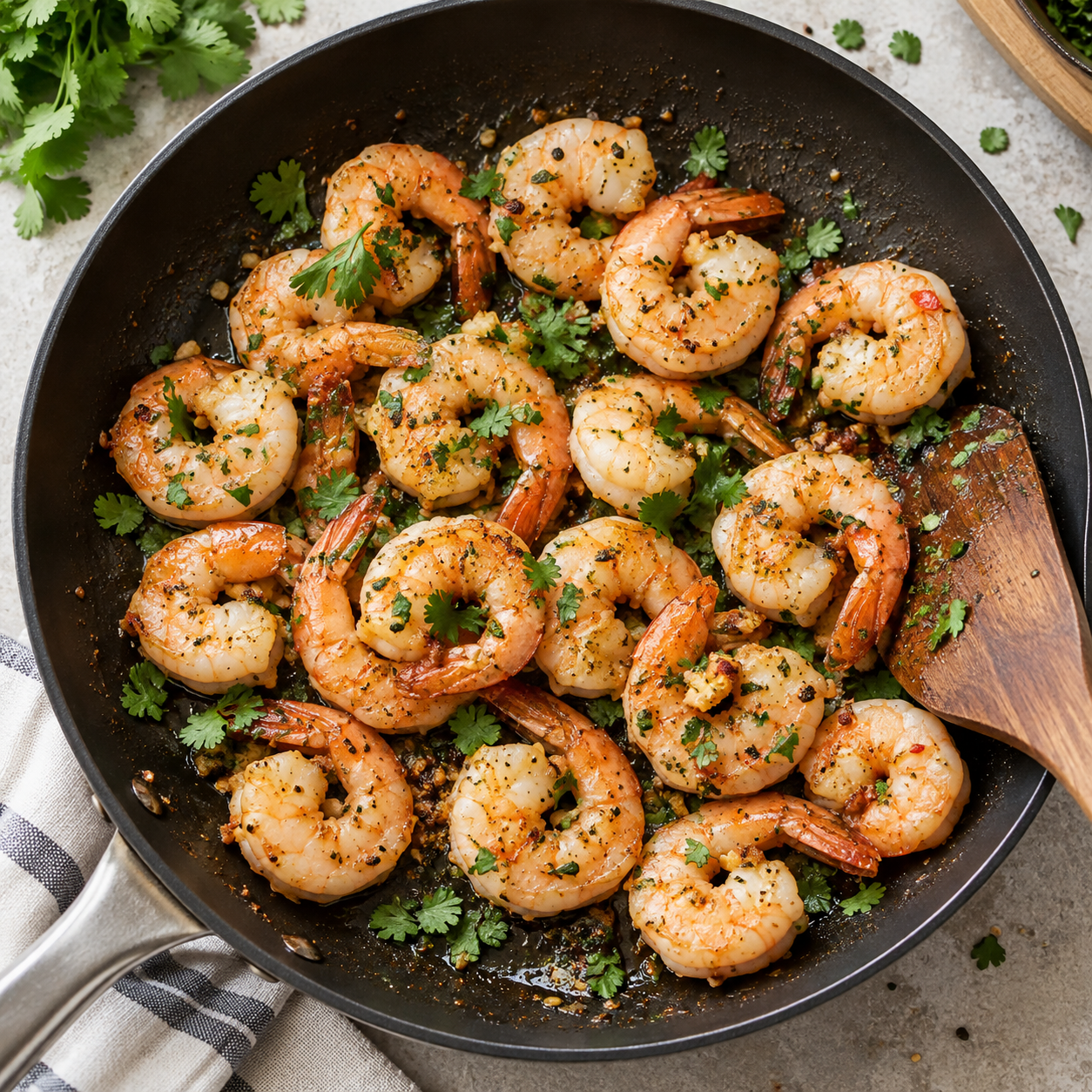
Opaque pink cooked prawns with fresh coriander in a skillet.
029 · Roman · Roman imperial tradition; surviving compilation approximately 4th–5th centuries CE

Quick Coriander Prawns

Raw peeled prawns cook quickly in a hot pan and finish with fresh coriander and a splash of vinegar.
historically informed adaptation
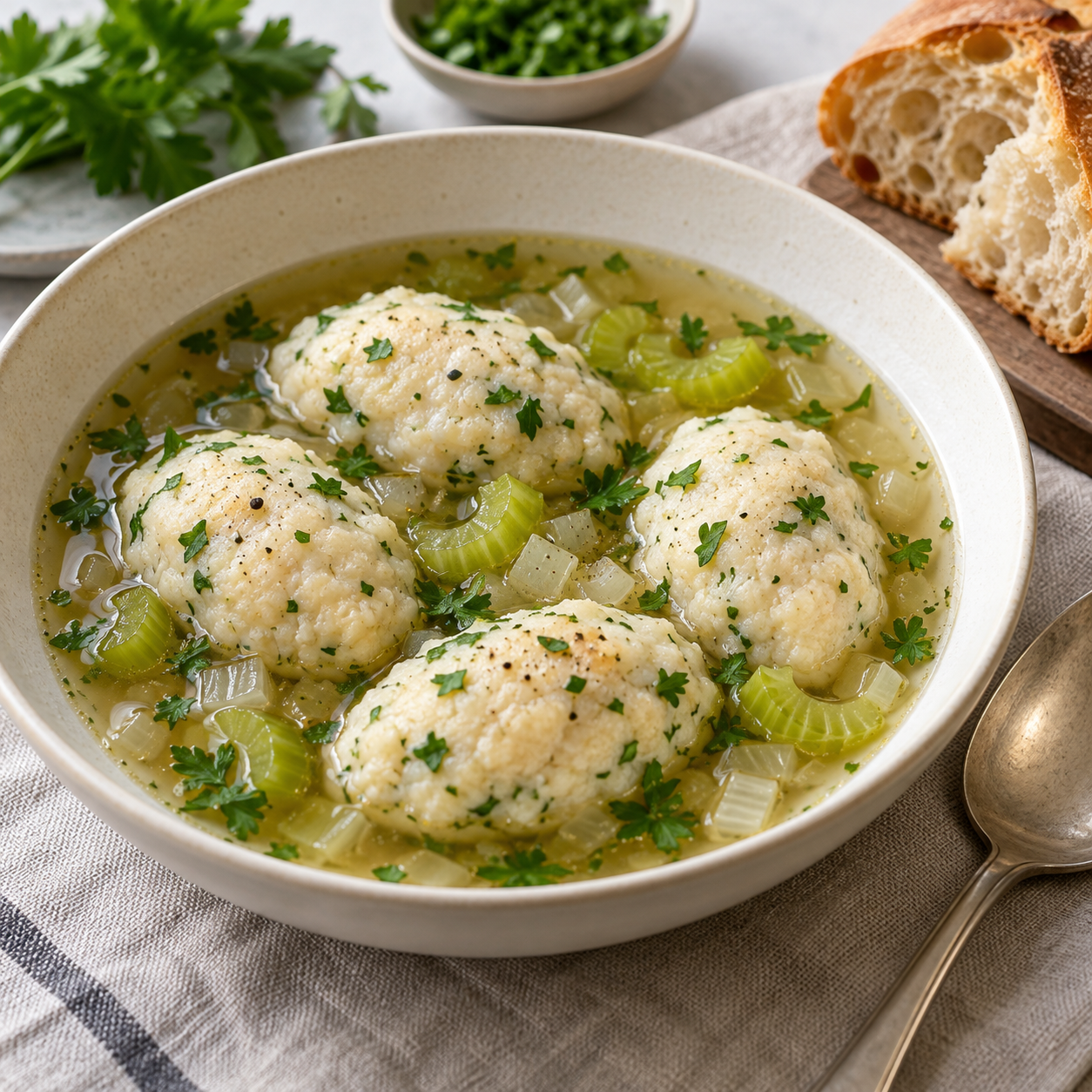
Four pale poached fish dumplings in clear celery broth.
030 · Roman · Roman imperial tradition; surviving compilation approximately 4th–5th centuries CE

Poached White-Fish Dumplings in Savoury Broth

Soft white-fish dumplings poach gently in a savoury celery broth without a fried crust.
historically informed adaptation
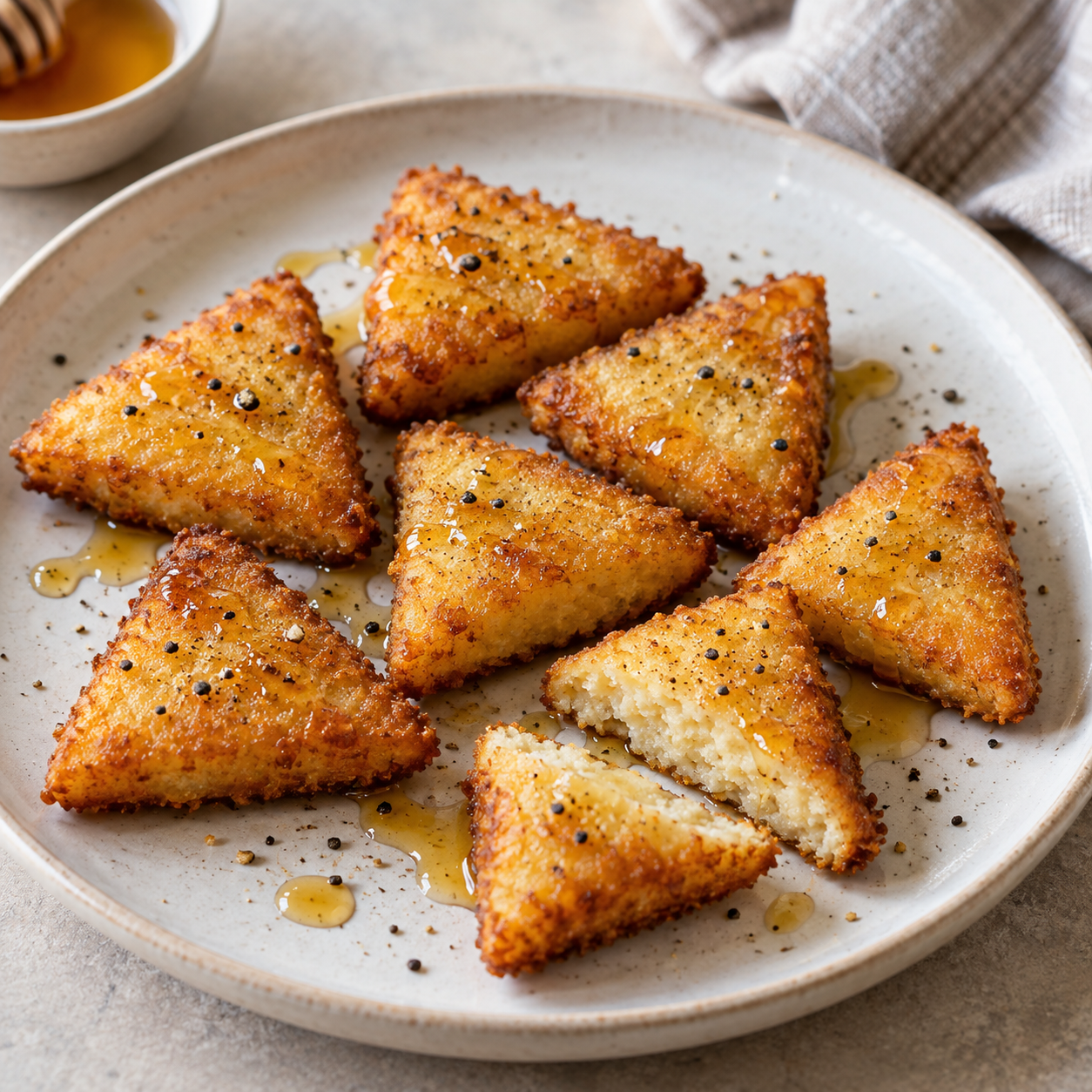
Golden semolina triangles with honey and a soft cooked interior.
031 · Roman · Roman imperial tradition; surviving compilation approximately 4th–5th centuries CE

Crisp Honey Semolina Triangles

Firm cooked semolina sets, cuts into triangles and shallow-fries before a honey and pepper finish.
adapted surviving recipe
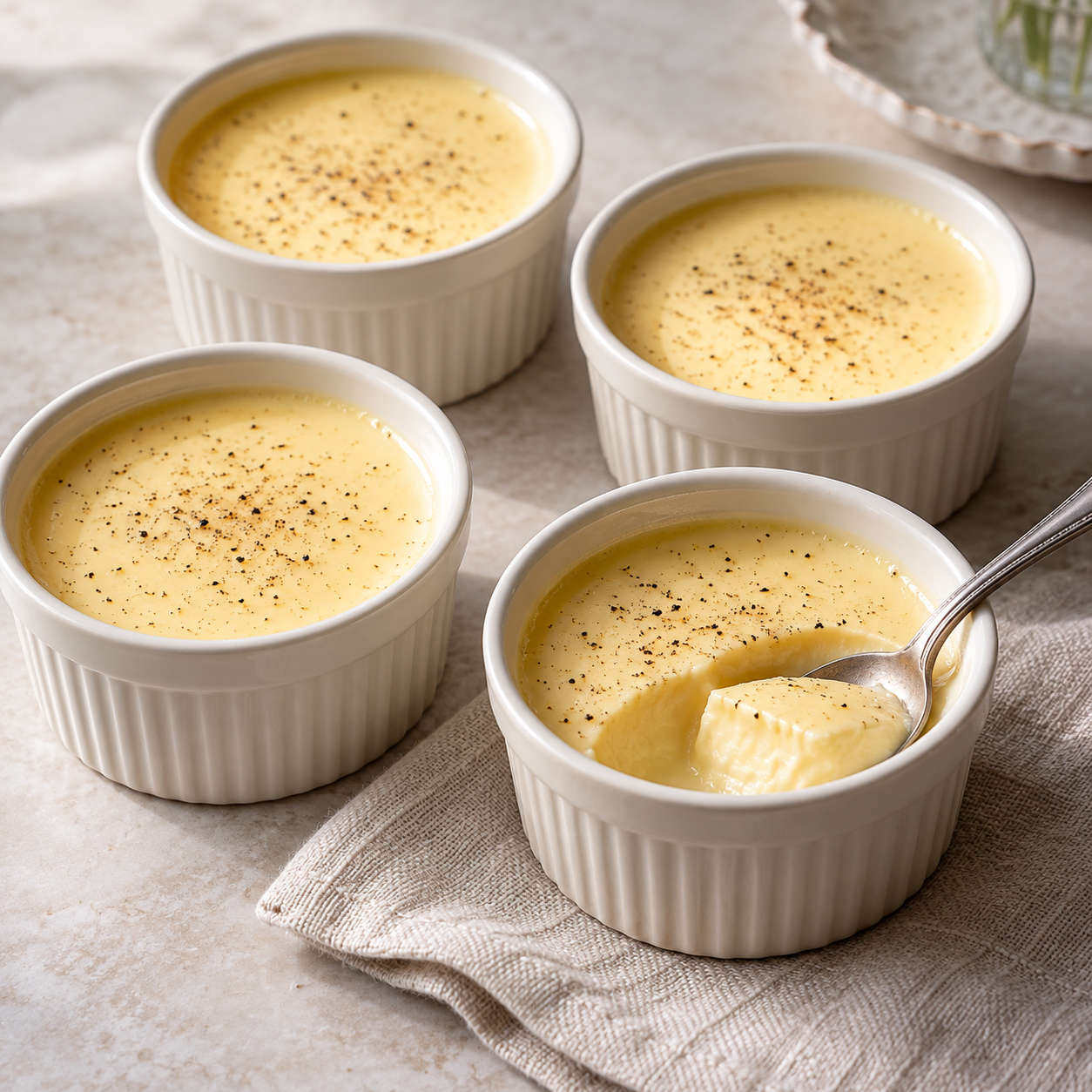
Smooth chilled honey milk custard with a fine pepper dusting.
032 · Roman · Roman imperial tradition; surviving compilation approximately 4th–5th centuries CE

Peppered Honey and Milk Pudding

Milk, eggs and honey bake gently in a water bath into a silky pudding served chilled with fine pepper.
adapted surviving recipe
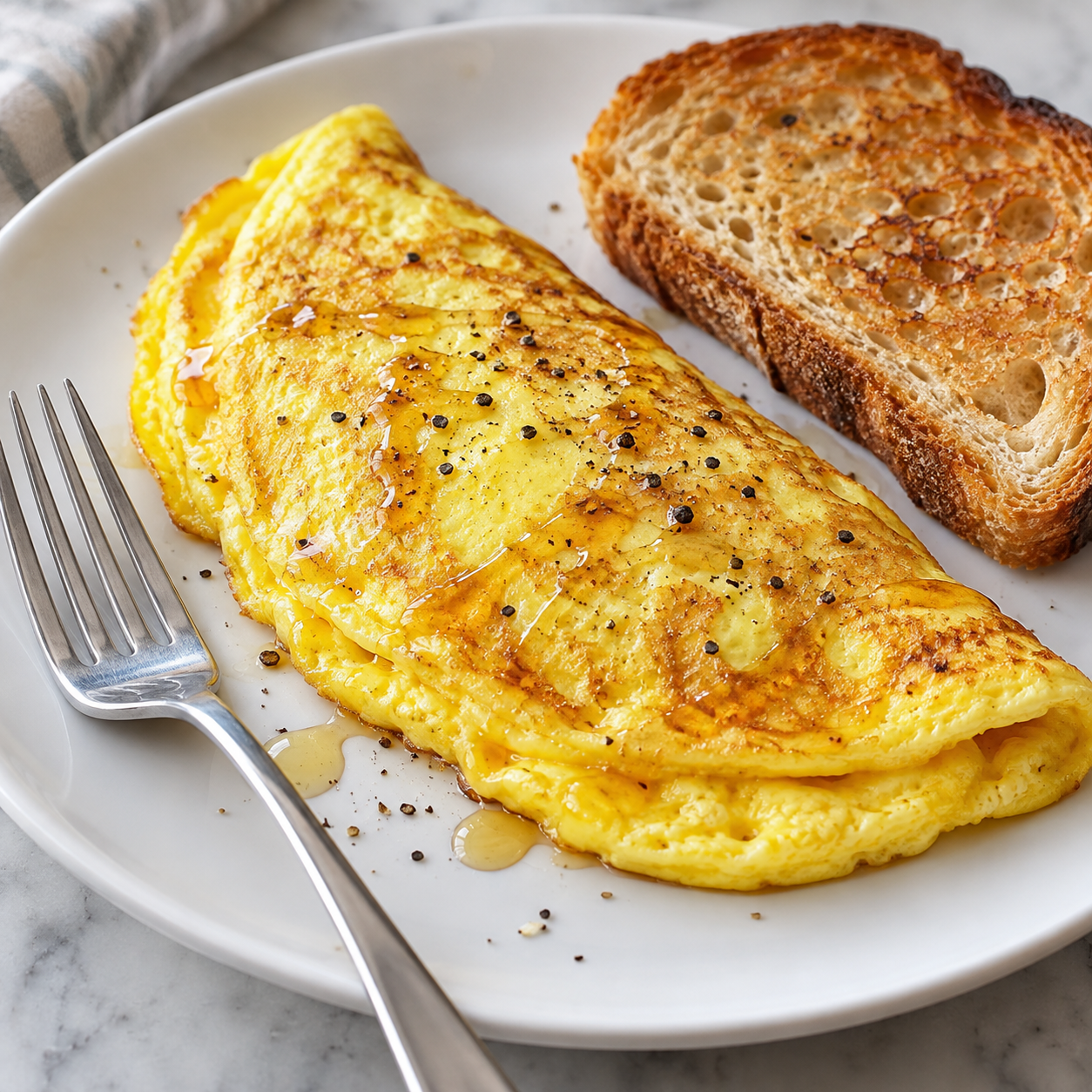
Soft folded cooked omelet drizzled with honey and fine pepper.
033 · Roman · Roman imperial tradition; surviving compilation approximately 4th–5th centuries CE

Soft Milk Omelet with Honey

A soft, fully set milk omelet serves warm with honey and a restrained dusting of pepper.
adapted surviving recipe
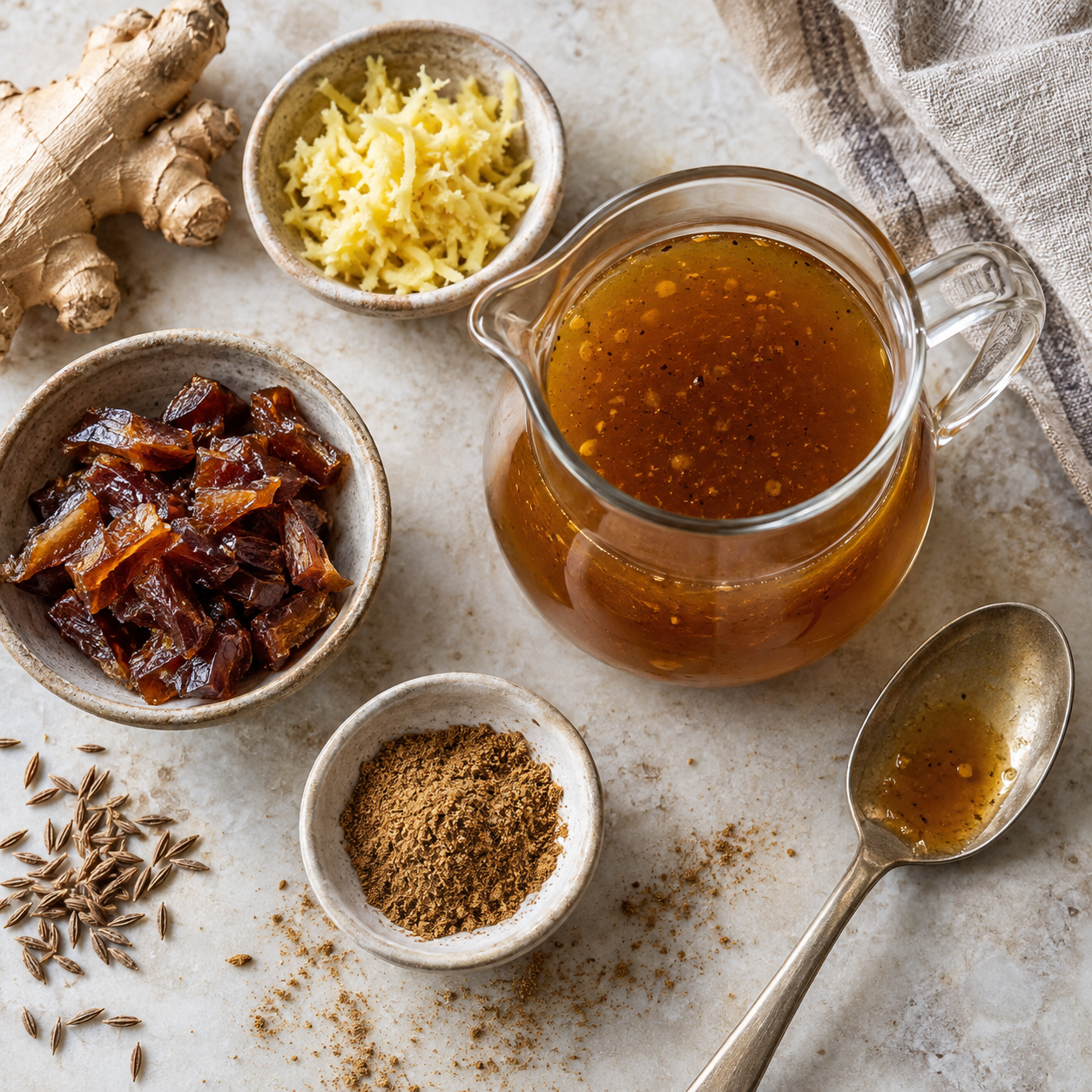
Amber ginger and cumin dressing beside ginger, dates and ground cumin.
034 · Roman · Roman imperial tradition; surviving compilation approximately 4th–5th centuries CE

Cumin and Ginger Vinegar Dressing

Ginger, dates and cumin simmer briefly with vinegar for a concentrated fresh vegetable dressing.
adapted surviving recipe
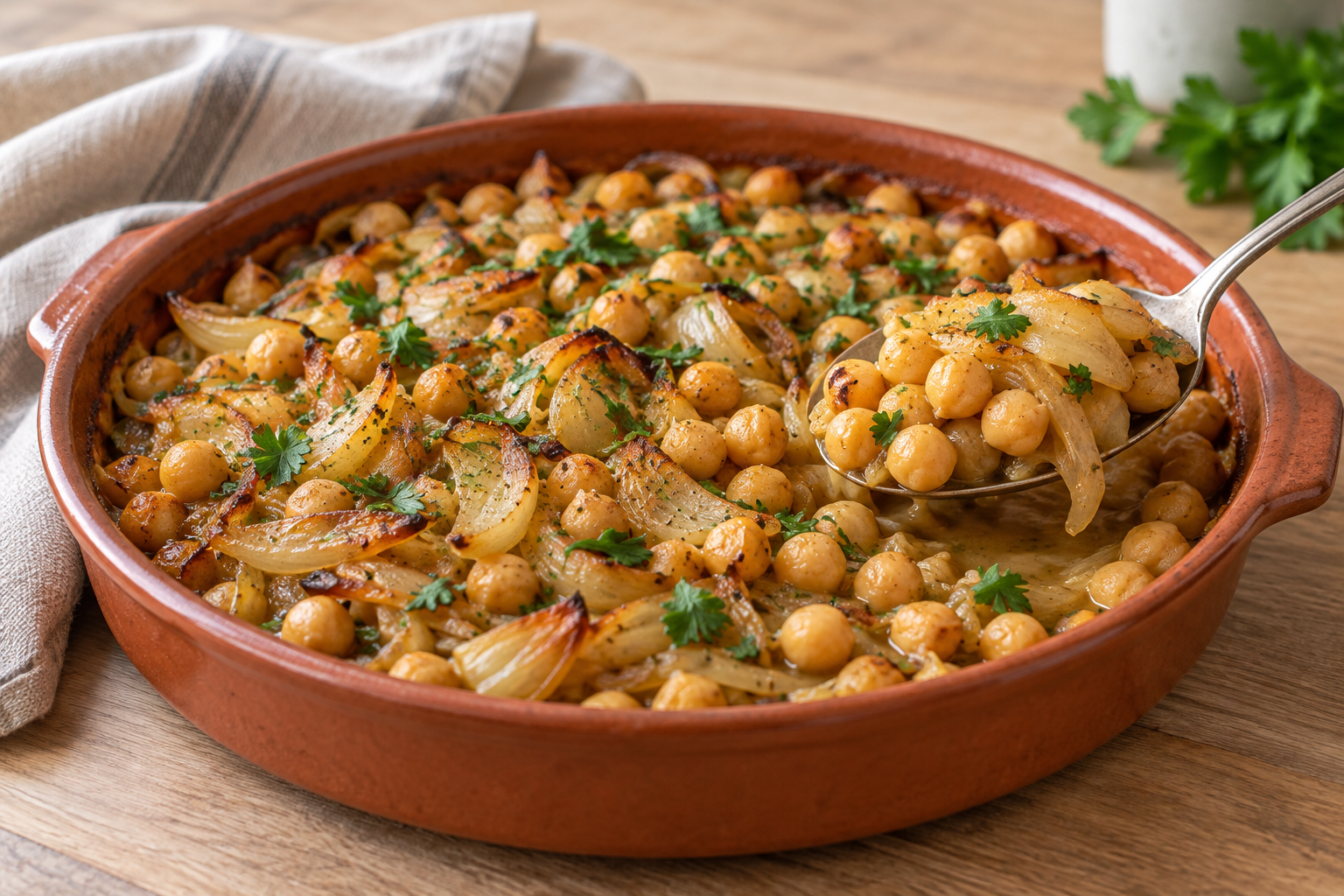
Golden chickpeas and softened onion in a shallow baking dish.
035 · Greek literary food traditions · Classical through Roman-era Greek food references, approximately 500 BCE–250 CE

Chickpeas Under a Golden Onion Lid

A gentle baked chickpea casserole turns ancient pulse references into an easy vegetarian supper.
historically informed adaptation
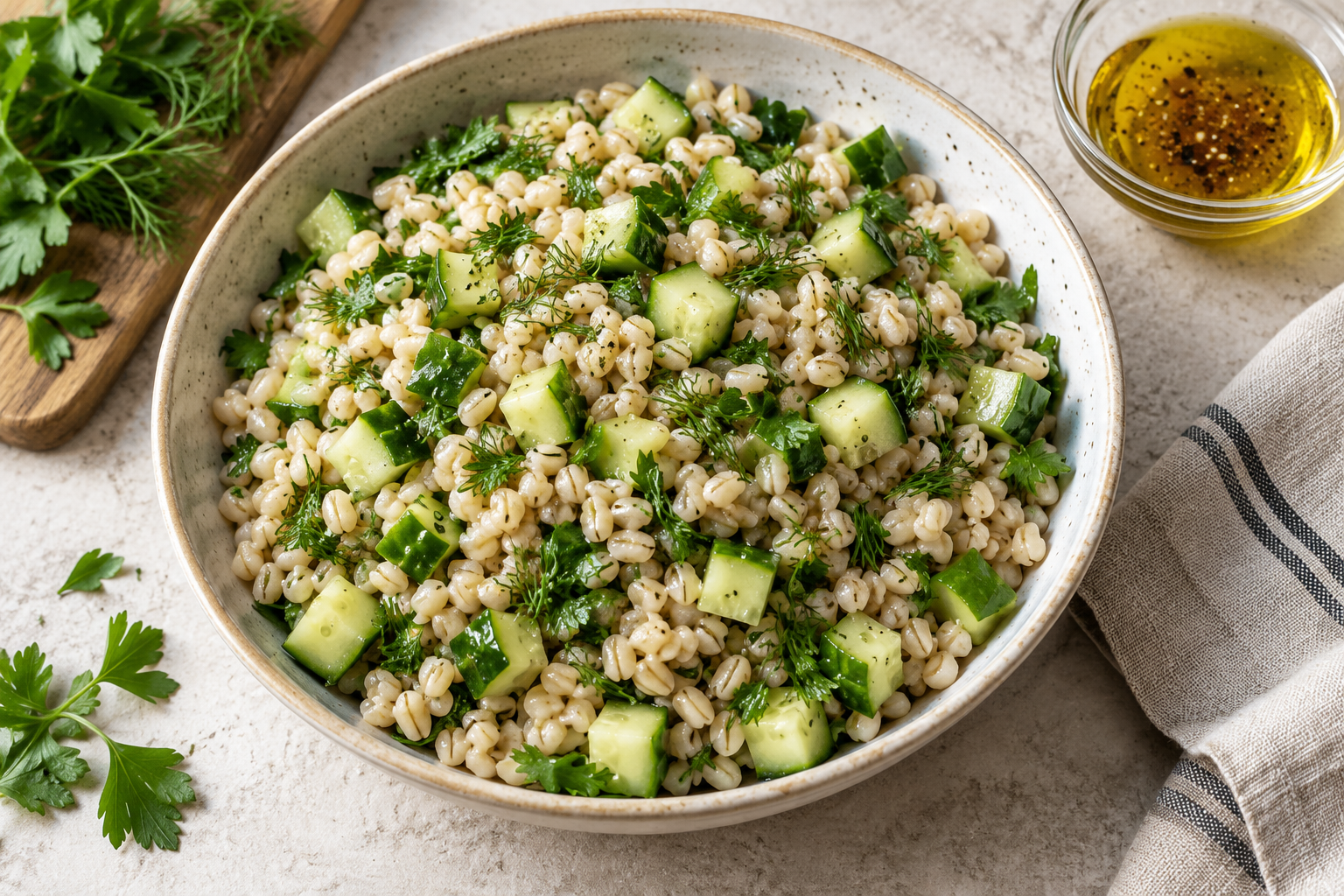
Chewy pearl barley tossed with green cucumber cubes and fresh herbs.
036 · Greek literary food traditions · Classical through Roman-era Greek food references, approximately 500 BCE–250 CE

A Cool Barley Bowl with Cucumber and Herbs

Chewy barley and crisp cucumber make a substantial modern salad with ancient ingredient references.
historically informed adaptation
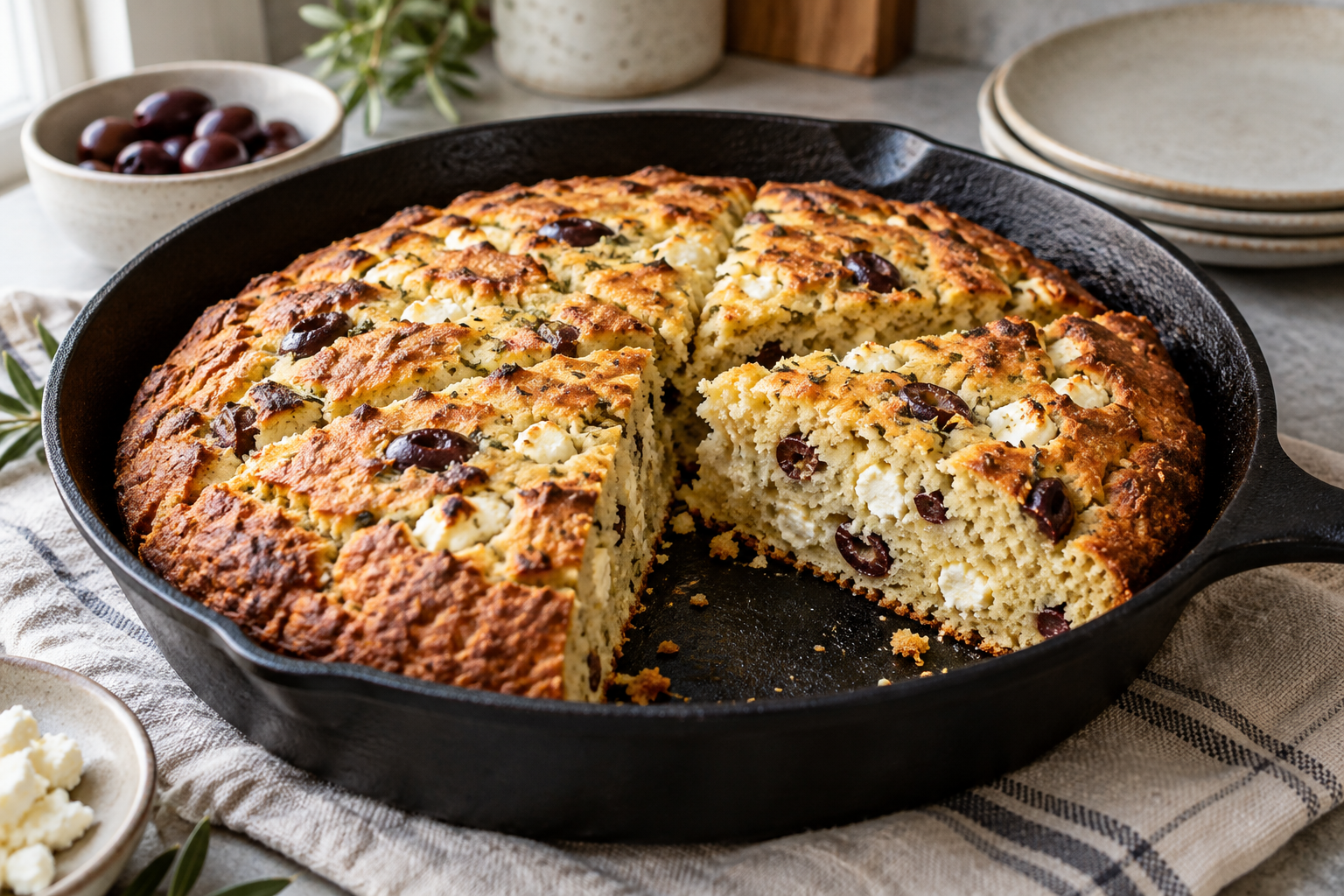
Golden bread wedges with visible olive pieces and crumbled cheese.
037 · Greek literary food traditions · Classical through Roman-era Greek food references, approximately 500 BCE–250 CE

Olives and Cheese in a Quick Skillet Bread

A baking-powder skillet bread offers a practical modern use for two foods named in ancient Greek texts.
historically informed adaptation
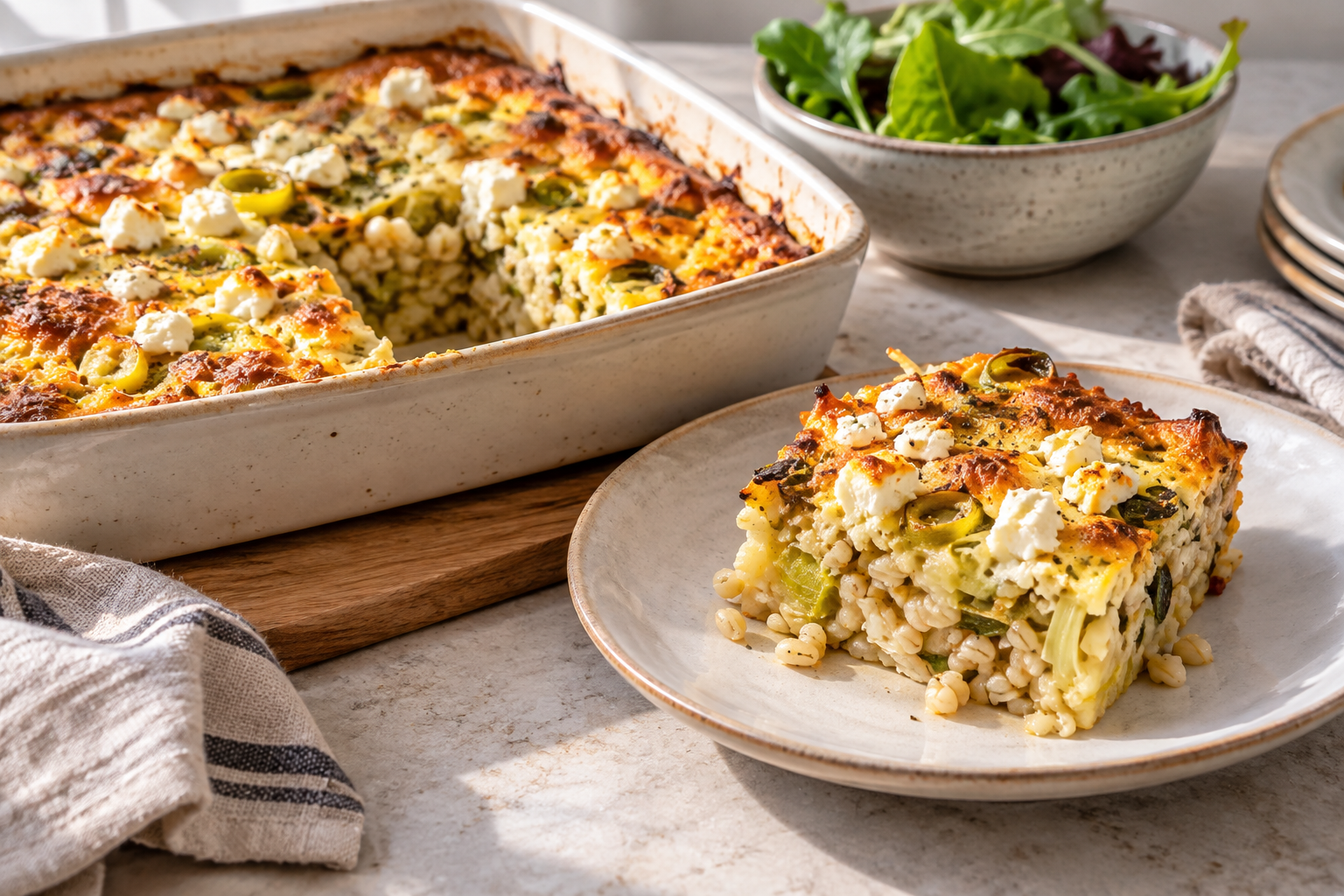
A cut square of barley bake shows kernels, softened leeks and small cheese pockets.
038 · Greek literary food traditions · Classical through Roman-era Greek food references, approximately 500 BCE–250 CE

Leeks and Cheese in a Savoury Barley Bake

Cooked barley, soft leeks and egg make a compact savoury bake suitable for lunch or a supper side.
historically informed adaptation
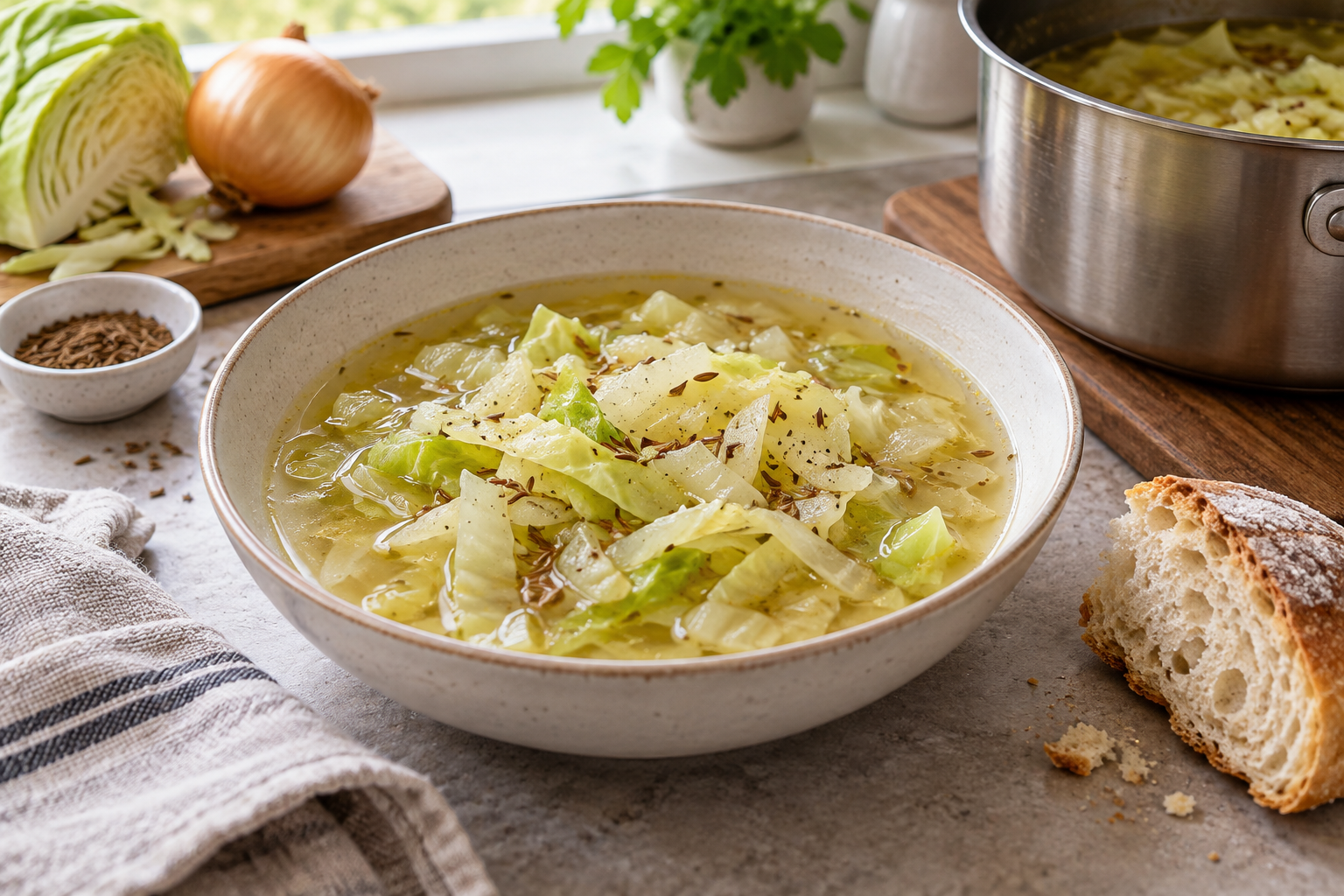
Short cabbage strips and onion in a light broth dotted with cumin seeds.
039 · Greek literary food traditions · Classical through Roman-era Greek food references, approximately 500 BCE–250 CE

A Cabbage Soup with Cumin and Olive Oil

A light cabbage soup explores a familiar ancient vegetable without borrowing old medical claims.
historically informed adaptation
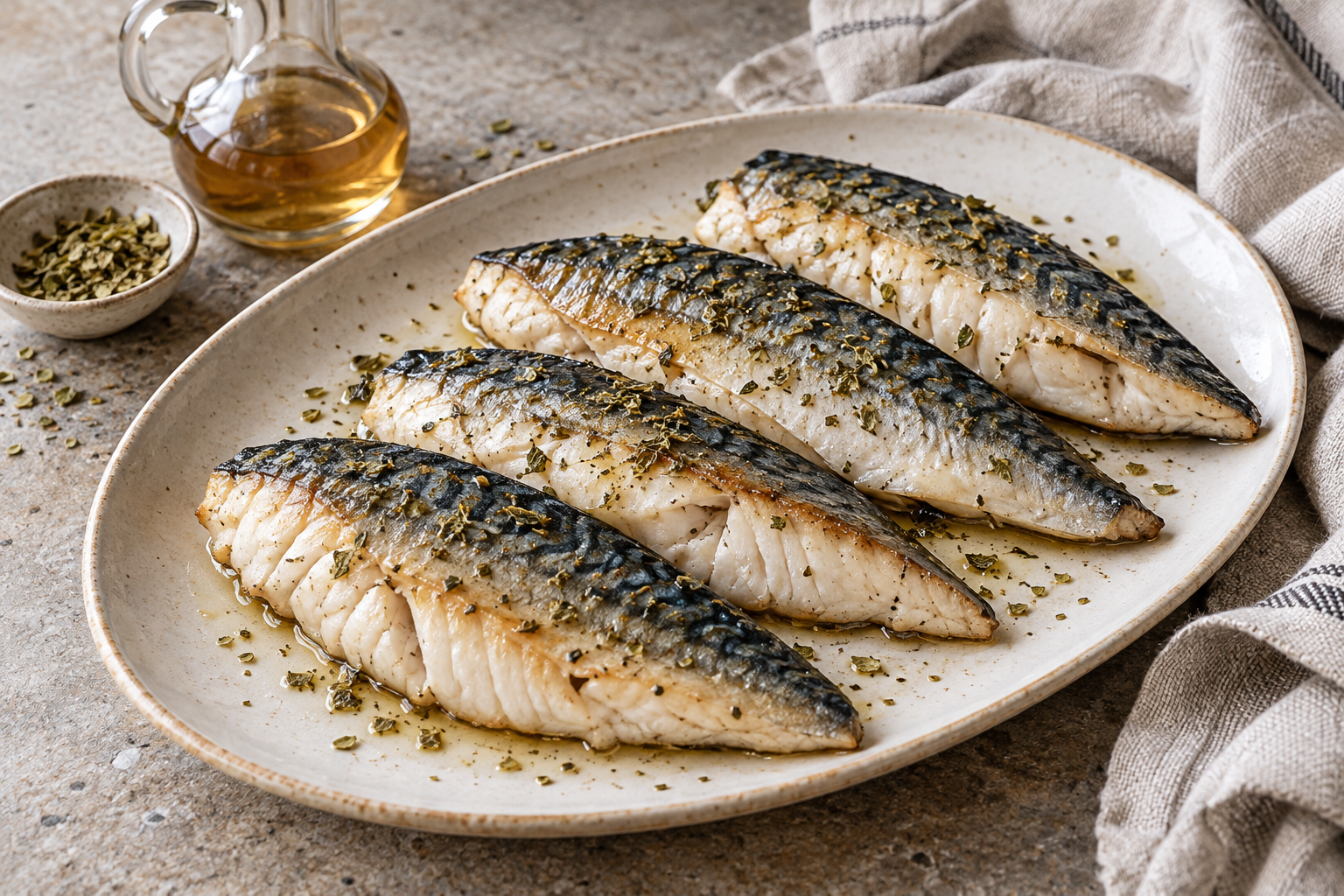
Roasted mackerel fillets with patterned skin and a light oregano finish.
040 · Greek fish writing and literary food traditions · Classical through Roman-era Greek food references, approximately 500 BCE–250 CE

Mackerel with a Modest Herb Finish

A quick oven roast lets oily fish remain the main flavour, with oregano added as a modern choice.
historically informed adaptation
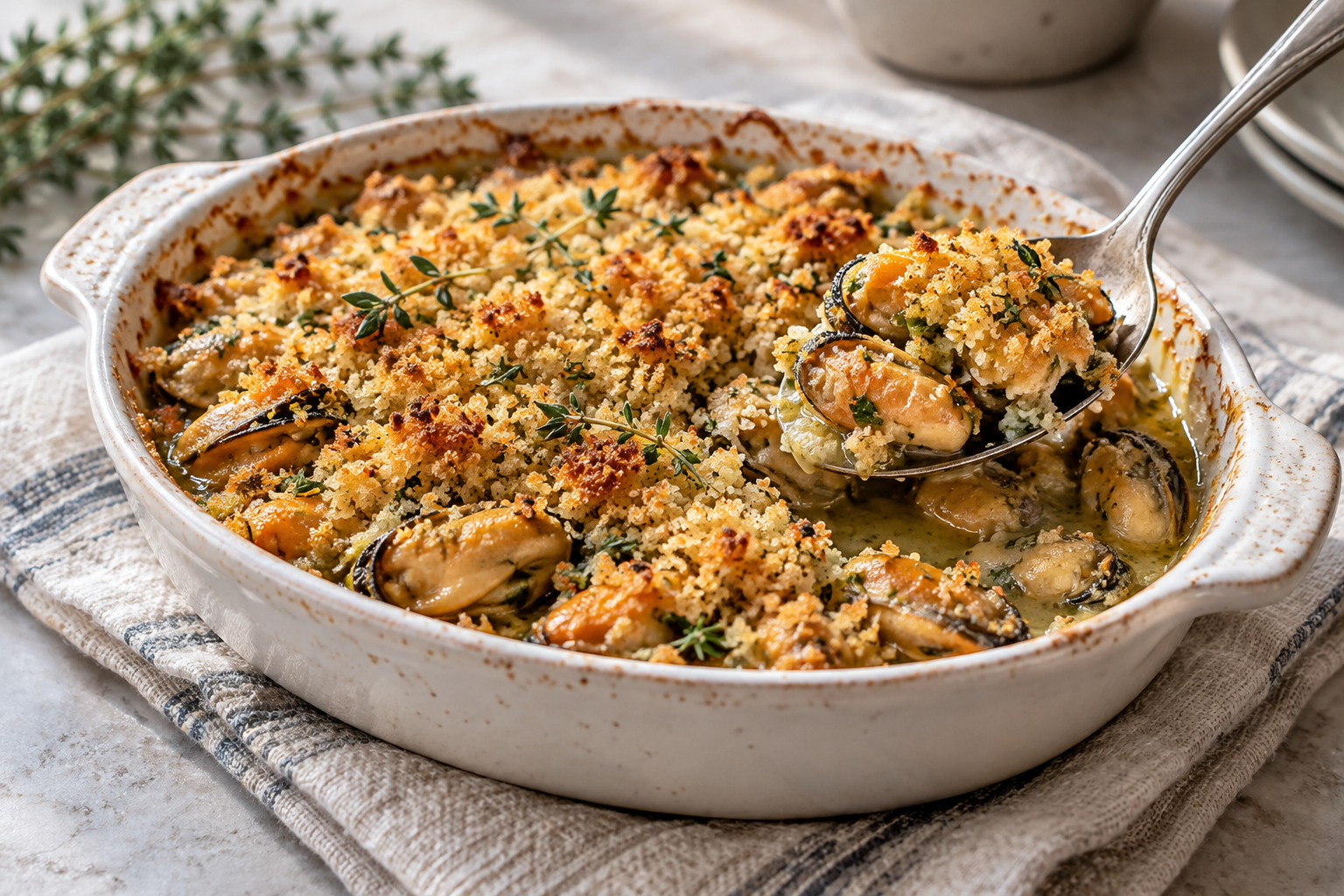
Golden crumbs cover cooked mussel meat in a small shallow baking dish.
041 · Greek shellfish writing · Classical through Roman-era Greek food references, approximately 500 BCE–250 CE

Mussels with a Crisp Bread Topping

Frozen shelled mussels become a manageable baked starter with bread crumbs and a small amount of herbs.
historically informed adaptation
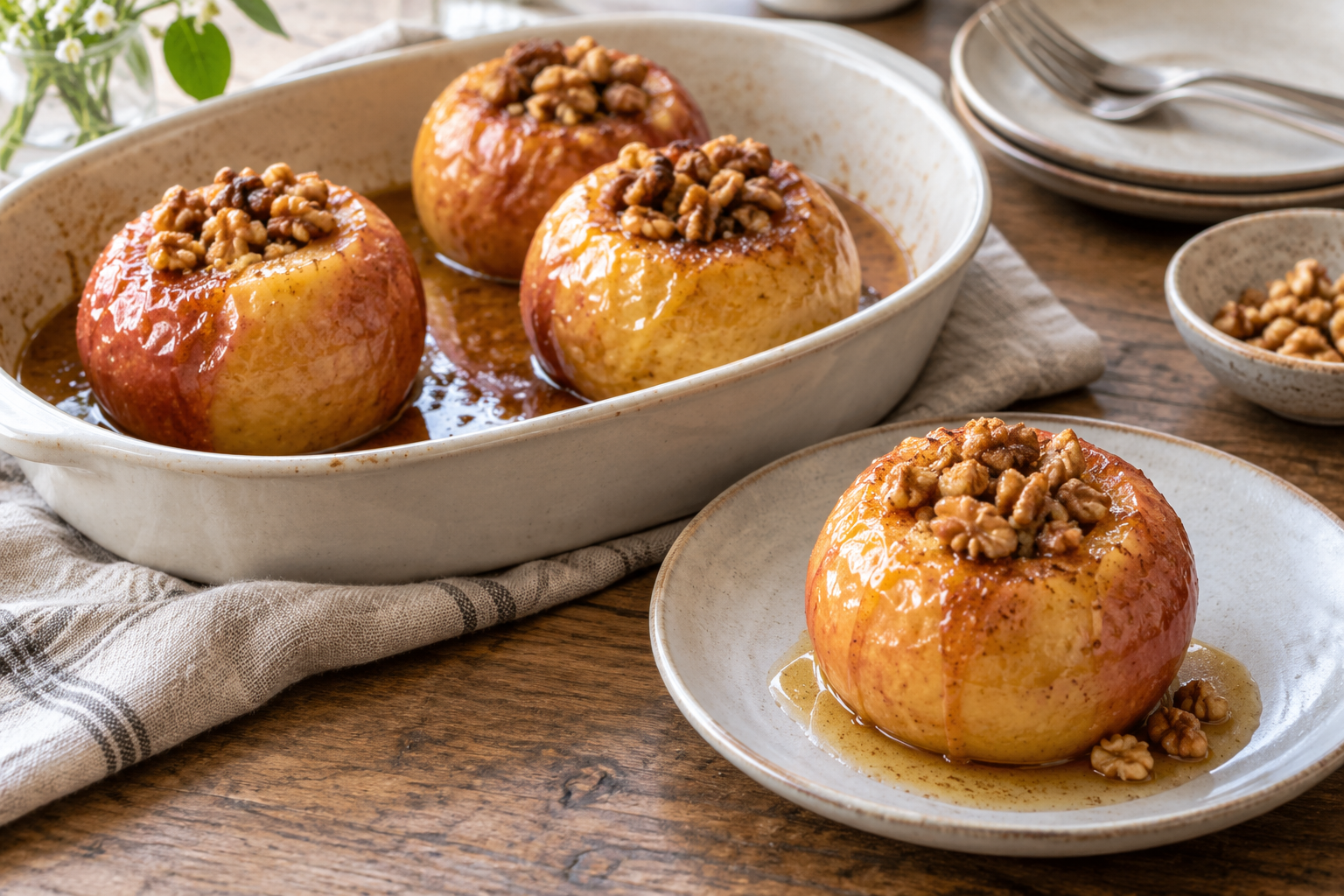
Baked apples with small walnut fillings and amber pan juices.
042 · Greek literary fruit and nut traditions · Classical through Roman-era Greek food references, approximately 500 BCE–250 CE

Warm Apples with Walnuts and a Little Honey

Hollowed supermarket apples hold a small walnut filling and bake until spoon-tender.
historically informed adaptation
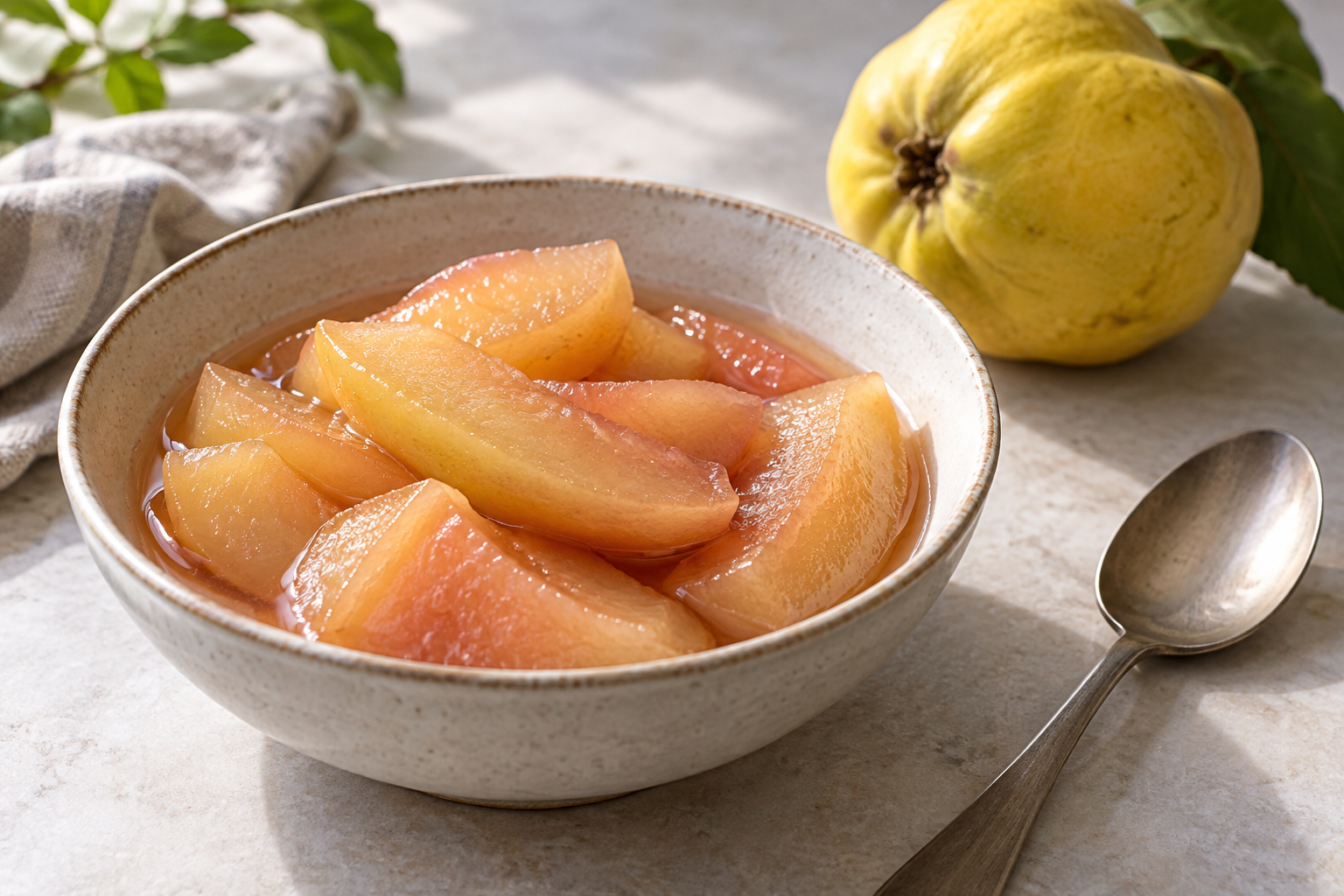
Tender quince slices resting in a light honey syrup.
043 · Greek literary fruit traditions · Classical through Roman-era Greek food references, approximately 500 BCE–250 CE

Quince That Softens in a Honeyed Pot

A gently simmered quince compote gives this firm aromatic fruit an easy modern method and a pear alternative.
historically informed adaptation
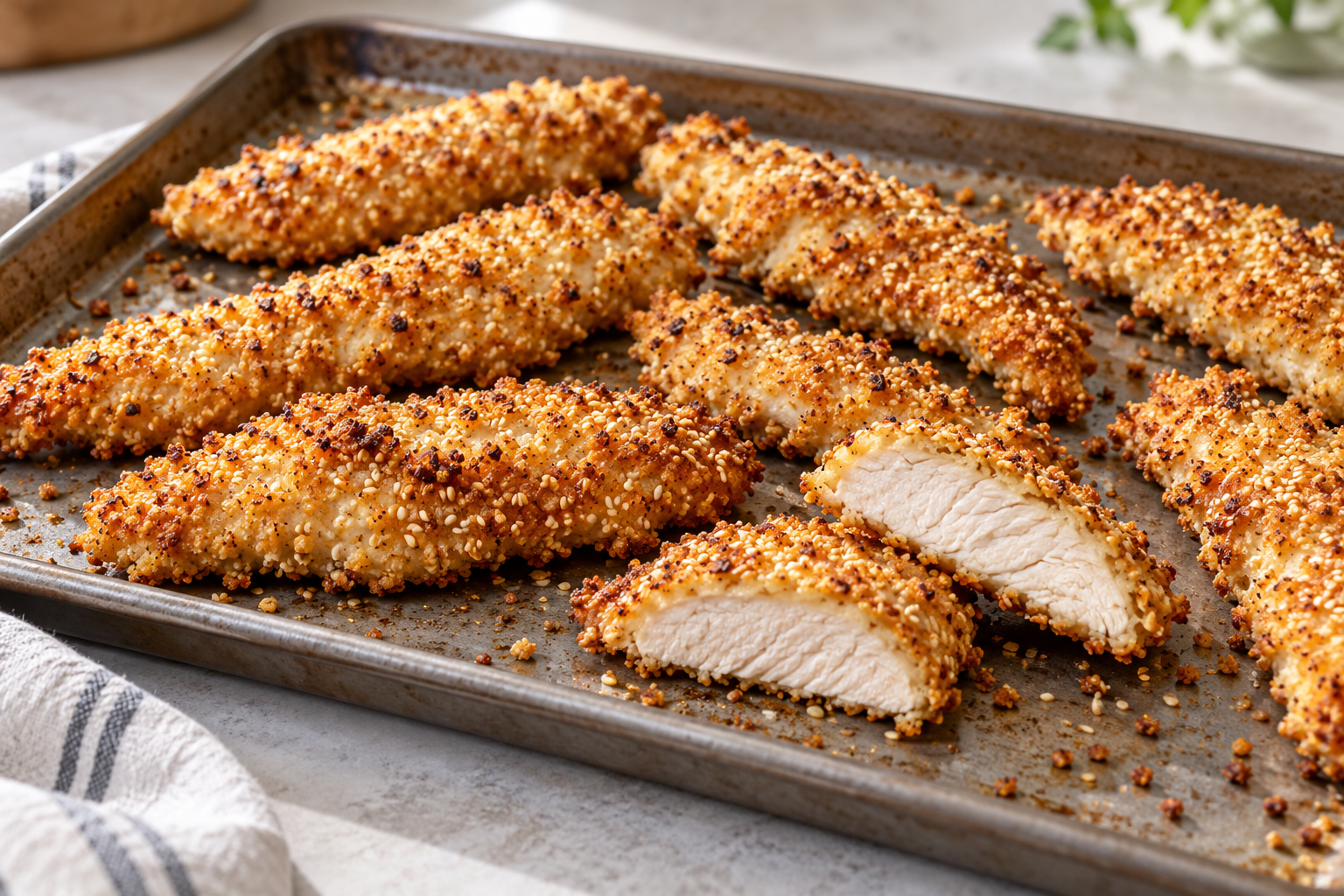
Golden chicken strips coated with breadcrumbs and visible sesame seeds.
044 · Greek literary poultry and seed traditions · Classical through Roman-era Greek food references, approximately 500 BCE–250 CE

Chicken with a Crisp Sesame Coat

Oven-baked chicken strips use a small sesame coating for crunch, with the modern combination stated plainly.
historically informed adaptation
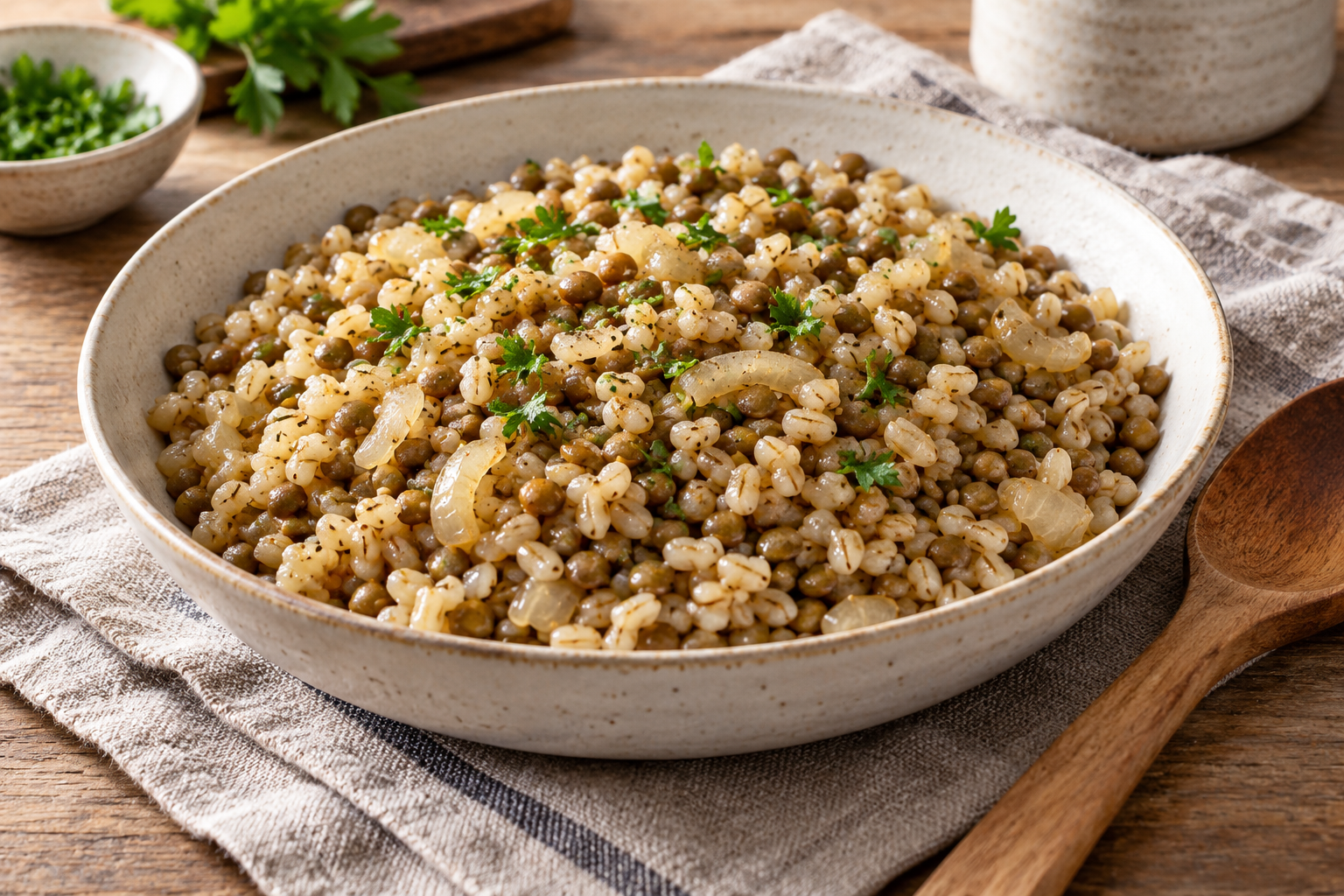
Distinct barley kernels and green lentils in a lightly seasoned pilaf.
045 · Ancient Egyptian crop evidence · New Kingdom Egypt, approximately 1550–1070 BCE

Barley and Lentils in an Egyptian-Inspired Pot

A grain-and-pulse pot gives barley and lentils a useful modern supper form, distinct from a lentil soup.
historically informed adaptation
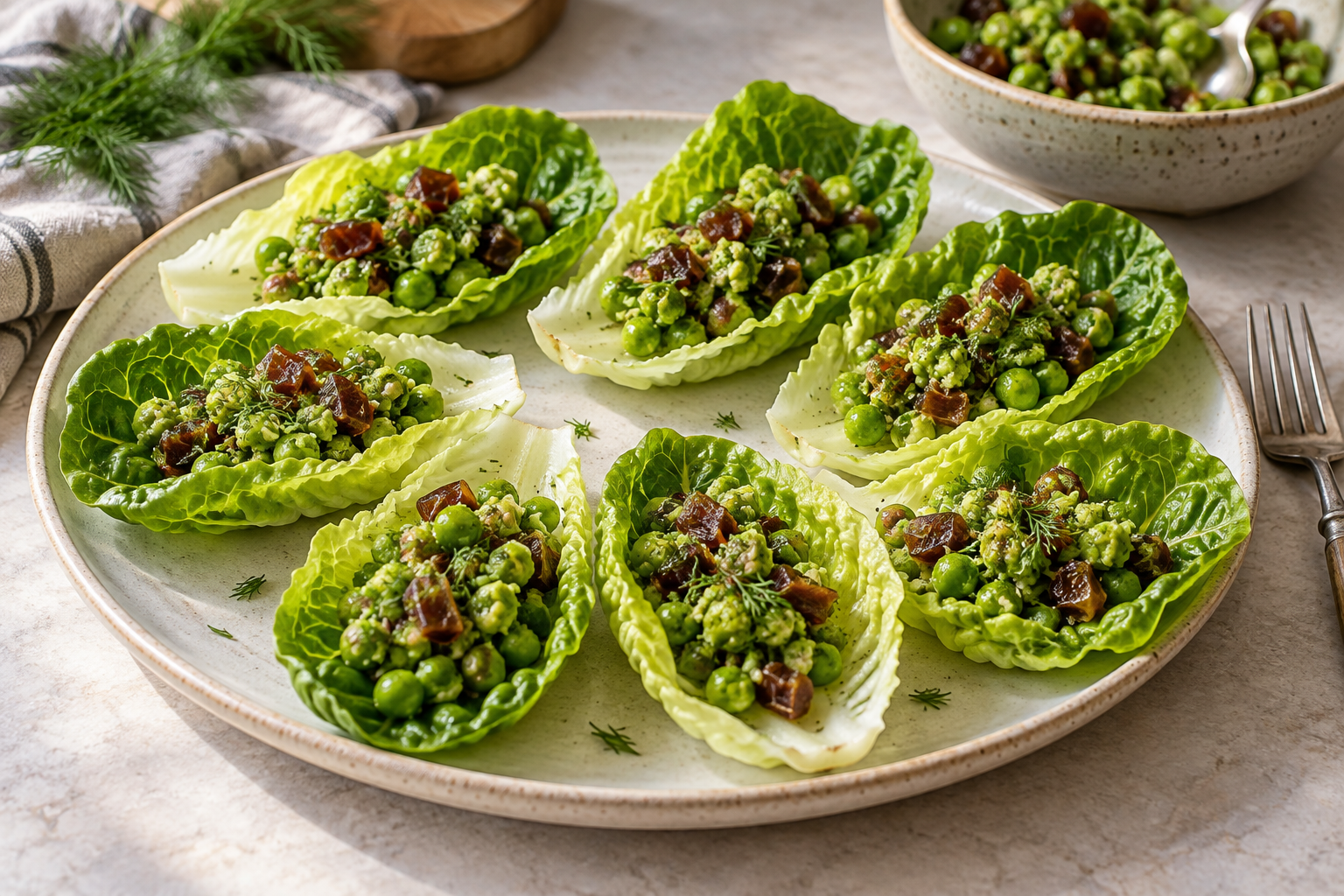
Crisp lettuce leaves filled with crushed green peas, tiny date pieces and dill.
046 · Ancient Egyptian plant context and modern assembly · Third Intermediate through Roman-period Egyptian context, approximately 1070 BCE–300 CE

Lettuce Cups with Peas and Dates

Cool lettuce cups hold gently crushed cooked peas, small date pieces and dill in an explicitly modern assembly.
historically informed adaptation
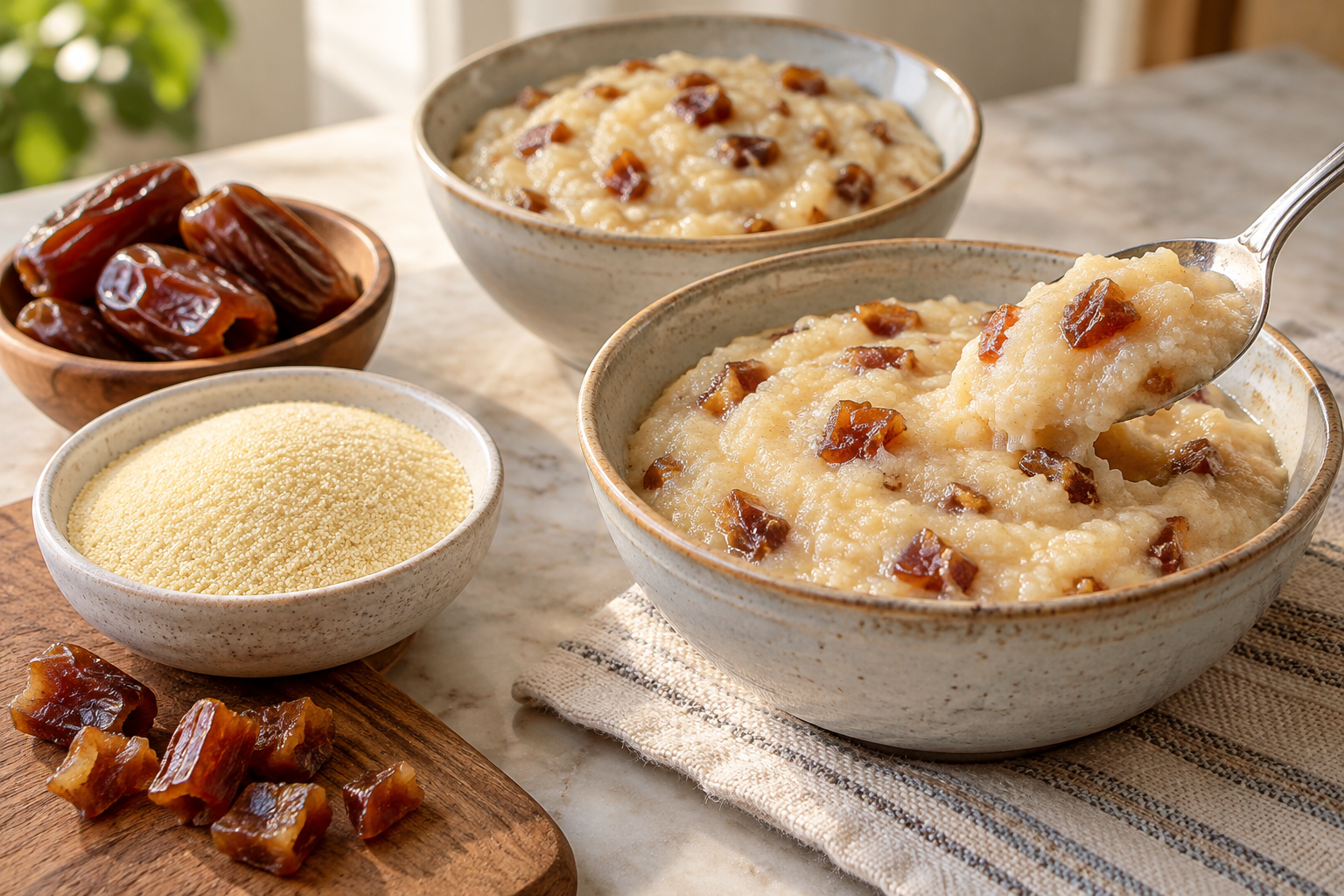
Soft semolina with small date pieces, beside dry grain and pitted dates.
047 · Ancient Egyptian grain and fruit evidence · New Kingdom Egypt, approximately 1550–1070 BCE

A Spoonful of Dates and Milk-Softened Wheat

A simple semolina bowl is sweetened with chopped dates, with milk and proportions stated as modern choices.
historically informed adaptation
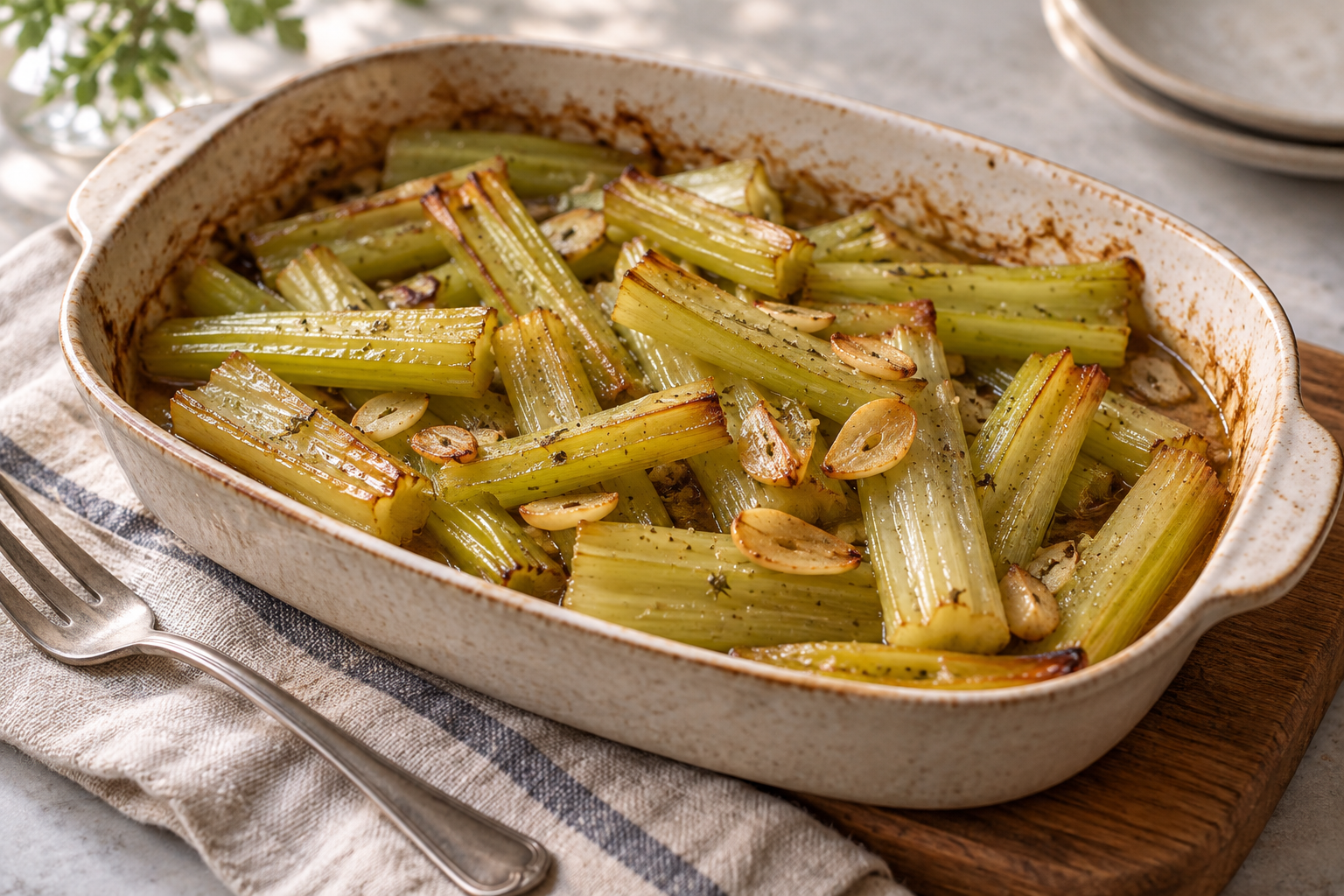
Tender celery sections with softened garlic and lightly browned edges.
048 · Ancient Egyptian vegetable evidence · New Kingdom Egypt, approximately 1550–1070 BCE

Celery That Becomes a Warm Side Dish

Roasting supermarket celery with garlic makes an unusual but practical warm vegetable accompaniment.
historically informed adaptation
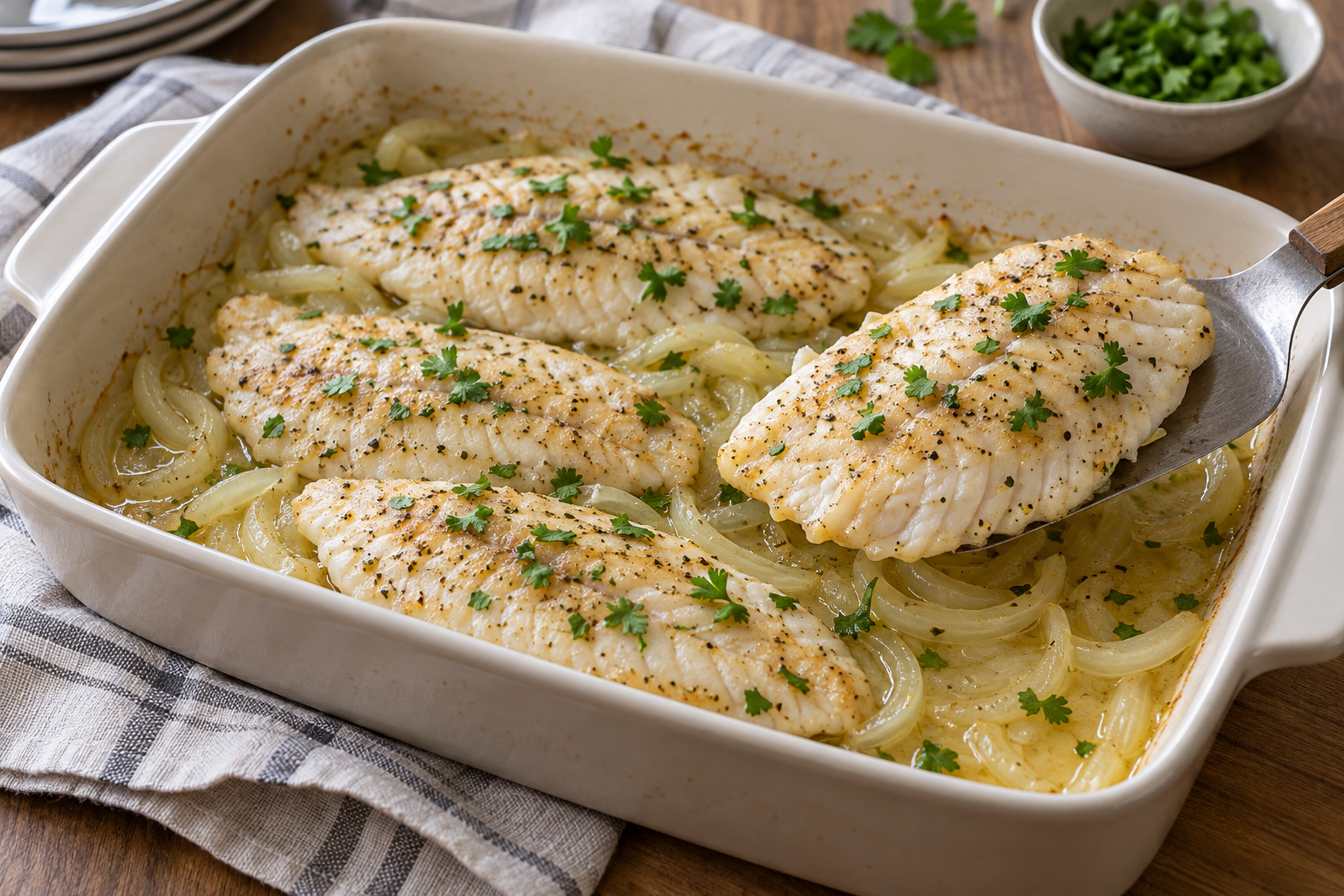
Cooked tilapia fillets rest over soft sliced onions in a shallow oven dish.
049 · Ancient Egyptian fish and plant evidence · New Kingdom Egypt, approximately 1550–1070 BCE

Tilapia Above a Bed of Soft Onions

A short oven bake makes supermarket tilapia a practical fish main while separating art and archaeology from recipe evidence.
historically informed adaptation
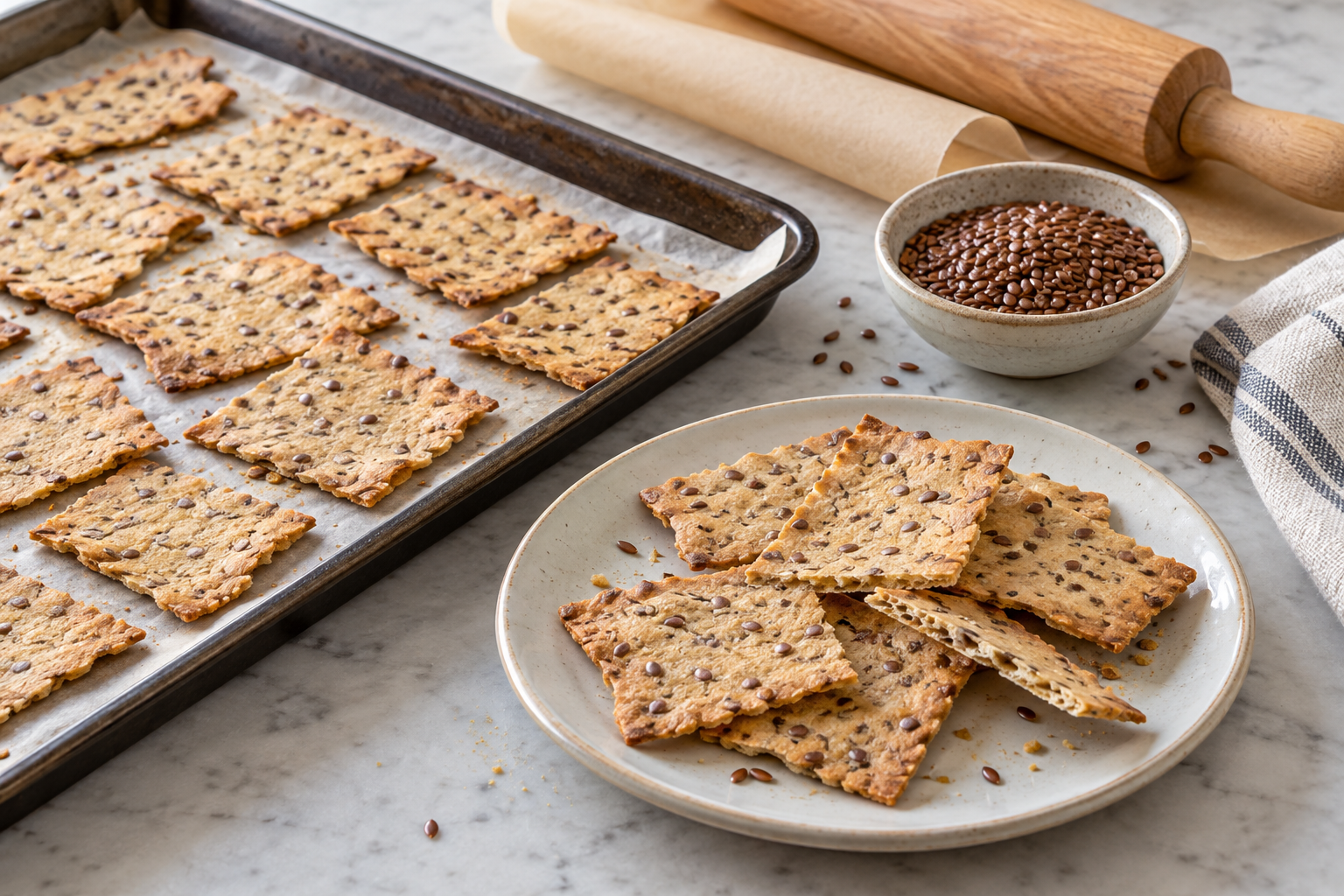
Thin golden wheat crackers dotted with flaxseed, with dough-rolling tools nearby.
050 · Ancient Egyptian flax and bread context · New Kingdom Egypt, approximately 1550–1070 BCE

Thin Wheat Crackers with Flaxseed

A modern thin cracker explores wheat and flax while acknowledging that fibre evidence is not a cracker recipe.
historically informed adaptation
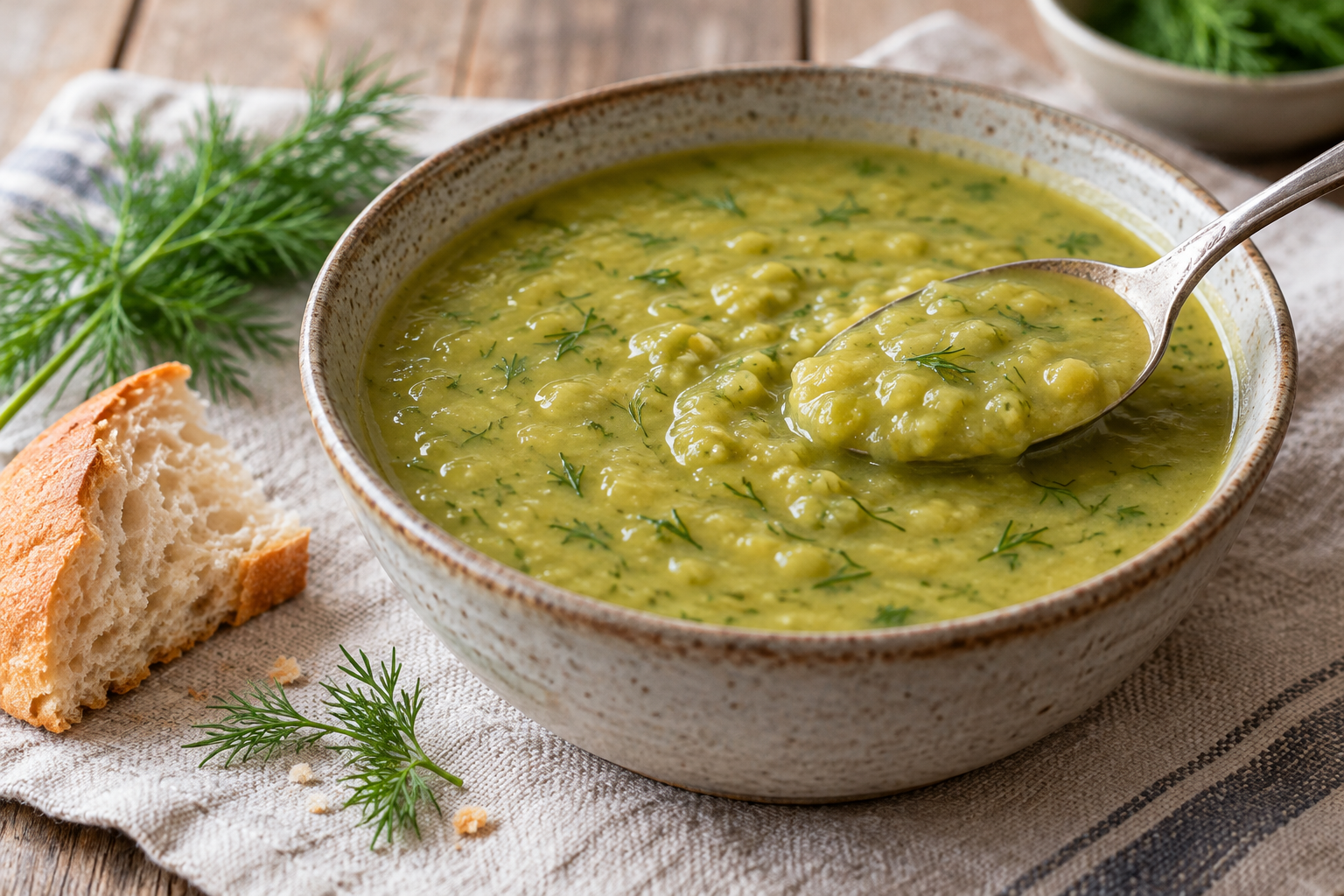
Thick green split-pea soup flecked with dill.
051 · Ancient Egyptian plant evidence · New Kingdom Egypt, approximately 1550–1070 BCE

Peas and Dill in a Soft Green Soup

Dried split peas make a straightforward thick soup, with dill added at the end for a fresh finish.
historically informed adaptation
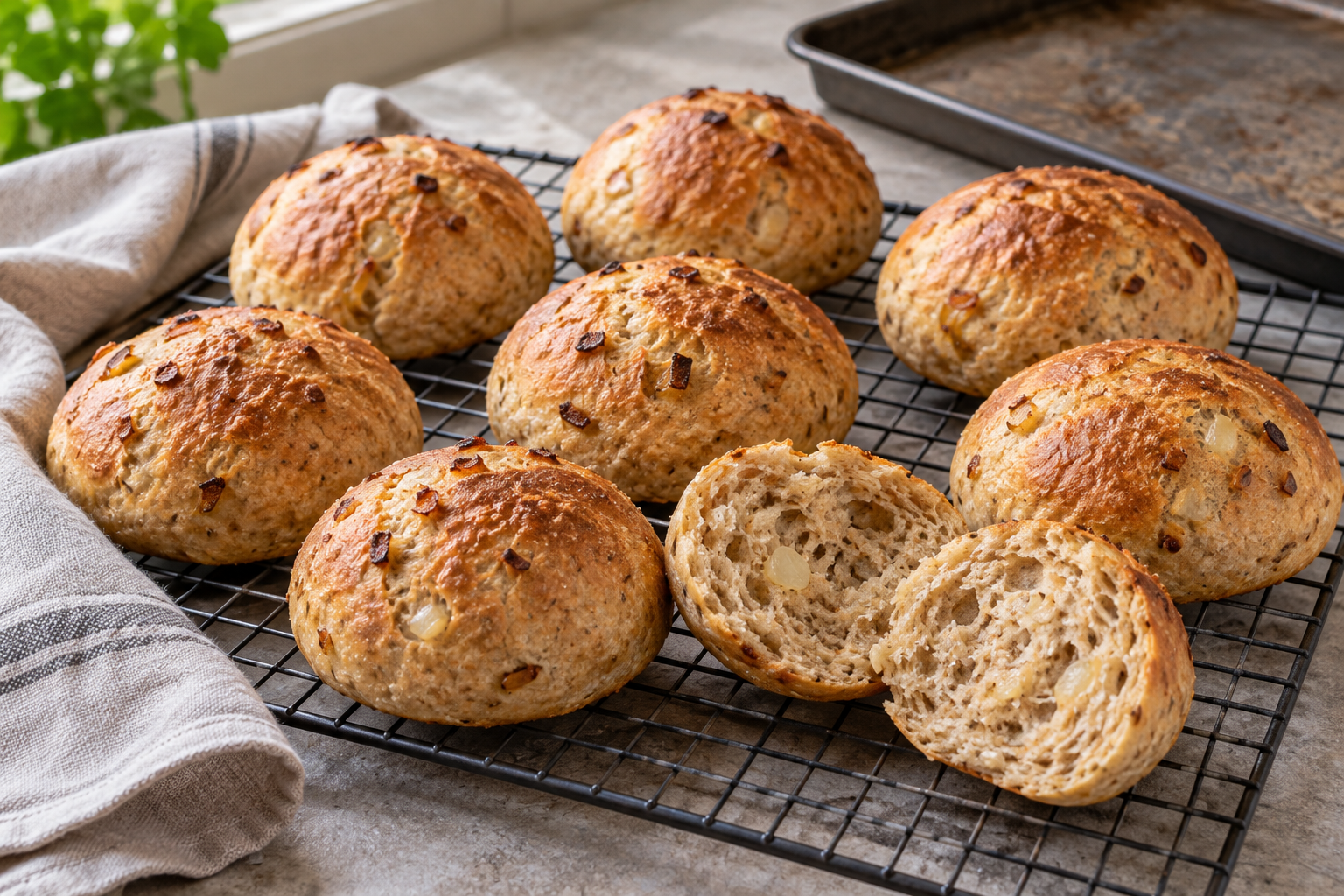
Small golden wheat rolls, one opened to reveal cooked onion in the crumb.
052 · Ancient Egyptian grain, onion and bread context · New Kingdom Egypt, approximately 1550–1070 BCE

Little Wheat Rolls with Soft Onion

Modern yeast rolls use soft onion for a savoury crumb, with shaping and leavening clearly contemporary.
historically informed adaptation
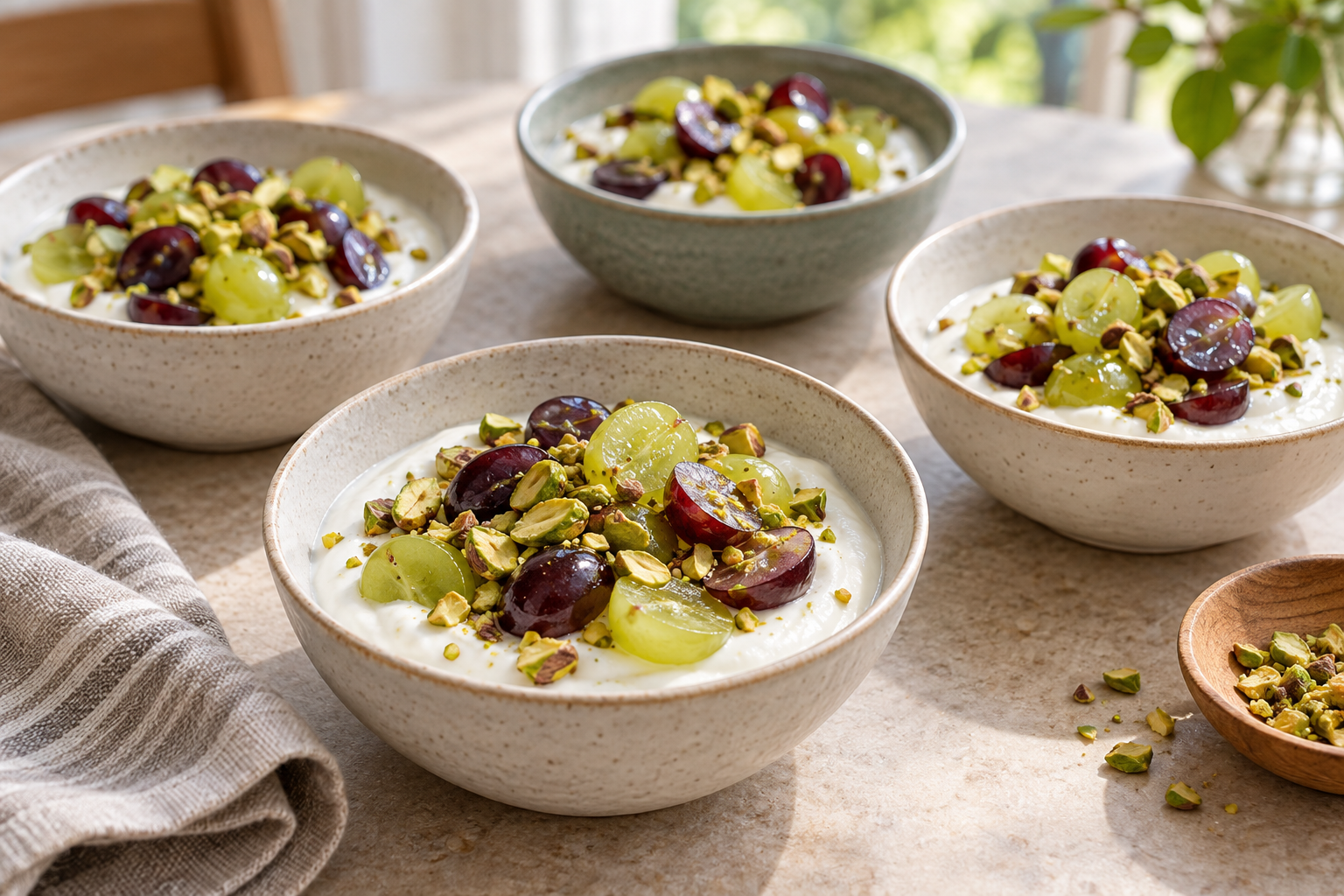
Plain yogurt with halved grapes and small pistachio pieces.
053 · Achaemenid food records and modern dairy adaptation · Achaemenid Iranian food context, approximately 550–330 BCE

Grapes and Pistachios over Cool Yogurt

A quick fresh-fruit bowl combines ancient ingredient references with pasteurized commercial yogurt.
historically informed adaptation
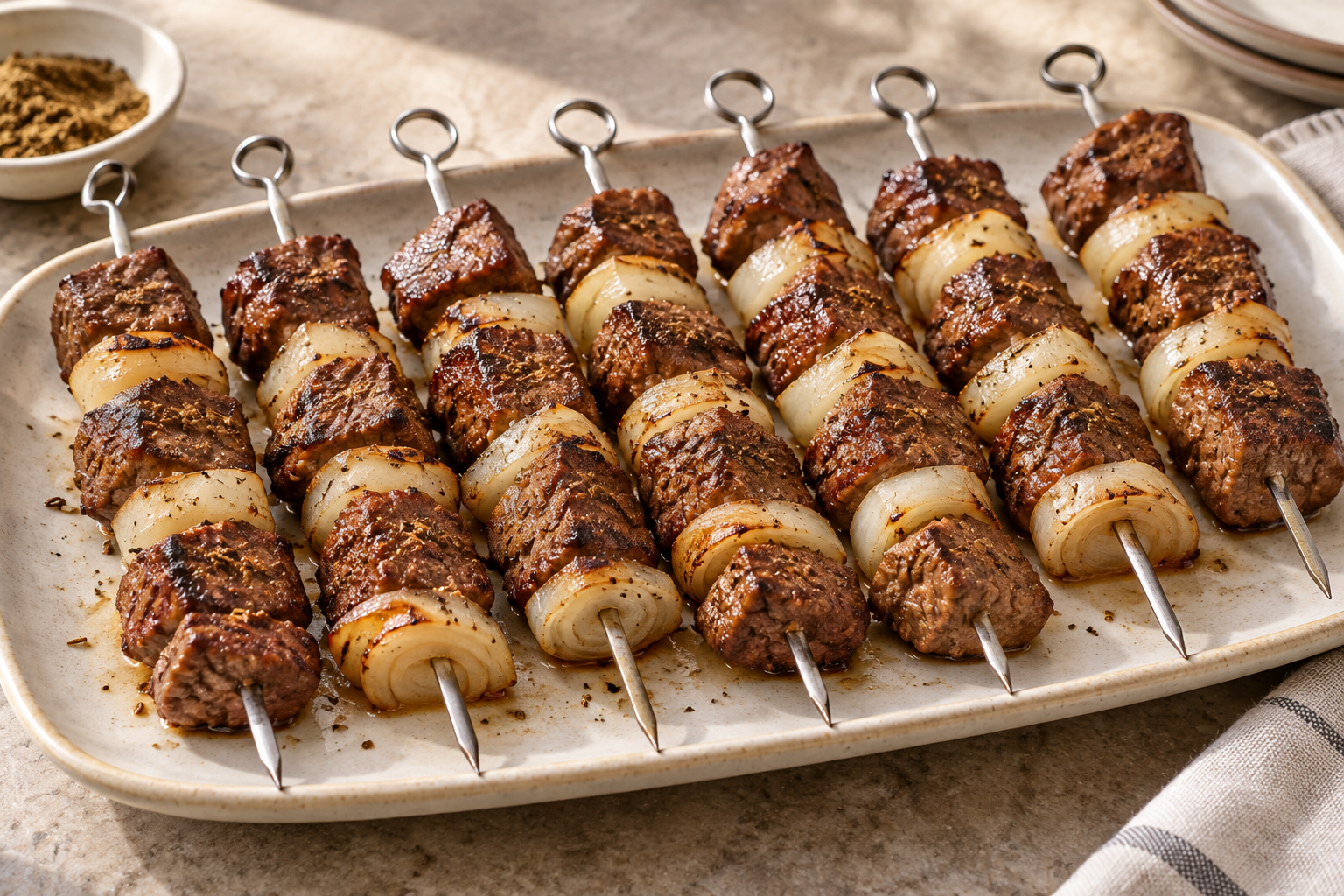
Browned beef cubes and softened onion squares on small kitchen skewers.
054 · Ancient Iranian food records read with Greek accounts · Achaemenid Iranian food context, approximately 550–330 BCE

Beef and Onion on Quick Kitchen Skewers

Quick-cooking beef and onion skewers use ordinary oven heat, with the whole assembly identified as modern.
historically informed adaptation
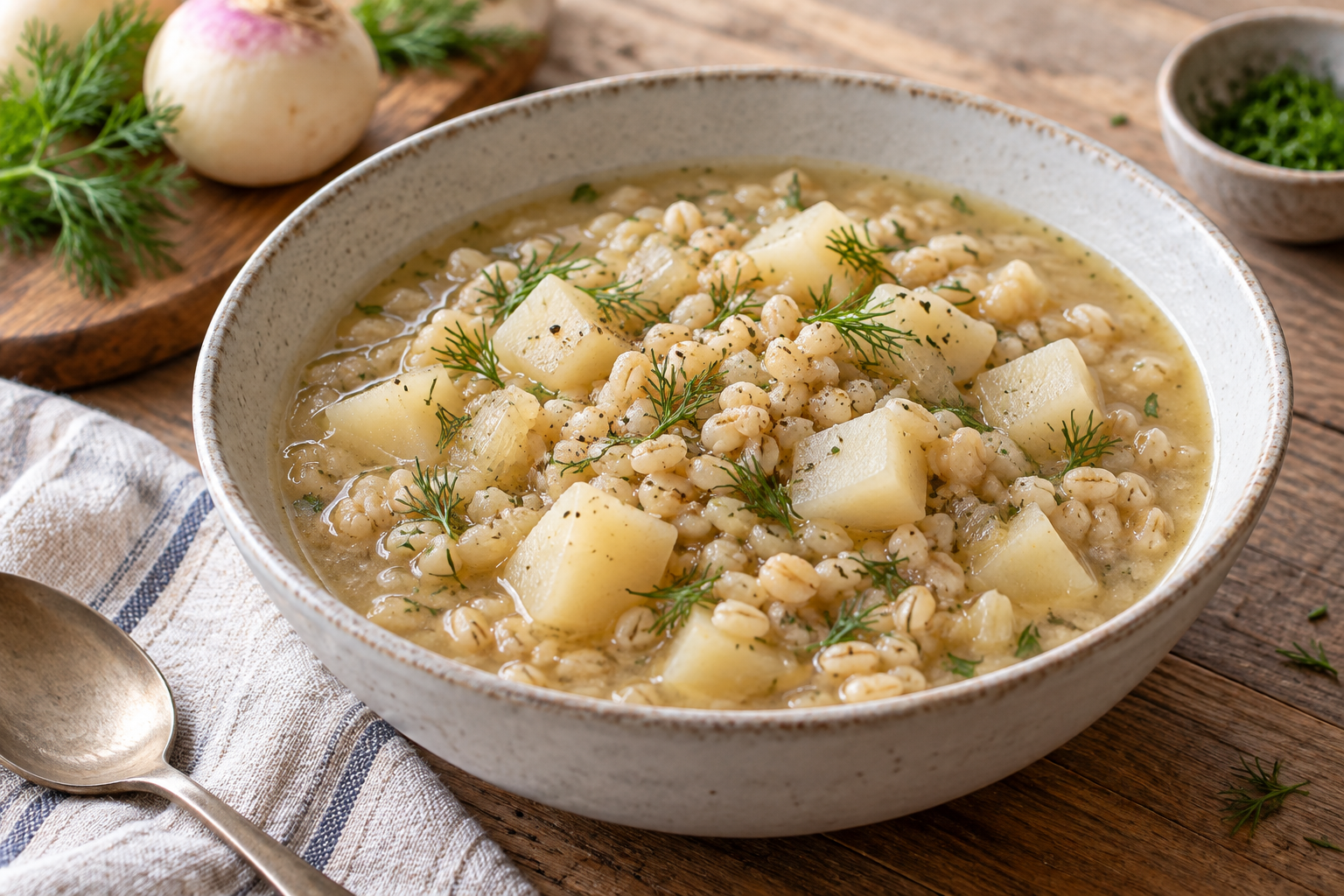
Tender turnip cubes and barley in a modest dill-flecked pot.
055 · Ancient Iranian provisioning references · Achaemenid Iranian food context, approximately 550–330 BCE

Turnips and Barley in a Gentle Pot

A root-and-grain pot keeps turnip pieces distinct while barley thickens a modest vegetarian meal.
historically informed adaptation
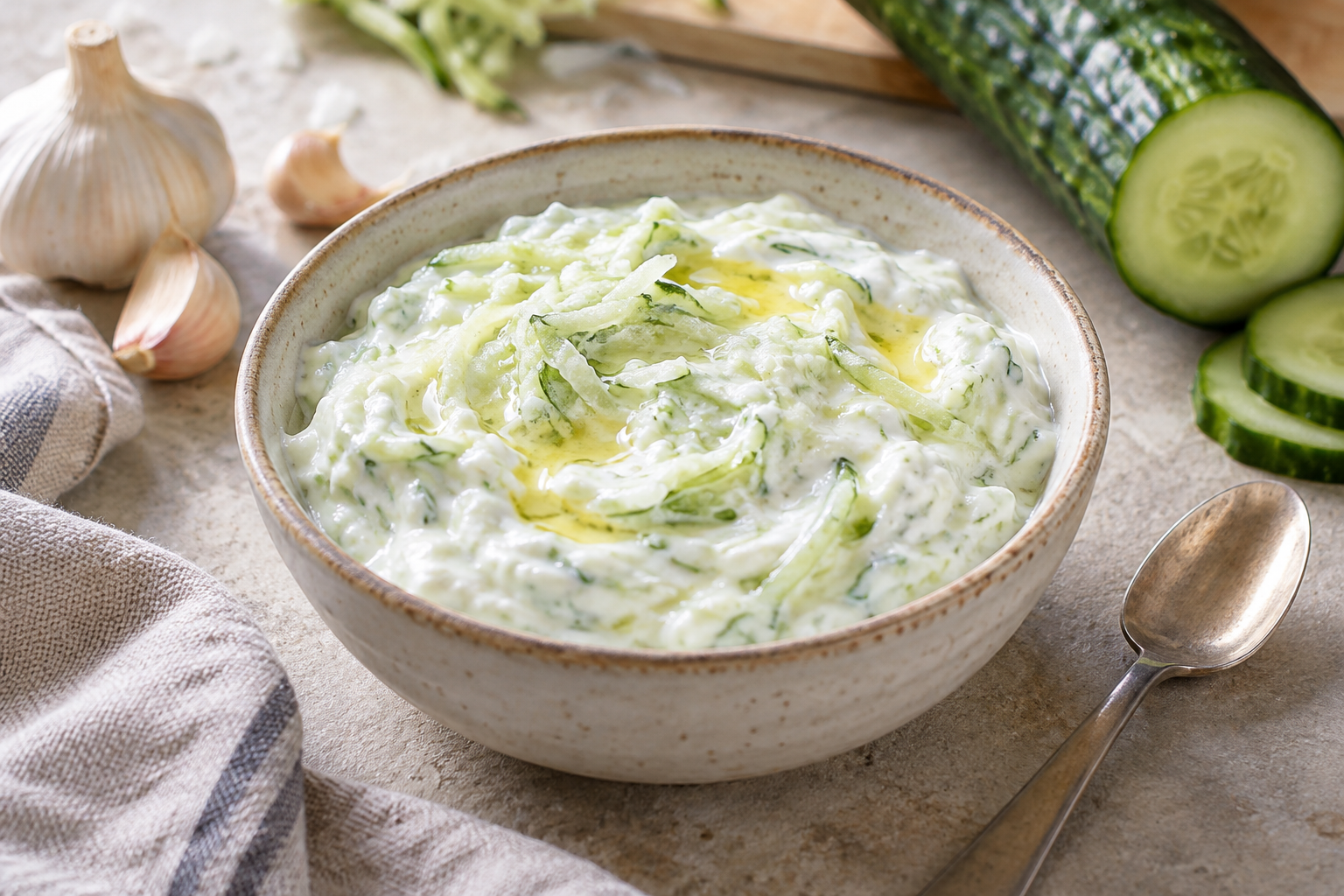
Thick yogurt with fine cucumber threads and a light oil sheen.
056 · Ancient Iranian dairy context and modern dip assembly · Achaemenid Iranian food context, approximately 550–330 BCE

Cool Yogurt with Garlic and Cucumber

An everyday yogurt dip uses a clear supermarket dairy choice, with no claim to an ancient named sauce.
historically informed adaptation
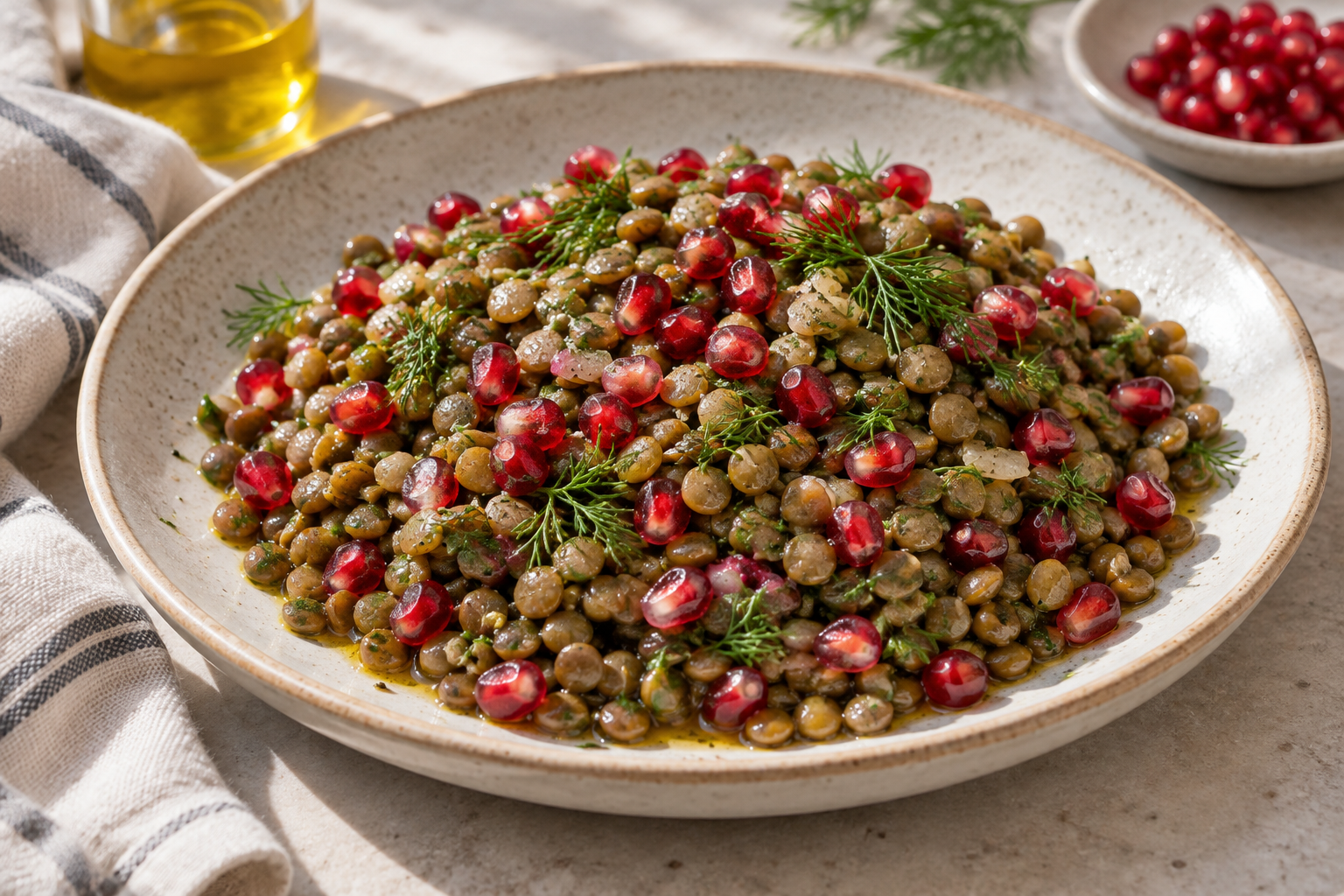
Whole green lentils topped with fresh pomegranate arils.
057 · Ancient Egyptian pulse and fruit evidence · New Kingdom Egypt, approximately 1550–1070 BCE

Warm Lentils with a Pomegranate Finish

Whole lentils receive a juicy pomegranate topping in a new warm accompaniment built from documented ancient crops.
historically informed adaptation
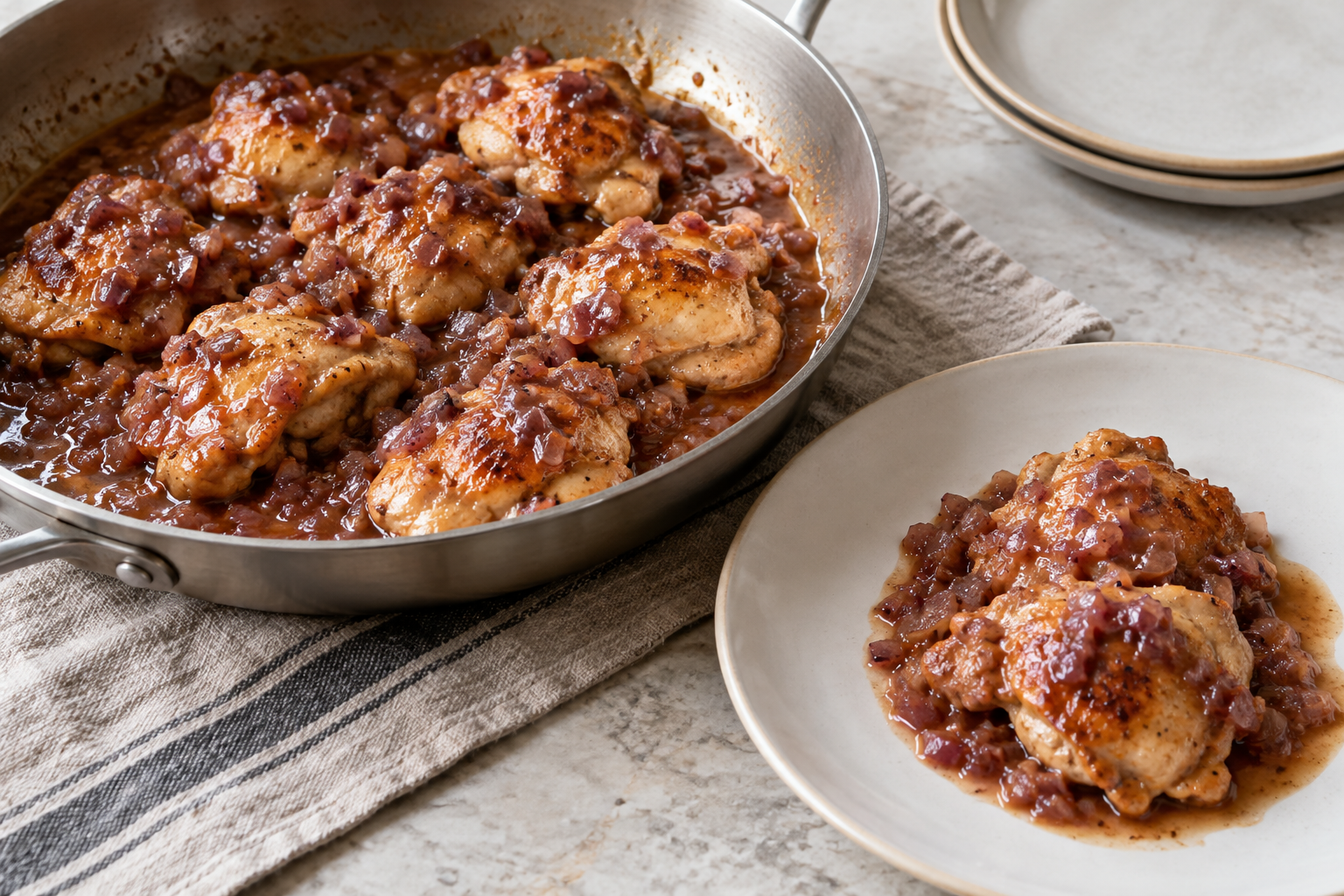
Chicken thigh pieces lightly coated in a grape-and-vinegar pan glaze.
058 · Ancient Iranian provisioning context and modern pan recipe · Achaemenid Iranian food context, approximately 550–330 BCE

Chicken in a Small Grape-and-Vinegar Glaze

Boneless thigh pieces cook quickly before grape juice and vinegar reduce into a modest glossy sauce.
historically informed adaptation
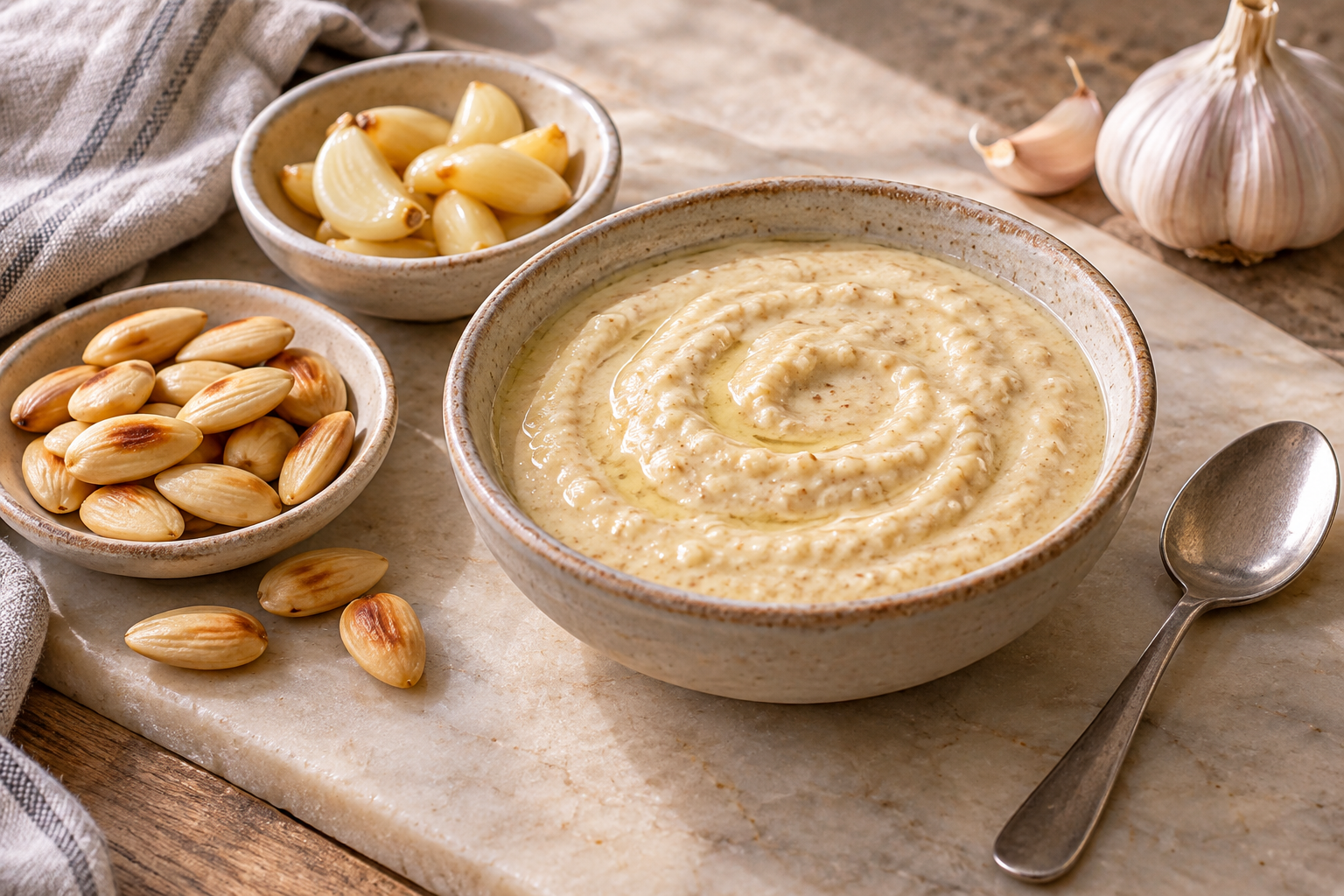
A pale almond and garlic sauce beside toasted almonds and cooked garlic.
059 · Ancient Iranian ingredient records and modern sauce construction · Achaemenid Iranian food context, approximately 550–330 BCE

A Spoonable Almond and Garlic Sauce

Toasted almonds and briefly cooked garlic form a simple sauce that needs no raw egg or unusual equipment.
historically informed adaptation
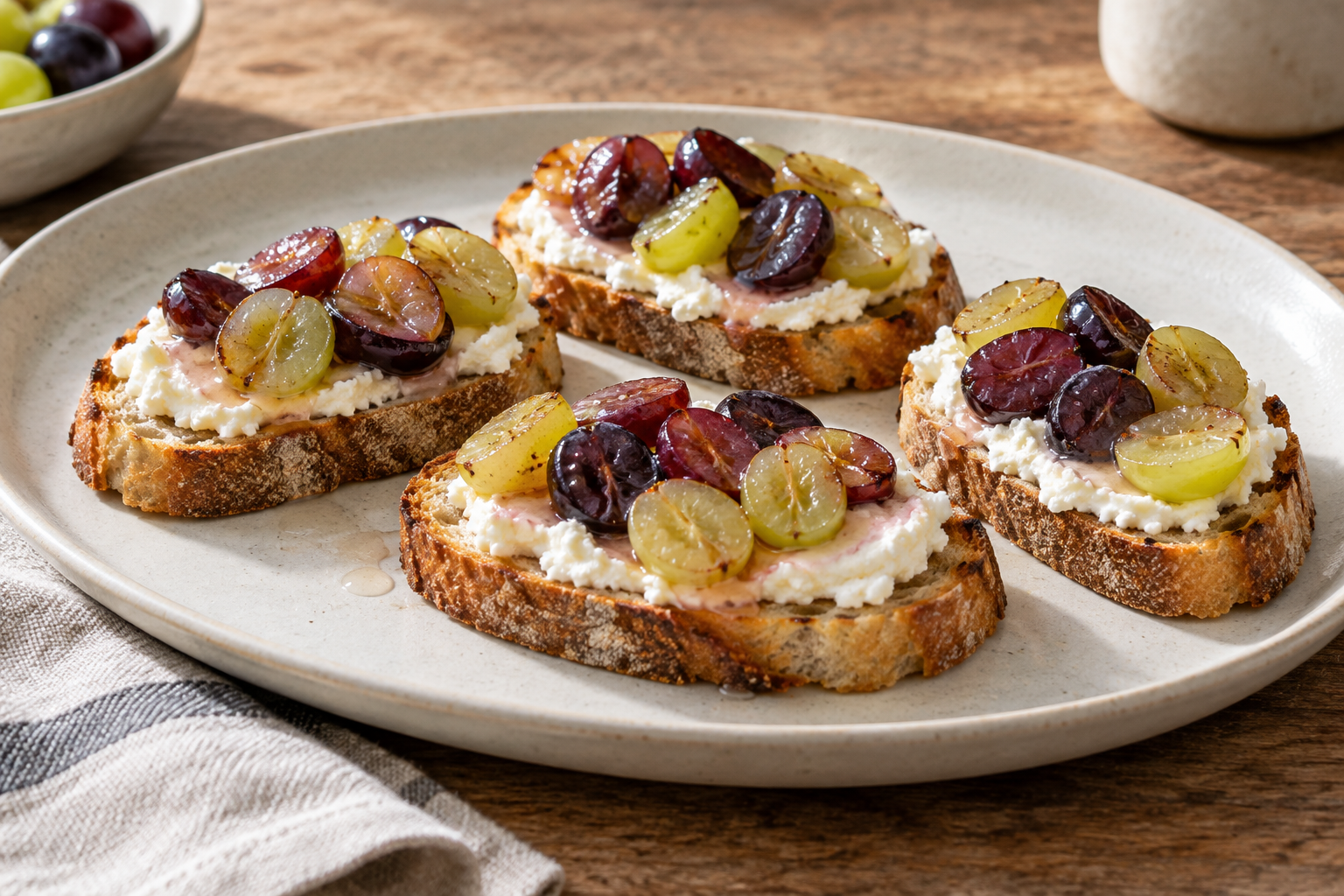
Crisp toast topped with soft white cheese and warmed grape halves.
060 · Greek literary fruit, cheese and bread context · Classical through Roman-era Greek food references, approximately 500 BCE–250 CE

Warm Grapes over Cheese Toast

A quick pan warming makes grapes juicy above a layer of pasteurized soft cheese on crisp bread.
historically informed adaptation
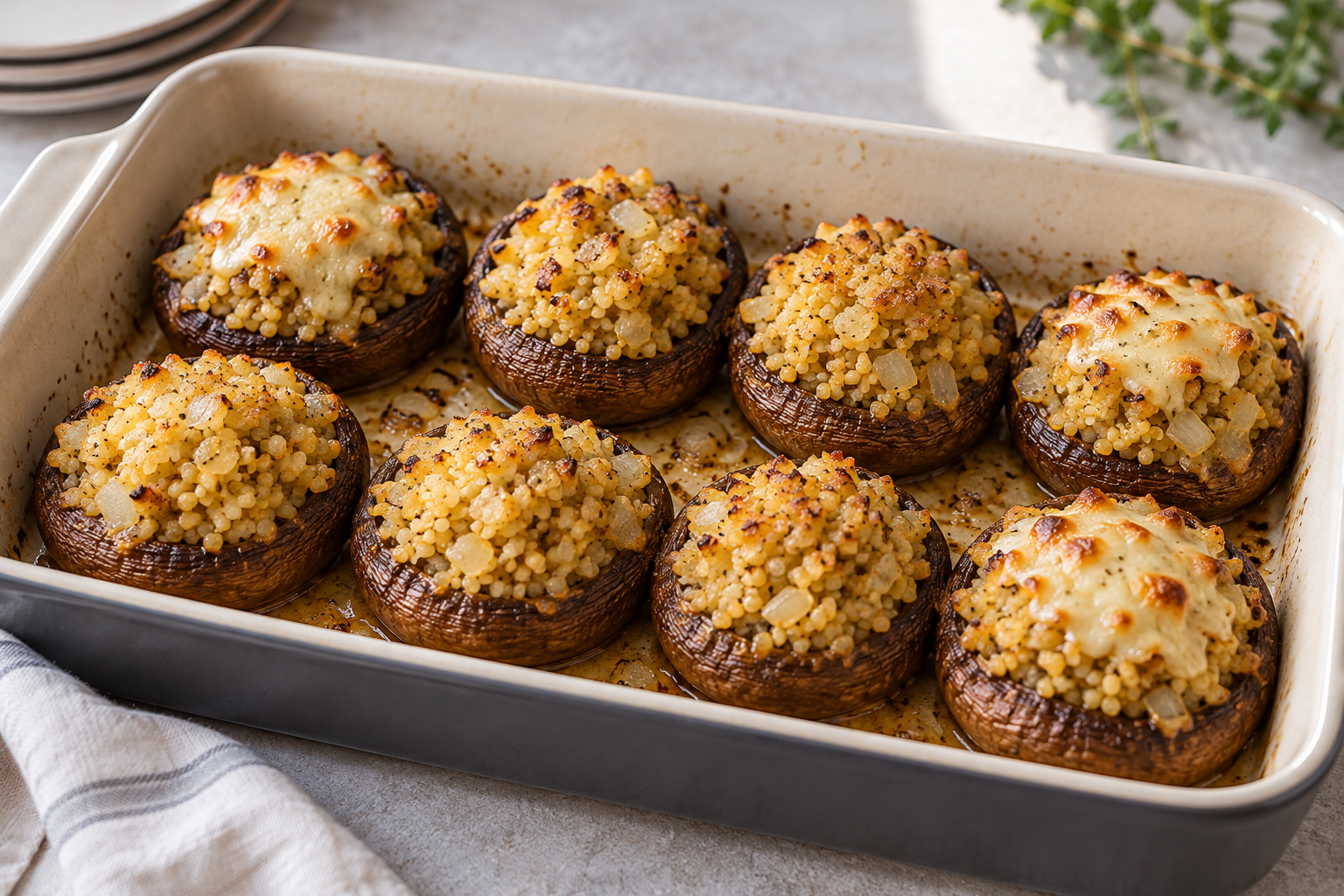
Roast mushroom caps hold a soft cooked millet filling.
061 · La Tène crop evidence and explicit modern vegetable addition · Later European Iron Age/La Tène context, approximately 450 BCE–1 CE

Millet in Modern Roast Mushroom Caps

Cooked millet fills supermarket mushroom caps for an easy oven main, with the mushroom assembly named as modern.
historically informed adaptation
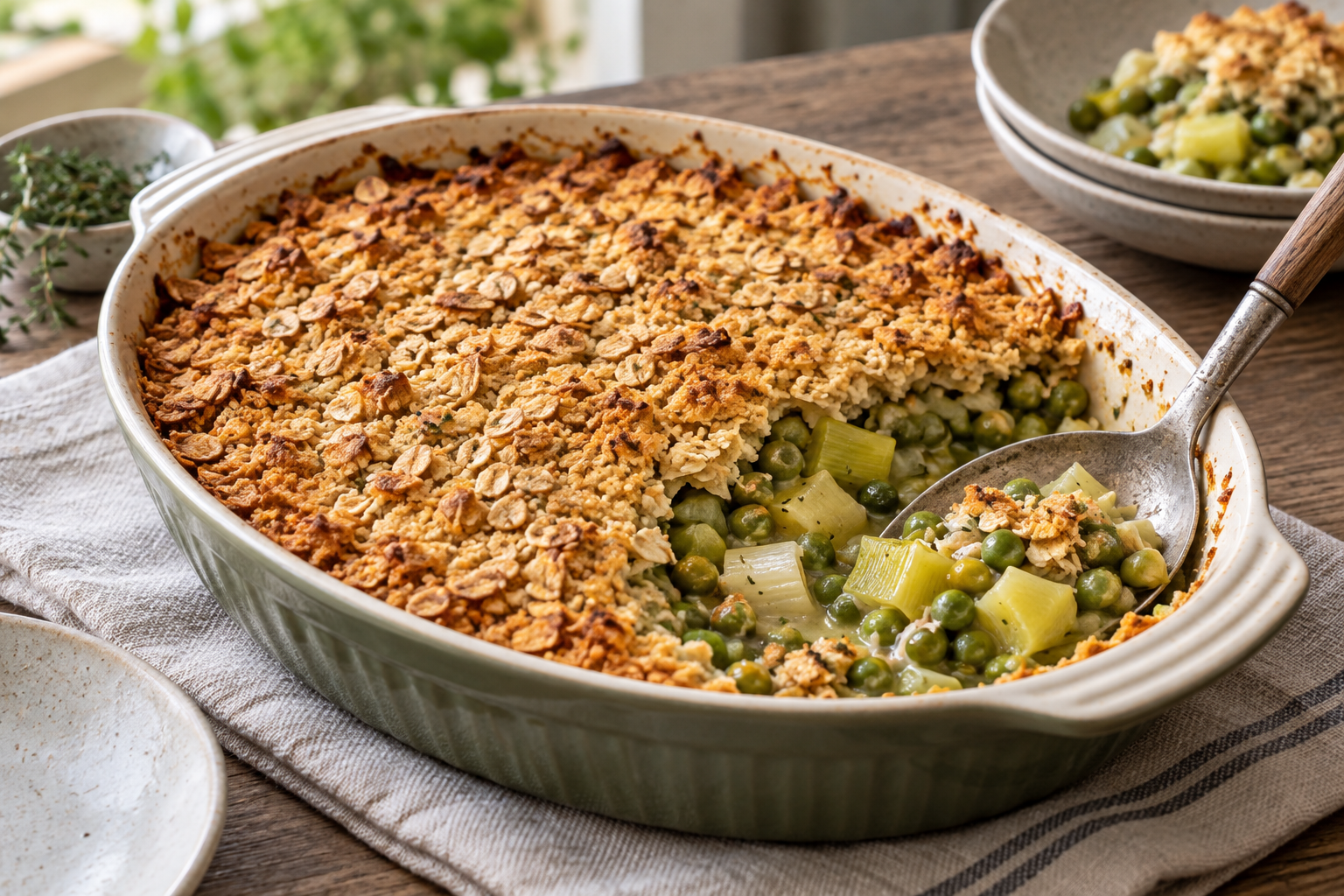
A light toasted-oat topping covers whole peas and soft leeks.
062 · La Tène pulse evidence with modern oat processing · Later European Iron Age/La Tène context, approximately 450 BCE–1 CE

Peas and Leeks Beneath a Toasted Oat Crust

A crisp oat topping contrasts with whole peas and soft leeks in a new everyday vegetable bake.
historically informed adaptation
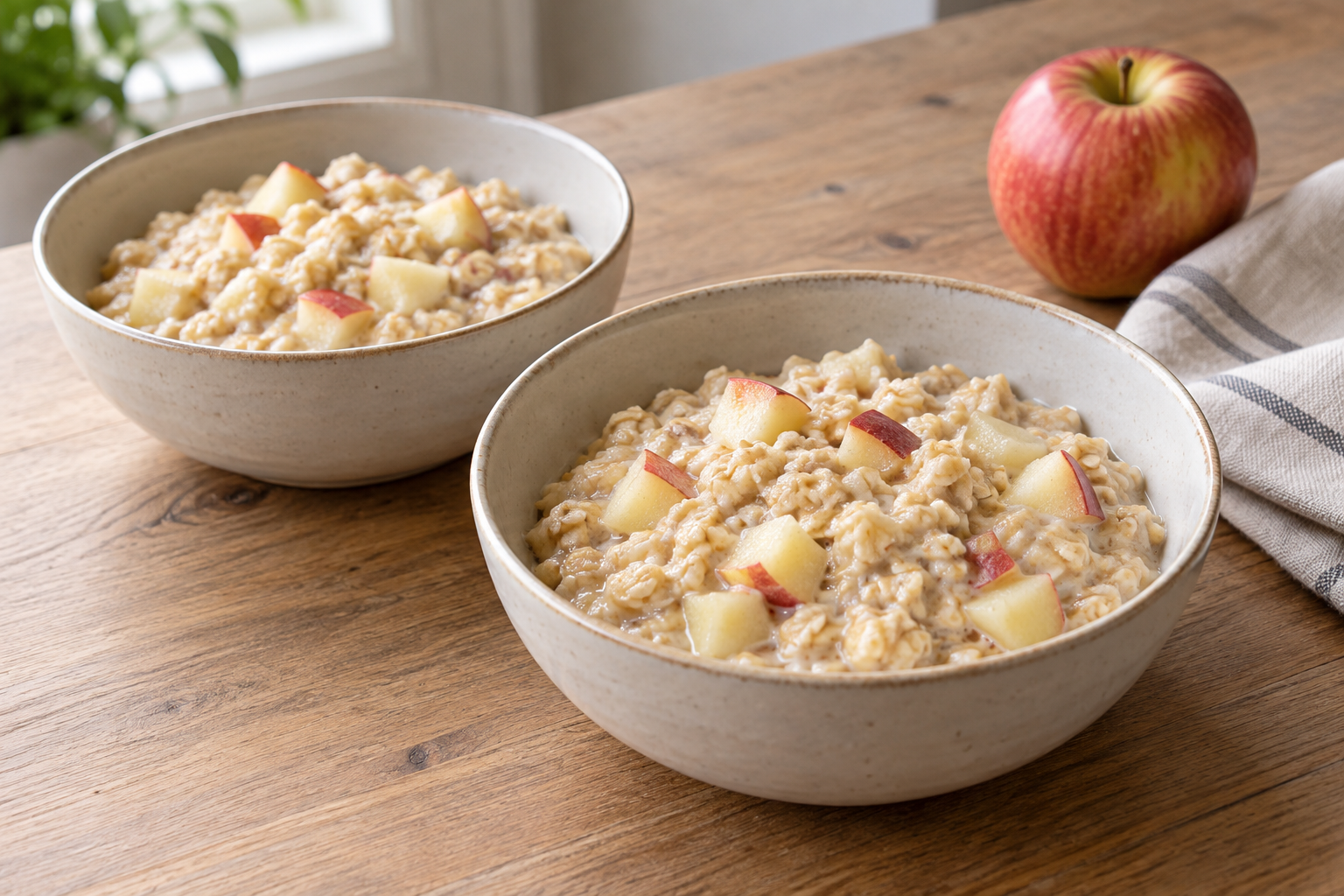
Creamy oat porridge with small tender apple pieces.
063 · Later Iron Age crop context and wider ancient fruit evidence · Later European Iron Age/La Tène context, approximately 450 BCE–1 CE

Apple Oat Porridge with the Grain Question Kept Open

An ordinary rolled-oat breakfast uses apple for sweetness while treating ancient oat evidence cautiously.
historically informed adaptation
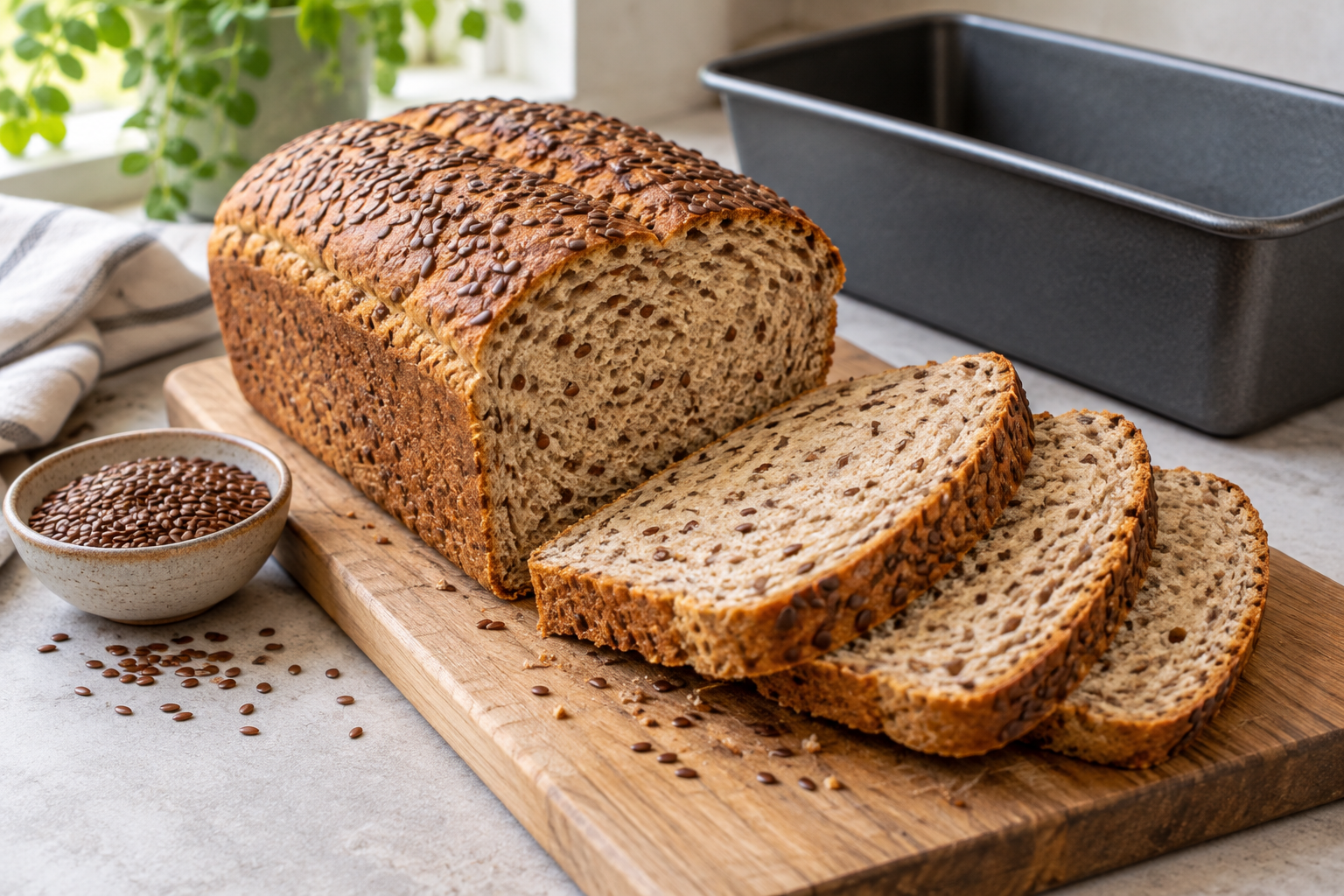
Sliced wheat loaf with flaxseed visible in the cooked crumb.
064 · Late Neolithic lakeshore plant and cereal-preparation evidence · Parkhaus Opéra layer context, approximately 3176–3153 BCE

A Wheat Loaf with Flax and a Lakeshore Context

A modern wheat-and-flax loaf uses a documented plant context without claiming to reproduce an excavated bread.
historically informed adaptation
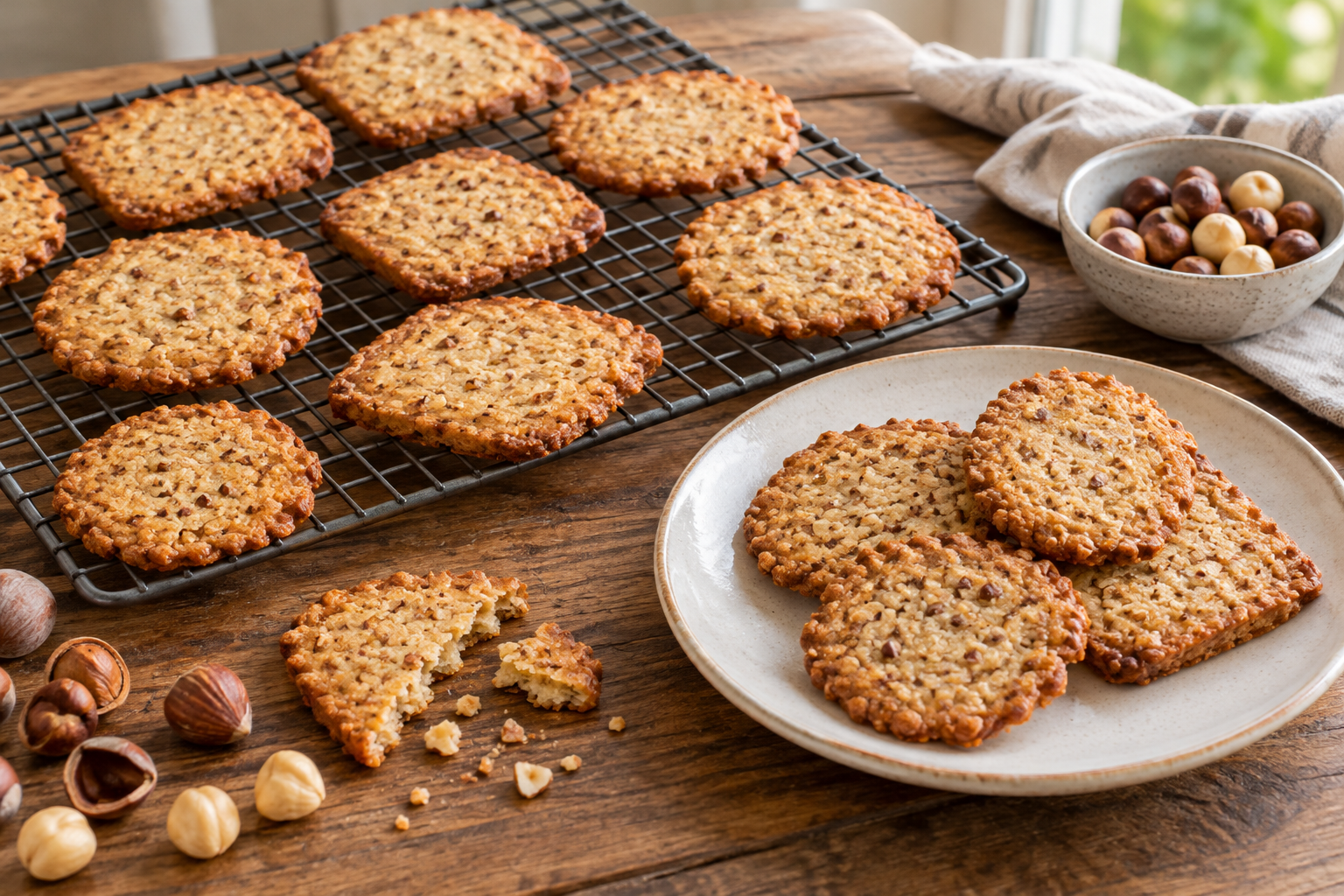
Small crisp wheat biscuits with a finely chopped hazelnut texture.
065 · Late Neolithic plant evidence and modern biscuit formula · Approximately 3200 BCE for selected lakeshore context

Crisp Hazelnut and Wheat Biscuits

Finely chopped hazelnuts make a small crisp wheat biscuit, with the modern bake separated from archaeological evidence.
historically informed adaptation
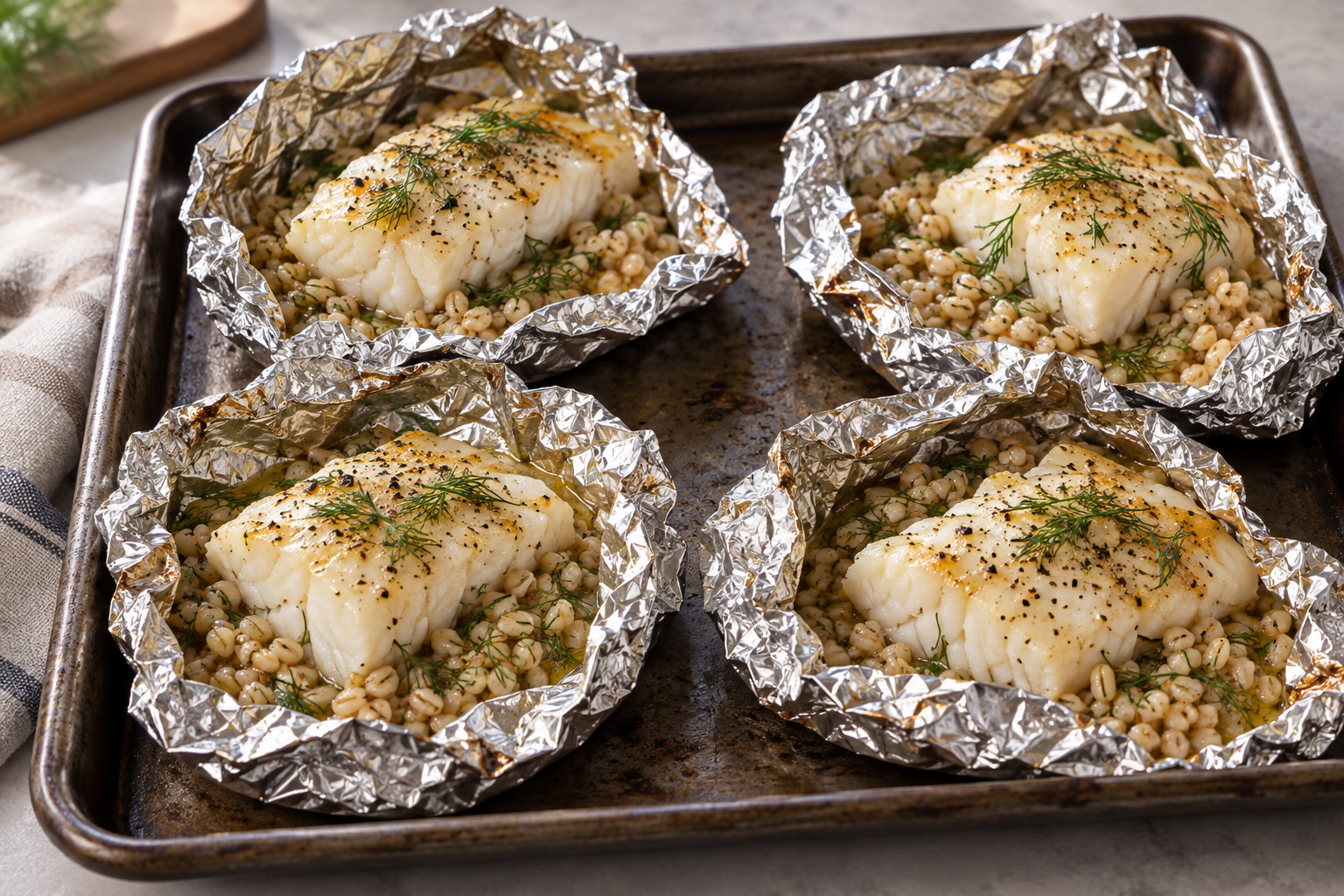
Opened foil parcels reveal cooked cod fillets over barley.
066 · Bronze Age fish and cereal evidence · Scandinavian Bronze Age context, approximately 1700–500 BCE

Cod and Barley in Modern Oven Parcels

Separate modern foil parcels steam cod above cooked barley, turning ancient ingredient evidence into a practical dinner.
historically informed adaptation
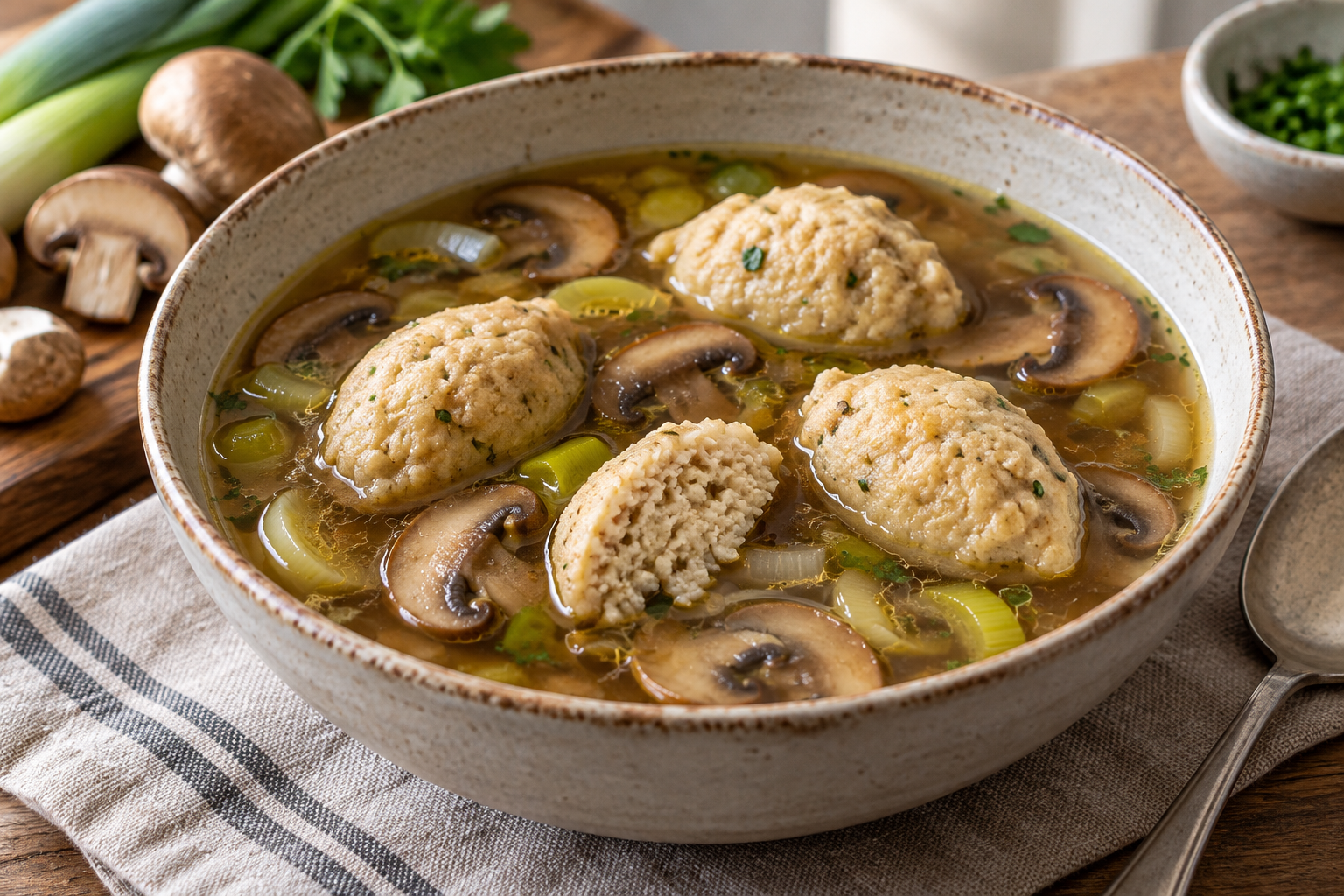
Small wheat dumplings sit in a mushroom and leek broth.
067 · La Tène cereal evidence with explicitly modern soup construction · Later European Iron Age/La Tène context, approximately 450 BCE–1 CE

Spoon-Dropped Wheat Dumplings in Mushroom Broth

Small unfilled wheat dumplings cook directly in an everyday mushroom broth, with both format and mushrooms identified as modern.
historically informed adaptation
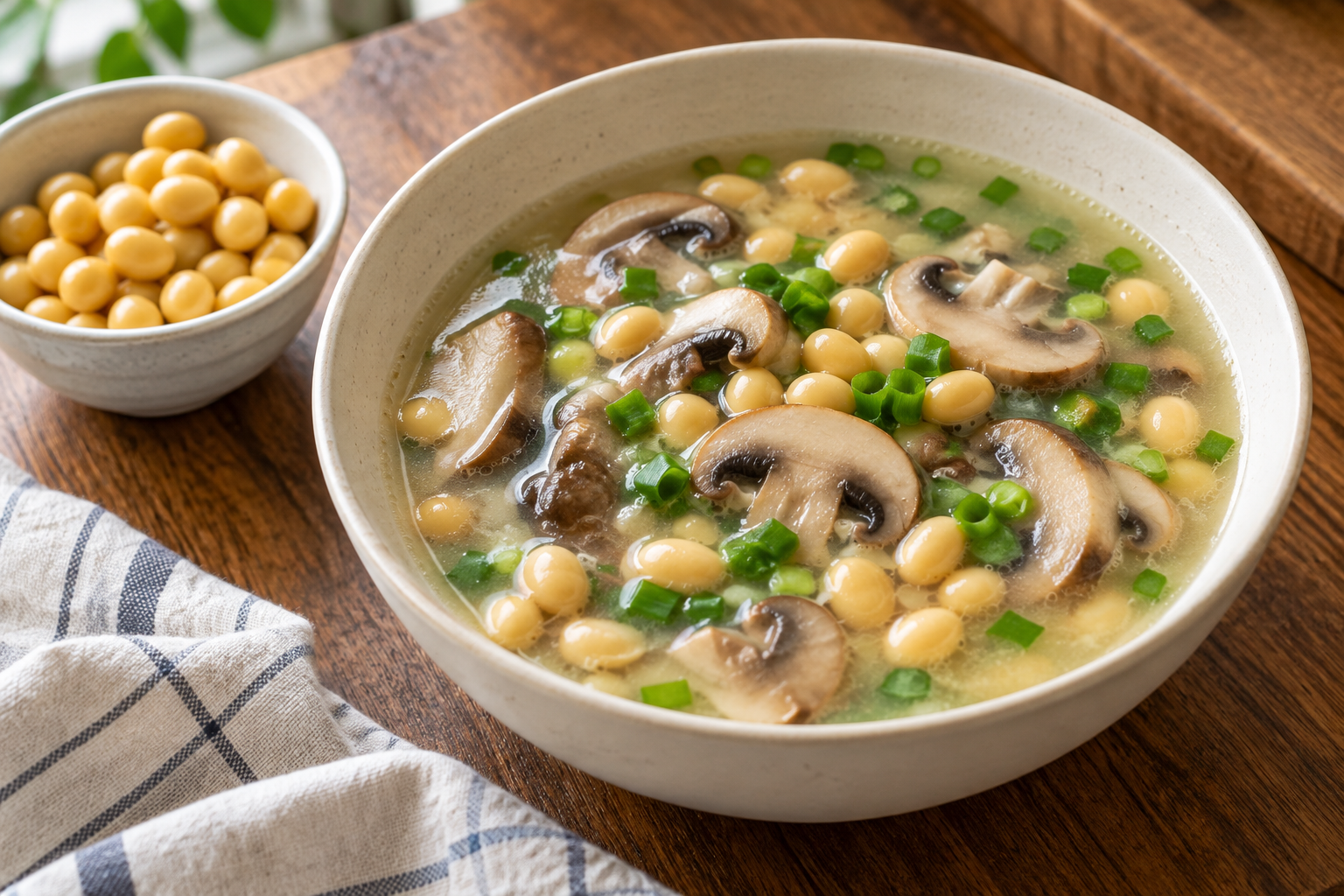
Yellow soybeans and brown mushroom slices in a light scallion broth.
068 · Neolithic to early imperial crop traditions · c. 2000 BCE–220 CE

A Soybean Story in a Modern Mushroom Soup

Tender soybeans and browned mushrooms simmer in a light scallion broth for a simple vegetarian lunch.
historically informed adaptation
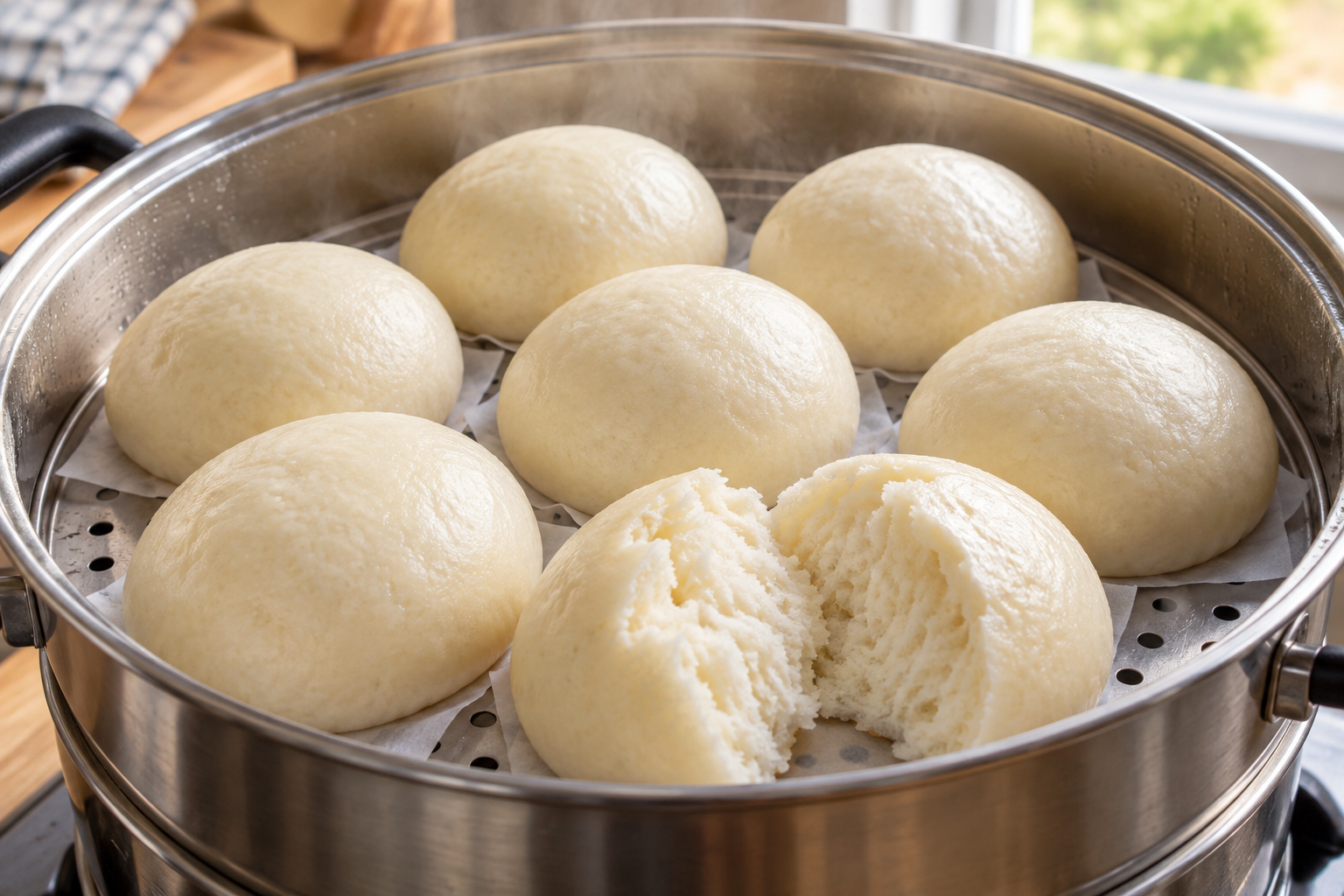
Pale steamed wheat rolls, one opened to reveal the soft crumb.
069 · Late classical Chinese wheat-food context · c. 200–600 CE

Wheat Travels East: Soft Steamed Rolls

Soft wheat yeast rolls steam in two batches and make a gentle accompaniment to soups or stews.
historically informed adaptation
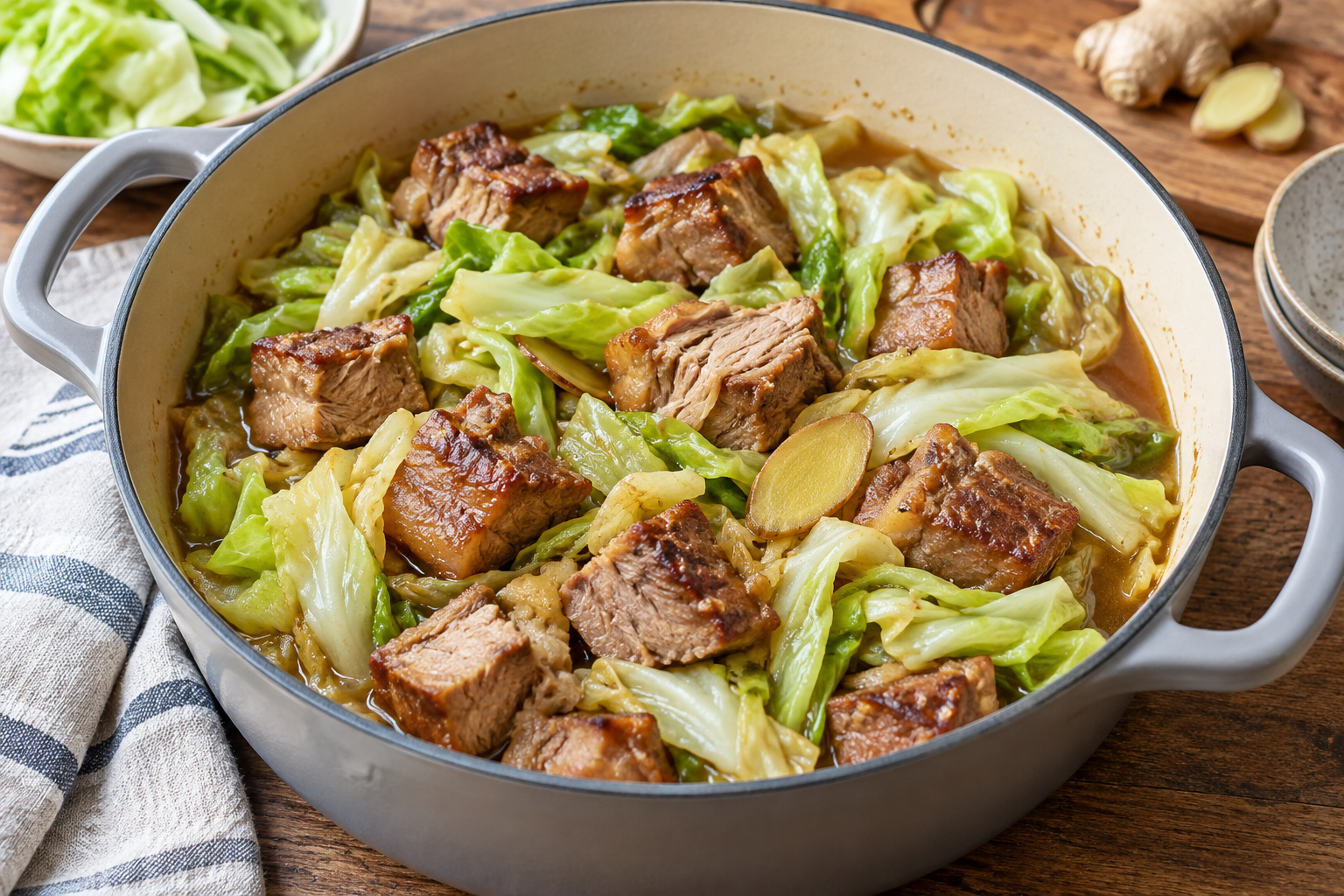
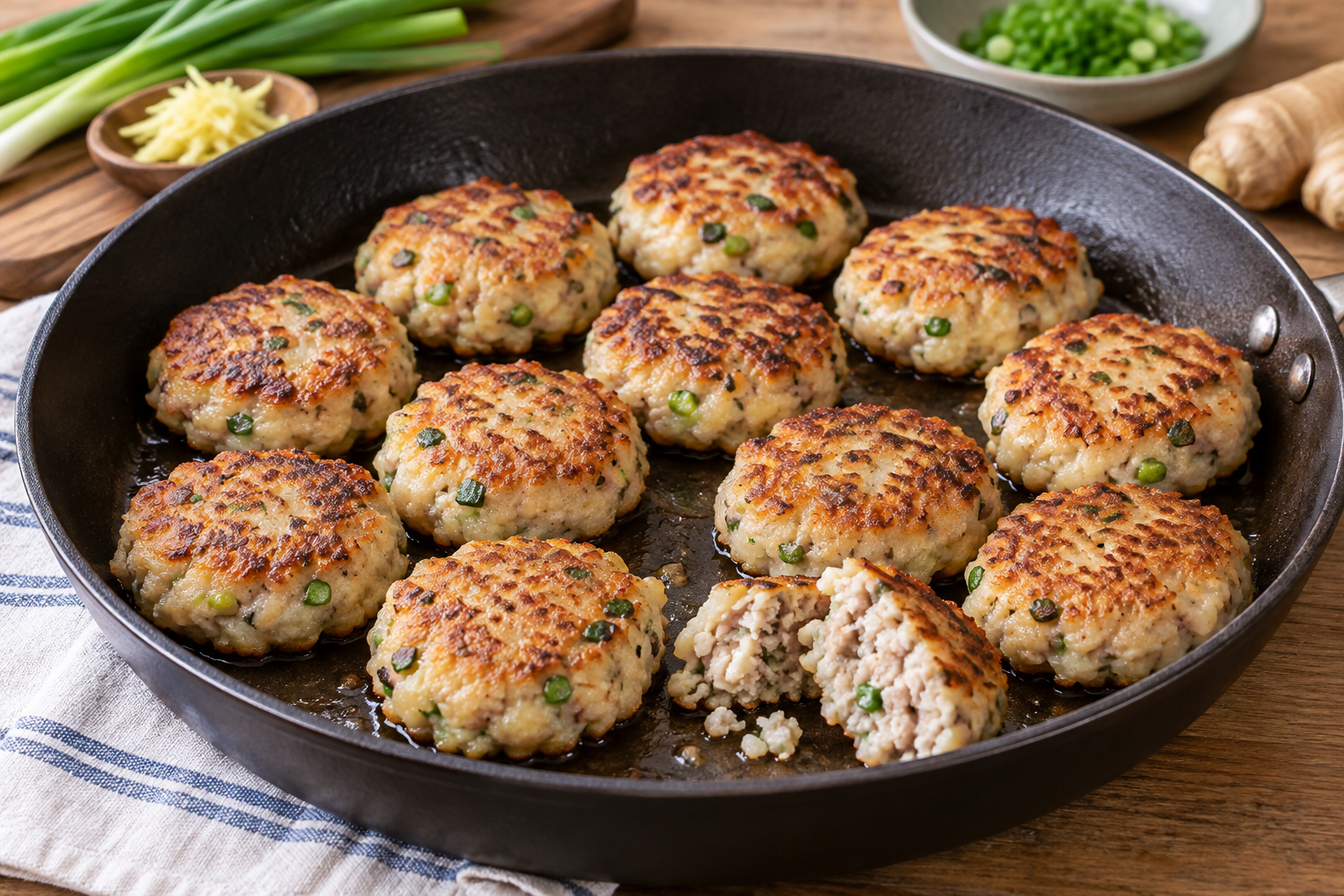
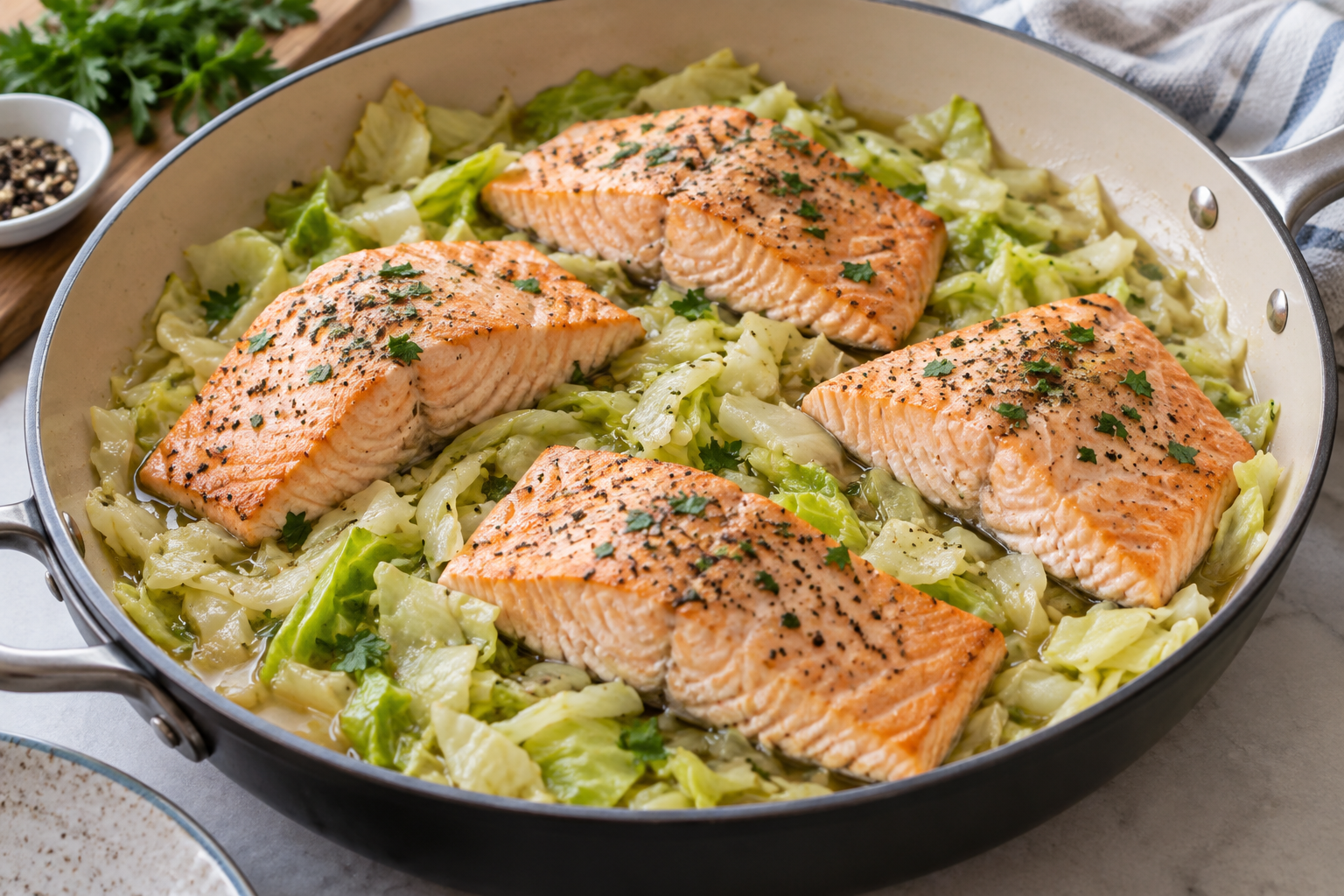
Tender pork cubes and soft cabbage in a shallow brown braising liquid.
071 · Han-period Xiawanggang food landscape · c. 200 BCE–200 CE

A Pork Pot Inspired by Ancient Chinese Husbandry

Pork shoulder braises slowly with cabbage and ginger until fork-tender in a little savory broth.
historically informed adaptation
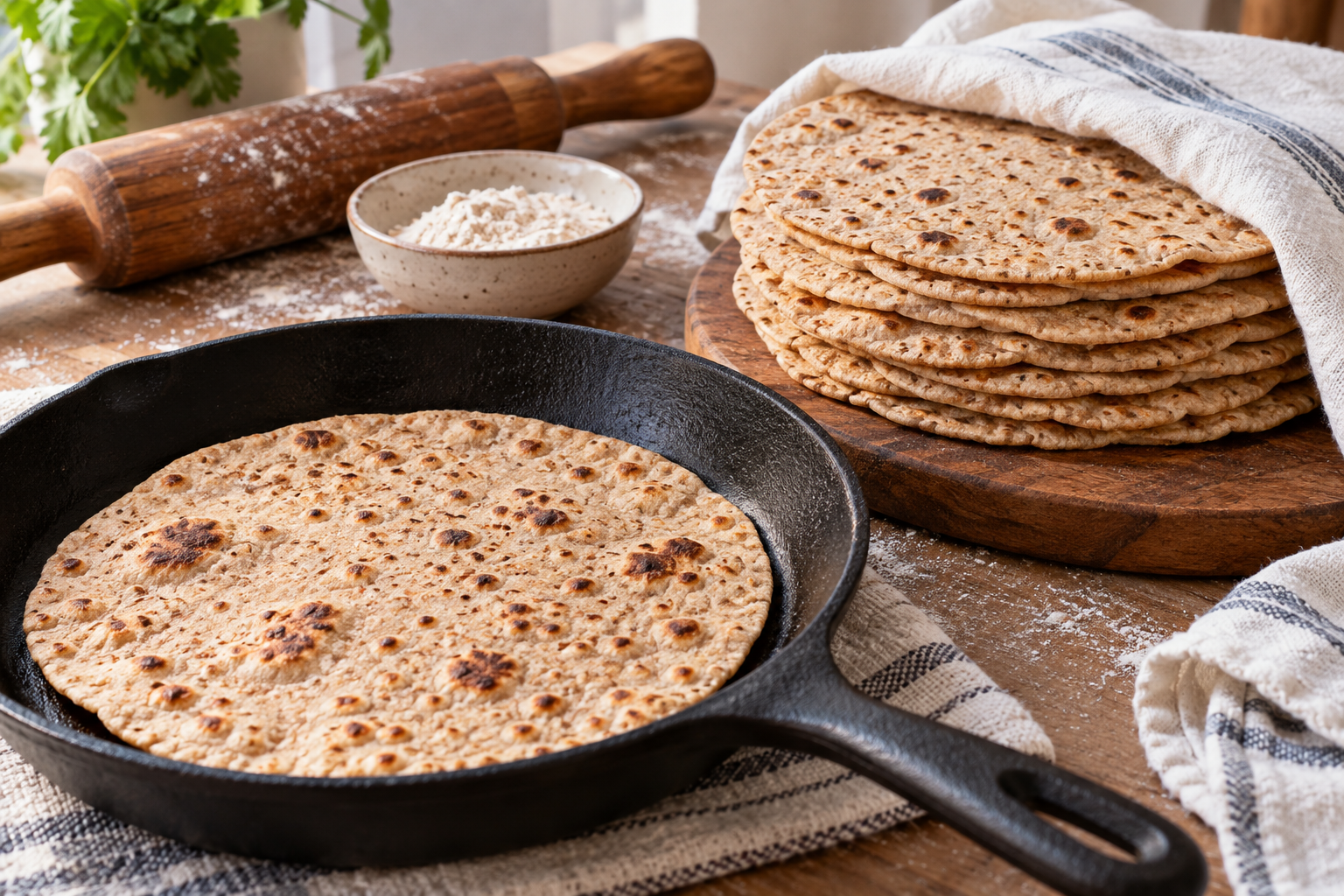
Thin wholewheat flatbreads with toasted spots, stacked beside a skillet.
074 · Mature Harappan crop traditions · c. 2600–1900 BCE

Wheat at Harappa, Bread on Today's Skillet

Wholewheat dough rolls into thin skillet breads with toasted spots and a soft, flexible center.
historically informed adaptation
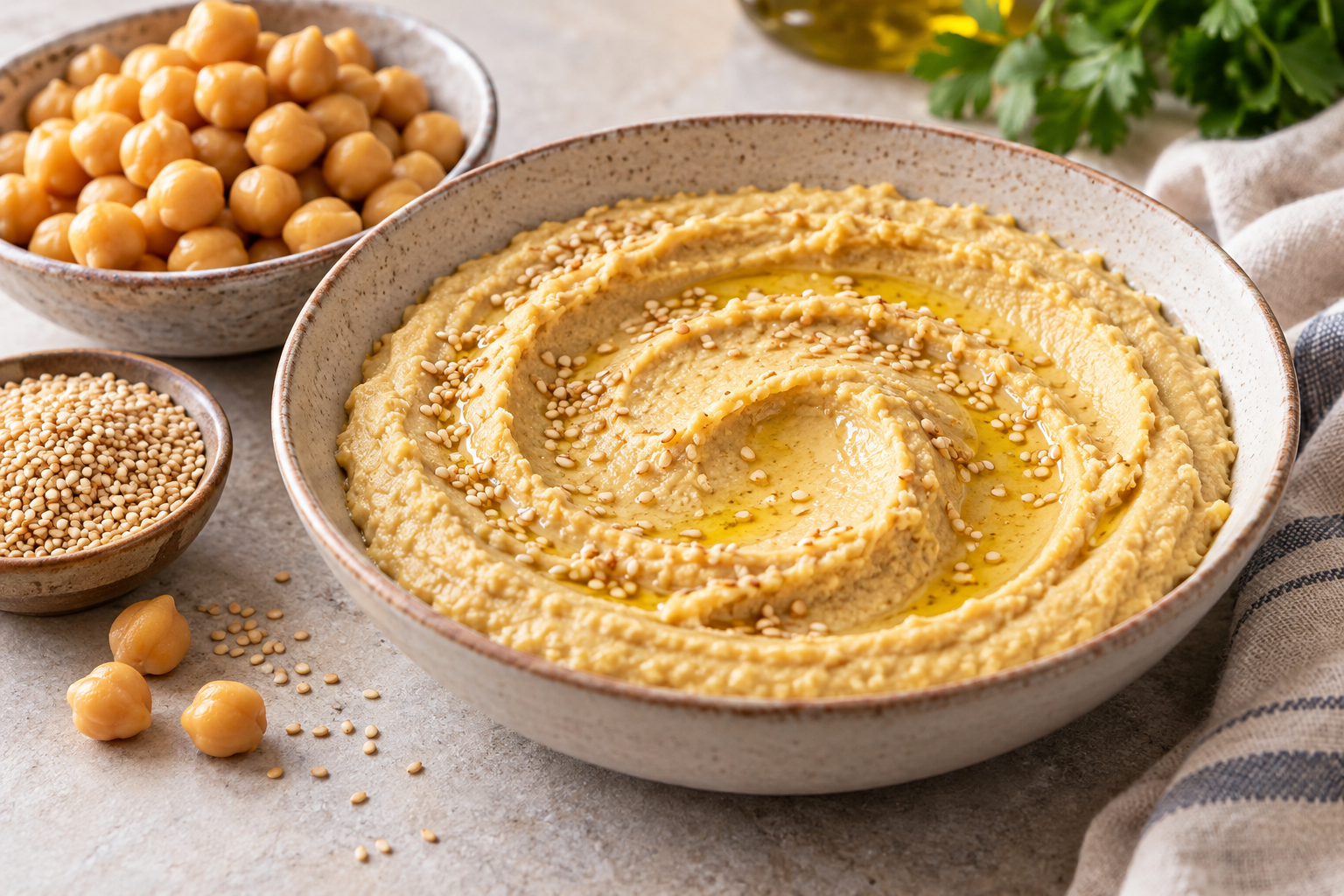
A smooth chickpea and toasted-sesame spread beside its bean and seed ingredients.
075 · Mature Harappan plant-resource traditions · c. 2600–1900 BCE

Two Indus Crops in a Quick Chickpea Spread

Canned chickpeas blend with toasted sesame and lemon into a savory spread for bread or vegetables.
historically informed adaptation
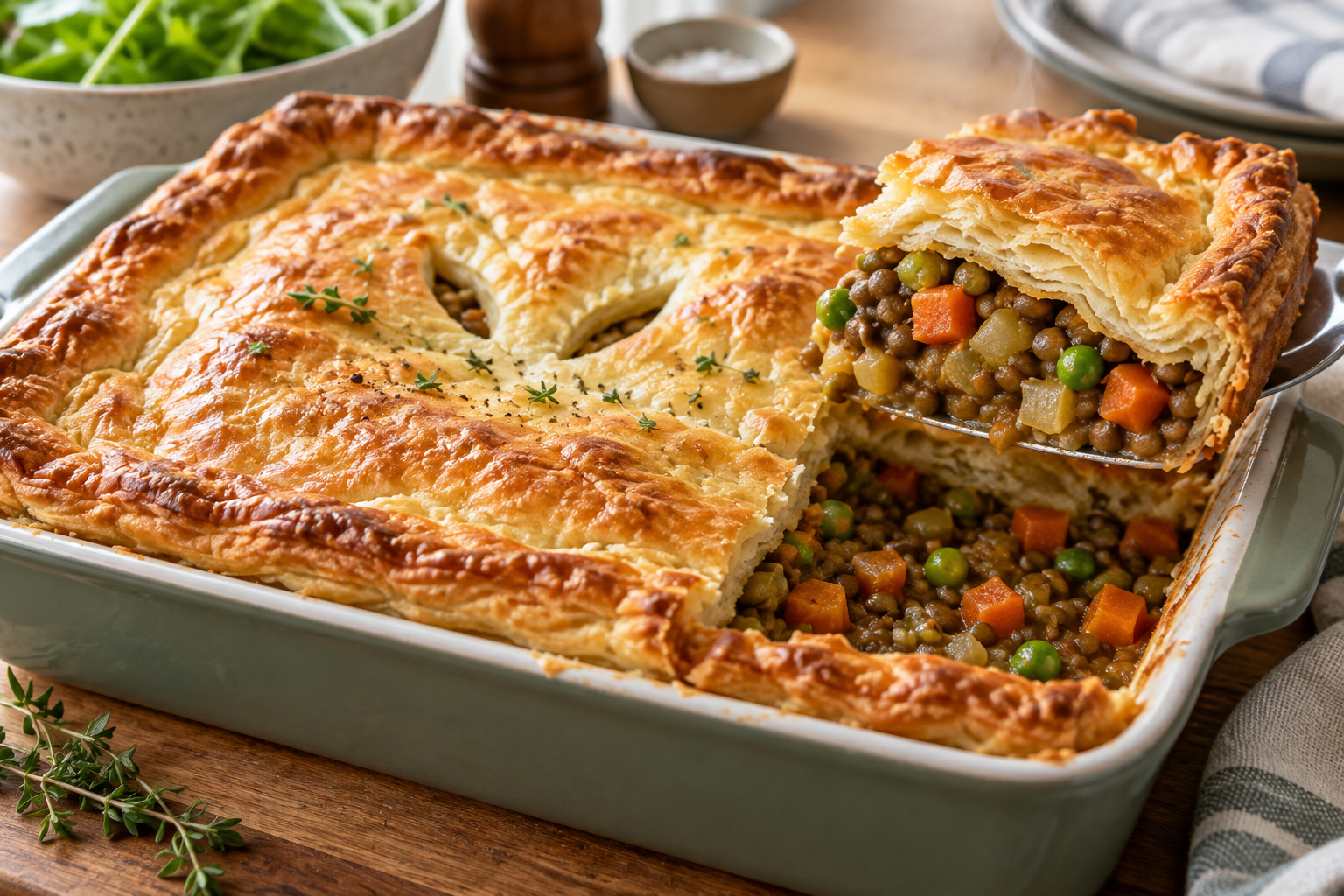
A golden pastry lid above brown lentils, carrot and peas in a vegetarian potpie.
076 · Mature Harappan wheat and pulse traditions · c. 2600–1900 BCE

Harappan Crops beneath a Modern Pastry Lid

Canned lentils, carrot and peas bake beneath a crisp ready-made pastry lid in a vegetarian potpie.
historically informed adaptation
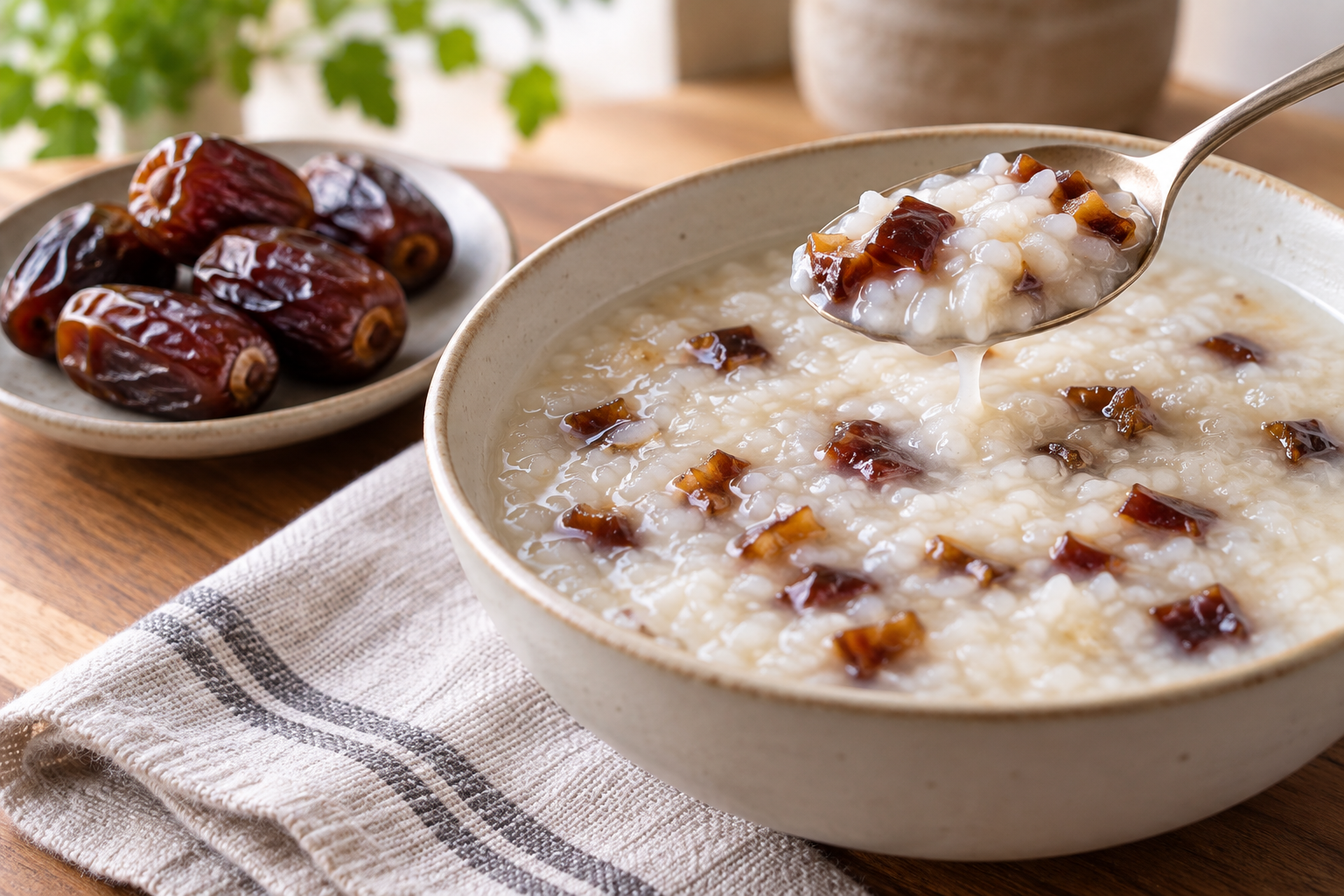
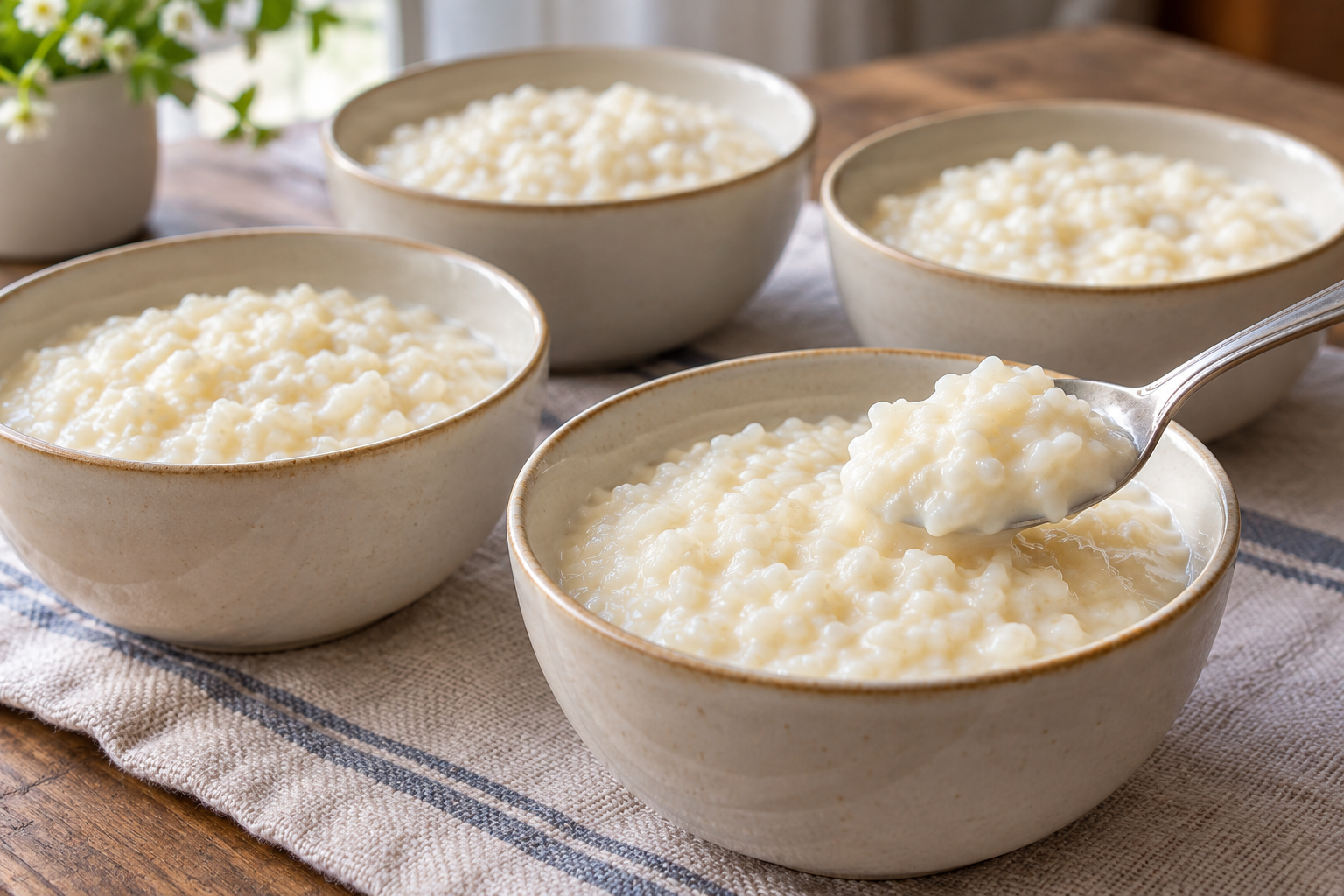
Plain creamy milk-rice pudding in four small bowls.
077 · Early Buddhist and classical Sanskrit food traditions · first millennium BCE–c. 600 CE

Milk-Rice: A Textual Idea, a Modern Pudding

Short-grain rice slowly cooks in pasteurized milk for a plain, creamy pudding with restrained sweetness.
historically informed adaptation
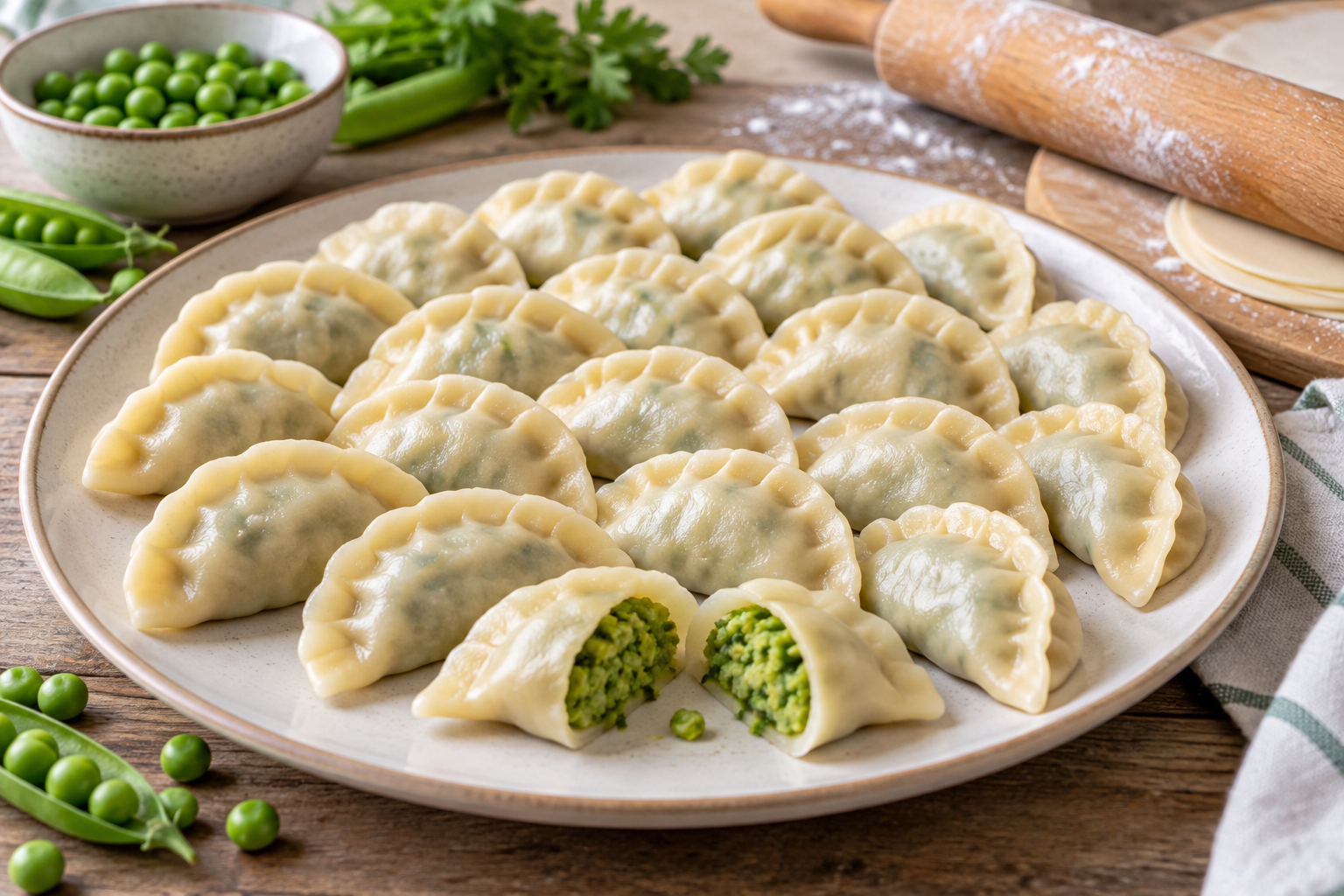
Tender wheat dumplings, one cut open to show its green pea filling.
078 · Mature Harappan crop traditions · c. 2600–1900 BCE

Peas and Wheat Become a Simple Dumpling

Thin wheat wrappers enclose mashed green peas, then simmer into tender small dumplings.
historically informed adaptation
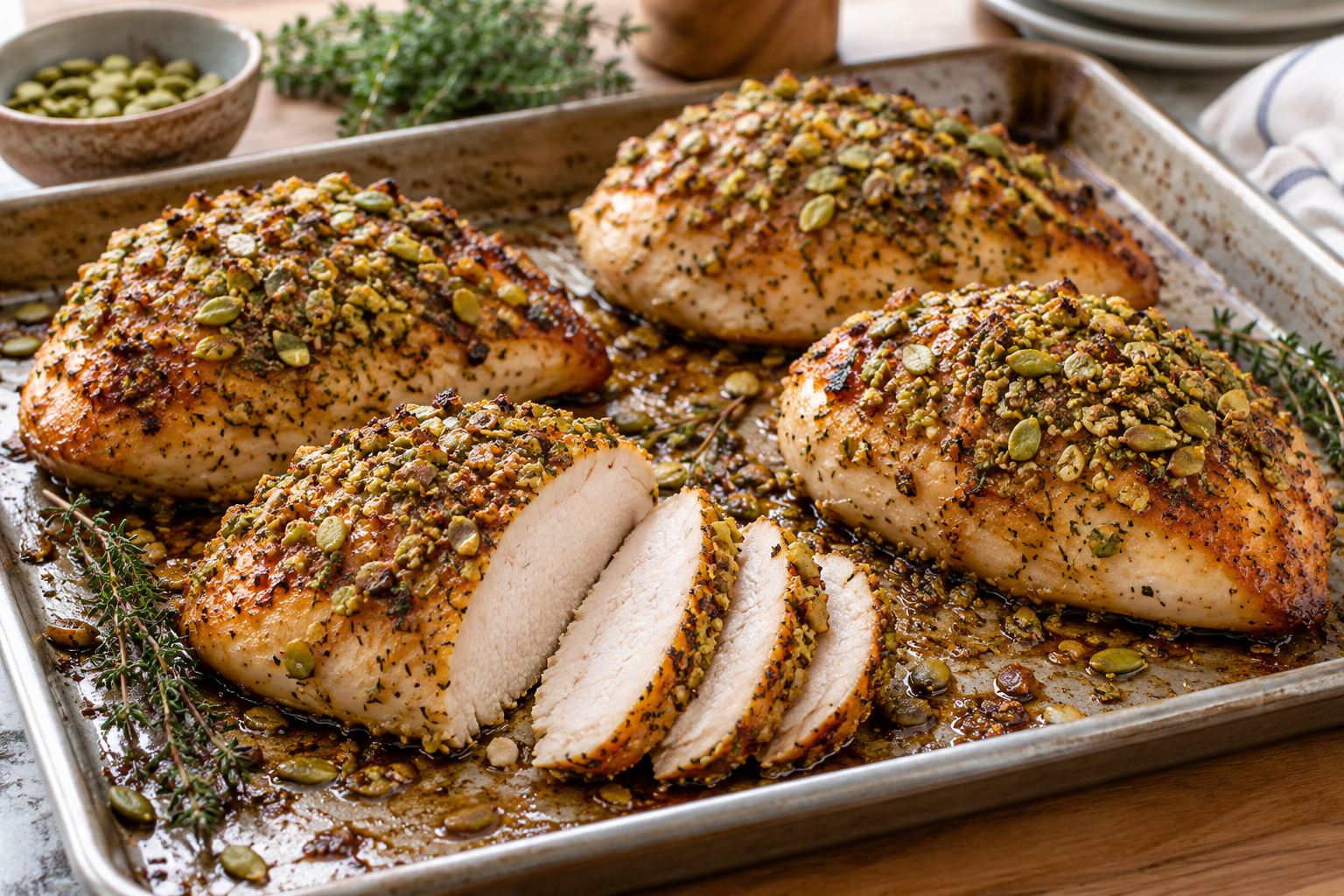
Sliced turkey breast with a lightly browned pumpkin-seed coating.
084 · Late Preclassic El Mirador food-resource context · c. 300 BCE–100 CE

Turkey Travels: A Modern Roast with Pumpkin Seeds

Turkey breast roasts beneath a chopped pumpkin-seed coating, then rests before slicing.
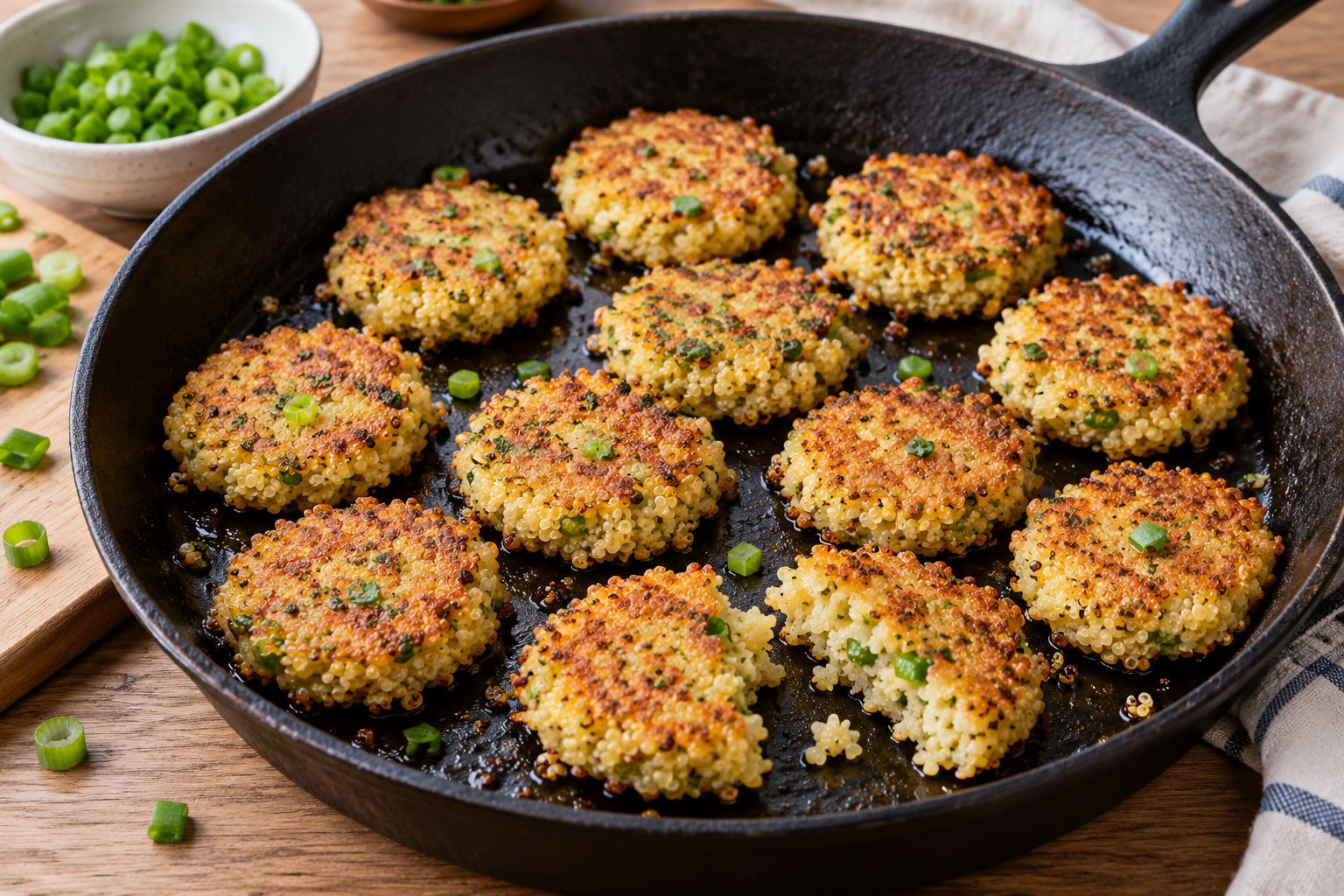
historically informed adaptation
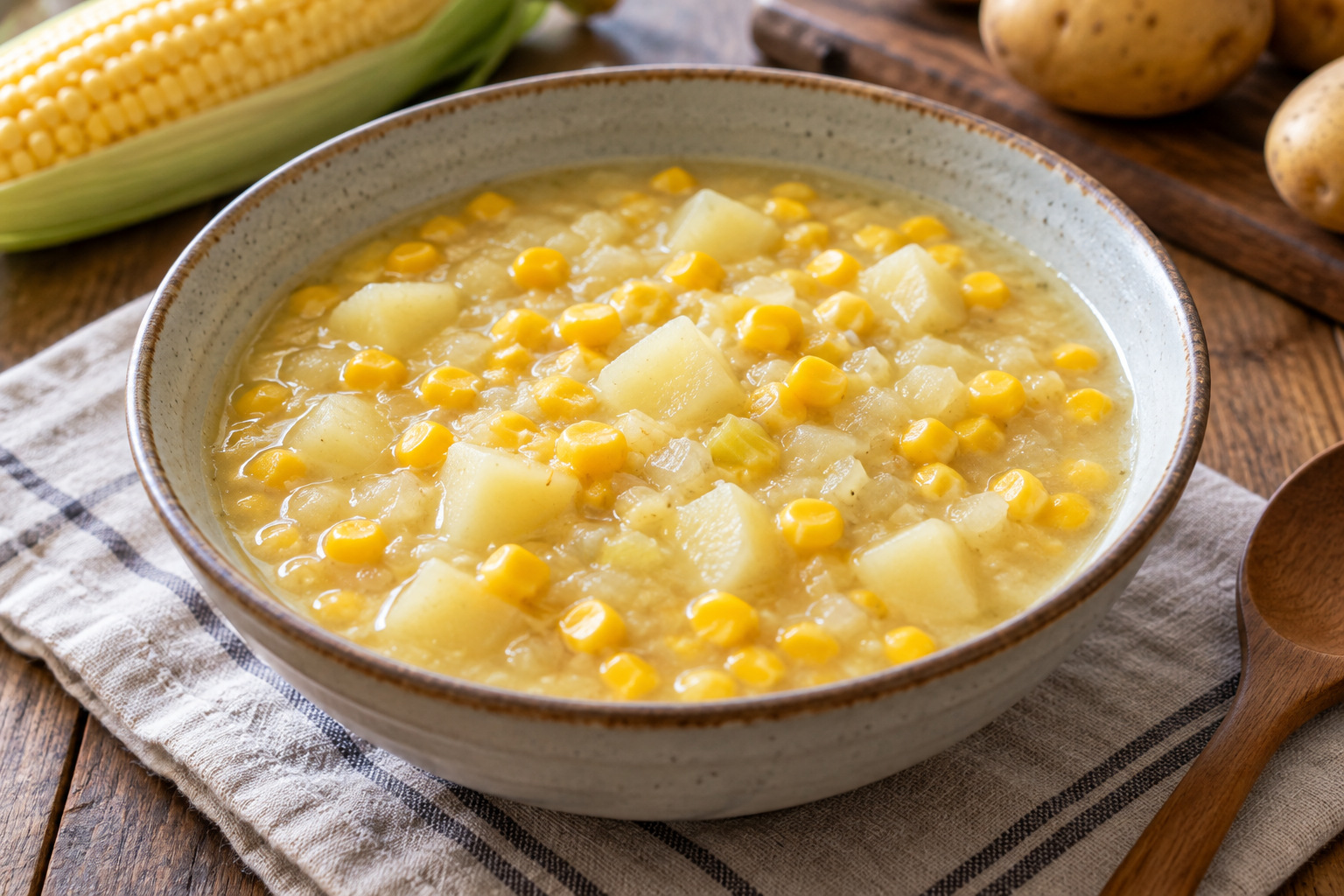
Potato cubes and yellow corn kernels in a pale, naturally thickened chowder.
086 · Late Archaic Norte Chico crop landscape · c. 3000–1800 BCE

Two Andean Starches in a Dairy-Free Chowder

Potato cubes and sweetcorn simmer into a dairy-free chowder thickened by mashed potato.
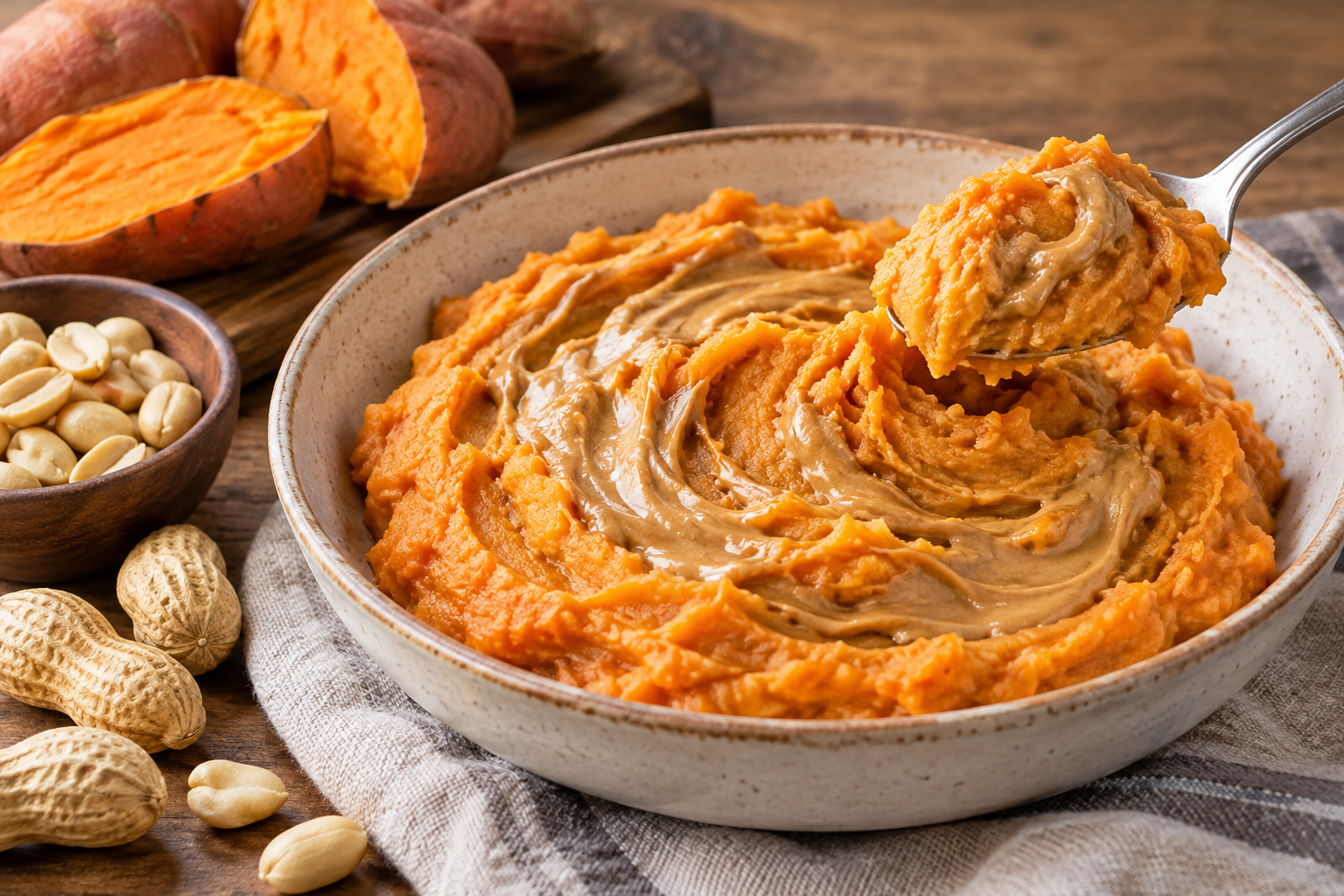
historically informed adaptation
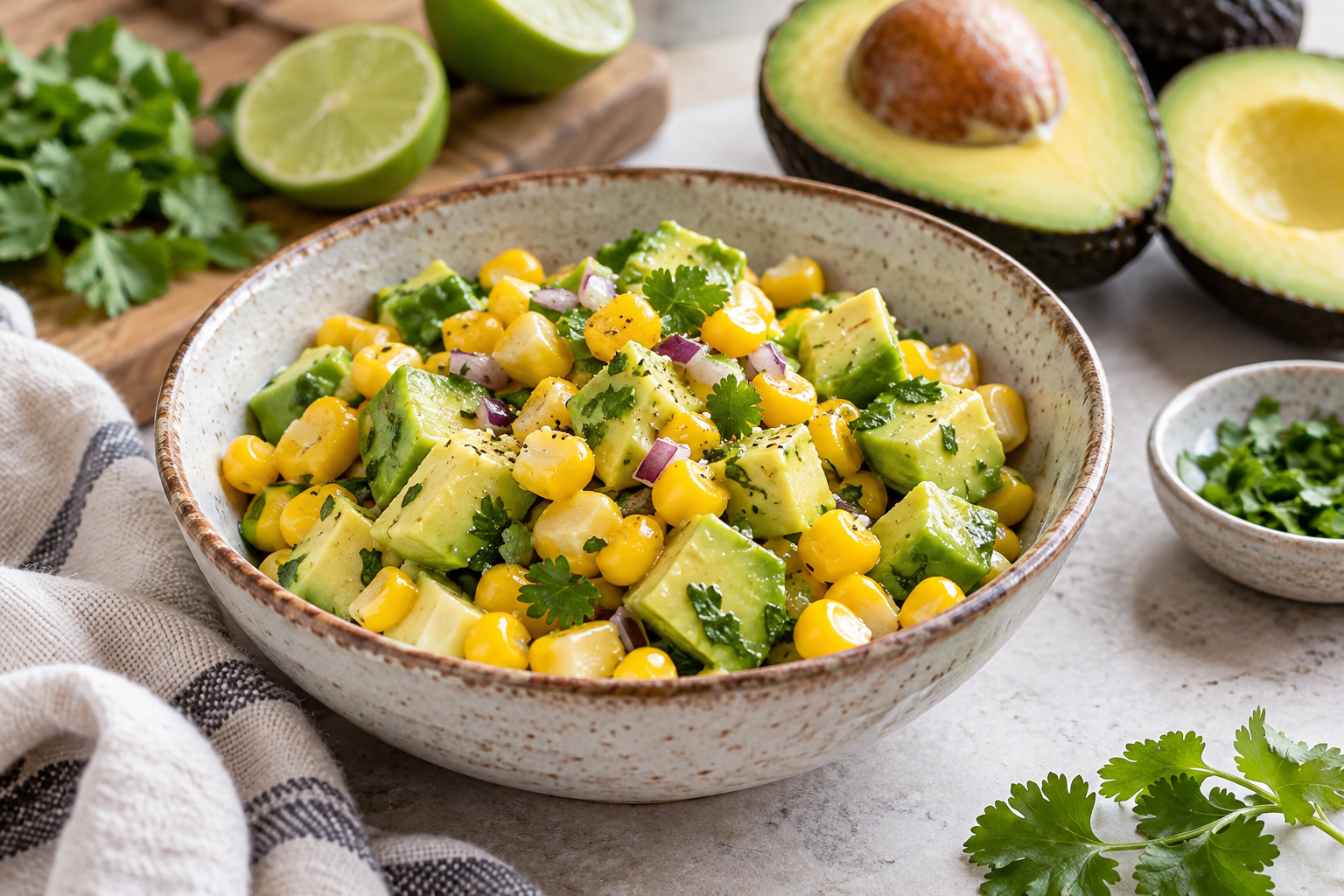
Diced ripe avocado and yellow sweetcorn in a fresh lightly dressed relish.
088 · Ancient tree and field-crop traditions · c. 4000 BCE–600 CE

An Avocado History beside a Fresh Corn Relish

Diced ripe avocado and cooked sweetcorn become a fresh, lightly dressed relish.
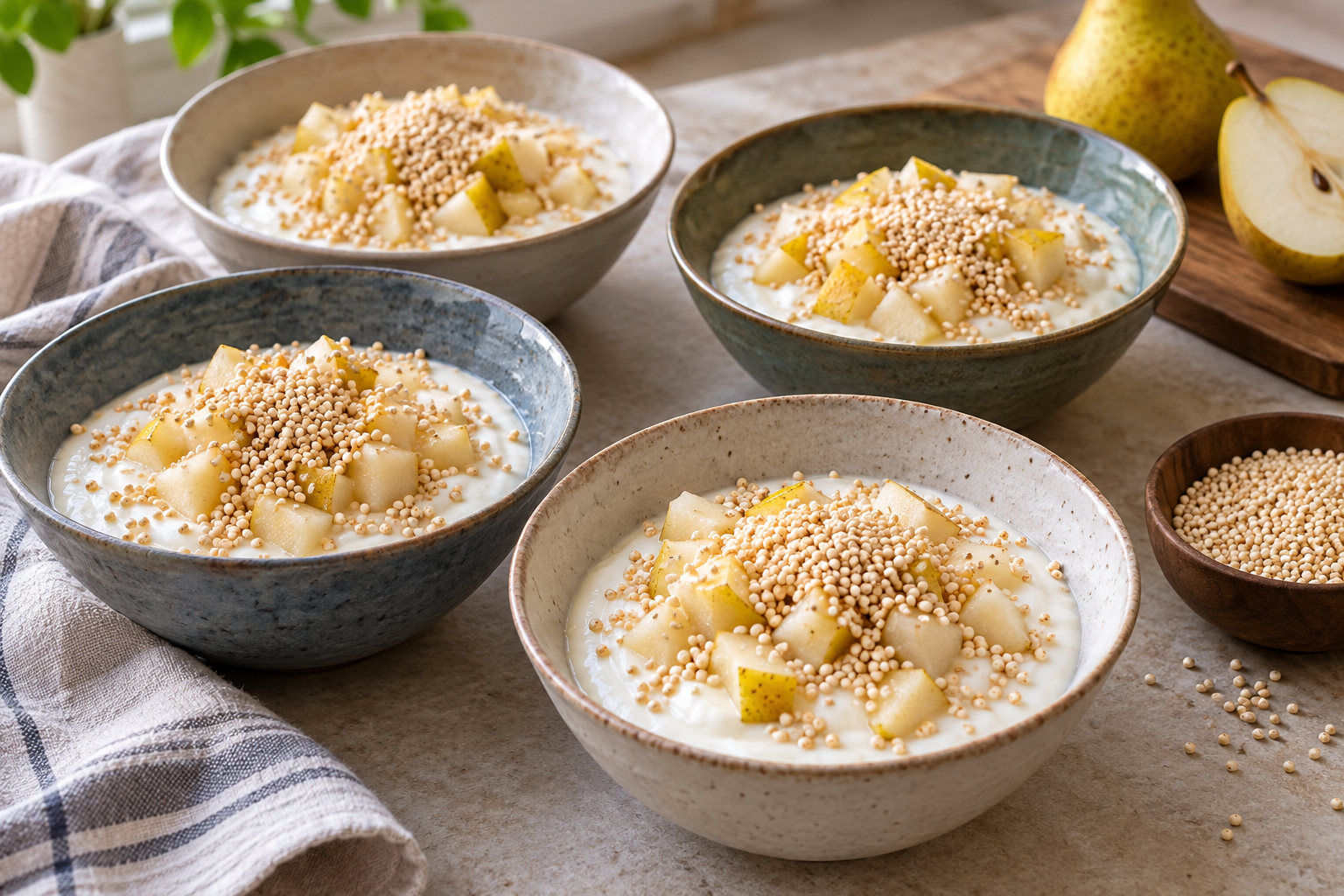
historically informed adaptation
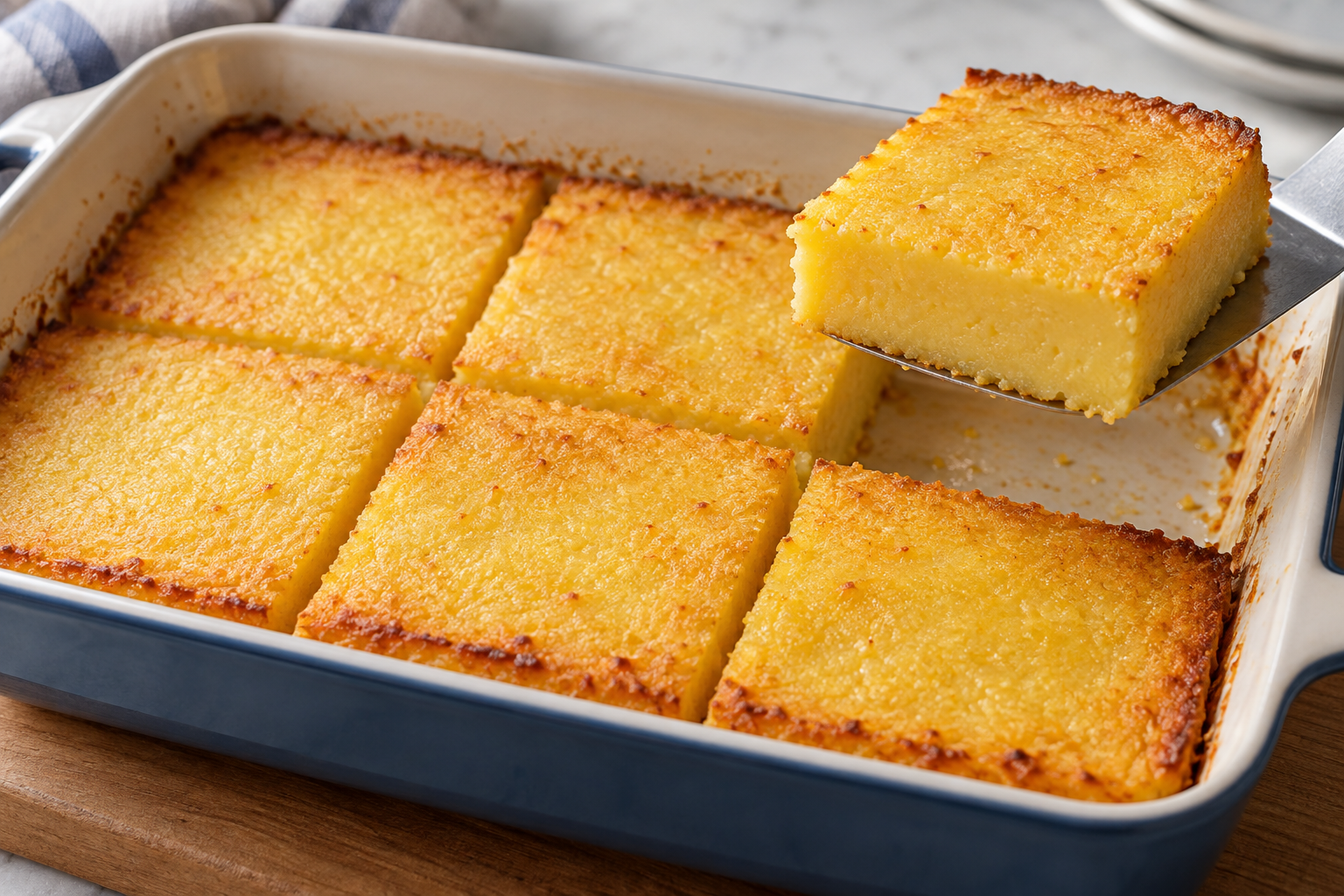
Golden baked cornmeal squares with a firm top and moist interior.
091 · Preceramic maize-resource traditions · c. 4800–1800 BCE

Maize Meal Becomes a Practical Baked Side

Fully cooked cornmeal bakes into savory squares with a lightly firm top and a tender interior.
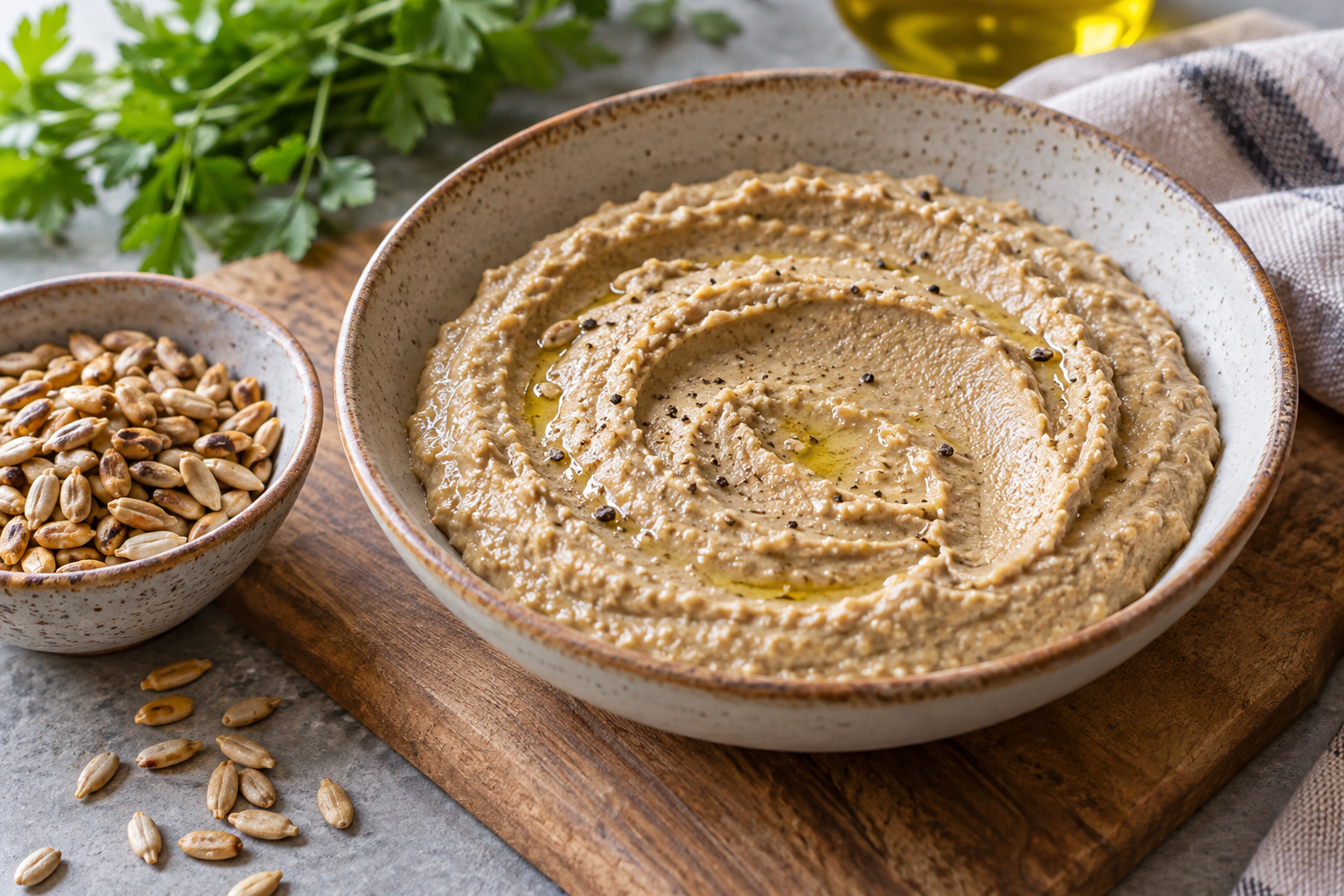
historically informed adaptation
A soft tan sunflower-kernel spread beside toasted hulled seeds.
092 · Late Archaic Eastern Agricultural Complex · c. 2500–1000 BCE

Sunflower Kernels Become a Savory Spread

Toasted sunflower kernels blend with water and lemon into a soft savory spread.
historically informed adaptation
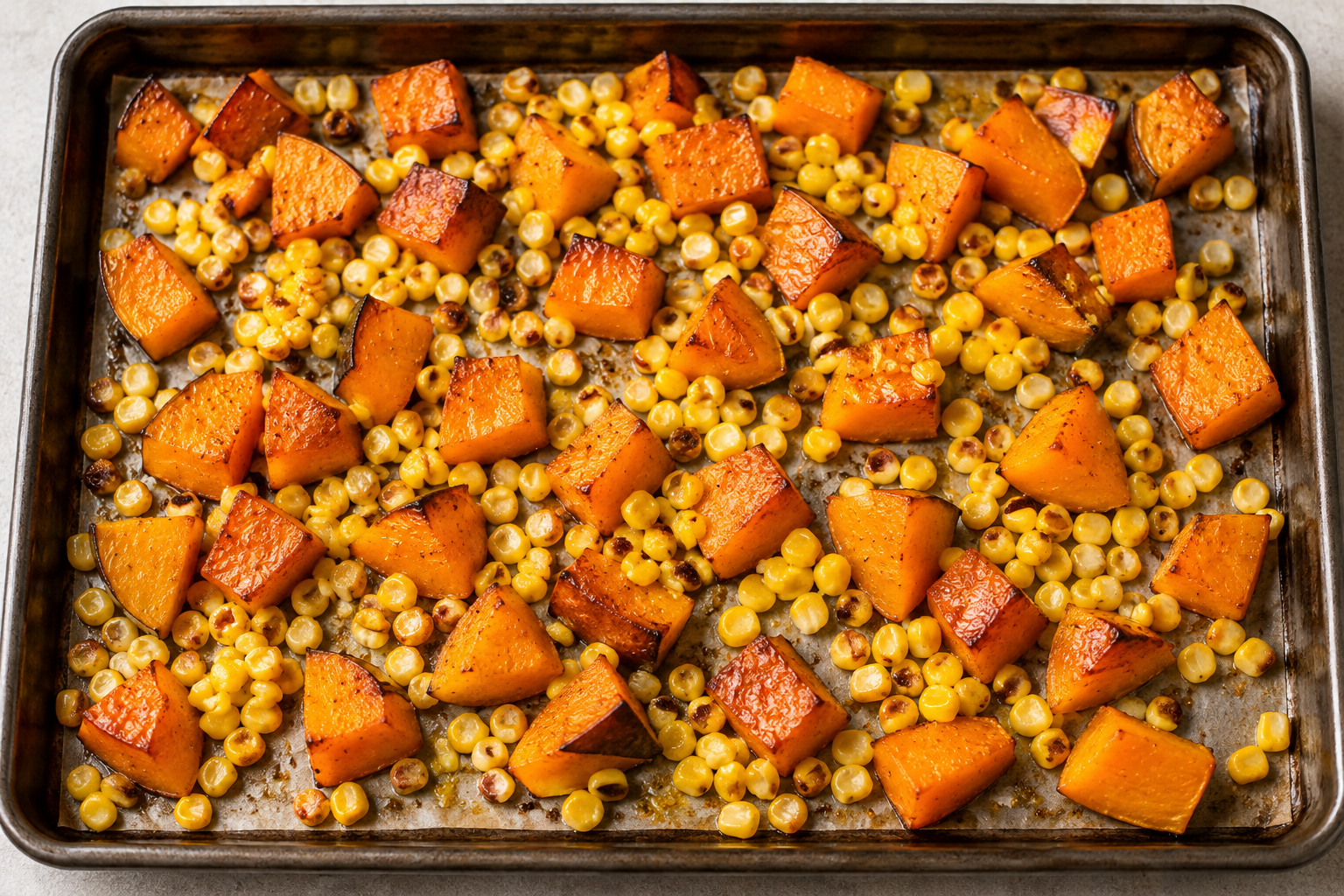
Brown-edged winter-squash pieces and yellow corn kernels on an oven tray.
093 · Early maize adoption beside established squash crops · c. 200 BCE–600 CE

Squash and Maize in a Modern Tray Roast

Winter-squash chunks roast first, then sweetcorn joins the tray for browned vegetable pieces.
historically informed adaptation
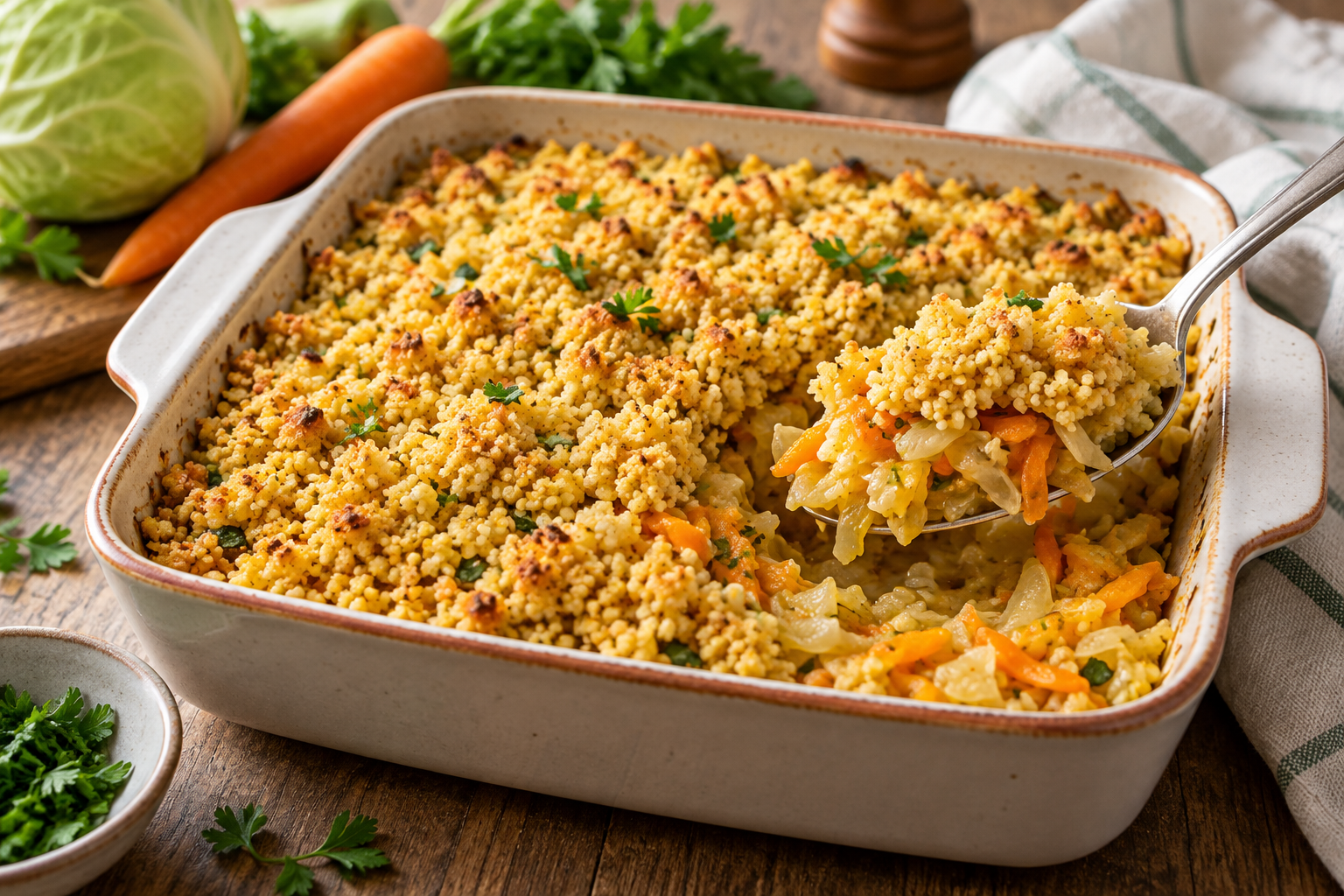
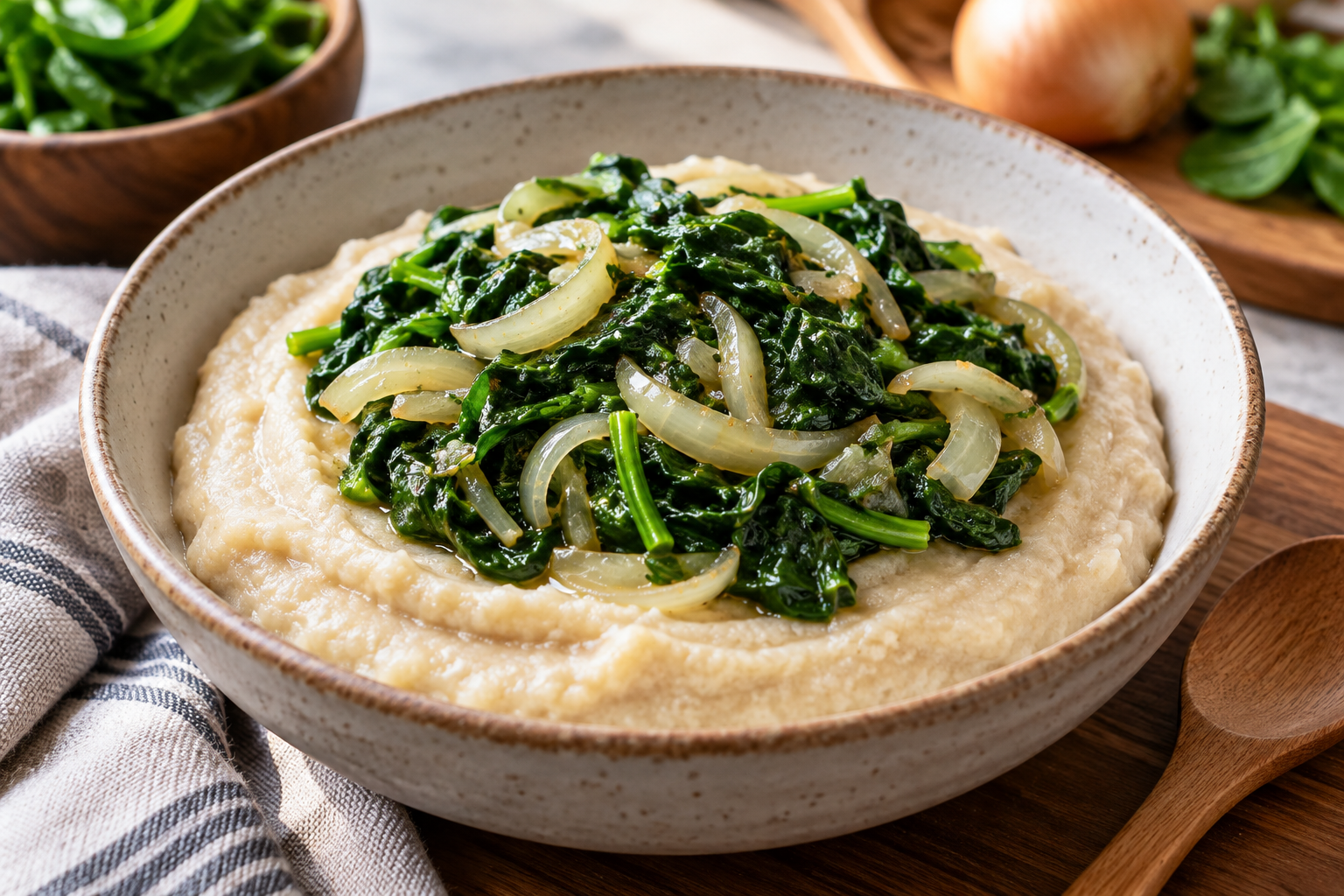
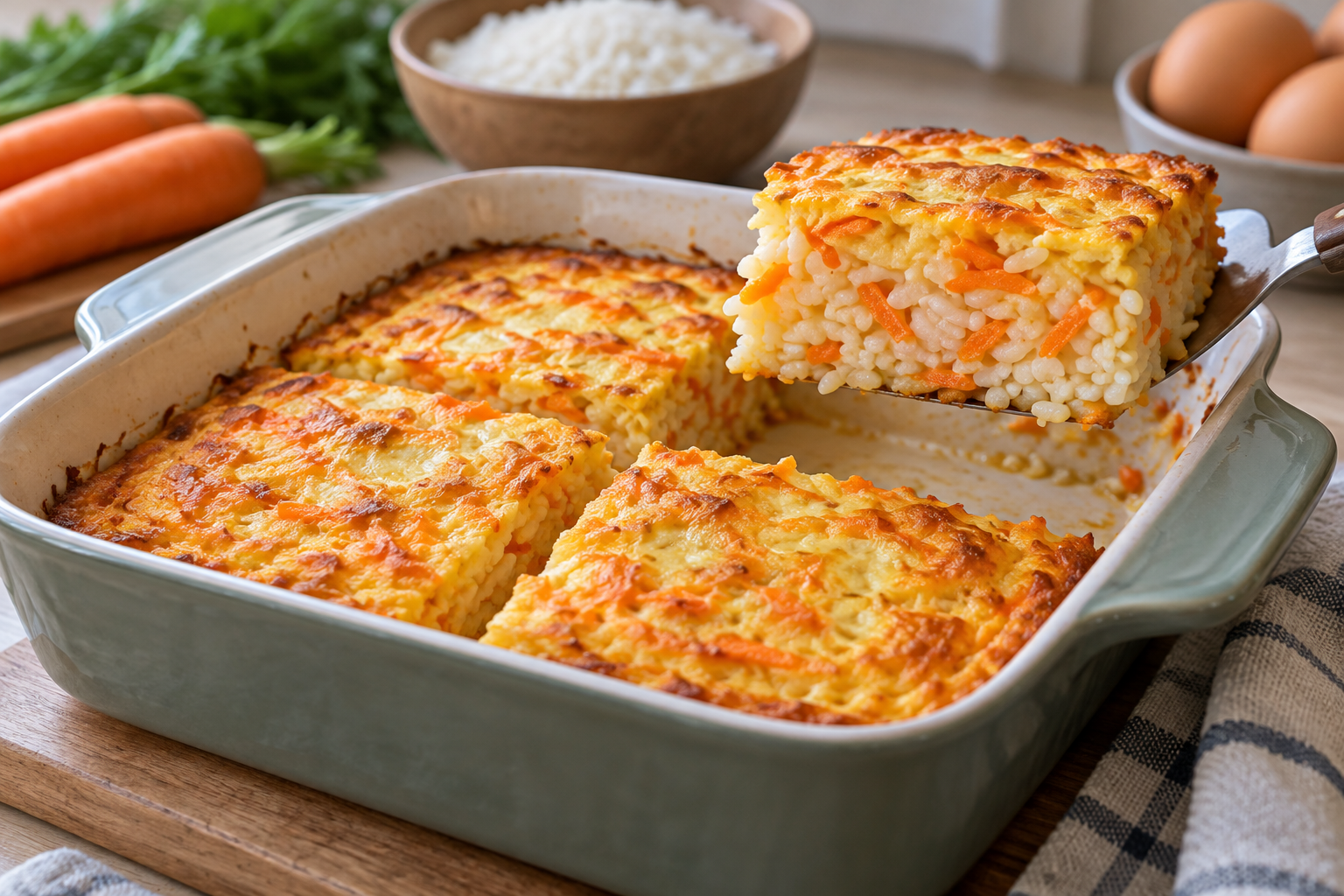
A golden crumb topping above cooked cabbage and carrot in a savory vegetable bake.
095 · Lower Tilemsi early millet traditions · c. 2500–2000 BCE

Pearl Millet Makes a Modern Savory Crumble

Cooked cabbage and carrot bake beneath a loose pearl-millet flour crumble topping.
historically informed adaptation
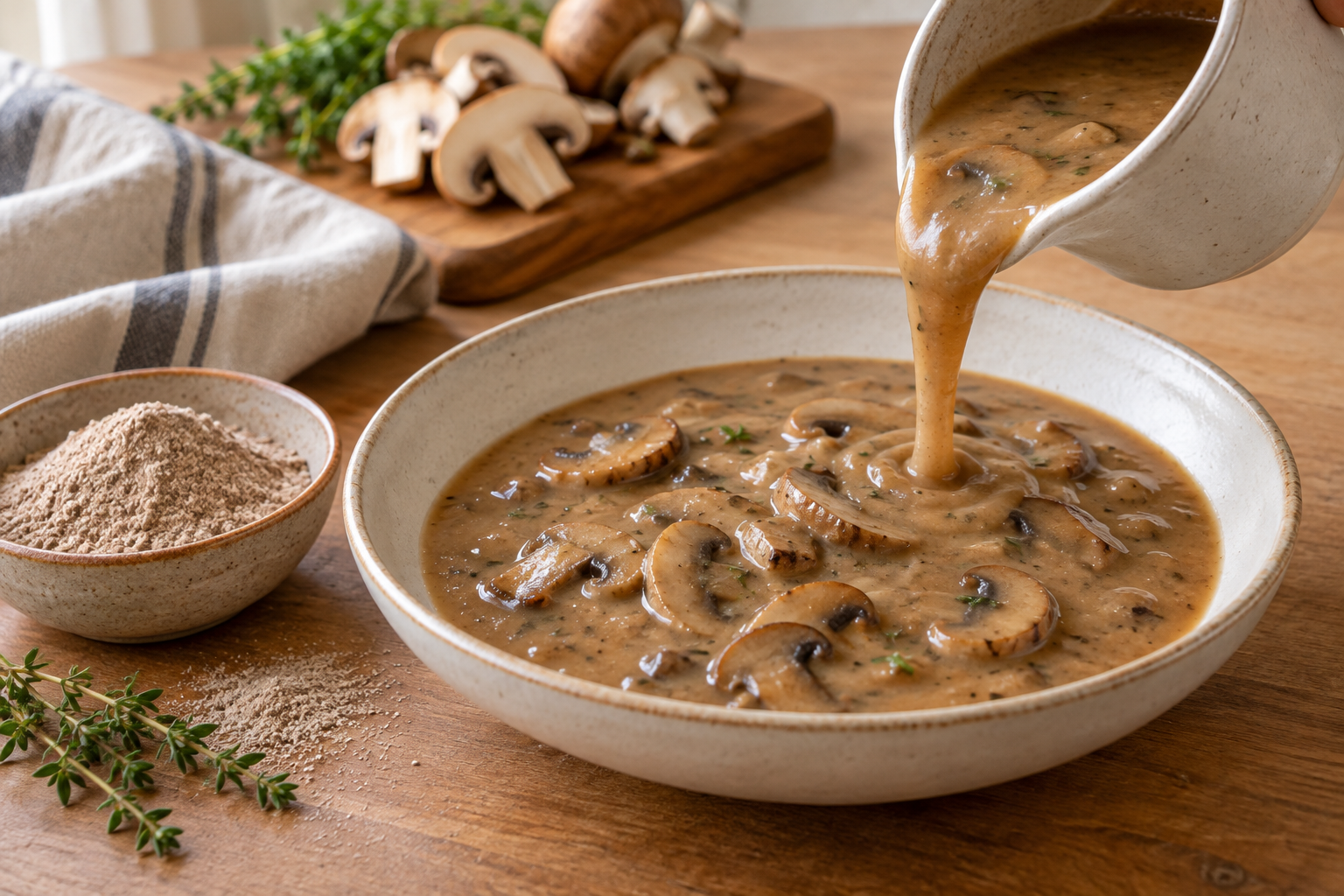
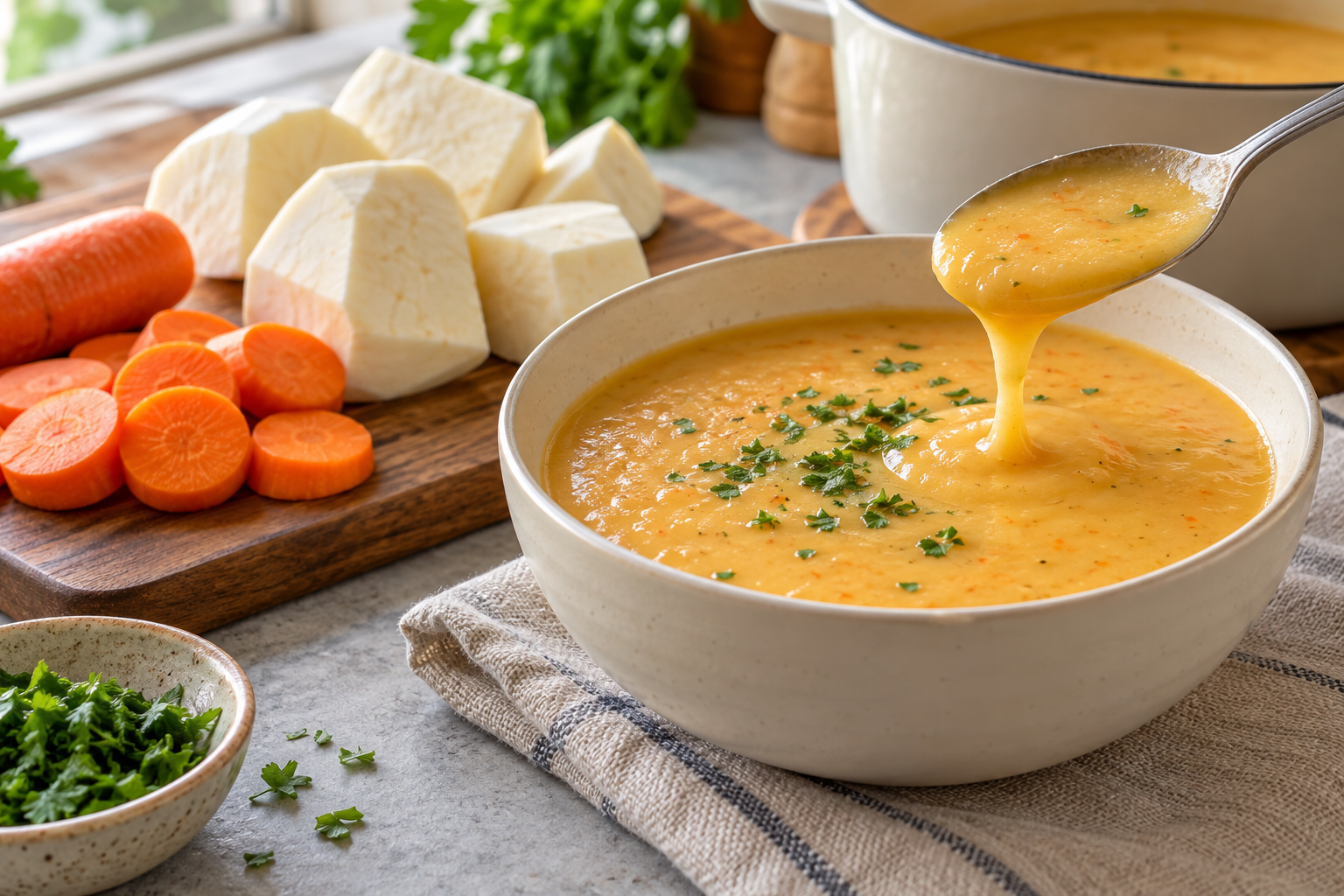
A pourable mushroom gravy thickened with brown teff flour.
098 · Aksumite teff and mixed-cereal context · c. 300–650 CE

Teff as a Modern Gravy Thickener

Teff flour thickens browned mushrooms and onion into a pourable savory gravy.
historically informed adaptation