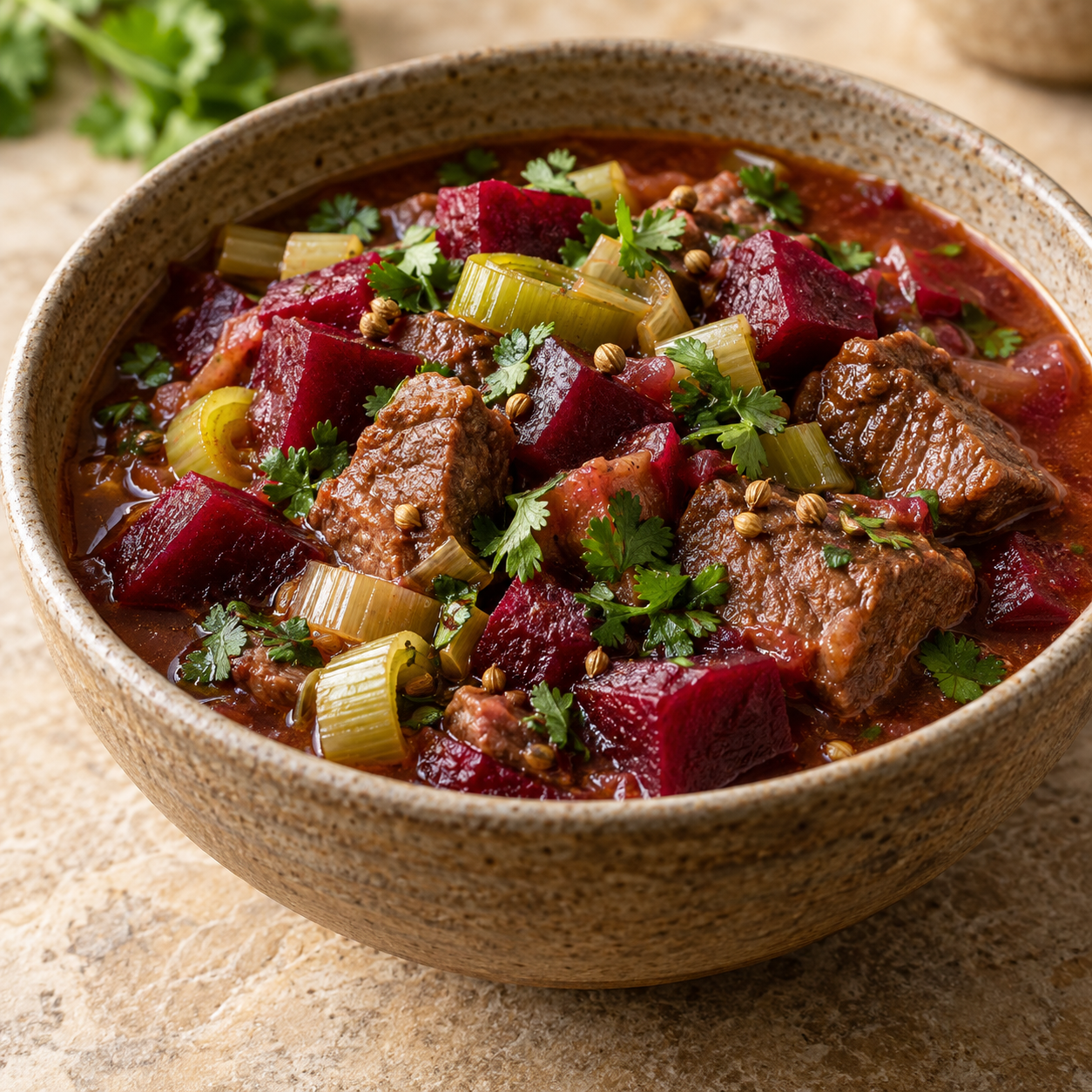
Tuh’u: A Ruby Lamb Stew from a Babylonian Tablet
Lamb, beetroot and layered herbs bring a terse Babylonian cooking instruction into a modern pot.
The past, in a modern kitchen
100 recipes and the stories behind them, from surviving texts and archaeological evidence. Each article gives its place, period, sources, and modern cooking choices.
100 of 100 complete in this edition. Written recipes, archaeological reconstructions, and historically informed adaptations are clearly labeled. Illustrations are generated.
Lamb, beetroot and layered herbs bring a terse Babylonian cooking instruction into a modern pot.
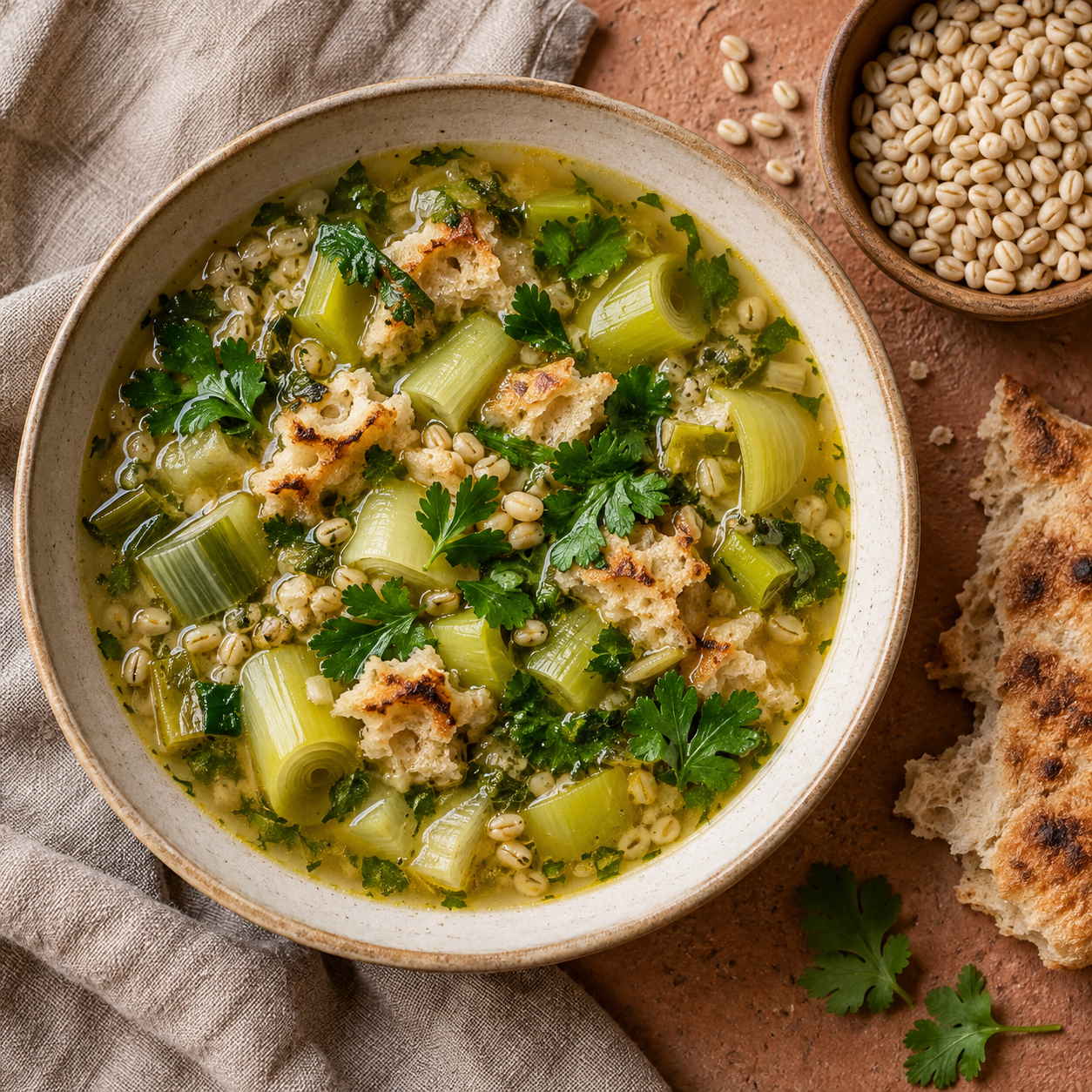
A leek and herb broth becomes a meal when toasted barley bread softens into it.
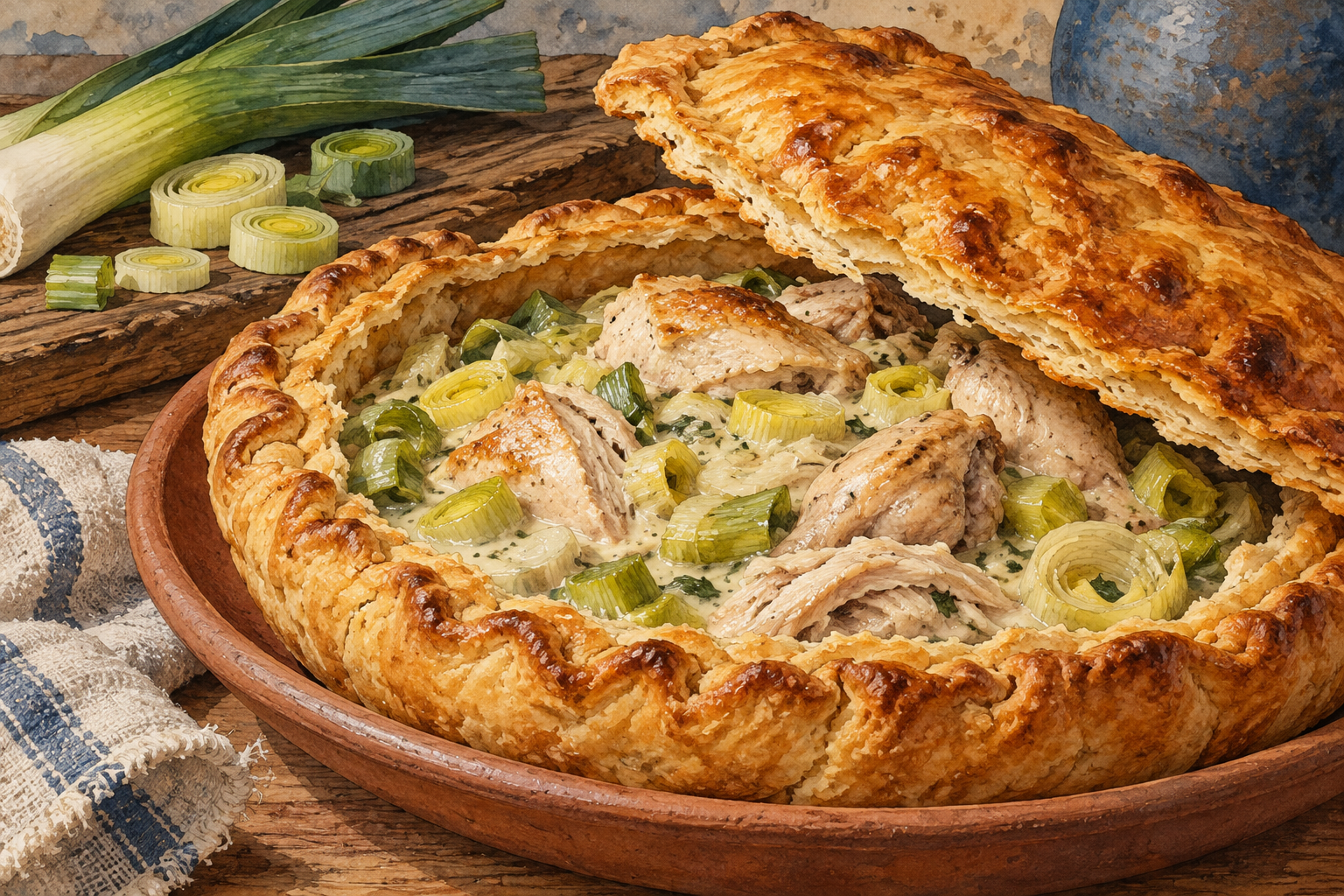
A baked dough lid hides poultry and leek sauce in a measured adaptation of an elaborate Babylonian dish.
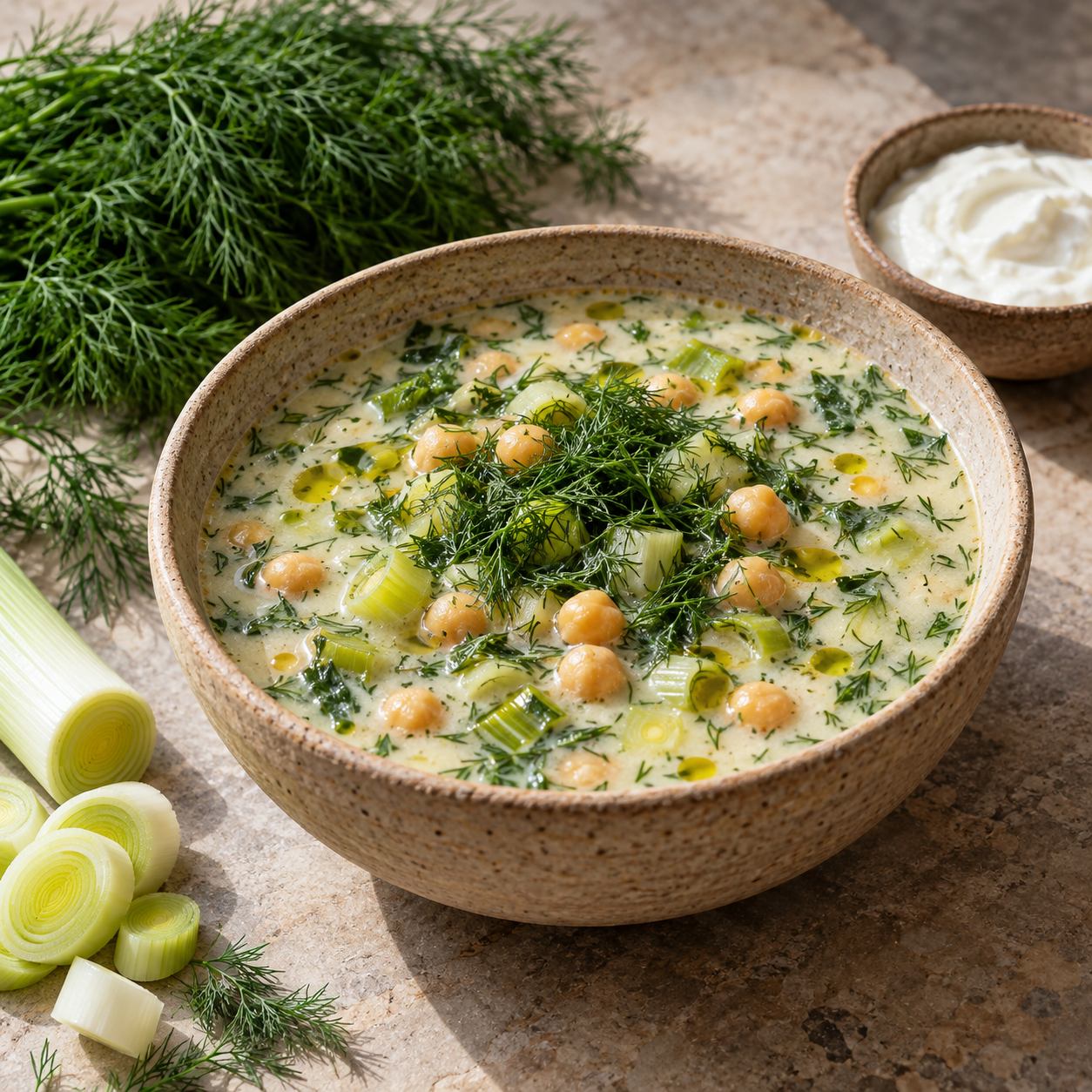
A dill and yogurt broth explores a foreign-labelled Babylonian recipe with a clearly modern thickener.
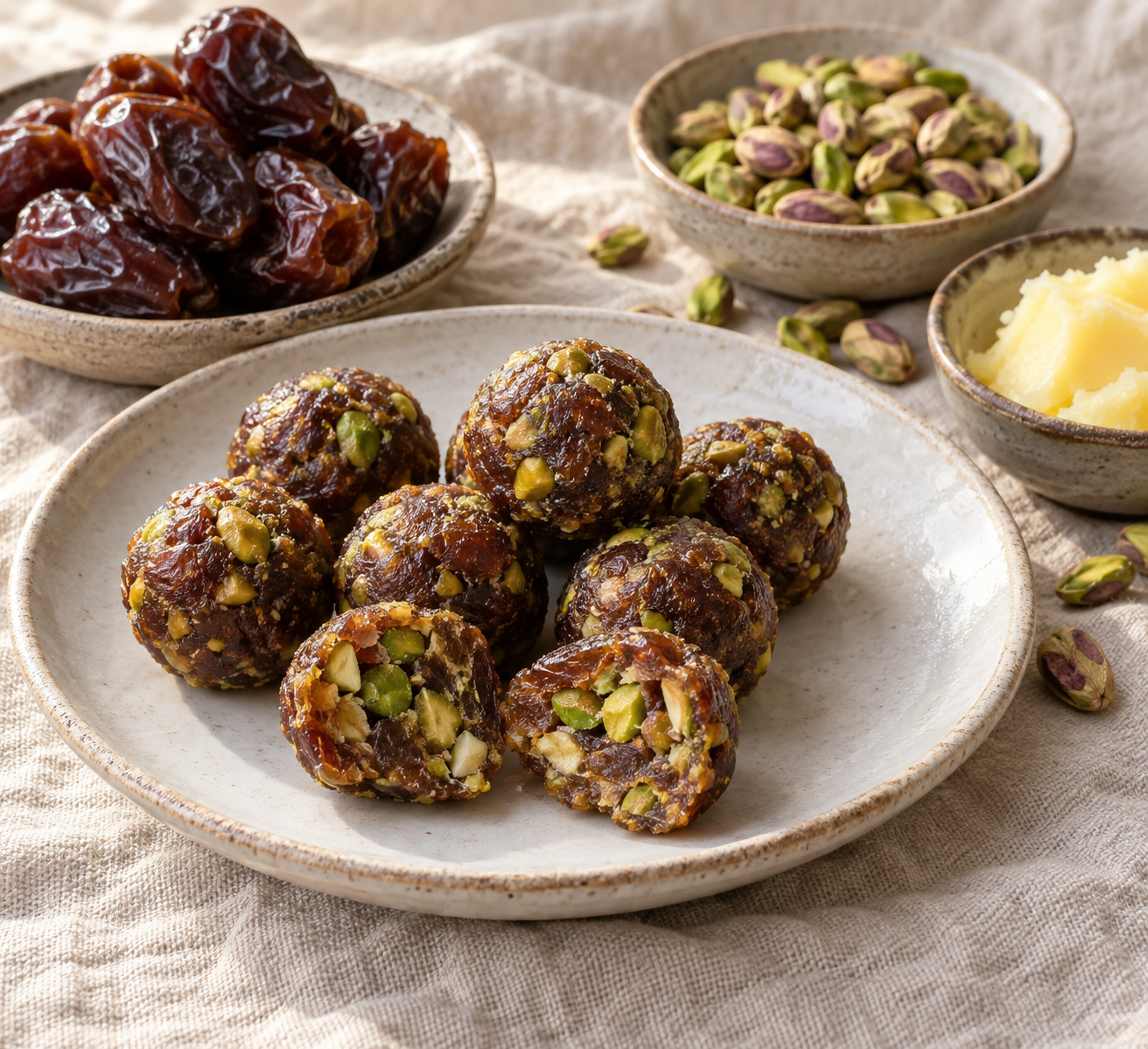
Dates and pistachios appear together in a Mari delivery record; these small confections explore that pairing.
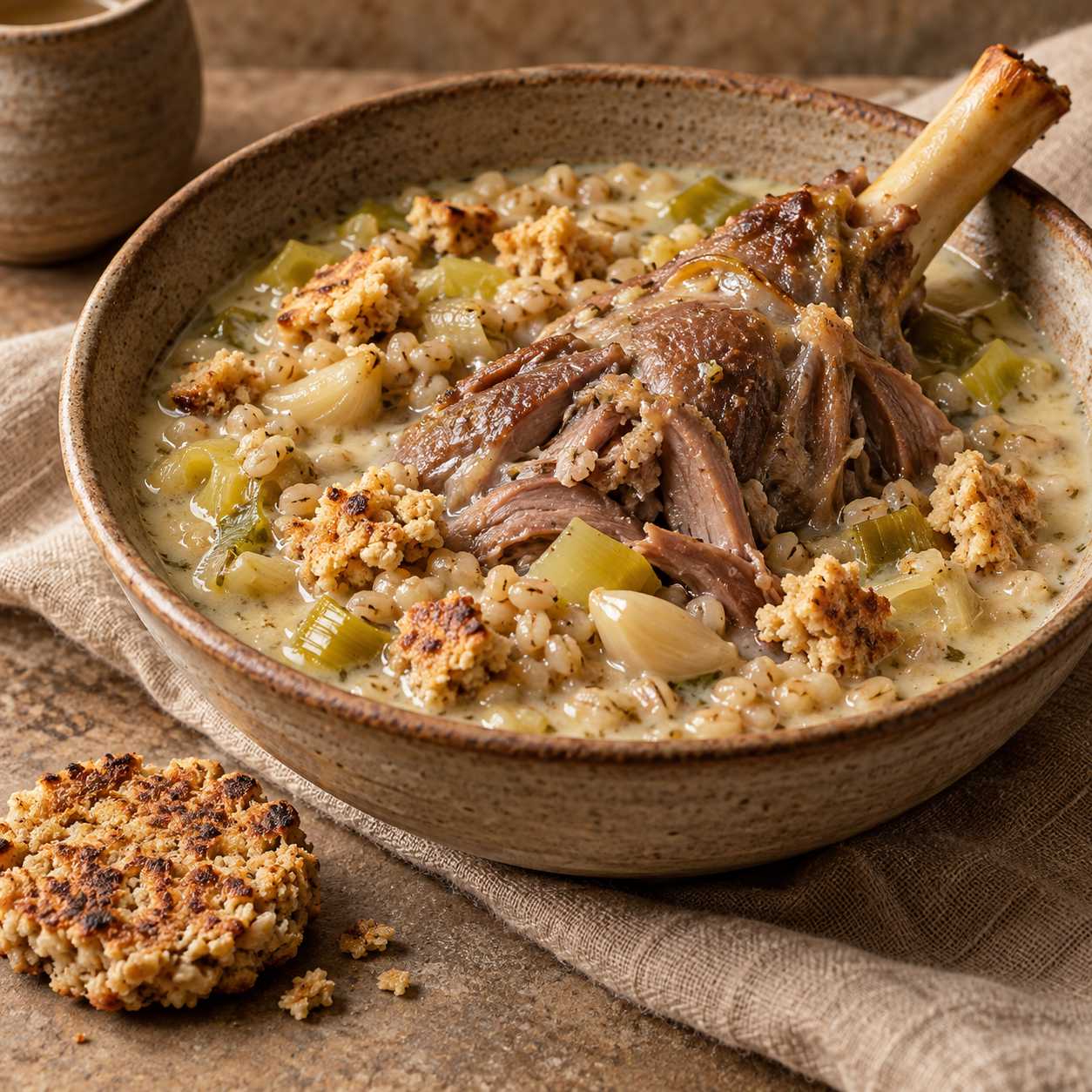
Crumbled grain cakes and milk create a distinctive lamb braise inspired by a surviving Babylonian instruction.
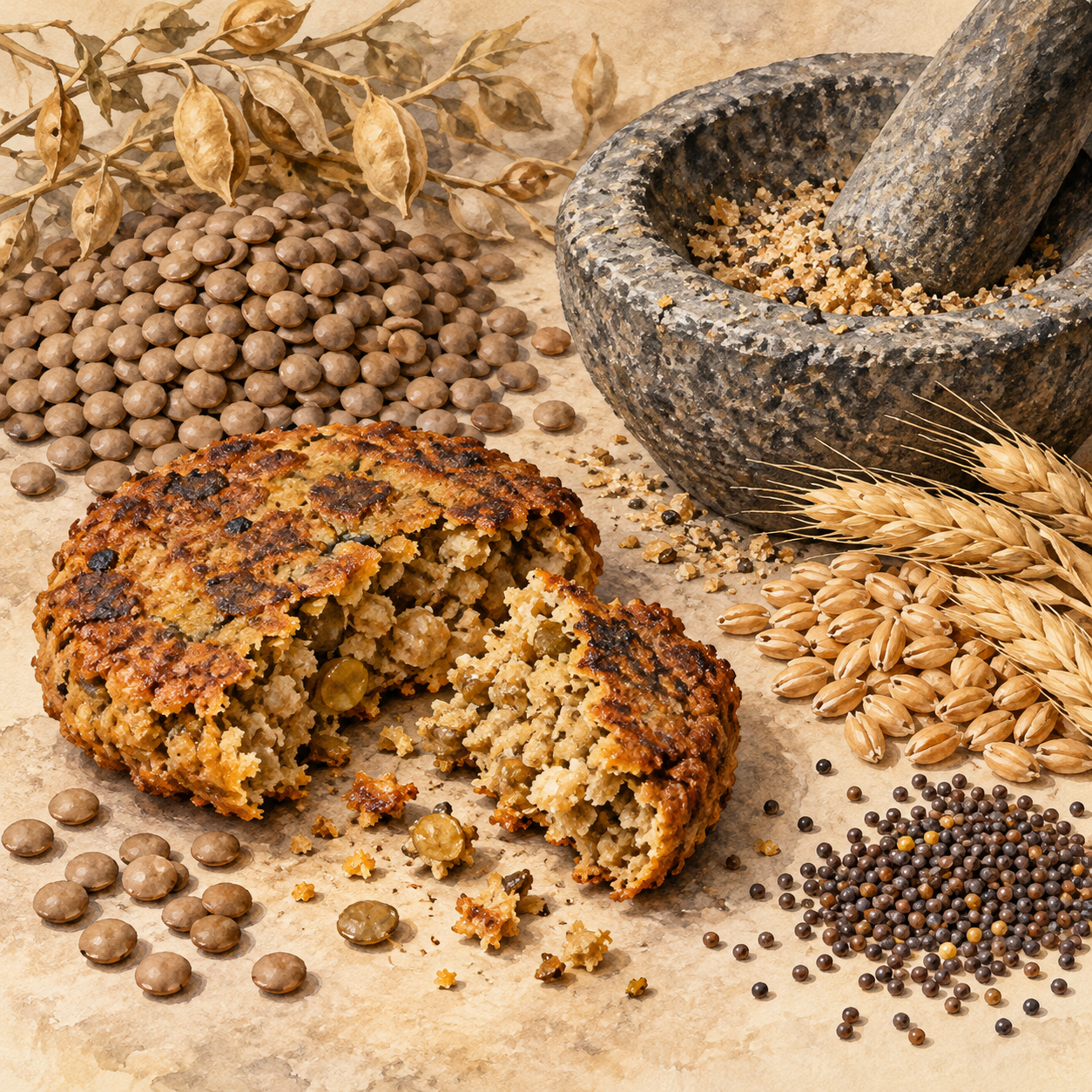
Prepared plant-food fragments inspire coarse pulse cakes, with commercial ingredients replacing wild species.
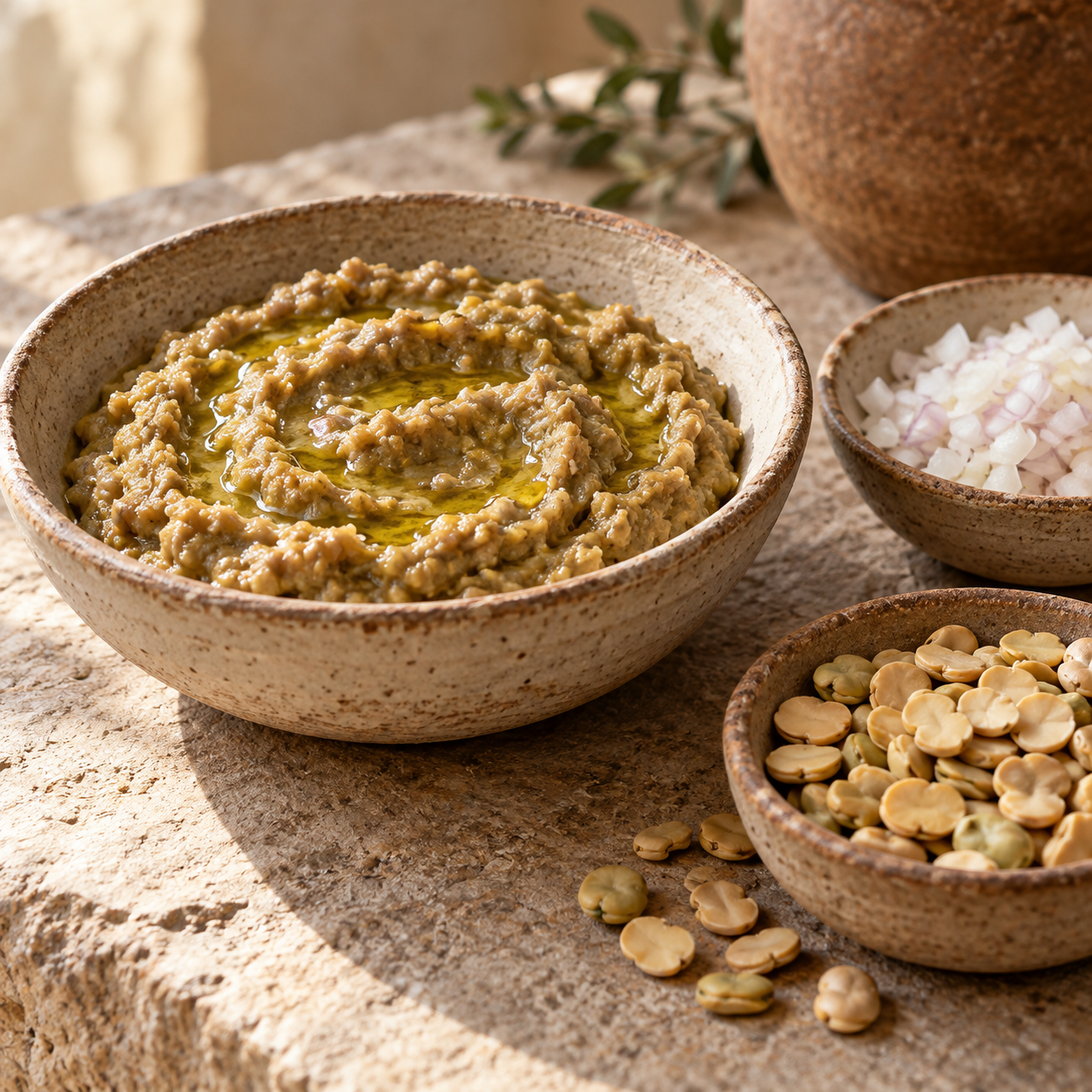
A simple bean mash explores the large fava assemblages of the early farming communities of Lower Galilee.
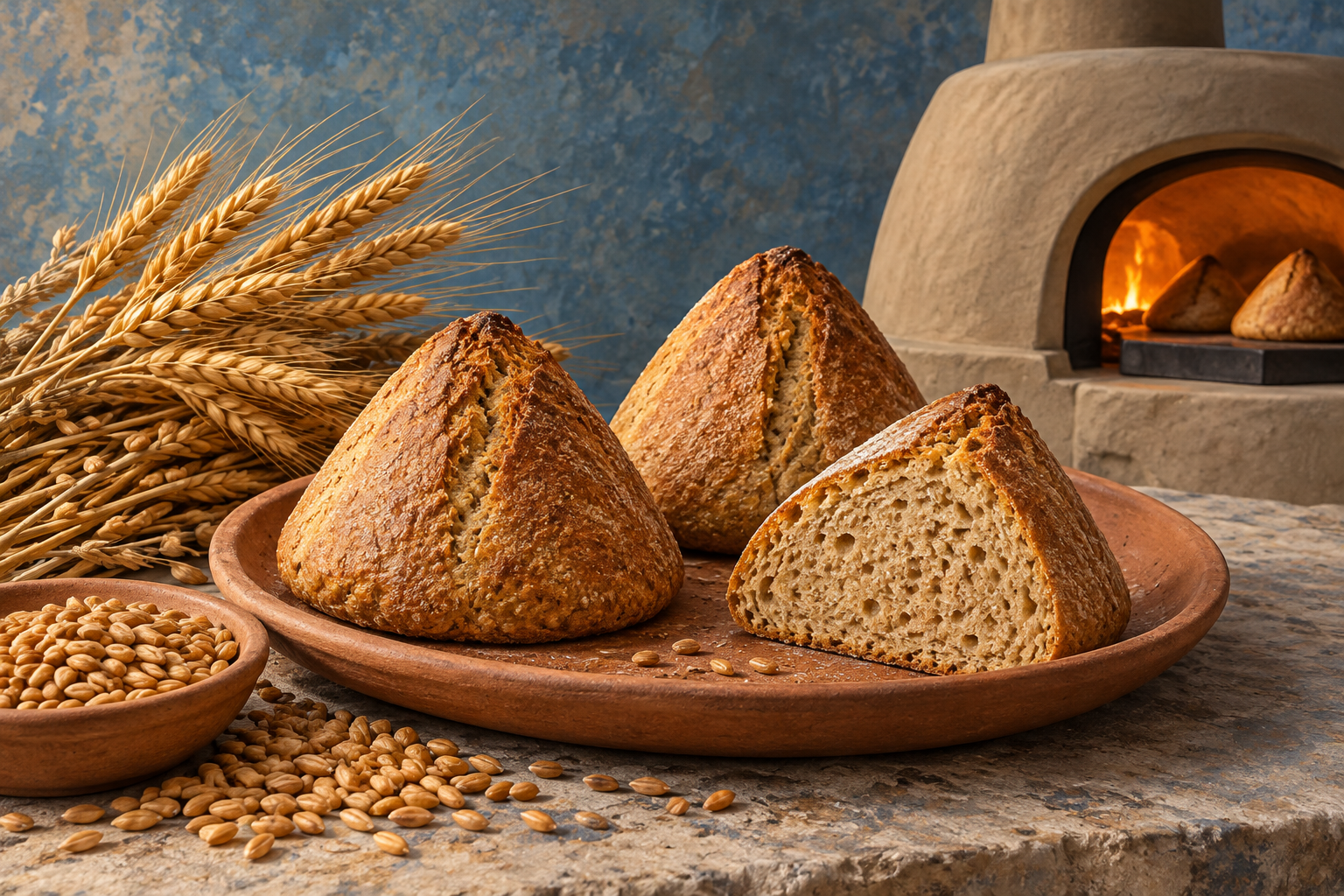
Surviving conical bread from Wah’s tomb inspires small emmer loaves baked safely in a modern oven.
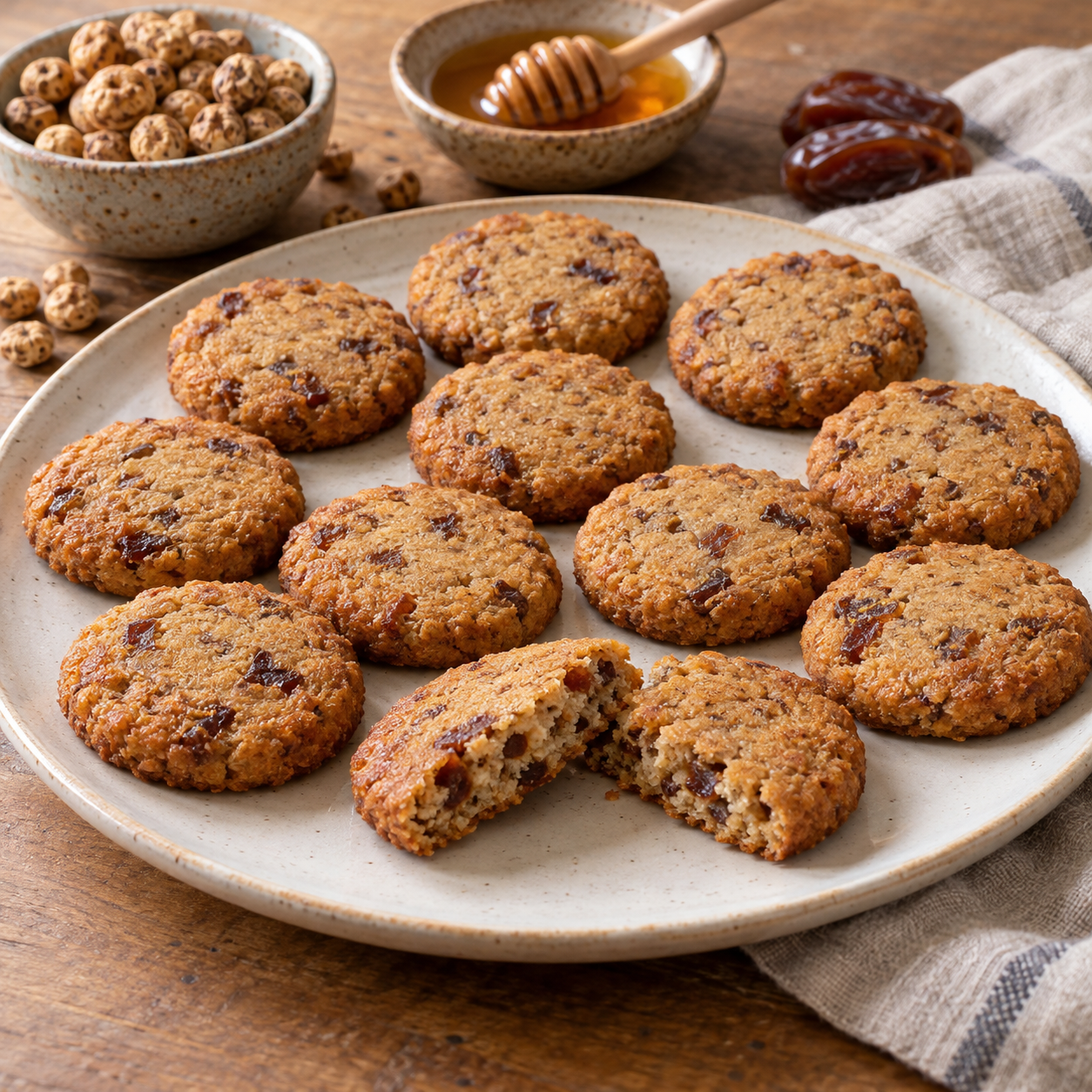
A tomb’s cake-making scene inspires small baked tigernut sweets, with the modern method openly identified.
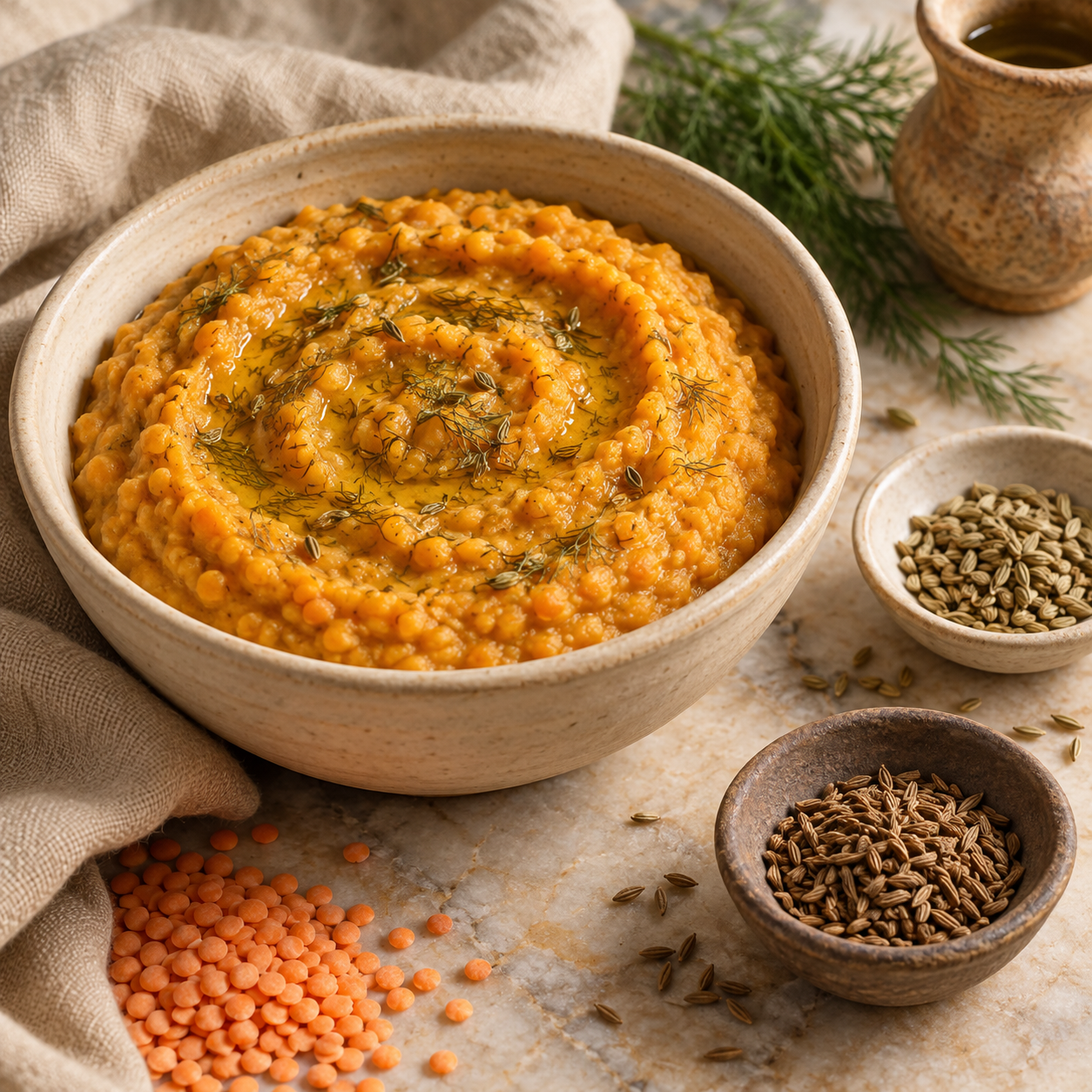
Anise, cumin and dill give a lentil purée a distinctive flavour in this adaptation of a fragmentary recipe.
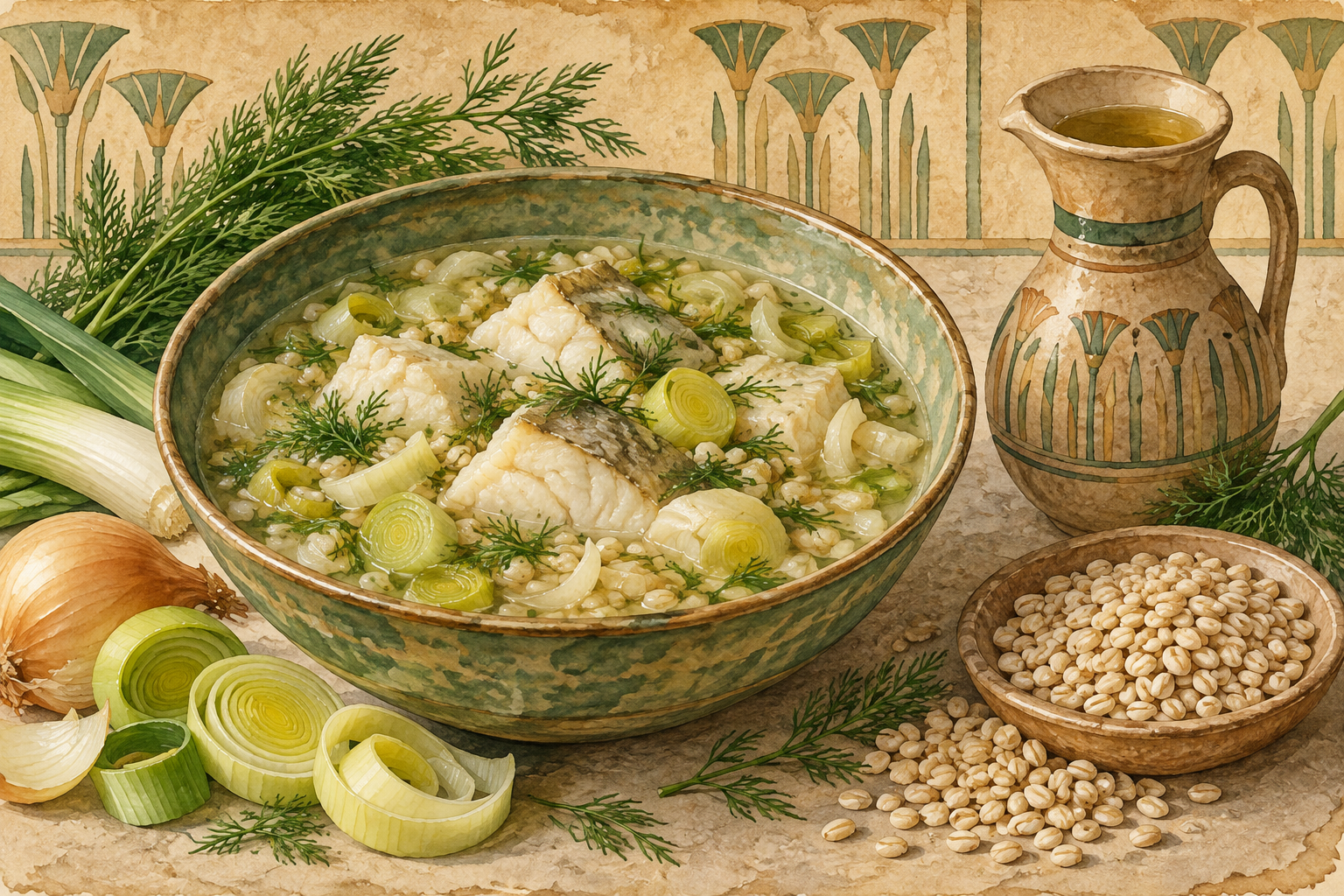
Barley, wine, herbs and a late splash of vinegar shape a broth adapted from a surviving papyrus fragment.
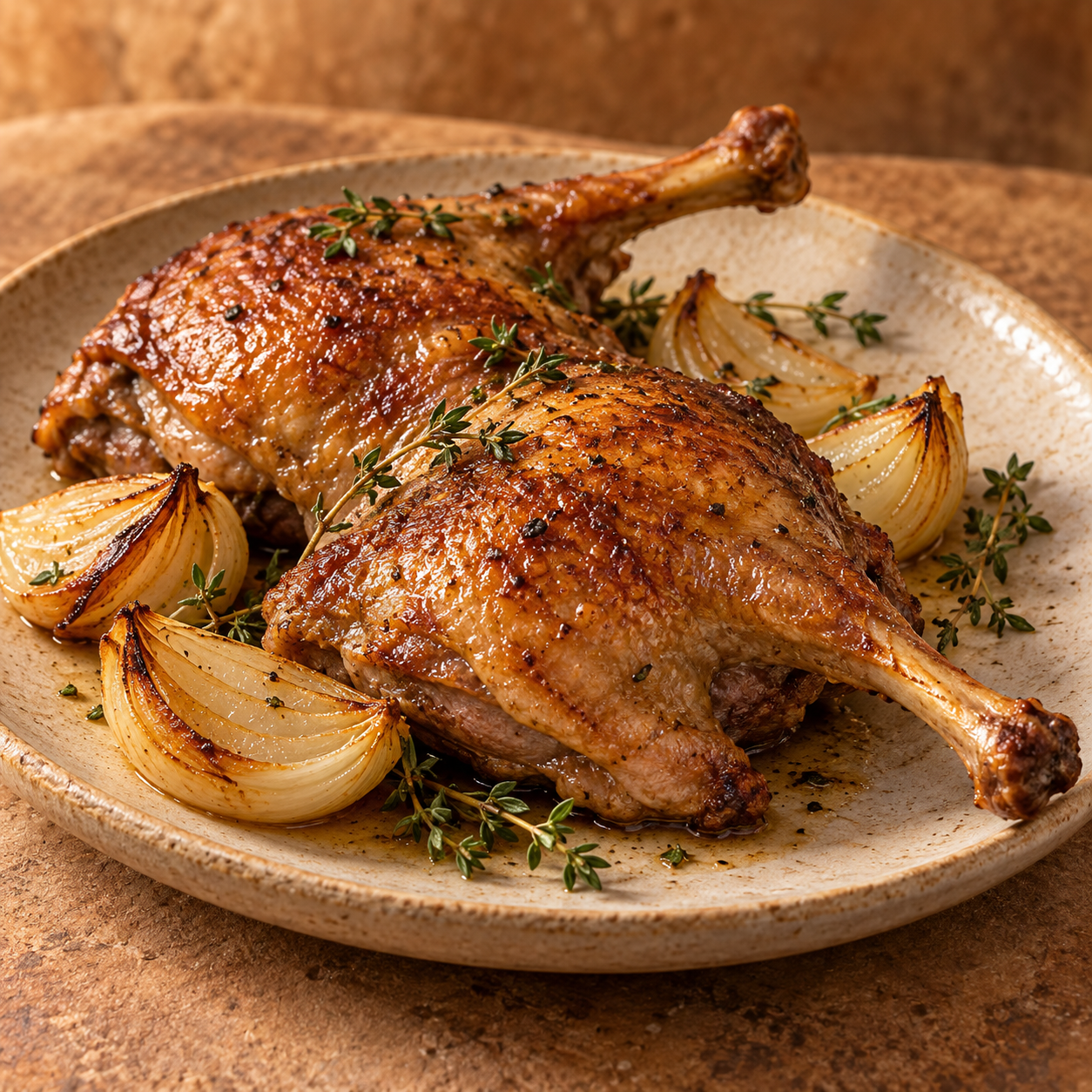
Nebamun’s goose scene supplies a specific historical anchor for a straightforward modern roast.
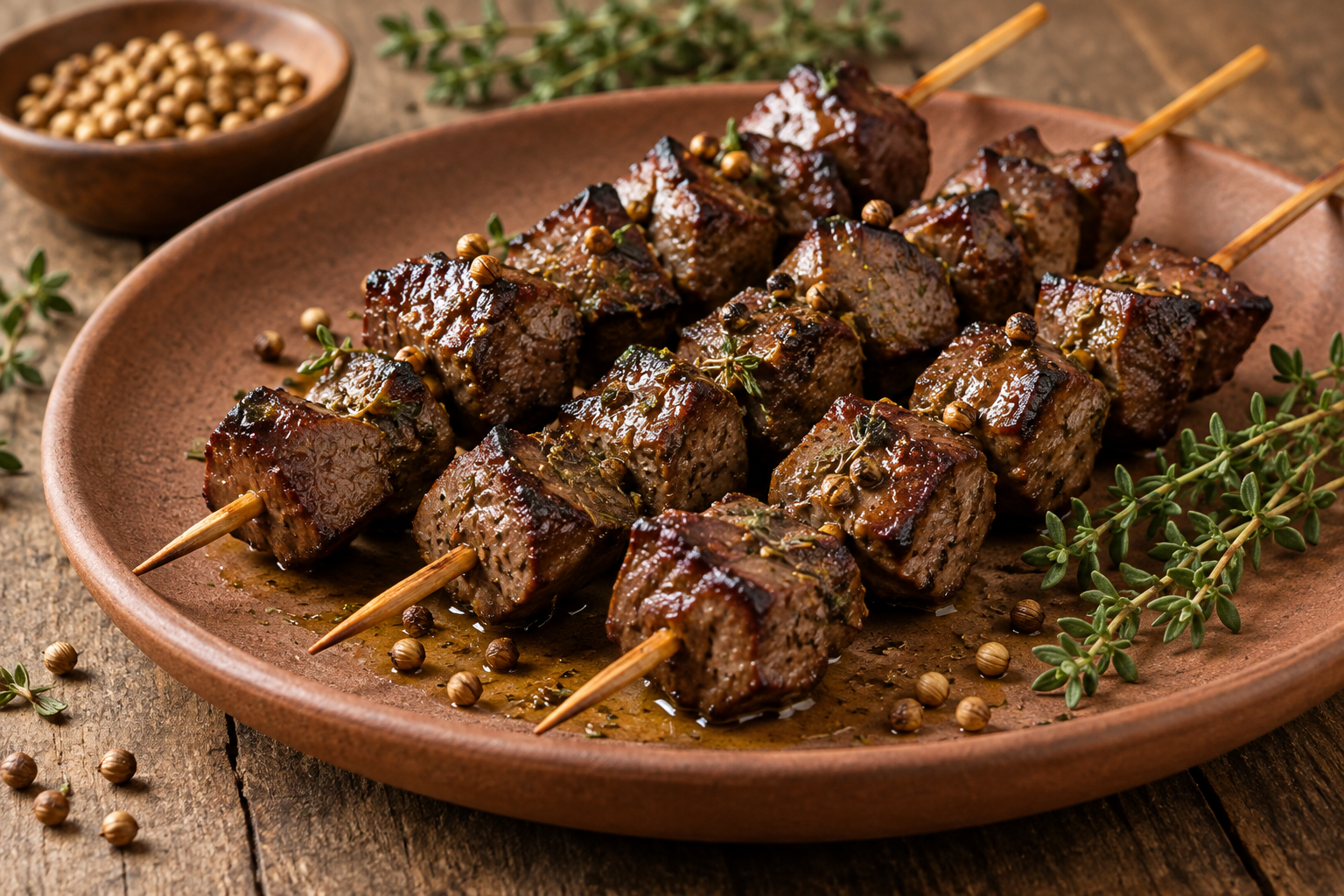
A terse liver-skewer instruction becomes a measured modern grill recipe with safe cooking temperatures.
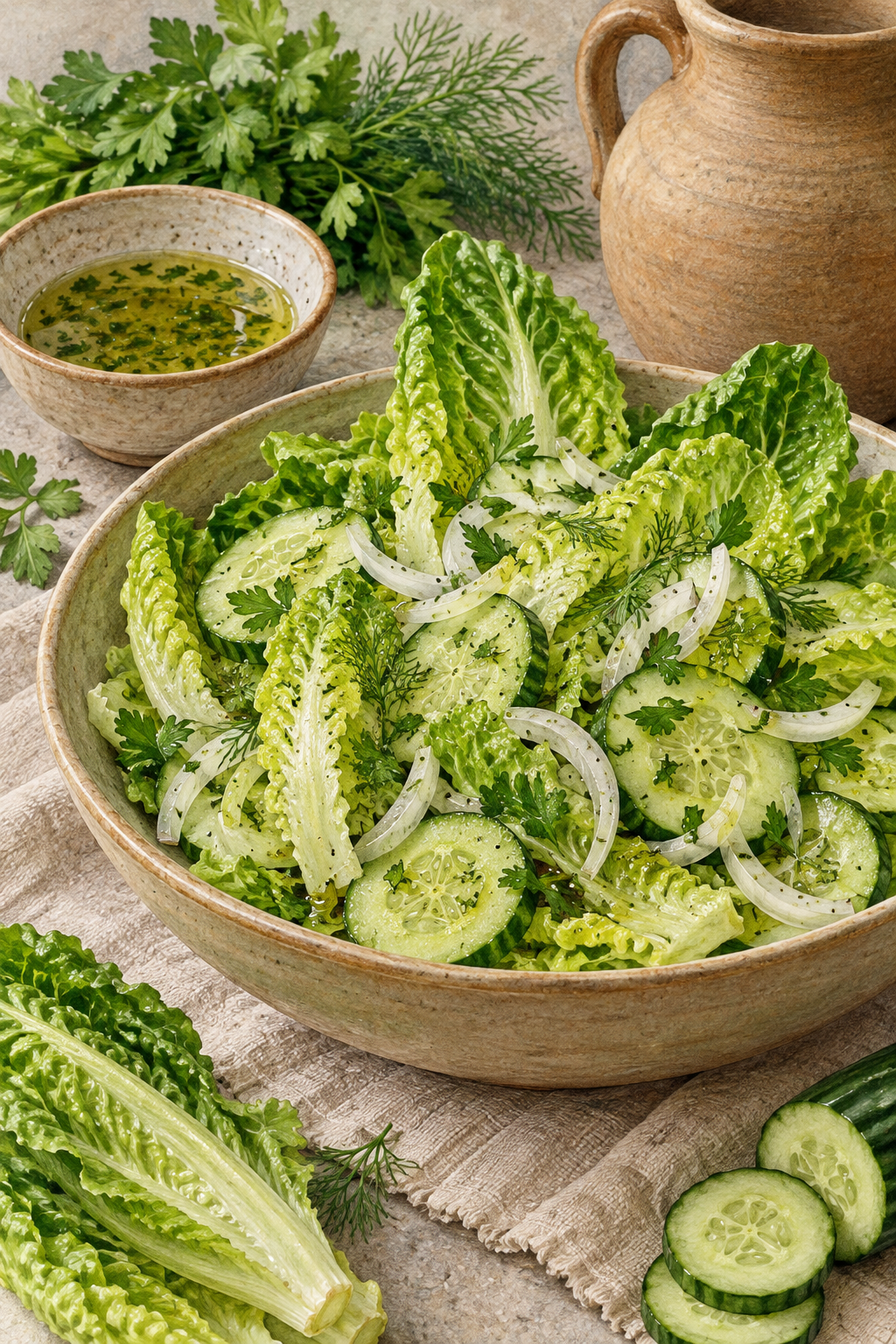
A lettuce model at Koptos opens a story of food, gardens and offerings, paired with a clearly modern salad.
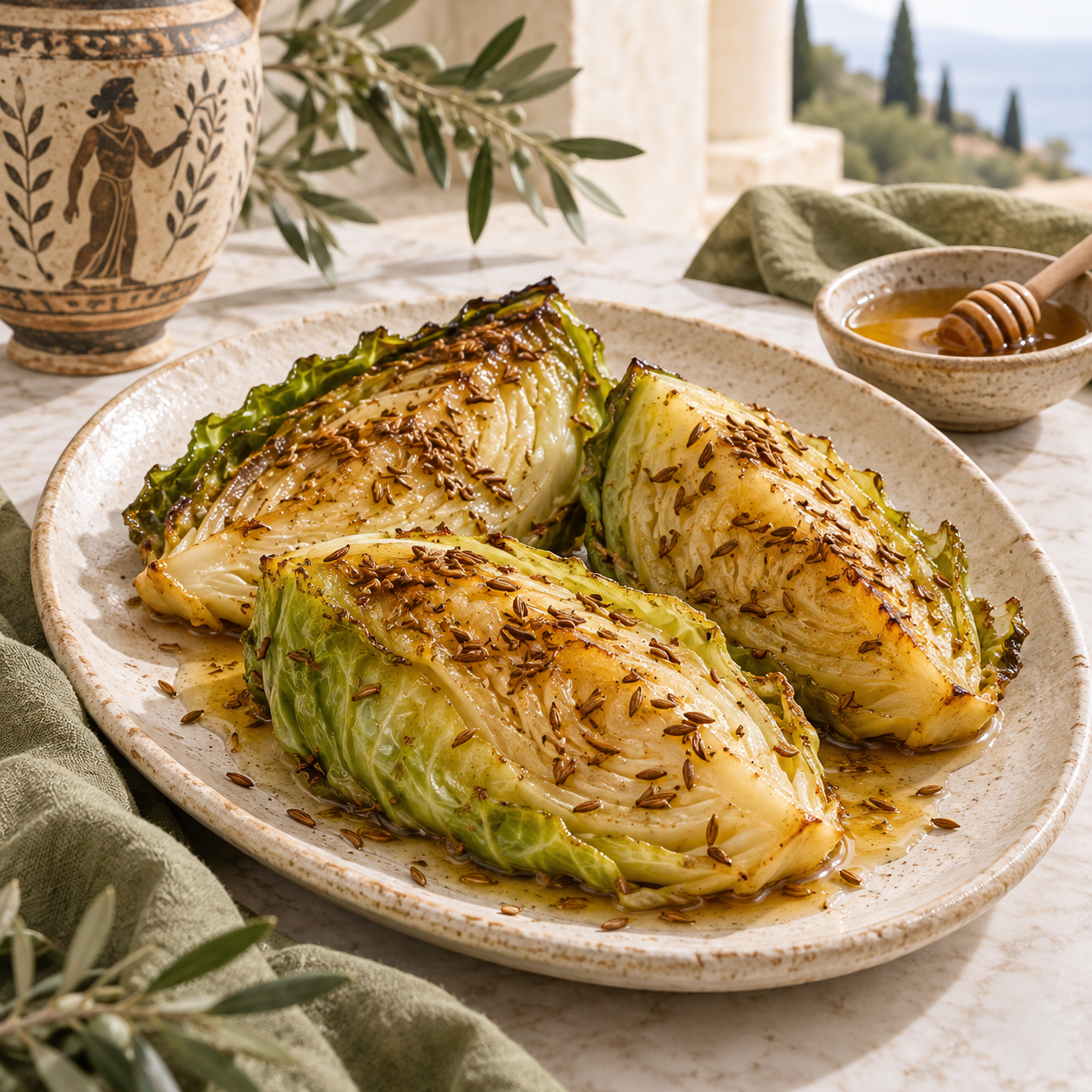
A surviving mustard-and-honey dressing inspires cooked cabbage; the vegetable substitution is made explicit.
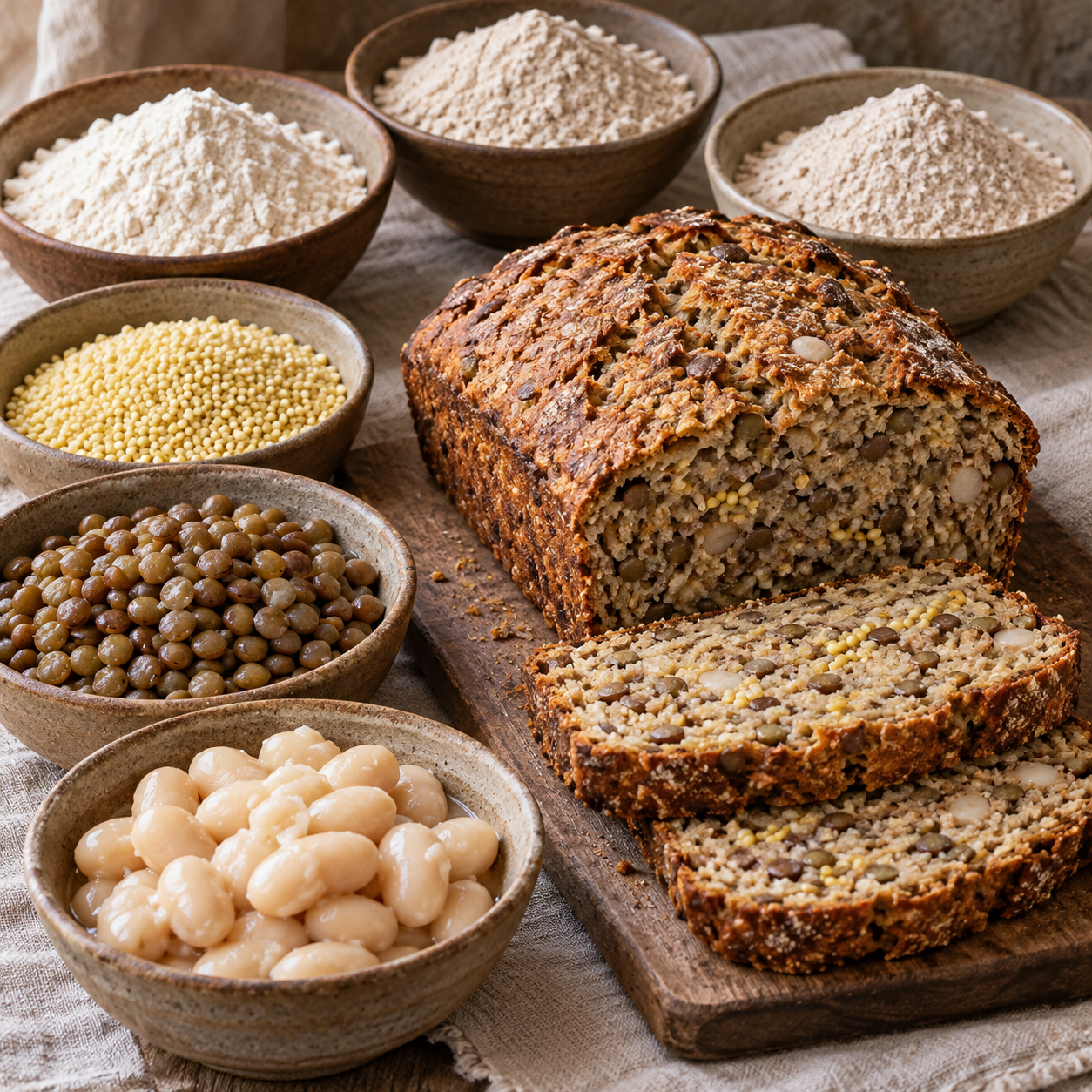
A grain-and-pulse loaf follows Ezekiel’s ingredient list while respecting its setting of siege and scarcity.
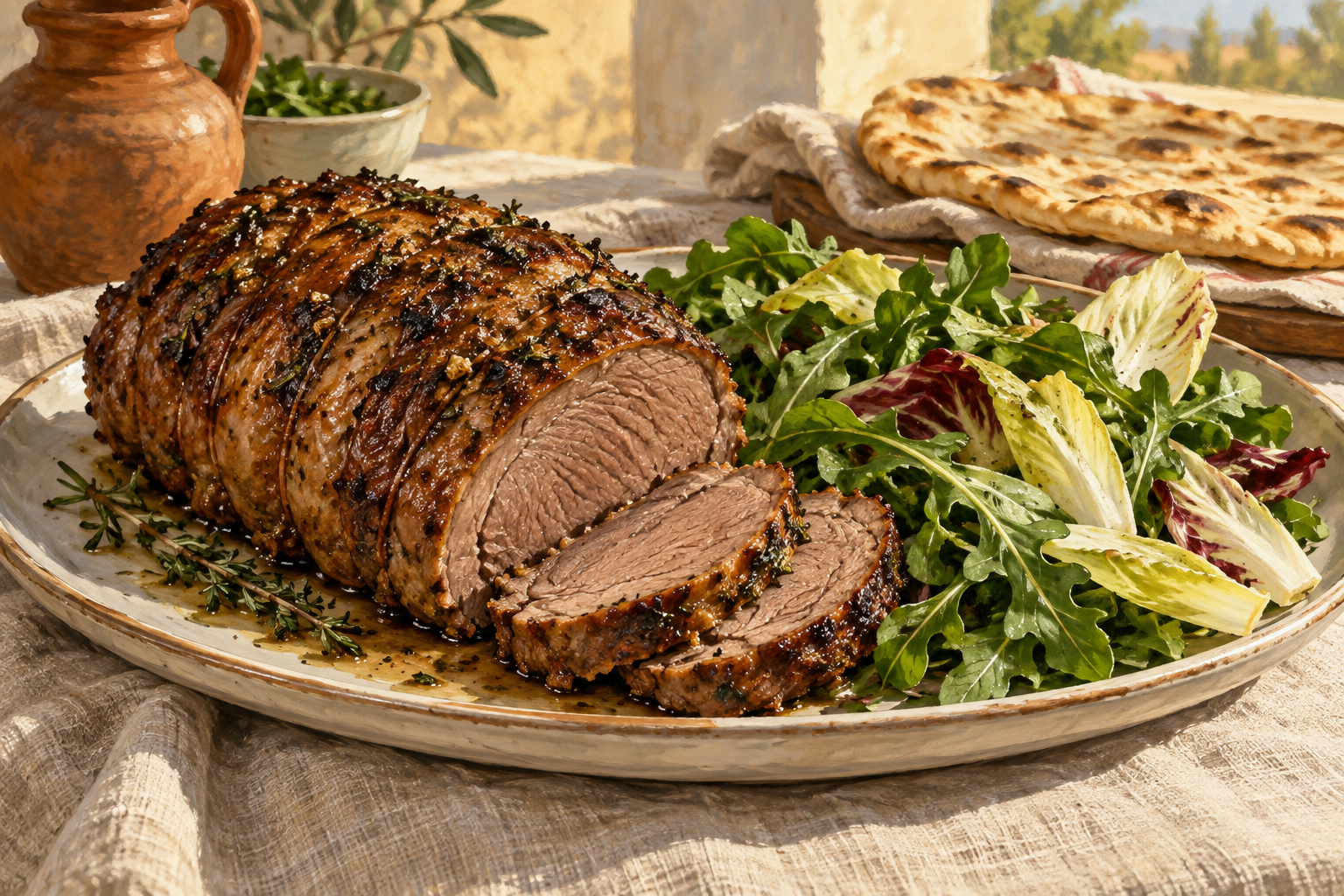
A modern roast keeps the lamb-and-bitter-greens pairing visible while separating culinary adaptation from ritual.
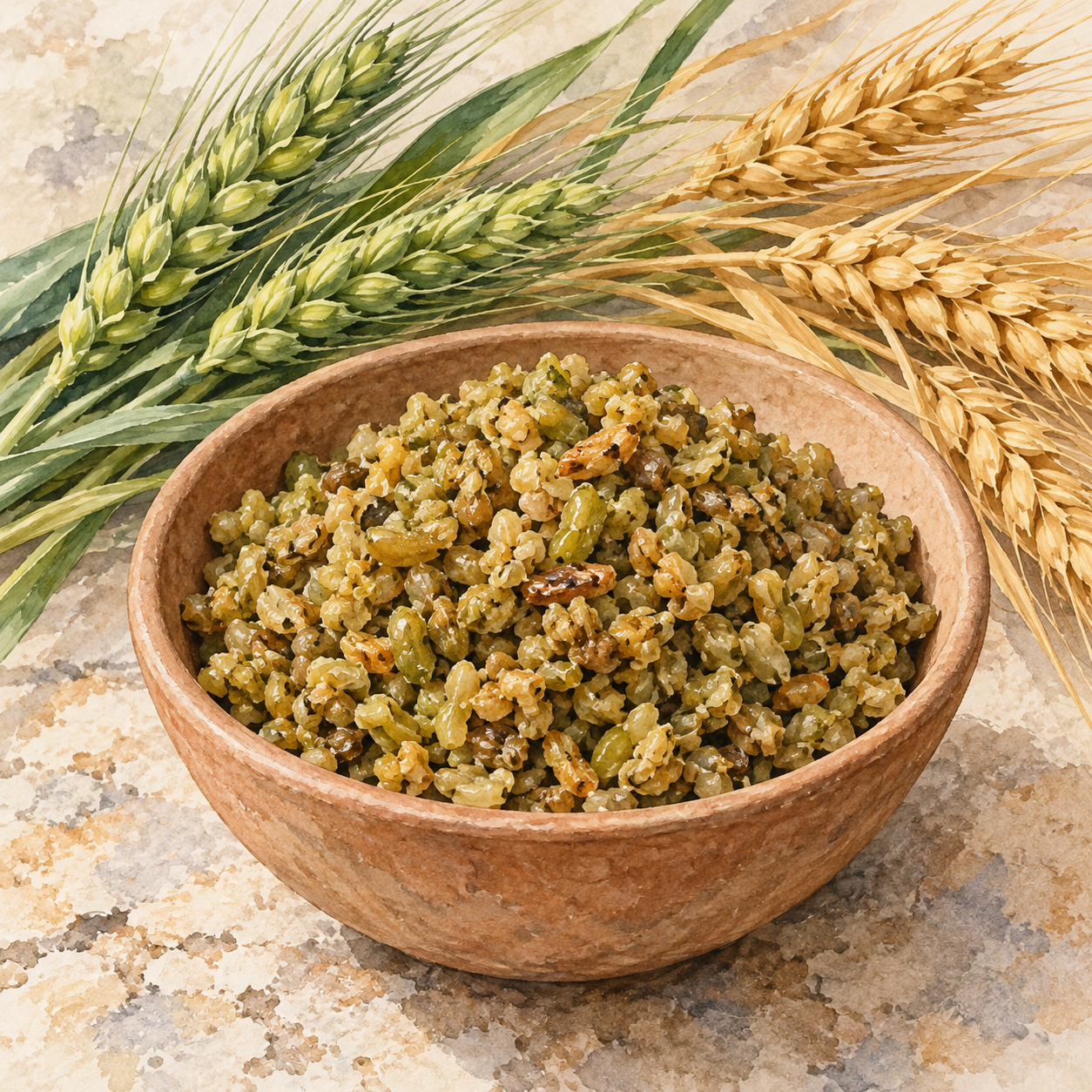
Ancient references to parched grain inspire a modern cooked-and-toasted green-wheat side.
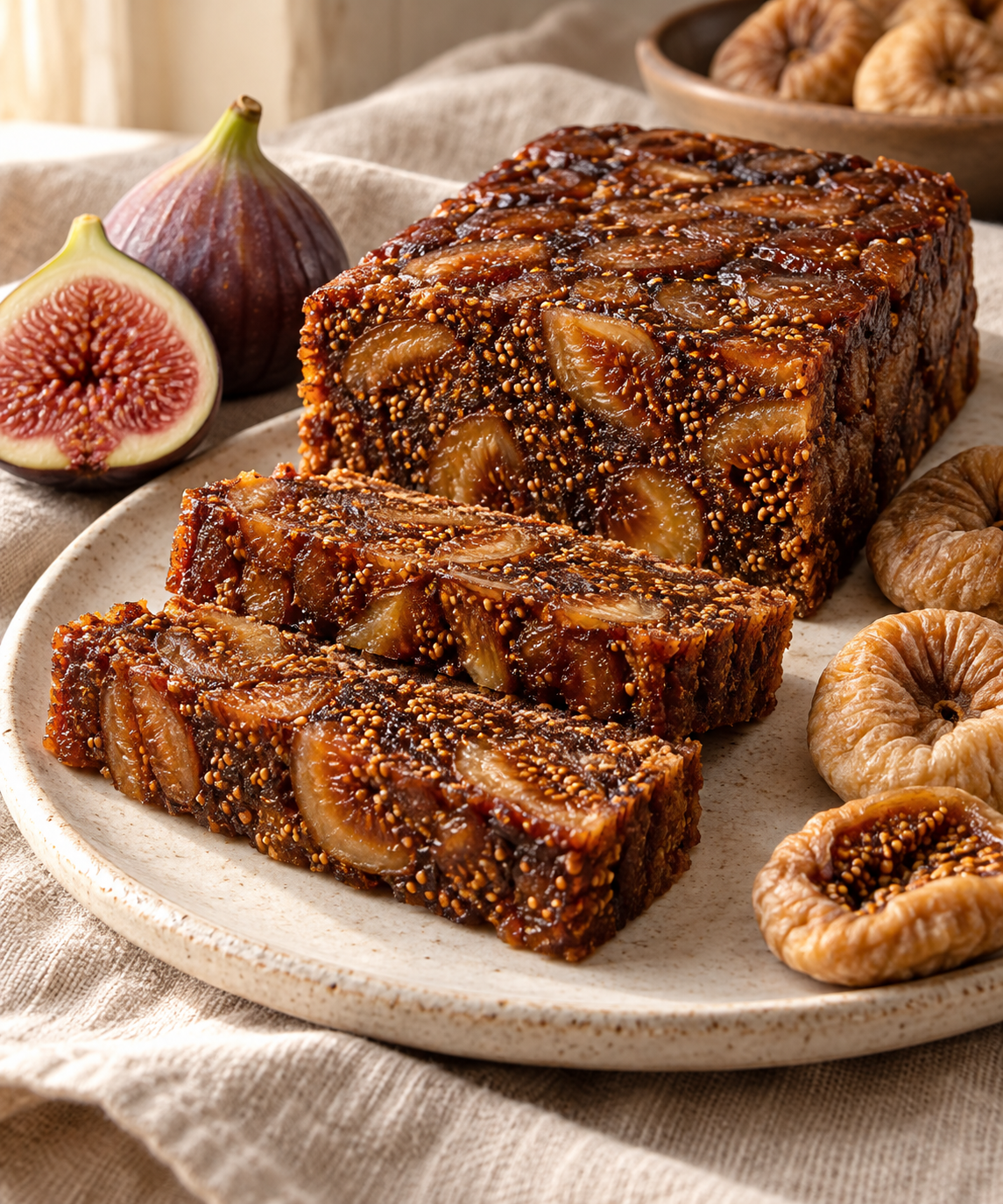
A list of provisions names pressed fig cakes; a compact modern fruit slab explores their portable form.
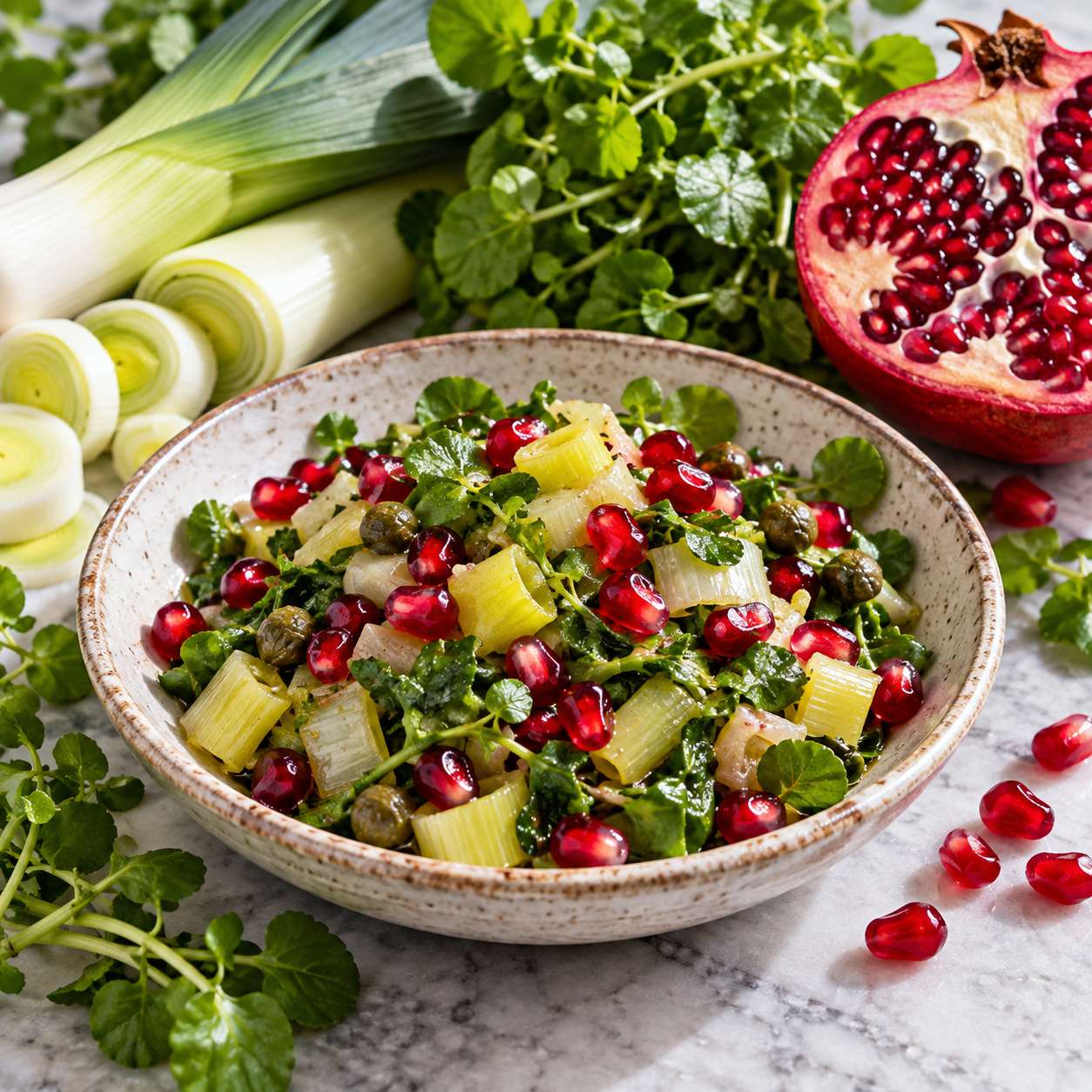
Leek, cress and pomegranate inspire a pungent relish while the outsider descriptions remain visible.
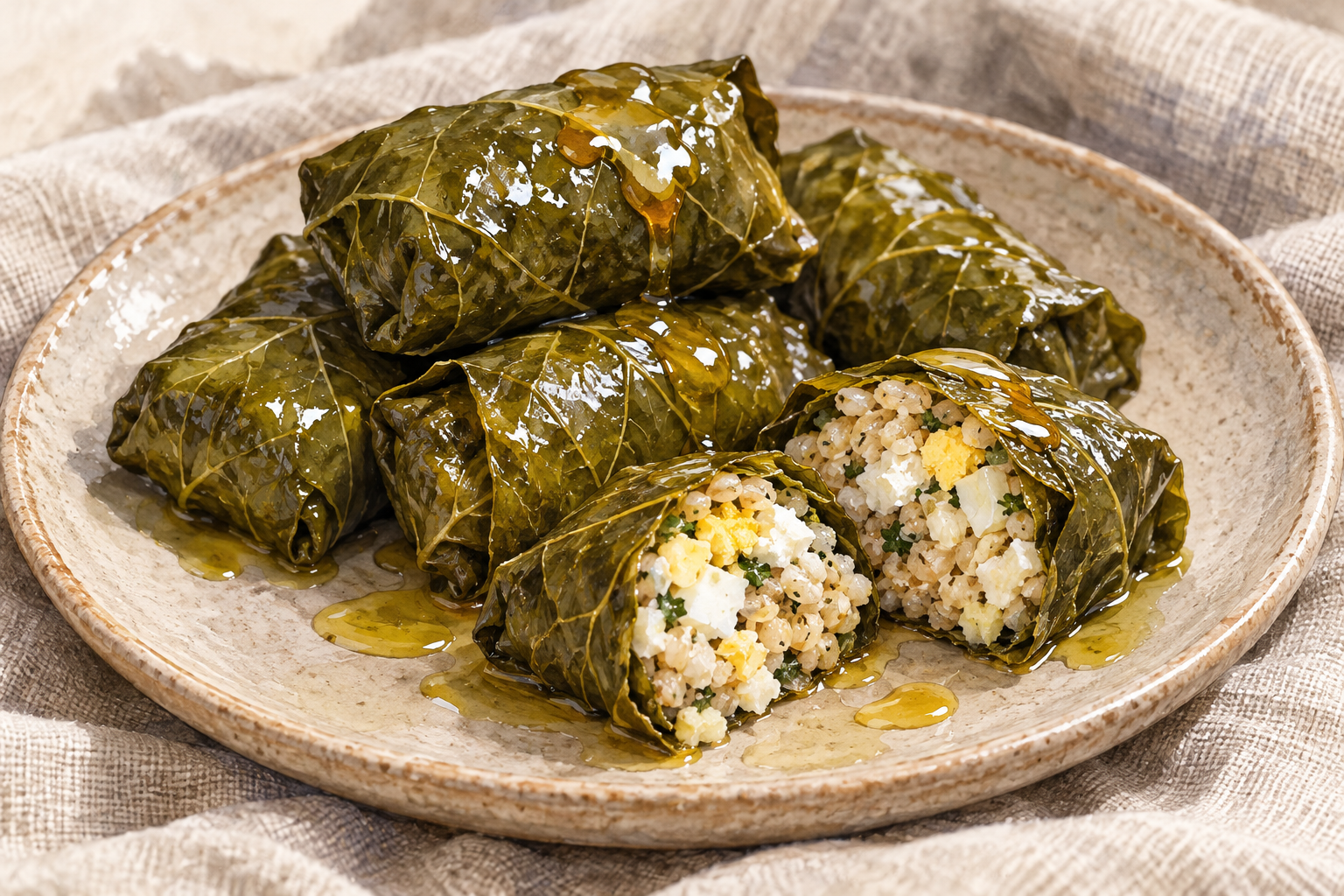
Groats, cheese and egg become leaf parcels, with commercial grape leaves replacing the ancient fig wrapper.
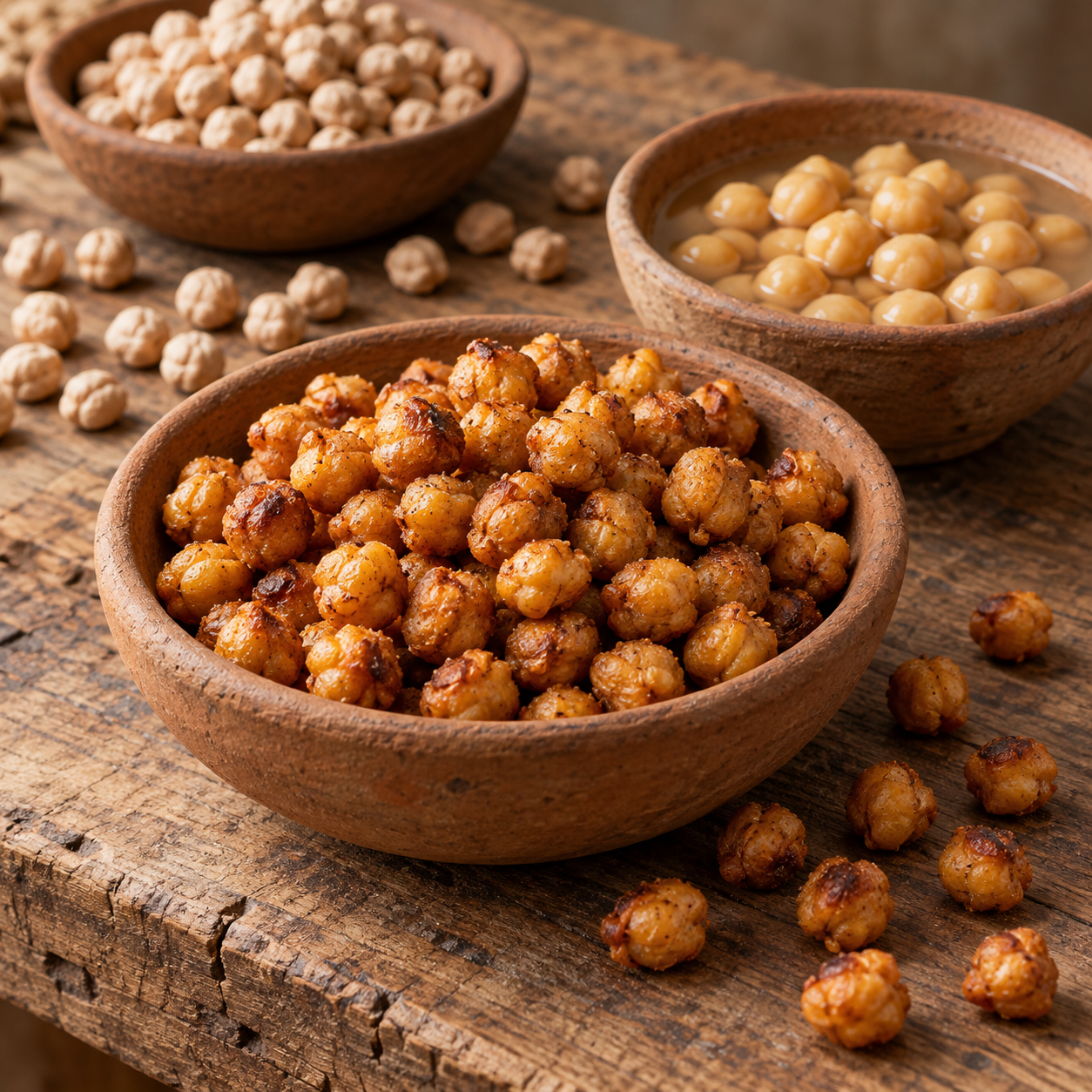
Chickpea finds at Kumidi inspire a cooked-then-roasted snack, with the modern technique clearly identified.
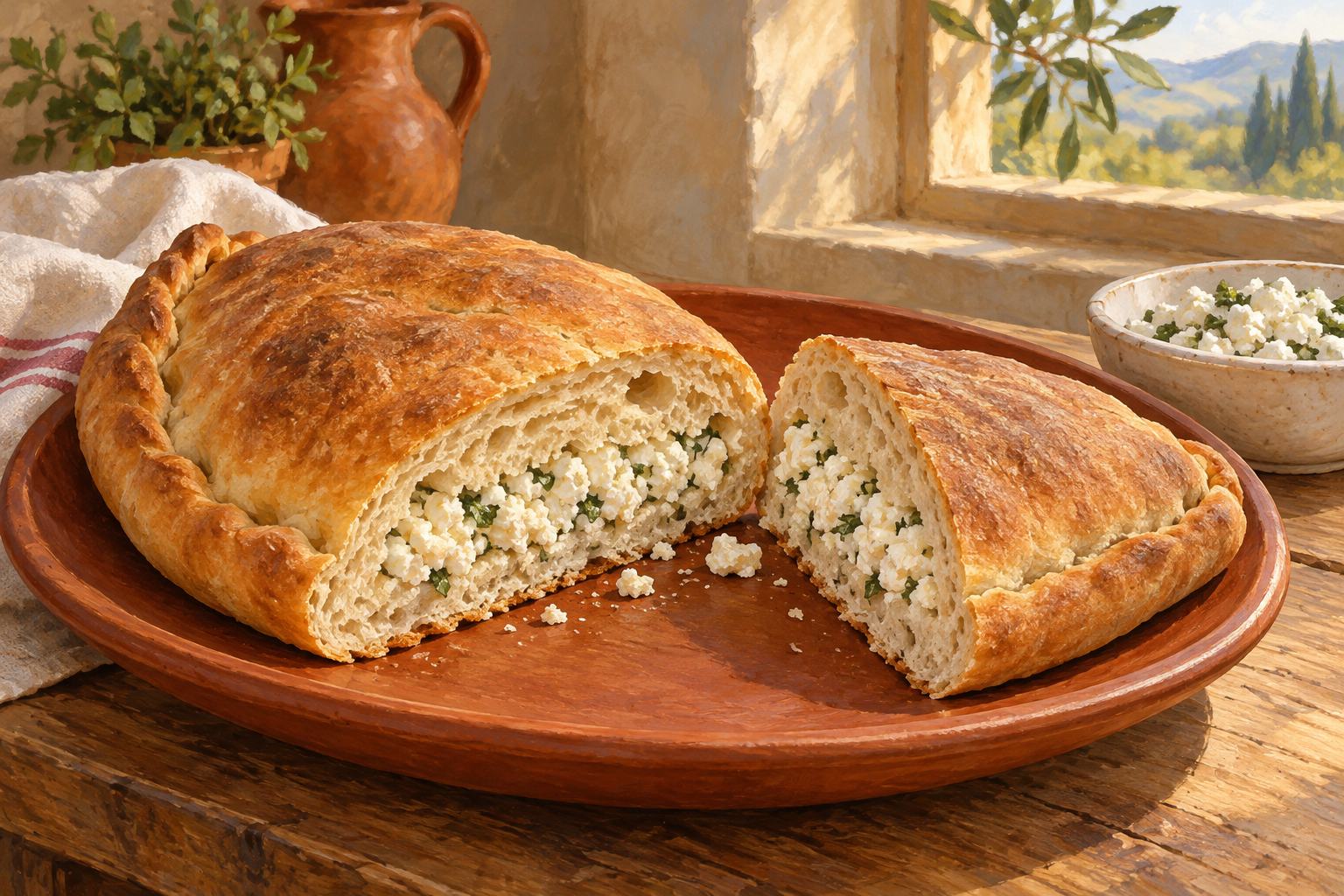
Named Hittite cheese breads inspire a baked filled loaf; its shape, dough and filling method are modern.
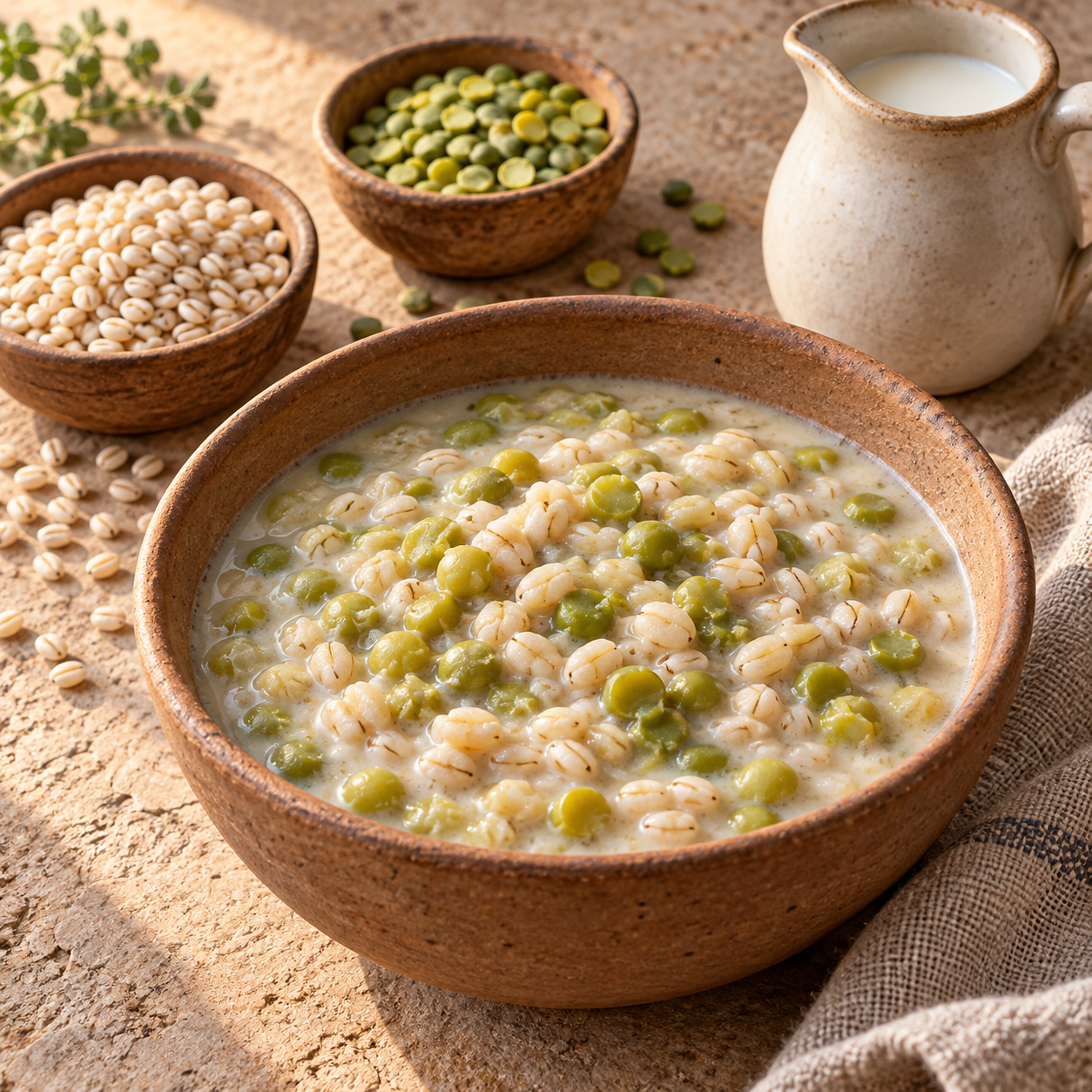
Proteins surviving inside ancient pottery inspire a barley, pea and milk meal, with uncertainty about mixing.
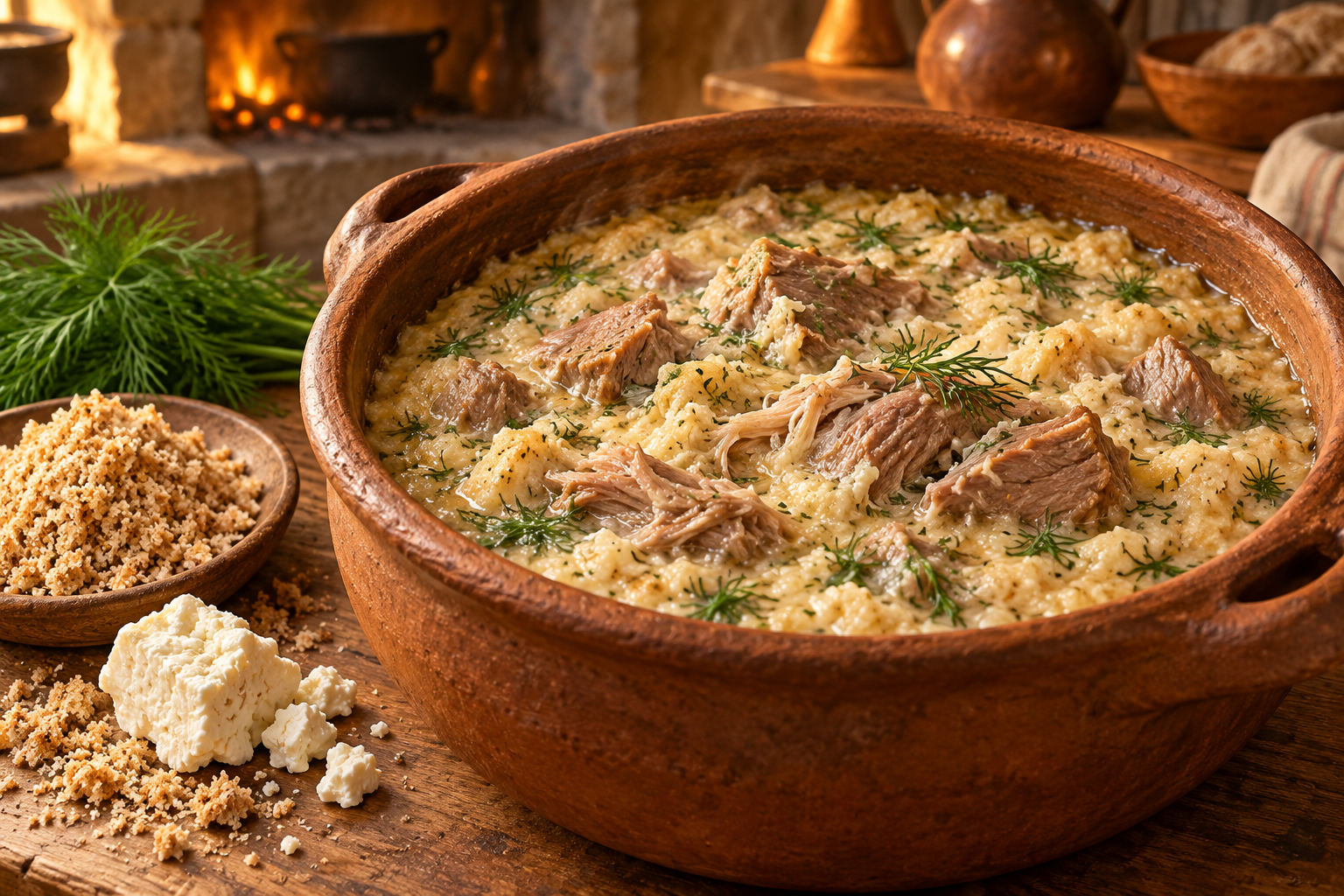
Boiled meat, grated bread, cheese and an aromatic herb form a distinctive written ancient food combination.
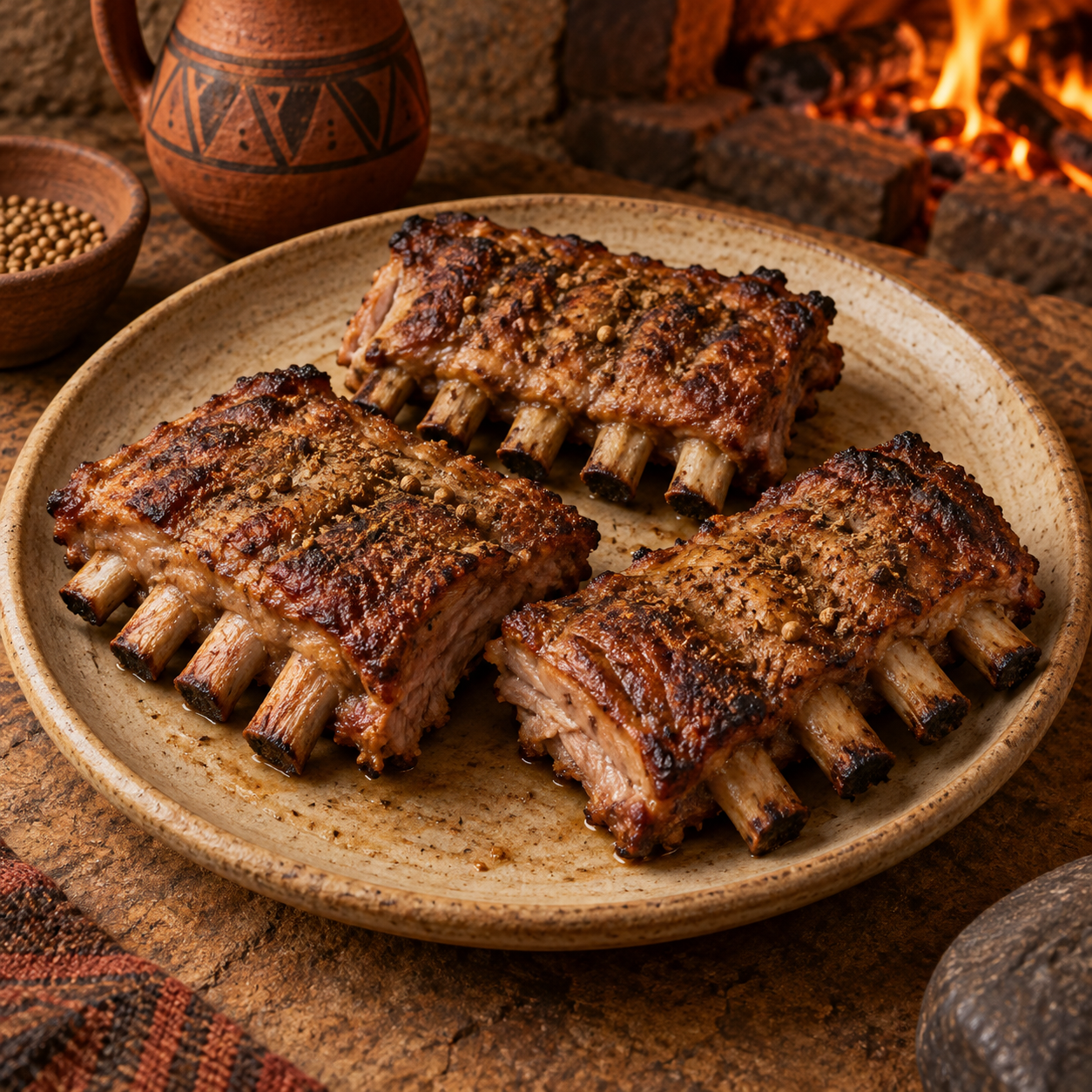
Hittite meat lists and cooking terms inspire tender pork ribs finished under a modern grill.
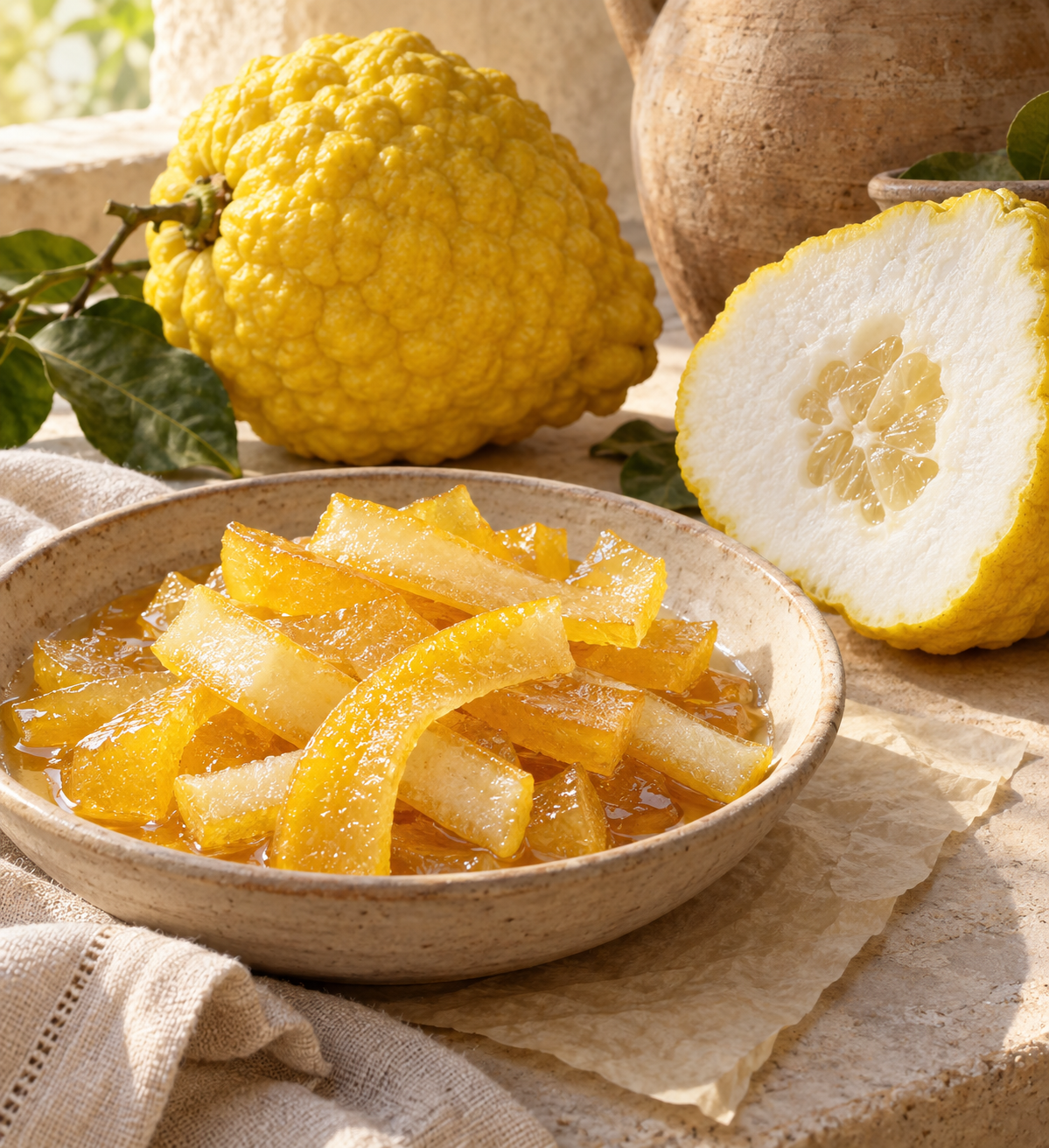
A named ancient citron preserve inspires tender peel in syrup, with a modern refrigerated method.
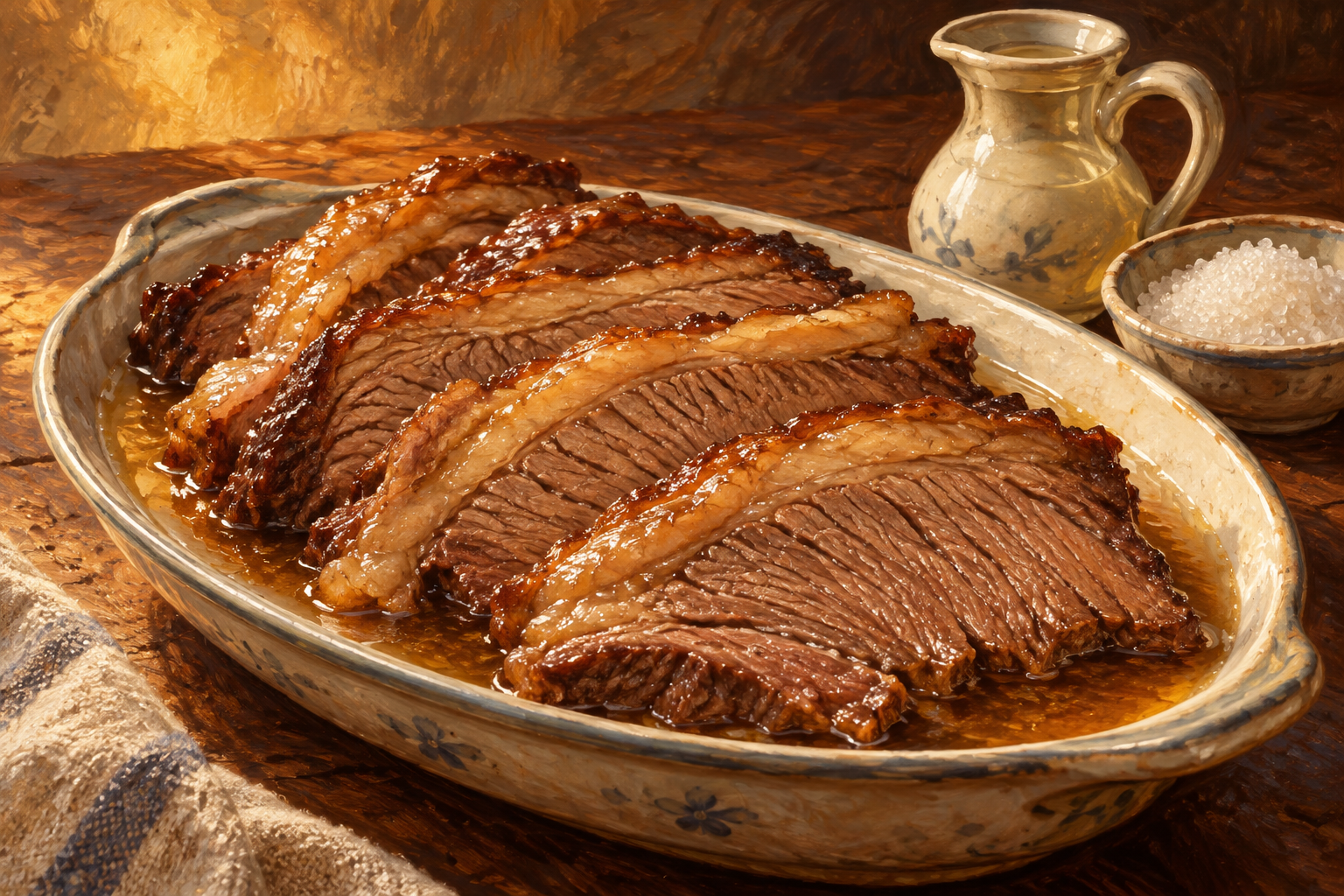
A court text pairs beef breast in sour broth with sugar; this measured braise makes its modern choices explicit.
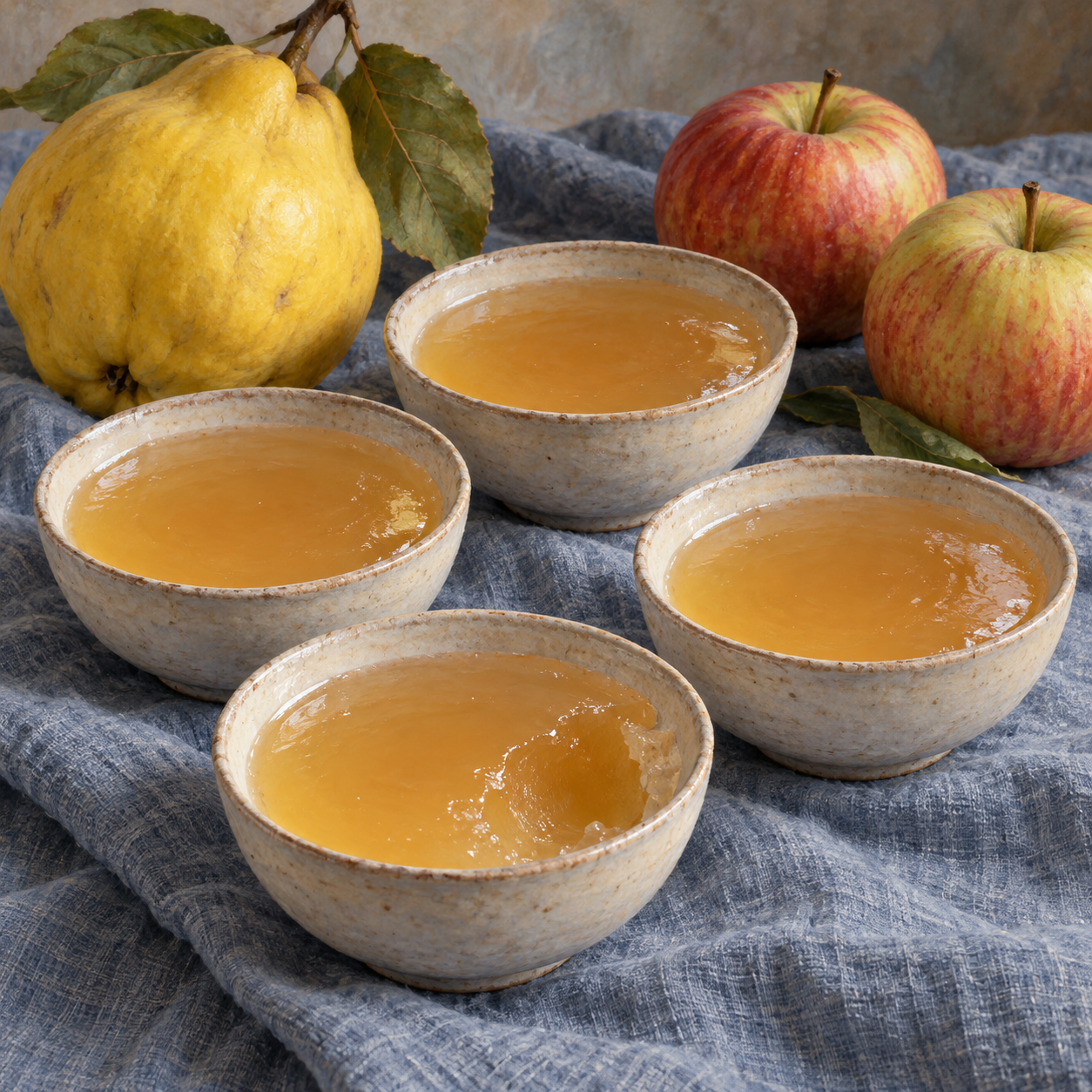
A named fruit jelly inspires a softly set apple-quince sweet; its starch thickener is explicitly modern.
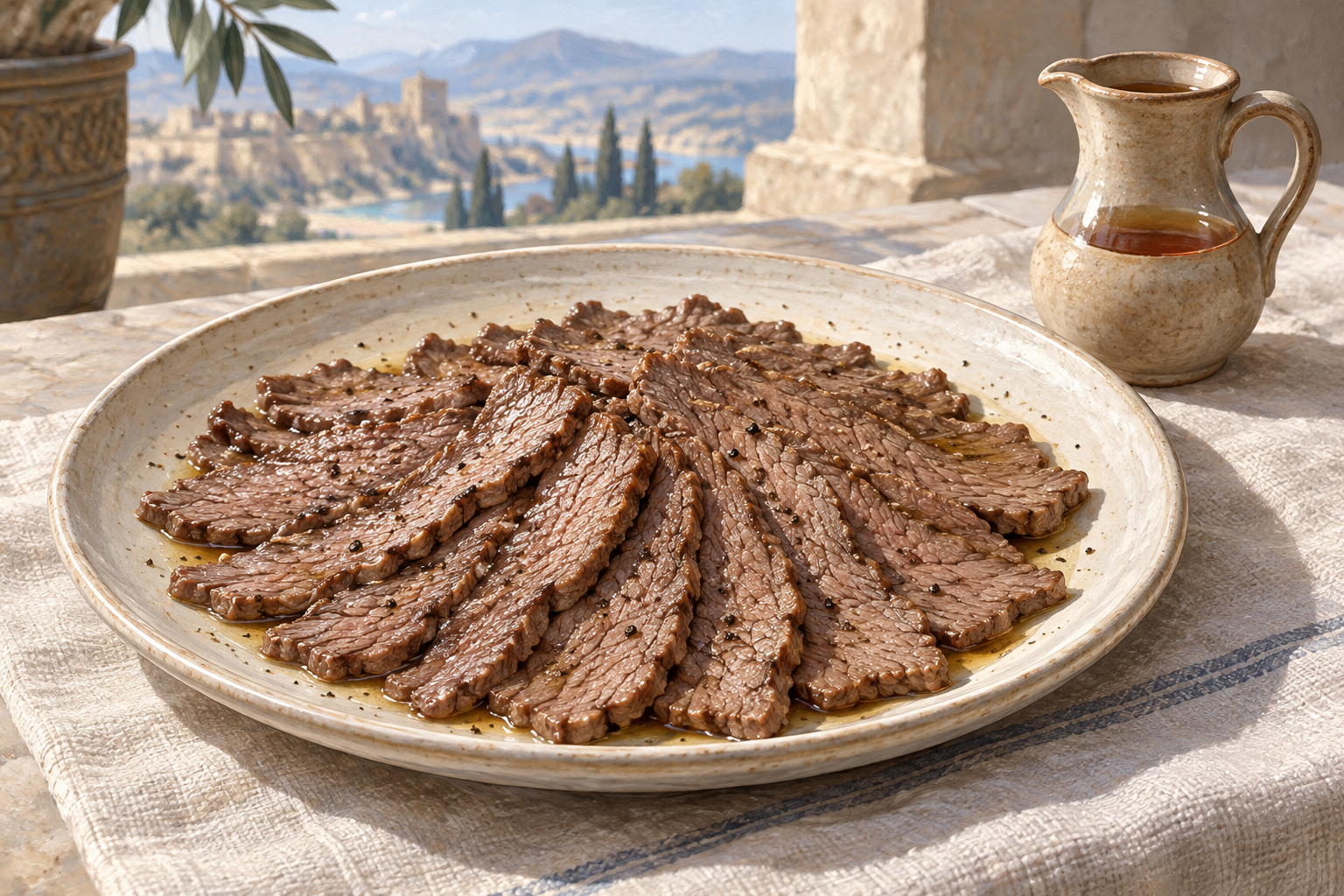
A court-text cold meat preference becomes fully cooked sliced beef with vinegar, served freshly refrigerated.
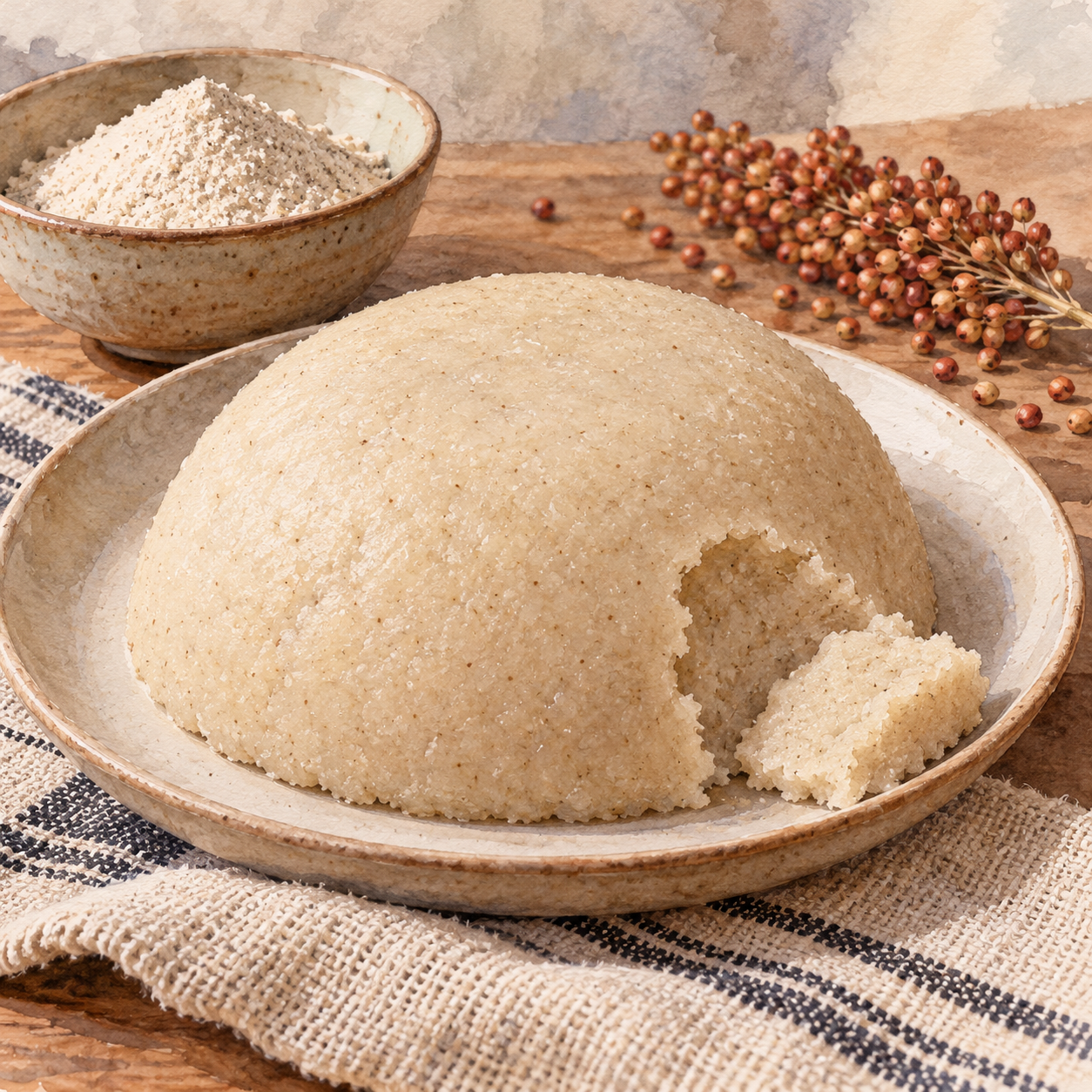
Sorghum residue and mould experiments inspire a stiff porridge, one hypothesis for ancient temple offerings.
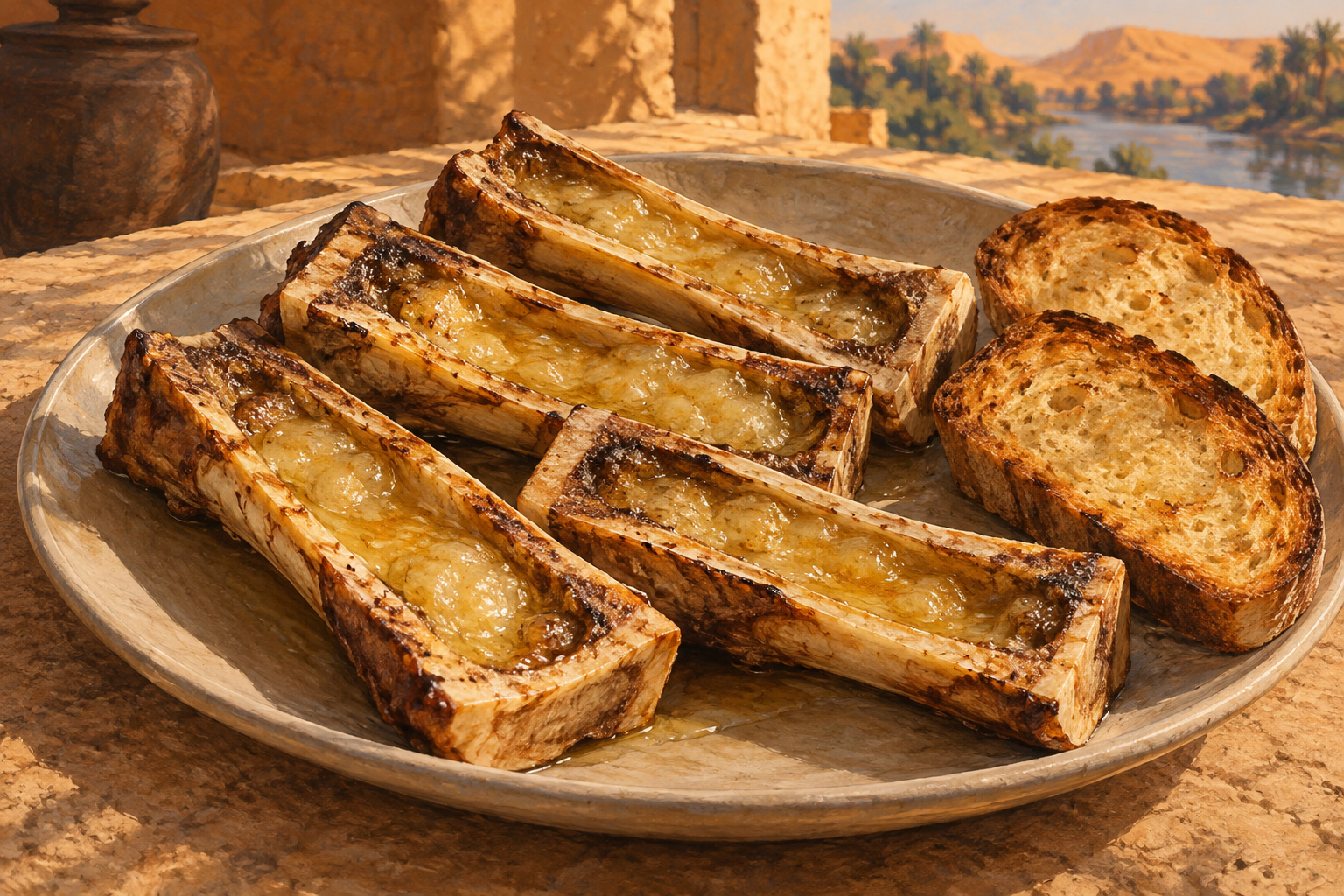
Nubian cattle evidence inspires roasted commercial marrow bones; the split-bone oven method is modern.
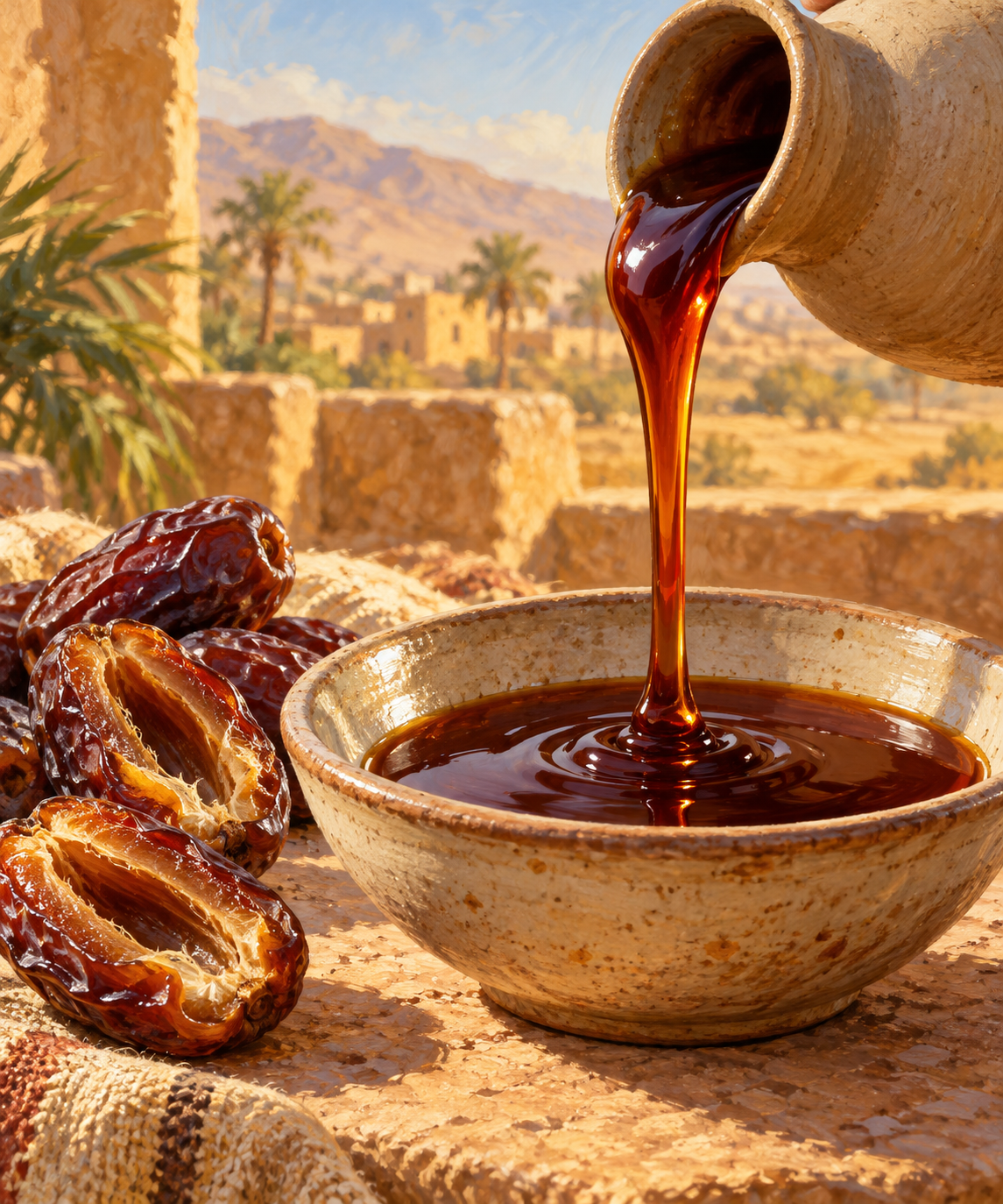
Palm-processing residues inspire a pitted-date syrup; sugar extraction is a scholarly interpretation, not an exact recipe.
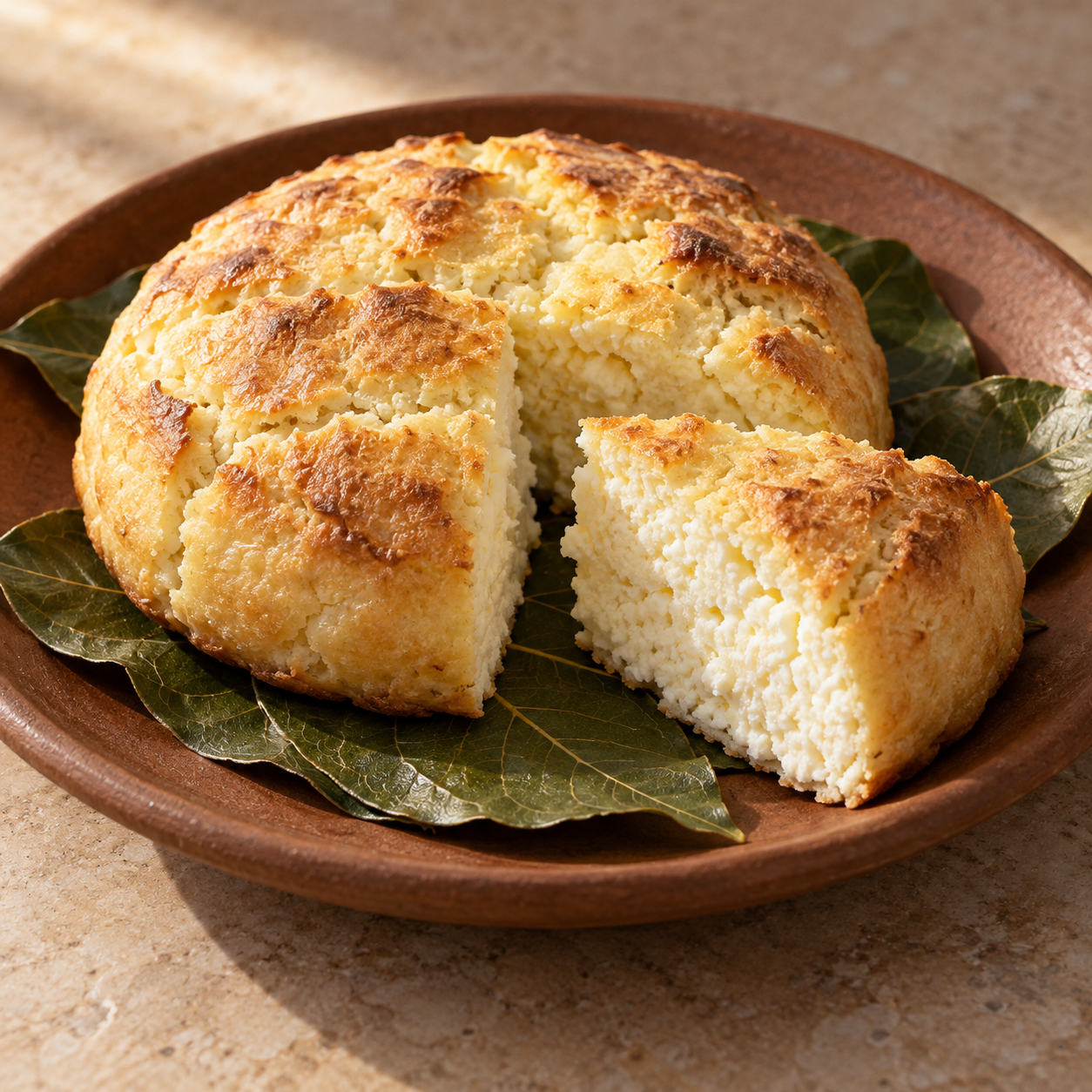
Cato's fresh-cheese loaf brings a small Roman hearth cake into a modern oven.
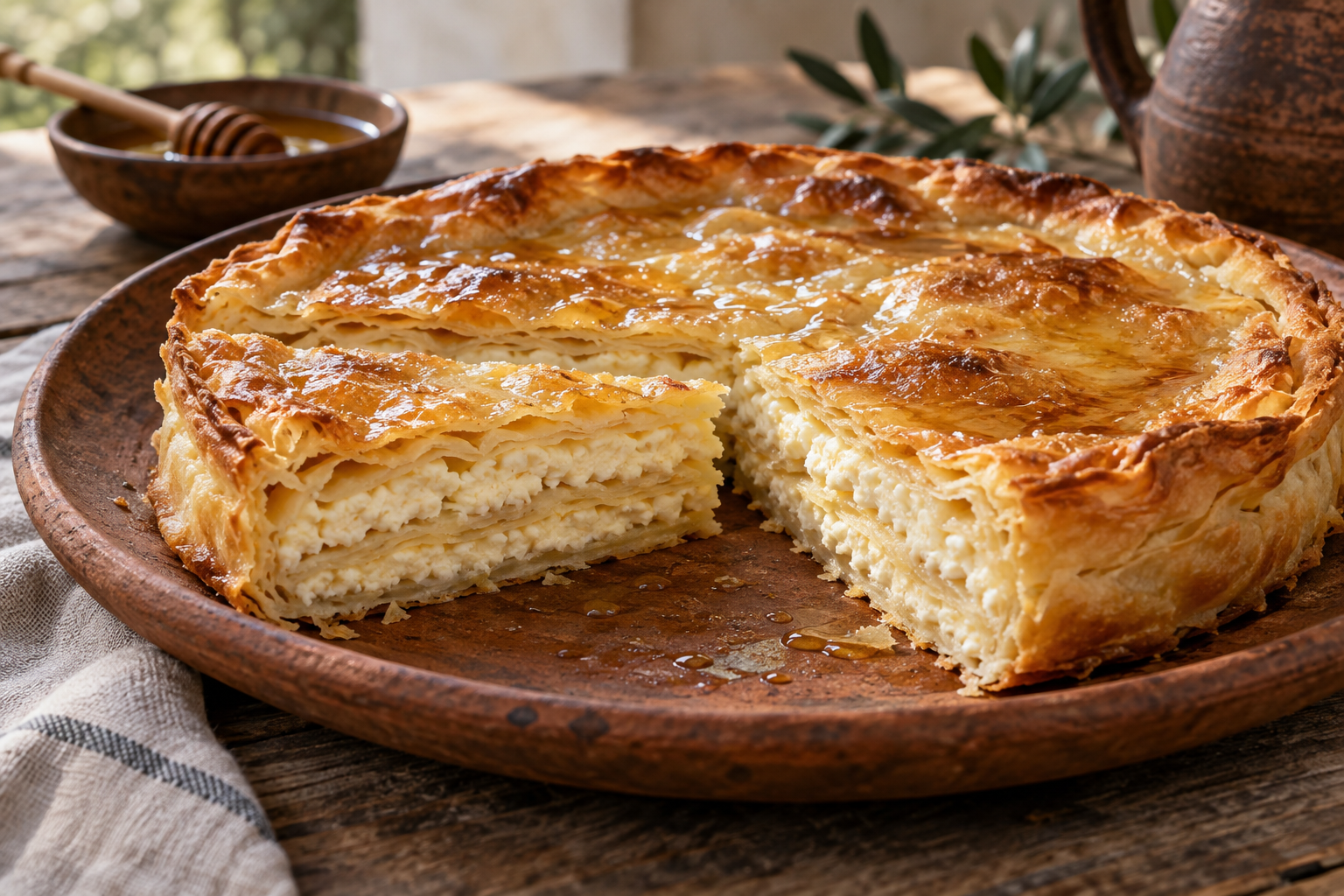
Thin dough sheets, fresh cheese, and honey reveal the structure of a Roman layered pie.
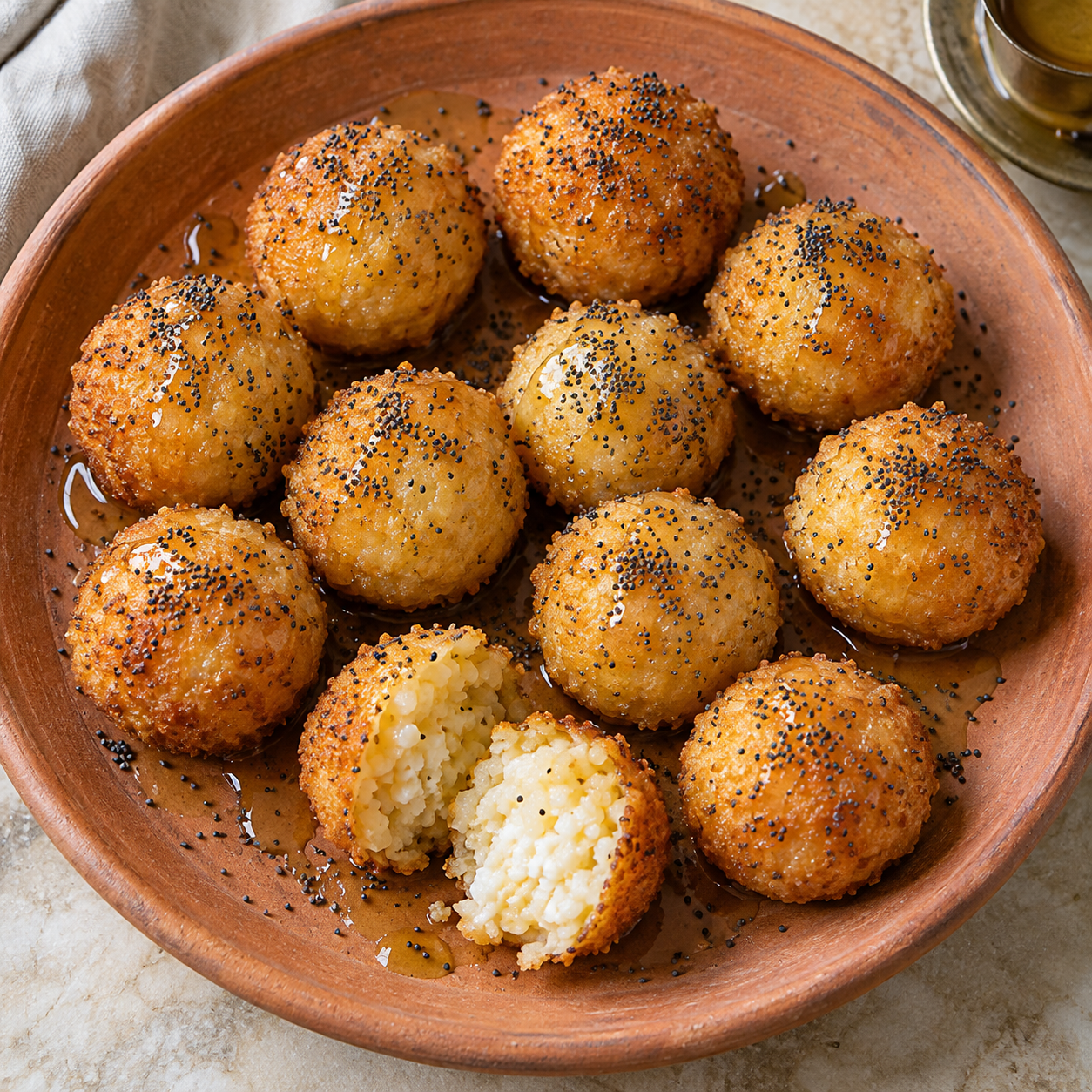
Cato's cheese-and-grain balls use hot fat to make a crisp shell around a tender centre.
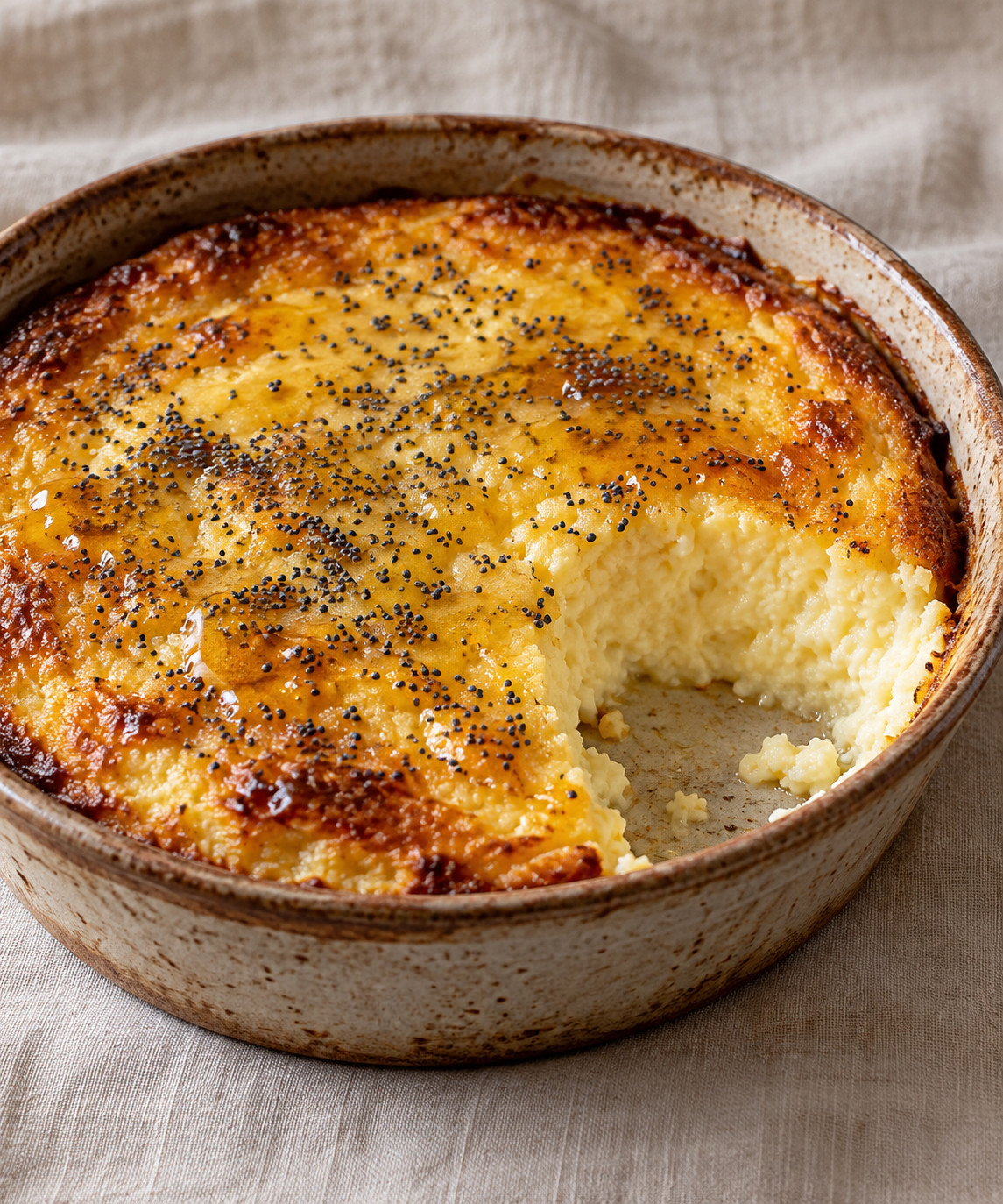
A cheese-rich baked pudding makes Cato's instruction to cook the deepest centre unusually vivid.
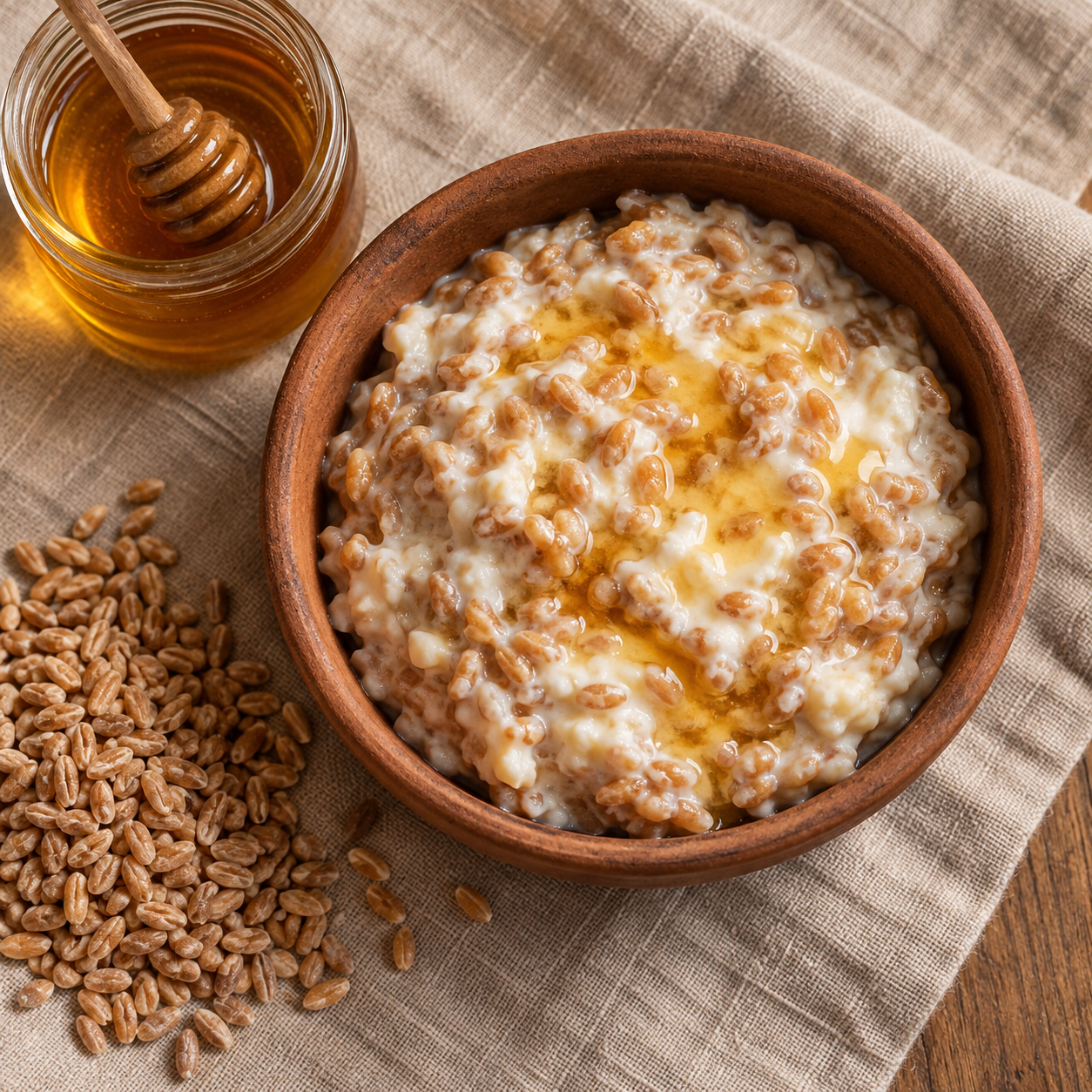
Cato's named Punic porridge is a rich grain dish preserved through a Roman author's instructions.
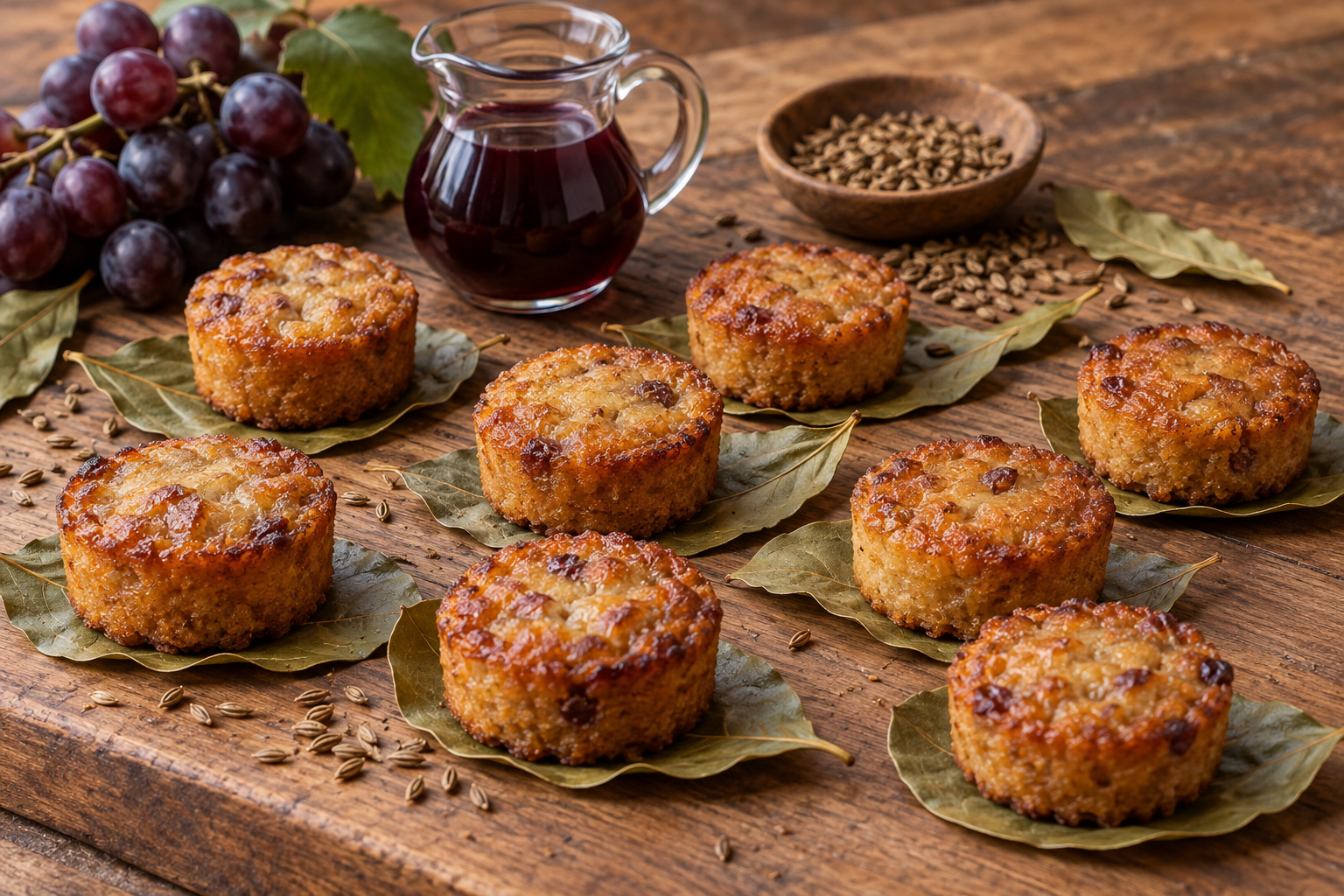
Cato's small aromatic cakes bring fresh grape juice, fat, cheese, and bay leaves into one dough.
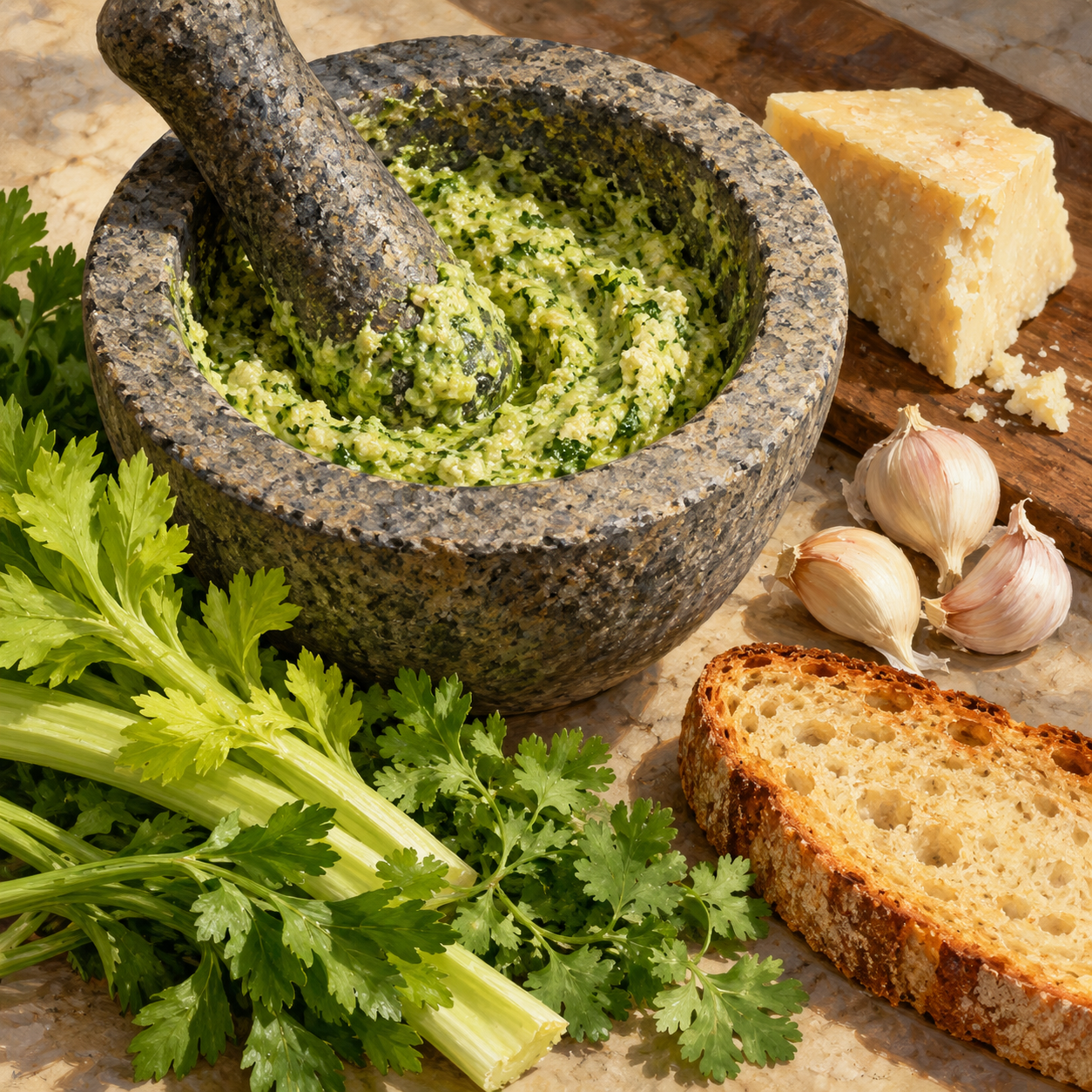
A garlic, herb, and cheese paste turns a Roman literary morning into a practical bread accompaniment.
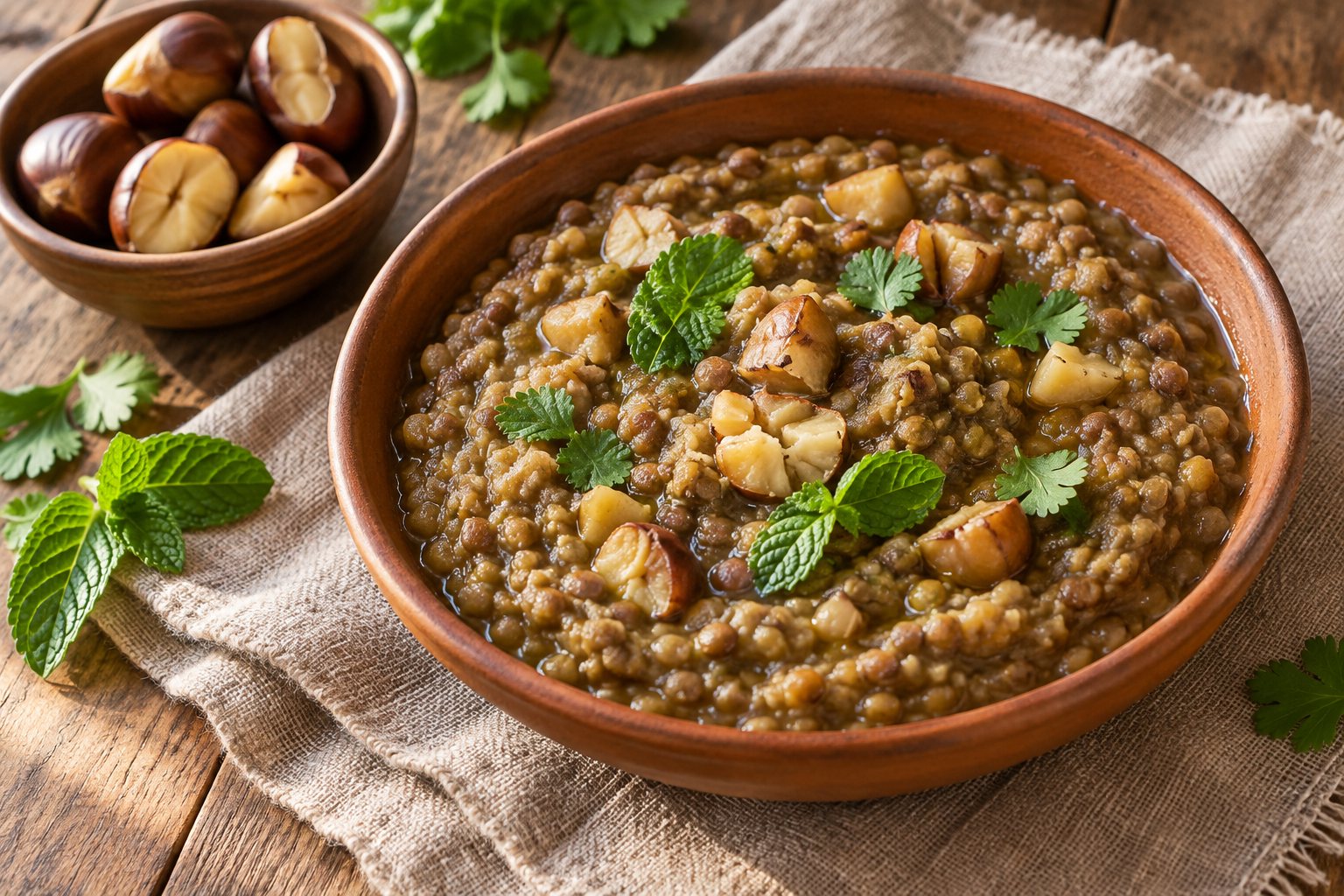
Apicius pairs humble legumes with chestnuts and a surprisingly complex herb-and-vinegar dressing.
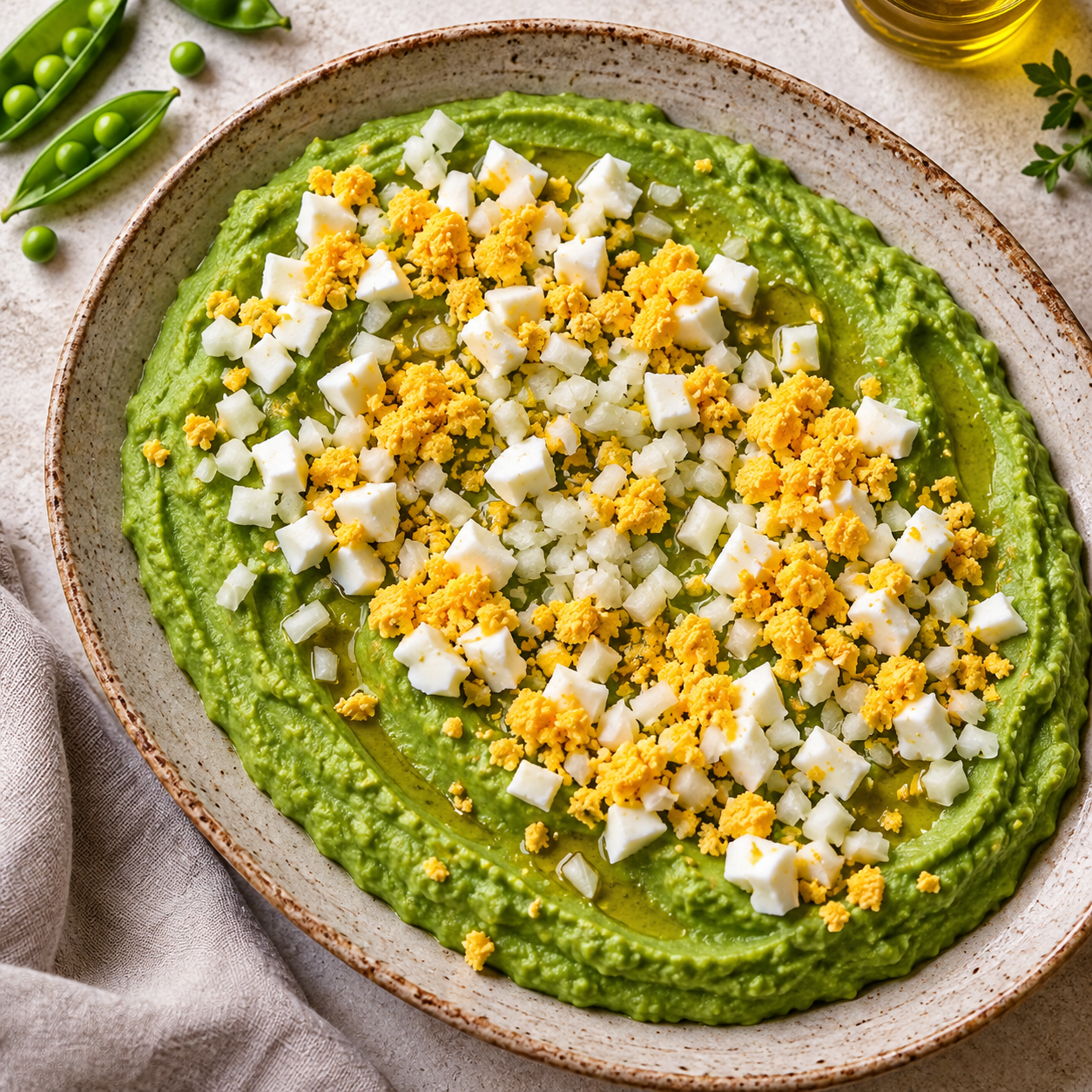
A Roman pea dish separates cooked egg whites and yolks for a colourful vinegar-and-oil finish.
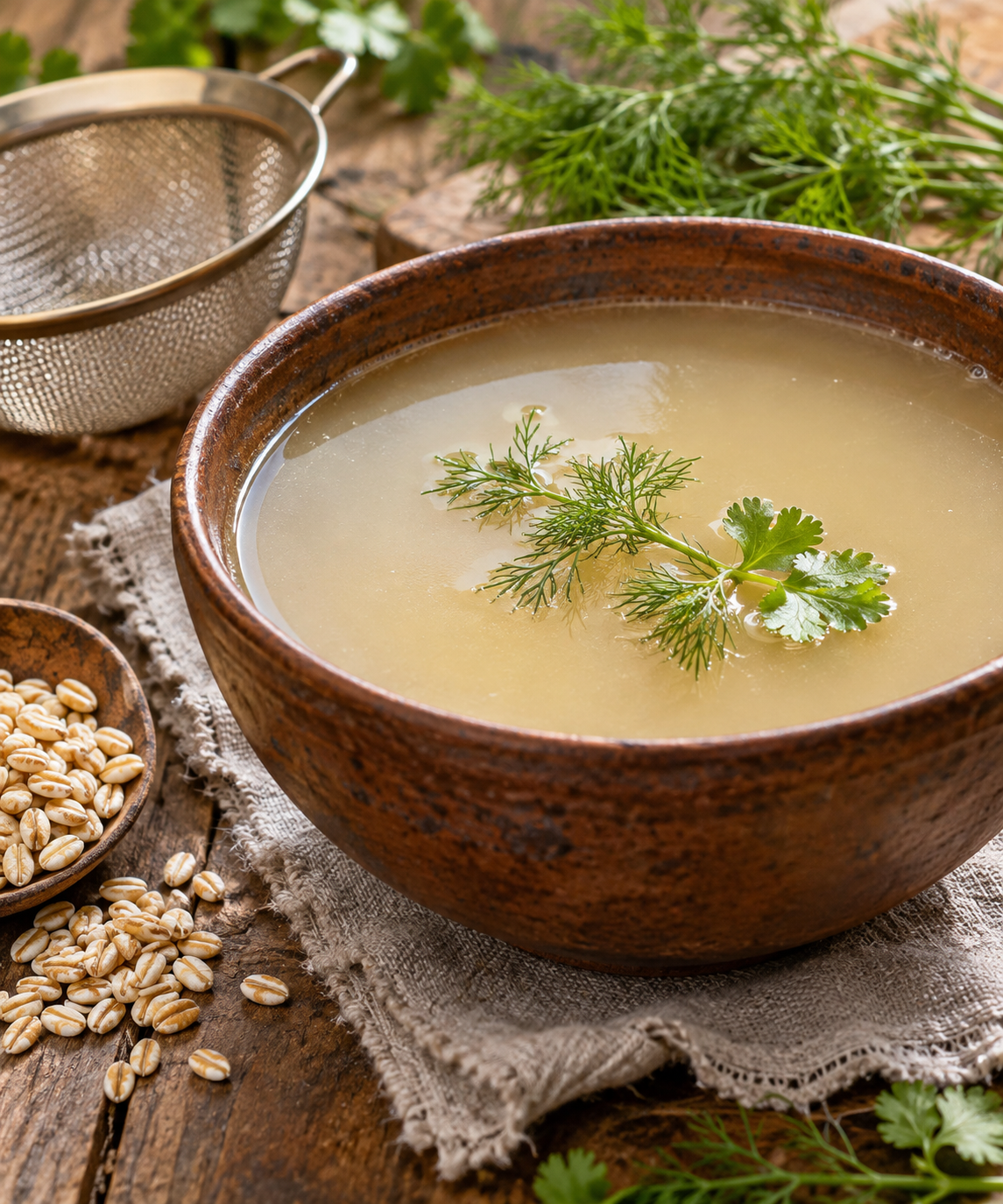
A dill-scented barley broth explores the difference between a grain bowl and the liquid drawn from it.
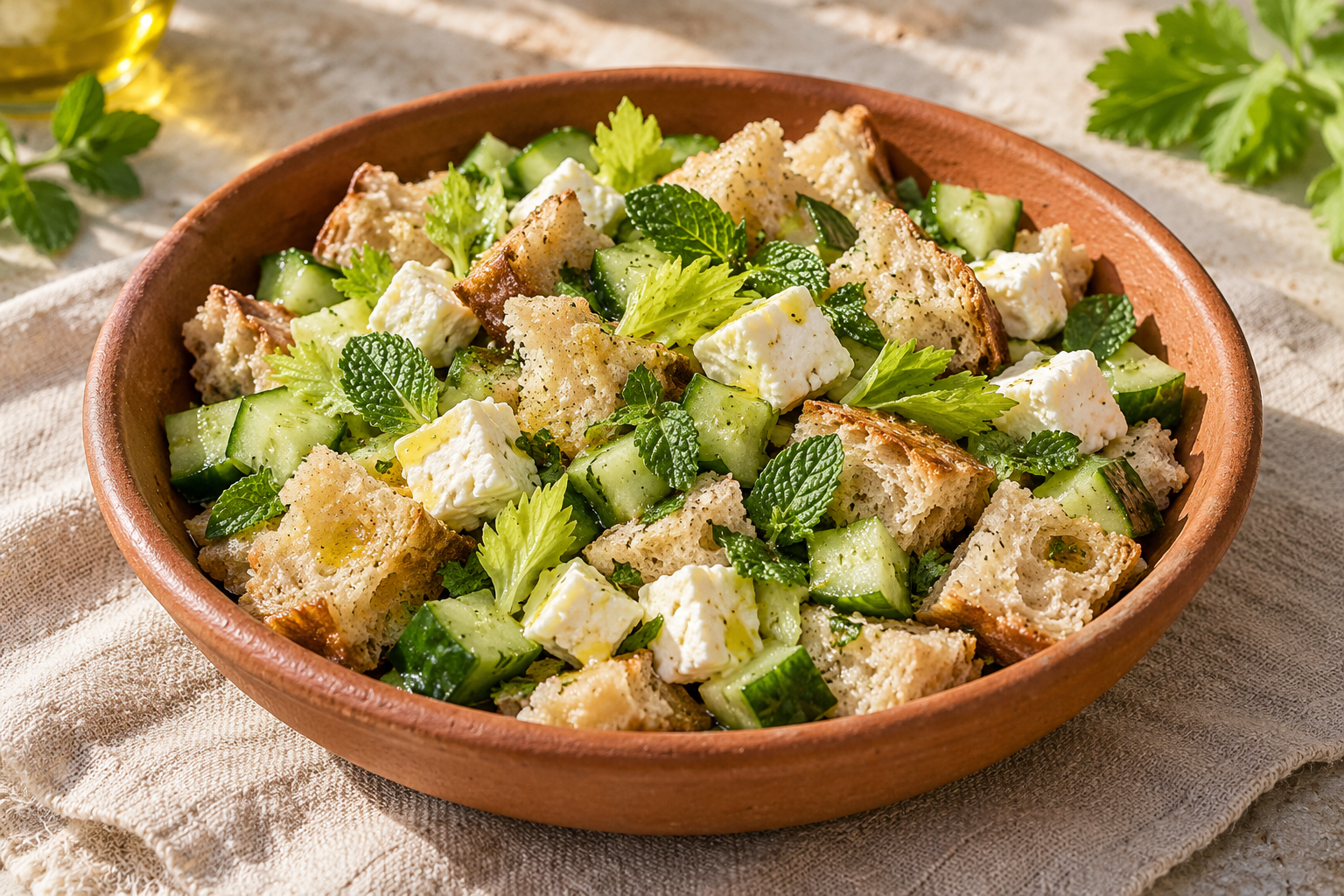
A cold layered bread dish shows how an ancient name can preserve a method while leaving texture uncertain.
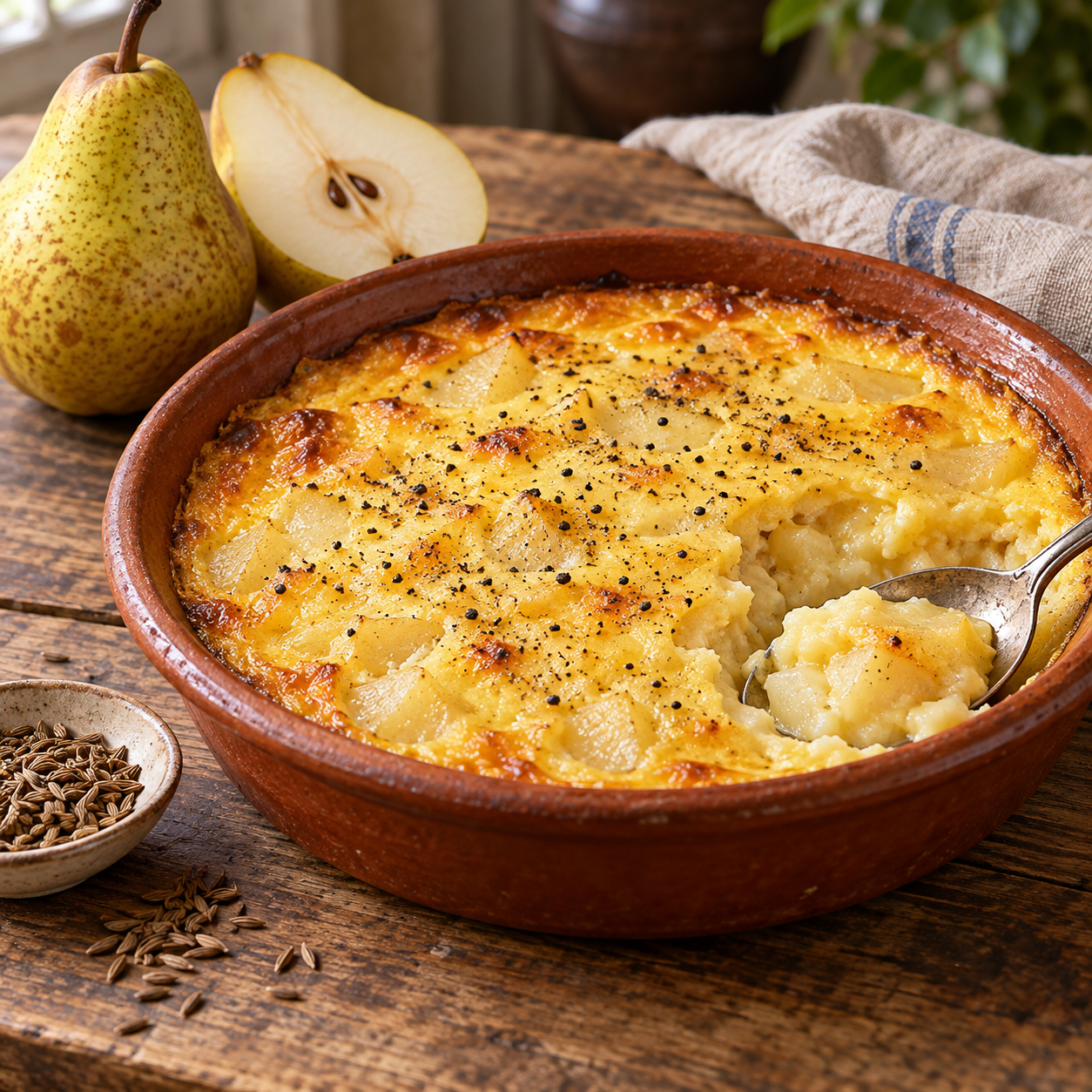
Cooked pears, honey, cumin, and pepper make a fruit custard with a savoury edge.
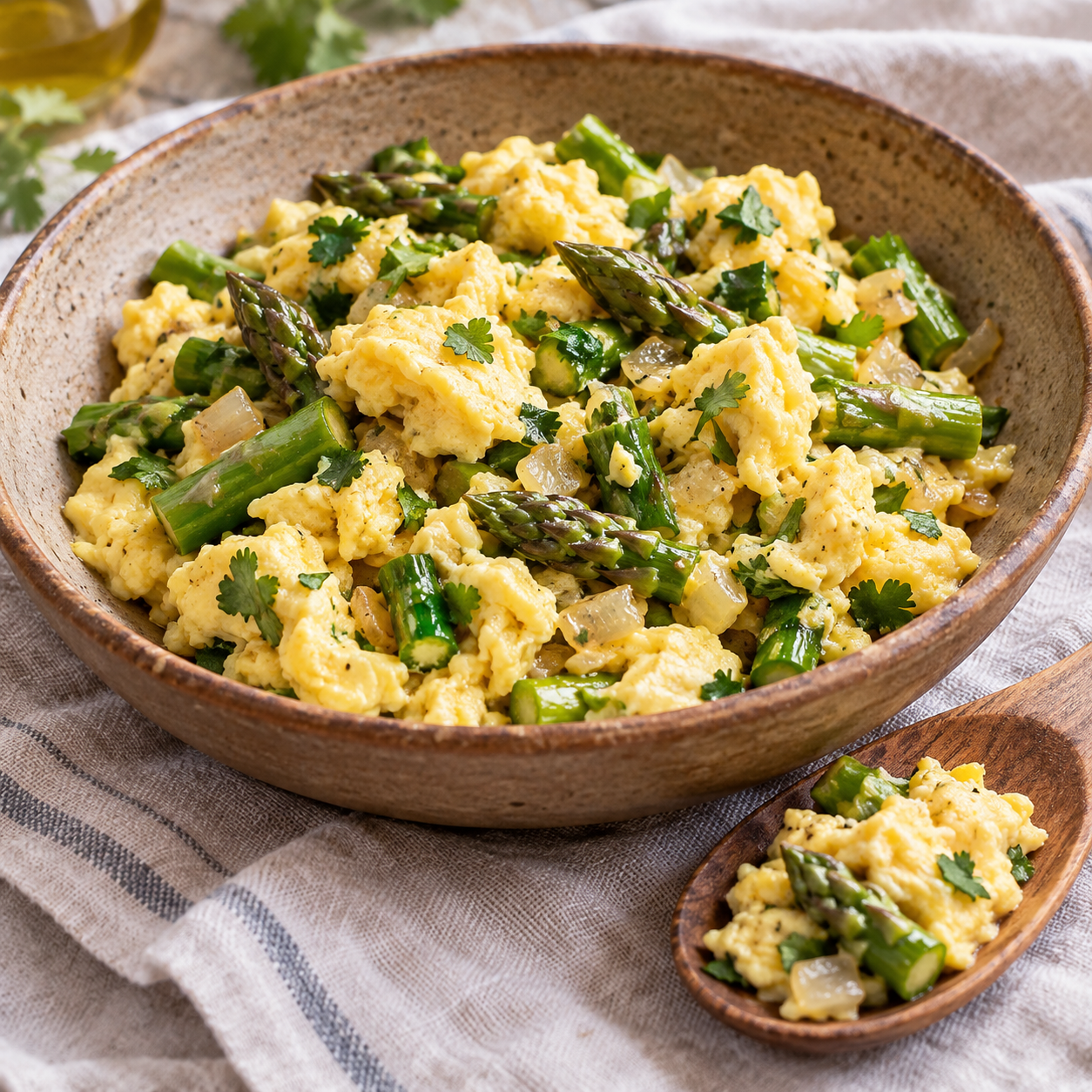
Asparagus tips and aromatic herbs become a gently cooked egg preparation in a Roman patina.
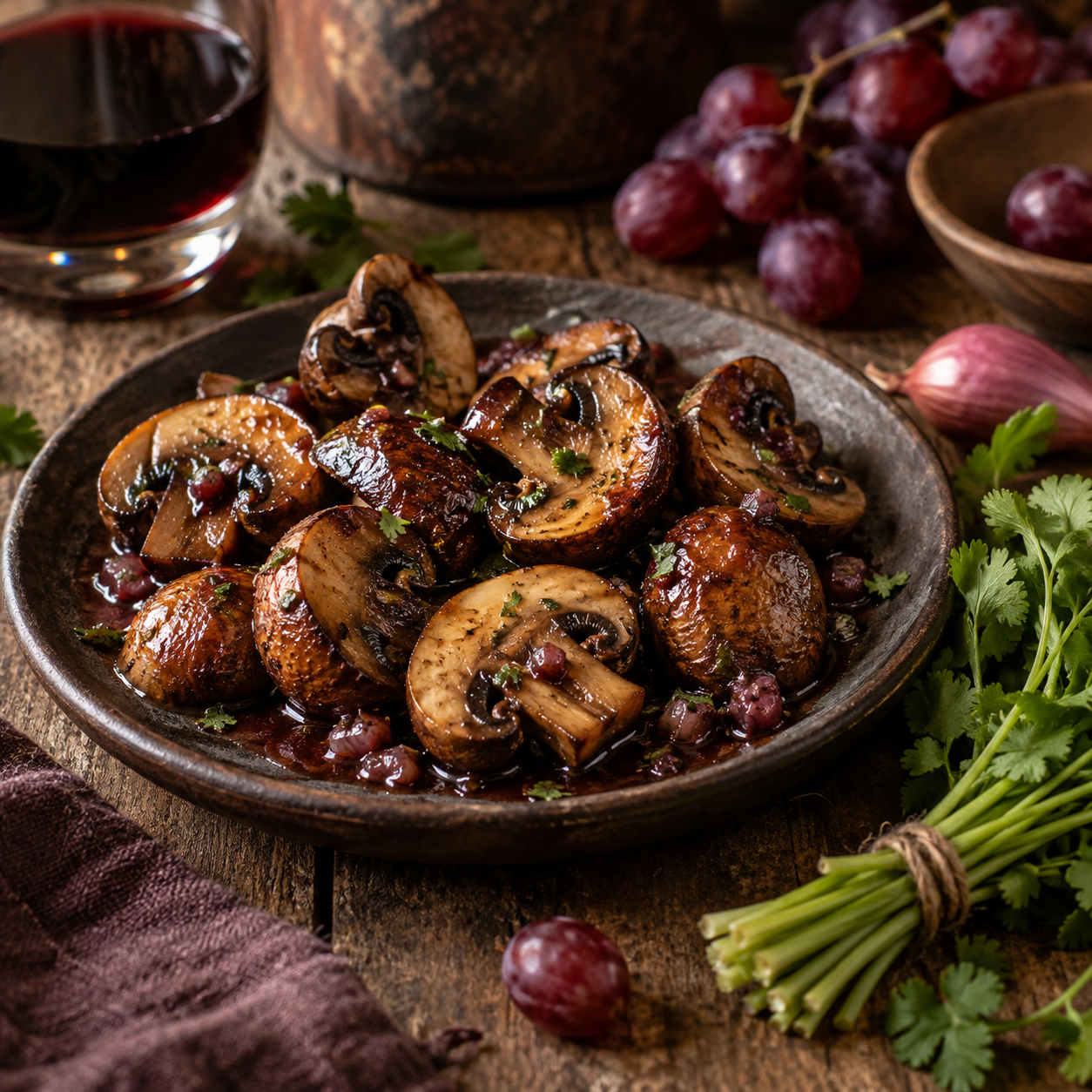
A short Apicius instruction makes mushrooms, reduced wine, and coriander the whole point.
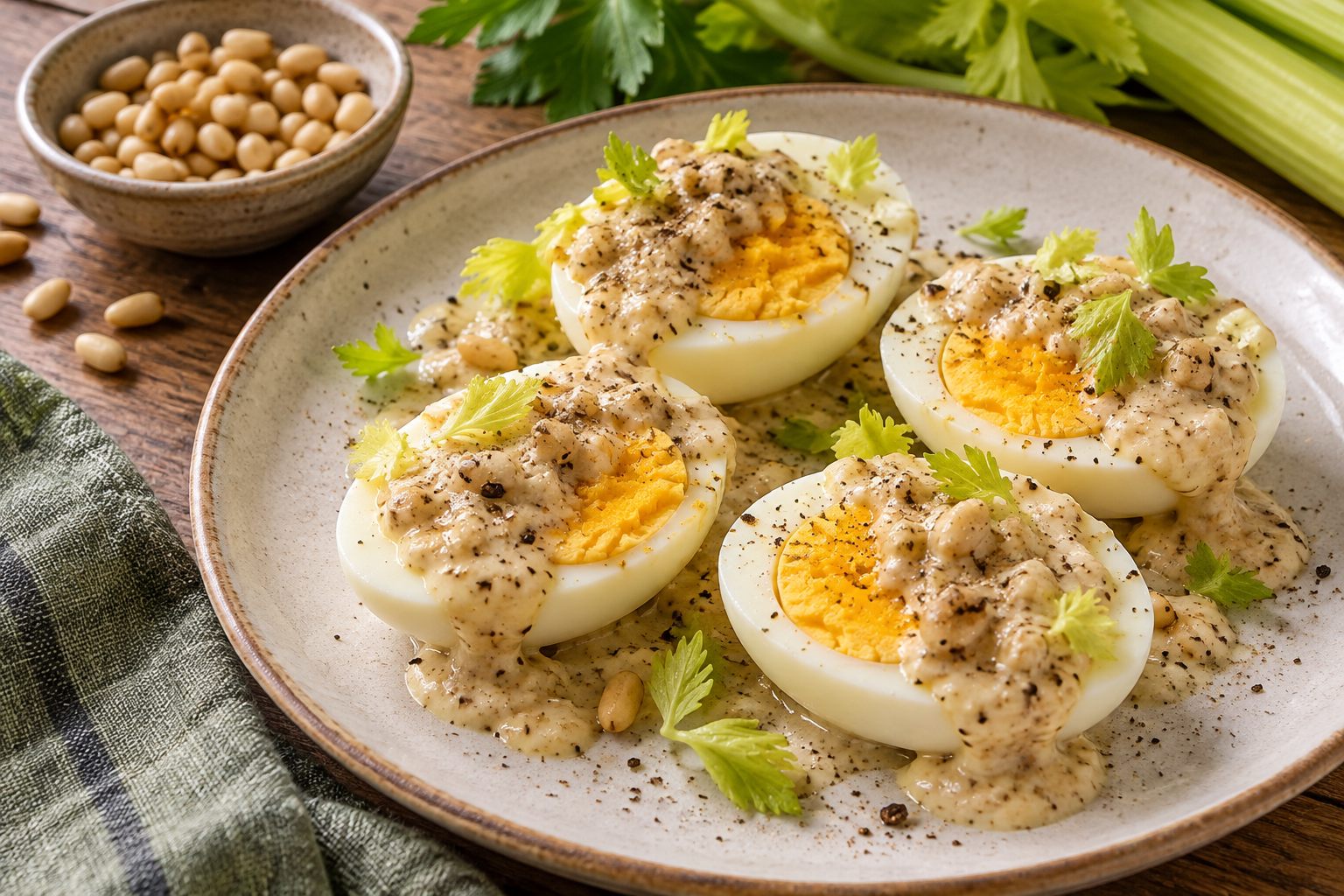
A few lines in Apicius give eggs a sauce of nuts, pepper, honey, vinegar, and salty liquid.
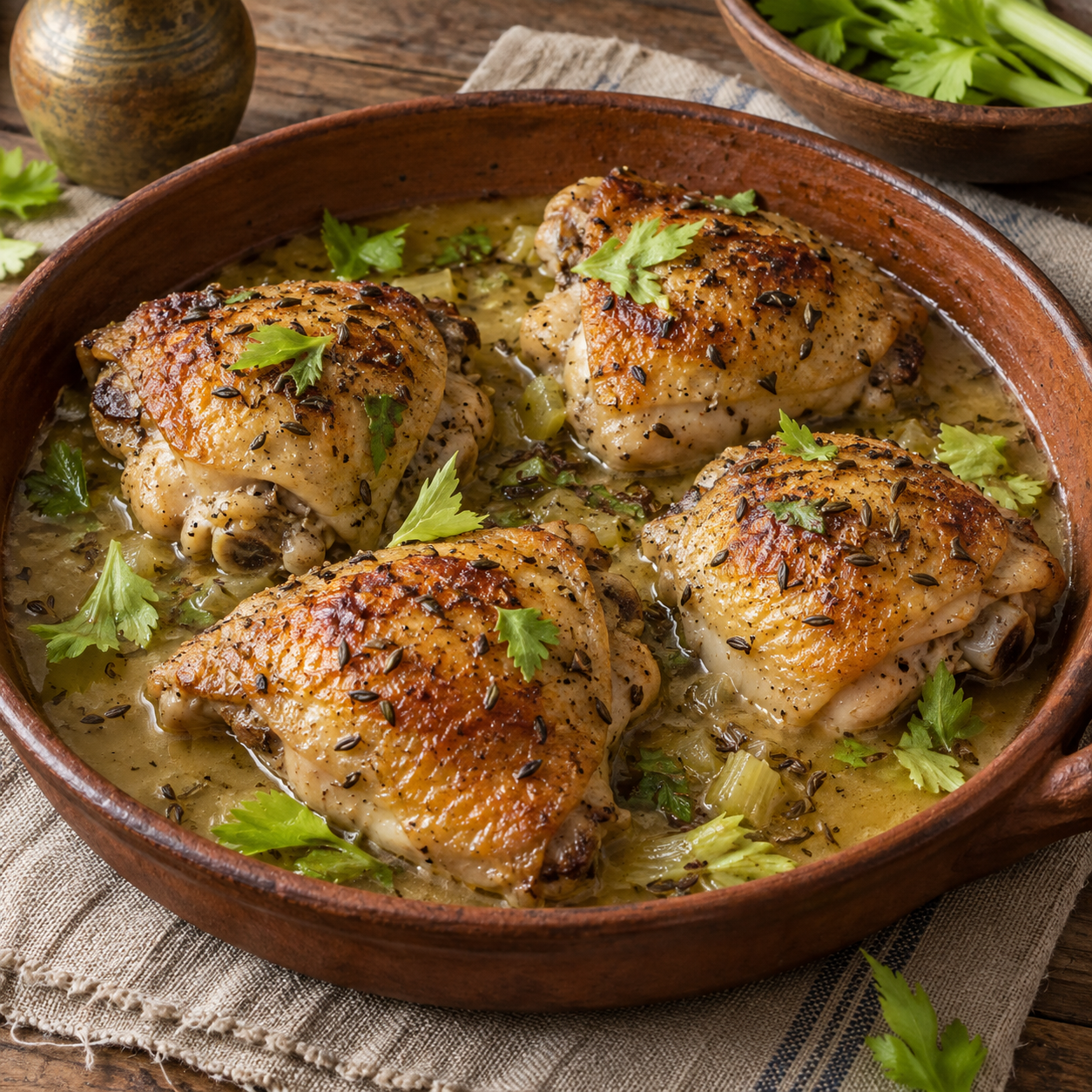
Wine, pepper, lovage, caraway, and an aromatic resin flavour a chicken recipe preserved by Apicius.
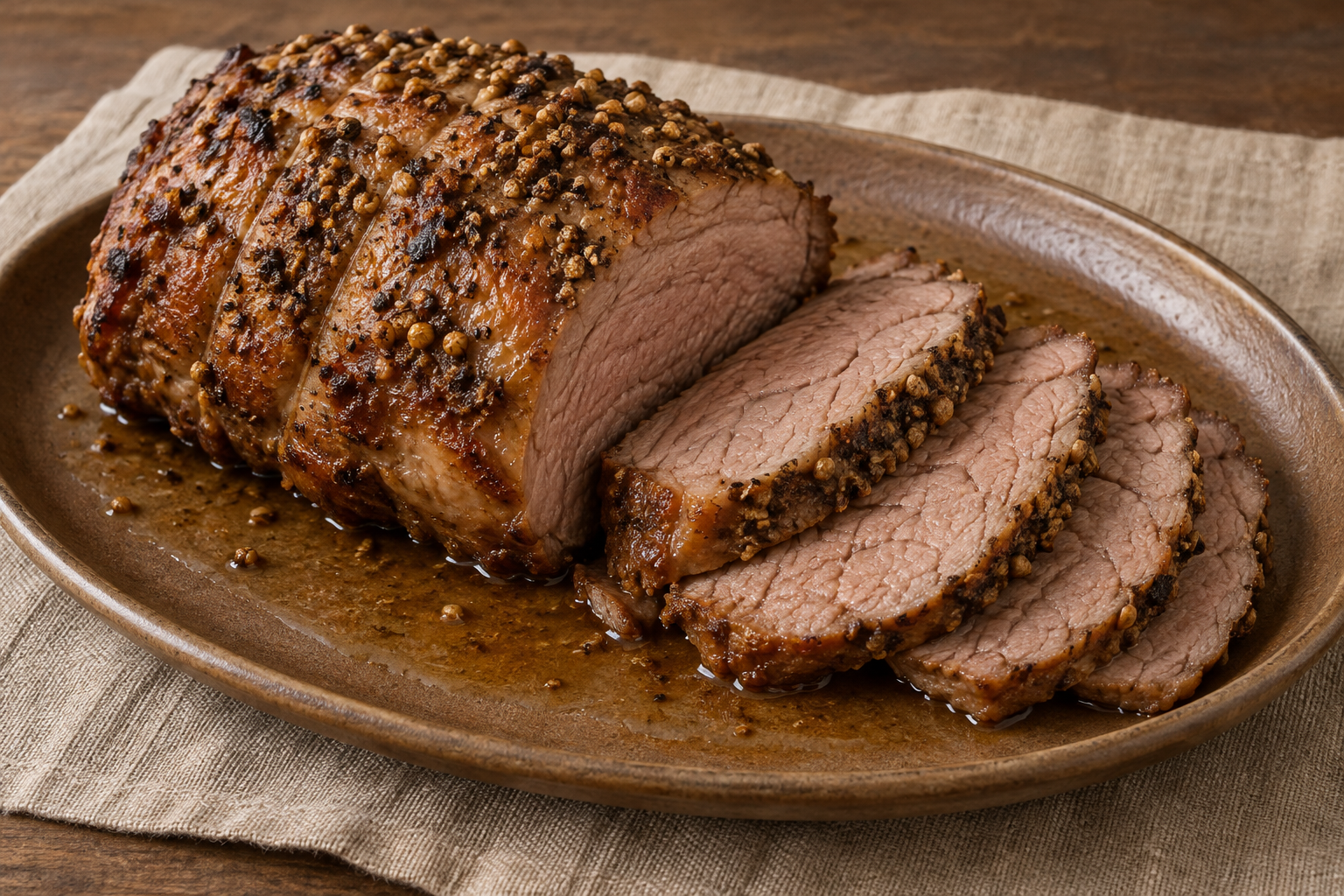
Oil, pepper, salt, and coriander seed season a roast whose simplicity survives in a few lines.
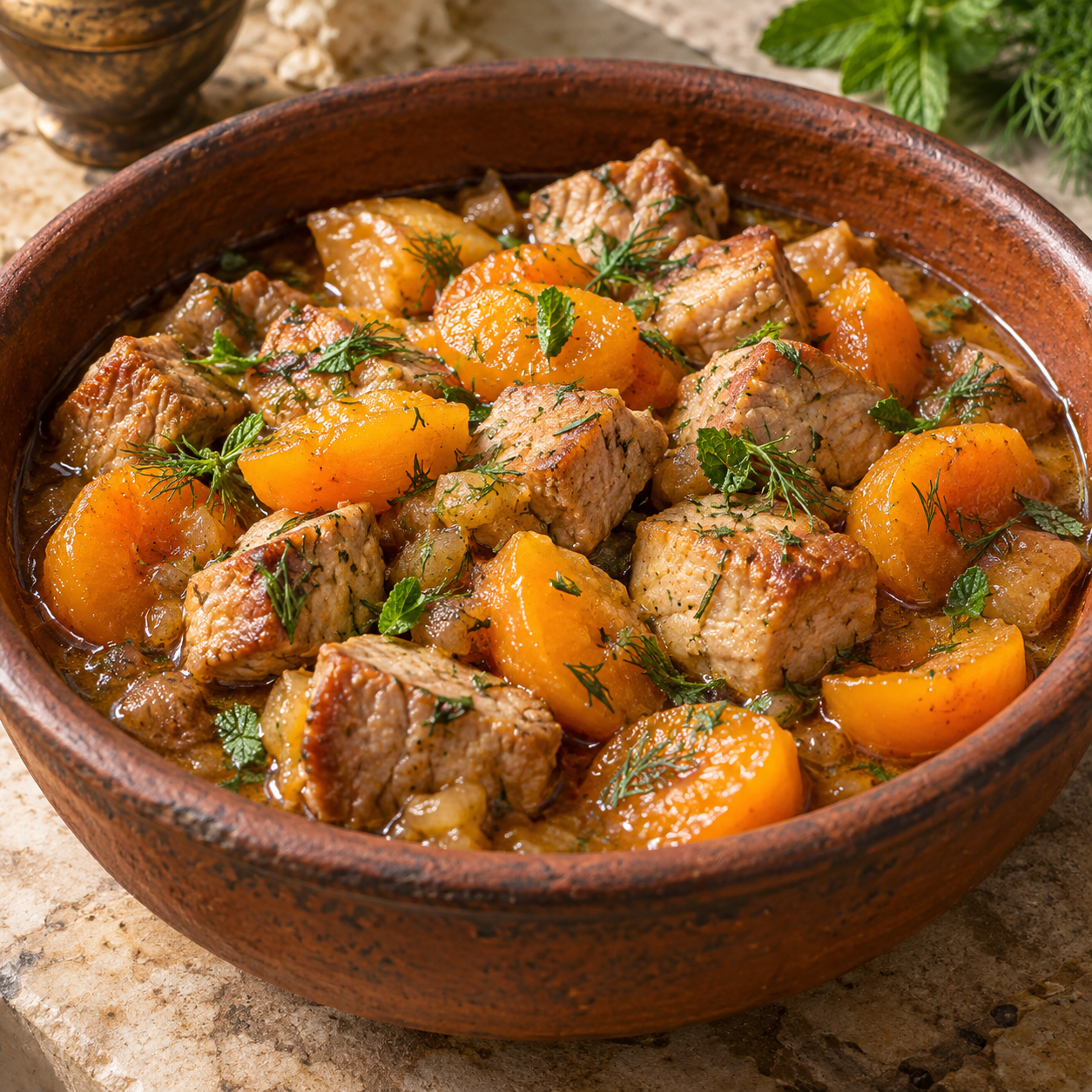
A surviving Apicius recipe joins small pieces of pork and apricot in a mint-and-cumin sauce.
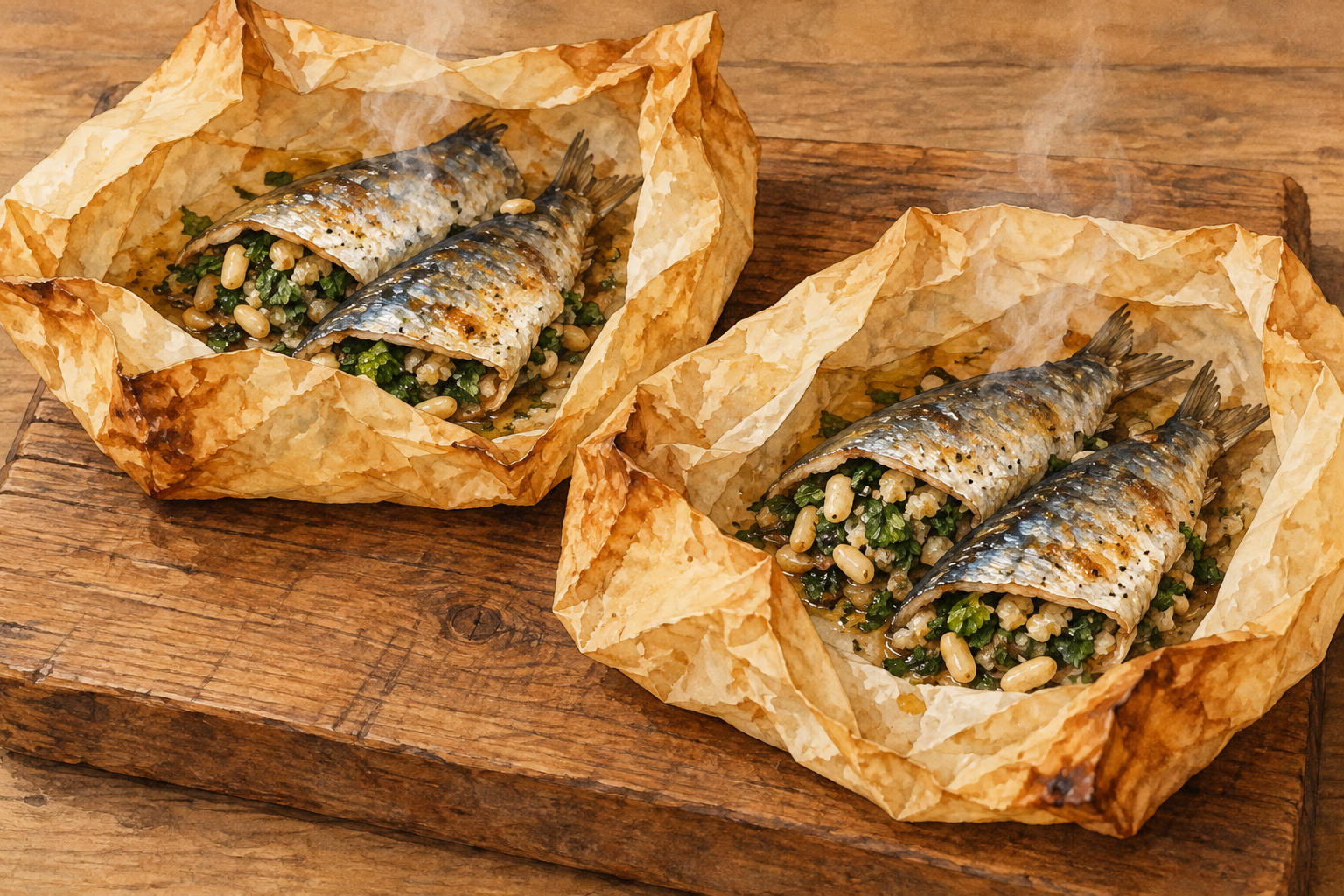
A small boned fish carries a nut-and-mint filling and cooks inside a protective wrapping.
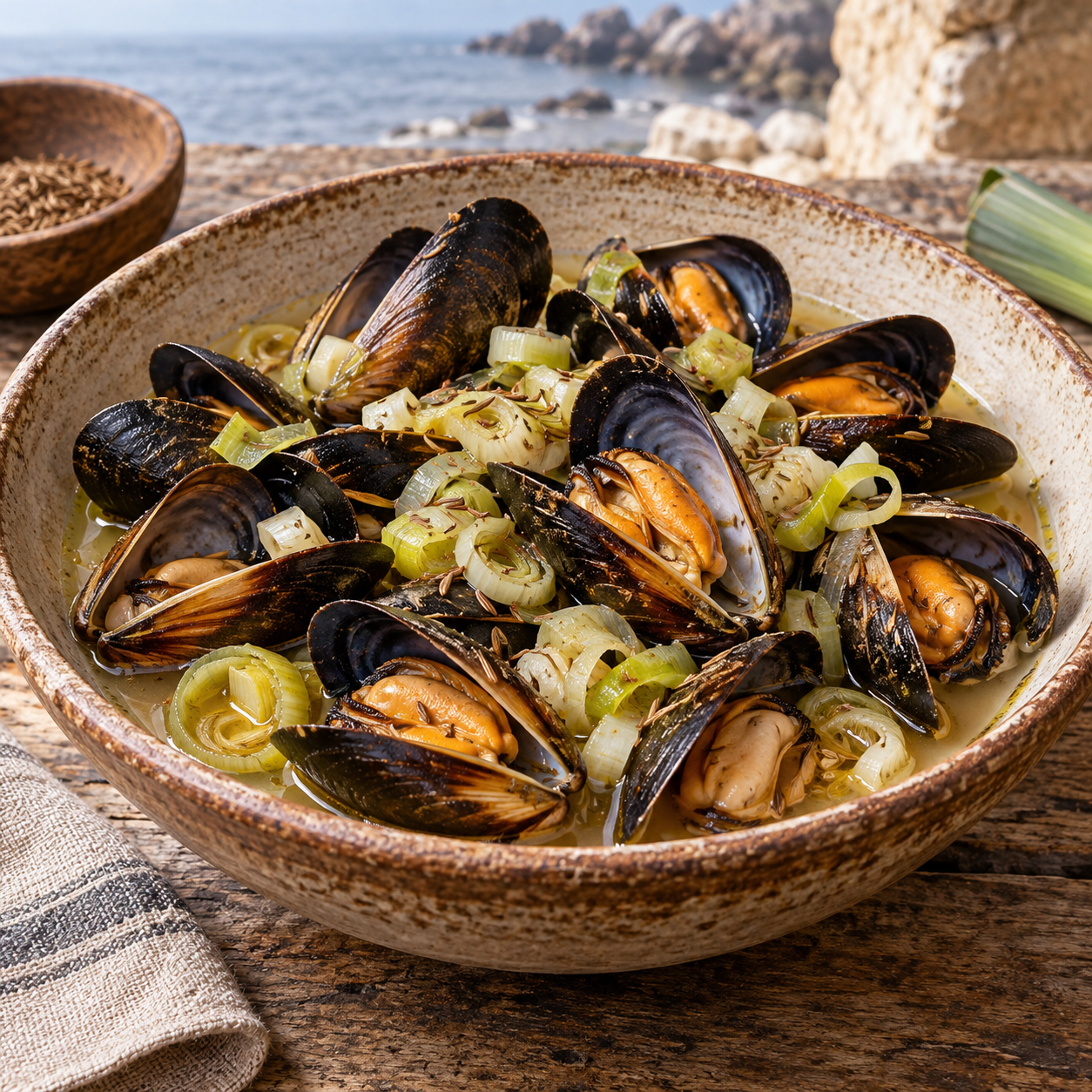
Leeks, cumin, and grape products frame a concise Roman instruction for cooking mussels.
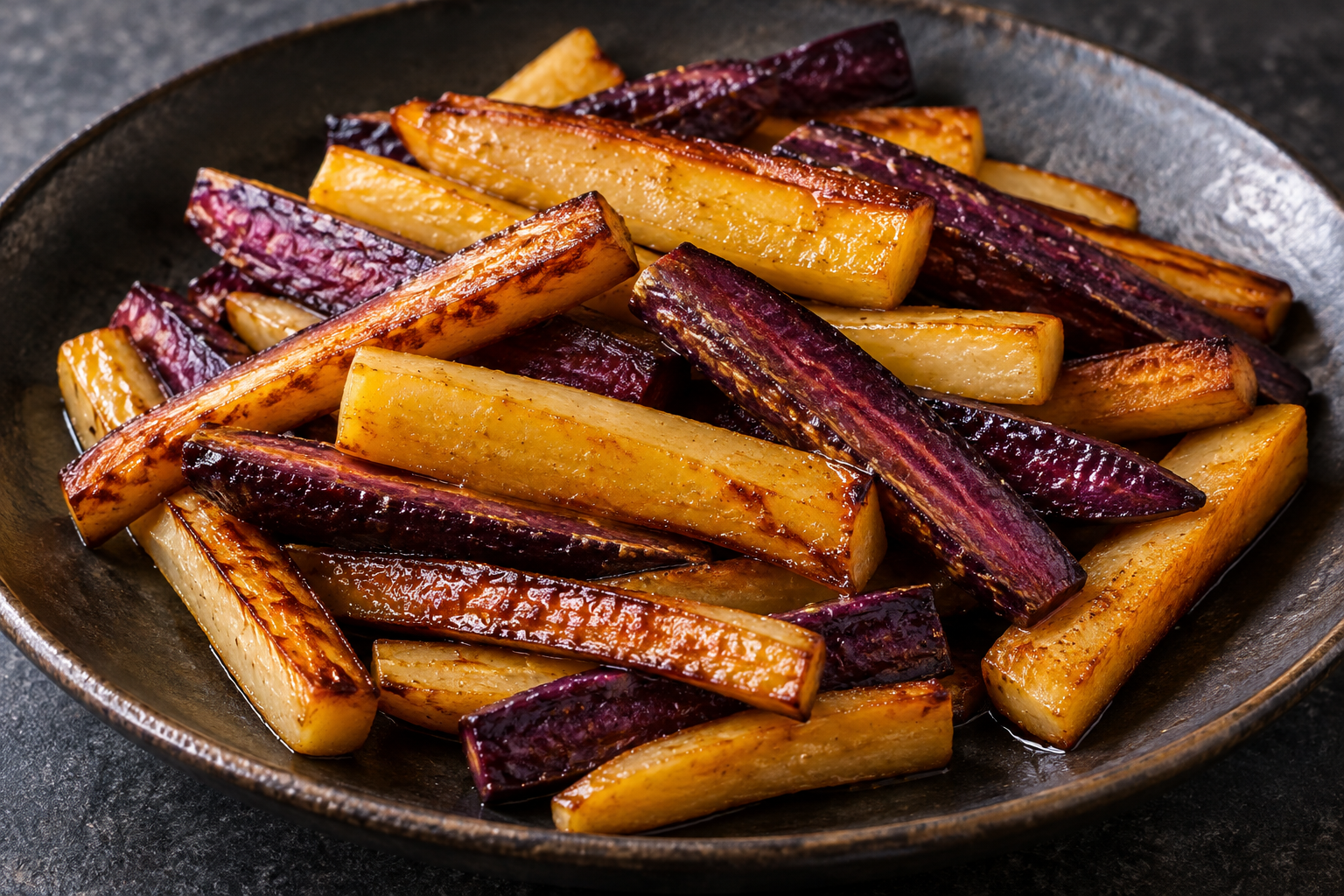
A brief Apicius instruction gives roots a pan-fried finish and a wine-based accompaniment.
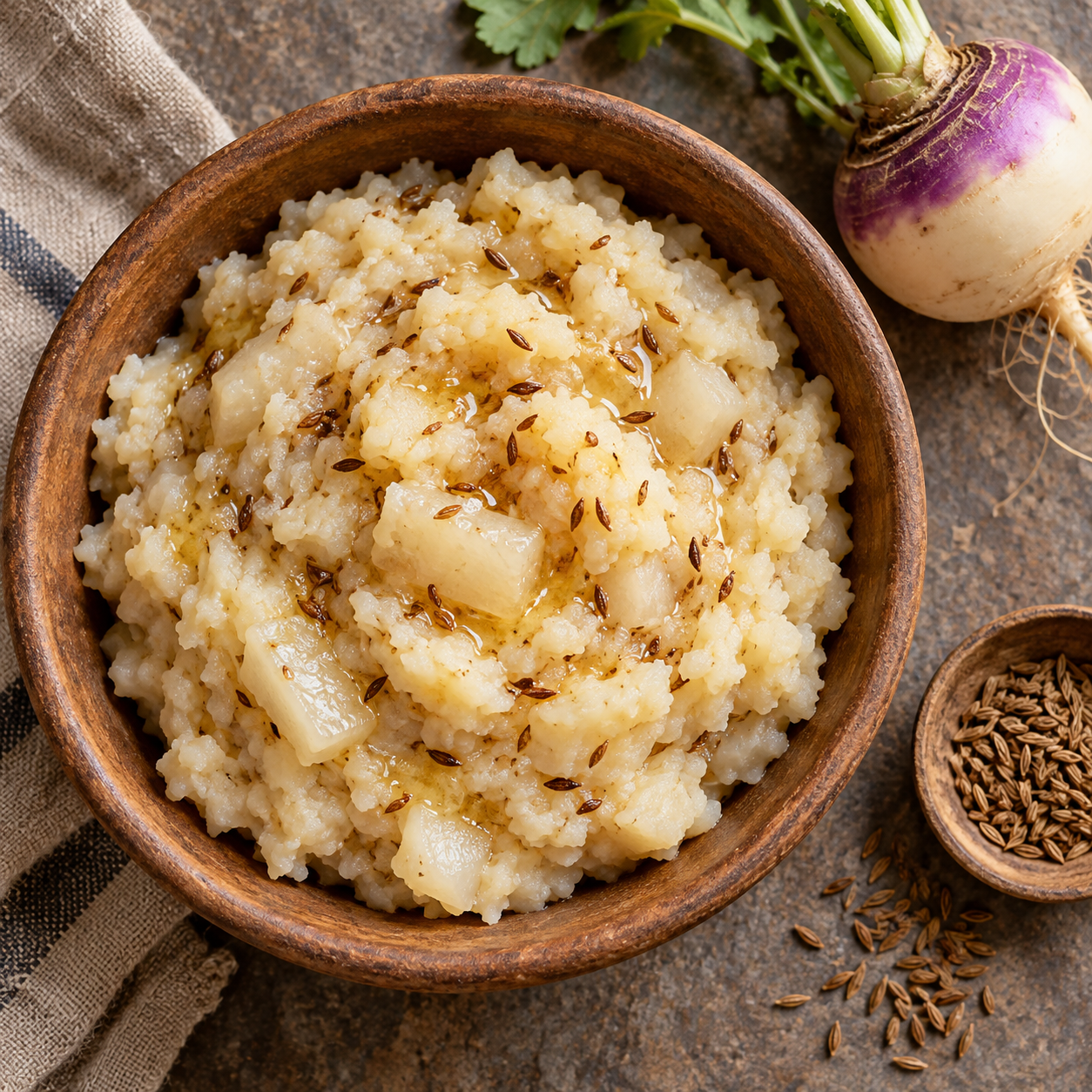
Soft cooked turnips carry cumin and a carefully balanced honey-vinegar seasoning.
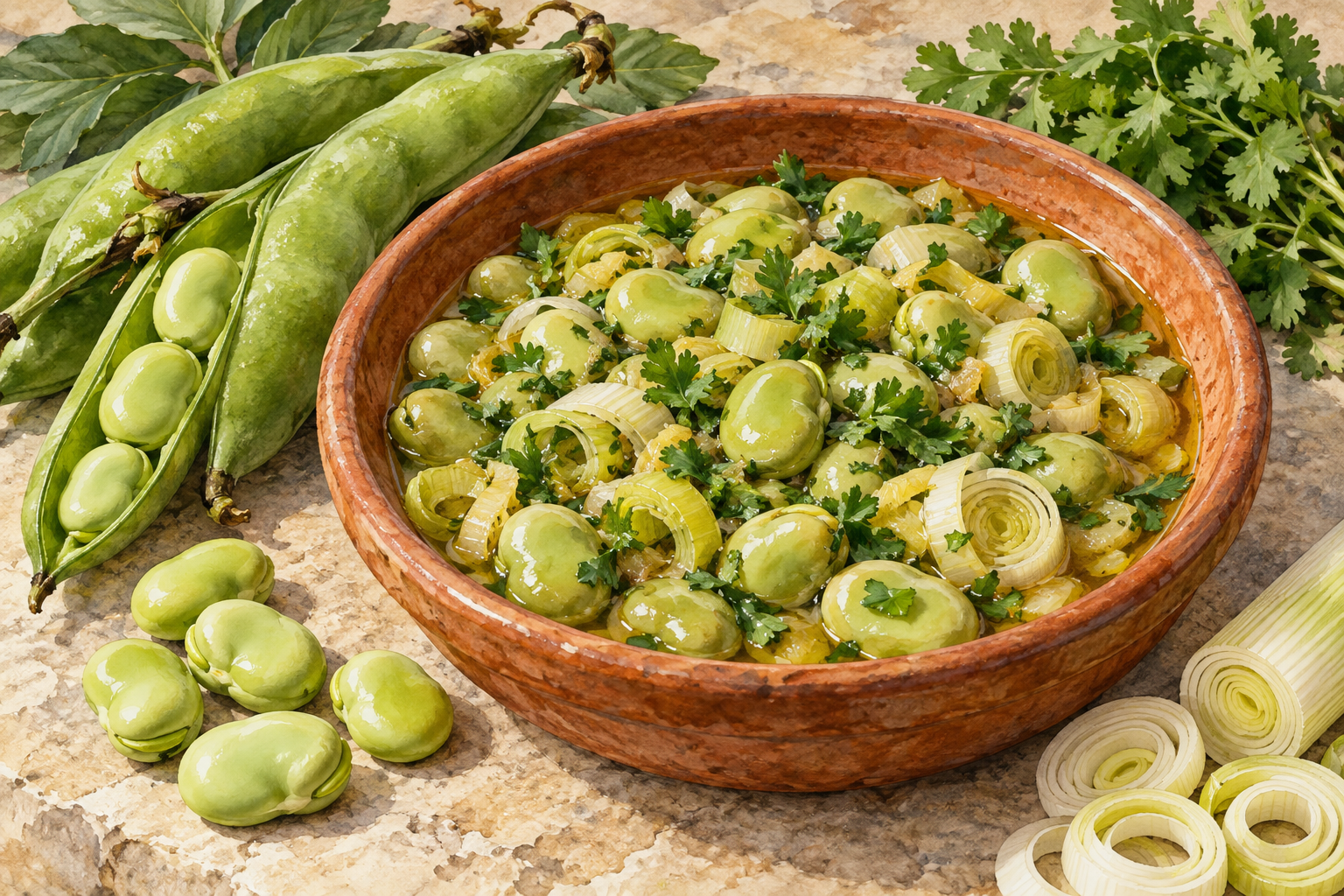
Fresh broad beans, leeks, coriander, and cumin reveal a Roman dish hidden by a misleading English name.
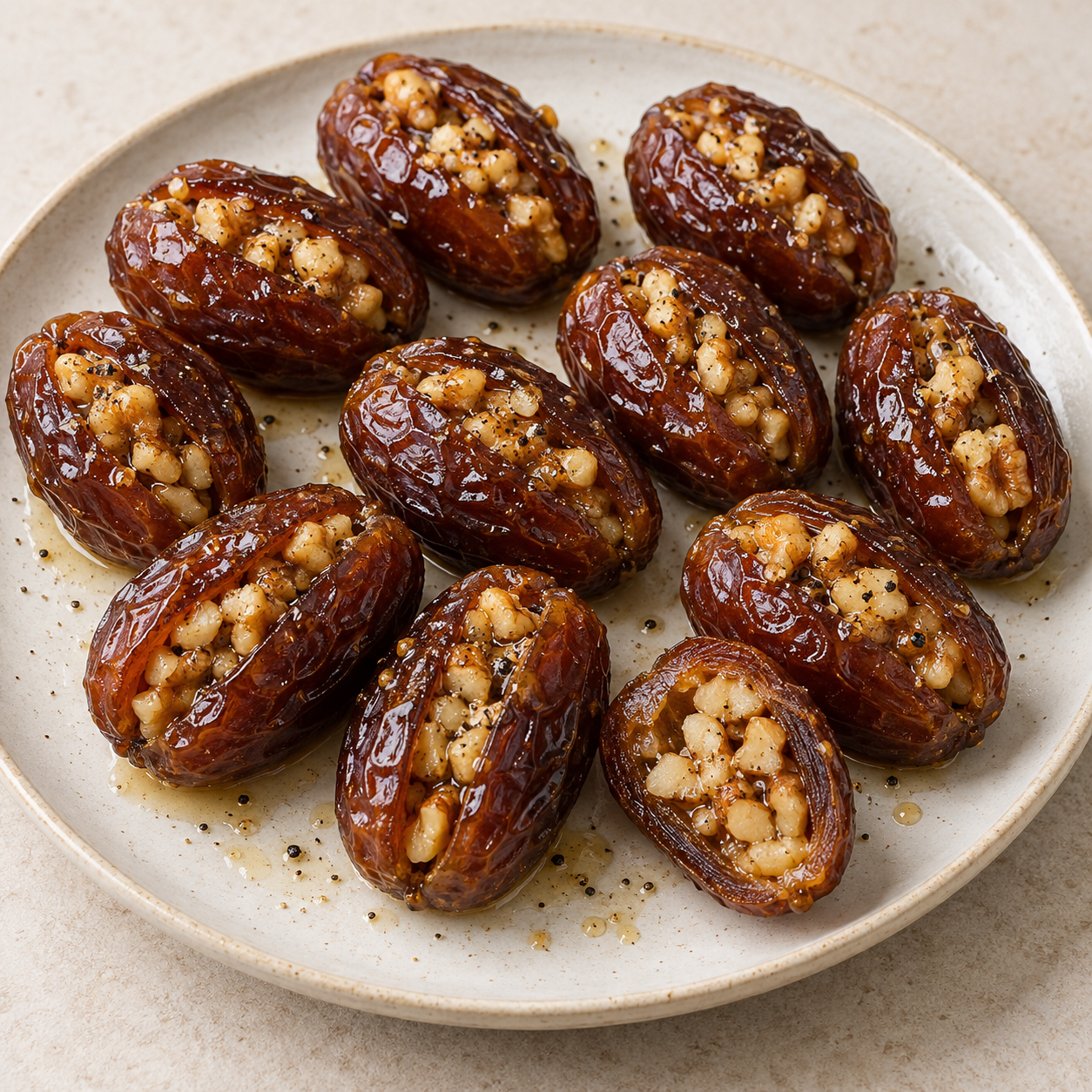
Dates filled with nuts and pepper receive salt and a brief honey coating in a Roman sweet.
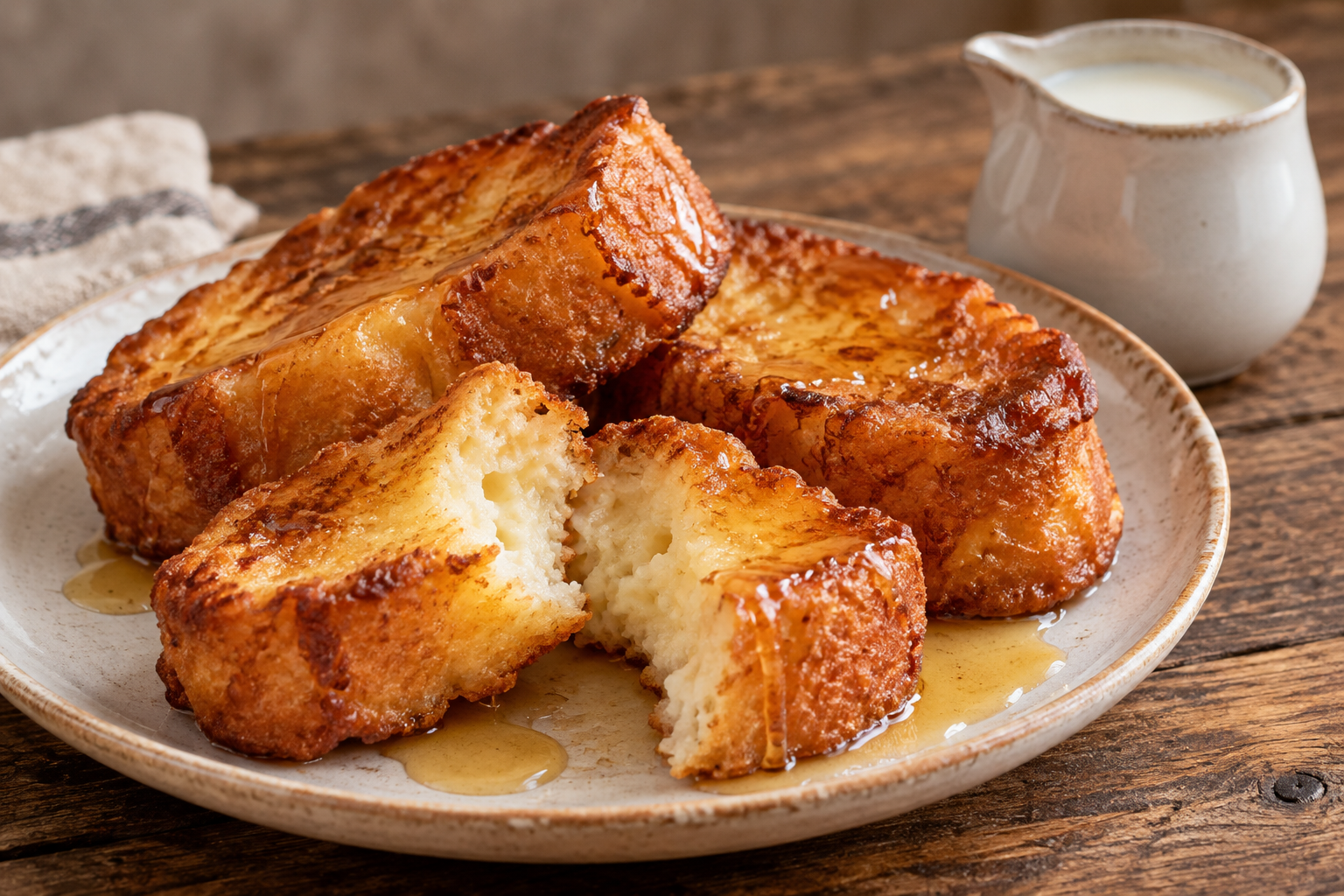
Milk softens bread before hot oil and honey turn it into a distinct Roman-style sweet.
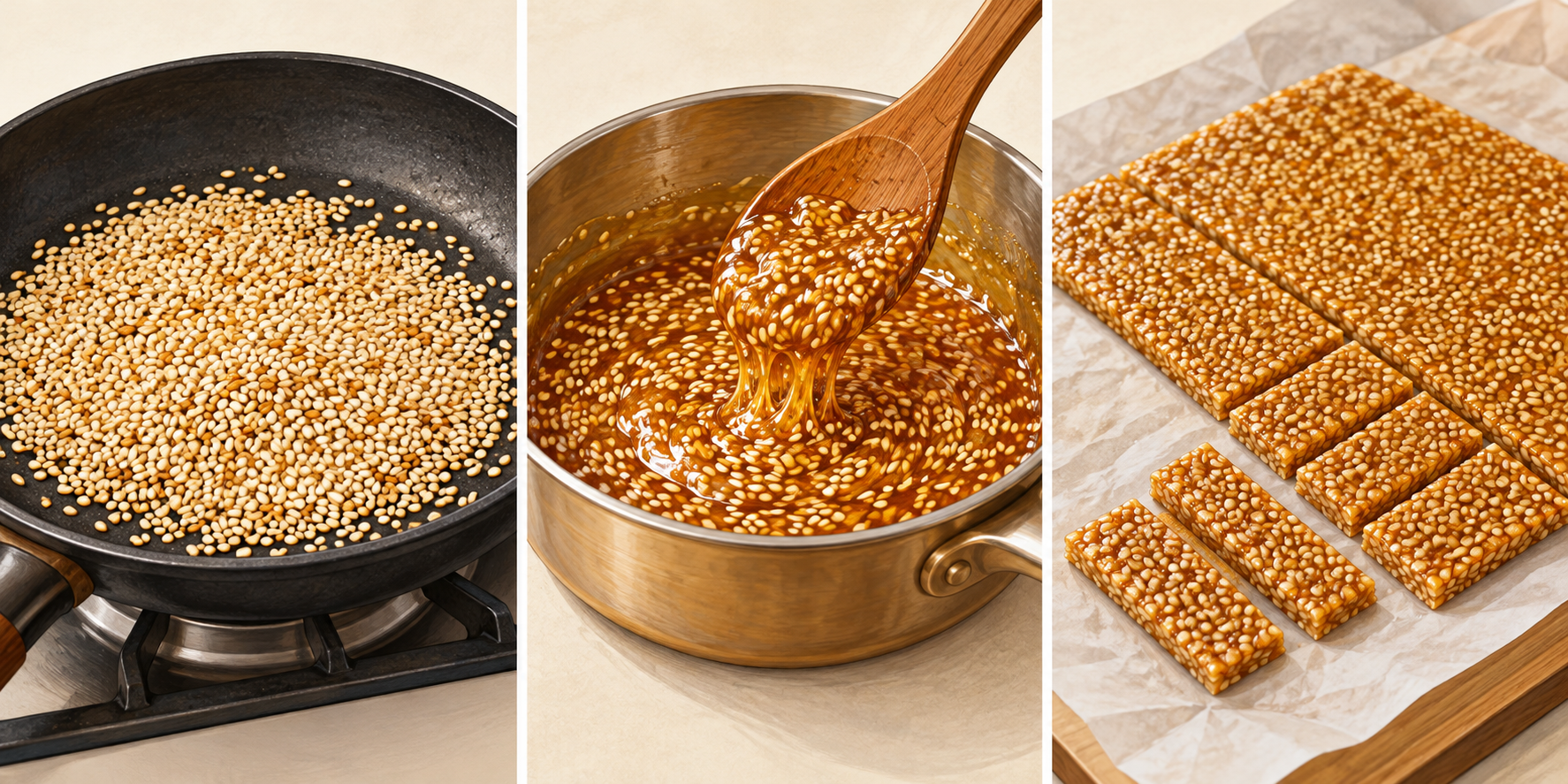
A short ancient description anchors a modern thin sesame-and-honey confection with an honest recipe boundary.
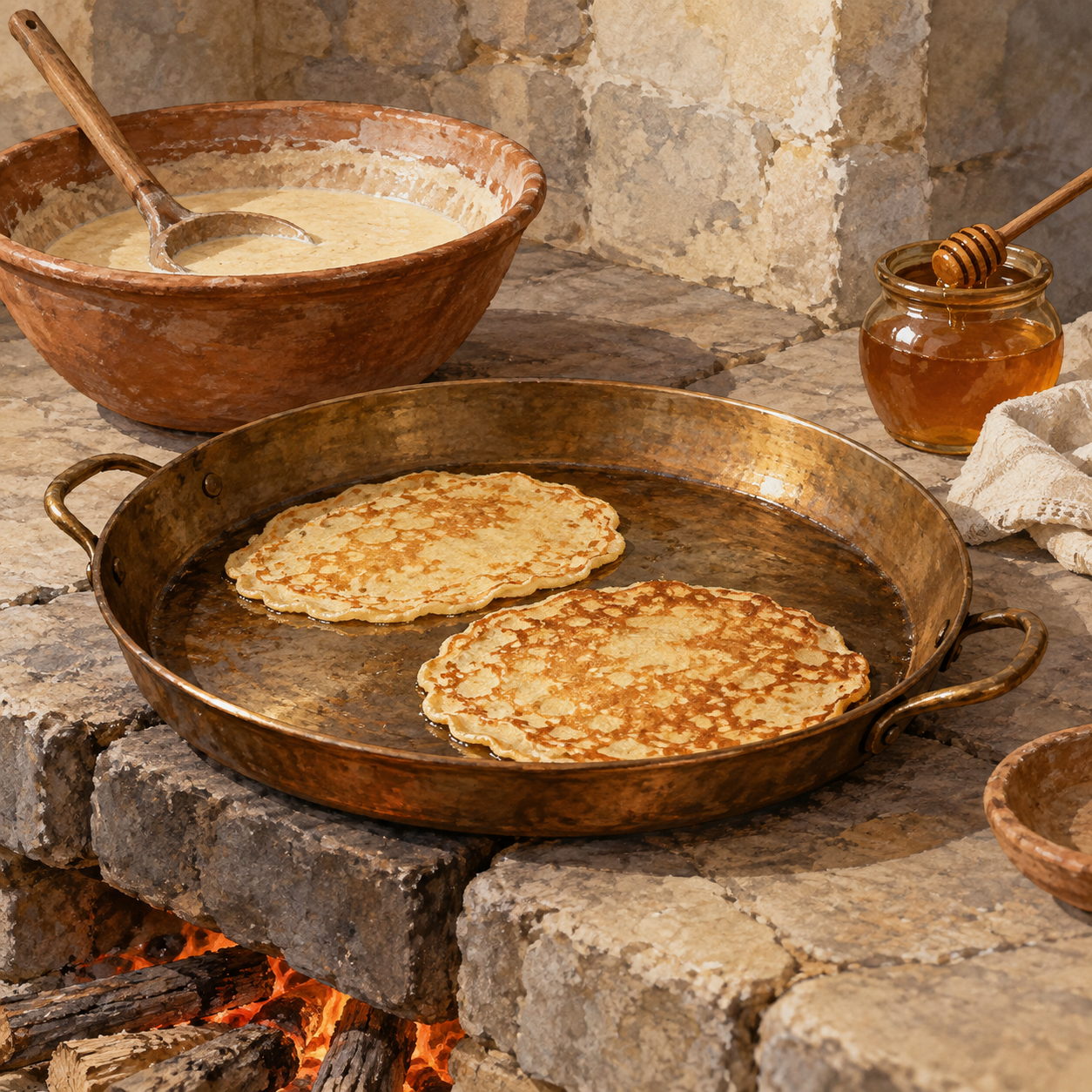
Galen's account of flour, water, olive oil, and repeated turning becomes an egg-free pancake recipe.
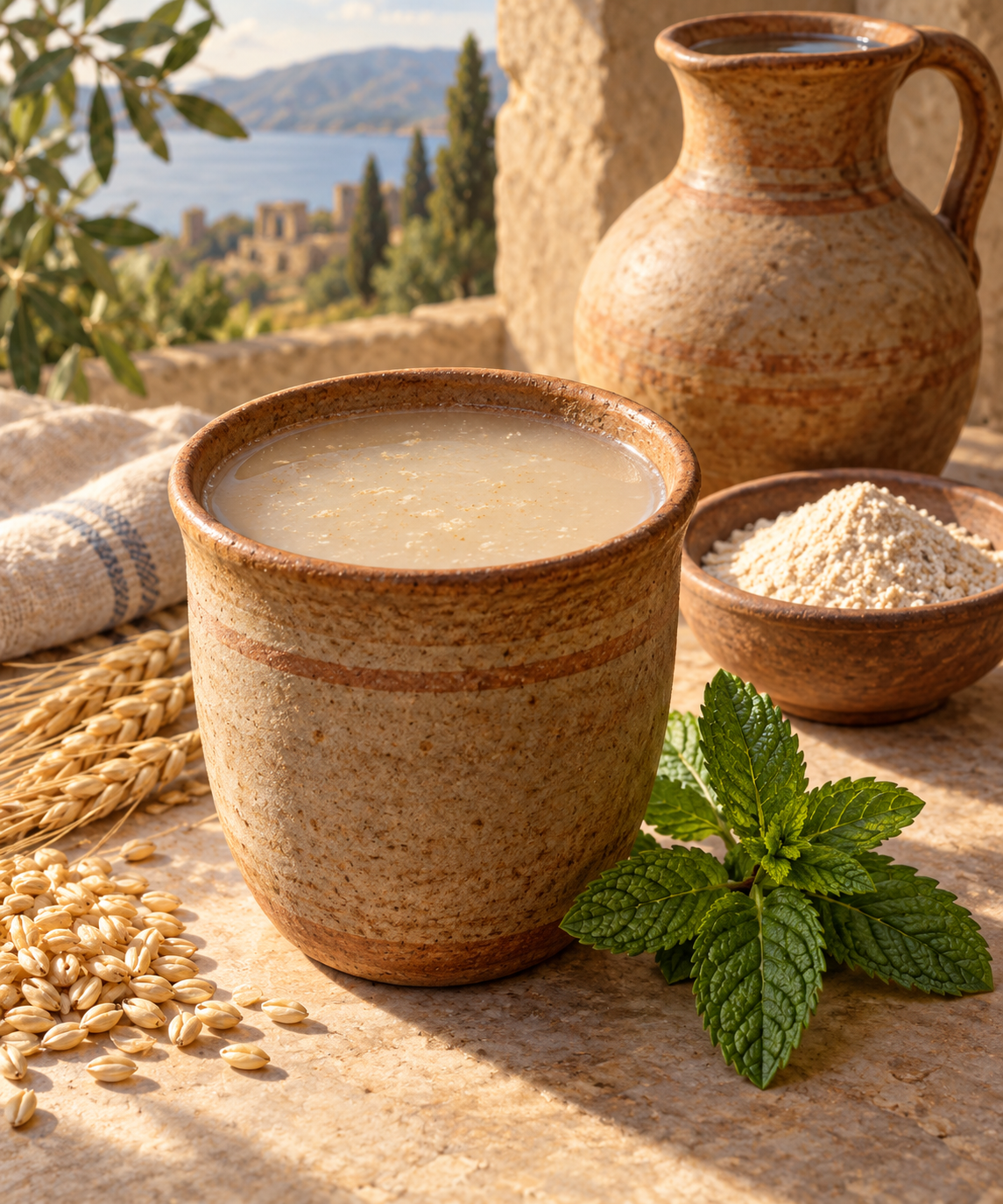
A fully cooked barley-and-spearmint drink adapts a famous literary mixture without unsafe herbs.
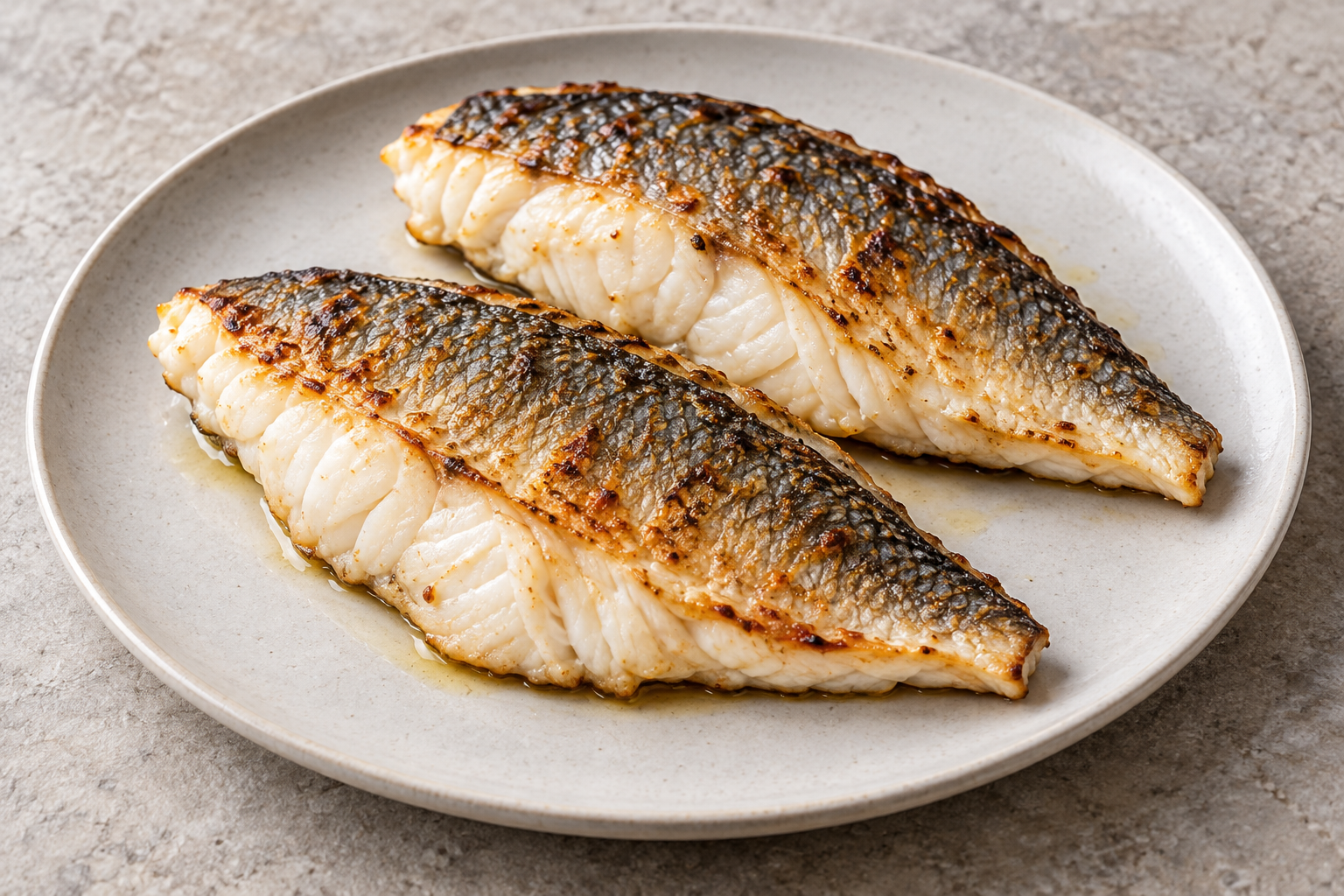
A Greek poet's restrained advice becomes a modern fish preparation with its interpretive limits stated.
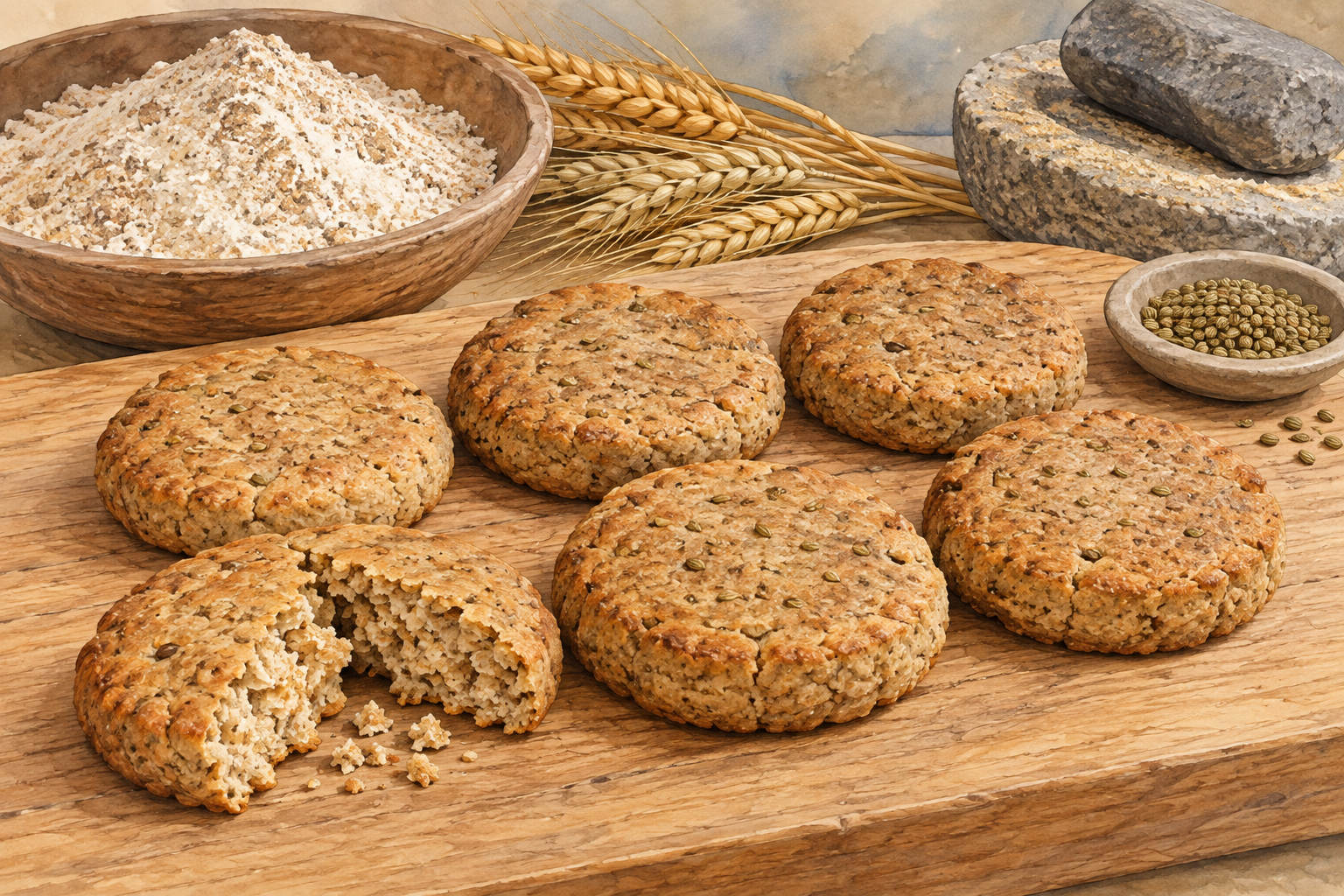
Charred bread-like finds inspire a mixed-grain galette while microscopy sets clear limits on the recipe.
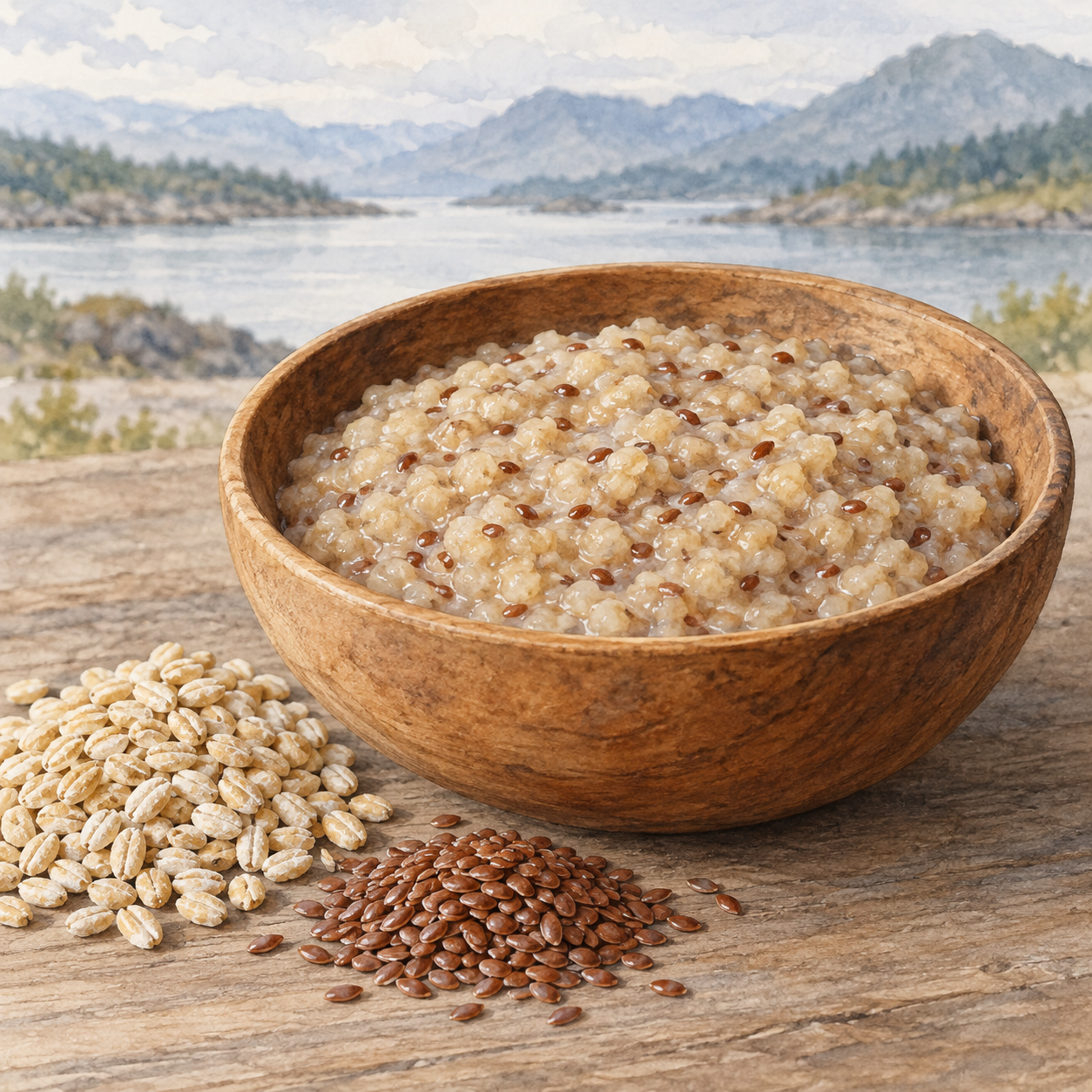
A modest barley-and-flax bowl uses direct meal evidence while leaving wild seeds and ritual certainty out.
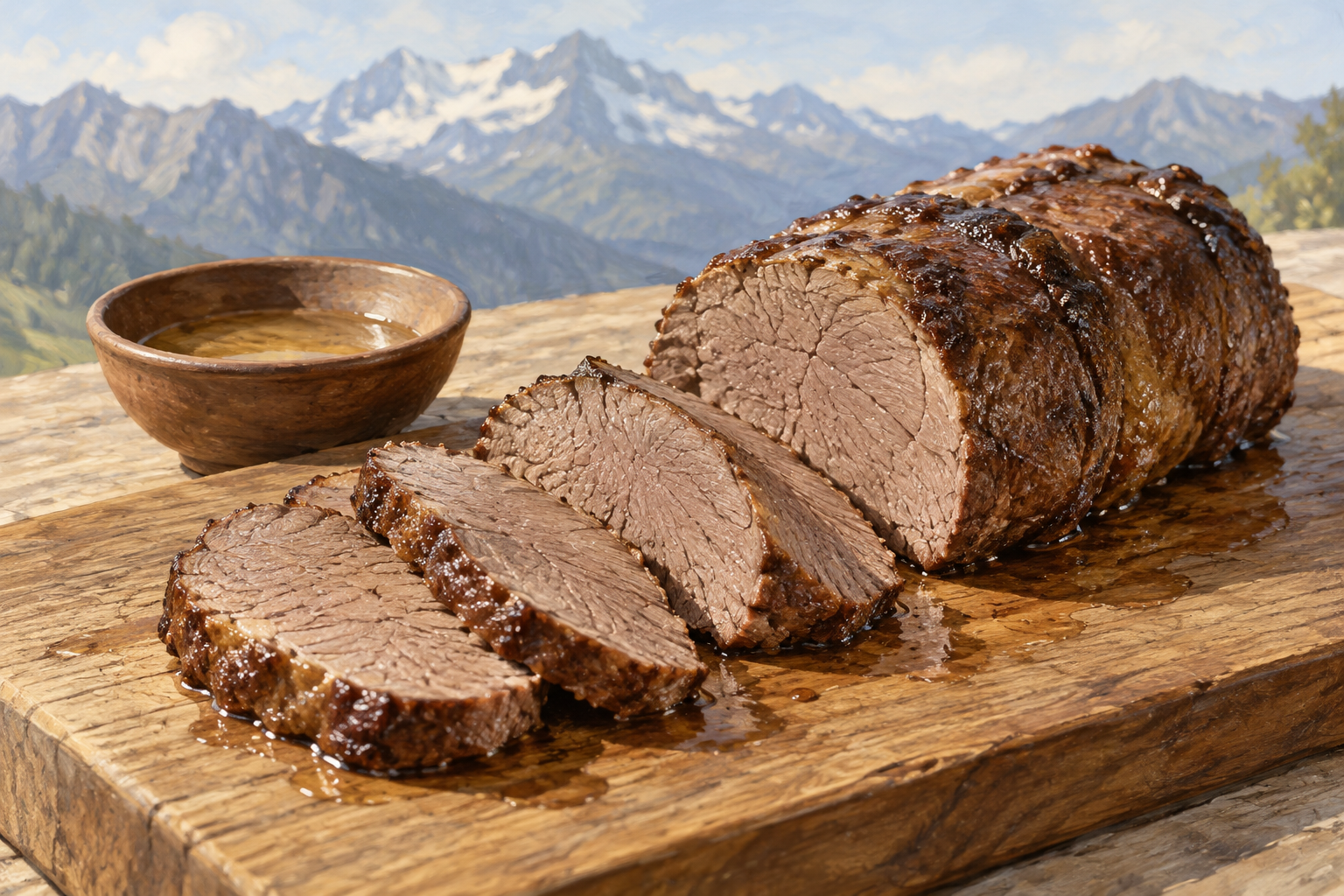
Direct evidence for game and fat inspires a safely cooked venison preparation with no claim of an exact ancient method.
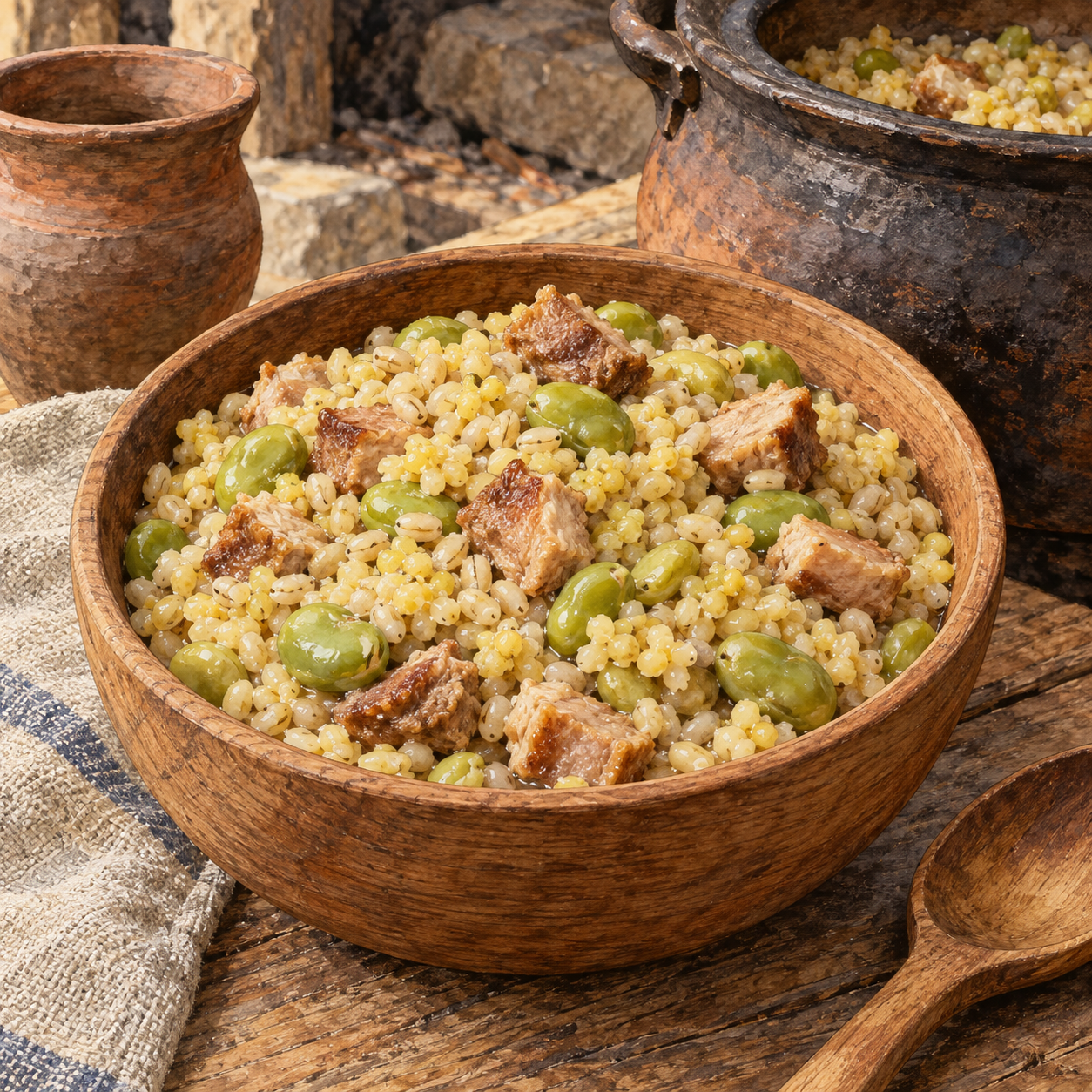
Food traces and vessels inspire a hearty miner's pot while the exact ancient recipe remains unrecovered.
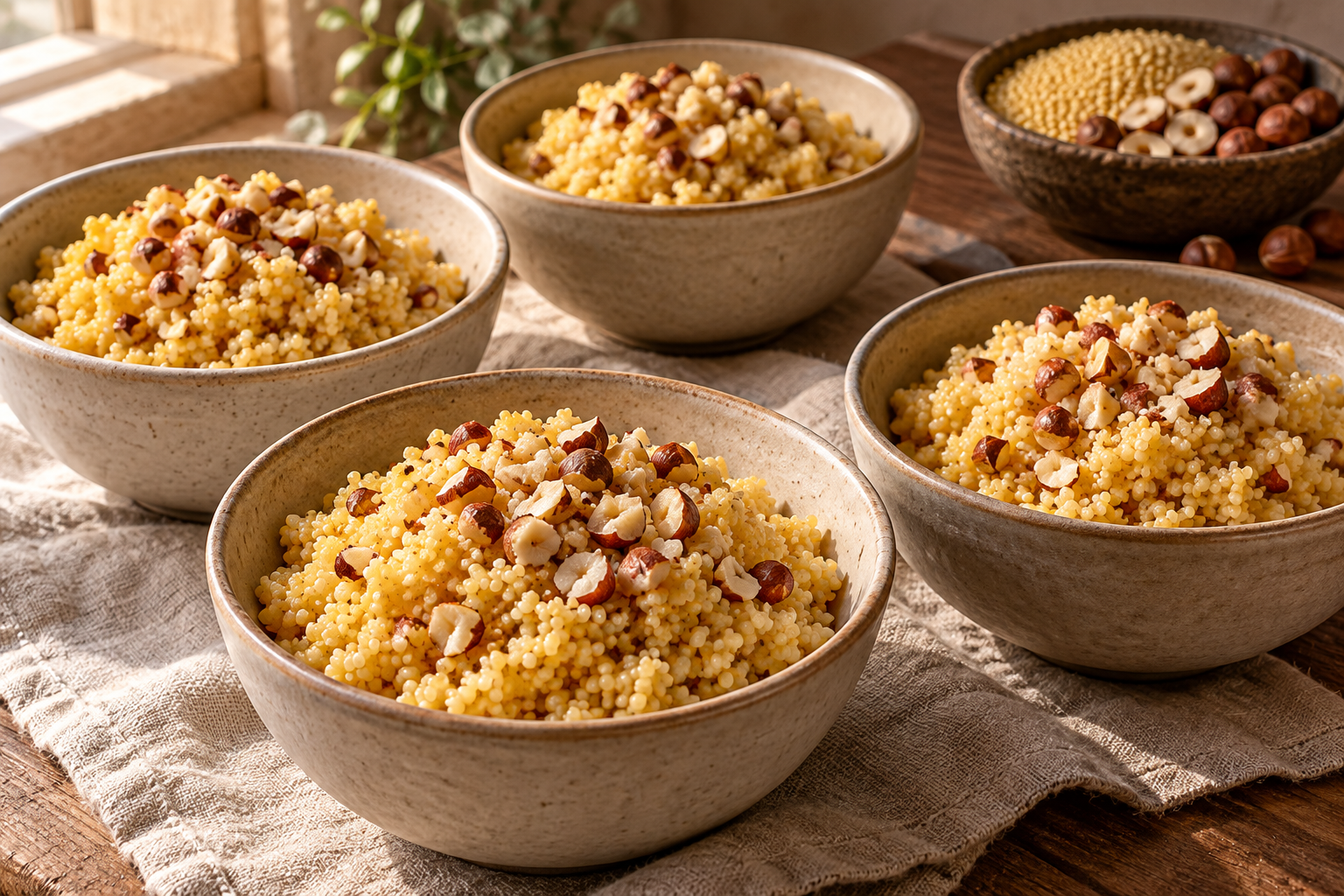
A Millet Pot Before Rice Ruled the Table
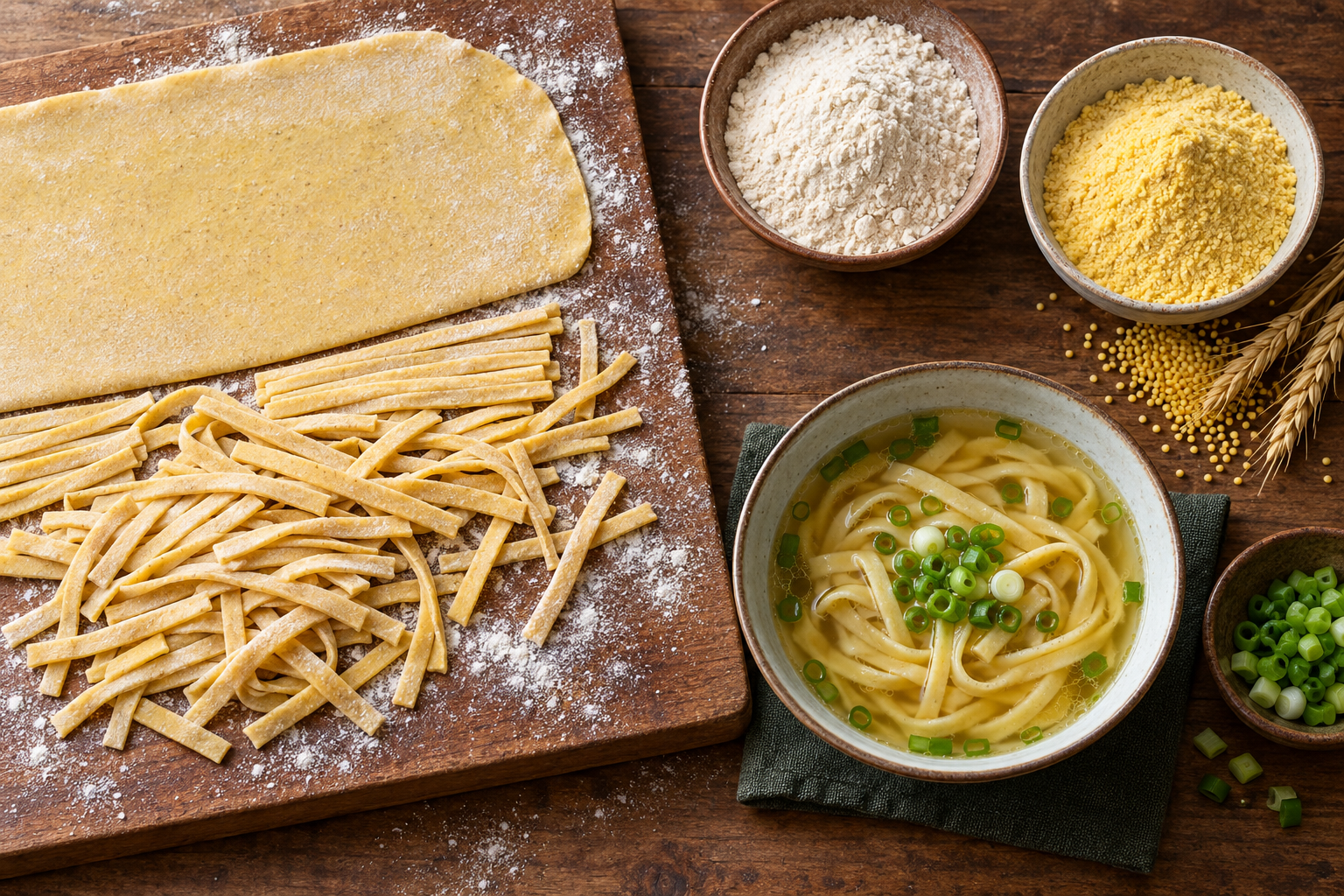
The Noodle Find That Became a Scientific Argument
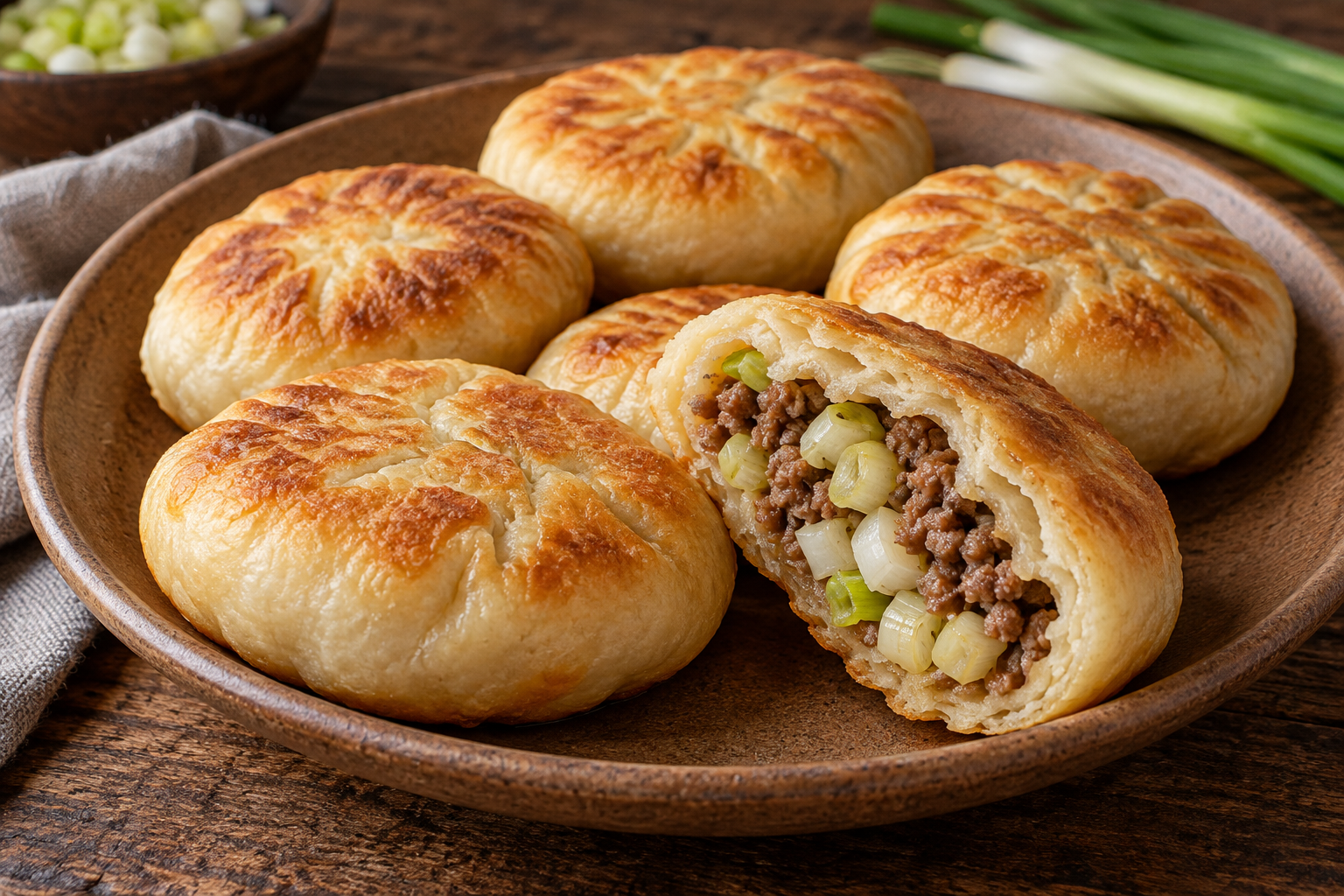
Shaobing Before the Familiar Sesame Street Snack
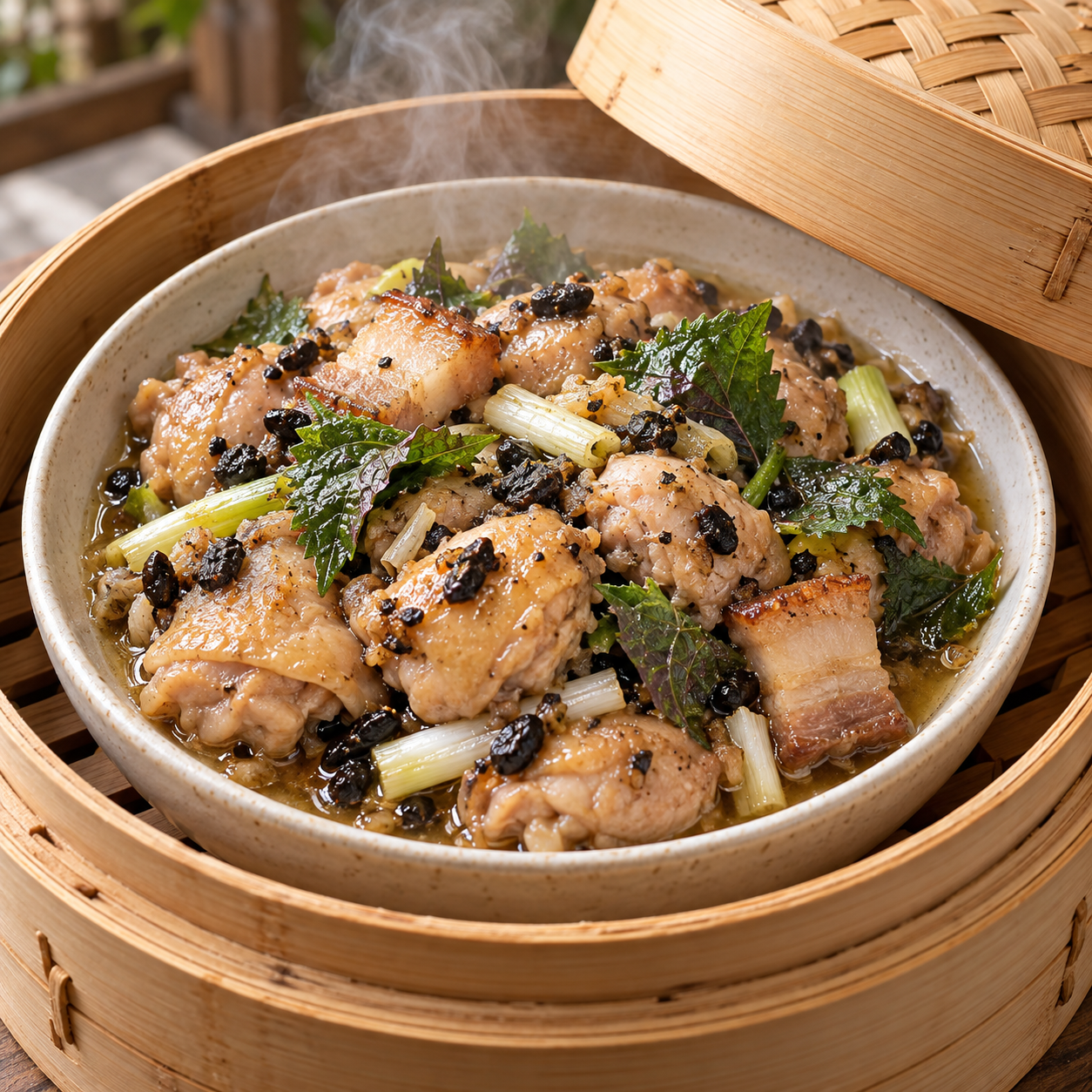
A Steamer Full of Chicken, Beans, and Perilla
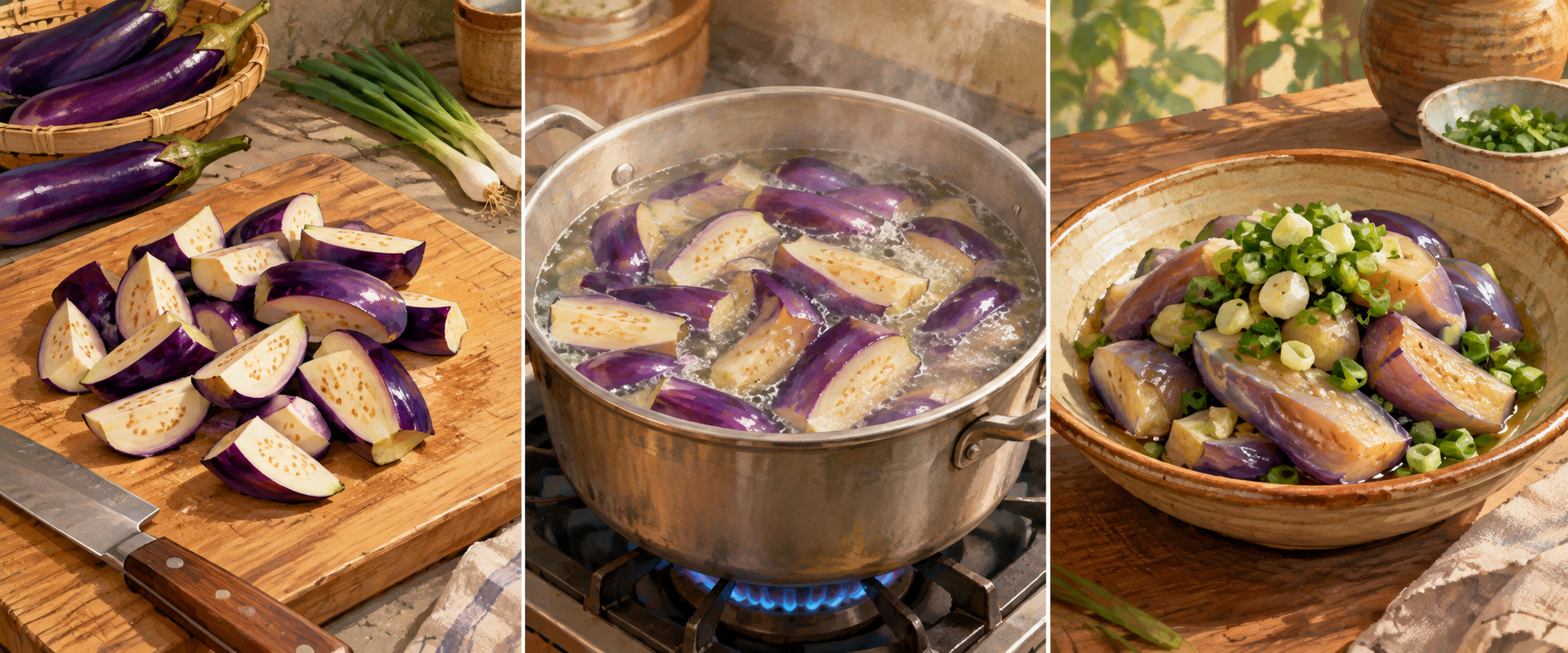
Eggplant in the Sixth-Century Garden and Pot
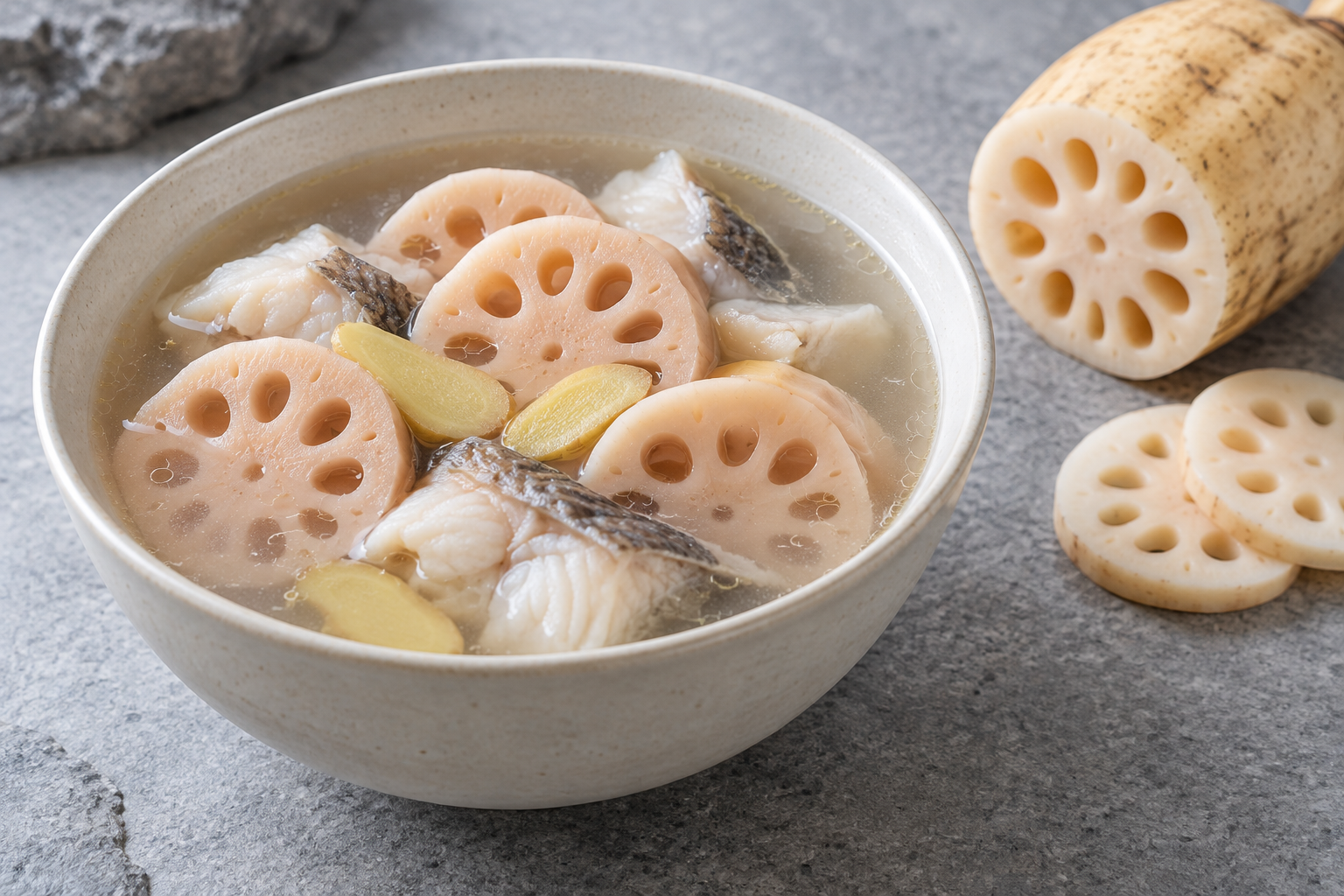
Lotus Rhizomes and Fish Beside a Han Tomb
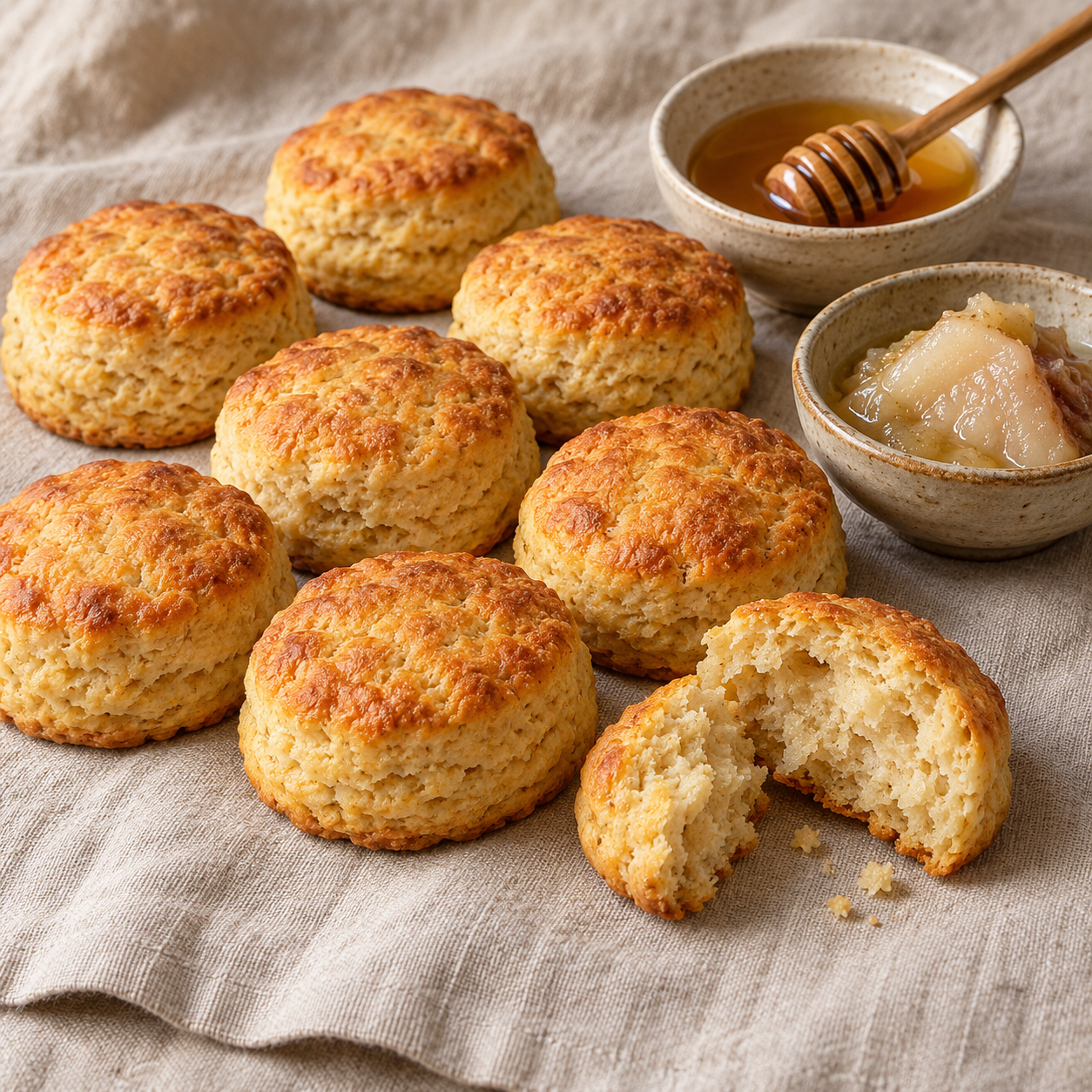
Honey and Marrow in a Sixth-Century Oven
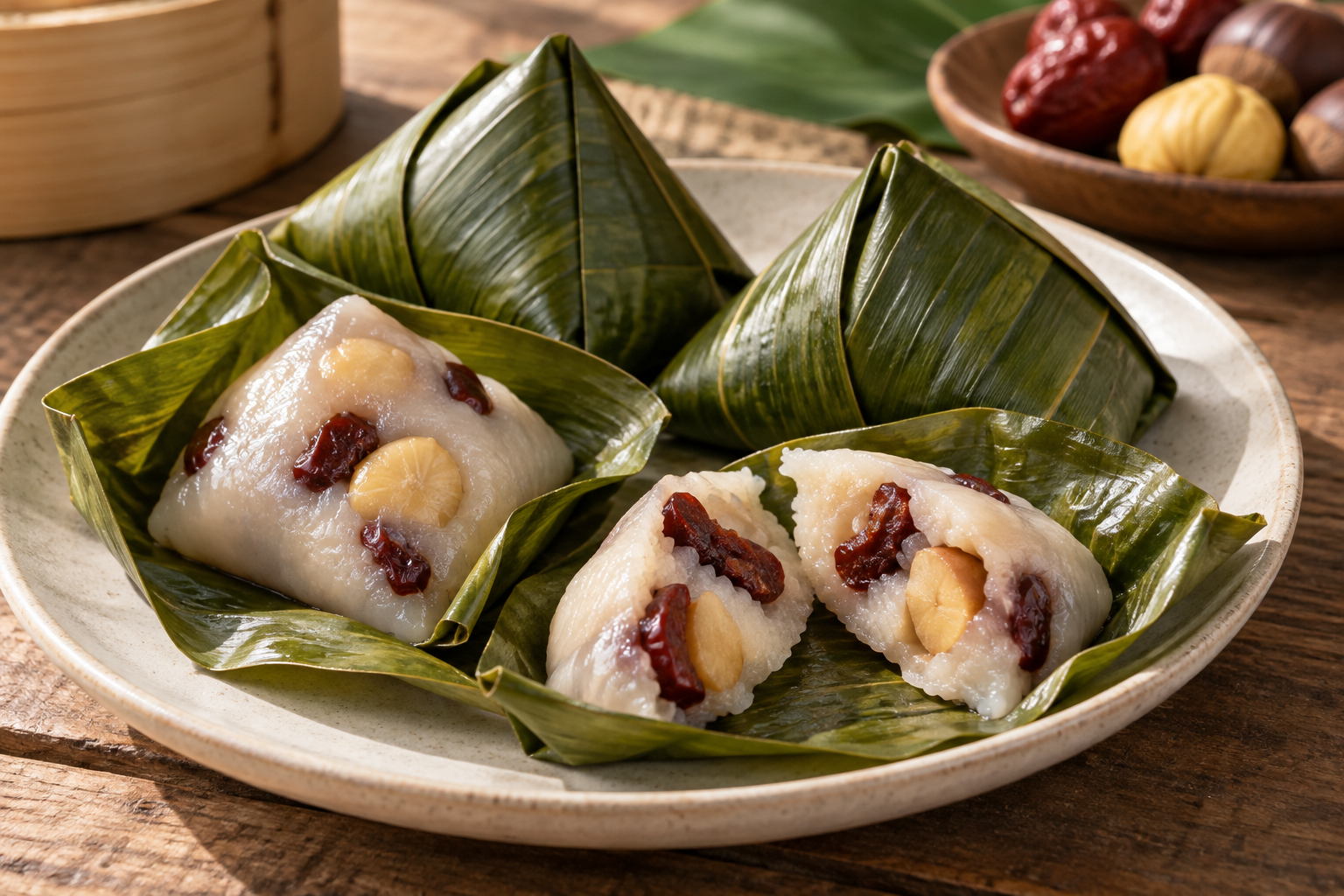
A Sweet Rice Parcel Preserved in an Agricultural Book
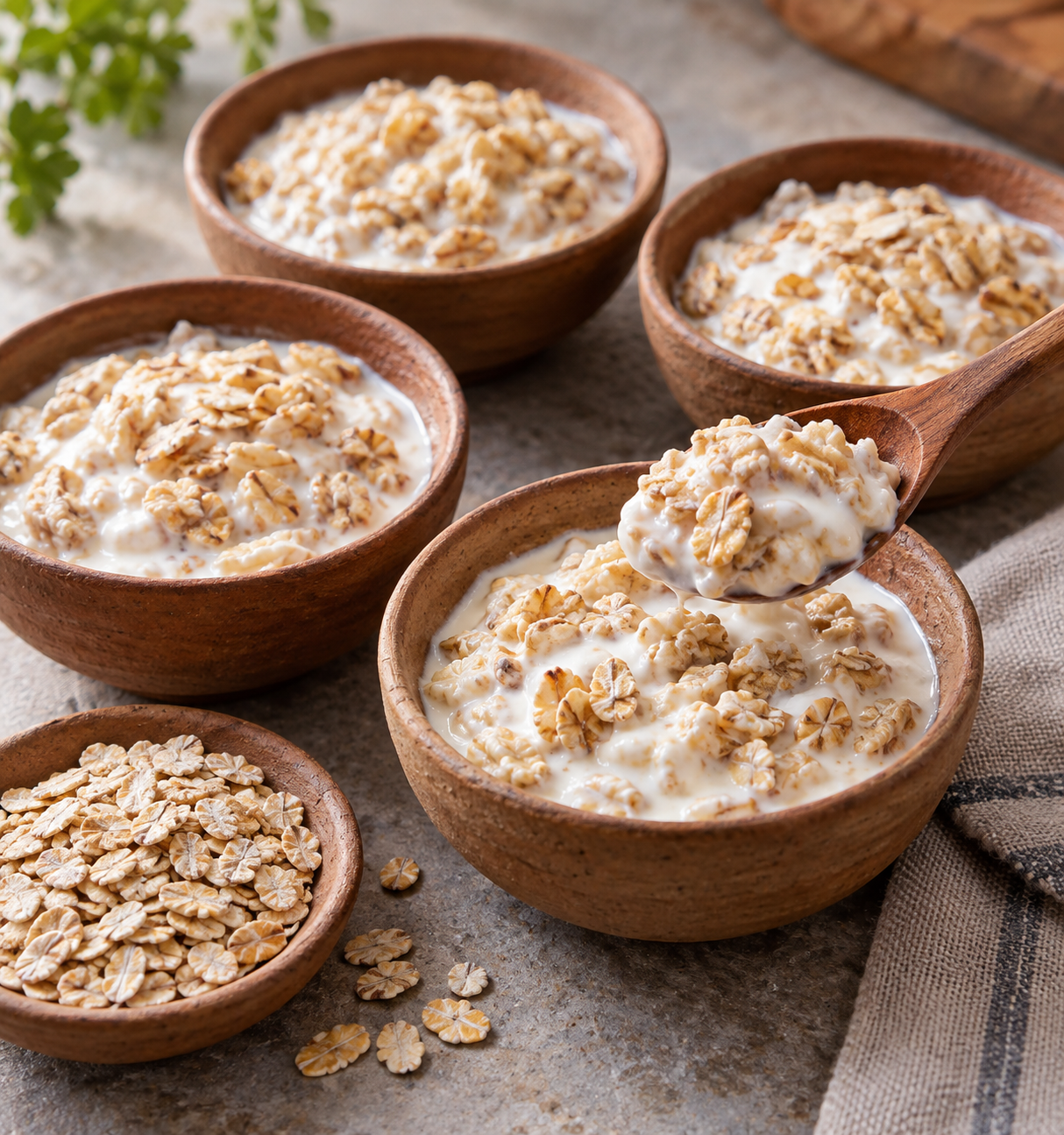
Karambha: Roasted Barley Meets Sour Curds
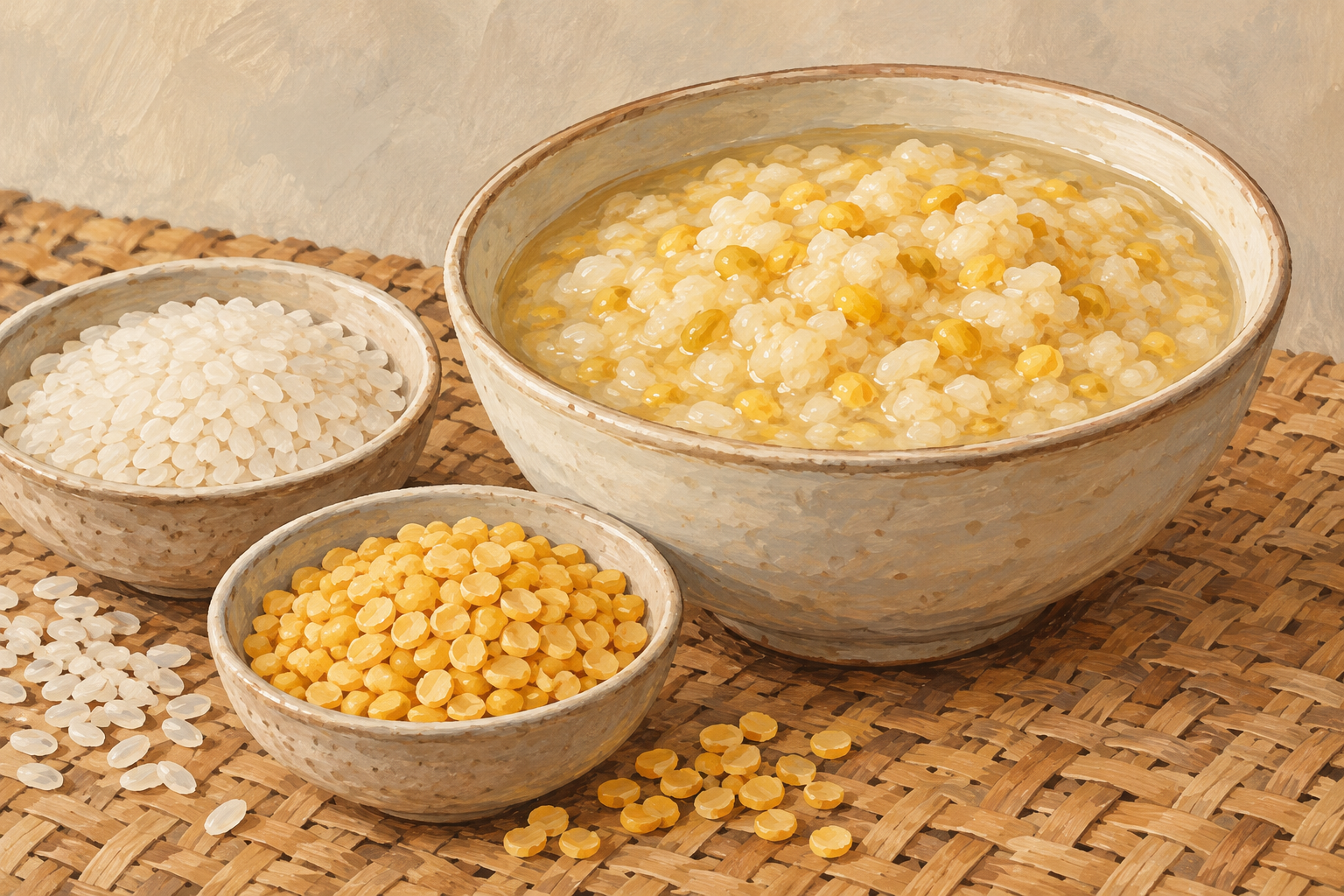
Rice and Mung Beans on an Early Maritime Route
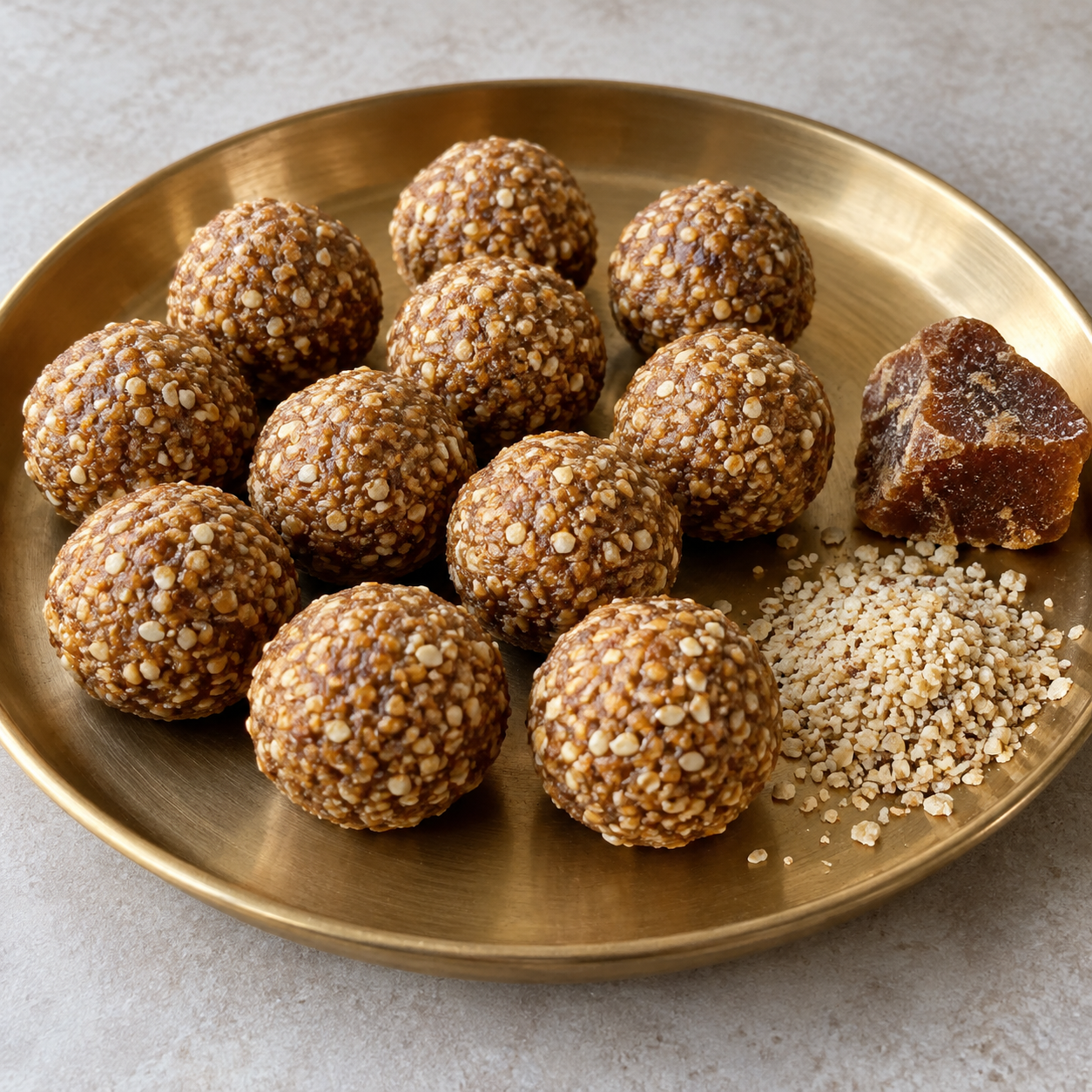
Pounded Sesame and the Vocabulary of Sweetness
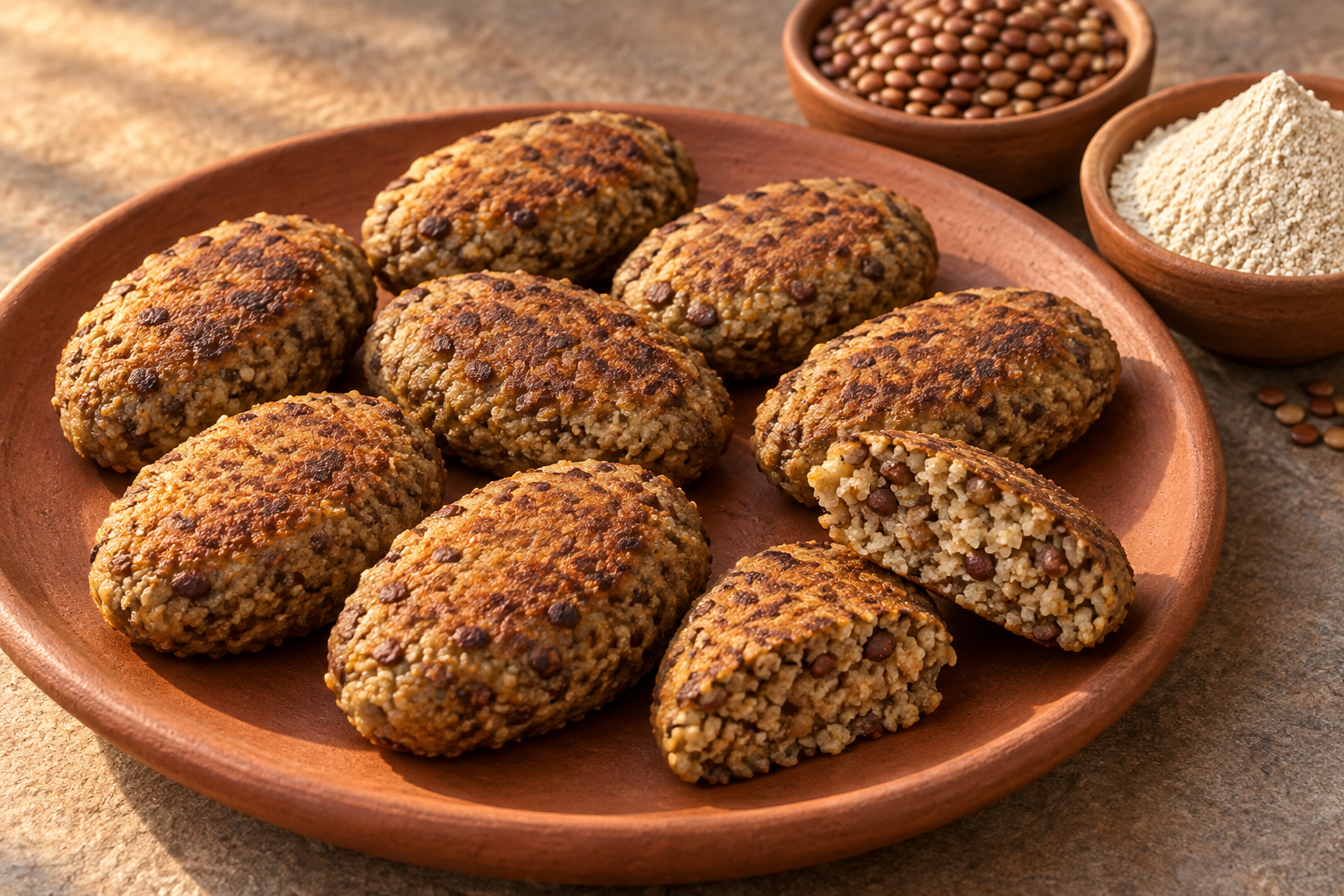
Horsegram: A Small Pulse with a Large Past
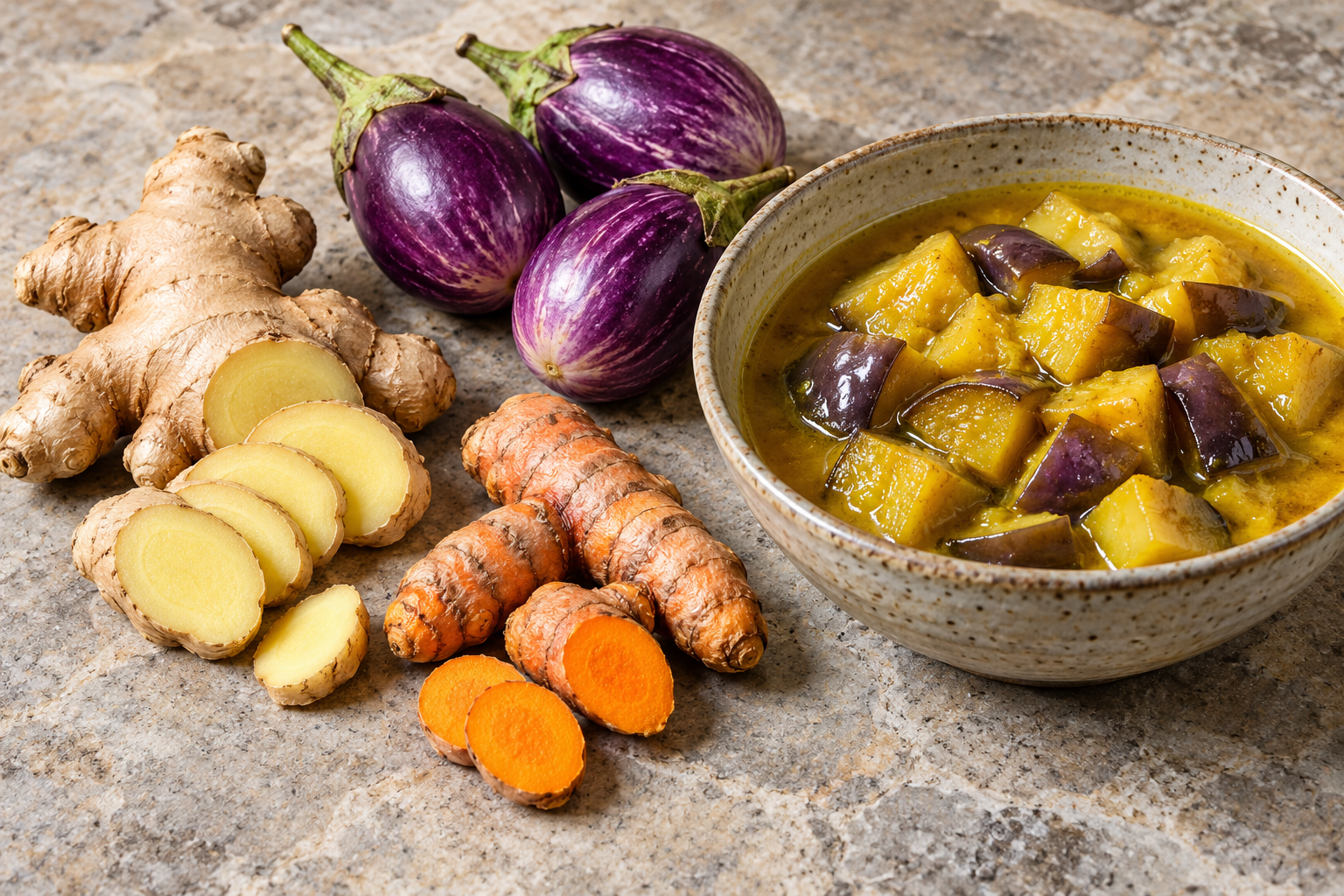
Farmana: Ginger and Turmeric Before the Curry Label
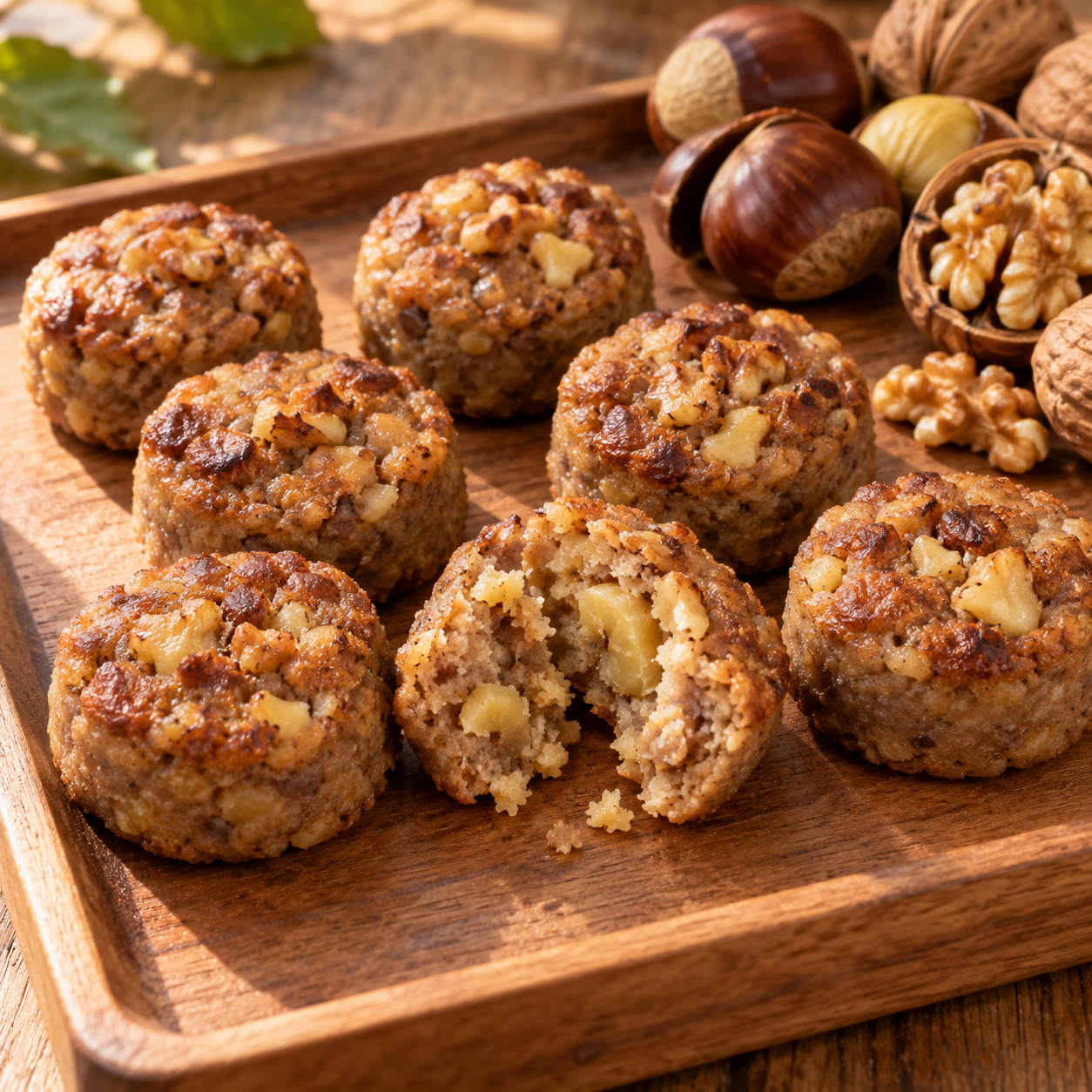
Chestnut Cakes Inspired by a Jōmon Settlement
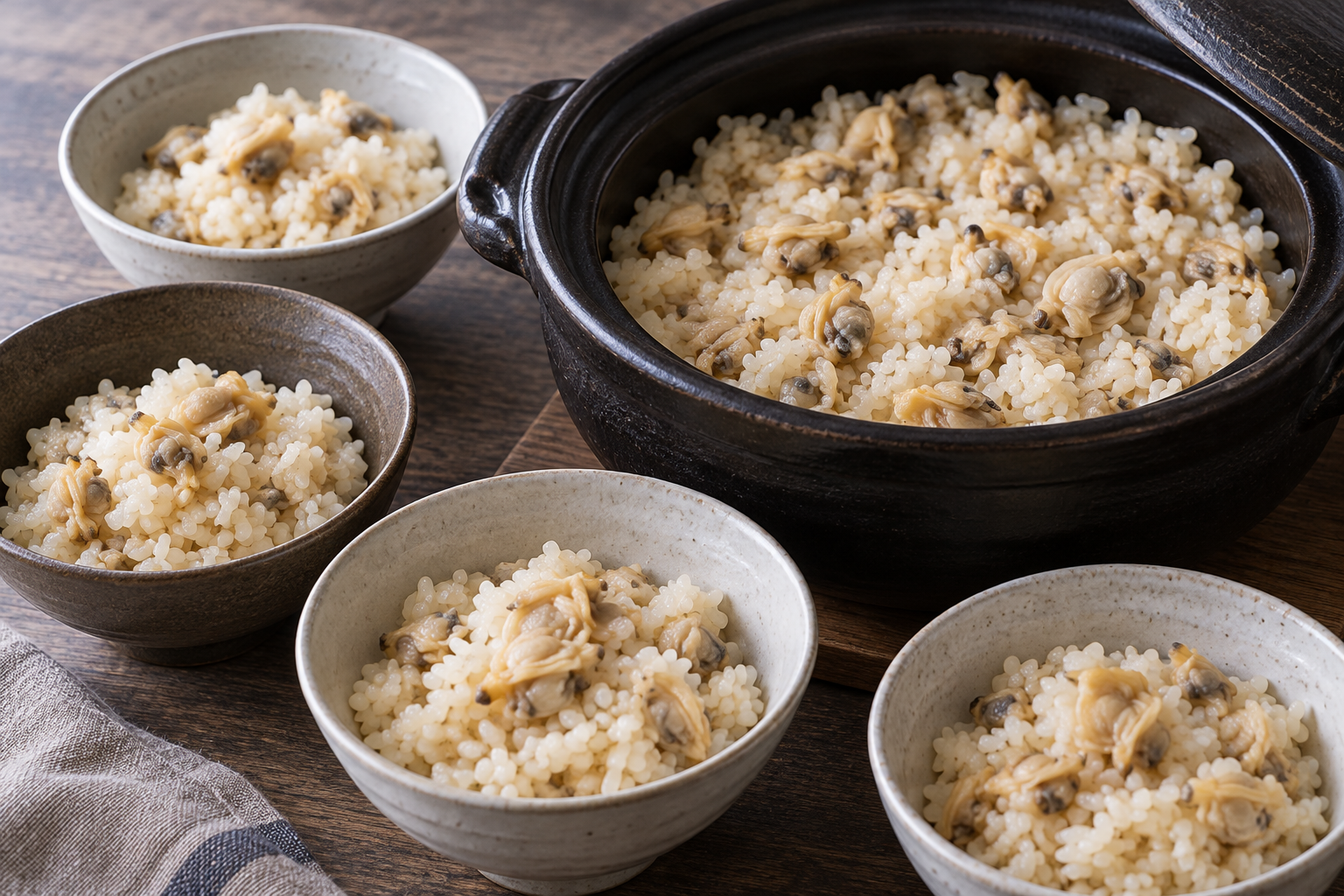
Rice and Shellfish in a Yayoi Cooking Pot
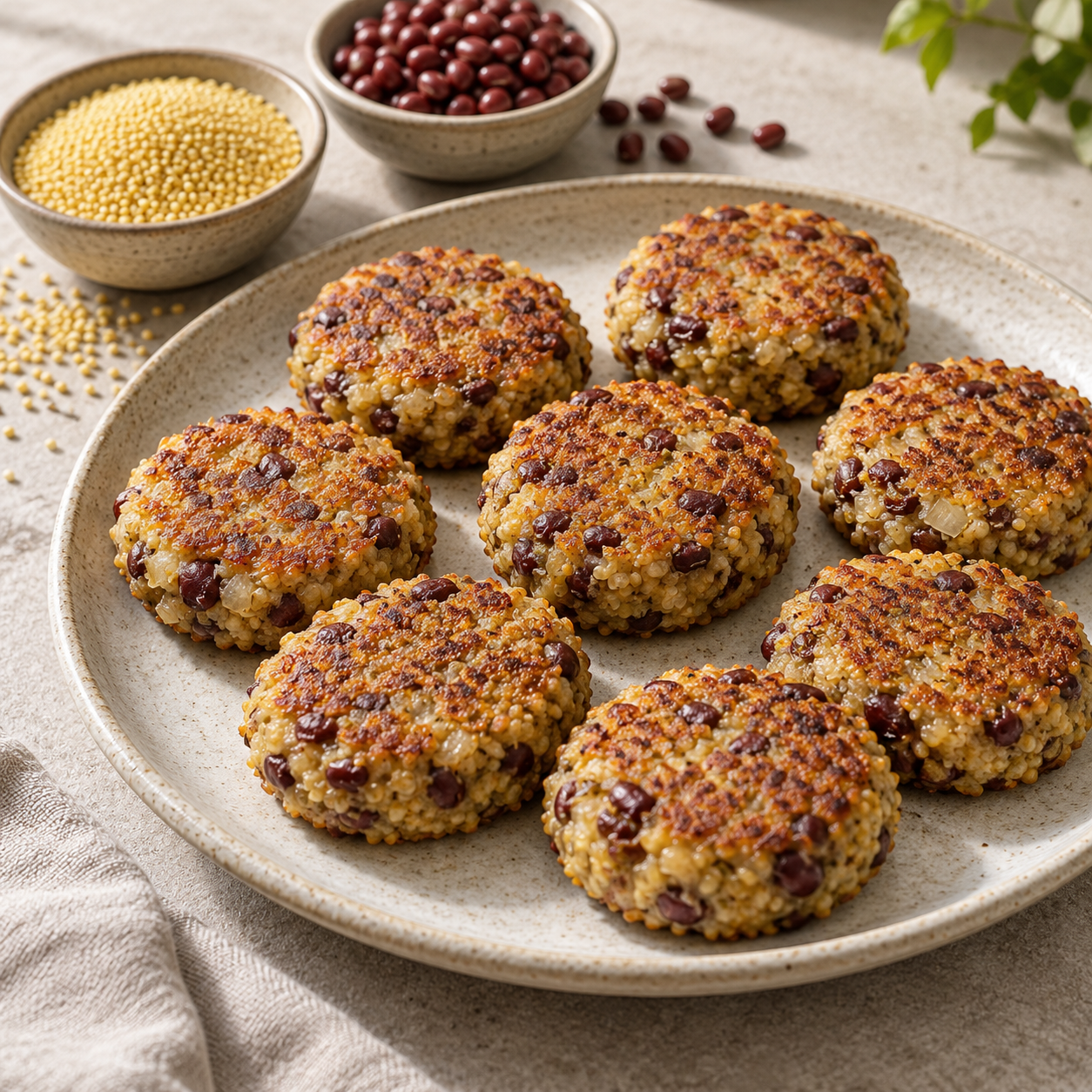
Mumun Millet and Adzuki: More Than a Rice Story
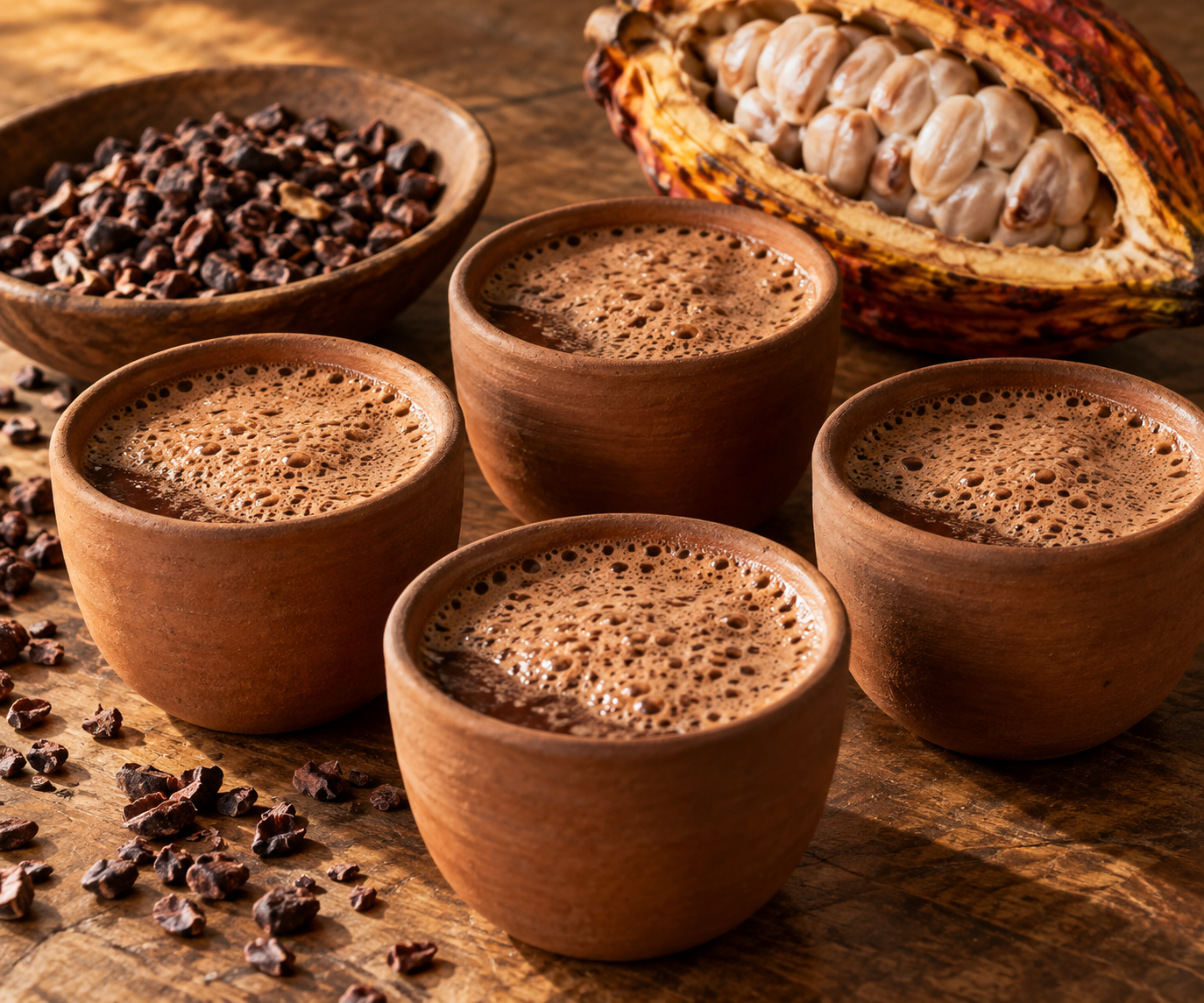
Froth, Cacao, and a Classic Maya Drinking Vessel
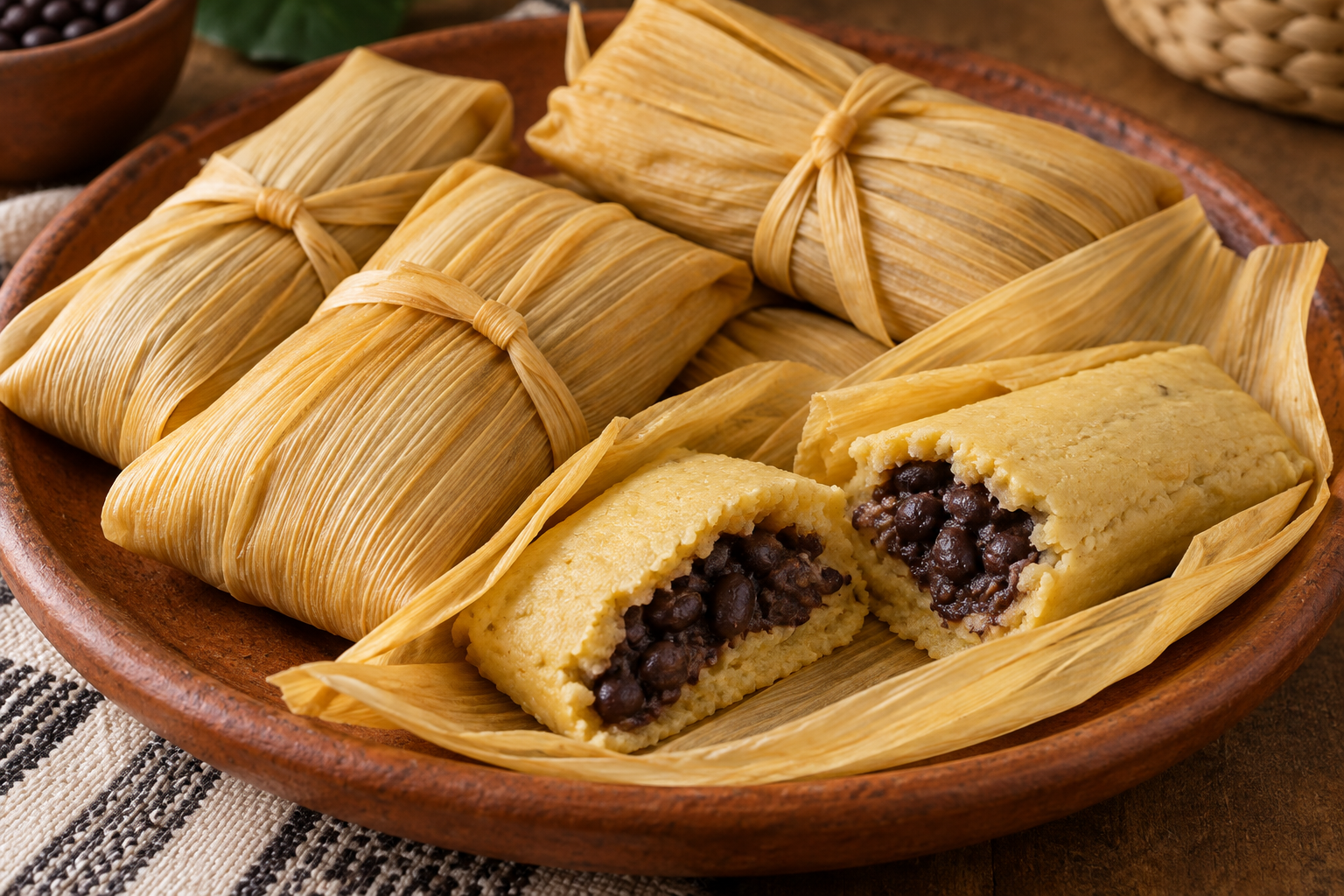
Tamales as Food and Tribute in the Maya World
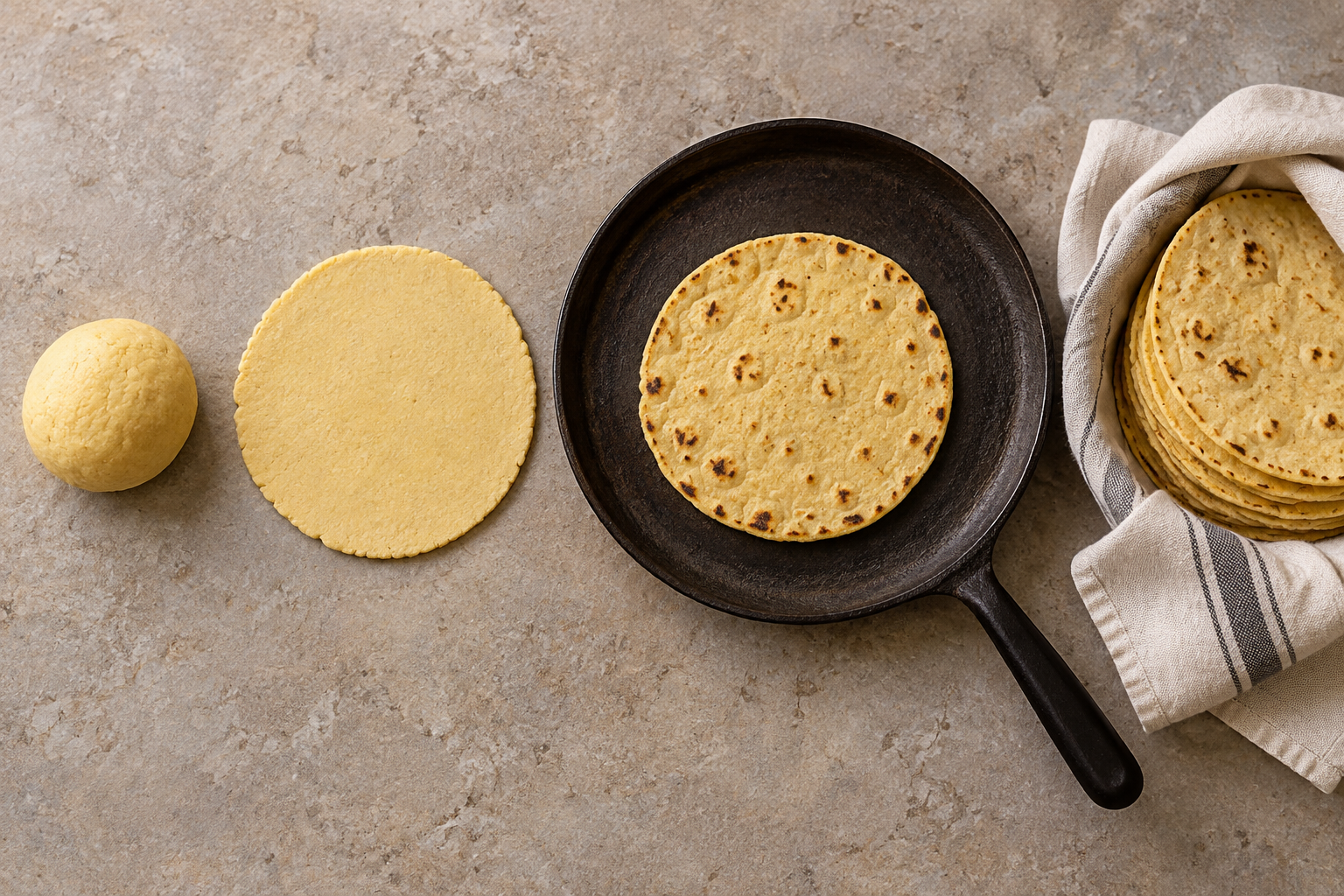
The Griddle That Helped Feed Teotihuacan
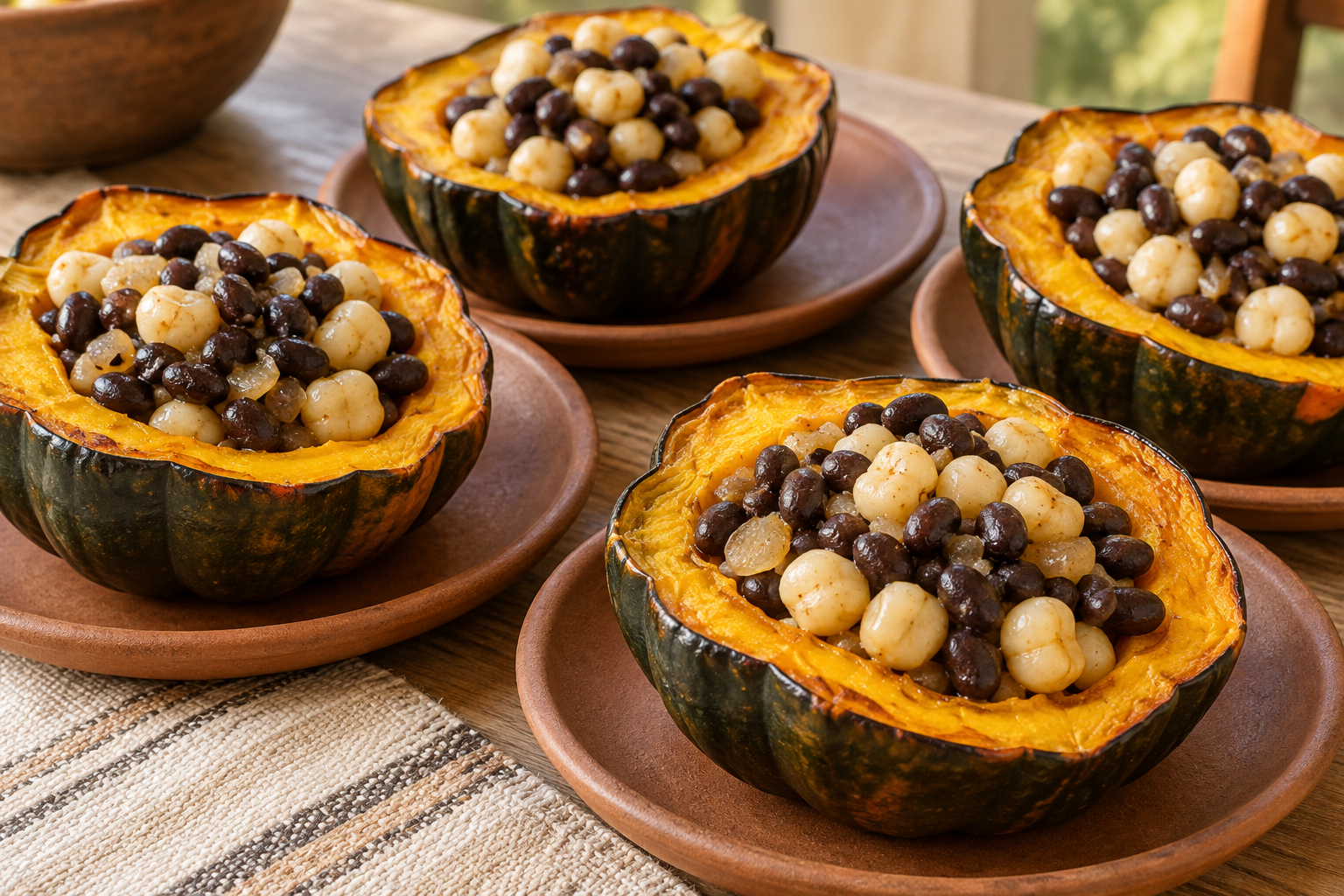
Squash as a Bowl for Beans and Maize
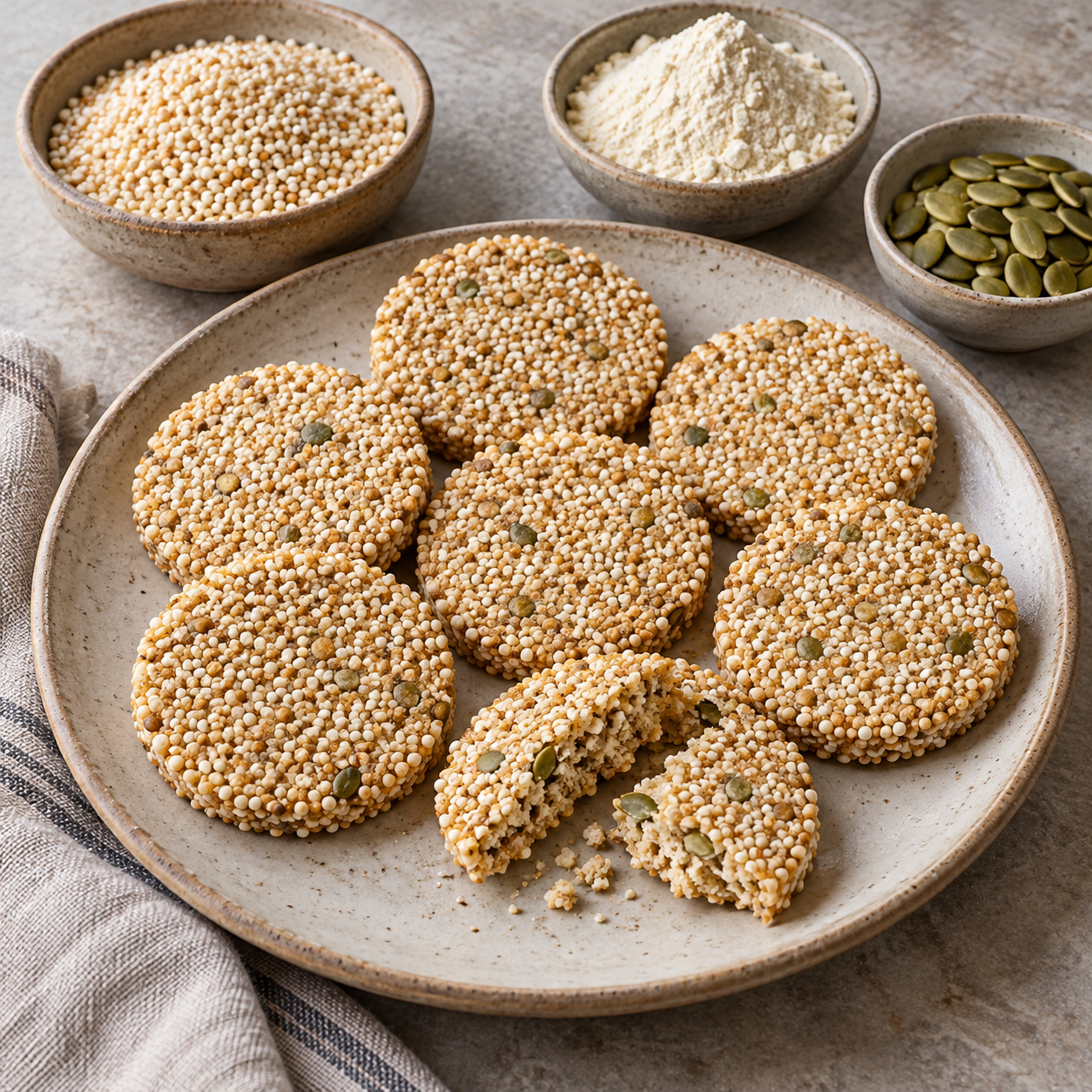
Amaranth Beyond the Shadow of Maize
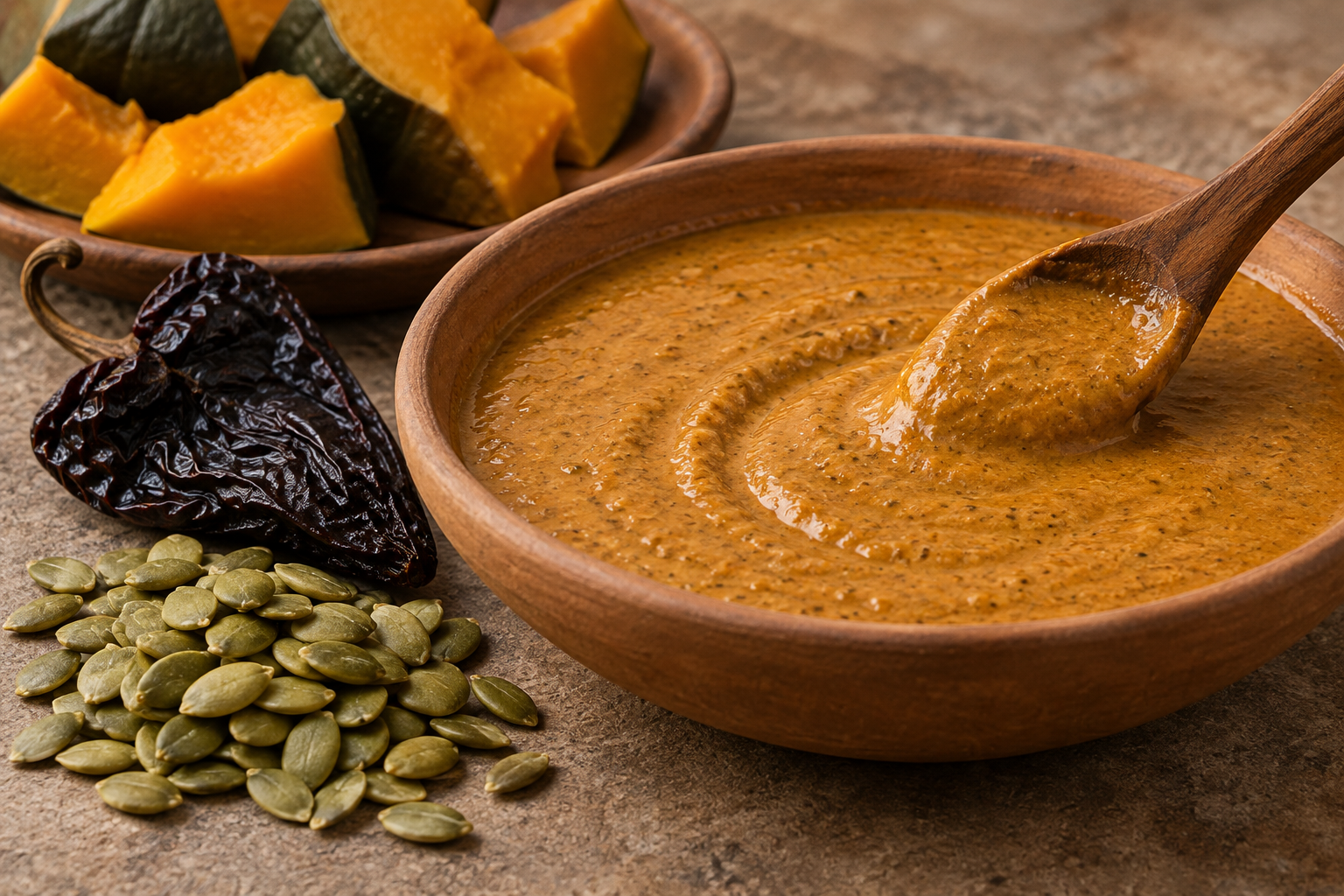
Chiles and Squash Seeds Become a Spoonable Sauce
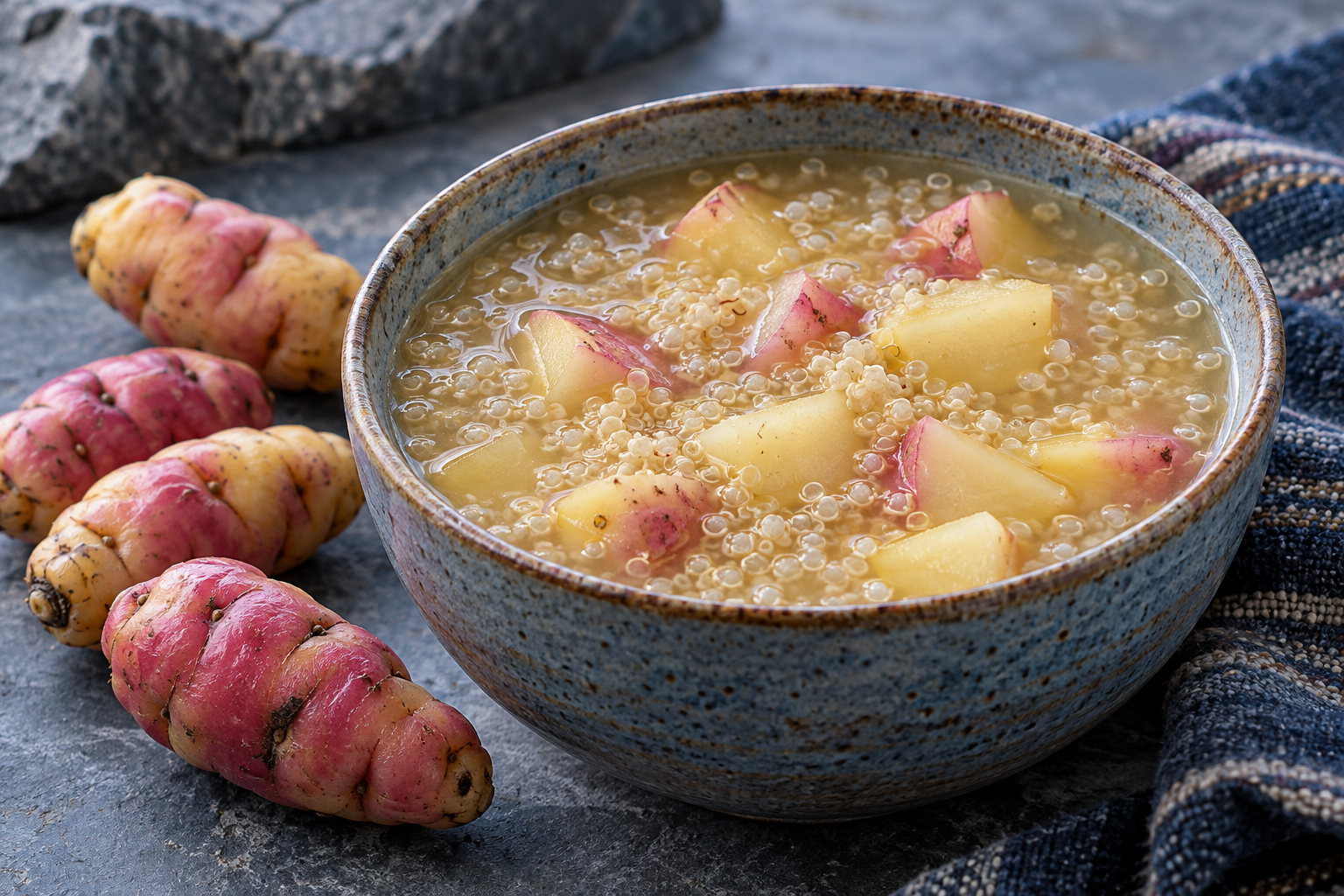
Quinoa and Oca Near Lake Titicaca
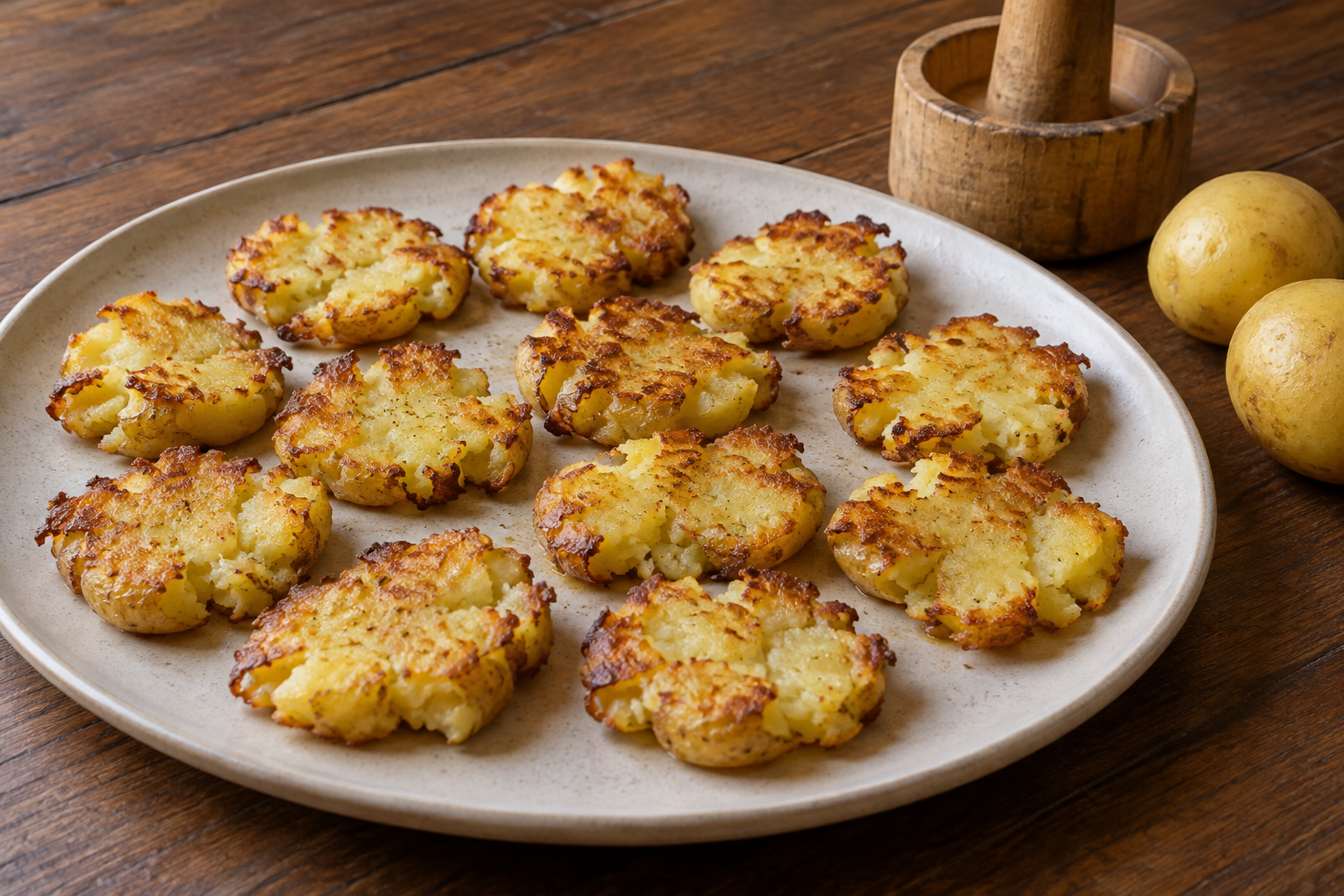
A Potato Story Told by Grinding Stones
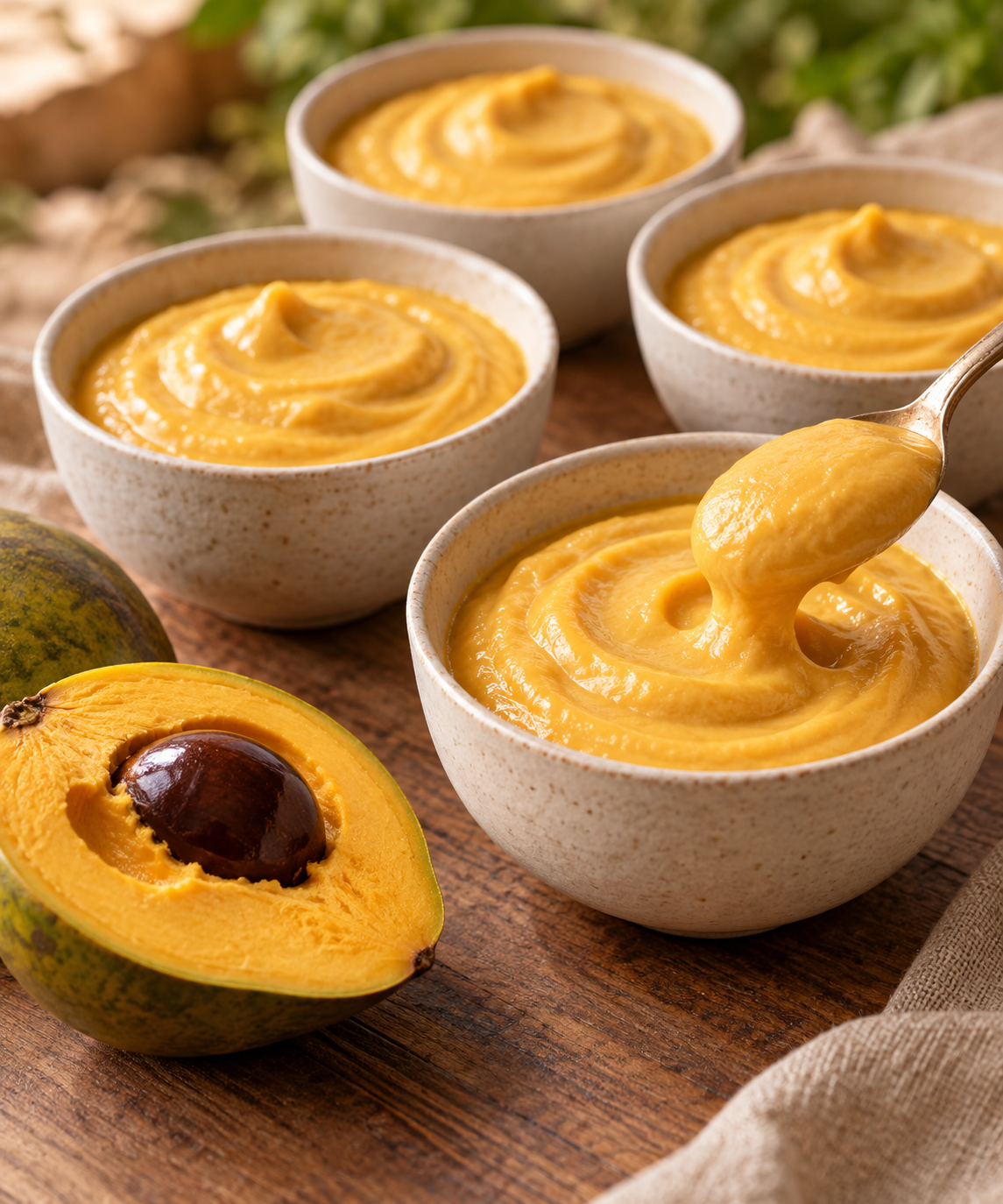
Lúcuma: A Fruit Worth Modeling in Clay
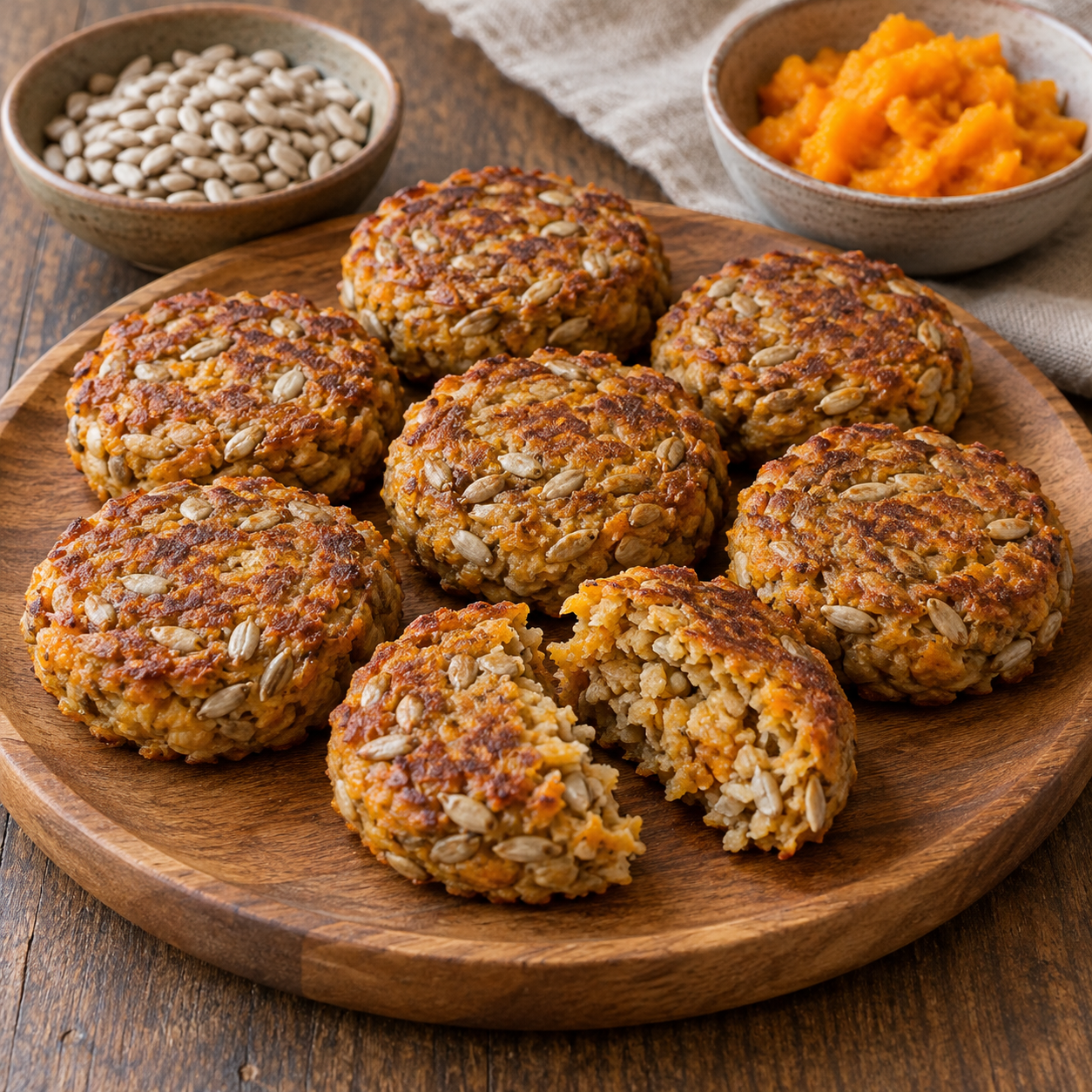
Sunflower Seeds Before a Maize-Centered Menu
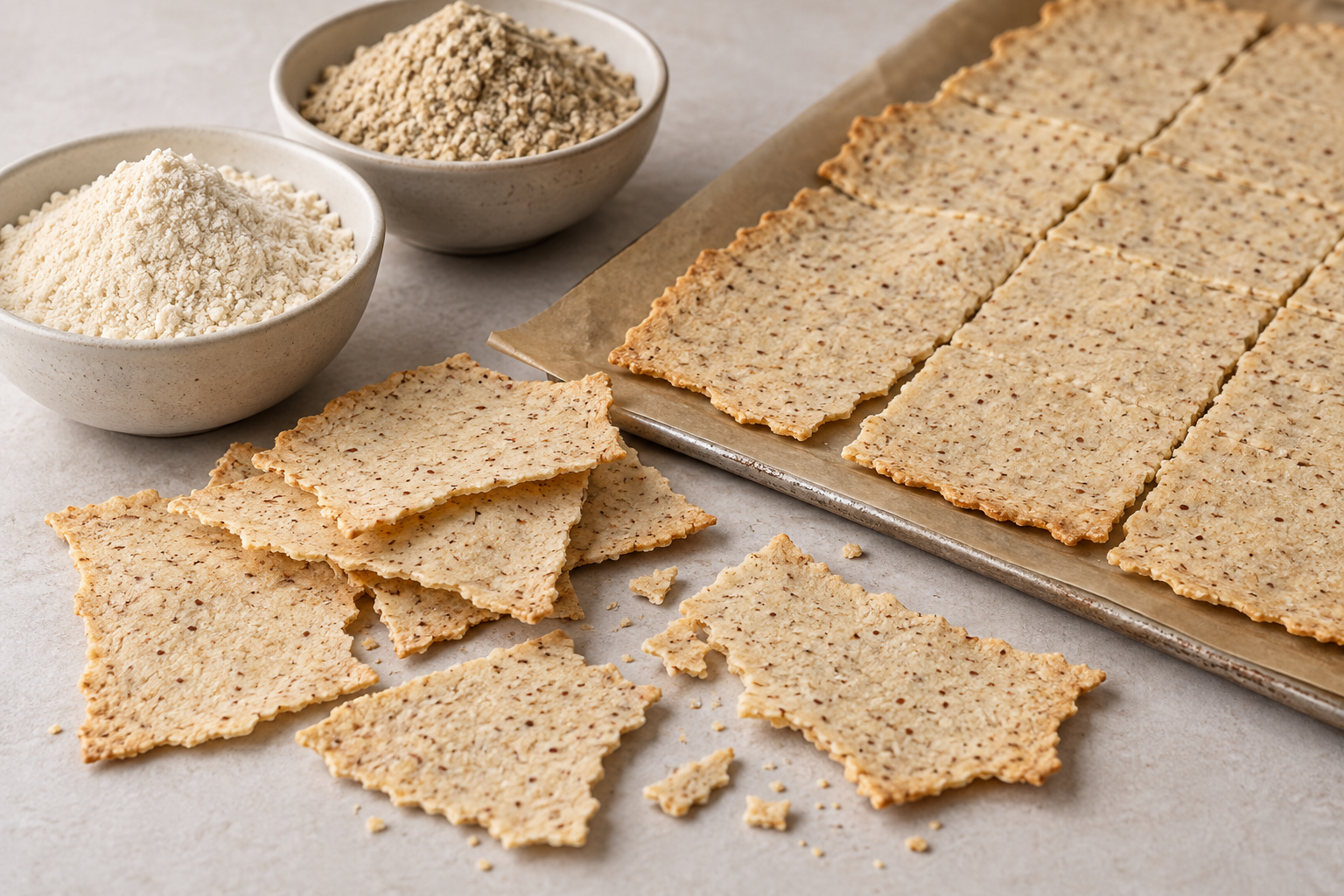
A Lost Goosefoot Crop and a Modern Quinoa Substitute
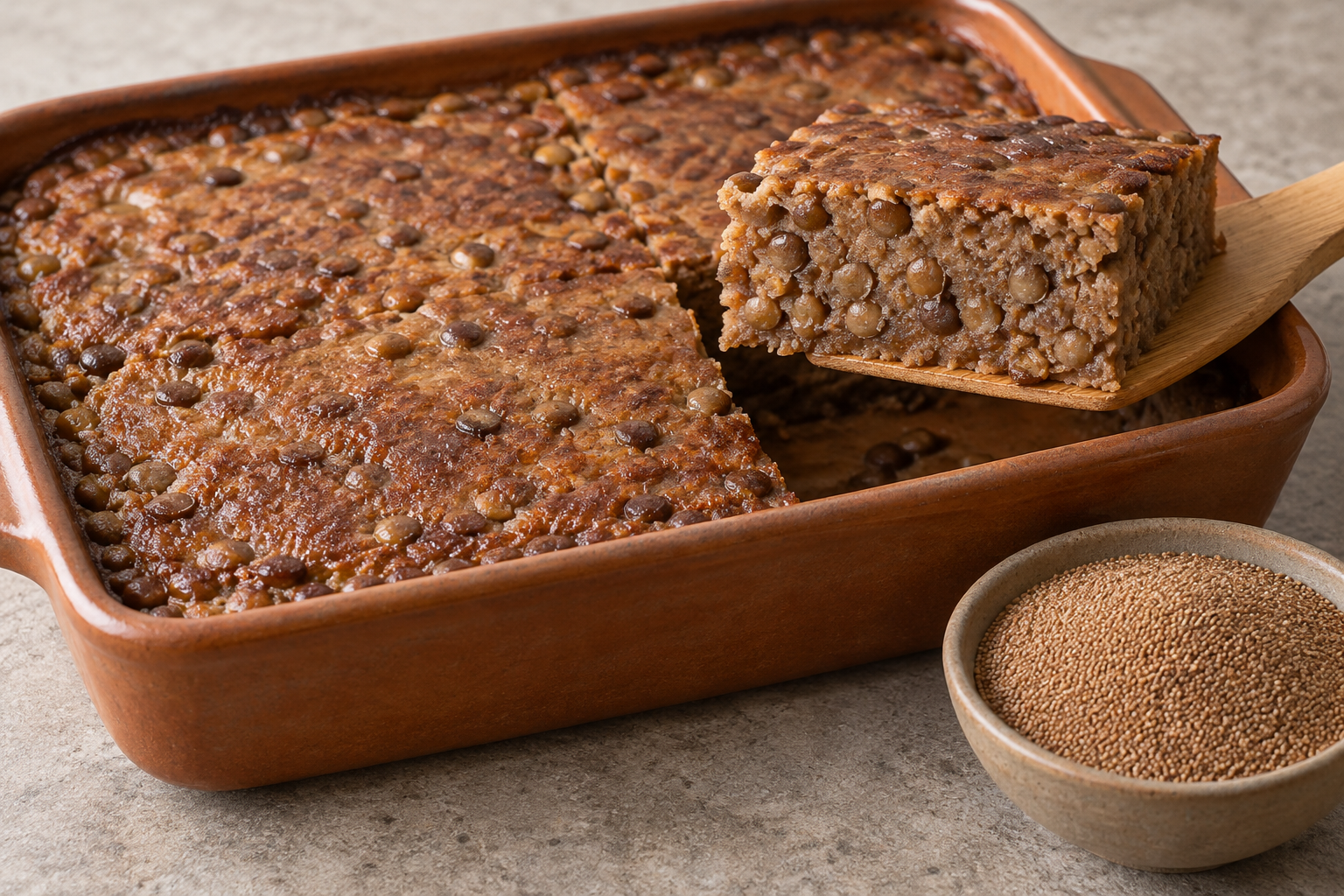
Teff and Lentils in an Aksumite Crop Landscape
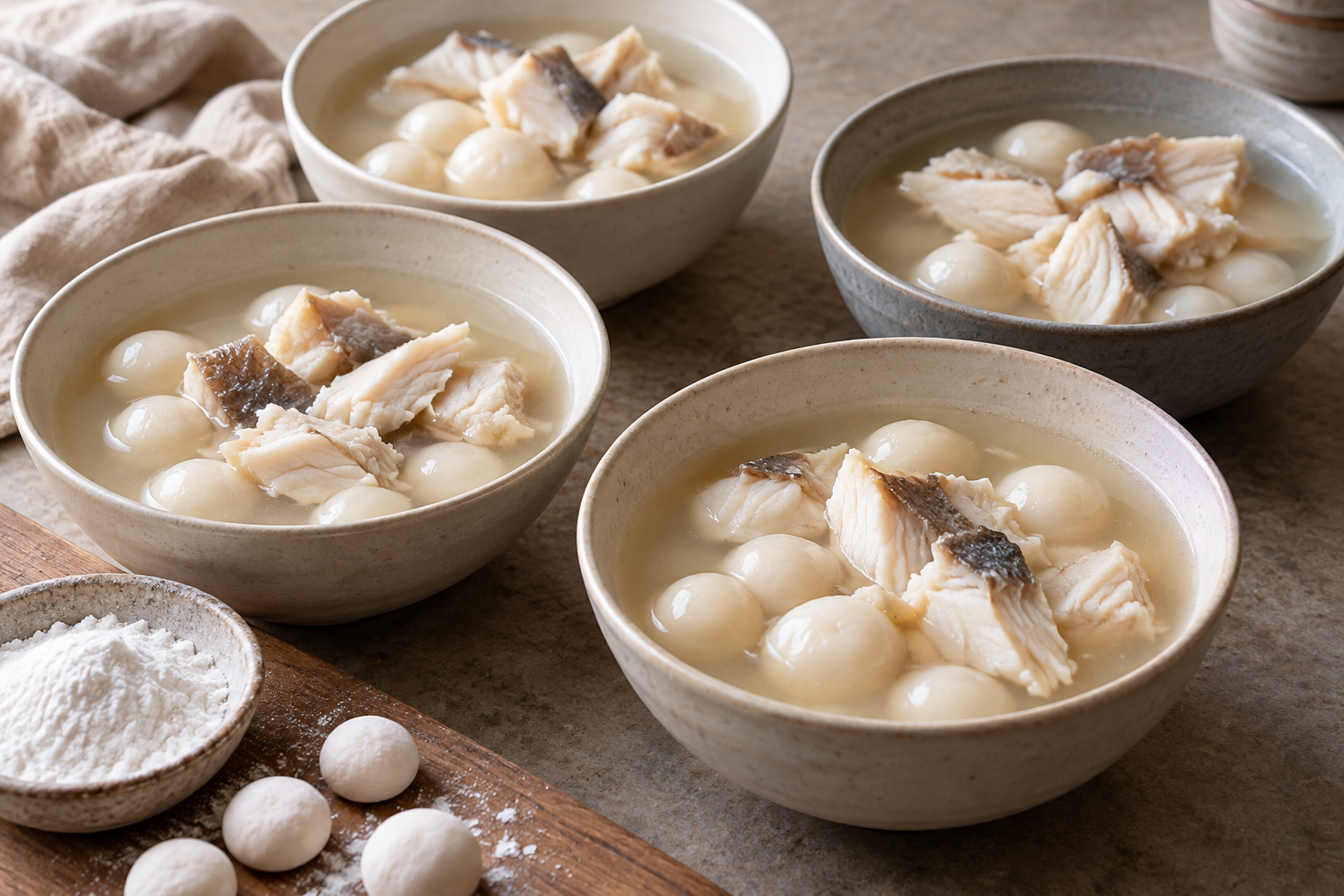
African Rice and Fish in the Inland Niger Delta
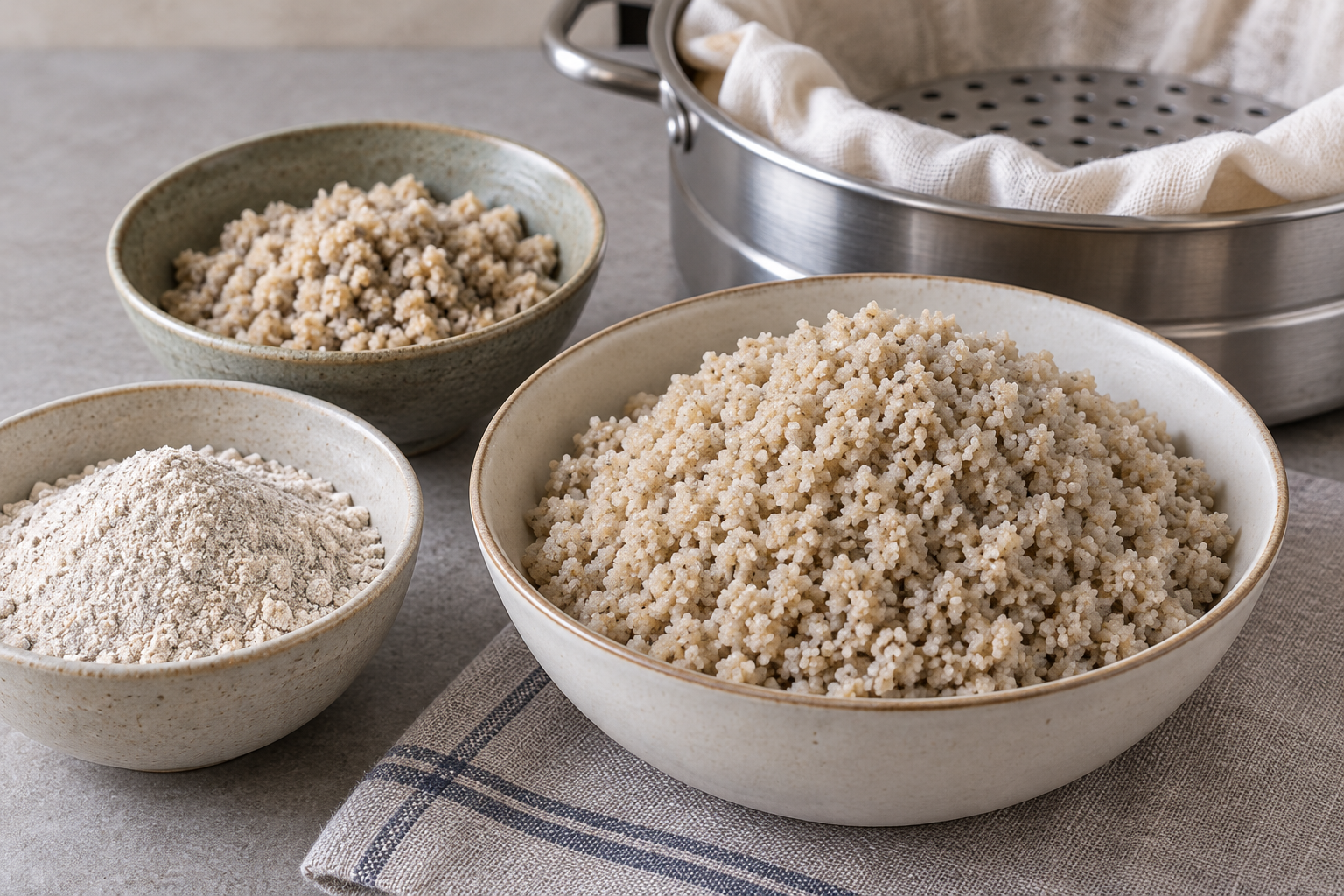
Pearl Millet: From Ancient Chaff to Steamed Granules
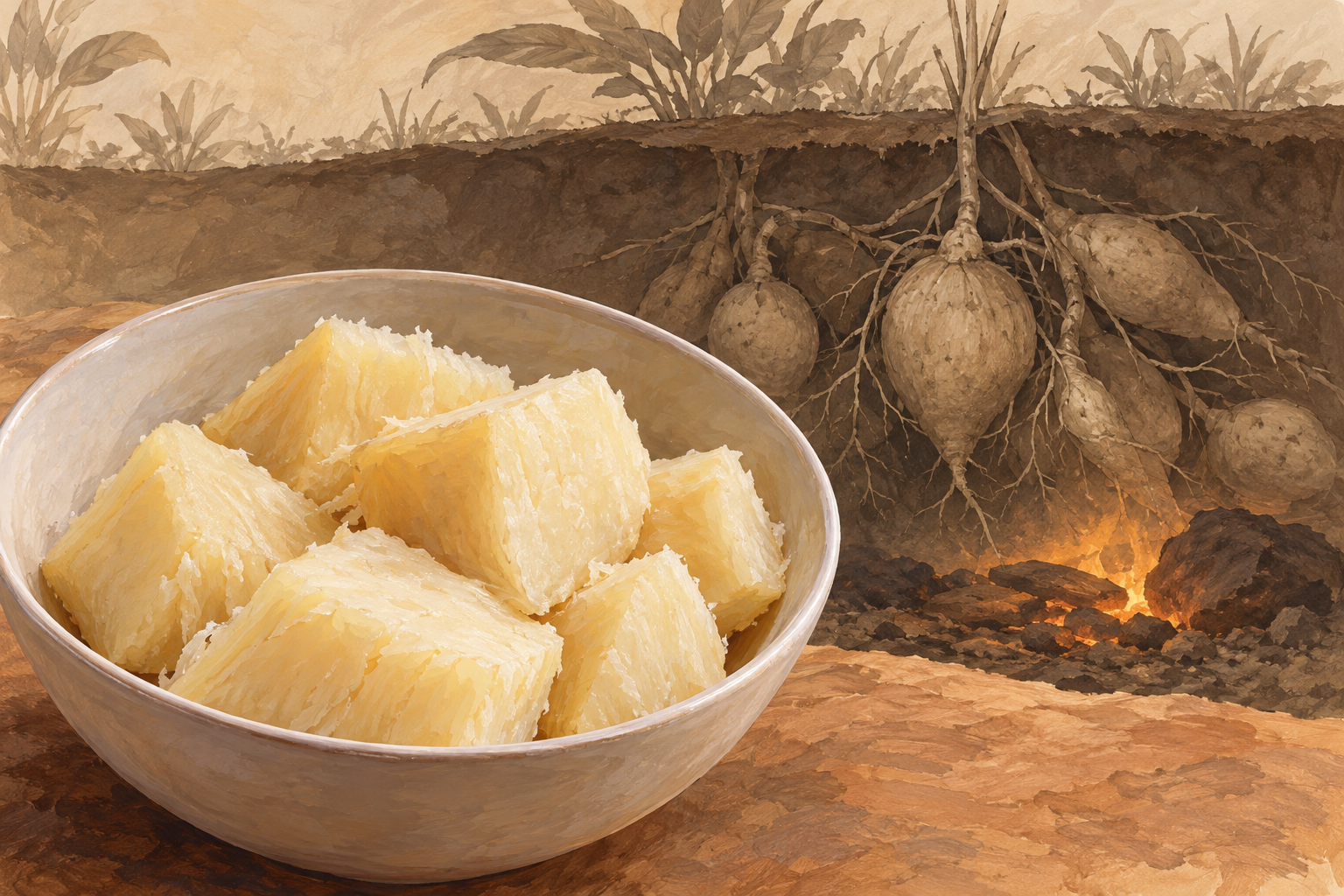
Before Farming: Cooked Rhizomes at Border Cave
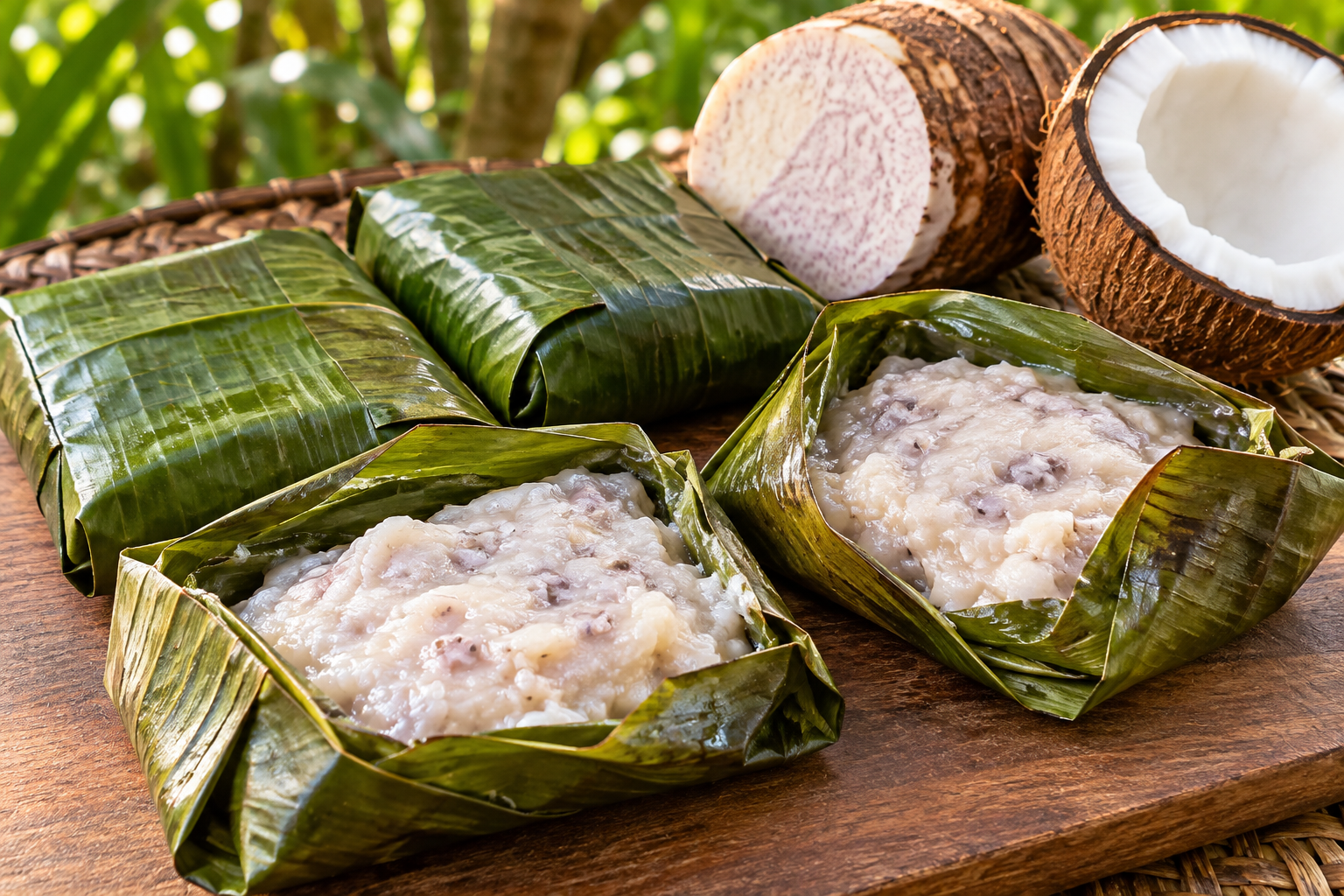
Taro and Coconut in a Pacific Food Landscape
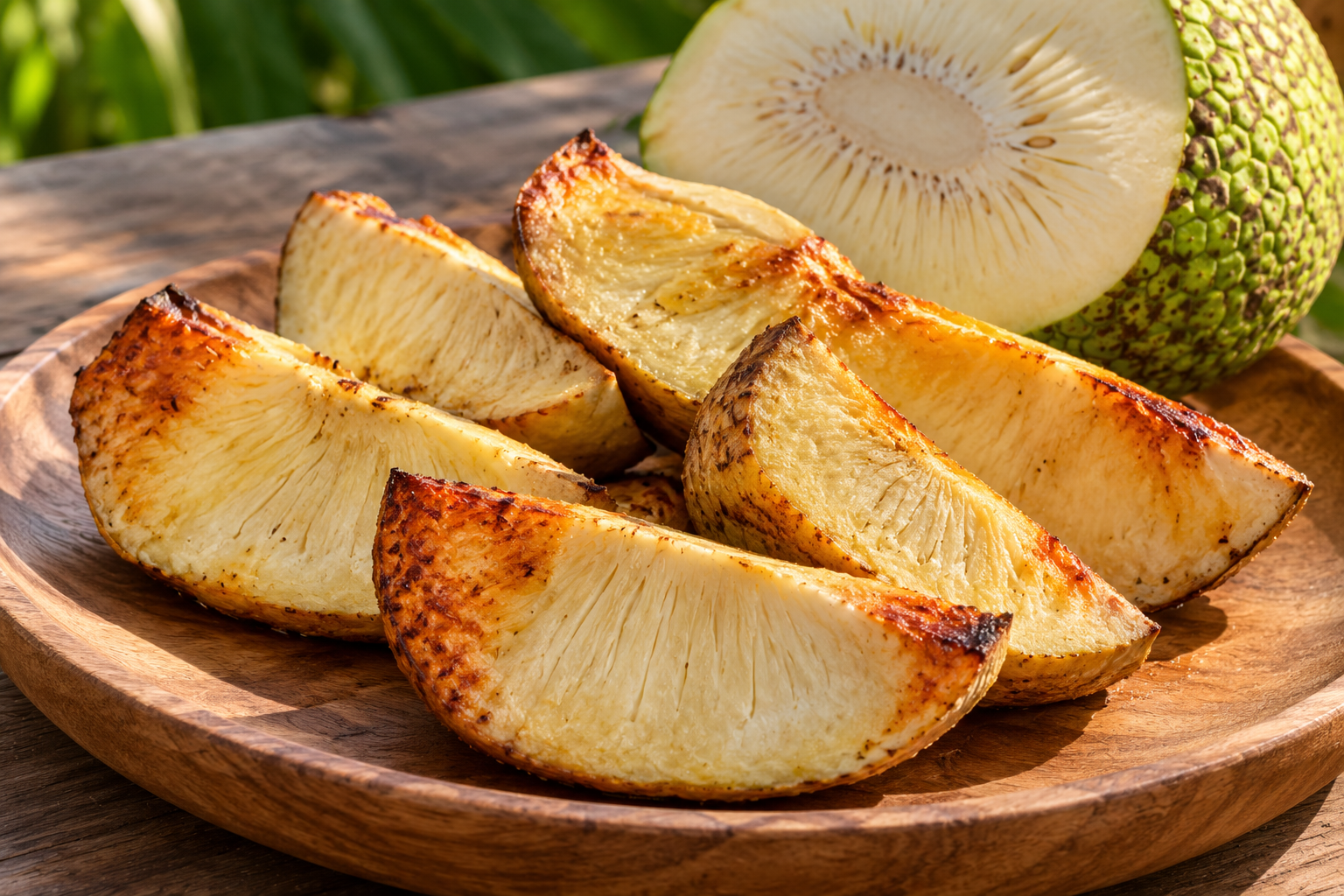
Breadfruit and the Long History of Pacific Tree Foods