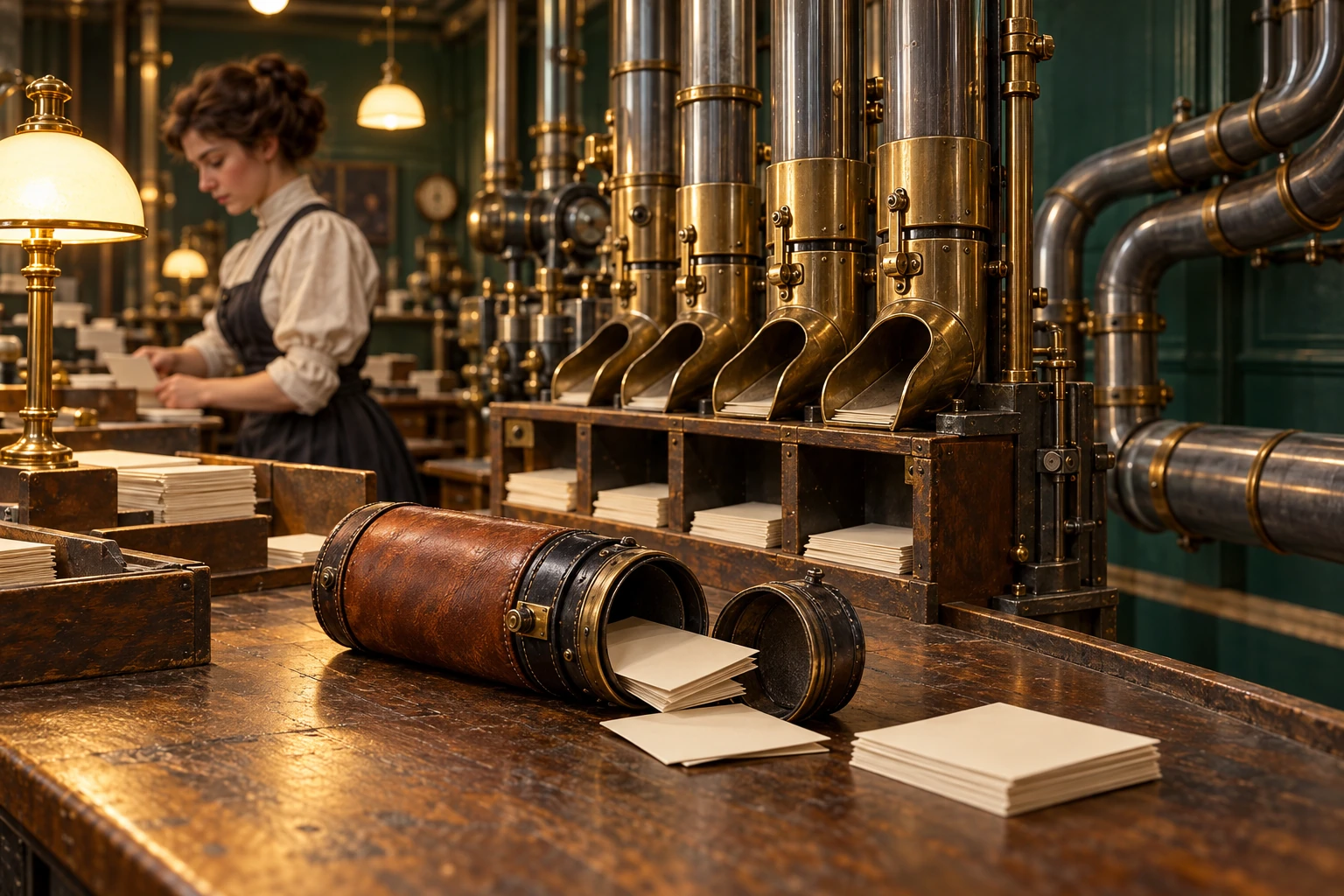
The carrier is only one stage of the journey. Sorting and final delivery remain essential after it reaches a terminal. Follow a pneumatic letter through tubes, sorting desks and the overlooked final walk.
Communication history · Urban systems · Postal history · About 5 minutes
Read journey 01 →
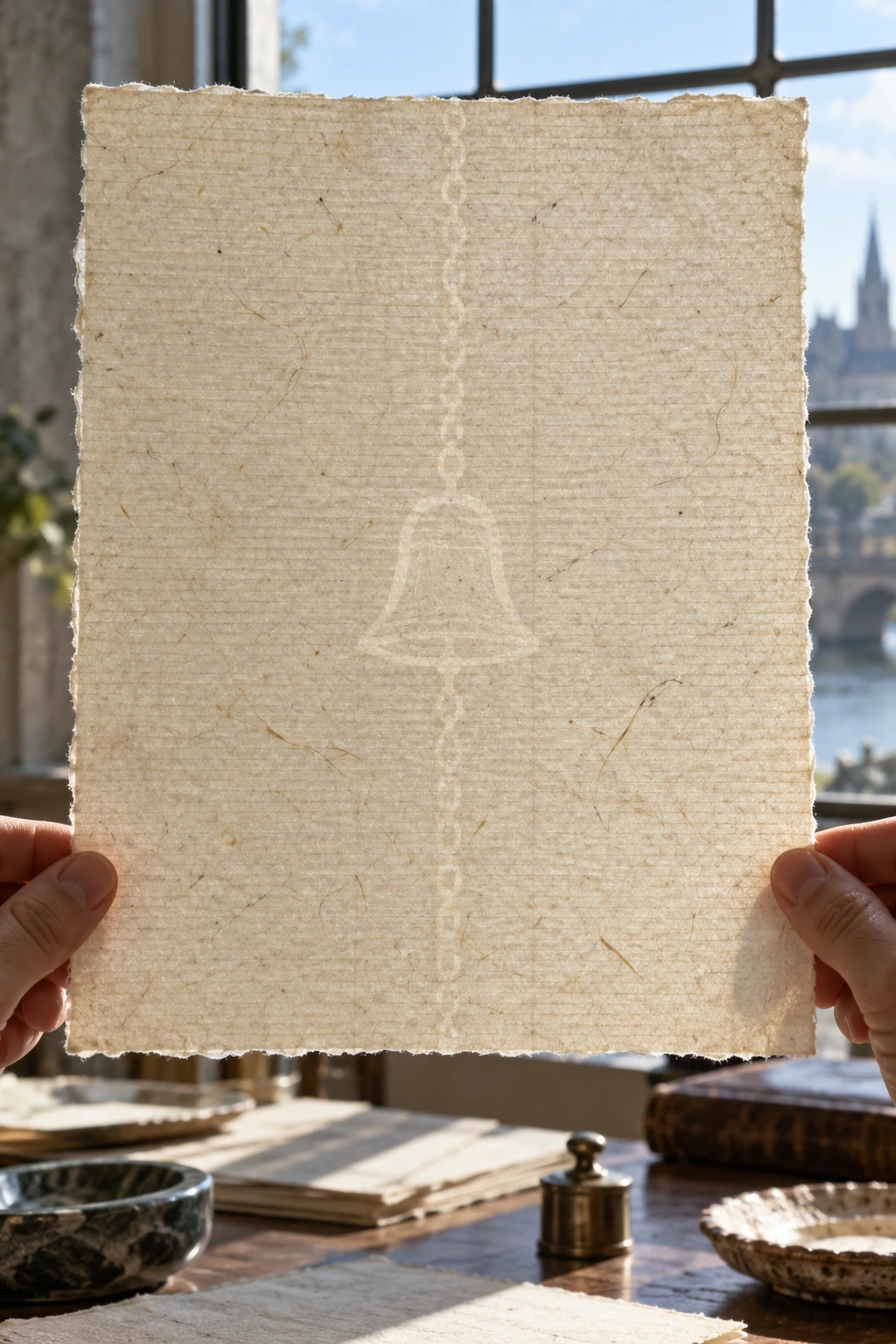
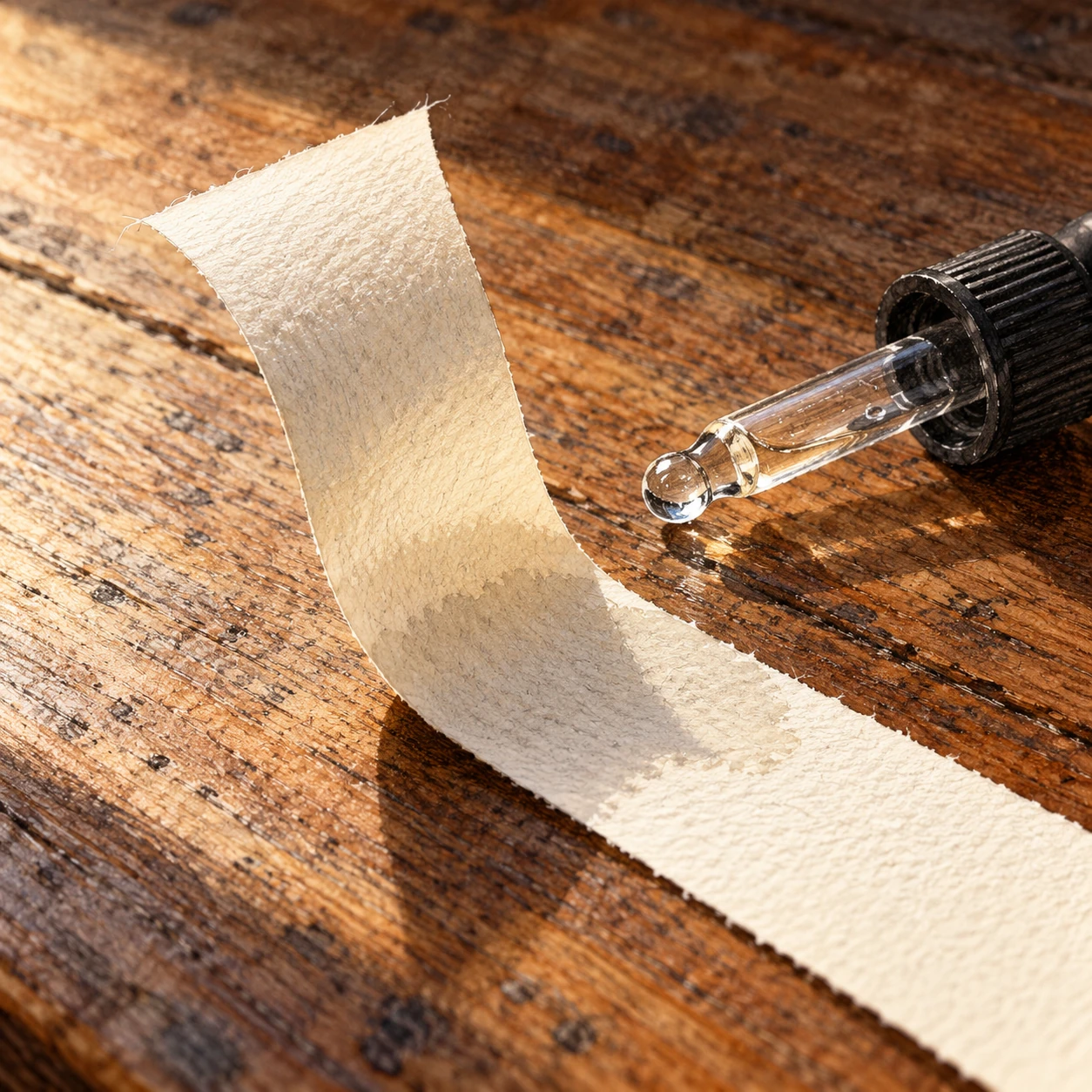
Transmitted light reveals a difference within the sheet, rather than an image printed on its surface. A watermark turns a blank sheet into evidence of a manufacturing process.
Paper · Close looking · Book history · About 5 minutes
Read journey 02 →
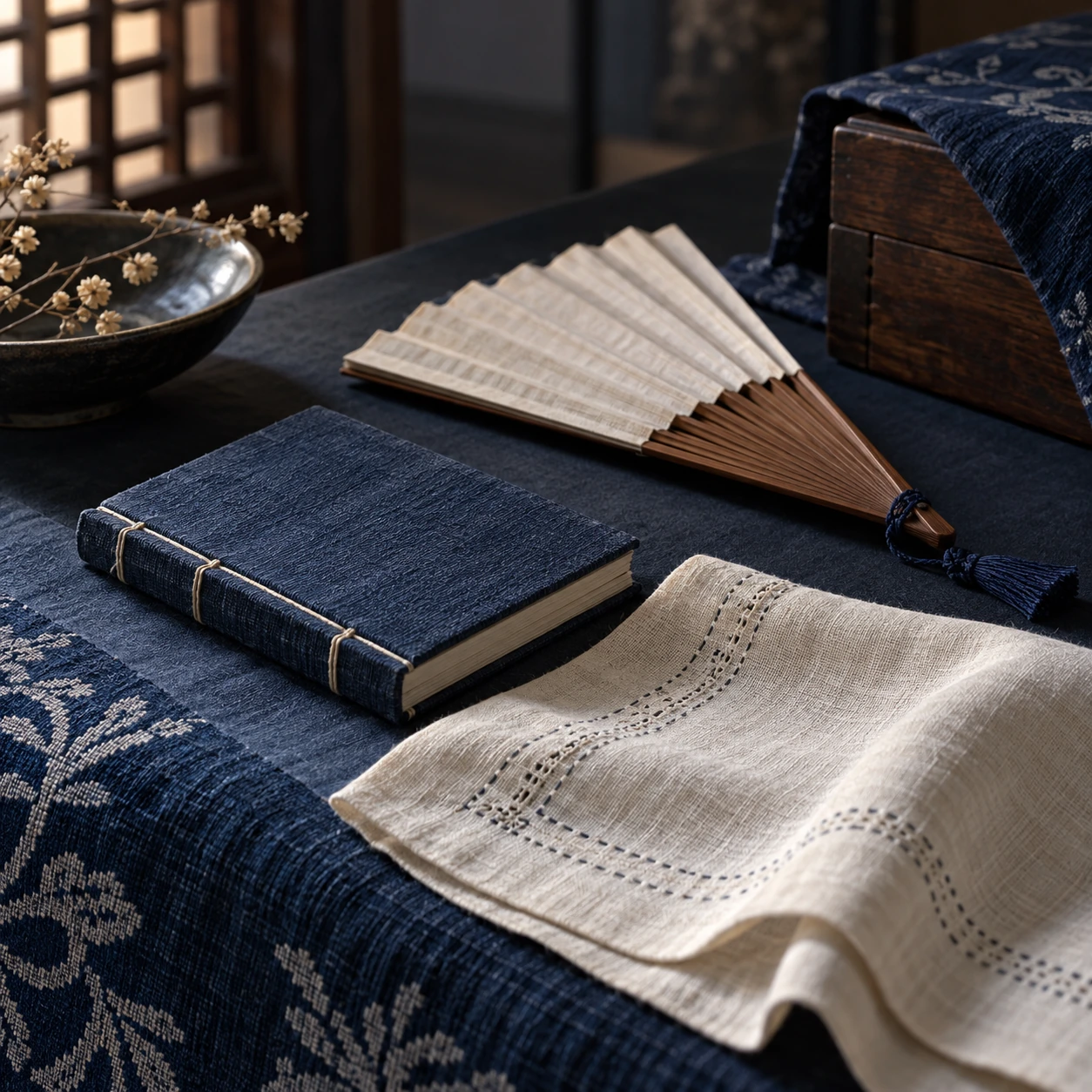
A contextual still life brings book, fan and textile together. It does not reproduce a Nüshu inscription or a named historical object. Read a writing tradition through books, songs and relationships instead of a story about a secret code.
Writing systems · Cultural history · Women’s history · About 5 minutes
Read journey 03 →
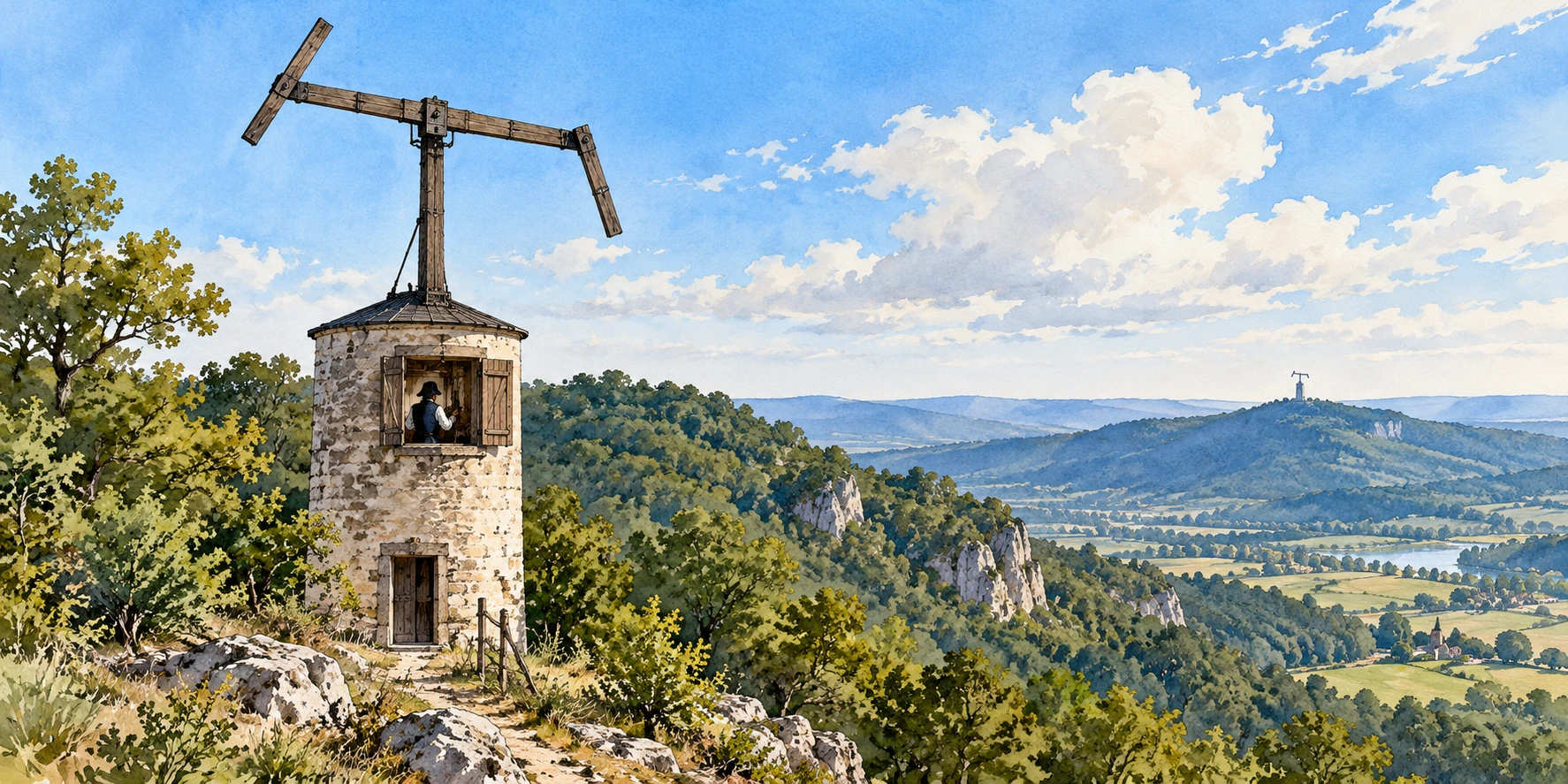
The gaps between stations belong to the technology: a visible signal needs a usable line of sight. Reconstructed scene. Chappe’s moving arms turn a distant hill into a message, one visible state at a time.
Communication history · Optics · Networks · About 5 minutes
Read journey 04 →
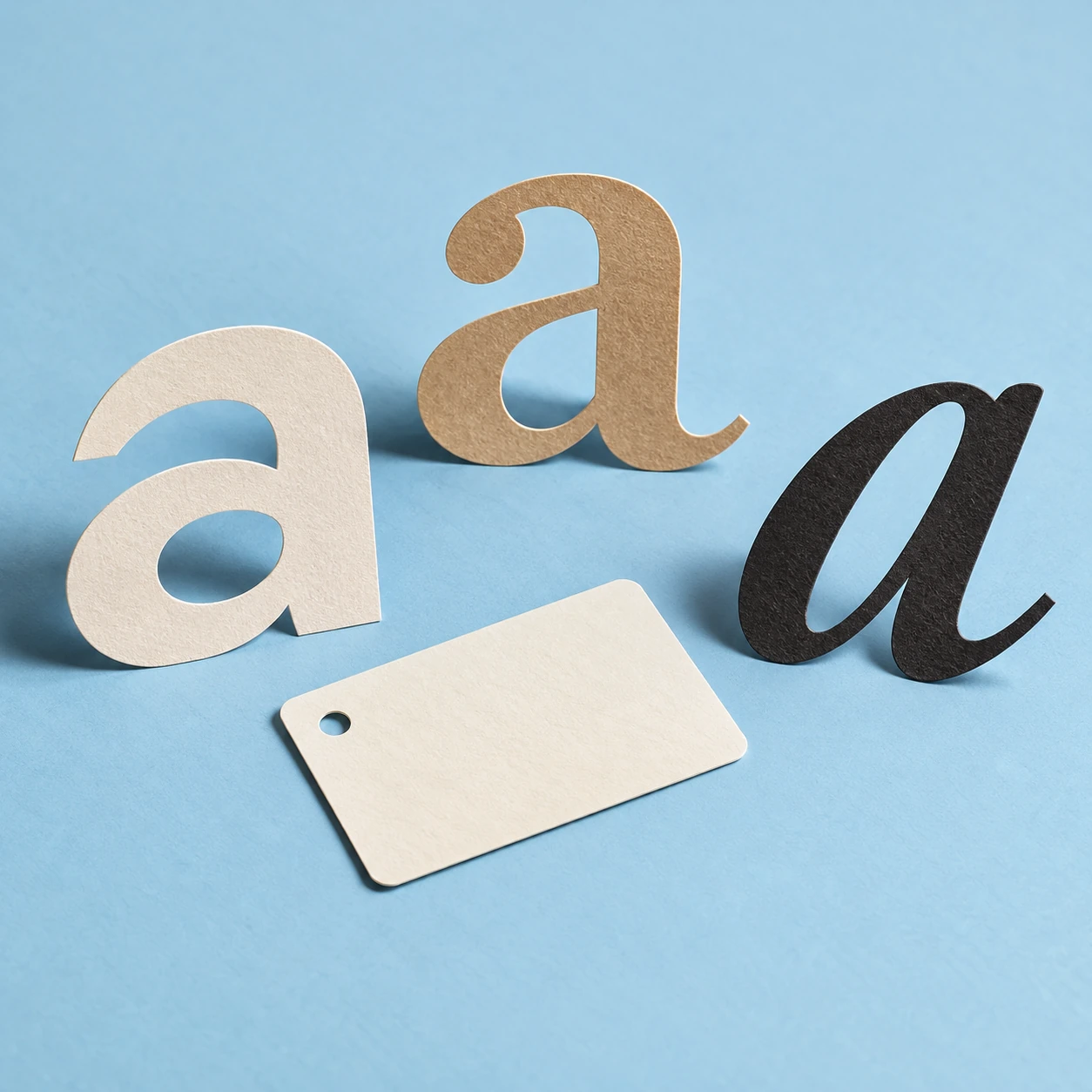
The drawn form changes while the letter remains recognizable. The explorer below separates visible design from encoded text. Unicode separates a character’s identity from the glyph that happens to appear on your screen.
Typography · Digital culture · Writing systems · About 5 minutes
Read journey 05 →
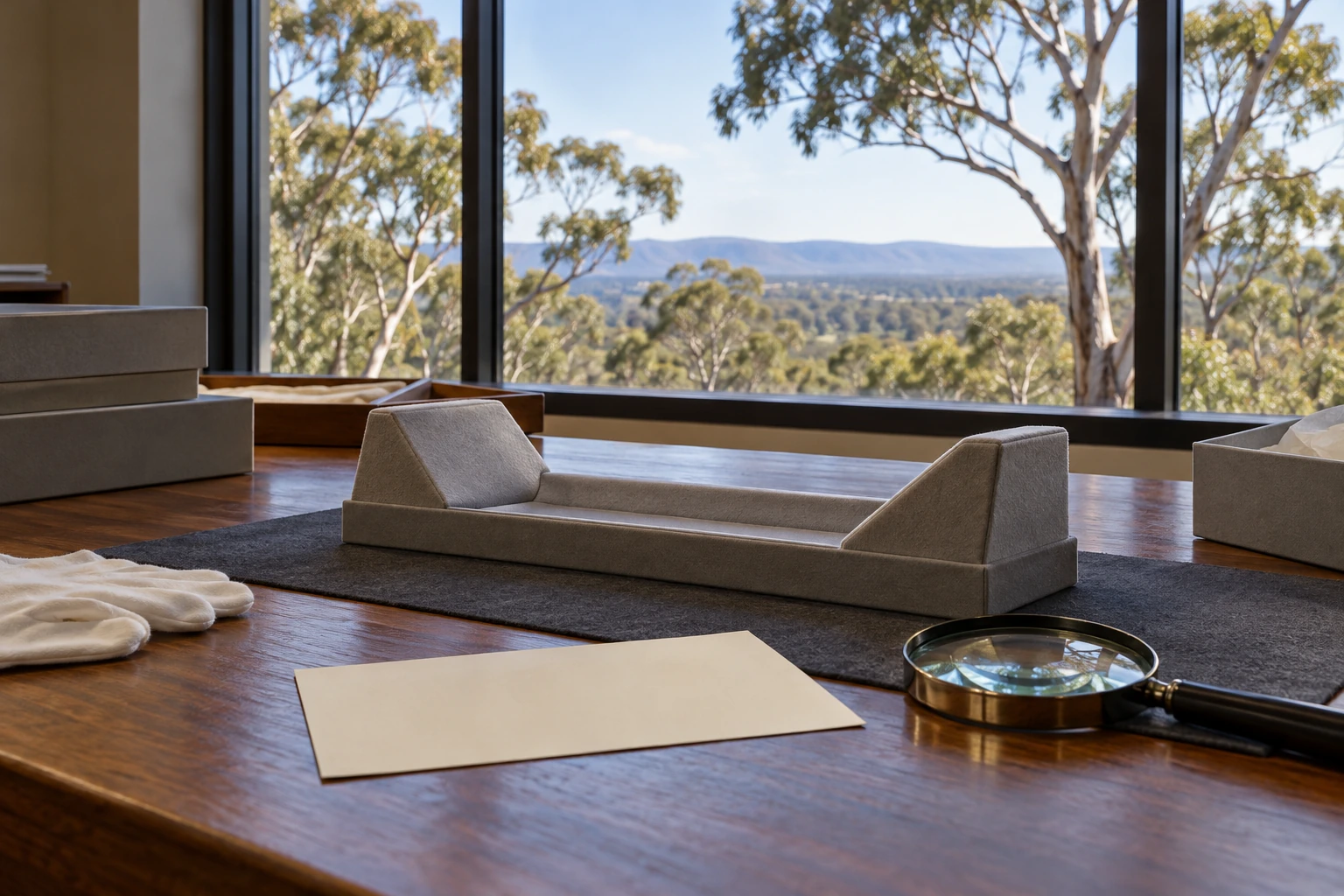
The study setting leaves the object to its documented museum record, where image, provenance and description remain connected. An Australian museum record shows why objects, messengers and provenance must be read together.
Material culture · Communication · Museum collections · About 5 minutes
Read journey 06 →
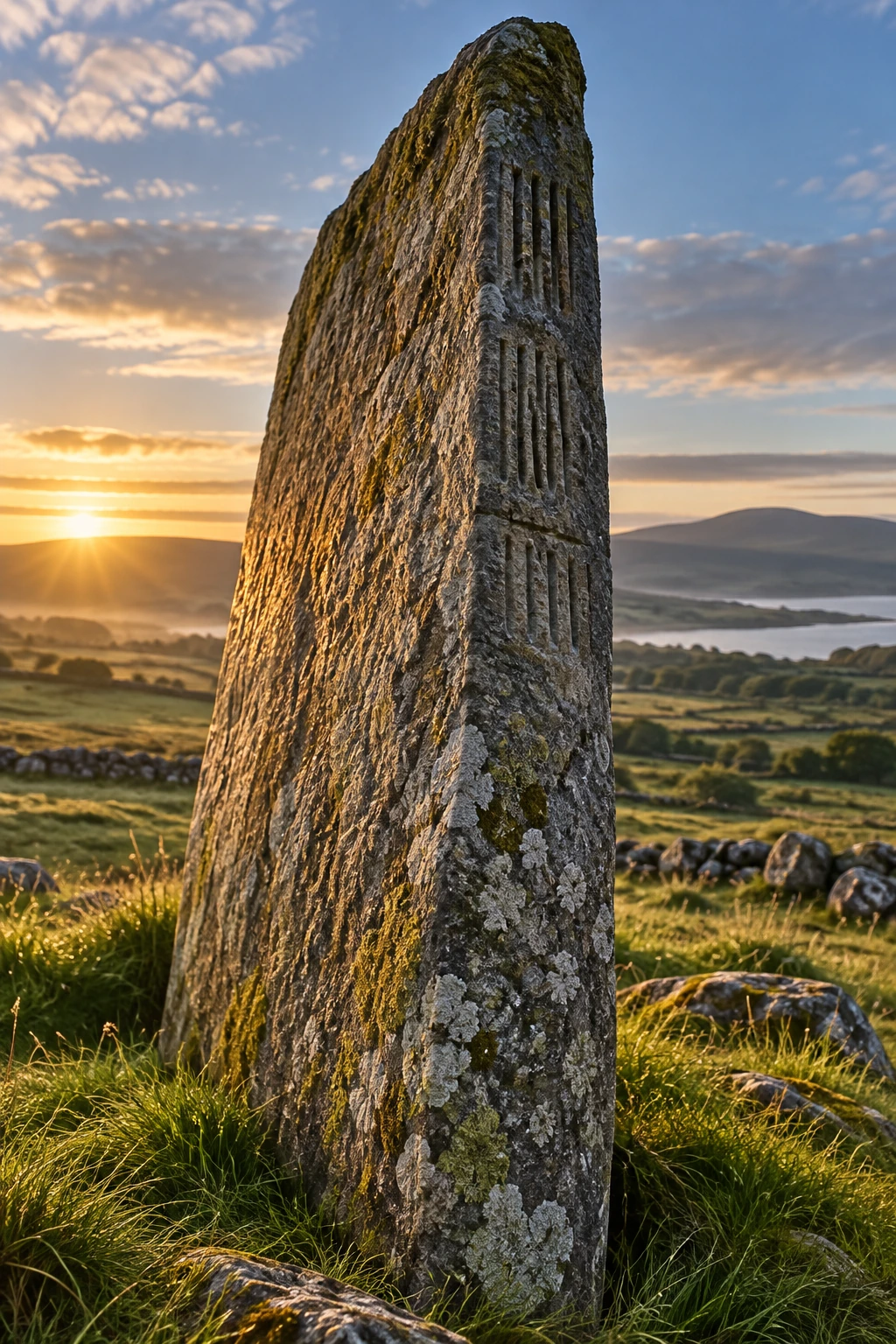
The corner offers a route for the eye. This reconstructed stone is illustrative; use the museum guide for a documented inscription. Ogham turns a corner into a line of text, rewarding a different kind of close looking.
Writing systems · Archaeology · Ireland · About 5 minutes
Read journey 07 →
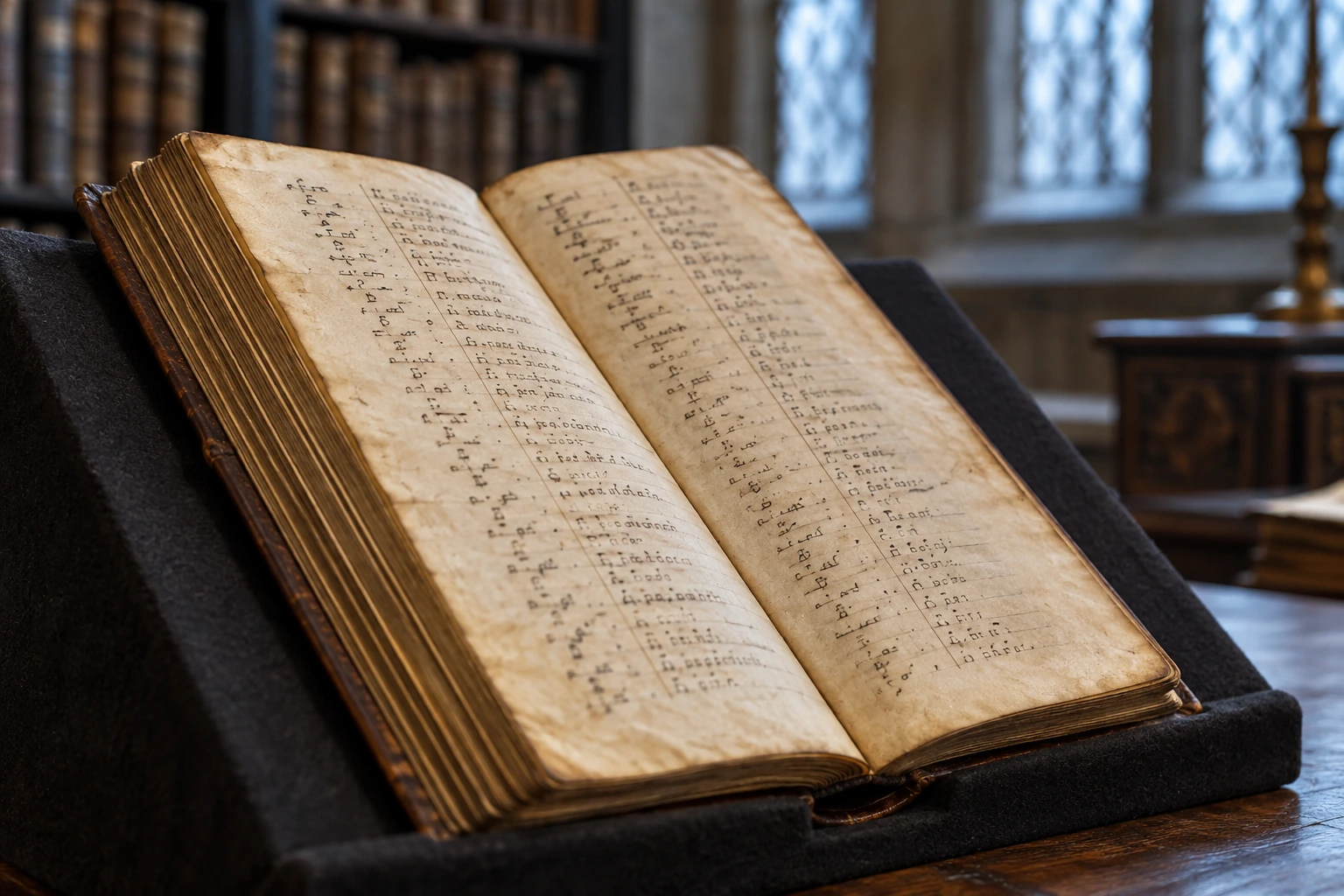
A contextual reconstruction suggests the scale of a shorthand reference book. The linked Geneva facsimile supplies the actual historical pages. A compact “and” connects medieval notes, Irish typography and the text inside a computer.
Typography · Writing history · Irish culture · About 4 minutes
Read journey 08 →
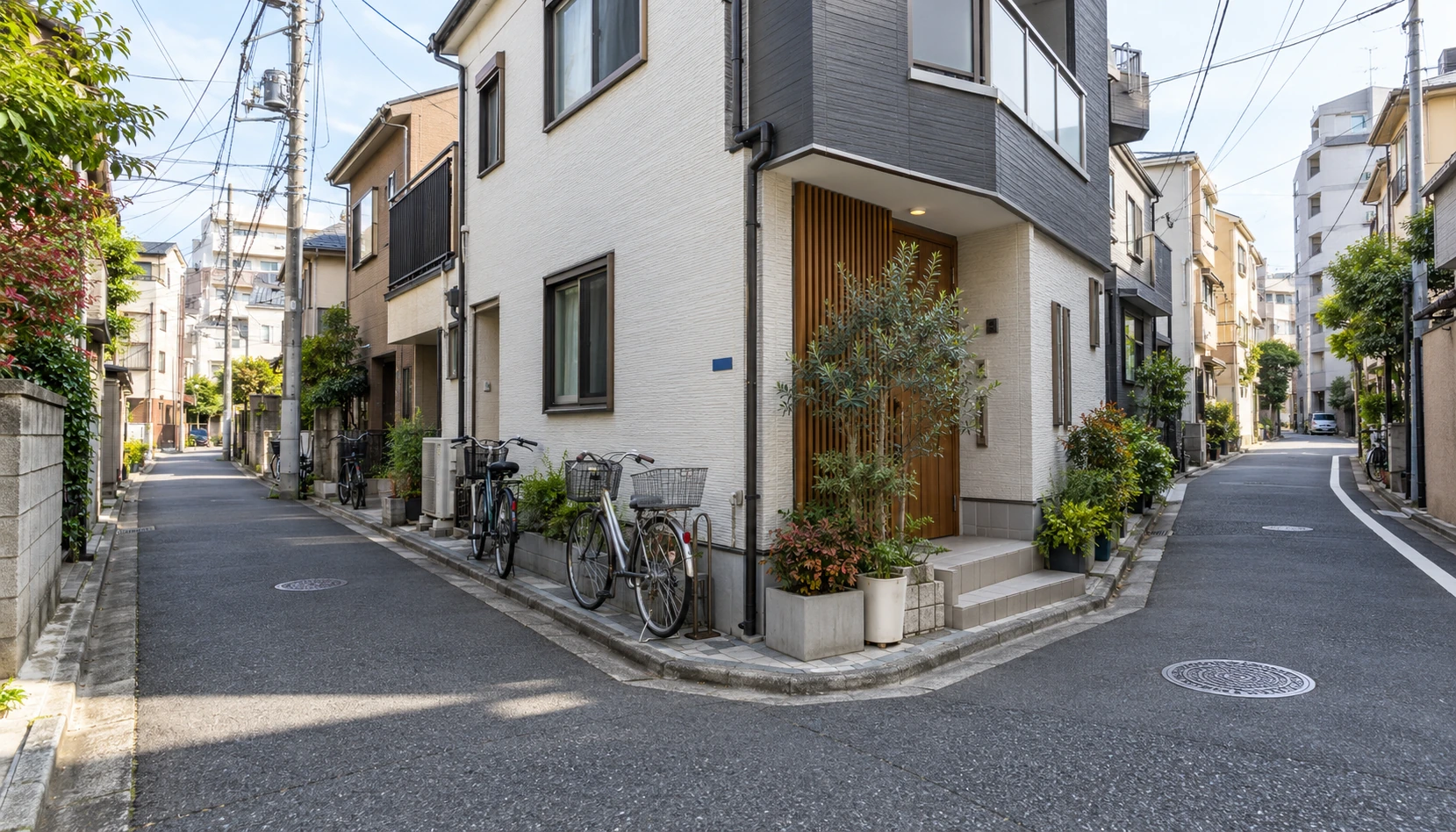
Reaching a block and finding the usable entrance are related but distinct wayfinding tasks. Illustrative neighborhood. A Japanese address becomes easier to read when you stop treating every number as a place along a street.
Cities · Wayfinding · Japan · About 5 minutes
Read journey 09 →
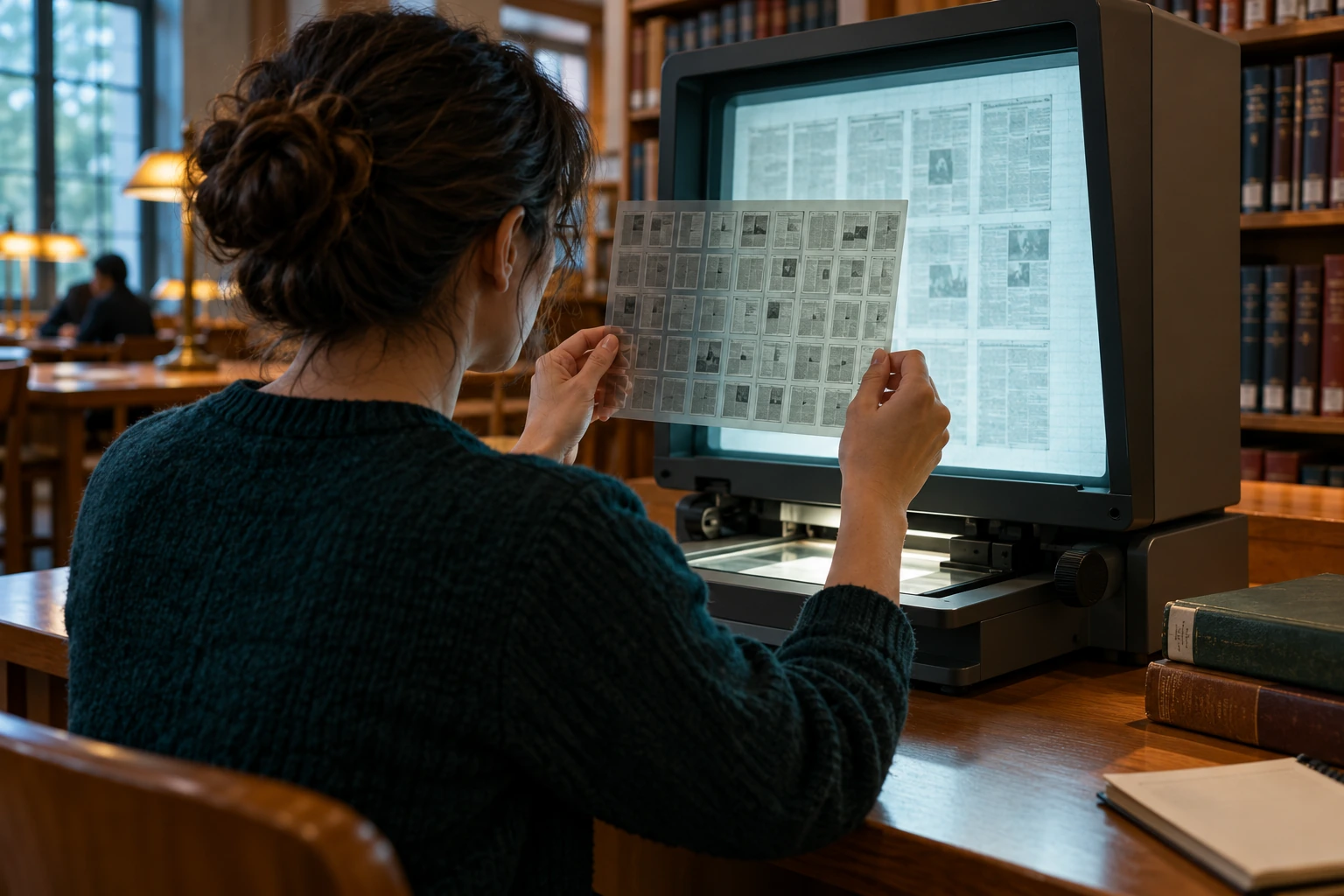
The heading identifies a sheet; magnification makes an individual page available. The grid still needs a navigation system. Microfiche solves a storage problem while creating a fascinating problem of navigation.
Libraries · Photography · Information design · About 5 minutes
Read journey 10 →
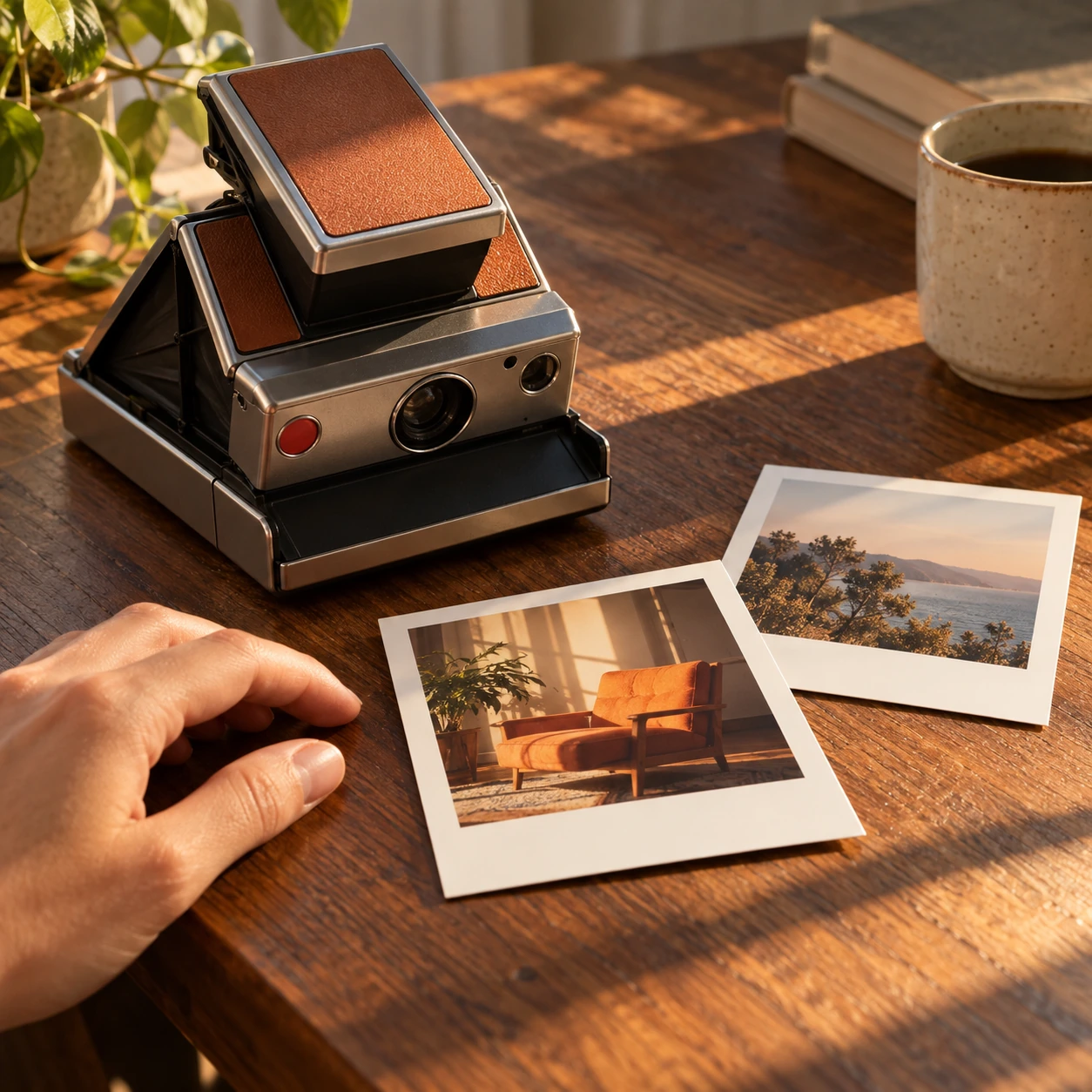
The print continues developing after ejection. Waiting is part of making the photograph. A sealed print turns rollers, layers and chemical timing into a picture you can hold.
Photography · Materials · Chemistry · About 5 minutes
Read journey 11 →
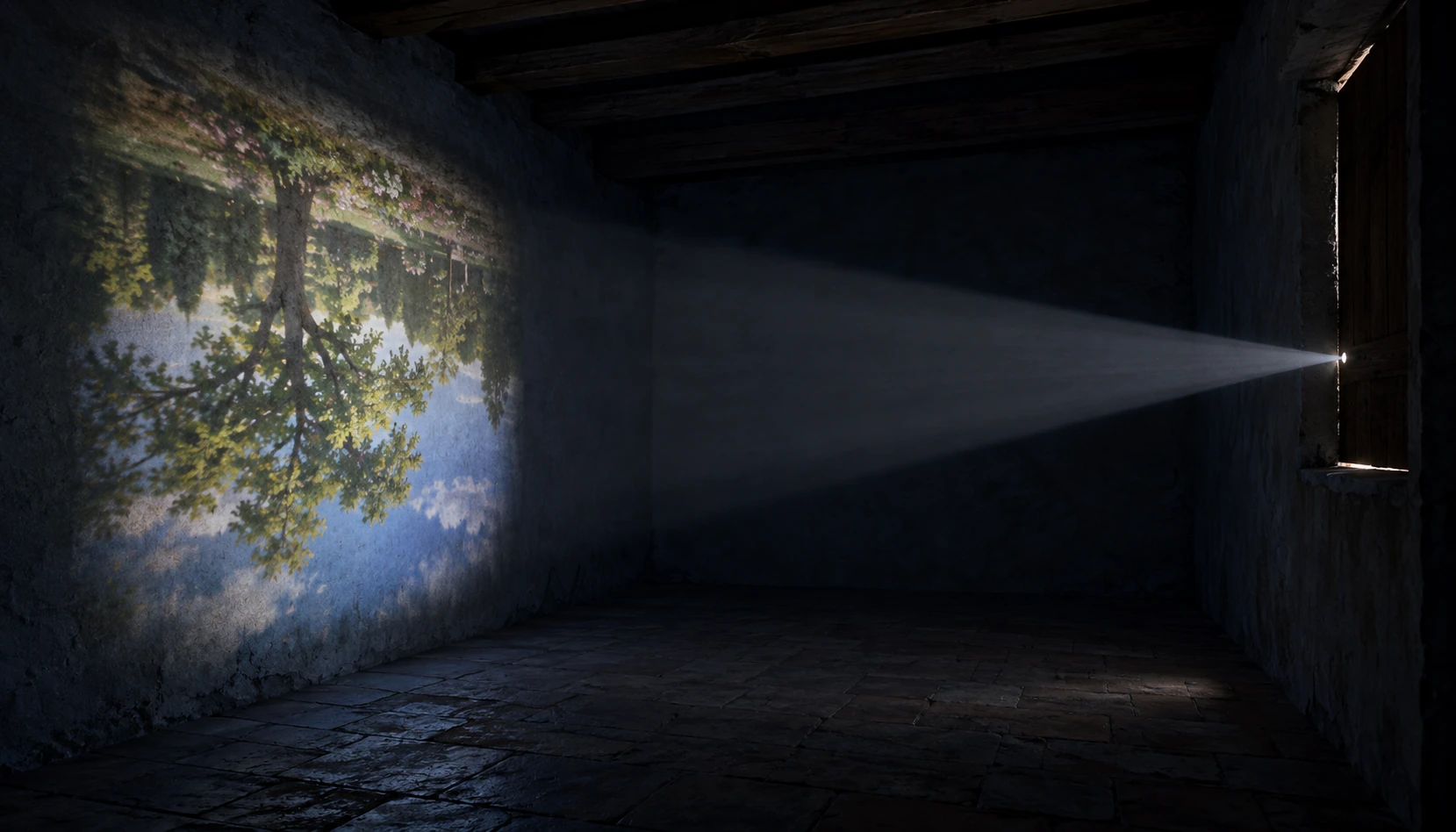
The top of the outside scene reaches the lower part of the image. The room makes that crossing visible. Interpretive scene. A camera obscura makes an image by controlling which light is allowed to reach a surface.
Optics · Photography · Experiments · About 5 minutes
Read journey 12 →
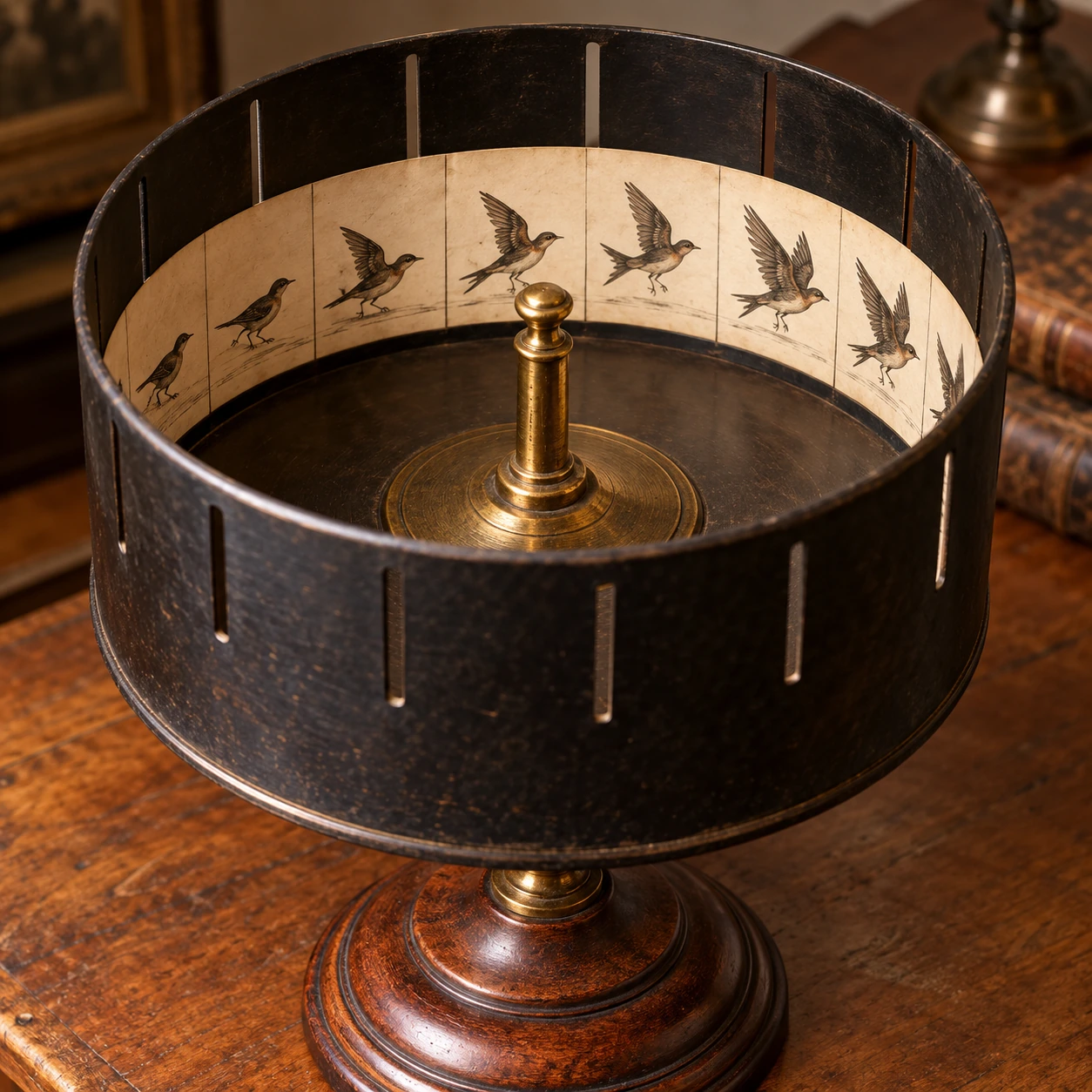
The strip offers separate poses. The slits control when a viewer sees them as the drum turns. Reconstructed optical toy. Separate drawings need carefully timed glimpses before a spinning strip becomes an apparent action.
Animation · Perception · Optical toys · About 5 minutes
Read journey 13 →
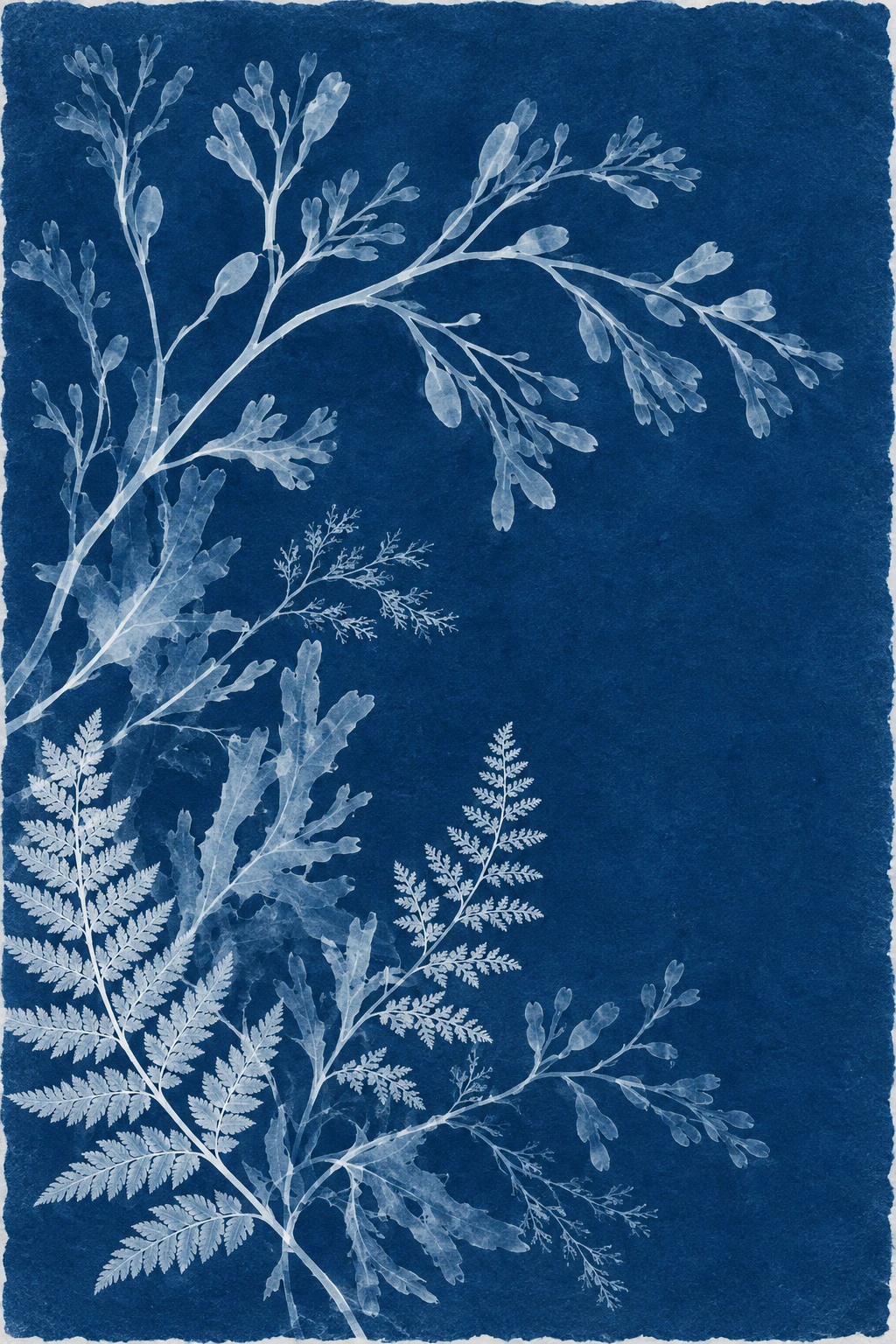
A modern botanical composition inspired by contact printing. It is not an Anna Atkins original or a measured botanical record. Anna Atkins’s cyanotypes turn contact, transparency and arrangement into a different kind of botanical image.
Photography · Botany · Art history · About 5 minutes
Read journey 14 →
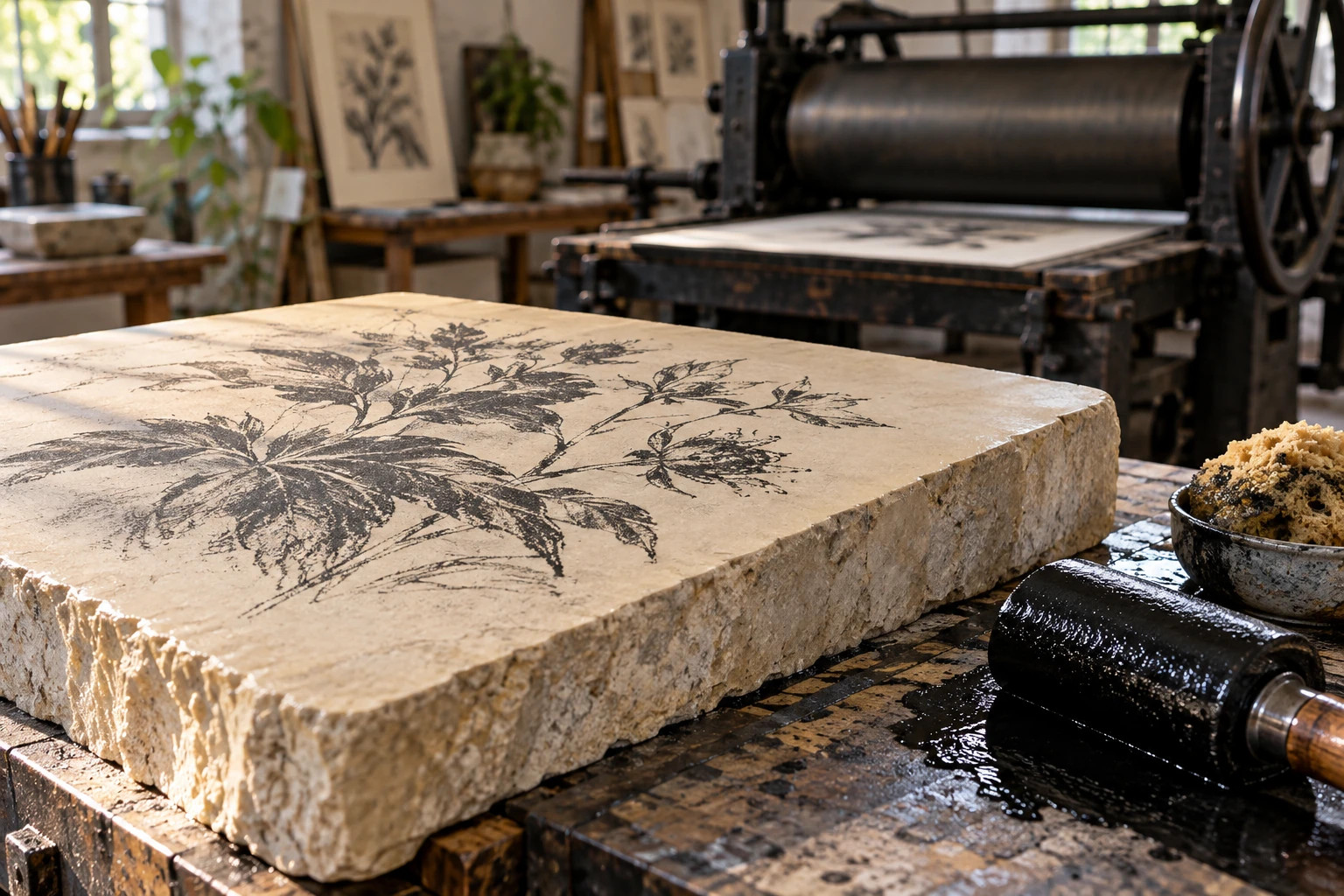
The printing distinction lies across a flat surface. It does not require the image to be cut into raised relief. Lithography makes an image through the behavior of a surface rather than the height of carved marks.
Printmaking · Materials · Art techniques · About 5 minutes
Read journey 15 →
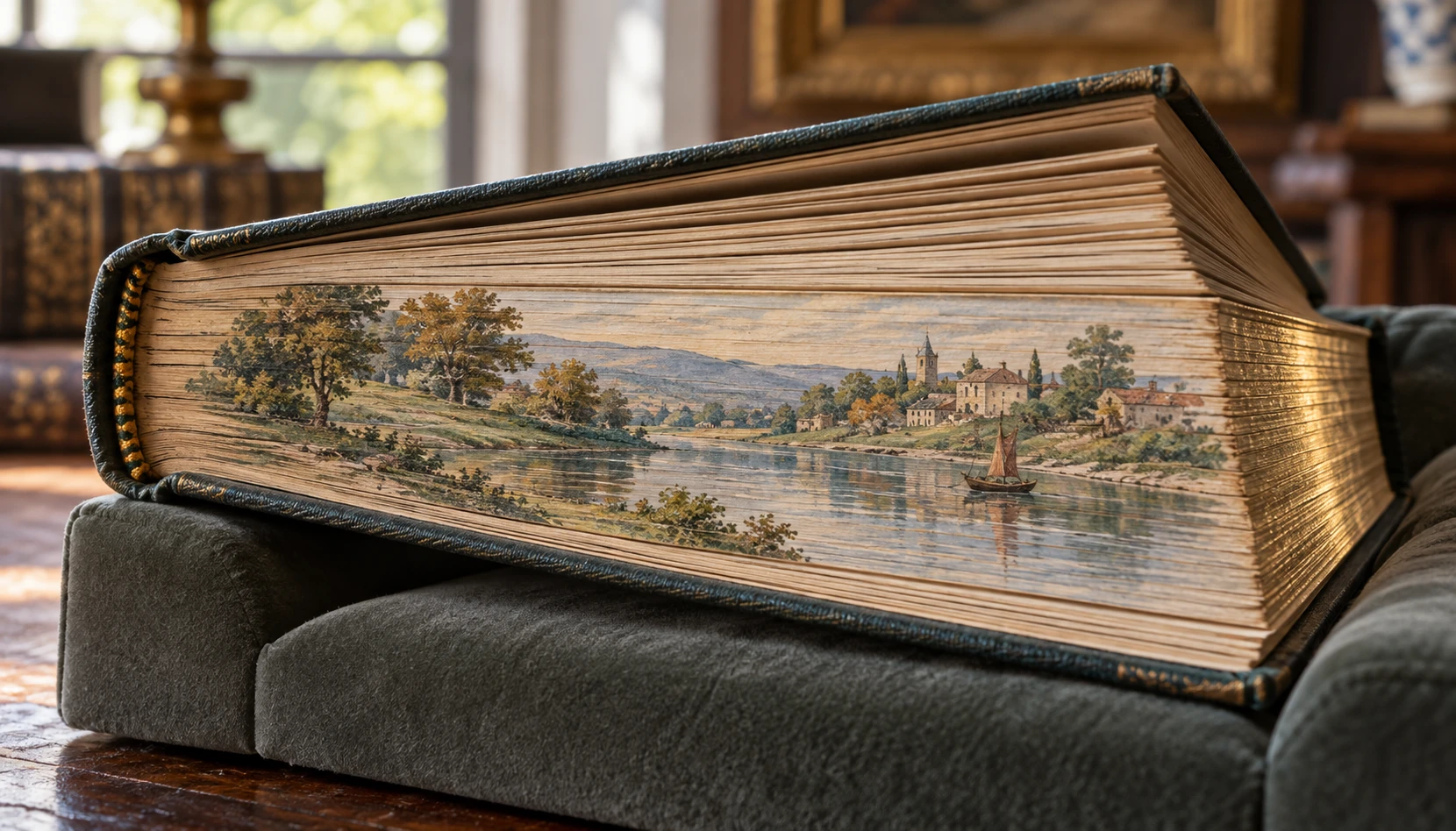
Fanning exposes narrow strips of painted surface. This illustrative book is not a photograph of the Folger example. Fore-edge painting turns the angle of a page into a surprisingly effective reveal.
Book arts · Visual perception · Hidden images · About 5 minutes
Read journey 16 →
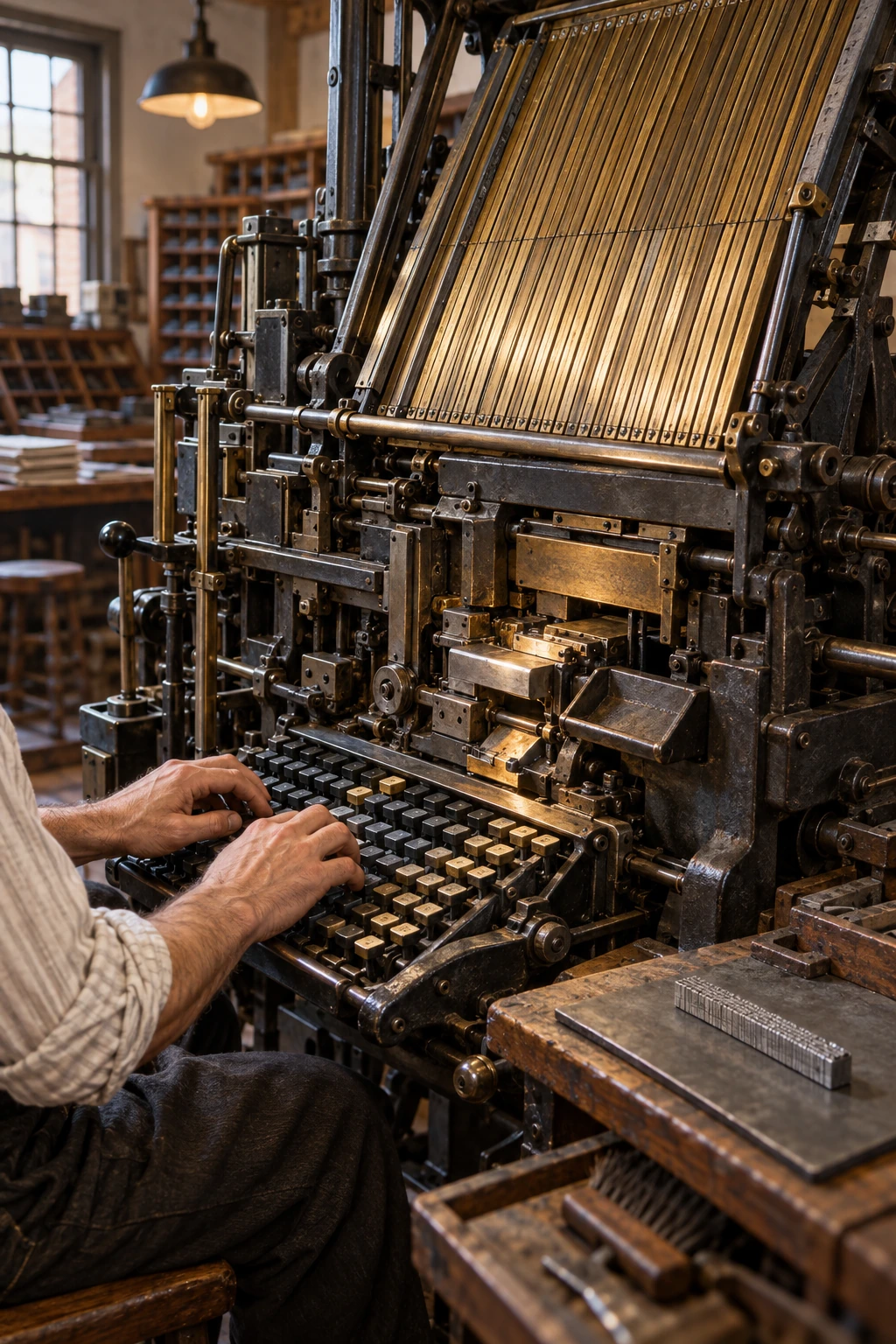
Matrices circulate through the machine; the finished line of metal type leaves for the press. Reconstructed print shop. A Linotype machine turns letters into a reusable mould, then sends a solid line toward the printing press.
Printing history · Machines · Typography · About 5 minutes
Read journey 17 →
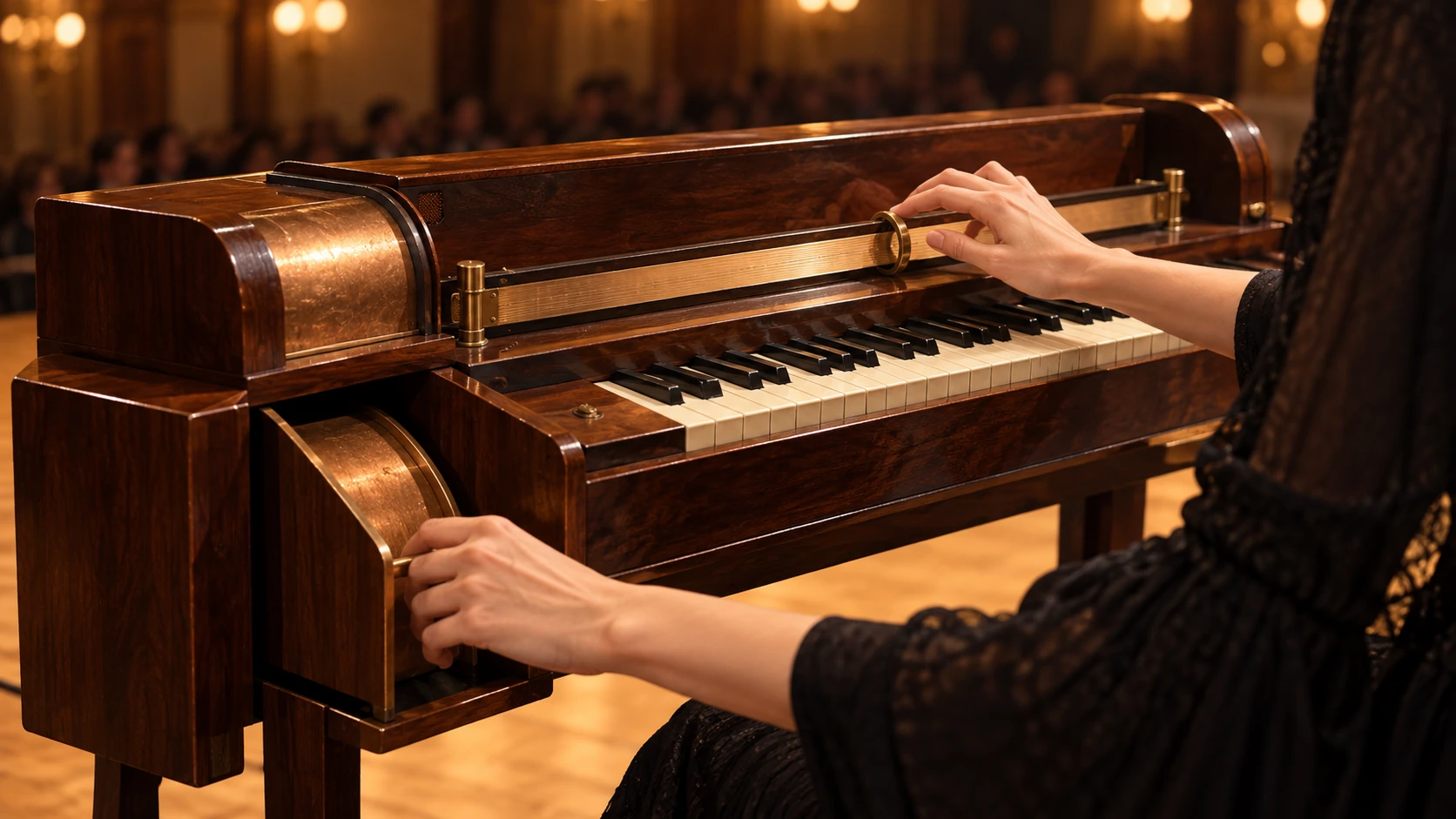
The two hands have different jobs. This interpretive scene shows the ribbon-and-drawer idea rather than a particular museum model. A ring chooses pitch while a separate touch shapes the sound. Follow the gestures behind this early electronic instrument.
Music · Instruments · Sound design · About 5 minutes
Read journey 18 →
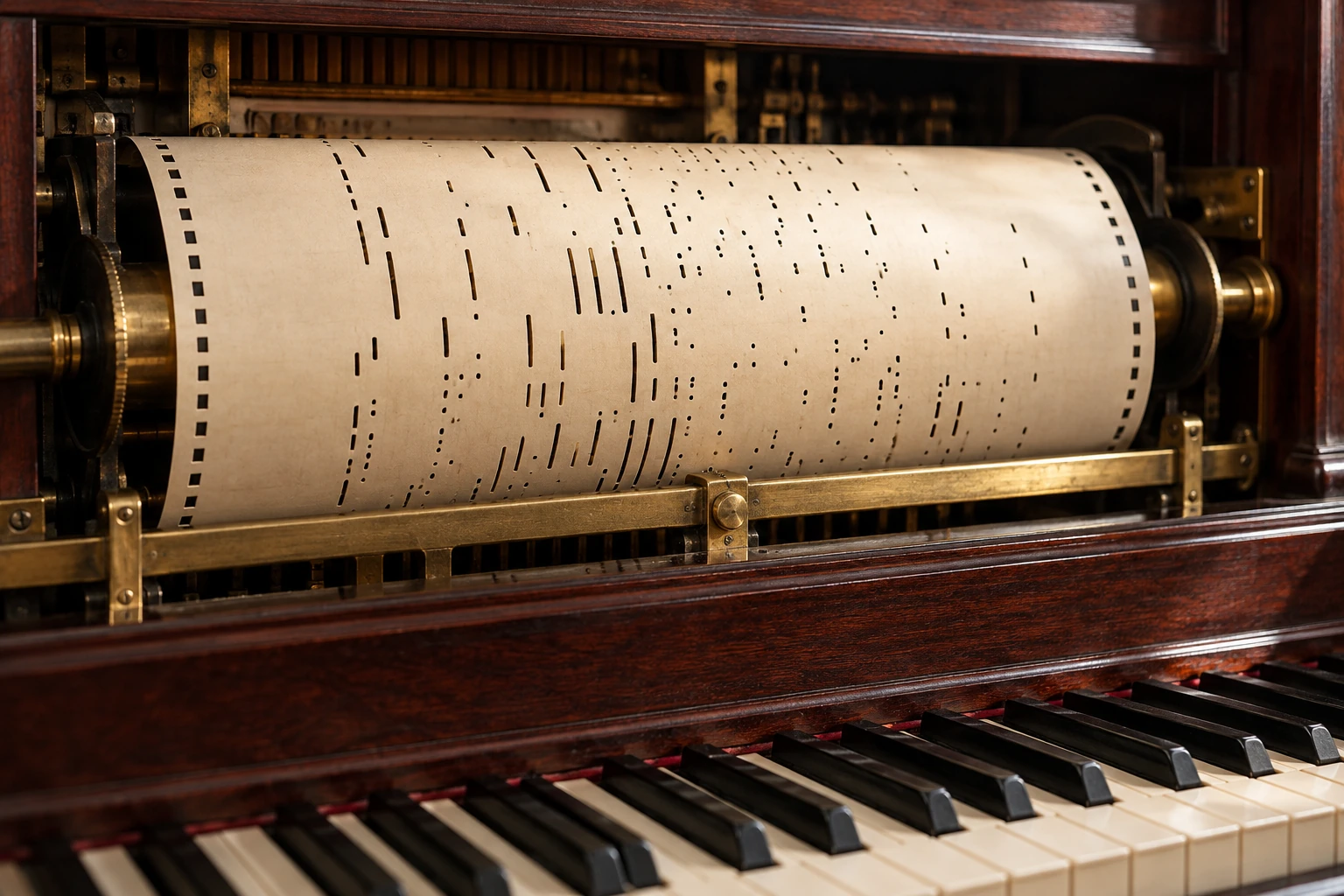
The edge tracks invite a second look: a roll may carry control information beyond the notes. The pictured pattern is illustrative. Read a perforated roll as instructions, then discover where timing, expression, editing, and the playback piano enter the story.
Music history · Recording · Mechanical instruments · About 5 minutes
Read journey 19 →
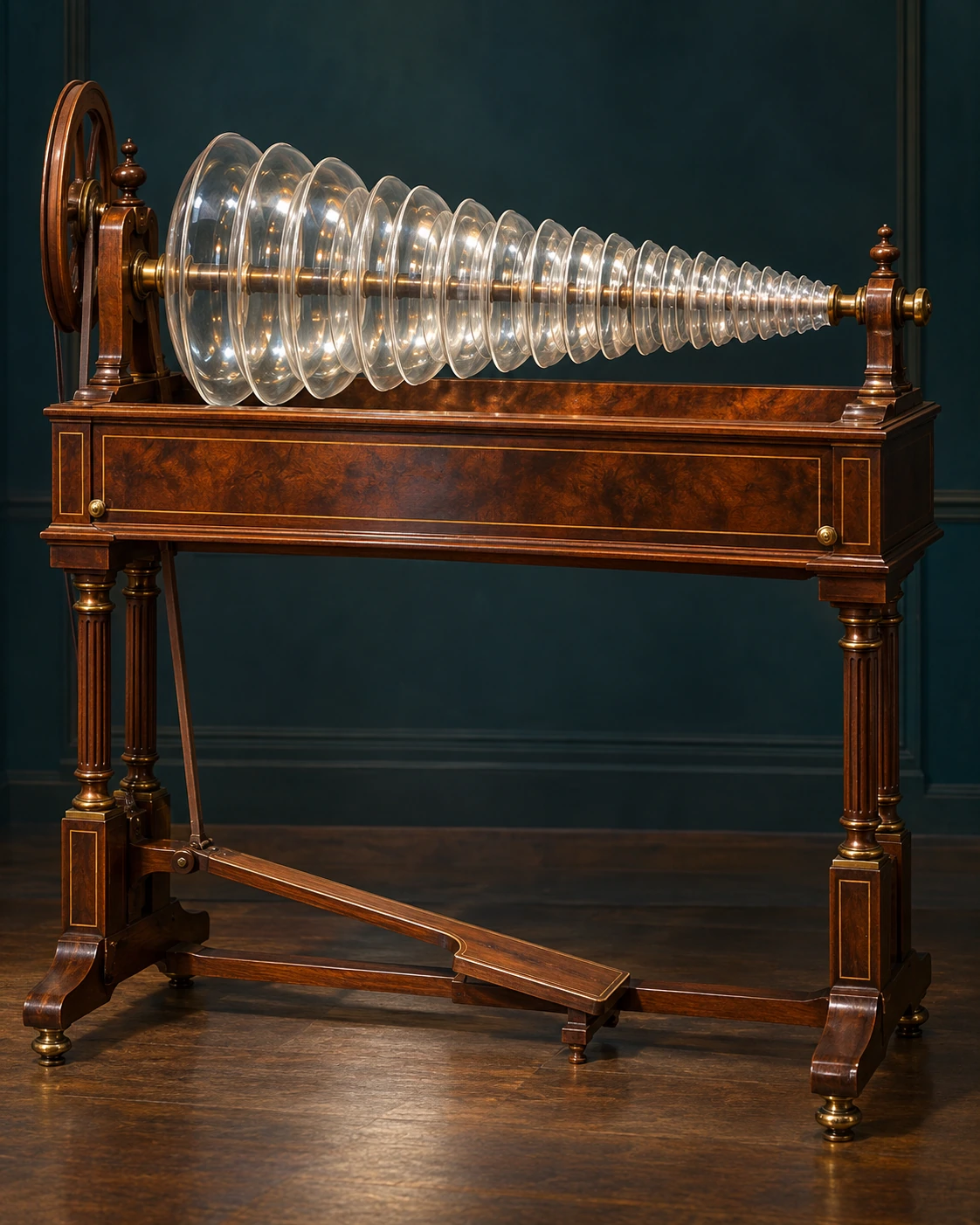
Nesting the bowls brings their exposed rims into a compact playing area. An interpretive instrument, not a dated collection specimen. Franklin rearranged singing glasses into rotating bowls. Explore the design by following the player’s reach, motion, and touch.
Musical instruments · Design history · Glass · About 5 minutes
Read journey 20 →
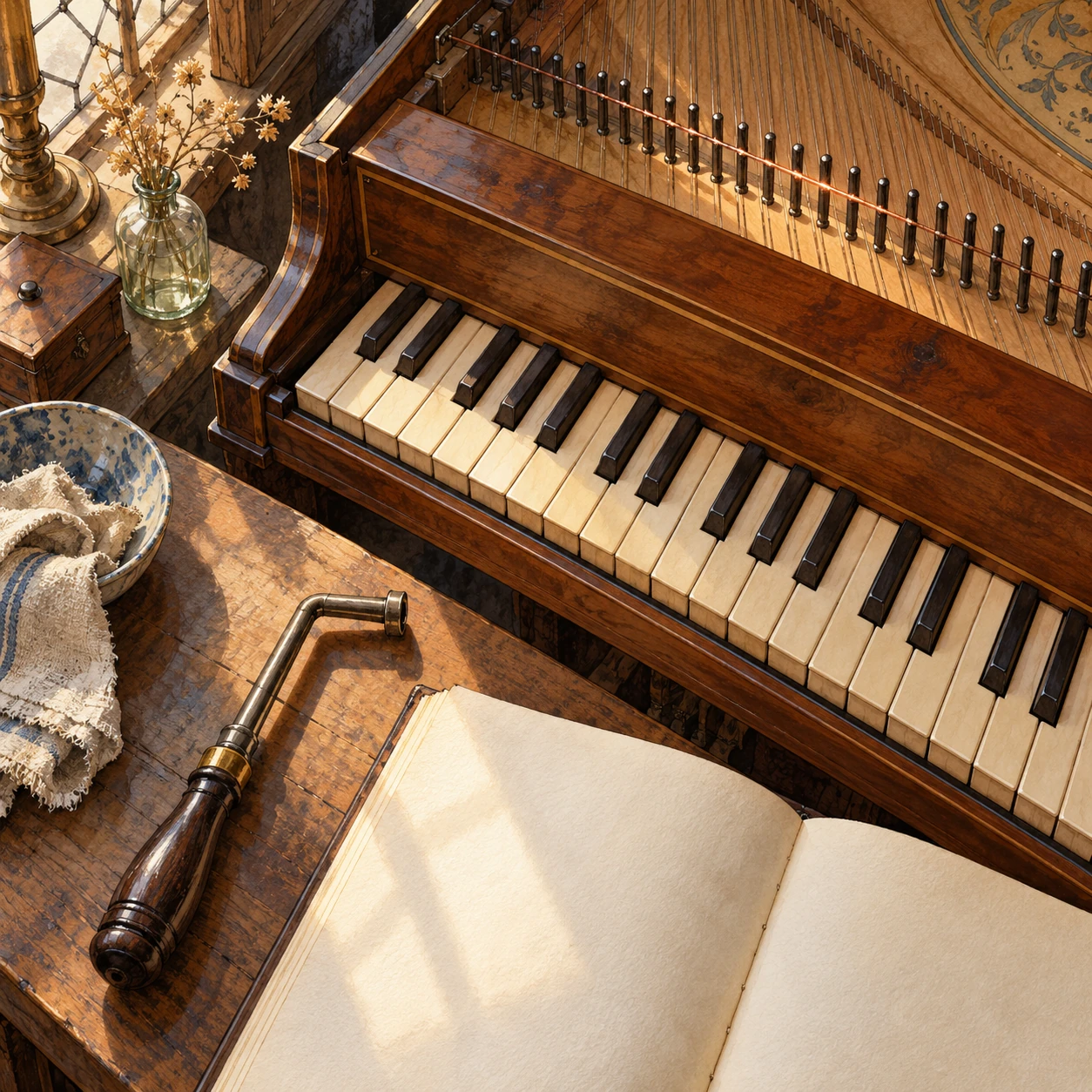
A fixed keyboard asks a limited set of pitches to serve many relationships. The arithmetic model below exposes one compromise. Twelve pure fifths do not close neatly into seven octaves. Move the mismatch, share it, and see what a keyboard asks you to trade.
Music · Mathematics · Listening · About 5 minutes
Read journey 21 →
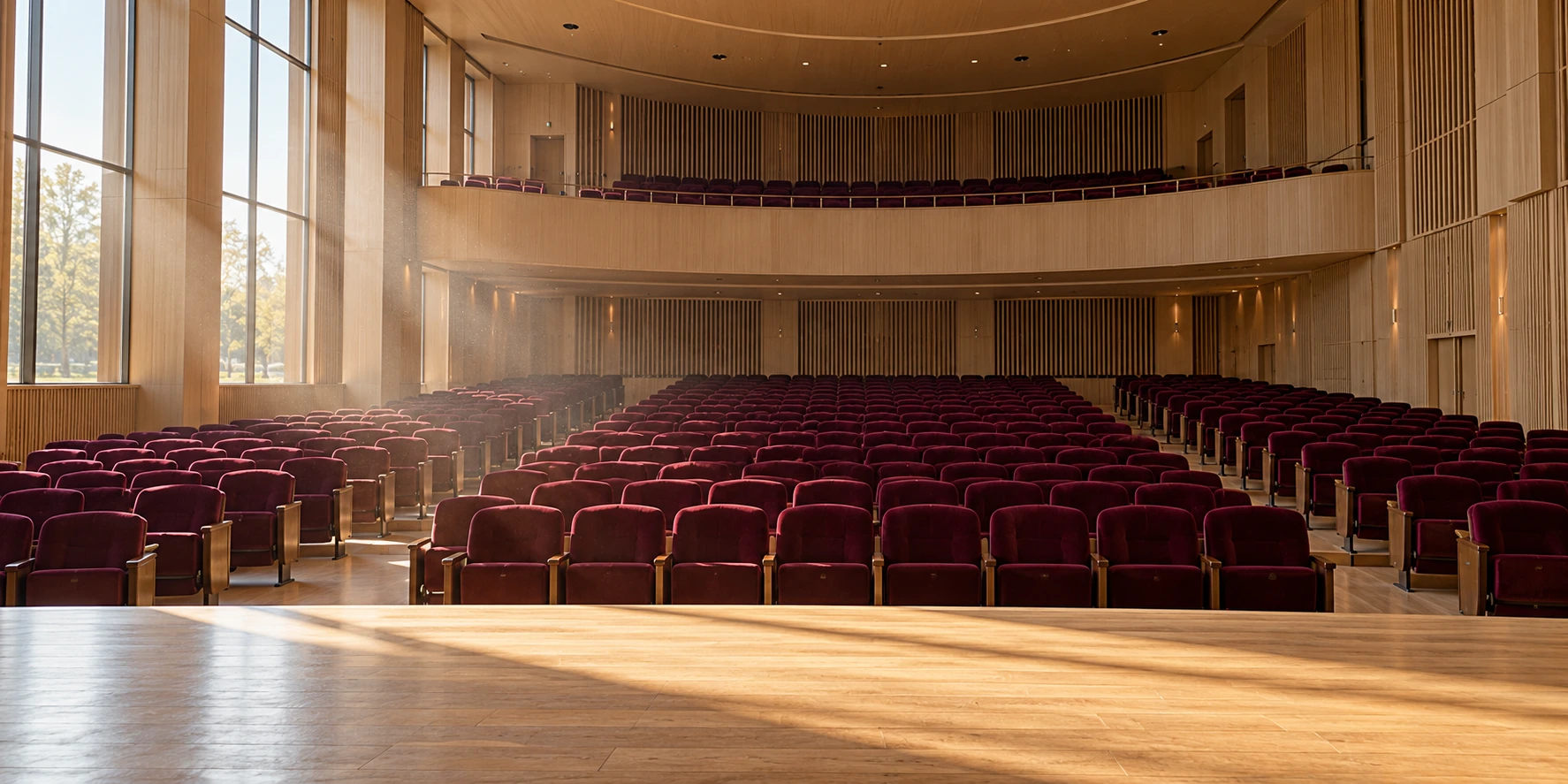
Seats, walls, and the people who later fill the room all contribute to its acoustic response. A room image cannot supply absorption measurements. An empty hall and a full hall can sustain sound differently. Separate reverberation, absorption, and the noises people add.
Acoustics · Architecture · Listening · About 5 minutes
Read journey 22 →
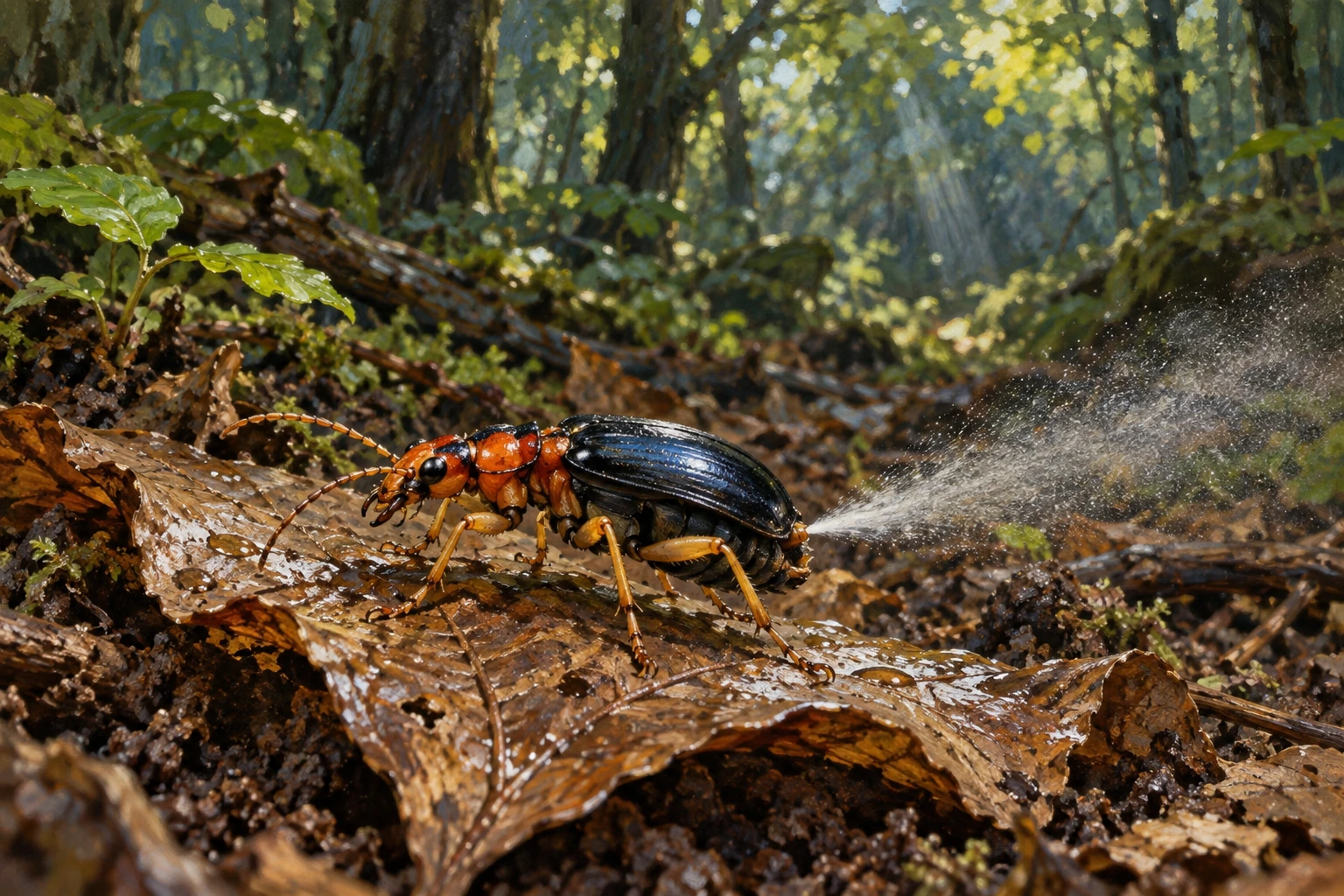
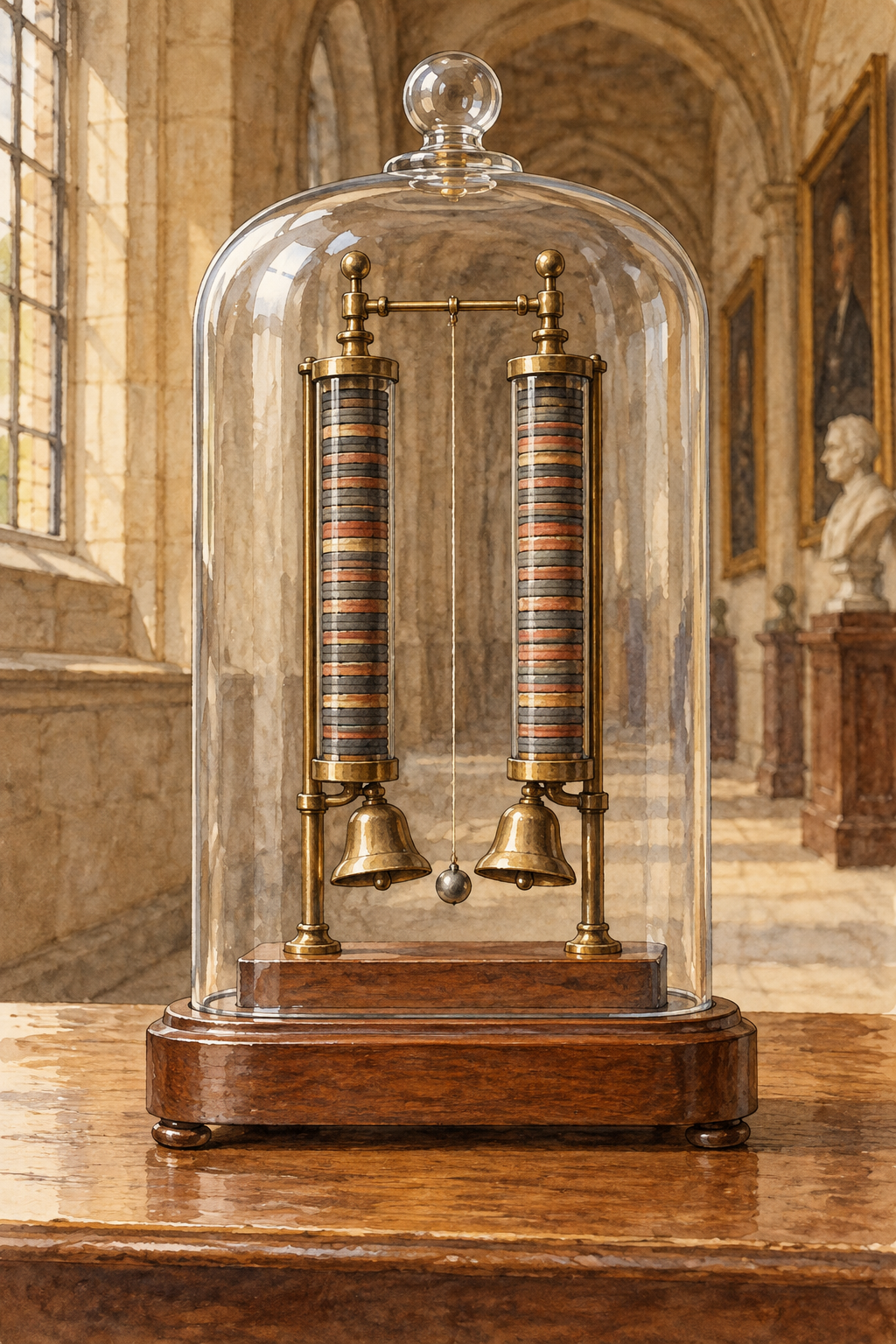
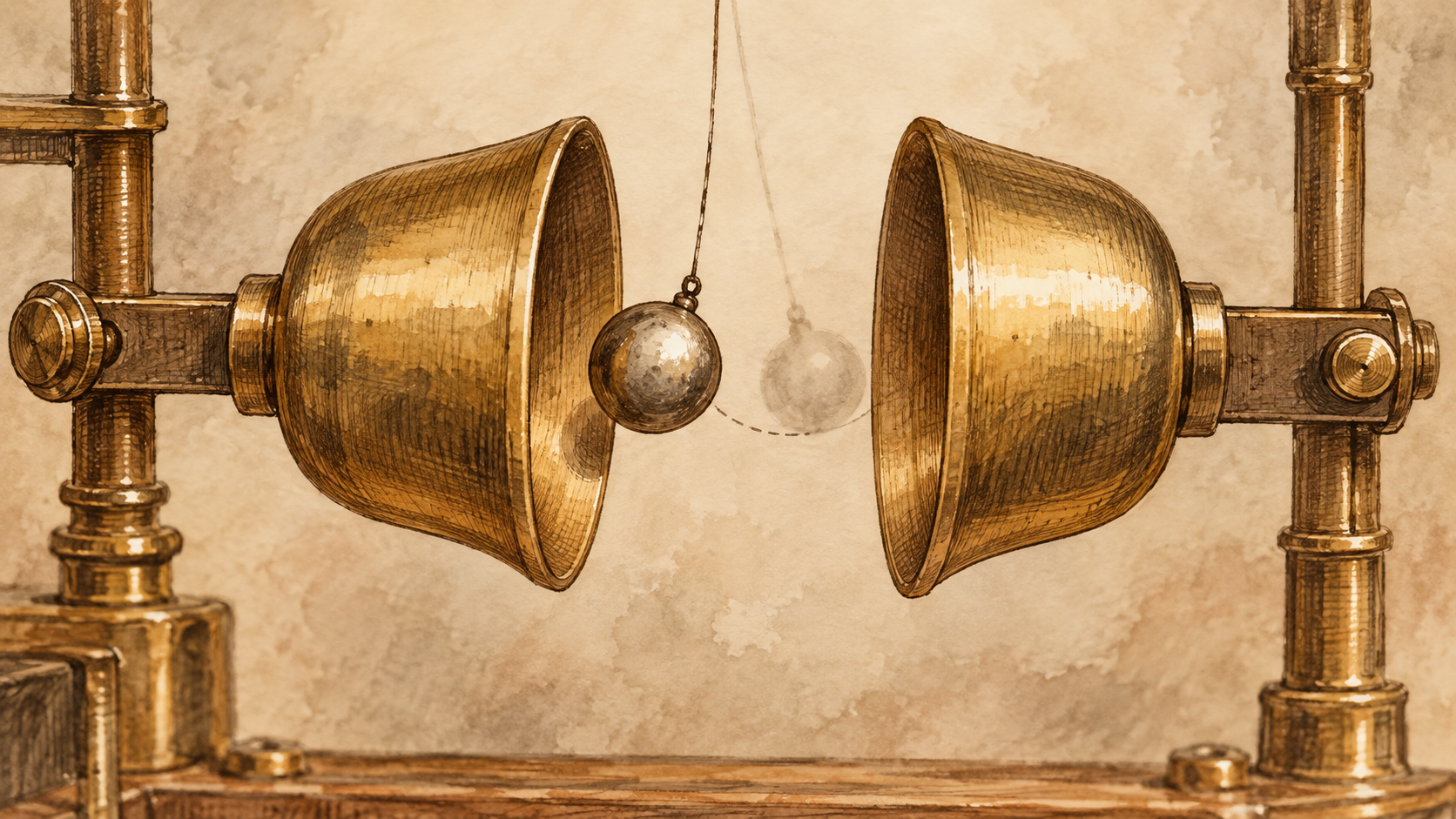
An interpretive view of the defense in action. The visible mist does not resolve the much faster sequence of individual pulses. Inside a brief spray, pressure and a flexible valve can organize hundreds of separate events.
Natural history · Animal defense · Biomechanics · About 5 minutes
Read journey 01 →
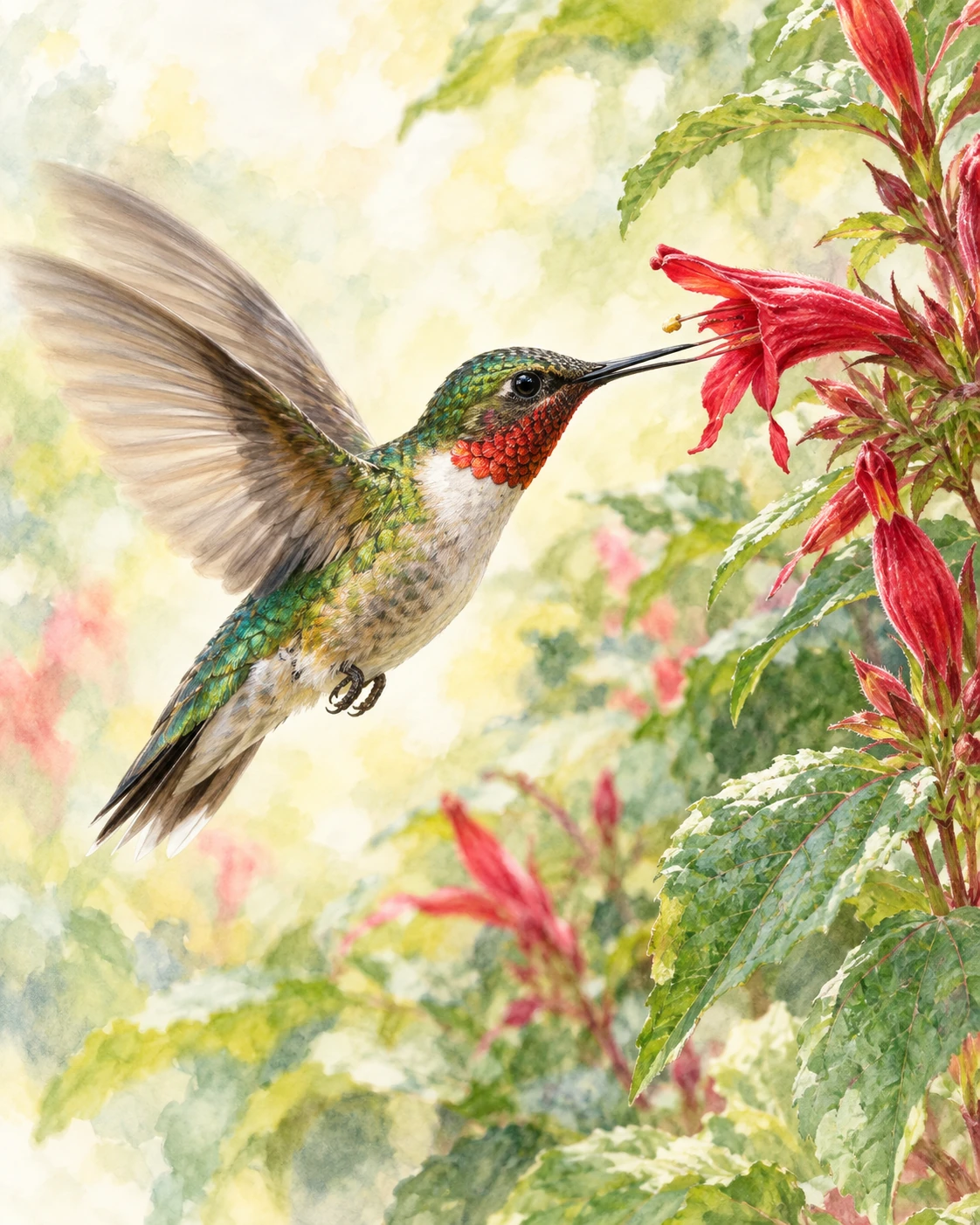
A flower visit contains several distinct steps, most too fast to separate with the unaided eye. Slow down one lick to see a flexible tongue trap nectar, refill its grooves and hand liquid to the bill.
Birds · Biomechanics · Natural history · About 4 minutes
Read journey 02 →
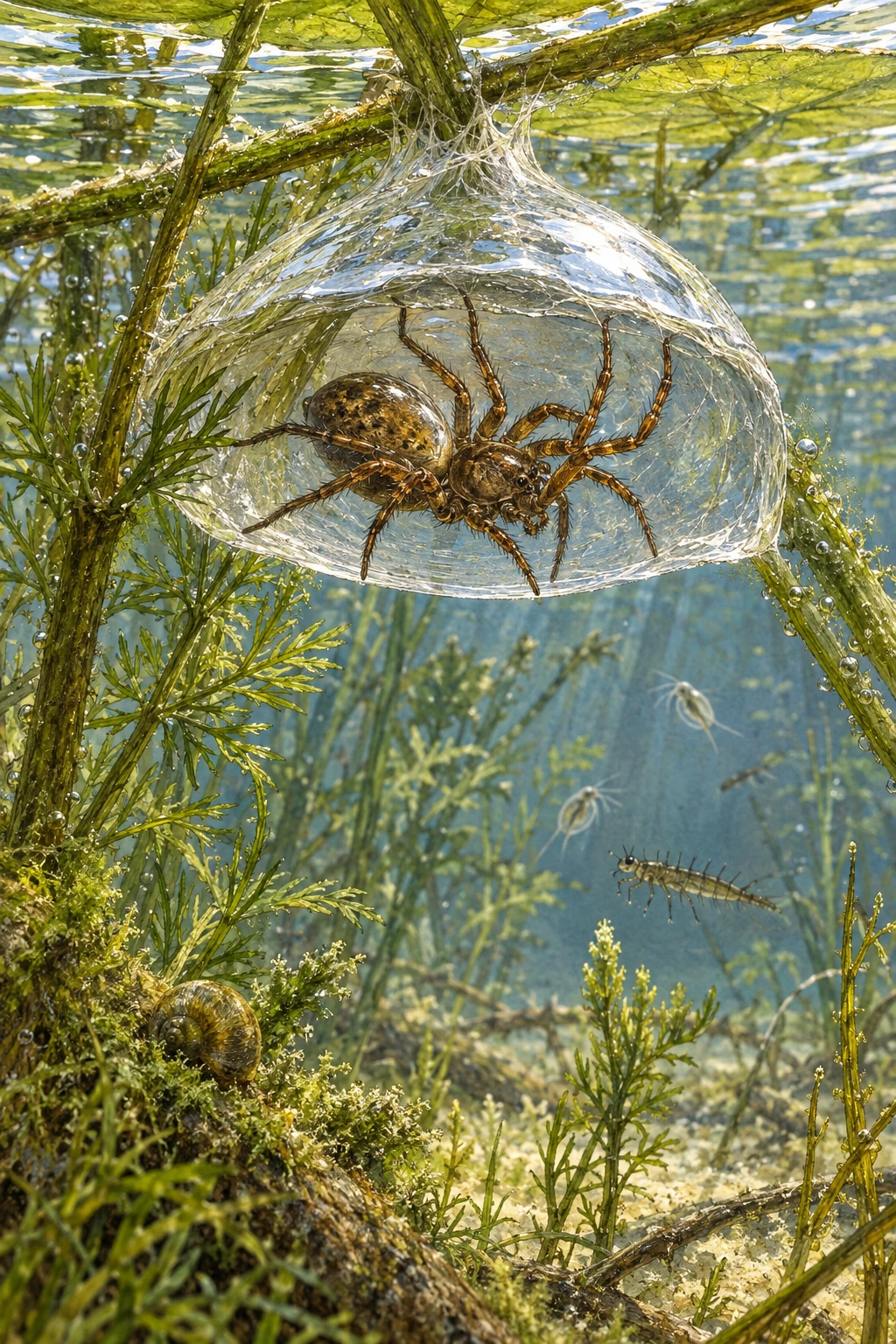
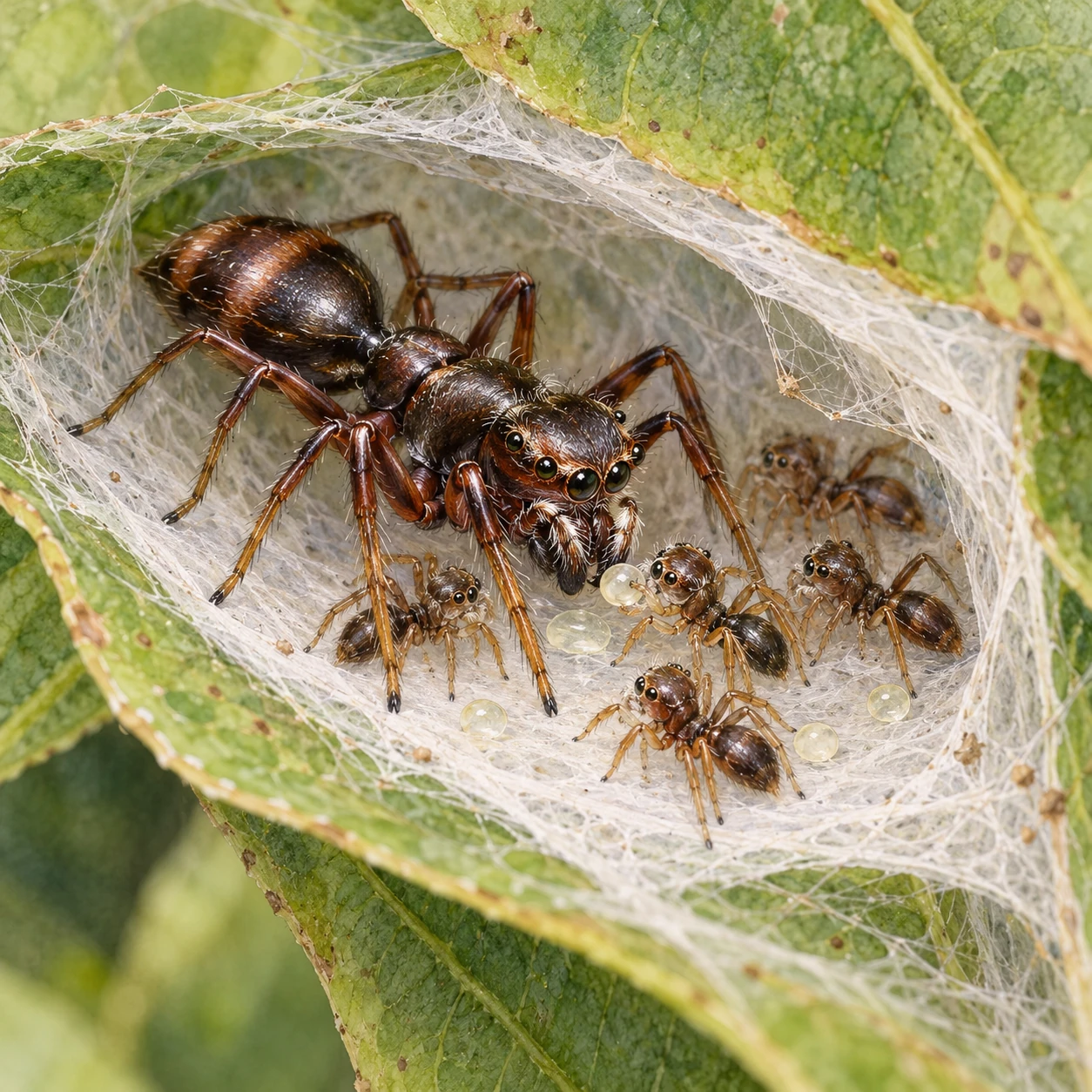
The bell is an underwater air space connected to its surroundings by gas exchange; the scene is interpretive. A diving bell is a gas store and a physical gill. Explore the oxygen budget that connects it to the water.
Spiders · Freshwater · Physiology · About 4 minutes
Read journey 03 →
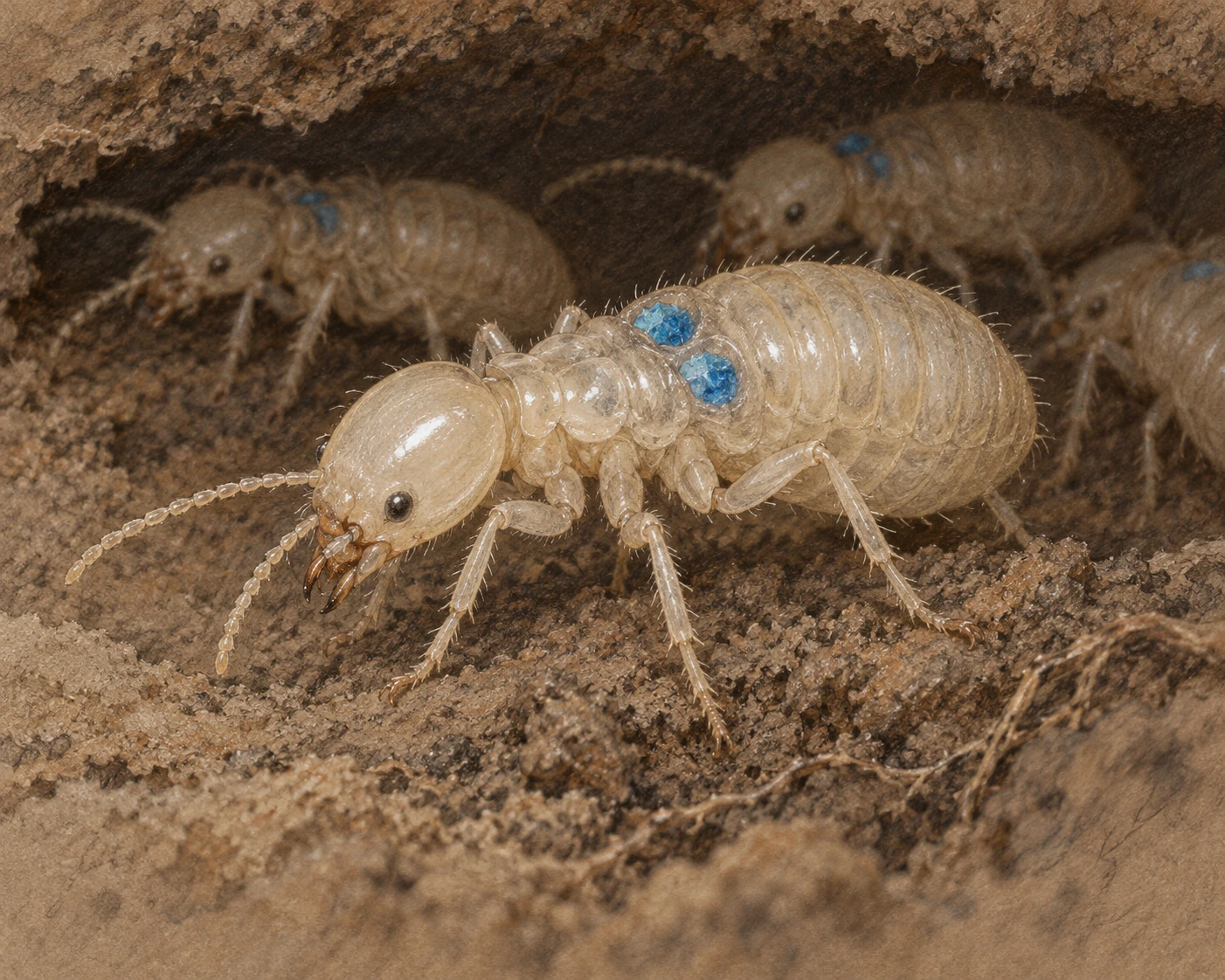
Blue dorsal material marks the unusual defensive system of Neocapritermes taracua; this is a natural-history interpretation. Blue crystals on aging termite workers reveal a two-part defense and a changing division of labor.
Termites · Chemical ecology · Animal societies · About 4 minutes
Read journey 04 →
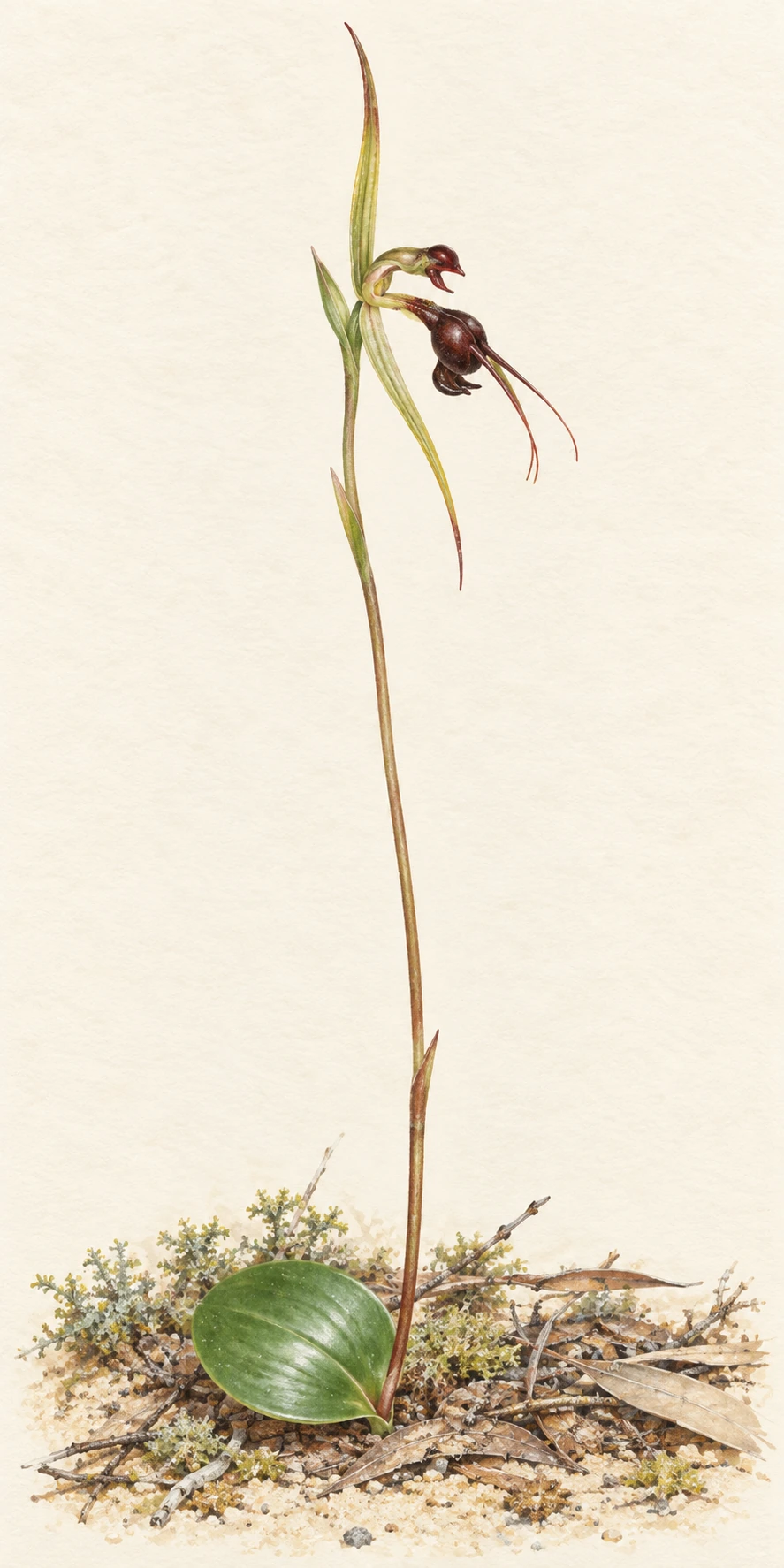
A hammer orchid’s reduced flower rewards a closer look at its hinge and insect-shaped lip. A tiny hinged flower connects scent, wasp behavior and pollen transfer in a surprisingly precise sequence.
Orchids · Pollination · Chemical ecology · About 4 minutes
Read journey 05 →
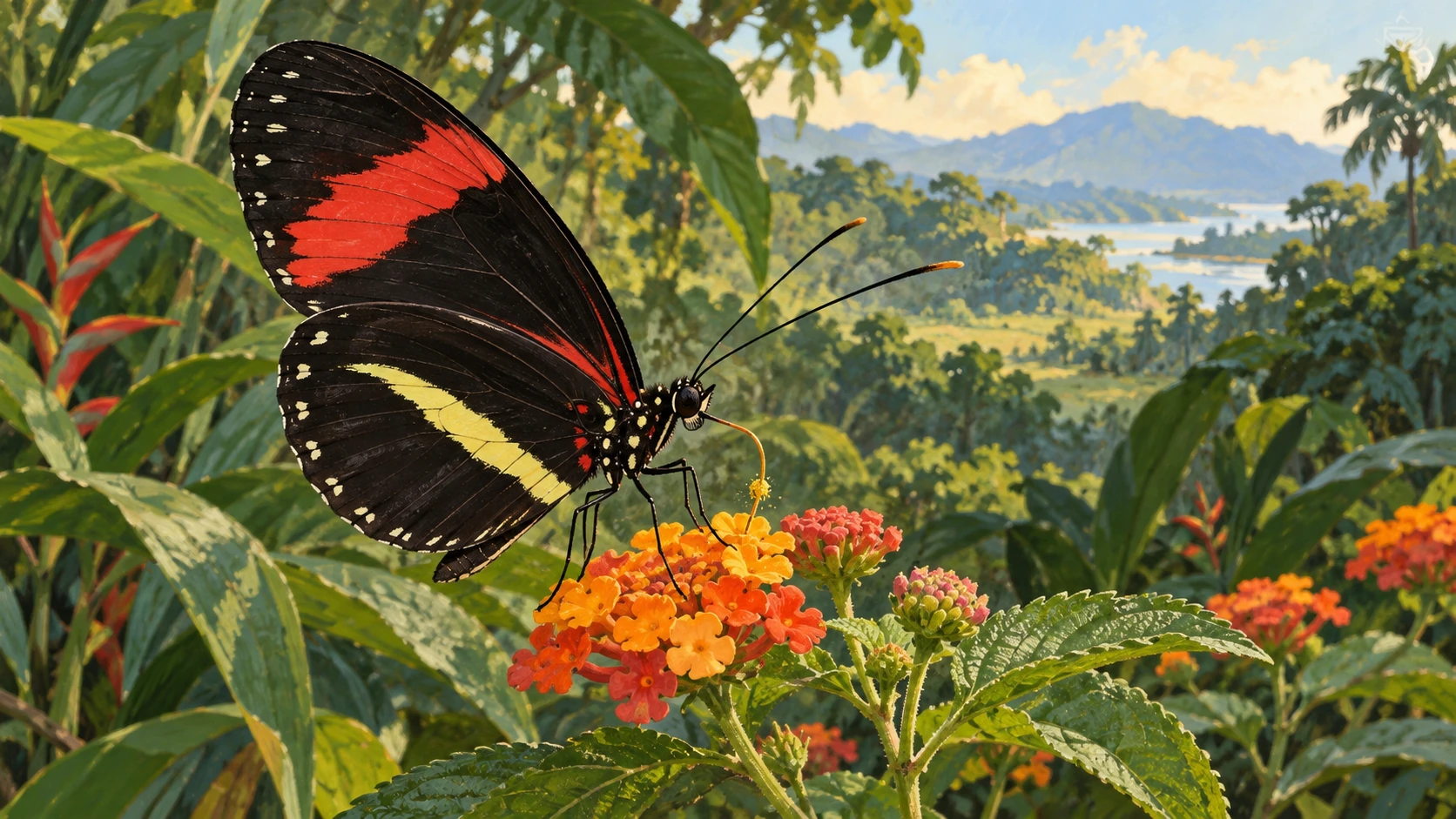
A repeat visit can suggest a pattern; experiments are needed to establish how the butterfly finds the place again. Heliconius feeding and navigation studies show why repeated flower visits deserve a careful second look.
Butterflies · Animal learning · Pollination · About 4 minutes
Read journey 06 →
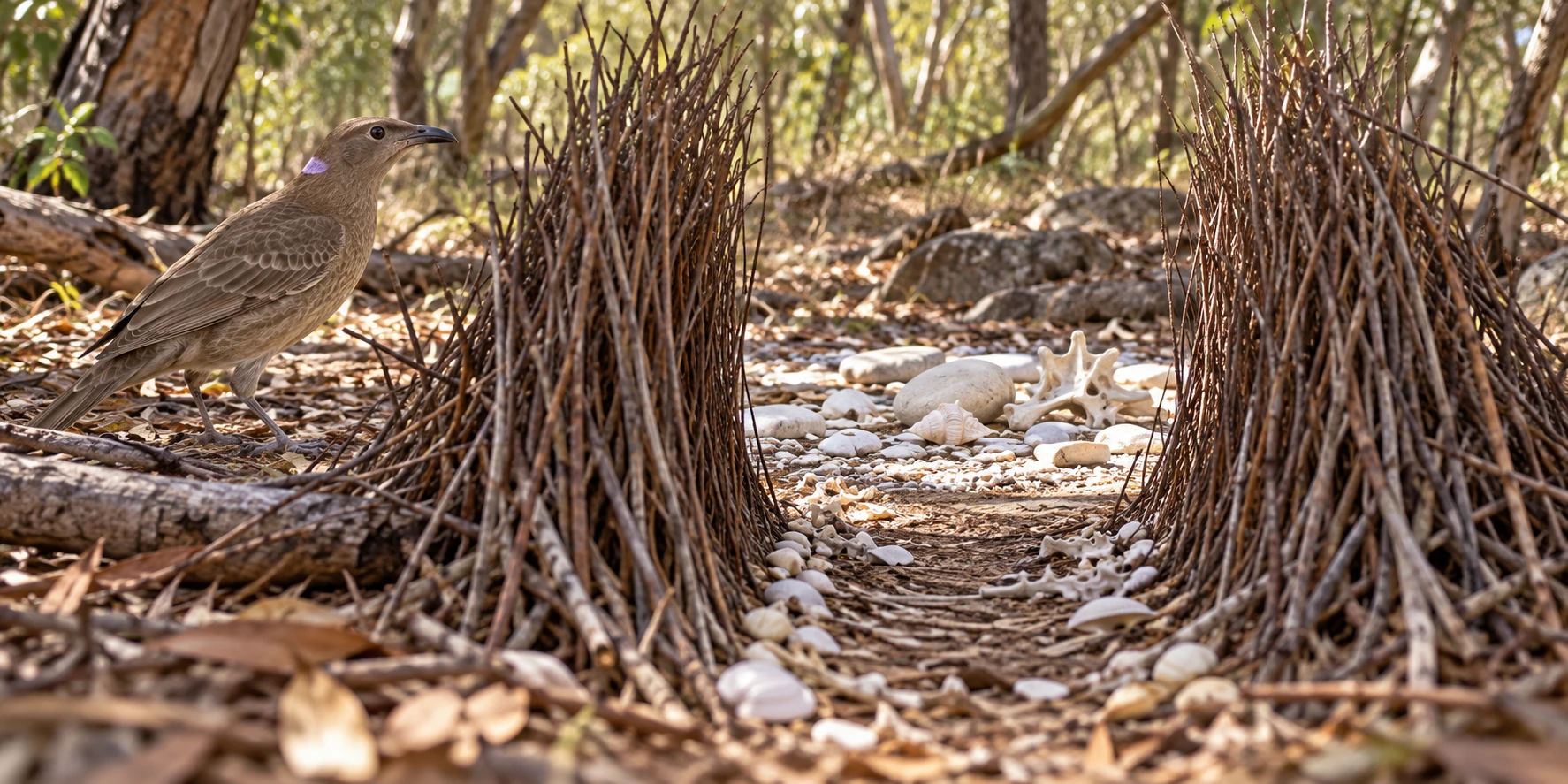
The display has a viewing position: object size and distance must be considered together. Move from an overhead inventory to the avenue viewpoint, then explore the geometry and its disputed biological meaning.
Birds · Animal behavior · Perception · About 4 minutes
Read journey 07 →
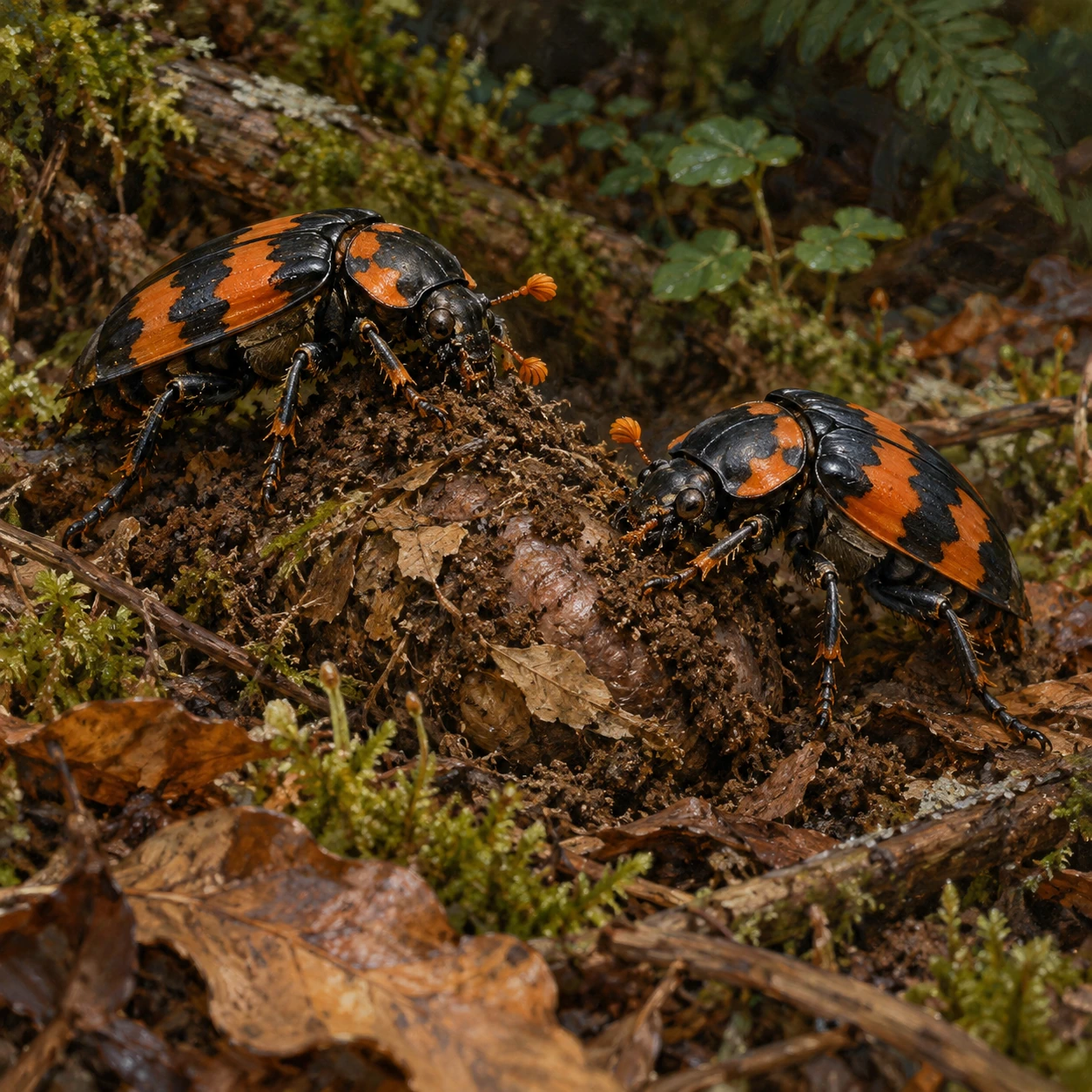
Preparing a nursery includes managing the changing resource around the larvae, not simply concealing it underground. A carrion nursery is neither untouched food nor a sterile package. Experiments reveal a managed microbial interface.
Beetles · Microbiomes · Parental care · About 5 minutes
Read journey 08 →
A mother-offspring pair belongs to a larger network of relationships that unfolds over years. Long-term observations reveal how a young hyena’s relationships can resemble its mother’s social network.
Hyenas · Animal societies · Behavioral ecology · About 5 minutes
Read journey 09 →
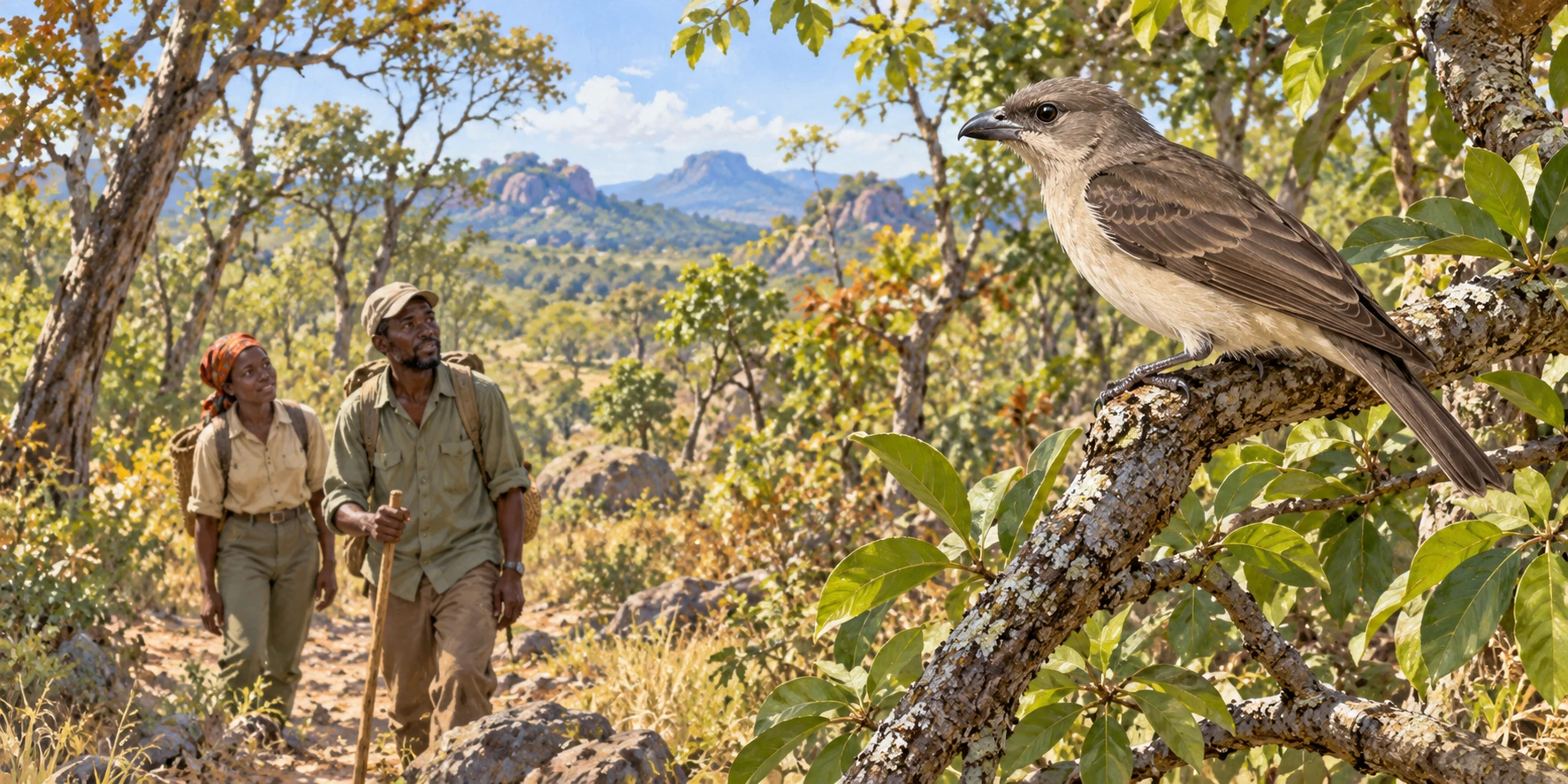
The partnership joins a wild bird’s search with human knowledge and locally maintained signals. Field experiments and regional dialect studies reveal a flexible partnership between wild birds and honey-hunters.
Birds · Cooperation · Animal communication · About 4 minutes
Read journey 10 →
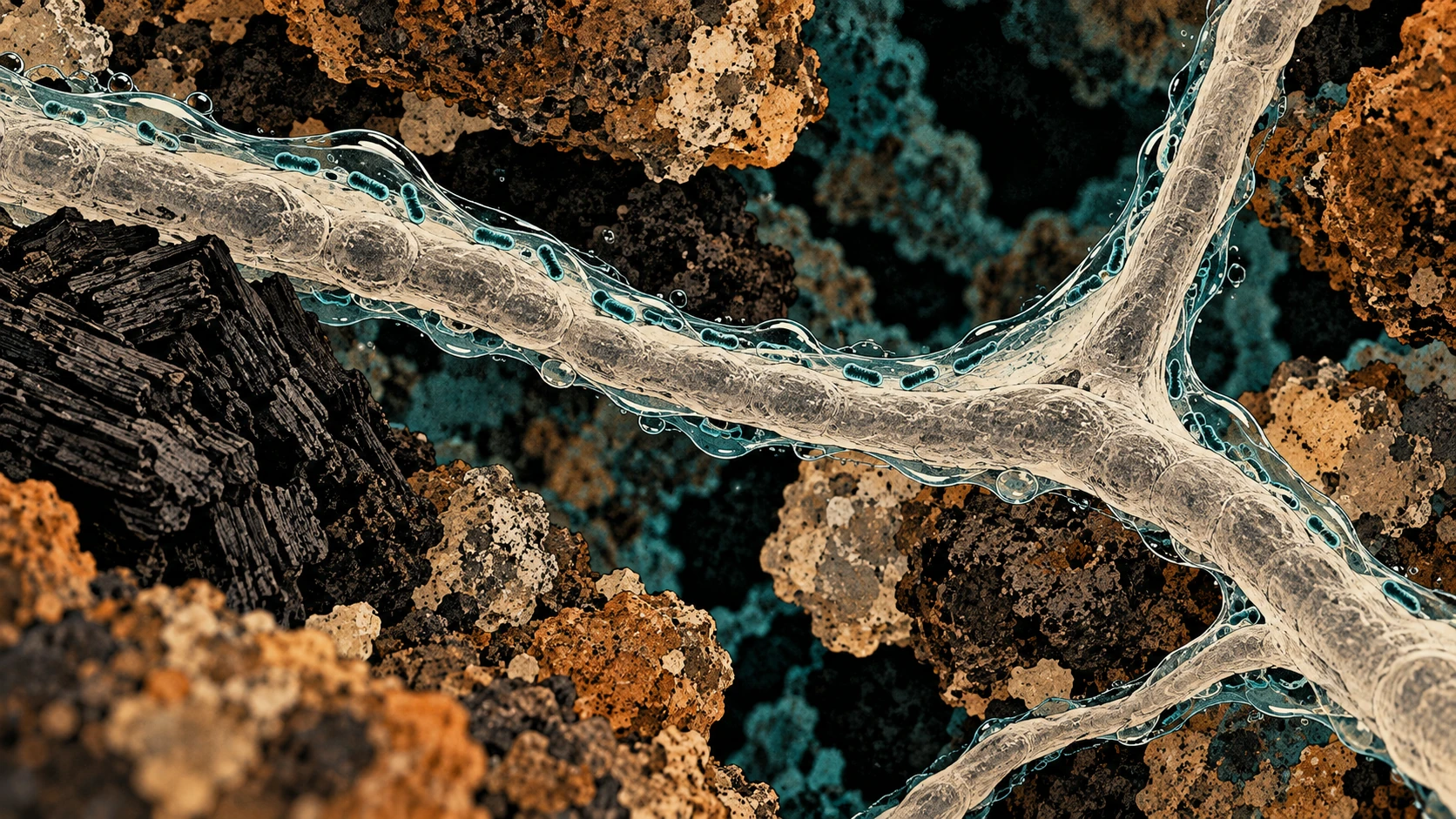
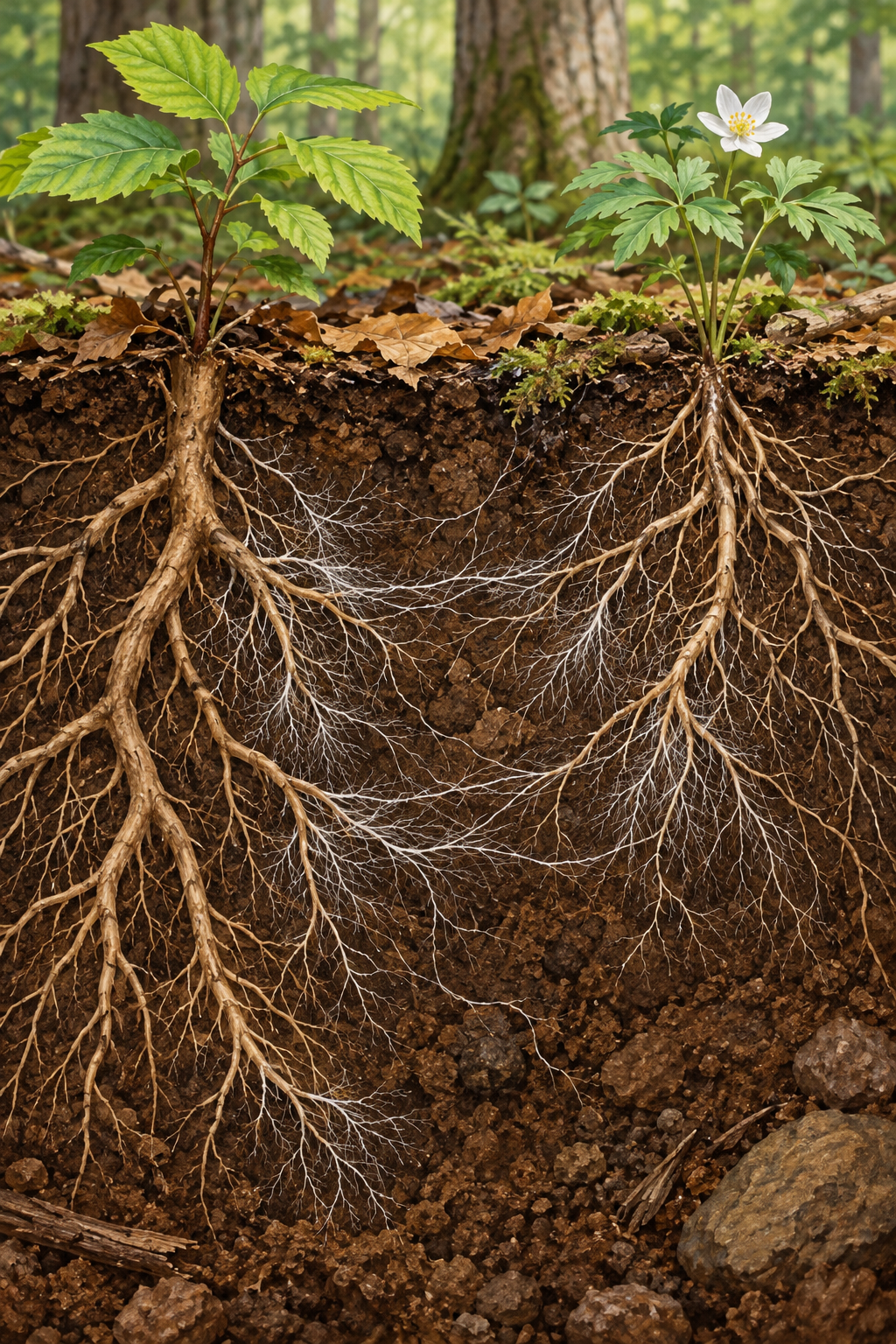
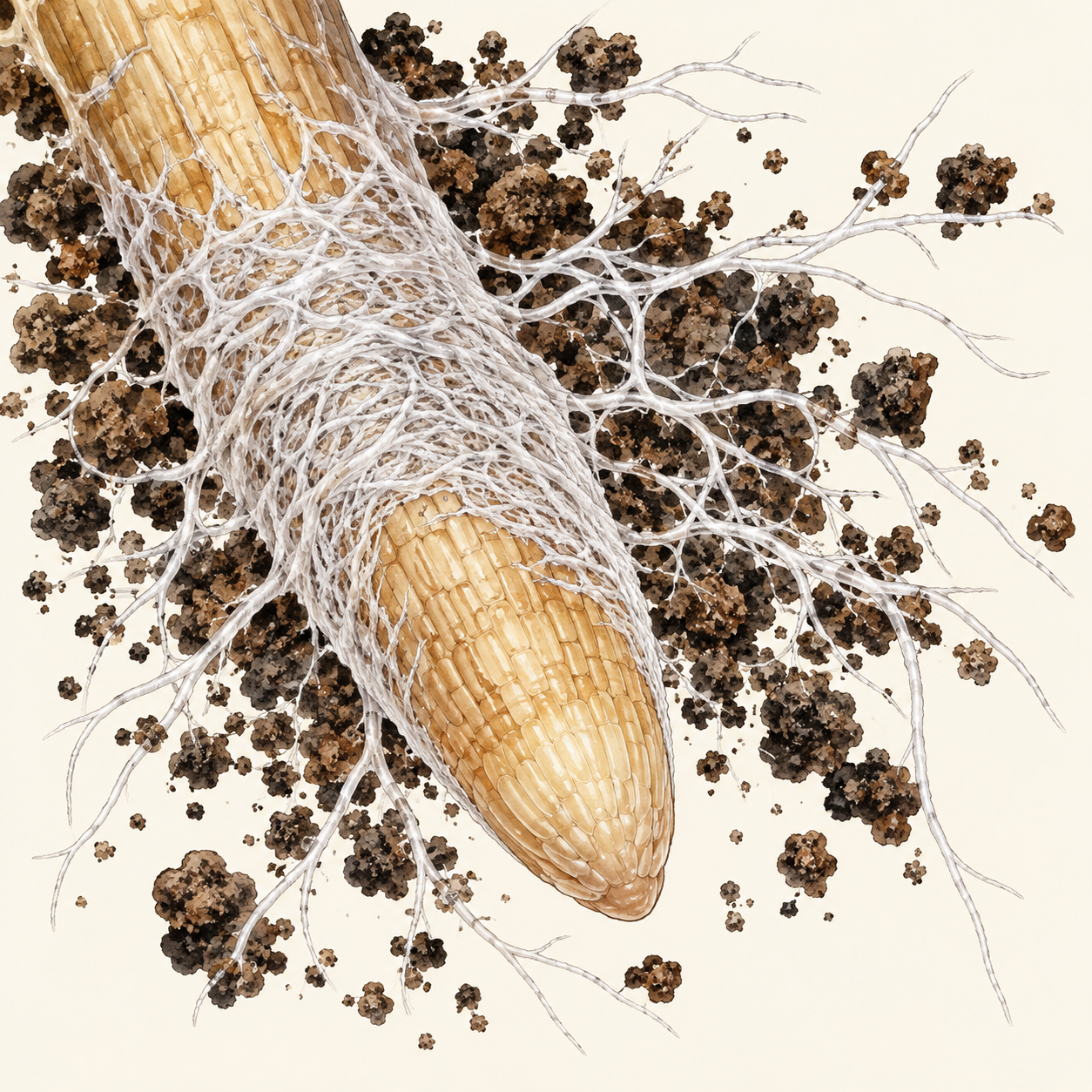
A conceptual view of a connected water film; the artwork is not a micrograph or a measurement of scale. Thin water films along fungal threads can connect a broken soil landscape, but the route depends on the partners.
Soil ecology · Fungi · Microbiology · About 6 minutes
Read journey 11 →
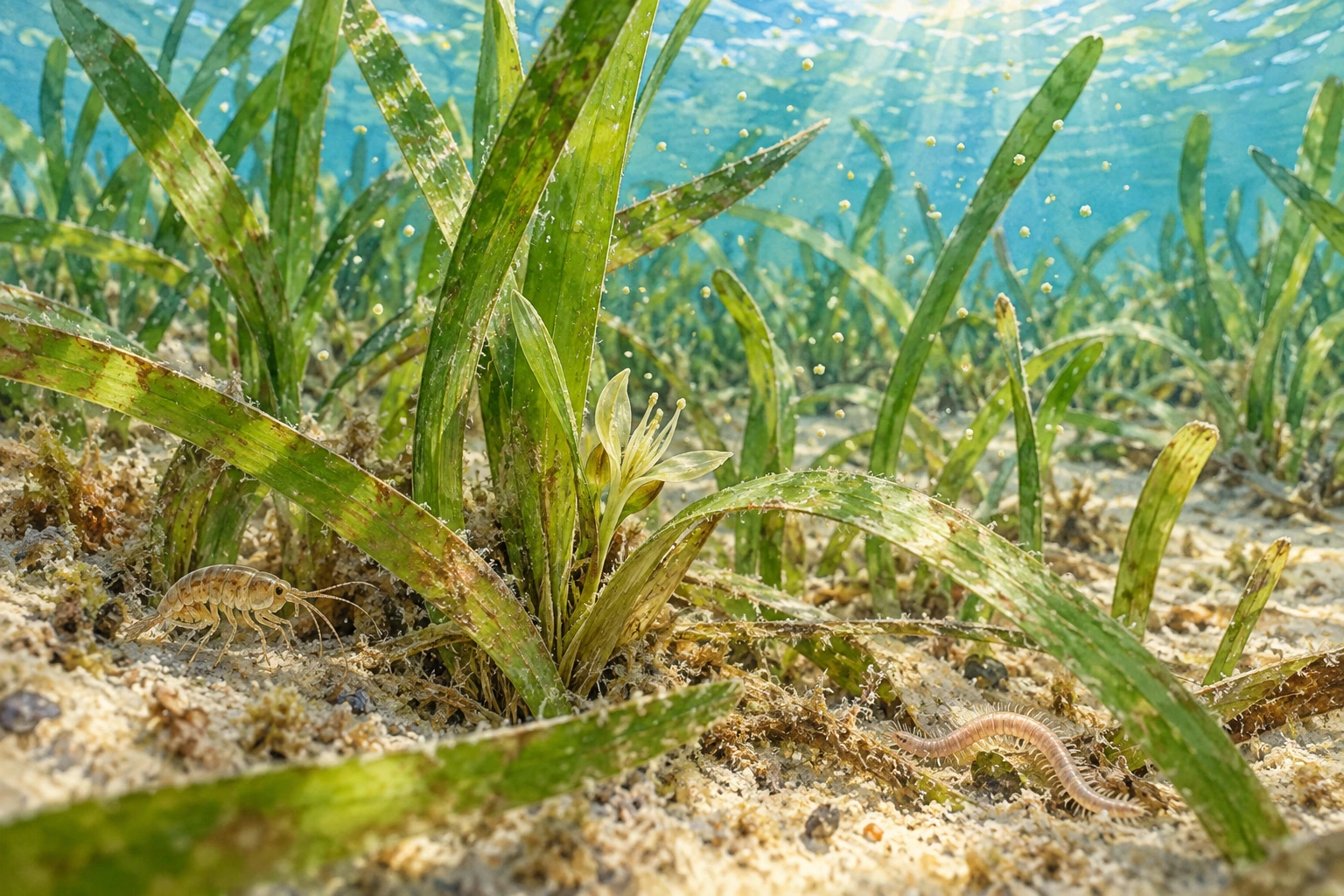
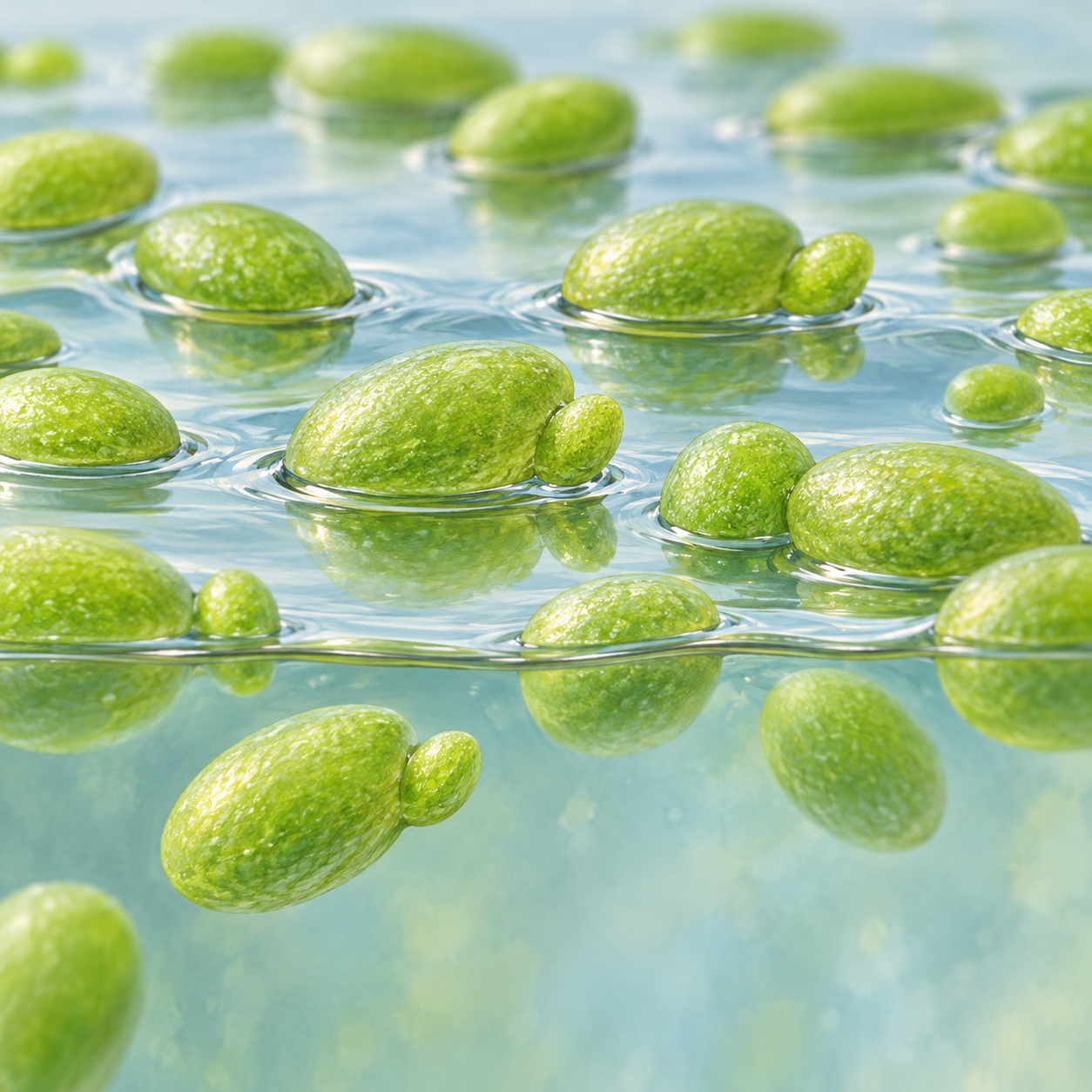
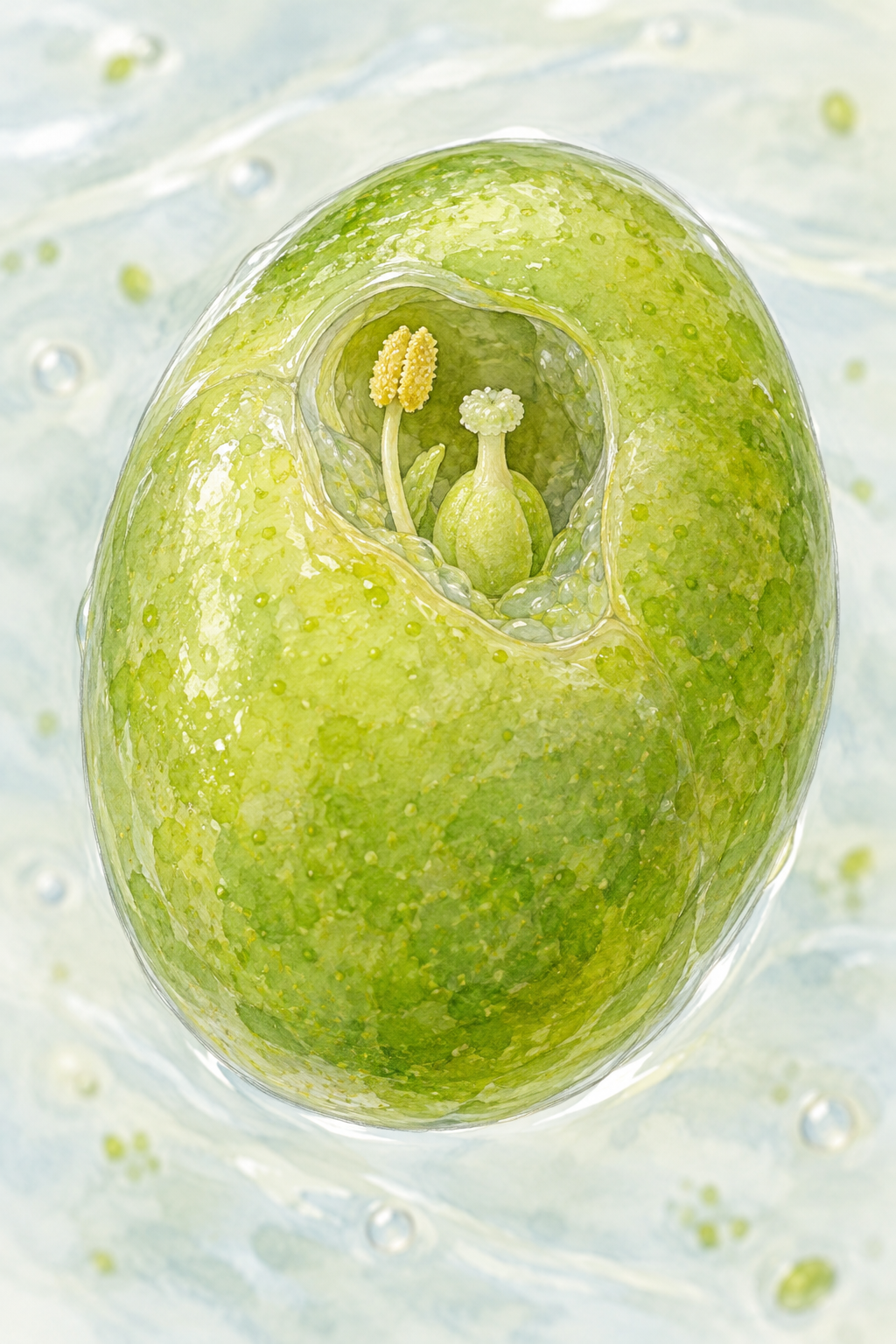
A meadow’s small flower visitors can move pollen as well as consume it; the image is an ecological interpretation. Turtlegrass experiments reveal a reproductive role for small invertebrates alongside water-borne pollen transport.
Seagrass · Pollination · Marine ecology · About 4 minutes
Read journey 12 →
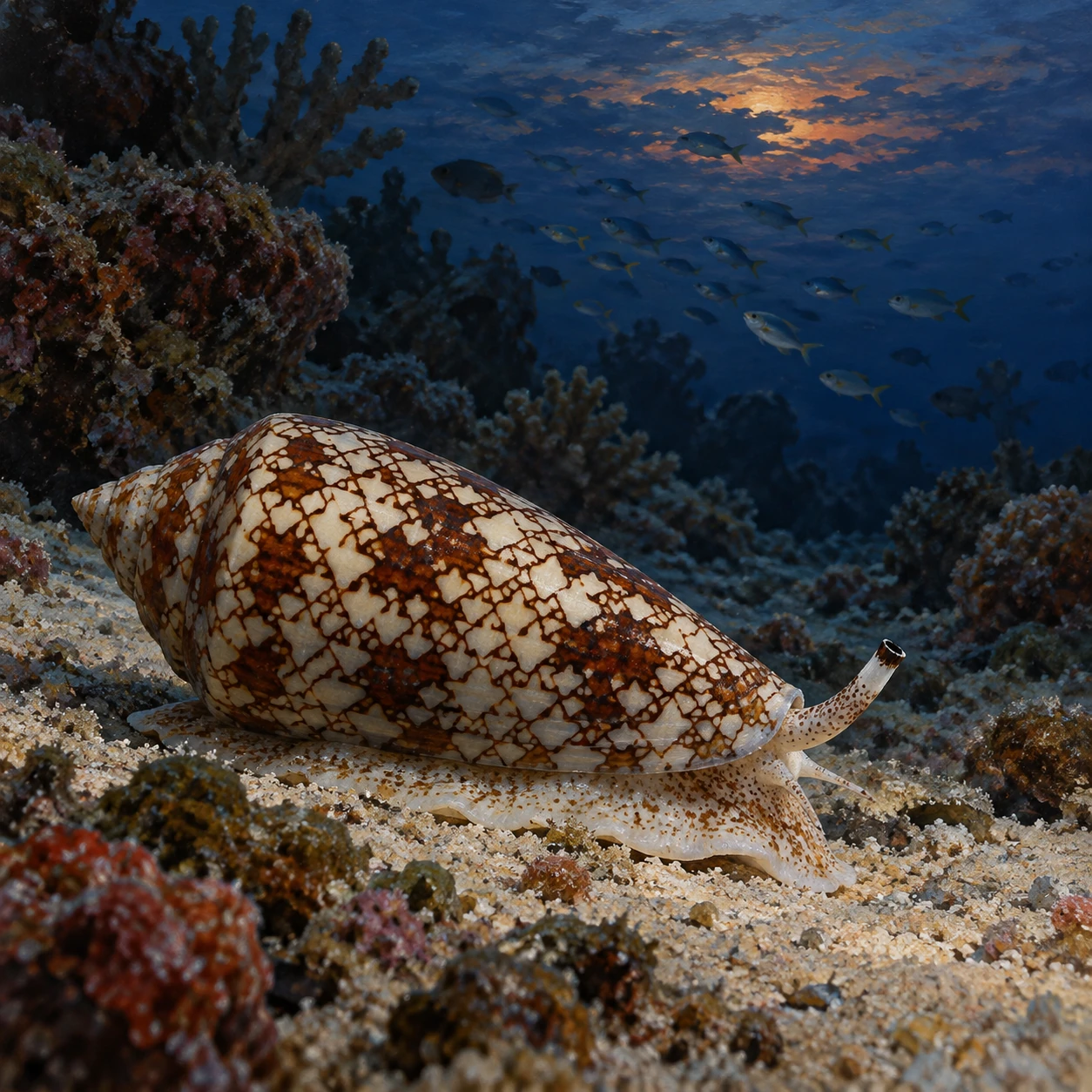
The shell is the visible part of a hunting system whose molecular interactions require separate experiments. A fish-like venom insulin shows how a familiar signaling system can be recruited into a predator-prey encounter.
Cone snails · Chemical ecology · Evolution · About 4 minutes
Read journey 13 →
The seasonal reflector lies behind the retina; an exterior eye portrait cannot demonstrate the tissue change. Seasonal tissue changes behind the retina connect Arctic twilight, optical structure and the search for food.
Reindeer · Animal senses · Arctic ecology · About 6 minutes
Read journey 14 →
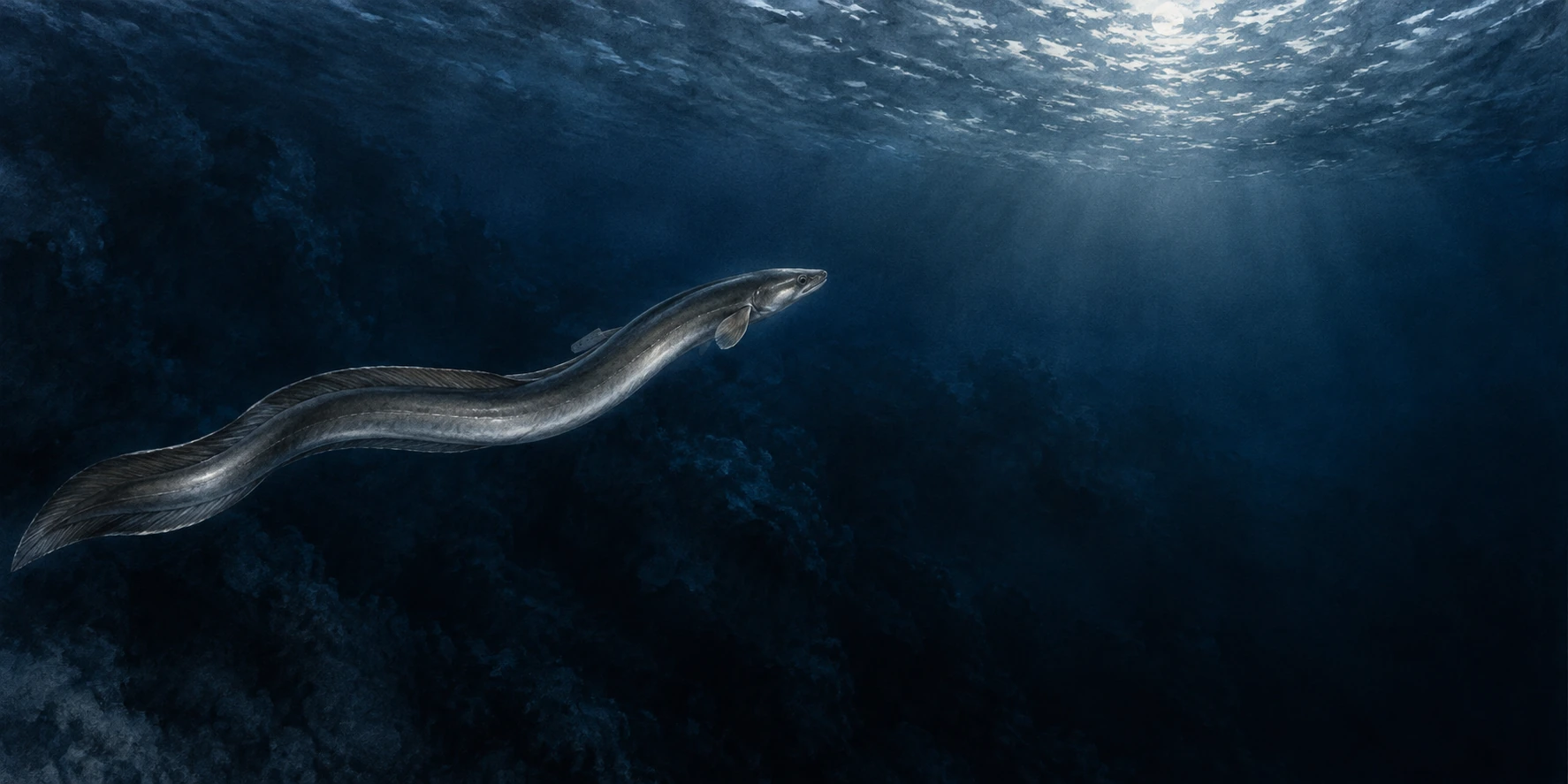
A tag can reveal a journey’s conditions and endpoints while leaving the final reproductive event outside its record. Satellite tags have closed a major migration gap, while their records demand careful reading of routes and endpoints.
Eels · Animal migration · Marine biology · About 6 minutes
Read journey 15 →
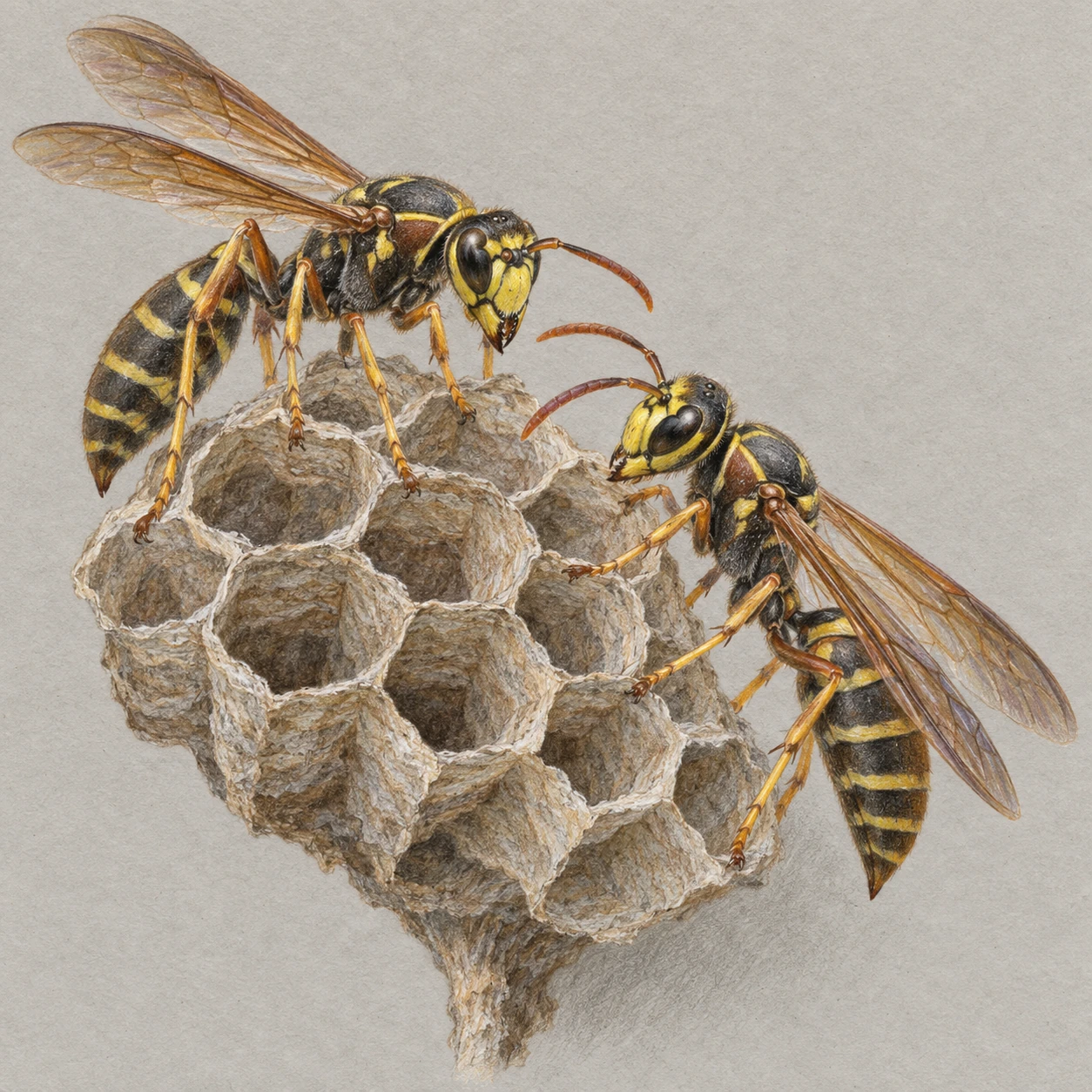
Individual facial patterns matter in the studied recognition system; the illustration is not an experimental stimulus set. Controlled image tests reveal specialized face learning, color dependence and the influence of social experience.
Wasps · Animal cognition · Vision · About 4 minutes
Read journey 16 →
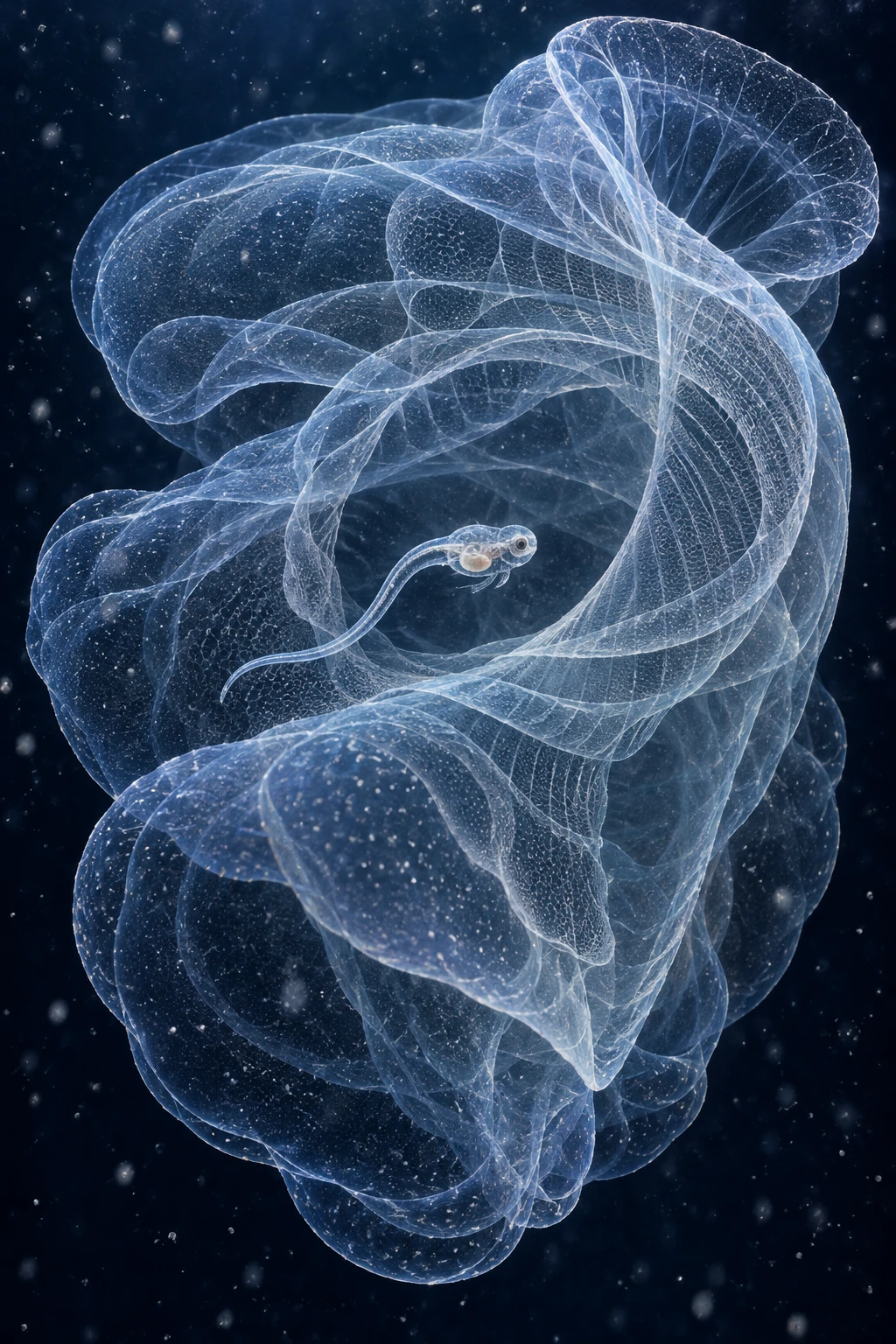
The animal occupies a much larger feeding structure; the linked research reconstruction provides the measured geometry. Laser imaging reveals a delicate feeding house whose ecological role continues after its builder leaves.
Larvaceans · Marine ecology · Animal architecture · About 6 minutes
Read journey 17 →
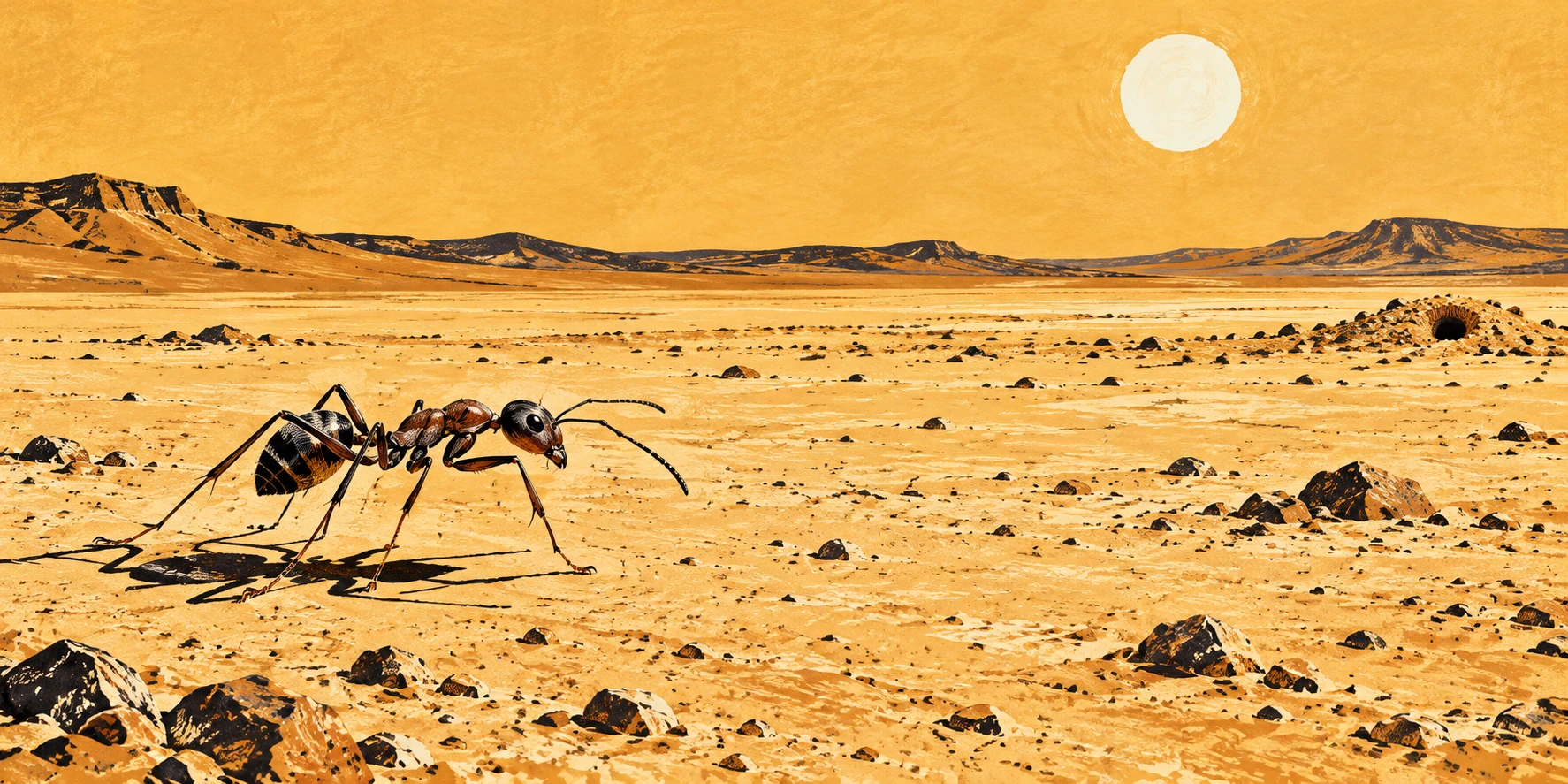
The stride explorer changes a fictional walker; the illustrated ant has ordinary, unmodified legs. Stride experiments and carried ants reveal more than one way to estimate distance across open ground.
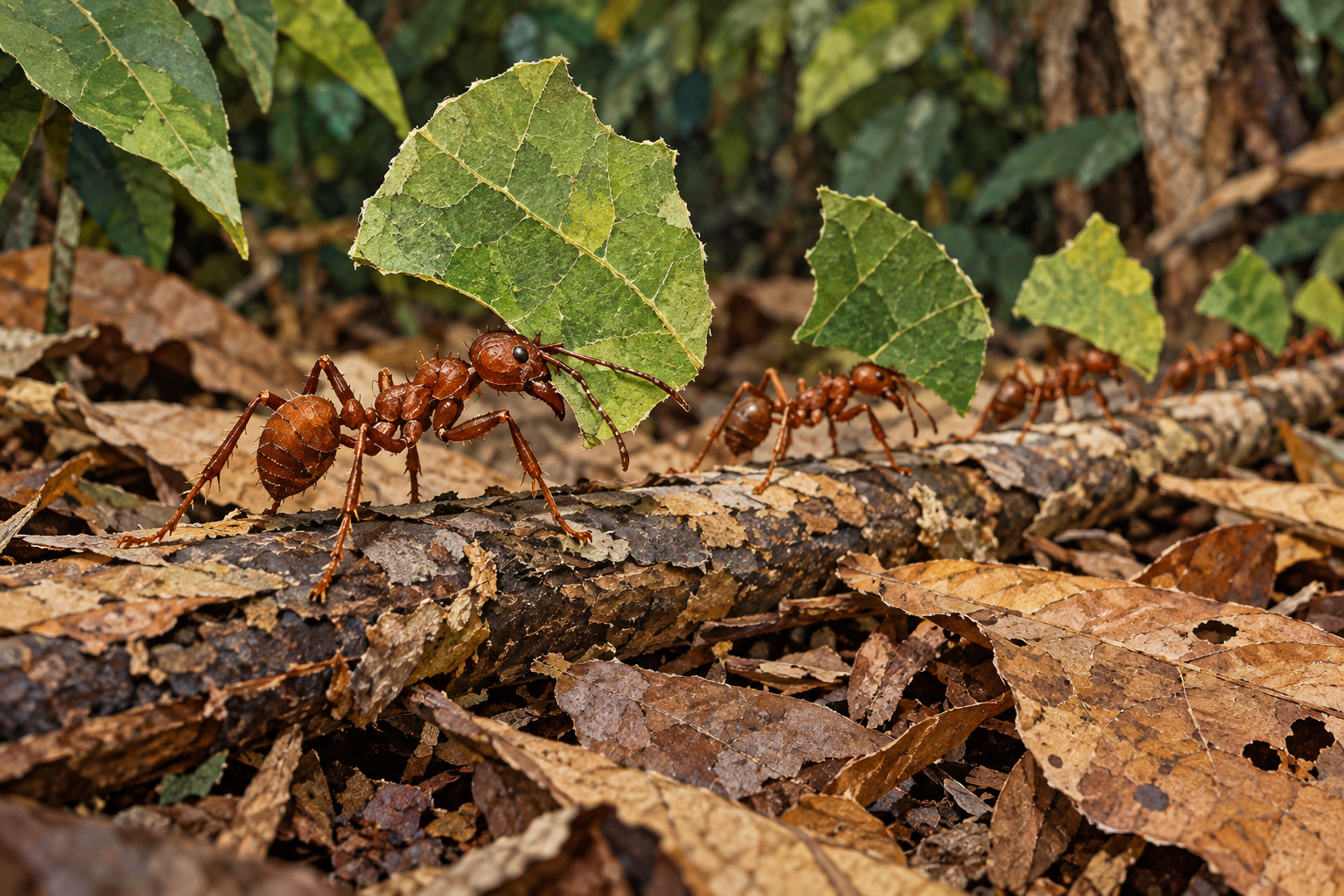
Ants · Navigation · Animal senses · About 4 minutes
Read journey 18 →
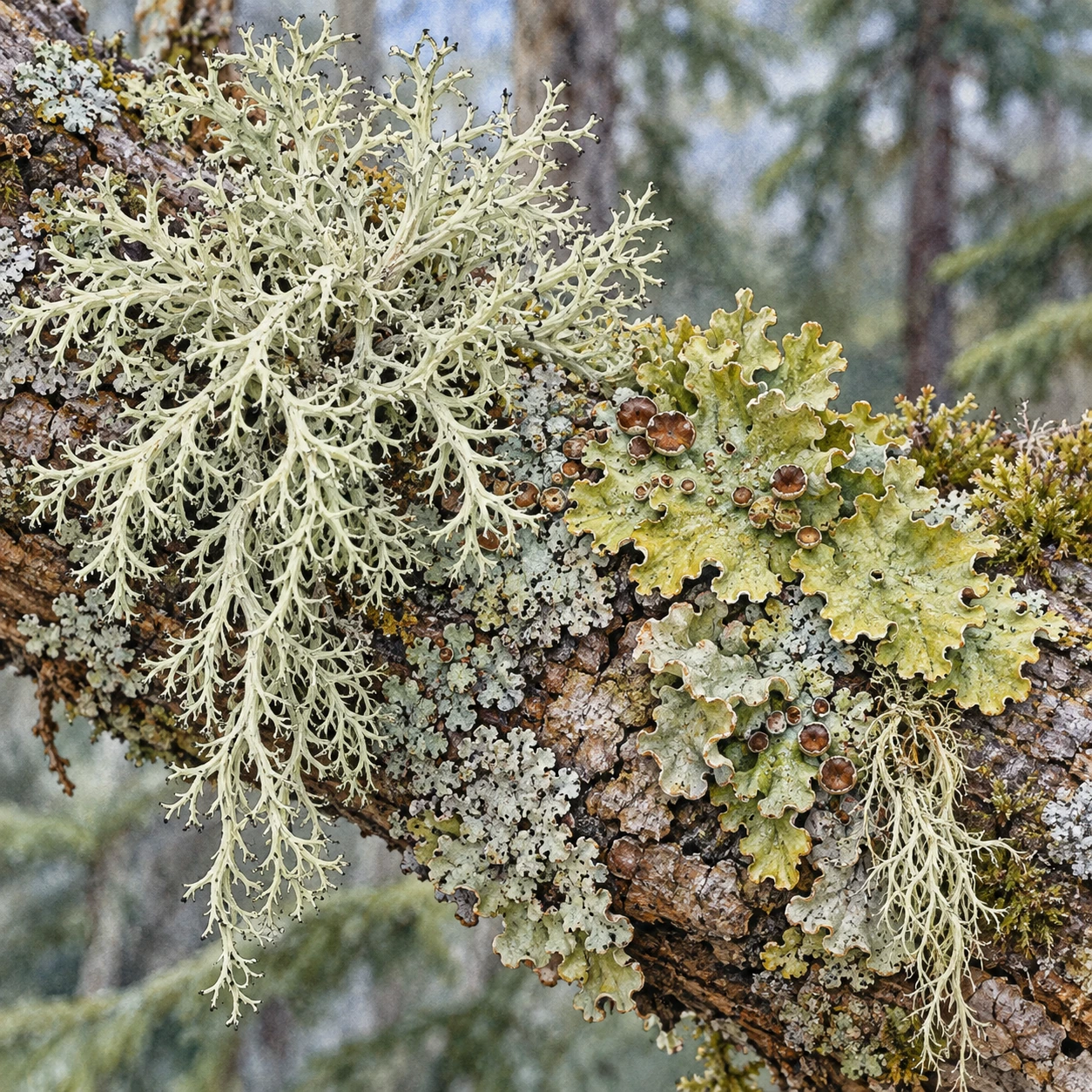
The visible body offers a starting point; its microscopic residents require other ways of looking. Yeasts, broad surveys and recent genome work reveal a crowded lichen interior without a universal three-part rule.
Lichens · Symbiosis · Microbial ecology · About 6 minutes
Read journey 19 →
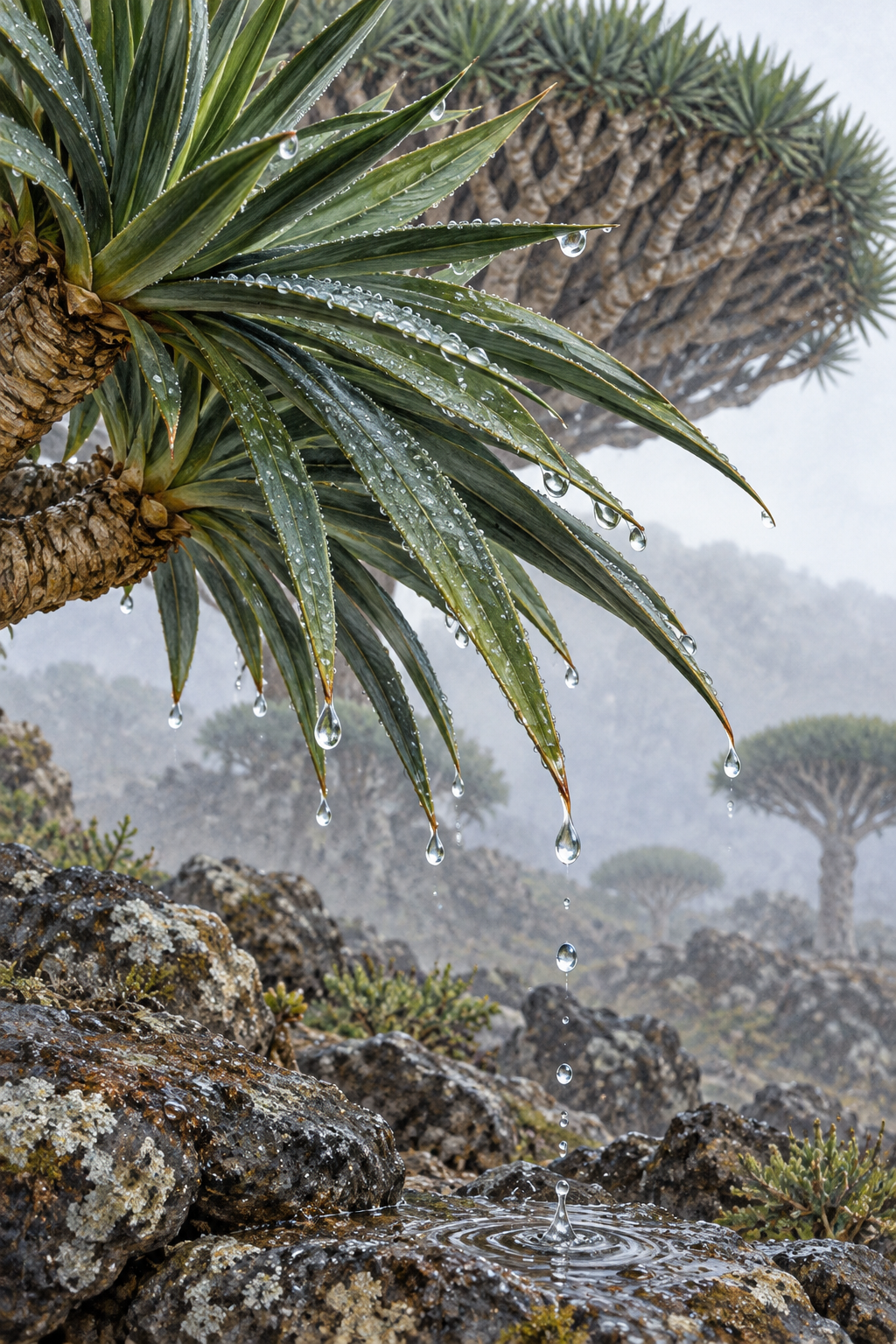
Botanical interpretation of attached and floating propagules. Germination has begun before release; later establishment is a separate stage. A hanging mangrove propagule is already developing. Its later journey still depends on flotation, anchorage and survival.
Mangroves · Plant development · Coastal ecology · About 6 minutes
Read journey 20 →
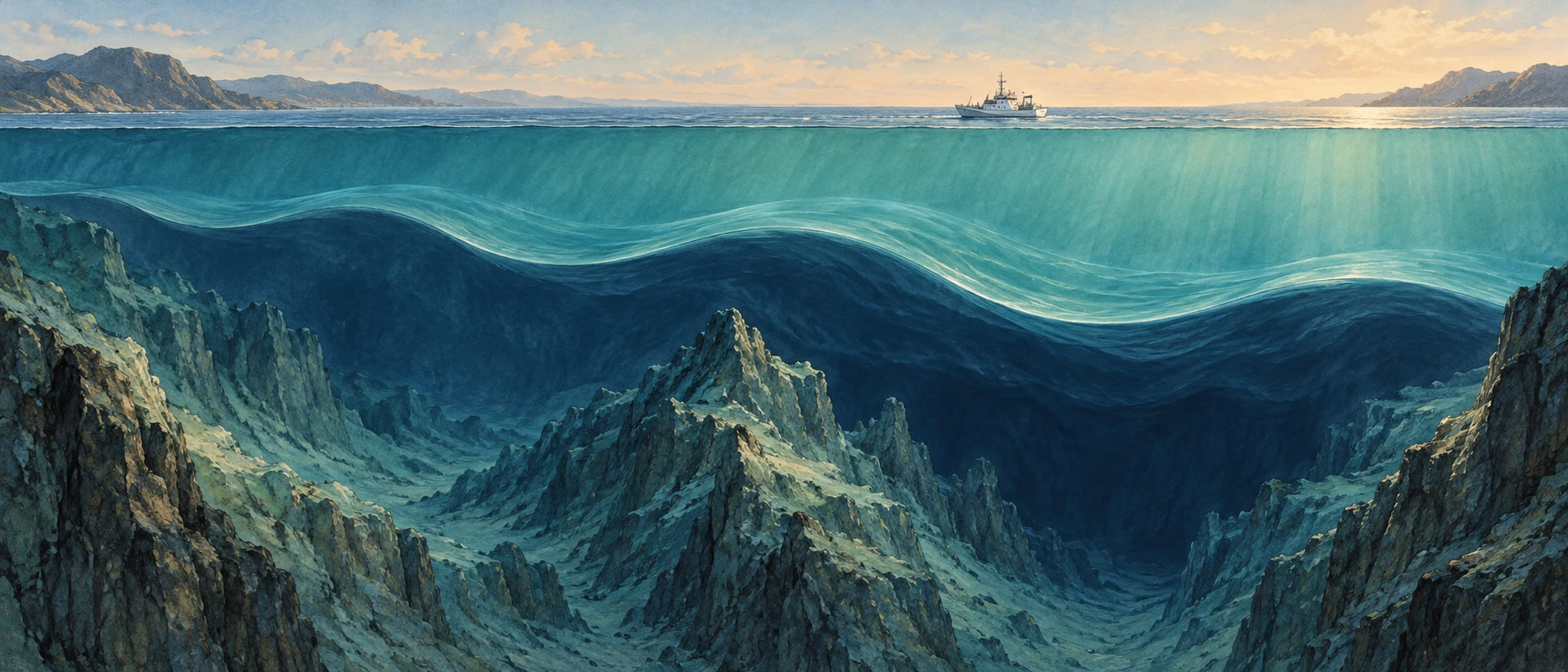
An internal wave displaces density layers beneath a comparatively quiet surface. Depths, colors and the interface are simplified. An almost calm sea can conceal enormous moving waves. Explore their layers, satellite traces and surprisingly slow speed.
Oceanography · Waves · Earth Science · About 5 minutes
Read journey 21 →
Open flow, suspended frazil and bed-attached ice can coexist. Crystal shapes and sizes are emphasized for visibility; this is a conceptual river scene. Frazil and anchor ice turn an open winter river into an evolving mixture. Follow the heat budget and the evidence on its bed.
Rivers · Ice · Earth Science · About 5 minutes
Read journey 22 →
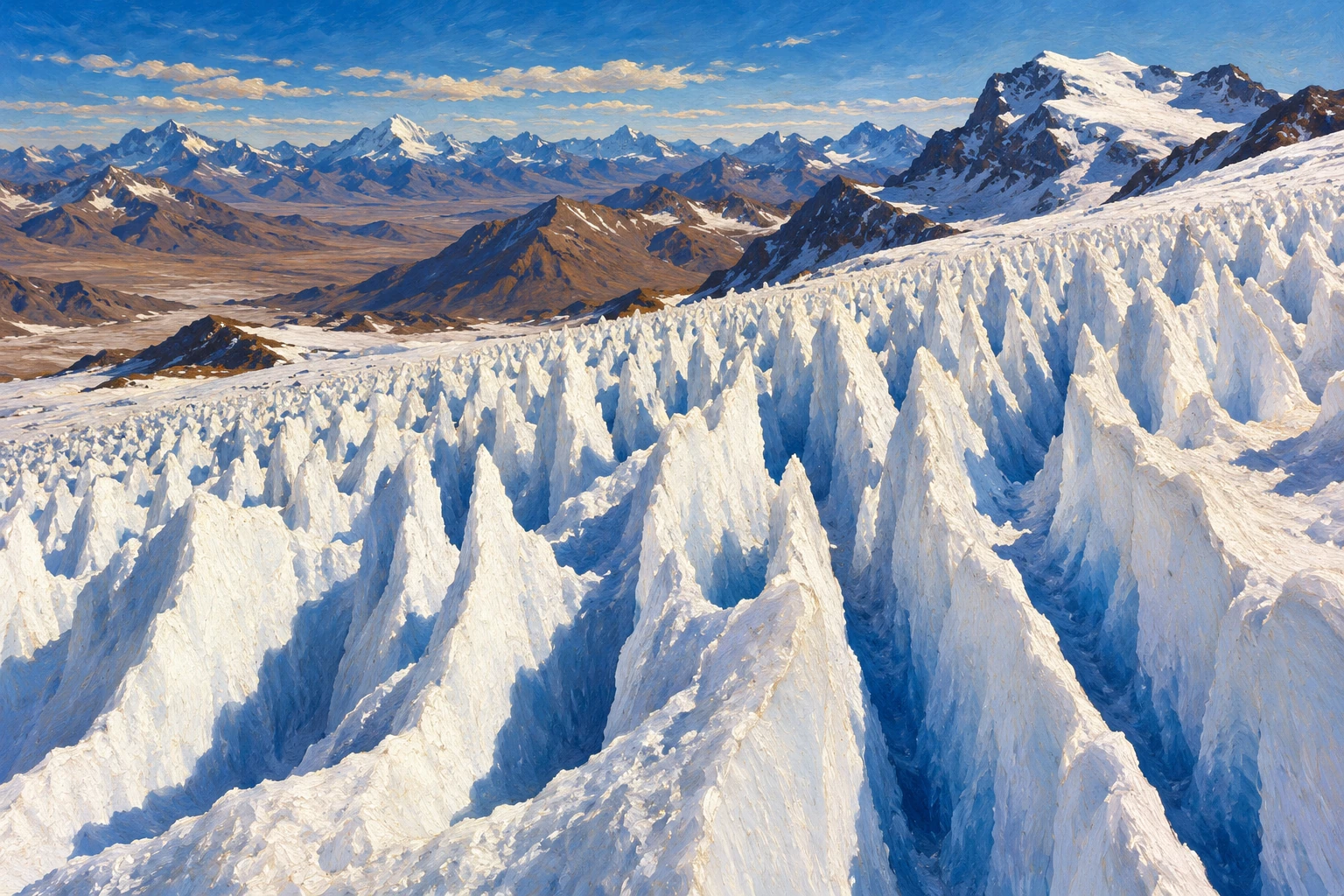
Penitente relief grows through uneven loss of snow and ice. This imagined mountain scene conveys shape and illumination, not measured growth or a particular field site. Snow blades grow by losing material unevenly. Their shape joins sunlight, vapor transport and two very different energy budgets.
Snow · Glaciology · Patterns · About 4 minutes
Read journey 23 →
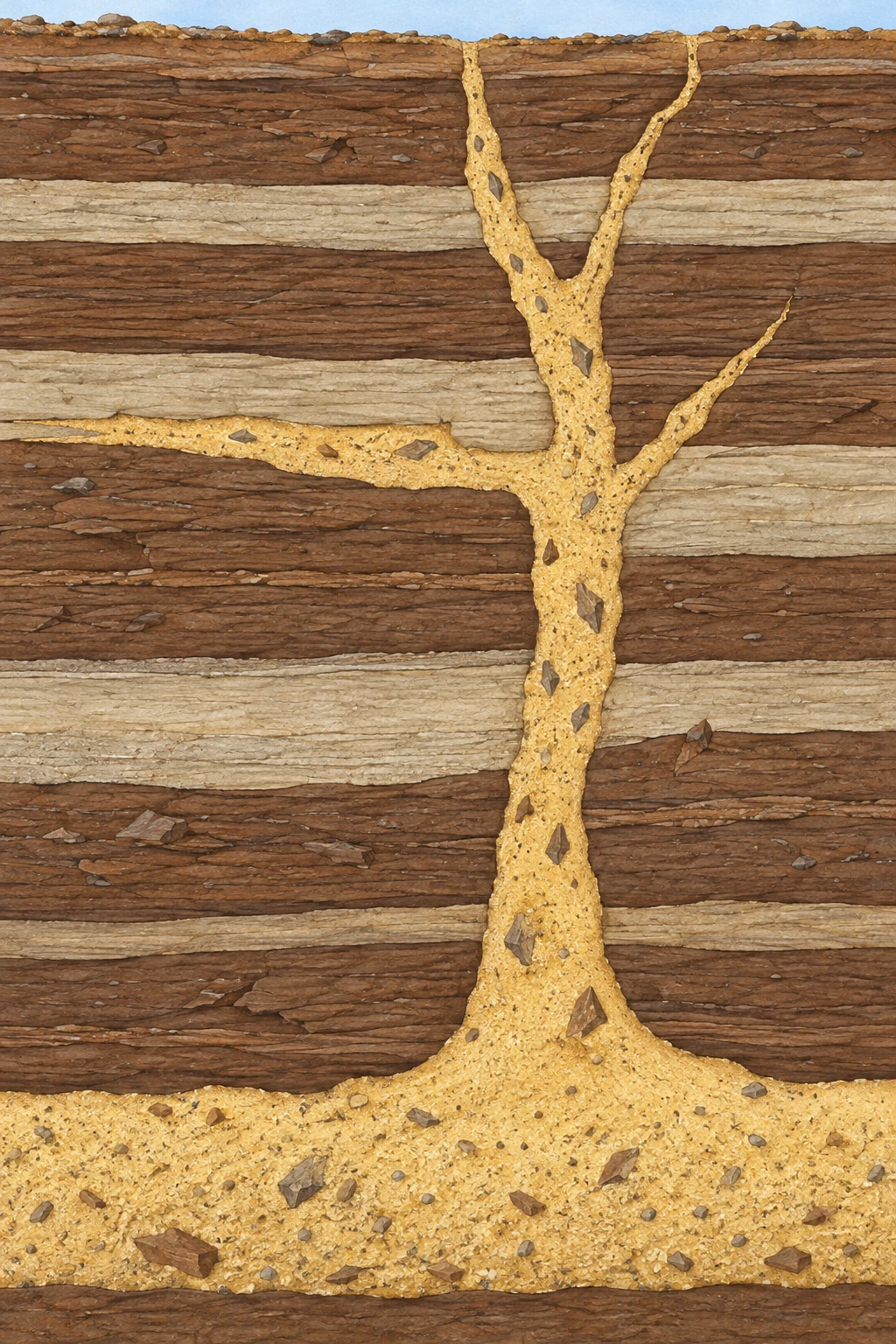
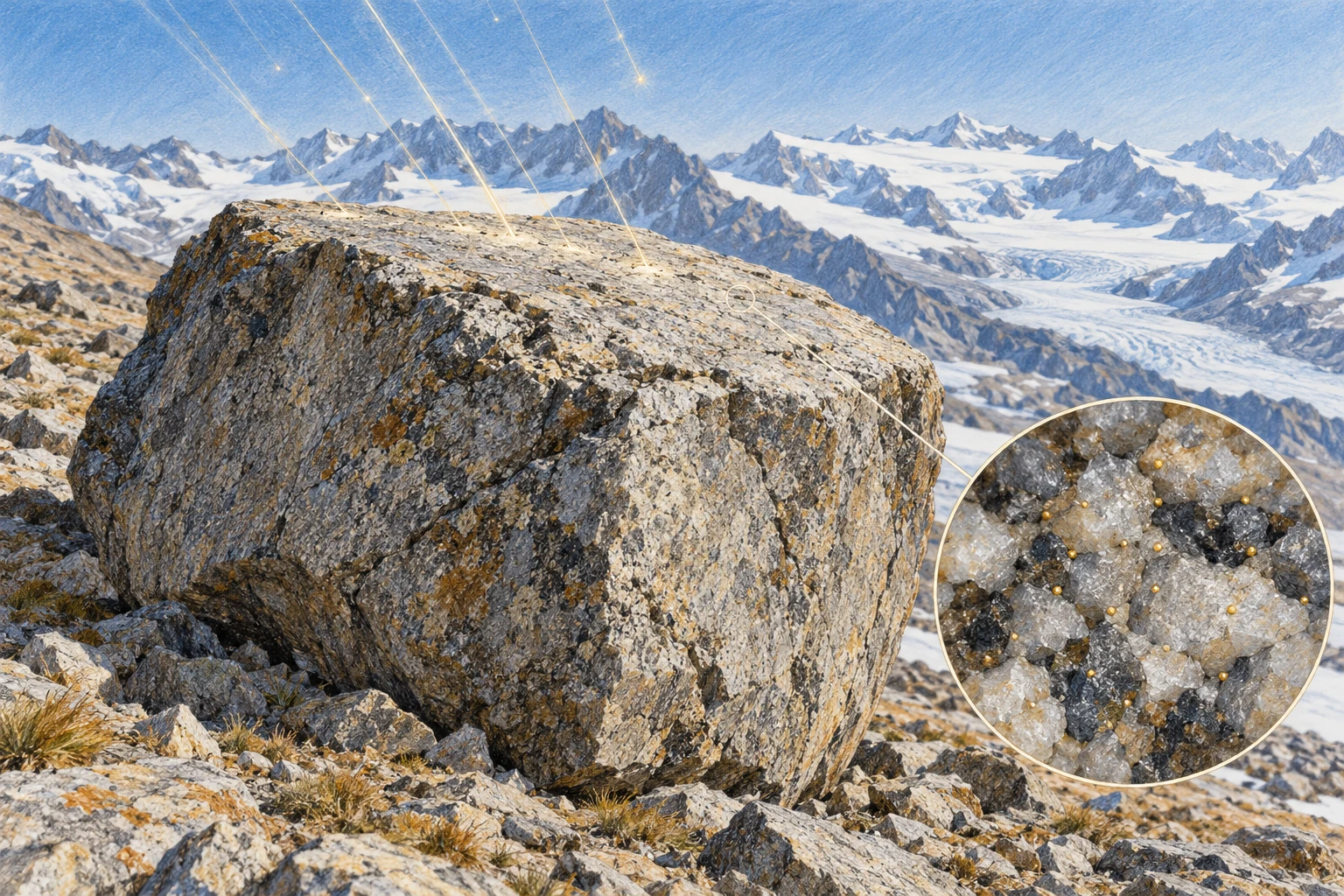
A conceptual injectite cuts older beds and follows one contact. Geometry, scale and fragments are illustrative; this is not a mapped natural exposure. Some sandstone cuts across beds instead of lying within them. Read the clues left when pressurized fluid carried sand through fractures.
Geology · Sediments · Rock Records · About 5 minutes
Read journey 24 →
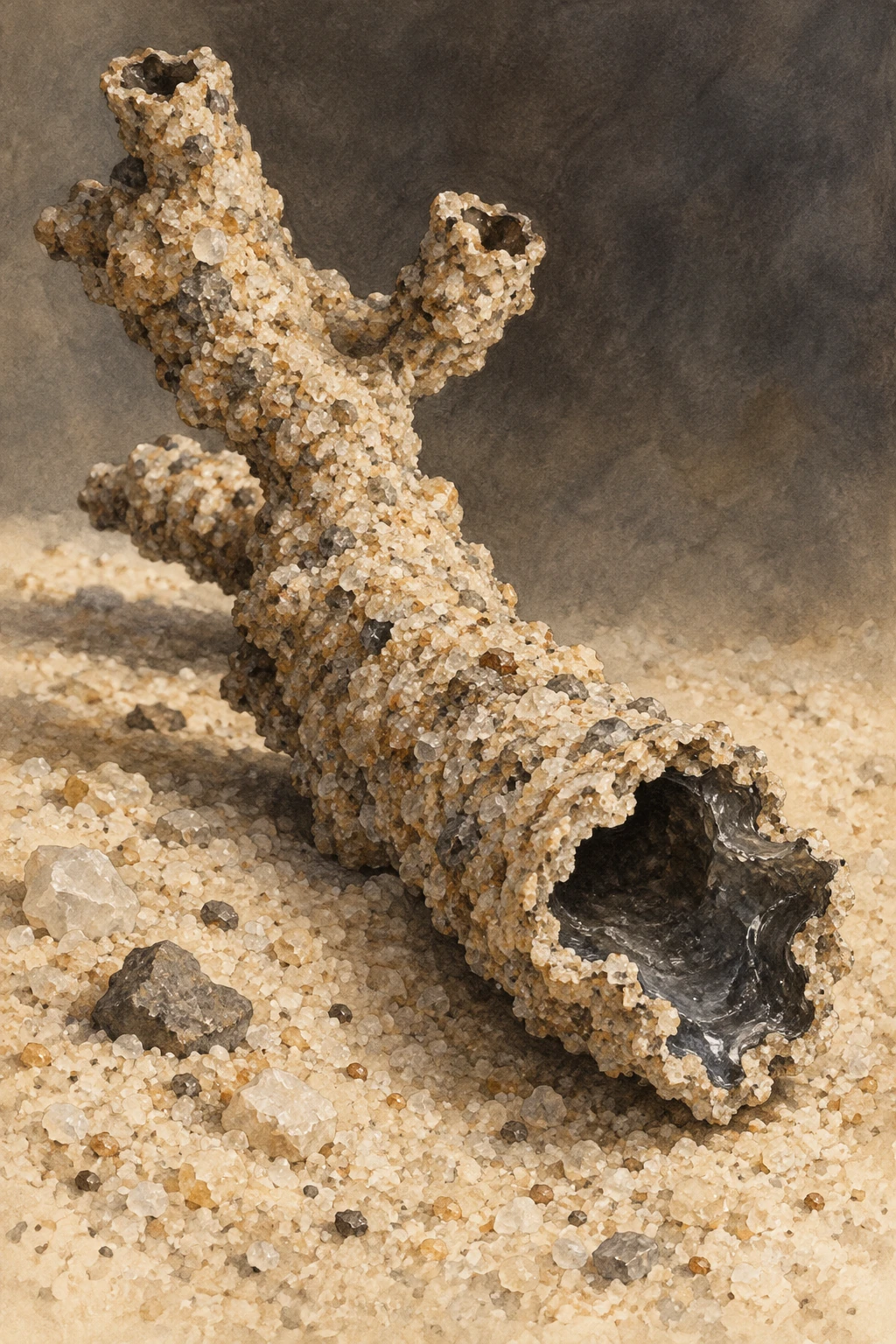
A specimen-inspired sand fulgurite. The branching tube and granular surface convey one form; clay and rock fulgurites can look quite different. A fragile glass tube can preserve a lightning strike’s interaction with the ground, but reading its energy and chemistry takes care.
Geology · Lightning · Materials · About 5 minutes
Read journey 25 →
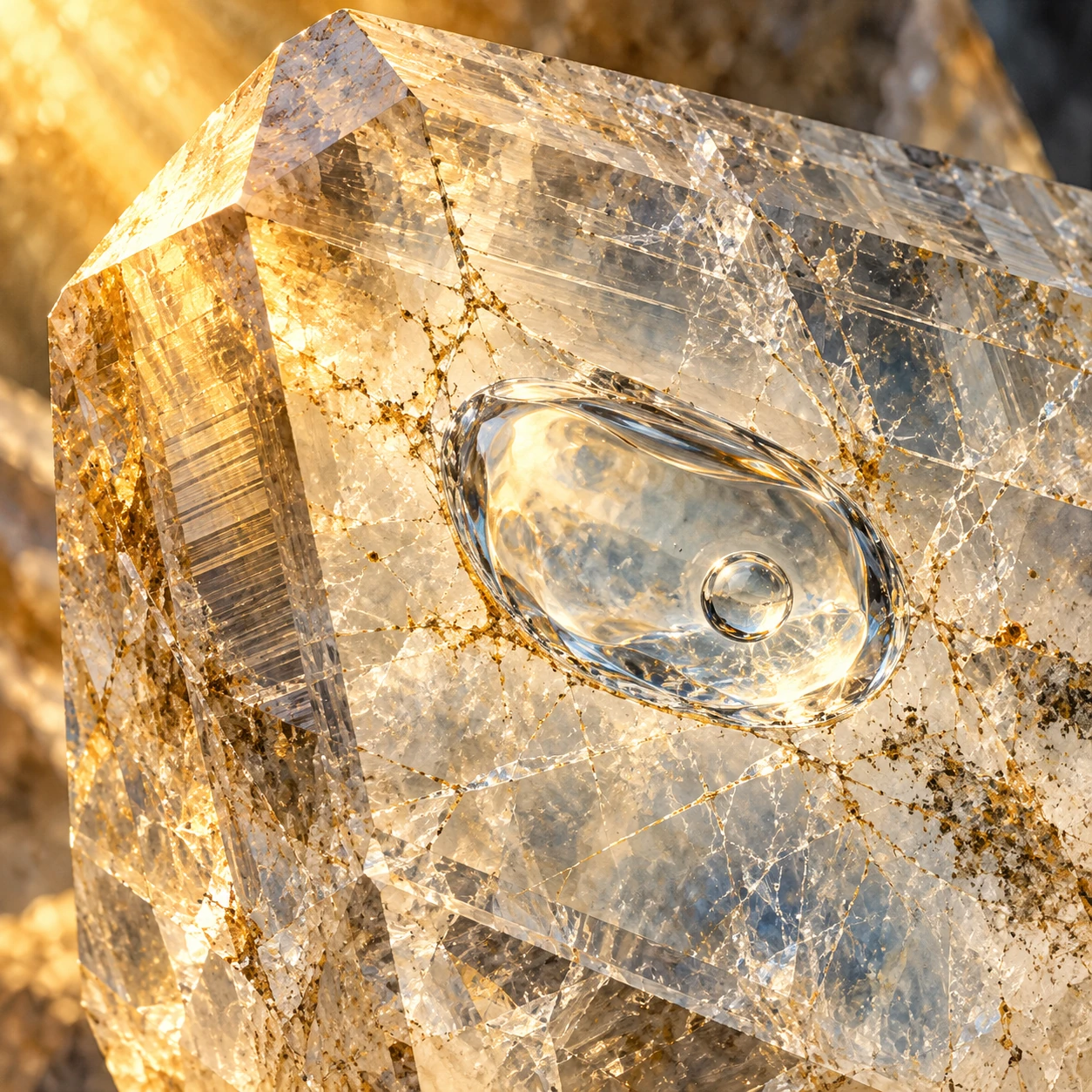
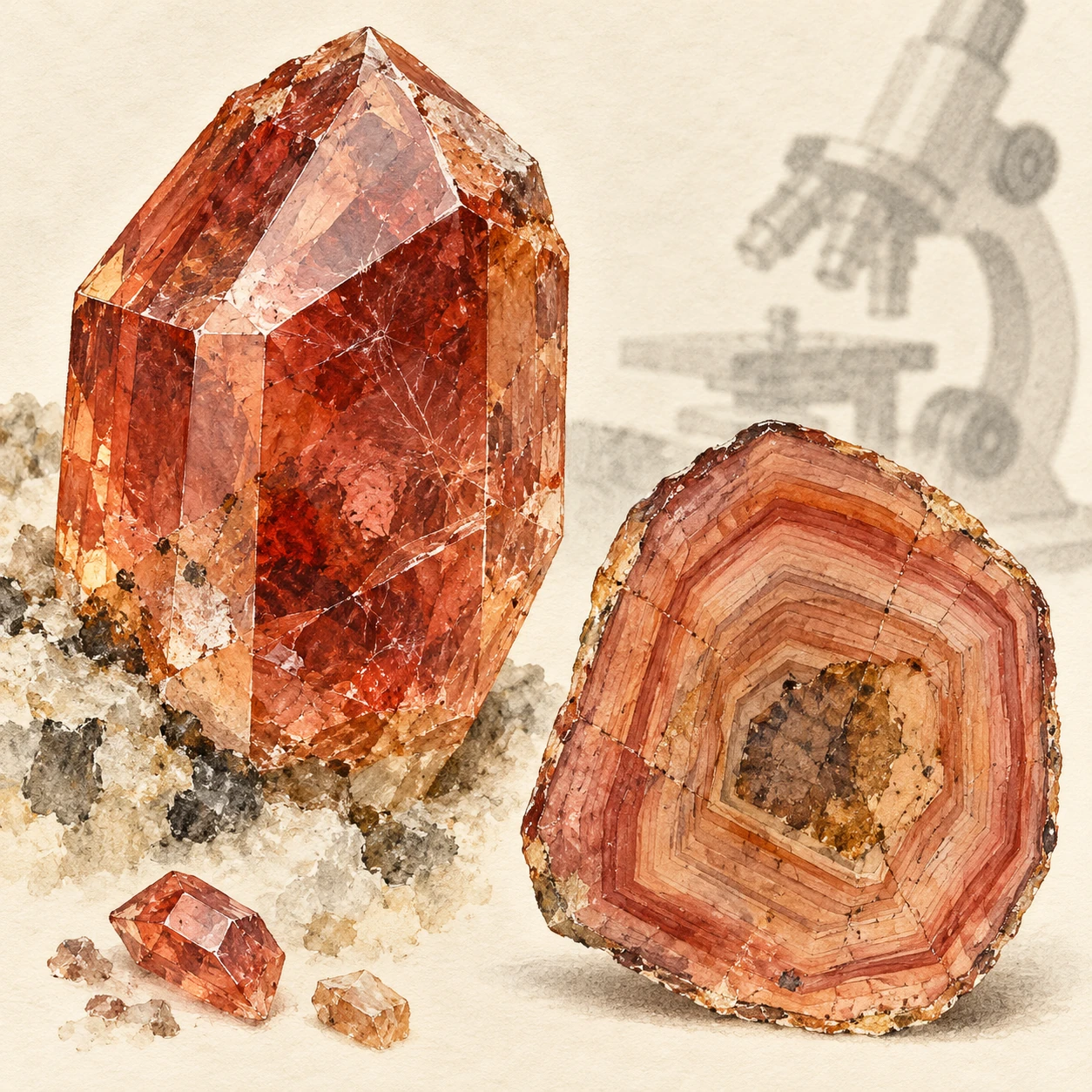
The liquid pocket is greatly enlarged to show a two-phase inclusion. Its appearance does not establish its age, salinity or trapping temperature. Fluid inclusions preserve traces of mineral-forming liquids. Their bubbles and phase changes reveal a history rather than a simple temperature.
Mineralogy · Geochemistry · Crystals · About 5 minutes
Read journey 26 →
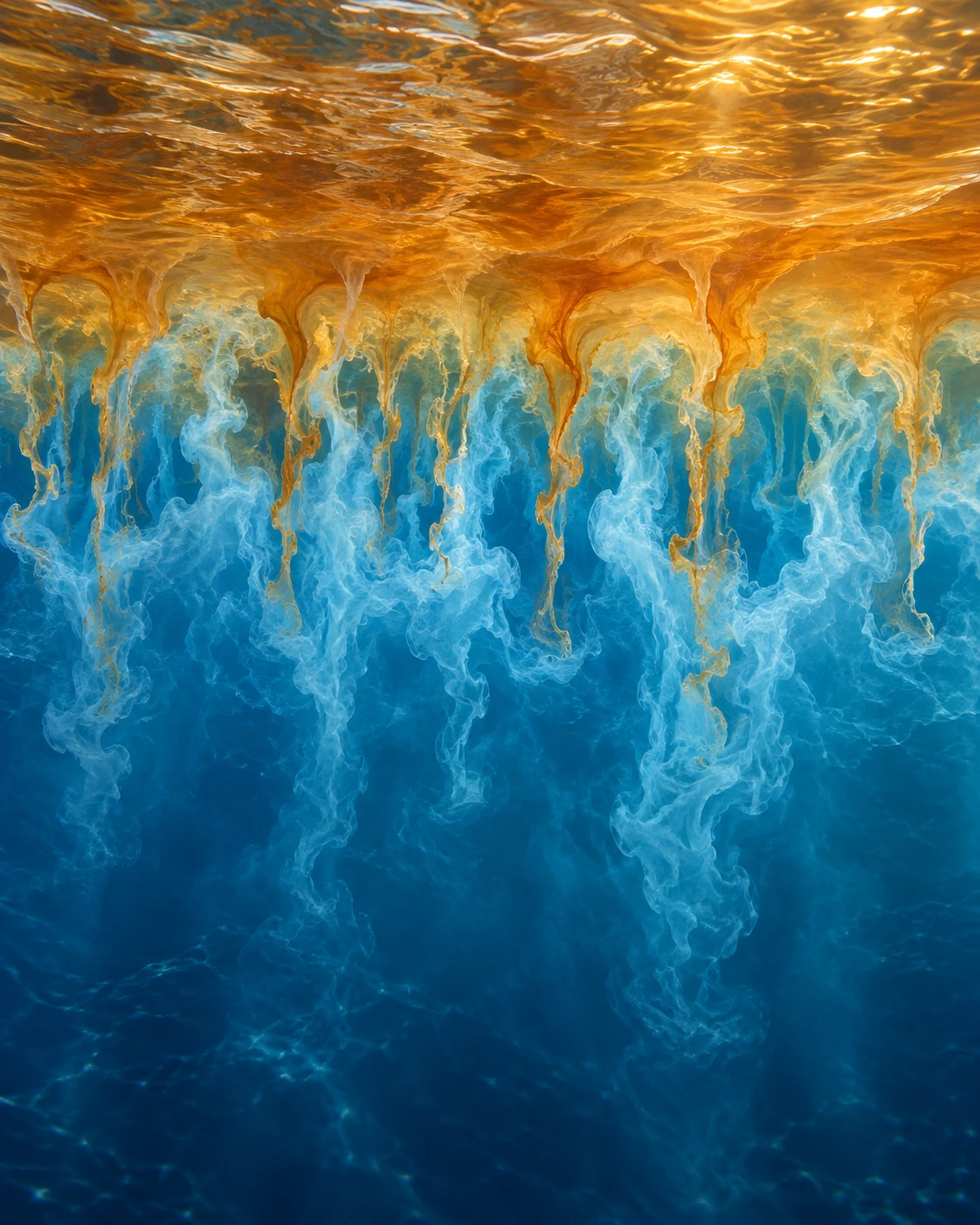
The colors distinguish conceptual water parcels and are not actual seawater colors. Filament shapes illustrate unequal exchange rather than a measured ocean flow. A stable ocean layer can develop small sinking fingers because heat and salt move at different rates. Try a parcel’s buoyancy budget.
Oceanography · Convection · Water · About 4 minutes
Read journey 27 →
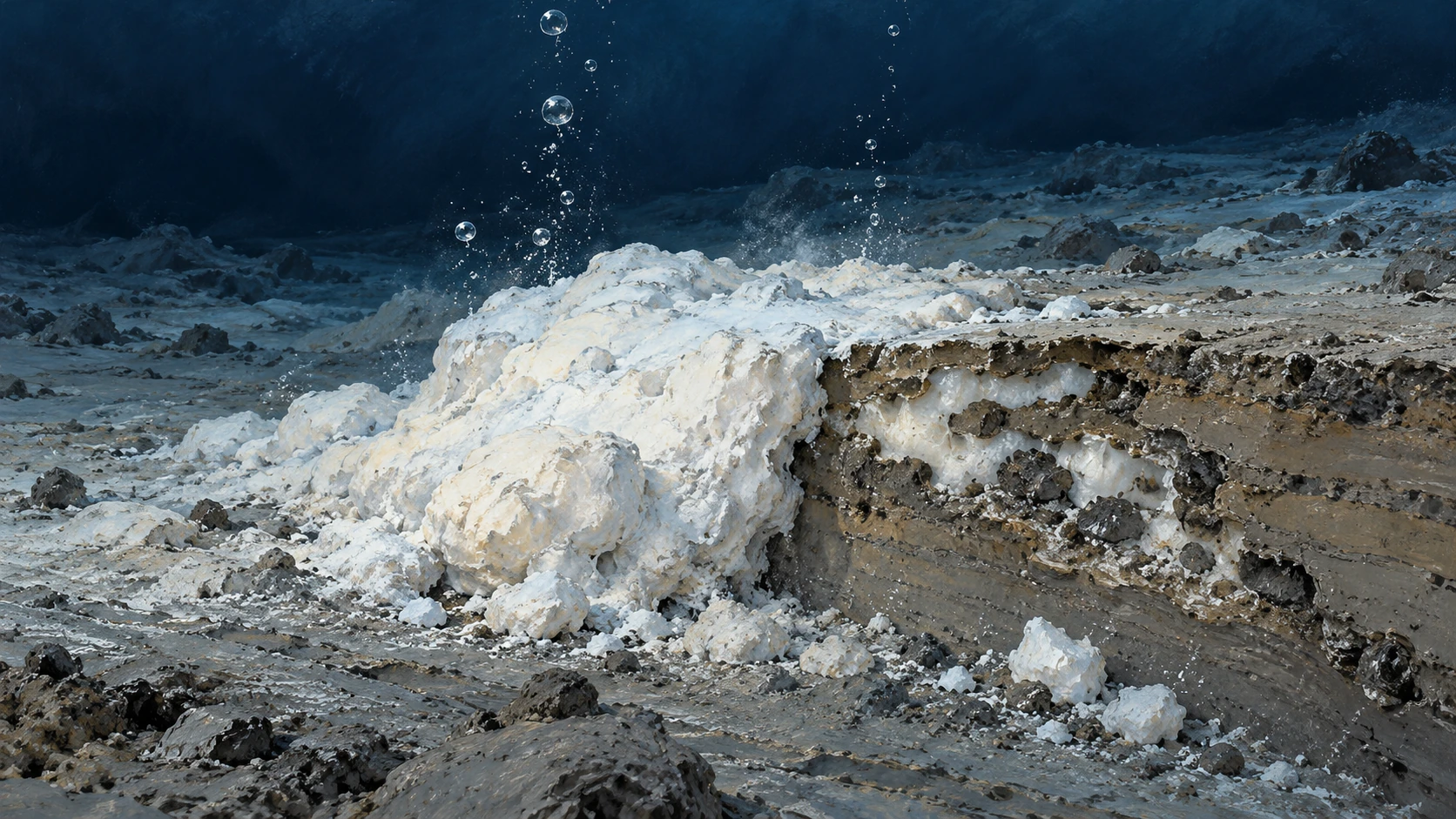
An interpretive seafloor hydrate exposure. Exposed mounds are only one setting; a bubble stream does not by itself reveal its methane’s source or eventual atmospheric contribution. Methane hydrate depends on pressure, temperature and supply. A seafloor bubble is only one step in its possible route toward the air.
Geochemistry · Oceans · Climate · About 4 minutes
Read journey 28 →
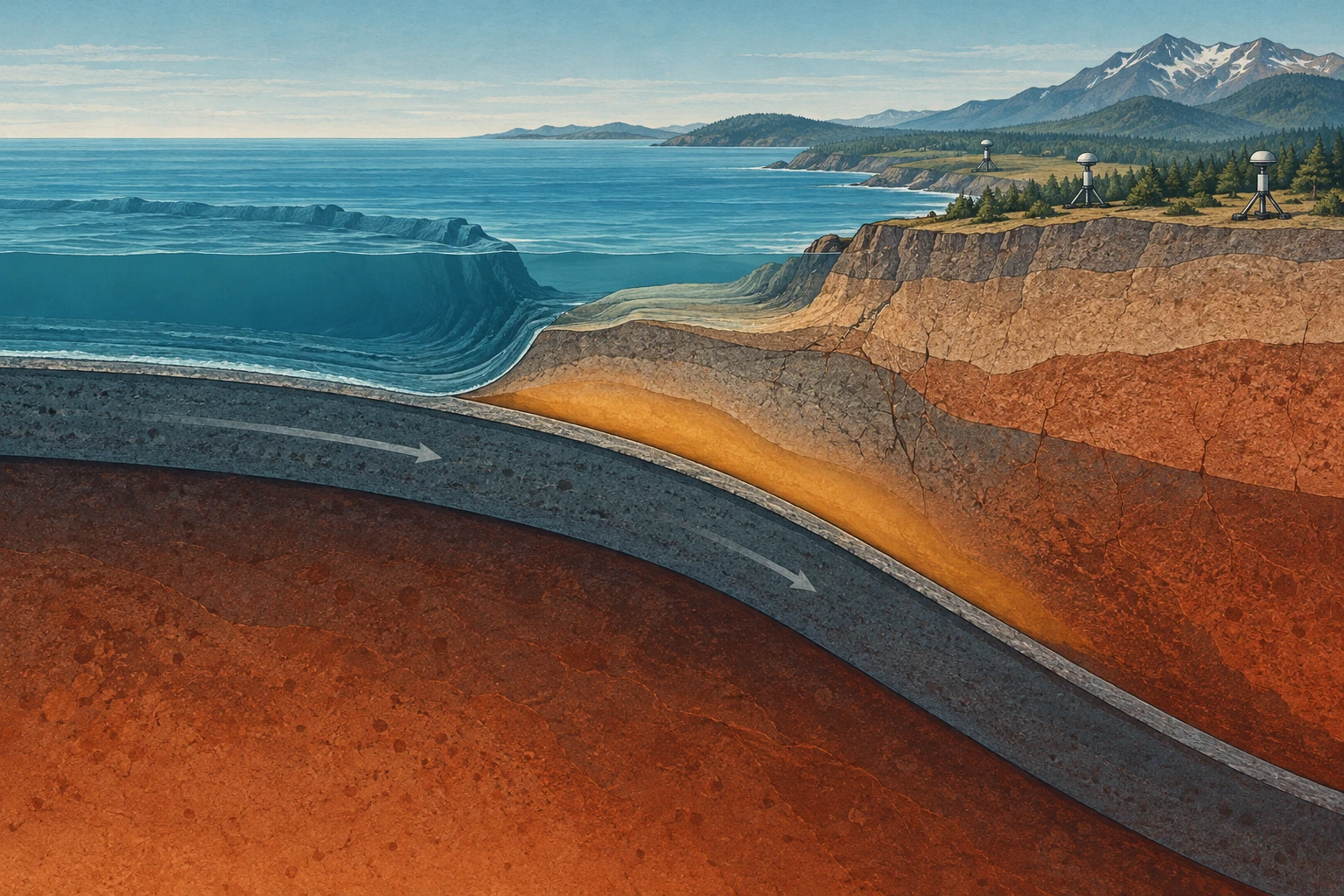
Surface stations measure deformation above a buried fault. The highlighted contact and geometry are conceptual, not a map of a current event or a hazard forecast. Slow-slip events reveal a quieter mode of fault motion. Learn why station movement, tremor and a hazard forecast are different things.
Geophysics · Earthquakes · Measurements · About 4 minutes
Read journey 29 →
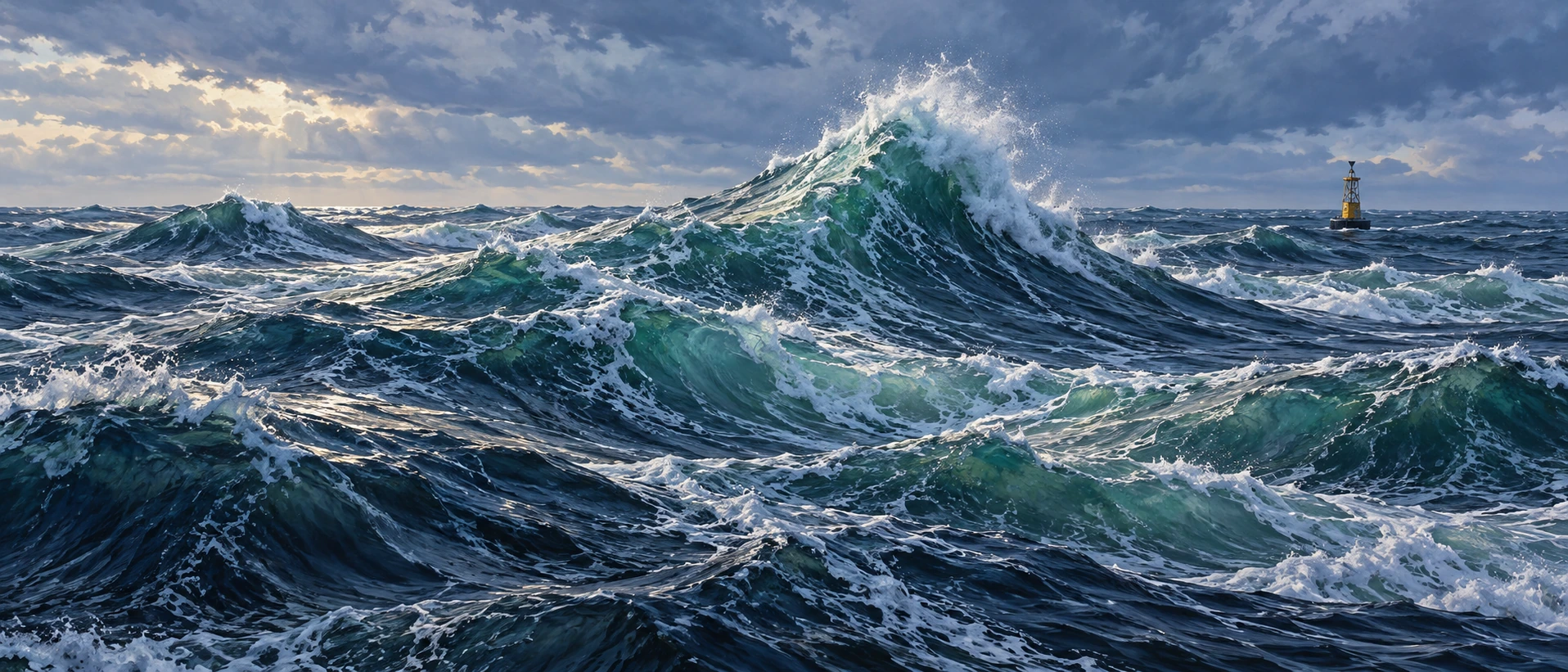
An imagined steep crest in a crossing sea. The picture supplies no measured wave height, significant wave height or occurrence probability. Explore how wave phases reinforce one another, then learn what a simple model leaves out of a real rogue-wave claim.
Oceanography · Waves · Physics · About 4 minutes
Read journey 30 →
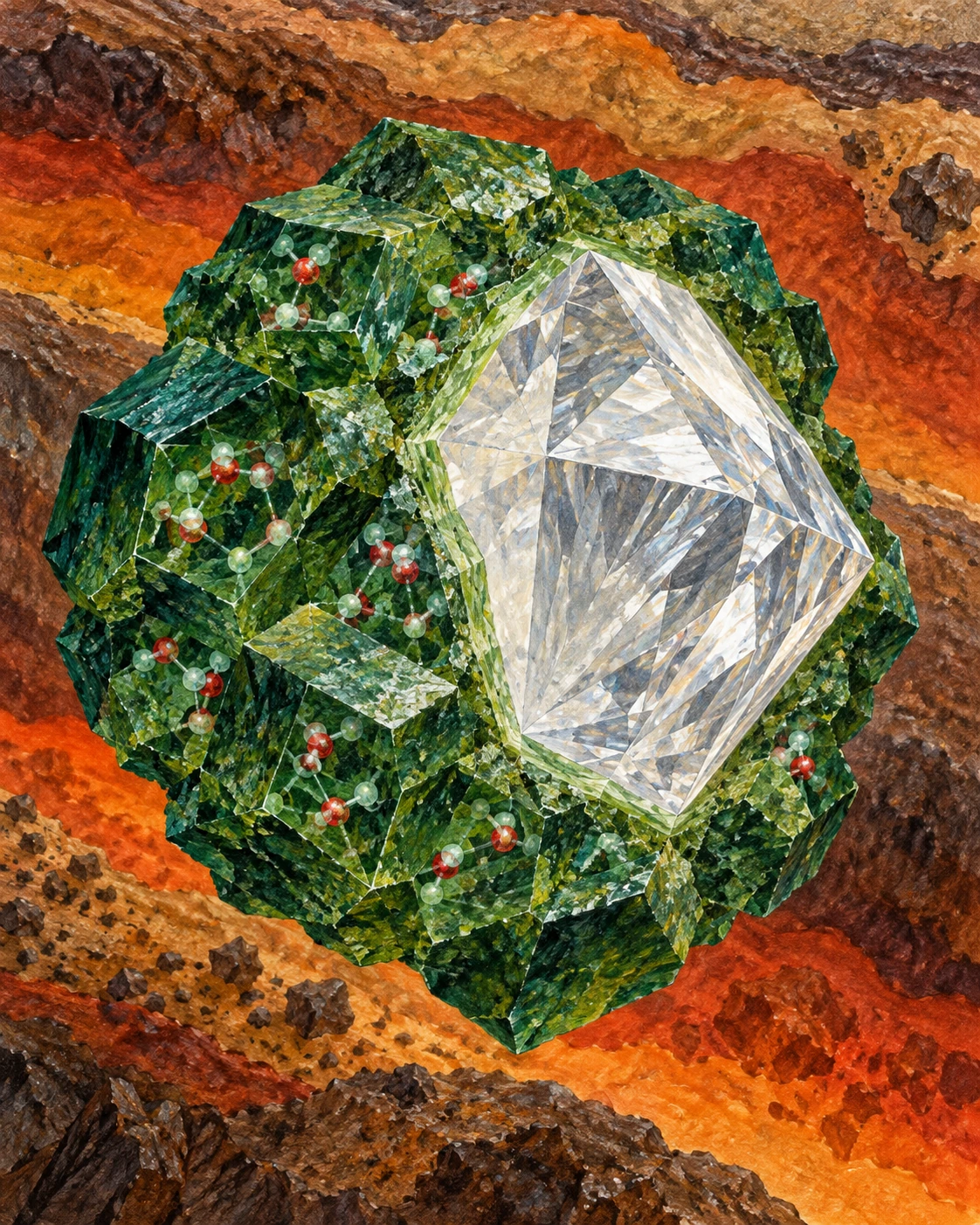
The mineral and diamond forms are arranged to explain a chemical relationship, not the actual geometry of the recovered inclusion. Molecular marks are symbolic and do not show measured bonding or free liquid. A tiny diamond inclusion and deep-Earth experiments reveal how a mineral can store hydrogen—and why storage capacity is not a global census.
Mineralogy · Deep Earth · Water · About 5 minutes
Read journey 31 →
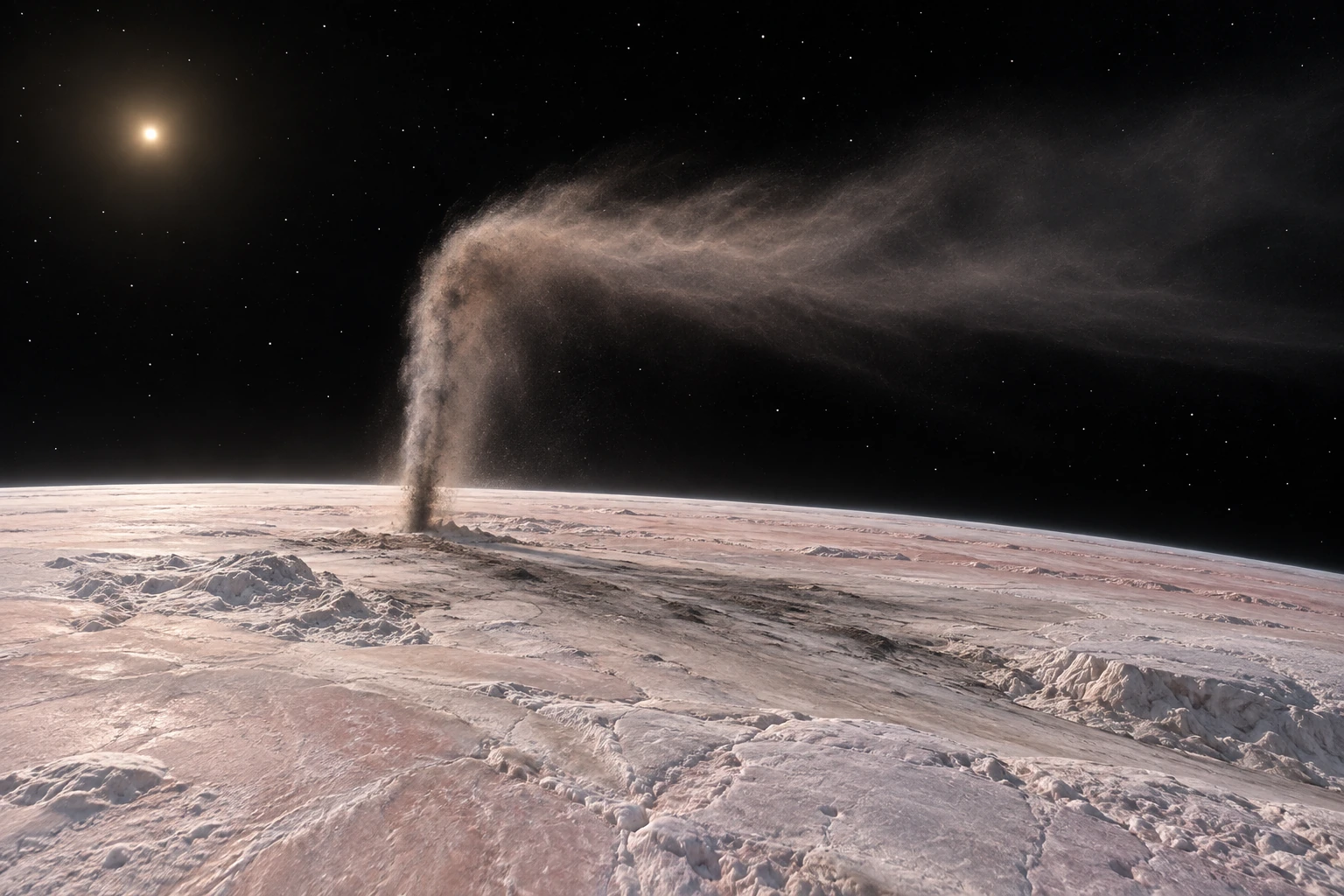
An interpretive plume inspired by Voyager’s geometry. It does not identify a heat source, measure a current eruption or reproduce one specific spacecraft frame. Voyager saw material rising from a frozen moon. The images are secure evidence; the energy source remains a testable question.
Planetary Science · Triton · Space Exploration · About 4 minutes
Read journey 32 →
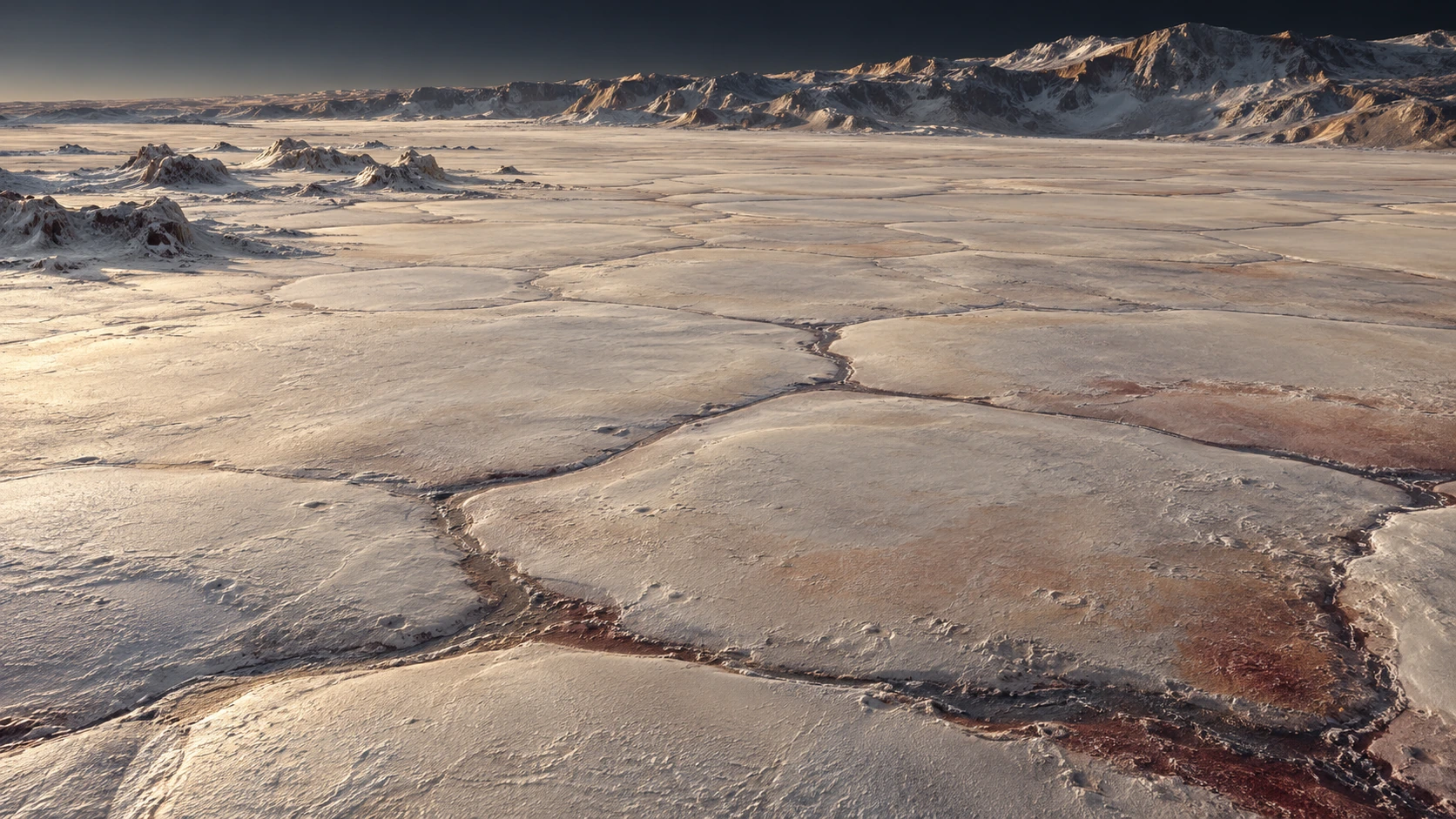
Sputnik Planitia-inspired terrain. Cell shapes and scale are interpretive; this is not a New Horizons frame or evidence of present liquid. Pluto’s polygonal ice cells connect spacecraft images to competing convection models—and a newer interpretation of possible liquid nitrogen.
Pluto · Planetary Geology · Ice · About 6 minutes
Read journey 33 →
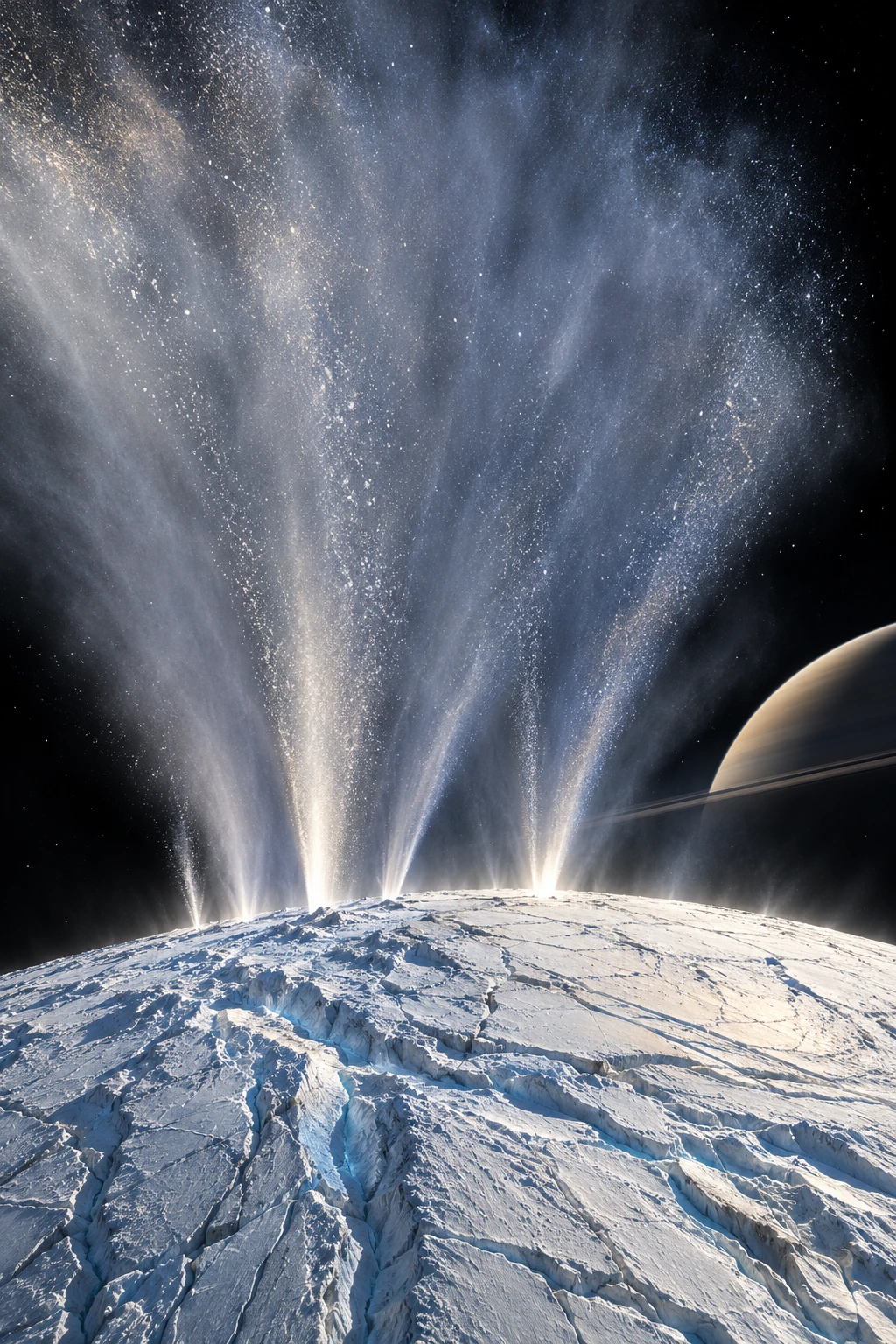
South-polar plume material offers a route to sample the hidden interior. Brightness, jet arrangement and Saturn’s placement are interpretive; this scene contains no chemical measurement. Follow Cassini’s evidence from a striking plume to salt grains, silica, hydrogen and phosphate—and see where the ocean inference needs models.
Enceladus · Planetary Science · Geochemistry · About 6 minutes
Read journey 34 →
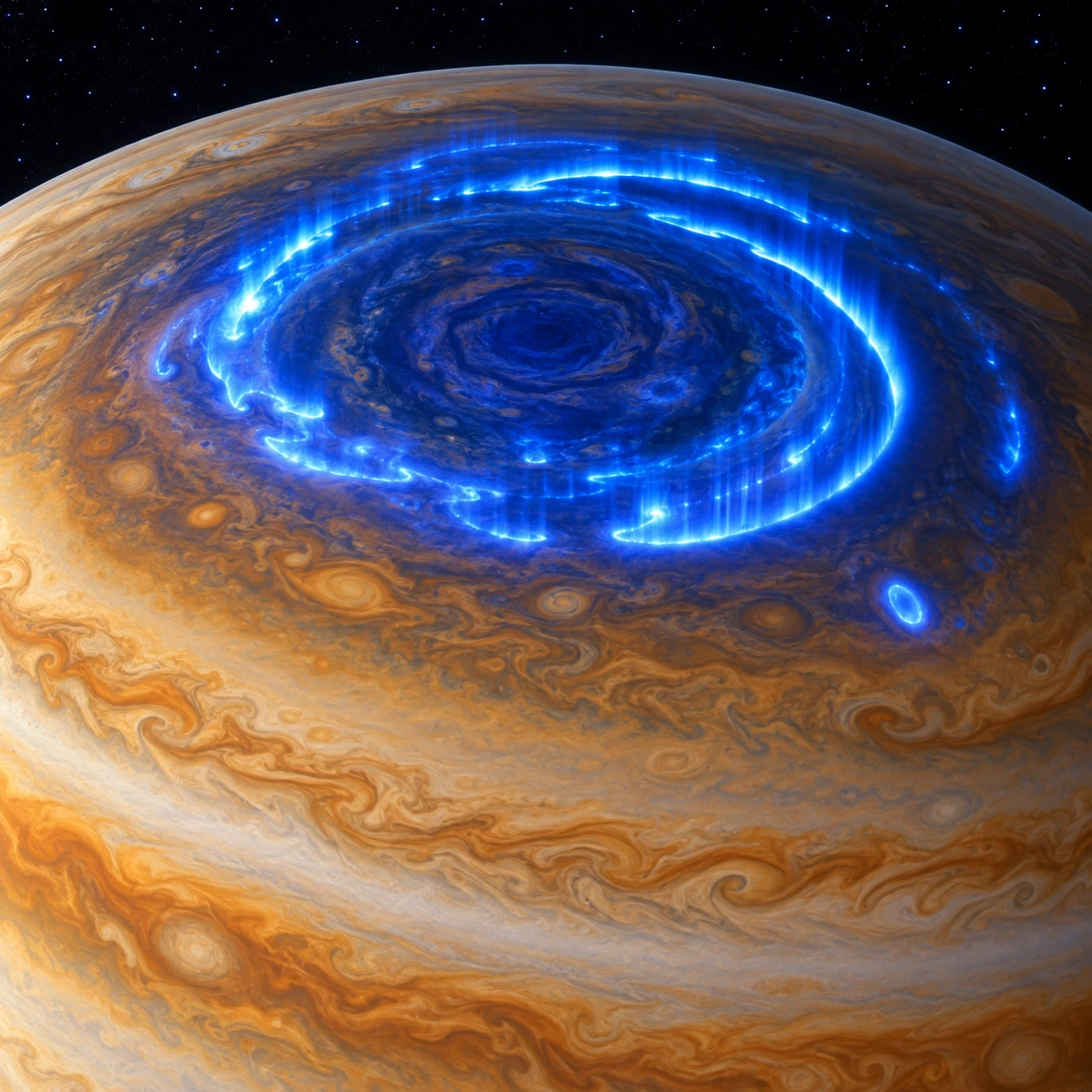
An interpretive polar view. The luminous palette is illustrative; actual ultraviolet maps use assigned colors and require instrument context. Rotation, solar disturbances and moon-linked currents leave different signatures in Jupiter’s ultraviolet auroras.
Jupiter · Space Physics · Auroras · About 6 minutes
Read journey 35 →
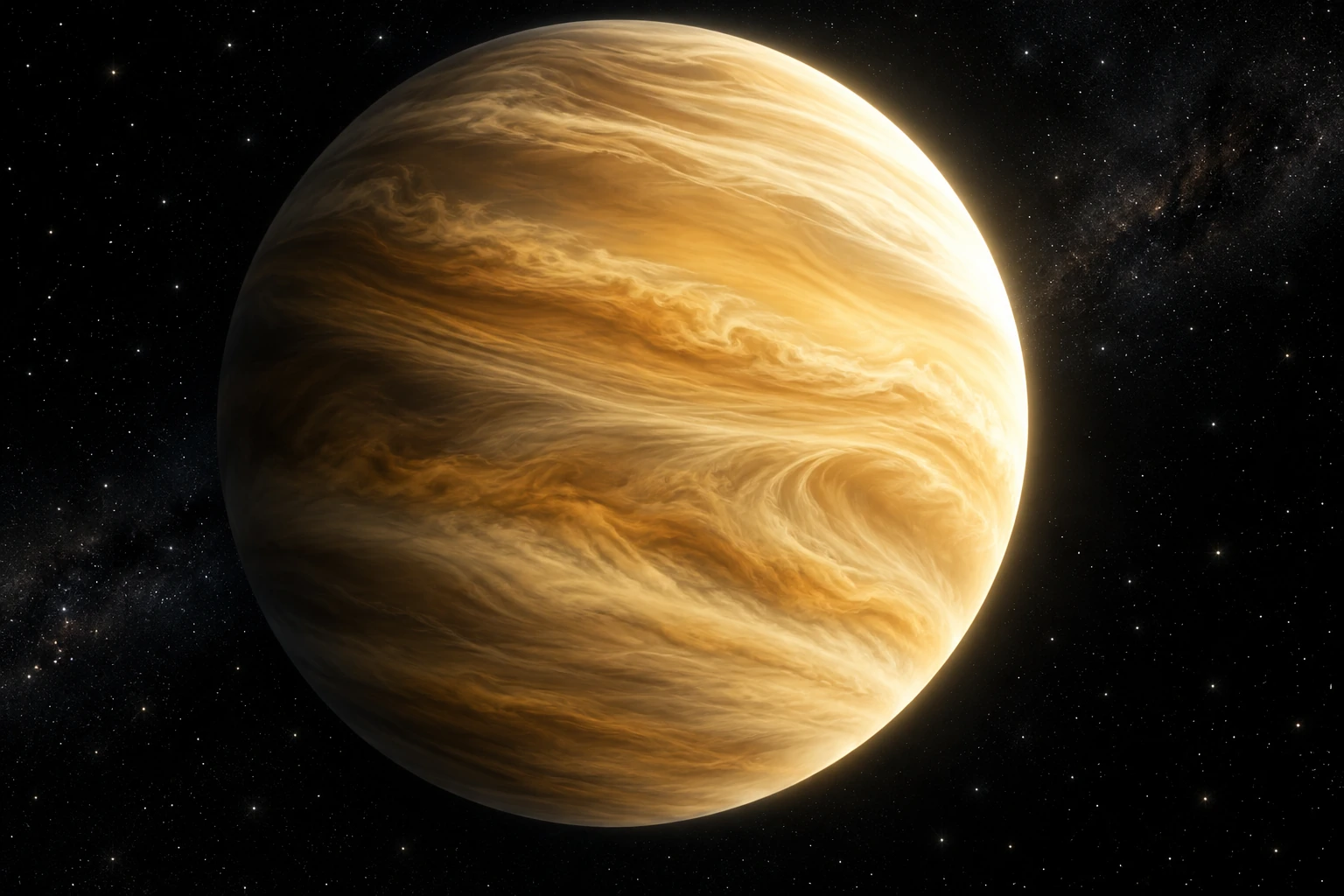
Cloud patterns are tracers and evolving structures. This interpretive view does not locate measured wind vectors or represent the planet’s normally opaque clouds in natural color. Cloud tracking reveals a fast-moving atmosphere over a slowly turning planet, with thermal tides redistributing momentum.
Venus · Atmospheres · Planetary Science · About 6 minutes
Read journey 36 →
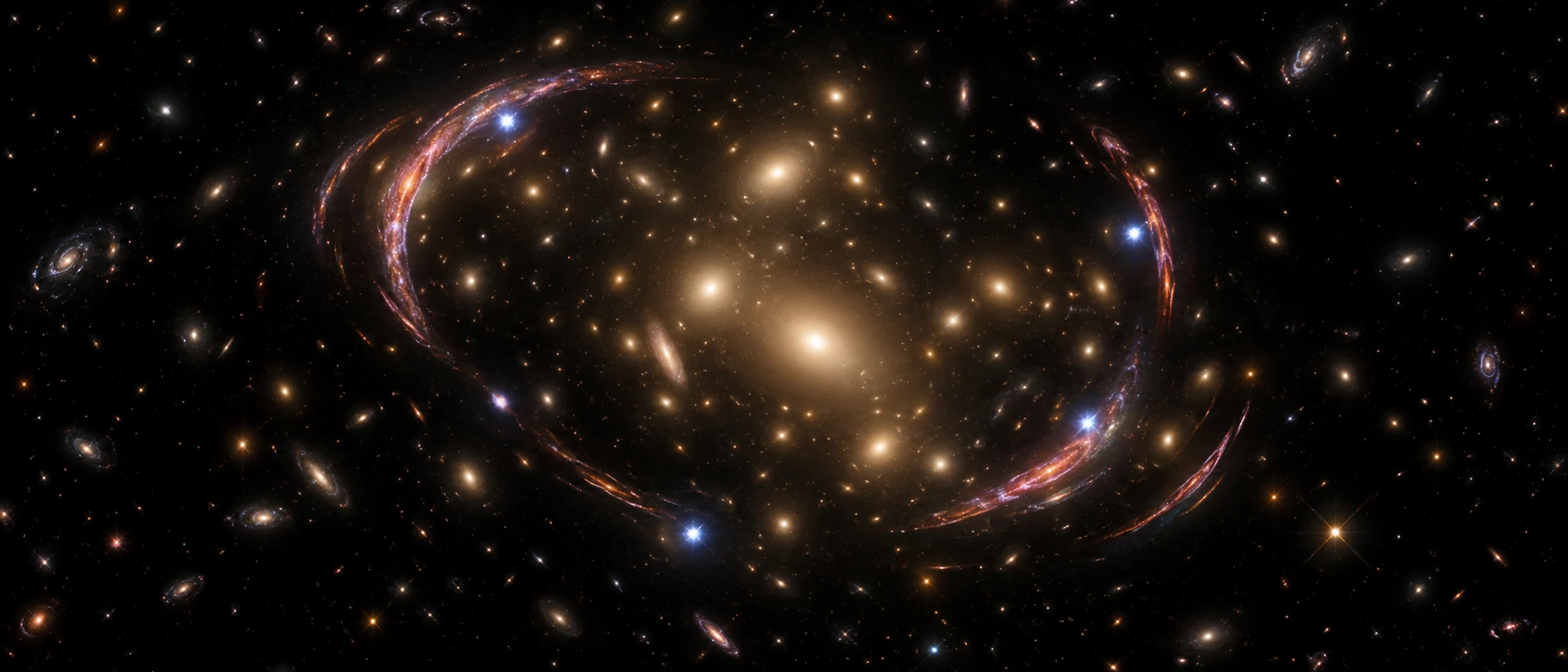
Conceptual strong lensing. The arrangement is not a reconstruction of the Refsdal field, and bright points do not encode measured arrival times. Gravitational lensing made one explosion appear along different routes. Align two light curves to understand what an arrival delay measures.
Gravitational Lensing · Cosmology · Supernovae · About 6 minutes
Read journey 37 →
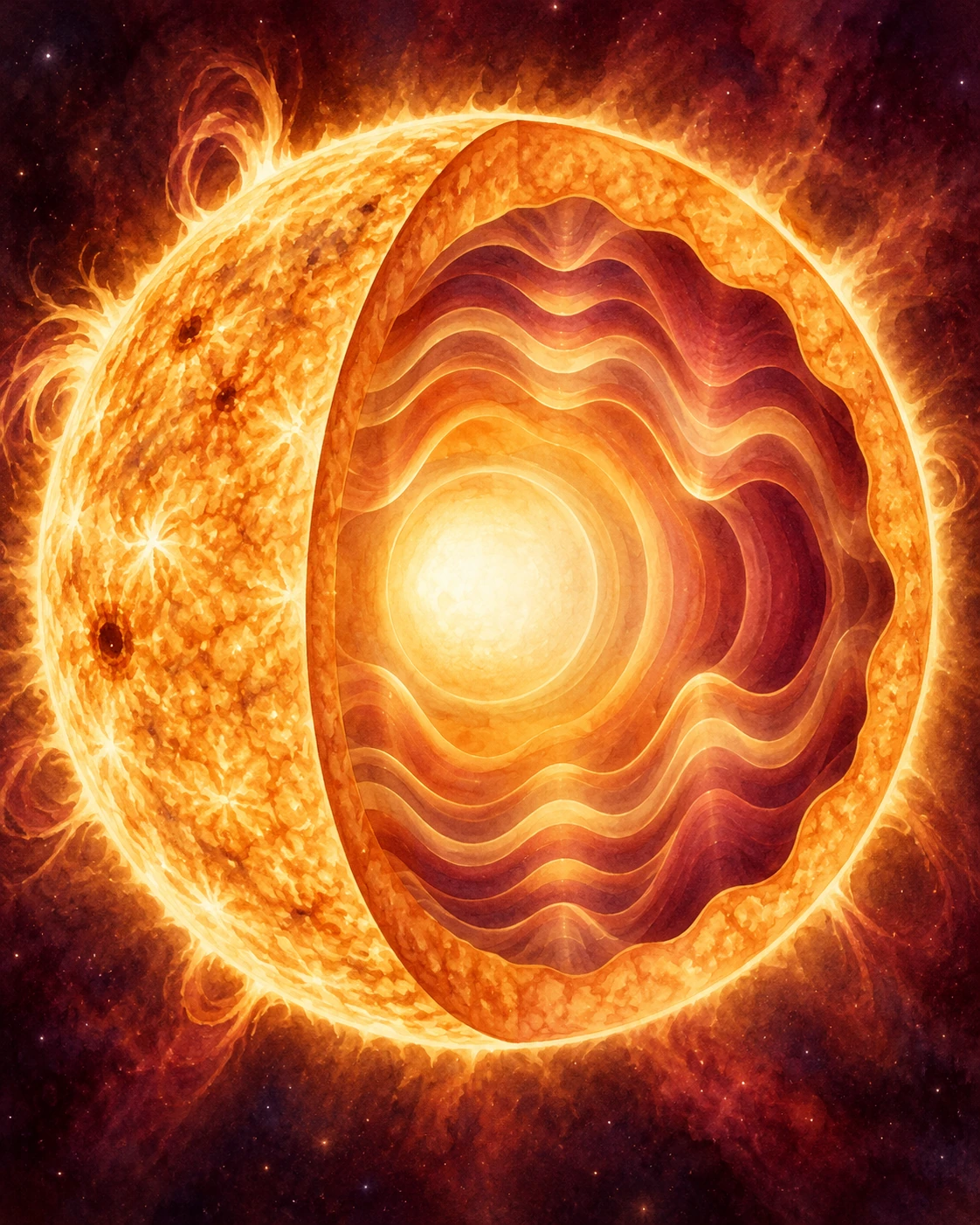
Conceptual stellar modes. The colored bands are an explanatory motif, not a resolved image of a star’s interior or a calculated eigenmode. Asteroseismology separates tiny brightness oscillations into patterns that reveal structure hidden beneath a star’s surface.
Stars · Asteroseismology · Astronomy · About 6 minutes
Read journey 38 →
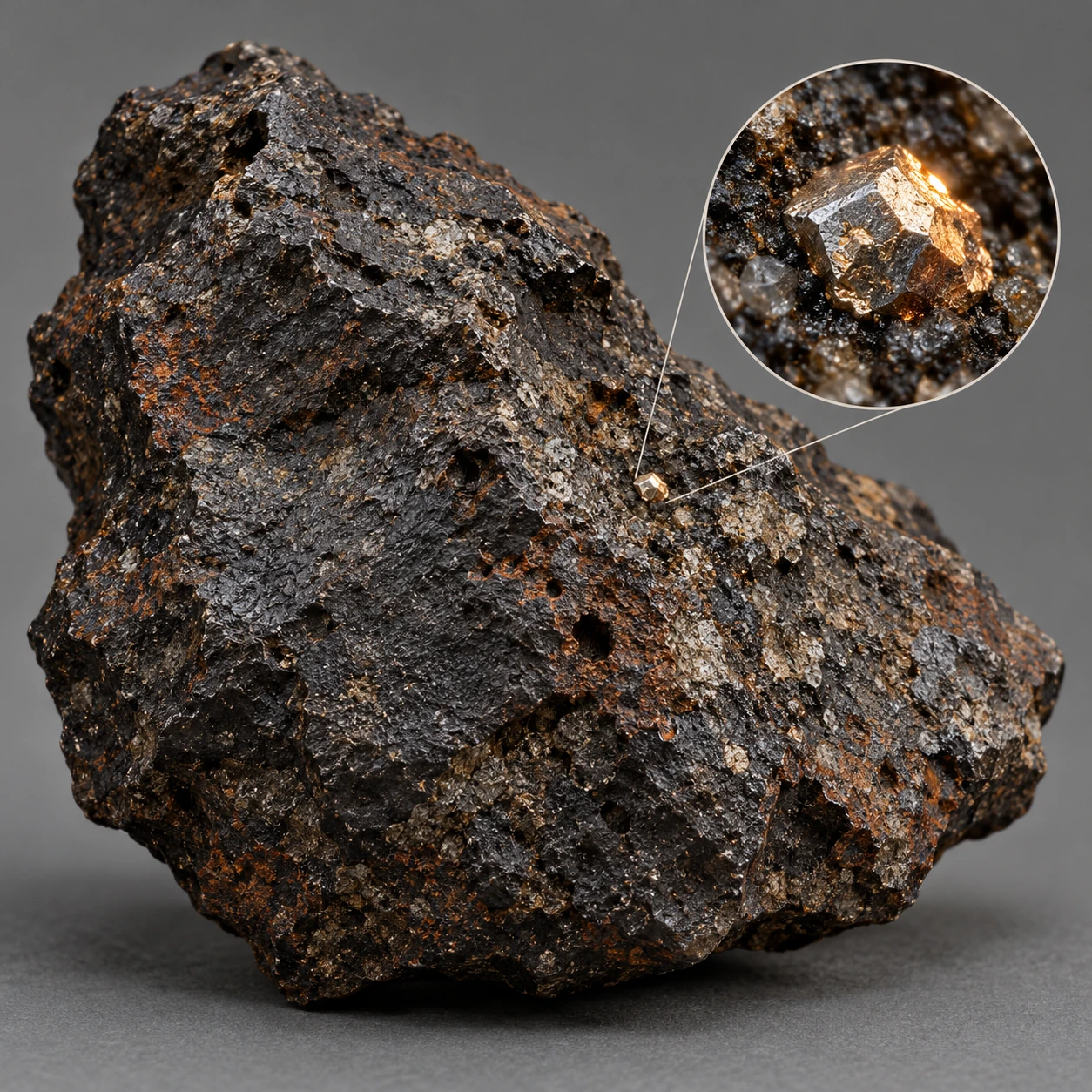
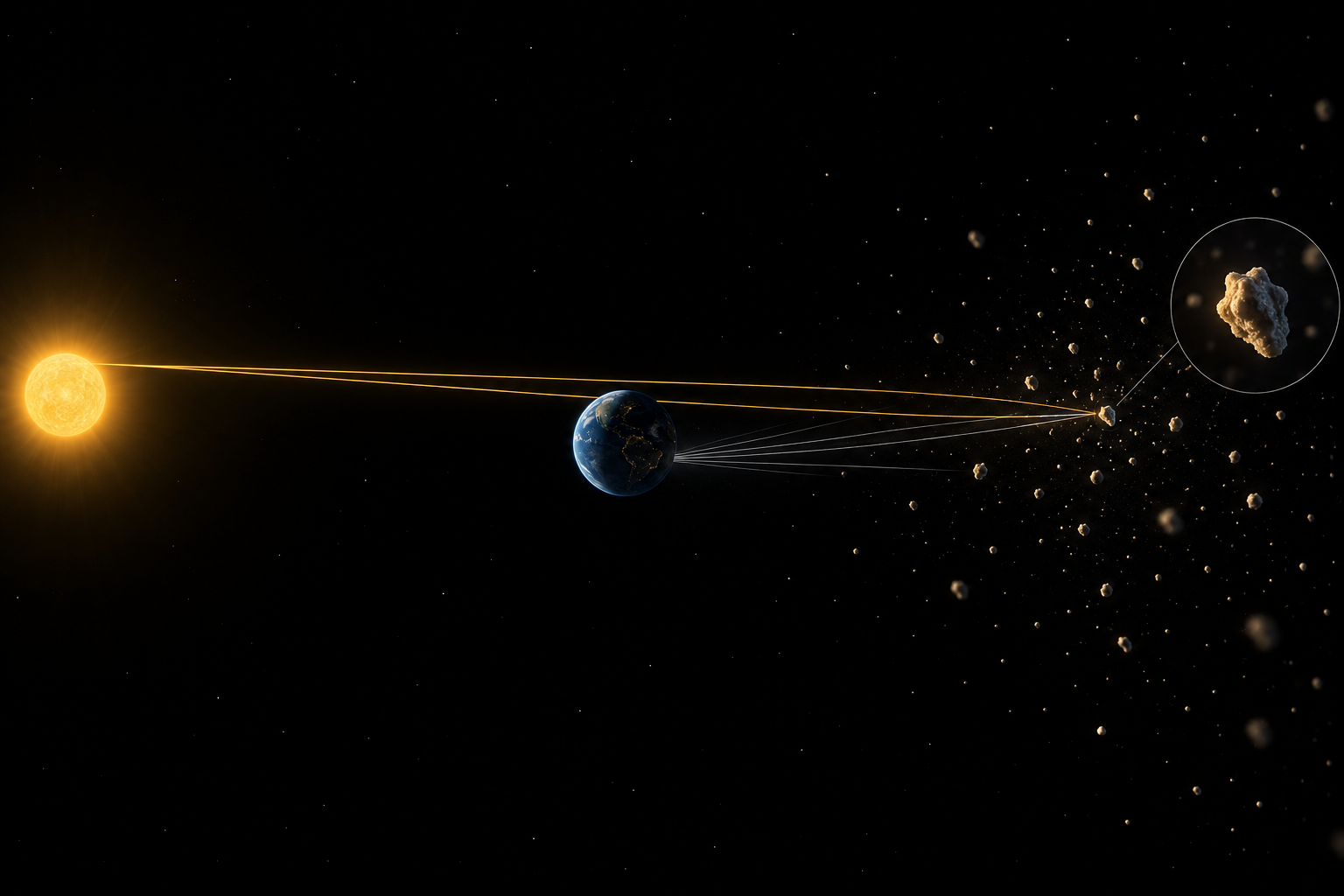
Specimen-style interpretation, not a photograph of Khatyrka or its measured grains. The inset explains the change of scale without reproducing analytical evidence. Natural quasicrystals connect sharp diffraction patterns, meteorite chemistry and shock experiments without requiring a repeating atomic cell.
Quasicrystals · Meteorites · Materials Science · About 6 minutes
Read journey 39 →
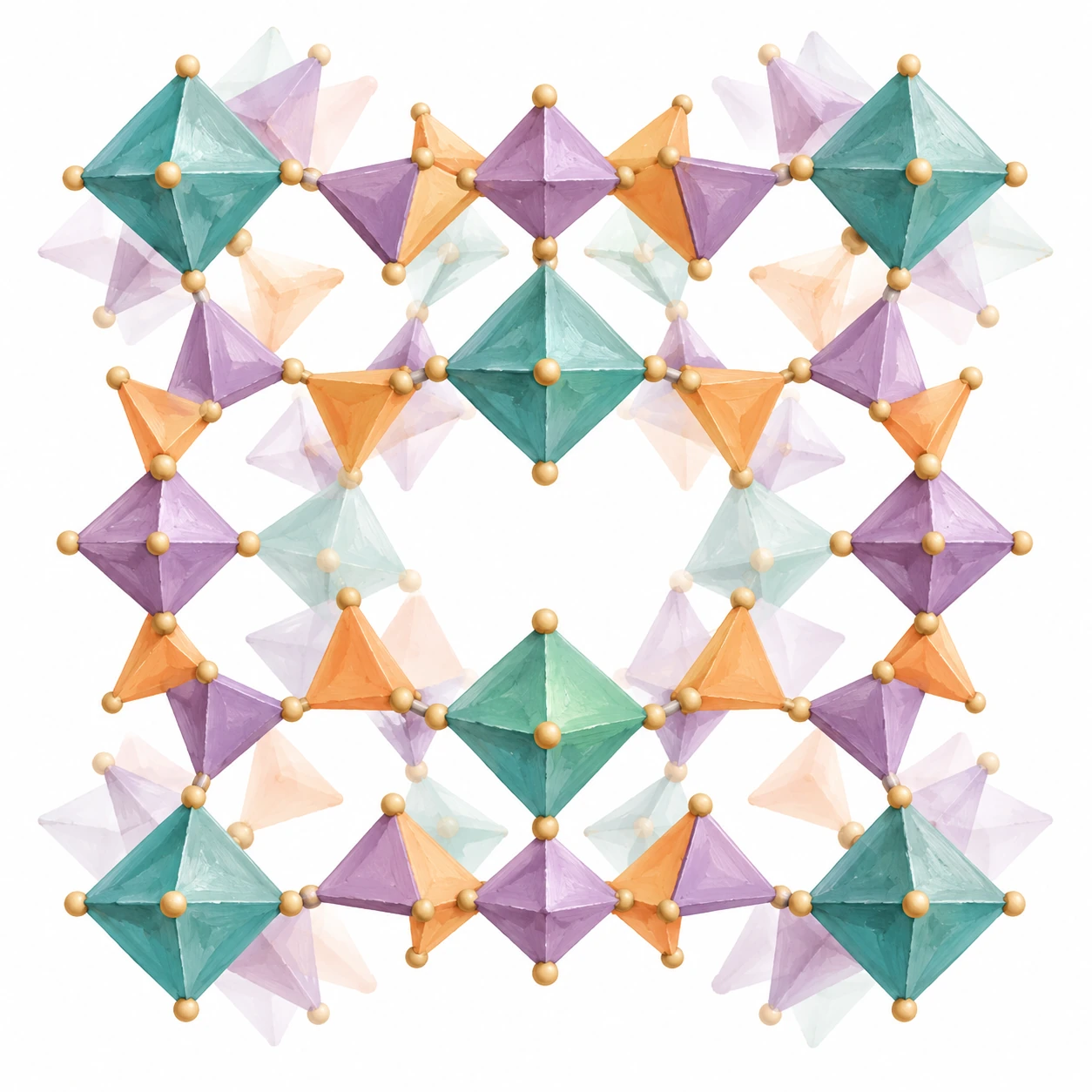
A conceptual open framework. Polyhedra organize local atomic environments; this arrangement is not the measured unit cell or an exact calculated contraction mode. Zirconium tungstate shows how collective vibrations can outweigh ordinary bond expansion. Test the length-change arithmetic yourself.
Materials Science · Thermal Expansion · Crystal Structures · About 6 minutes
Read journey 40 →
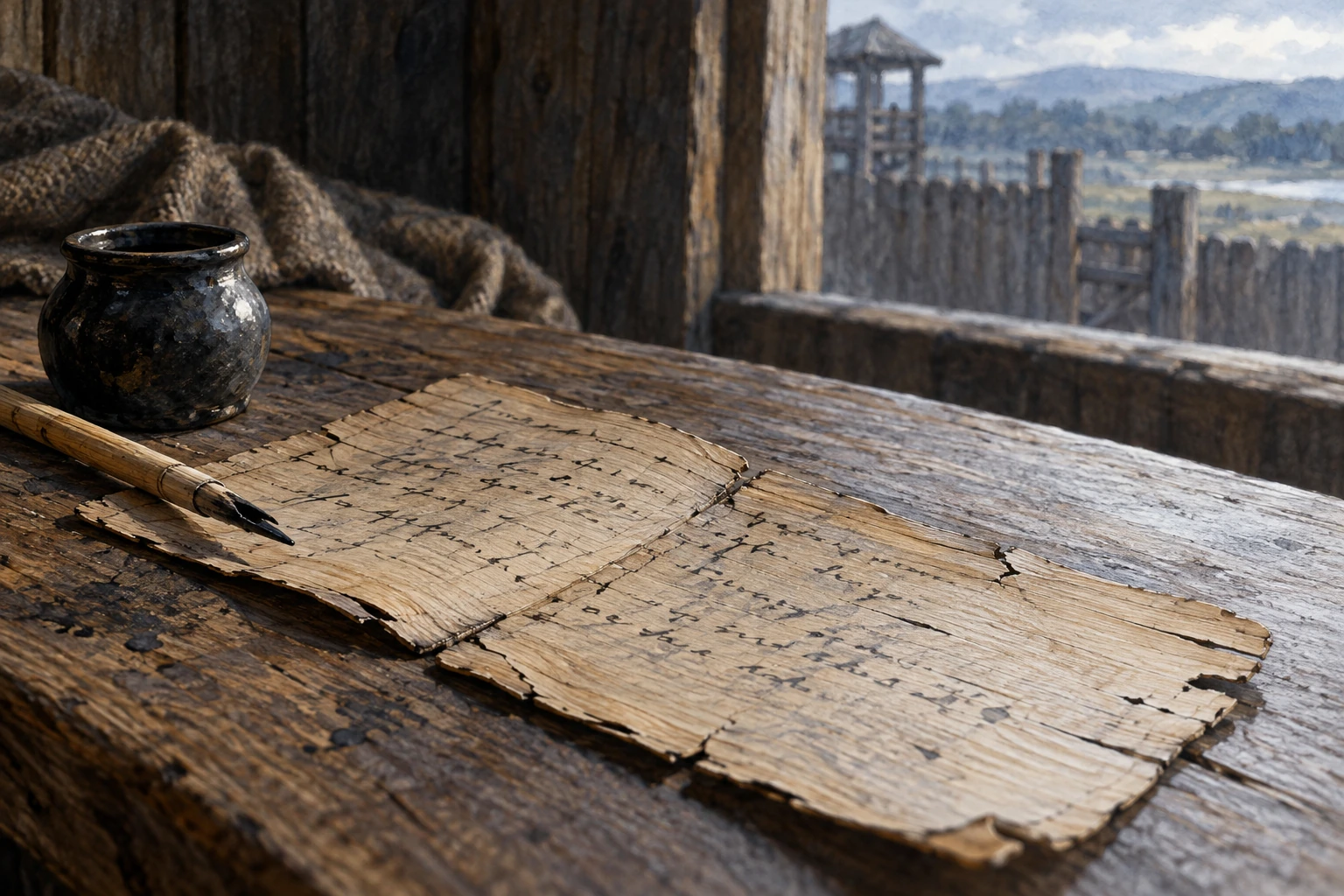
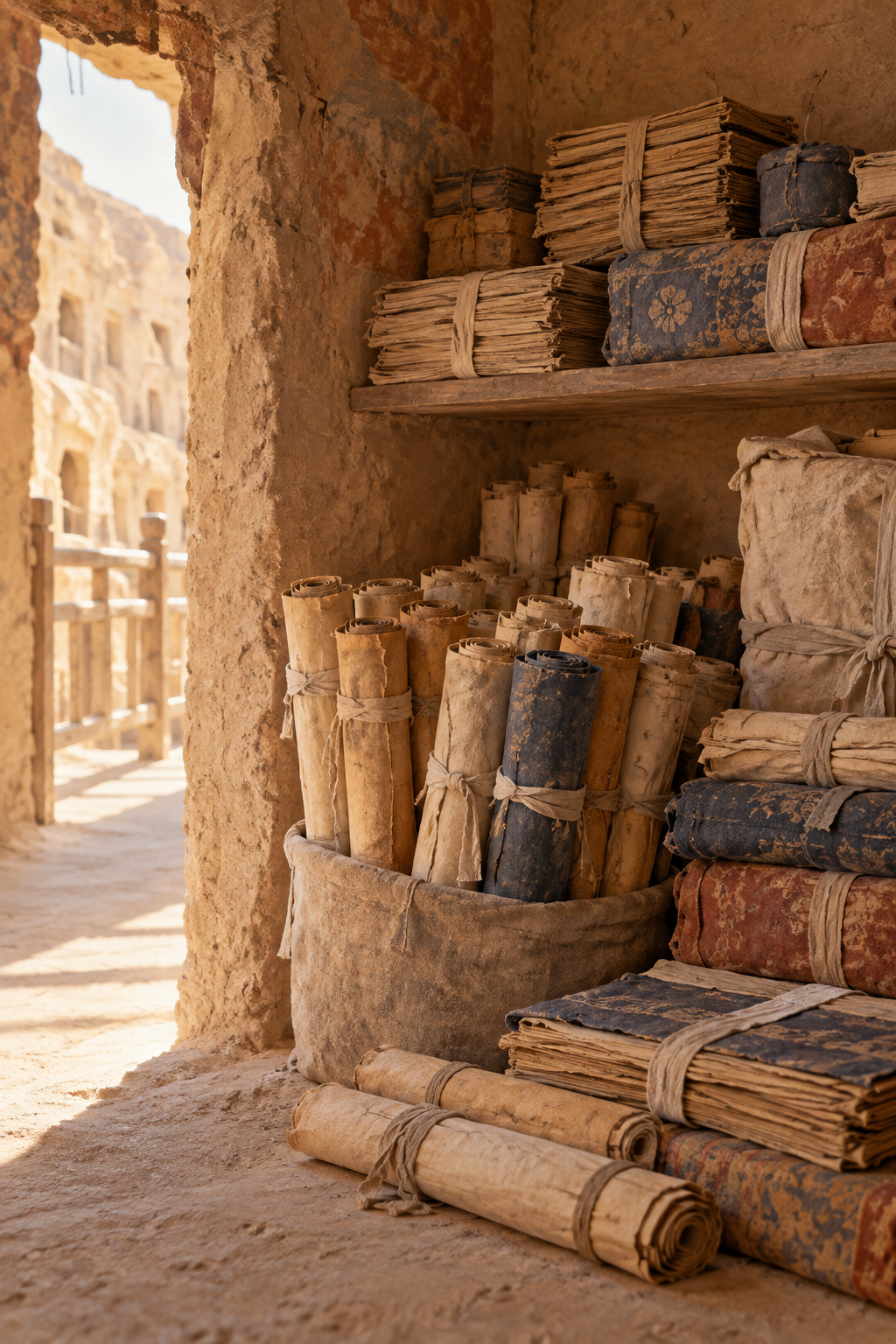
A thin wooden leaf could carry a personal letter. The imagined marks here are not a transcription of a Vindolanda tablet. A thin wooden birthday invitation opens a careful route into Roman handwriting, everyday life, and the evidence behind a translation.
History · Archaeology · Writing · About 5 minutes
Read journey 41 →
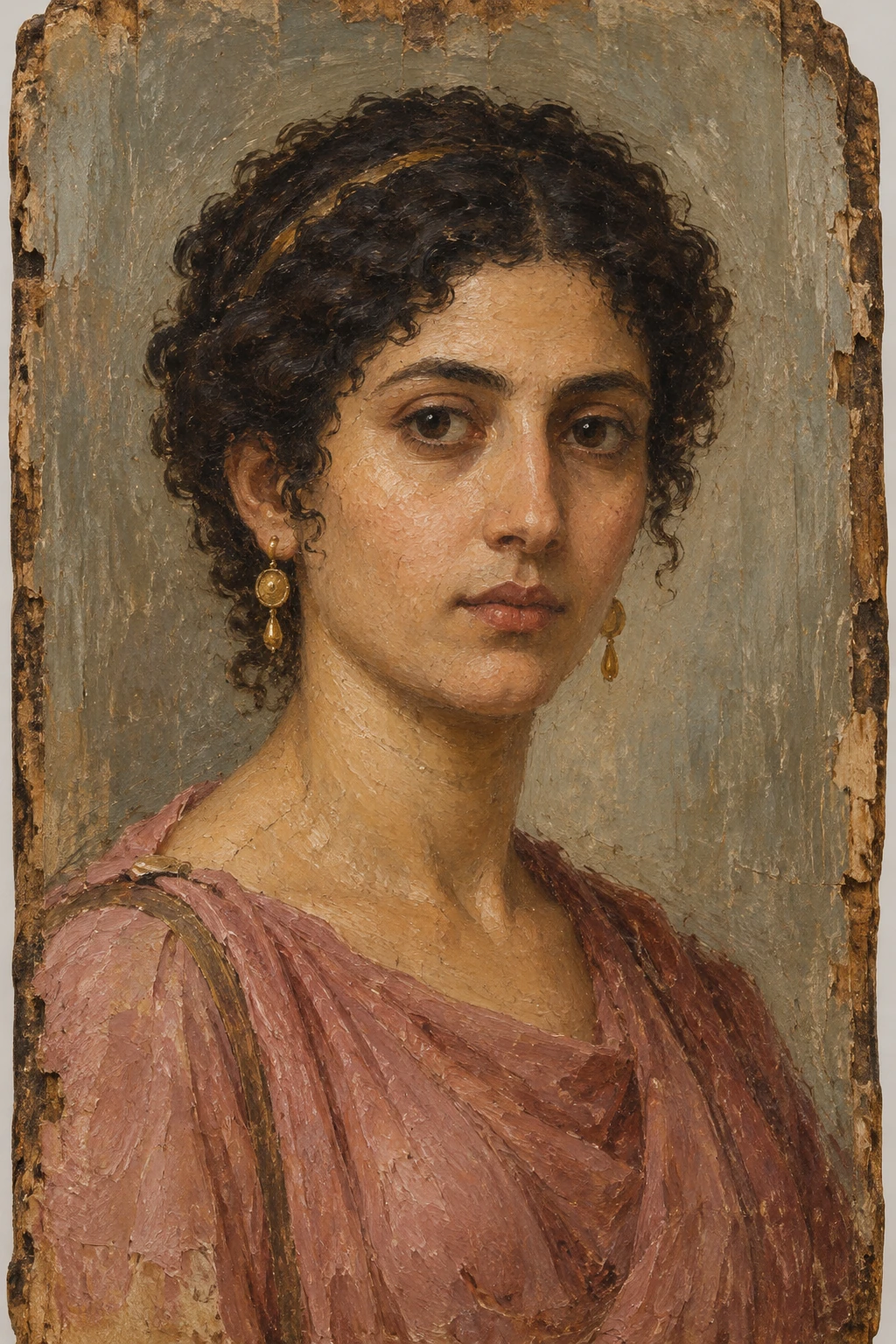
An original portrait study evokes the layered paint and wooden support of Roman Egyptian funerary panels; it is not a copy of an ancient individual. Read Roman Egyptian portraits through paint, wooden supports, funerary settings, and the limits of what a vivid face can tell us.
Art History · Archaeology · Painting · About 5 minutes
Read journey 42 →
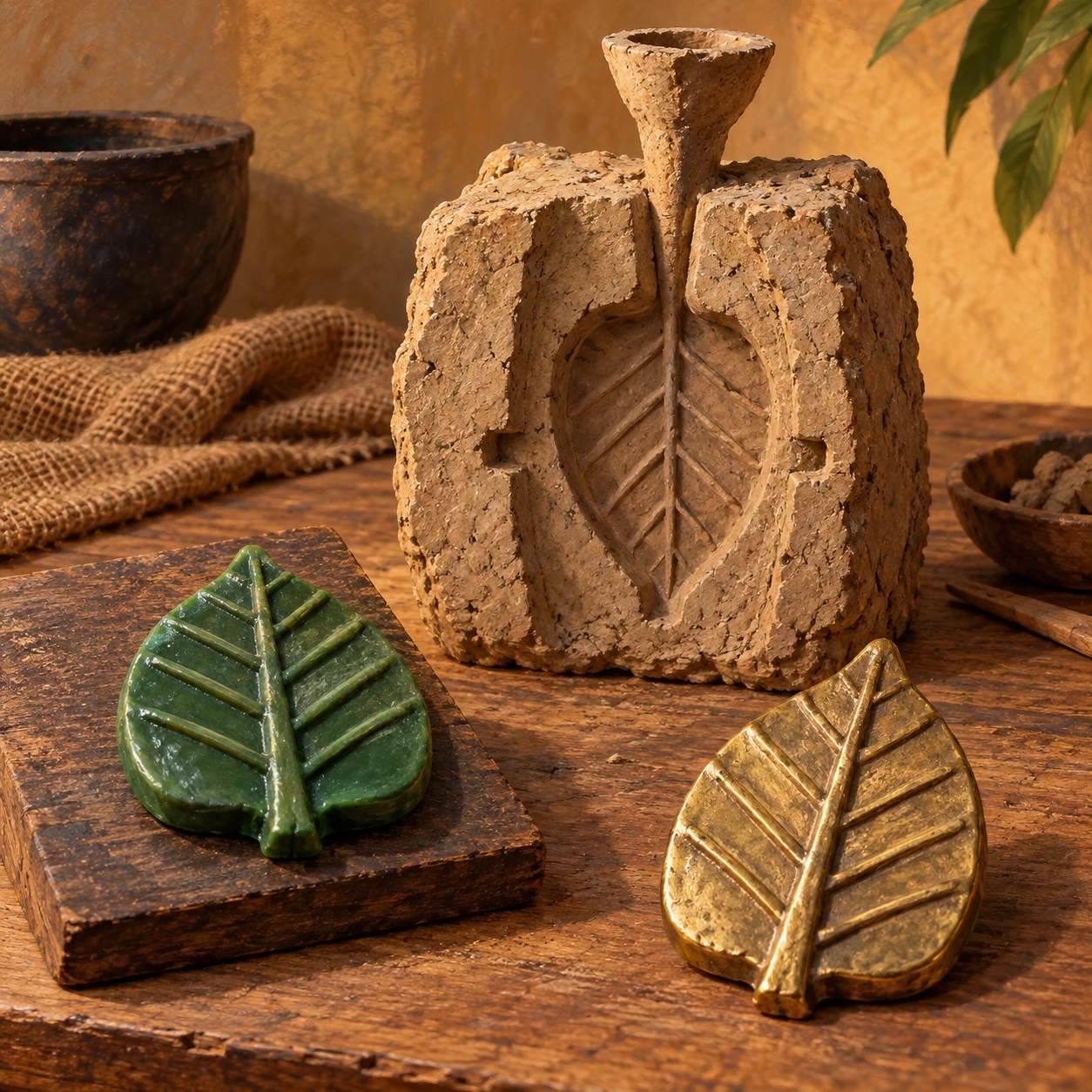
Wax, an investment mold, and a finished brass surface suggest distinct stages. The invented motif is not a historical Benin court object. Follow wax, clay, metal, and surviving surface traces through Benin casting, while keeping makers and object histories in view.
Material Culture · African Art · Craft · About 4 minutes
Read journey 43 →
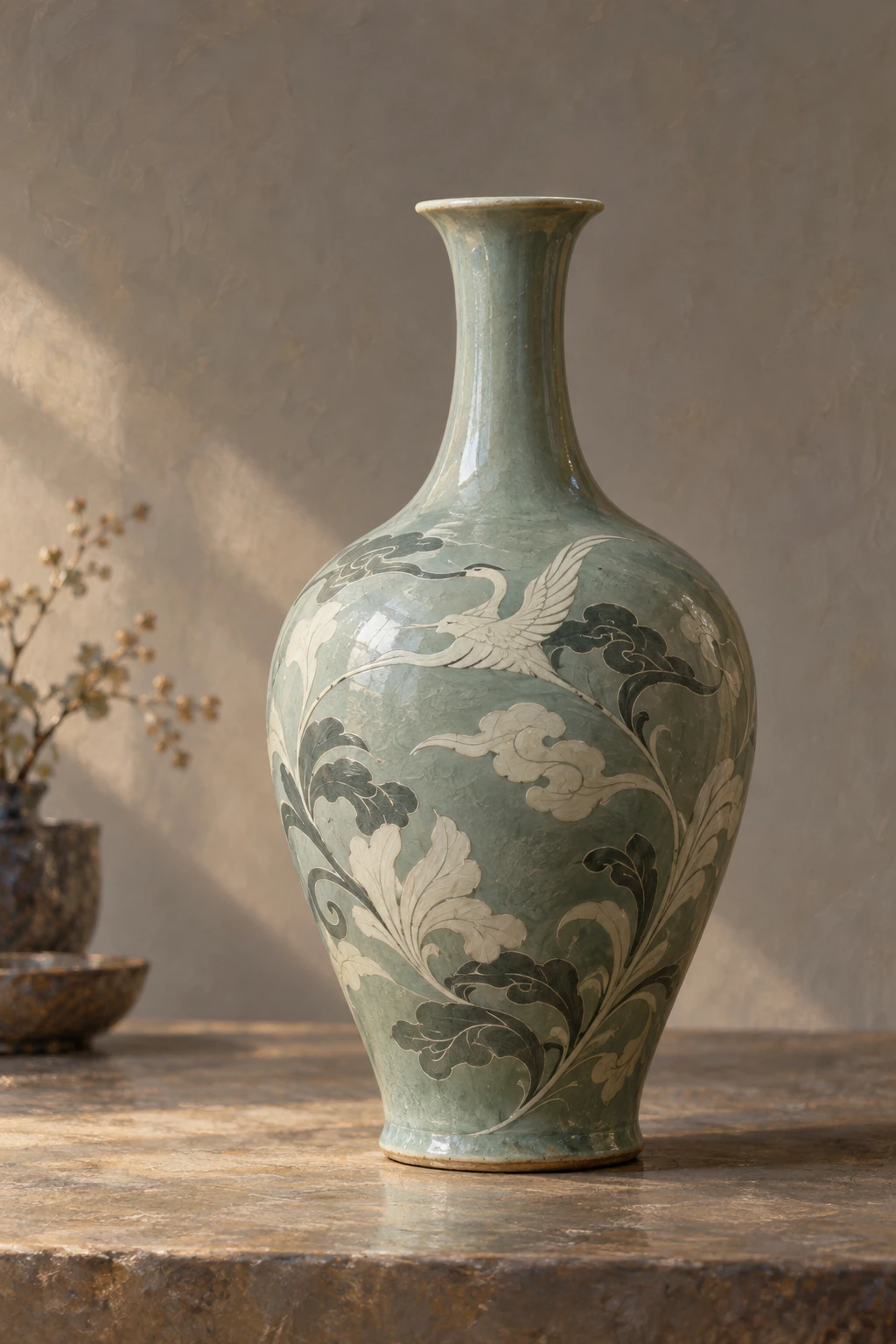
Light and dark clay inlays sit within the ceramic surface beneath a greenish glaze. This invented vessel illustrates the relationship of layers. Goryeo celadon patterns can sit inside the clay beneath the glaze. Explore the inlay sequence and a small cup with several kinds of making.
Ceramics · Korean Art · Craft · About 4 minutes
Read journey 44 →
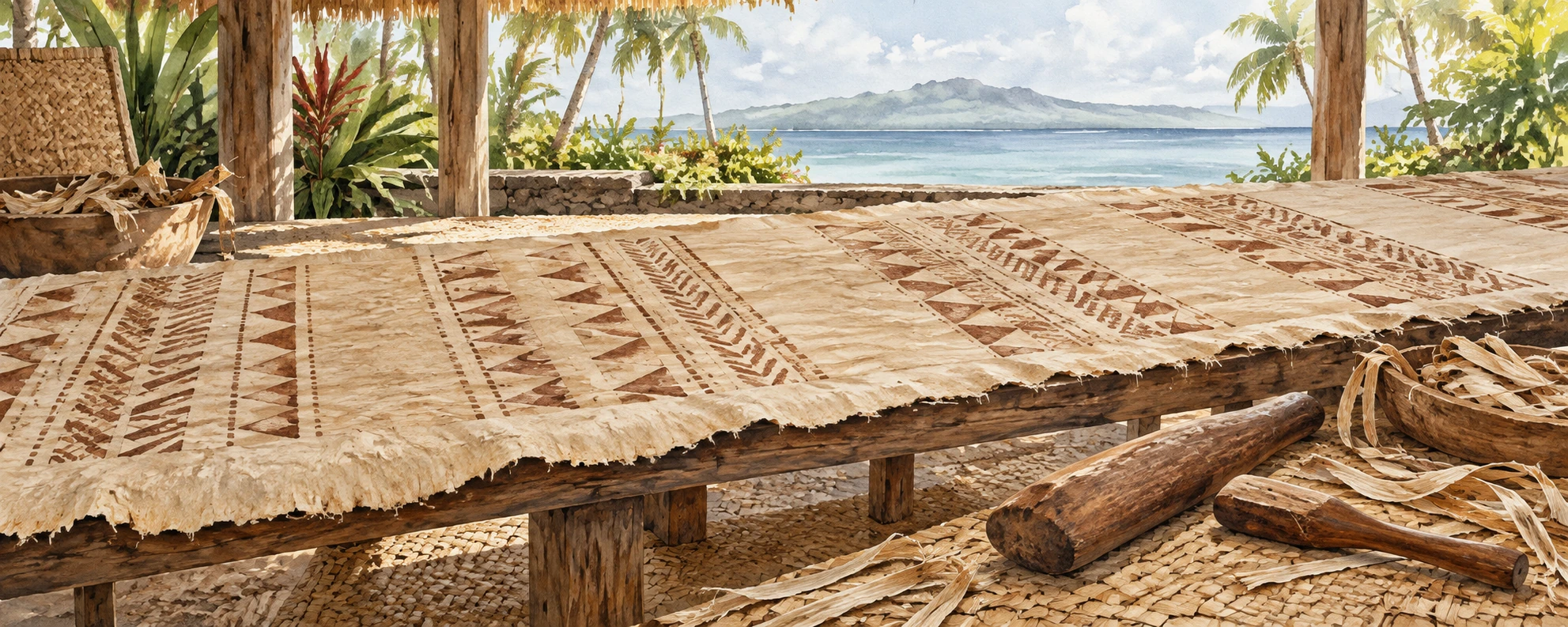
Joined sheets, repeated marks, and working tools make barkcloth a record of skilled collective labor. The pattern is an original illustrative design. Tongan ngatu brings fiber work, joined surfaces, ceremonial scale, and intergenerational knowledge into one remarkable cloth.
Textiles · Pacific Cultures · Craft · About 4 minutes
Read journey 45 →
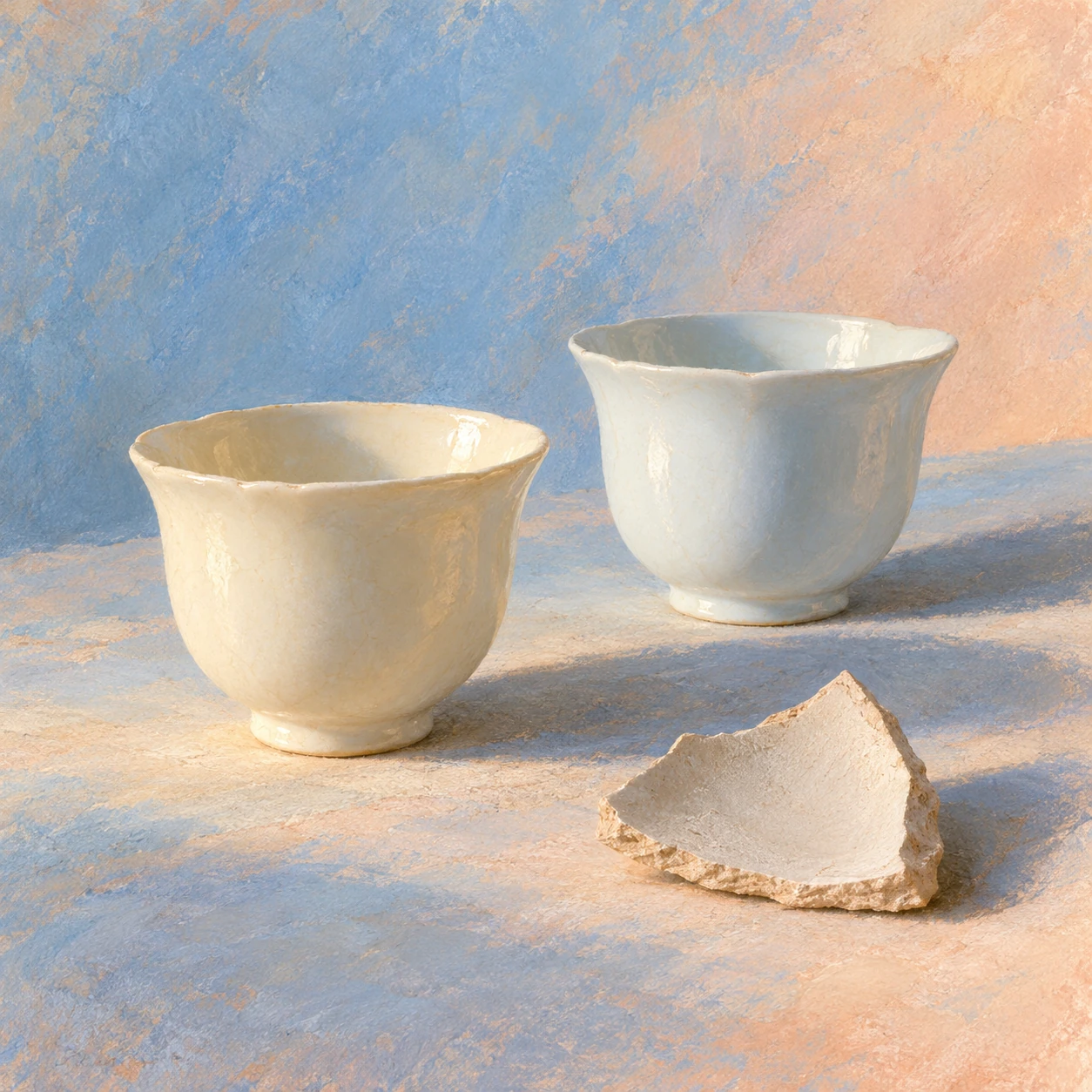
Two invented cups invite a materials comparison. Color alone cannot reliably distinguish soft-paste from hard-paste porcelain. Soft-paste and hard-paste porcelain preserve different material choices. Follow the experiments behind a seemingly simple white surface.
Ceramics · Material Culture · European History · About 4 minutes
Read journey 46 →
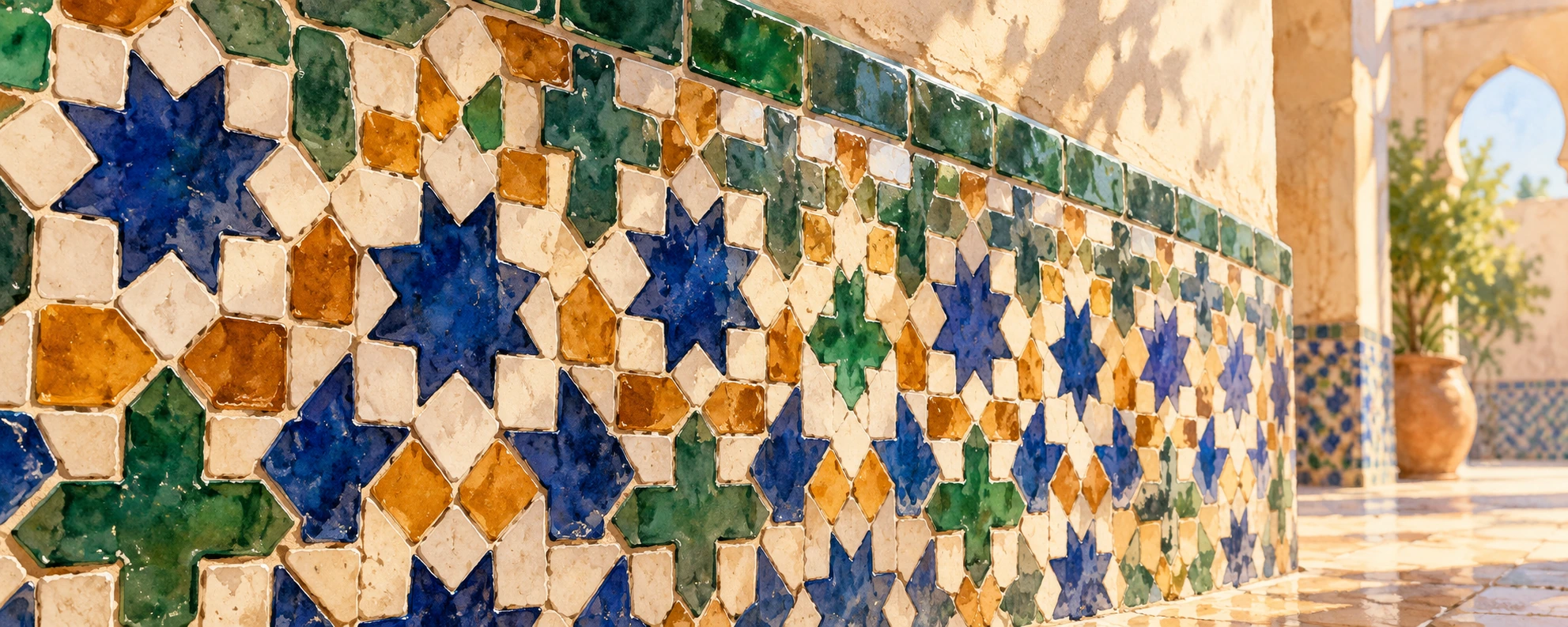
Separately shaped glazed pieces make a larger geometric field. The original pattern illustrates assembly rather than a measured monument. Look past the large pattern to the cut tile, the repeated unit, and the architectural edge, with a small rotation exercise and museum film.
Craft · Architecture · Geometry · About 4 minutes
Read journey 47 →
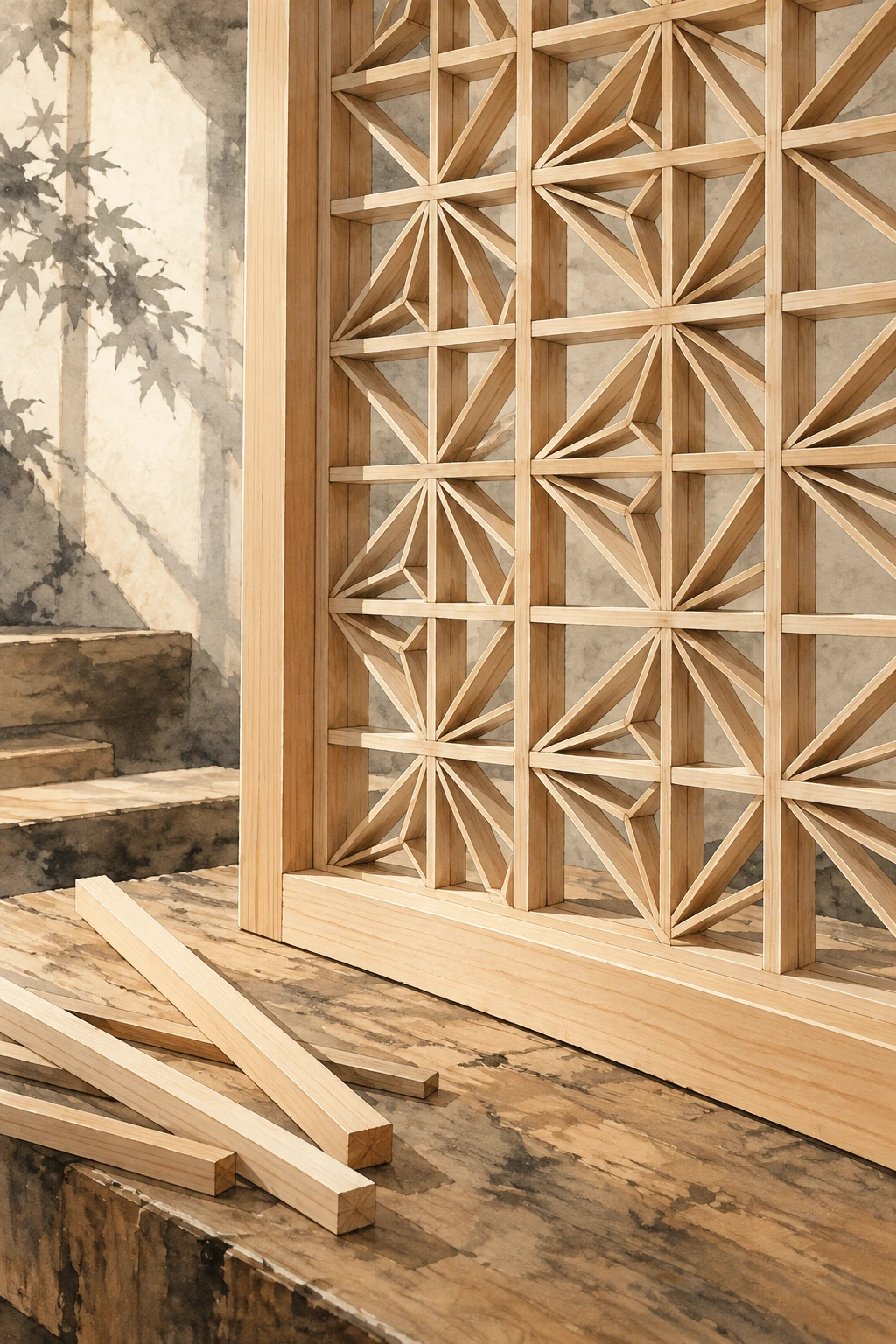
Slender members divide a larger frame into repeated geometries. This invented lattice is a visual study, not a cutting plan. A kumiko lattice is a hierarchy of frame, grid, infill, and light. Learn to see the joins and relationships behind its apparent weightlessness.
Woodworking · Japanese Craft · Architecture · About 4 minutes
Read journey 48 →
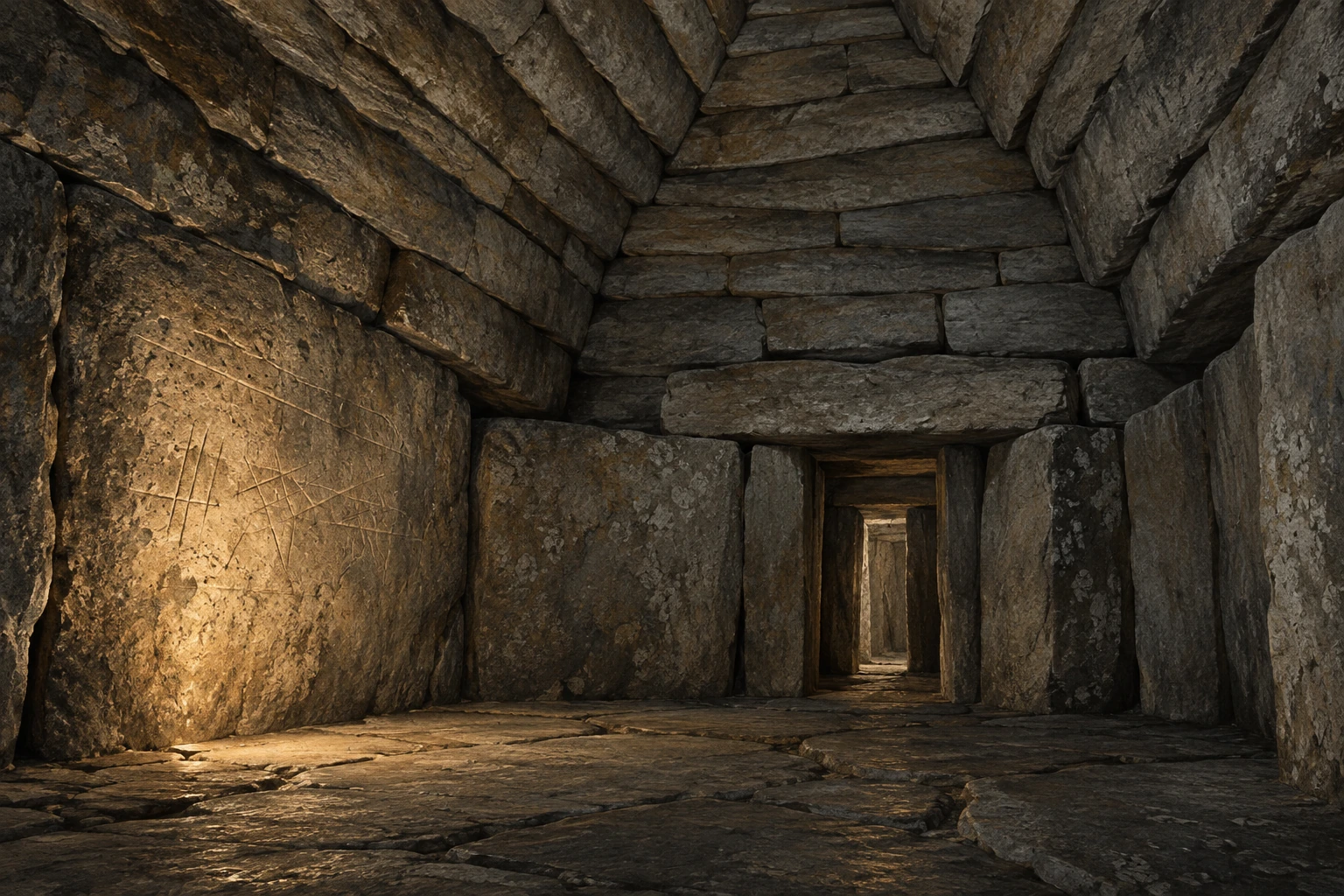
A chamber can outlive its first purpose. The invented incisions stand for later visitors rather than a transcribed Maeshowe inscription. Maeshowe holds a Neolithic chamber, later Norse runes, and modern conservation. Learn to read those histories without merging their dates.
Archaeology · Writing · Built Heritage · About 4 minutes
Read journey 49 →
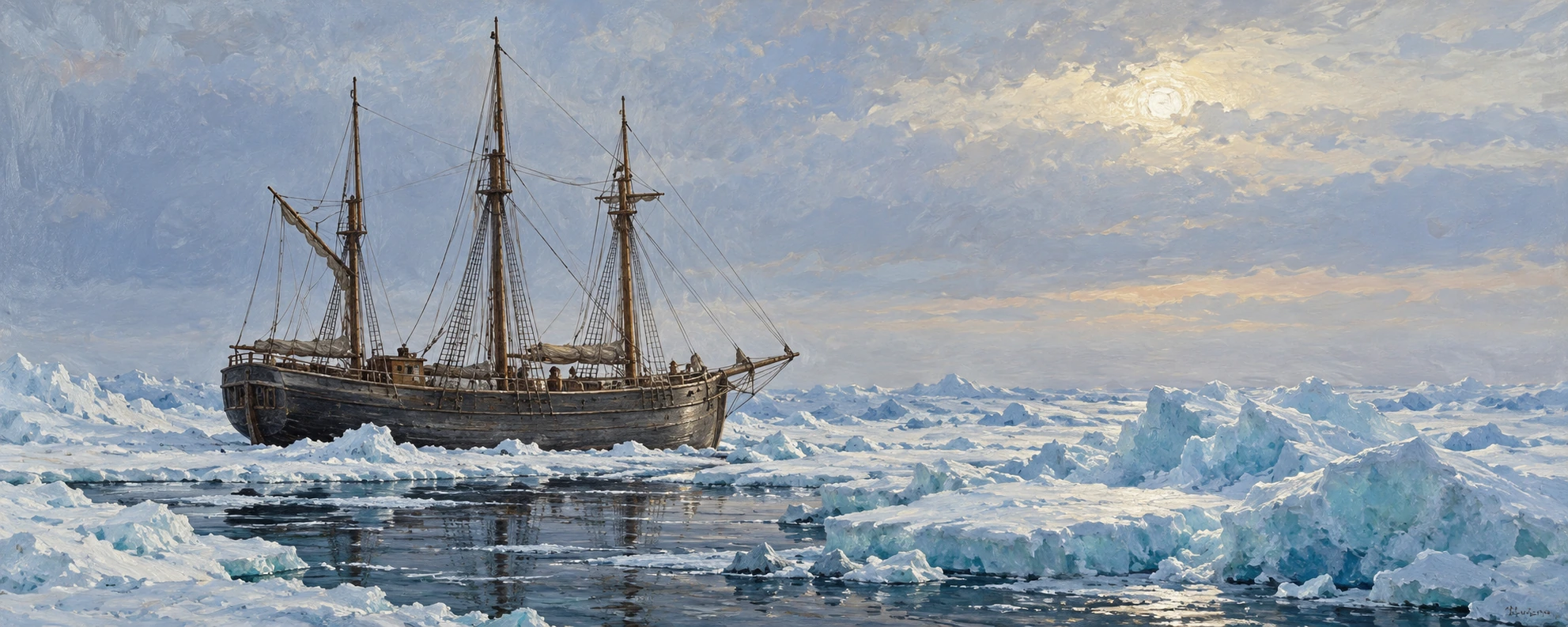
Fram was designed for prolonged work in moving ice. This interpretive scene represents the design problem rather than a documented expedition moment. Fram turned confinement in moving ice into an expedition strategy. Read its rounded hull, tradeoffs, living spaces, and later alterations together.
Maritime History · Design · Exploration · About 4 minutes
Read journey 50 →
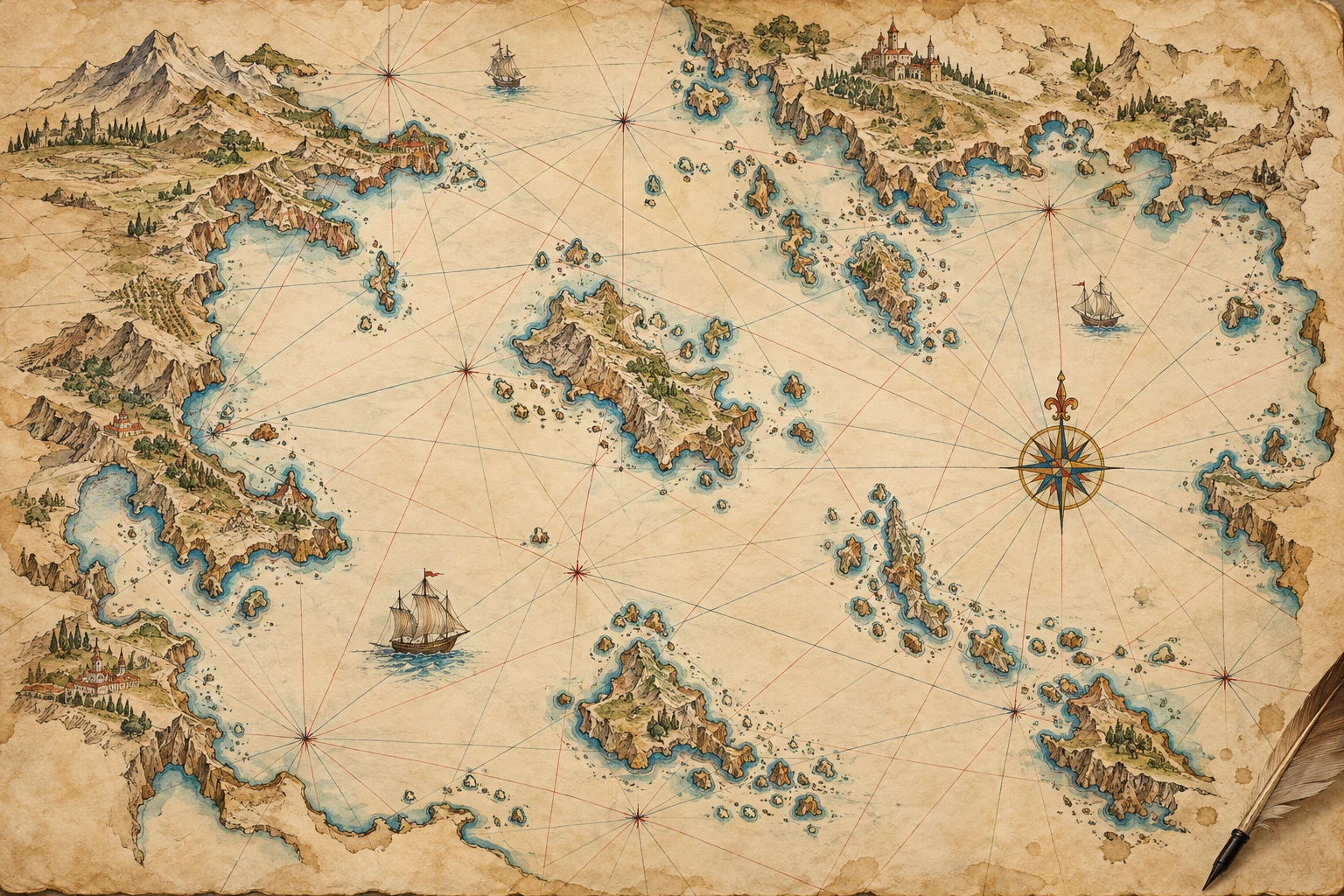
Bearing lines organize a fictional coastline. Real portolan charts must be studied as individual objects with their own scale, geography, and labels. A portolan chart organizes coasts, names, scales, and directions. Explore its bearing lines without assuming a modern map grid or north-up view.
Maps · Maritime History · Knowledge · About 4 minutes
Read journey 51 →
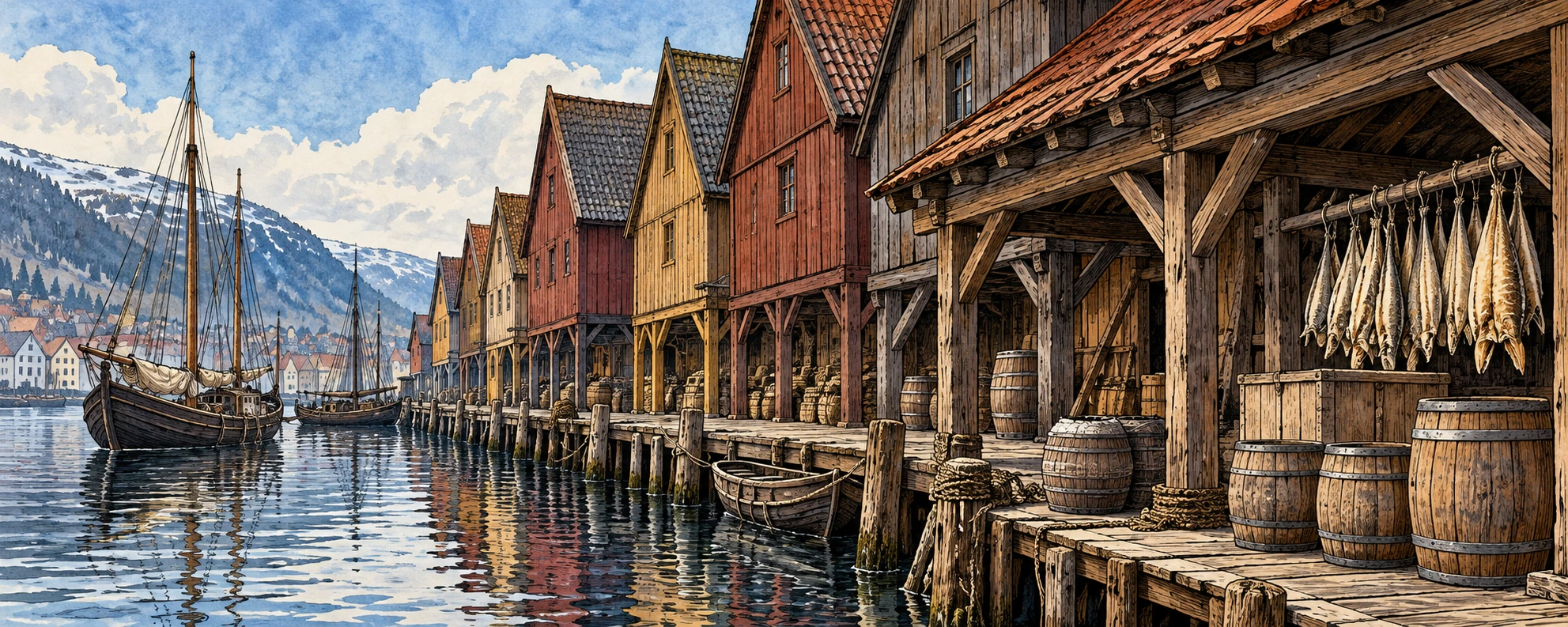
Storage, handling, and access to the harbor connect buildings to trade. The invented wharf is not a reconstruction of one dated Bryggen phase. Walk behind Bergen’s famous gables to discover fish grading, shared rooms, buried streets, and the water that helps preserve them.
History · Architecture · Trade · About 6 minutes
Read journey 52 →
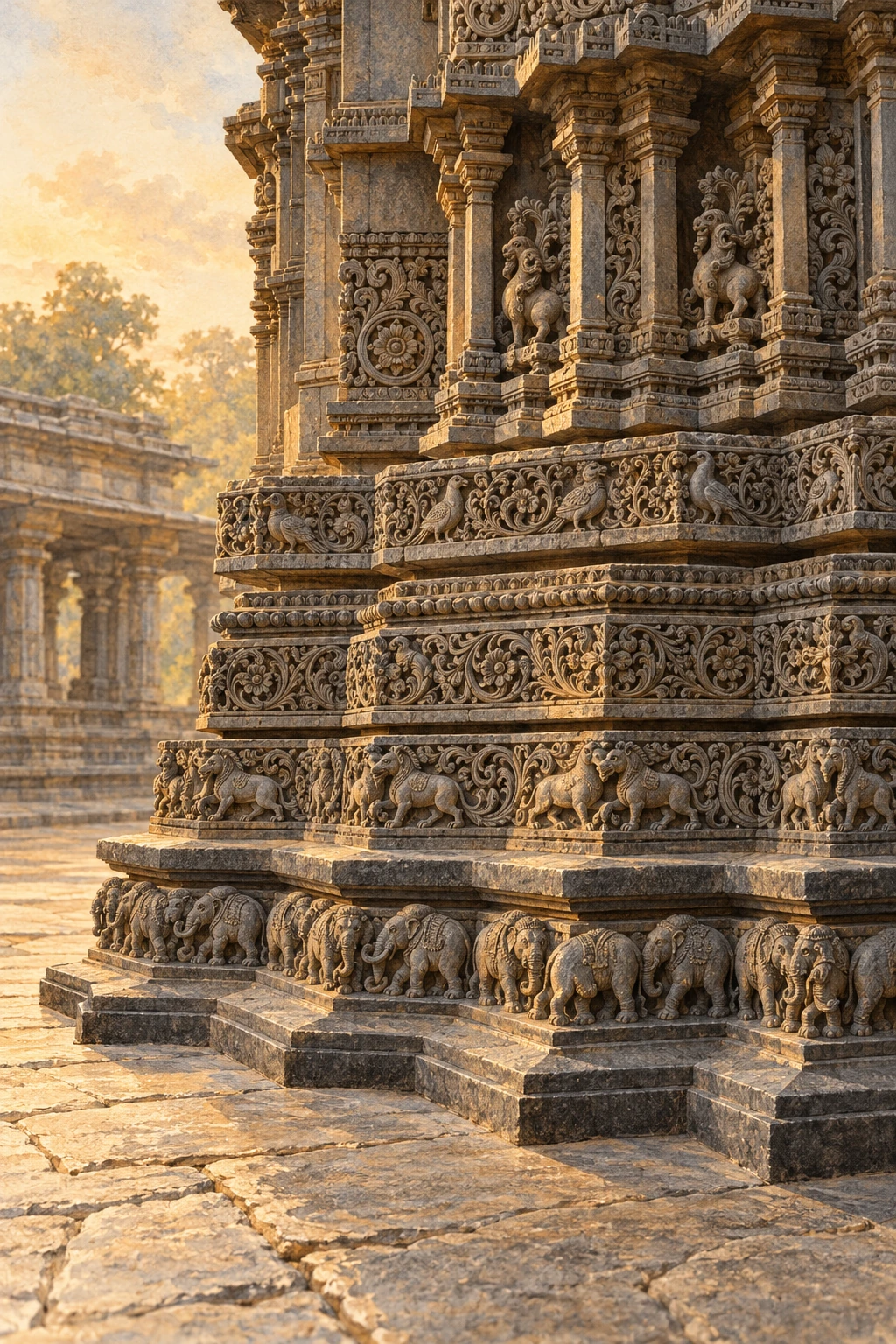
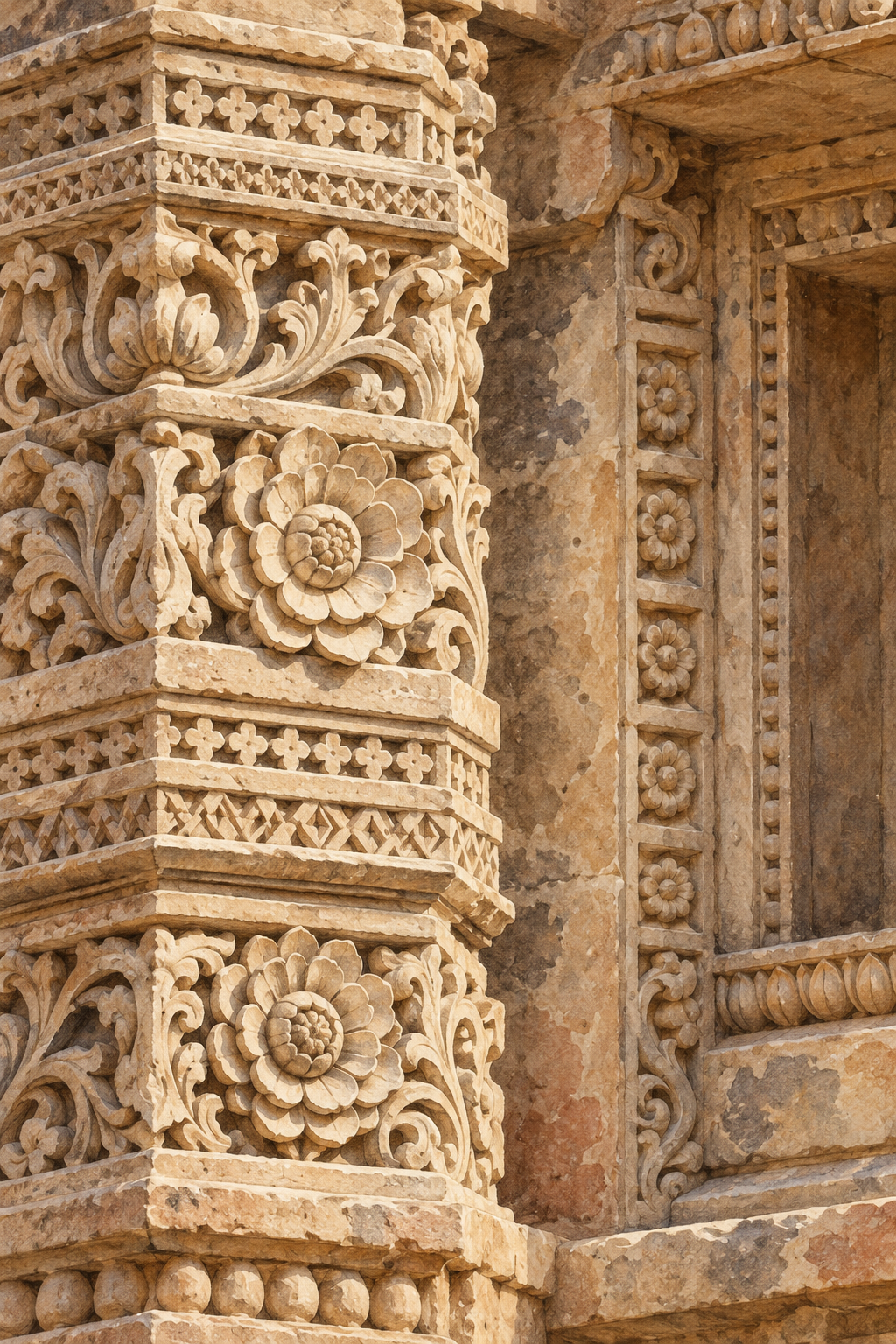
Recesses, projecting bands, and repeated details organize light across an imagined Hoysala-inspired wall. Learn to read a Hoysala temple wall through its plan, shadows, narrative bands, and the names some sculptors left behind.
History · Architecture · India · About 4 minutes
Read journey 53 →
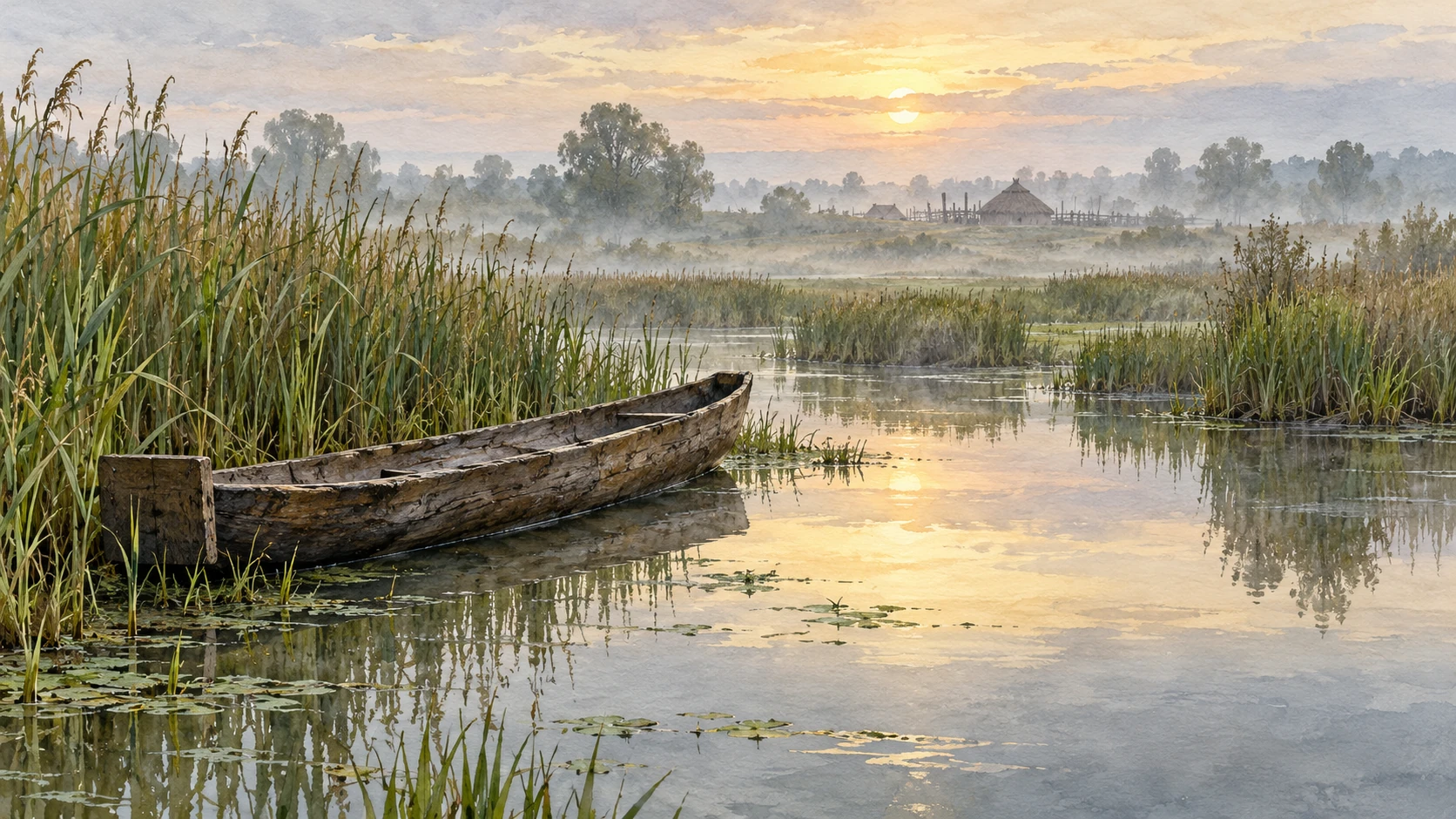
The narrow wooden route is a reconstruction concept. The excavated Sweet Track provides the evidence for the much more specific account in the text. A Neolithic crossing becomes an evidence dossier: timber supports, precise tree-ring dates, earlier routes, and a printable reading exercise.
Archaeology · History · Wetlands · About 6 minutes
Read journey 54 →
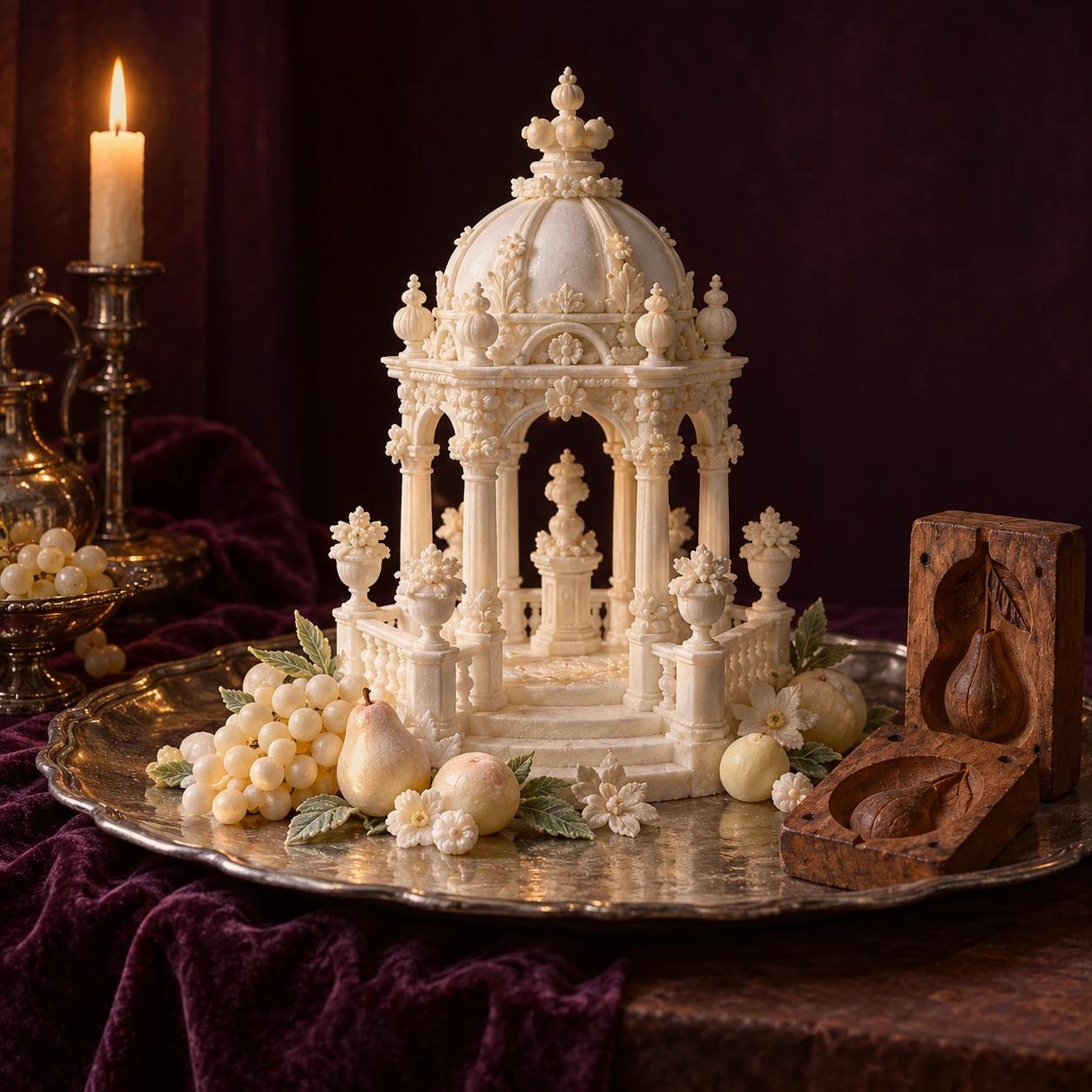
Sugar could be shaped into a temporary spectacle. This invented centerpiece directs attention to labor, molds, and materials rather than a named feast. Follow sugar sculpture from its material supply to the banquet table, surviving prints, and modern reconstructions using historical molds.
History · Food History · Craft · About 6 minutes
Read journey 55 →
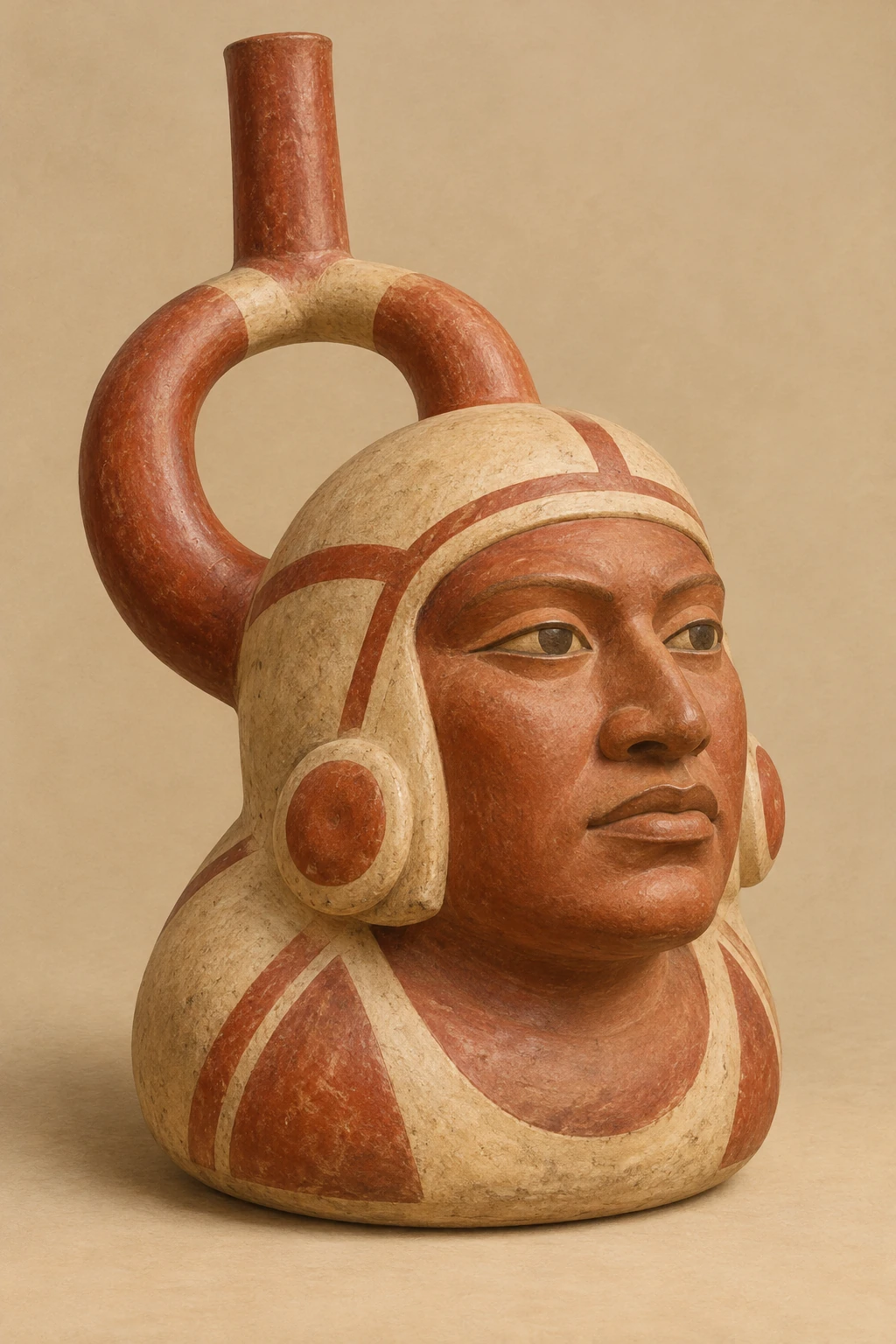
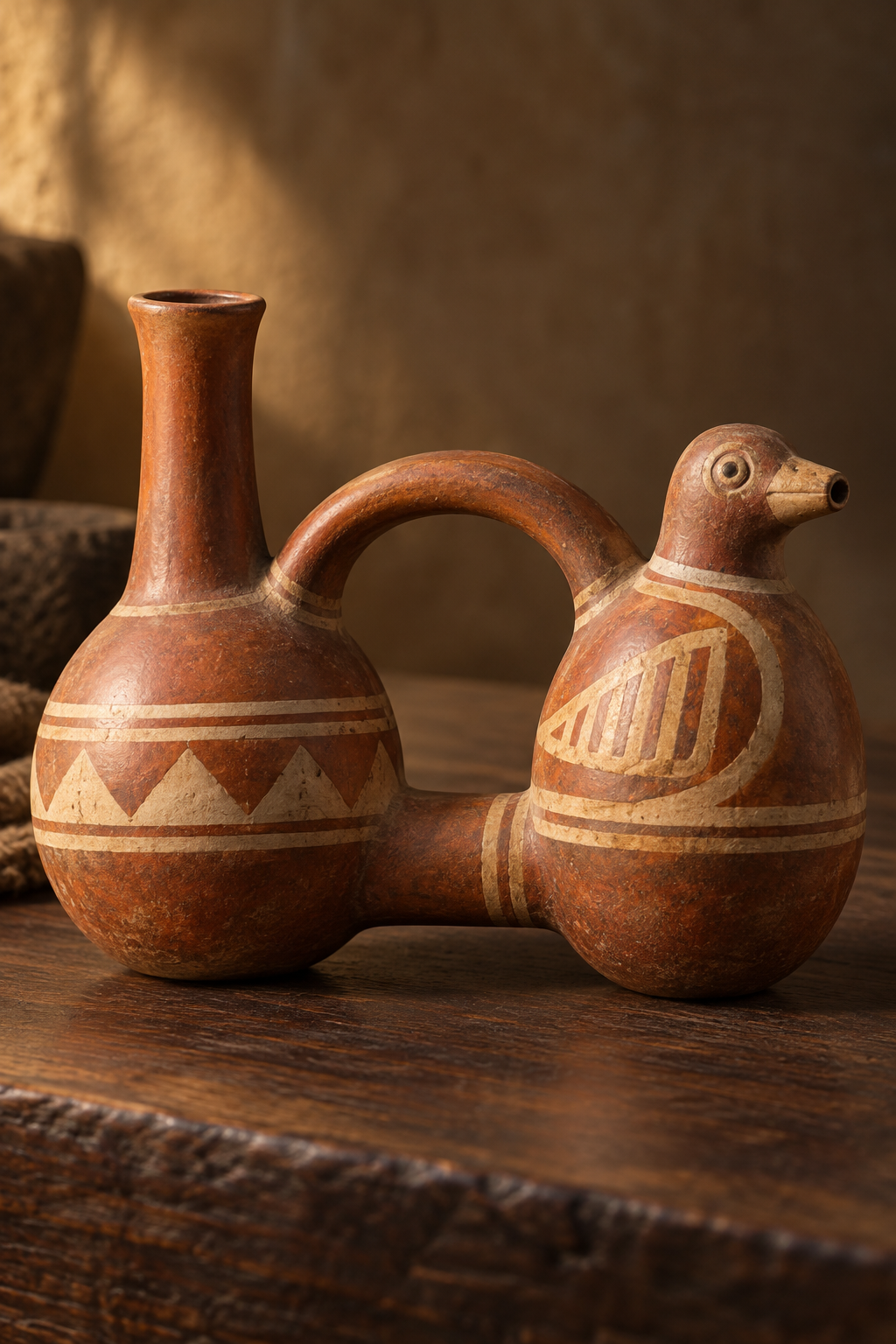
The face, hollow body, and stirrup spout must be read together. The invented form is not a portrait of an identified ancient person. Read Moche portrait bottles as containers, repeatable images, and archaeological objects whose expressive faces do not reveal everything.
Archaeology · Ceramics · Peru · About 6 minutes
Read journey 56 →
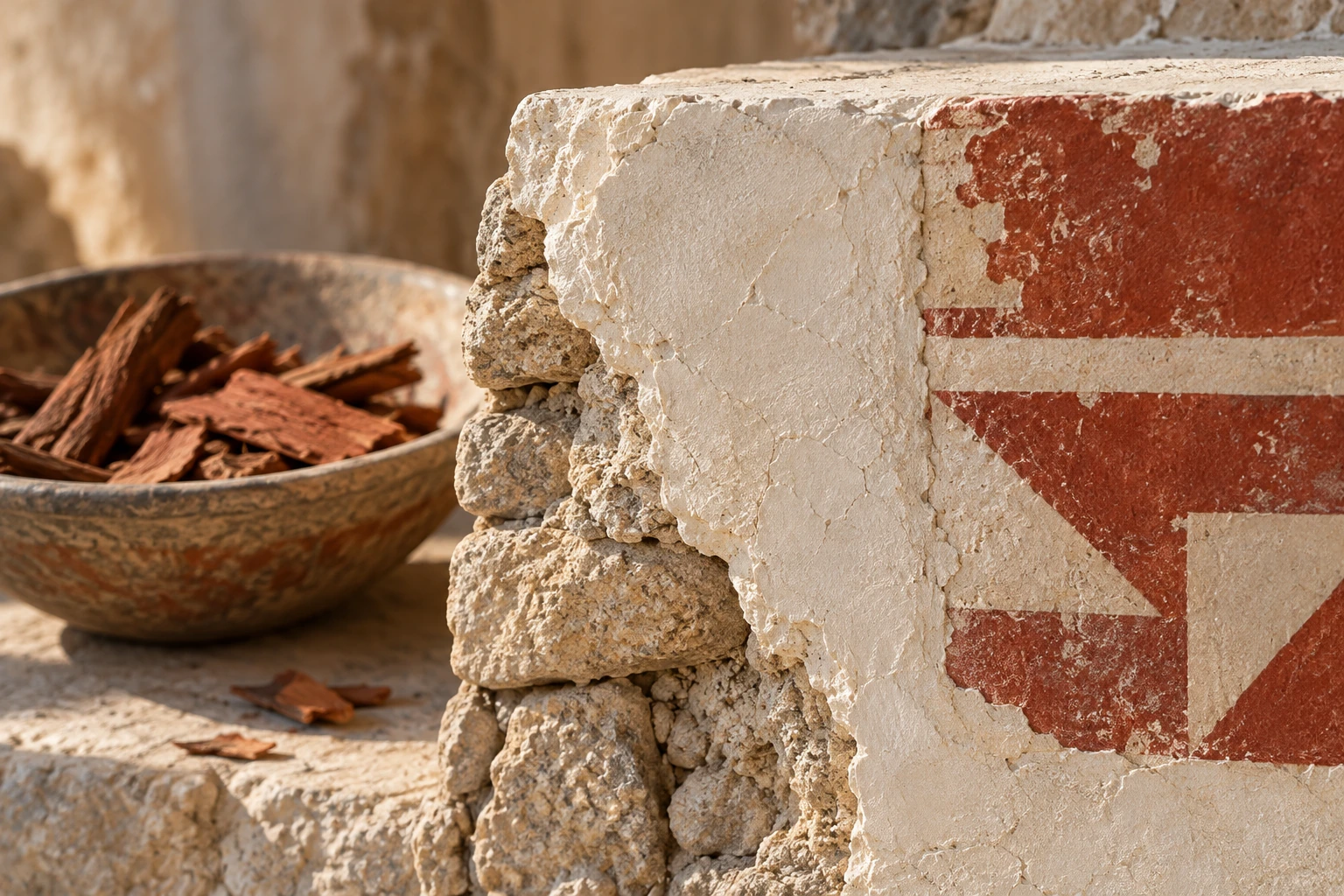
A finished wall hides choices about lime, aggregates, water, and possible organic additions. This material study is not a sample from Copán. Explore Maya lime plaster through craft knowledge, a Copán materials study, and a guide to reading claims about ancient building techniques.
Archaeology · Materials · Maya · About 6 minutes
Read journey 57 →
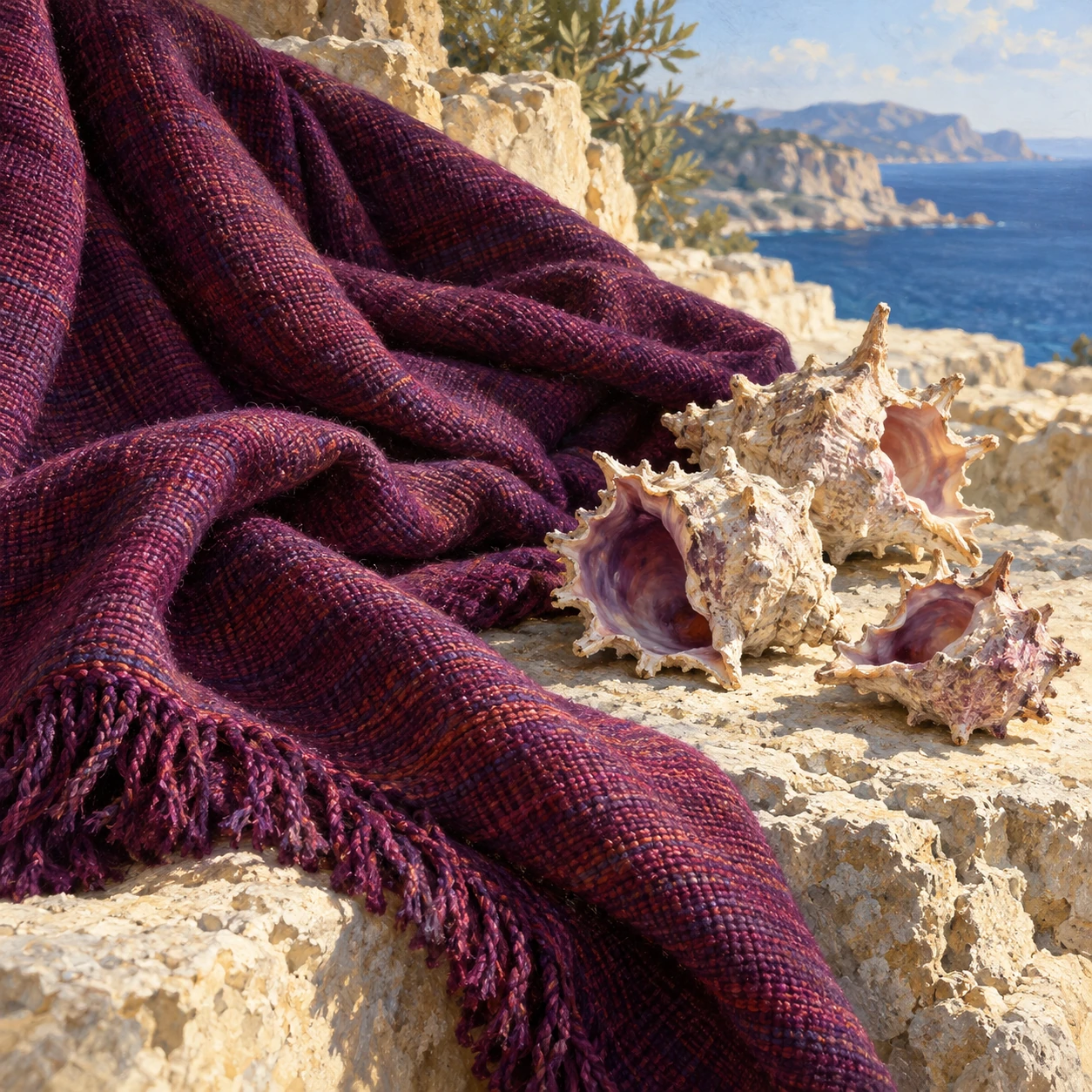
Shells and cloth evoke shellfish-purple dyeing. A purple-looking textile still needs analysis before its dye or historical status can be identified. Follow purple from fibers and shell deposits to chemical analysis and Pliny, while separating a prestigious dye from an imagined royal owner.
History · Textiles · Archaeology · About 6 minutes
Read journey 58 →
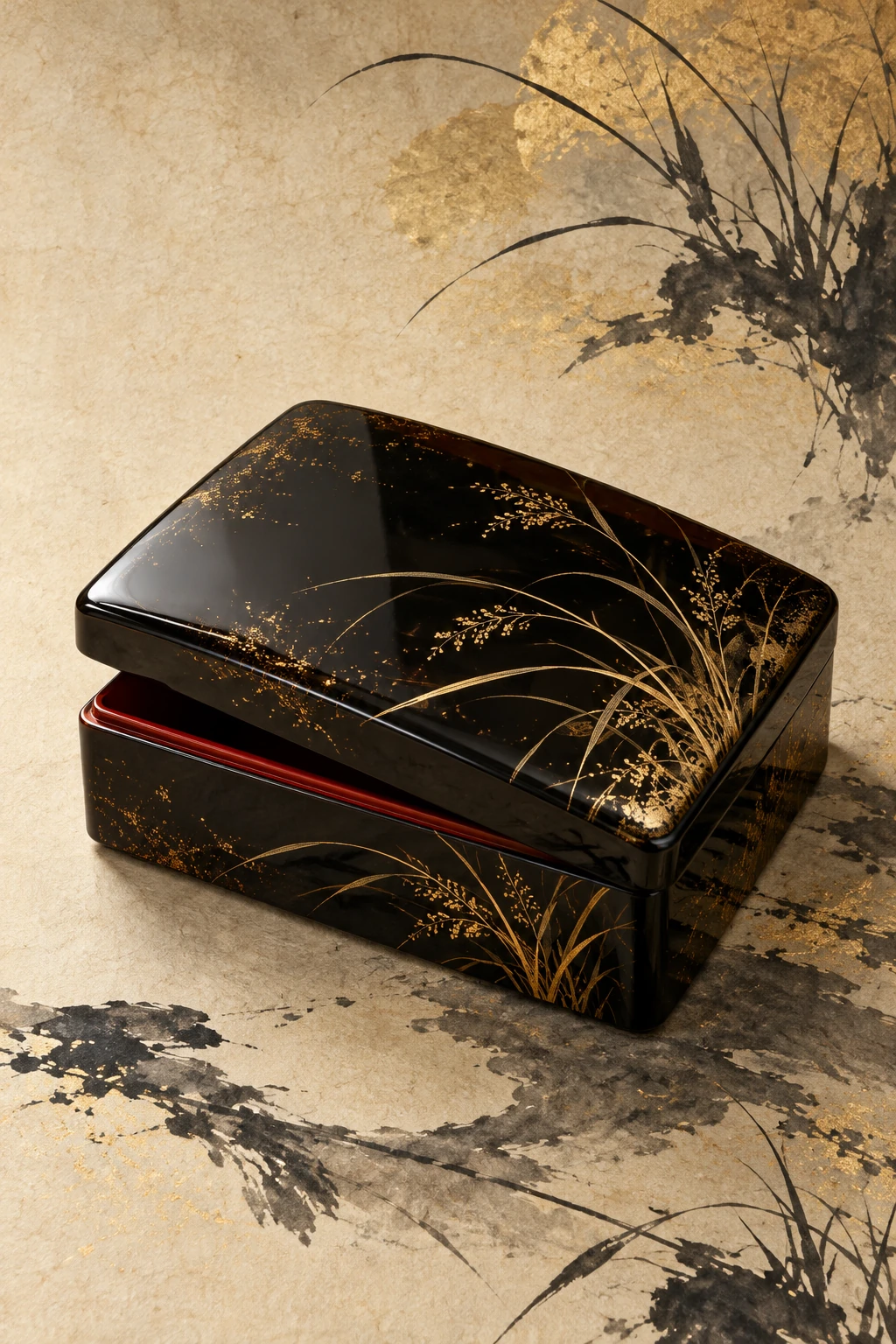
Thin surface layers and decoration can transform a wooden body. The original grass motif illustrates lacquer decoration without reproducing a historical box. Look through the shine of Japanese lacquer to trees, thin coatings, metal powders, and the changing views inside a historical writing box.
Craft · Japan · Lacquer · About 5 minutes
Read journey 59 →
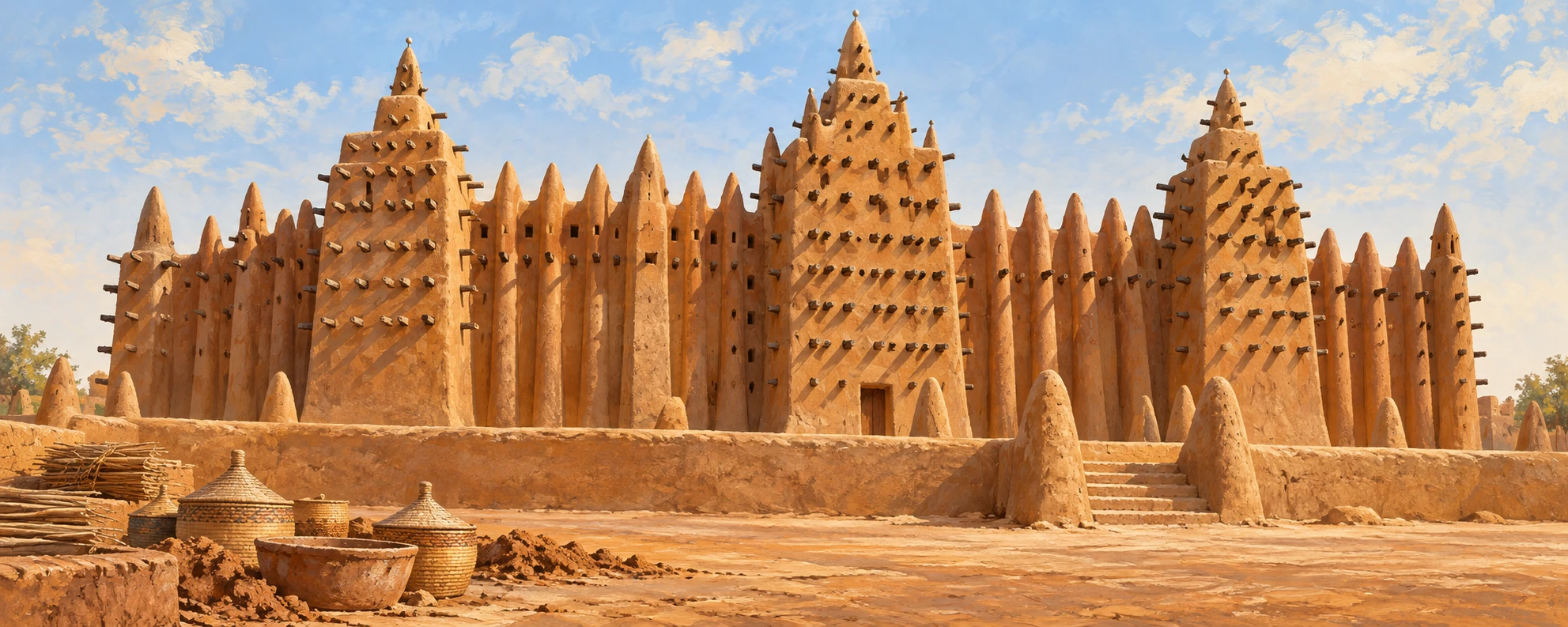
Projecting timber members are part of the architecture and its maintenance access. This interpretive view is not a condition survey or a record of one replastering day. See Djenné’s Great Mosque through skilled maintenance, structural conservation, and the everyday work of the town around it.
Architecture · History · Mali · About 6 minutes
Read journey 60 →
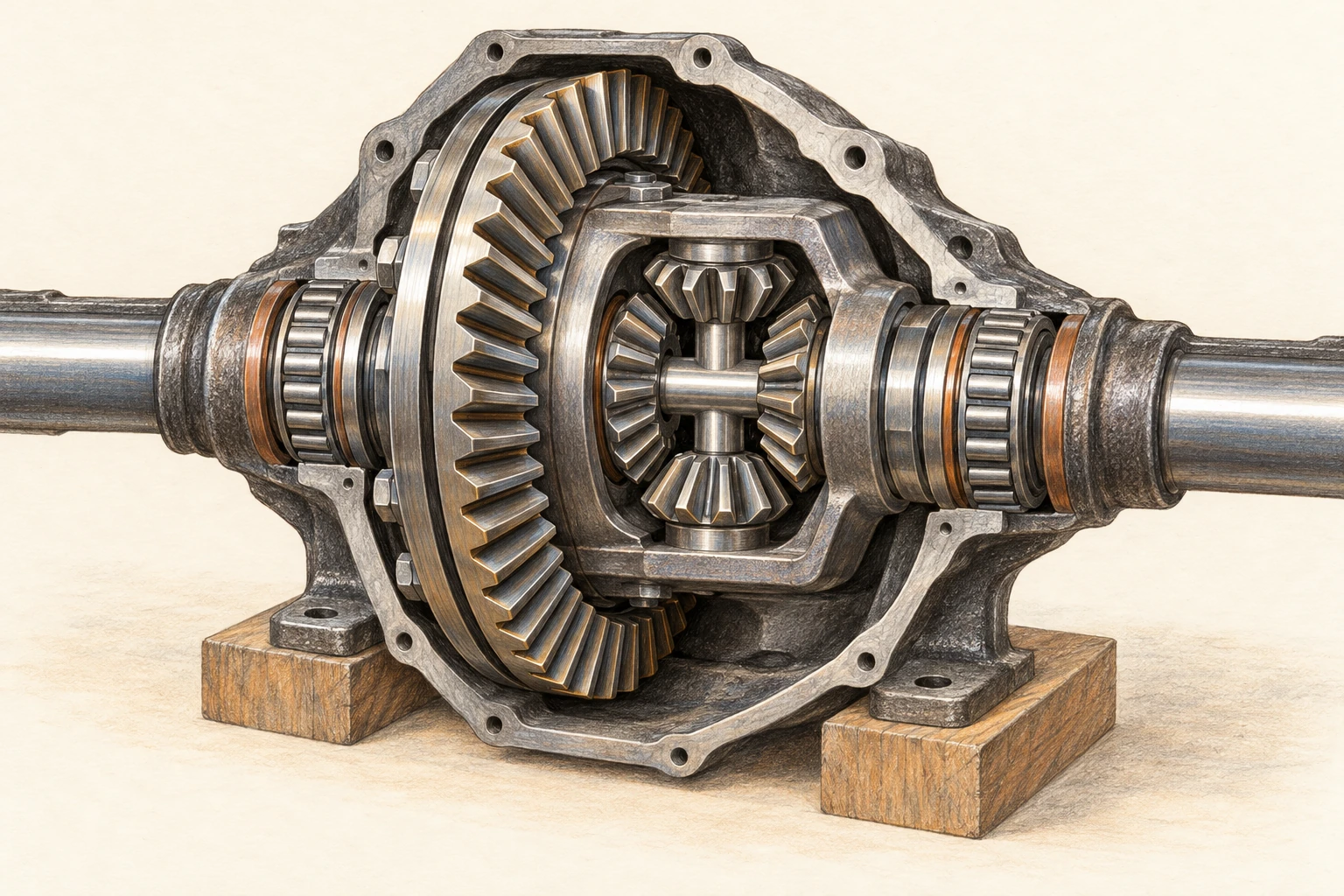
The carrier moves the gear assembly; the smaller gears allow the two outputs to differ. Simplified cutaway, not a service diagram. A corner demands different wheel speeds. An open differential makes room for them while preserving one simple average.
Everyday Engineering · Mechanisms · Mathematics · About 5 minutes
Read journey 61 →
A small bright light can reveal the aperture’s geometry. The illustration suggests the effect; it is not a measured comparison. A night-light starburst can reveal the geometry of a lens aperture, along with a useful tradeoff in image detail.
Photography · Optics · Observation · About 5 minutes
Read journey 62 →
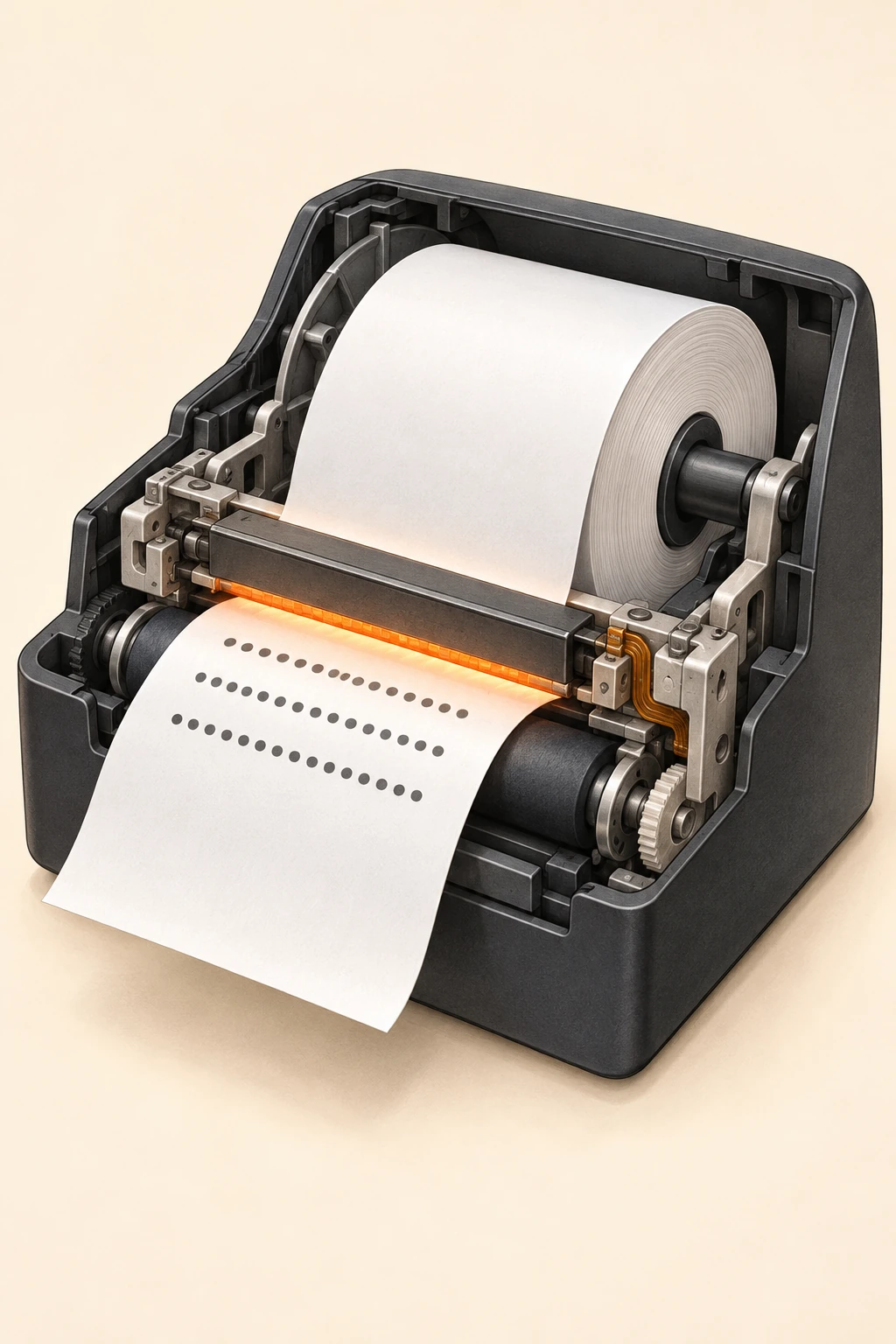
A fixed line of heating elements and moving coated paper make the image together. Conceptual cutaway; parts are simplified. Direct thermal printing puts image-making chemistry in the paper and creates a picture through selected rows of heat.
Everyday Engineering · Printing · Materials · About 5 minutes
Read journey 63 →
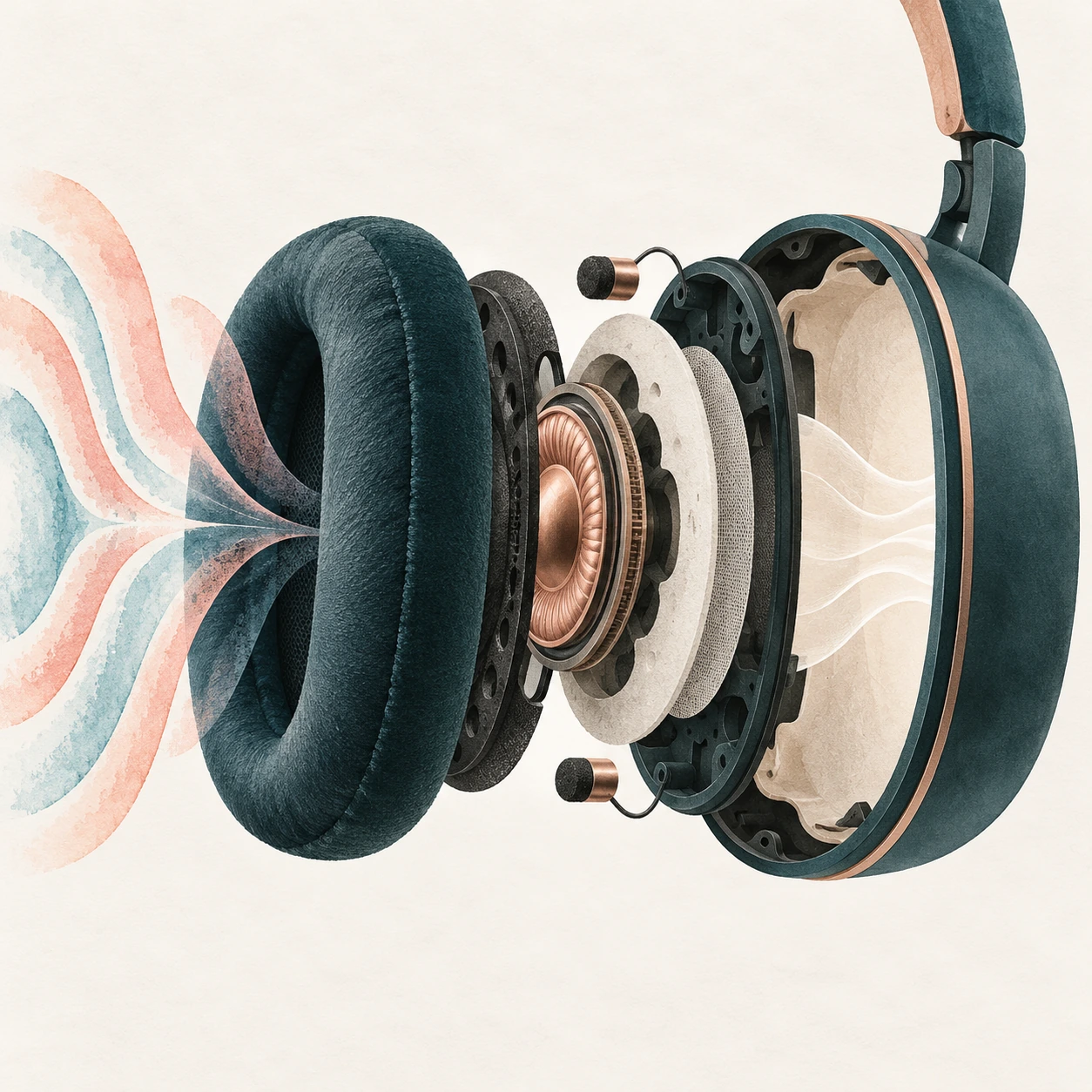
The physical seal and the electronic control work together. The quiet region is local, not the entire surrounding room. Noise cancellation is a timed pressure-control problem. Explore what changes when the opposing sound arrives late.
Sound · Everyday Engineering · Signal Processing · About 5 minutes
Read journey 64 →
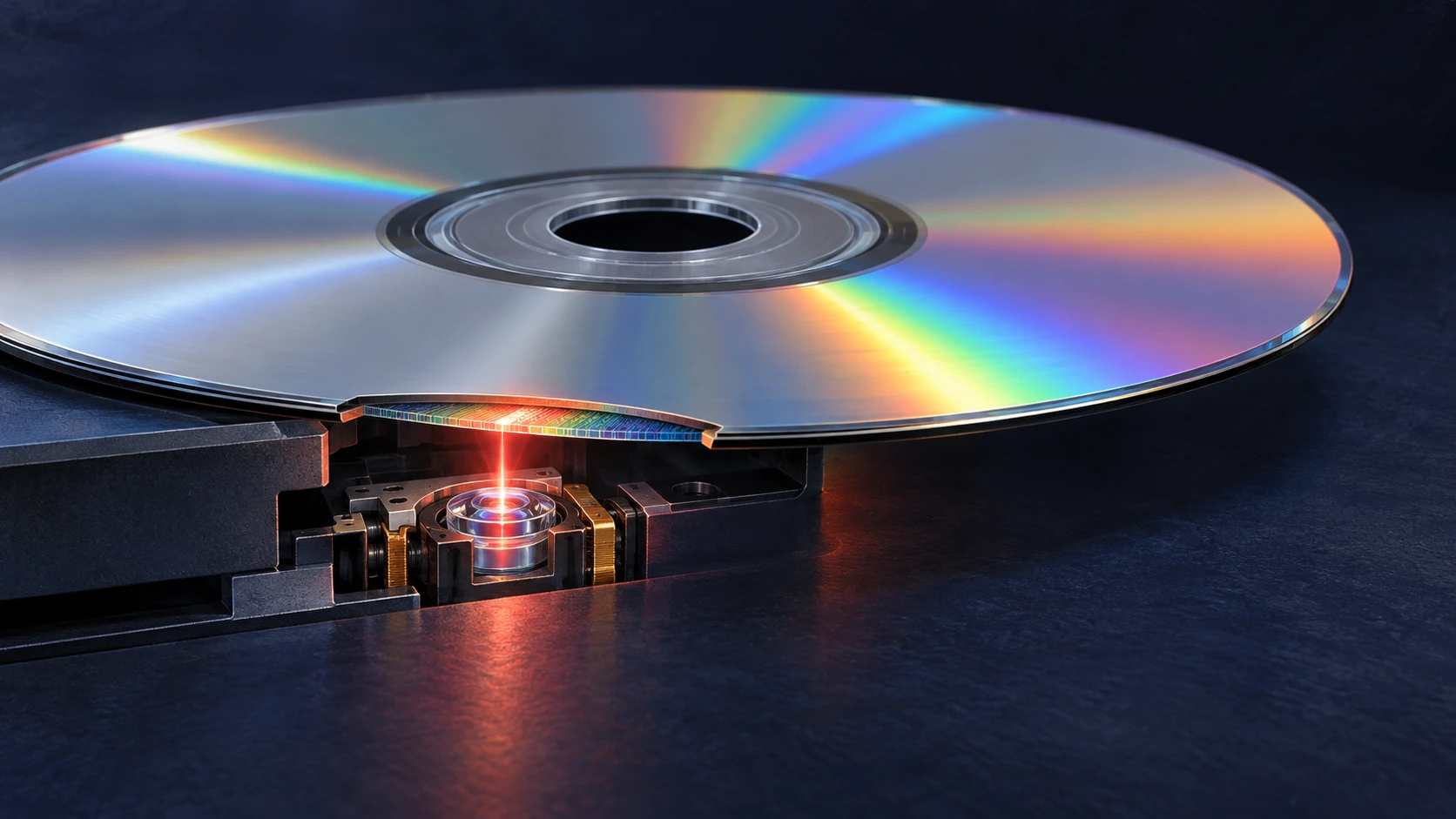
The pickup and light path are enlarged and shown in visible color for clarity; an actual CD reader uses near-infrared light. A compact disc stores a timed channel code. Follow the difference between a physical pit, a transition, and recovered data.
Sound · Computing · Optical Media · About 5 minutes
Read journey 65 →
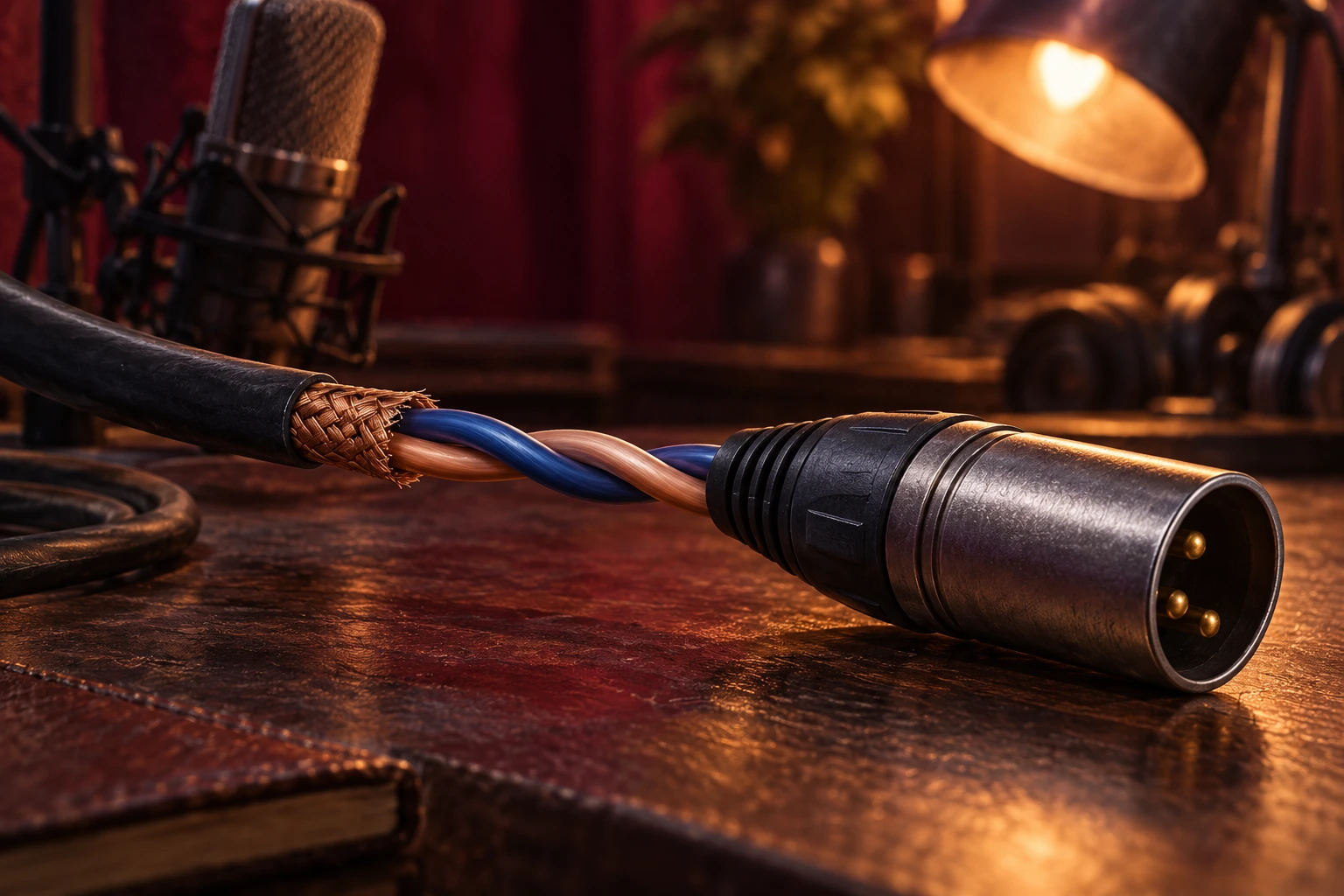
Two signal paths can carry interference in common so that a differential receiver rejects much of it. The opened cable is illustrative. Balanced audio rejects shared interference through a relationship among two paths and a receiver, not a noise-proof cable.
Sound · Signal Processing · Everyday Engineering · About 5 minutes
Read journey 66 →
The nib, feed, reservoir, and page form one flow system. This enlarged study simplifies the internal passages. The hidden feed manages a two-way exchange: ink moves out, while air makes room for the next part of a written line.
Writing · Fluid Physics · Everyday Engineering · About 4 minutes
Read journey 67 →
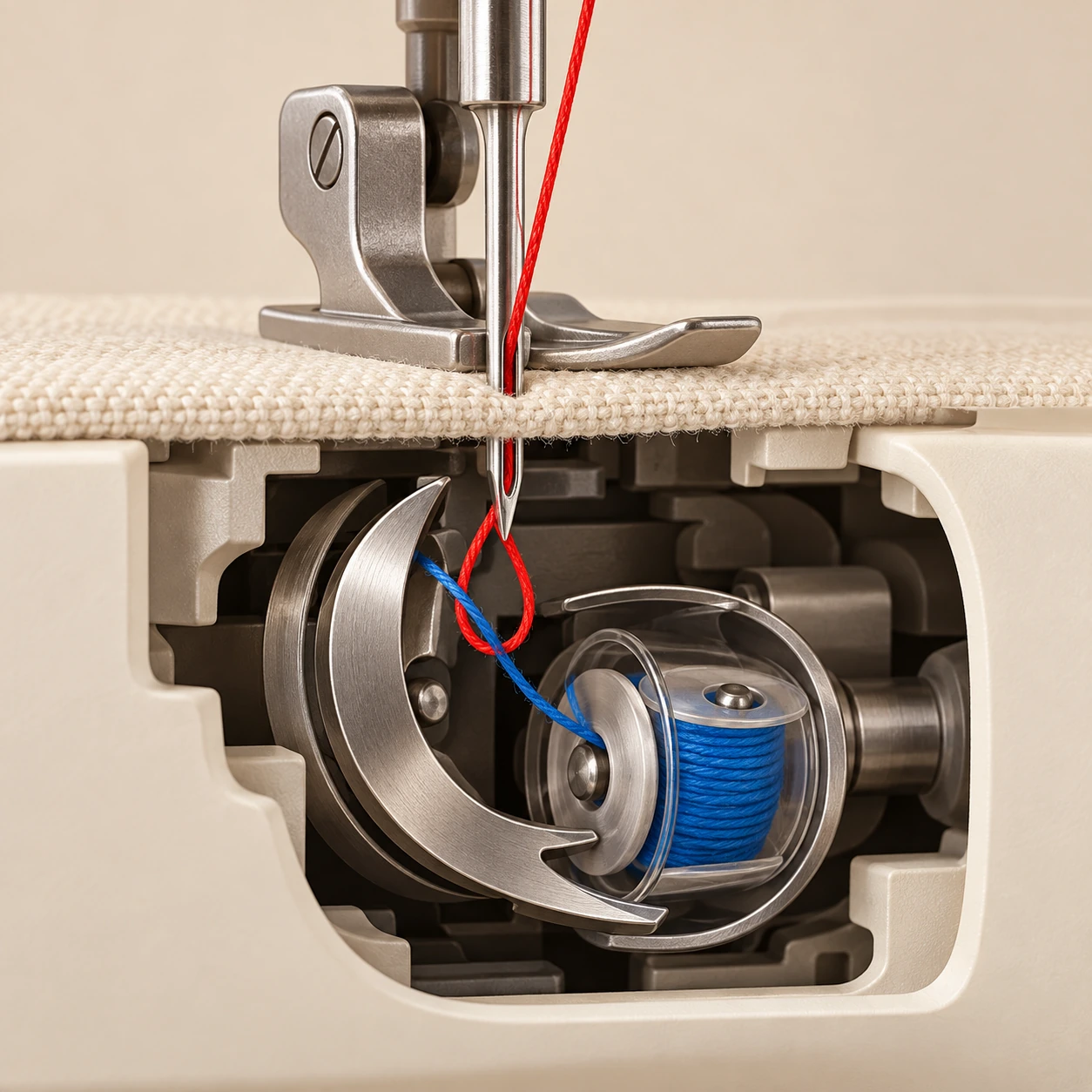
The two colors separate the upper and lower thread paths. The paused cutaway is conceptual, not a timing or repair guide. A sewing needle makes the obvious motion, but a lower-thread mechanism completes the relationship that holds the seam.
Everyday Engineering · Textiles · Mechanisms · About 5 minutes
Read journey 68 →
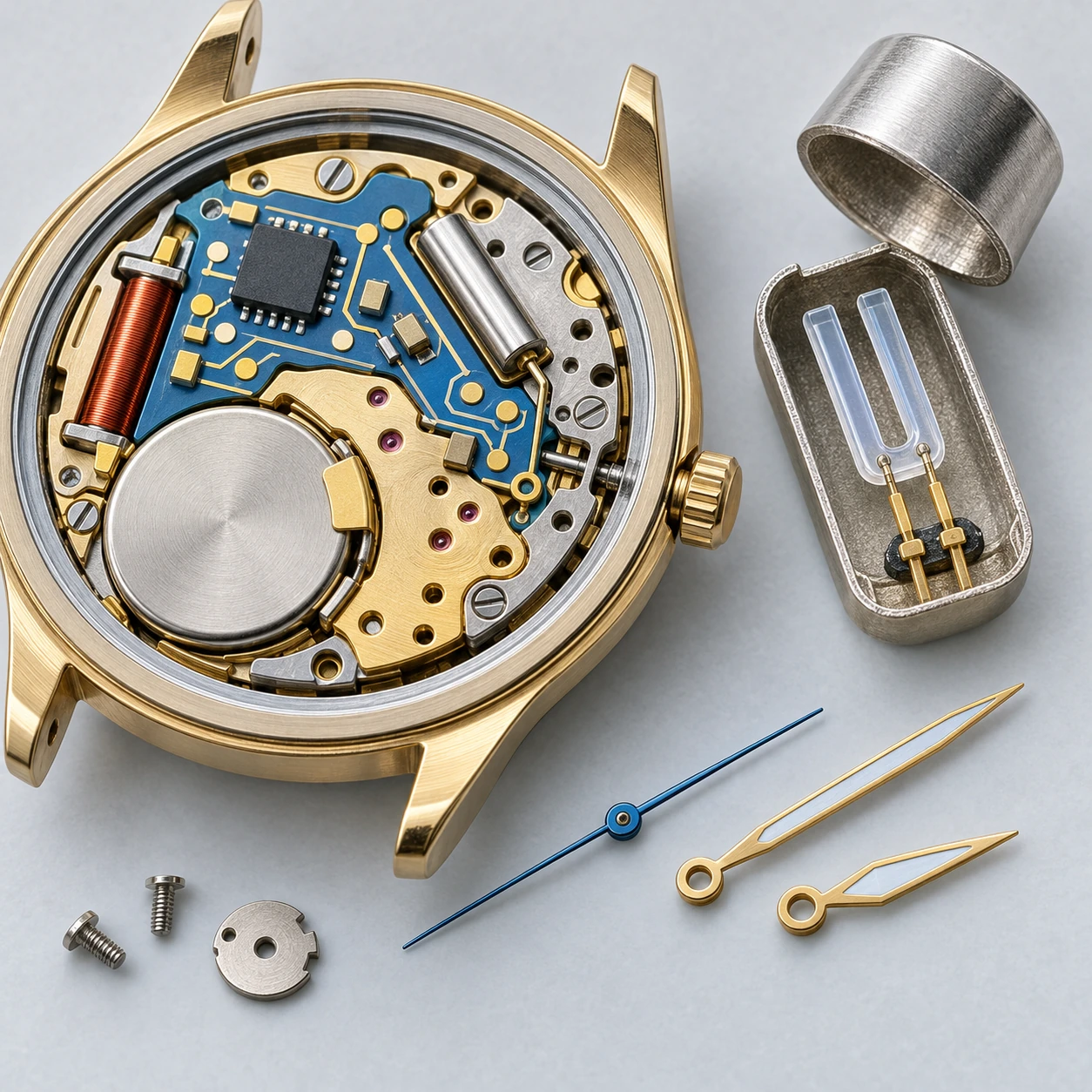
The resonator is enlarged to make its two-prong form visible. Follow a quartz watch from its hidden vibration to a visible tick, with an interactive frequency divider.
Engineering · Time · About 5 minutes
Read journey 69 →
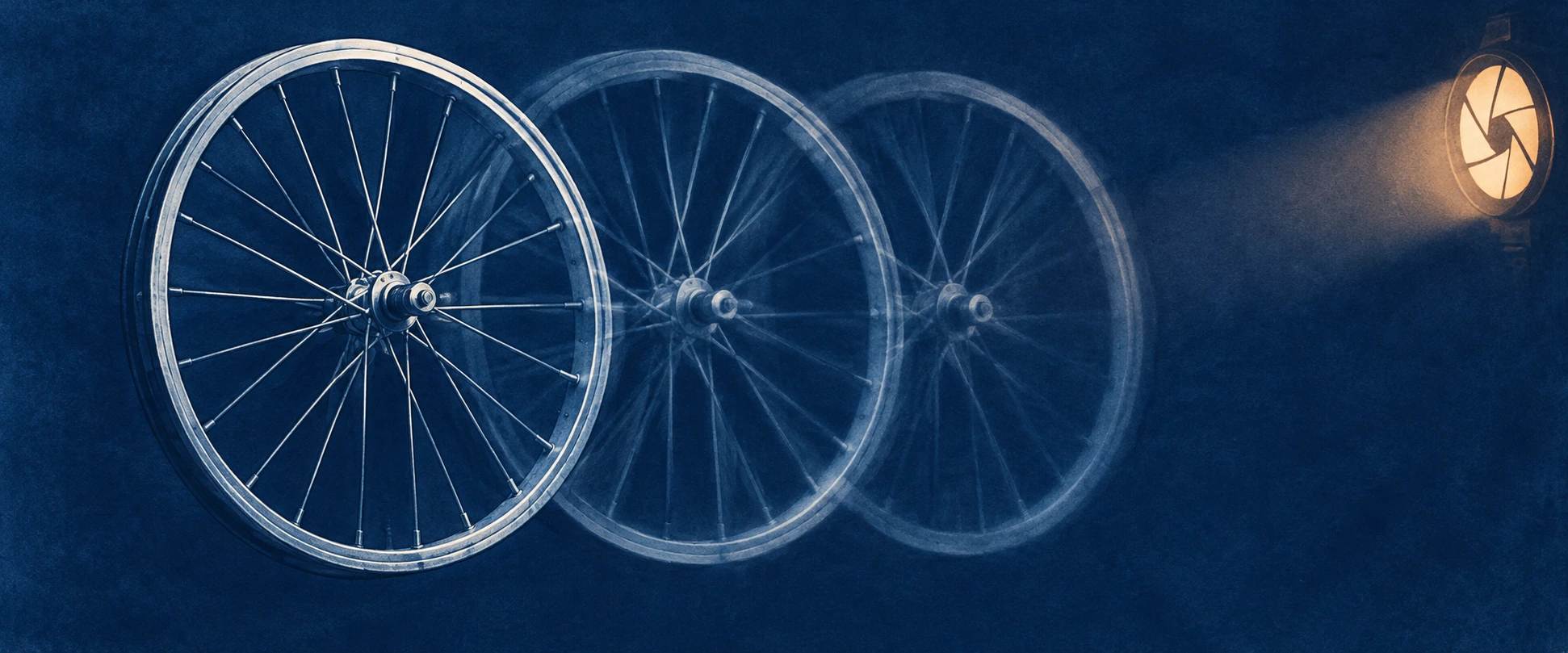
An interpretive sequence; the exact angles are explored in the sampler below. A twelve-spoke wheel reveals how missing moments can turn forward motion into an apparent backward crawl.
Perception · Photography · About 5 minutes
Read journey 70 →
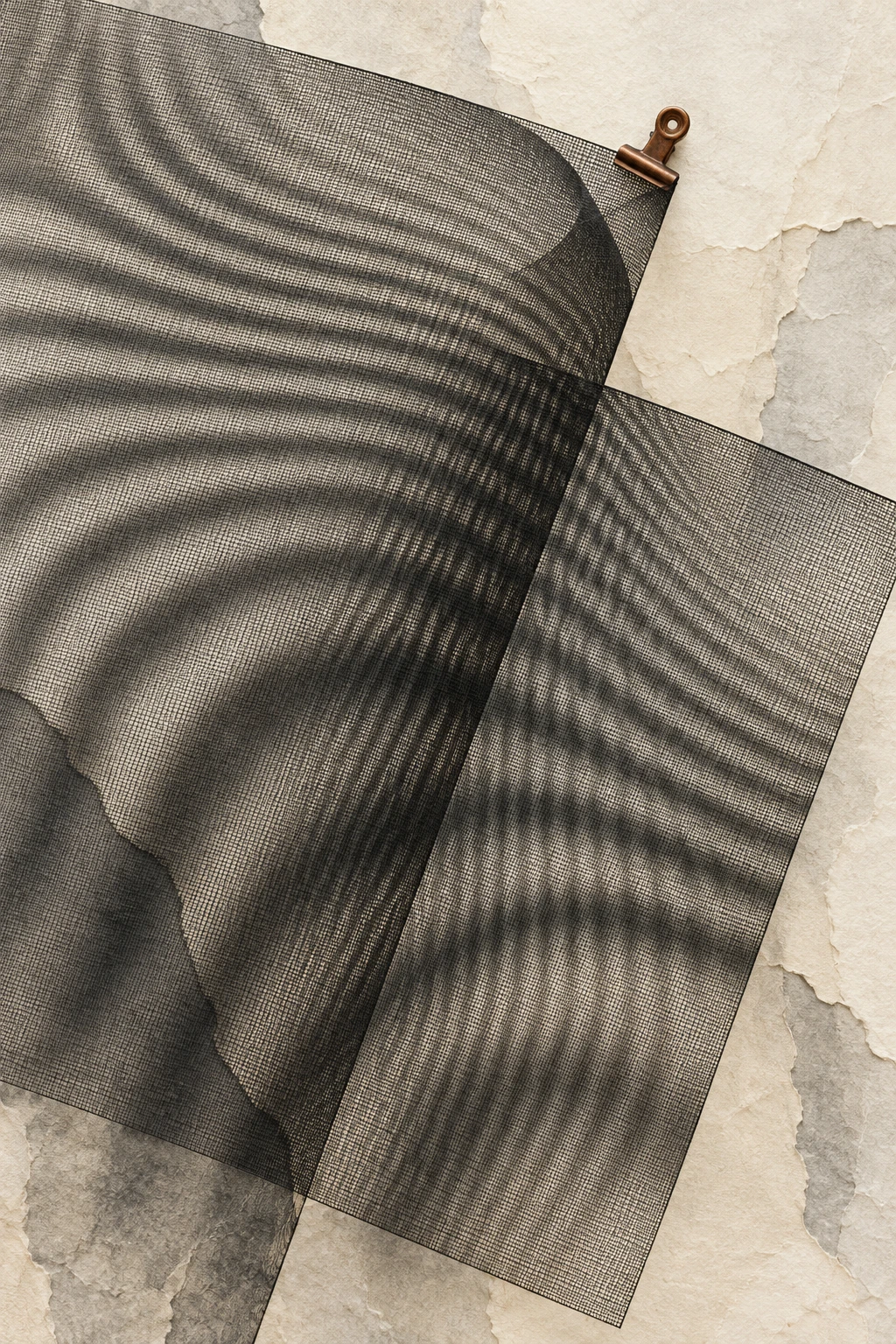
Overlapping meshes turn a fine structure into a much broader pattern. Explore moiré bands by changing grid spacing and angle, then use the mismatch to understand a surprising measurement tool.
Optics · Perception · About 5 minutes
Read journey 71 →
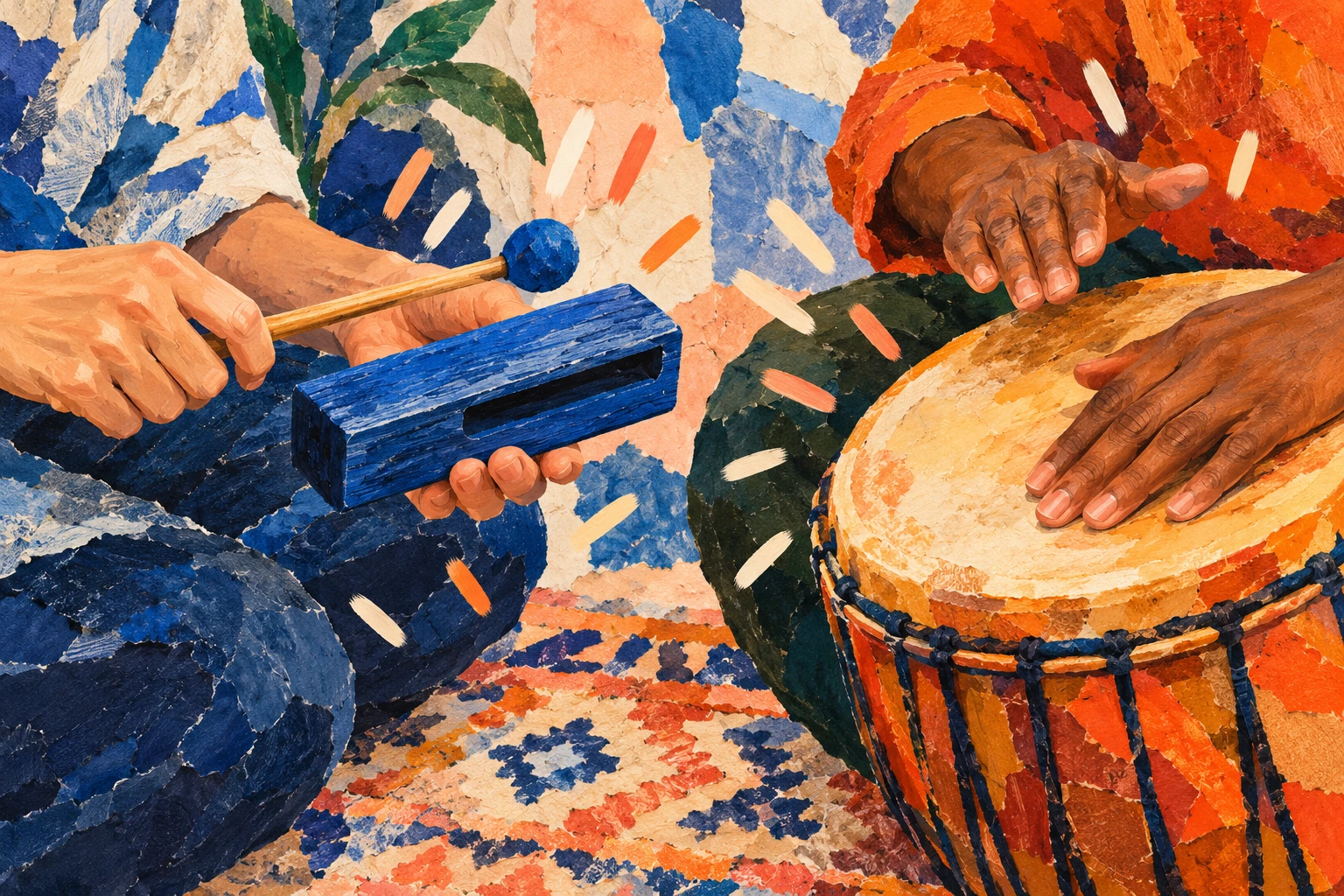
Different rhythmic parts can share the same cycle. A listening player and six-slot practice table make three-against-two rhythm tangible without rushing the exercise.
Music · Try It · About 5 minutes
Read journey 72 →
A bell’s curved shell can vibrate in several patterns at once. Listen inside a bell sound with a synthetic partial player and real university experiments on ringing plates.
Sound · Music · About 6 minutes
Read journey 73 →
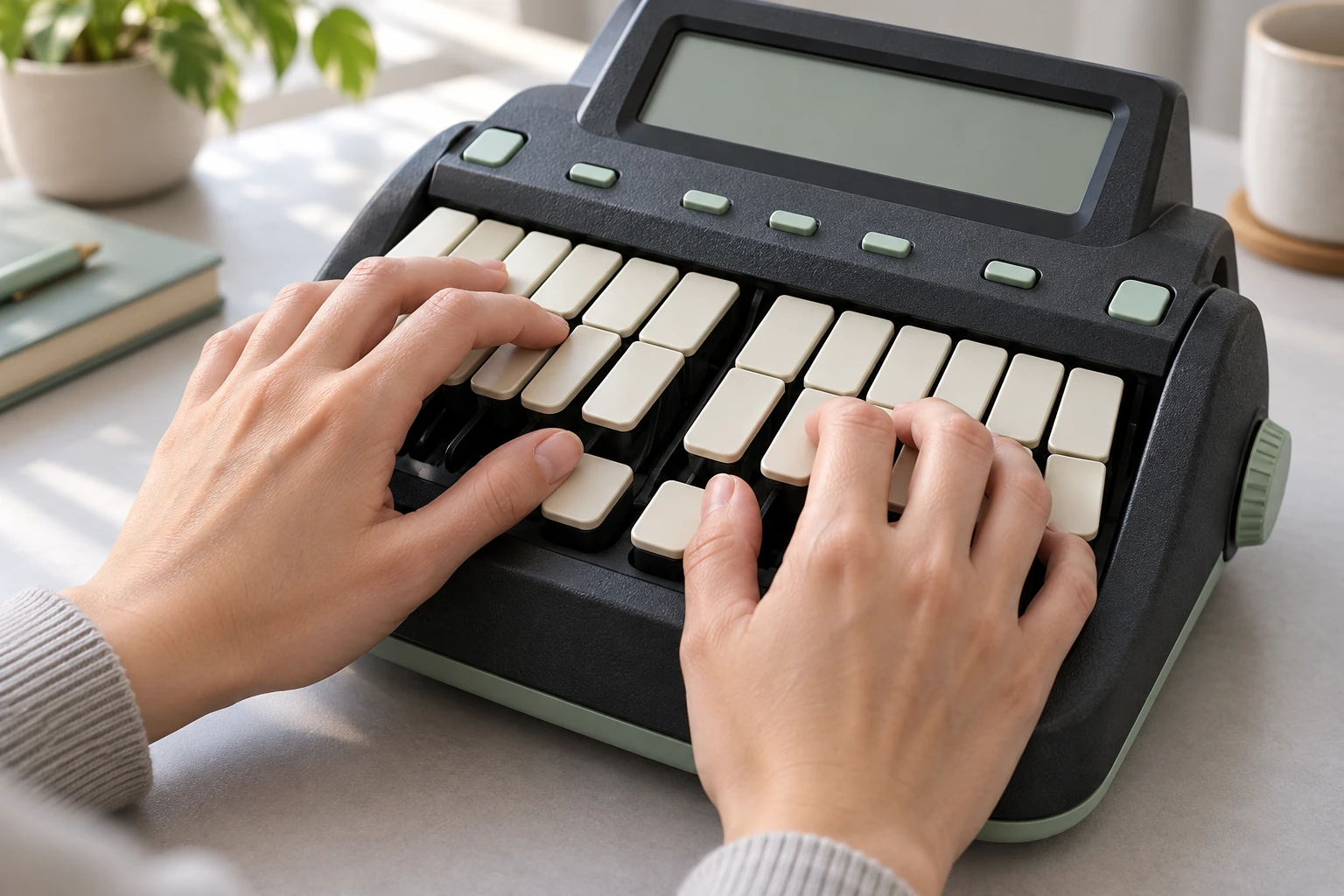
An illustrative machine; actual key layouts and learned theories should be read in the linked guides. A stenotype machine captures combinations of sounds, with a guided visit to an open browser demo.
Language · Design · About 5 minutes
Read journey 74 →
A conceptual paper study, rather than an exact projection comparison. Compare area, heading, and distance, then explore why Mercator and equal-area maps stretch space differently.
Geography · Design · About 6 minutes
Read journey 75 →
A conceptual city. The precise fictional network is specified in the article and calculator. Calculate a fictional Braess network and discover when an optional shortcut helps, hurts, or breaks even.
Mathematics · Cities · About 5 minutes
Read journey 76 →
A visual metaphor for changing mixtures, not a representation of the order counts. Two fictional print shops reveal Simpson’s paradox, with a mixture calculator and questions for reading any percentage.
Mathematics · Data Literacy · About 5 minutes
Read journey 77 →
An interpretive library still life, not a scan of Newcomb’s or Benford’s original pages. Build Benford-like and non-Benford samples, and learn why a digit pattern needs a data-generating story.
Mathematics · Data Literacy · About 5 minutes
Read journey 78 →
Two physical references, pictured conceptually: an atomic rhythm and a rotating planet. The October 2026 UTC decision, the 20 May 2027 transition, and why atomic time and Earth rotation are different questions.
Time · Science · About 6 minutes
Read journey 79 →
A conceptual letterpress study of the forms and their intervening space. Use a spacing laboratory to explore kerning, tracking, and the quiet rhythm of a readable title.
Typography · Design · About 6 minutes
Read journey 80 →
All binding clues are in the text; the artwork does not show a required arrangement. Rain has kept the night couriers indoors.
Easy · logic · About 5–8 minutes
Open case 01 →
All binding clues are in the text; the artwork does not show a required arrangement. The observatory needs a quiet signal before opening its roof.
Medium · constraint · About 8–12 minutes
Open case 02 →
All binding clues are in the text; the artwork does not show a required arrangement. A messenger must collect a seal from every island station before reaching the ship.
Medium · route optimization · About 8–12 minutes
Open case 03 →
All binding clues are in the text; the artwork does not show a required arrangement. Three clocktower bells have slipped out of their usual rhythm.
Medium · arithmetic · About 8–12 minutes
Open case 04 →
All binding clues are in the text; the artwork does not show a required arrangement. A museum compass has been moved from its display case.
Easy · deduction · About 3–6 minutes
Open case 05 →
All binding clues are in the text; the artwork does not show a required arrangement. An airship's freight clerk has three kinds of sealed crate.
Medium · integer arithmetic · About 6–10 minutes
Open case 06 →
All binding clues are in the text; the artwork does not show a required arrangement. Six friends have agreed on their seats for tea, but the host has stacked the place cards in a drawer.
Easy · spatial logic · About 5–8 minutes
Open case 07 →
All binding clues are in the text; the artwork does not show a required arrangement. A mosaic maker has six numbered tokens and a triangular frame.
Medium · digit placement · About 8–12 minutes
Open case 08 →
All binding clues are in the text; the artwork does not show a required arrangement. A frame restorer has one workbench and a full day's order.
Medium · scheduling · About 6–10 minutes
Open case 09 →
All binding clues are in the text; the artwork does not show a required arrangement. A toy workshop has two electronic scales and three sealed sample blocks.
Medium · algebraic deduction · About 8–12 minutes
Open case 10 →
All binding clues are in the text; the artwork does not show a required arrangement. A courtyard gardener is planning a tiny demonstration bed.
Medium · grid constraint · About 8–12 minutes
Open case 11 →
All binding clues are in the text; the artwork does not show a required arrangement. A games cabinet contains six handmade tiles.
Easy · tile chain · About 5–8 minutes
Open case 12 →
All binding clues are in the text; the artwork does not show a required arrangement. A fictional market ledger begins with three credits and ends with twenty-five.
Medium · operation ordering · About 8–12 minutes
Open case 13 →
All binding clues are in the text; the artwork does not show a required arrangement. A keeper sets three bowls on a table and challenges you to a small game.
Hard · strategy · About 10–15 minutes
Open case 14 →
All binding clues are in the text; the artwork does not show a required arrangement. An archive's demonstration cube carries one number on each face.
Medium · spatial reasoning · About 8–12 minutes
Open case 15 →
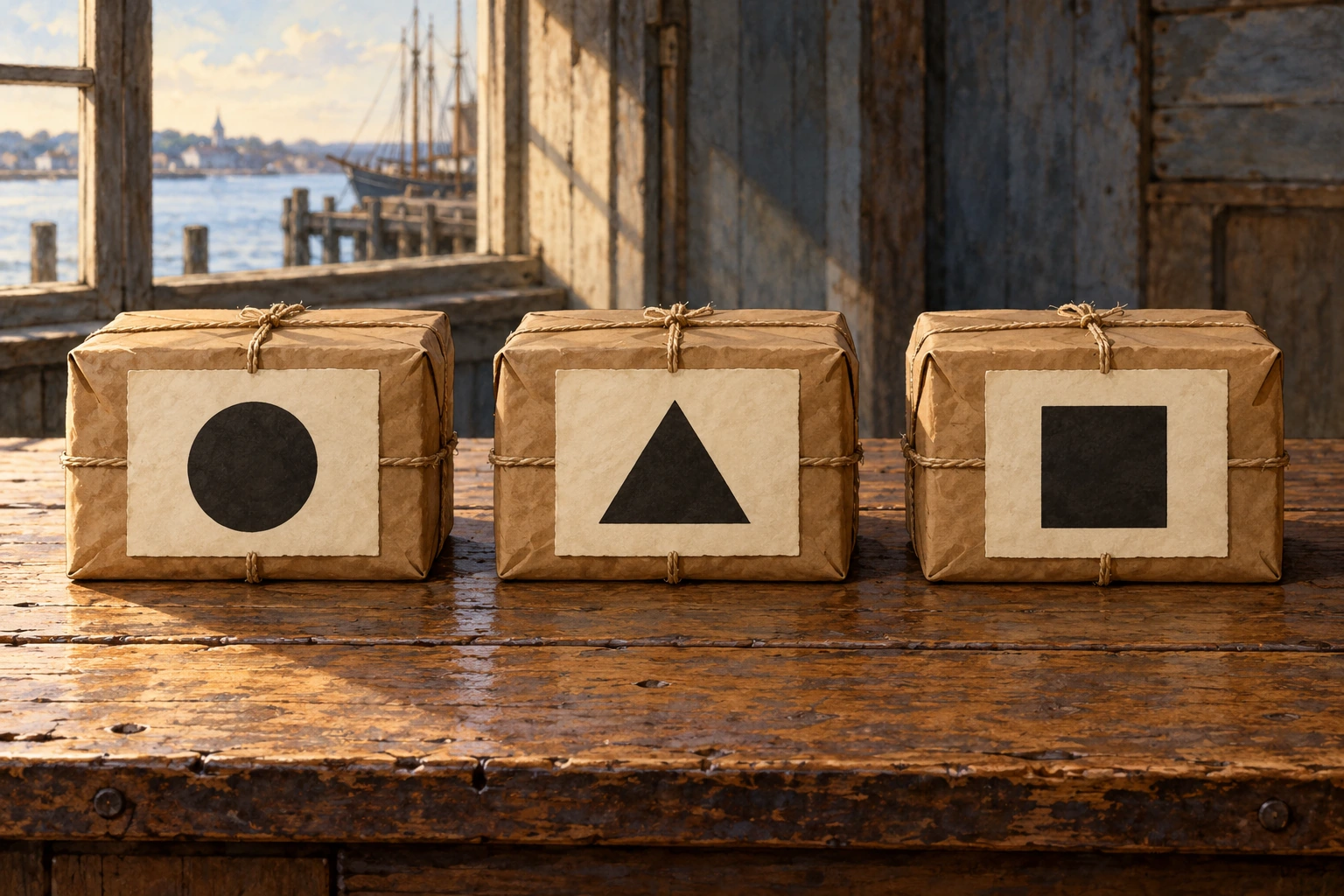
The three parcel symbols and their order are clues; background details are decorative. At Bell Quay, Inspector Vale finds three parcels waiting for the museum launch.
Medium · investigation · About 4–7 minutes
Open case 16 →
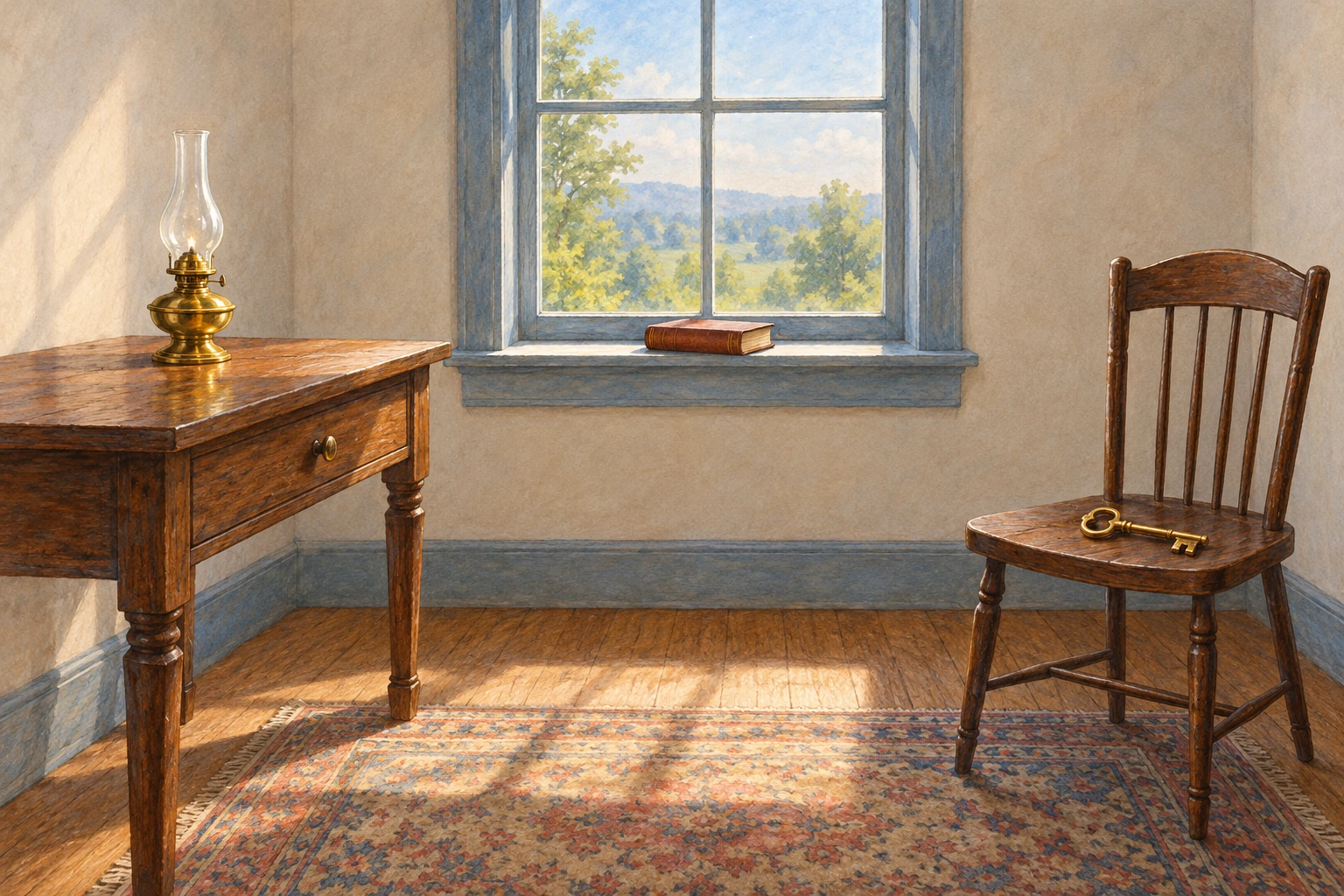
Only the three named object locations are clues. The museum’s reading room has been staged incorrectly for an inspection.
Easy · visual · About 3–5 minutes
Open case 17 →
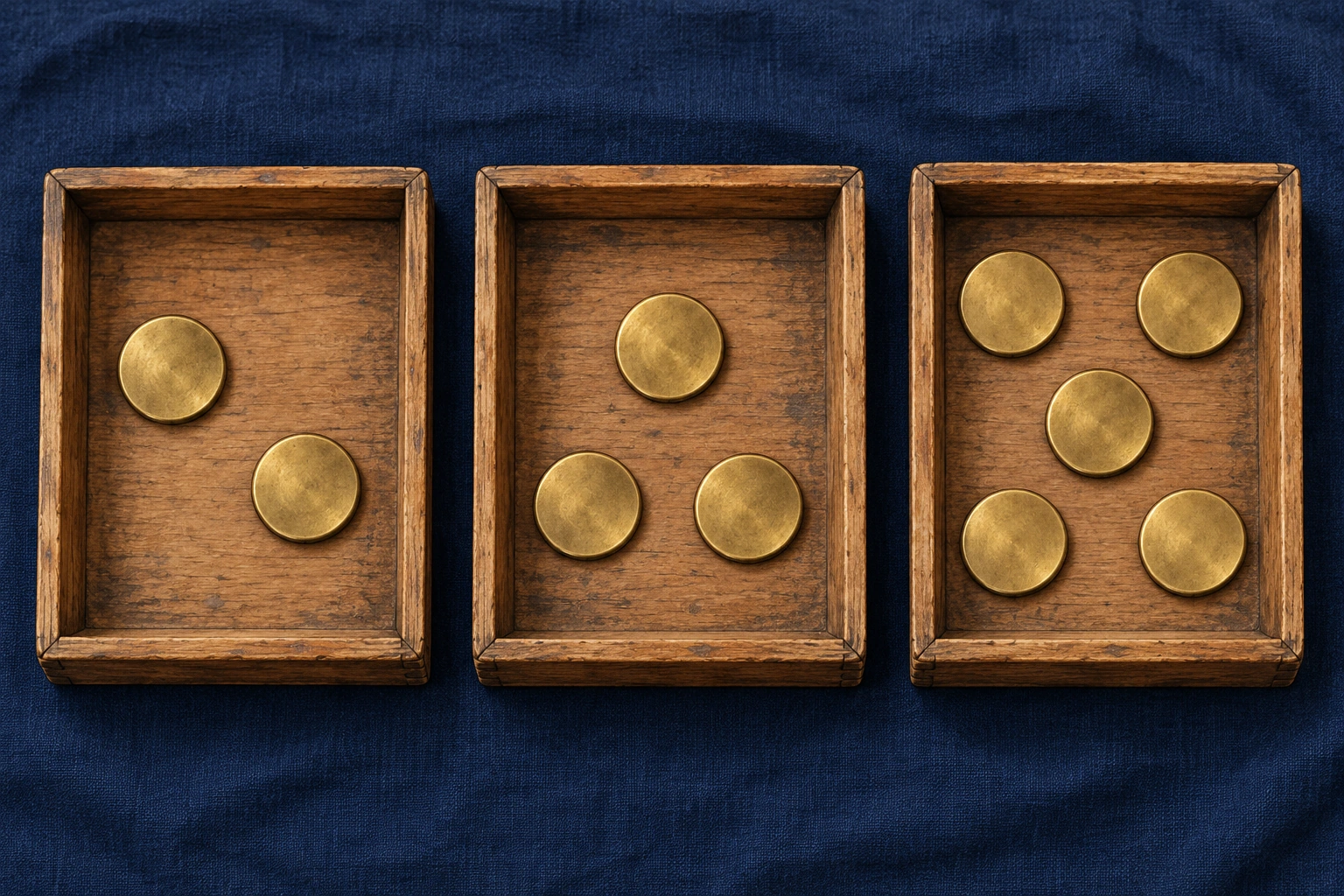
Counter counts and tray order are the complete visual clues. A torn release slip has halted the last cargo launch at Bell Quay.
Easy · investigation · About 3–6 minutes
Open case 18 →
Handle shapes and grid positions matter; key teeth do not. A museum key register has lost its final column.
Medium · investigation · About 4–7 minutes
Open case 19 →
All itinerary evidence is in the text. A courier submits four appointment cards to explain a morning’s movements.
Medium · investigation · About 5–8 minutes
Open case 20 →
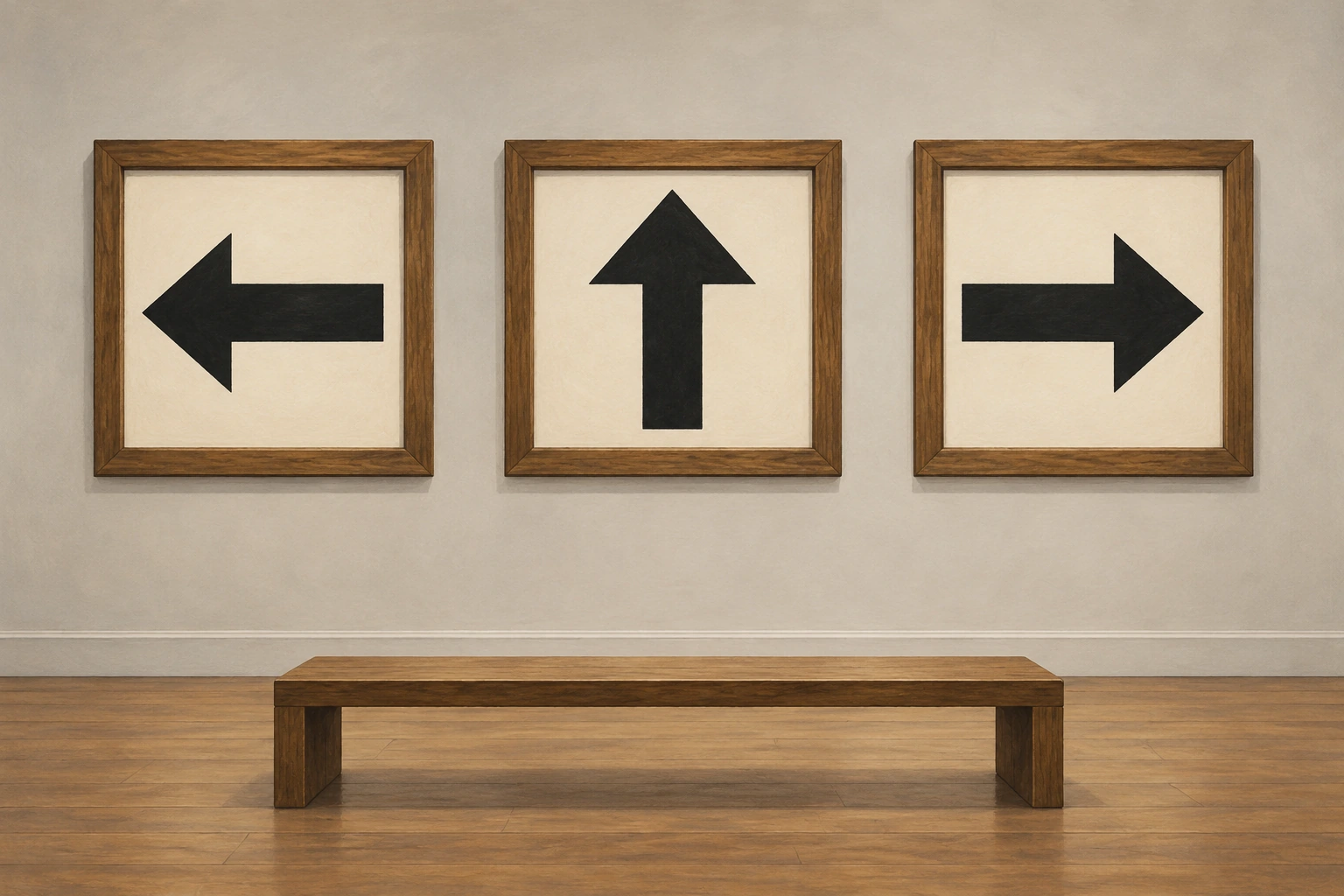
Read the arrows using the fictional command rules. The gallery setting is decorative. The museum’s old indexing game uses three framed arrows to transform a three-letter drawer code.
Medium · visual · About 4–7 minutes
Open case 21 →
The six code strings in the text are the complete evidence. Six short code slips have fallen from an archive envelope.
Medium · logic · About 5–8 minutes
Open case 22 →
Overlapping edges, rather than colors, provide the visual clues. Three museum volunteers prepared a paper display while the curator was away.
Easy · visual · About 4–6 minutes
Open case 23 →
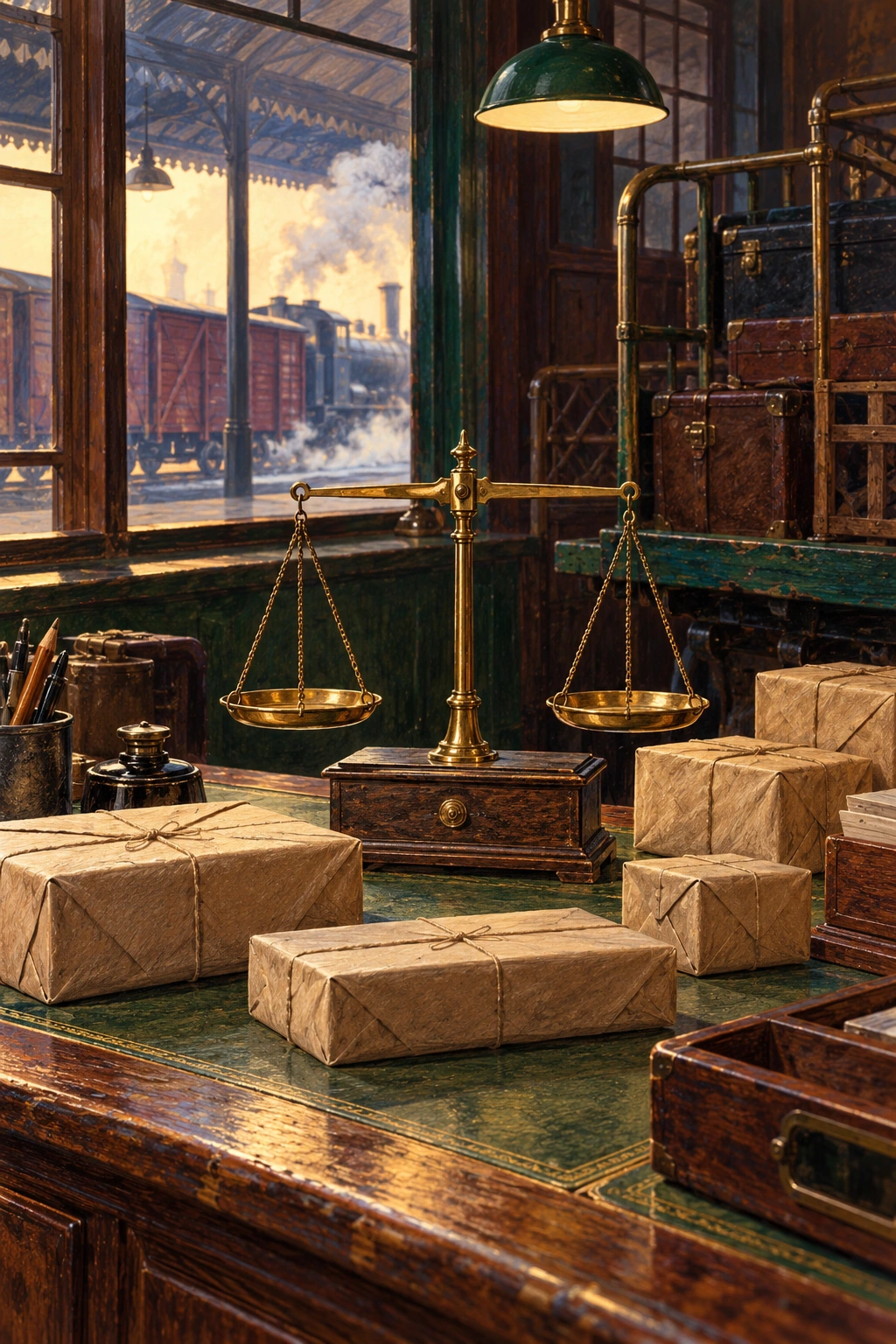
All weights and parcel identities are specified in the text. Three sealed museum parcels, A, B, and C, have reached the station freight office.
Hard · investigation · About 6–10 minutes
Open case 24 →
The quoted statements and closed rules contain all evidence. A small display box has been moved from its plinth.
Medium · logic · About 4–7 minutes
Open case 25 →
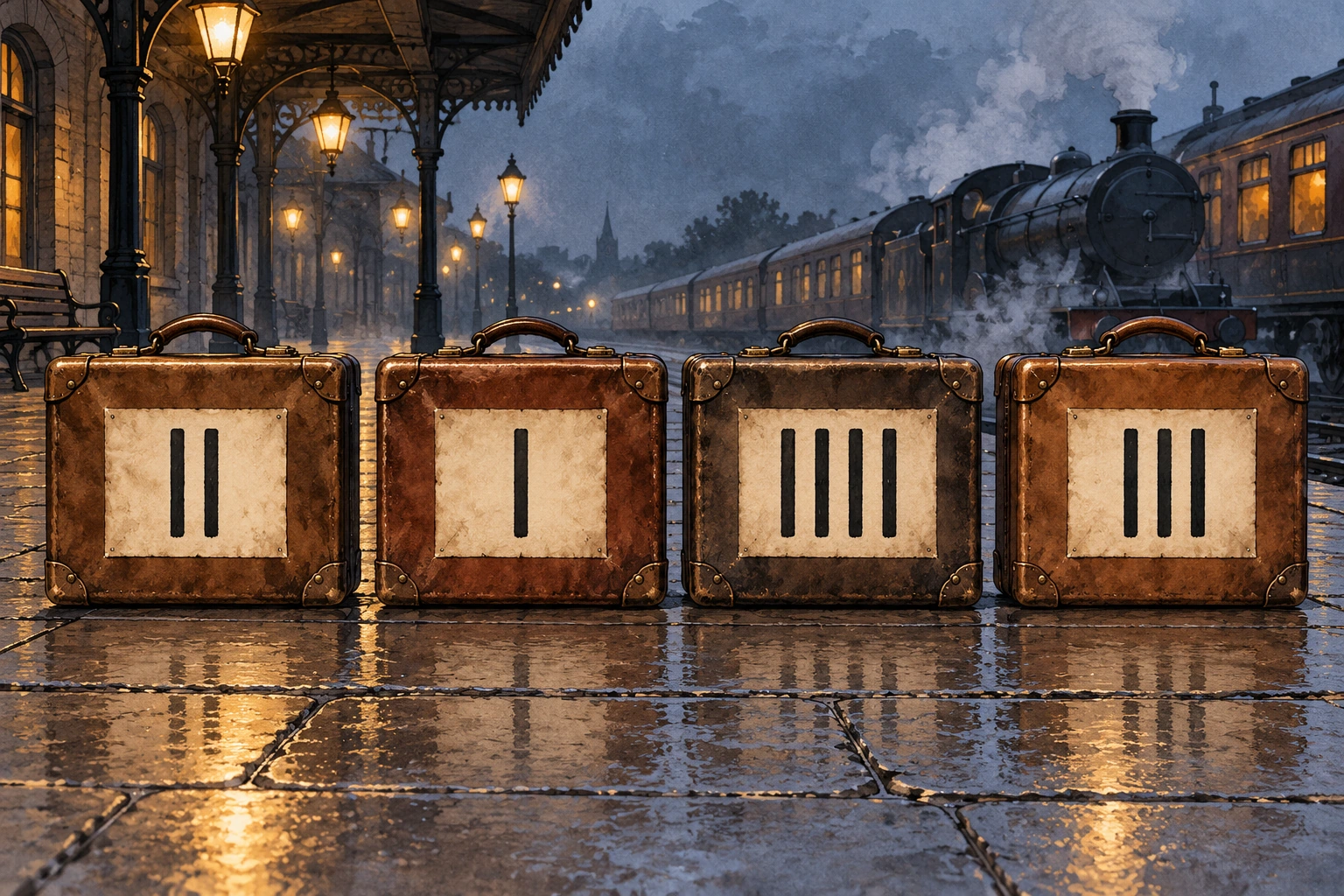
Tally counts and their left-to-right order are clues; the railway background is decorative. The museum’s luggage is waiting beside the night train.
Medium · visual · About 4–7 minutes
Open case 26 →
Passage connections are defined only by the list in the text. A copied museum plan lists six passages.
Hard · logic · About 6–10 minutes
Open case 27 →
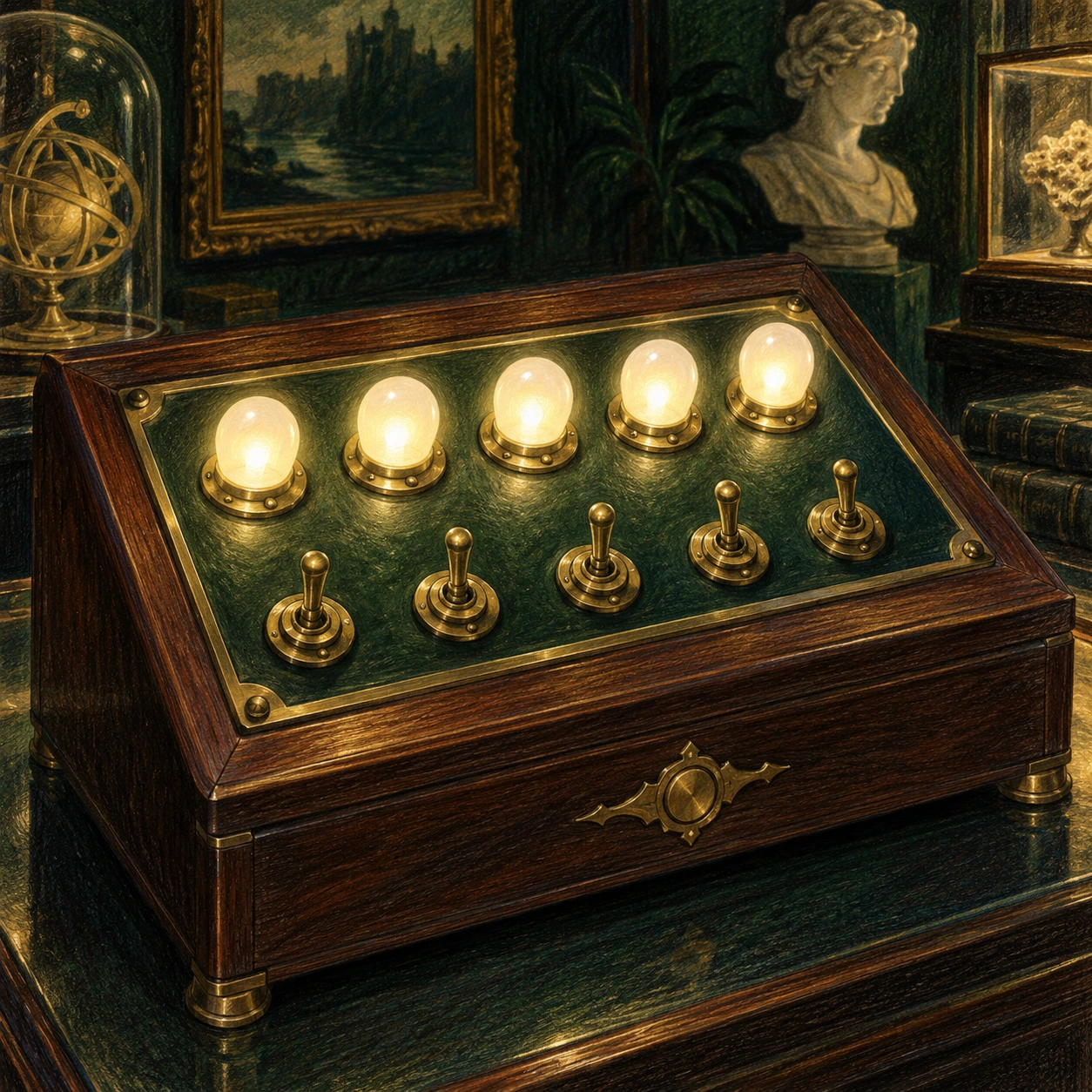
Use the text’s named lights and states, rather than the drawn control box. The museum’s demonstration cabinet has four indicator lights: A, B, C, and D.
Medium · logic · About 5–8 minutes
Open case 28 →
Clock faces are not shown; all timing evidence is in the text. A messenger left the harbor when its clock read 10:18 and reached the station when the station clock read 10:41.
Medium · investigation · About 5–8 minutes
Open case 29 →
The visible inventory is a clue; the reports must be evaluated using the stated rules. The curator’s worktable originally held five objects: a book, a key, a brush, a feather, and a spoon.
Medium · visual · About 4–7 minutes
Open case 30 →
It contains no puzzle evidence; use the complete written clues. The night archivist has left five long labels on the desk and five short labels in a tray.
Easy · wordplay · About 5–8 minutes
Open case 31 →
It contains no puzzle evidence; use the complete written clues. A postmaster uses two small operations to disguise short delivery instructions.
Medium · cipher · About 6–10 minutes
Open case 32 →
It contains no puzzle evidence; use the complete written clues. The keeper of a winter garden uses four-letter route cards.
Medium · code-breaking / path · About 8–12 minutes
Open case 33 →
It contains no puzzle evidence; use the complete written clues. A clockmaker dislikes a cipher wheel that stays still.
Medium · cipher · About 7–10 minutes
Open case 34 →
It contains no puzzle evidence; use the complete written clues. A market stall has six wooden nameplates.
Medium · word riddle / deduction · About 6–9 minutes
Open case 35 →
It contains no puzzle evidence; use the complete written clues. A candlelit reading room has an eccentric catalogue.
Easy · wordplay / ordering · About 5–8 minutes
Open case 36 →
It contains no puzzle evidence; use the complete written clues. A signwriter has joined six labels into one continuous inscription.
Hard · wordplay / segmentation · About 10–15 minutes
Open case 37 →
It contains no puzzle evidence; use the complete written clues. A paper weaver has filled a small square with an instruction.
Medium · code-breaking / spatial text · About 6–10 minutes
Open case 38 →
It contains no puzzle evidence; use the complete written clues. A lantern keeper has lost a single brass letter from a sign.
Easy · letter riddle · About 4–7 minutes
Open case 39 →
It contains no puzzle evidence; use the complete written clues. A harbor signal keeper has copied six rows from a lantern panel.
Medium · cipher / binary · About 8–12 minutes
Open case 40 →
It contains no puzzle evidence; use the complete written clues. A conservatory messenger uses a repeating keyword to change the alphabet shift from letter to letter.
Medium · cipher · About 10–15 minutes
Open case 41 →
It contains no puzzle evidence; use the complete written clues. A cloakroom attendant has placed five word tickets in a row of pockets.
Medium · word logic · About 8–12 minutes
Open case 42 →
It contains no puzzle evidence; use the complete written clues. A tailor is stitching six different letter patches into a single straight seam.
Easy · letter ordering · About 6–9 minutes
Open case 43 →
It contains no puzzle evidence; use the complete written clues. A small radio station has a five-letter emergency alphabet.
Hard · code-breaking / prefix code · About 10–15 minutes
Open case 44 →
It contains no puzzle evidence; use the complete written clues. An observatory clerk keeps three registers for every delivery.
Medium · wordplay / sets · About 7–10 minutes
Open case 45 →
The complete puzzle evidence is given in the text. The island archive closes its parcel hatch at 08:30.
Medium · timetable deduction · About 5-10 minutes
Open case 46 →
The complete puzzle evidence is given in the text. A restoration cabinet has four number wheels.
Hard · code deduction · About 10-15 minutes
Open case 47 →
The complete puzzle evidence is given in the text. Eight metal tokens are laid out for an exhibition.
Medium · balance deduction · About 7-12 minutes
Open case 48 →
The complete puzzle evidence is given in the text. A brass compass is hidden in one of five closed drawers.
Medium · truth-count deduction · About 5-10 minutes
Open case 49 →
The complete puzzle evidence is given in the text. The archive elevator has a peculiar test mode.
Hard · shortest-path challenge · About 10-15 minutes
Open case 50 →
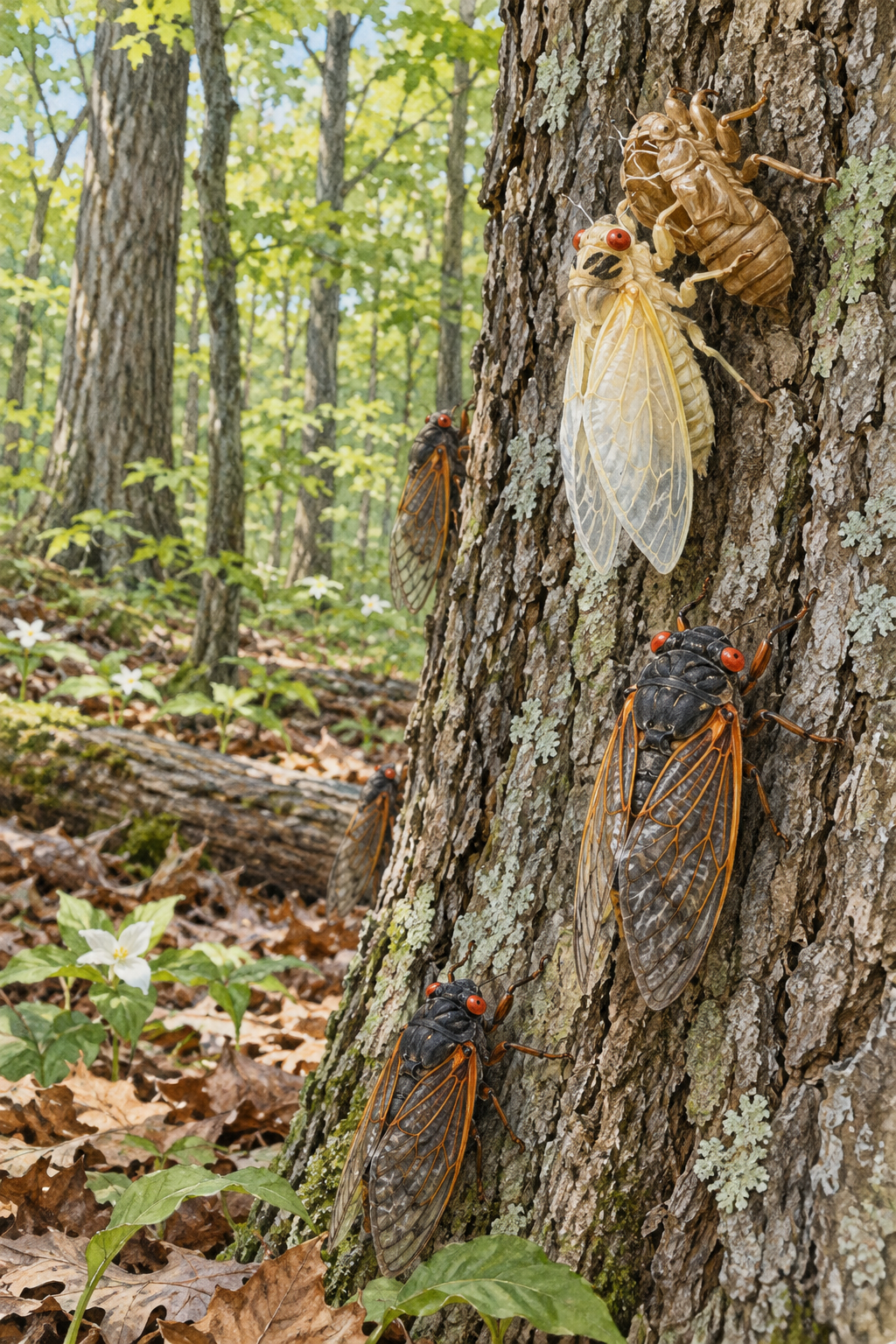
Natural-history illustration of a periodical cicada emergence; an interpretive scene, not a field photograph. Why synchronized emergence matters more than the famous prime numbers, with a careful guide to watching a local brood.
Read the article →
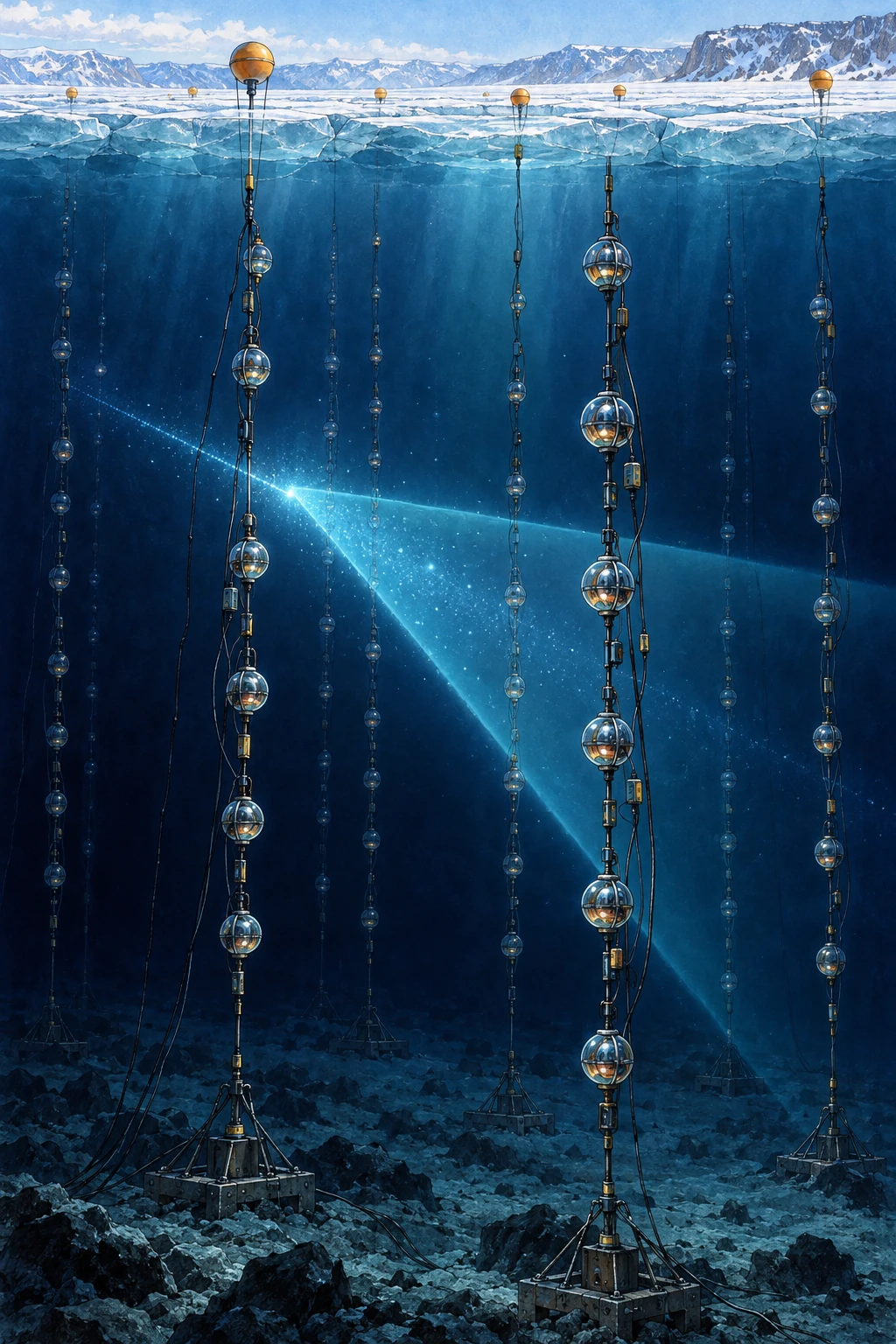
Conceptual cutaway, not a photograph or engineering drawing. Depth is compressed and sensors enlarged; real Baikal-GVD modules lie far below the surface. A deep lake becomes a cosmic instrument when rare particle interactions leave light that carefully surveyed sensors can reconstruct.
Read the article →
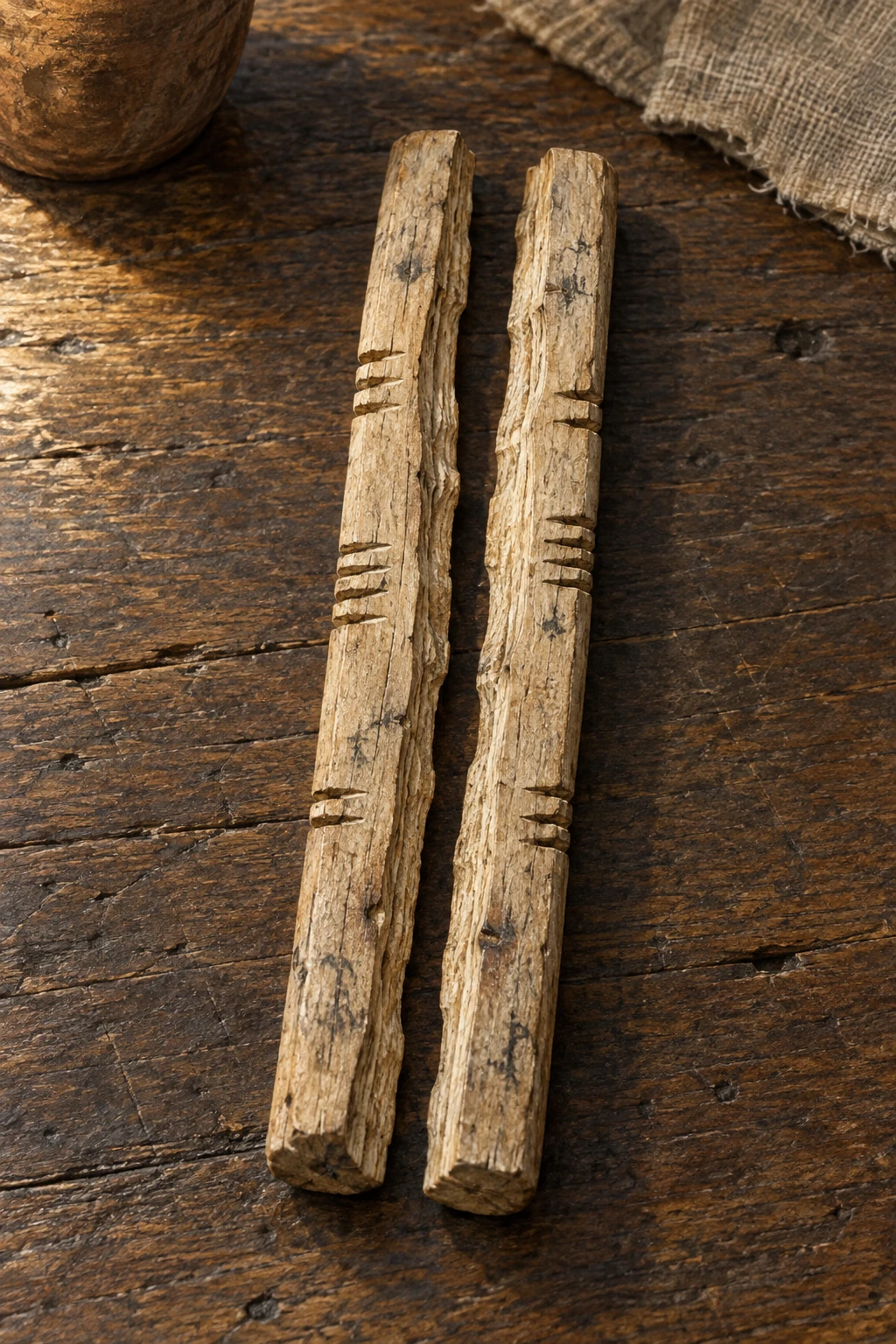
Conceptual illustration of split tallies. It is not a photograph or an exact replica of a surviving record. How notched wood, matching halves, written accounts, and a careful audit worked together to make a medieval payment record.
Read the article →
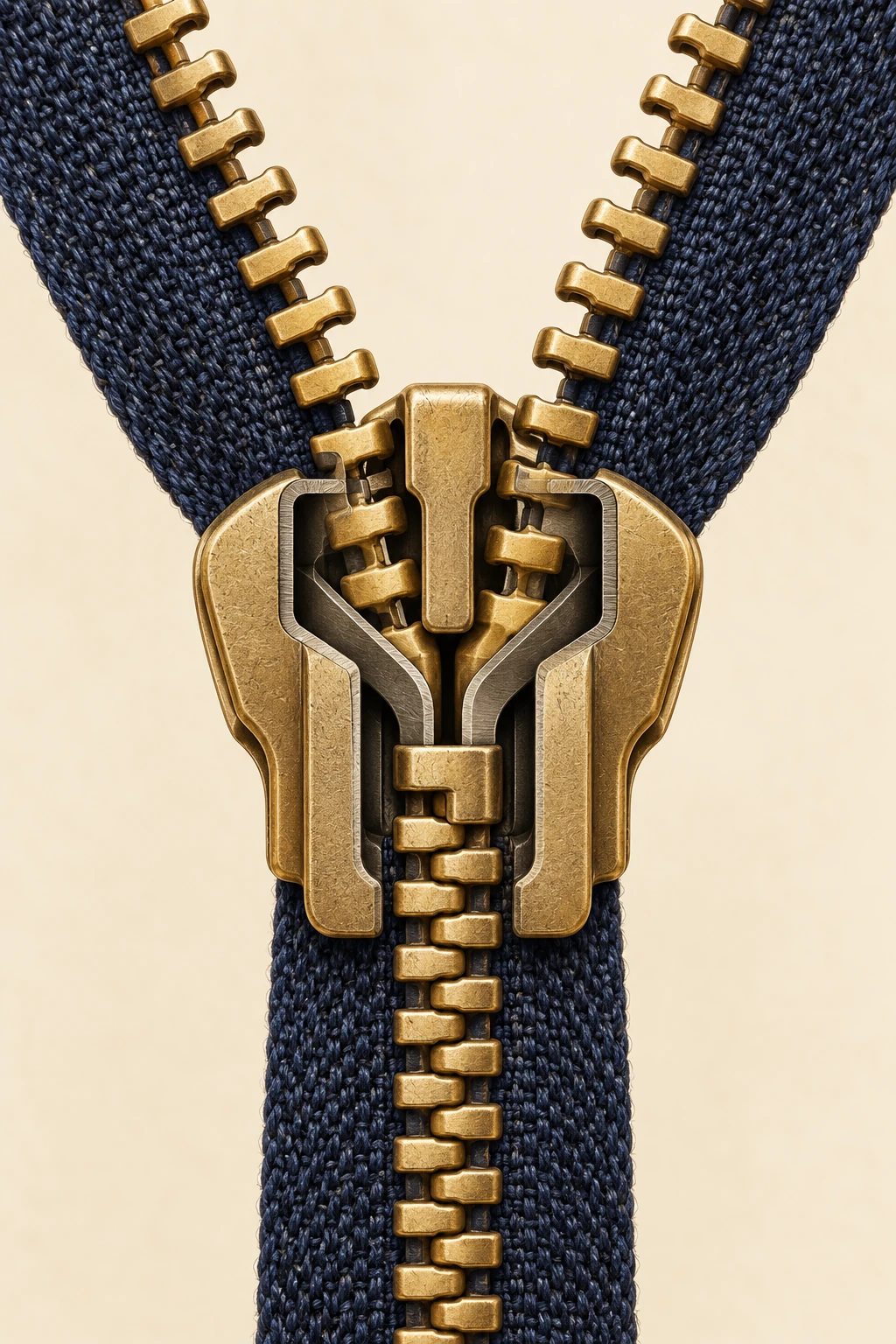
Conceptual cutaway. The internal arrangement is simplified; it is not a manufacturer drawing or a repair diagram. A guided look inside the zipper slider, its hidden lock, and the woven structure that makes a flexible seam possible.
Read the article →
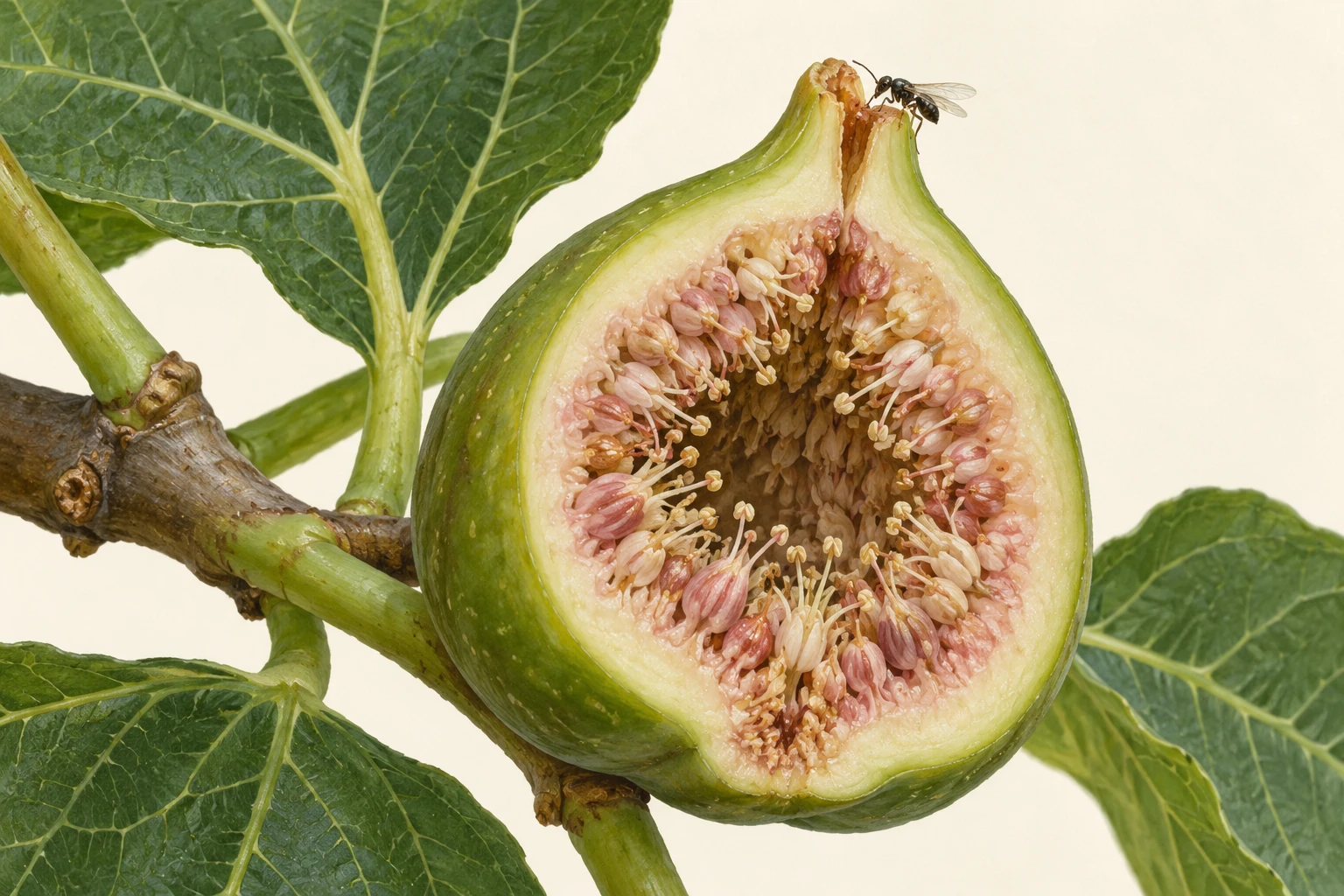
Conceptual botanical cutaway; the wasp and internal structures are illustrative, not a species-identification diagram. Inside a fig, pollination, reproduction and competing interests turn a hidden flower garden into an evolutionary experiment.
Read the article →
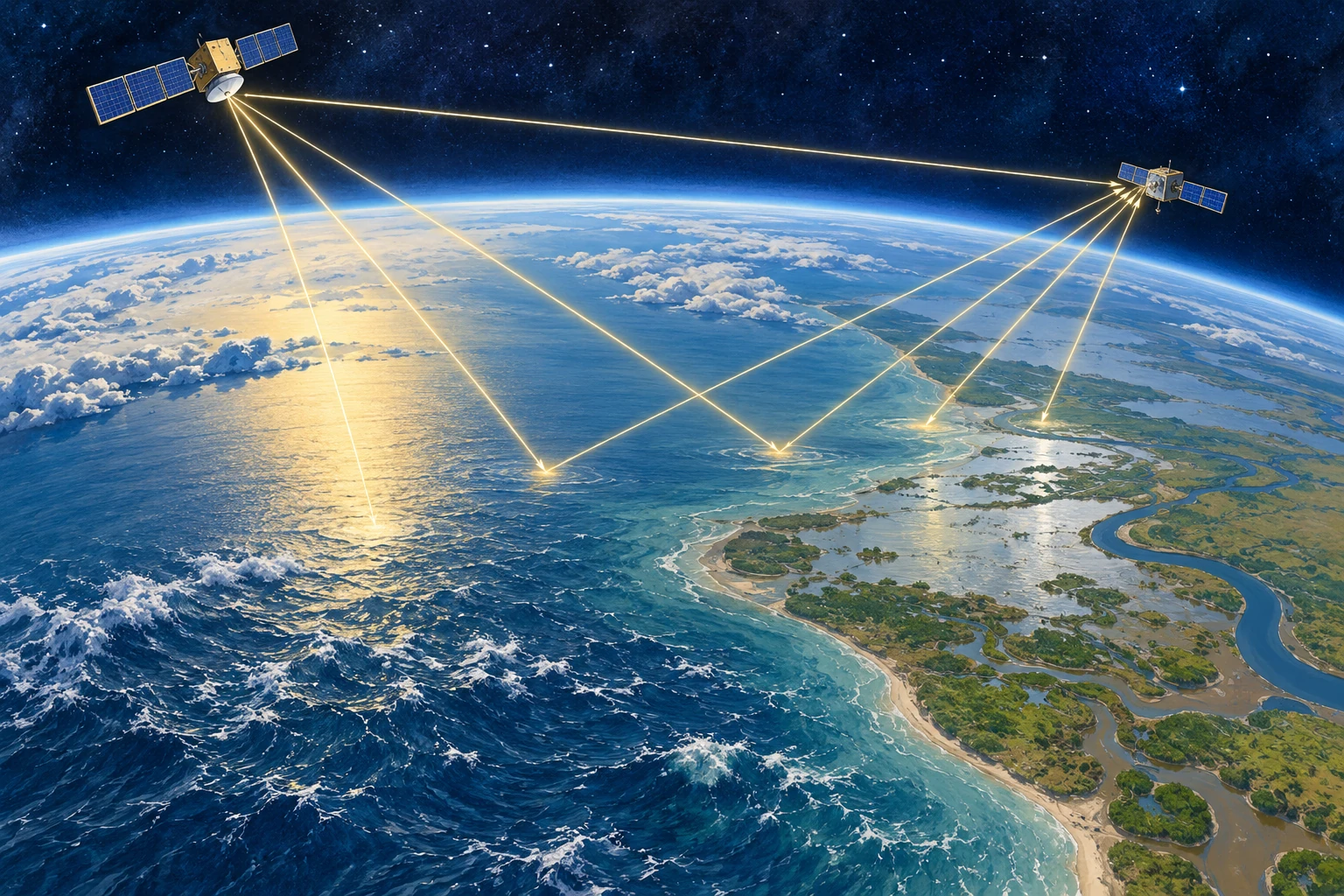
Illustration of GNSS reflection geometry. Paths, sizes, and orbital distances are schematic; this is not a satellite image or measurement. Navigation-satellite echoes become environmental measurements when researchers read how water and land change the signal.
Read the article →
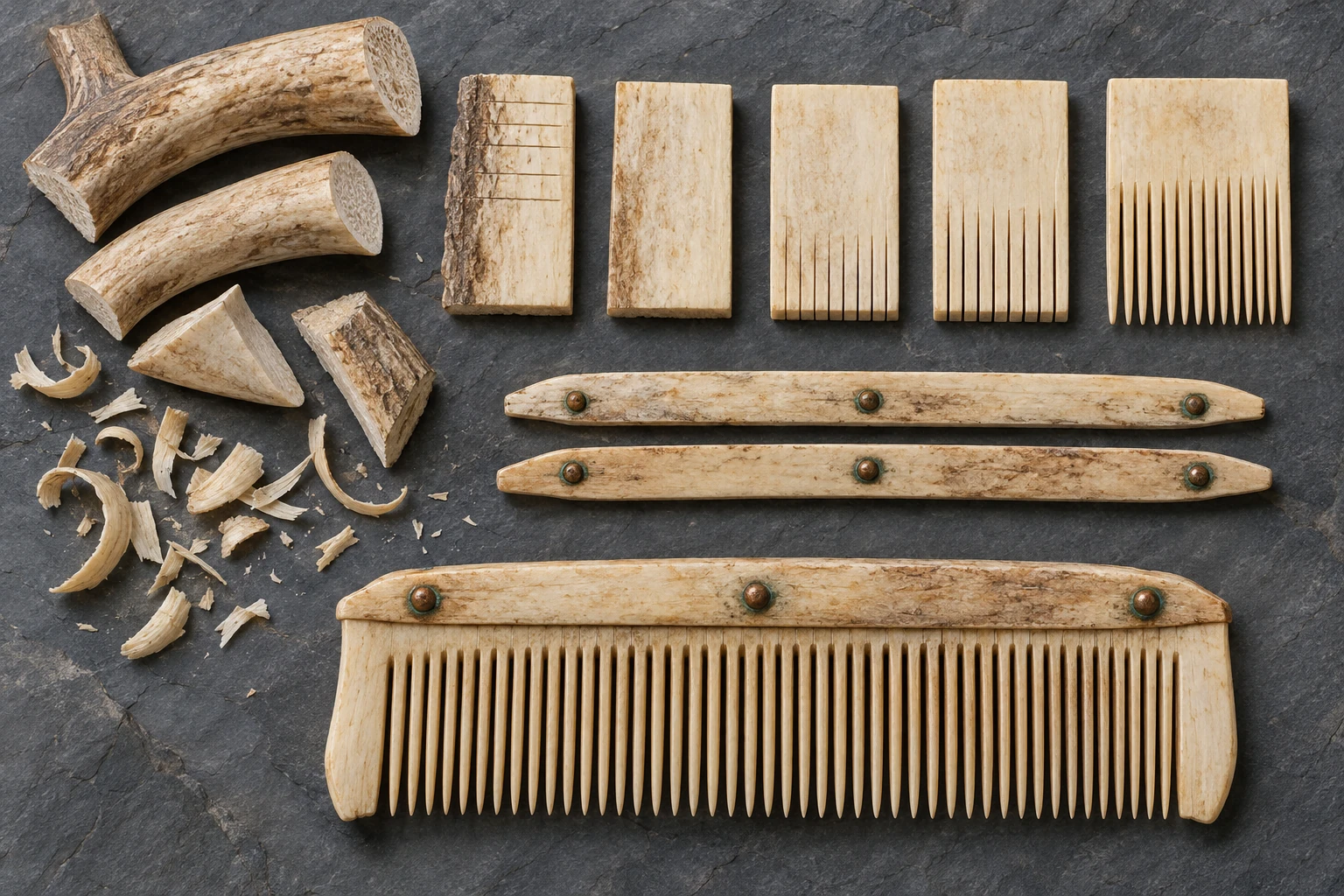
Conceptual craft illustration. The arranged stages are not excavated Ribe finds or a measured production diagram. Antler offcuts and biomolecular clues reveal why a workshop’s waste can tell a richer trade story than its finished combs.
Read the article →
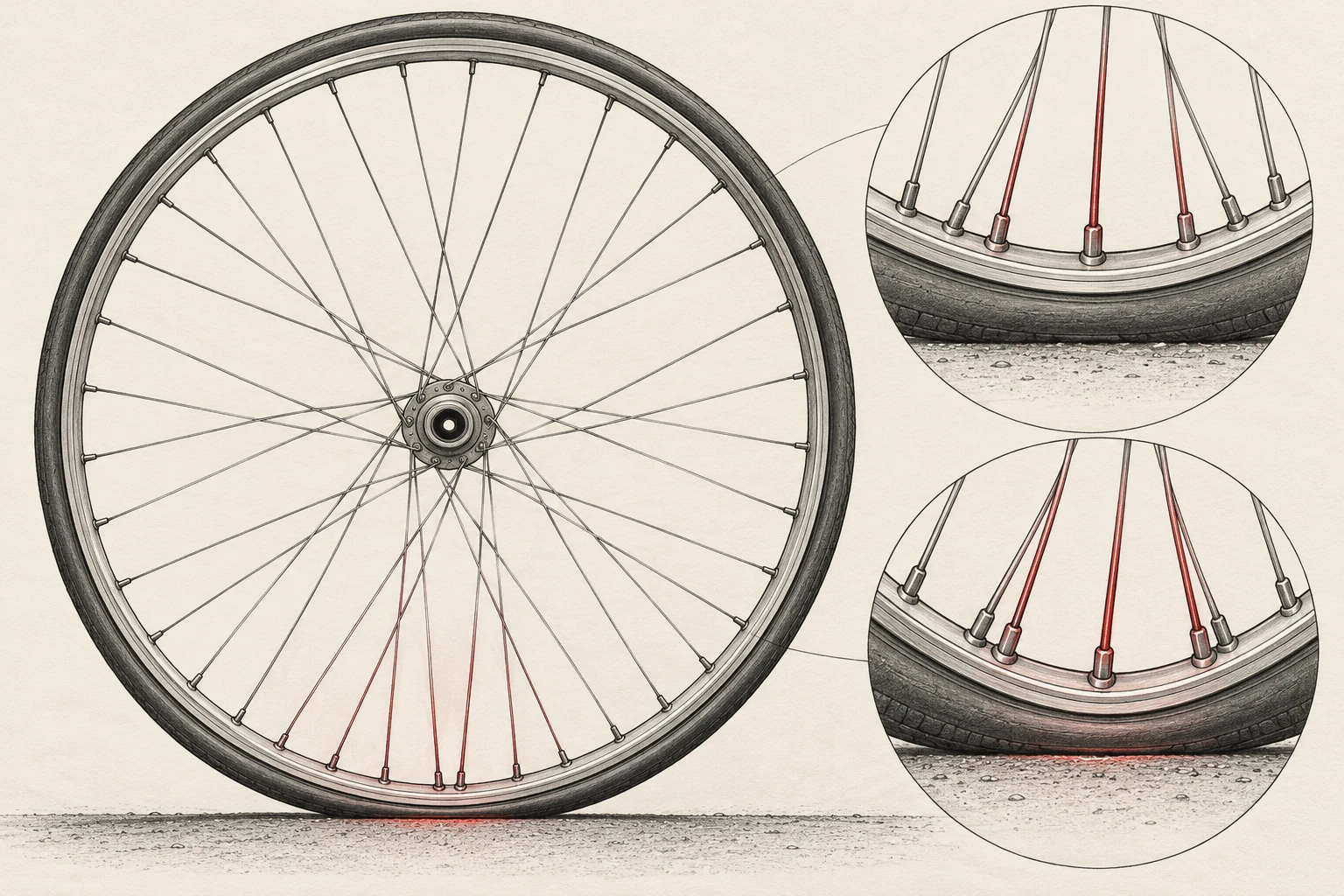
Conceptual wheel study. Color highlights identify a region of interest; they are not measured forces or a wheelbuilding specification. A wheel supports a rider through changing tension, a cooperating rim, and forces prepared before the bicycle moves.
Read the article →
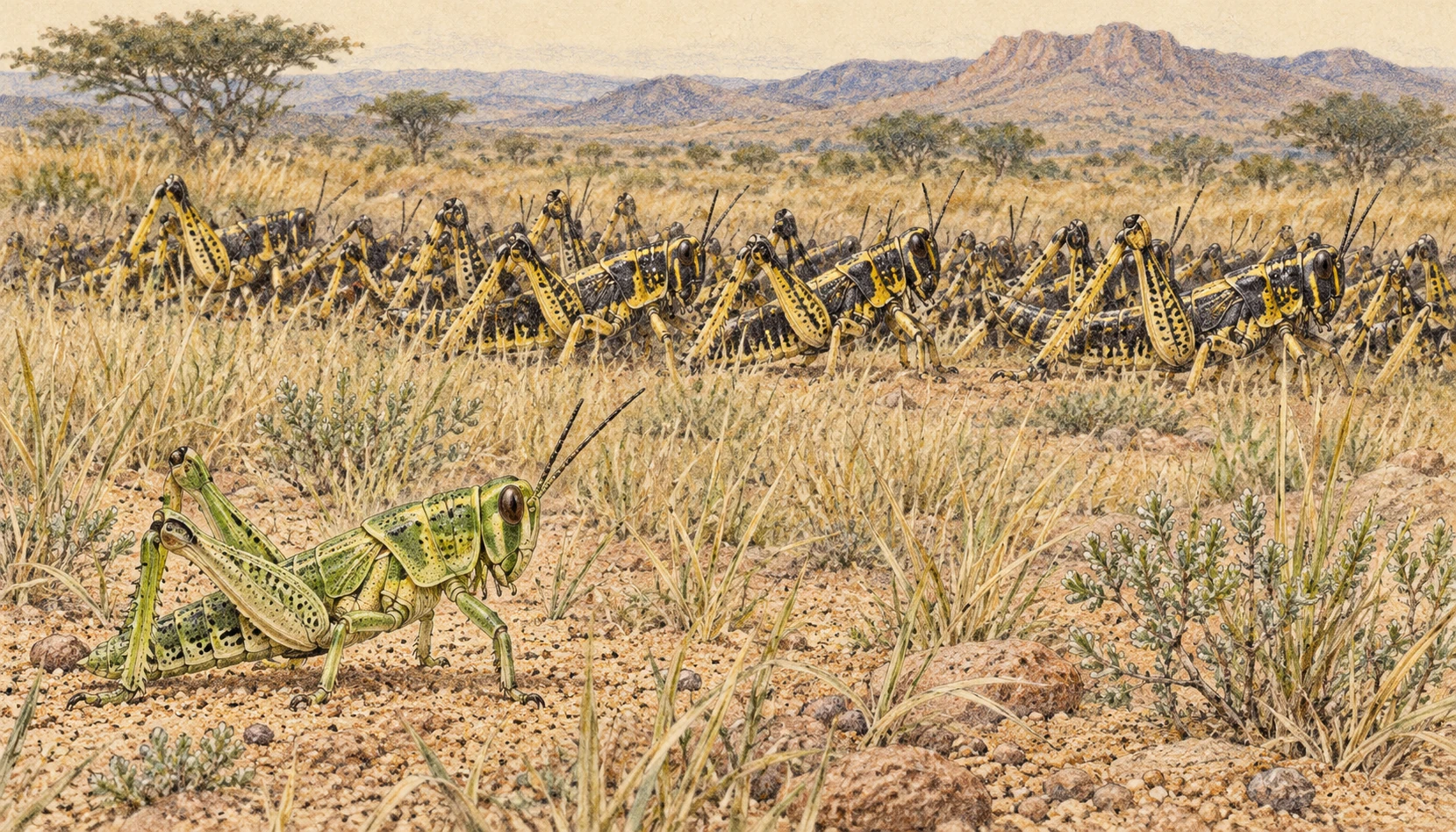
Conceptual field-guide comparison of locust social phases; illustrative coloration and setting, not a diagnostic field photograph. Phase change links sensory experience, nervous-system chemistry and collective behavior—and its experiments reveal useful complications.
Read the article →
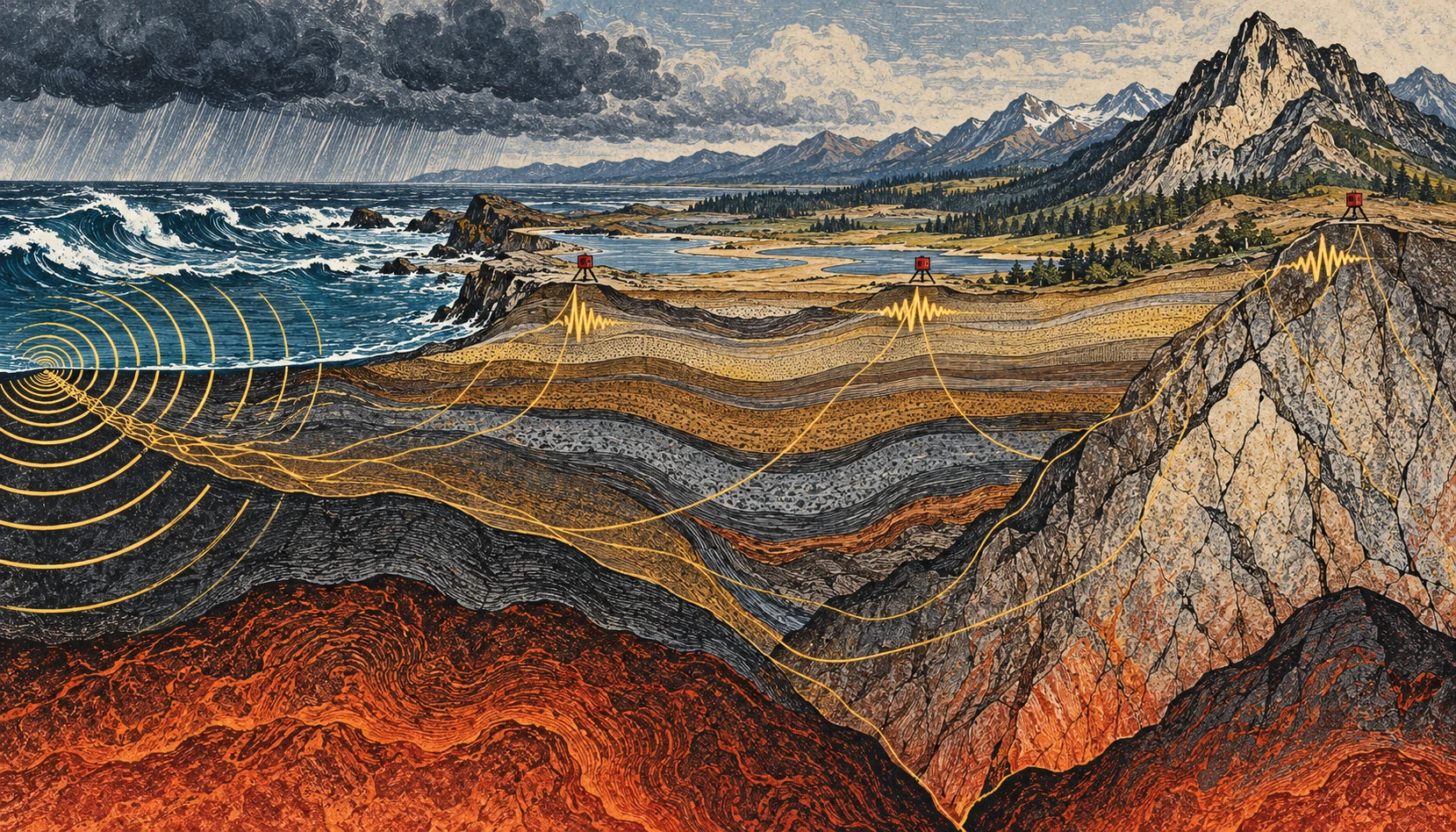
Conceptual illustration of ambient seismic noise and a sensor network; colors and paths are explanatory artwork, not tomography data. Continuous ground vibrations can reveal buried structure when scientists compare long recordings from a network of seismometers.
Read the article →
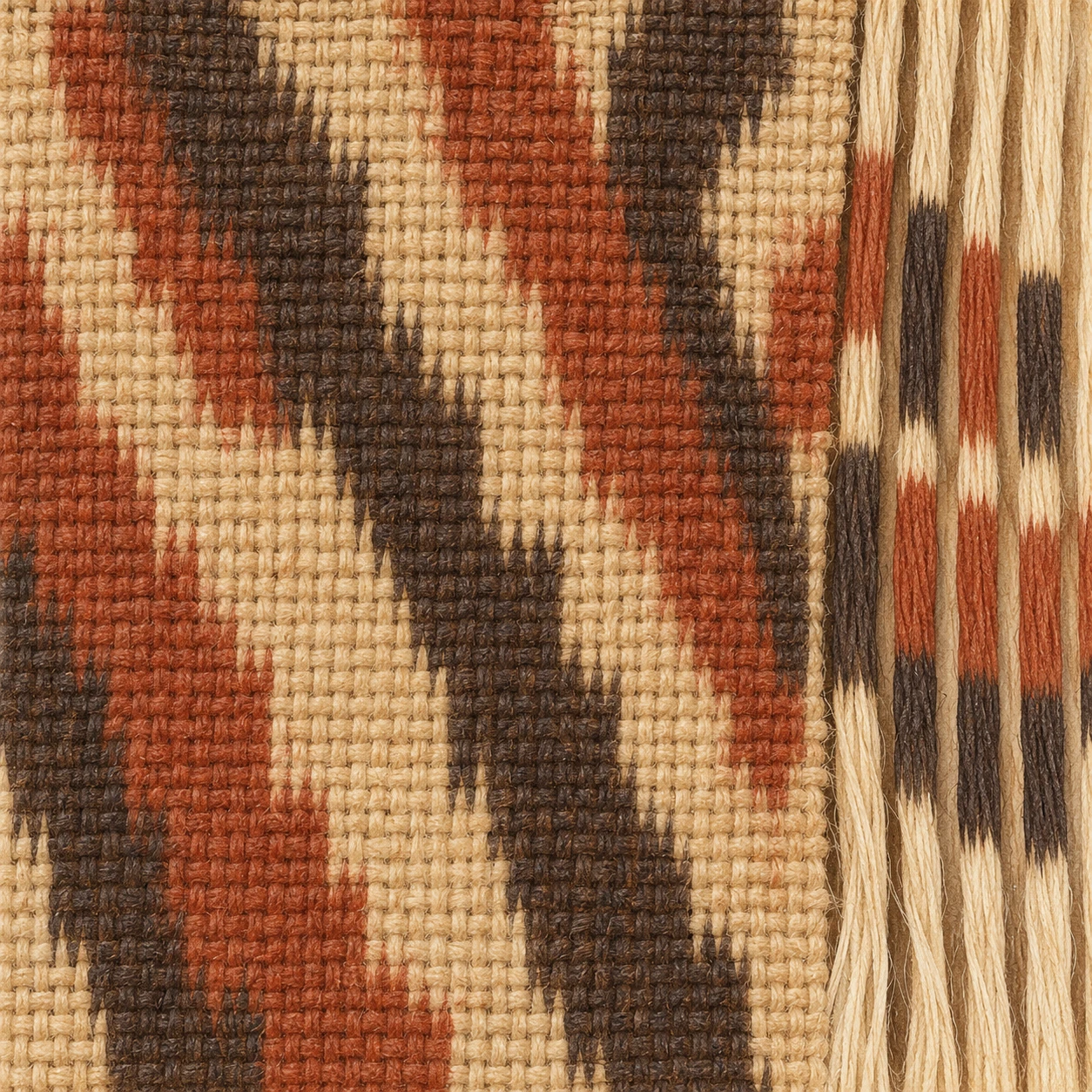
Generic warp-ikat study, not a reproduction of the Banton cloth or a named community’s design. A rare abaca textile reveals the planning inside warp ikat—and the care needed when reading an ancient cloth’s uncertain history.
Read the article →
Conceptual artwork, not a scannable QR code or a demonstration of a particular correction threshold. What QR error correction can recover, why damage location matters, and a controlled paper experiment anyone can understand.
Read the article →
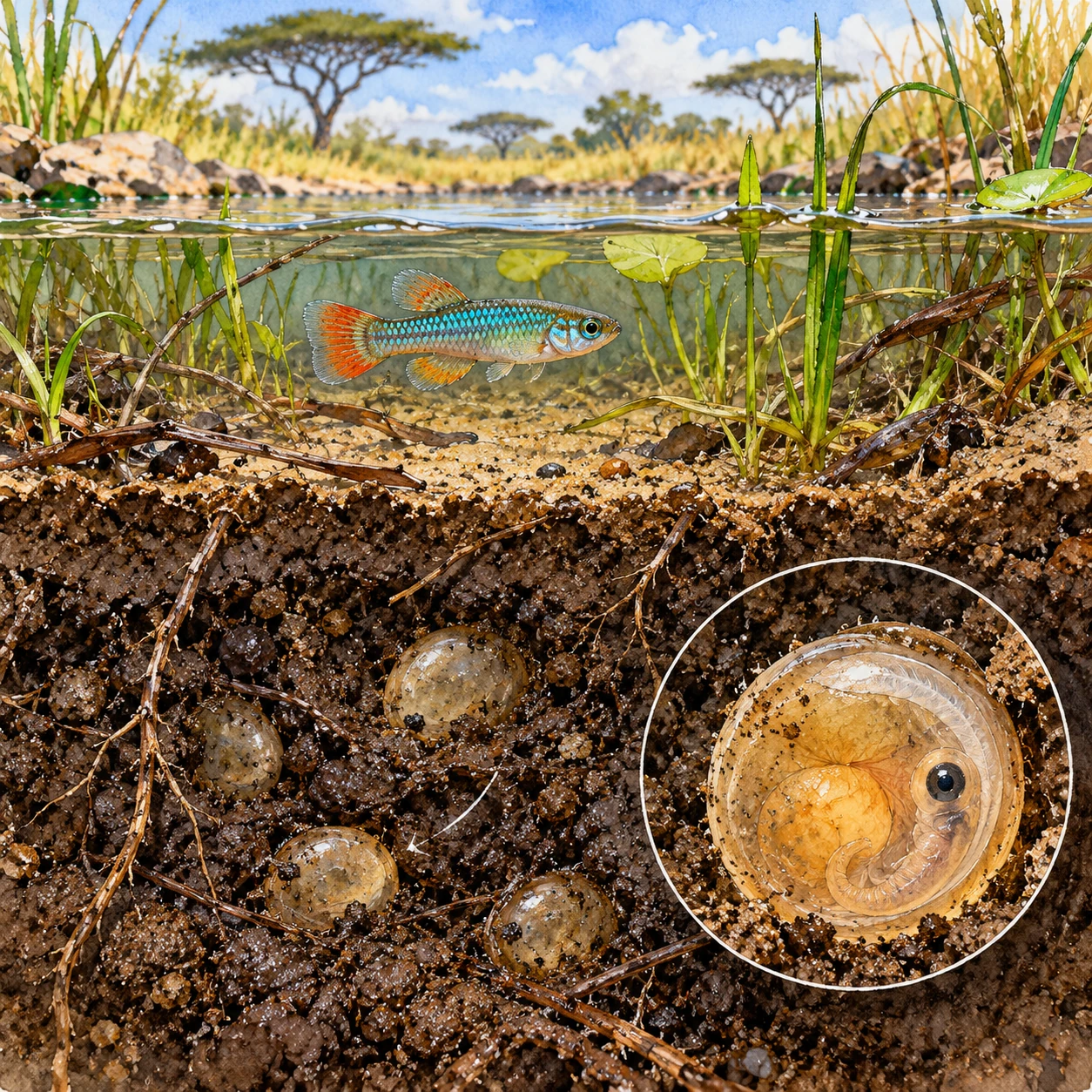
Conceptual cutaway combining rainy-season habitat and an enlarged embryo; life stages and scales are combined for explanation. African turquoise killifish reveal how an embryo can preserve itself through a dry season while development is paused.
Read the article →
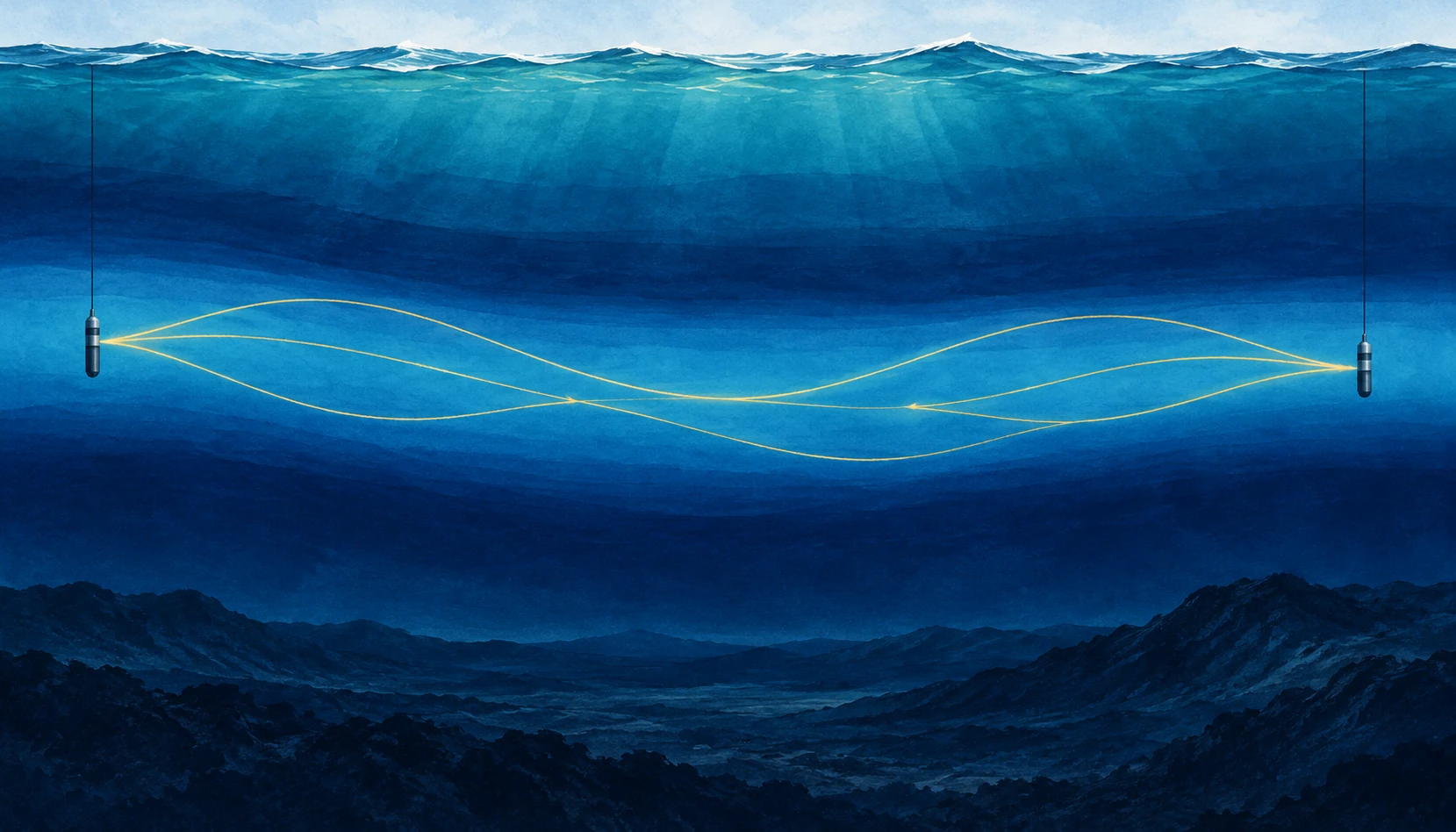
Conceptual illustration of a sound channel. Gold lines depict simplified ray paths, not wavelengths; scales are compressed. Temperature and pressure shape an underwater sound guide that can carry low-frequency signals across remarkable distances.
Read the article →
Conceptual craft scene with an original floral design. It does not reproduce a historical panel or document a specific workshop. Follow the seams in hardstone inlay to discover how a flower or landscape grows from patterns already present inside the stone.
Read the article →
Conceptual illustration. Capsules are enlarged and simplified; the image is not microscopy or a product specification. Moving pigments, retained images, reflected light and the difference between a display’s power use and a whole device’s battery life.
Read the article →
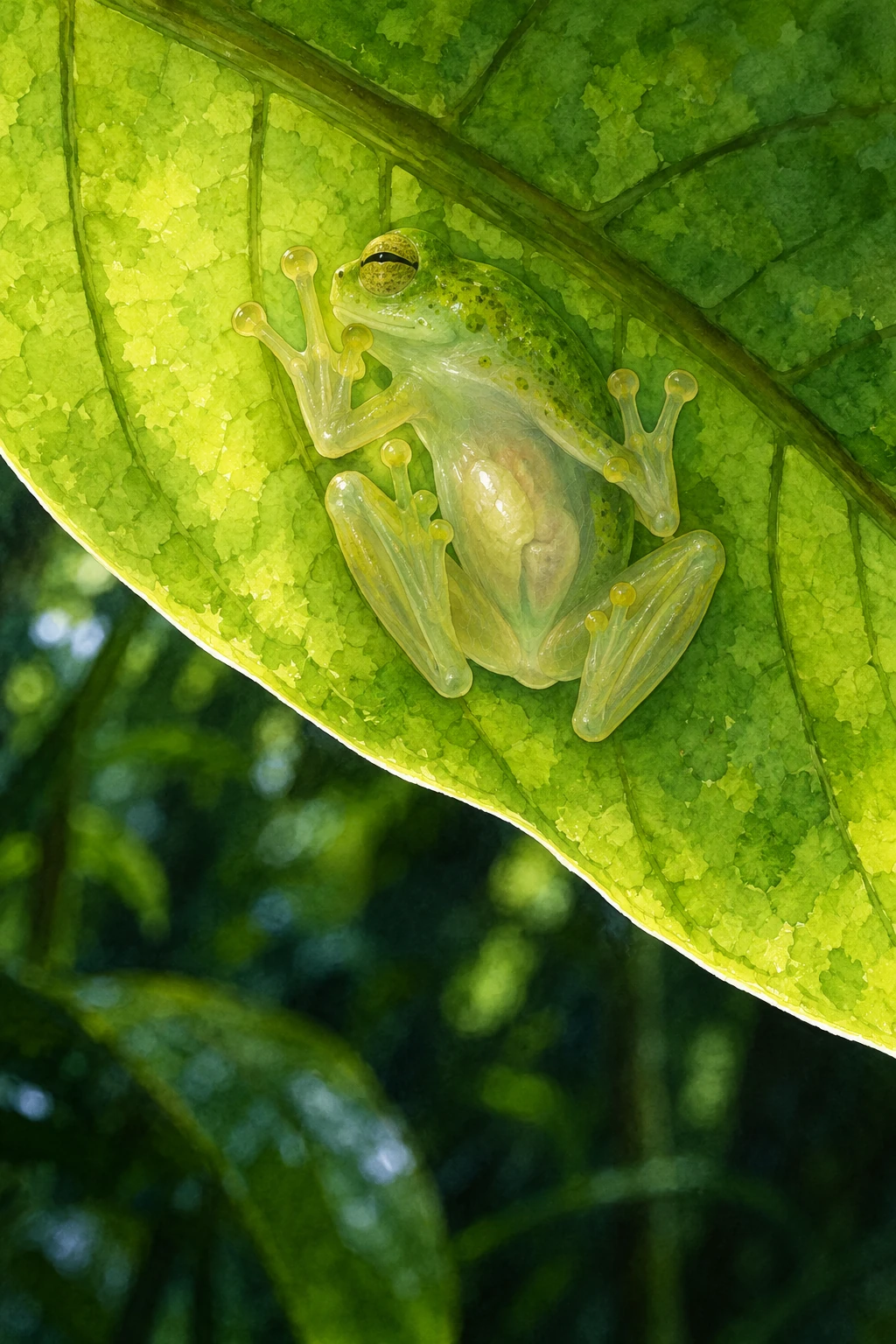
Conceptual natural-history illustration; visible internal forms are artistic interpretation, not anatomical evidence. A transparent frog solves an optical problem by moving red blood cells into its liver—and raises new physiological questions.
Read the article →
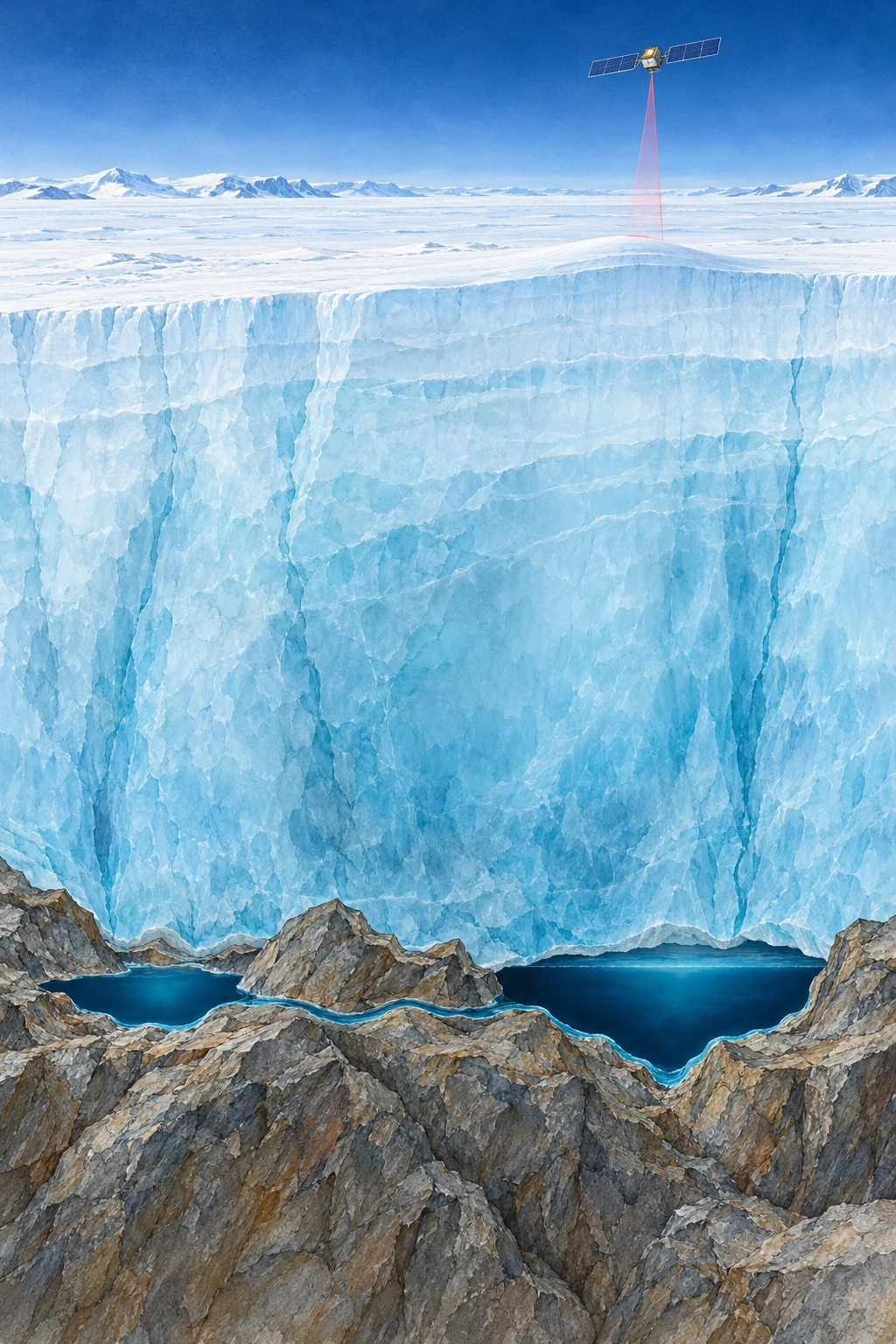
Conceptual cutaway of basal lakes. Ice depth, lake shape, and satellite distance are compressed and are not observations of a named site. Satellites read subtle movements in the ice roof to reveal active water reservoirs far beneath Antarctica.
Read the article →
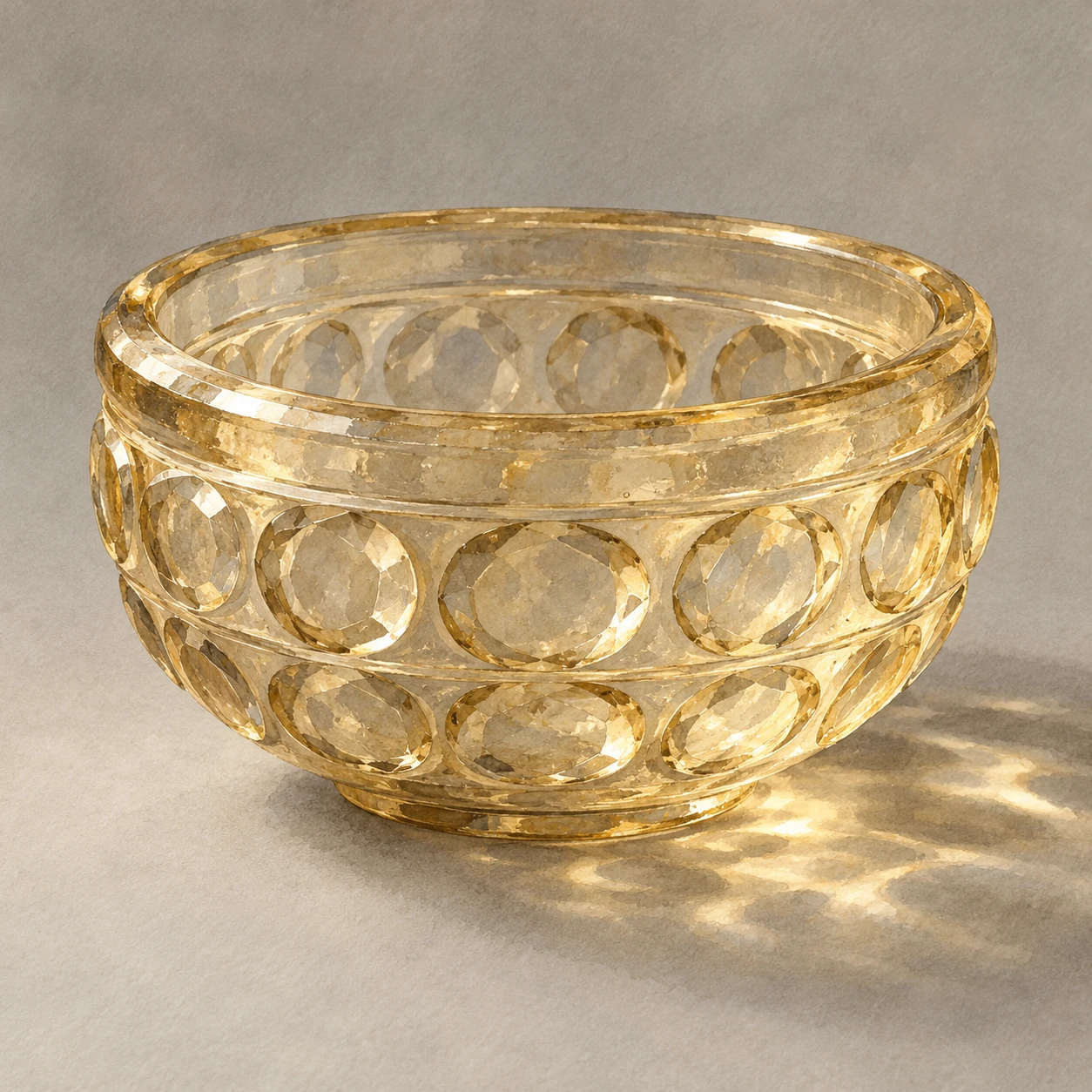
Conceptual cut-glass study, not a facsimile or photograph of the Shōsōin White Glass Bowl. A small cut-glass bowl in Nara reveals long connections—and teaches us to separate material evidence from an imagined itinerary.
Read the article →
Night-road illustration. Apparent brightness is artistic and does not represent a measured sign performance. Why roadside signs return headlights toward a driver, and how tiny optical structures depend on the viewer’s position.
Read the article →
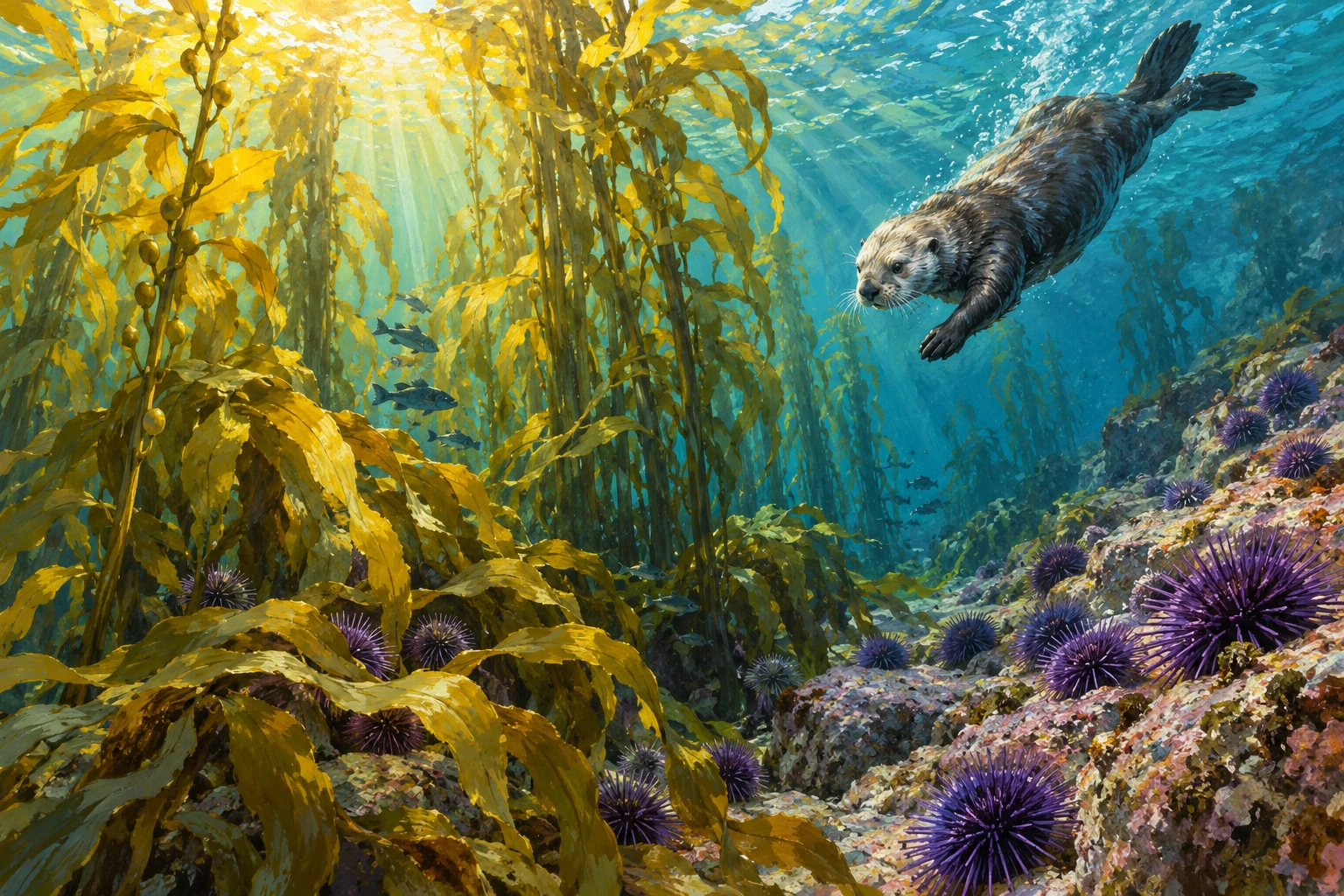
Conceptual ecological painting combining contrasting habitat patches; not a survey image or map. Otters, urchins and kelp form a famous food chain, but prey quality helps explain why forests and barrens can persist side by side.
Read the article →
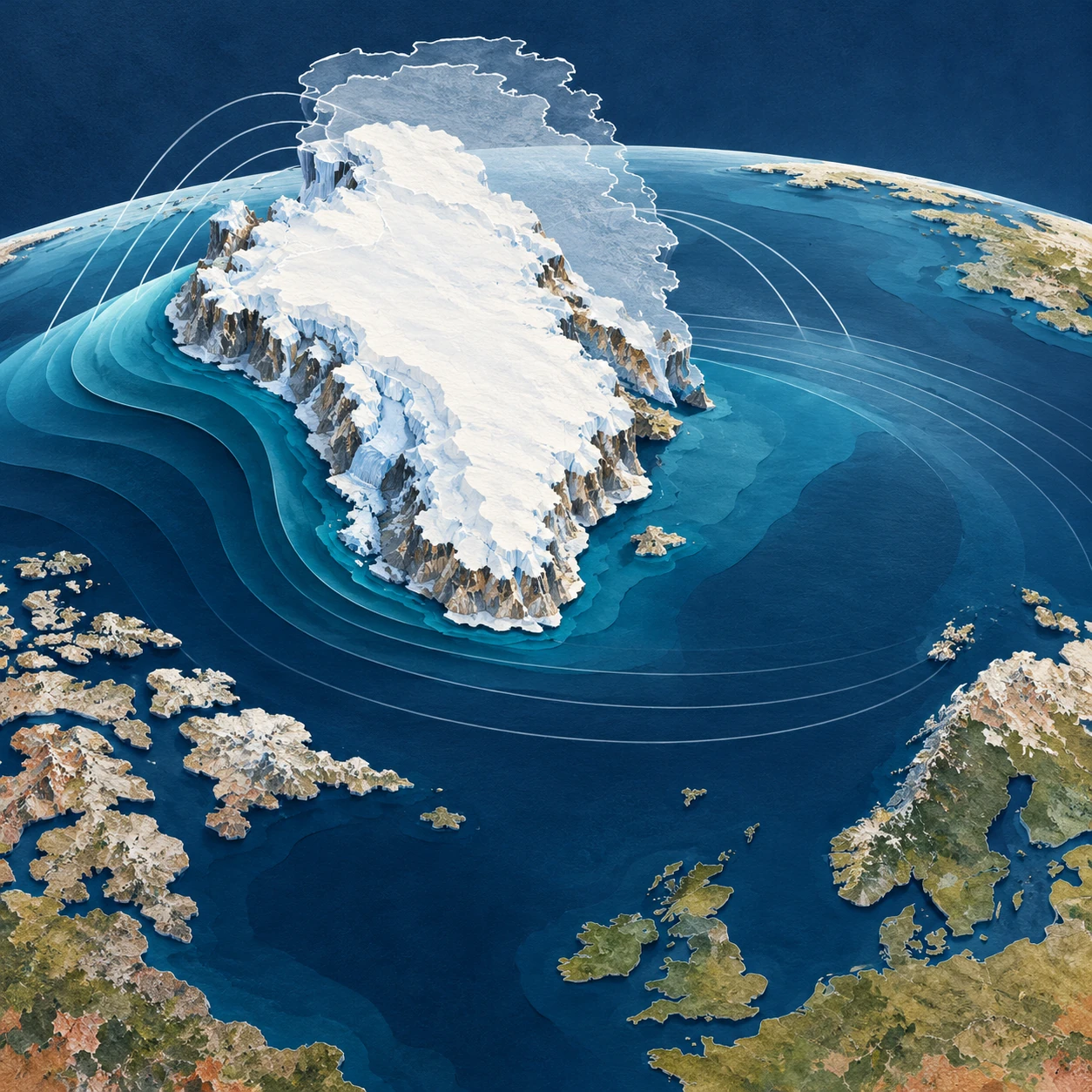
Conceptual artwork of ice loss and ocean redistribution. Relief, coastlines, gravity arcs, and water-height differences are exaggerated and not a forecast. Gravity, moving land, and redistributed water explain why ice-sheet melt has a different sea-level signature at every coast.
Read the article →
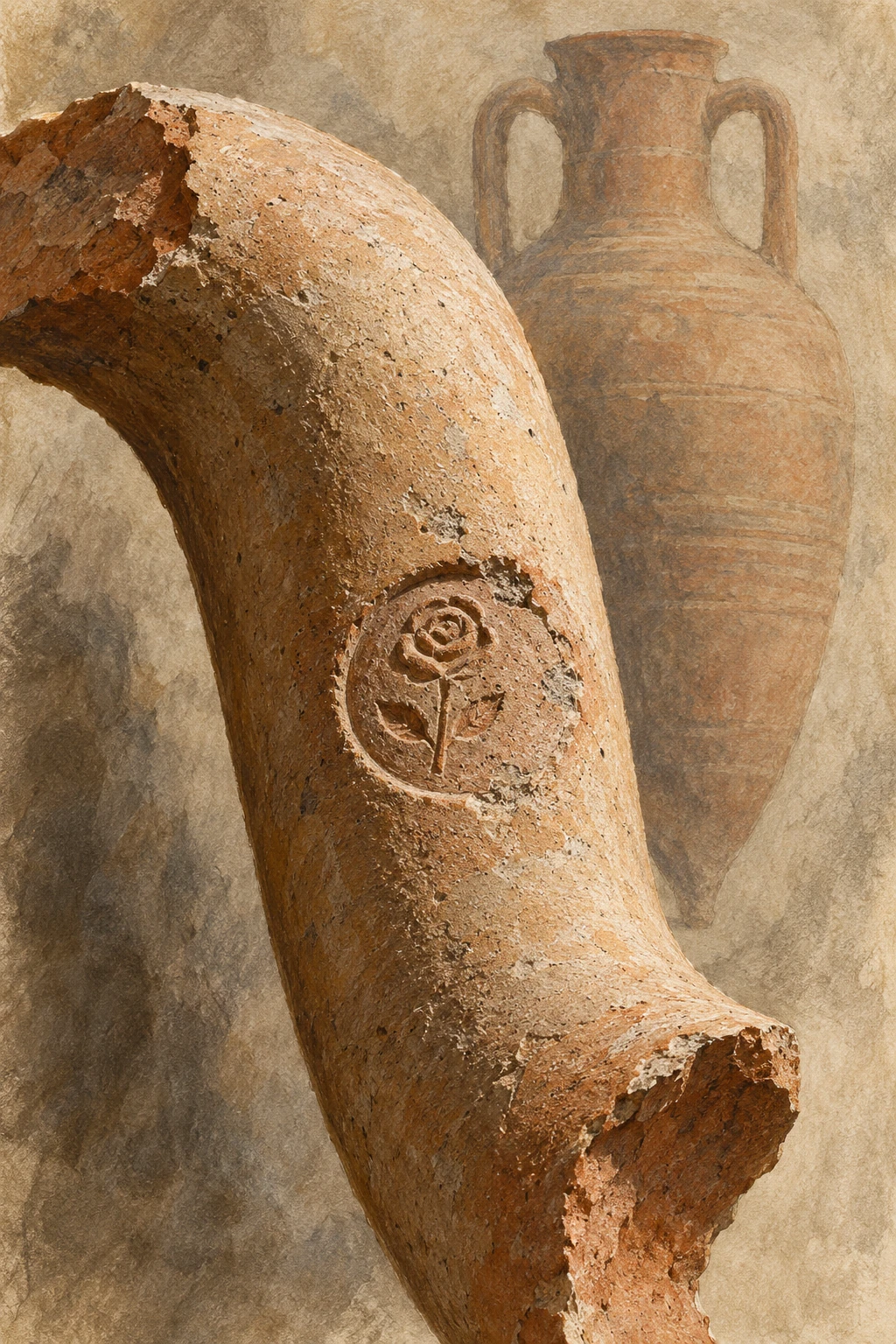
Conceptual archaeology illustration. The impression is an original generic motif, not a readable ancient inscription. A small impression on a broken jar handle can connect production, dates, and trade—if we ask exactly what its evidence supports.
Read the article →
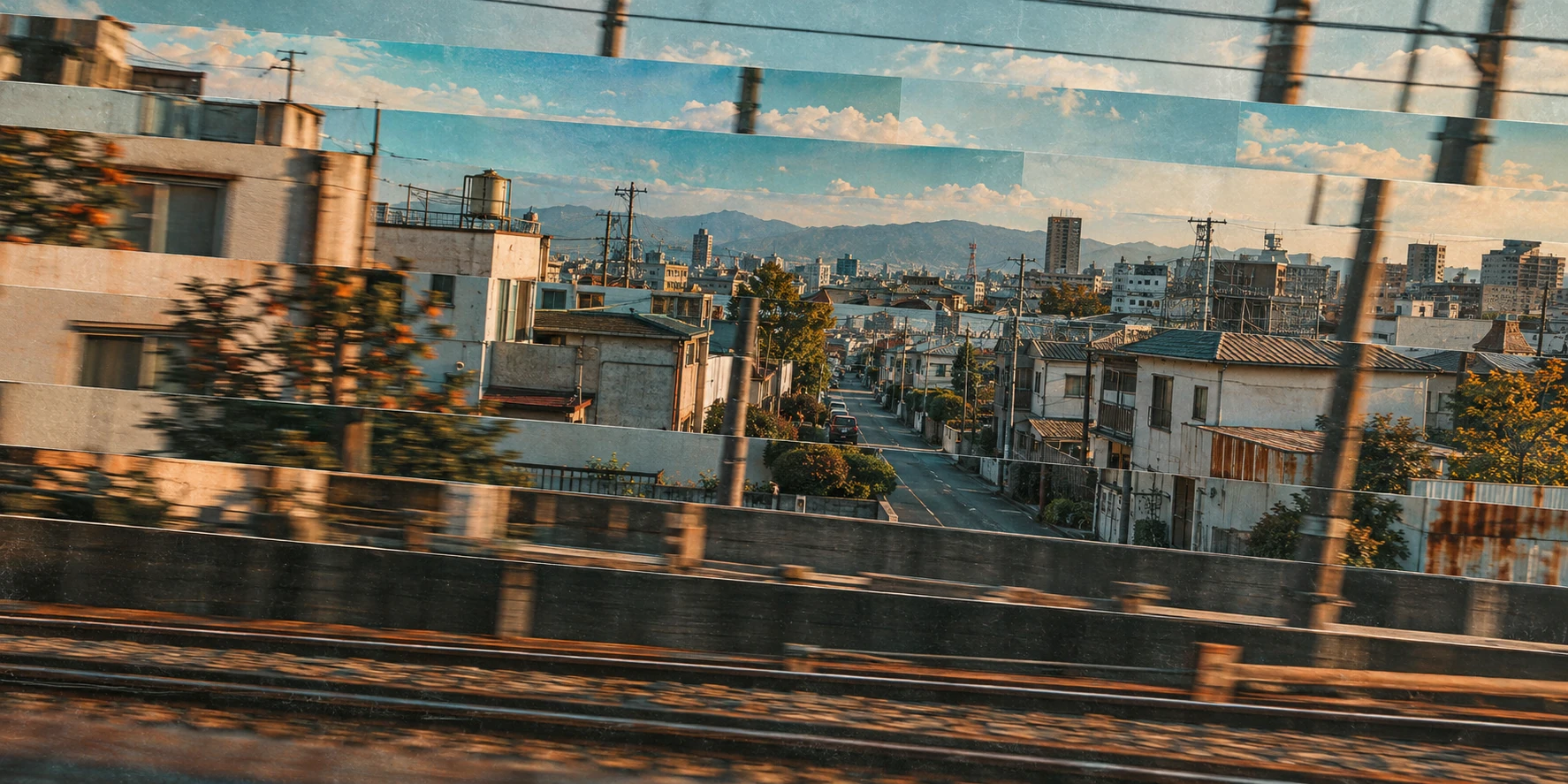
Temporal collage. It illustrates an idea, not a camera test or an actual captured rolling-shutter example. A fast exposure can still assemble several moments. Explore row timing, skew, motion blur and a simple image-building experiment.
Read the article →
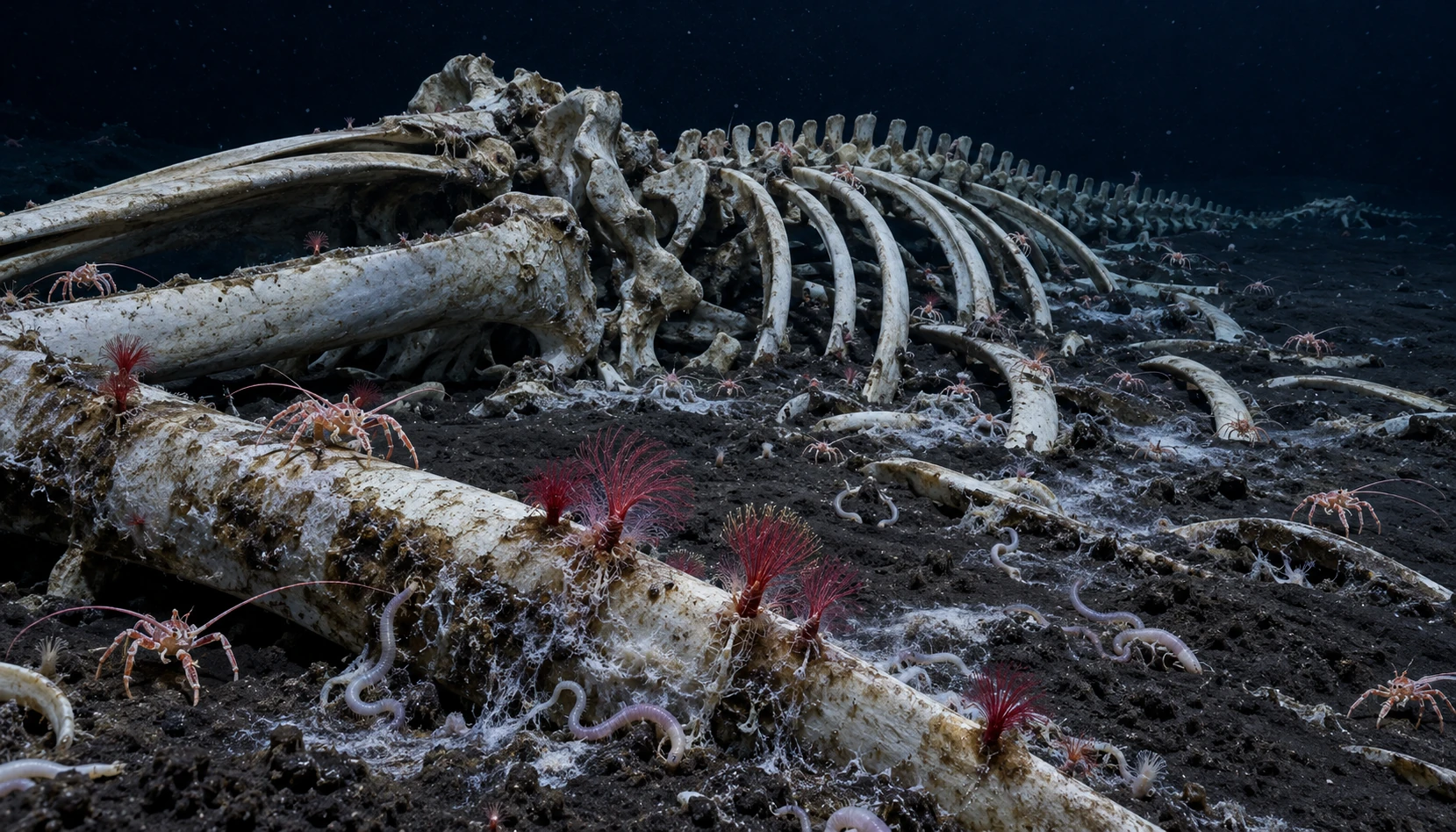
Conceptual late-stage whale-fall community; organisms and visibility are arranged for explanation, not a recorded dive. A sunken whale becomes a changing resource landscape, from scavenger meals to bone specialists and microbial partnerships.
Read the article →
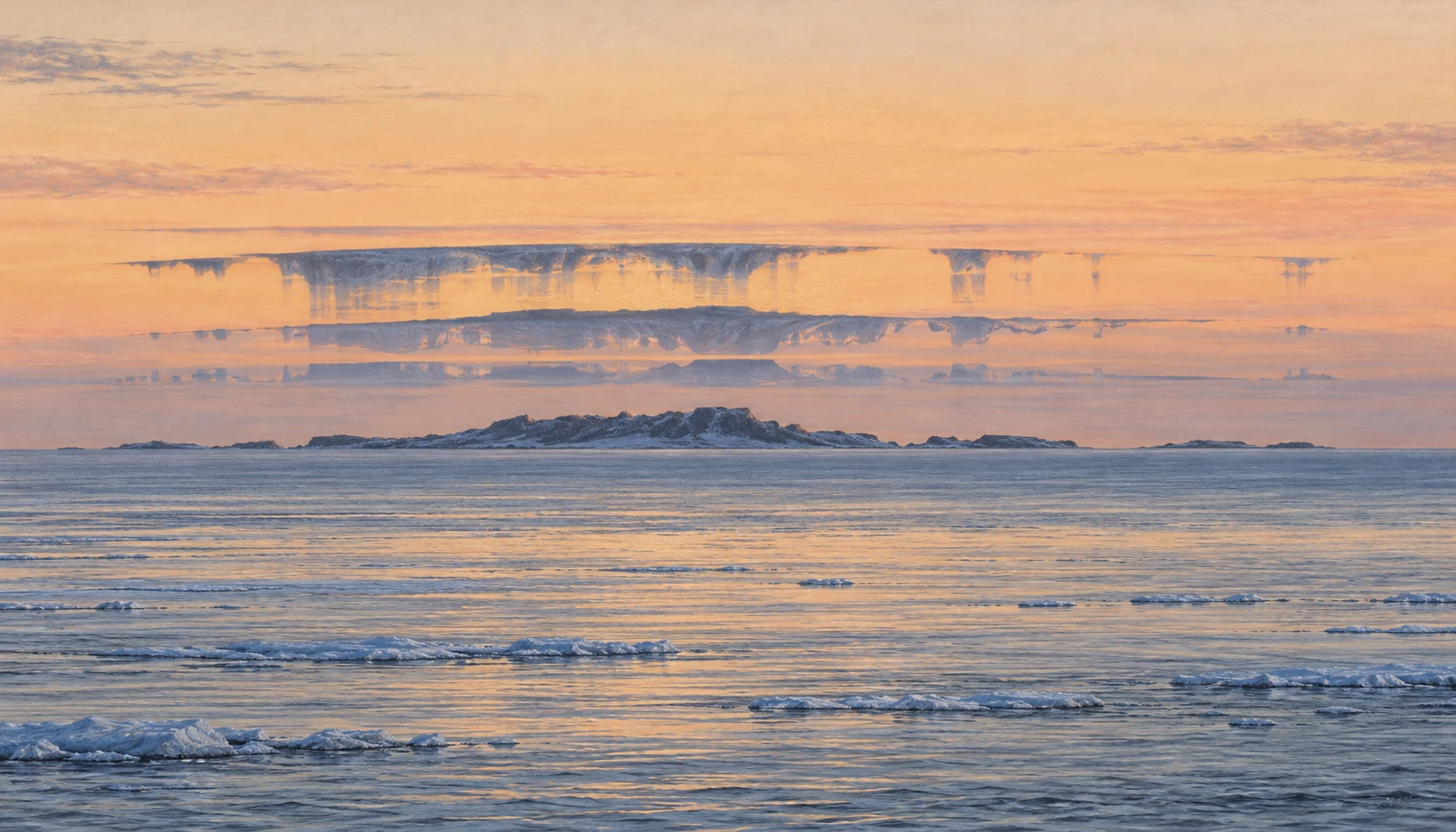
Illustrative interpretation of a complex horizon mirage, not a documented sighting. Distortion is emphasized for visibility. Complex refraction can stretch a distant shore into apparent architecture. A careful observation guide keeps the wonder and the evidence.
Read the article →
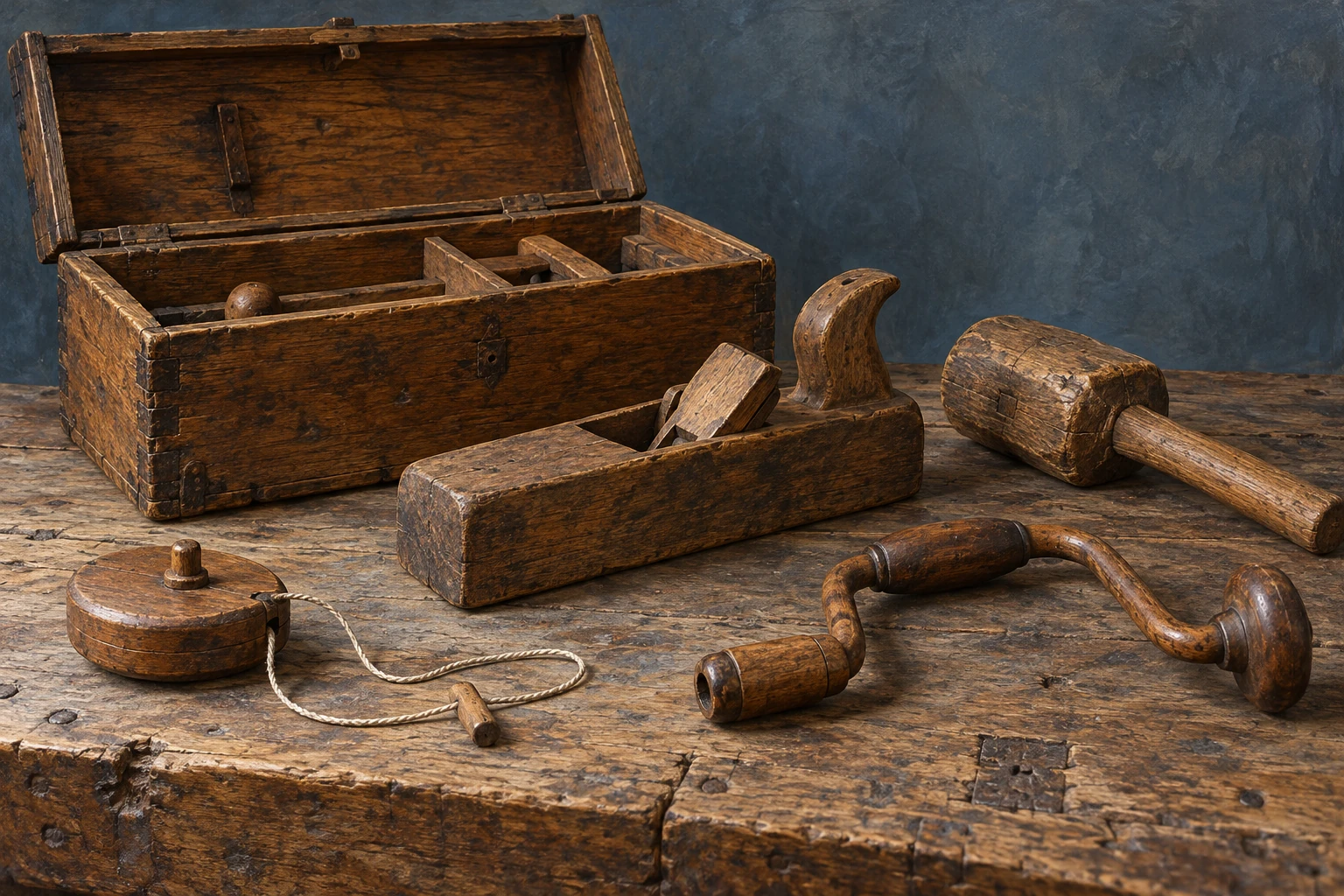
Conceptual Tudor tool study. These are illustrative forms, not photographs or exact replicas of the Mary Rose finds. Wooden handles, a drill, and a misplaced chalk reel reveal how to read a working life from an incomplete Tudor tool collection.
Read the article →
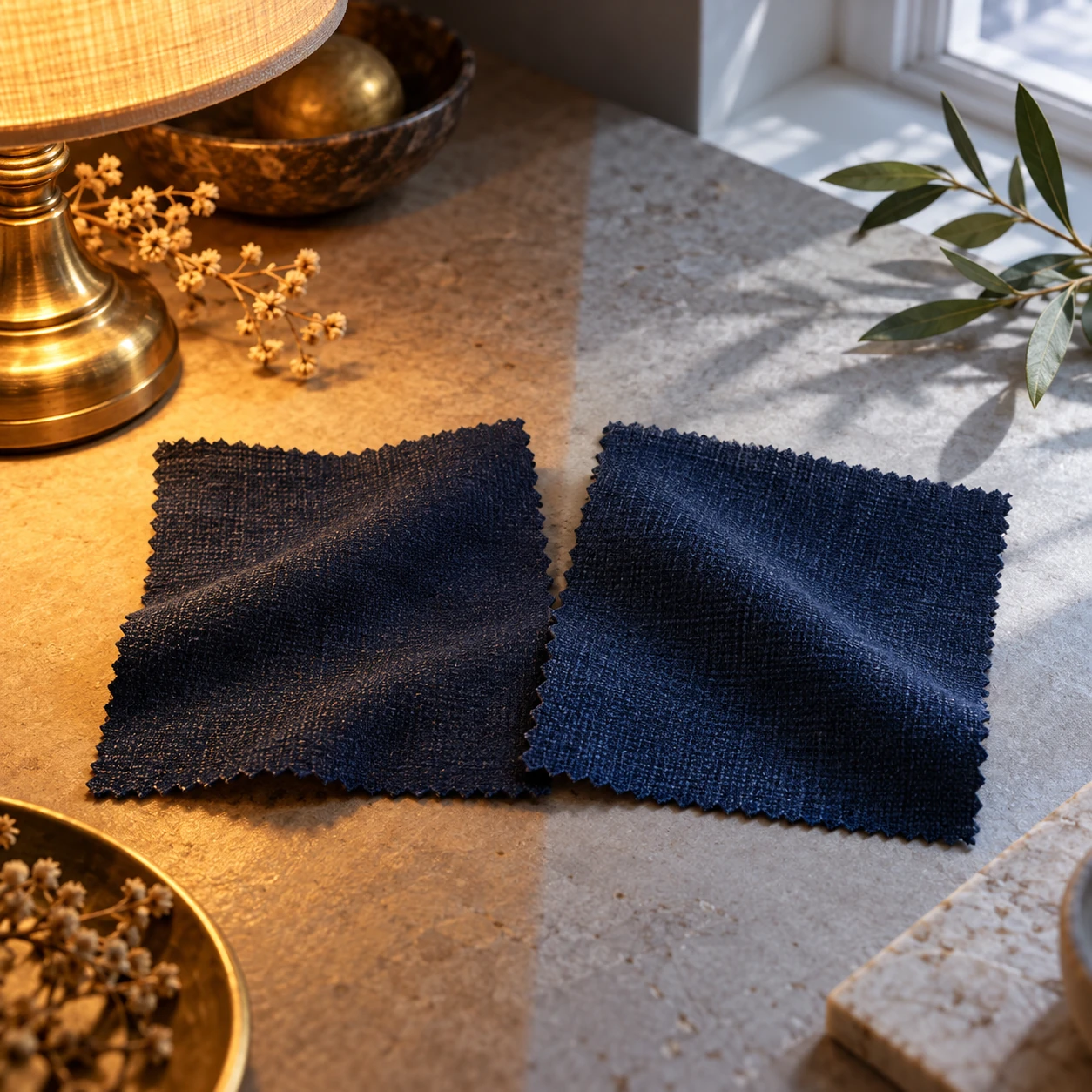
Lighting study. Display colors are illustrative; this image is not a calibrated metameric pair. Two materials can match under one light and separate under another. Learn to inspect the conditions behind a color match.
Read the article →
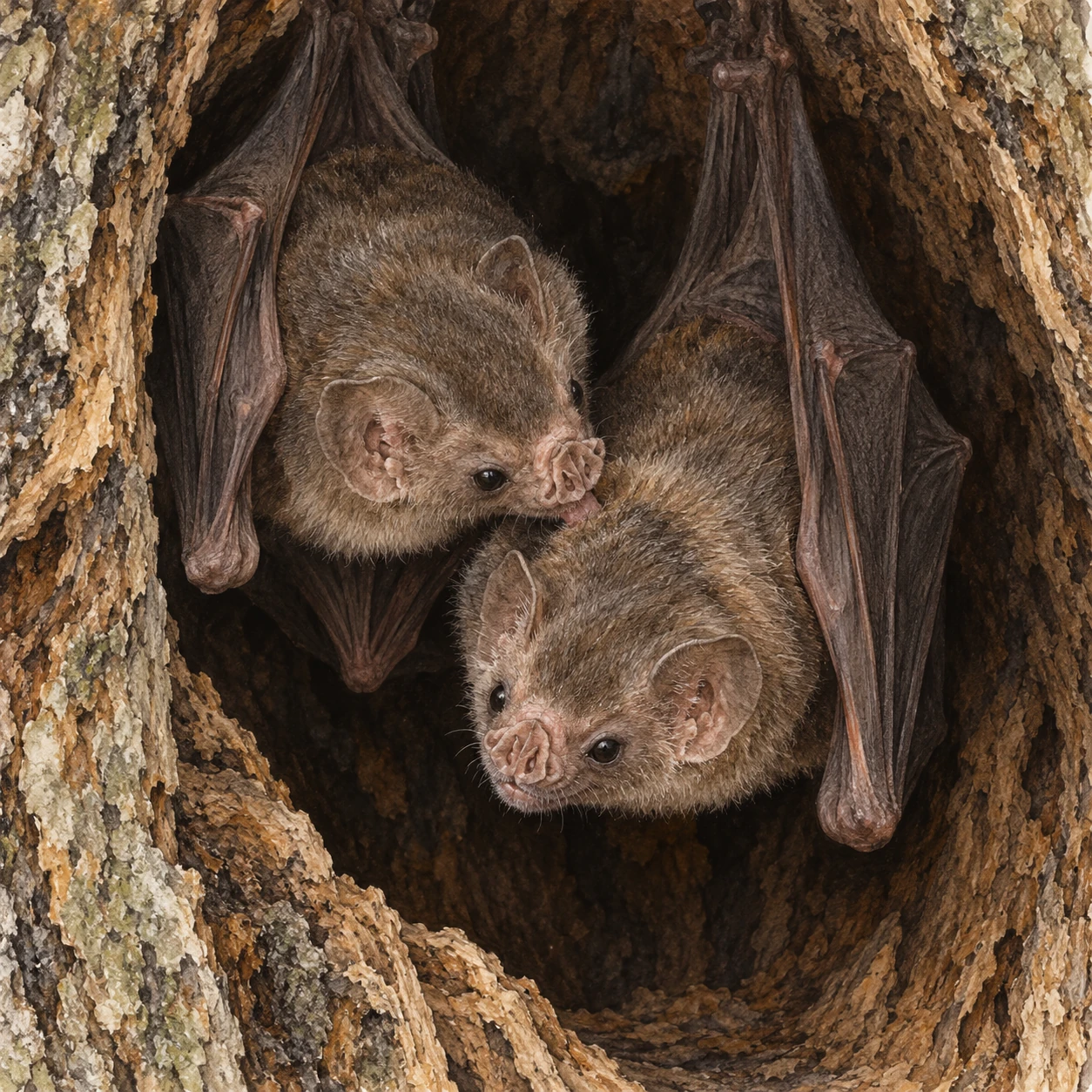
Interpretive illustration of social grooming in common vampire bats; not an observation of a named study pair. Food sharing grows out of selective social histories, and experiments reveal how bat partnerships develop and persist.
Read the article →
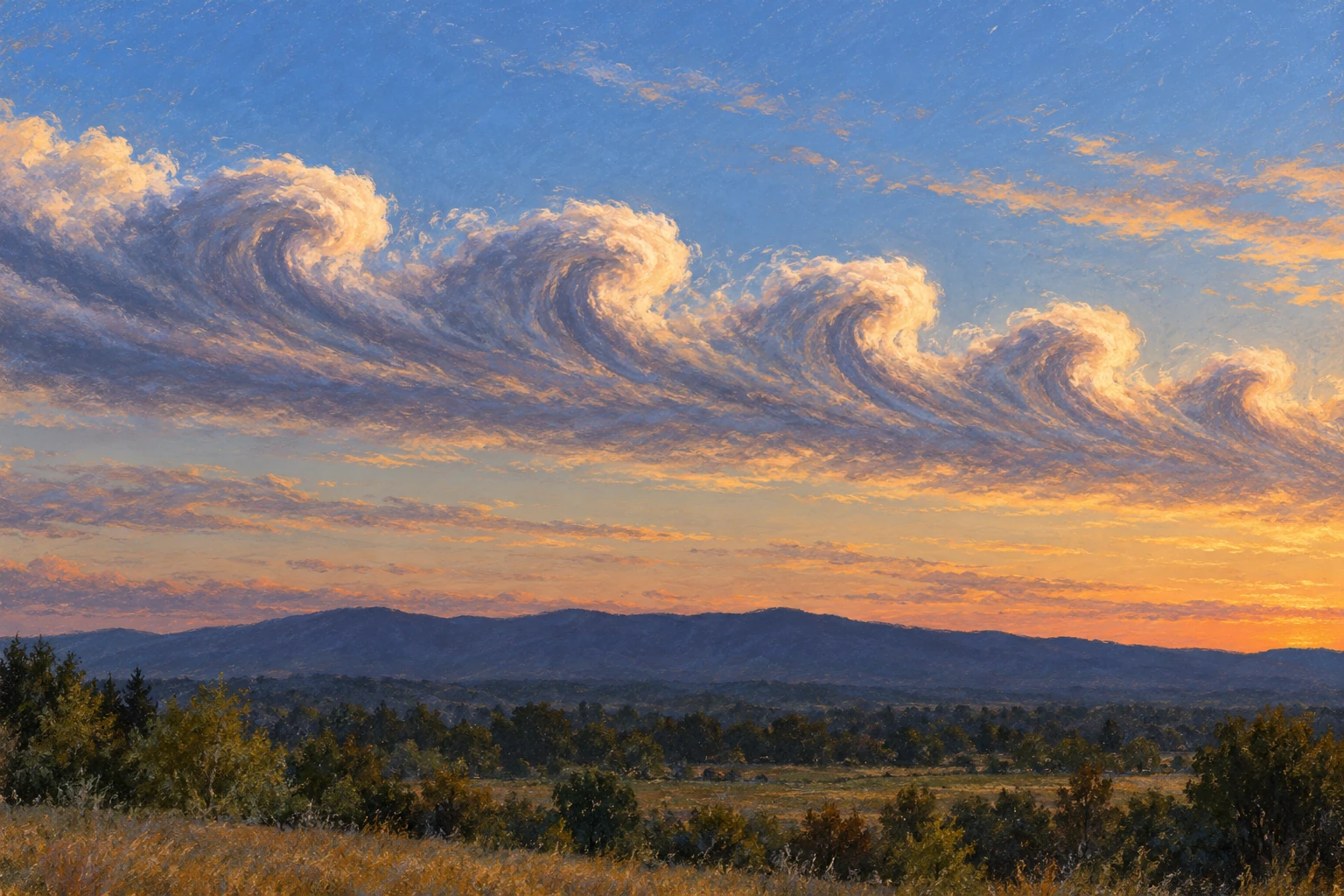
Illustration of fluctus clouds. It depicts a plausible pattern, not a recorded weather event or a turbulence forecast. Brief curling clouds reveal shear between moving air layers. Learn to read the pattern and distinguish it from other atmospheric waves.
Read the article →
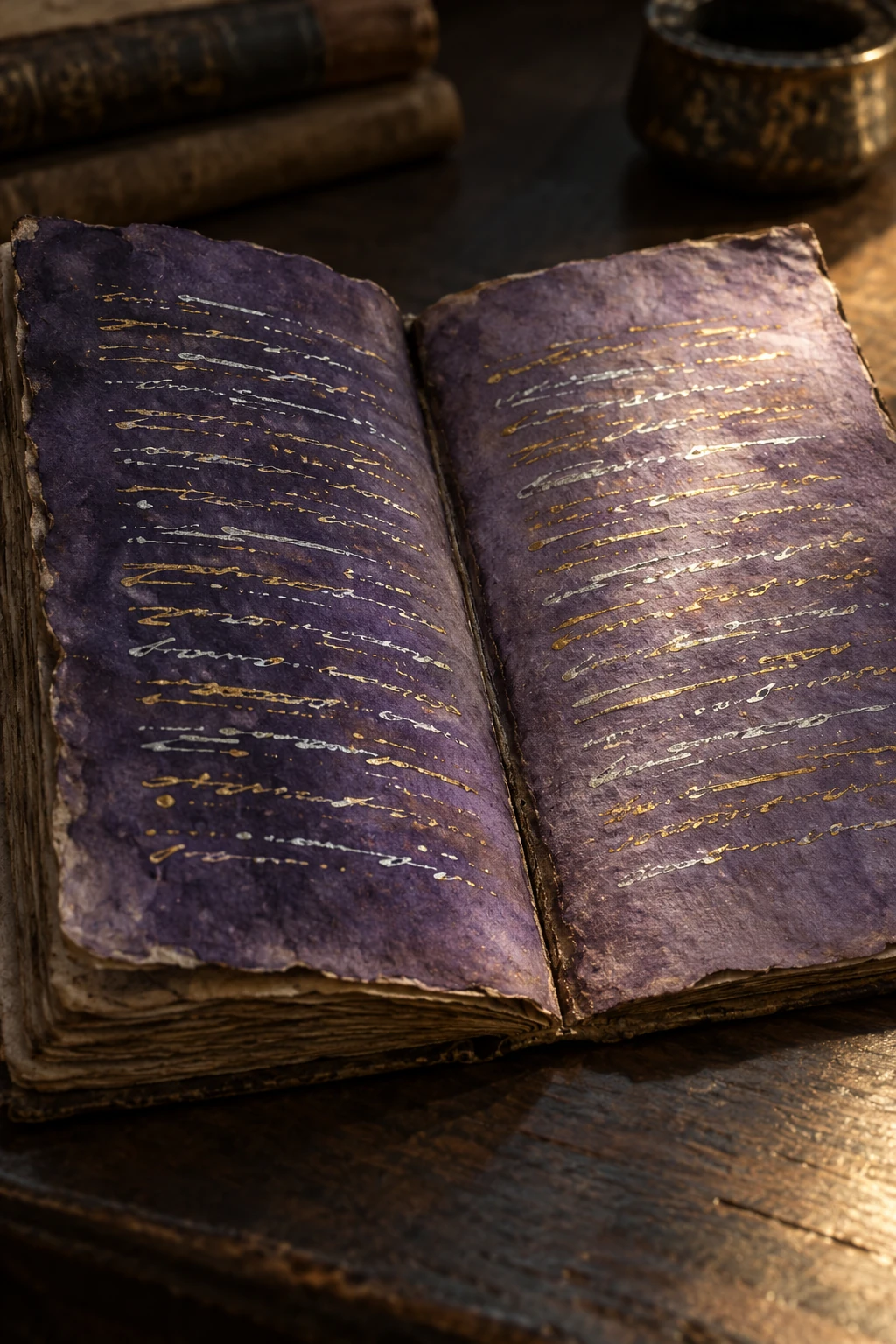
Manuscript material study. The marks are non-readable illustrative strokes, not a facsimile or invented ancient text. Purple parchment and metallic words invite a closer look at luxury books, uncertain dyes, and the material decisions behind a page.
Read the article →
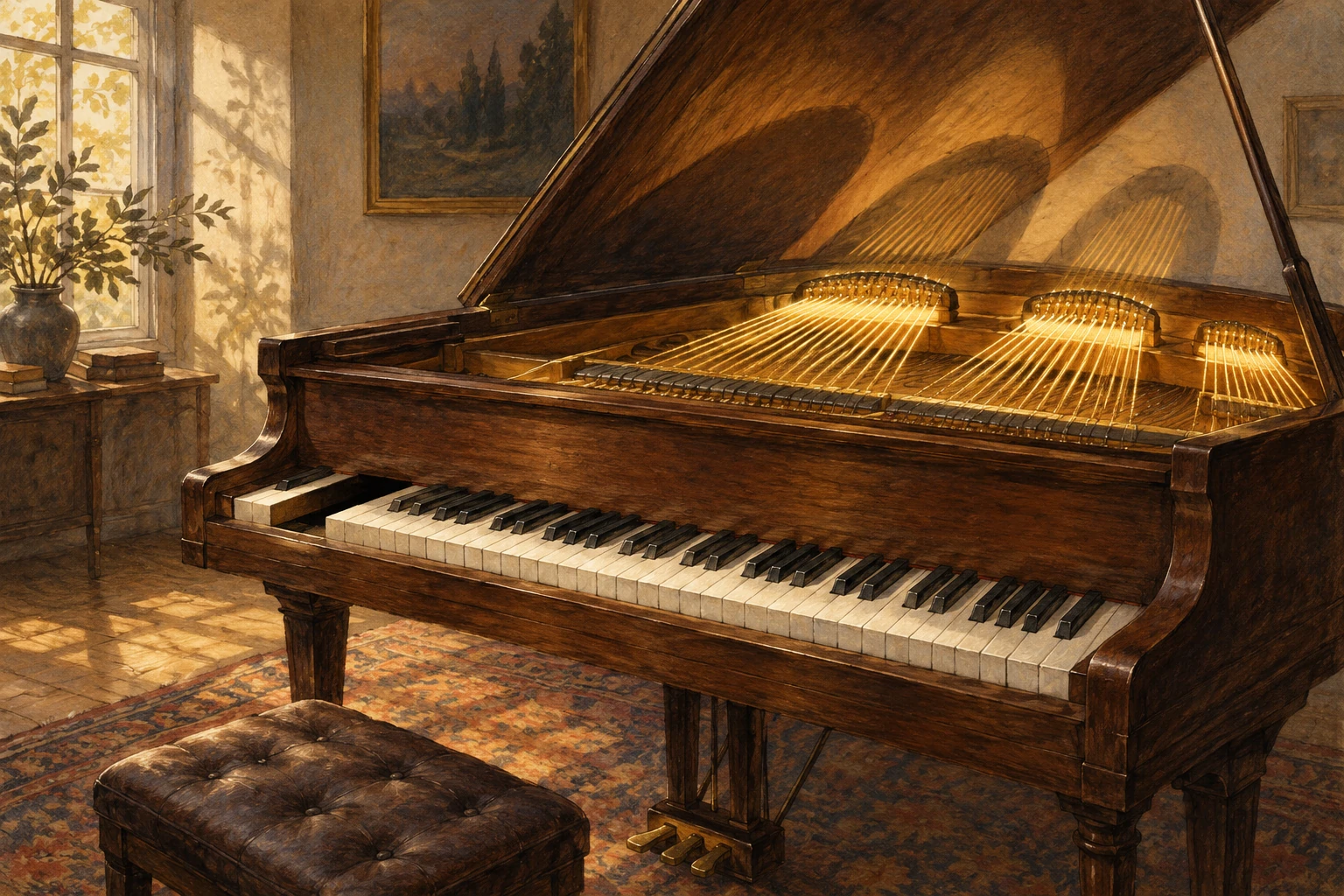
Musical metaphor, not a piano construction diagram. The audio examples are original deterministic synthesis, not generated recordings. Listen to original sound comparisons and explore how harmonic structure can preserve a low pitch without its lowest component.
Read the article →
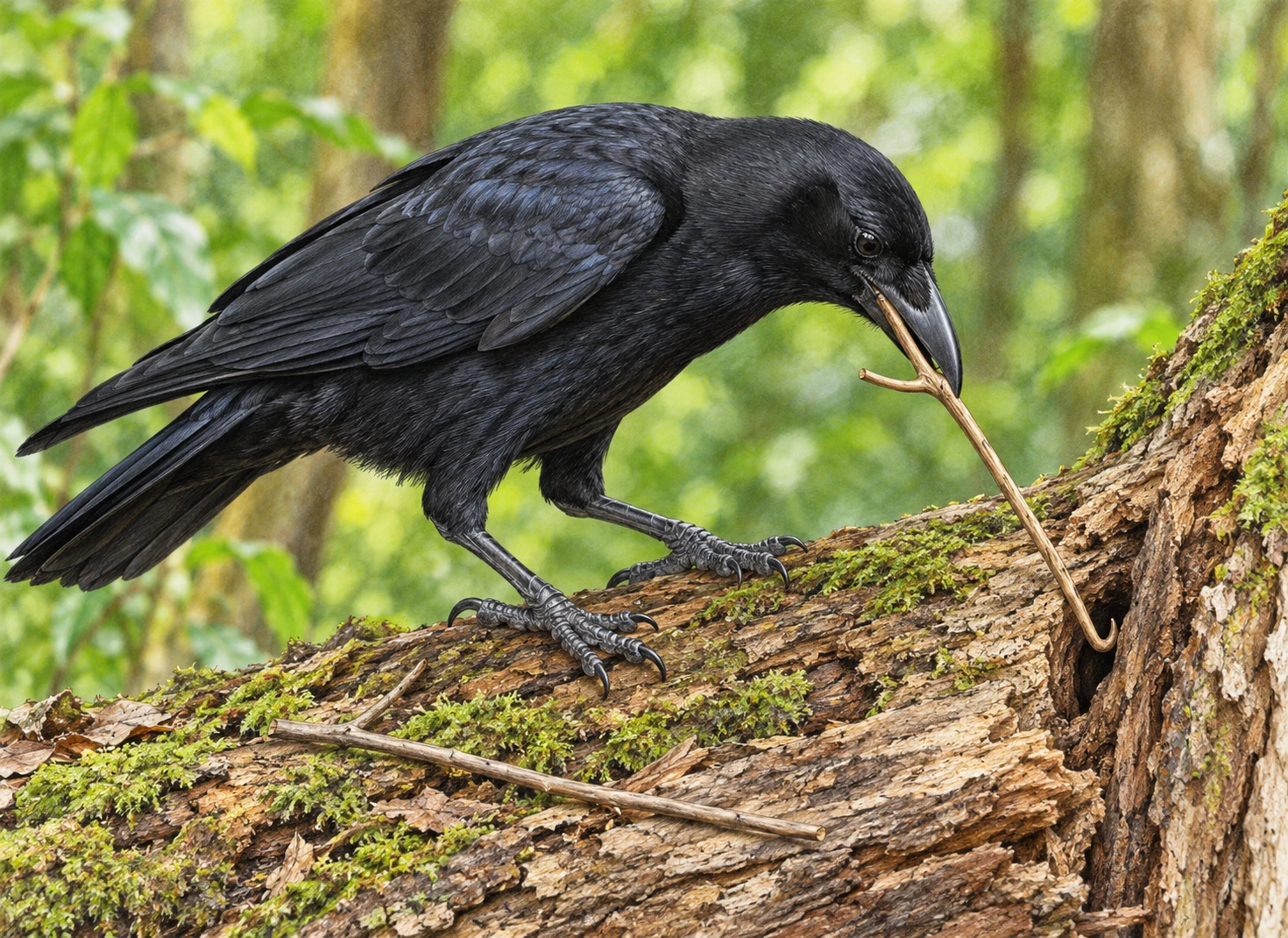
Conceptual illustration of New Caledonian crow tool use; the tool form is interpretive rather than a measured specimen. New Caledonian crows reveal the benefits, material constraints and safekeeping decisions behind a useful tool.
Read the article →
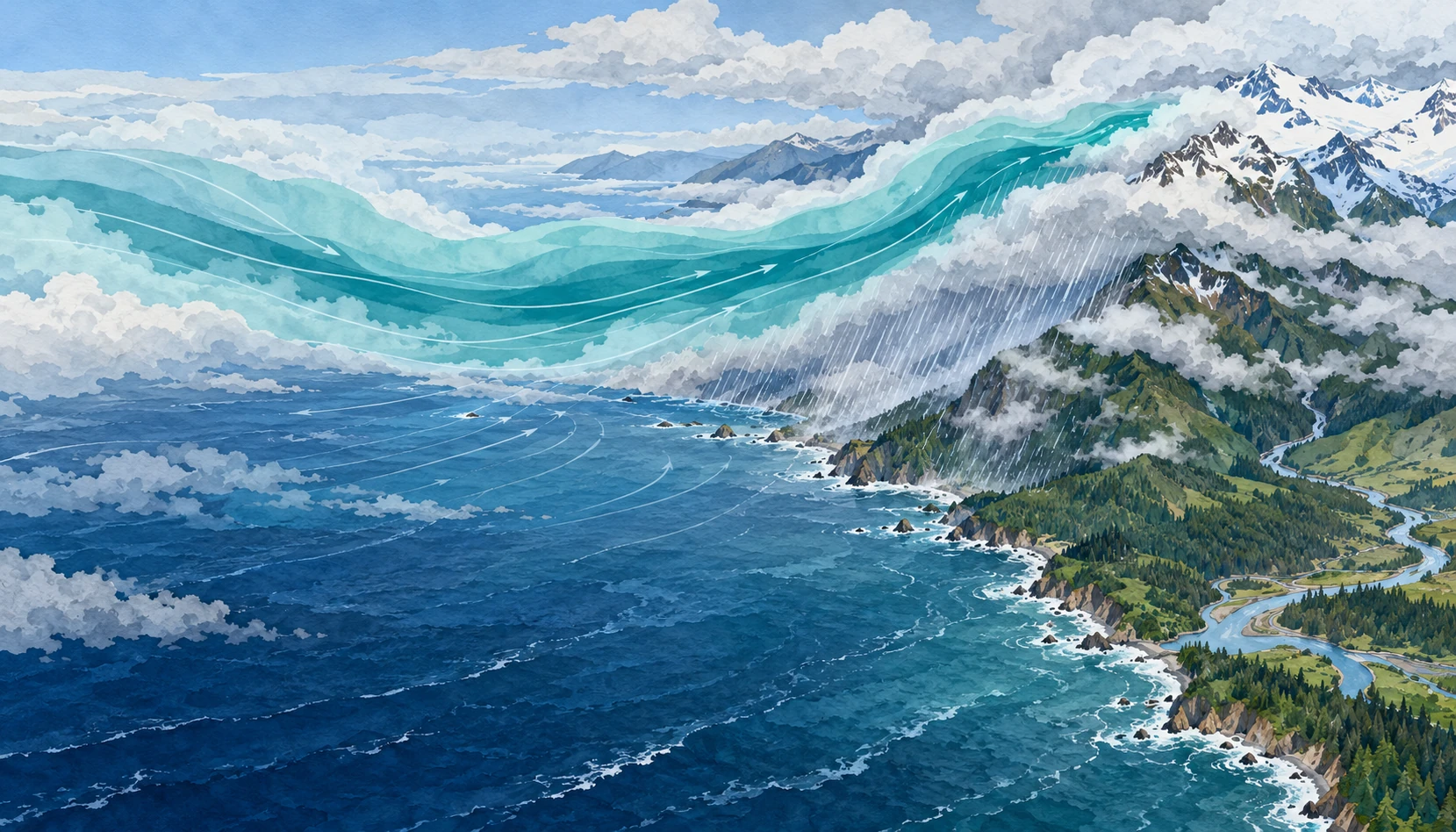
Conceptual moisture-transport illustration, not a satellite observation or storm forecast. The visible plume represents invisible vapor transport. Read atmospheric-river forecasts through moisture transport, duration, uncertainty, and the watershed waiting below.
Read the article →
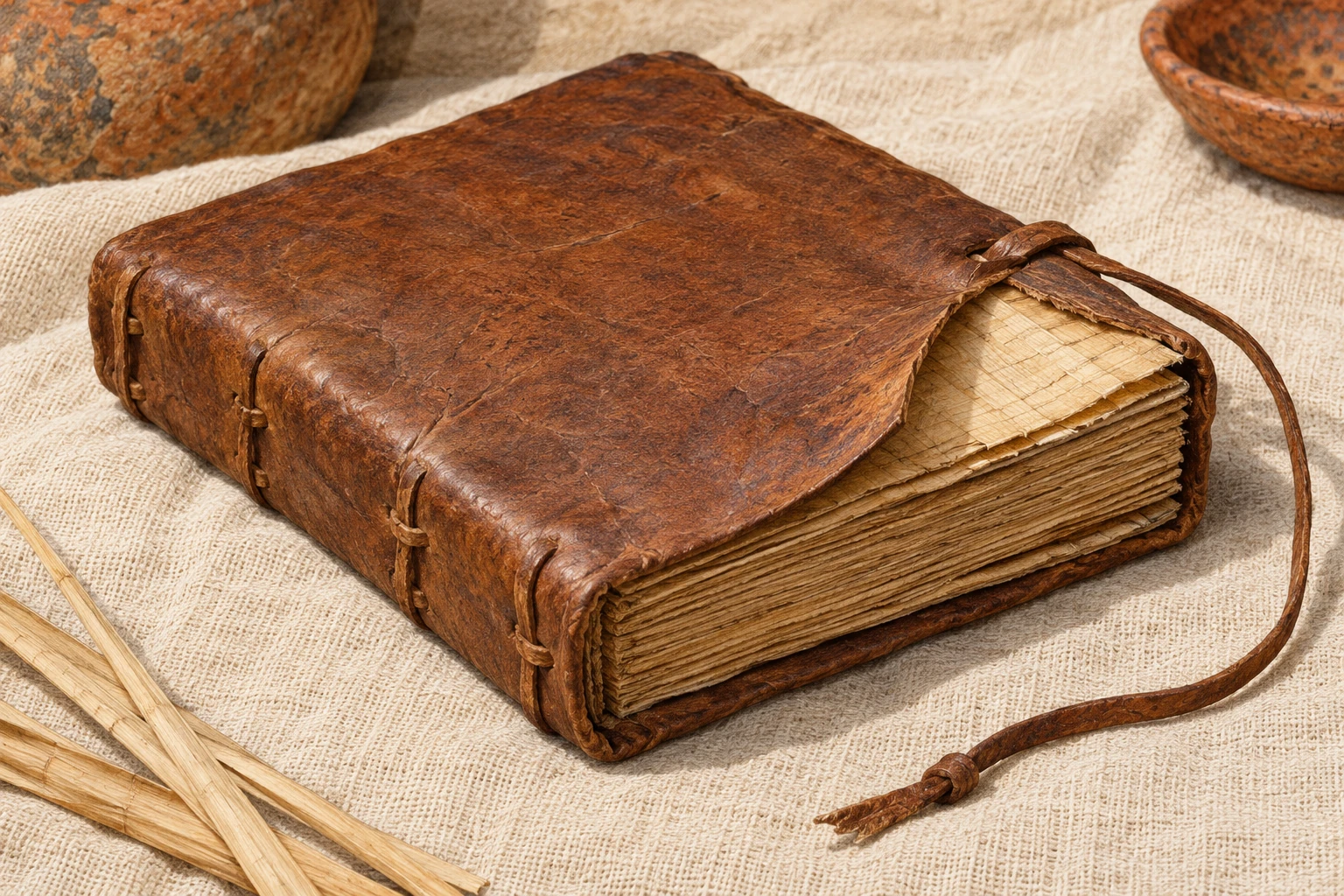
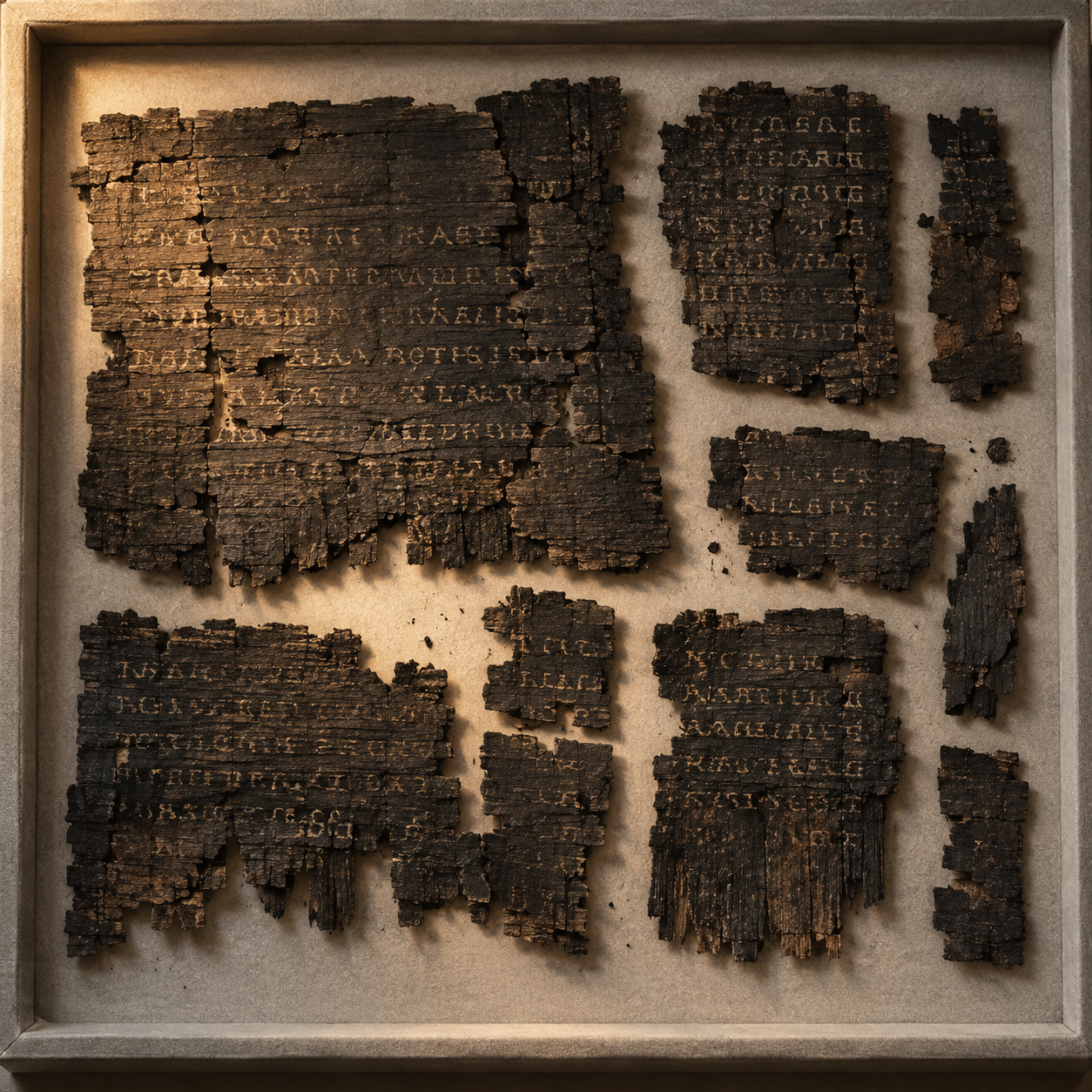
Conceptual late antique binding study, not a replica of a Nag Hammadi manuscript or its original condition. Reused papyrus inside ancient book covers offers a second archive—and a lesson in what a date can and cannot prove.
Read the article →
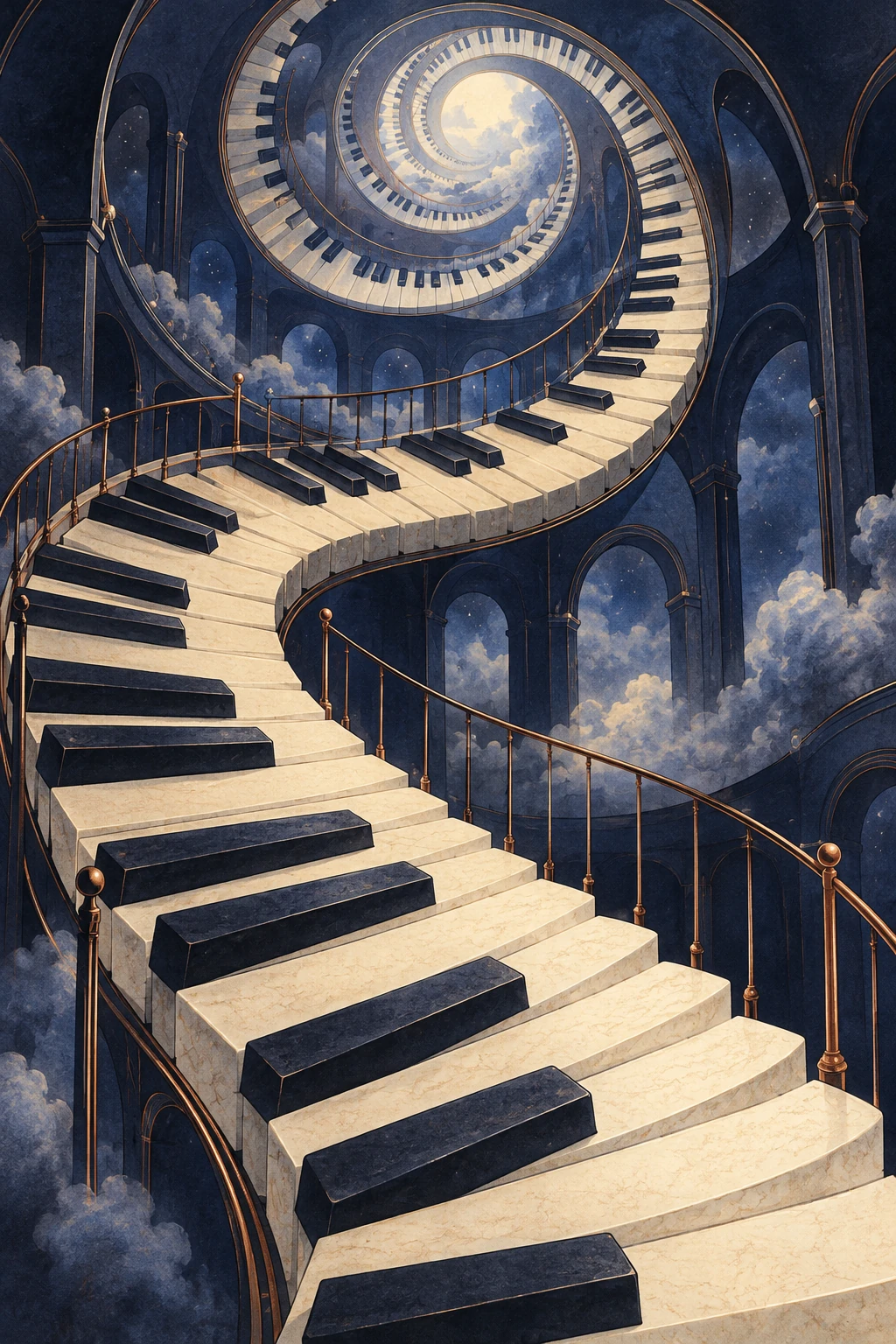
Architectural metaphor. The accompanying sound is an original synthesized Shepard-style demonstration; the artwork is not an acoustic diagram. An original listening demonstration reveals how octave mixtures can keep suggesting ascent while their physical pattern repeats.
Read the article →
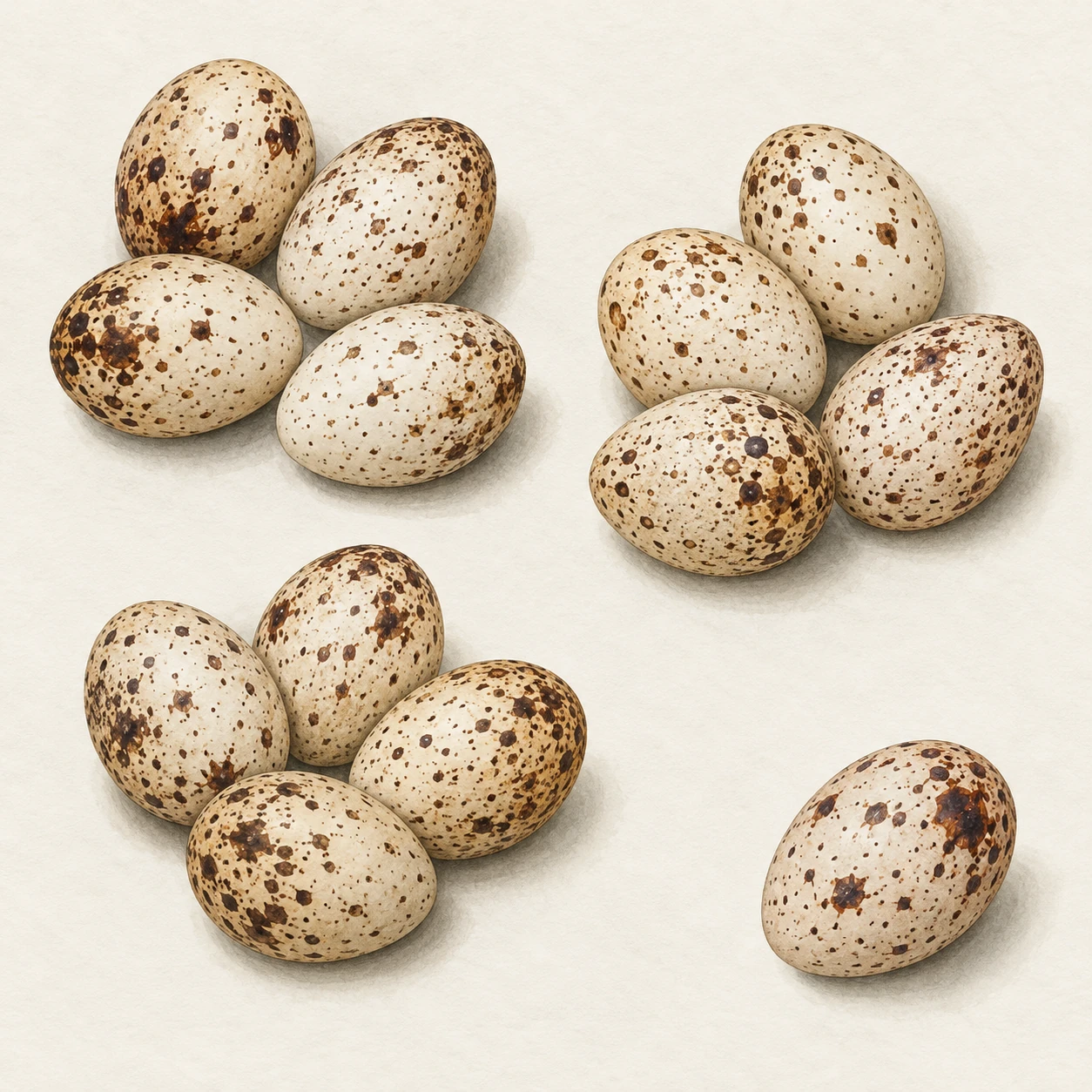
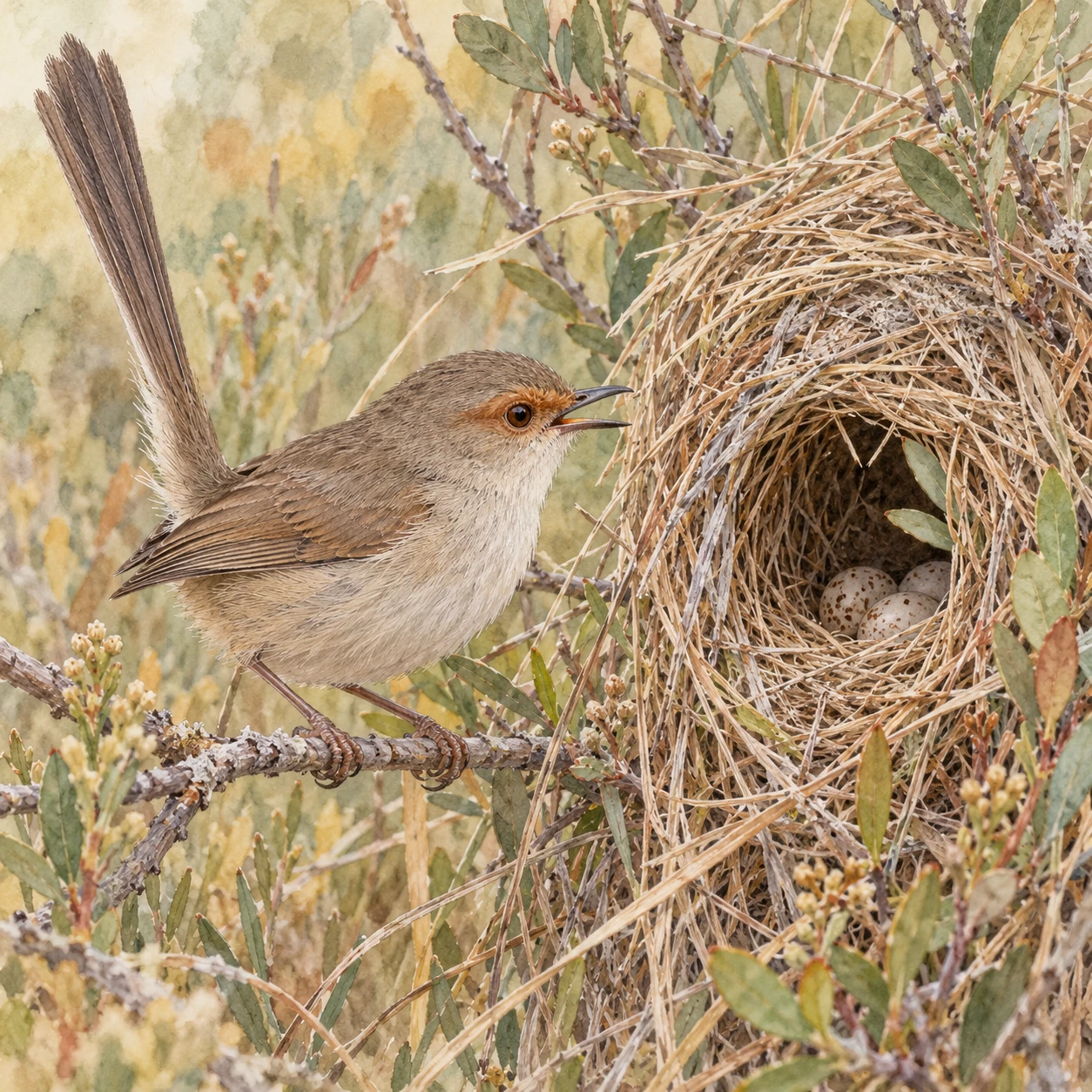
Conceptual egg-pattern study; the markings are invented illustrations, not species identifiers or research data. Host birds can use individual egg signatures to defeat mimicry that looks excellent when averaged across a whole population.
Read the article →
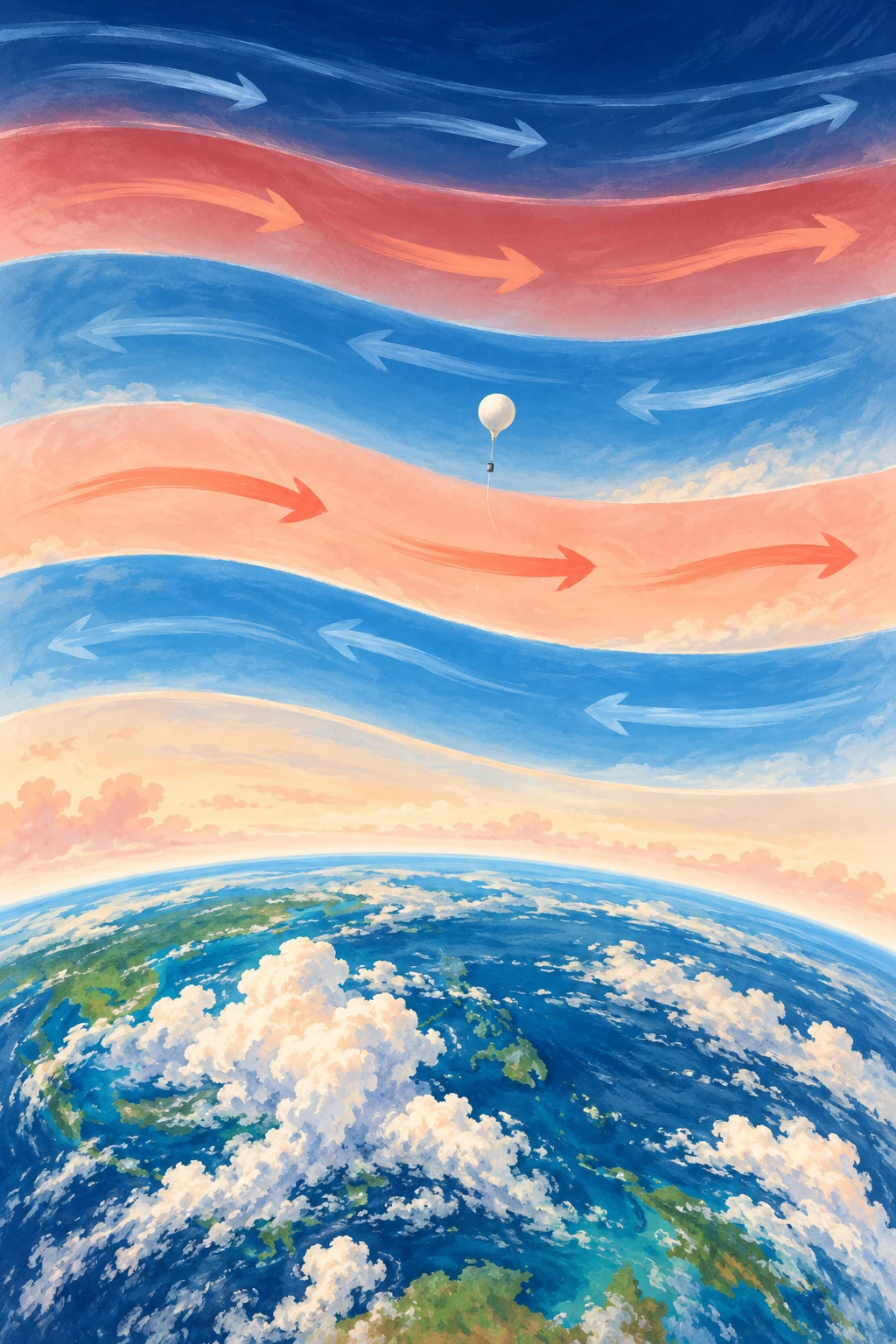
Conceptual illustration of alternating stratospheric wind regimes, not a measured QBO chart; heights and band thicknesses are schematic. Alternating tropical stratospheric winds descend in a recognizable rhythm, but their phase, disruptions, and distant influences need careful reading.
Read the article →
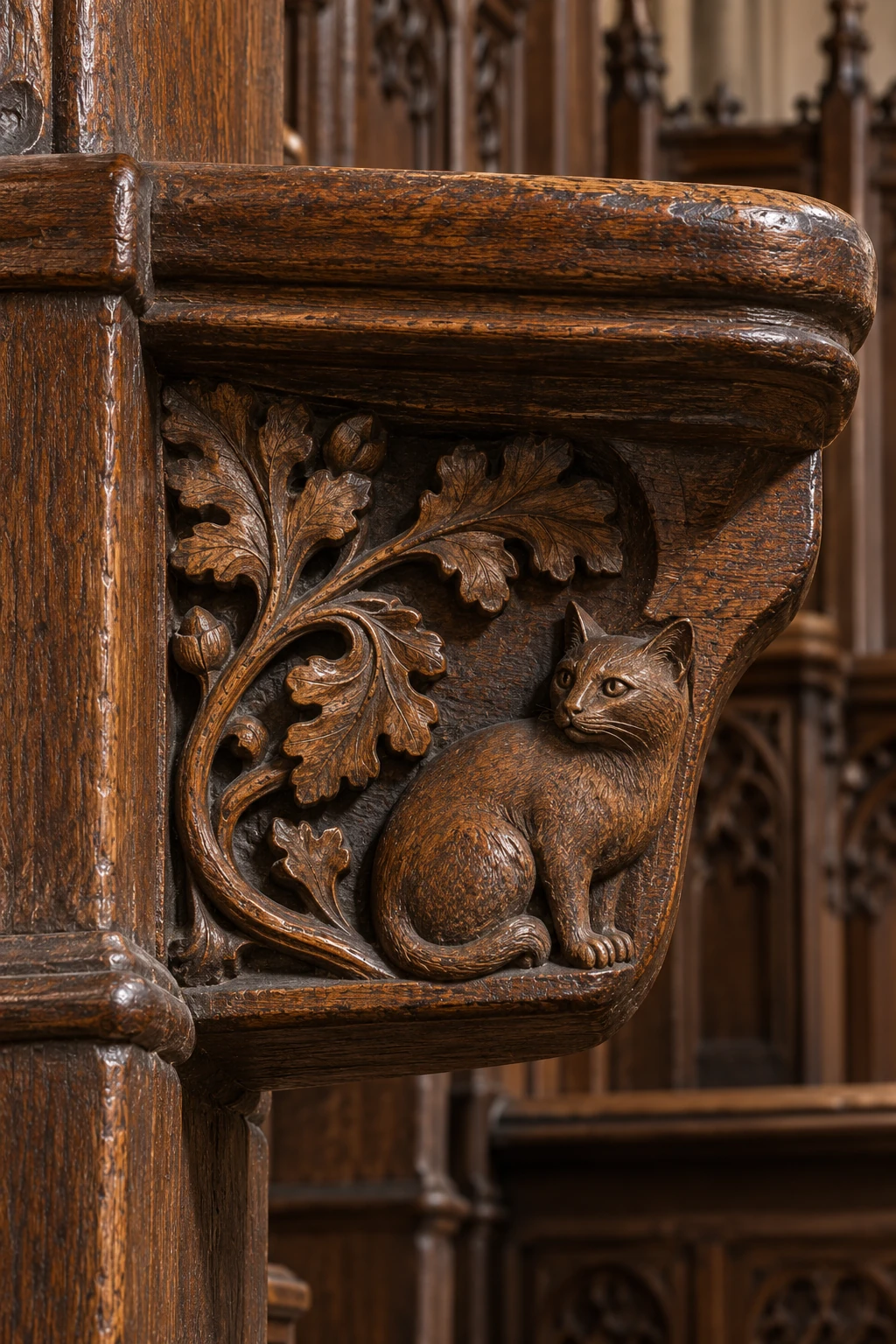
Conceptual misericord with an original cat-and-leaf design, not a depiction of a particular cathedral carving. Under a hinged choir seat, a small carved ledge combines bodily comfort, skilled woodwork, and an image that may resist easy decoding.
Read the article →
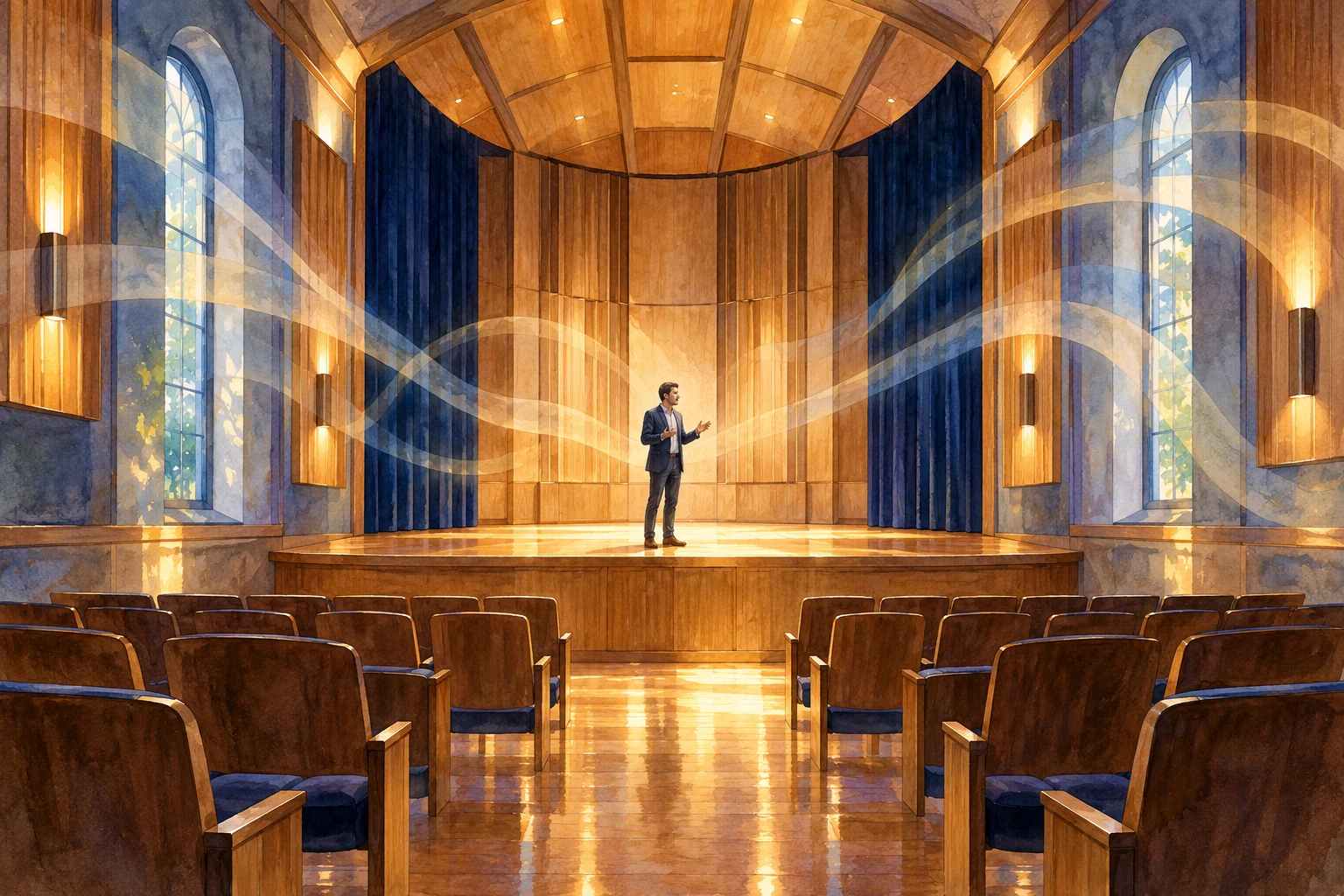
Room illustration. Curved washes are metaphorical, not calculated acoustic paths. Audio files are original controlled timing examples. Explore direct sound, reflections, location and echo through original stereo timing examples and a careful room-listening guide.
Read the article →
Conceptual nocturnal scene; sky brightness and beetle visibility are artistic interpretation, not a field measurement. Planetarium and light-pollution experiments reveal the difference between holding a bearing and navigating to a destination.
Read the article →
Conceptual illustration of a nocturnal low-level jet. Airflow streaks are visual aids, not visible air or measurements of a specific night. A calm surface can hide a fast nighttime wind maximum overhead, carrying moisture through the Great Plains.
Read the article →
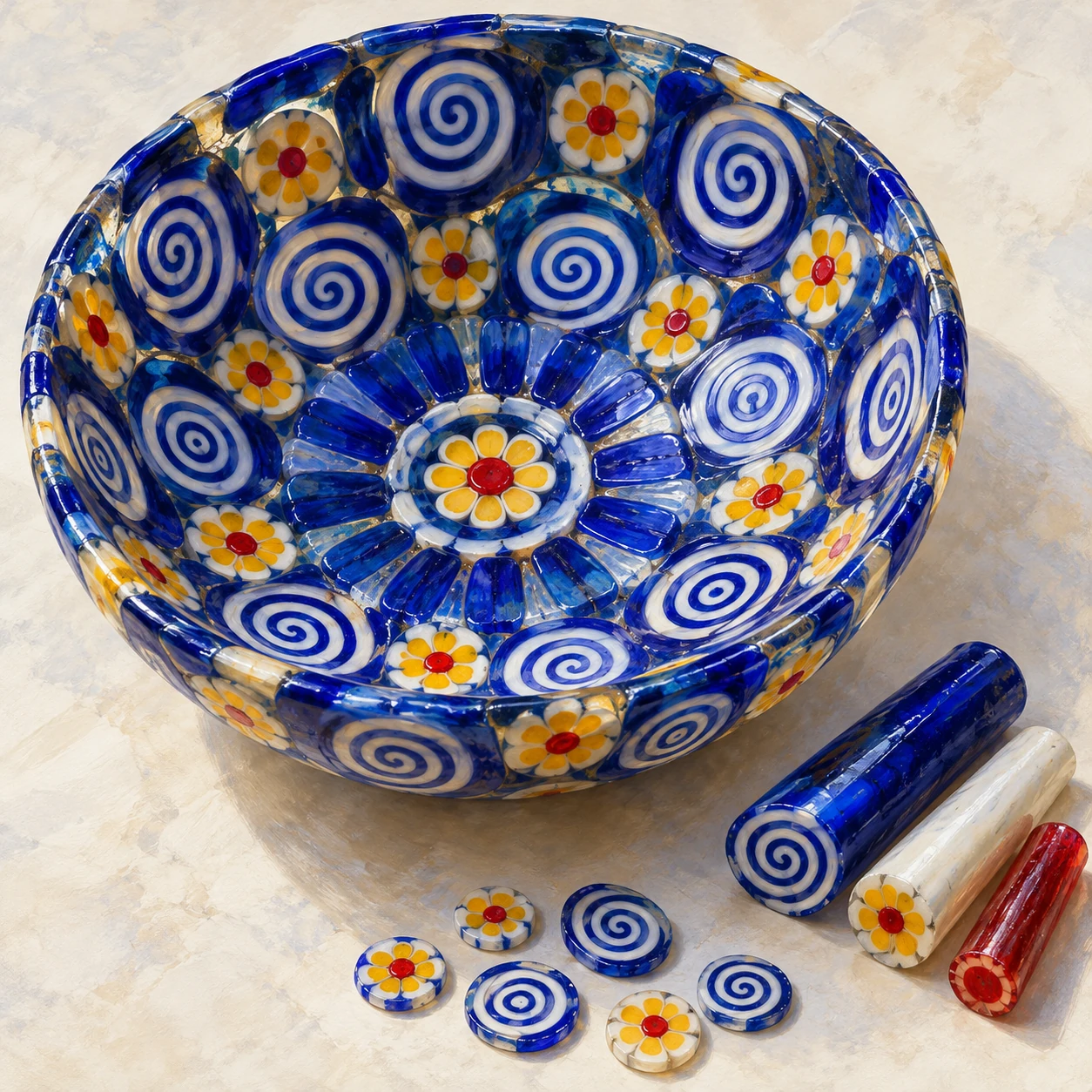
Conceptual glassmaking study with an original pattern. It is not a museum artifact or a measured process diagram. Ancient mosaic glass begins with patterns inside a cane. Follow the slices to see how those patterns become a bowl.
Read the article →
Audiovisual-perception illustration. This still image is not a McGurk test; use the credited moving-image demonstration for that comparison. A guided audiovisual demonstration, the research on individual variation, and why the question asked can change the reported illusion.
Read the article →
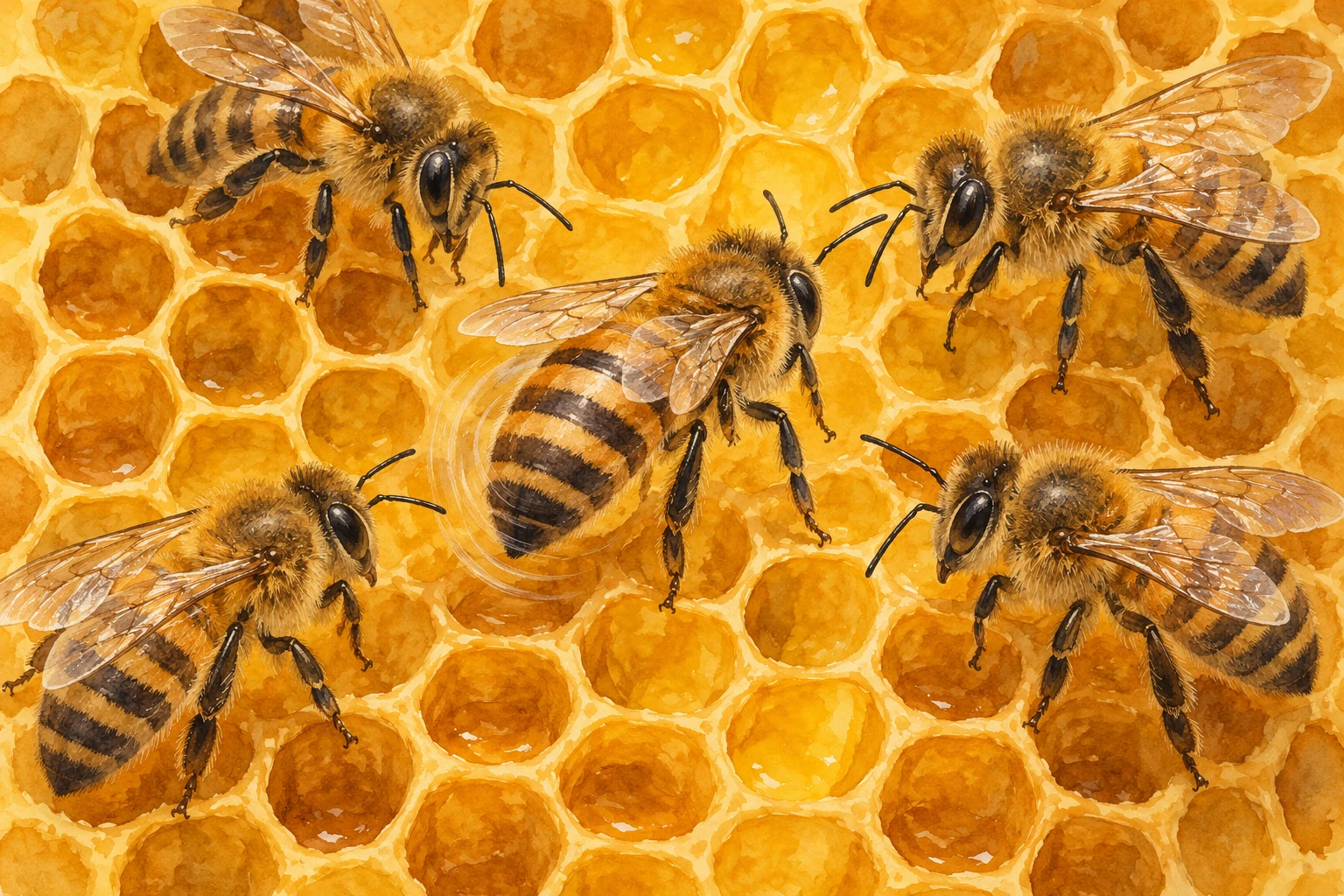
Conceptual honeybee scene; motion is suggested artistically and is not a diagram of measured dance trajectories. The dance encodes a distant resource, but its accuracy also depends on social experience, calibration and repeated signals.
Read the article →
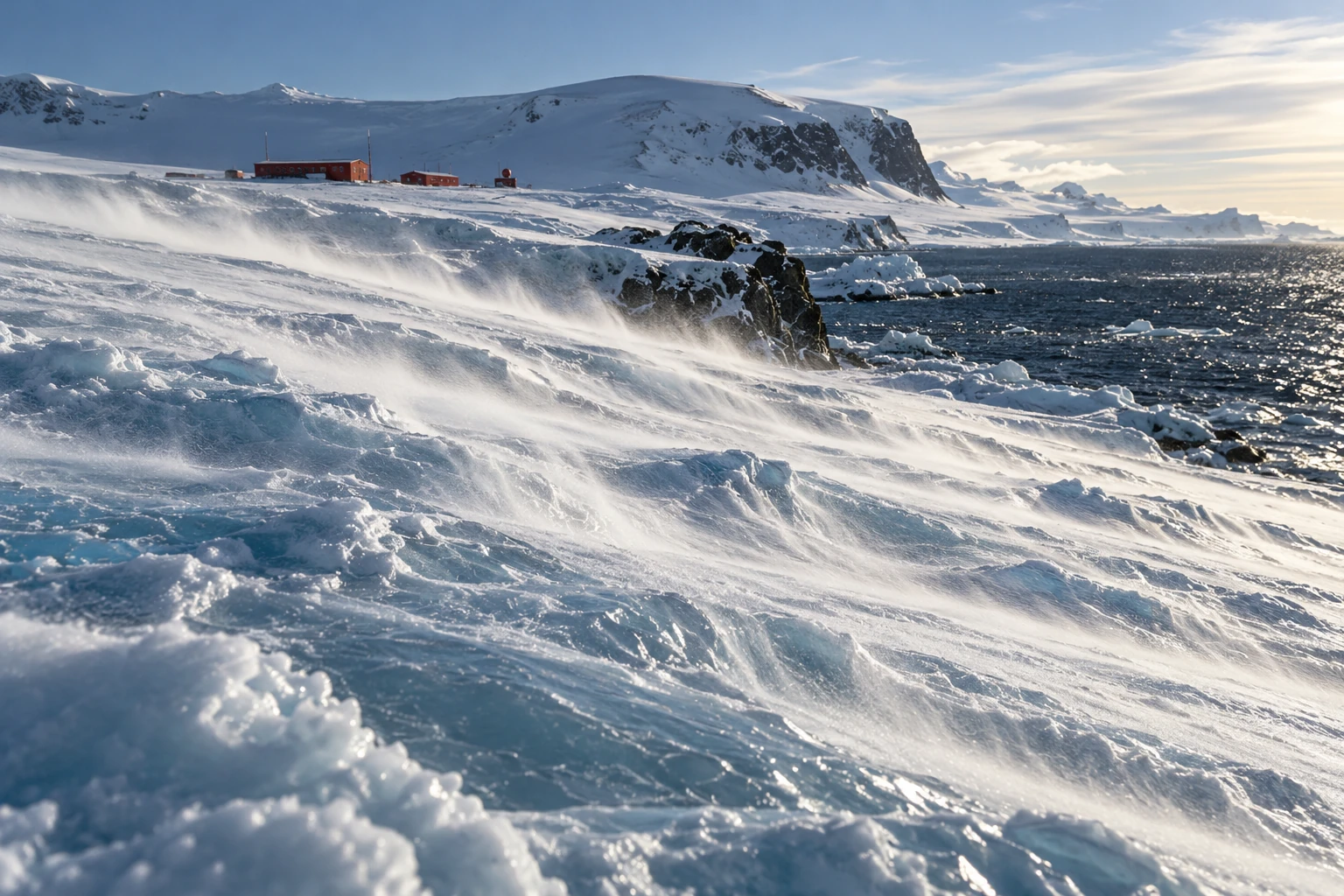
Illustrative Antarctic wind scene, not a photograph or evidence of wind speed at a real station. Cold dense air, sloping ice, and the wider weather combine to create Antarctica’s organized downslope winds.
Read the article →
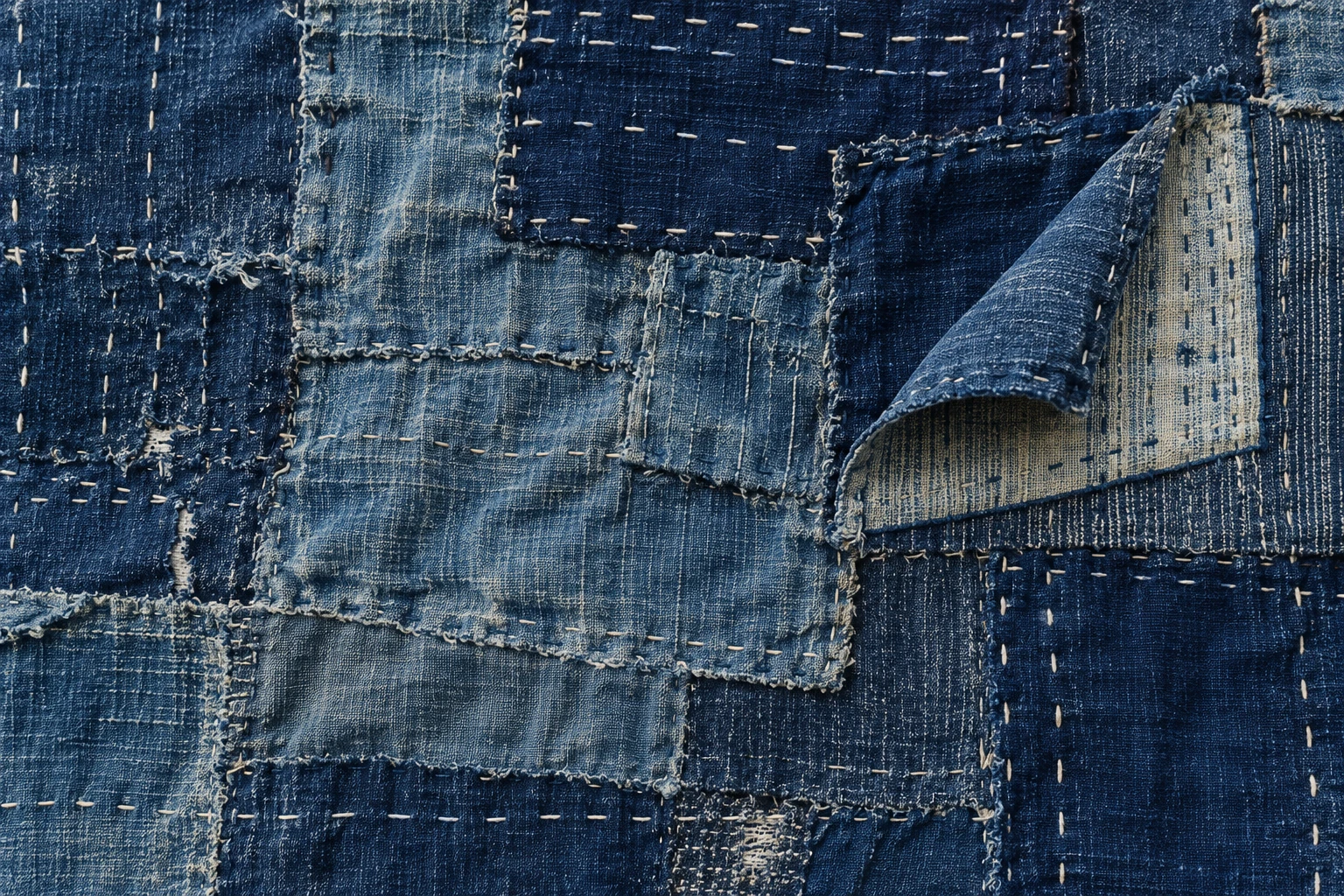
Original mending study, not a historic boro textile or a documented family artifact. Reading the layers of Japanese boro reveals repair, labor, and changing value—without turning material hardship into a decorative story.
Read the article →
Conceptual room comparison. Artistic details vary; use the separate original shape diagrams for the precisely specified comparison. Try an original controlled comparison, then explore why interruptions and attention can hide surprisingly large visual changes.
Read the article →
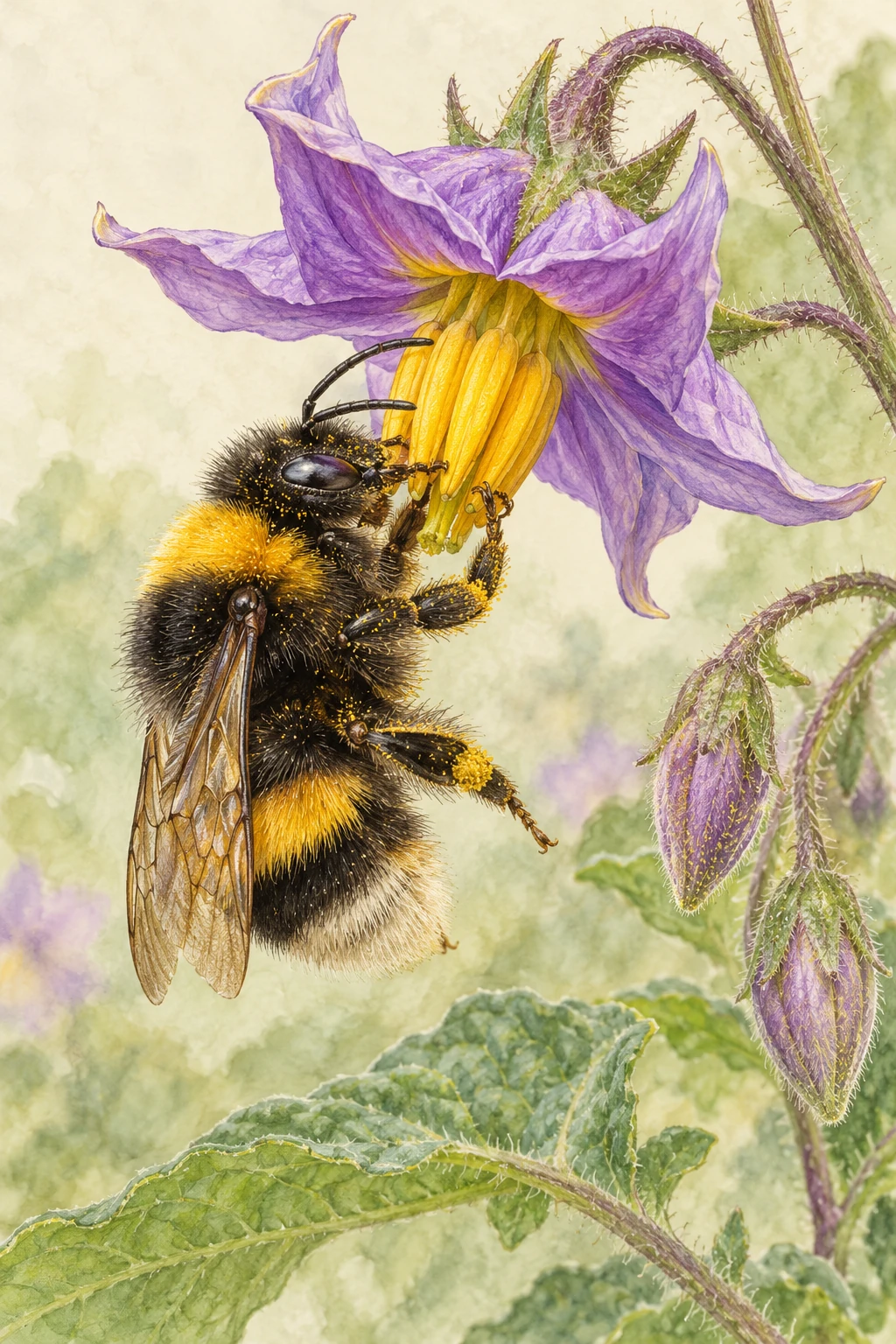
Conceptual botanical illustration of floral buzzing; not a measured vibration or a diagnostic species plate. A bee’s buzz is a mechanical action, and the flower’s structure changes how that action releases pollen.
Read the article →
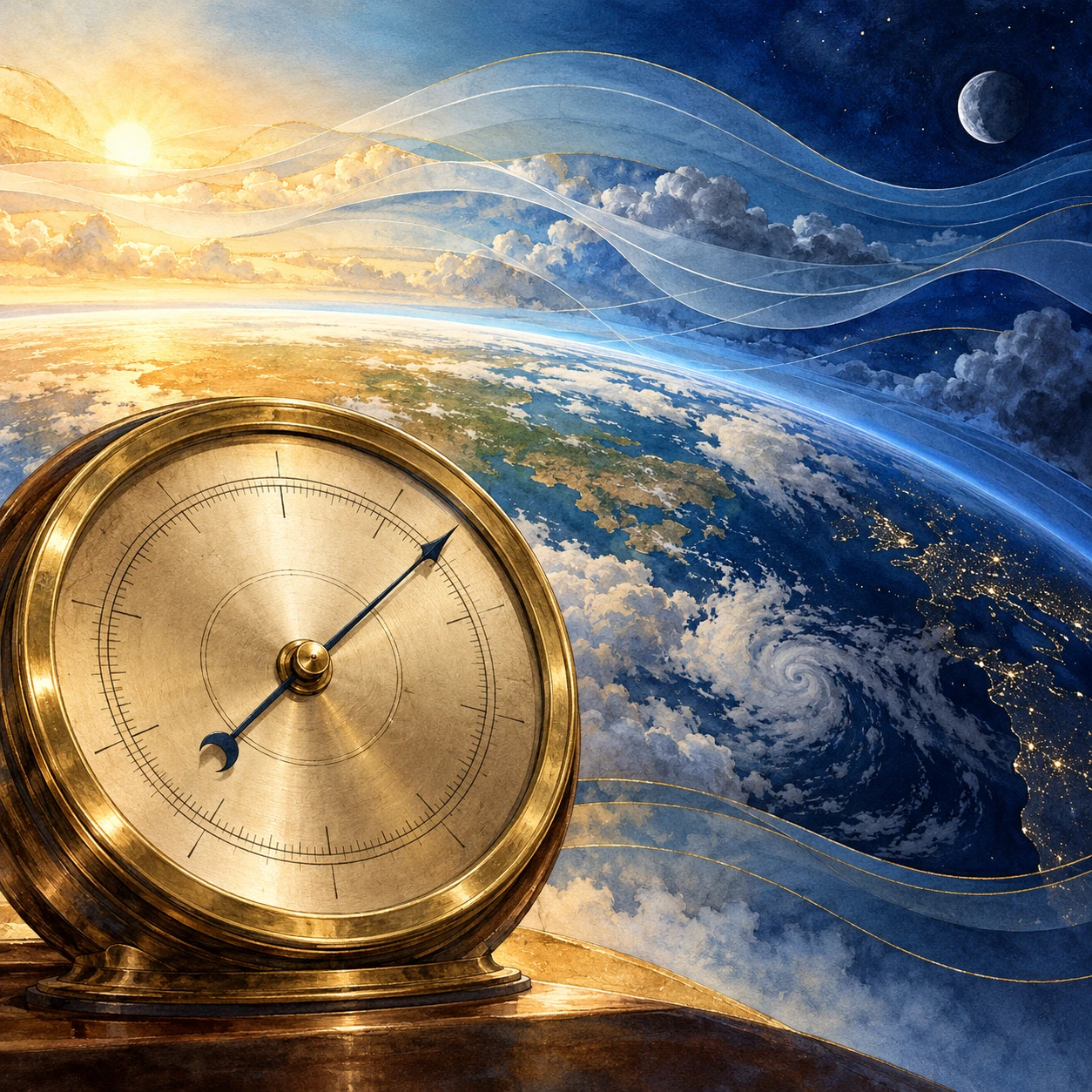
Conceptual artwork of atmospheric pressure tides. The instrument face and colored air bands are illustrative, not data. A regular pressure rhythm hides beneath the weather. Learn how solar heating drives atmospheric tides and how to look for them carefully.
Read the article →
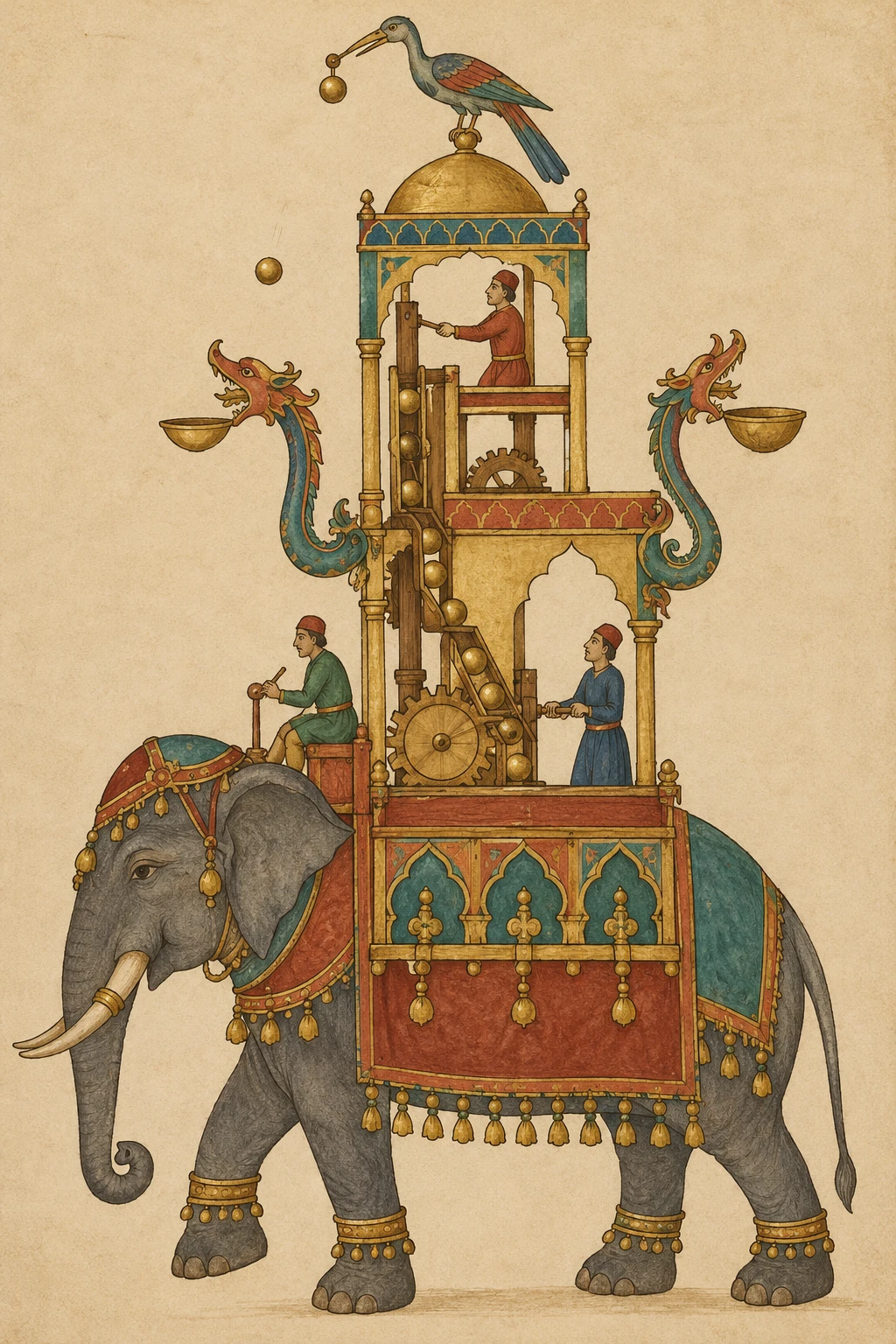
Conceptual illustration inspired by mechanical manuscripts. It is neither a facsimile nor a working construction diagram. Al-Jazari’s elephant clock turns an interval into a performance. Read its manuscript, moving sequence, and modern replicas carefully.
Read the article →
Metaphorical illustration. Ripples do not show actual neural activity or a stimulus sequence; the source studies provide the controlled arrangements. A tactile illusion separates contact from perceived location, with brain-mapping evidence, a computational model and a paper thought experiment.
Read the article →
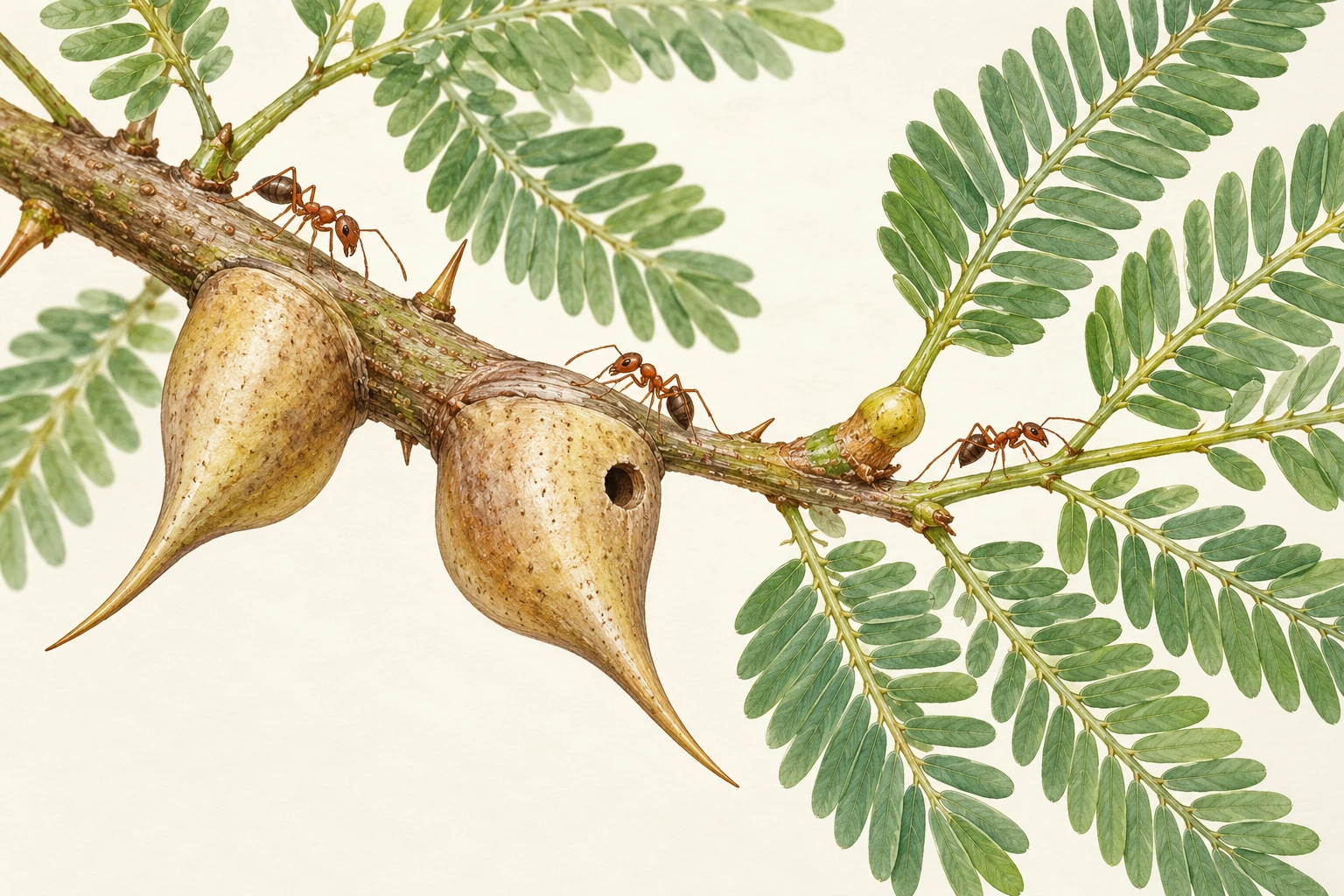
Generic acacia–ant illustration; not a named specimen, species diagnosis, or representation of one study site. A plant can support ant defenders, but rewards, partner identity and neighboring vegetation change whether the exchange pays off.
Read the article →
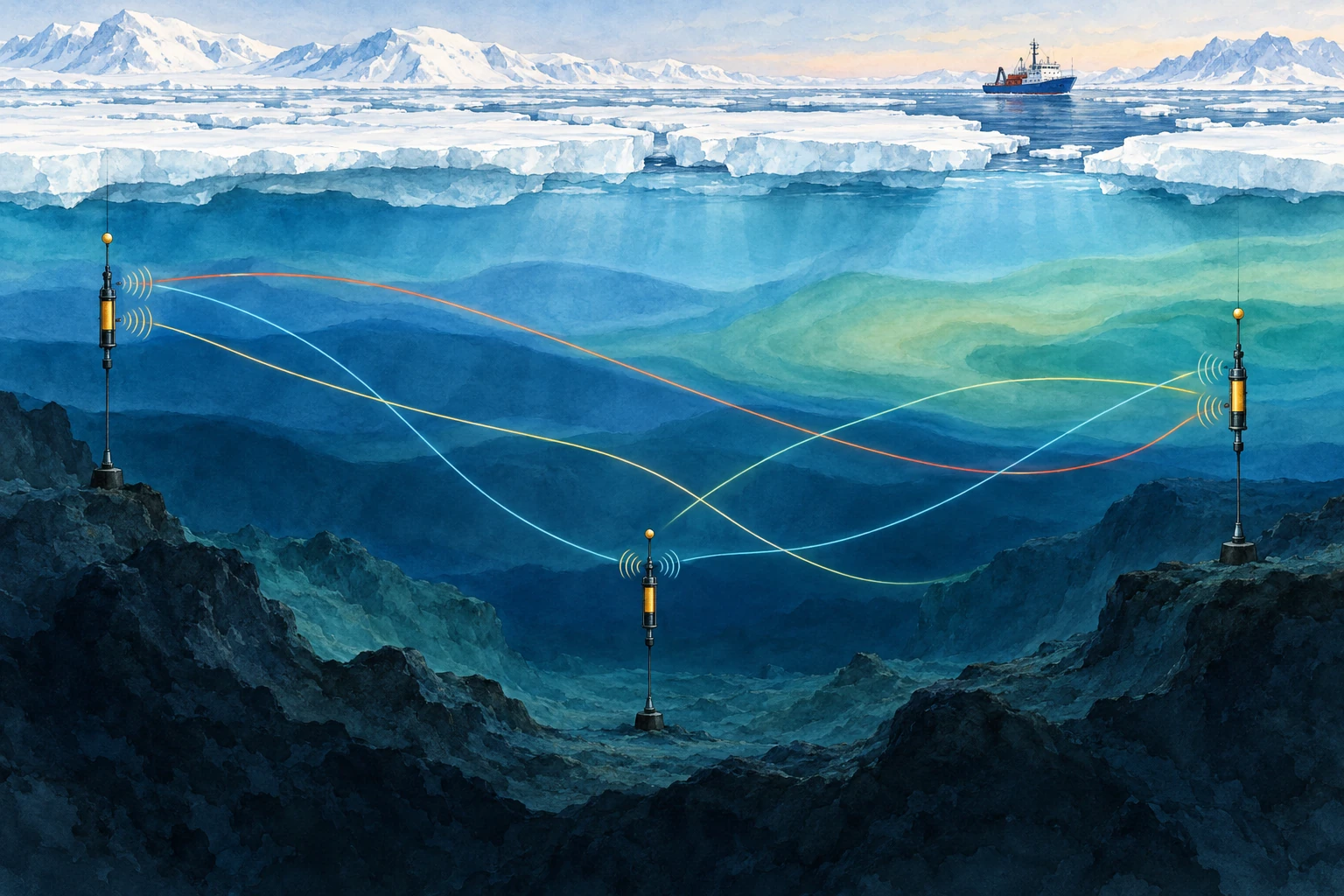
Conceptual acoustic-tomography illustration. Colors are water-mass metaphors, not measured temperatures; paths and scales are simplified. Sound travel times can measure broad ocean temperature changes, provided geometry, currents, and the inverse problem are handled carefully.
Read the article →
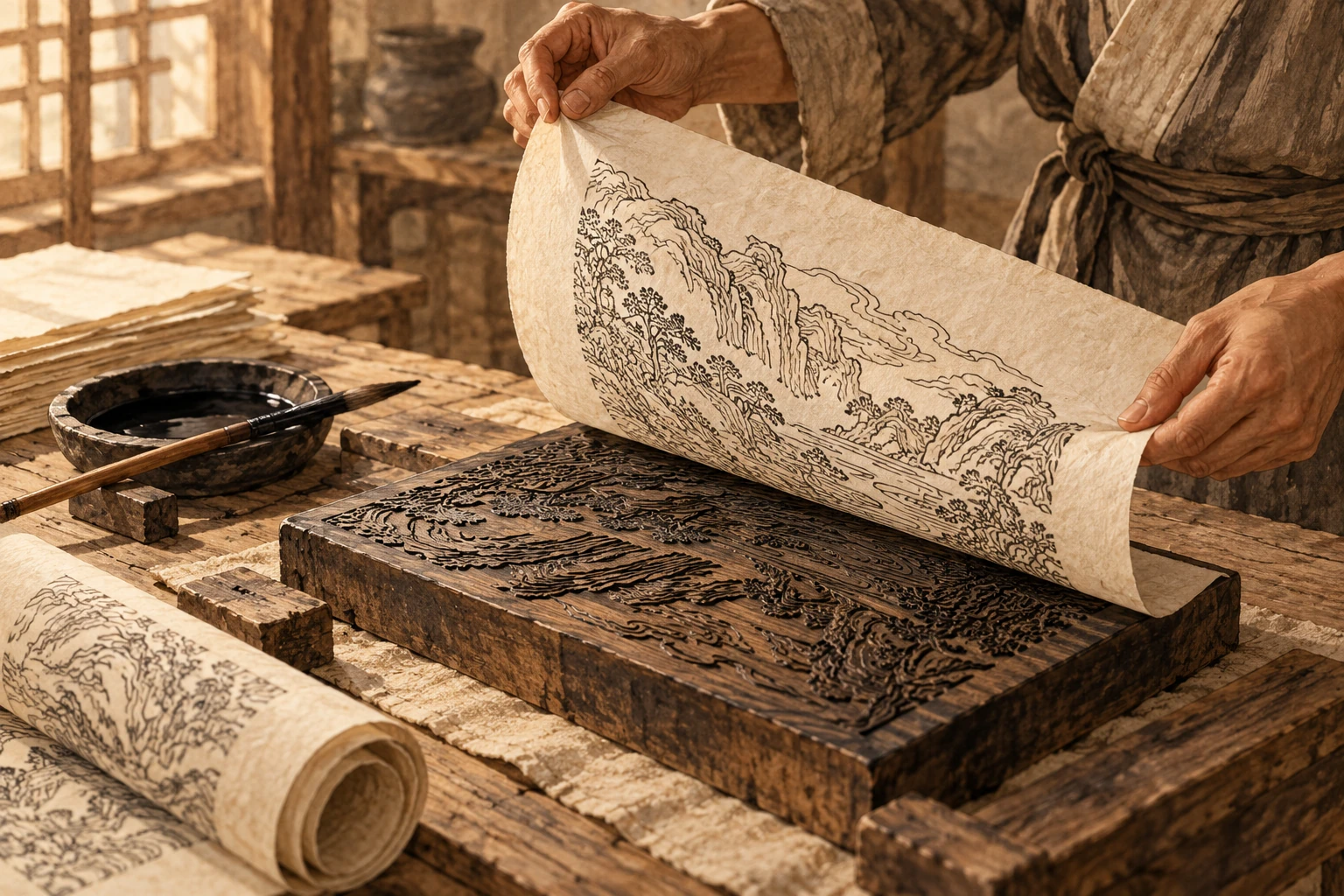
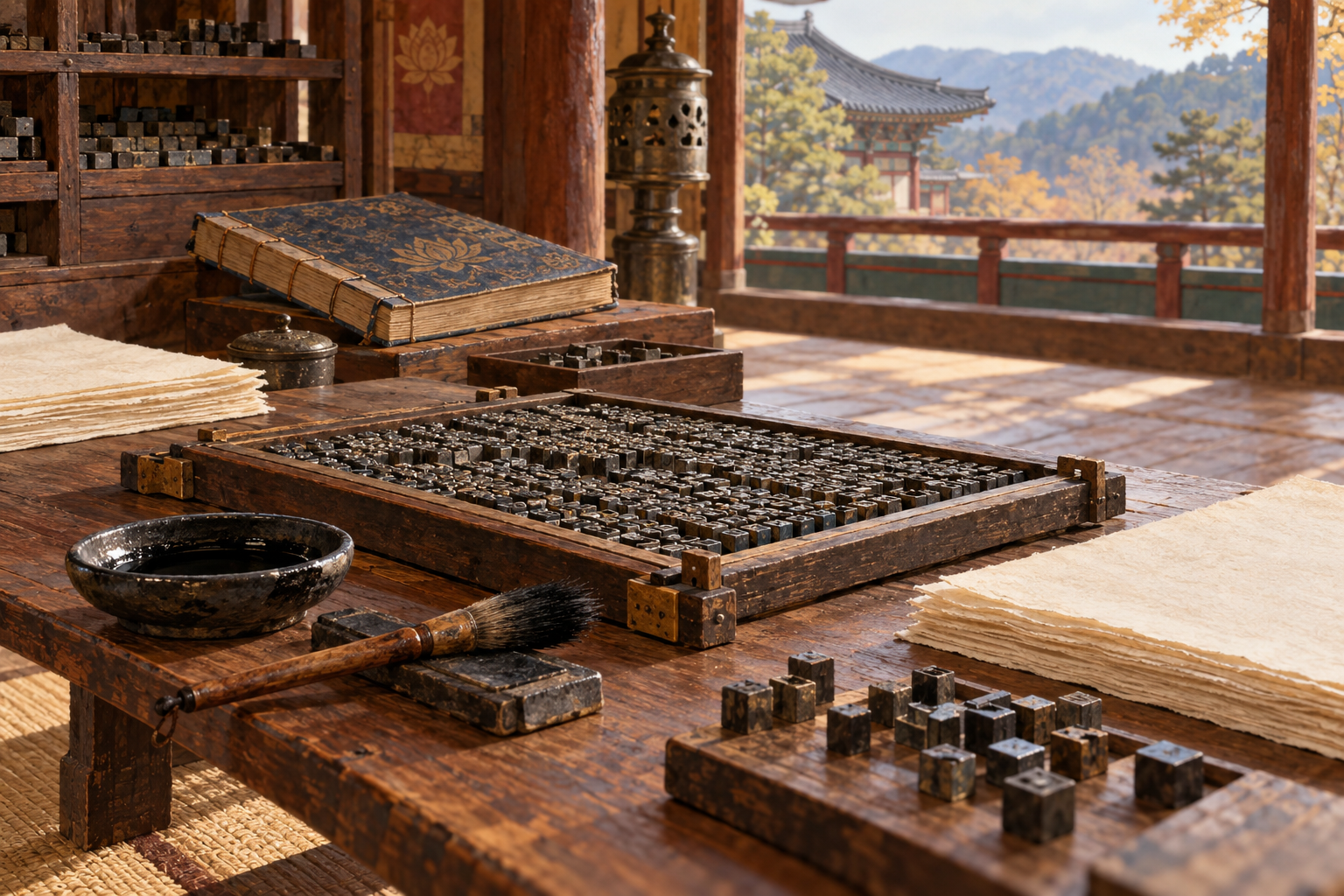
Conceptual woodblock-printing scene. It depicts no named printer and reproduces no Diamond Sutra text. The Diamond Sutra’s dated colophon reveals sponsorship and devotion, while its paper and format tell a wider story about printing.
Read the article →
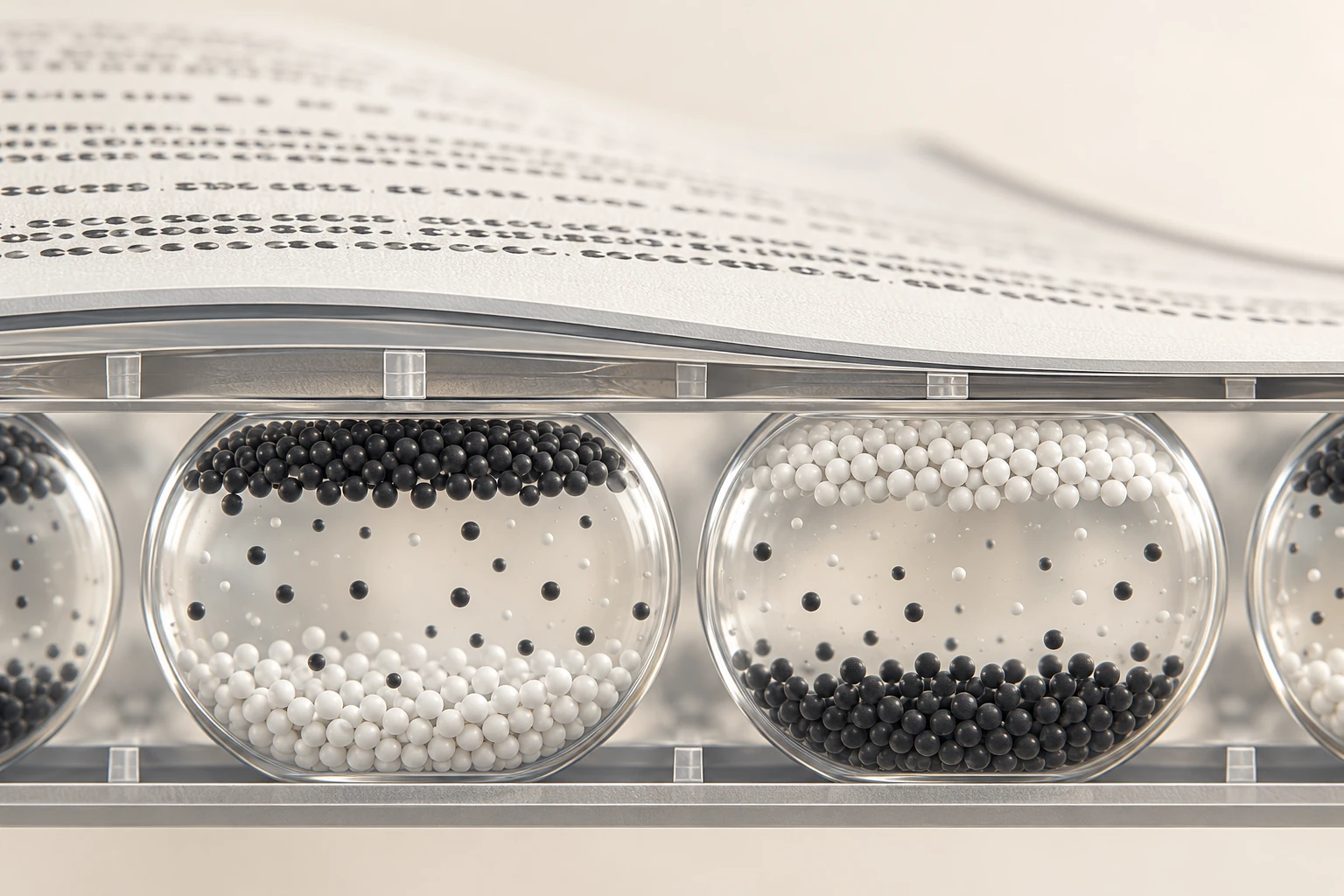
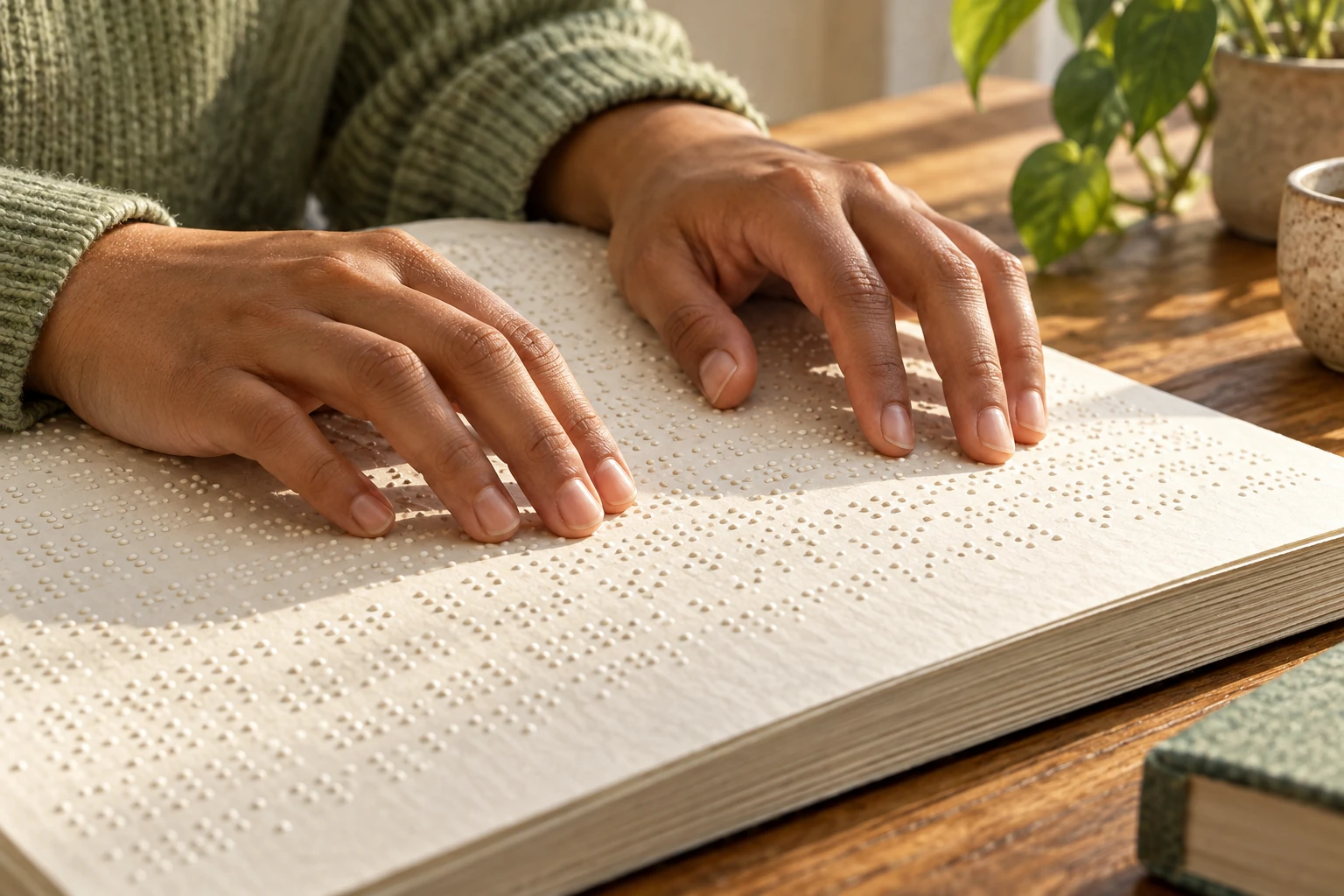
Editorial illustration. Dot patterns are illustrative and do not constitute a verified readable braille text. The raised dots are only part of the story: explore active touch, reading movements, evidence and the design of a tactile page.
Read the article →
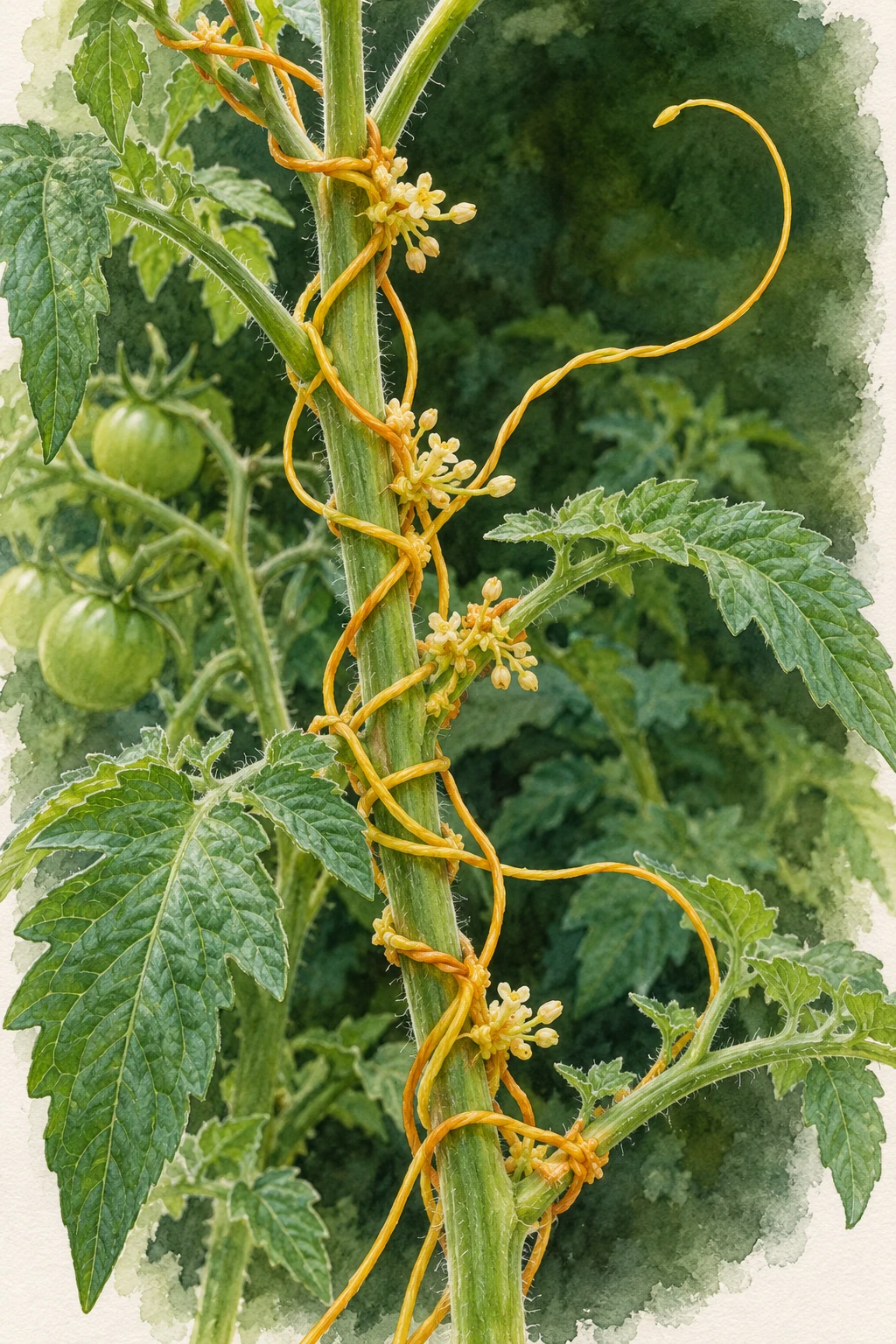
Conceptual botanical illustration of dodder and a tomato host; attachment structures and growth direction are interpretive. A parasitic vine follows chemical cues, then forms an intimate connection through which resources and regulatory molecules can move.
Read the article →
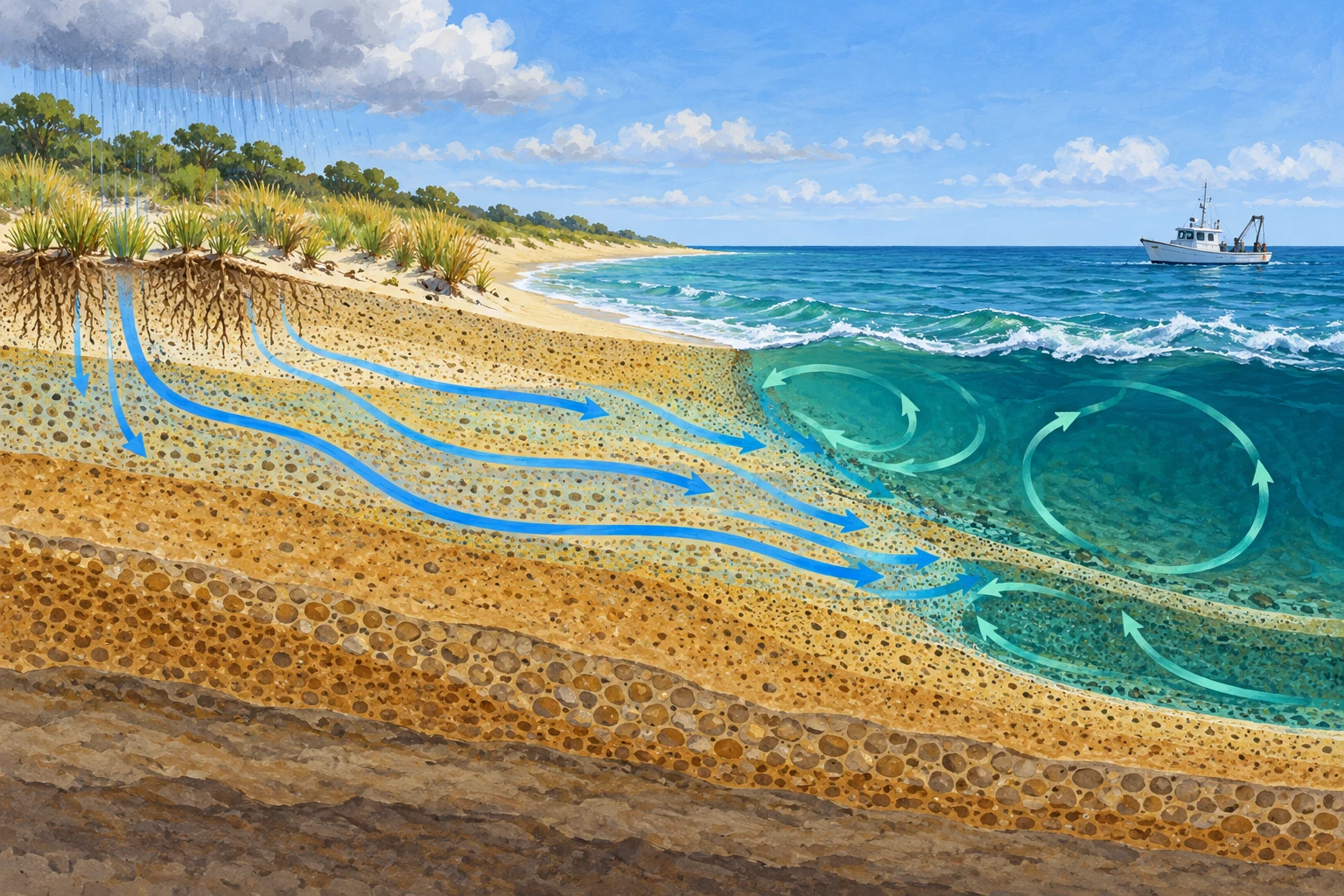
Conceptual coastal-aquifer illustration. Colored paths show possible flow types, not measured routes or contamination at a real site. Fresh groundwater and recirculated seawater cross the coast underground, carrying chemical loads that visible rivers alone cannot explain.
Read the article →
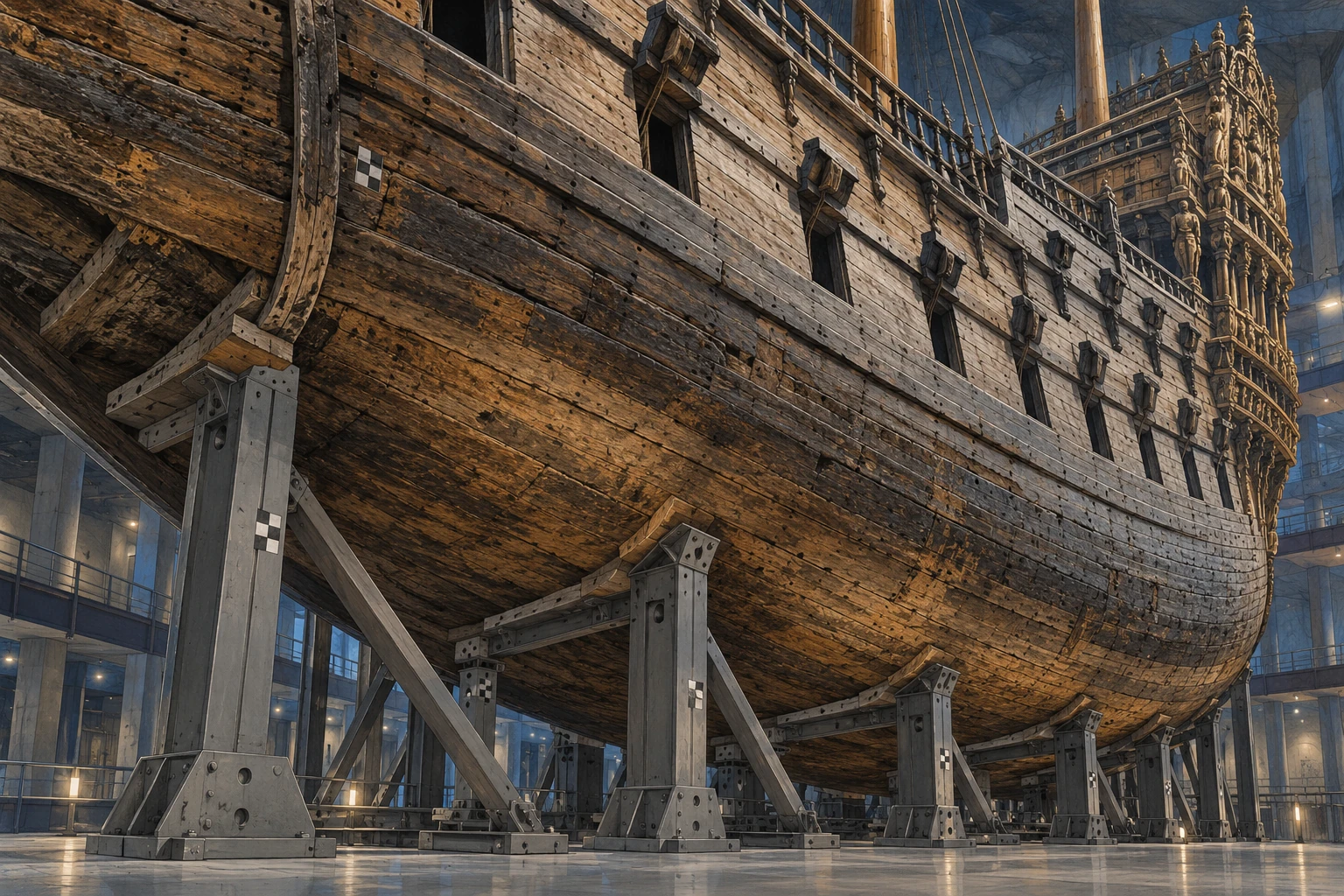
Conceptual museum conservation scene, not a photograph or an exact model of Vasa’s current support system. Vasa’s rescue began a continuing experiment in waterlogged wood, chemistry, climate, measurement, and carefully placed support.
Read the article →
Materials illustration. The displayed curve is not a measured result; real behavior depends on paper, orientation and wetting history. A wet sheet changes at several scales. Follow moisture gradients, fiber networks, permanent curl and a controlled scrap-paper experiment.
Read the article →
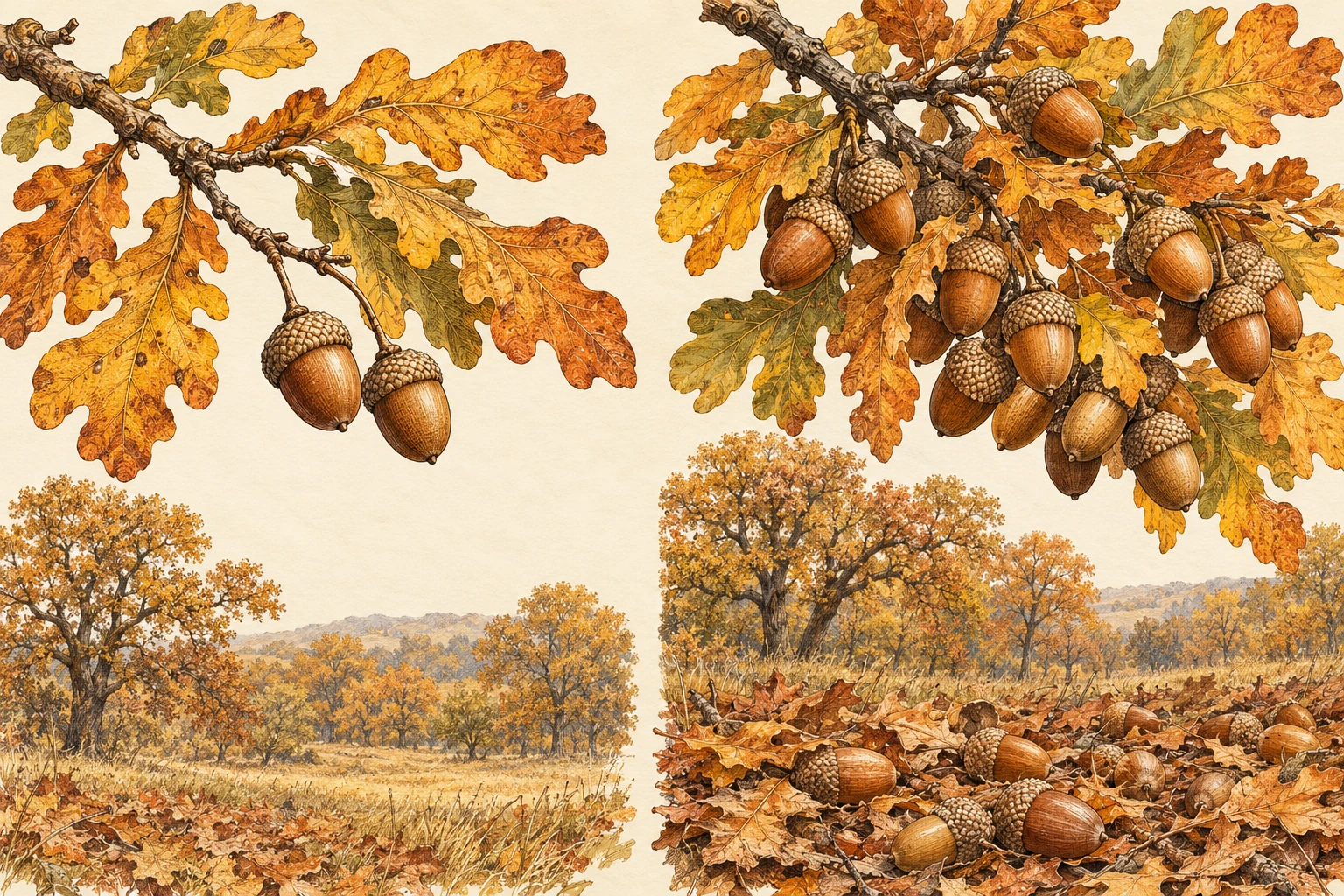
Conceptual comparison of sparse and heavy seed production; not observations from two measured years. Heavy seed years are more than abundance: synchrony, predators, pollination and environmental cues shape what the crop achieves.
Read the article →
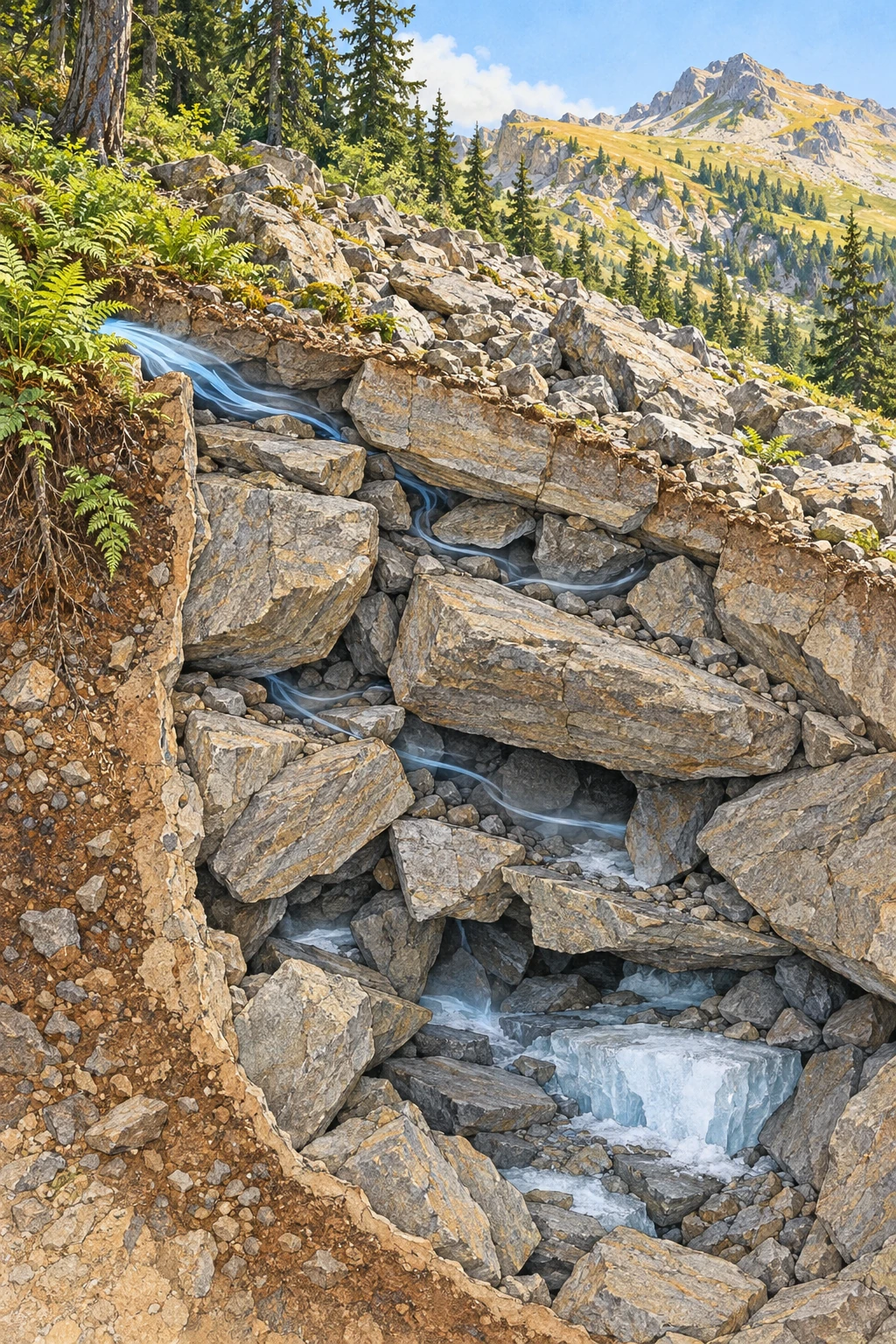
Conceptual talus cutaway, not a surveyed site. Ice distribution and airflow are illustrative possibilities rather than measured conditions. Airflow, stone, snow, and ice can preserve a pocket of winter beneath summer boulders, with no single mechanism fitting every slope.
Read the article →
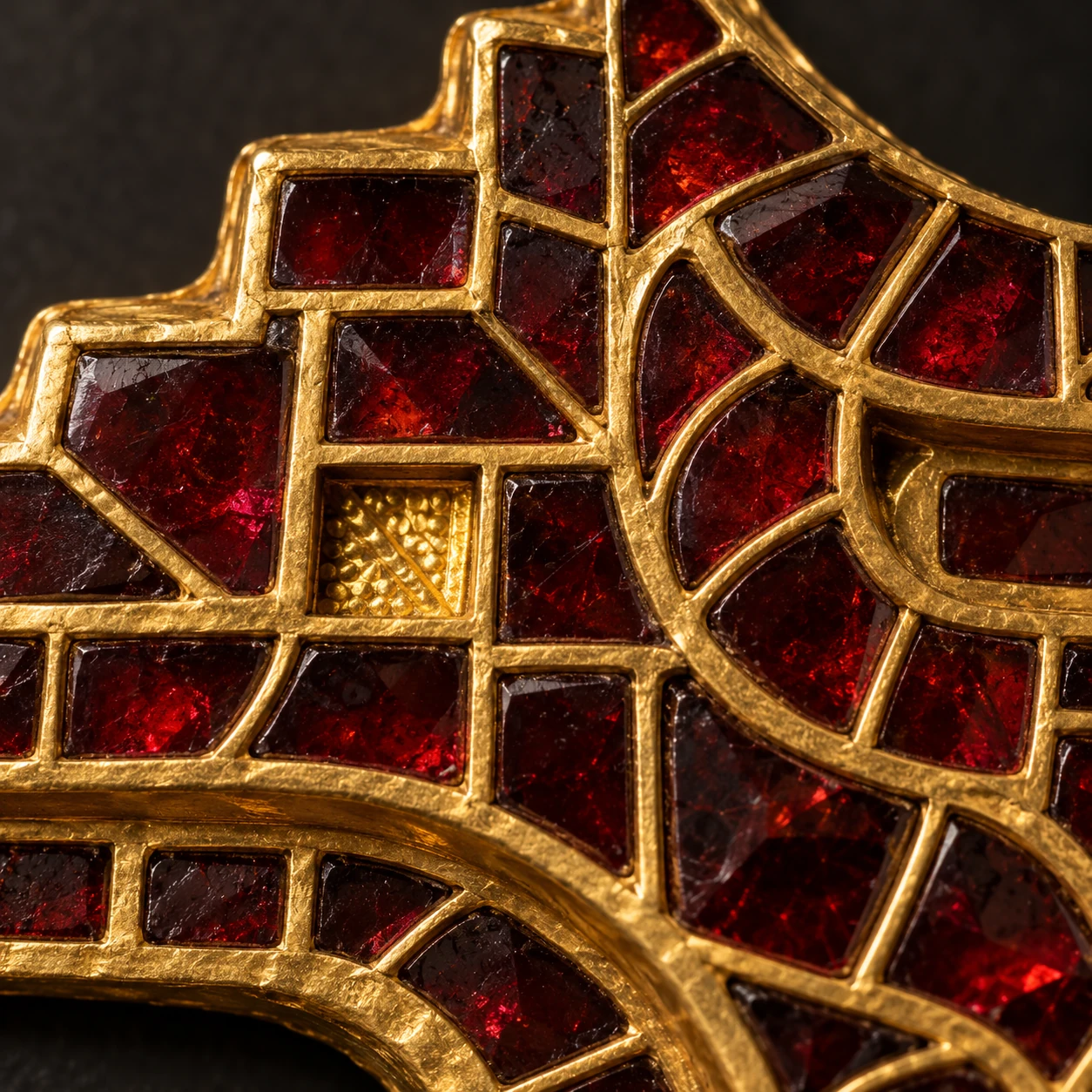
Conceptual garnet-cellwork study with an original geometric design, not a replica of a Sutton Hoo object. Look inside garnet cloisonné to see the gold cells, hidden backing, patient fitting, and long material connections of Sutton Hoo.
Read the article →
Toy illustration. Fluid placement and proportions are artistic; the text follows the documented cycle rather than treating this image as a cutaway. A sealed toy turns evaporative cooling into a repeating bow. Follow the energy route, pressure change, balance and reset.
Read the article →
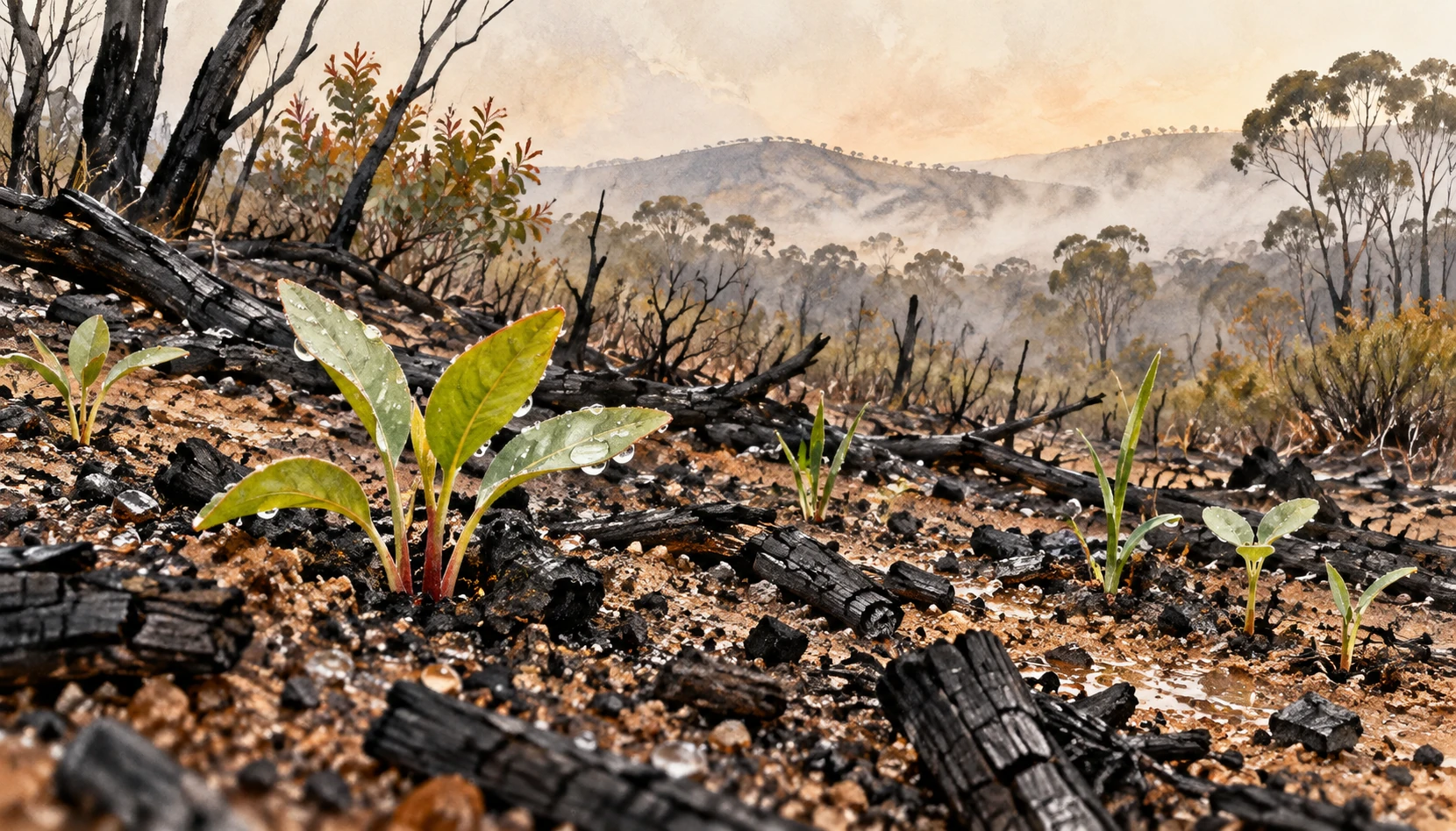
Conceptual postfire scene; no species or smoke-response mechanism can be identified from this illustration. Smoke-derived karrikins connect postfire ecology with seed dormancy, light responses and a still-unfolding molecular story.
Read the article →
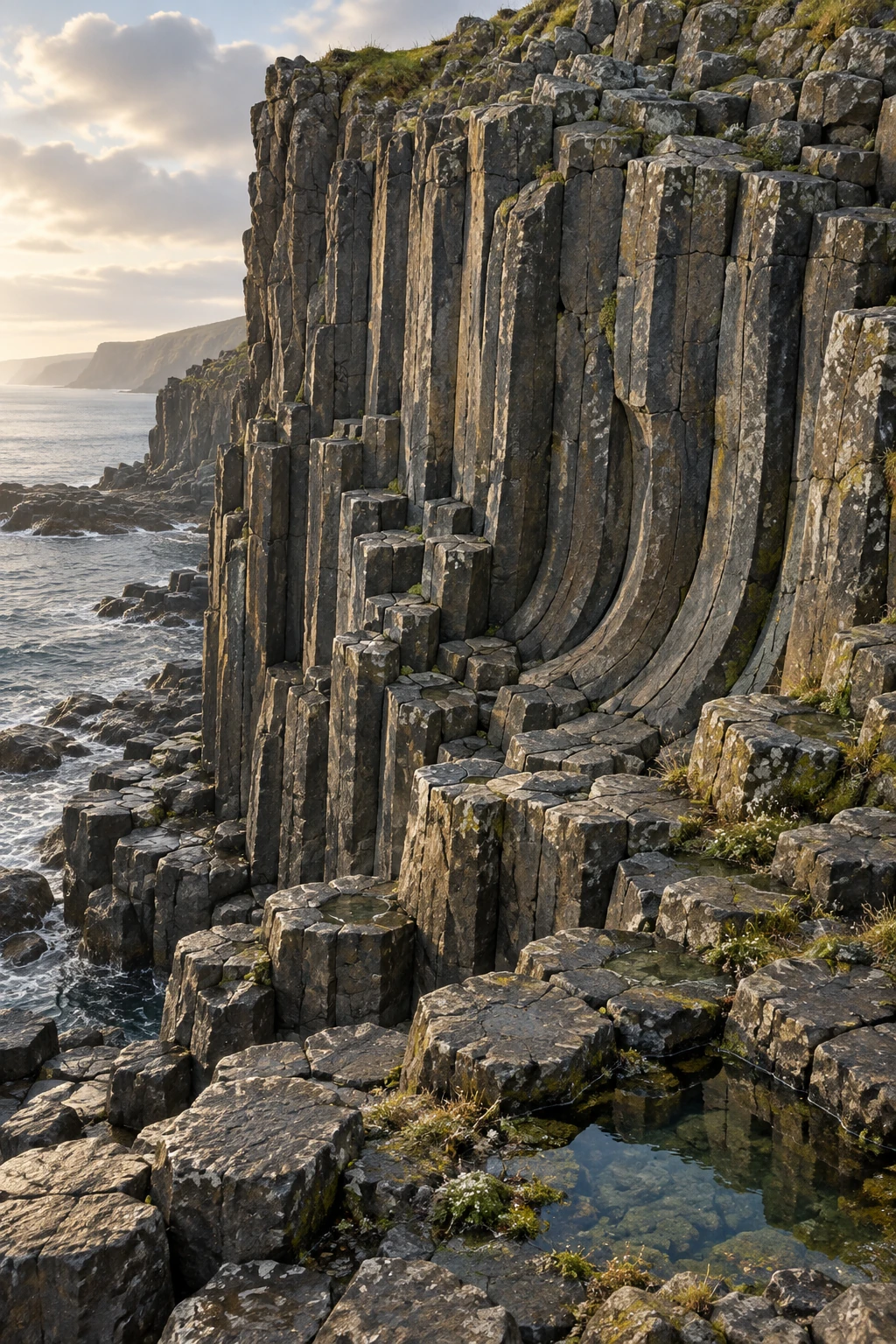
Geological illustration inspired by columnar jointing, not a photograph or mapped reconstruction of a named outcrop. Basalt columns preserve a moving fracture front. Their polygons, curves, and irregularities reveal more than a simple hexagon story.
Read the article →
Conceptual featherwork study with an original arrangement, not a replica of a Wari artifact or a proposed original setting. Wari feather panels turn thousands of small surfaces into broad color fields, revealing skilled assembly and far-reaching material networks.
Read the article →
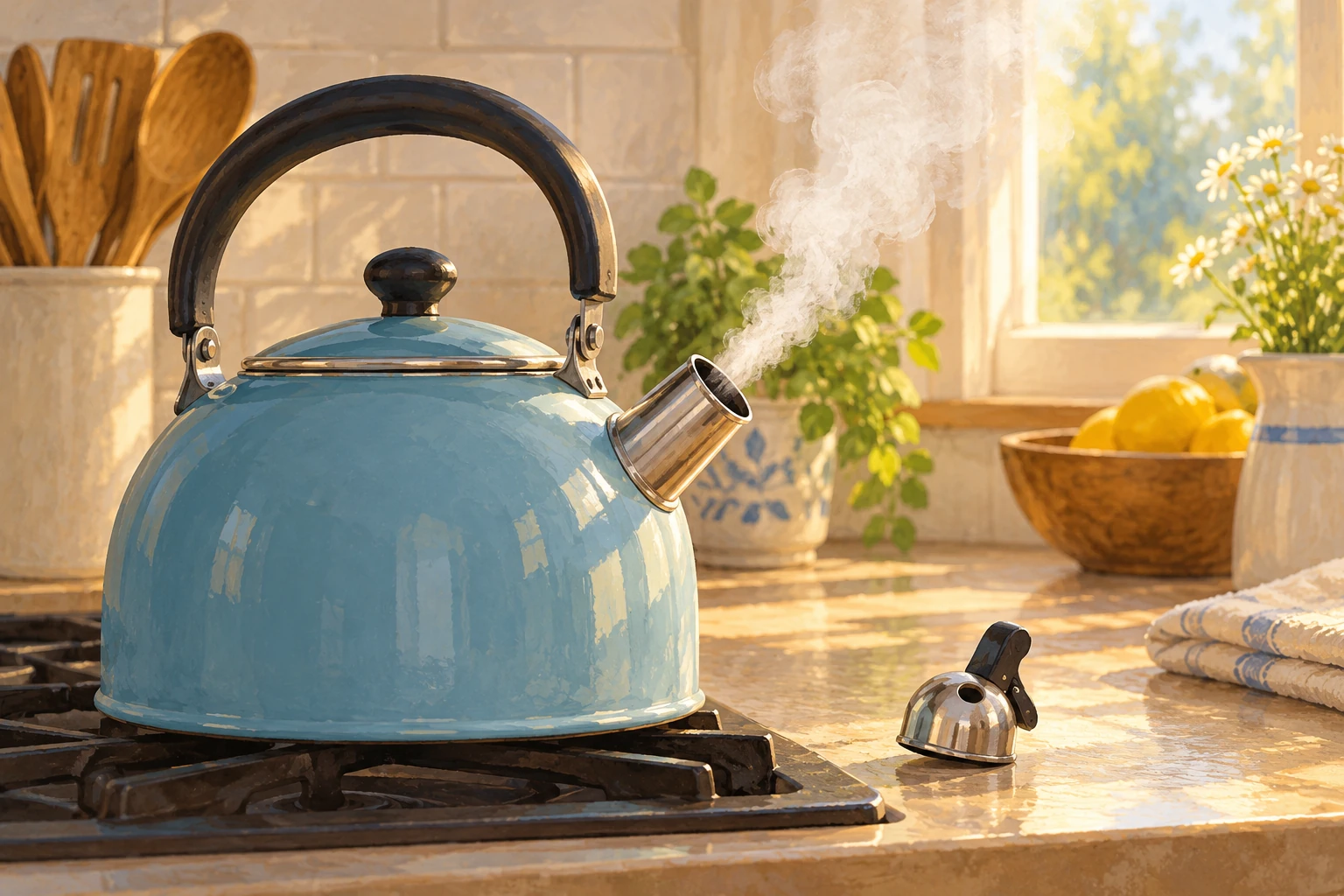
Editorial illustration. The visible white plume represents condensed droplets; the image is not a flow visualization or acoustic measurement. A classic kettle cap is a small flow-and-sound system. Explore two whistling regimes and learn what an observation can actually show.
Read the article →
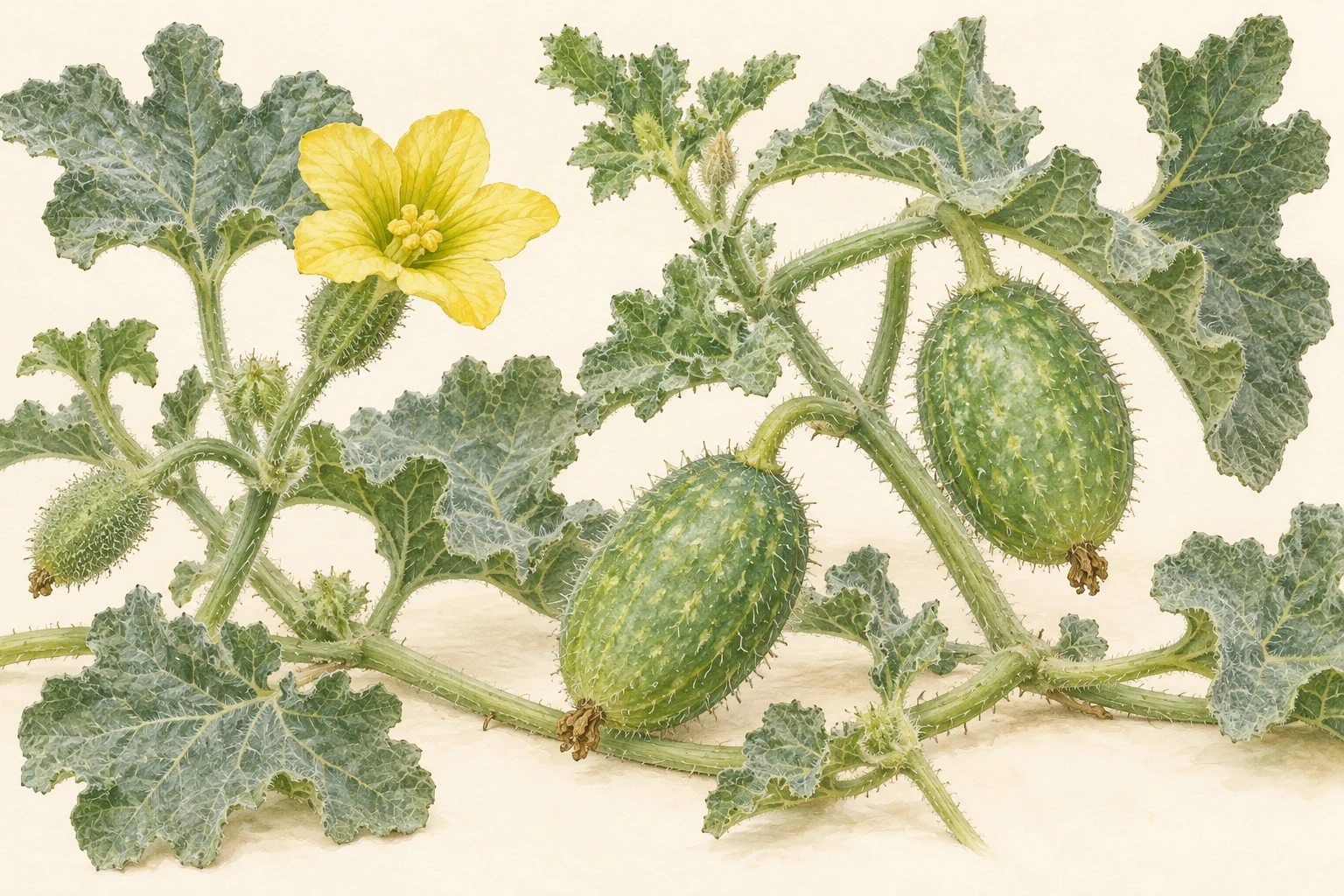
Still botanical interpretation of Ecballium elaterium; it does not depict or measure seed ejection. High-speed research shows how pressure, fluid redistribution and fruit orientation combine in a brief seed launch.
Read the article →
Mineral study and conceptual growth-zone section. It is not a microscope image, isotope map, or dated specimen. Zircon can preserve old cores, young rims, and disturbed isotope clocks. The key is asking which geological event each date records.
Read the article →
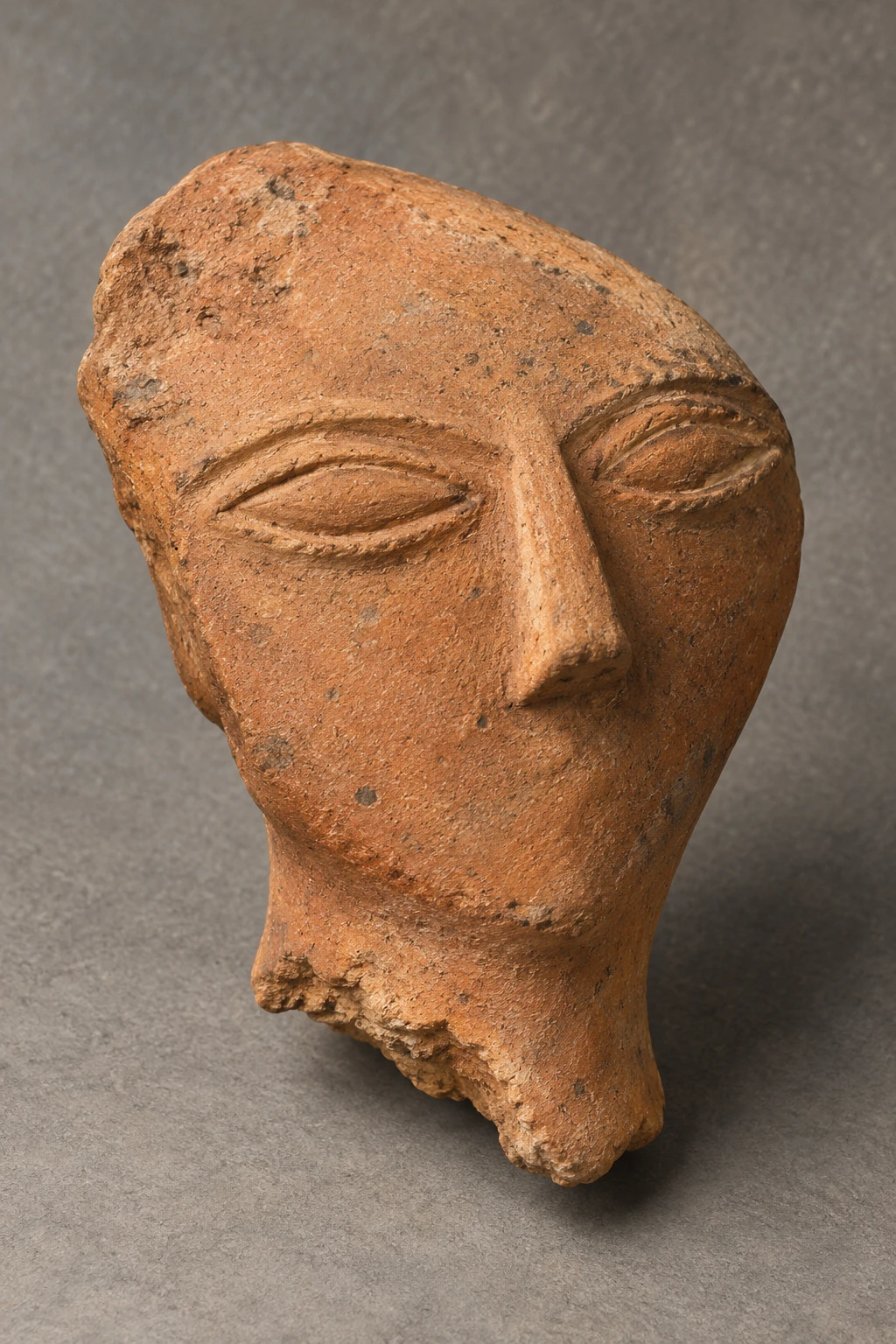
Original conceptual Neolithic head study, not an excavated Vinča artifact or a claim about a deity’s appearance. A small clay face invites large claims. Learn to read Vinča figurines through form, context, and competing interpretations.
Read the article →
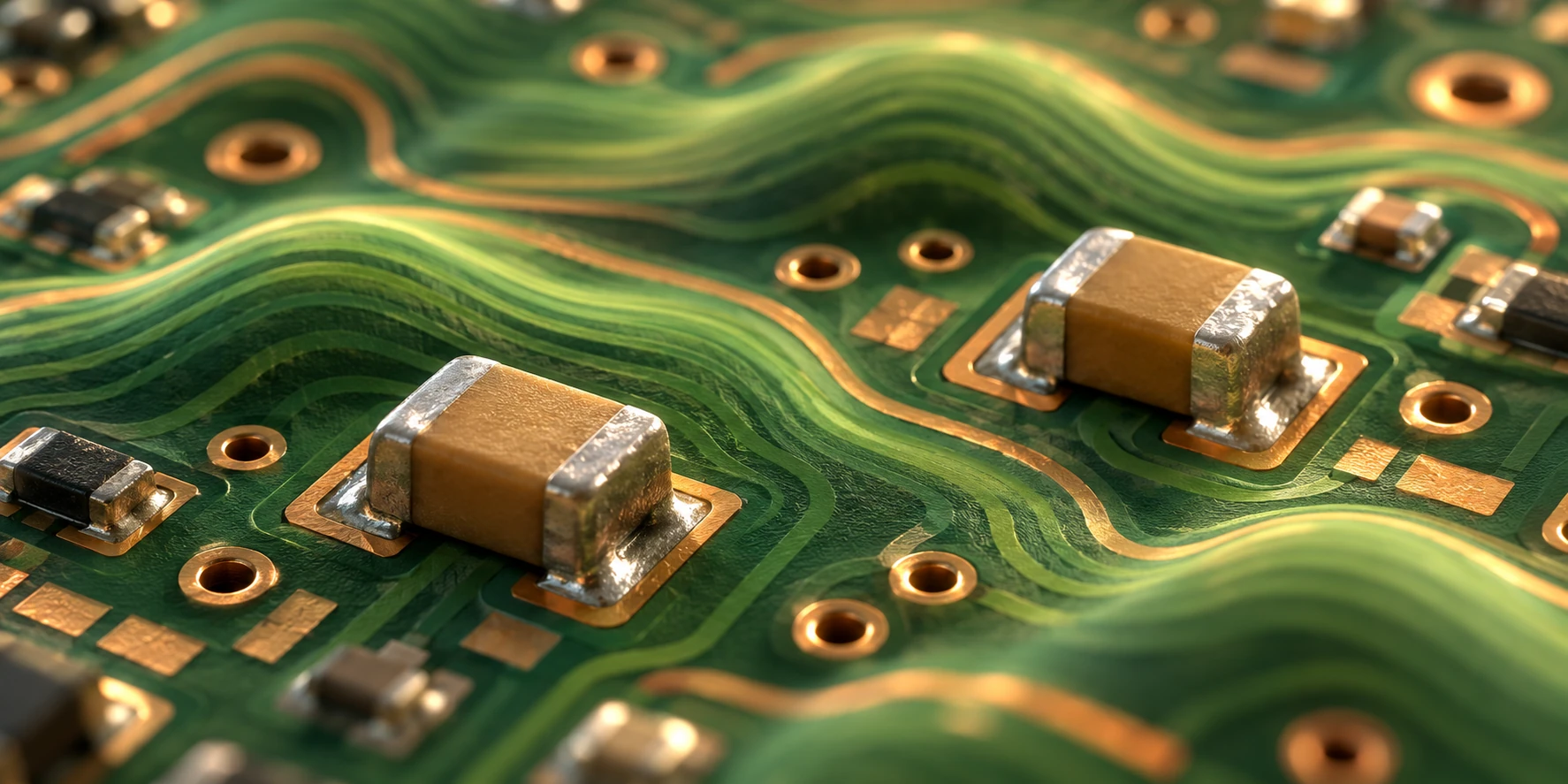
Electronics illustration. Shadow contours are artistic and do not represent measured displacement, sound level or a particular circuit. How a voltage-driven material change can reach a circuit board and become sound—and why a high note does not identify one component.
Read the article →
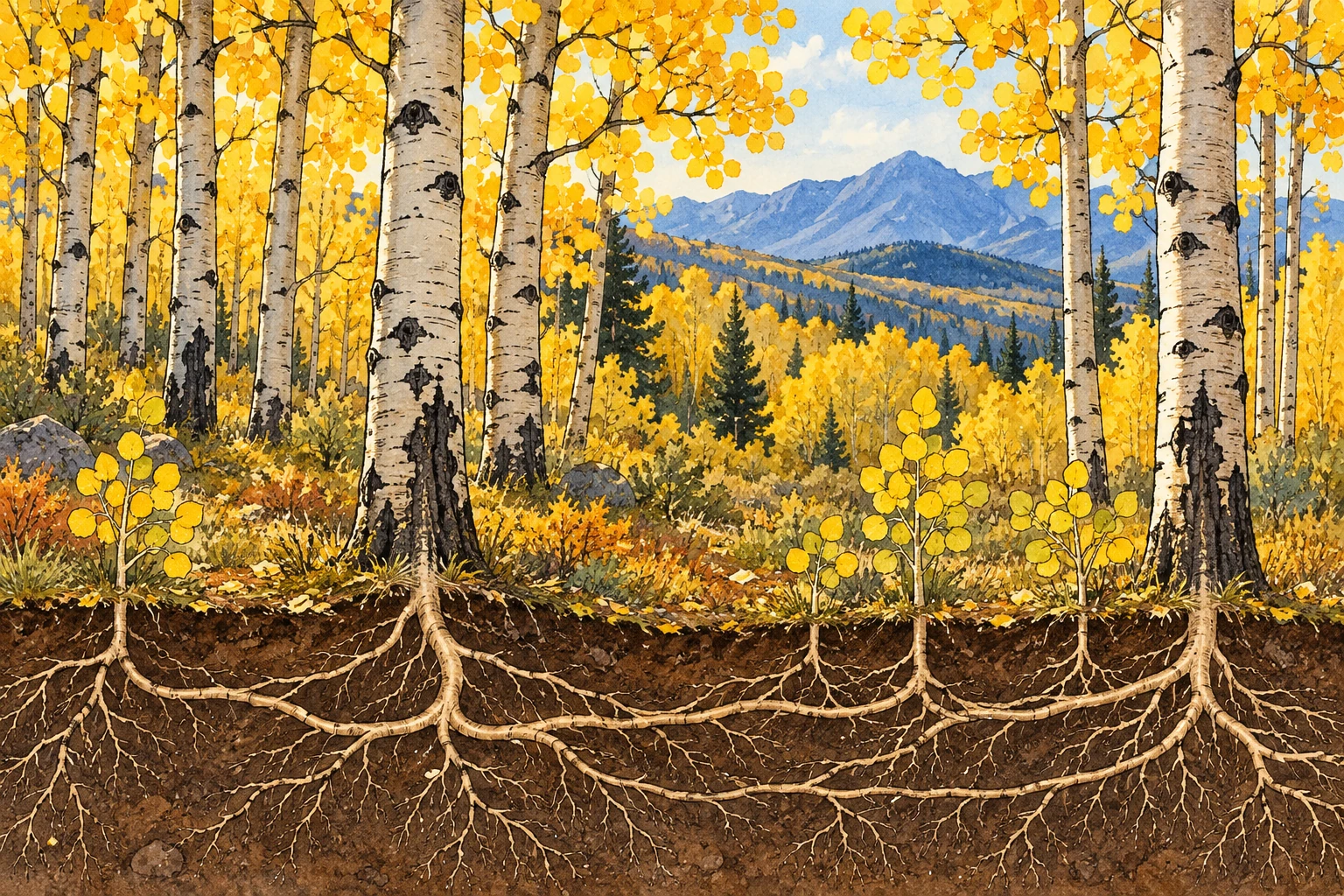
Conceptual aspen cutaway; root connections are schematic, not a map or reconstruction of Pando. A giant aspen clone separates stem age, genetic identity and the practical need to grow a new generation of trunks.
Read the article →
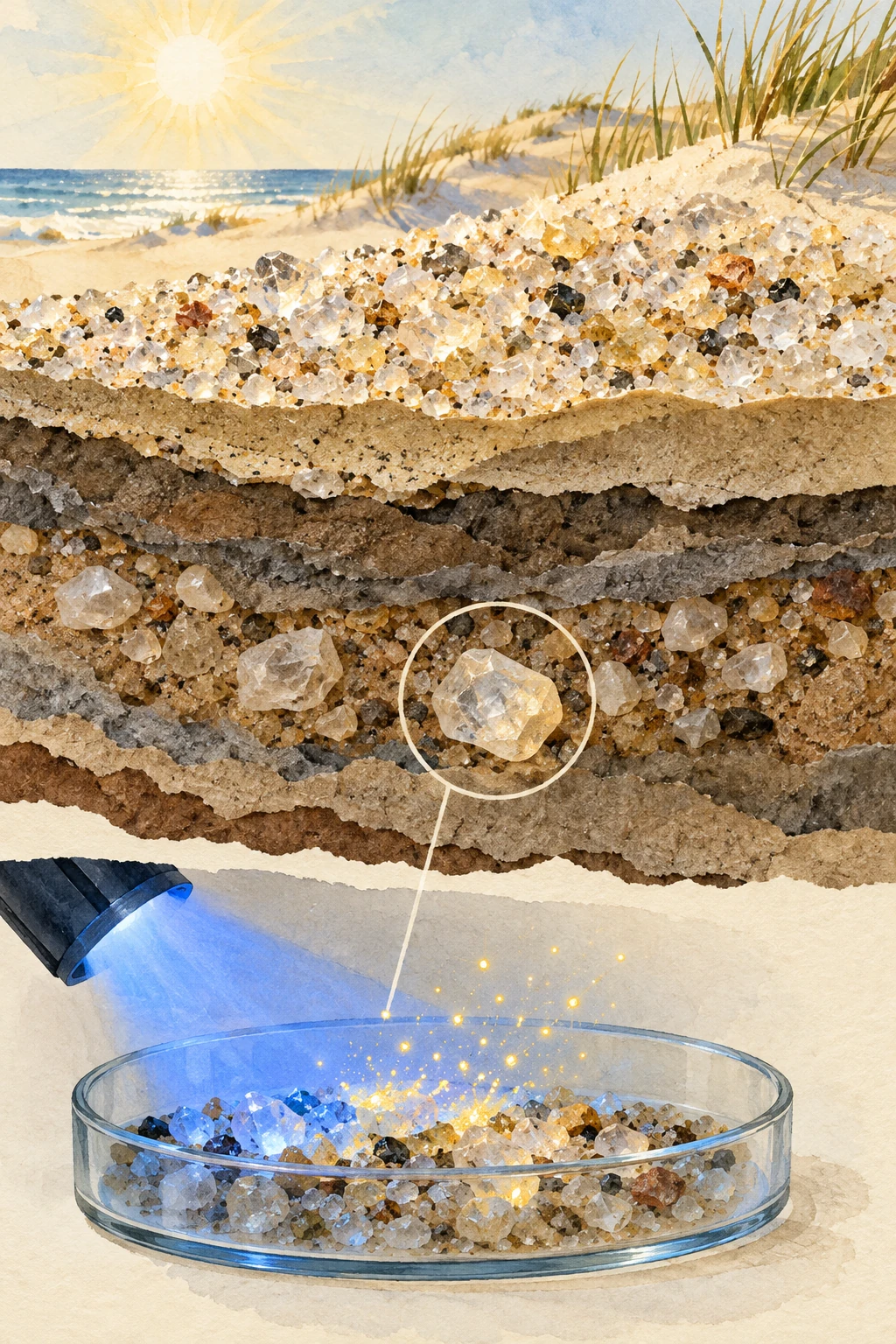
Conceptual illustration of luminescence dating. Gold specks visualize a stored signal; buried grains do not visibly glow this way. Buried mineral grains accumulate a radiation signal. Its reset history and dose rate determine what a luminescence age can mean.
Read the article →
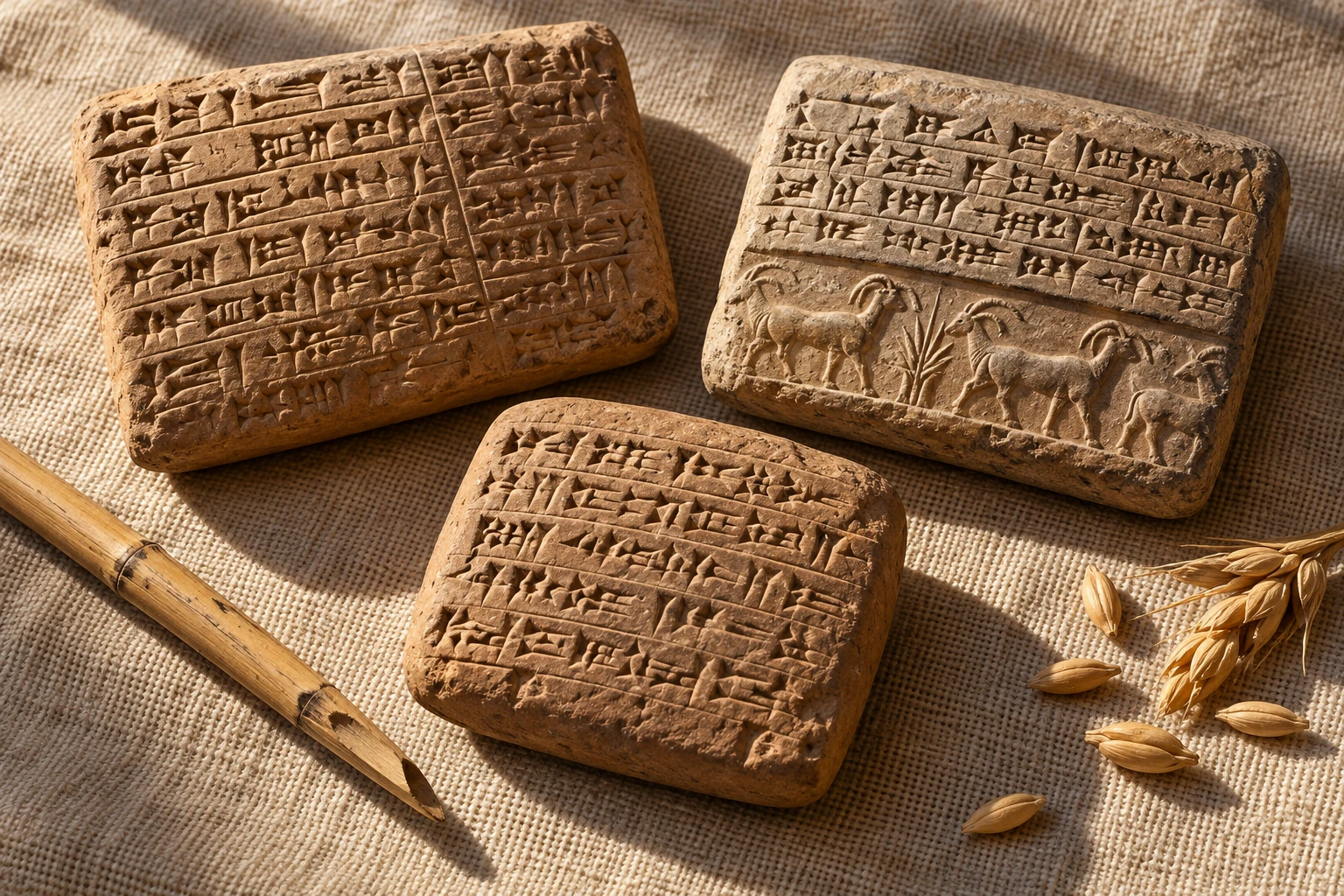
Conceptual tablet study. The marks are not readable transcriptions, and the article’s small sample table is explicitly invented. Food accounts and seal impressions reveal the people and practical relationships behind an imperial center at Persepolis.
Read the article →
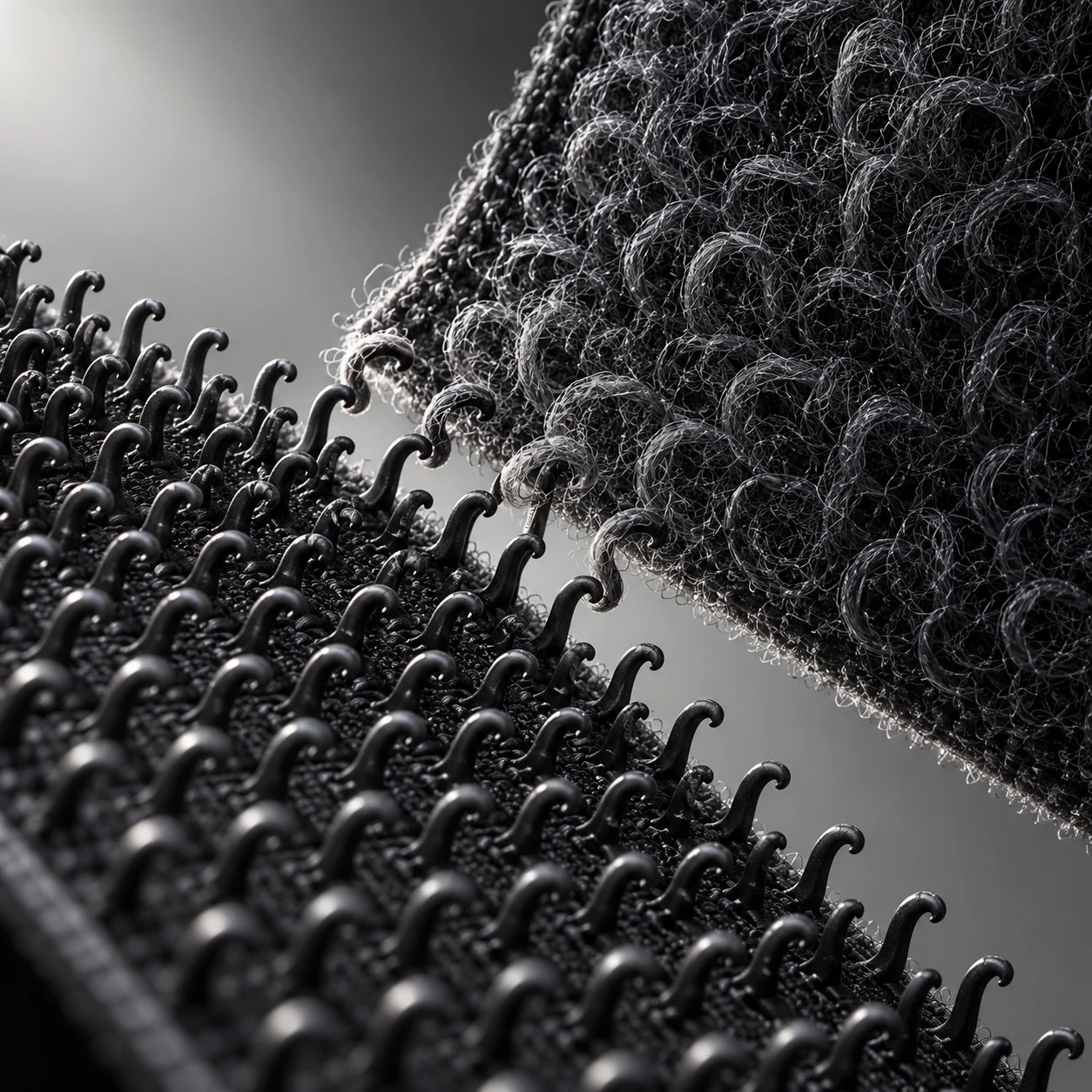
Material study, not microscopy. Hook shape and loop construction are illustrative and do not specify a commercial product. Explore why peeling differs from sliding, how lint blocks engagement, and how to read the strength claims of a familiar closure.
Read the article →
Conceptual maternal-calling scene; not an experimental nest or evidence of an embryo’s response. Cross-fostering and playback reveal prenatal vocal learning, while later work asks how maternal calling affects the result.
Read the article →
Conceptual artwork of cosmogenic exposure. Particle tracks and isotope dots are visual metaphors, not visible features or measured data. Rare isotopes made by cosmic rays can date a rock surface’s exposure, while inheritance, shielding, and erosion shape the answer.
Read the article →
Conceptual Fenland waterway. It is not a measured reconstruction of Must Farm or a claim that all boats shared one date. Nine logboats reveal the waterways around Must Farm across centuries, rather than one fleet captured in a single prehistoric disaster.
Read the article →
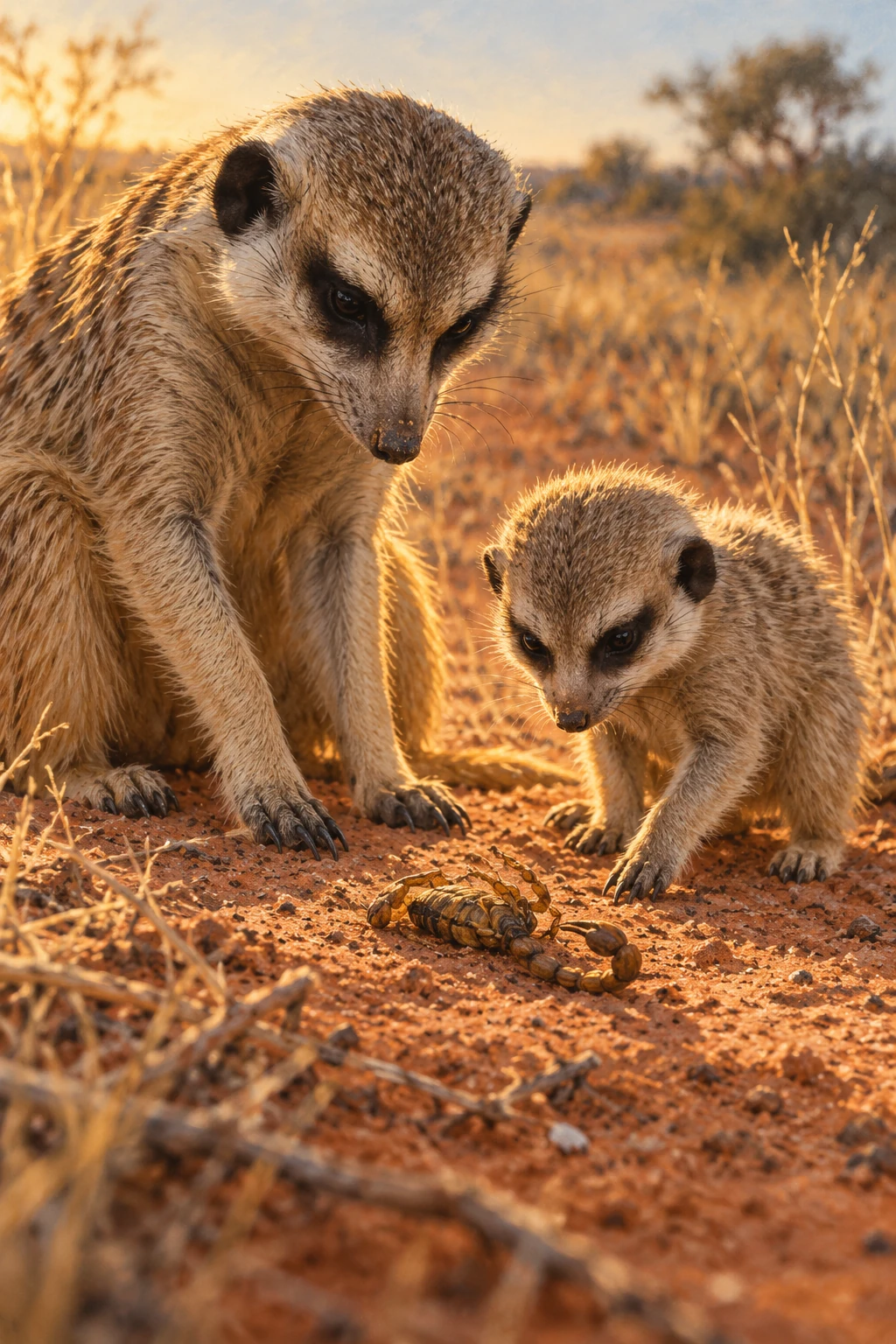
Conceptual scene of supervised prey handling; not a specific experimental event or a handling guide. Helpers adjust prey-handling opportunities as pups grow, and experiments separate feeding, cues and accelerated learning.
Read the article →
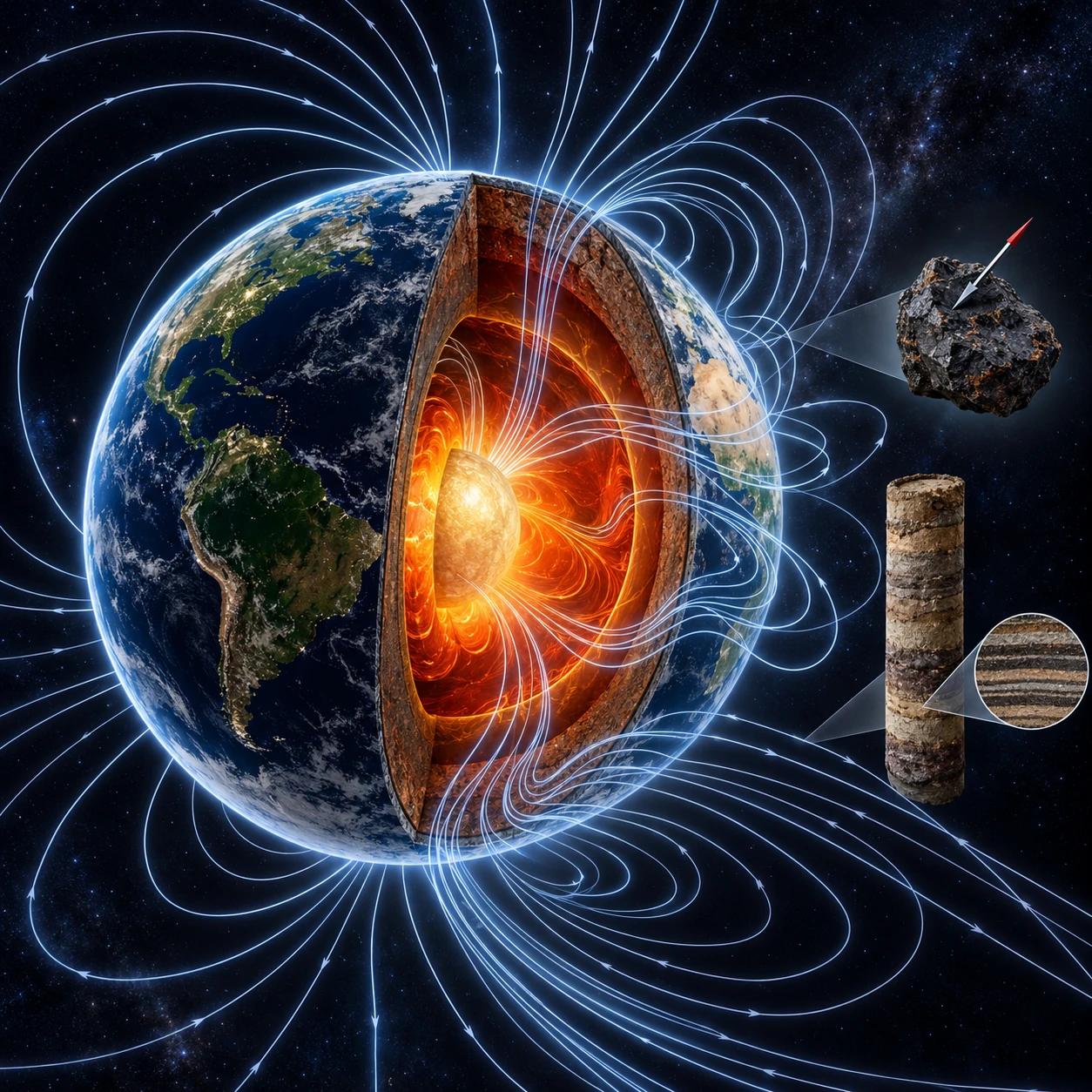
Conceptual paleomagnetic artwork, not a reconstruction of the Laschamp field. Field lines, colors, and sample scales are illustrative. Lava, sediment, and ice preserve a brief geomagnetic detour. Their different recording processes explain both the evidence and its limits.
Read the article →
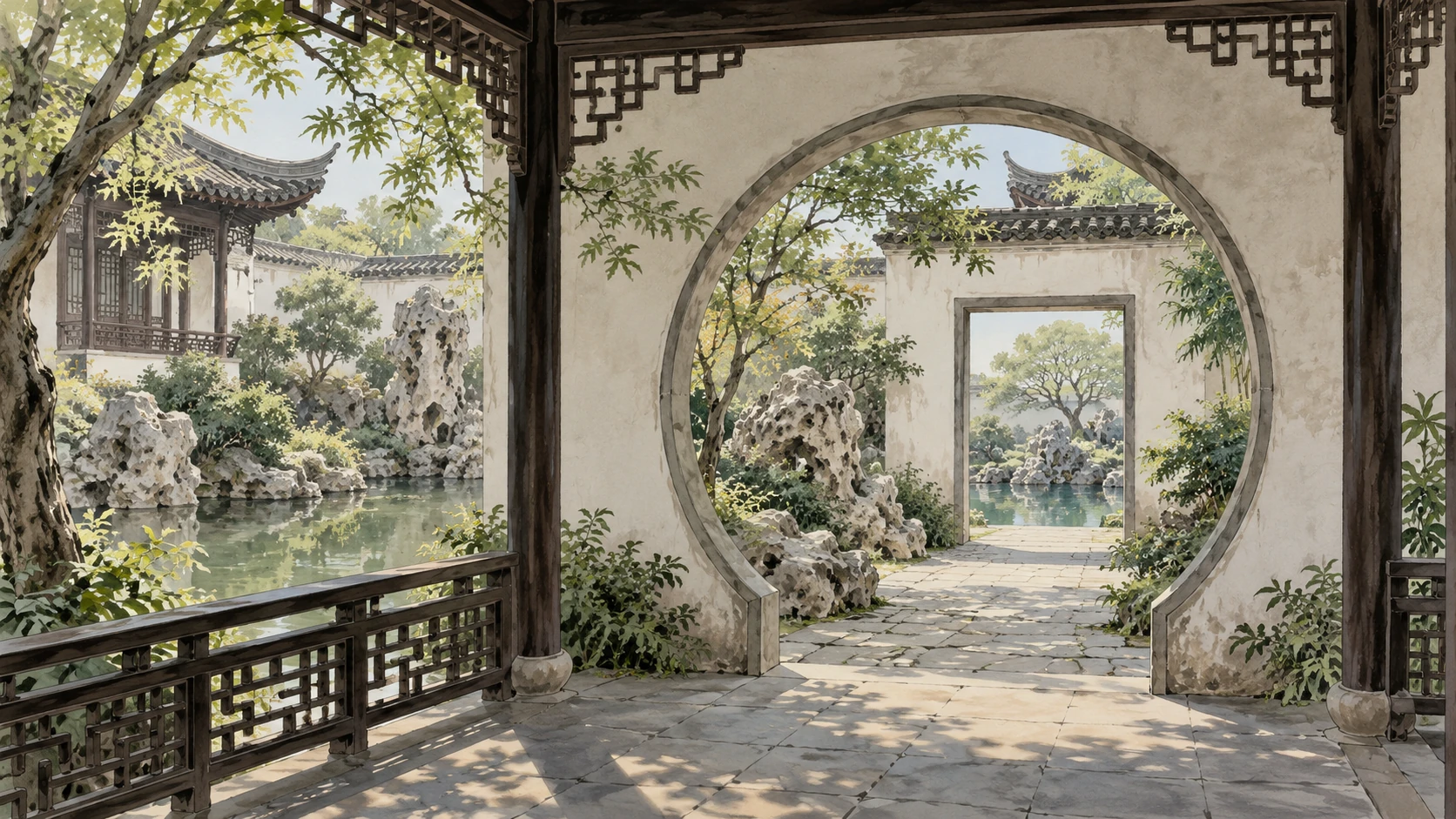
Conceptual garden study inspired by Suzhou design; it does not depict a documented garden. Explore Suzhou garden views through frames, changing distances, and a simple looking exercise.
Read the article →
Conceptual family scene; droplets and anatomy are interpretive and do not document a feeding experiment. Toxeus magnus separates the nutritional and social parts of maternal care, while showing why resemblance does not imply a mammary gland.
Read the article →
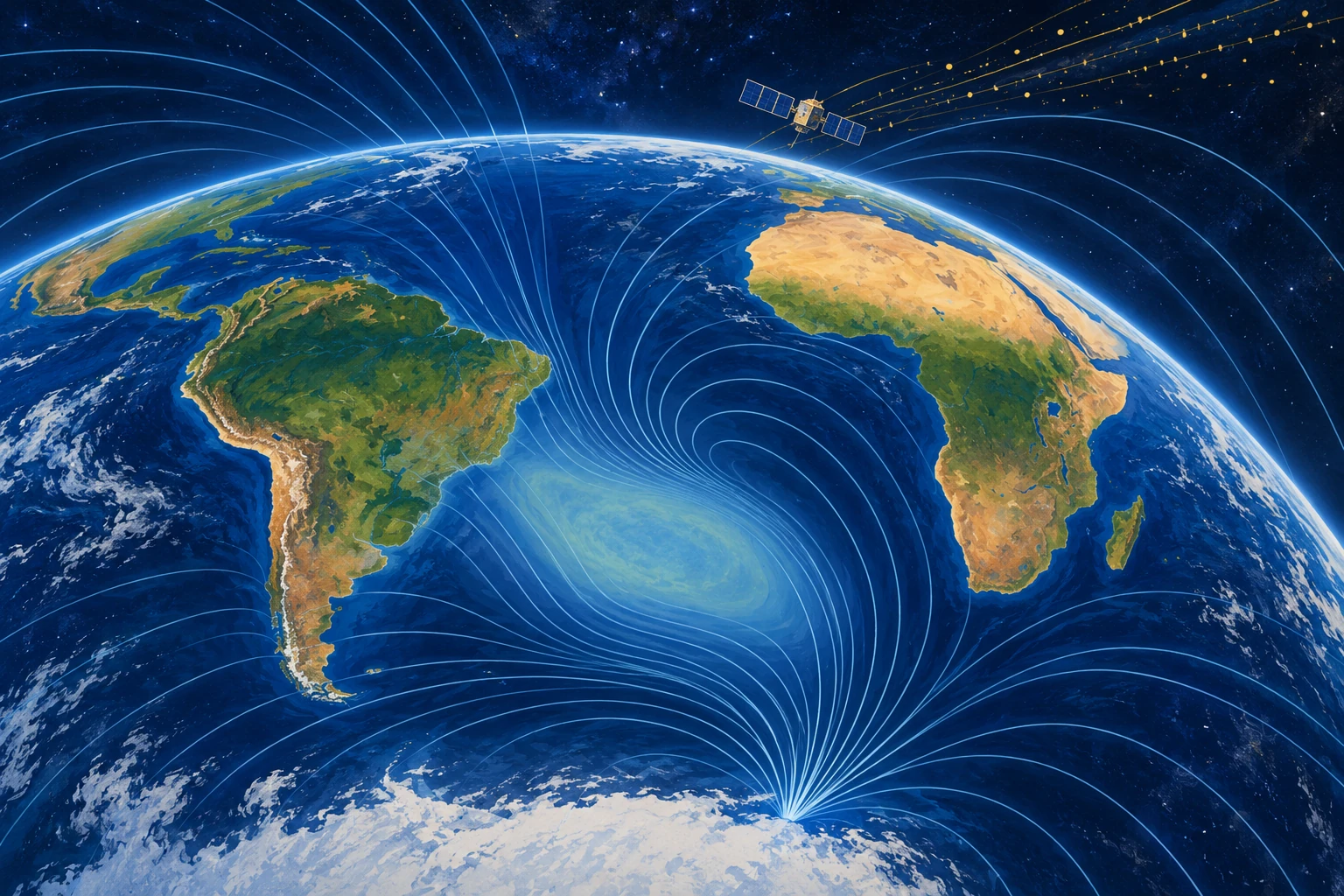
Conceptual illustration of the South Atlantic Anomaly. The patch, field lines, and particles are schematic, not a radiation or magnetic-intensity map. A weak magnetic region affects spacecraft radiation and reveals changes in Earth’s field. Reading its maps requires altitude, dates, and context.
Read the article →
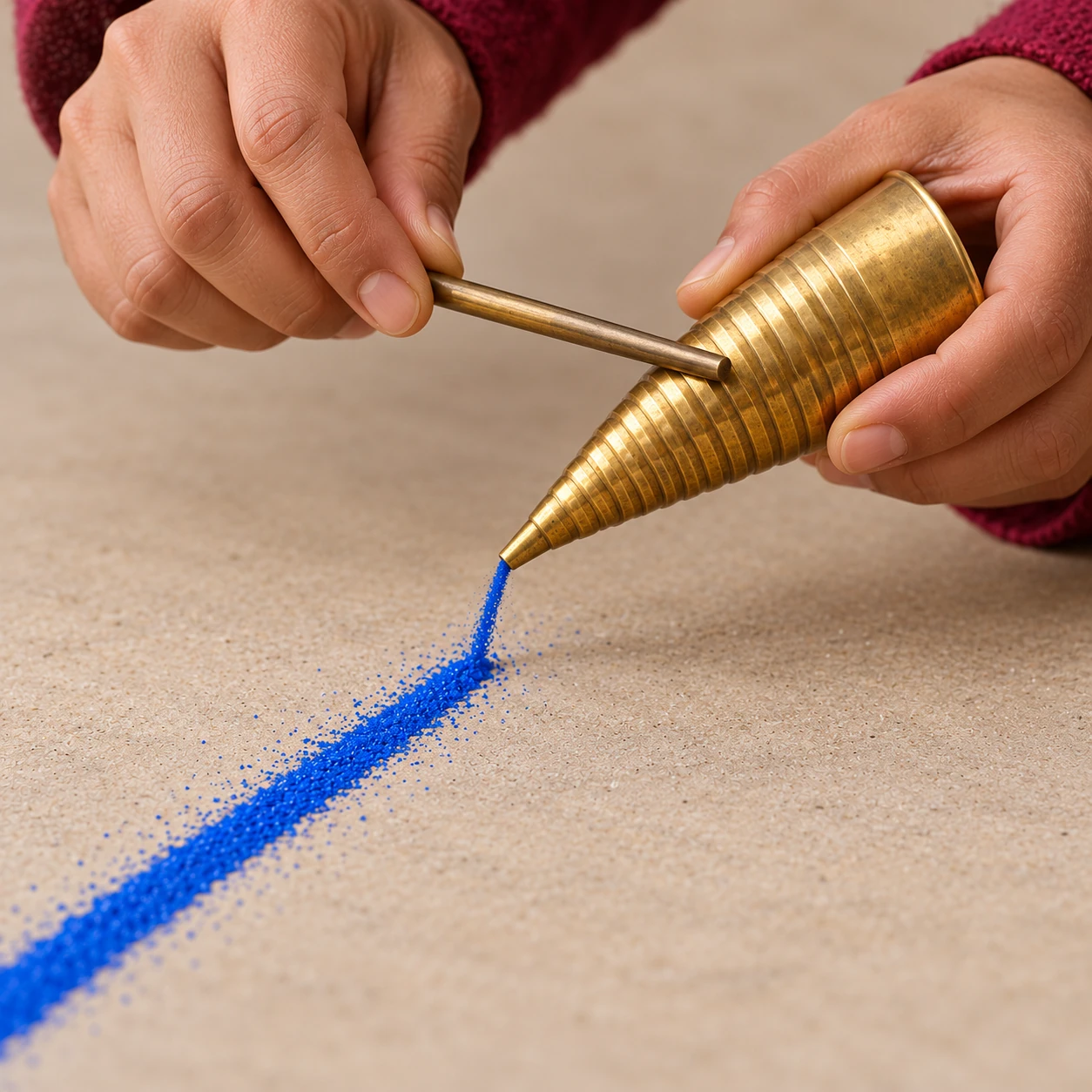
Tool study; the abstract lines are not a sacred mandala or a record of a ceremony. Look closely at the tools, time, and intentional ending of documented public Tibetan sand-mandala events.
Read the article →
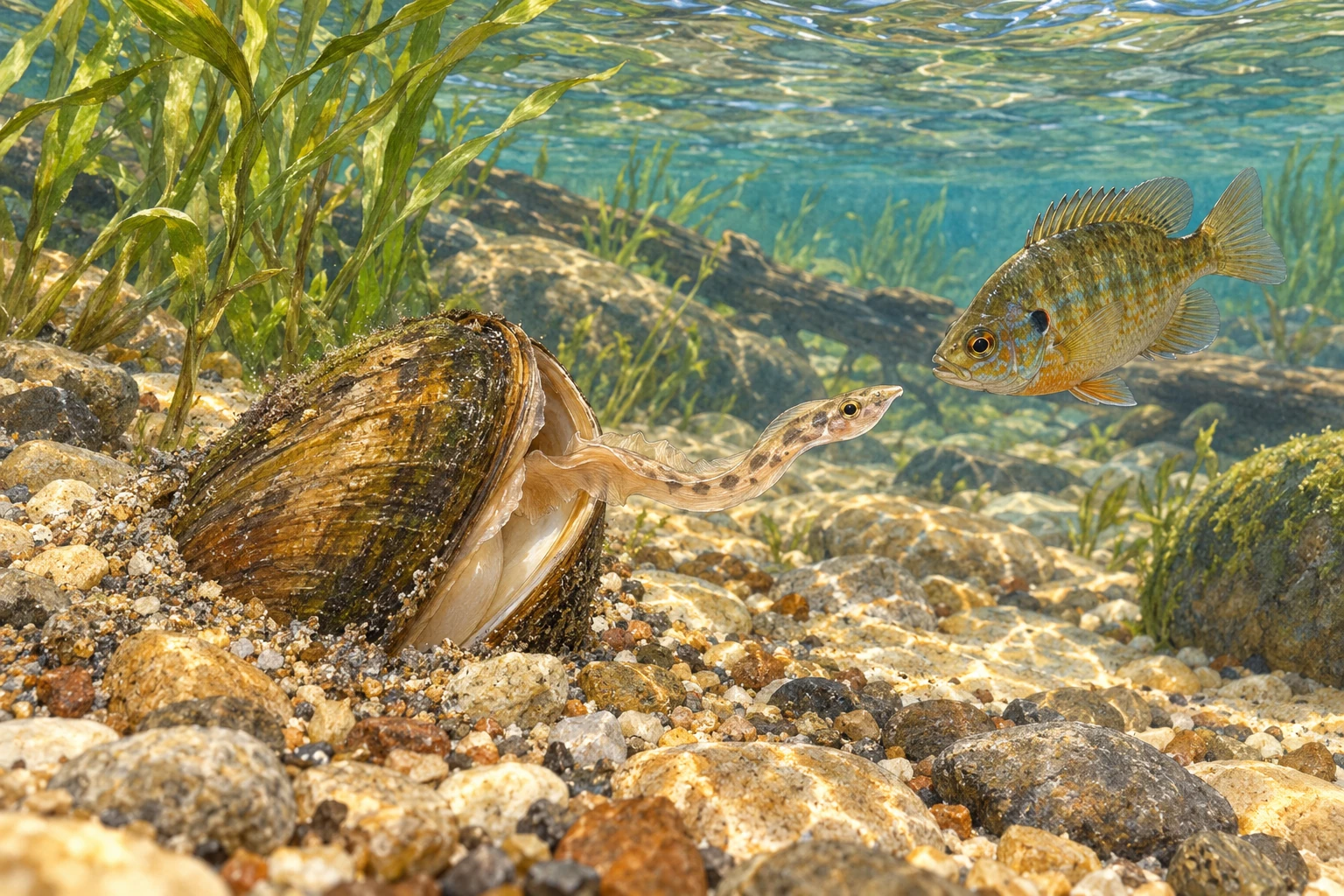
Conceptual host-attraction scene; no mussel or fish species, host compatibility, or larval scale can be inferred from it. Mantle lures are only the visible part of a life cycle that depends on host compatibility, movement and successful transformation.
Read the article →
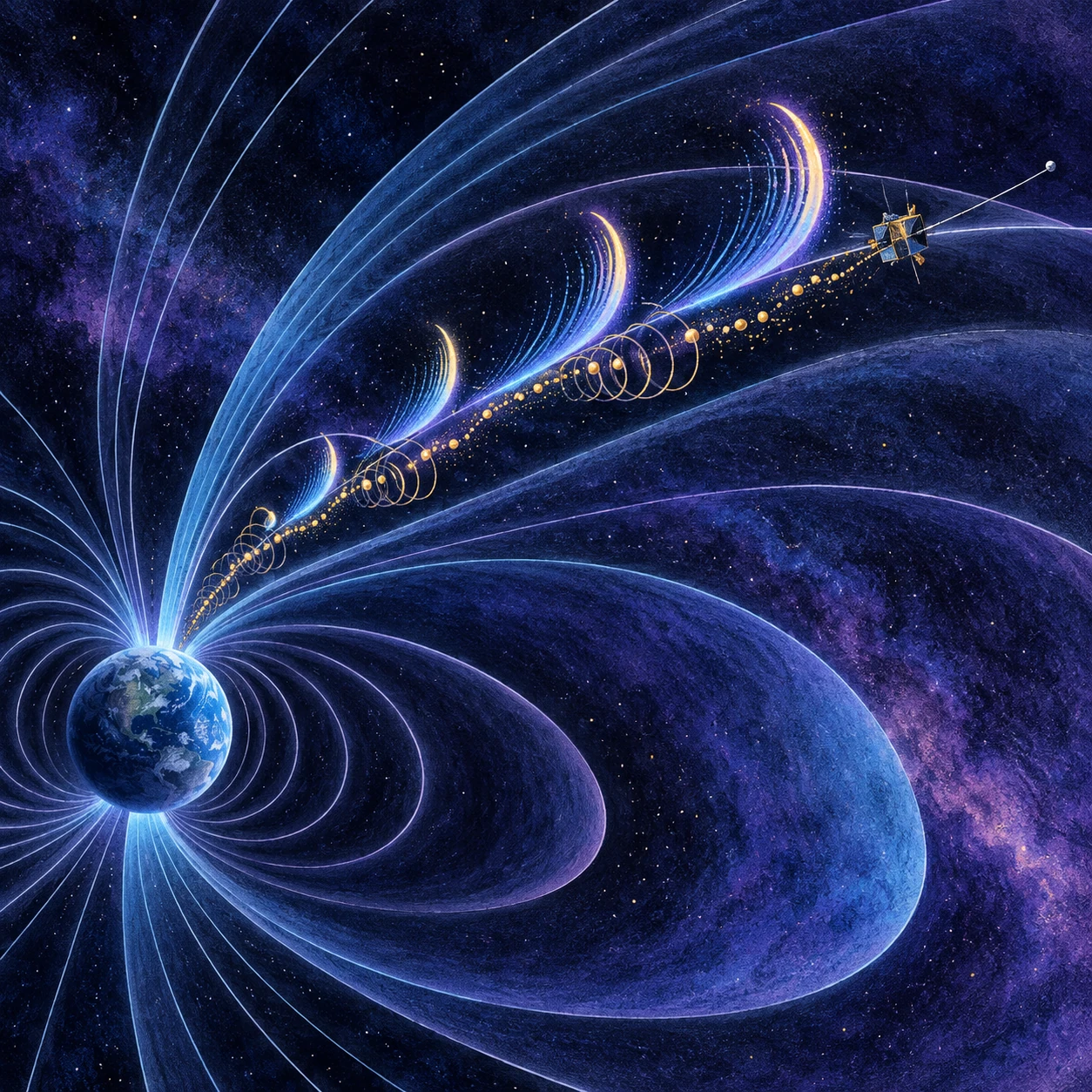
Conceptual plasma-wave artwork. Arcs and dots visualize invisible fields and particles; the article links an actual NASA measurement recording. Birdlike audio reveals electromagnetic plasma waves. Listen alongside a spectrogram to see how chorus exchanges energy with electrons.
Read the article →
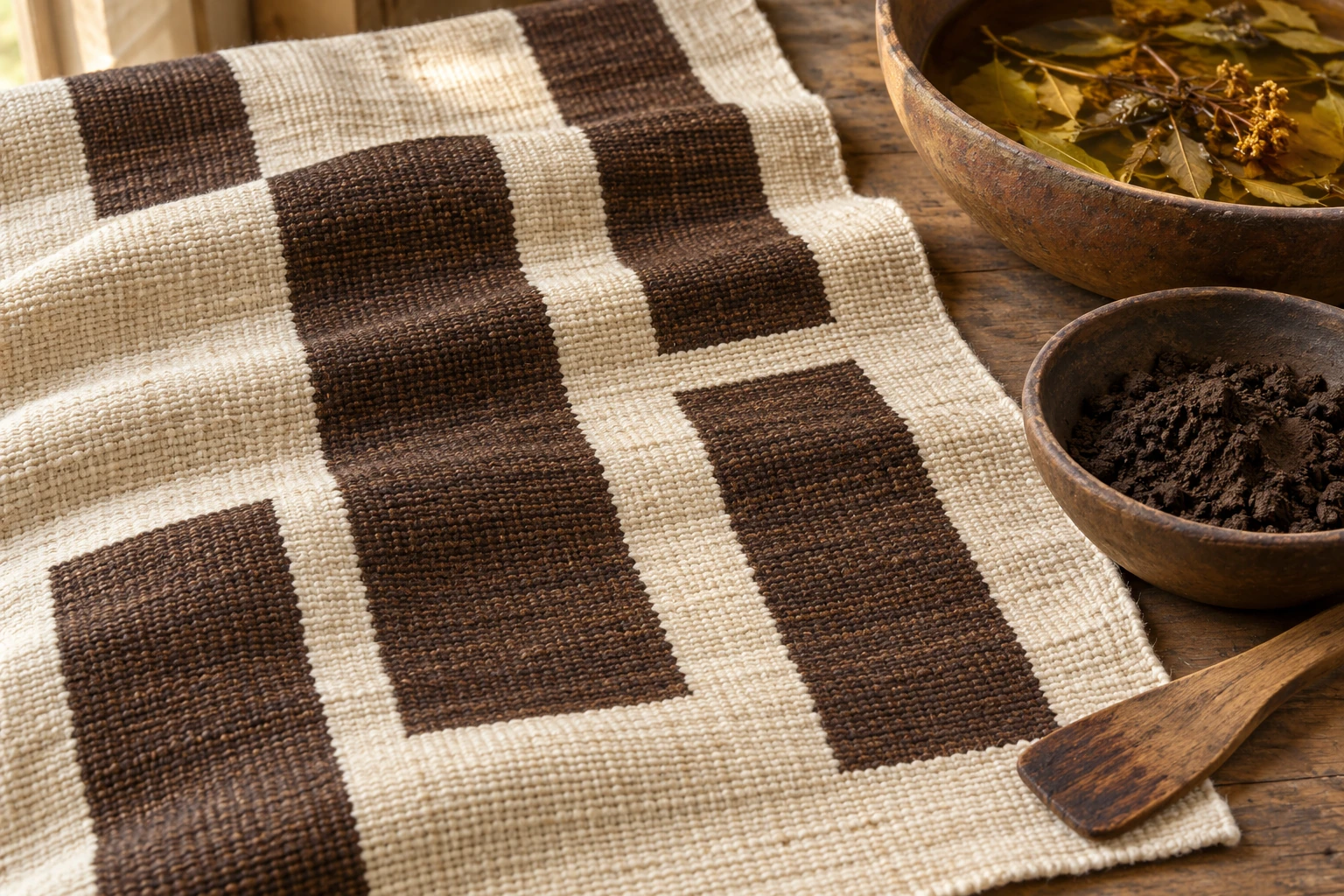
Material study with an original abstract pattern; it does not reproduce a documented Bamana motif. Meet a named bogolan artist and explore the plant–iron chemistry and planned spaces inside the cloth.
Read the article →
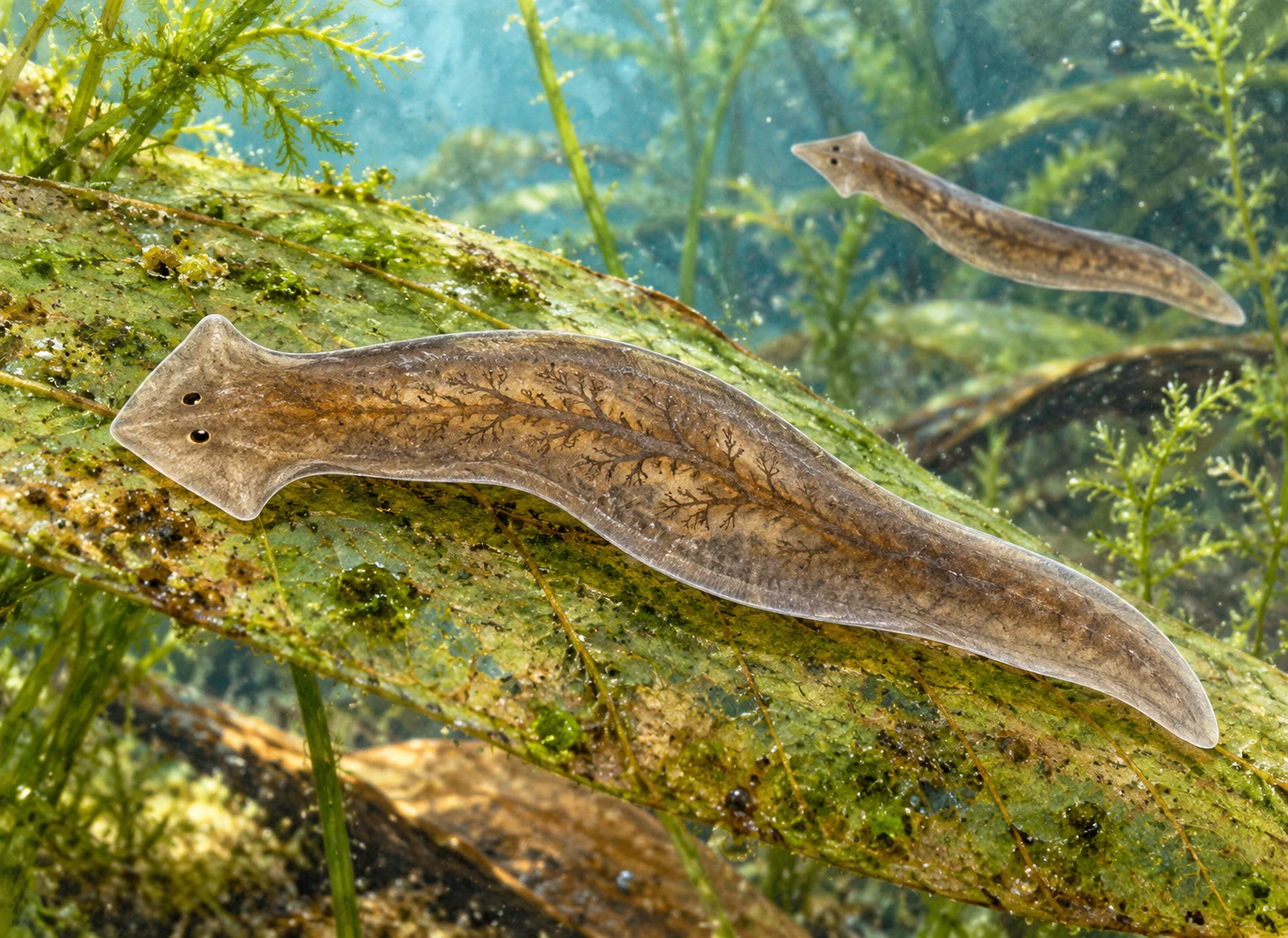
Conceptual natural-history illustration; internal shading is interpretive, not microscopy or gene-expression data. Muscle-borne positional signals help explain why regeneration produces an organized body rather than only more cells.
Read the article →
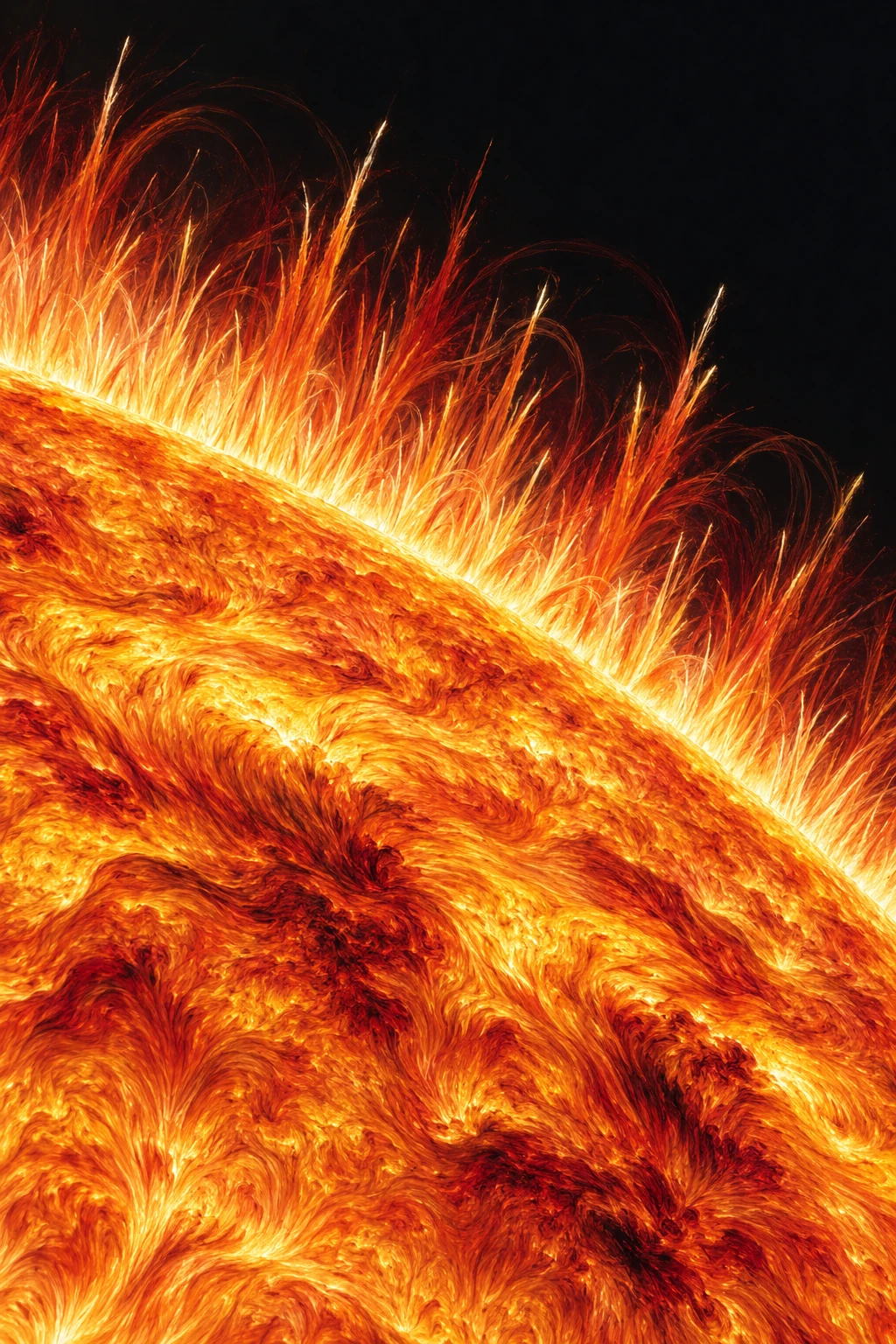
Solar-science illustration, not telescope data. Colors and fine structures are interpretive and do not measure plasma temperature. Brief solar jets carry mass and energy upward. Their role in heating the atmosphere is a quantitative question, not a solved-by-one-video story.
Read the article →
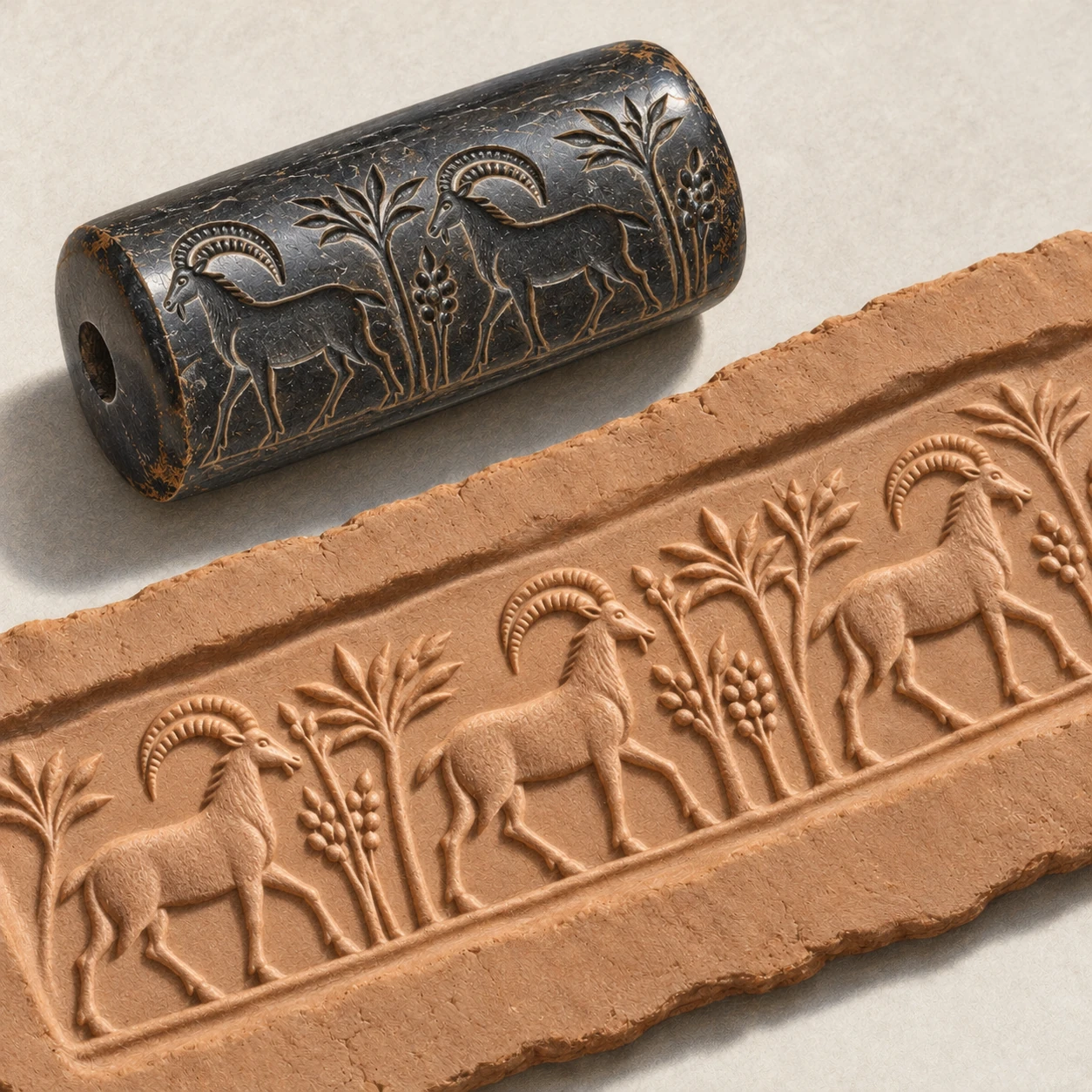
Conceptual seal and modern-style impression; the invented design is not an archaeological artifact. A tiny carved cylinder becomes a continuous picture—and a claim—when rolled into clay.
Read the article →
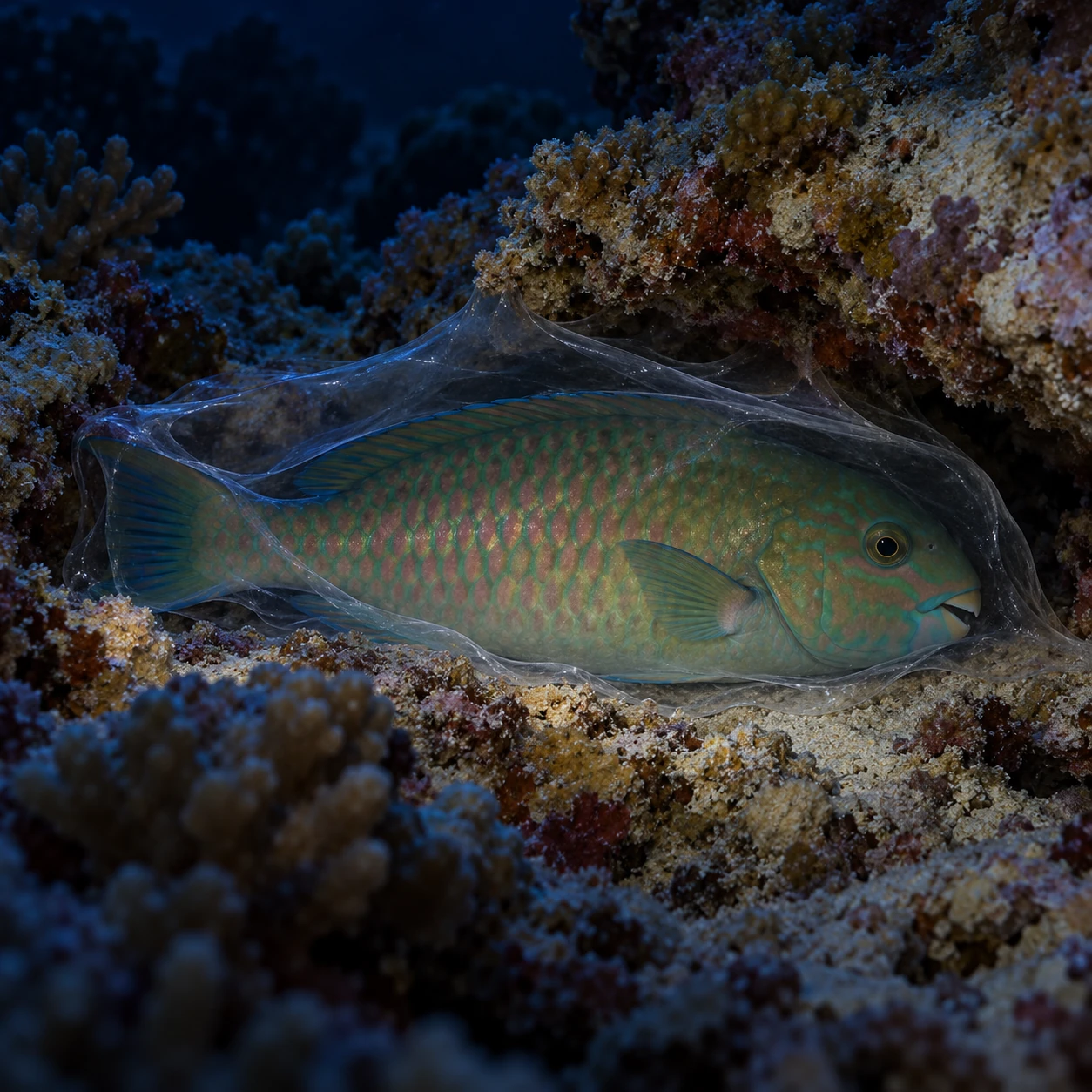
Conceptual resting scene; the envelope is interpretive, not an experimental specimen or a measured barrier. An experiment supports protection against blood-feeding isopods, while other parasites reveal why the claim needs limits.
Read the article →
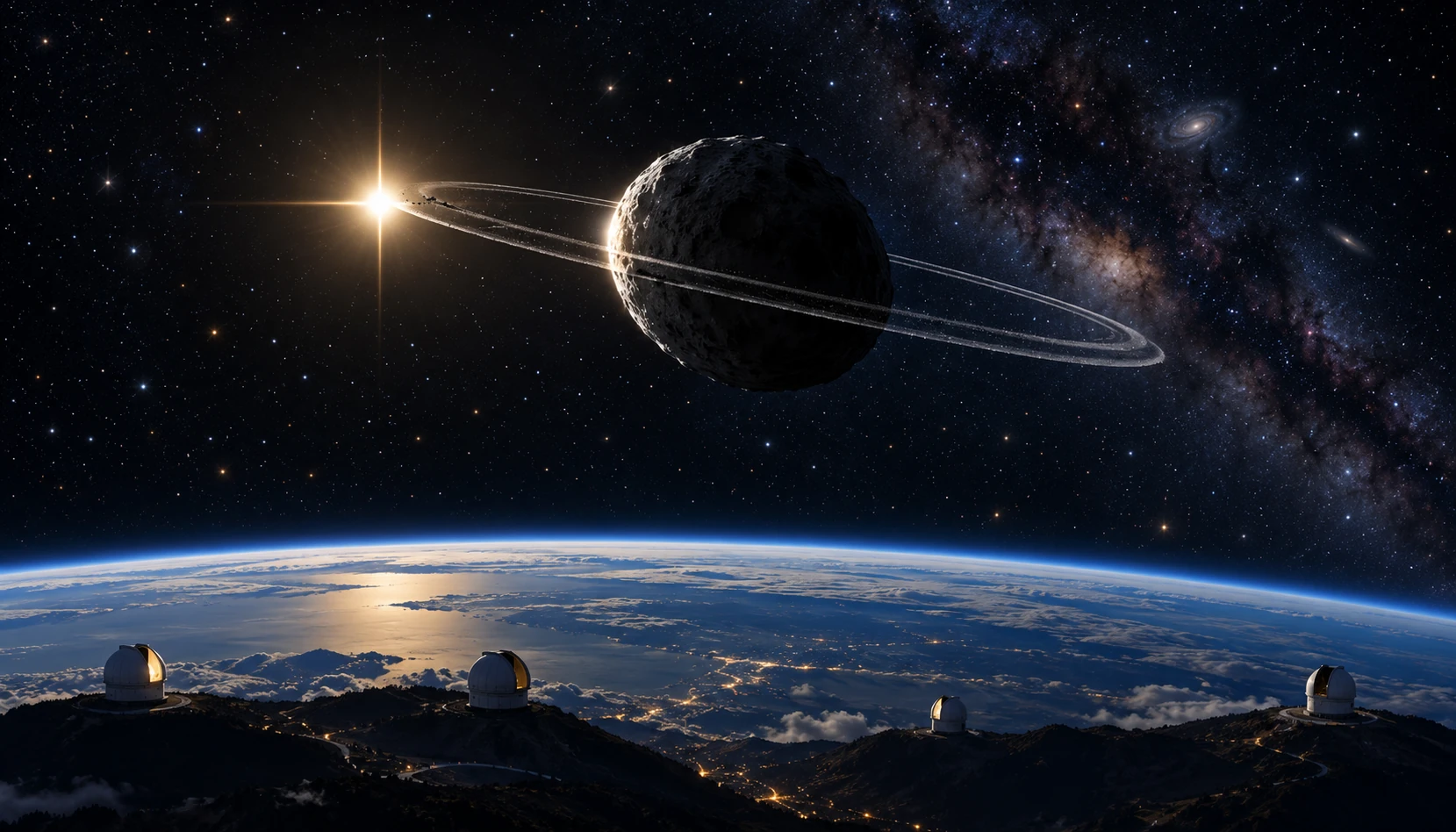
Occultation concept, not a direct image of Chariklo. Object sizes, star separation, and telescope spacing are exaggerated. A star’s brief disappearance can measure a distant body and reveal rings. The timing, chords, and wavelength tell the story.
Read the article →
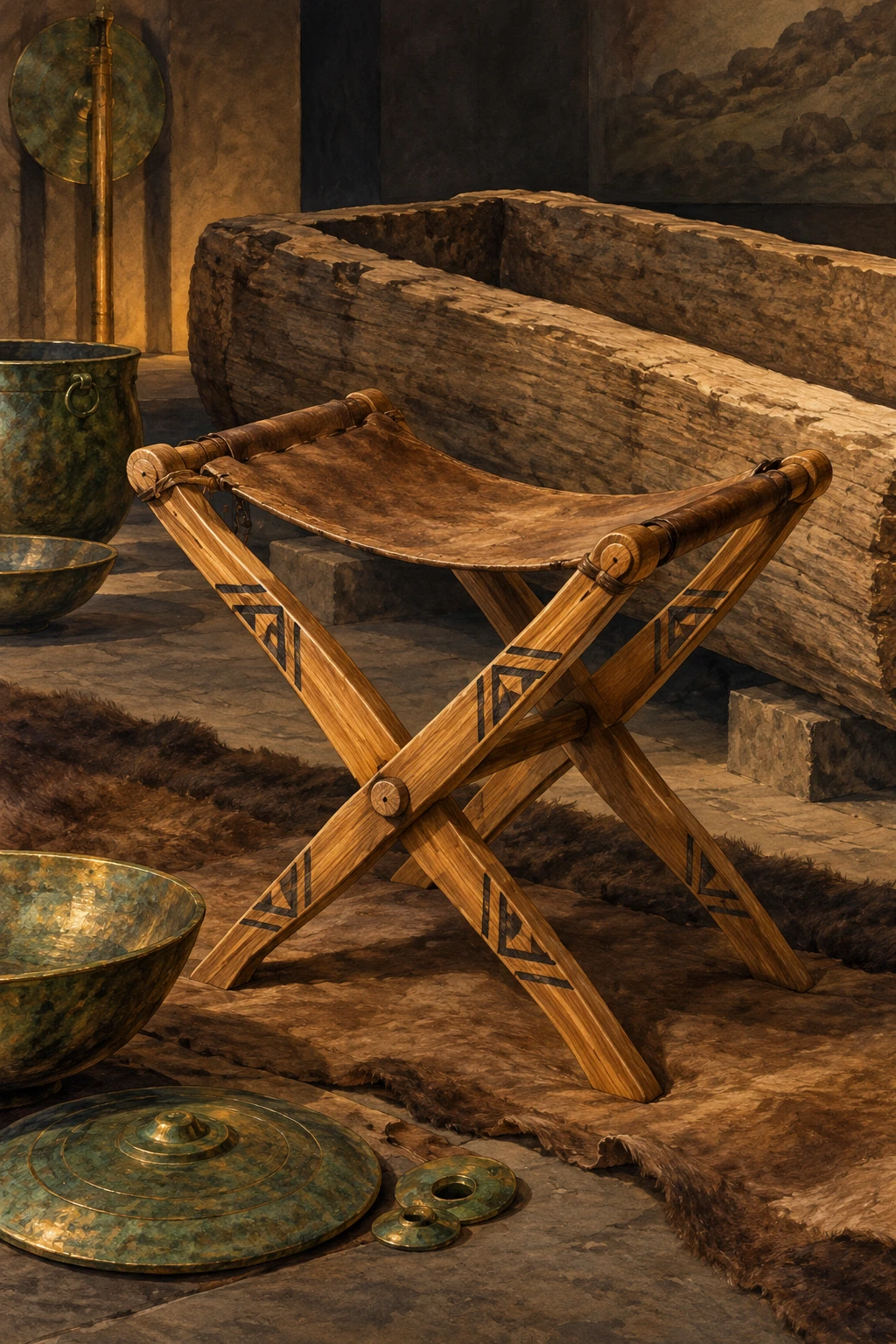
Historical reconstruction; the complete hide seat is conjectural, and no human remains are shown. A rare folding chair links Bronze Age woodworking, portable prestige, and a carefully dated burial.
Read the article →
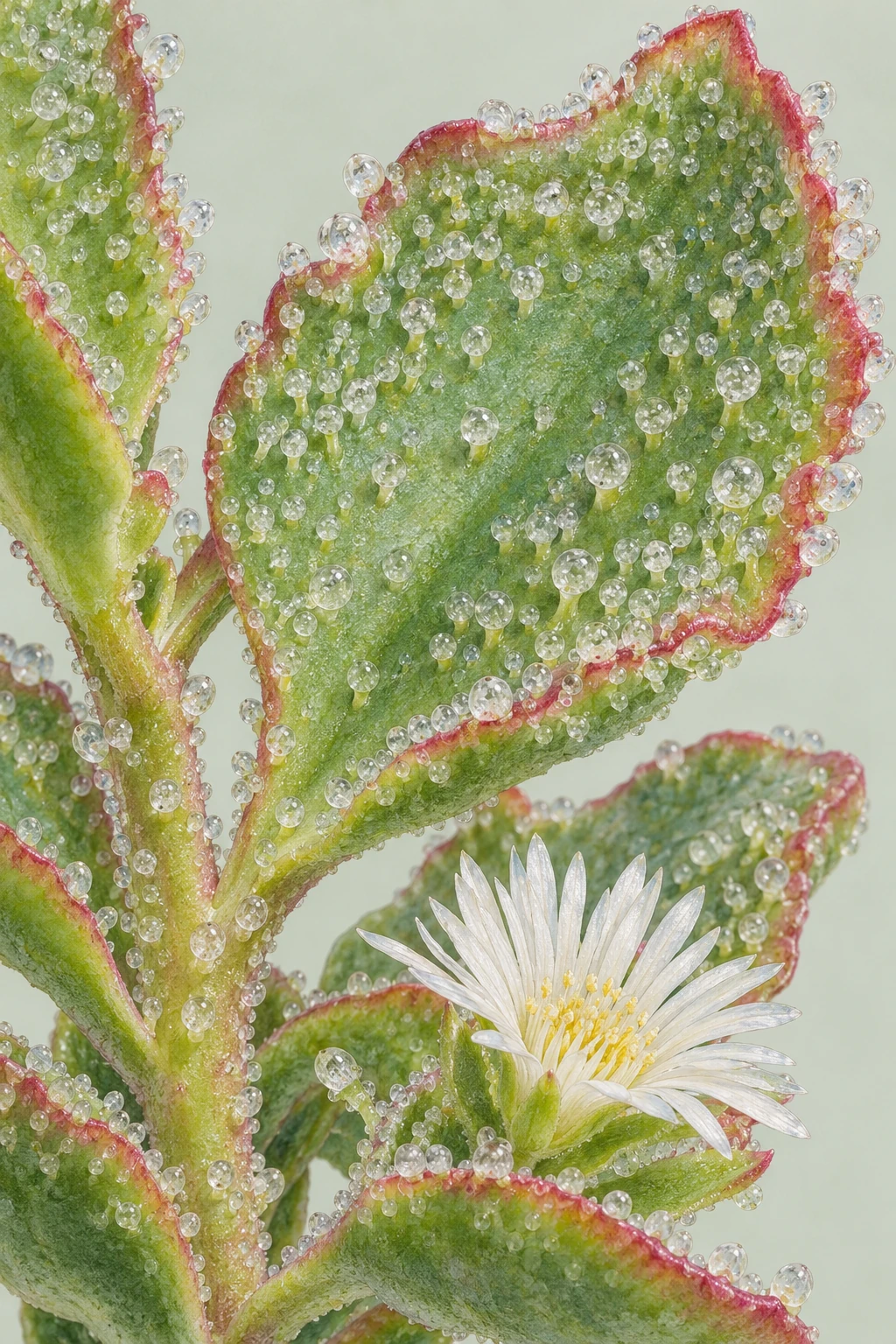
Botanical interpretation of epidermal bladder cells; the sparkling structures are conceptual, not microscopy or salt crystals. Research on iceplant and quinoa separates salt-storage assumptions, herbivore defense, water retention and what experiments actually show.
Read the article →
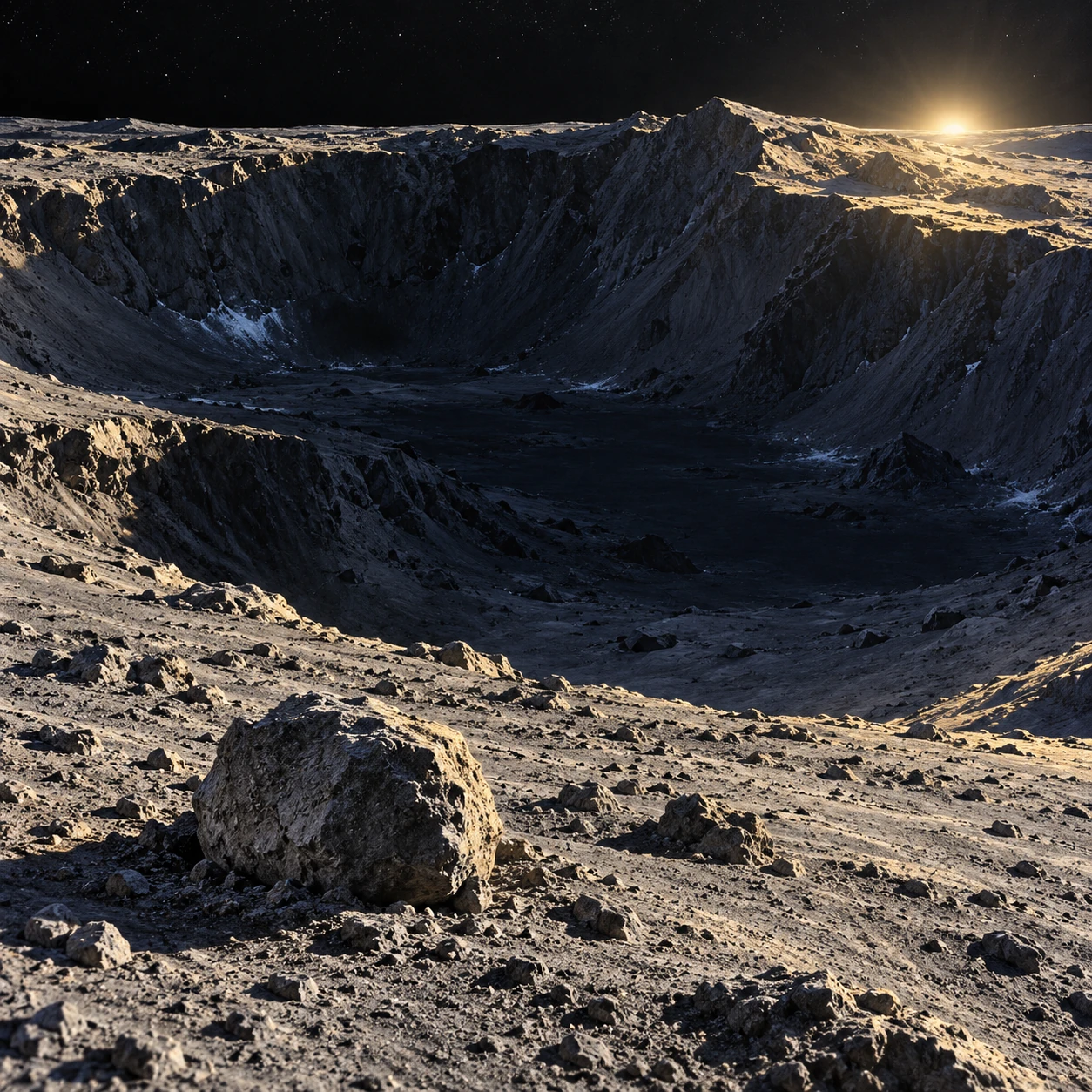
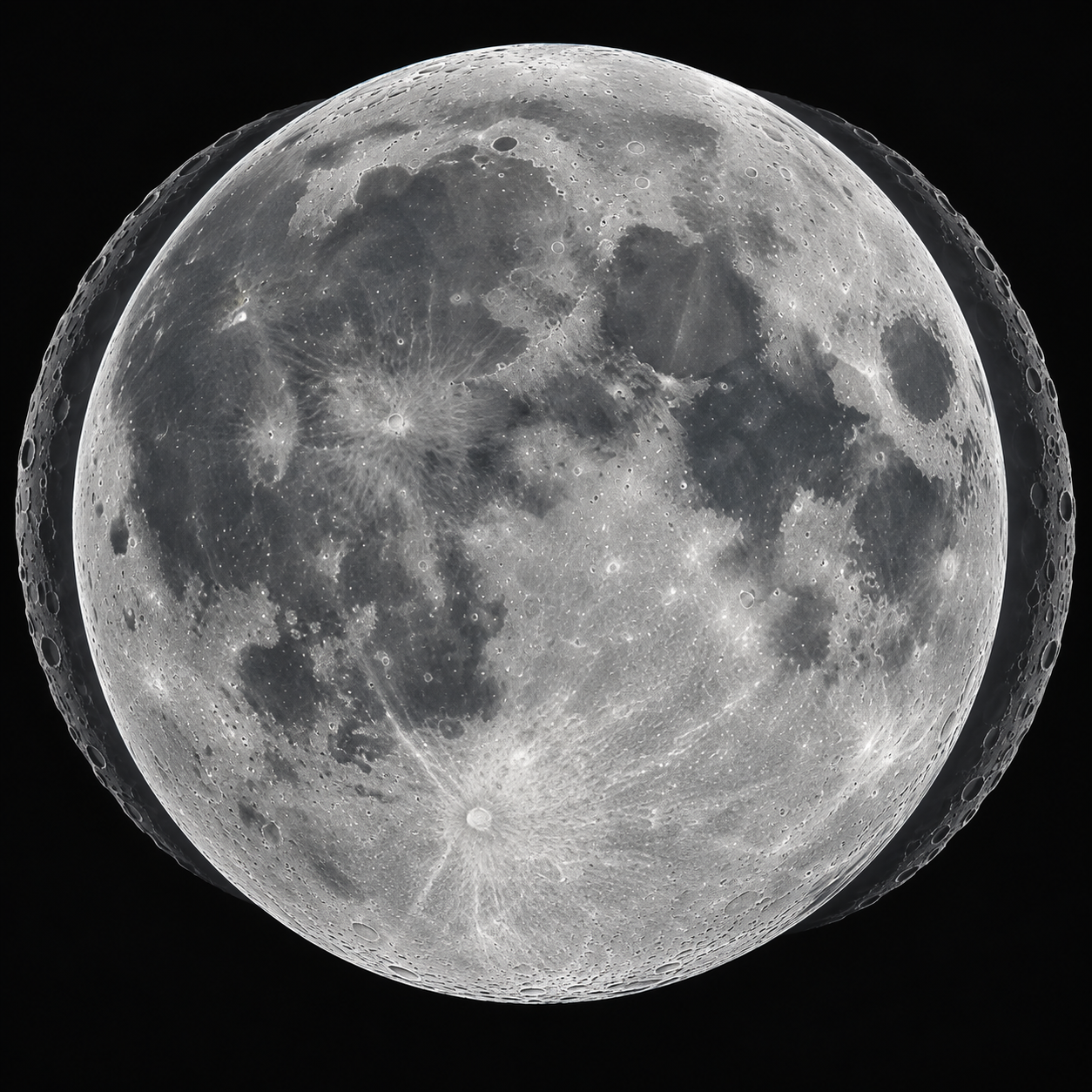
Conceptual lunar terrain, not a spacecraft image. Frost patches illustrate possibilities and do not identify a measured deposit. Lunar shadows differ in temperature and history. Learn why a place suitable for ice is not automatically a measured water deposit.
Read the article →
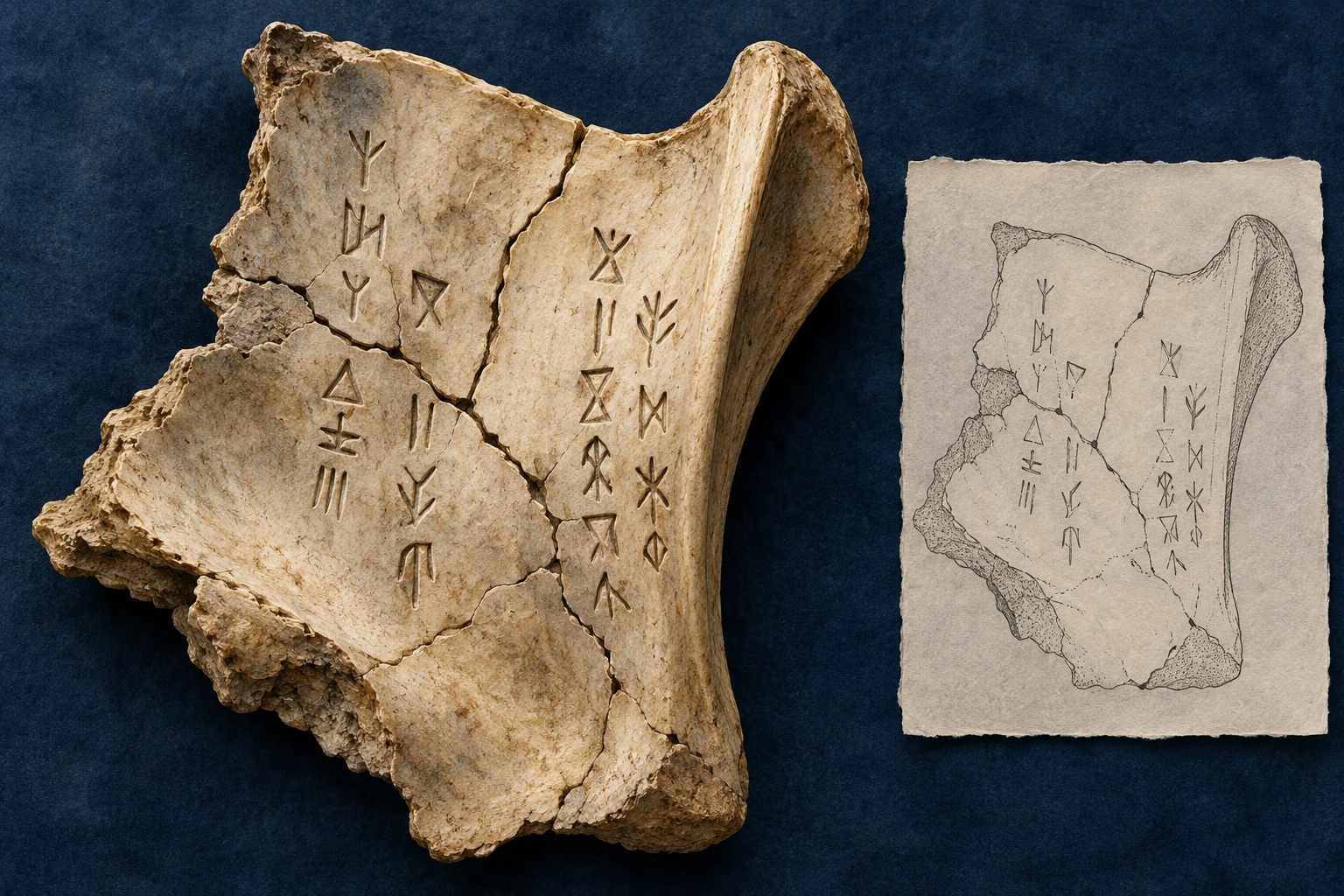
Archaeological concept; the marks are invented and carry no translation. Separate cracks, writing, interpretation, and outcomes when looking at Shang oracle bones.
Read the article →
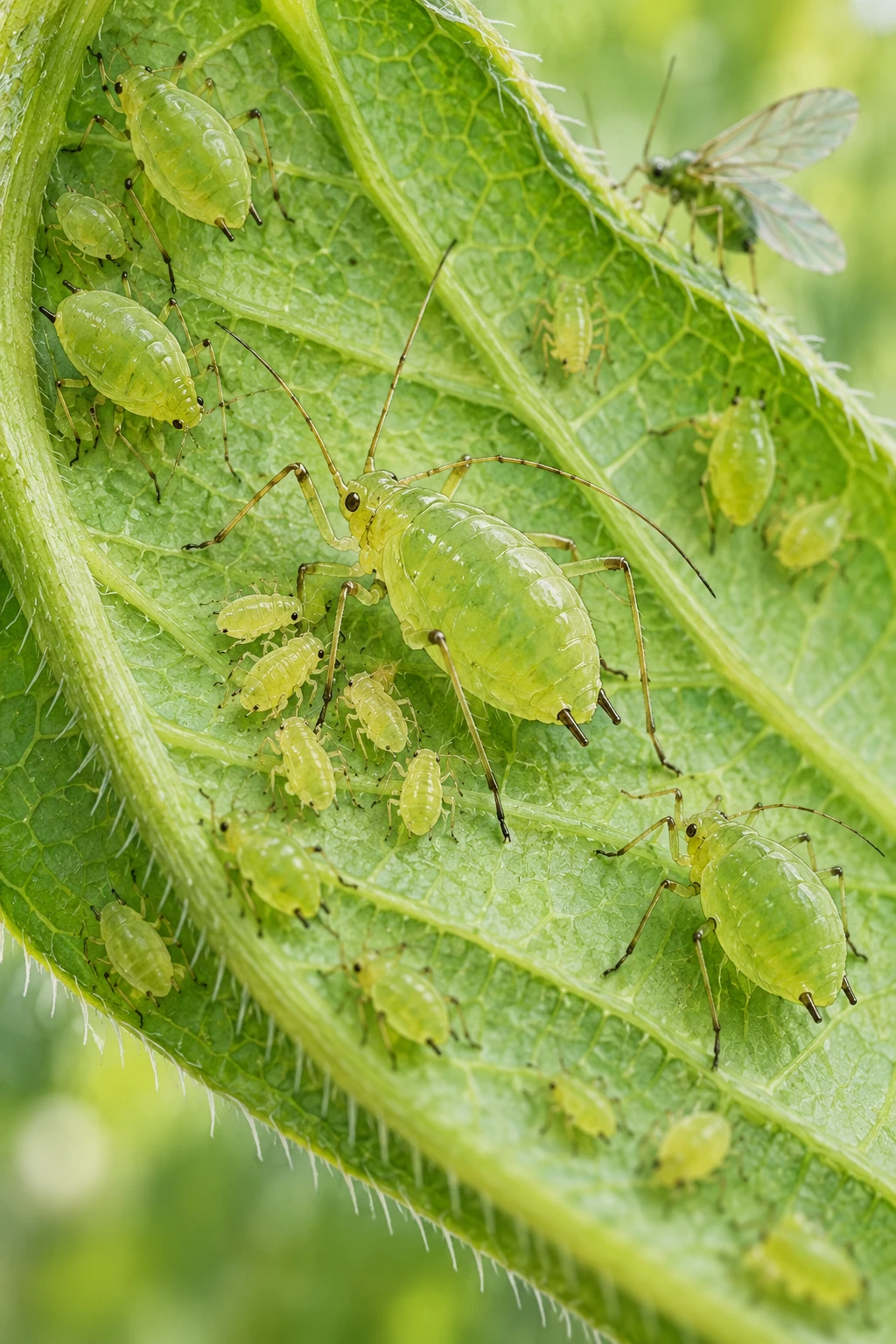
Conceptual aphid colony; visible sizes illustrate overlapping ages, not a census or an anatomical view of embryos. Telescoping generations connect rapid reproduction with maternal environments, developmental switches and careful experimental design.
Read the article →
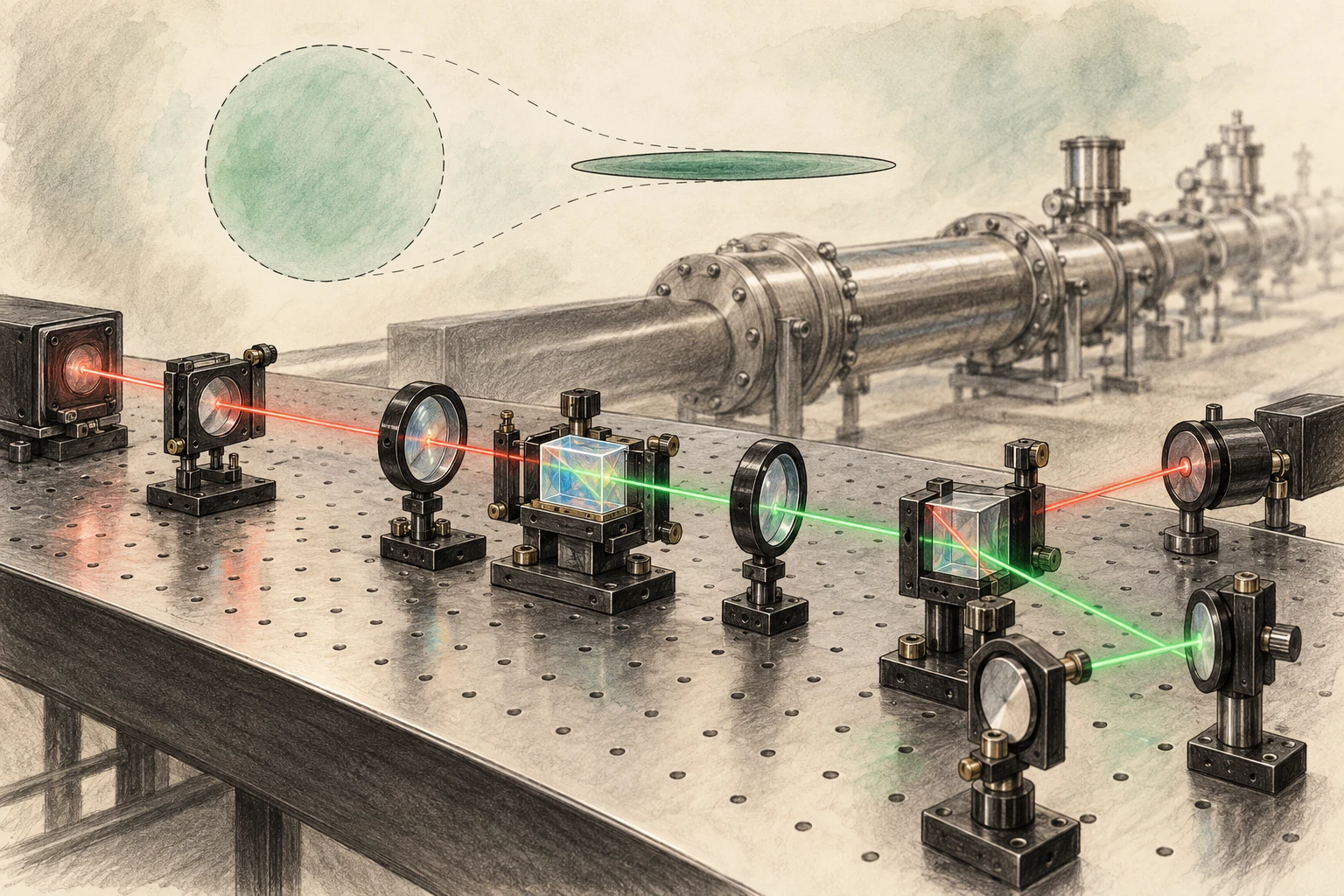
Conceptual quantum-optics artwork, not a photograph or exact LIGO optical layout. The ellipse visualizes uncertainty qualitatively. LIGO improves its cosmic ruler by rotating quantum uncertainty across frequencies, reducing noise while preserving the uncertainty trade.
Read the article →
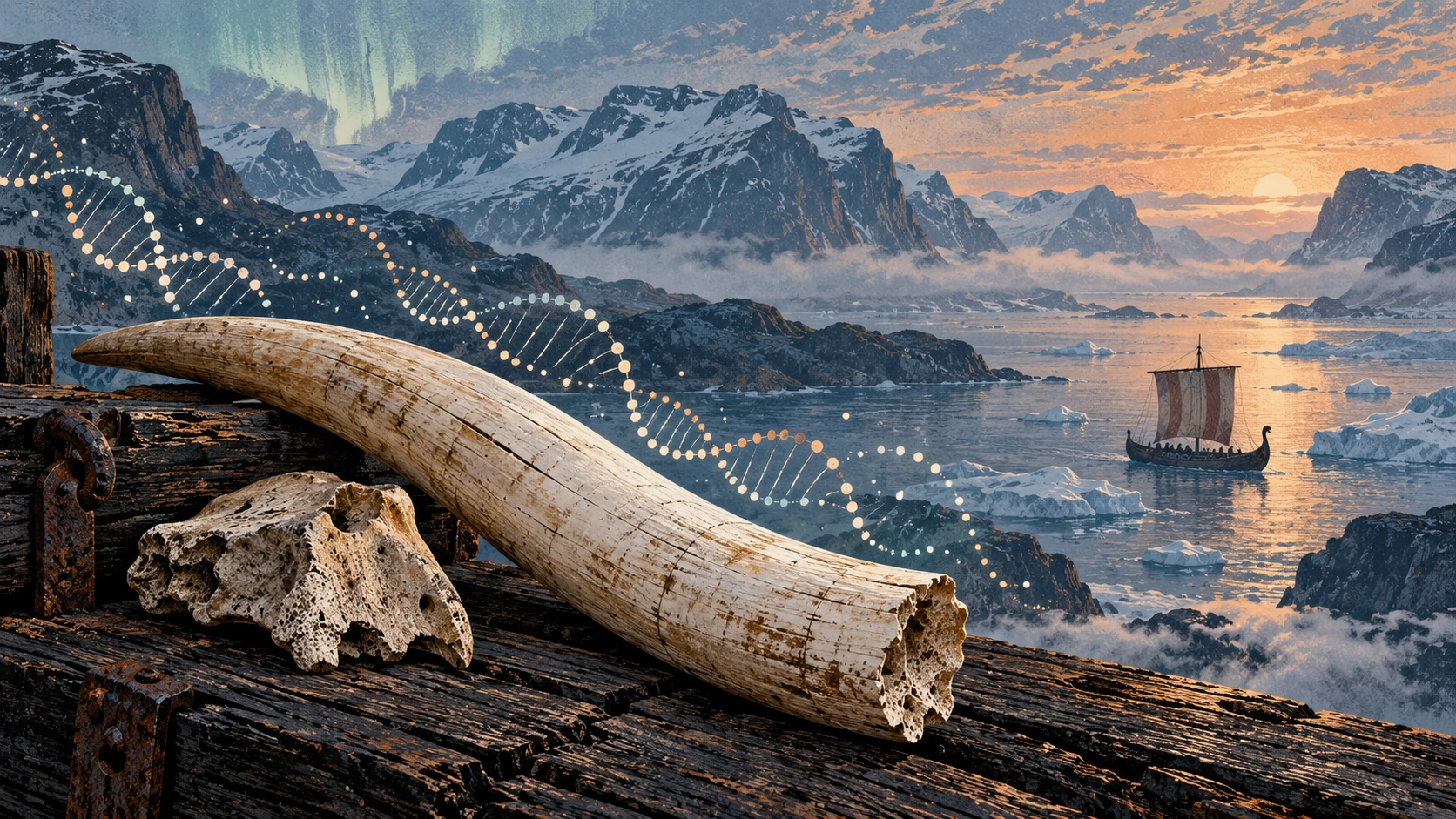
Historical concept; the vessel and molecular motifs do not document a specific route or DNA sequence. Ancient walrus DNA reveals changing ivory supplies while leaving room for the people and routes still unknown.
Read the article →
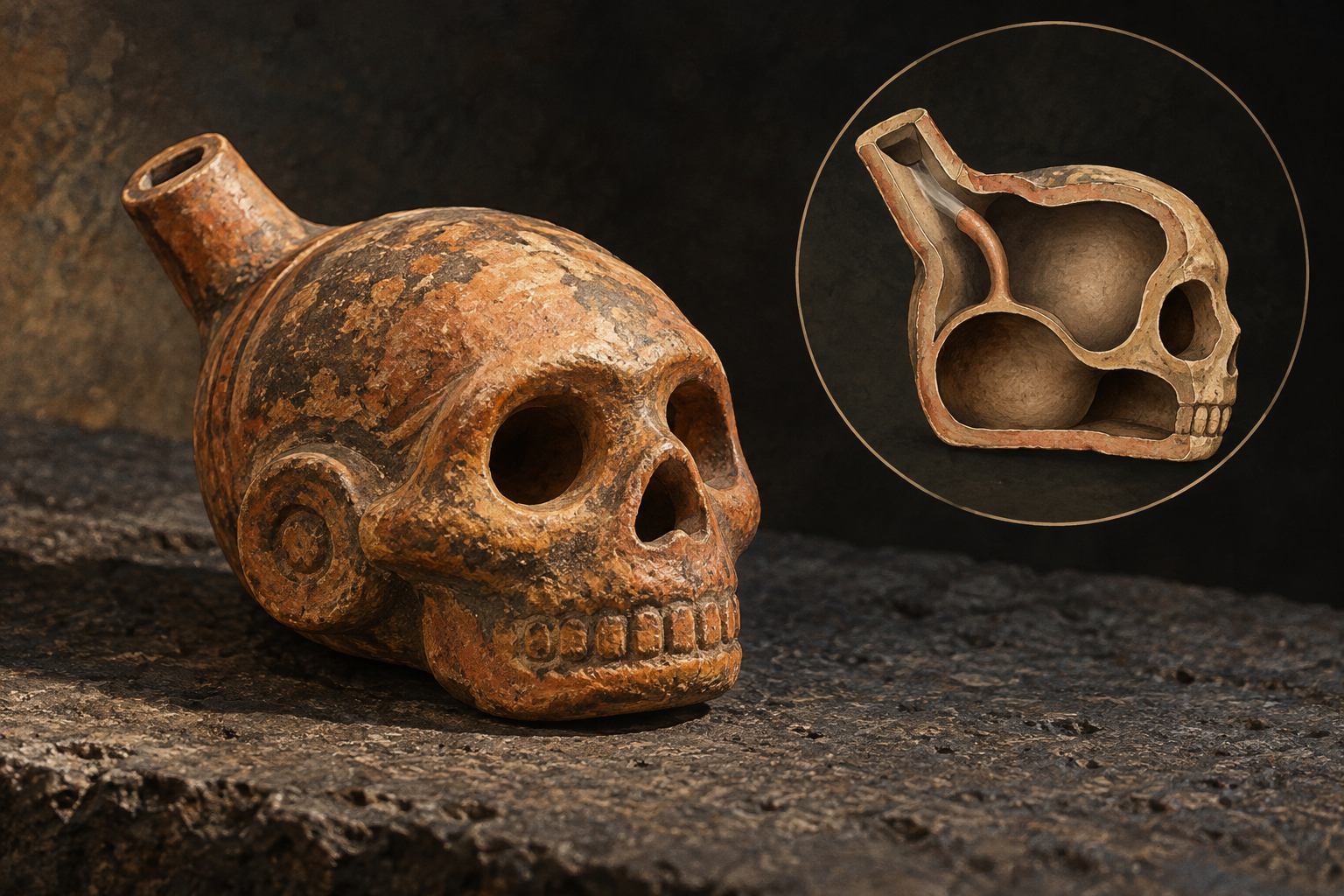
An artistic interpretation of a skull whistle and conceptual chamber cutaway, rather than an exact artifact reconstruction. Read the article →
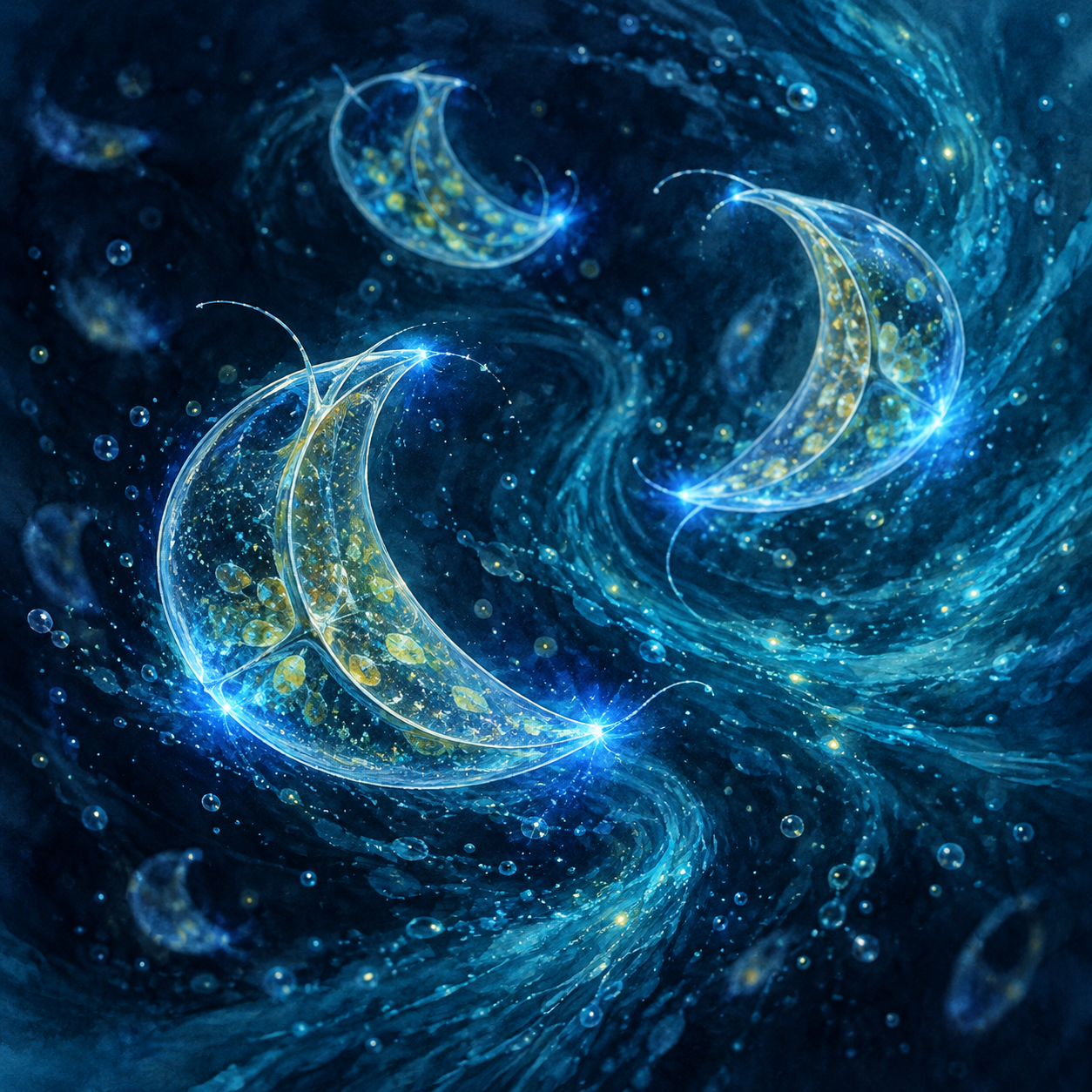
Crescent-shaped dinoflagellates and blue flashes, shown at an artistic enlarged scale. Read the article →
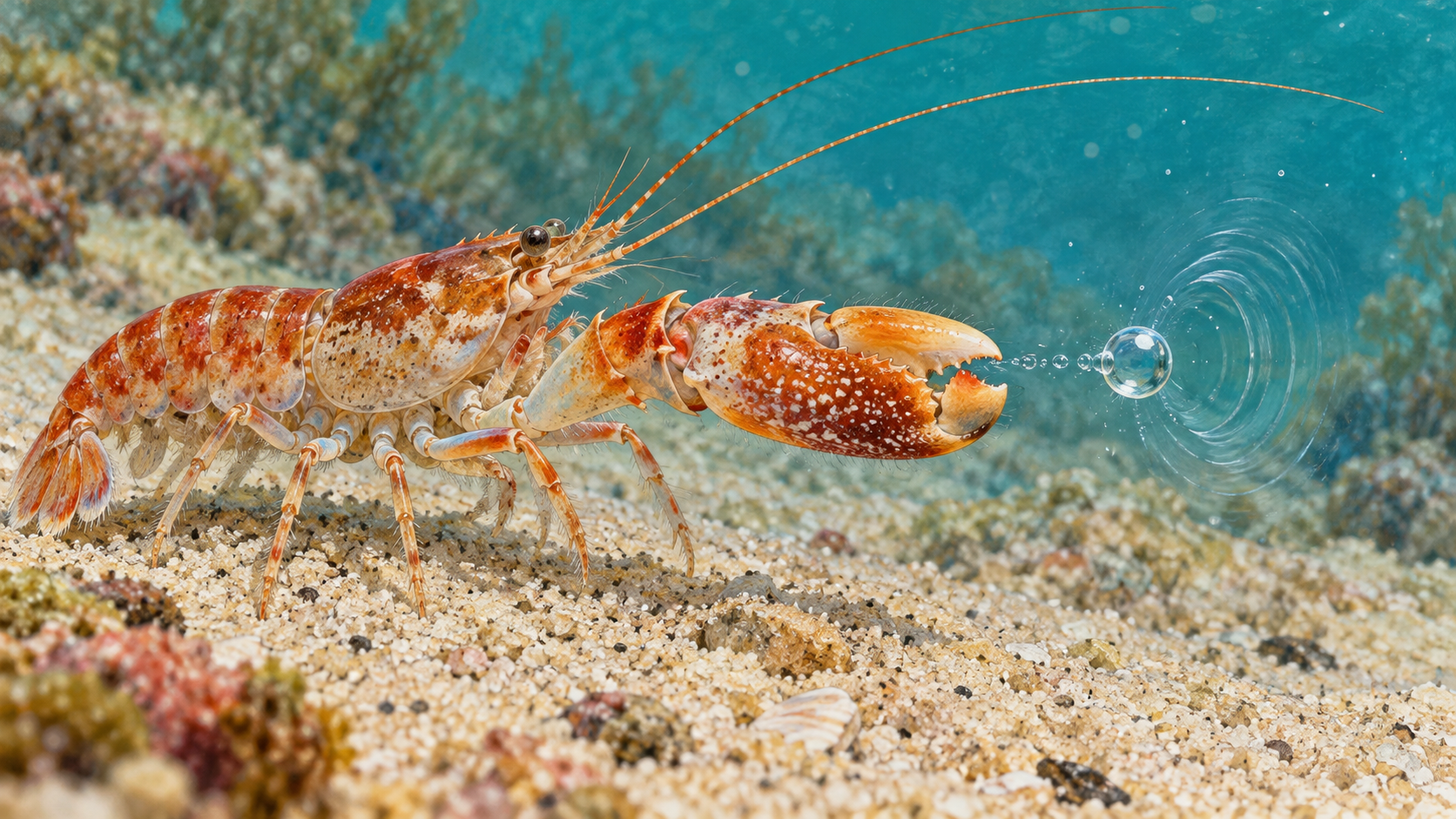
A snapping shrimp and its cavitation bubble, enlarged to make the sequence visible. Read the article →
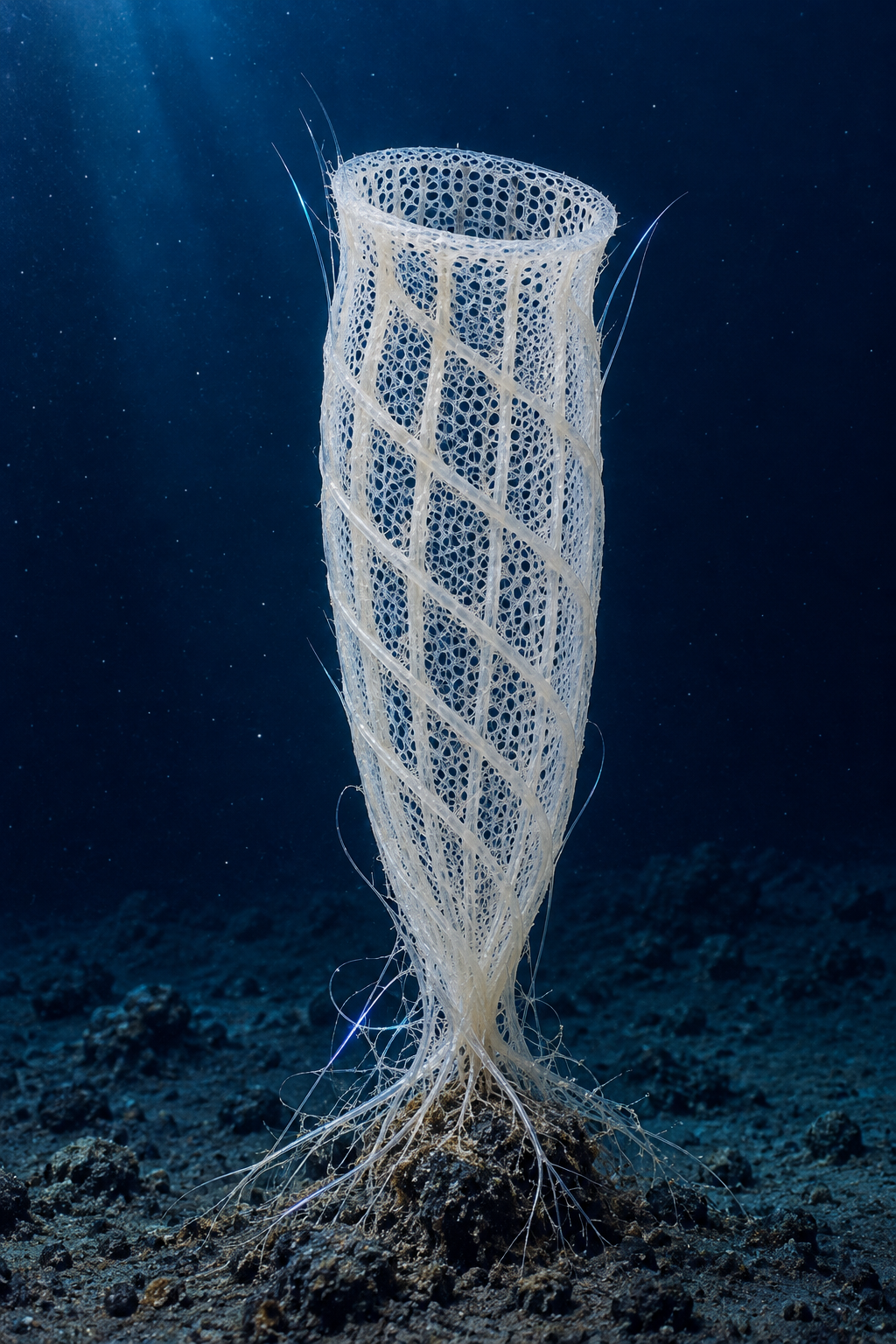
The glass lattice of a Venus' flower basket, with light emphasized artistically; the sponge is not shown as bioluminescent. Read the article →
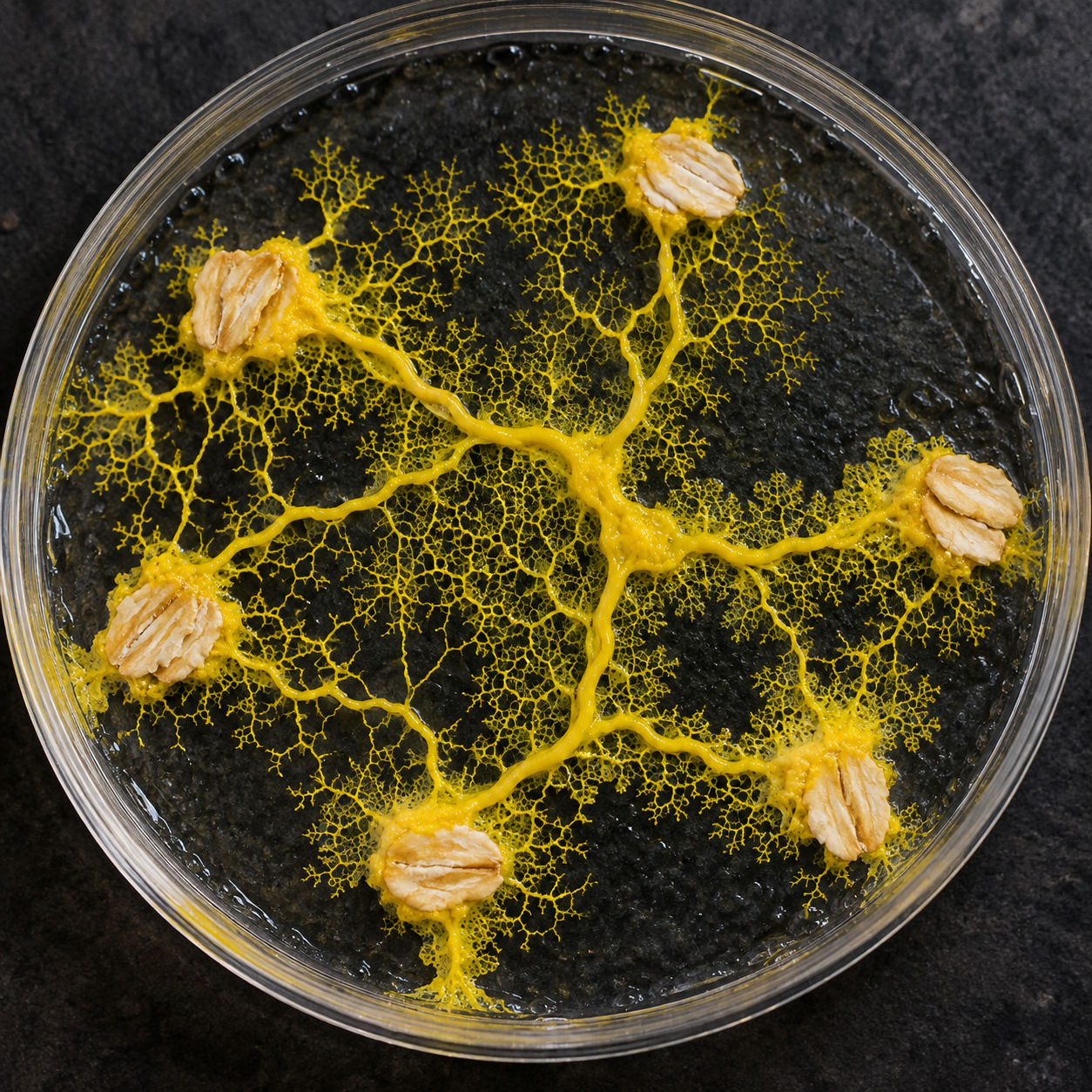
A conceptual feeding network of Physarum connecting oat flakes; this is not an image of the Tokyo experiment. Read the article →
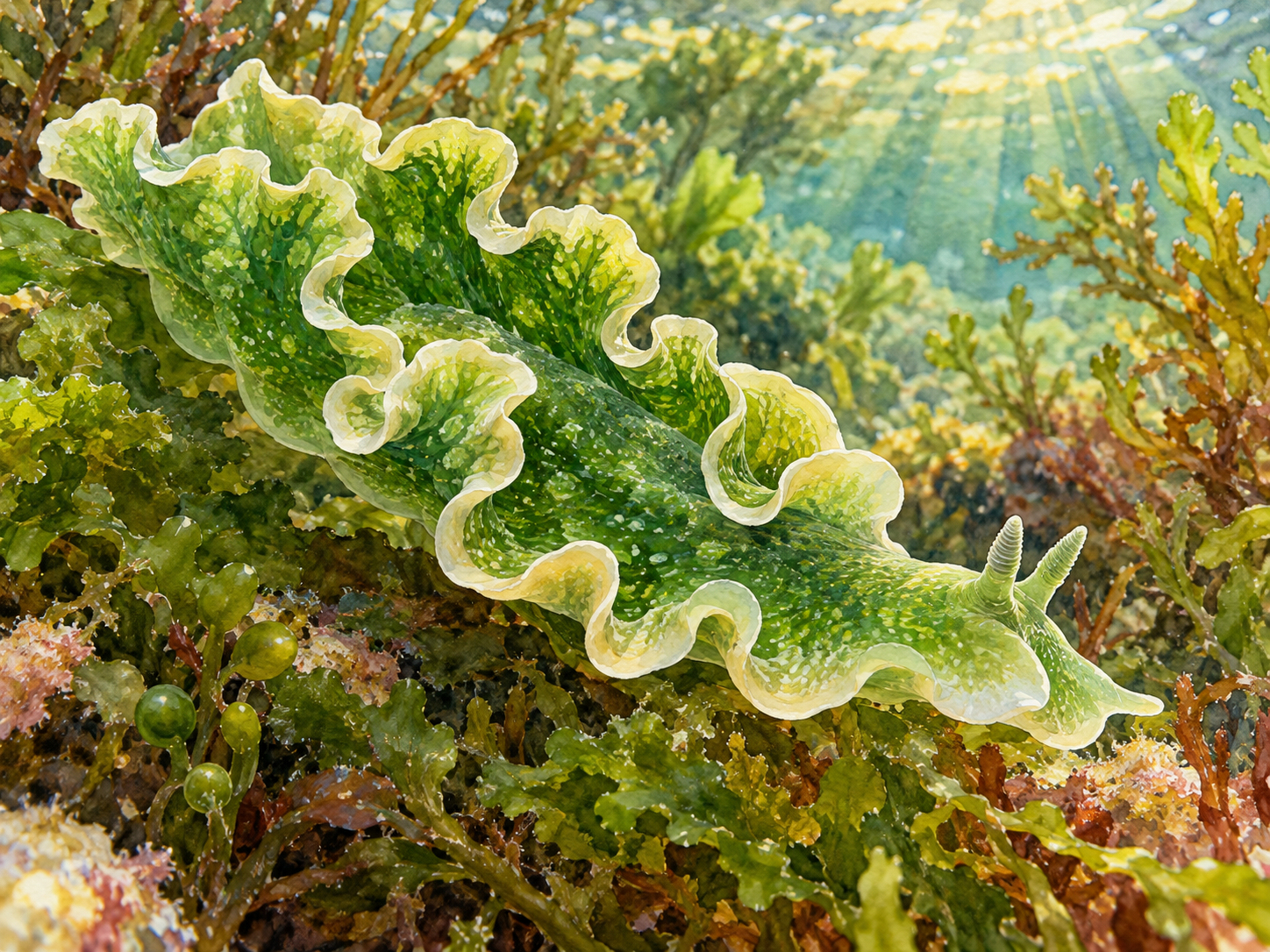
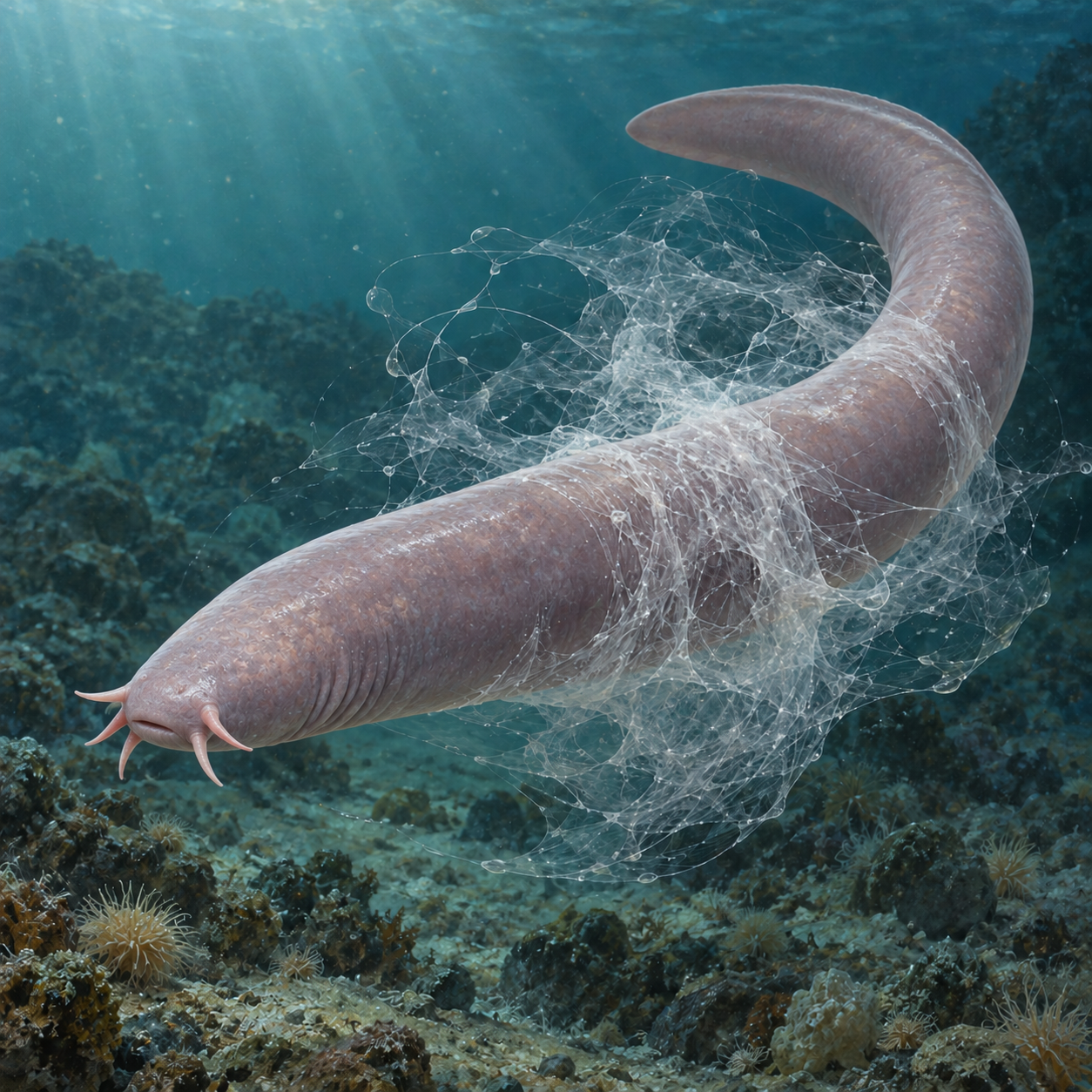
A lettuce sea slug among algae, illustrating the animals associated with kleptoplasty. Read the article →
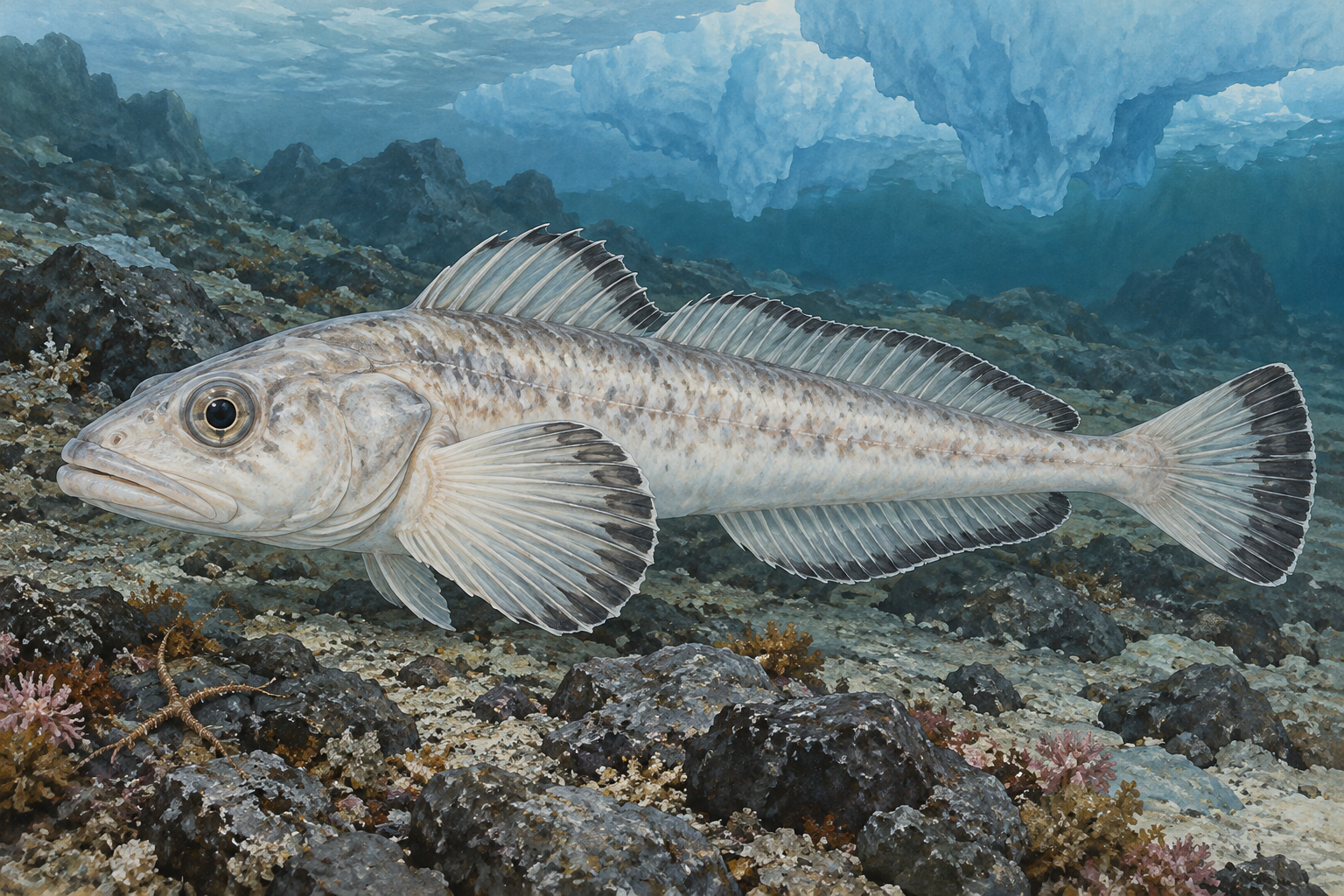
An artistic Antarctic icefish in its cold marine setting; its pale blood is a physiological feature described in the article. Read the article →
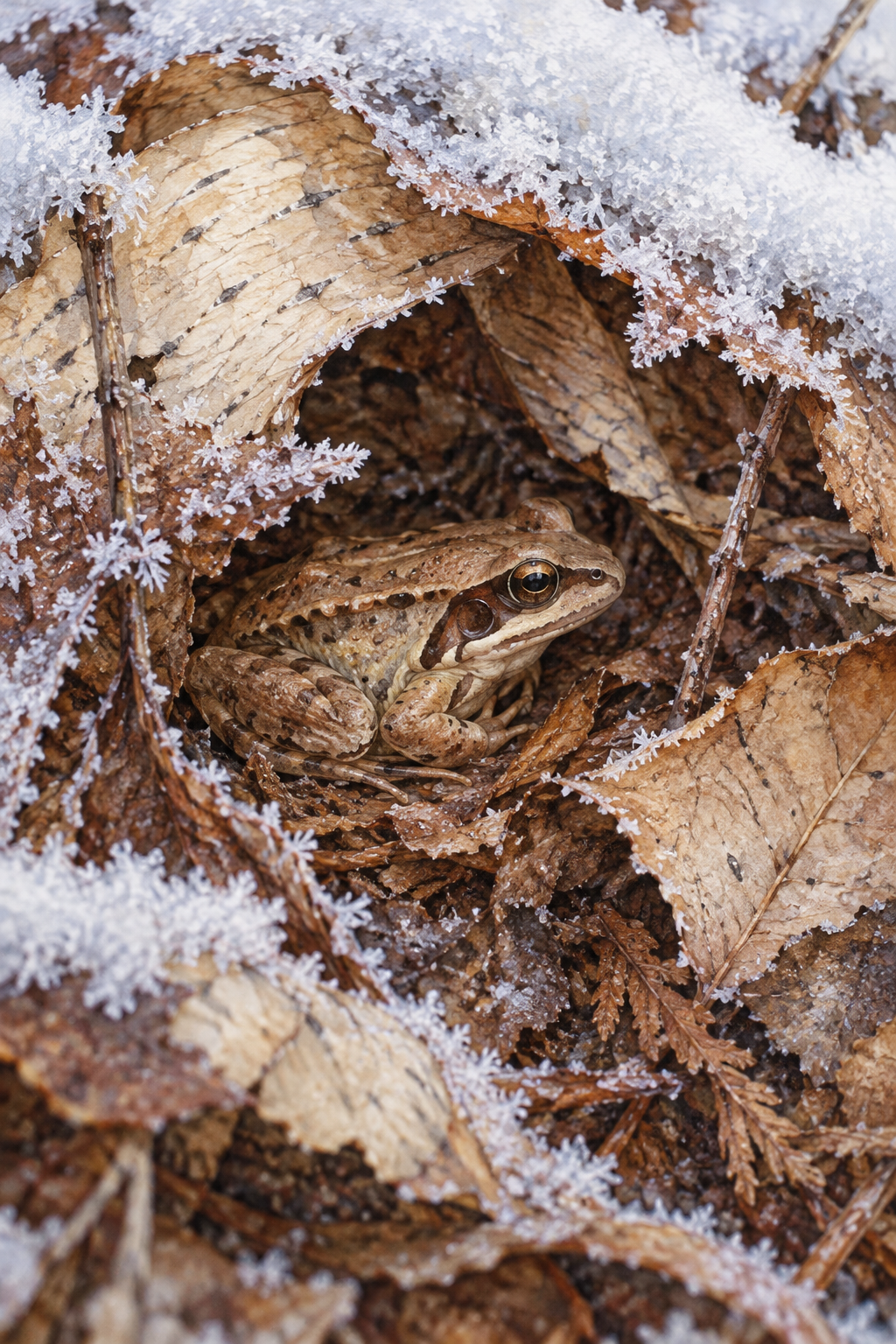
A wood frog in a sheltered winter microhabitat; the scene illustrates its setting rather than documenting a measured frozen animal. Read the article →
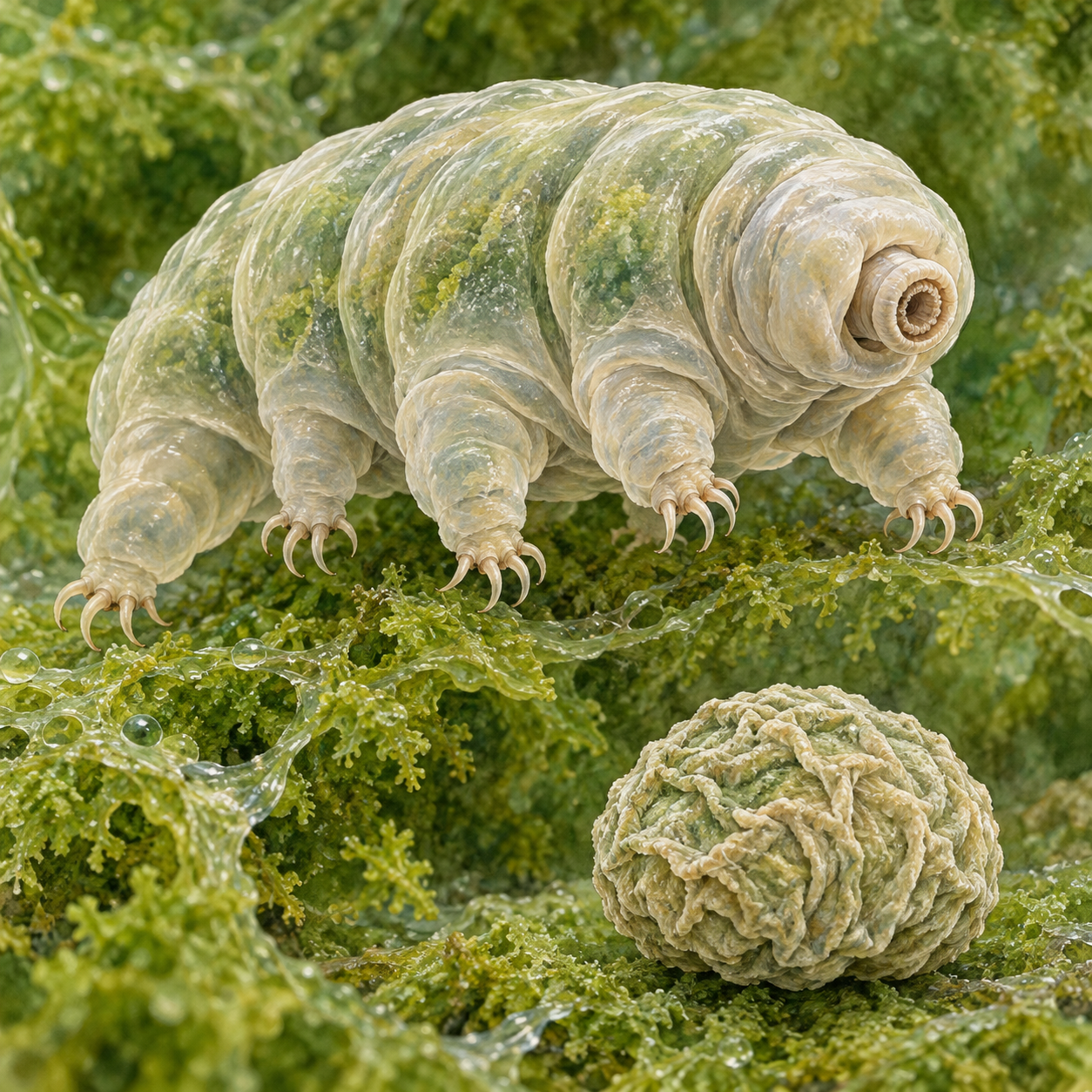
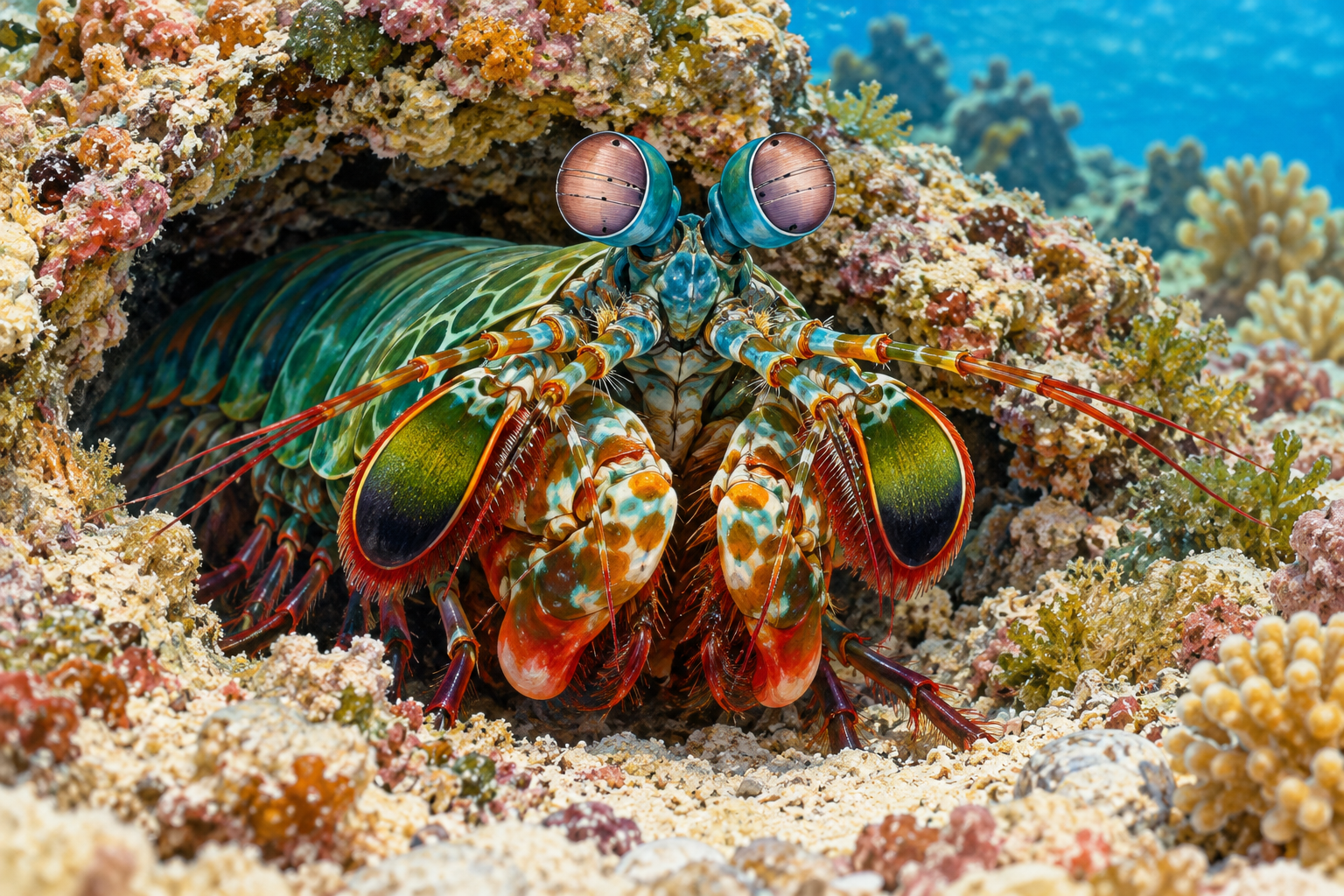
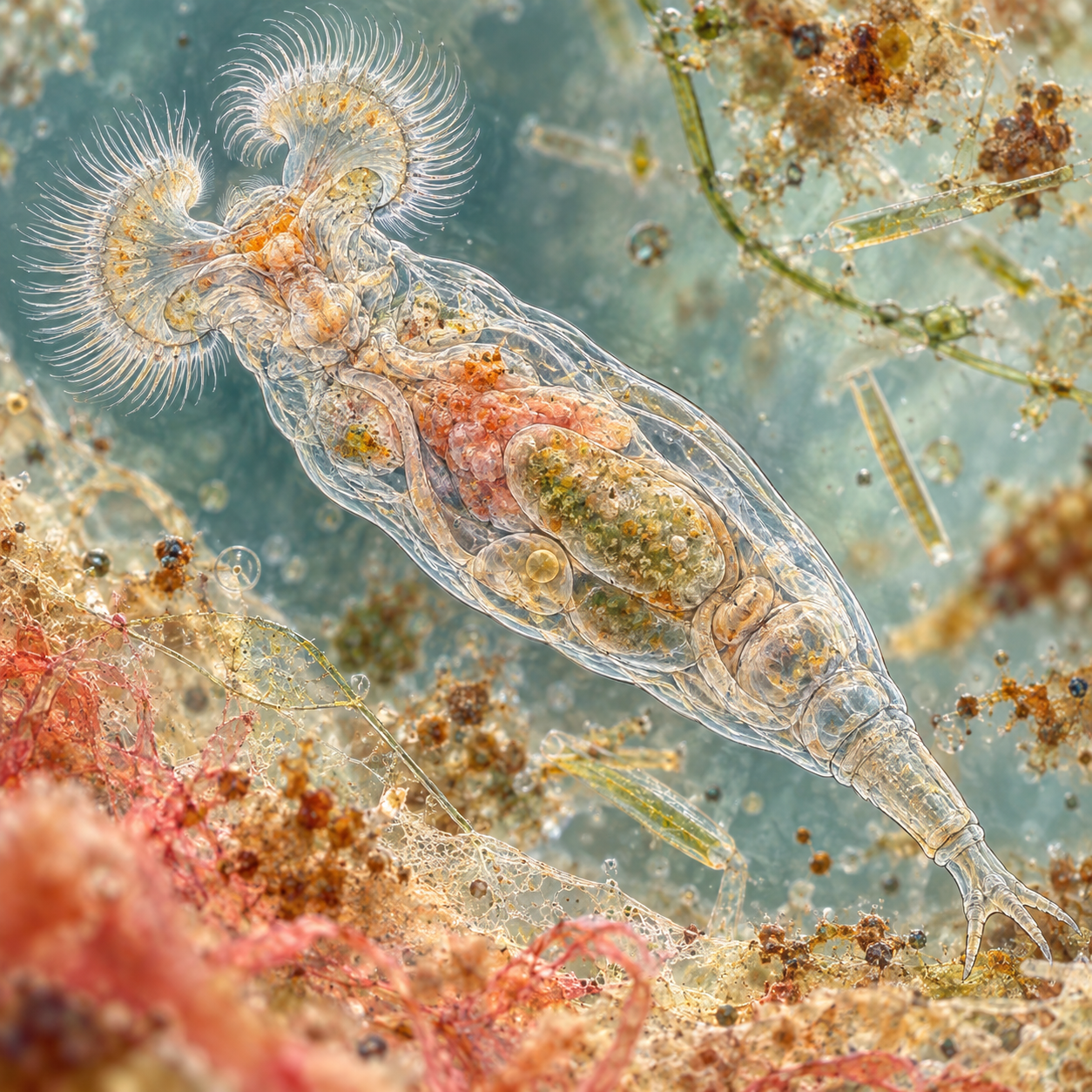
An artistic comparison of an active tardigrade and a contracted tun; the sizes and setting are illustrative. Read the article →
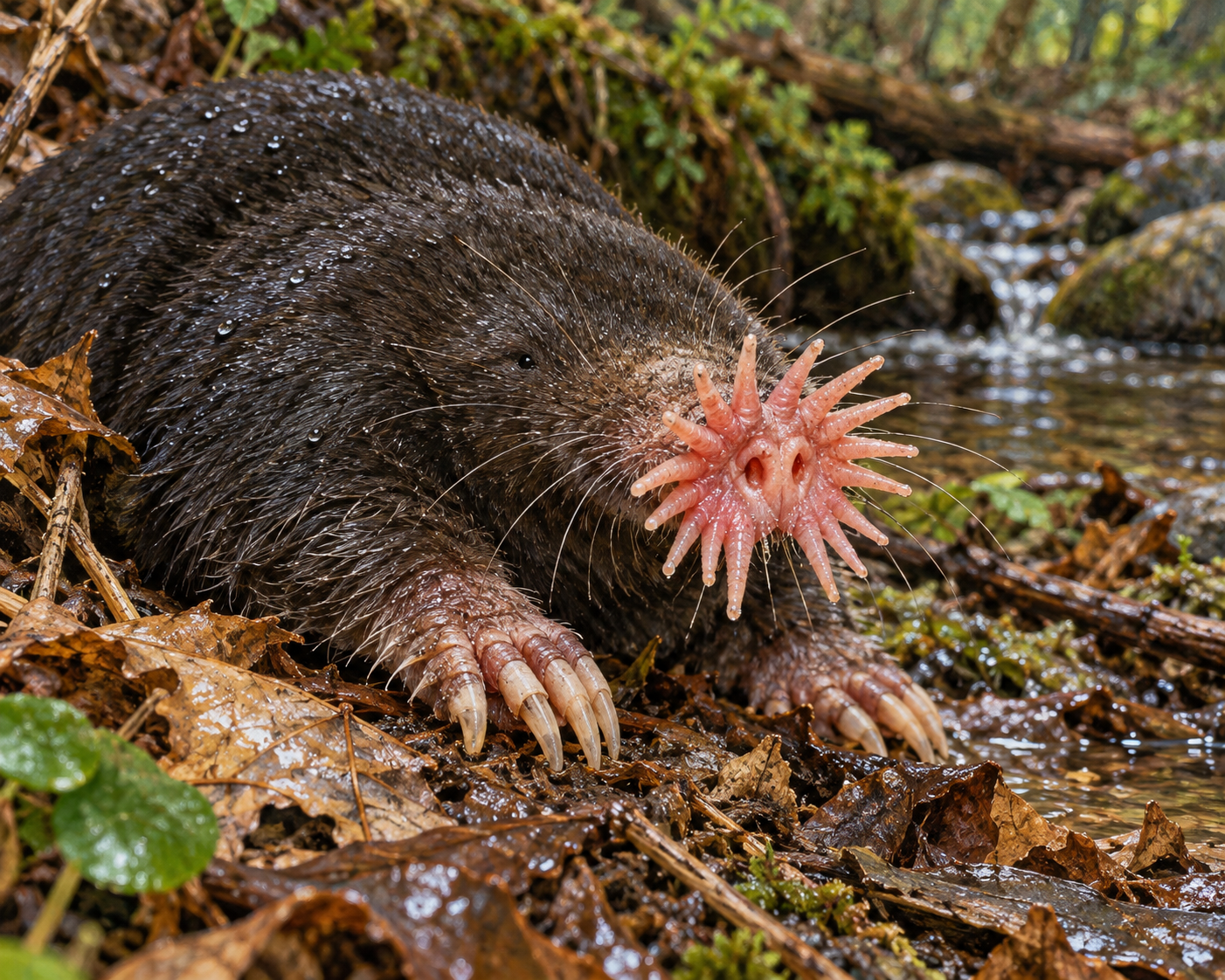
The distinctive face and digging paws of a star-nosed mole, shown artistically. Read the article →
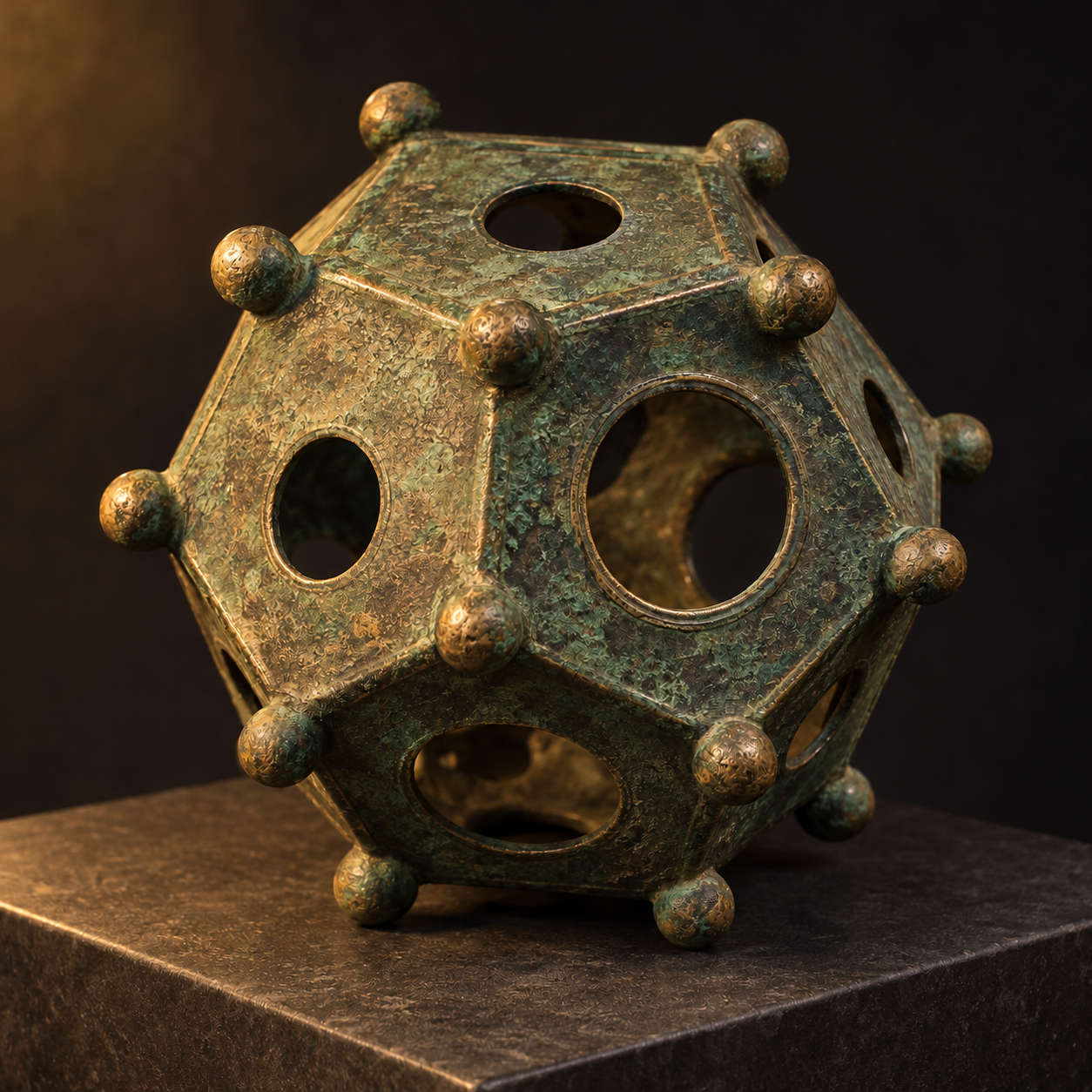
An interpretation of the Roman dodecahedron's distinctive form. Read the article →
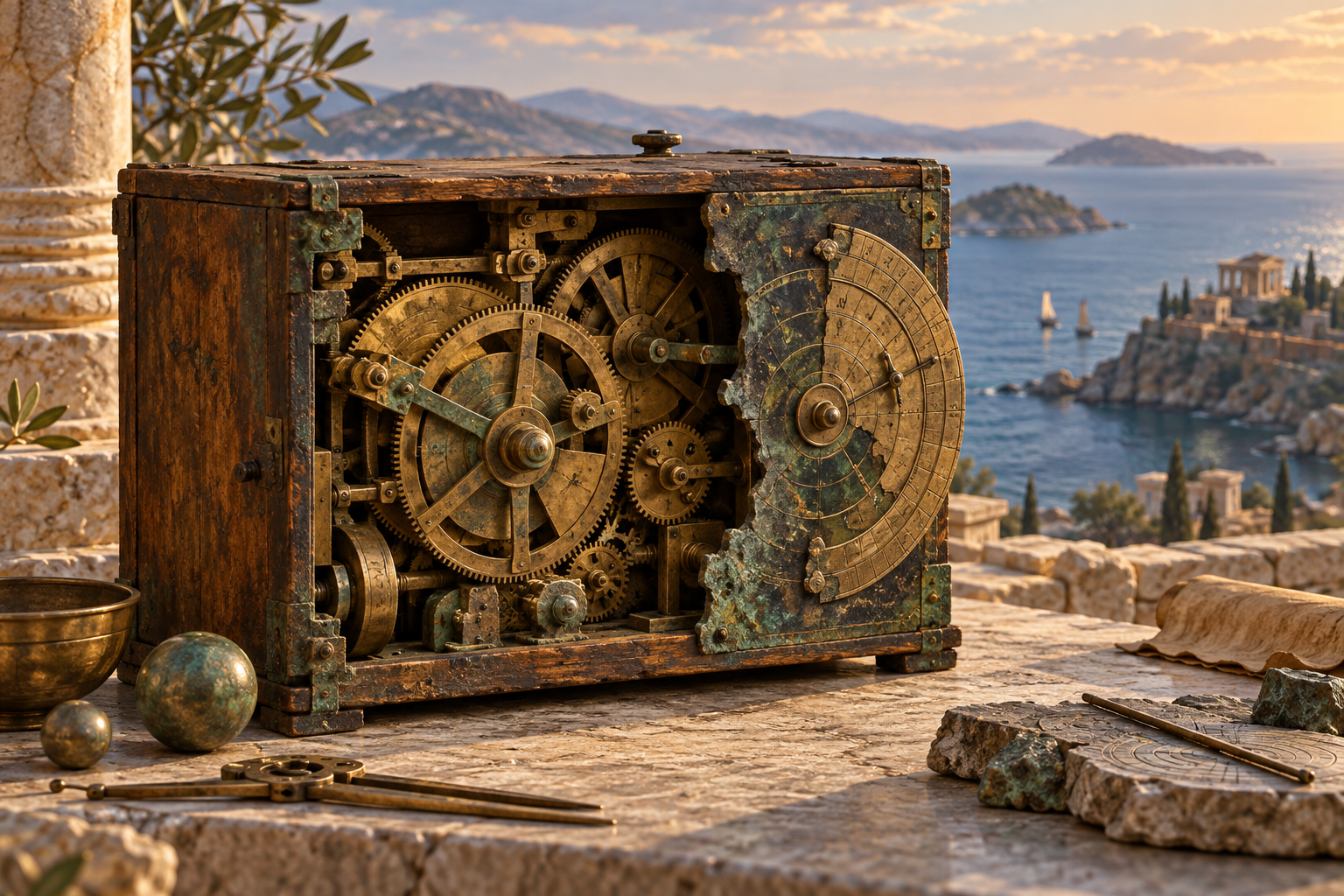
A visual interpretation of ancient astronomical machinery, rather than an exact reconstruction. Read the article →
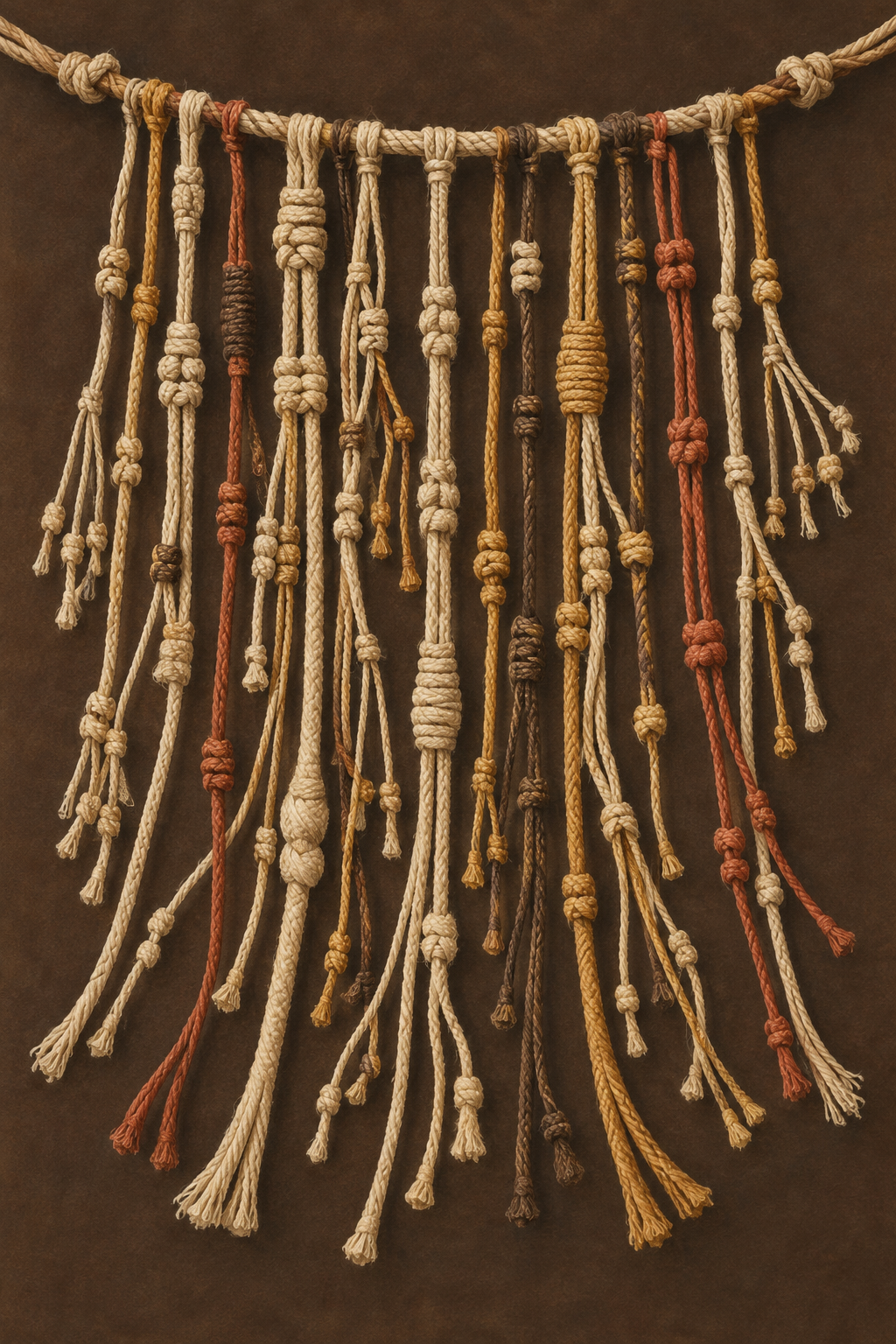
An interpretation of khipu cordwork, not a transcription of a particular record. Read the article →
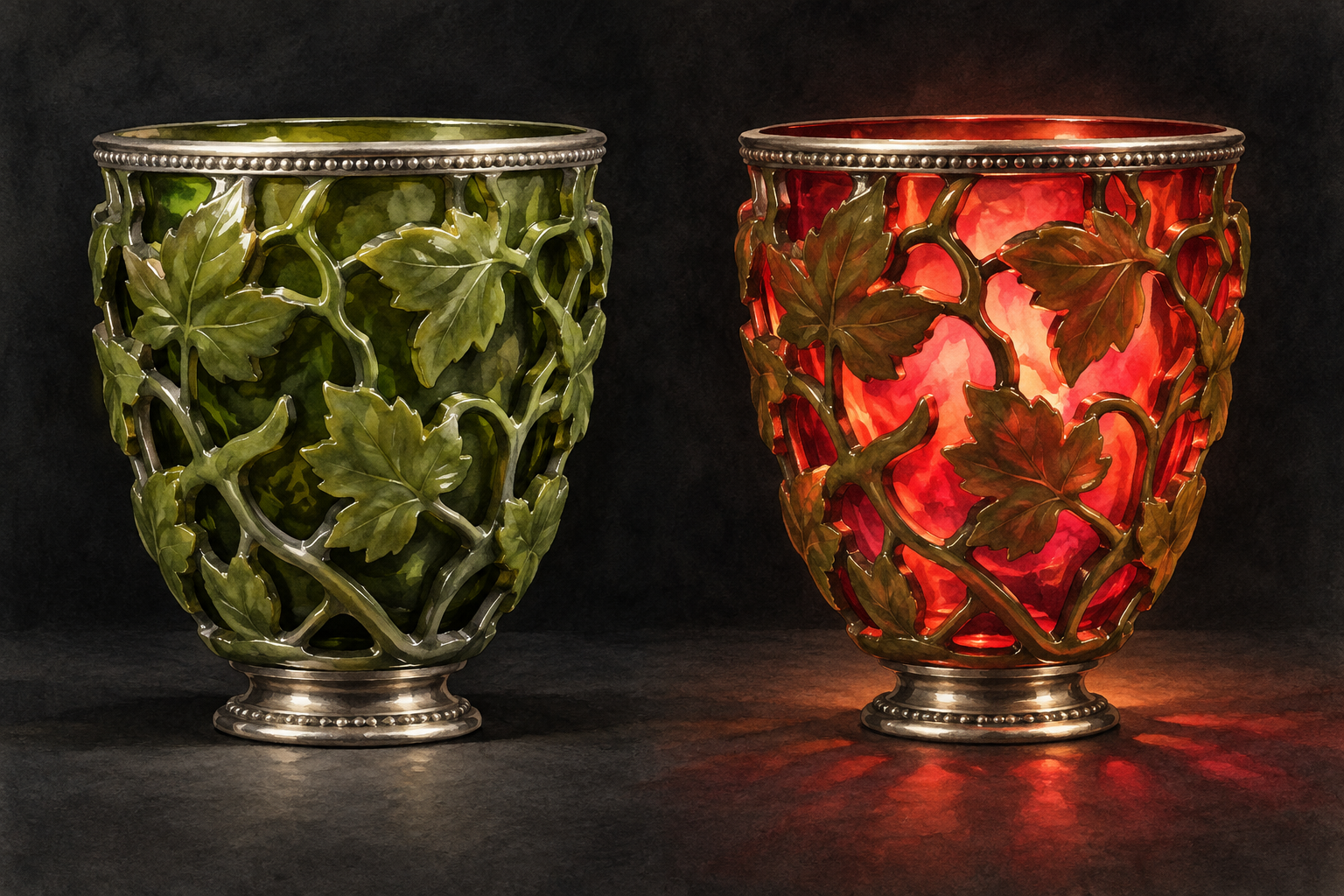
A simplified comparison inspired by the cup's optical effect; decoration is interpretive. Read the article →
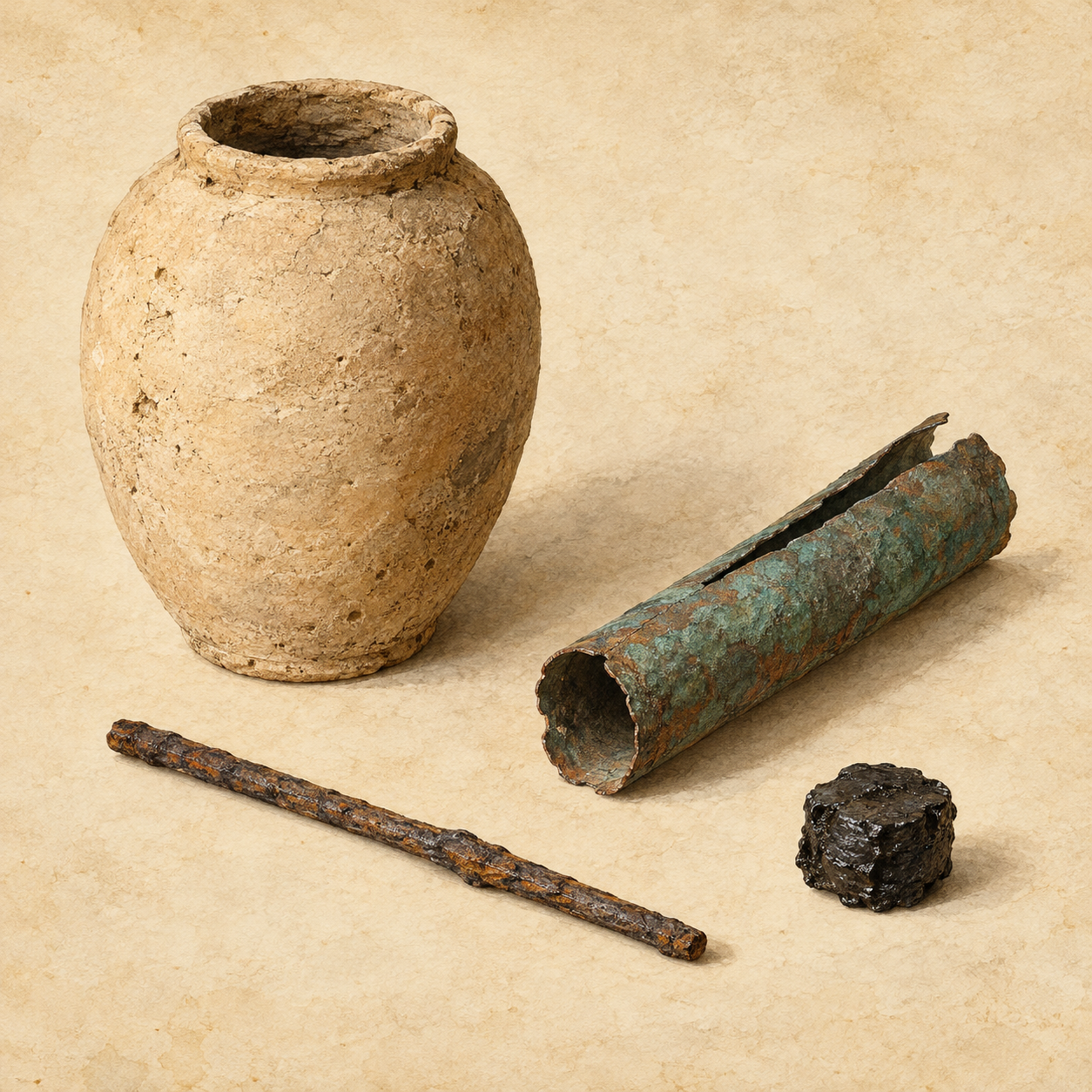
A study inspired by the reported components, with no electrical use assumed. Read the article →
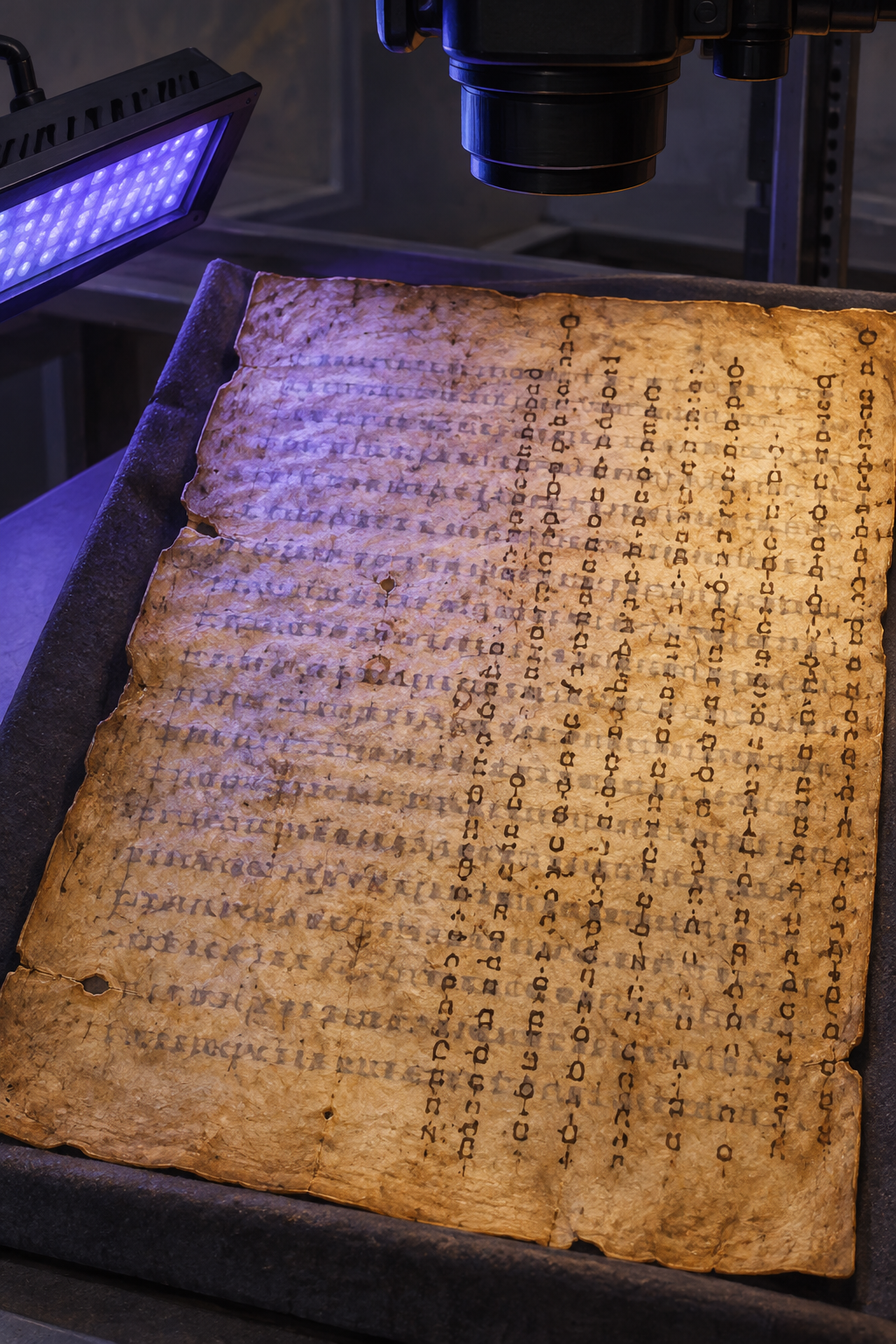
A conceptual conservation scene; the manuscript marks do not transcribe a real text. Read the article →
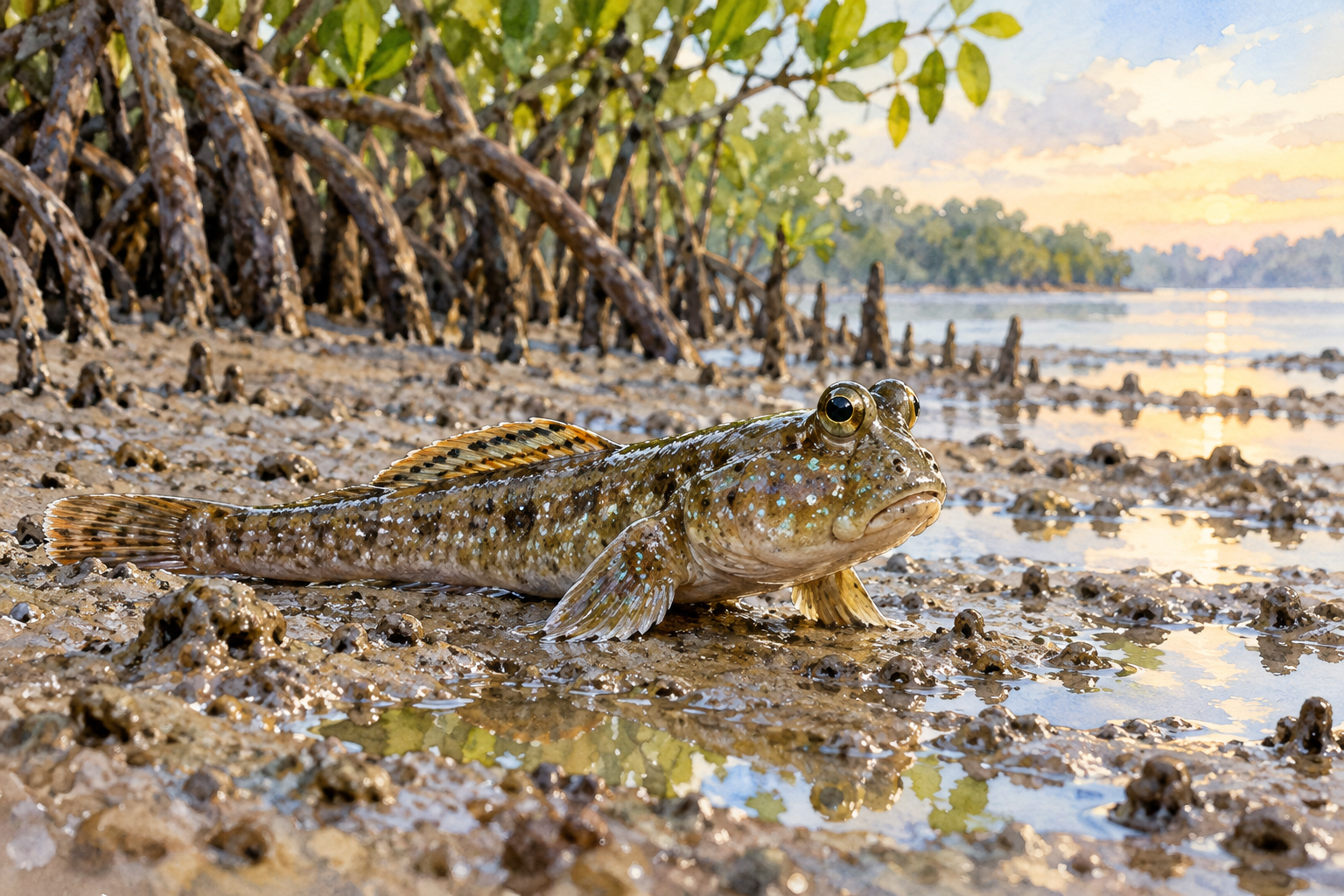
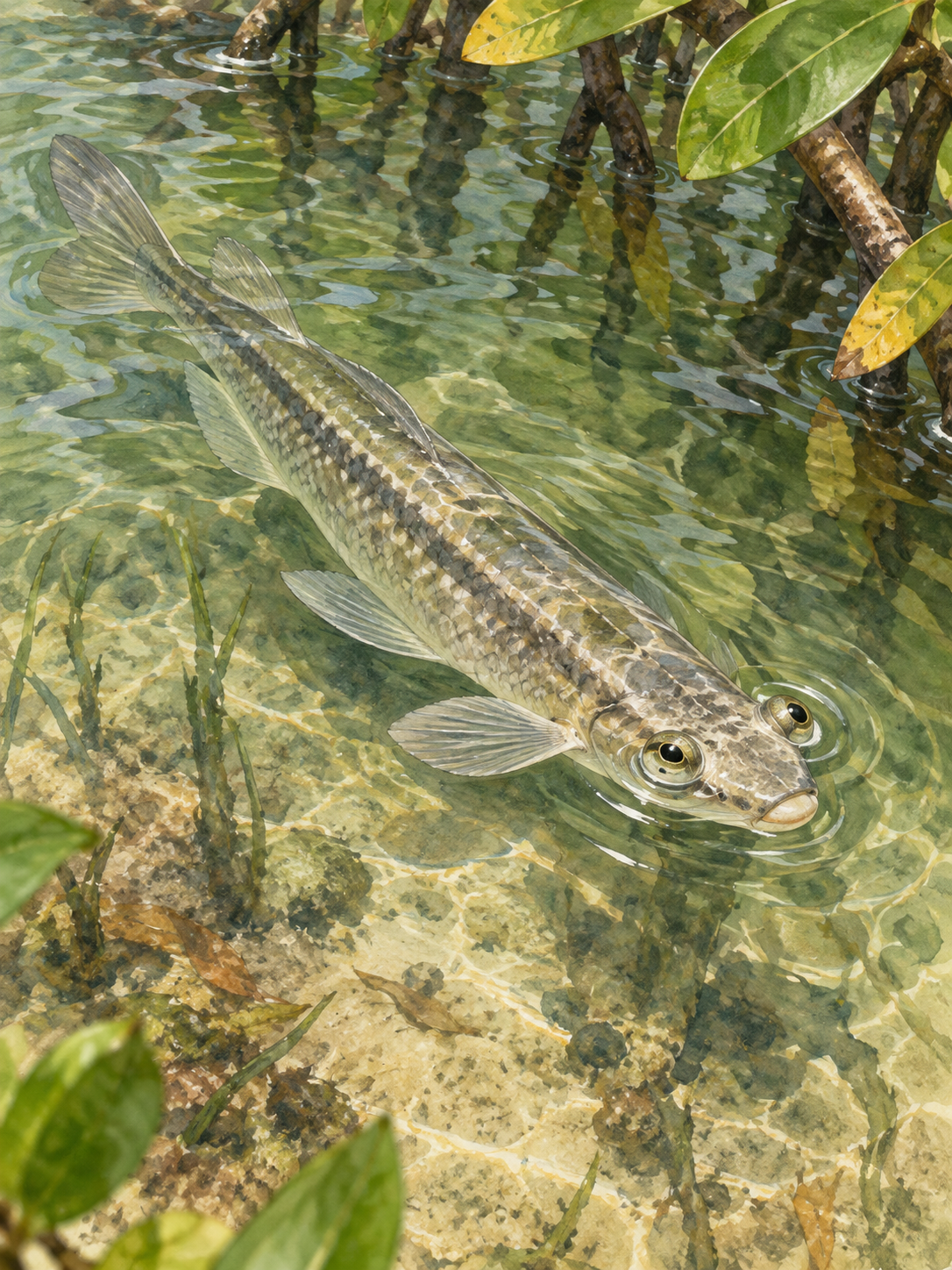
A mudskipper-inspired view of life at the water's edge. Read the article →
The fine fiber network is emphasized to explain the material's structure. Read the article →
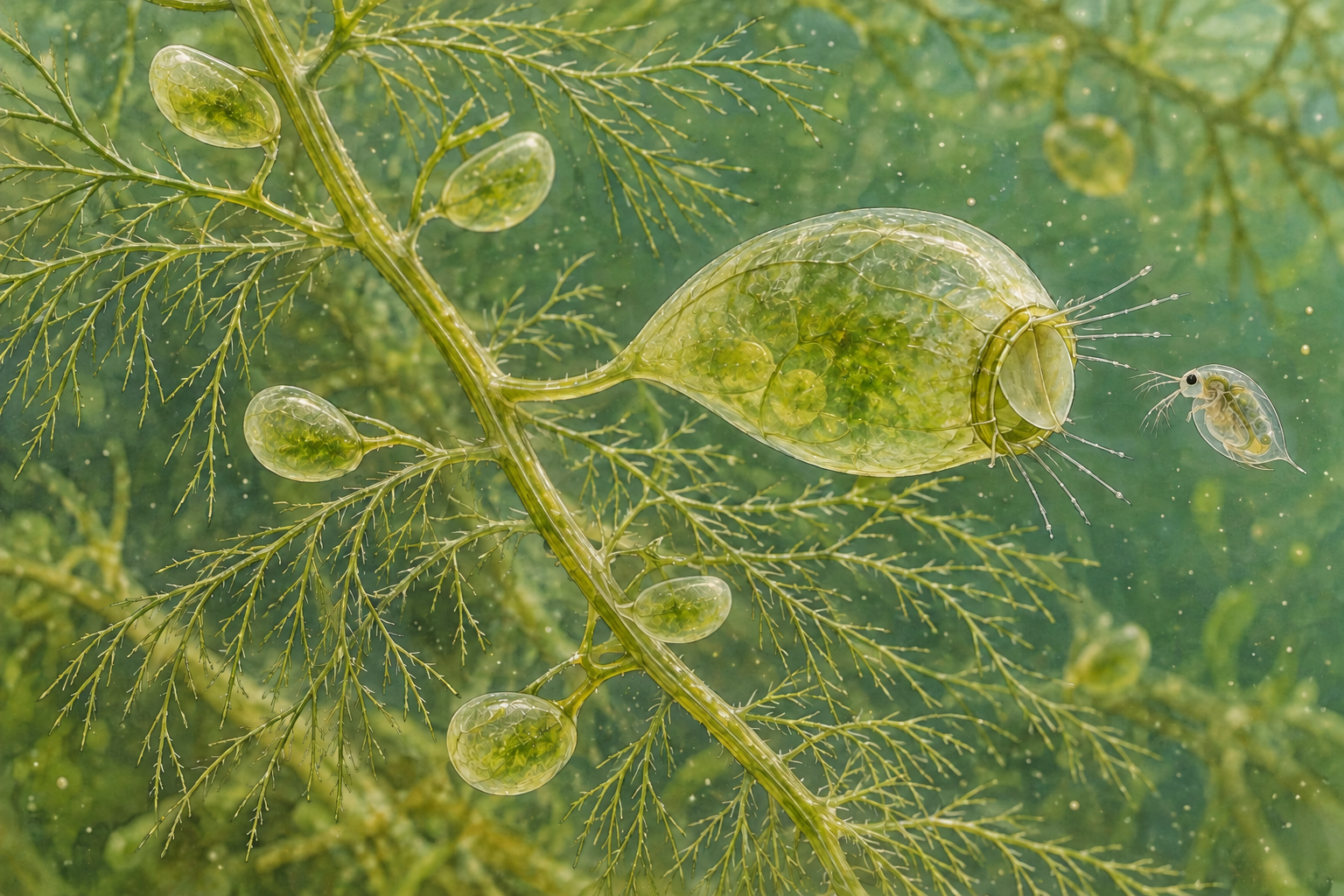
The foreground trap is emphasized for clarity; this is an interpretive botanical view. Read the article →
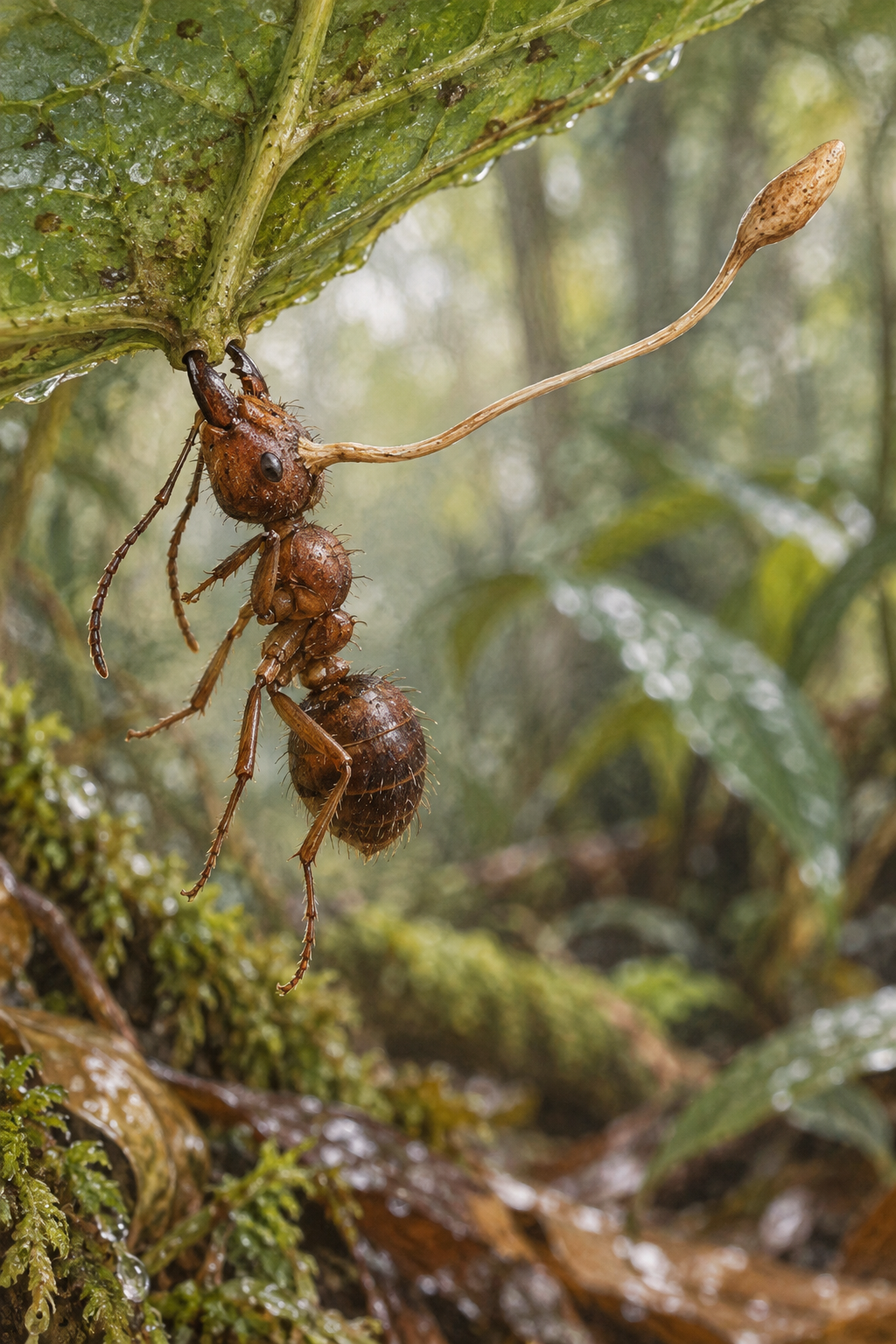
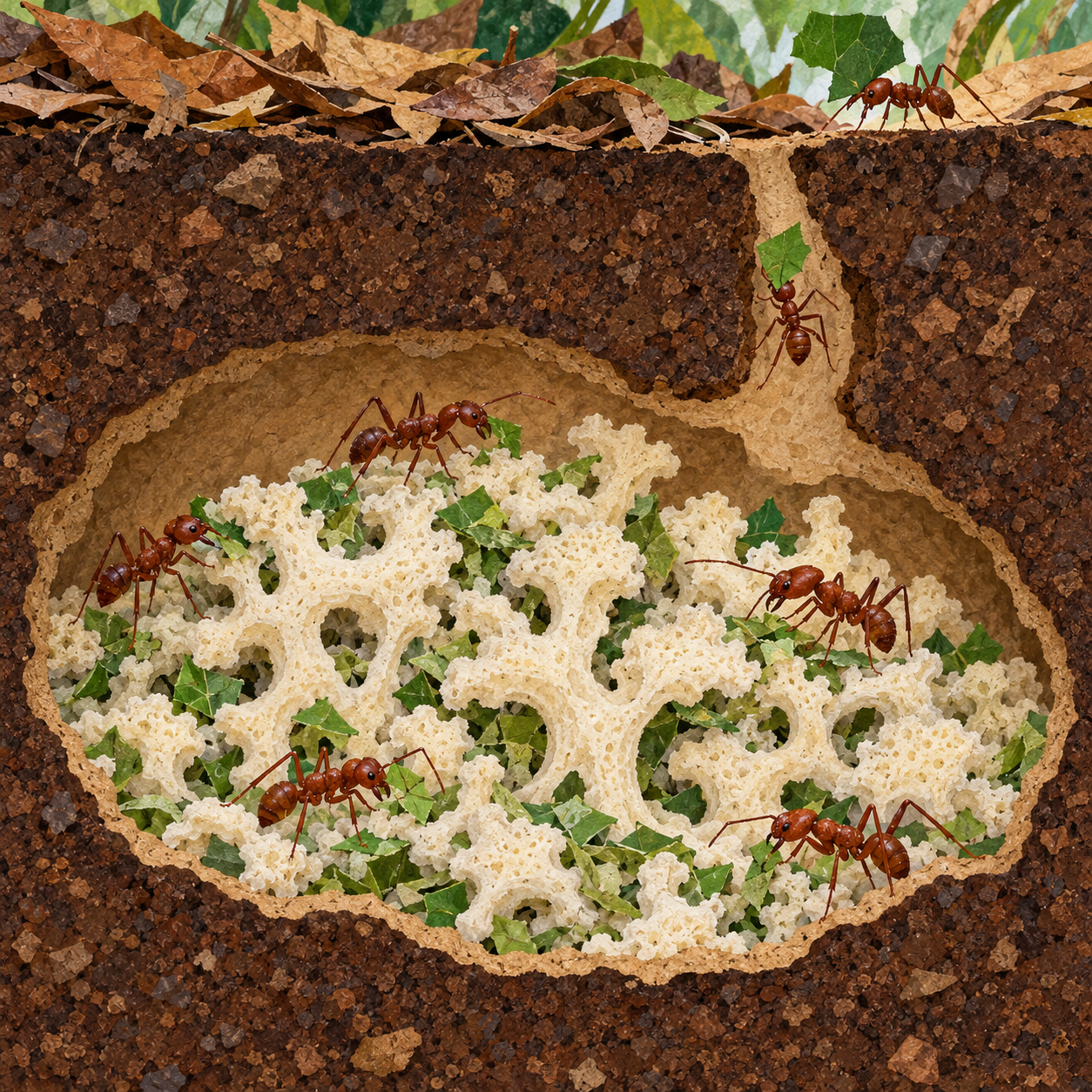
An interpretation of the characteristic ant-and-fungus scene, not a specimen photograph. Read the article →
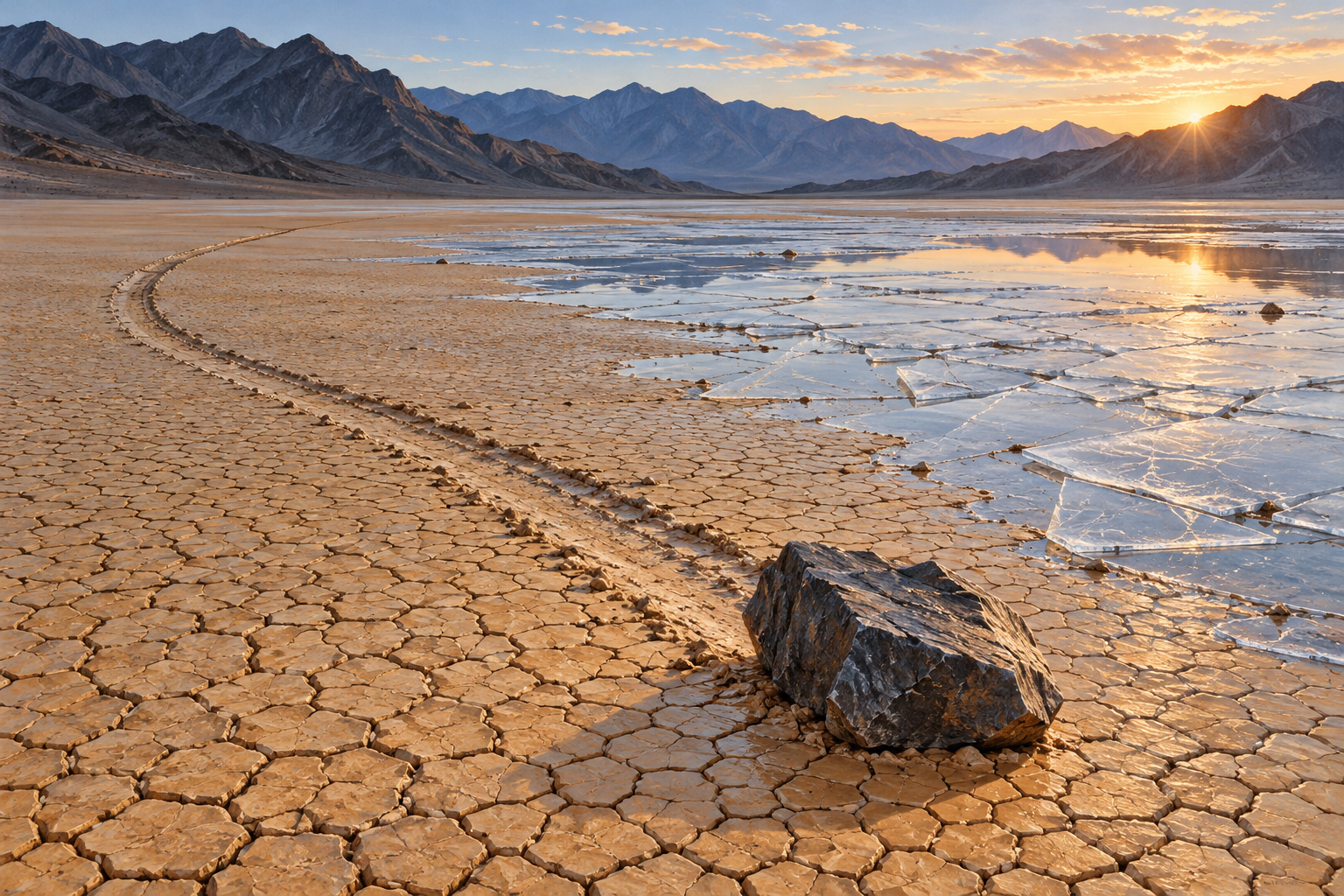
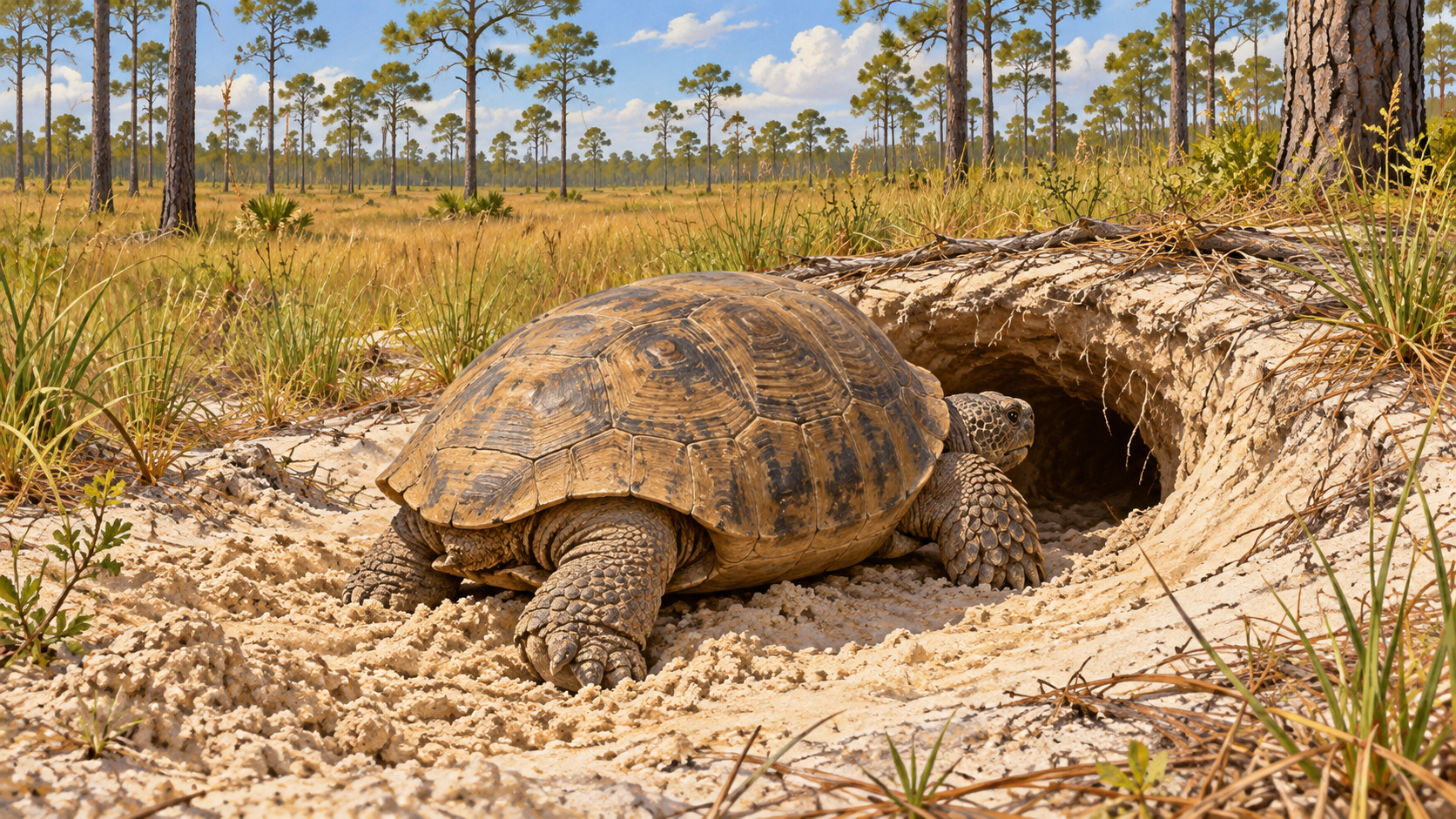
A conceptual view of a sailing stone and the temporary icy conditions that help create its track. Read the article →
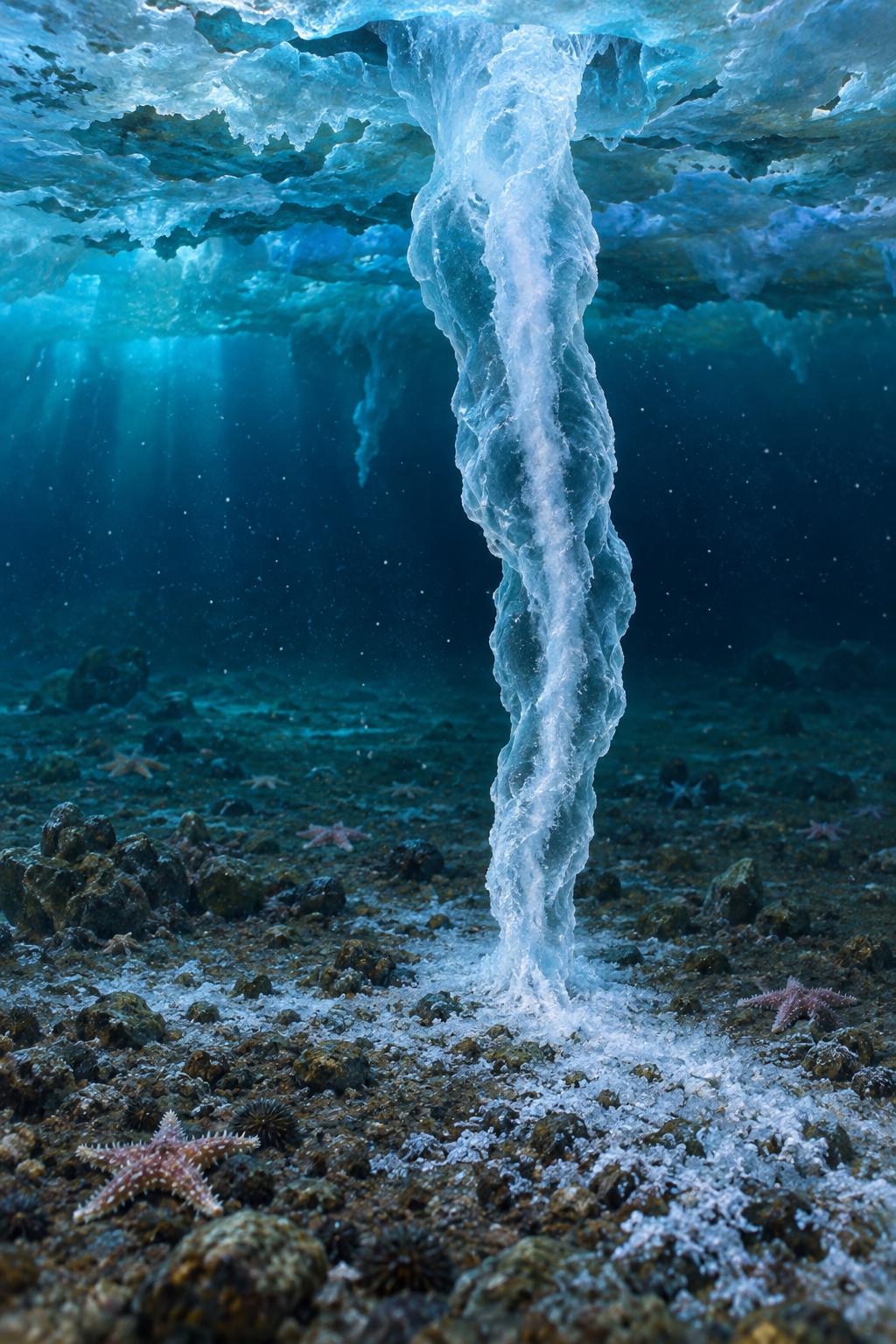
A brinicle grows around sinking, concentrated brine beneath sea ice. Read the article →
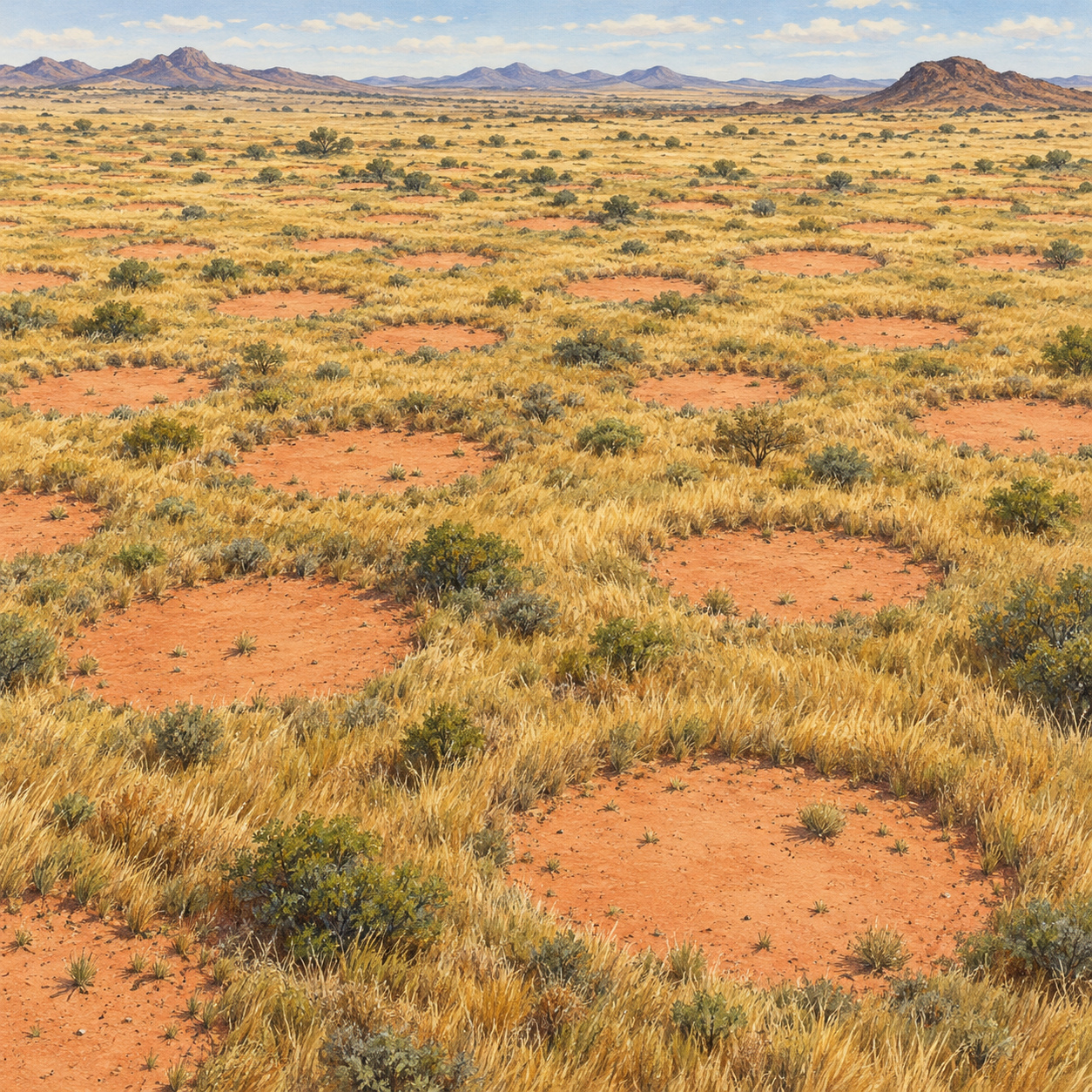
Bare circles interrupt a patterned dry grassland; the image does not identify their cause. Read the article →
Flowing sand can produce a deep drone on suitable dry dunes. Read the article →
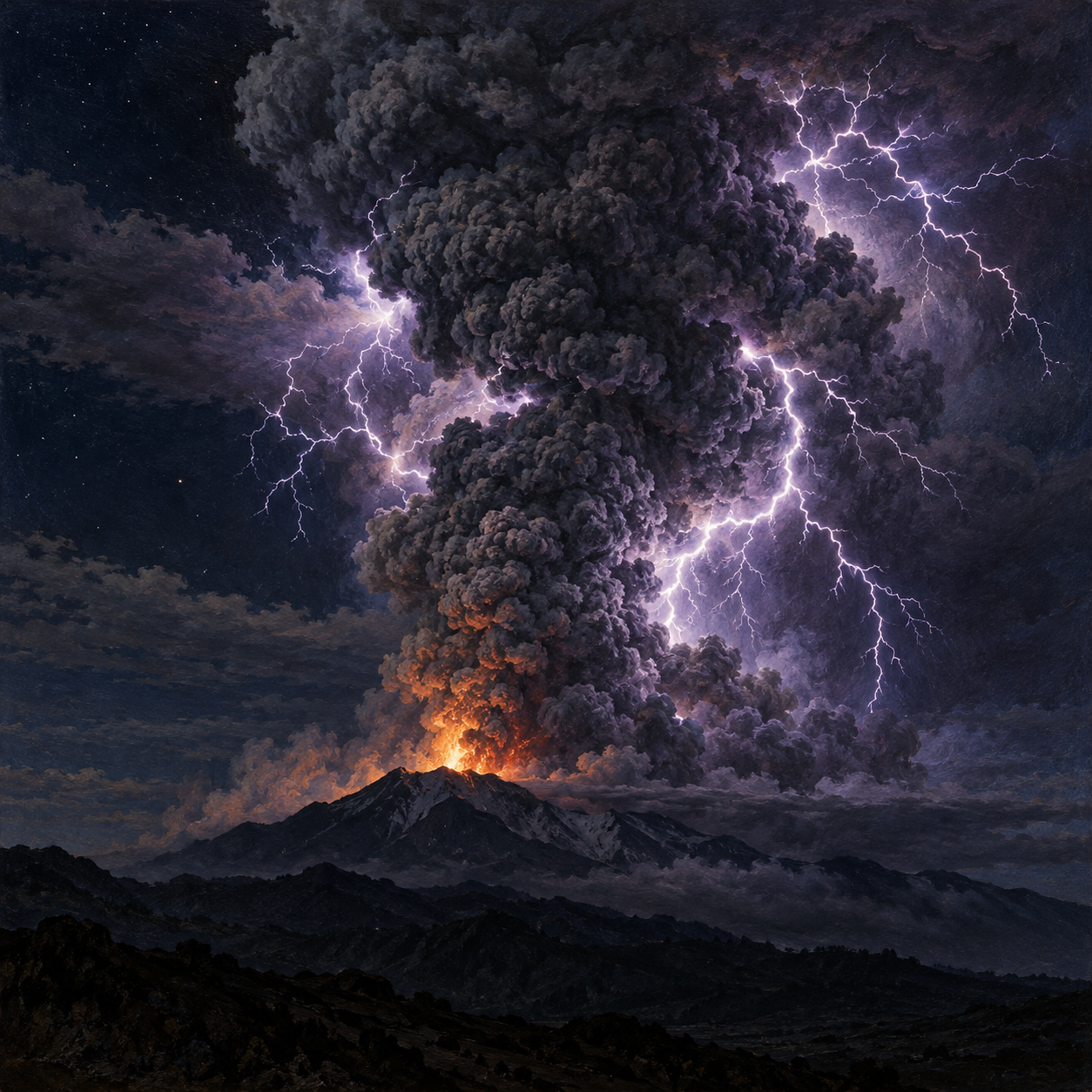
An imagined eruption shows lightning within a volcanic ash plume. Read the article →
A conceptual red sprite above a storm; brightness and scale are emphasized for visibility. Read the article →
An imagined ice-covered world traveling without a host star; its surface is speculative. Read the article →
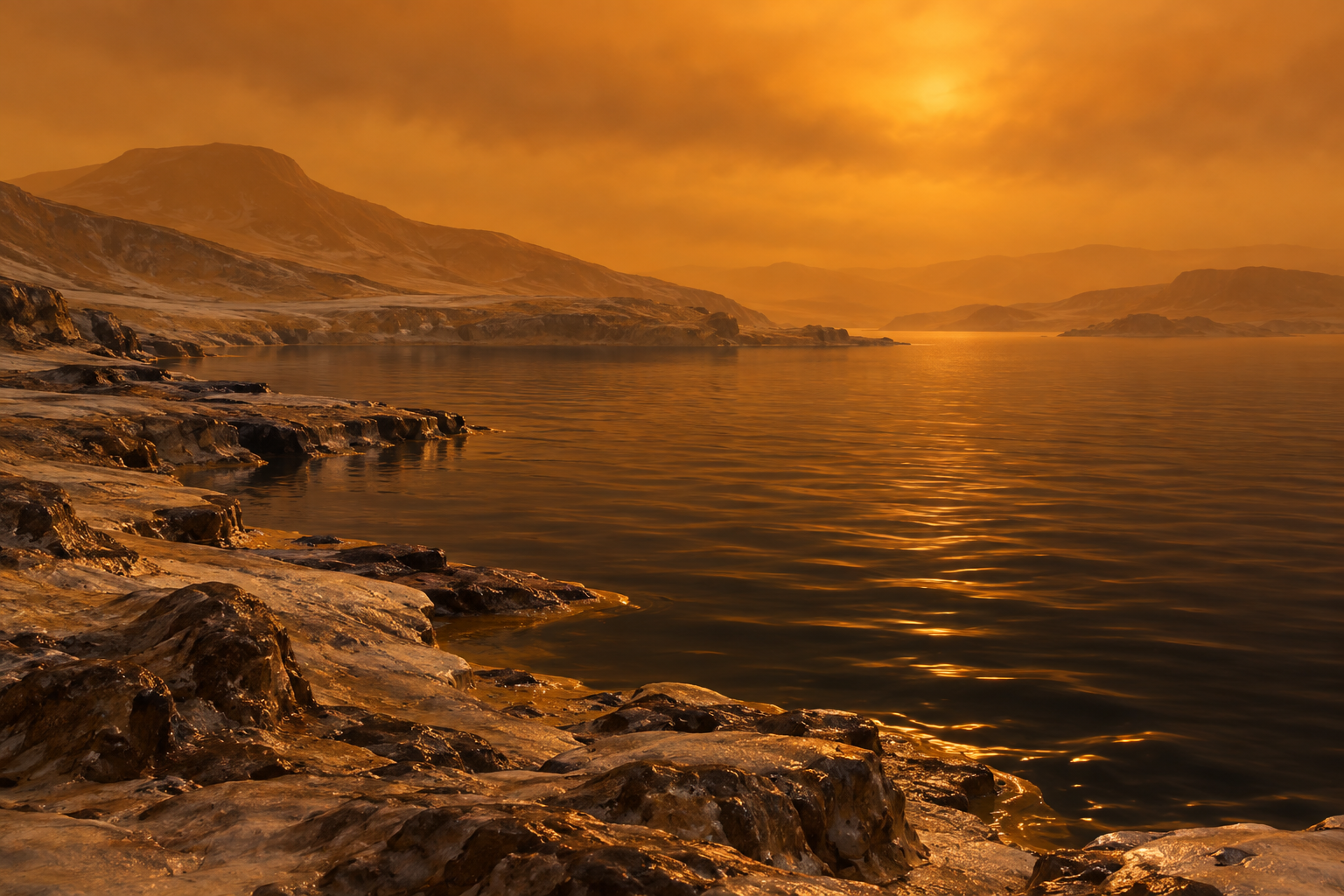
An imagined methane-lake shoreline on Titan beneath its hazy atmosphere. Read the article →
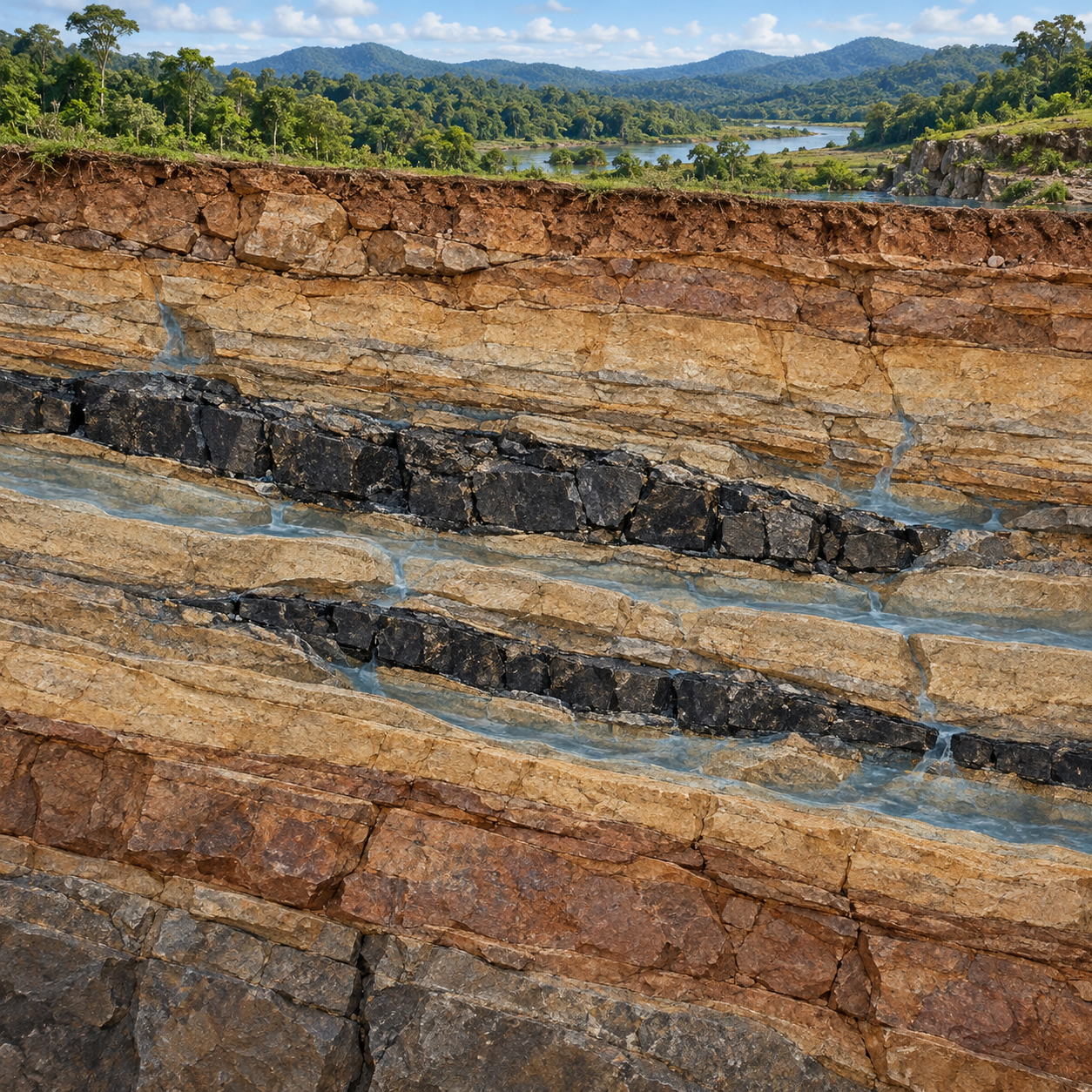
A conceptual ore-and-groundwater cutaway, not a reconstruction of an exact Oklo reactor zone. Read the article →
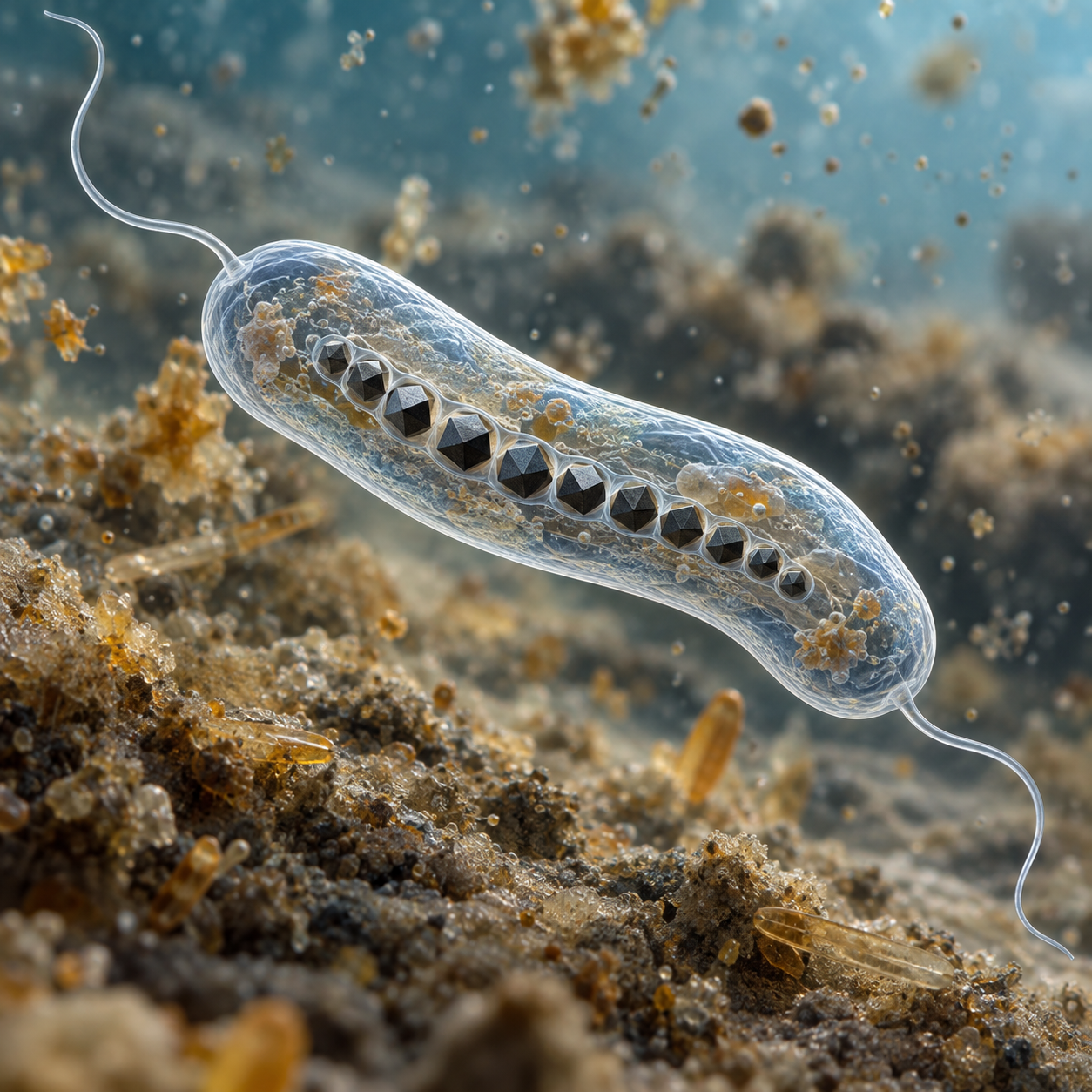
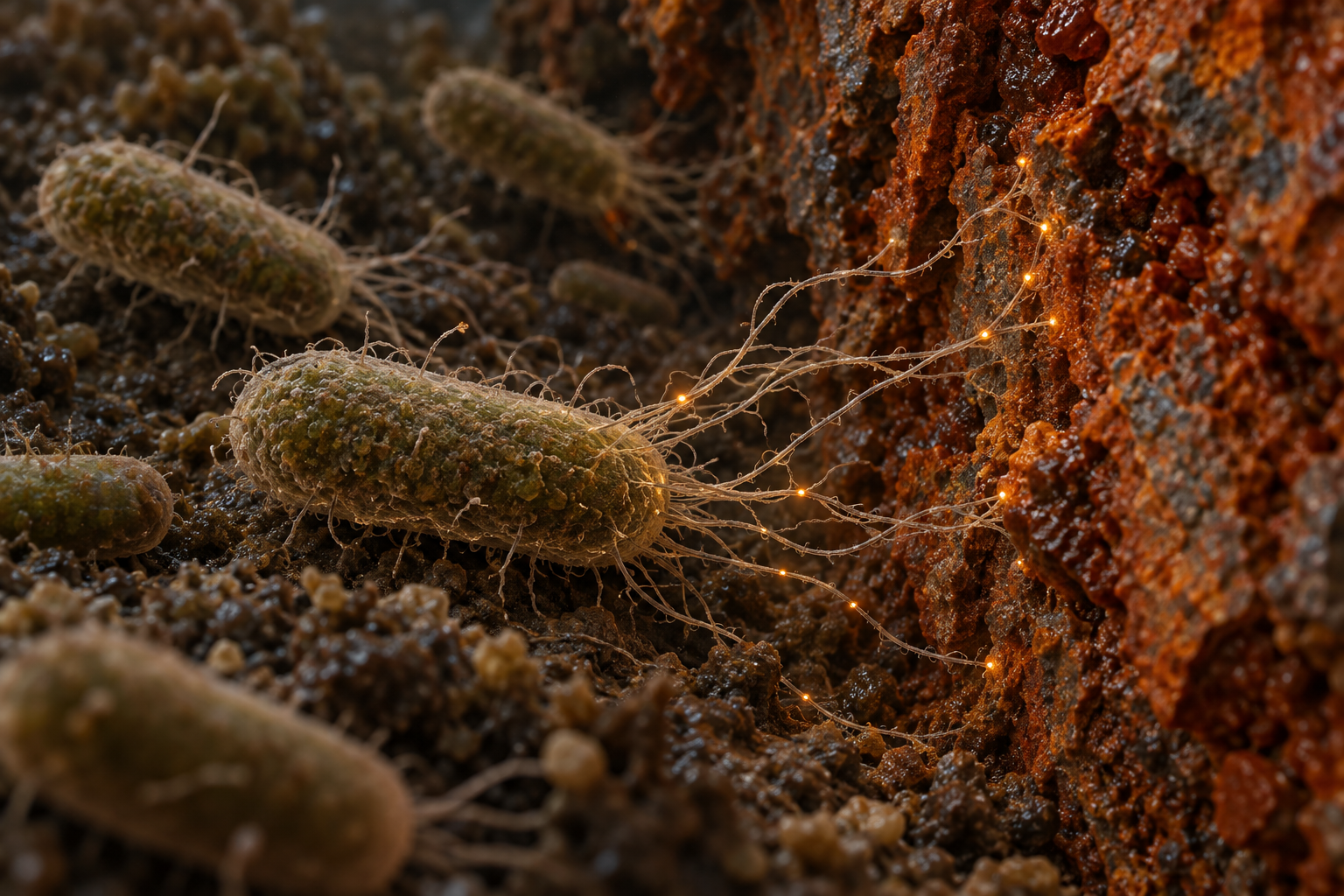
Magnetosomes form a magnetic crystal chain inside a bacterium; internal structures are enlarged for clarity. Read the article →
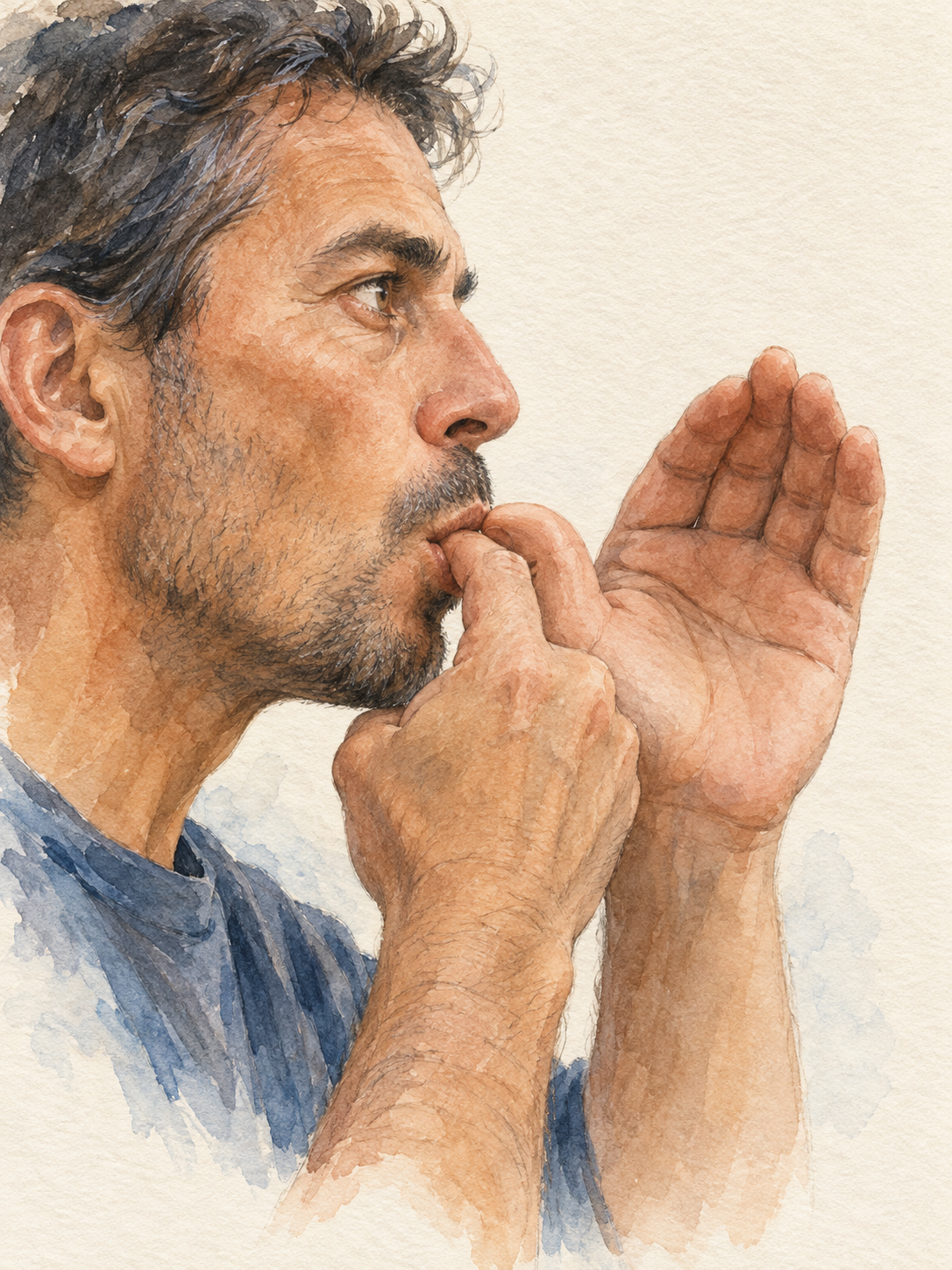
A conceptual scene of whistled communication across La Gomera's terrain, with unnamed figures. A conceptual study of a whistling gesture, rather than an exact technique guide or named person's portrait. Read the article →
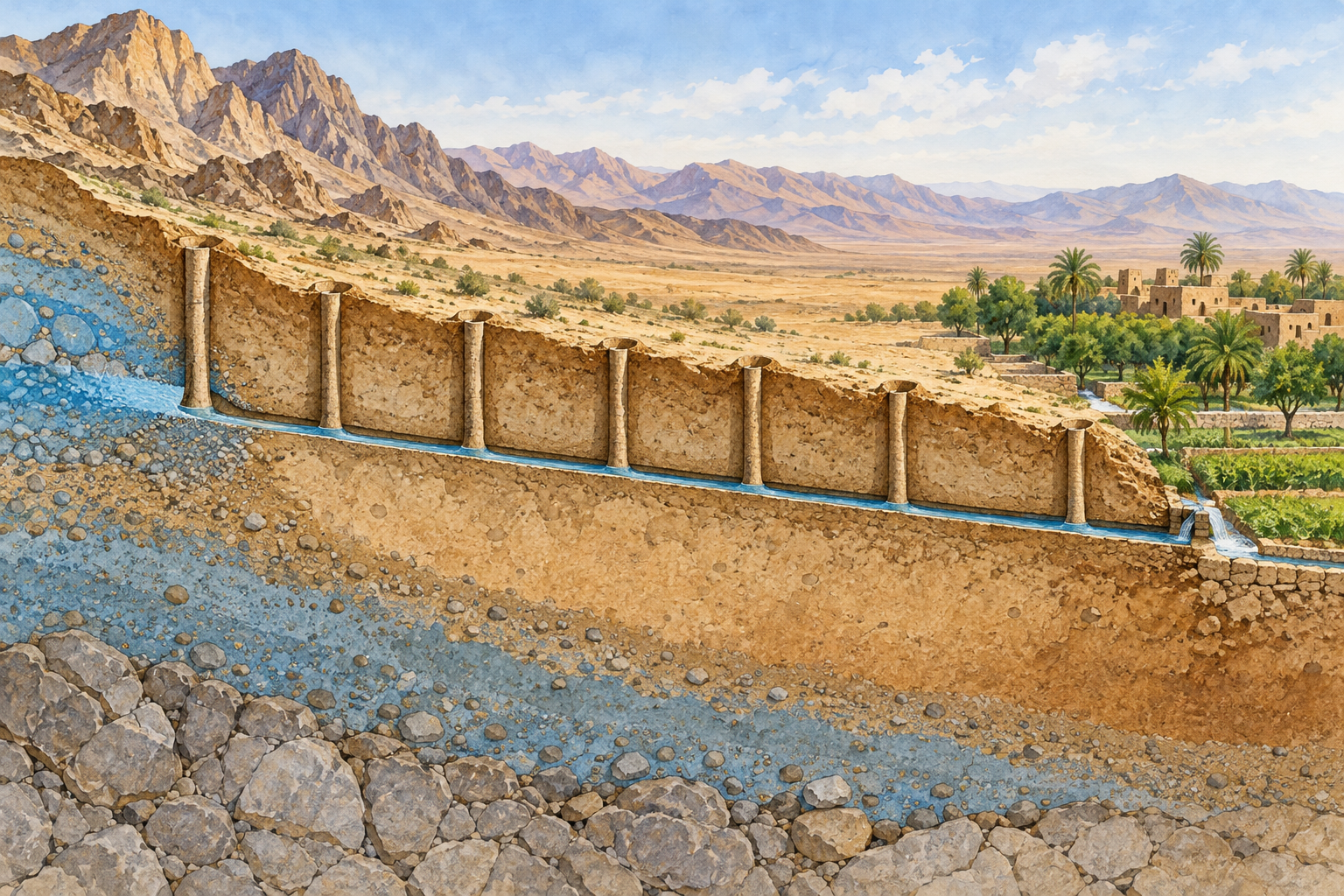
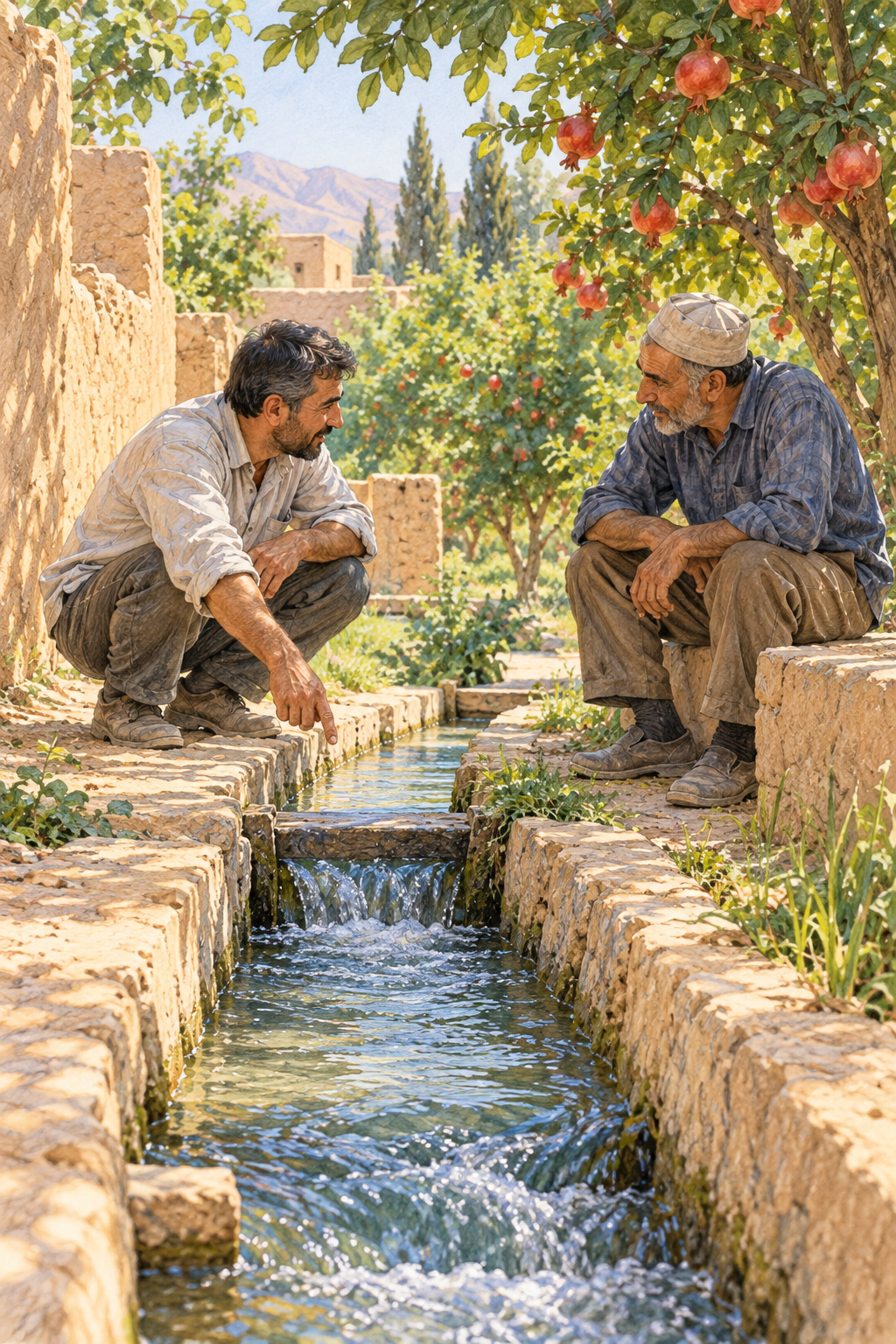
A conceptual qanat cutaway with simplified geology and proportions, rather than an exact site reconstruction. An imagined everyday scene of discussion around shared irrigation water, illustrating the social side of qanats. Read the article →
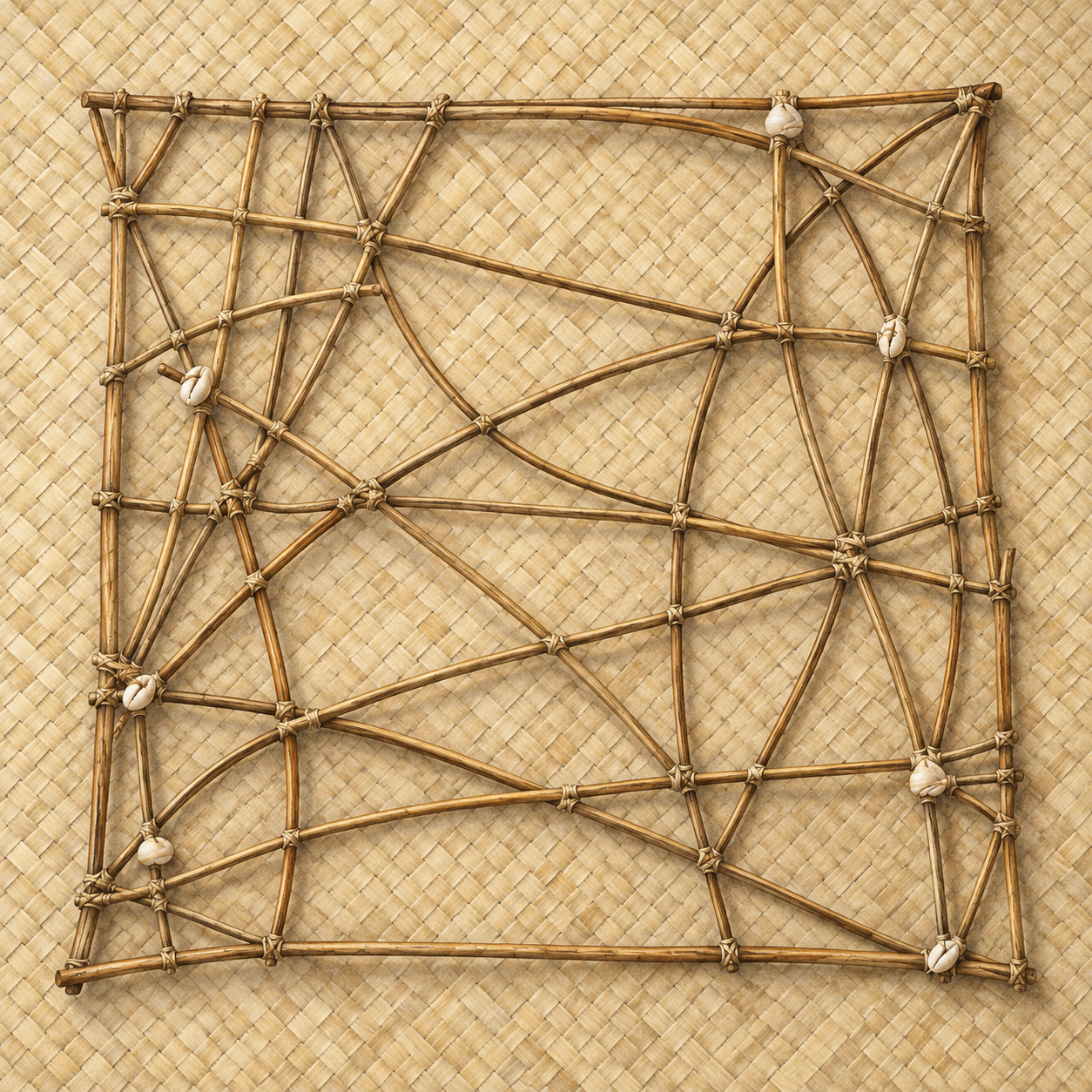
An artistic interpretation of a Marshallese stick chart, not a copy of a particular museum object. A simplified atoll-and-swell scene, illustrating relationships rather than providing navigational measurements. Read the article →
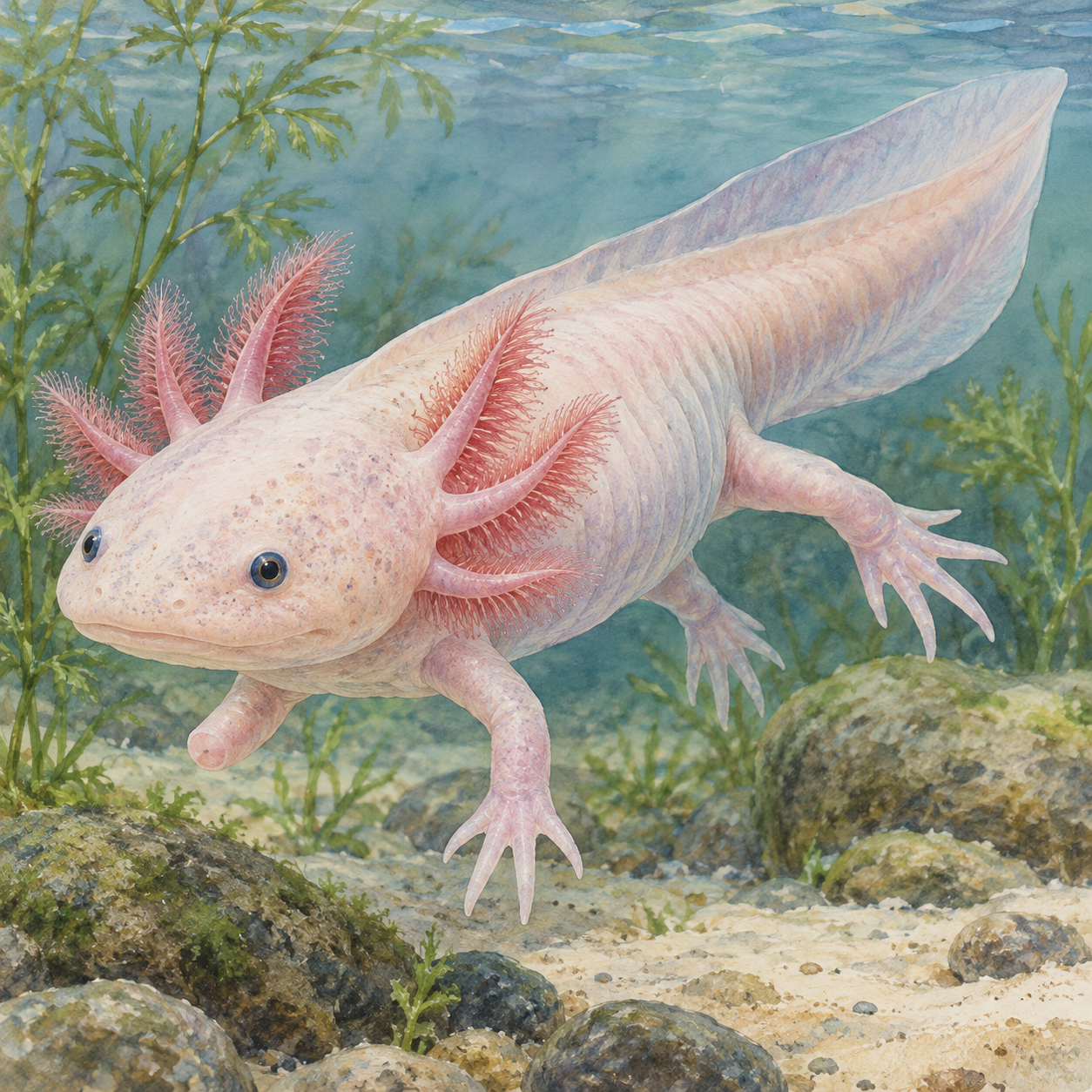
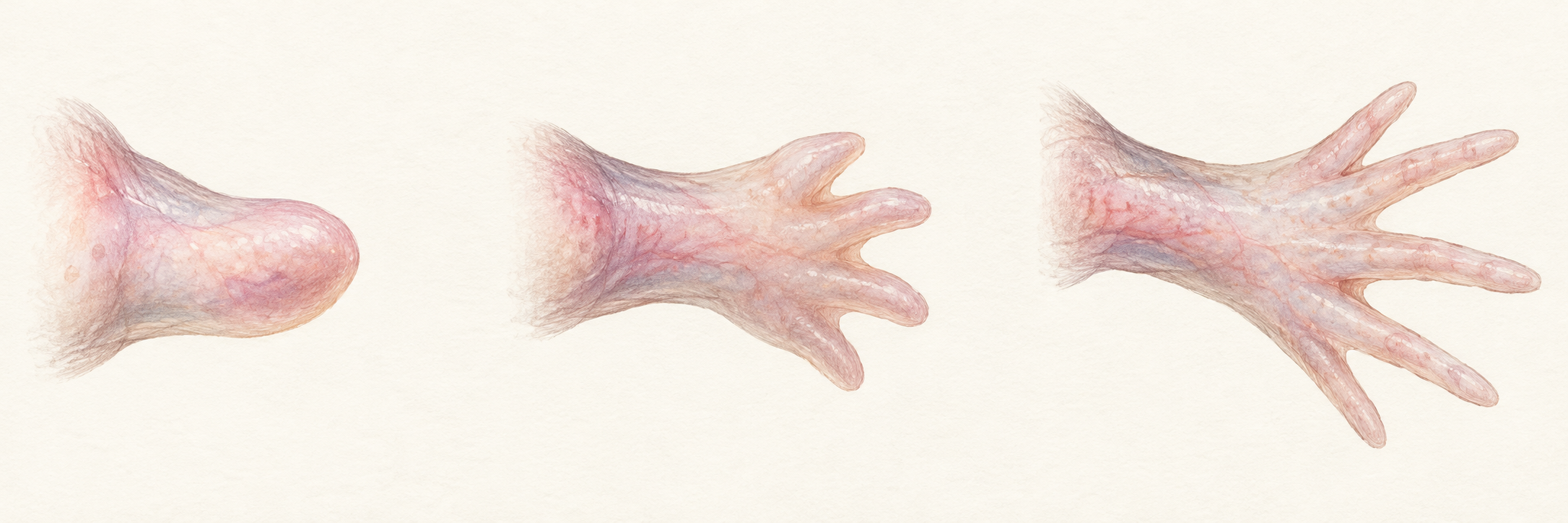
An illustrative axolotl with a smooth limb bud suggesting regeneration, rather than a documented experimental specimen. Conceptual studies of axolotl limb regrowth using a five-digit hindlimb form. The sequence is illustrative, with no exact timing or specimen scale. Read the article →
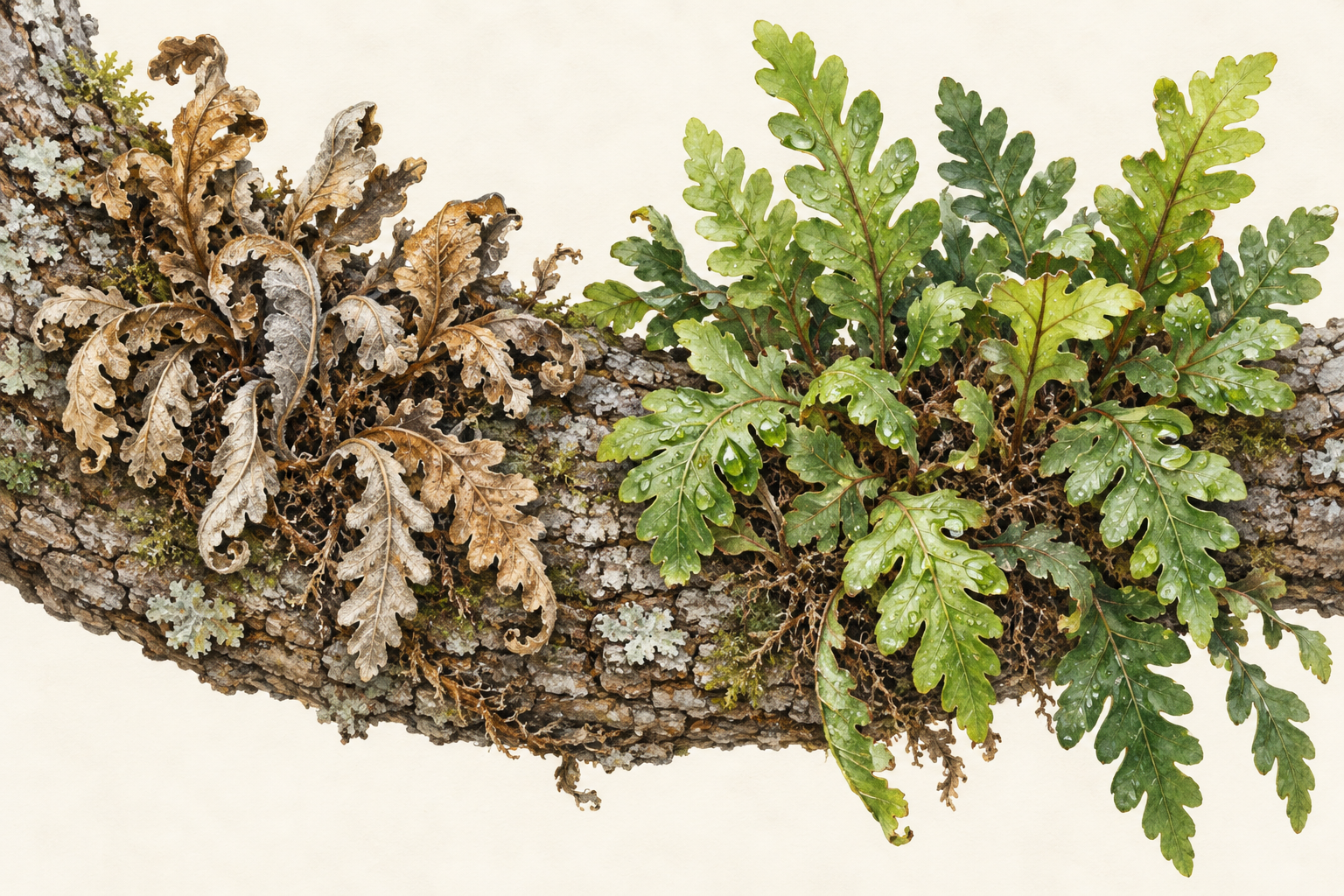
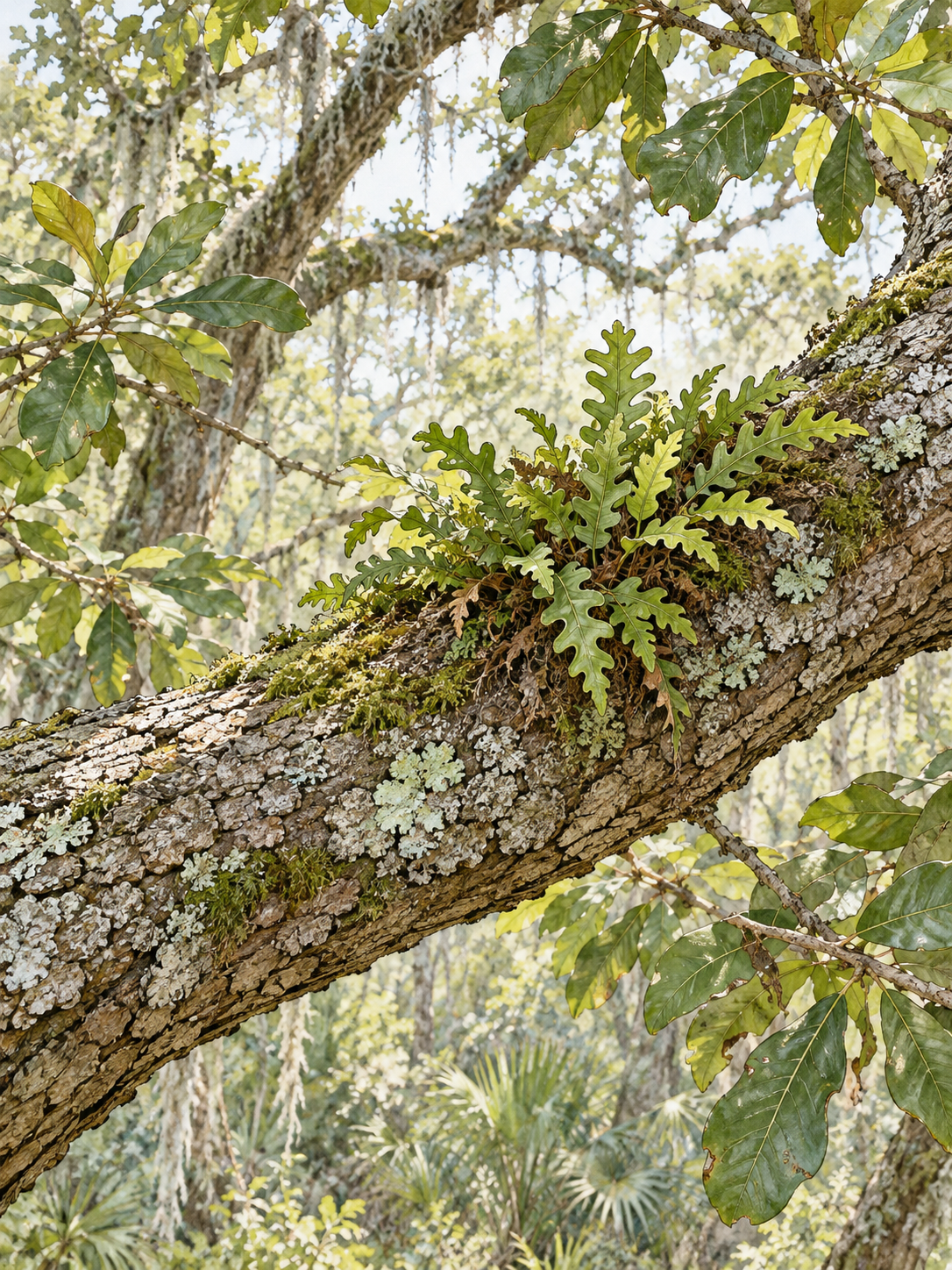
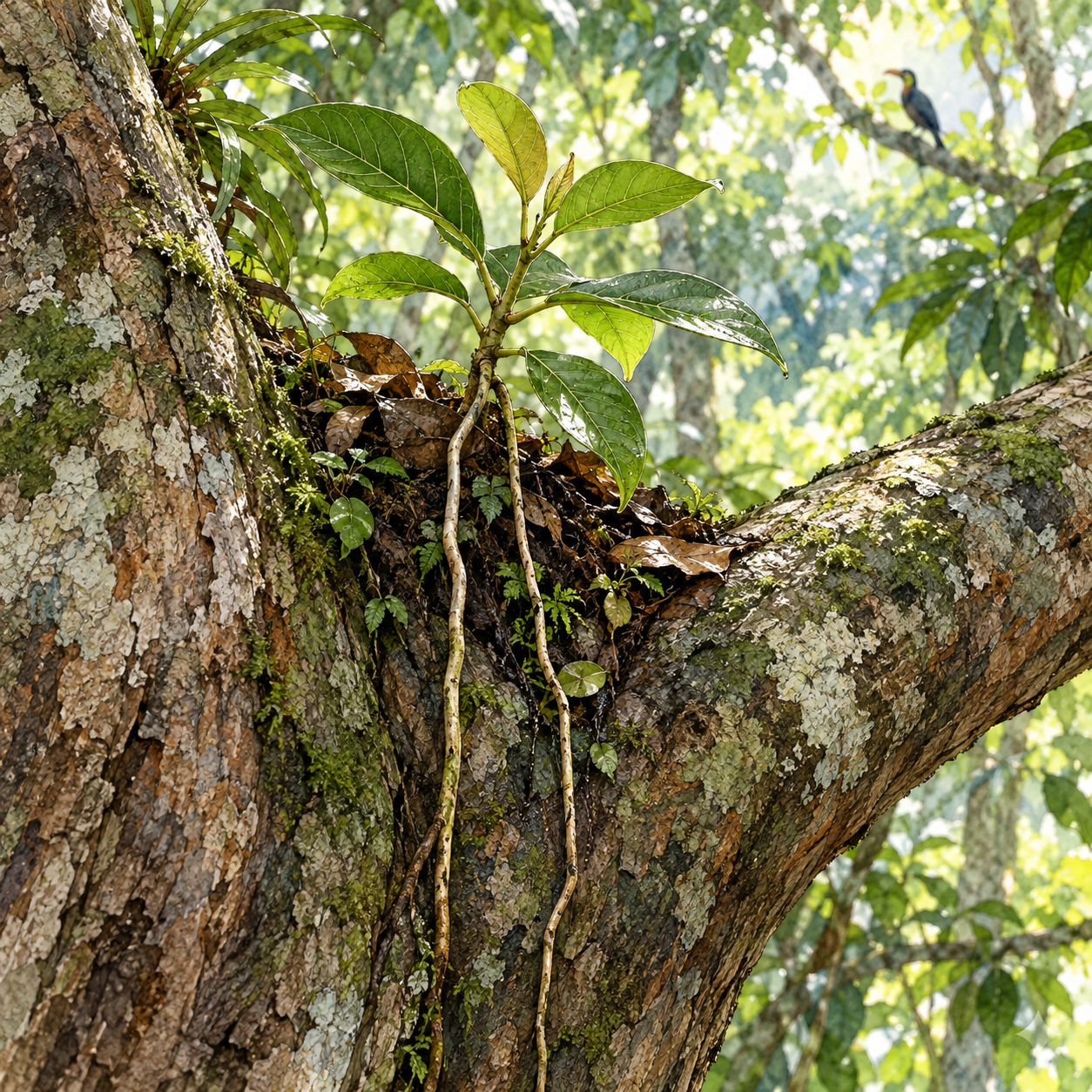
An artistic comparison of dry and hydrated resurrection-fern fronds; this is not a photographic time sequence. A conceptual woodland view showing the fern's epiphytic position on a tree branch. Read the article →
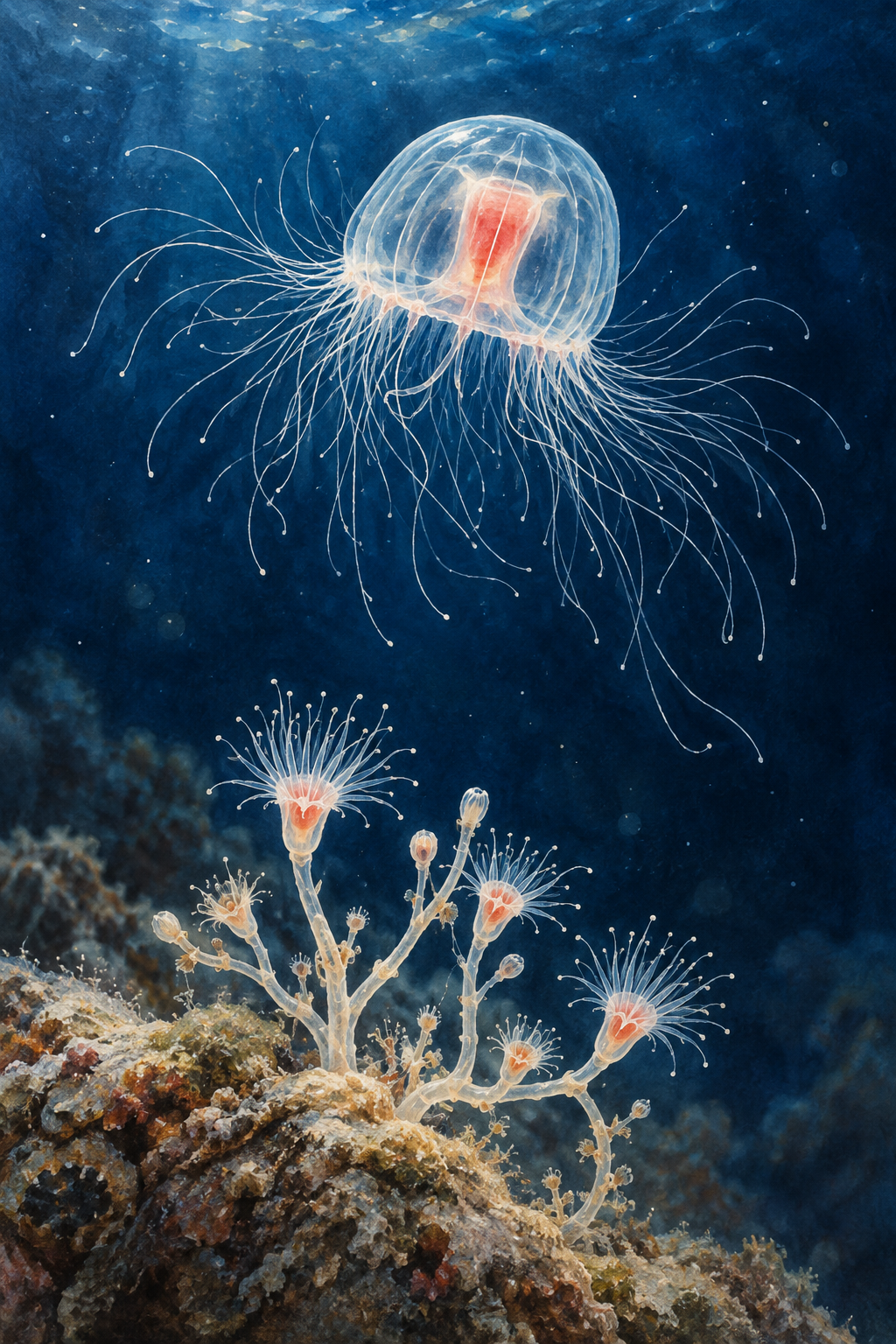
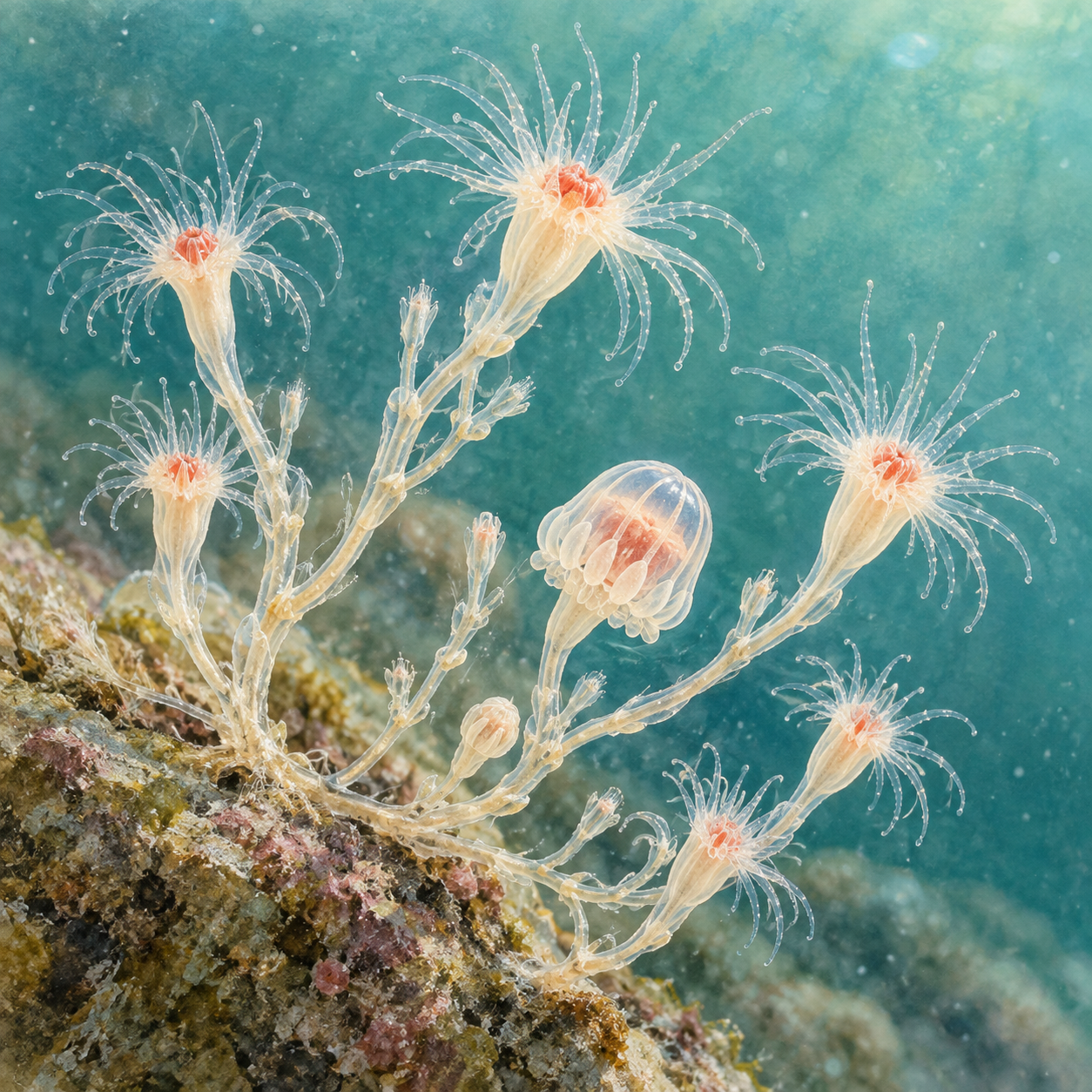
Medusa and polyp forms shown in an artistic life-cycle comparison with illustrative proportions. Conceptual enlarged polyp and budding-medusa forms, illustrating the ordinary forward stage of a hydrozoan life cycle. Proportions are simplified. Read the article →
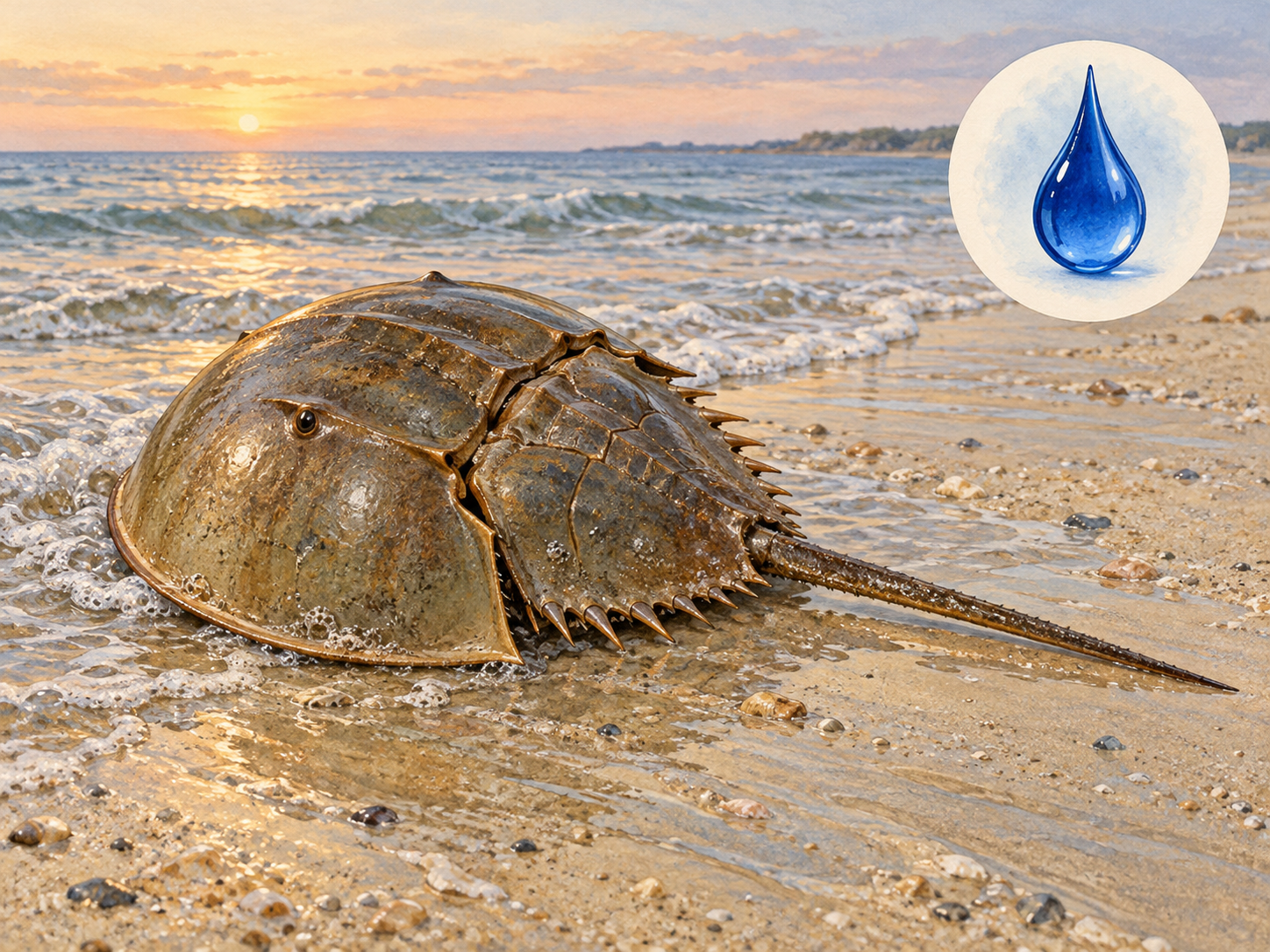
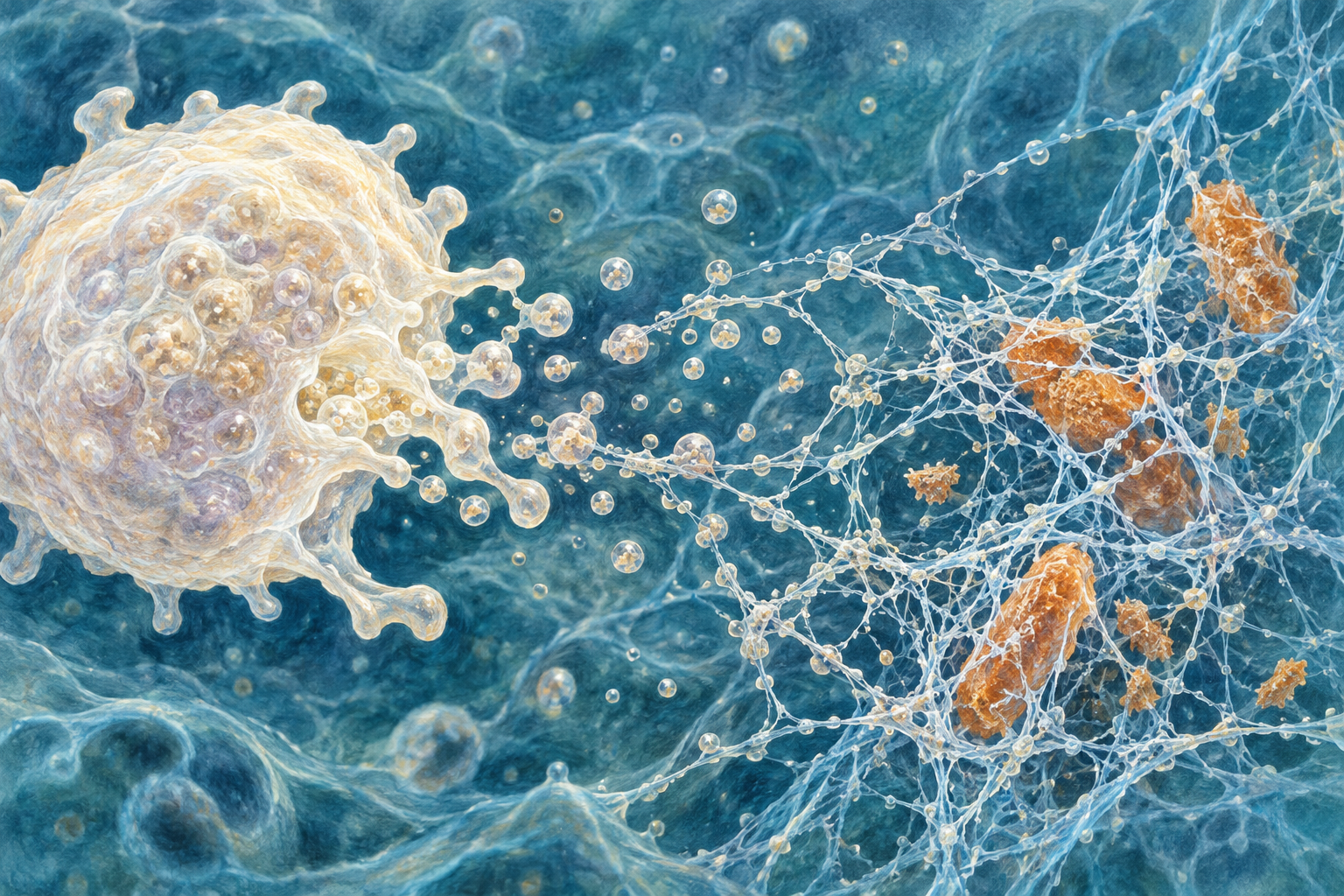
A horseshoe crab with a separate blue-droplet vignette representing its oxygenated circulatory fluid. A microscopy-inspired conceptual view of immune-cell clotting activity. Colors, particles, and proportions are illustrative rather than measured anatomy. Read the article →
An idealized twilight view of noctilucent clouds, rather than a recorded sighting at a named place and time. Schematic twilight illumination with exaggerated cloud height and simplified light paths; the Sun and Earth are not shown to scale. Read the article →
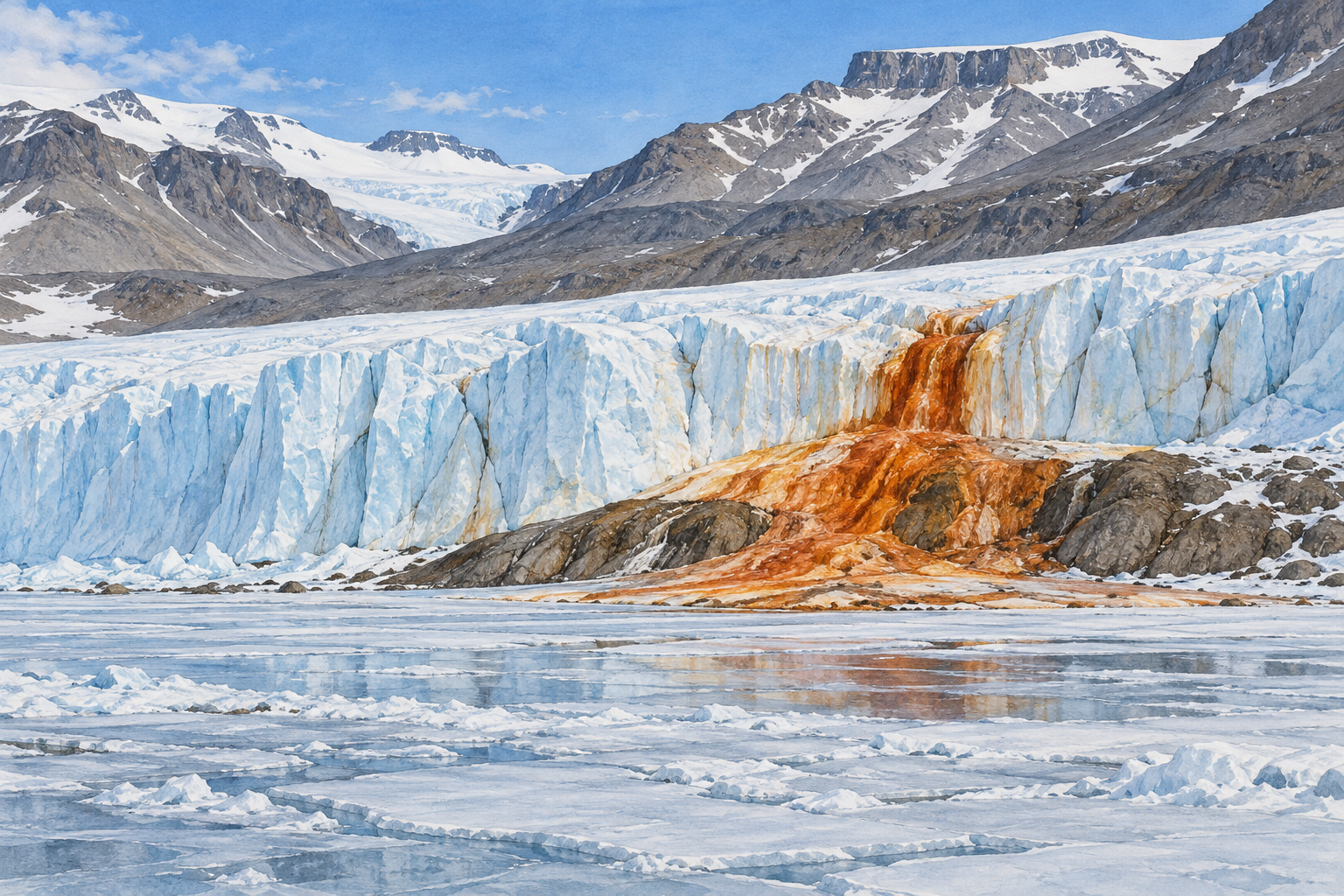
A conceptual Blood Falls landscape with simplified terrain and an iron-colored outflow. A conceptual view of iron-rich nanospheres. Colors, textures, and sizes are artistic, not actual electron-microscopy data. Read the article →
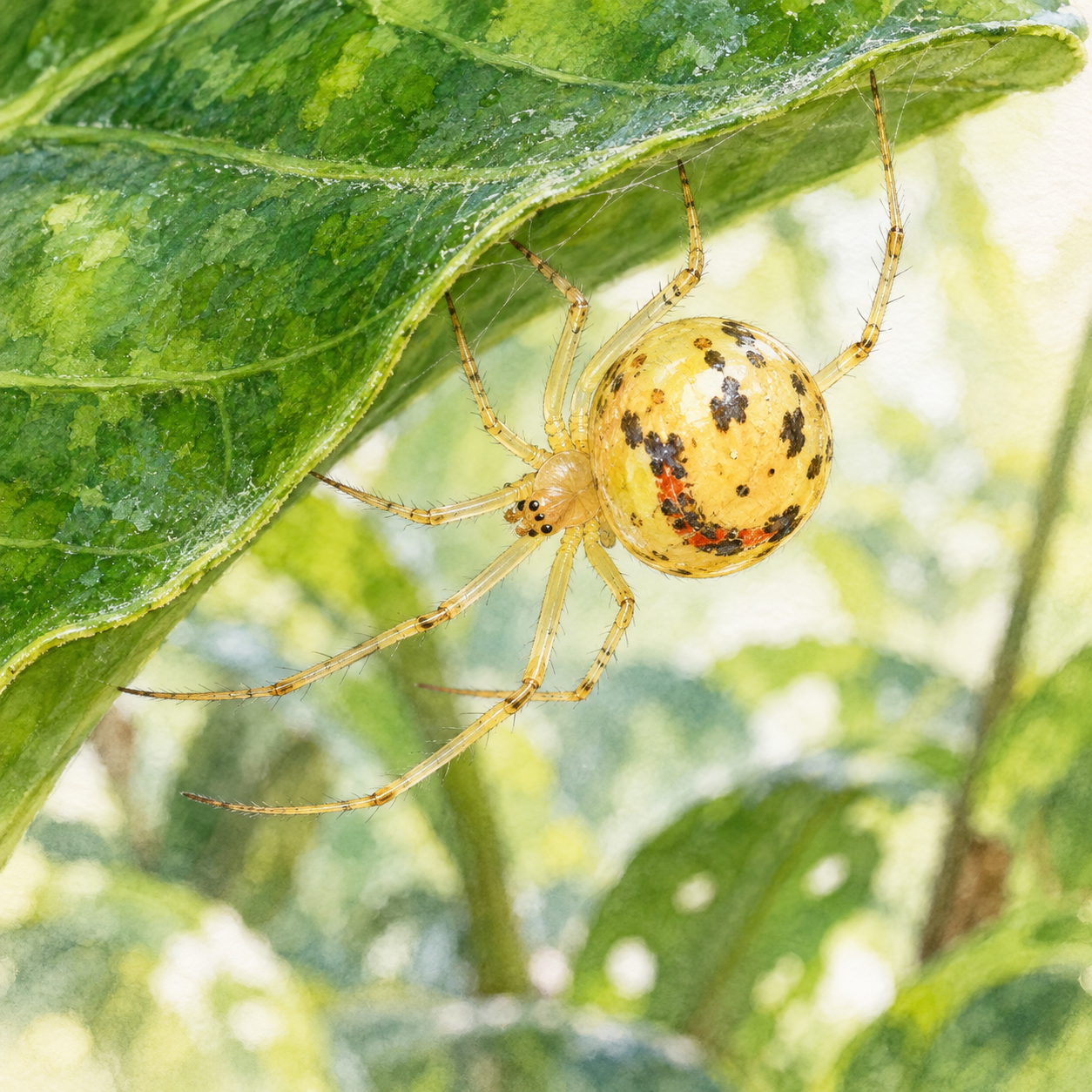
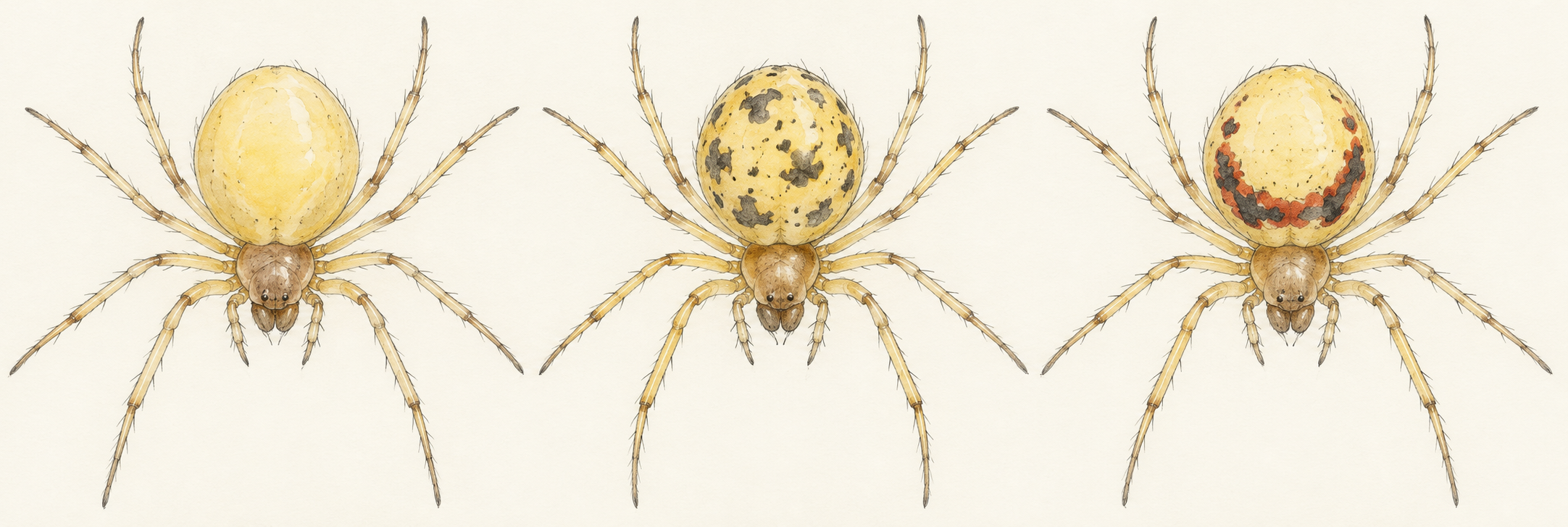
One artistic possible happy-face-spider pattern at enlarged scale; real individuals vary substantially. A conceptual comparison of possible pattern variation, rather than exact named genetic morphs or identified specimens. Read the article →
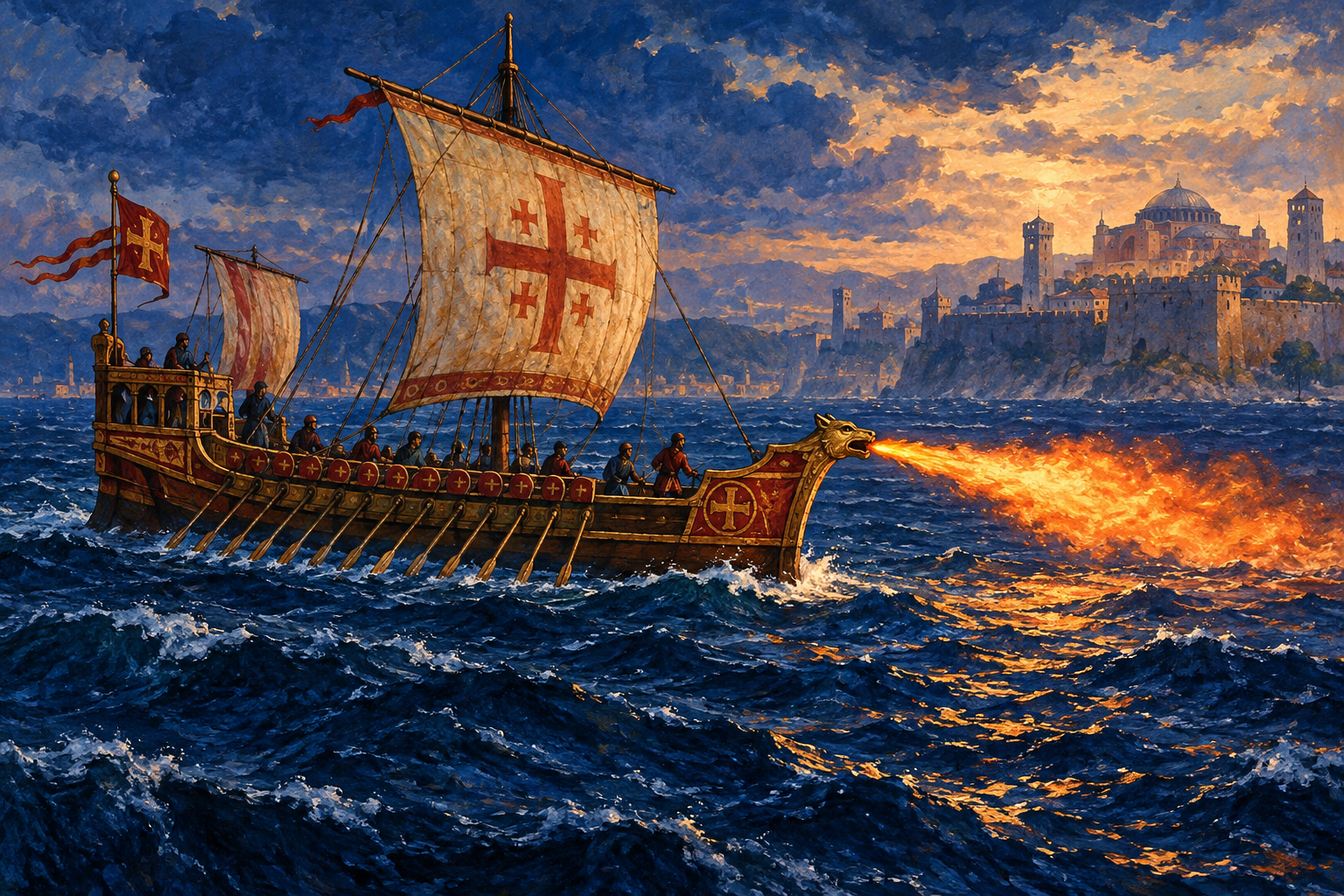
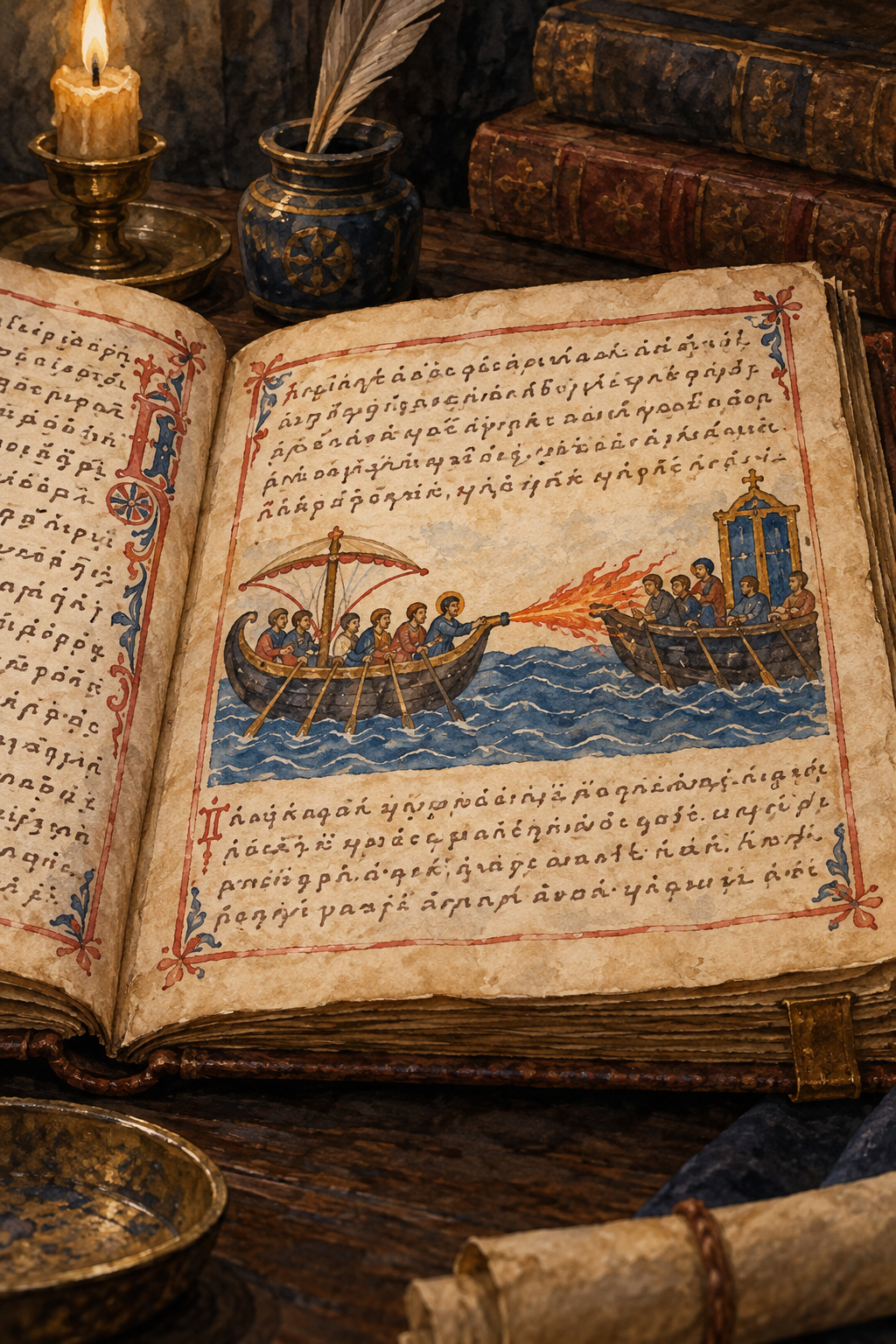
An interpretation of the Byzantine naval tradition, not a reconstruction of its machinery. An invented chronicle page shows how pictures can become historical evidence; it is not a manuscript facsimile. Read the article →
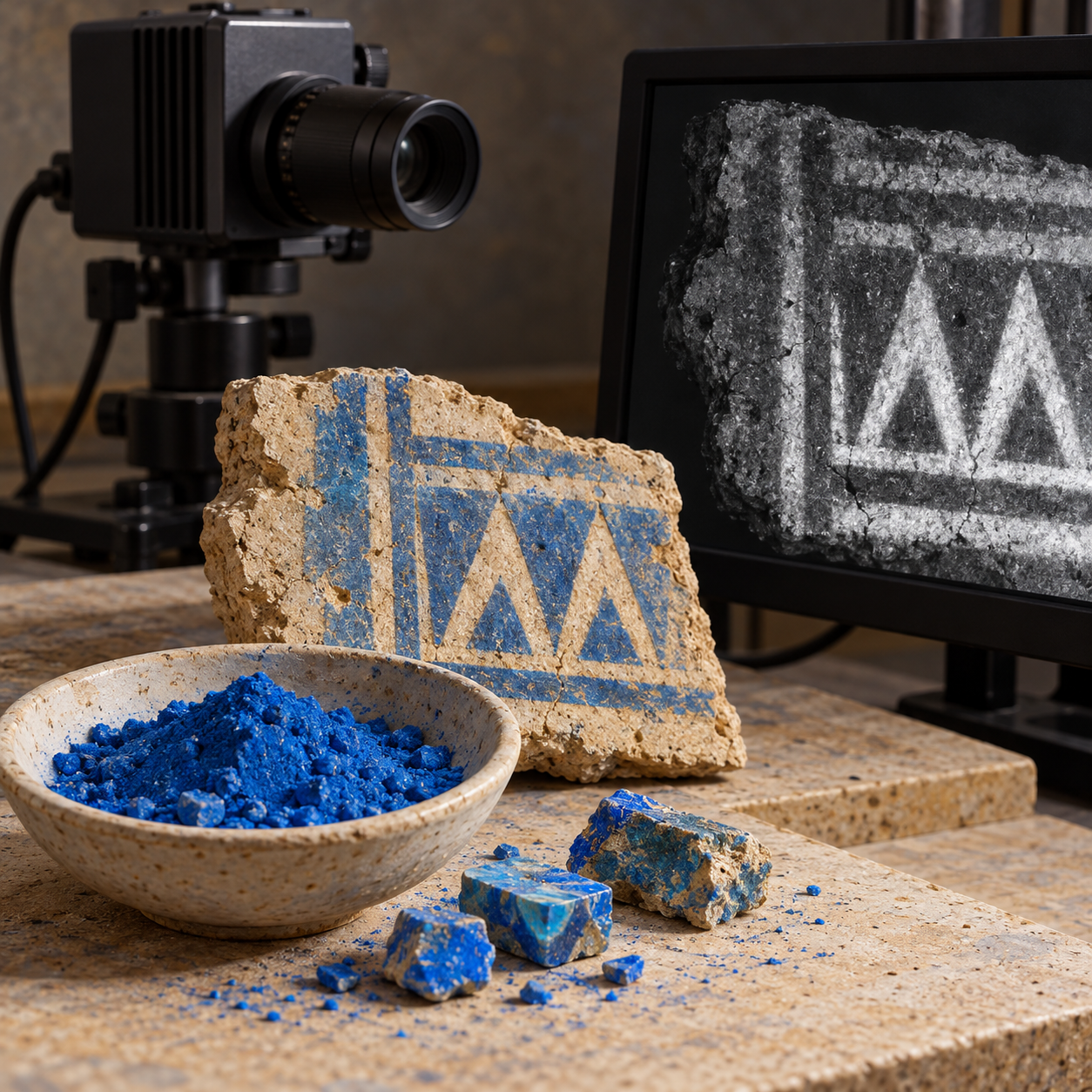
A conceptual materials study; the screen is illustrative, not measured data. Small pigment additions can alter a paint mixture. The inset is conceptual, not a micrograph. Read the article →
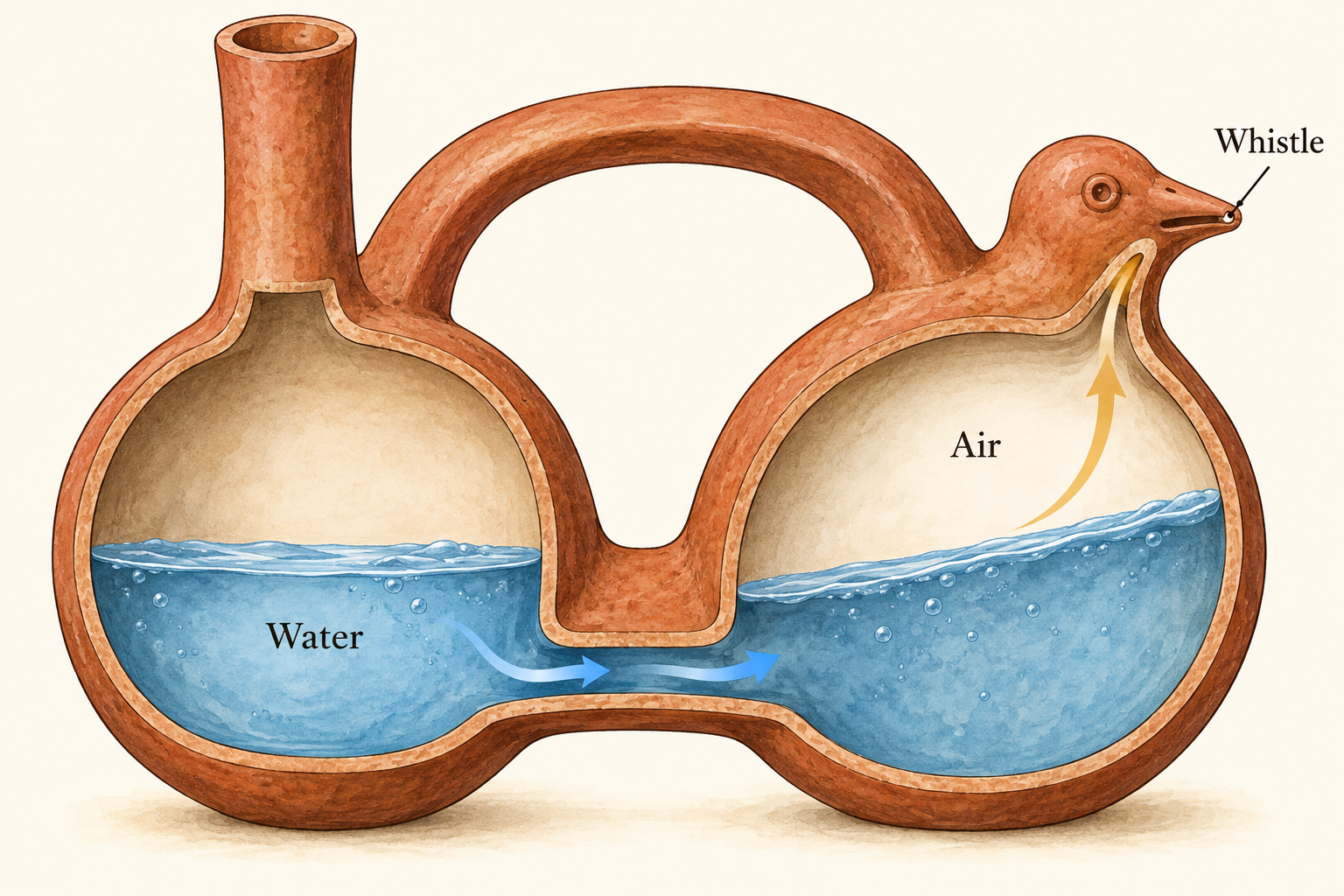
An interpretive vessel inspired by Andean ceramic sound-making traditions. A simplified cutaway explains displaced air; actual vessel passages and whistle forms vary. Read the article →
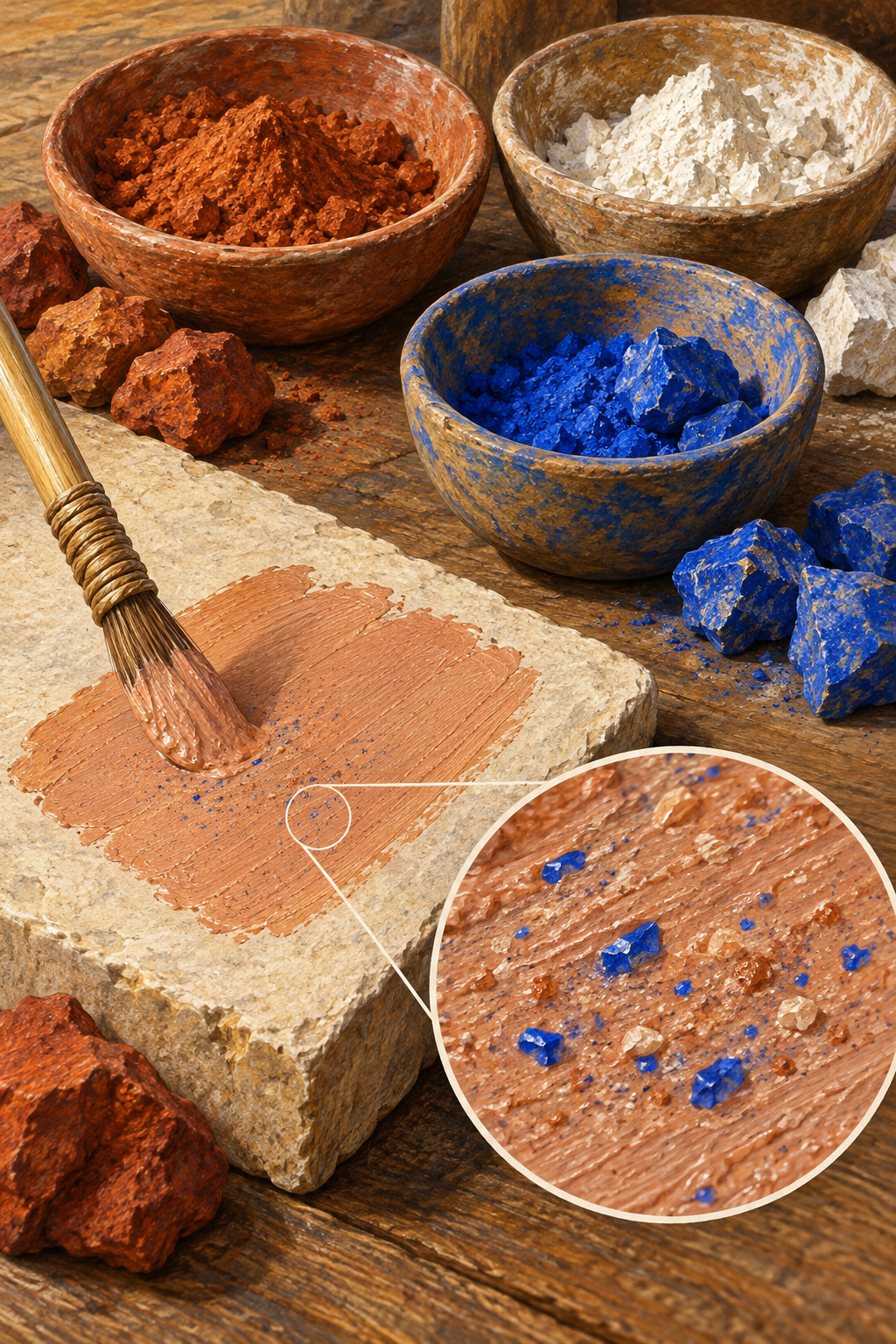
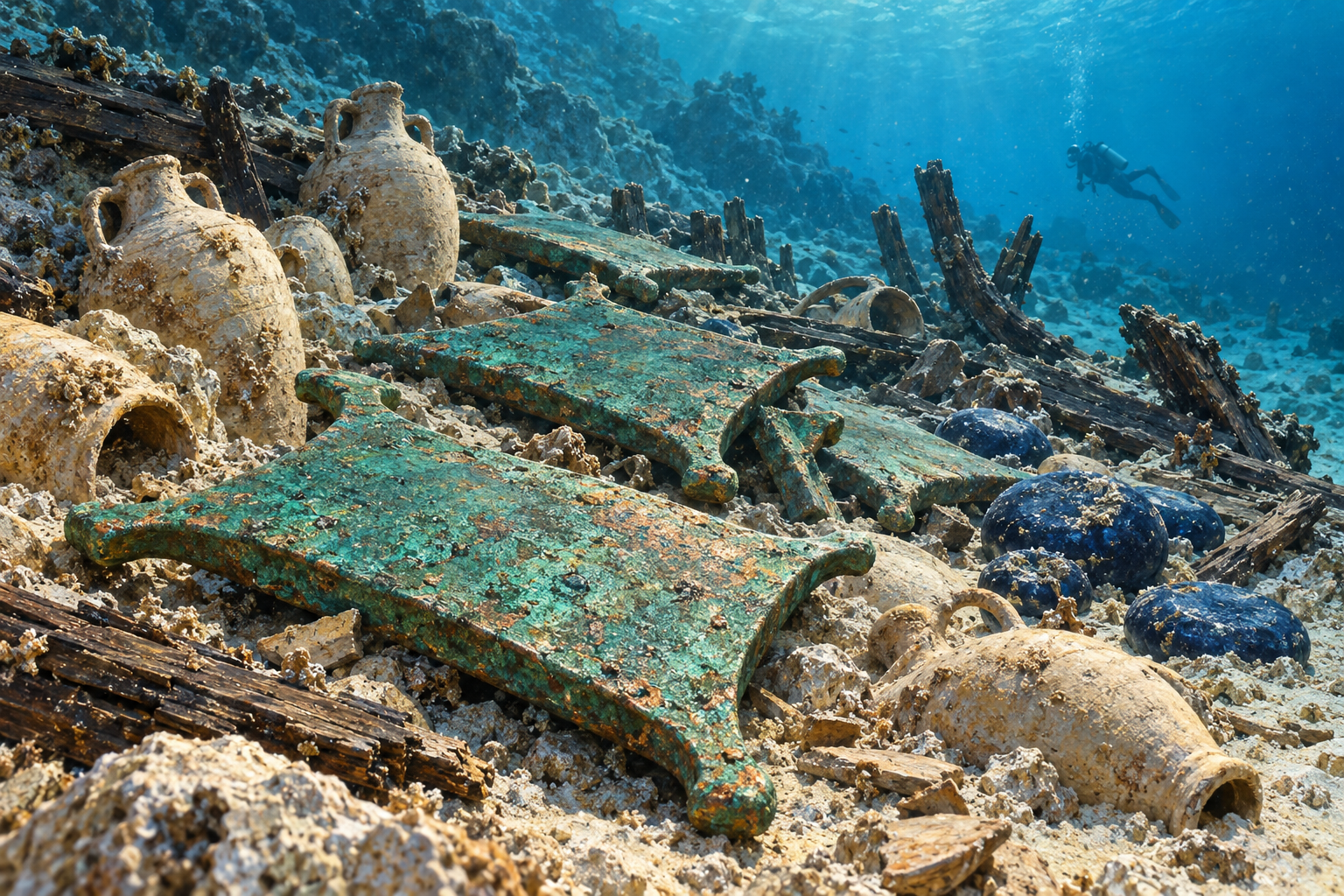
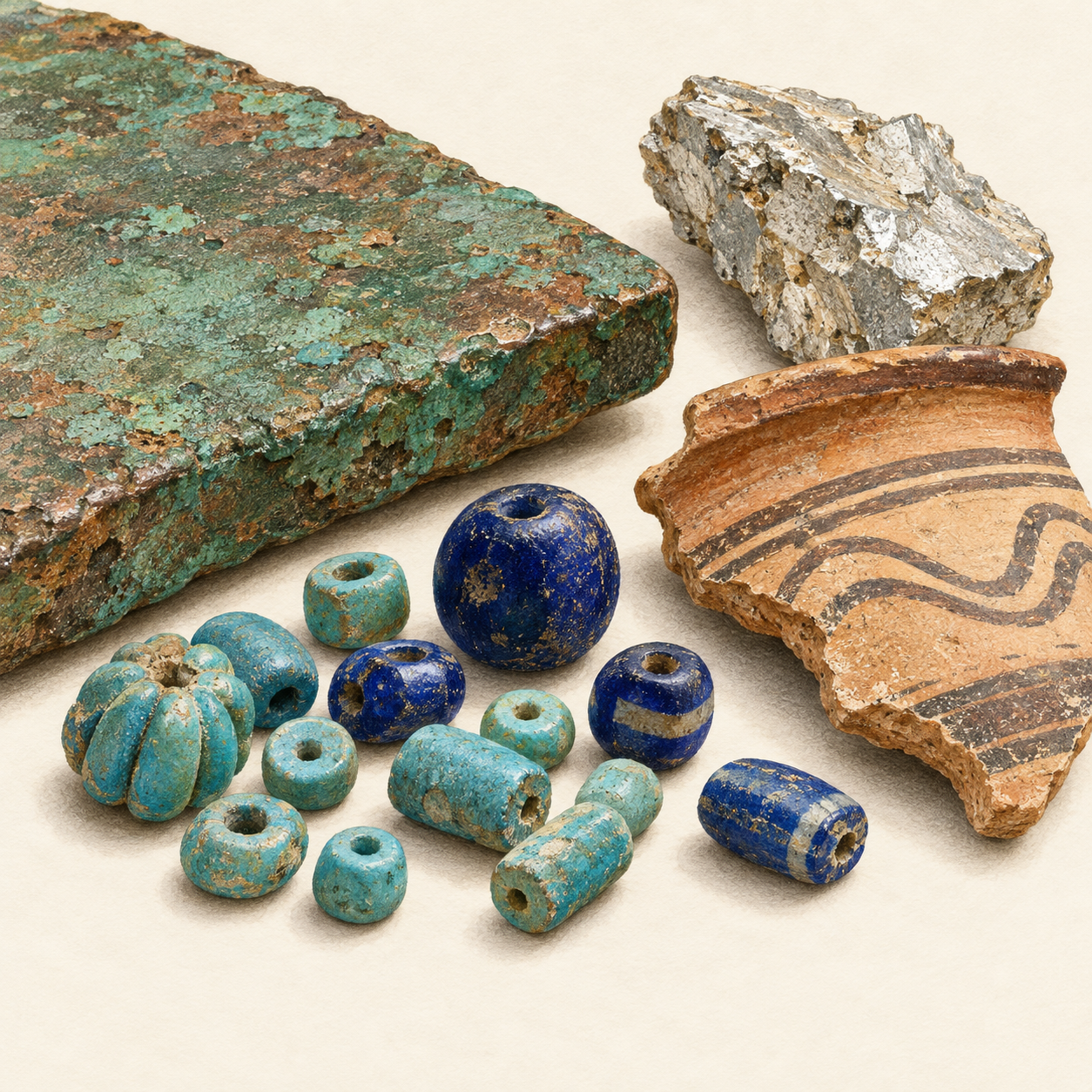
A cargo-inspired scene, rather than a reconstruction of the excavated site layout. Different materials reveal different connections. These interpretive examples are not a catalog of exact finds or relative sizes. Read the article →
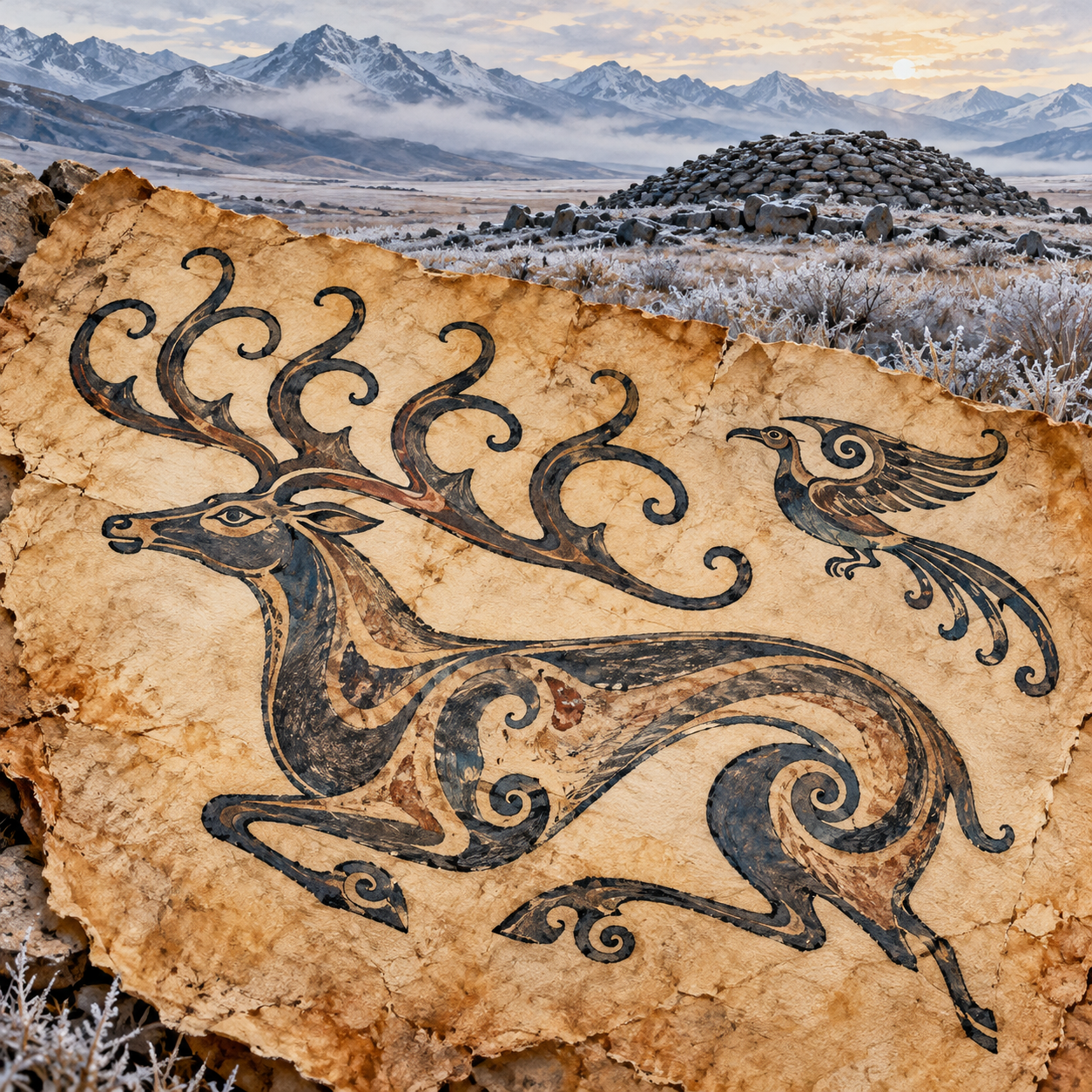
Interpretive animal motifs inspired by the artistic tradition, drawn on paper rather than skin. Ice can preserve organic materials that disappear at many other sites. These are imagined examples of craft types. Read the article →
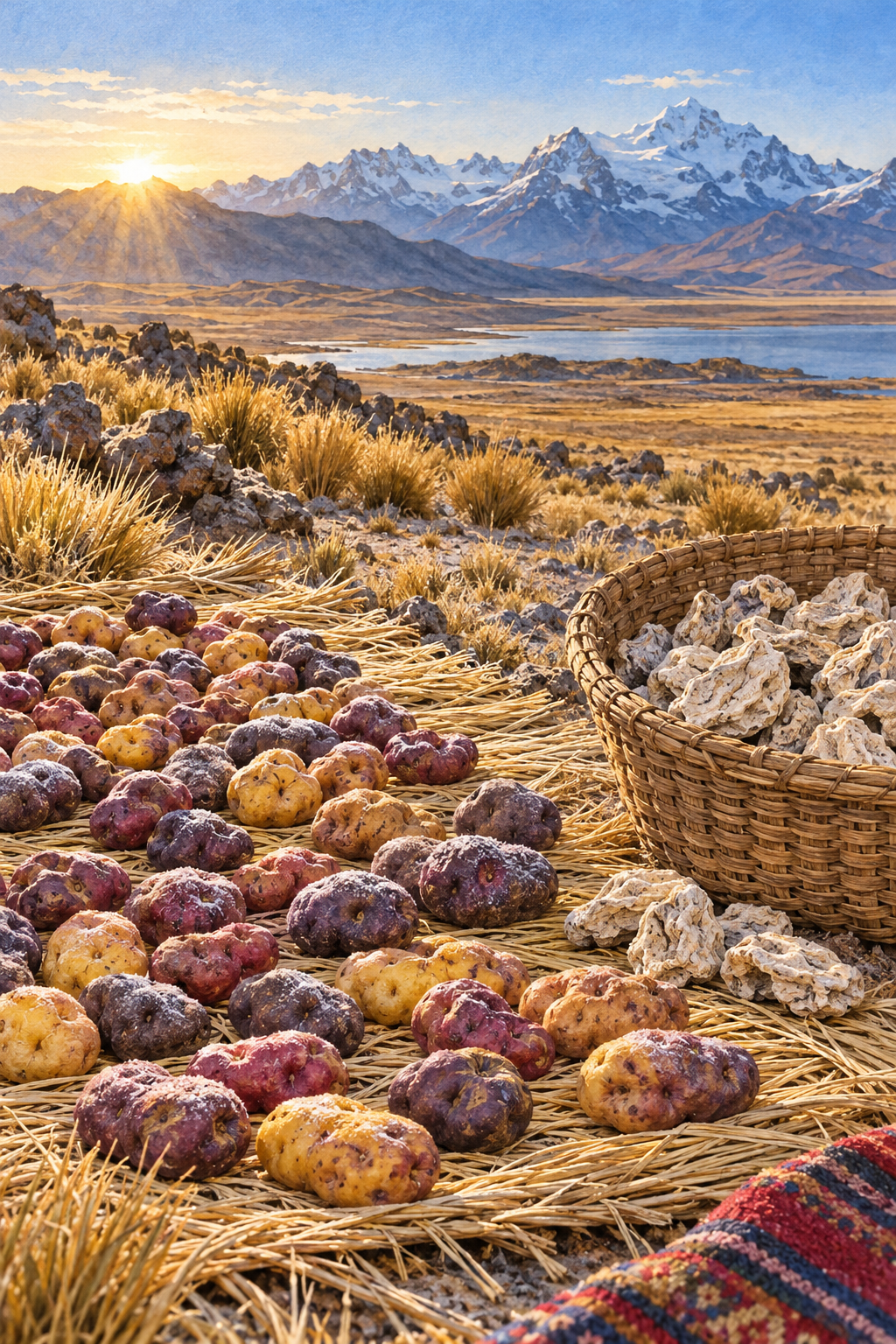
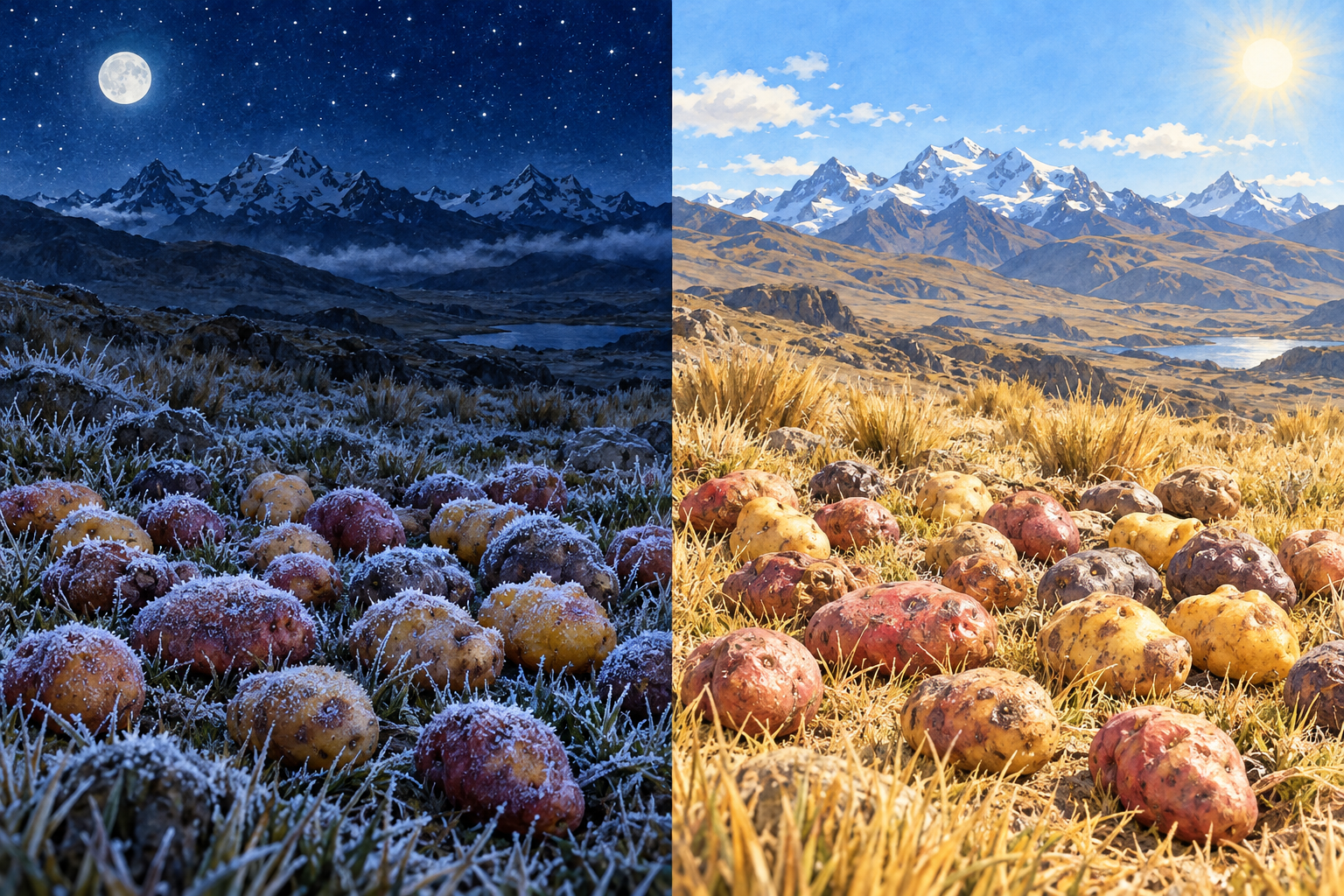
An interpretation of highland conditions and potato preservation, not a step-by-step processing guide. Cold nights and dry daytime conditions are part of the environmental knowledge behind chuño. This comparison is conceptual, not a processing timetable. Read the article →
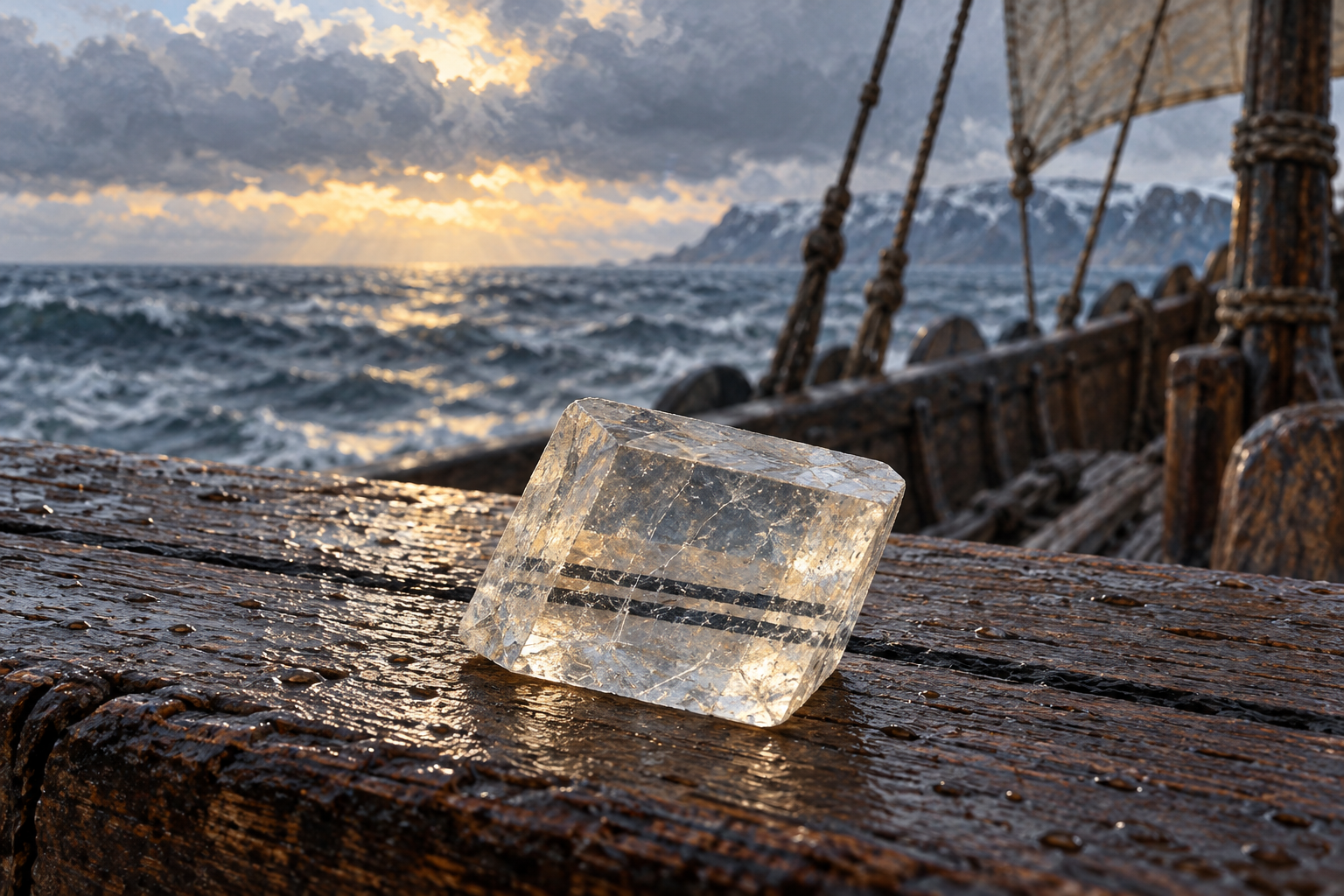
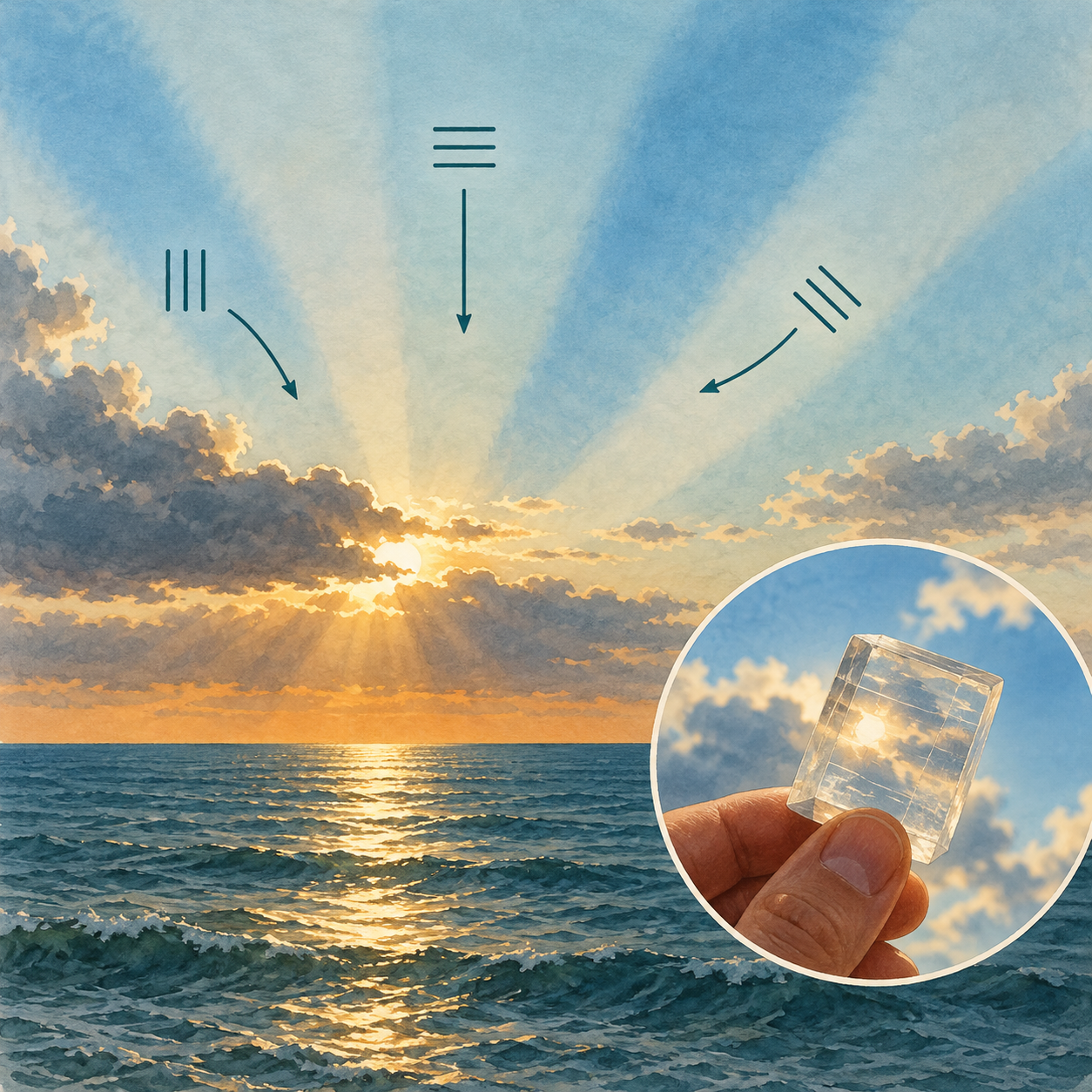
A visual interpretation of the optical hypothesis, not evidence of a recovered Viking tool. Sky polarization is a physical effect. The symbols are conceptual and do not establish how Viking navigators worked. Read the article →
A landscape inspired by the site's high-altitude setting, not a documentary view. Different laboratory methods answer different questions; the objects here symbolize those methods rather than the actual Roopkund samples. Read the article →
An architectural interpretation inspired by the Great Enclosure, not a measured site reconstruction. Skilled fitting and careful wall geometry help explain Great Zimbabwe's masonry. This is an interpretive view, not a measured reconstruction. Read the article →
An imagined scholarly setting; the marks and diagram do not reproduce a specific manuscript. Manuscripts also tell stories about materials and skilled copying. The tools and indistinct writing are imagined examples. Read the article →
An imagined milky-sea encounter showing steady pale illumination, not a particular reported event. A conceptual view of luminous bacteria around organic material, illustrating a proposed explanation for milky seas. This is not a microscope sample from a documented event; cell shapes and scales are illustrative. Read the article →
An interpretive view of the barreleye’s eye arrangement; illumination is added for clarity. Upward search and forward feeding orientation, shown as a simplified anatomical comparison rather than a scan. Read the article →
A conceptual adult giant-shipworm cutaway, with proportions and exposed interior interpreted artistically. Bacteria housed in gill tissue, with scale, colors and structures simplified to explain the partnership. Read the article →
A desert and a conceptual salt-rock microhabitat; organisms and moisture are enlarged for clarity. A conceptual field-sampling scene, not a record of a particular expedition. Read the article →
A conceptual view of lake-degassing engineering, not a current installation map or a reconstruction of the disaster. A simplified gas-lift cutaway: pressure decreases upward and expanding bubbles assist flow; this is not a measured lake profile. Read the article →
A lodestone’s attraction is shown with small steel pins and sparse filings. A visual model of less aligned and more aligned magnetic organization; arrows and boundaries are explanatory, not a measured mineral image. Read the article →
Intact drops with an artistic representation of polarized-light stress fringes; colors are not an ordinary naked-eye appearance. Compression near the surface and tension inside, shown with explanatory colors and arrows rather than a measured stress map. Read the article →
A conceptual cryogenic levitation demonstration; this does not depict room-temperature superconductivity. An artistic schematic of flux pinning; the gold lines are conceptual vortices, not visible glowing threads. Read the article →
An interpretation of a nineteenth-century dry-pile bell, rather than an exact replica or a live record of Oxford’s apparatus. A conceptual detail of alternating clapper motion, not a photograph of Oxford’s apparatus. Read the article →
Wolffia-like fronds and daughter buds, greatly enlarged and interpreted artistically. A simplified, enlarged concept of a reduced Wolffia flower, not a species-level anatomical transcription. Read the article →
An artistic mantis shrimp in a reef setting, with its movable compound eyes emphasized. Conceptual eye-surface detail; colors and facets are illustrative rather than a measured receptor map. Read the article →
A conceptual peacock-spider courtship scene at enlarged scale, with an artistic pattern rather than an identified specimen. Read the article →
An artistic velvet-worm hunting scene with slime strands emphasized for visibility. Read the article →
A conceptual archerfish hunting scene with an artistic target and jet, rather than measured shot geometry. Read the article →
A weakly electric fish inspired by elephantnose morphology in an imagined freshwater setting. Conceptual field distortion using a generic fish silhouette. The invisible curves, colors, and distances are illustrative rather than measured electrical data. Read the article →
A generalized artistic sea cucumber, rather than a depicted experimental species or evisceration event. Read the article →
An overhead artistic view of Anableps at the water surface; the lower parts of its eyes are hidden by water. Conceptual view of one divided pupil spanning the waterline. The proportions are illustrative, not anatomical measurements. Read the article →
An artistic Greenland shark in a cold-water setting, rather than an identified or age-dated individual. Read the article →
An artistic habitat view of an adult hoatzin. Conceptual scene of a young hoatzin using wing claws to help climb. The pose and proportions are artistic. Read the article →
An artistic view of a gopher tortoise and its burrow entrance in open pine habitat. Composite cutaway showing examples of burrow users. It does not depict simultaneous occupancy or measured tunnel geometry. Read the article →
An imagined printing workspace suggests the materials behind a metal-type book; it is not a reconstruction of a documented workshop. Read the article →
These invented fragments evoke a fragile writing surface; the marks are not a facsimile or a readable mathematical text. The surface must exist before it can carry writing. This conceptual sequence does not document the manuscript's exact manufacture. Read the article →
The carved marks are artistic suggestions, not an exact tablet, a sign list or a proposed translation. Read the article →
This imagined message illustrates bark and stylus as writing materials; it does not reproduce or translate an excavated letter. Exercises and drawings bring learning into the archaeological record. This imagined lesson is not a copy of Onfim's work. Read the article →
An imagined cave wall and sensor connect art with environmental monitoring; the scene is not a photograph or an exact Lascaux panel. Read the article →
This invented fragment suggests the appearance of an inscription; its marks are not a valid sentence or an archaeological facsimile. Recognizing signs, recovering sounds and explaining meaning are separate tasks. No sign-to-sound mapping is proposed here. Read the article →
This simplified cutaway distinguishes roots from fungal filaments. It is not a map of a measured forest network. A root–fungus association is a partnership between organisms. This enlarged schematic is not a microscope image or a measured specimen. Read the article →
The tall spike and surrounding spathe belong to an inflorescence made of many small flowers. The actual flowers sit low on the axis, in separate zones. This cutaway simplifies their form and proportions. Read the article →
Paired fleshy leaves can resemble surrounding stones, while a flower makes the living plant easier to recognize. Read the article →
This interpretive Socotra-inspired landscape emphasizes crown shape and mist rather than a specific documented grove. Leaf surfaces can intercept mist, while the crown shades the ground. This close-up is conceptual, not a measured water balance. Read the article →
The cone of stilt roots is striking on its own. All roots shown are anchored; the illustration depicts no walking motion. Read the article →
The contrasting structures help show how a fig can surround its support tree. This is an interpretive scene, not a documented specimen. An early canopy foothold looks very different from a mature enclosing lattice. The scene is an imagined example. Read the article →
Scale-like leaves and nodding flowers belong to a plant whose carbon supply depends on fungi. Read the article →
The leaf and its hairs are an artistic botanical view, not an identification guide or a microscopic measurement. Delivery structures and the effects of their payload are separate research questions. This schematic simplifies hair anatomy and is not a micrograph. Read the article →
The spore packet and fluid jet are an interpretive enlargement, not high-speed footage or a true-scale measurement. Read the article →
The familiar leaf procession supplies material for a fungal garden beneath the surface. A garden is the hidden destination of harvested vegetation. Nest form, garden texture and relative scale are simplified. Read the article →
The invented fragments evoke carbonized papyrus; their marks are not a facsimile, a transcription or a proposed restoration. Read the article →
This imagined reading bay follows the principle of cover-attached chains and fore-edge-out shelving. It is not an exact reconstruction of Hereford. The tether attaches to the cover, leaving pages available for reading. Hardware and proportions are simplified. Read the article →
This conceptual storage scene is not a reconstruction of Cave 17 as first found; the original arrangement is uncertain. Read the article →
These invented examples distinguish raw material from worked objects; they are not a group of excavated finds. Surfaces, inner material and treatment history can all matter to chemical interpretation. This is not a real sample, spectrum or instrument record. Read the article →
Terraces inspired by Teyuna's surviving stone architecture. Their arrangement is interpretive rather than a measured reconstruction. Read the article →
An interpretation of Nan Madol's basalt walls and lagoon setting, rather than an exact record of a particular islet. Cooling lava supplies naturally jointed basalt; people select and arrange the pieces into architecture. The comparison is schematic and does not depict a specific quarry. Read the article →
A room inspired by Cappadocia's rock-cut refuges; the arrangement is illustrative and does not reproduce a surveyed Derinkuyu chamber. Read the article →
An architectural interpretation inspired by Rani-ki-Vav; carving, layout and the suggested water level are illustrative rather than a survey or present-day record. An interpretive study of the floral carving and layered stone detail associated with stepwell architecture; it does not reproduce a specific Rani-ki-Vav sculpture. Read the article →
Illustration of the gegenschein; the sky and landscape are interpretive, not an observation or a chart. Conceptual illustration of backscattered sunlight. Sizes, distances, dust density and rays are simplified and not to scale. Read the article →
Conceptual illustration of lunar libration. The ghosted rims suggest changing views; they are not measured lunar outlines. Read the article →
Conceptual illustration of a lunar mascon. Rock colors, layers and gravity shading are simplified; this is not a GRAIL data map. Read the article →
Microscopy-inspired illustration of a bdelloid rotifer; colors and internal details are interpretive, not a specimen micrograph. Conceptual illustration of permafrost research. It does not depict the actual 2021 core or recovered specimen, and the inset is not to scale. Read the article →
Conceptual illustration of Deinococcus radiodurans. The cutaway, molecular shapes and colors are explanatory, not a specimen micrograph. Conceptual illustration of DNA damage and recovery. The repeated cells represent stages of one process, not a measured time series; structures are simplified. Read the article →
Conceptual illustration of microbial electron transfer. Amber points symbolize electrons; actual microbes and wires do not visibly spark. Conceptual illustration of a cytochrome nanowire. The heme-like groups and protein outline communicate a conducting chain; they are not an exact atomic model. Read the article →