INCOPREA

Fifty Further Discoveries

Explore communication, sound, perception, materials, architecture, and hidden everyday systems. Fifty researched articles pair original illustrations with hands-on models, observation sheets, listening exercises, and further reading.

Browse the complete Curious World gallery →

50 articles shown

The Paris Message That Went Underground Before It Reached the Door
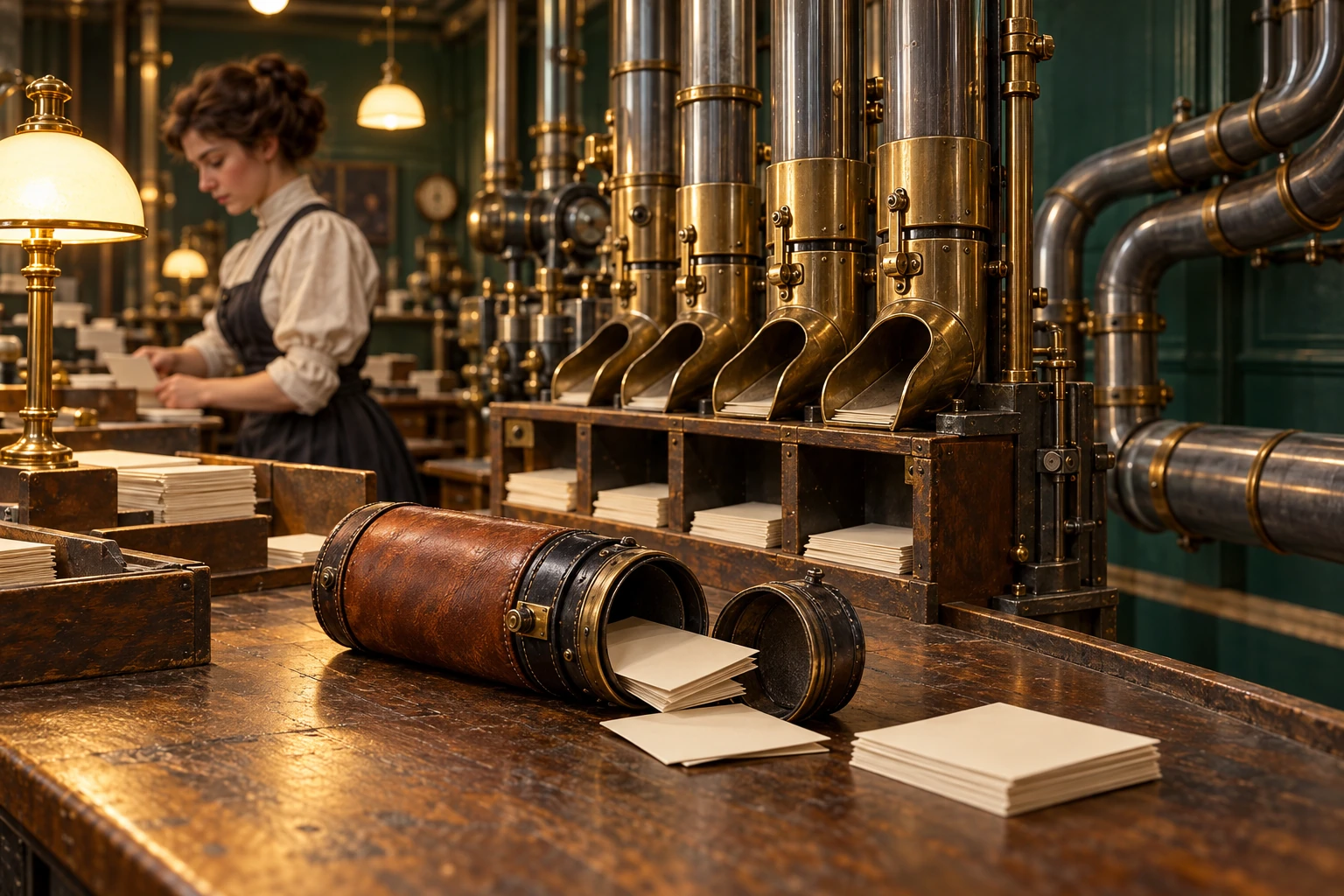
A pneumatic postal carrier lies beside tube terminals in a reconstructed Paris sorting room.
The carrier is only one stage of the journey. Sorting and final delivery remain essential after it reaches a terminal.

Follow a pneumatic letter through tubes, sorting desks and the overlooked final walk.

Communication history · Urban systems · Postal history · About 5 minutes
Read journey 01 →

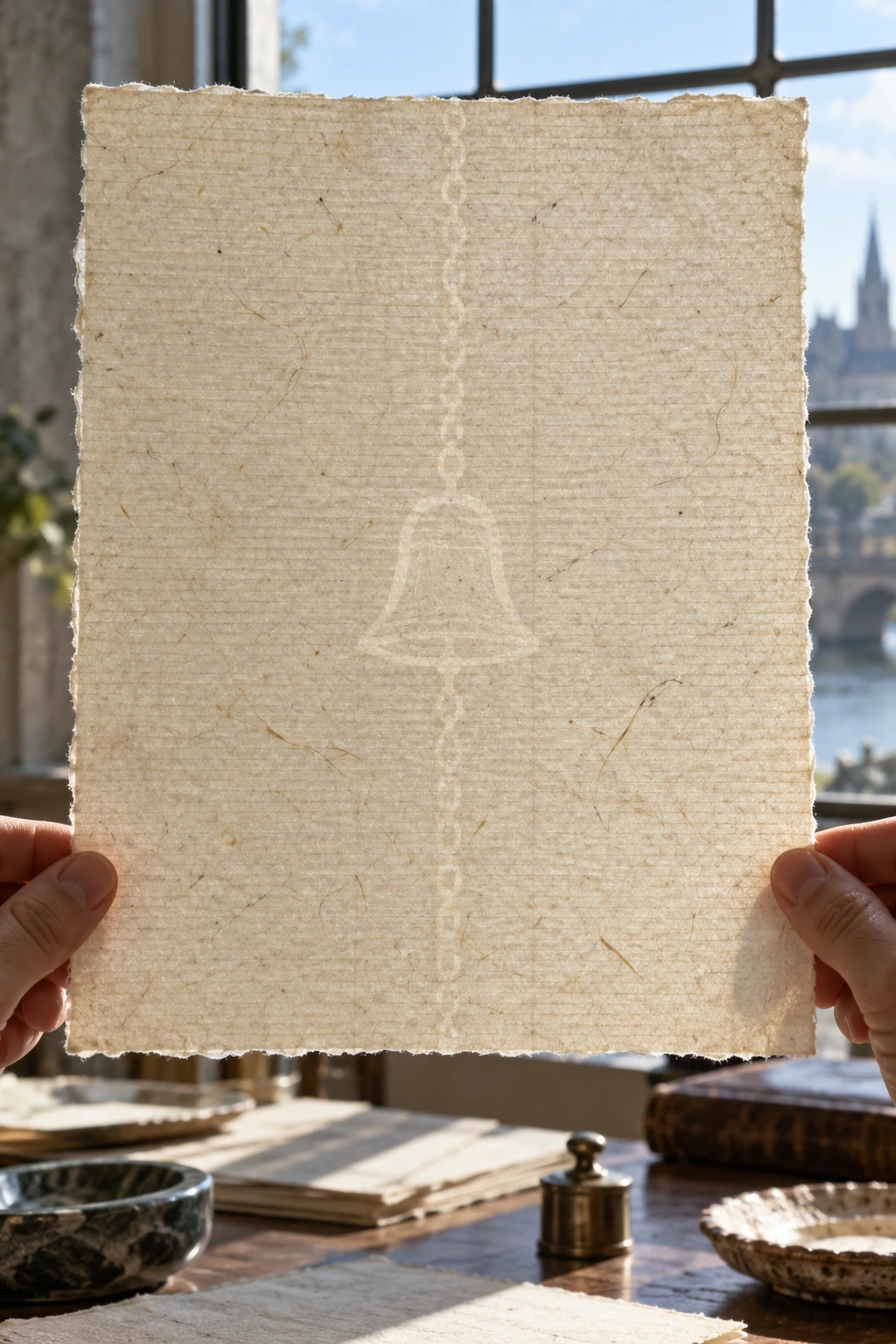
The Picture Inside the Paper Was Never Printed

A cream sheet held against a window reveals a pale bell-shaped watermark.
Transmitted light reveals a difference within the sheet, rather than an image printed on its surface.

A watermark turns a blank sheet into evidence of a manufacturing process.

Paper · Close looking · Book history · About 5 minutes
Read journey 02 →

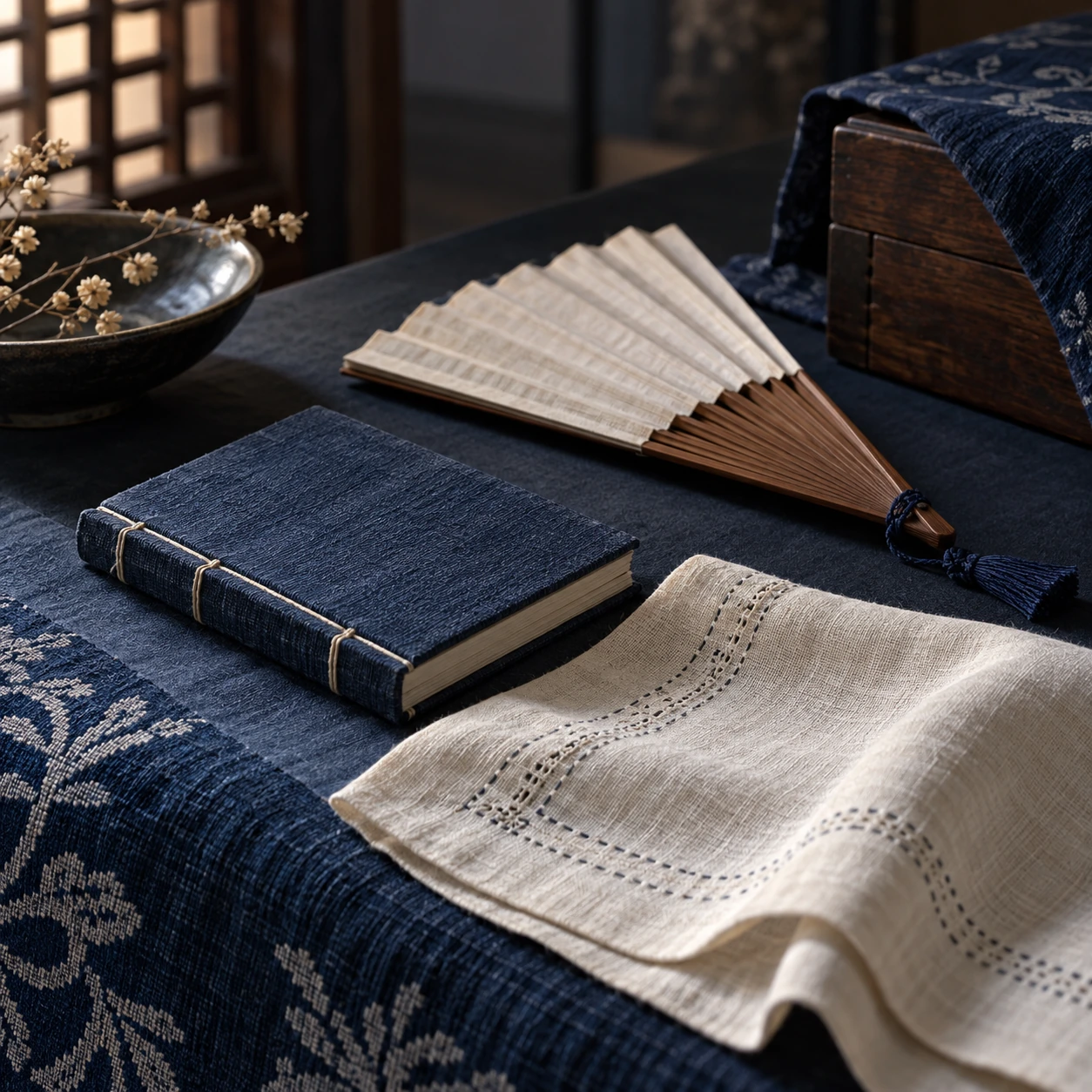
Nüshu: The Writing That Travelled on Fans and Wedding Books

A cloth-bound book, folded fan and stitched cloth rest on a study table.
A contextual still life brings book, fan and textile together. It does not reproduce a Nüshu inscription or a named historical object.

Read a writing tradition through books, songs and relationships instead of a story about a secret code.

Writing systems · Cultural history · Women’s history · About 5 minutes

Read journey 03 →

A Telegraph You Could See Only When the Weather Allowed

An optical telegraph mast rises above a hilltop tower, with another ridge beyond.
The gaps between stations belong to the technology: a visible signal needs a usable line of sight. Reconstructed scene.

Chappe’s moving arms turn a distant hill into a message, one visible state at a time.

Communication history · Optics · Networks · About 5 minutes
Read journey 04 →

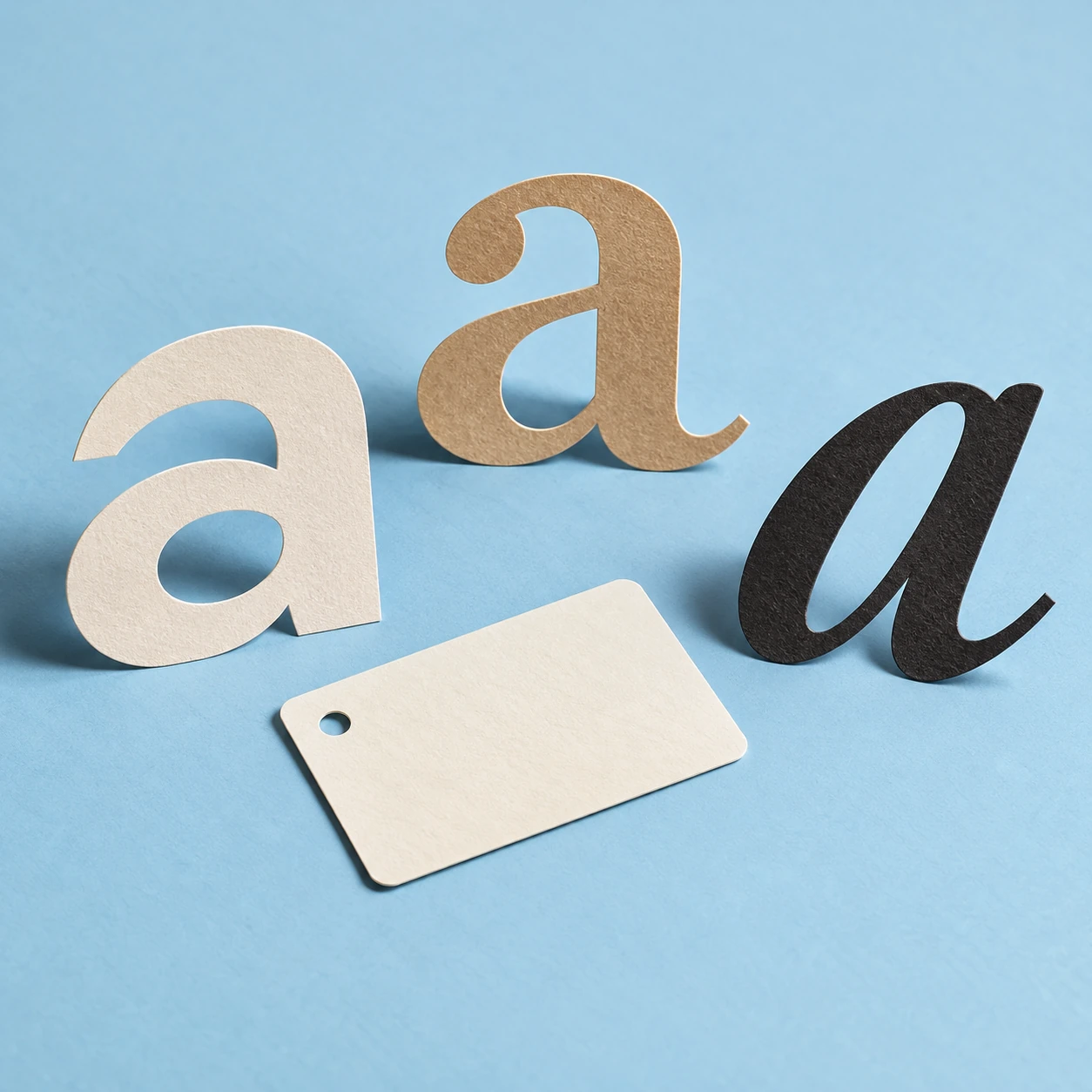
Your Screen Can Draw One Letter in Several Different Ways

Three sculptural lowercase a forms in different type designs stand on a pale blue table.
The drawn form changes while the letter remains recognizable. The explorer below separates visible design from encoded text.

Unicode separates a character’s identity from the glyph that happens to appear on your screen.

Typography · Digital culture · Writing systems · About 5 minutes
Read journey 05 →

A Message Stick Is More Than the Marks a Camera Can See

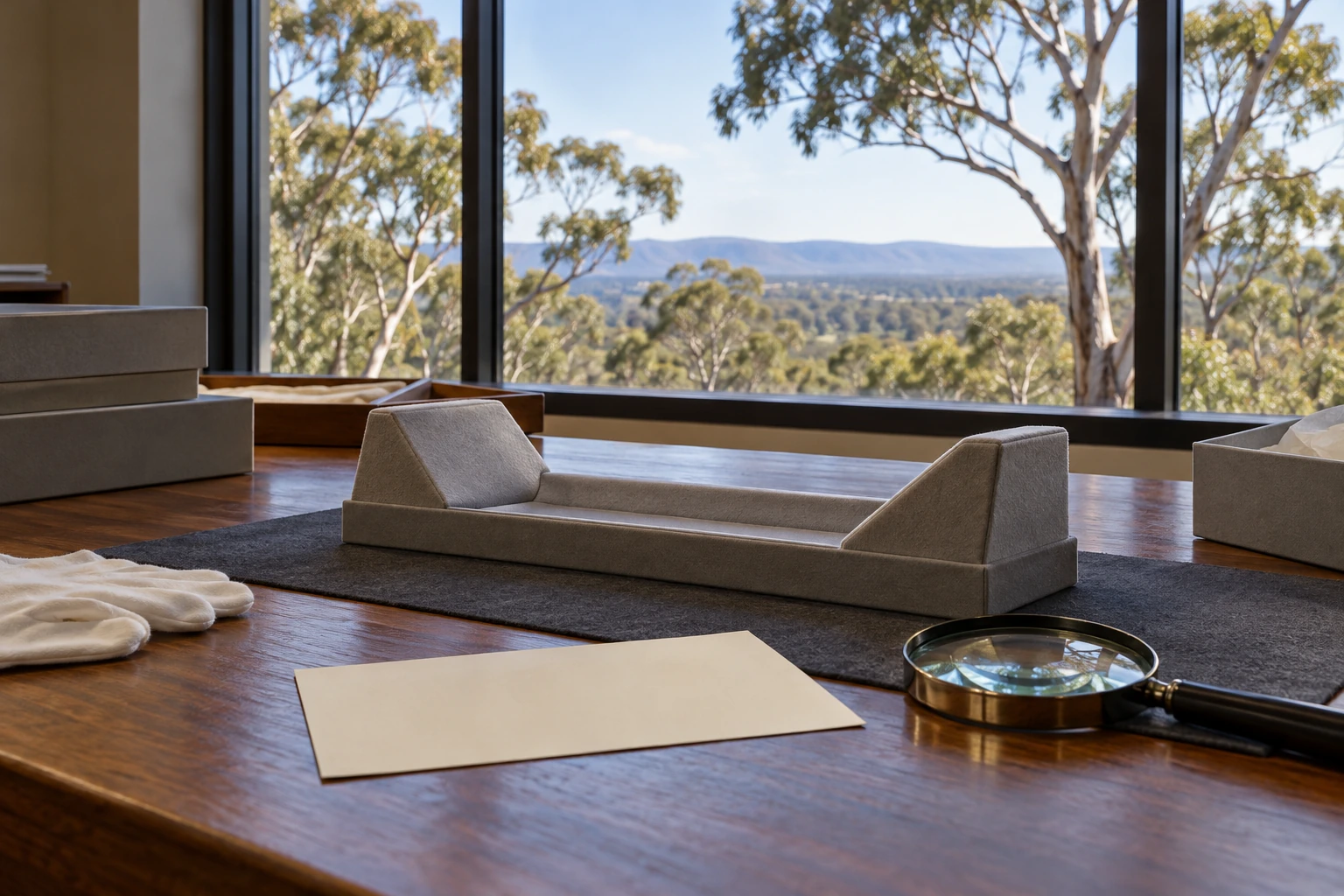
An empty museum study cradle and magnifying glass sit before a window overlooking eucalyptus trees.
The study setting leaves the object to its documented museum record, where image, provenance and description remain connected.

An Australian museum record shows why objects, messengers and provenance must be read together.

Material culture · Communication · Museum collections · About 5 minutes
Read journey 06 →

The Edge of the Stone Is Part of the Writing

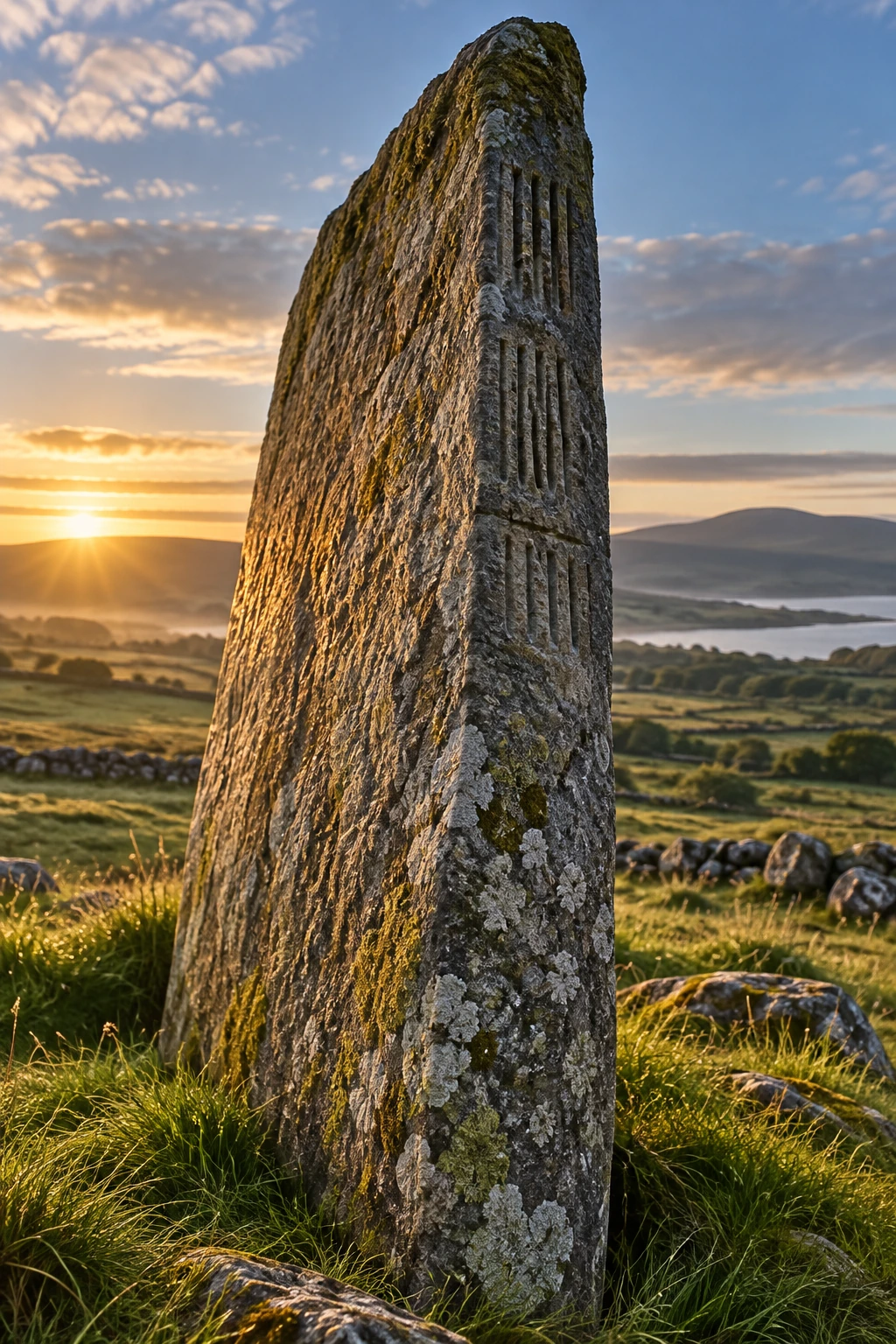
A weathered stone edge with grouped incisions stands in grass under low sunlight.
The corner offers a route for the eye. This reconstructed stone is illustrative; use the museum guide for a documented inscription.

Ogham turns a corner into a line of text, rewarding a different kind of close looking.

Writing systems · Archaeology · Ireland · About 5 minutes
Read journey 07 →

The Small ⁊ Sign That Outlived a Vast Shorthand System

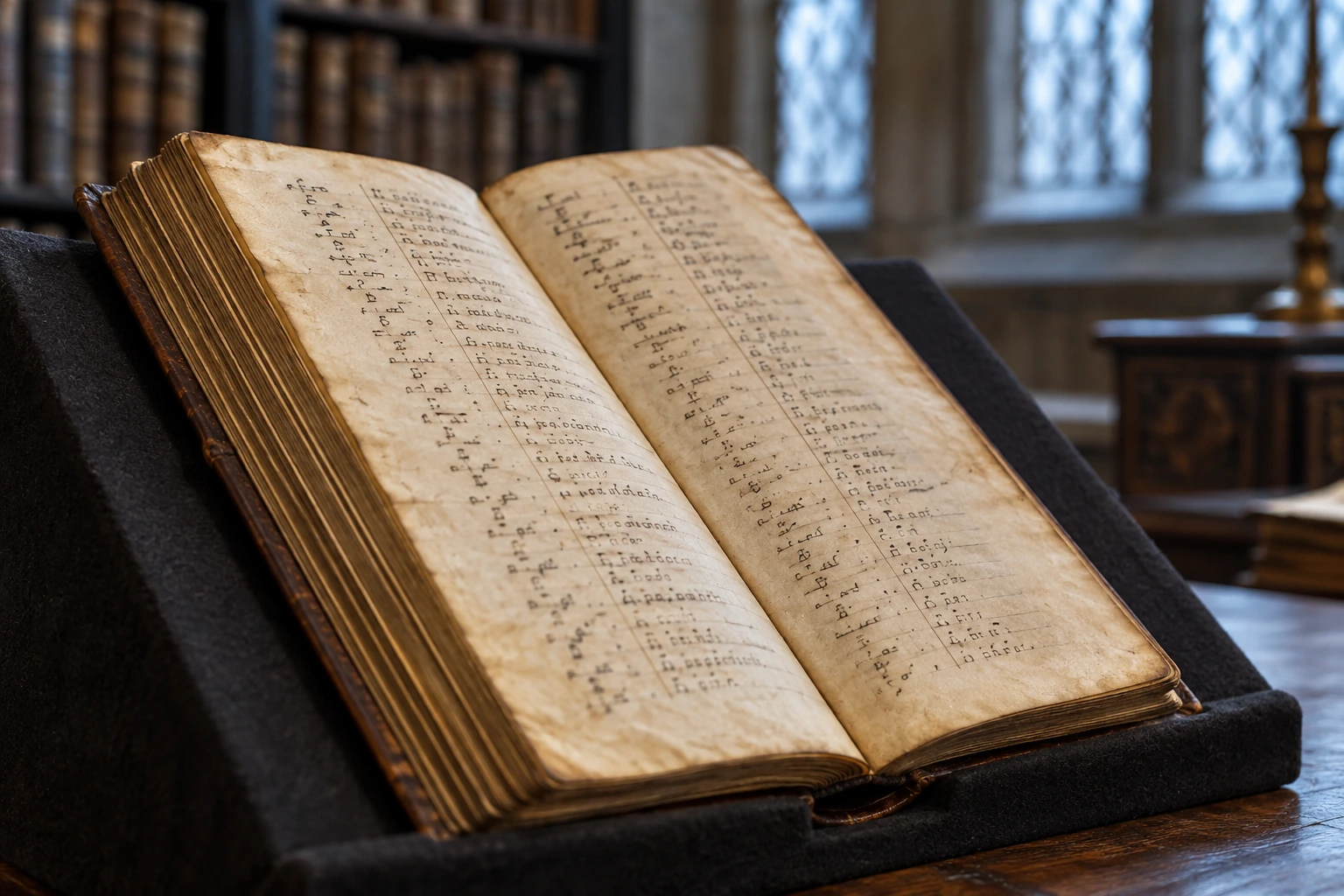
A narrow parchment manuscript lies open on a padded archival cradle.
A contextual reconstruction suggests the scale of a shorthand reference book. The linked Geneva facsimile supplies the actual historical pages.

A compact “and” connects medieval notes, Irish typography and the text inside a computer.

Typography · Writing history · Irish culture · About 4 minutes
Read journey 08 →

Finding the Door When the Address Names a Block

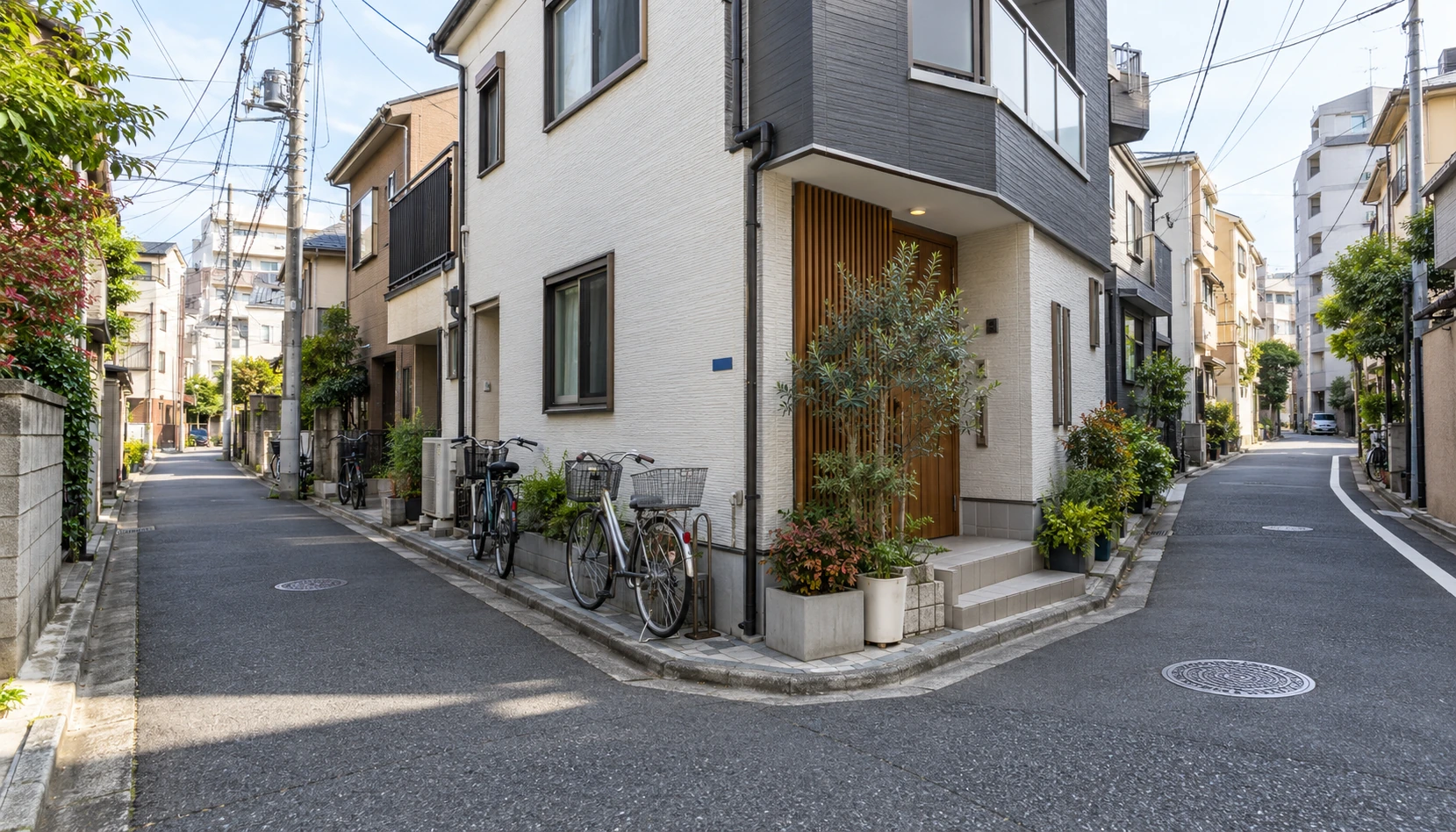
Two lanes meet beside a corner building in a quiet Japanese residential neighborhood.
Reaching a block and finding the usable entrance are related but distinct wayfinding tasks. Illustrative neighborhood.

A Japanese address becomes easier to read when you stop treating every number as a place along a street.

Cities · Wayfinding · Japan · About 5 minutes
Read journey 09 →

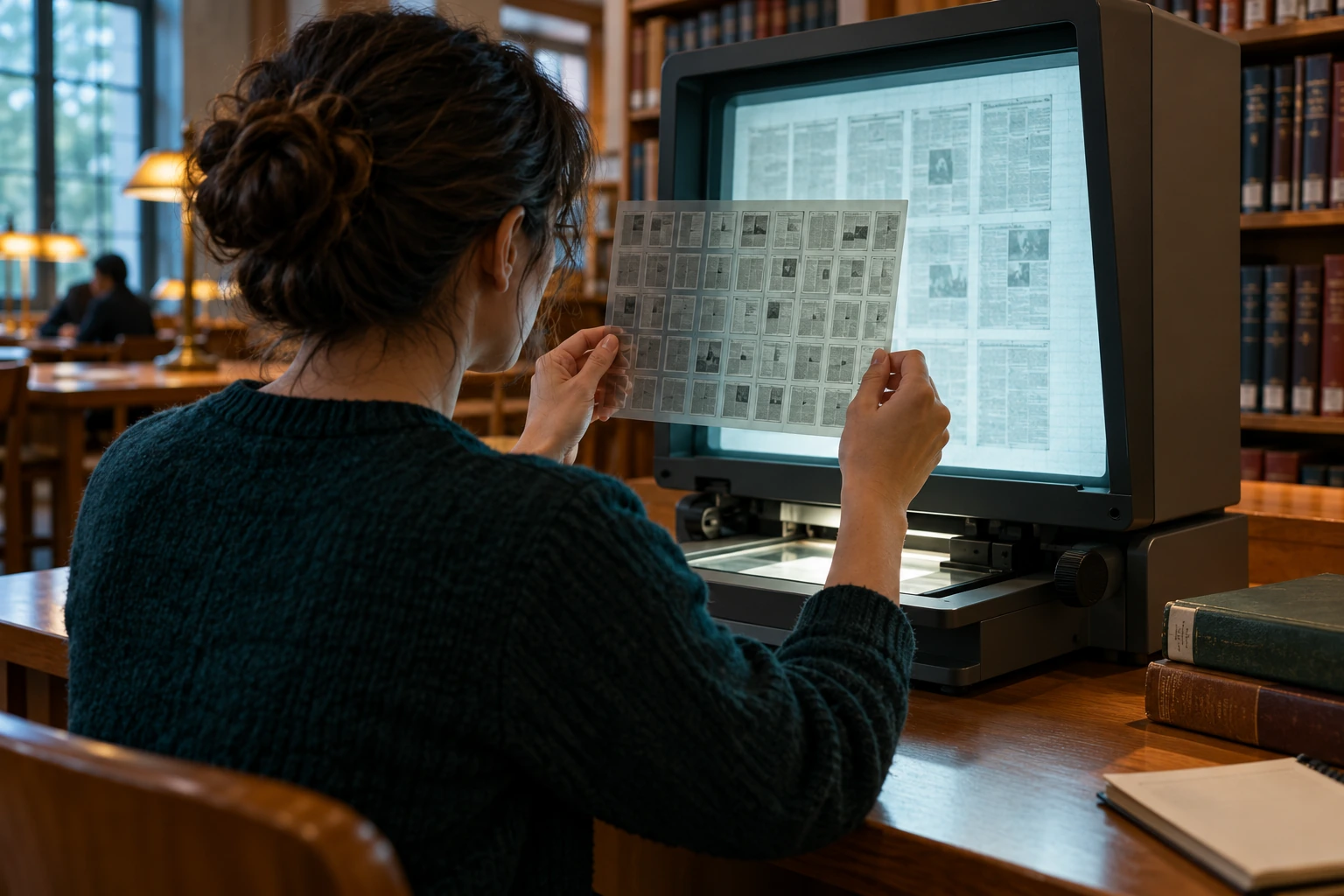
A Whole Shelf of Pages, Small Enough to Misplace

A reader holds a grid of tiny film images before an illuminated library viewer.
The heading identifies a sheet; magnification makes an individual page available. The grid still needs a navigation system.

Microfiche solves a storage problem while creating a fascinating problem of navigation.

Libraries · Photography · Information design · About 5 minutes
Read journey 10 →

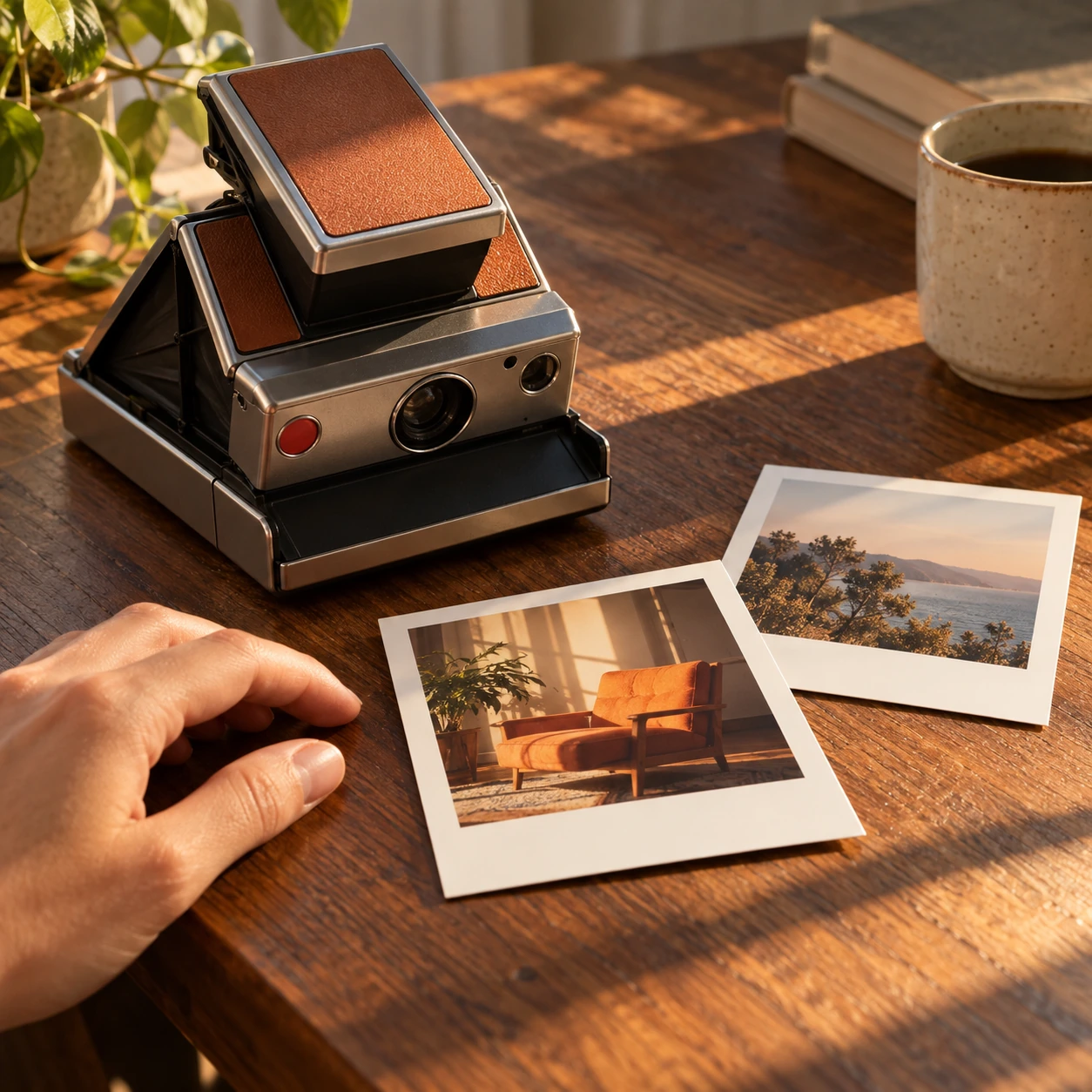
The Little Darkroom Hidden Inside an Instant Photograph

A folding instant camera stands beside intact white-bordered photographs on a wooden table.
The print continues developing after ejection. Waiting is part of making the photograph.

A sealed print turns rollers, layers and chemical timing into a picture you can hold.

Photography · Materials · Chemistry · About 5 minutes
Read journey 11 →

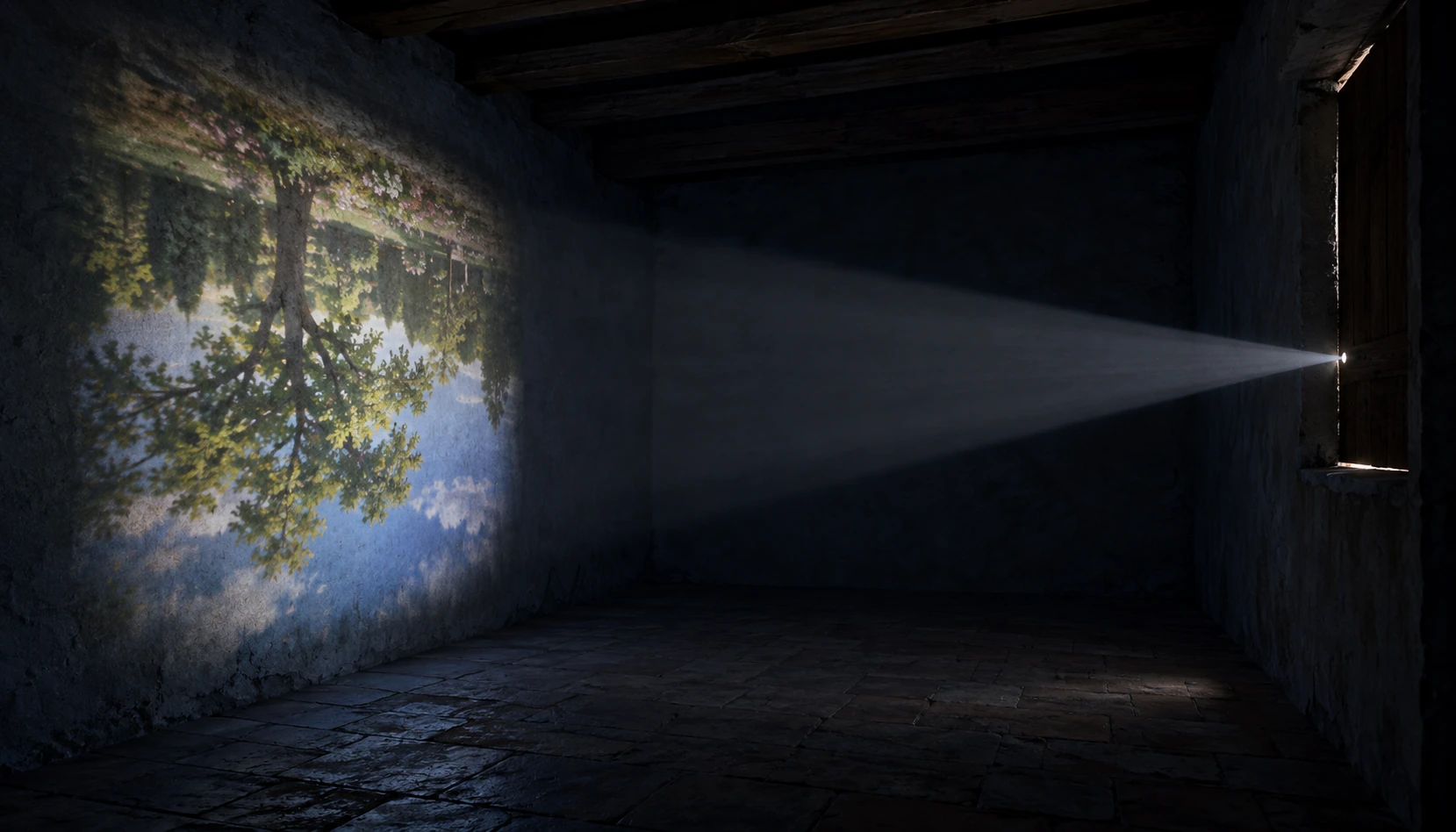
Let the Garden Enter the Dark Room Upside Down

An inverted tree and sky are projected on the wall of a dark room opposite a small aperture.
The top of the outside scene reaches the lower part of the image. The room makes that crossing visible. Interpretive scene.

A camera obscura makes an image by controlling which light is allowed to reach a surface.

Optics · Photography · Experiments · About 5 minutes
Read journey 12 →

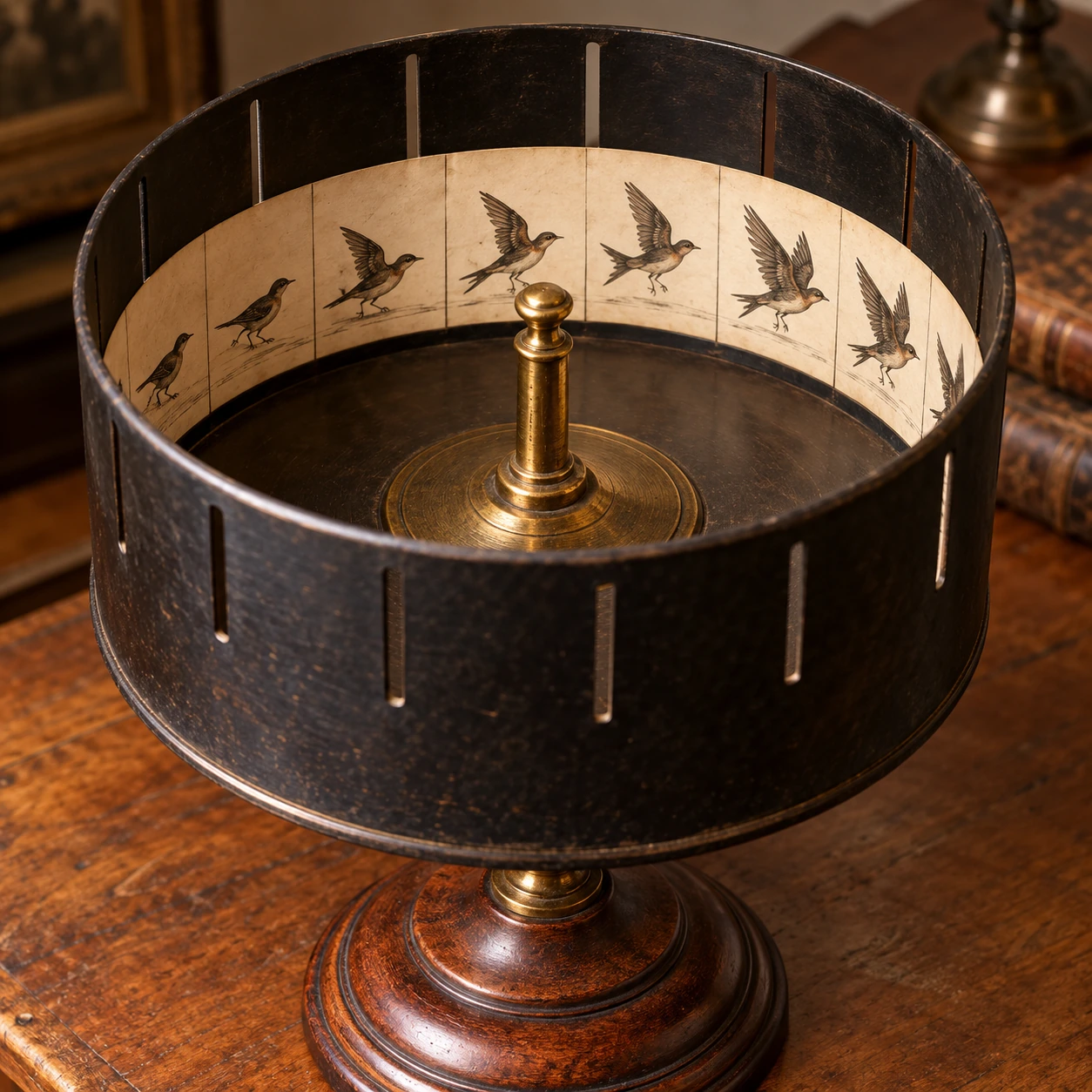
The Slits in a Zoetrope Are Doing Half the Work

A slotted zoetrope drum contains a strip of sequential bird drawings.
The strip offers separate poses. The slits control when a viewer sees them as the drum turns. Reconstructed optical toy.

Separate drawings need carefully timed glimpses before a spinning strip becomes an apparent action.

Animation · Perception · Optical toys · About 5 minutes
Read journey 13 →

Read the Blue Around the Plant

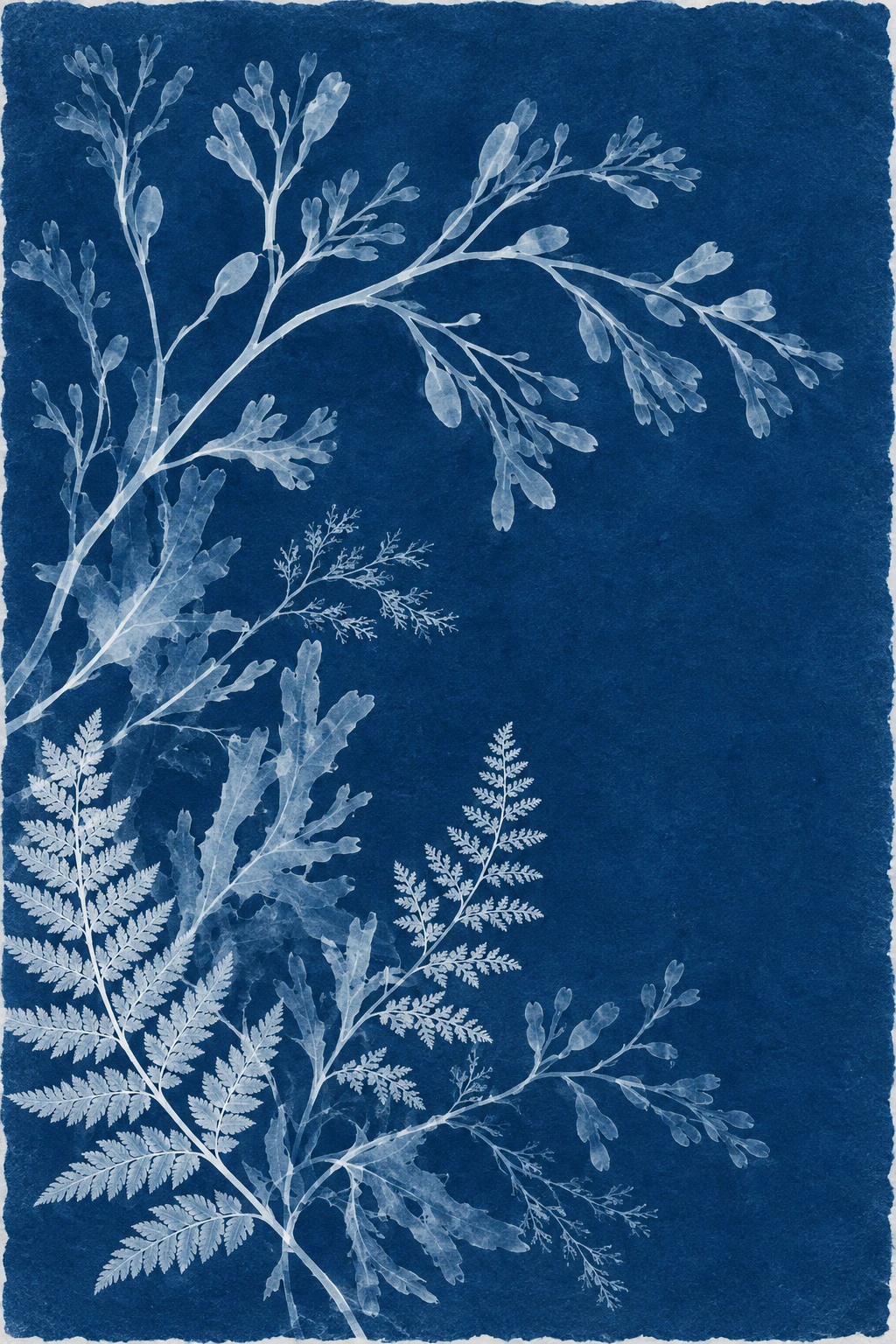
Pale seaweed and fern silhouettes spread across textured Prussian-blue paper.
A modern botanical composition inspired by contact printing. It is not an Anna Atkins original or a measured botanical record.

Anna Atkins’s cyanotypes turn contact, transparency and arrangement into a different kind of botanical image.

Photography · Botany · Art history · About 5 minutes
Read journey 14 →

The Printing Stone Whose Picture Stays Flat

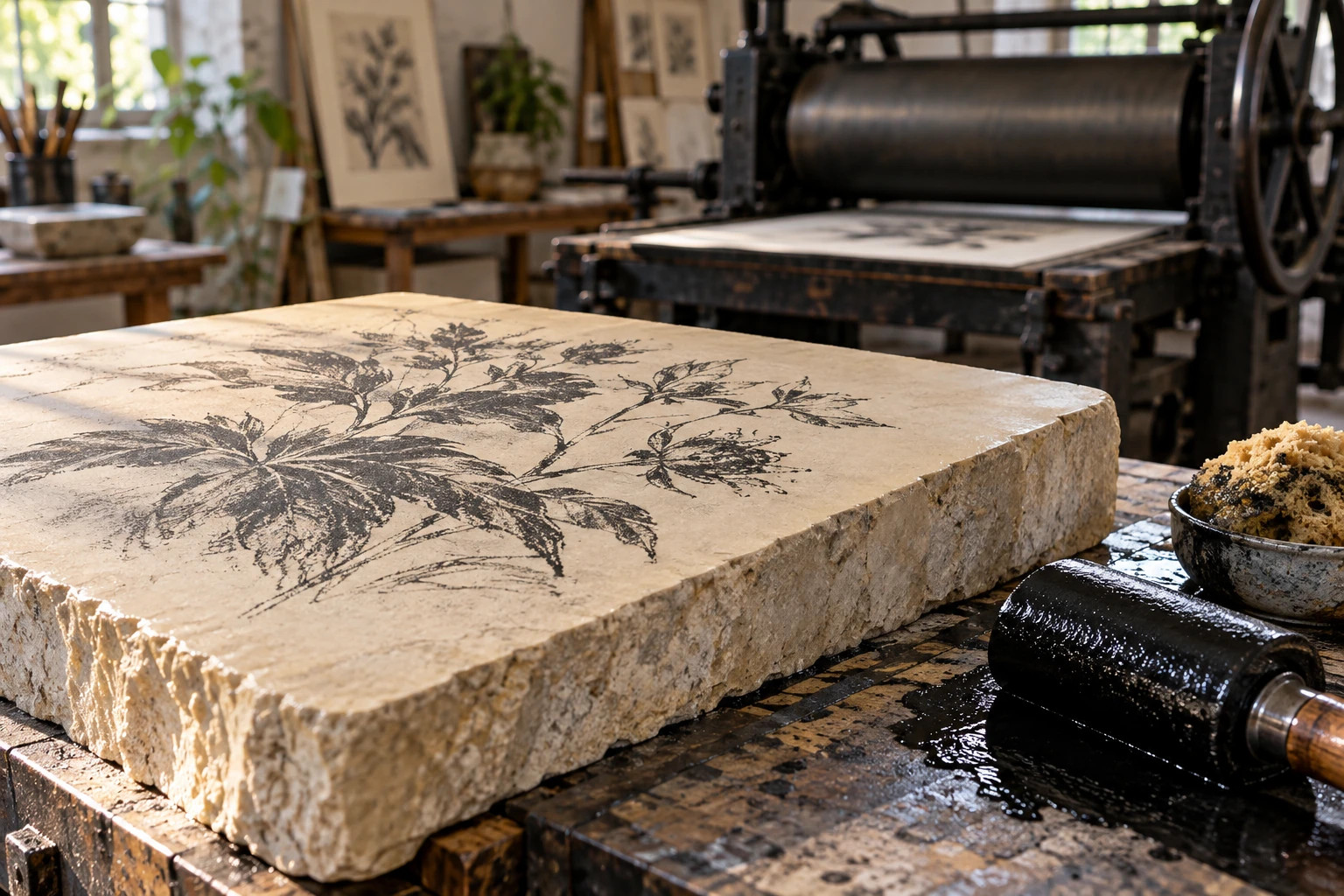
A botanical drawing covers the flat top of a limestone printing stone beside a roller and sponge.
The printing distinction lies across a flat surface. It does not require the image to be cut into raised relief.

Lithography makes an image through the behavior of a surface rather than the height of carved marks.

Printmaking · Materials · Art techniques · About 5 minutes
Read journey 15 →

The Landscape Hiding Between a Book’s Gold Edges

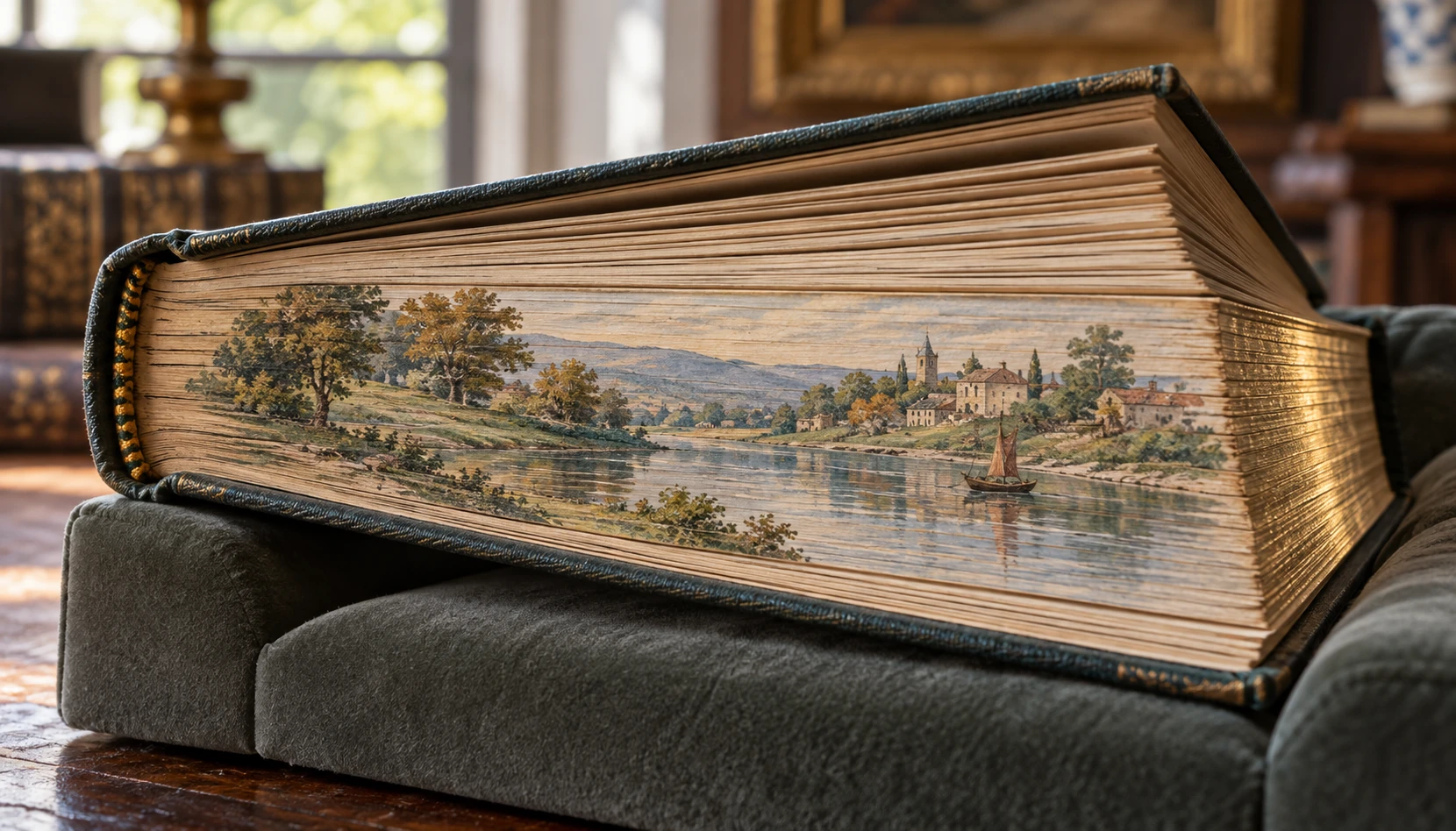
Pages gently fanned on a book cradle reveal a painted riverside landscape across their sloping edges.
Fanning exposes narrow strips of painted surface. This illustrative book is not a photograph of the Folger example.

Fore-edge painting turns the angle of a page into a surprisingly effective reveal.

Book arts · Visual perception · Hidden images · About 5 minutes

Read journey 16 →

The Keyboard That Made a Whole Line of Metal

A typesetter works at the keyboard below the brass channels of a linecasting machine.
Matrices circulate through the machine; the finished line of metal type leaves for the press. Reconstructed print shop.

A Linotype machine turns letters into a reusable mould, then sends a solid line toward the printing press.

Printing history · Machines · Typography · About 5 minutes
Read journey 17 →

The Ondes Martenot Puts a Singing Voice Between Two Hands

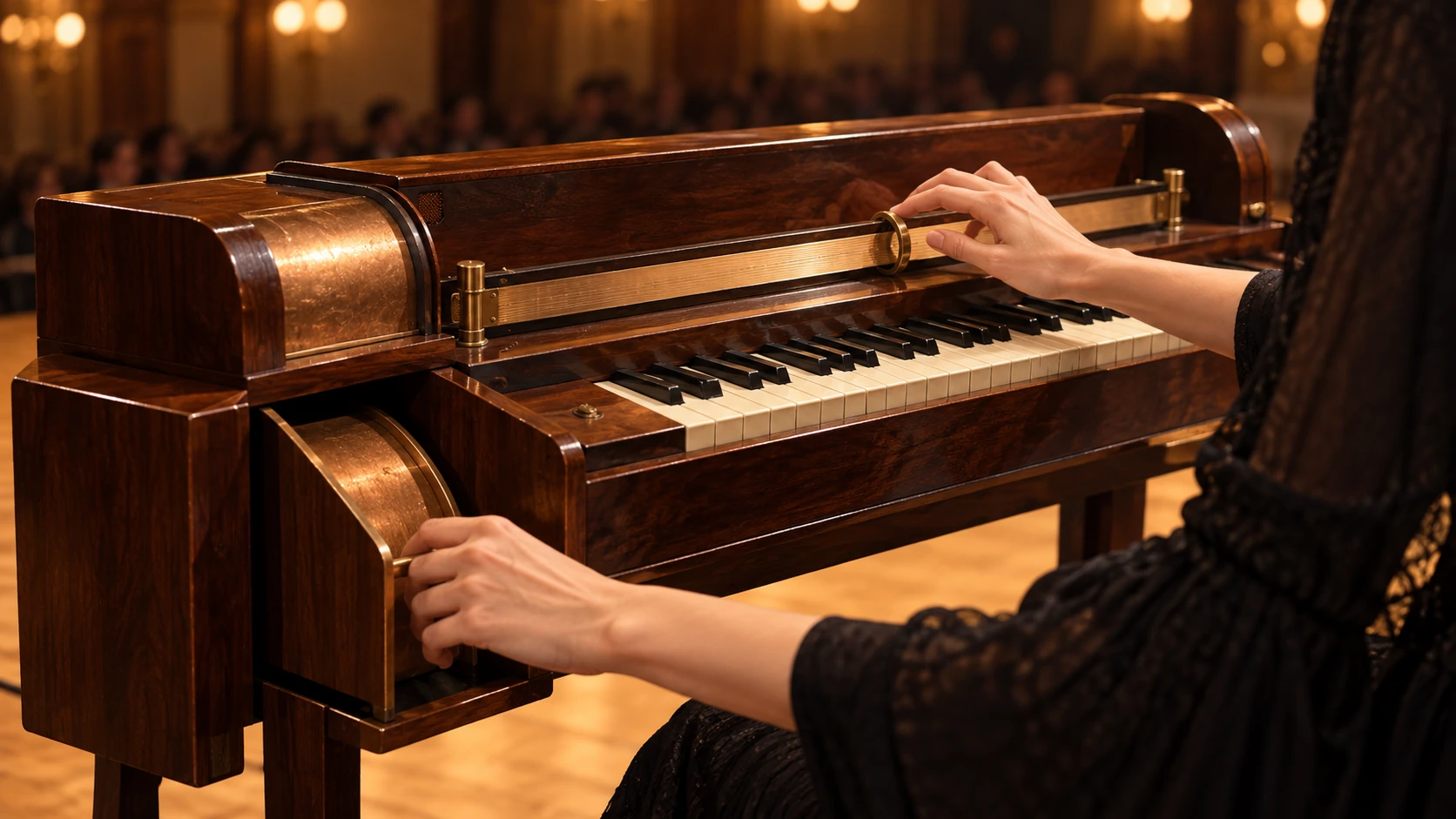
A musician uses a ring control in front of a wooden keyboard and a separate left-hand drawer.
The two hands have different jobs. This interpretive scene shows the ribbon-and-drawer idea rather than a particular museum model.

A ring chooses pitch while a separate touch shapes the sound. Follow the gestures behind this early electronic instrument.

Music · Instruments · Sound design · About 5 minutes
Read journey 18 →

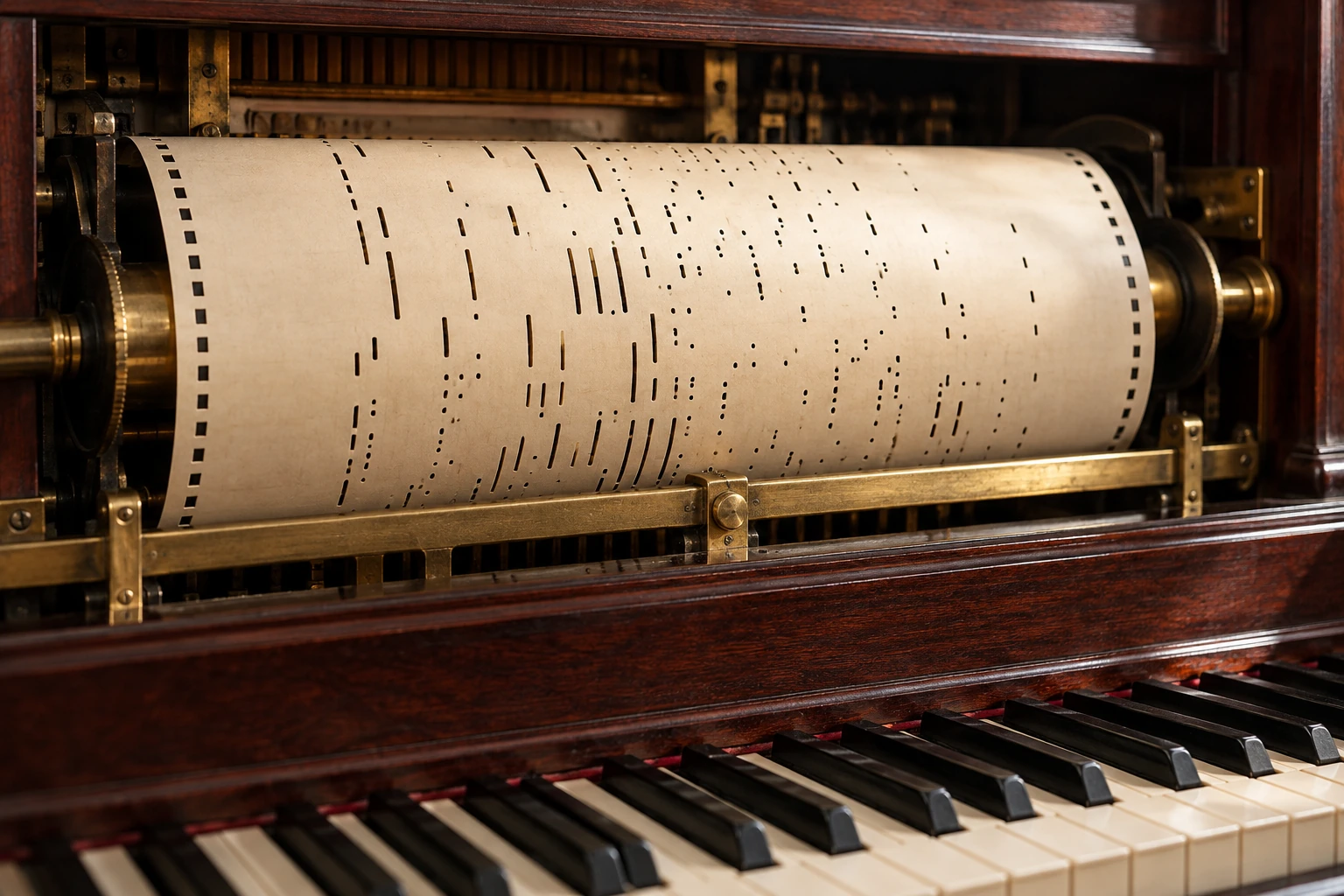
A Piano Roll Can Preserve More Than the Notes—and Less Than a Performance

Perforated cream paper passes over a brass tracker bar above a piano keyboard.
The edge tracks invite a second look: a roll may carry control information beyond the notes. The pictured pattern is illustrative.

Read a perforated roll as instructions, then discover where timing, expression, editing, and the playback piano enter the story.

Music history · Recording · Mechanical instruments · About 5 minutes
Read journey 19 →

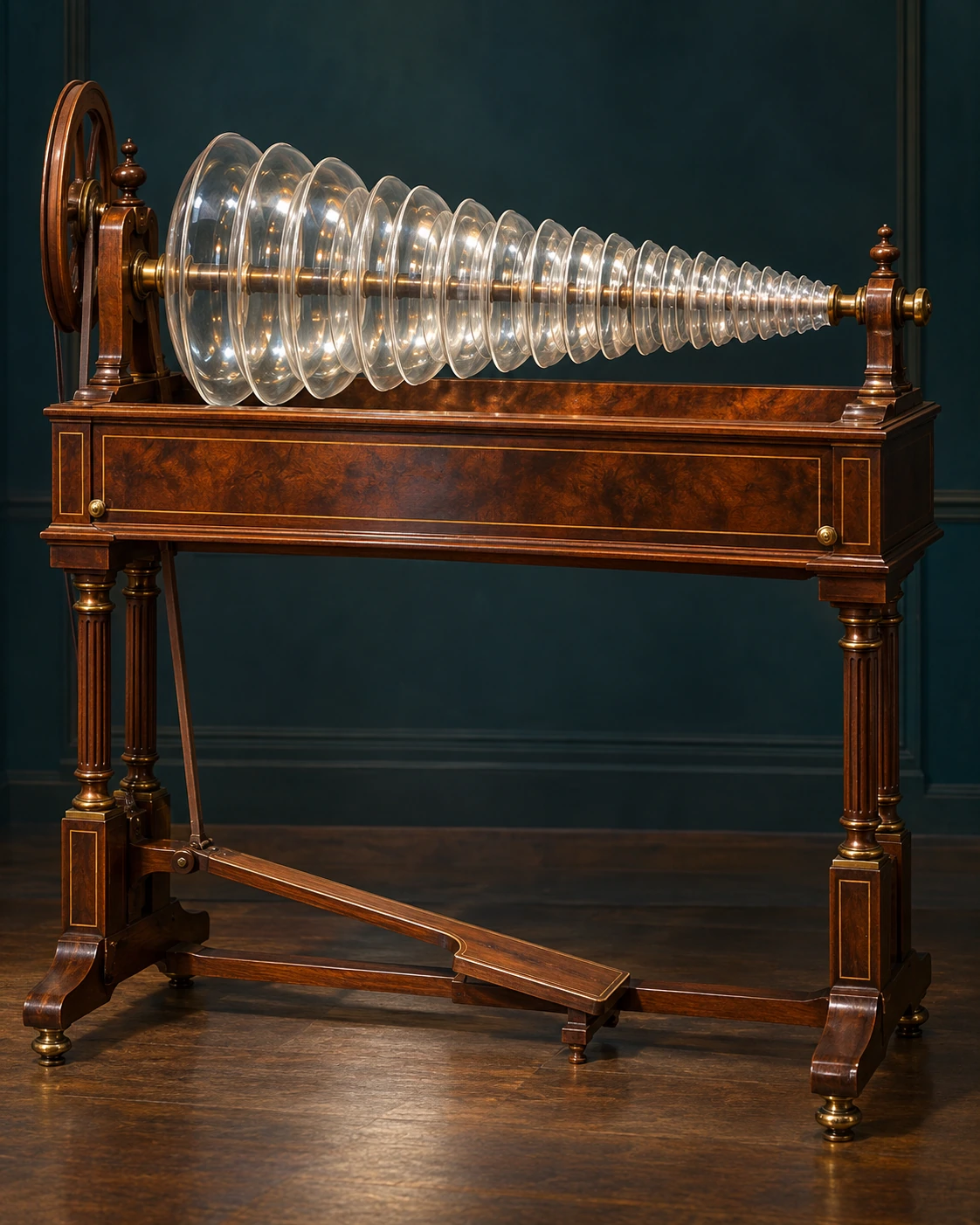
The Glass Armonica Moves the Instrument Under Your Fingers

Graduated glass bowls share a horizontal spindle above a wooden treadle stand.
Nesting the bowls brings their exposed rims into a compact playing area. An interpretive instrument, not a dated collection specimen.

Franklin rearranged singing glasses into rotating bowls. Explore the design by following the player’s reach, motion, and touch.

Musical instruments · Design history · Glass · About 5 minutes
Read journey 20 →

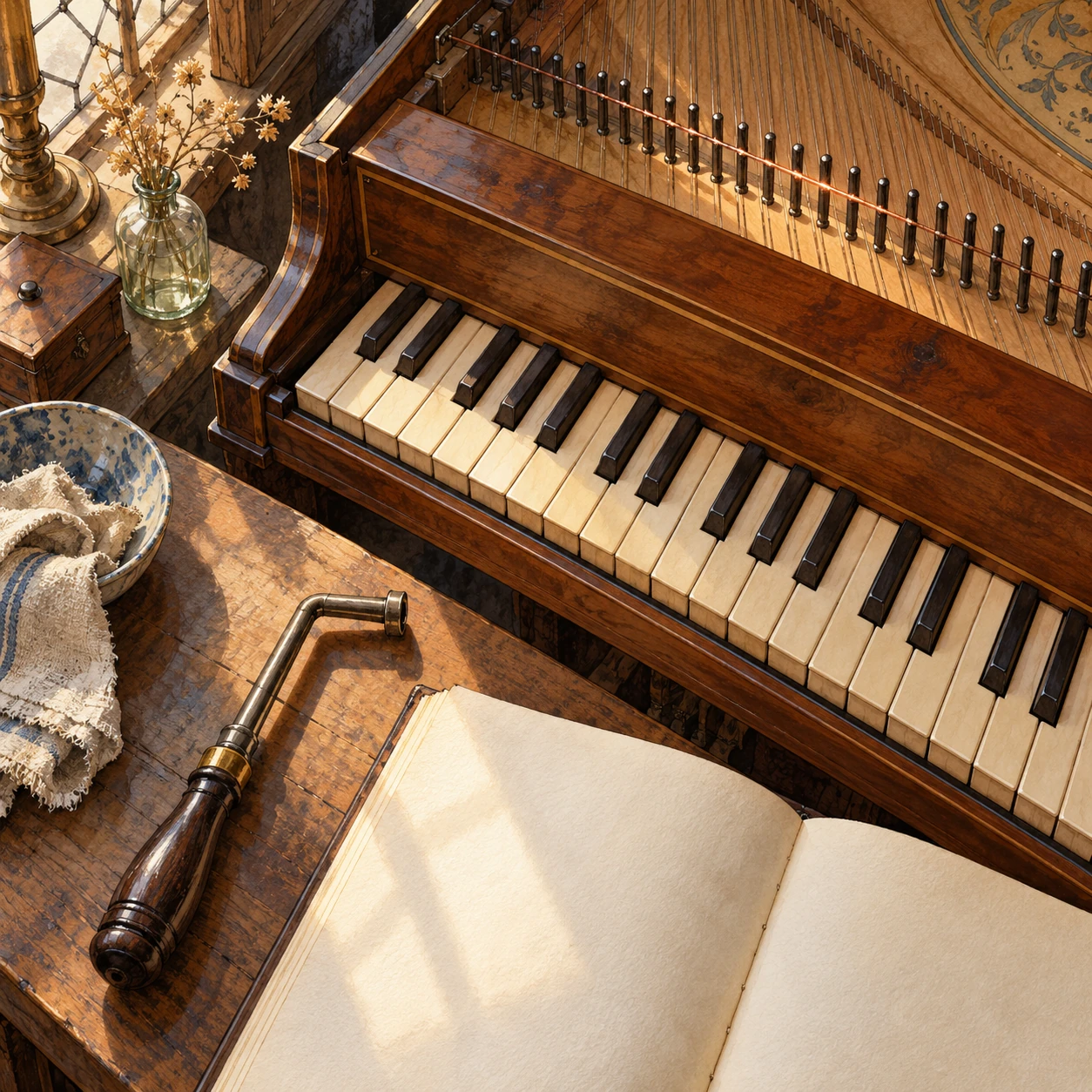
The Wolf Interval Hides in a Tuning System’s Unpaid Remainder

A tuning tool and a blank notebook lie beside a wooden keyboard.
A fixed keyboard asks a limited set of pitches to serve many relationships. The arithmetic model below exposes one compromise.

Twelve pure fifths do not close neatly into seven octaves. Move the mismatch, share it, and see what a keyboard asks you to trade.

Music · Mathematics · Listening · About 5 minutes
Read journey 21 →

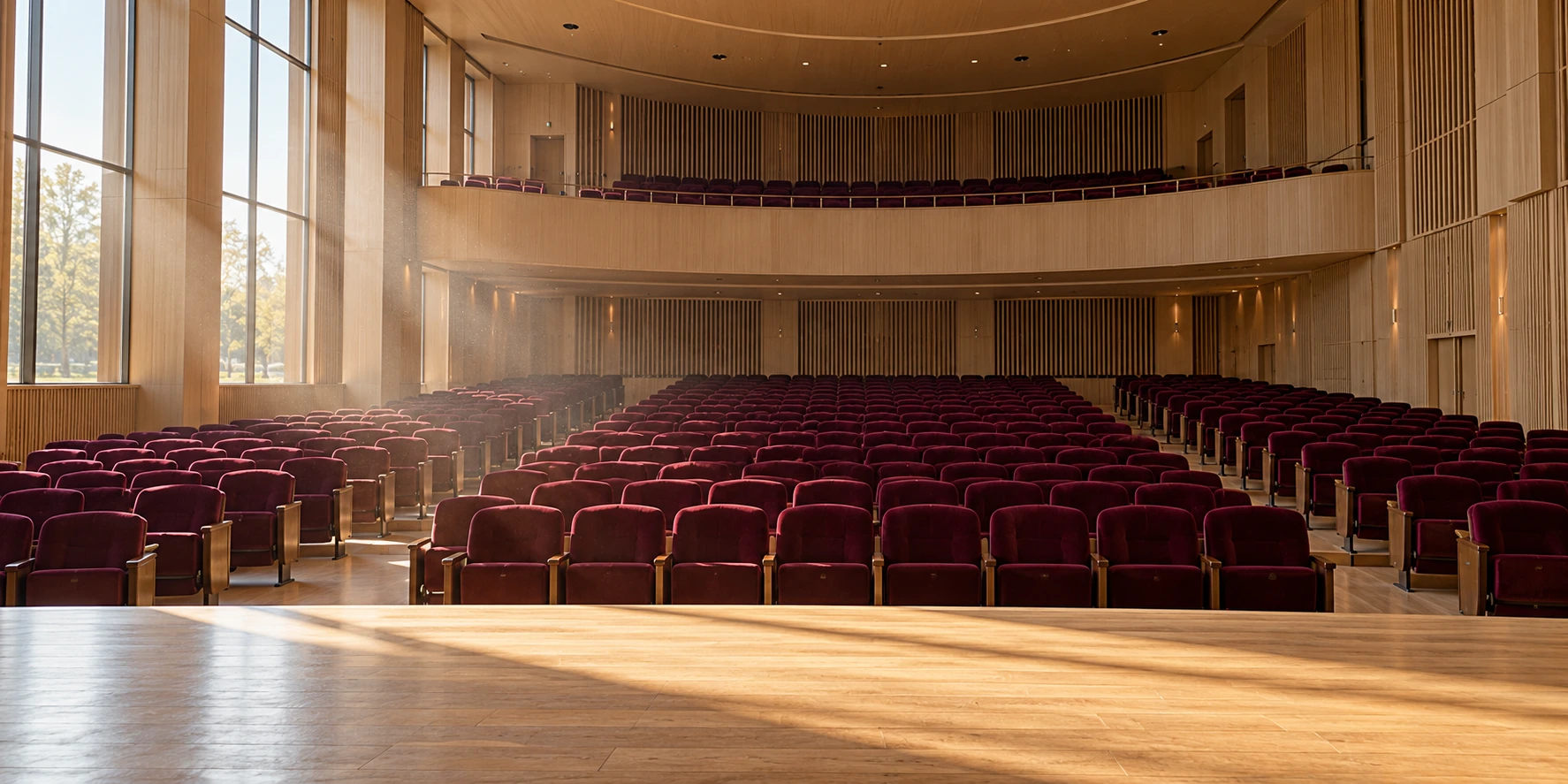
The Audience Changes the Room Before the Music Begins

Empty upholstered seats face a small concert hall stage.
Seats, walls, and the people who later fill the room all contribute to its acoustic response. A room image cannot supply absorption measurements.

An empty hall and a full hall can sustain sound differently. Separate reverberation, absorption, and the noises people add.

Acoustics · Architecture · Listening · About 5 minutes
Read journey 22 →

The Scale That Climbs Back to Its Starting Point

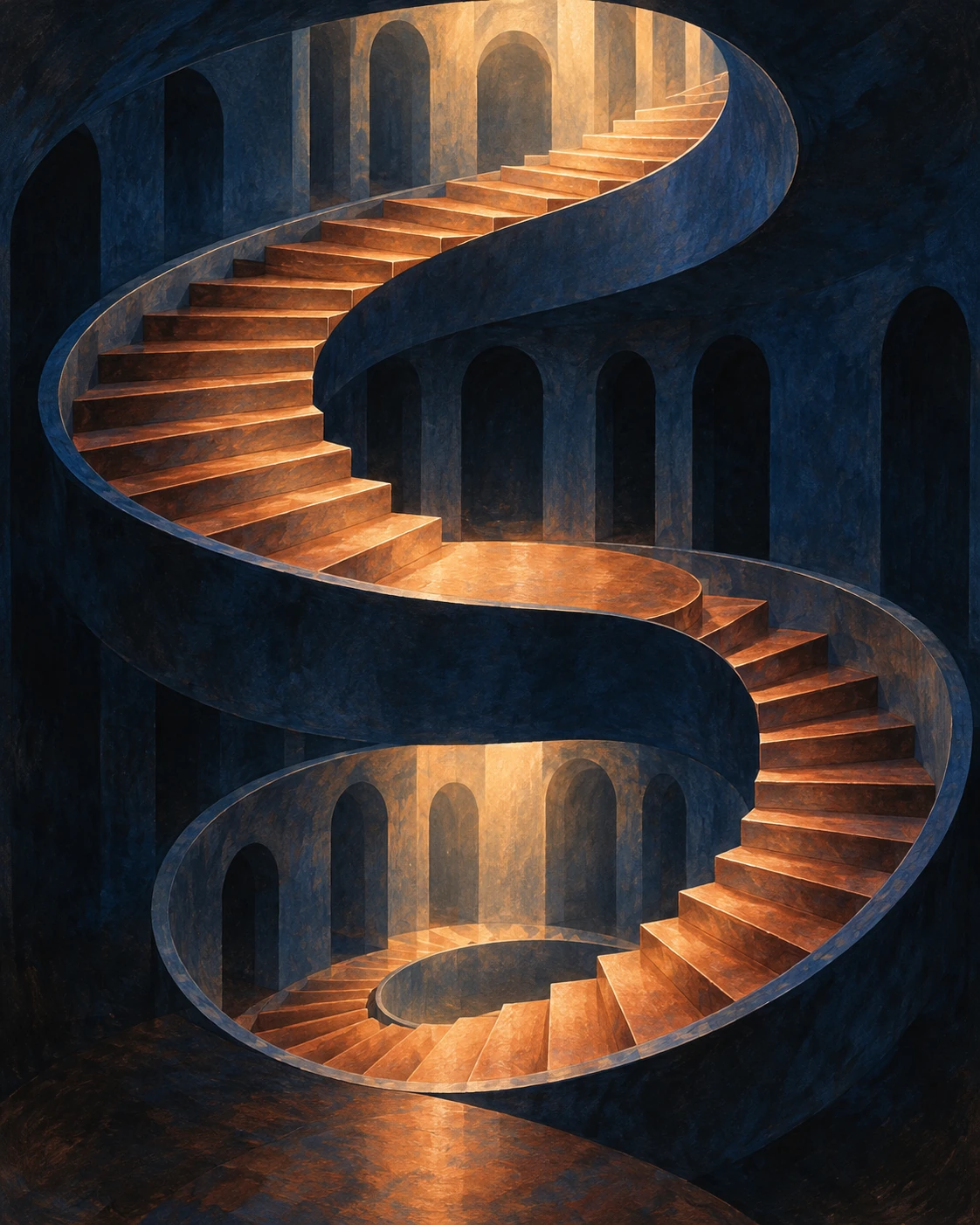
Copper steps curl upward around a dark blue architectural shaft.
A visual metaphor for an apparent ascent. The sound demonstration below uses finite frequencies and a repeating construction.

A Shepard tone hides an octave reset in a shifting stack of sounds. Listen to the parts before following the apparent climb.

Perception · Sound · Music · About 5 minutes
Read journey 23 →

A Believable Footstep May Begin on a Completely Different Floor

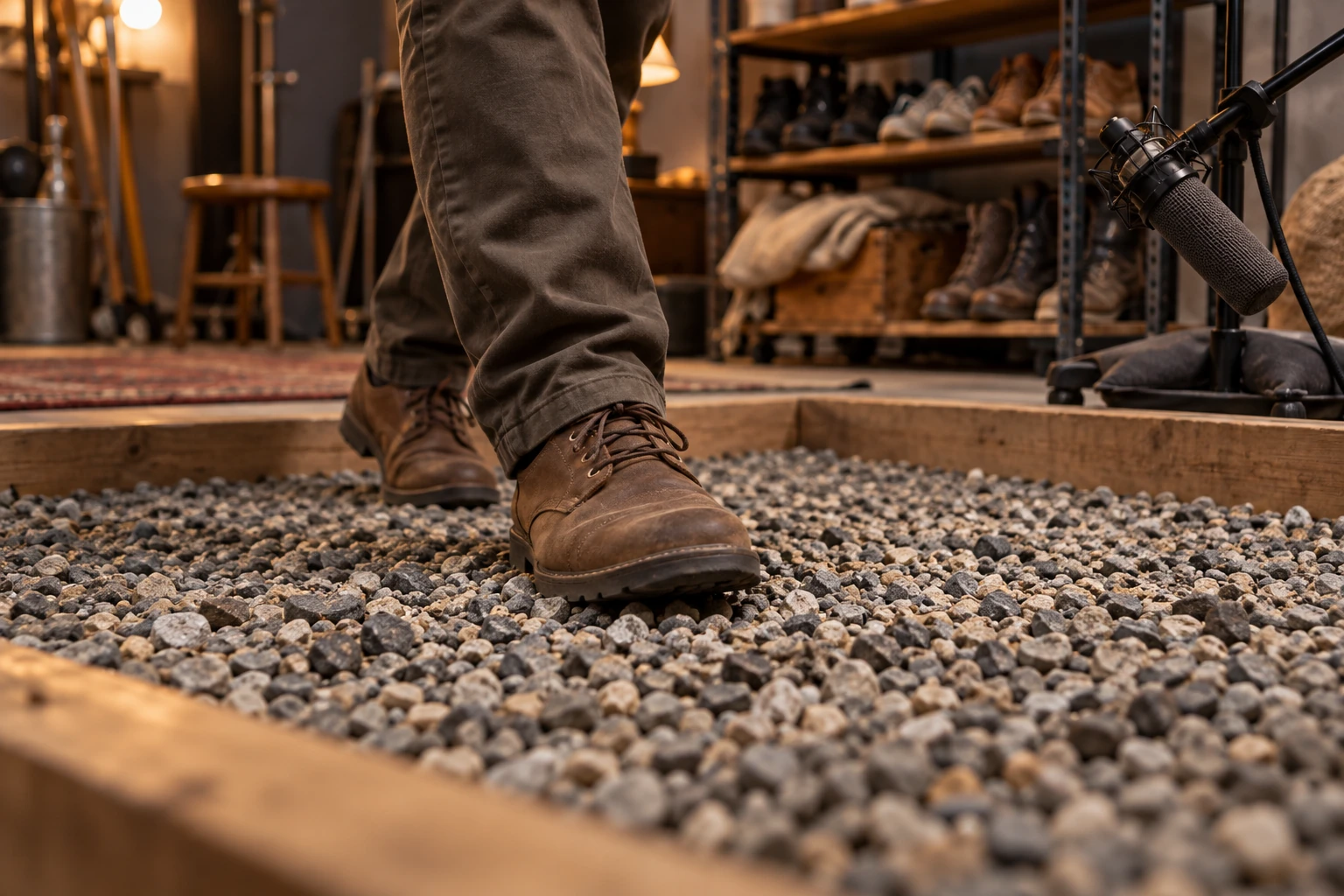
A performer in brown shoes steps in a gravel pit beside a studio microphone.
A studio floor becomes part of a different imagined place when performance, timing, and the picture agree.

Foley turns timing, surfaces, shoes, and attention into a performance. Build a tiny cue sheet and test what a scene actually needs.

Film craft · Sound design · Listening · About 5 minutes
Read journey 24 →

Two Matching Colors Can Stop Matching When the Light Changes

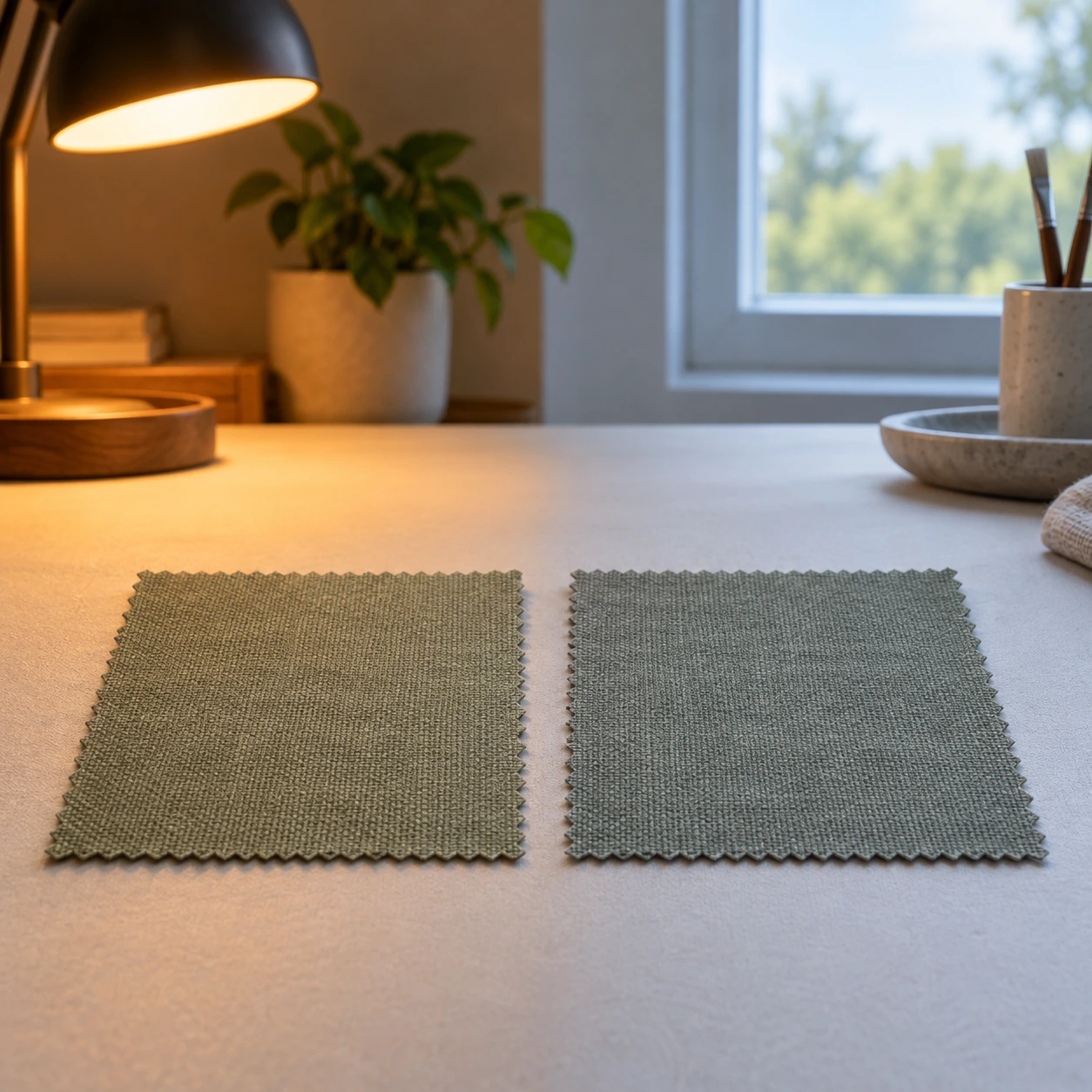
Two gray-green fabric swatches sit between warm lamplight and cool window light.
A conceptual comparison of color under different illumination. These rendered swatches are not measured metameric materials.

Metamerism makes a color match conditional. Compare physical samples while keeping lighting, angle, and expectation separate.

Color · Perception · Materials · About 4 minutes
Read journey 25 →

How a Printer Borrows Its Next Dot to Make a Shade of Gray

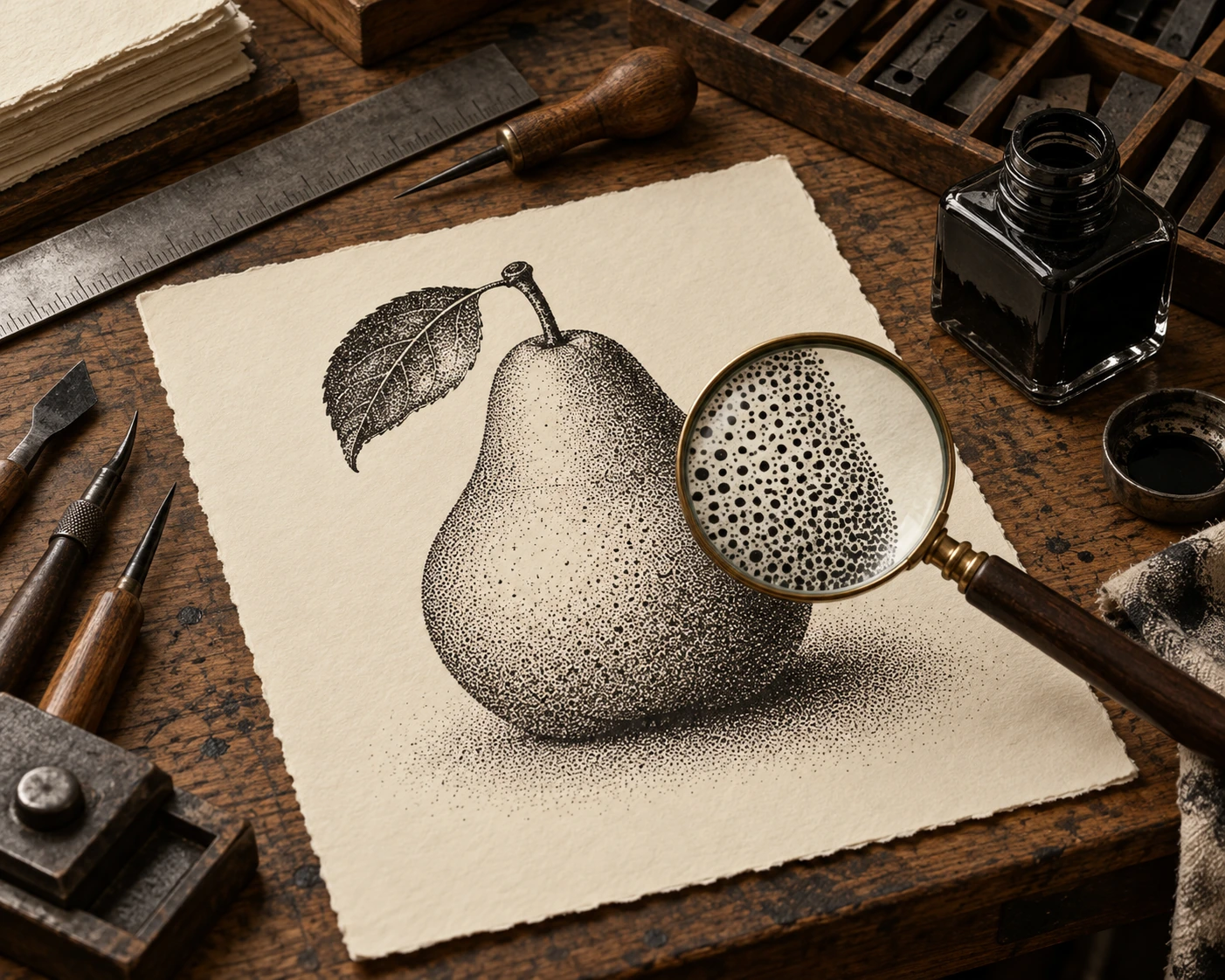
A magnifier reveals stippled marks in an ink drawing of a pear.
Local marks and larger tone invite different ways of looking. This motif is not output from the error-diffusion model.

Error diffusion carries a rounding remainder forward. Step through a tiny example before looking at the larger texture it creates.

Printing · Algorithms · Visual perception · About 5 minutes
Read journey 26 →

The Colored Glasses That Give Each Eye a Different Picture

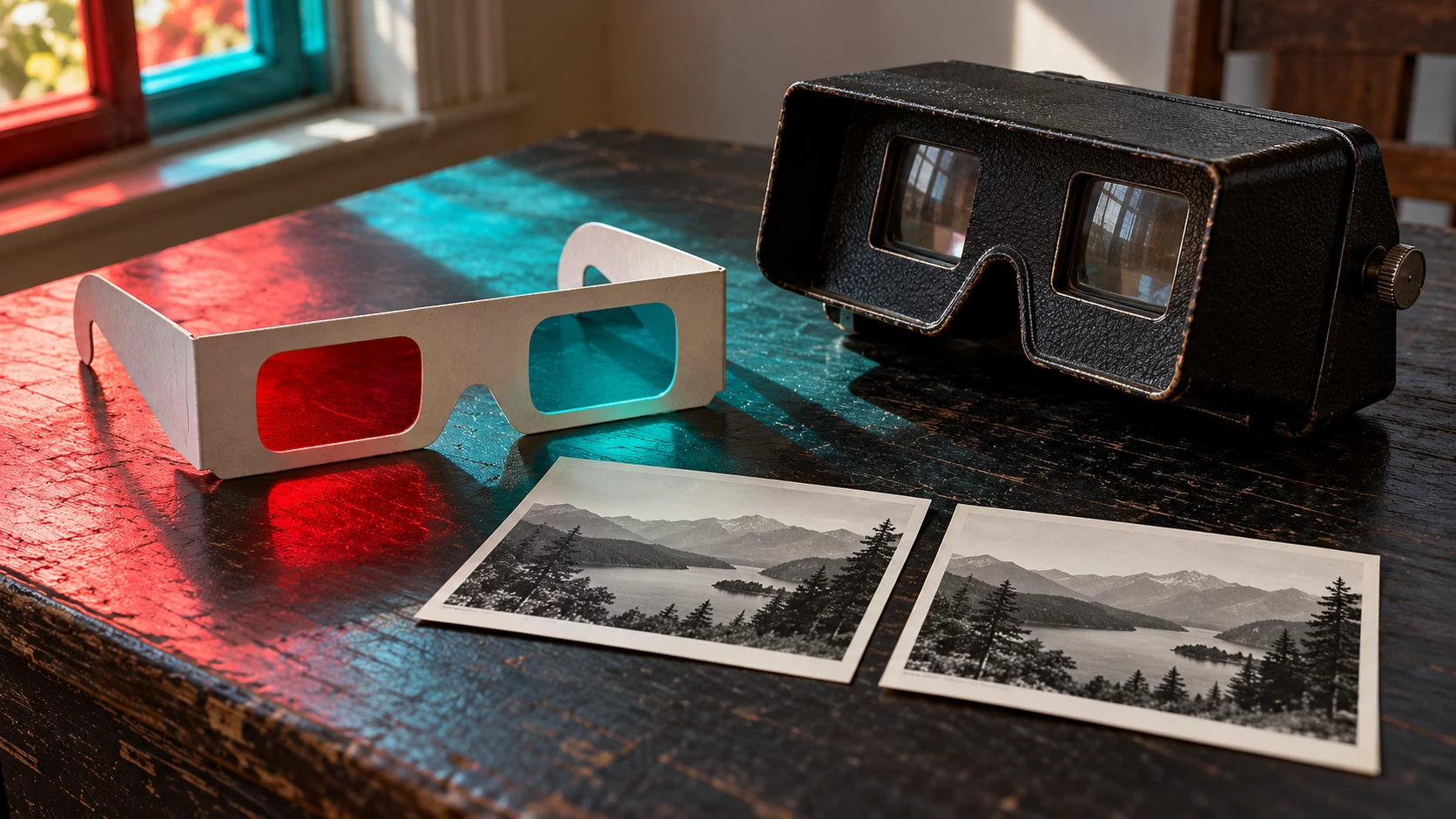
Red-cyan spectacles sit beside a stereo viewer and two small landscape prints.
Colored filters help separate image channels. The still life itself is not a stereoscopic demonstration.

An anaglyph is a routing system for two views. Explore its channels, then inspect a real NASA stereo image with a deliberate task.

Photography · Vision · Space imagery · About 5 minutes
Read journey 27 →

Koji Changes the Question From What a Grain Is to What It Can Do

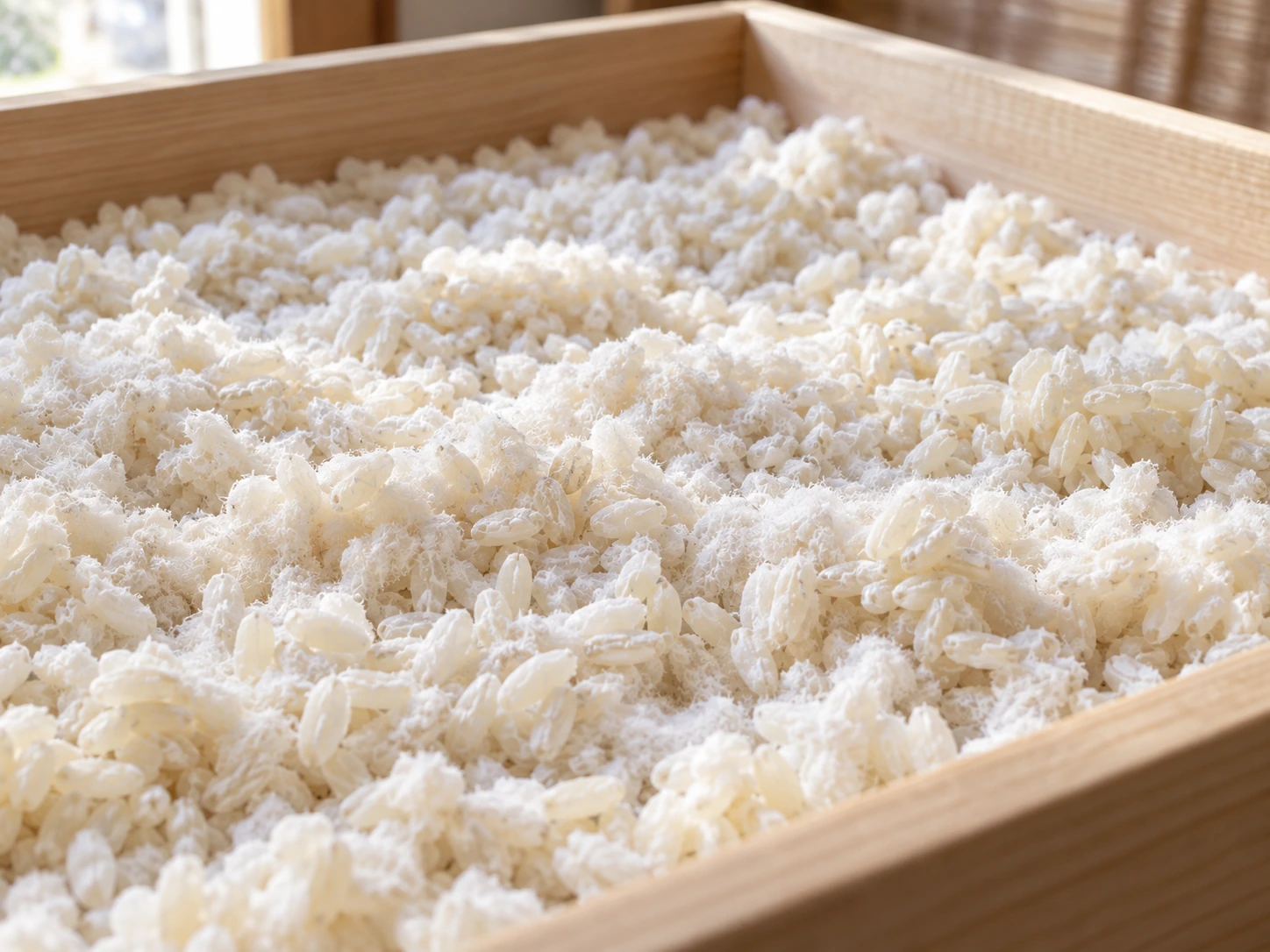
Fine white growth covers rice grains in a shallow pale wooden tray.
An interpretive close view of cultivated rice koji. Appearance alone cannot identify a safe culture or verify its enzymes.

A cultivated fungus makes enzymes that open up starches and proteins. Follow the changing roles before following a recipe.

Food culture · Microbiology · Materials · About 5 minutes
Read journey 28 →

Chocolate’s Snap Is a Story About How the Fat Arranges Itself

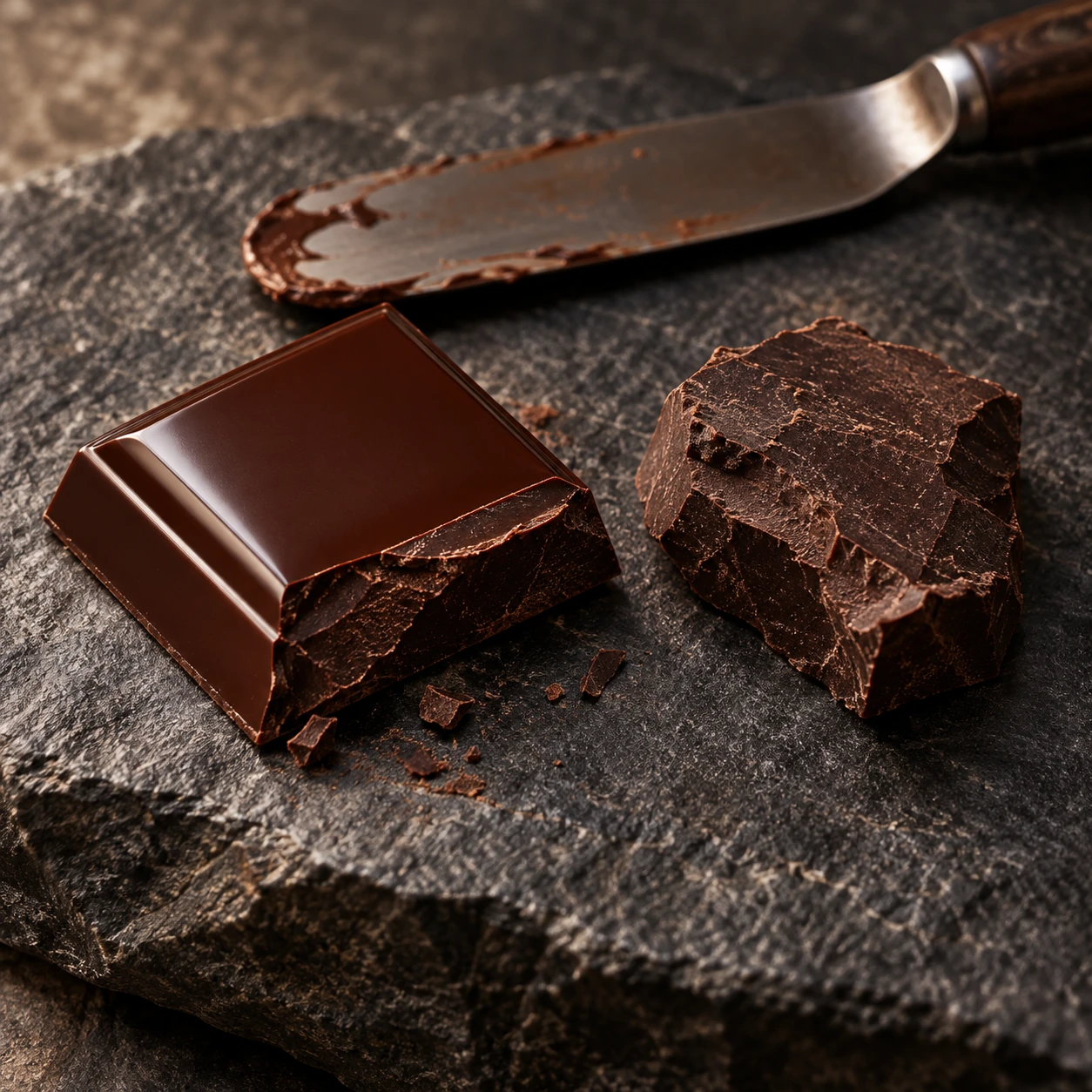
A glossy dark chocolate square and a rough matte fragment sit on stone.
Sheen and fracture give a reason to look more closely, but a photograph cannot identify a cocoa-butter crystal form.

Tempering guides a material through a history, not merely a final temperature. Look beyond shine to seeds, structure, and storage.

Food science · Materials · Crystallization · About 5 minutes
Read journey 29 →

Freeze-Drying Leaves a Shape Where the Ice Used to Be

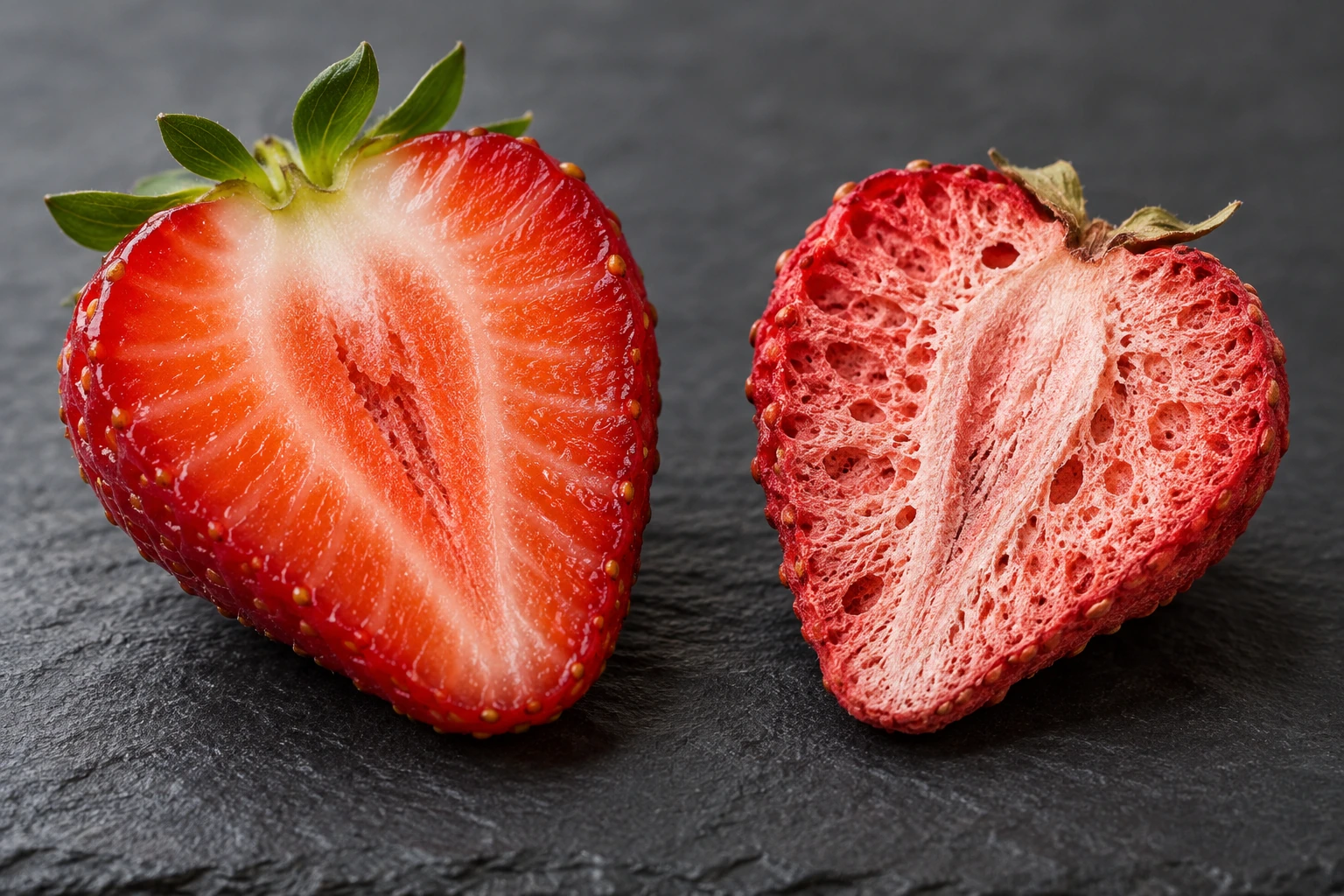
A juicy strawberry half lies beside a porous dried half.
An illustrative comparison of fresh and freeze-dried texture. The pair is not a measured before-and-after experiment.

A frozen material can lose water without first becoming a puddle. Follow heat, vapor, and the porous structure left behind.

Materials · Food technology · Phase changes · About 5 minutes
Read journey 30 →

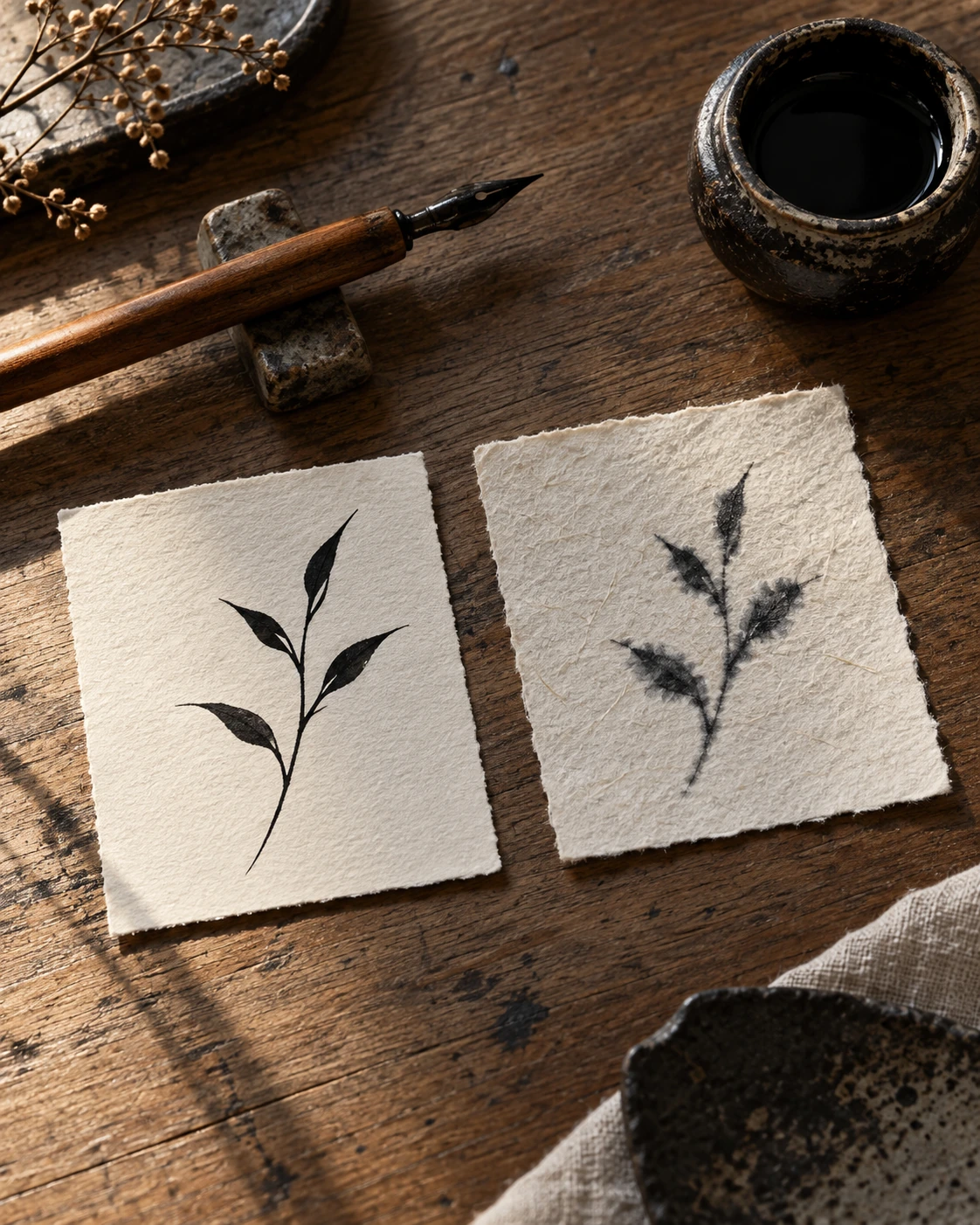
The Edge of an Ink Line Reveals the Paper Beneath It

A dip pen rests beside two paper samples with crisp and feathered ink marks.
A small change in how a sheet receives liquid can change the edge of a line. These marks illustrate the comparison.

Paper sizing changes how a sheet receives liquid. Compare feathering, show-through, and drying without treating them as the same behavior.

Paper craft · Materials · Close looking · About 5 minutes
Read journey 31 →

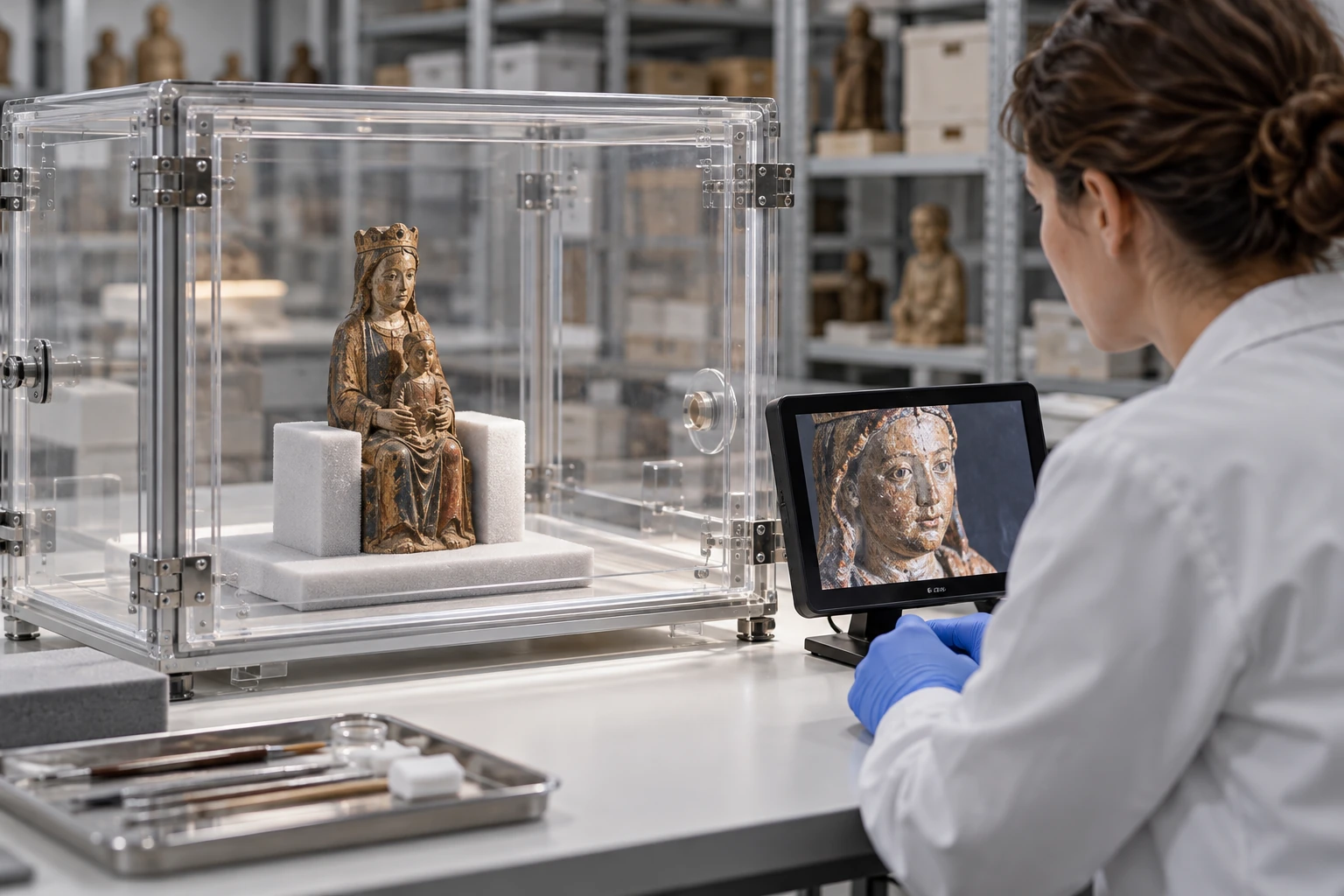
A Museum Can Treat an Insect Problem by Changing the Air

A wooden carving rests inside a clear conservation enclosure while a gloved hand checks a monitor.
In a professional treatment, the environment is controlled and recorded around the object. The scene is interpretive, not an operating guide.

Anoxia turns an enclosure into a controlled environment. Follow the evidence a conservator needs before declaring the treatment complete.

Museums · Conservation · Environmental control · About 5 minutes
Read journey 32 →

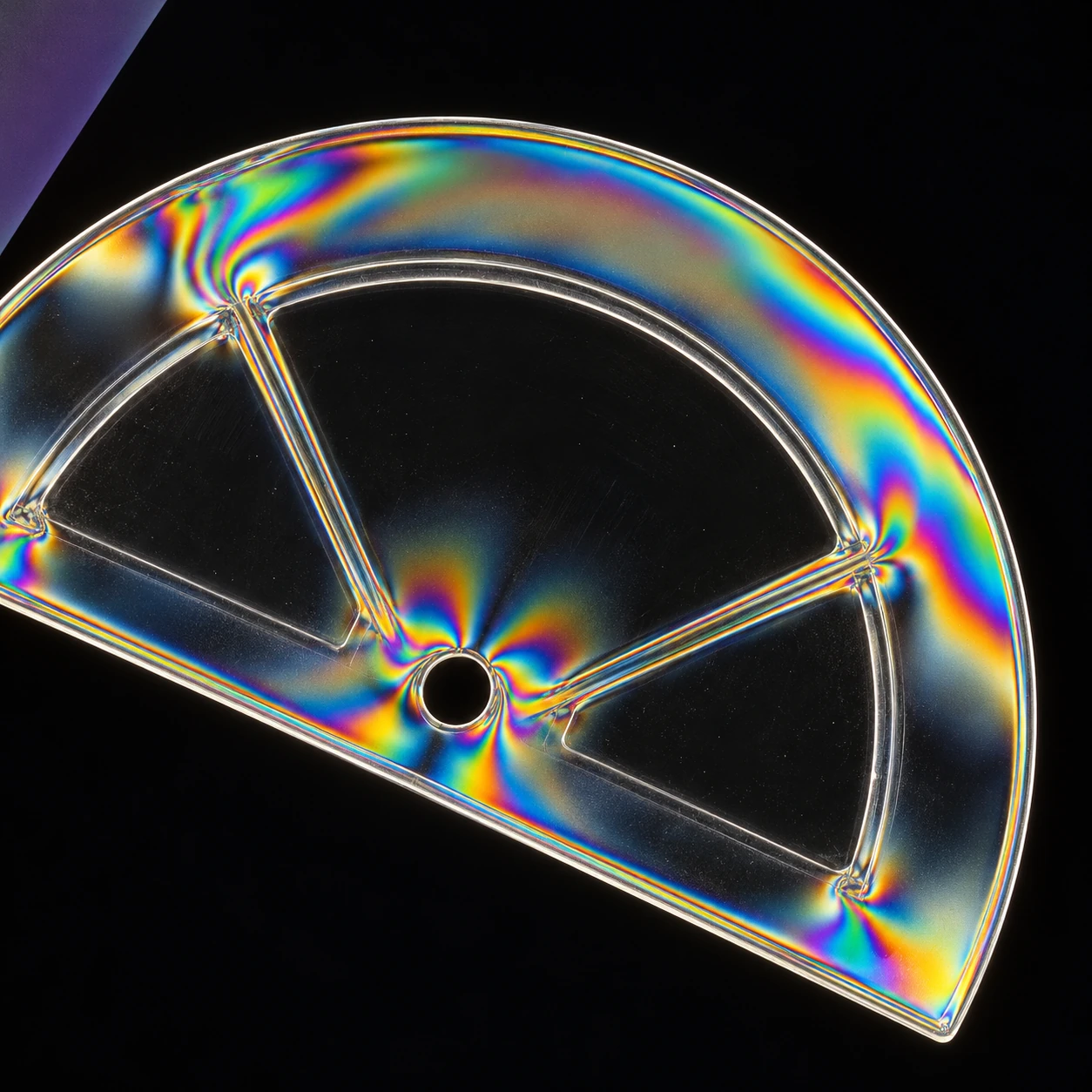
Crossed Filters Can Reveal a Clear Plastic Object’s Hidden History

Rainbow fringes appear around the edges and hole of a clear plastic shape between dark filters.
An interpretive polarized-light view. Fringes depend on material, thickness, orientation, and stress; they are not a calibrated force map.

Polarized light turns changes in optical behavior into visible patterns. Rotate the setup before mistaking every rainbow for a force map.

Optics · Materials · Observation · About 5 minutes
Read journey 33 →

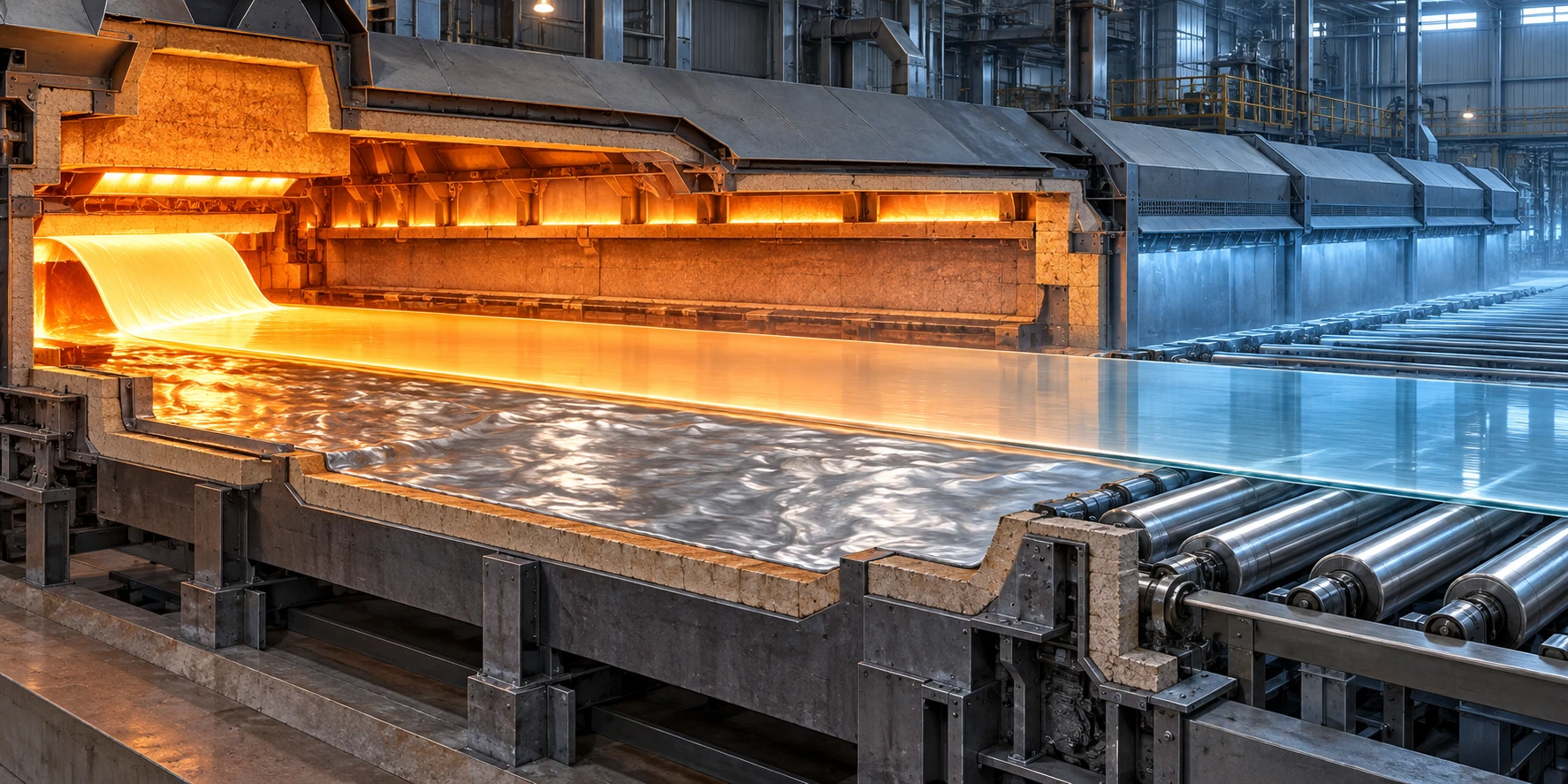
A Window Begins as a Ribbon Floating on Liquid Tin

A glowing glass ribbon crosses a silver bath inside an industrial chamber.
A schematic industrial scene separates the glass ribbon from the supporting tin bath. It is not a construction drawing.

Float glass makes a flat surface by managing a continuous moving material. Follow the bath, the ribbon, and the controlled cooling.

Manufacturing · Glass · Design history · About 5 minutes
Read journey 34 →

The Queue Has an Invisible Area: A Practical Way to See Little’s Law

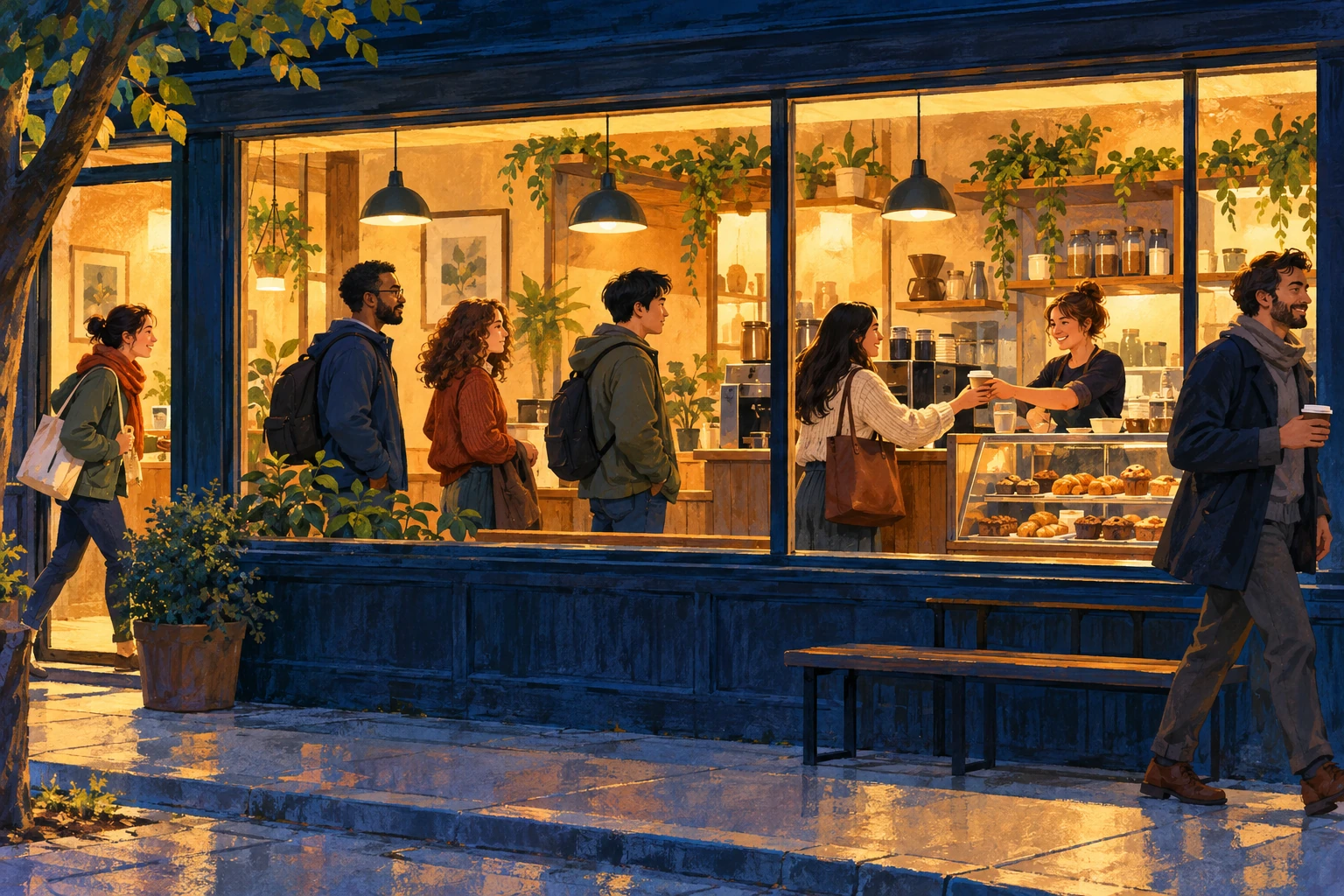
People wait inside a warmly lit café while a barista hands over a drink.
A short line is only a snapshot. Flow and time inside the chosen boundary complete the accounting.

Count people, flow and time inside a system, then discover why the same waiting can be measured two ways.

Everyday mathematics · Systems · Queues · About 5 minutes
Read journey 35 →

Three Sensible Voters Can Make a Circle

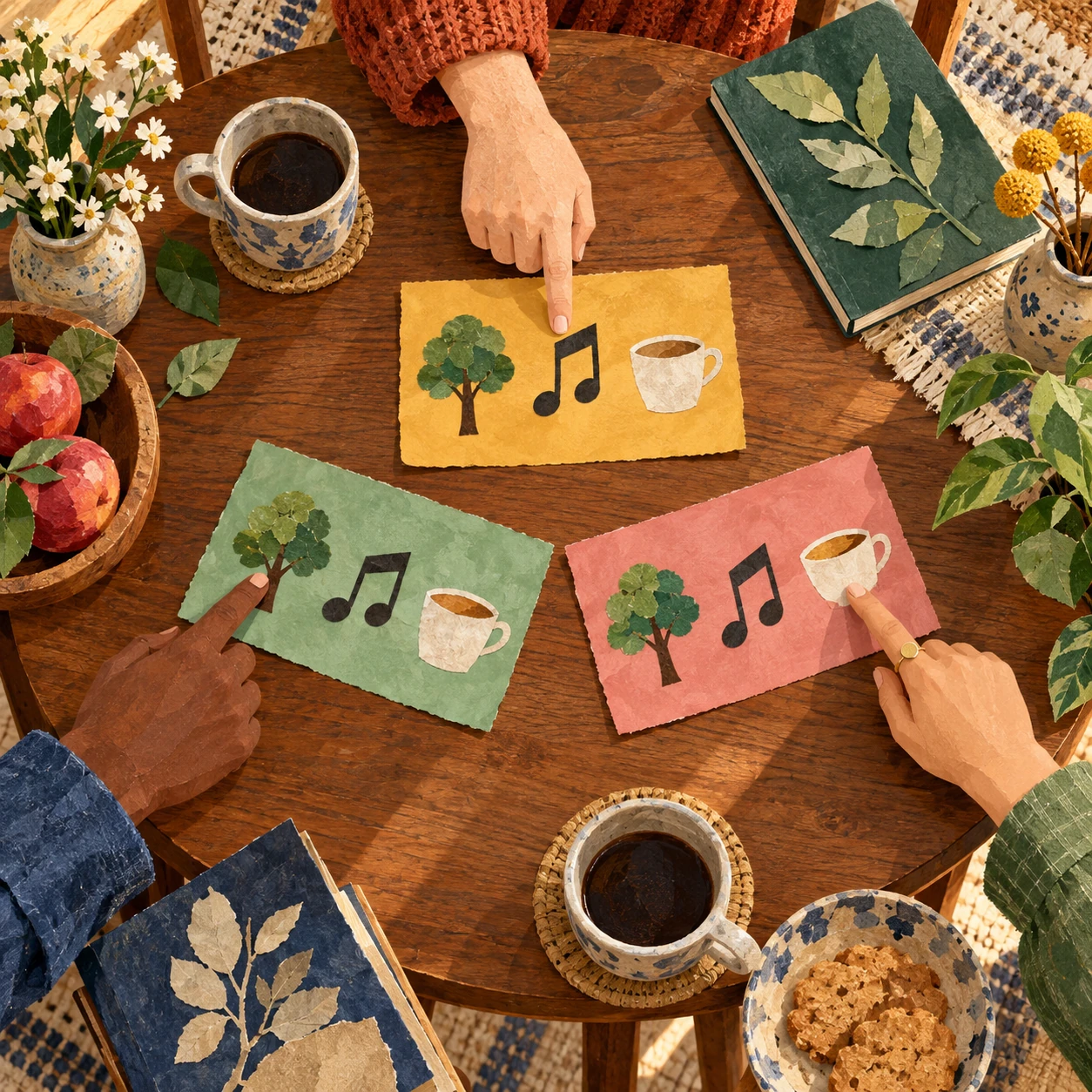
Three people point to illustrated activity cards on a meeting table.
The cards set the scene; the exact rankings and counted majorities appear in the text and interactive ledger.

A garden, a concert and a café reveal how consistent individual rankings can create a majority cycle.

Mathematics · Collective decisions · Logic · About 5 minutes
Read journey 36 →

The Extra Seat That Makes One Group Smaller

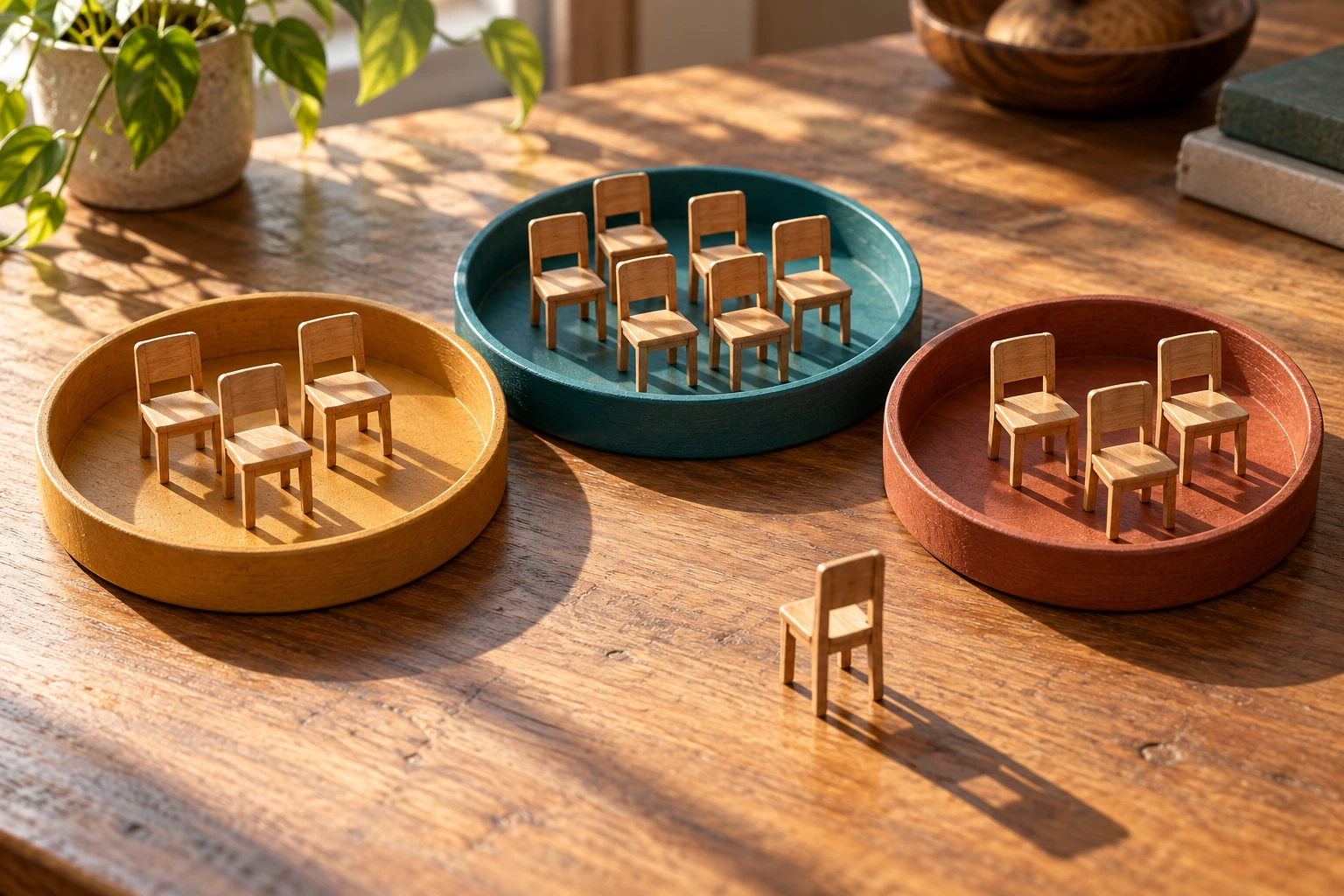
Small wooden chairs are divided among three colored trays, with an additional chair outside.
Adding a unit changes every quota and the contest among fractional remainders. The trays are a metaphor, not the counted example.

A tiny allocation example reveals why proportional quotas and whole-number seats can pull in surprising directions.

Mathematics · Fair division · Systems · About 5 minutes
Read journey 37 →

A Shortcut in the Grass Is a Clue, Not a Complete Design Brief

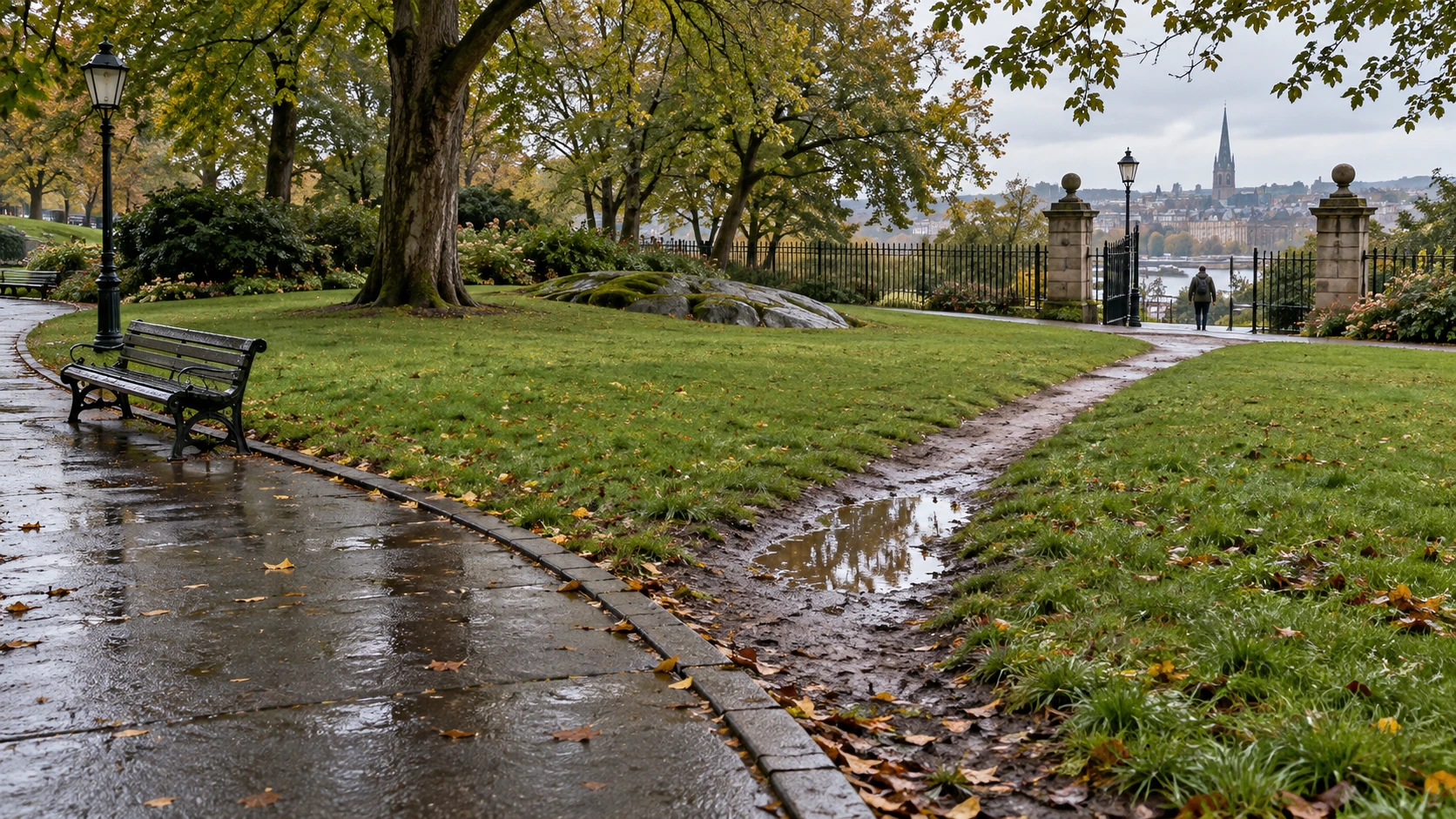
A muddy diagonal footpath cuts across grass beside a curved paved park route.
A direct line can reveal a missing connection. The puddle asks a second question about who can use it, and when.

Read a desire path as evidence of movement while asking who is missing from the worn line.

Urban design · Observation · Accessibility · About 5 minutes
Read journey 38 →

The Staircase That Follows the Water Underground

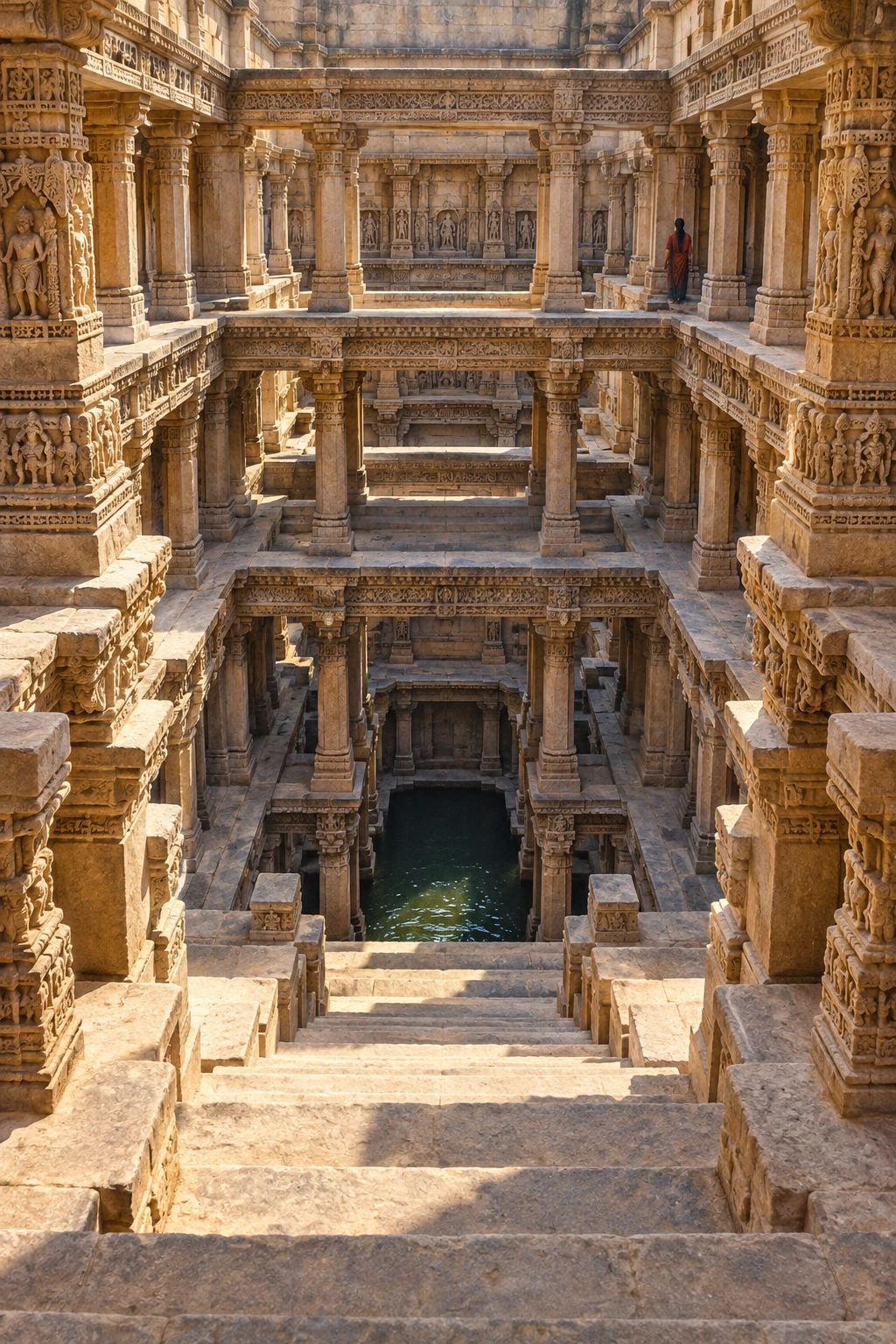
A deep sandstone stepwell descends through carved columns and landings toward dark water.
An architectural interpretation inspired by Indian stepwells. It is not a surveyed view of Rani-ki-Vav or Adalaj.

Indian stepwells make a changing water level part of the architecture, with much more than utility in view.

Architecture · Water · Cultural heritage · About 5 minutes

Read journey 39 →

A Windcatcher Needs Somewhere for the Air to Go

An earthen windcatcher rises over a shaded courtyard and domed roofs.
The tower is one part of an architectural ensemble. This fictional interpretation evokes Yazd-type earthen building traditions.

The elegant desert tower becomes clearer when you trace a complete route through the building.

Architecture · Airflow · Cultural heritage · About 5 minutes
Read journey 40 →

The Venetian Wellhead Is Only the Handle of a Larger Water Machine

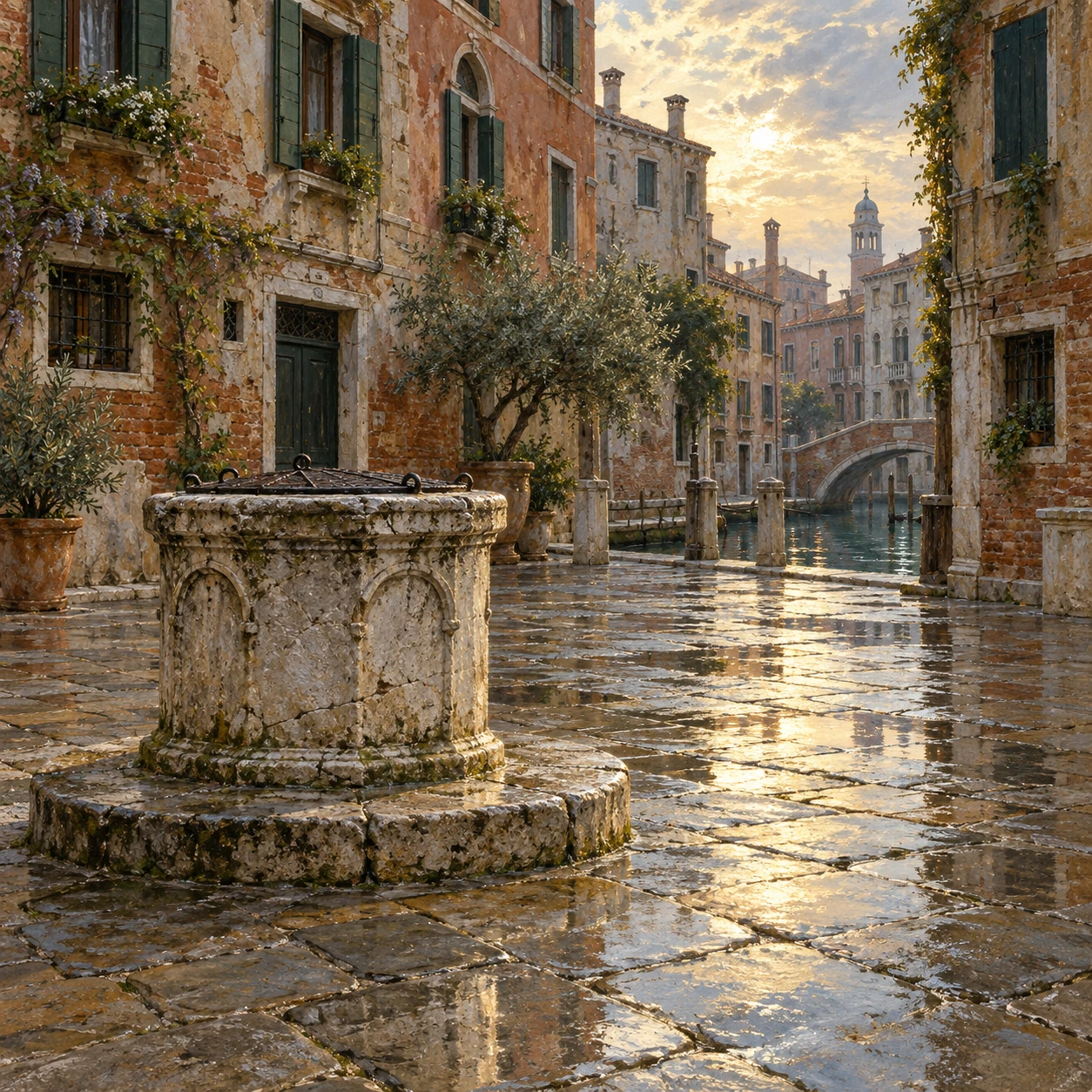
A weathered stone wellhead stands on wet paving in a Venetian square.
The visible wellhead is an access point. The collection and storage arrangement extends beneath the surrounding surface.

Look beneath a stone wellhead to find a square that collected, filtered and stored rain.

Water · Architecture · Urban history · About 5 minutes
Read journey 41 →

A Bridge Can Carry the Ferry Instead of the Road

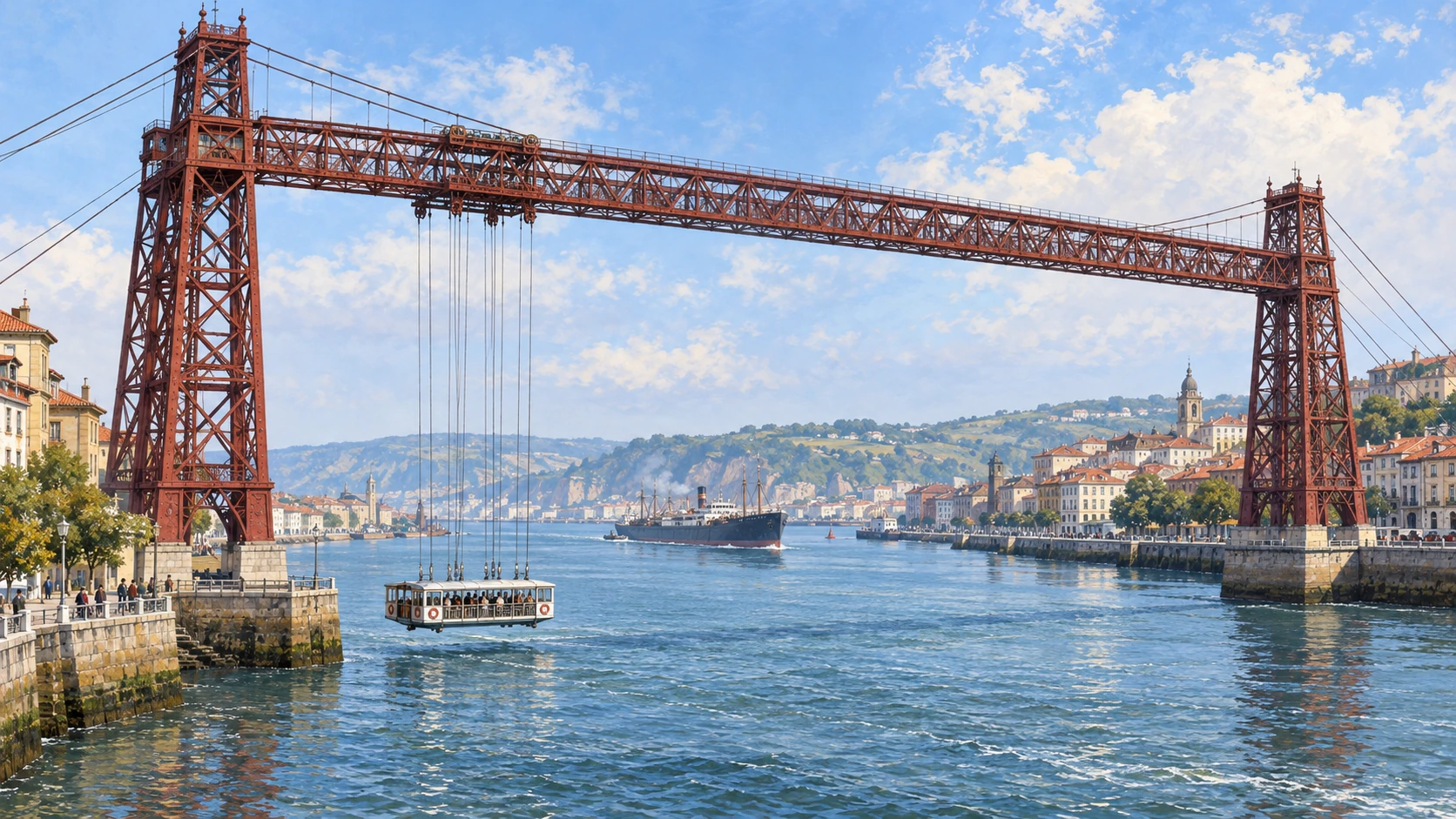
A lattice steel transporter bridge spans an estuary, with a gondola hanging near bank level and a distant ship.
An interpretation of the transporter principle. Follow the gondola’s suspension up to the moving trolley; it is not a scale engineering drawing.

Transporter bridges put a moving platform below a high structure, solving two crossing problems at different heights.

Engineering · Transport · Industrial heritage · About 5 minutes
Read journey 42 →

The Hidden Partner That Rides Beside the Elevator

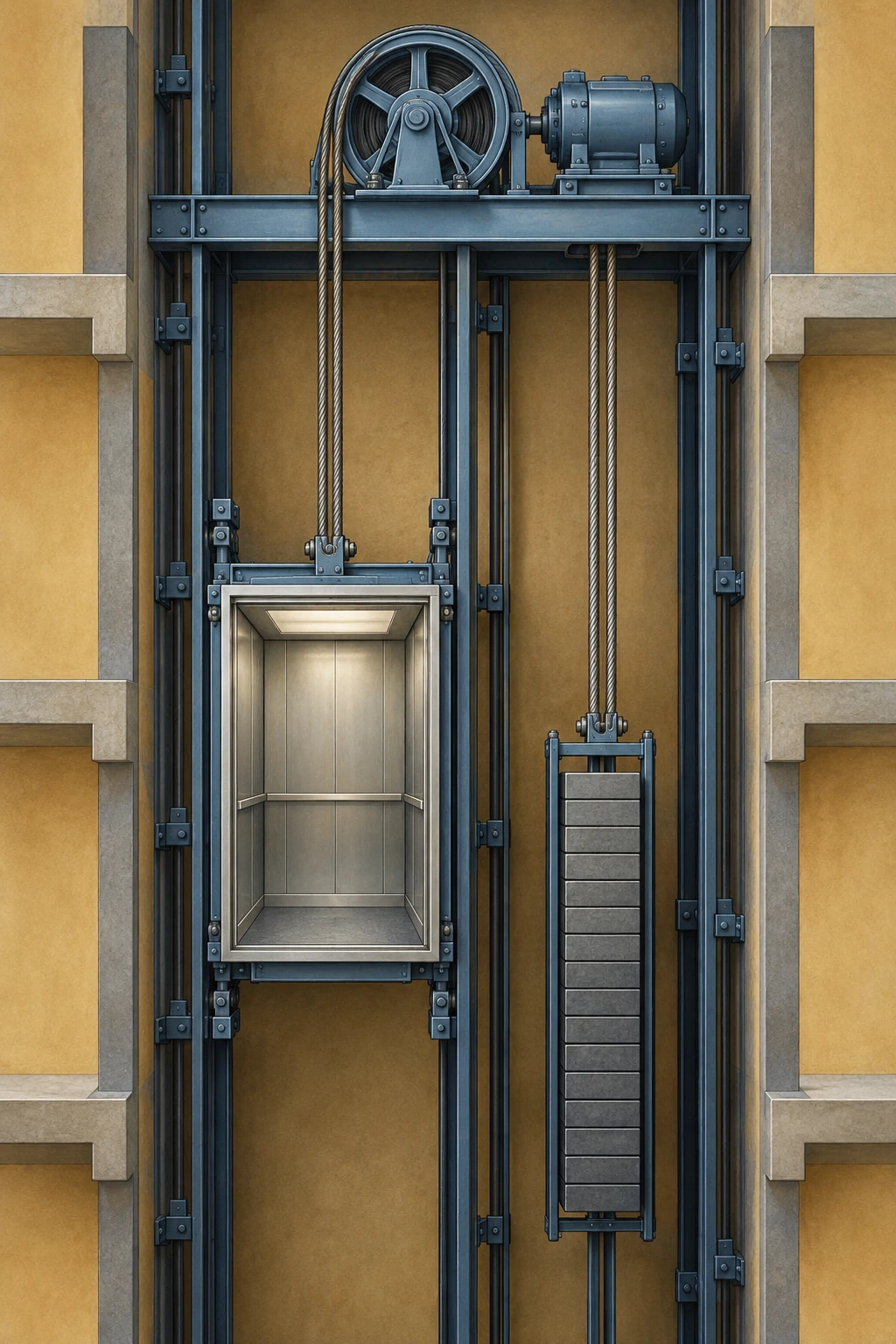
A simplified traction elevator car and counterweight hang on opposite sides of a top sheave.
Two masses change height together. This conceptual cutaway omits much of a real installation’s safety and drive equipment.

A counterweight balances part of a changing load, and the easiest direction depends on who is aboard.

Engineering · Energy · Everyday mechanisms · About 5 minutes
Read journey 43 →

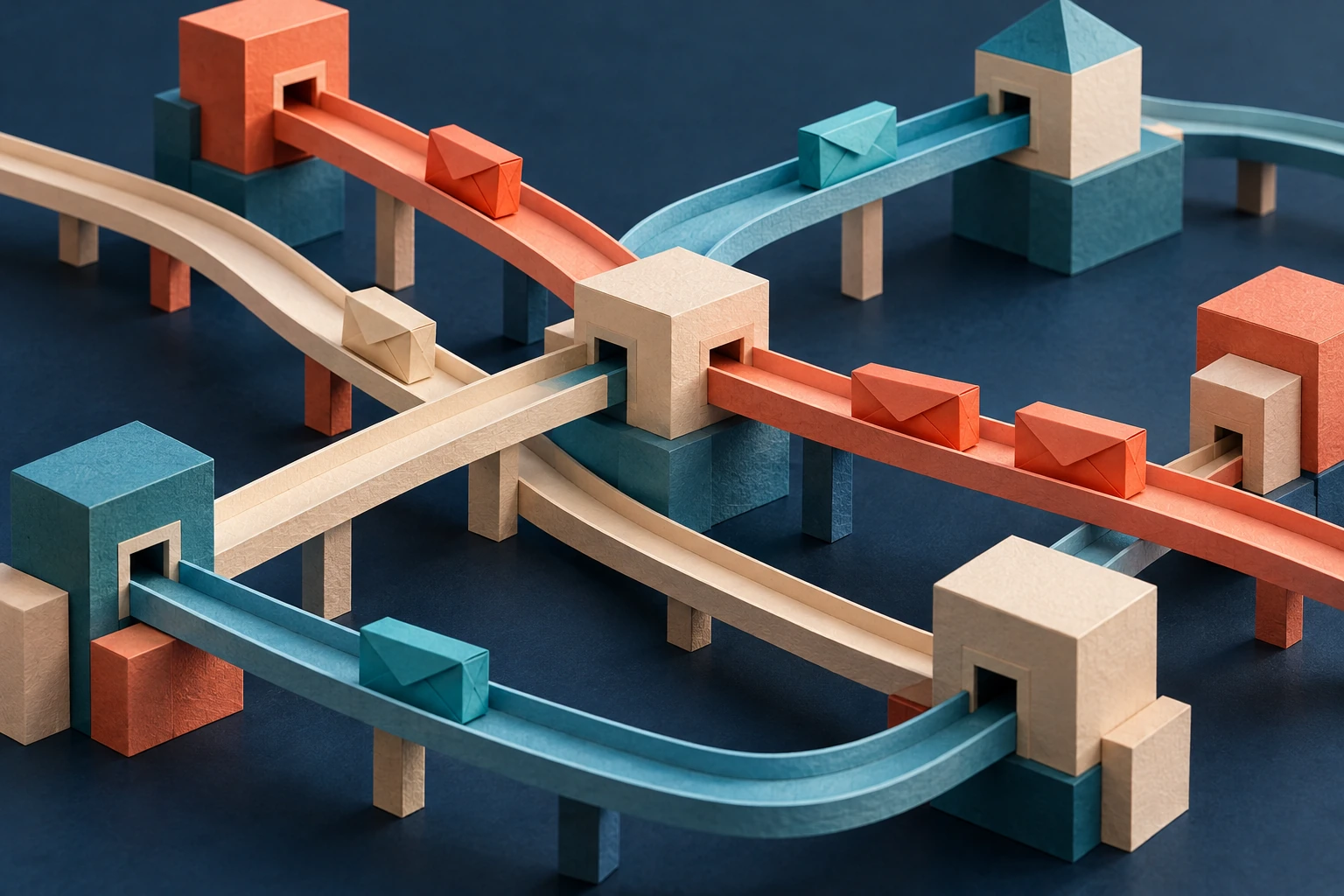
Your Message Can Arrive in Pieces Before It Becomes a Sentence

Separate paper envelopes follow intersecting channels between geometric stations.
A visual metaphor for shared links and separate units. Real packet routing does not require every successive packet to take a different path.

Packet switching separates the movement of data from the work of presenting it in order.

Digital life · Networks · Engineering · About 5 minutes
Read journey 44 →

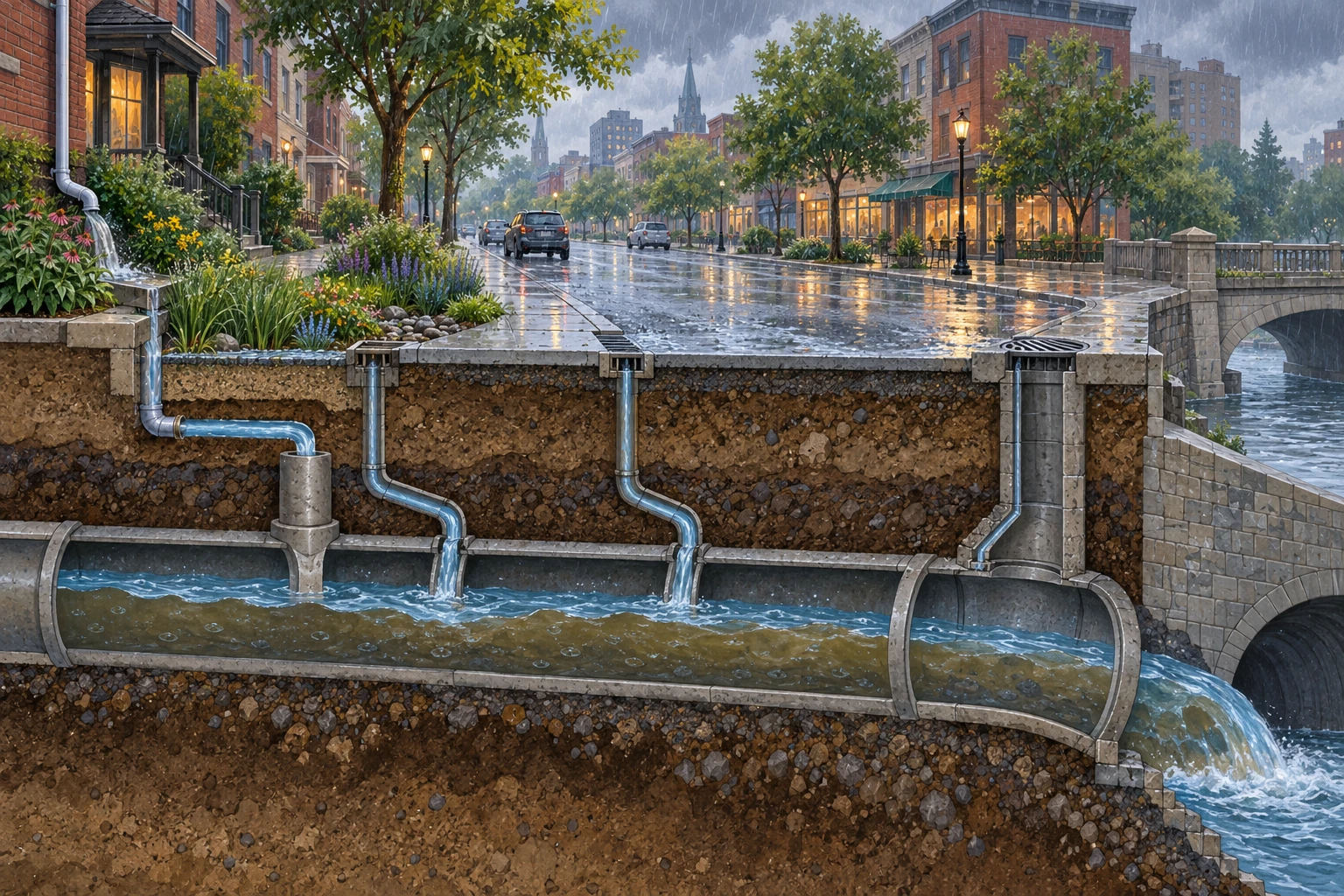
Rain Gives a Combined Sewer a Second Job

A conceptual street cutaway shows rain runoff entering a large shared underground pipe.
The cutaway emphasizes added runoff. It omits a real system’s regulator and treatment route and is not a complete sewer layout.

One pipe can carry wastewater and storm runoff, making timing and spare capacity part of the same story.

Urban systems · Water · Environment · About 5 minutes
Read journey 45 →

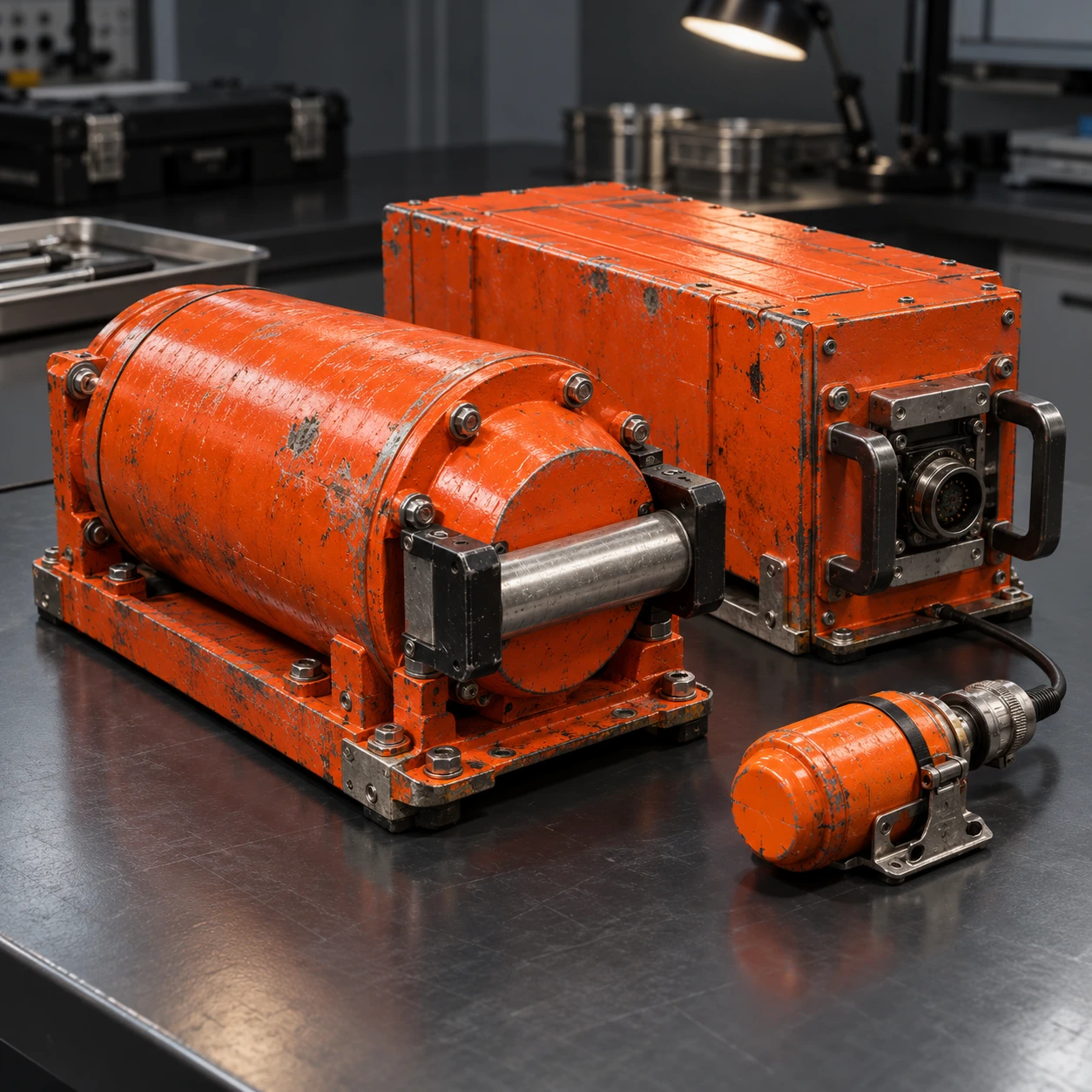
Two Flight Records Can Tell Different Parts of the Same Event

Two unbranded orange recorder housings sit beside a small locator beacon on a laboratory bench.
The important distinction is the evidence recorded. These generic interpretations do not identify a particular certified model.

The value of a recorder lies in what it preserves, how it survives and how its evidence can be aligned.

Aviation · Evidence · Engineering · About 5 minutes
Read journey 46 →

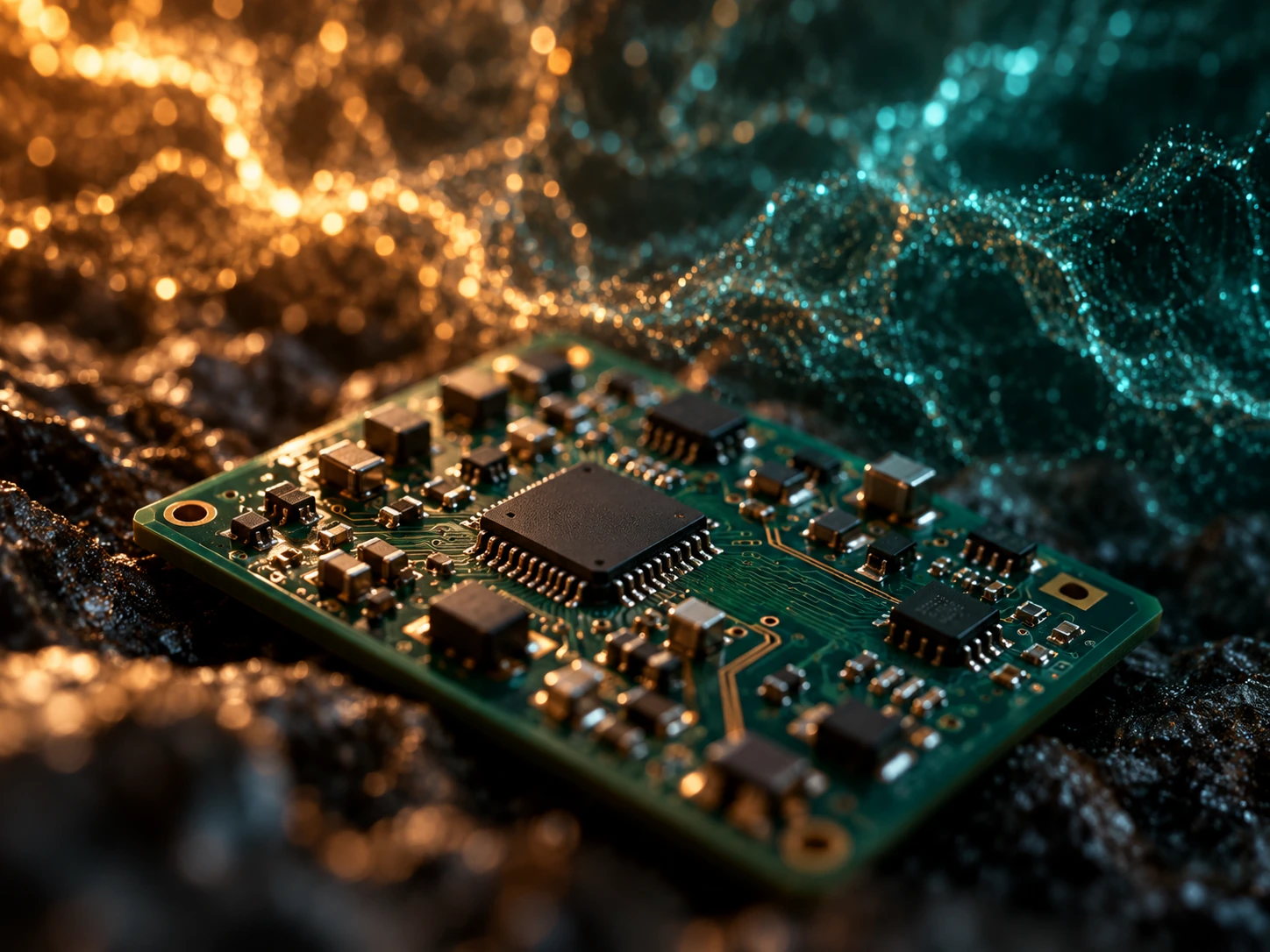
Noise Becomes Useful Randomness Only After You Ask What Could Predict It

A small electronics board sits beneath an irregular luminous amber-and-cyan texture.
A conceptual electronics scene introduces physical noise. It is not a circuit diagram, measured signal, or tested random-bit generator.

A lively signal is not automatically a trustworthy source of random bits. Follow bias, dependence, conditioning, and failure detection.

Randomness · Measurement · Computing · About 5 minutes
Read journey 47 →

The Robot That Must Build Its Map Before It Can Trust Its Position

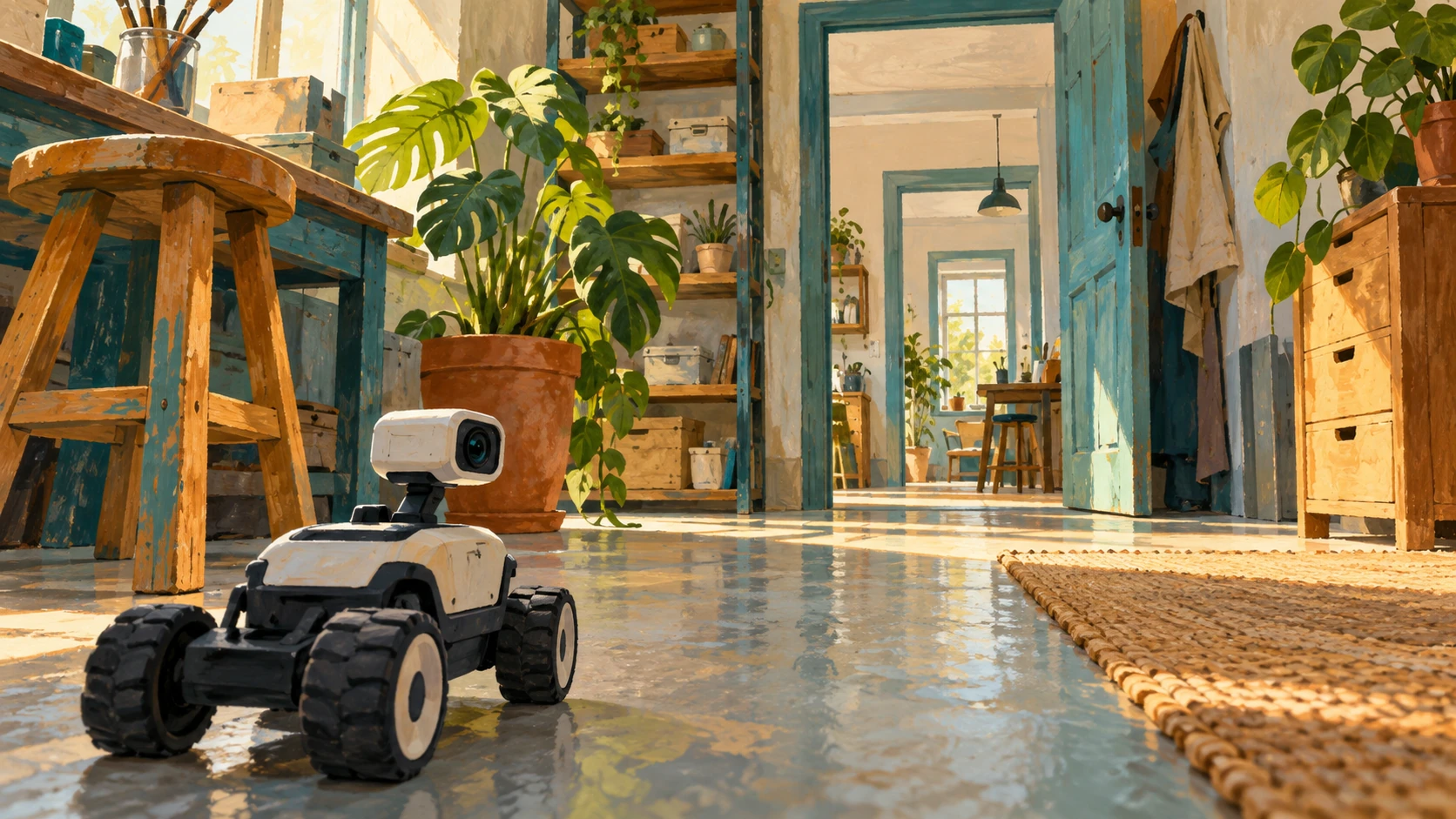
A small wheeled camera robot faces a workshop doorway with stools, shelves, and a plant nearby.
A fictional robot-sized view. Distinctive features can help connect observations, but the scene is not output from a SLAM system.

SLAM connects uncertain movement with uncertain landmarks. Follow a short walk to see why recognizing a place can change the whole map.

Robotics · Mapping · Computer vision · About 5 minutes
Read journey 48 →

One Tile Can Fill a Plane Without Giving It a Repeating Grid

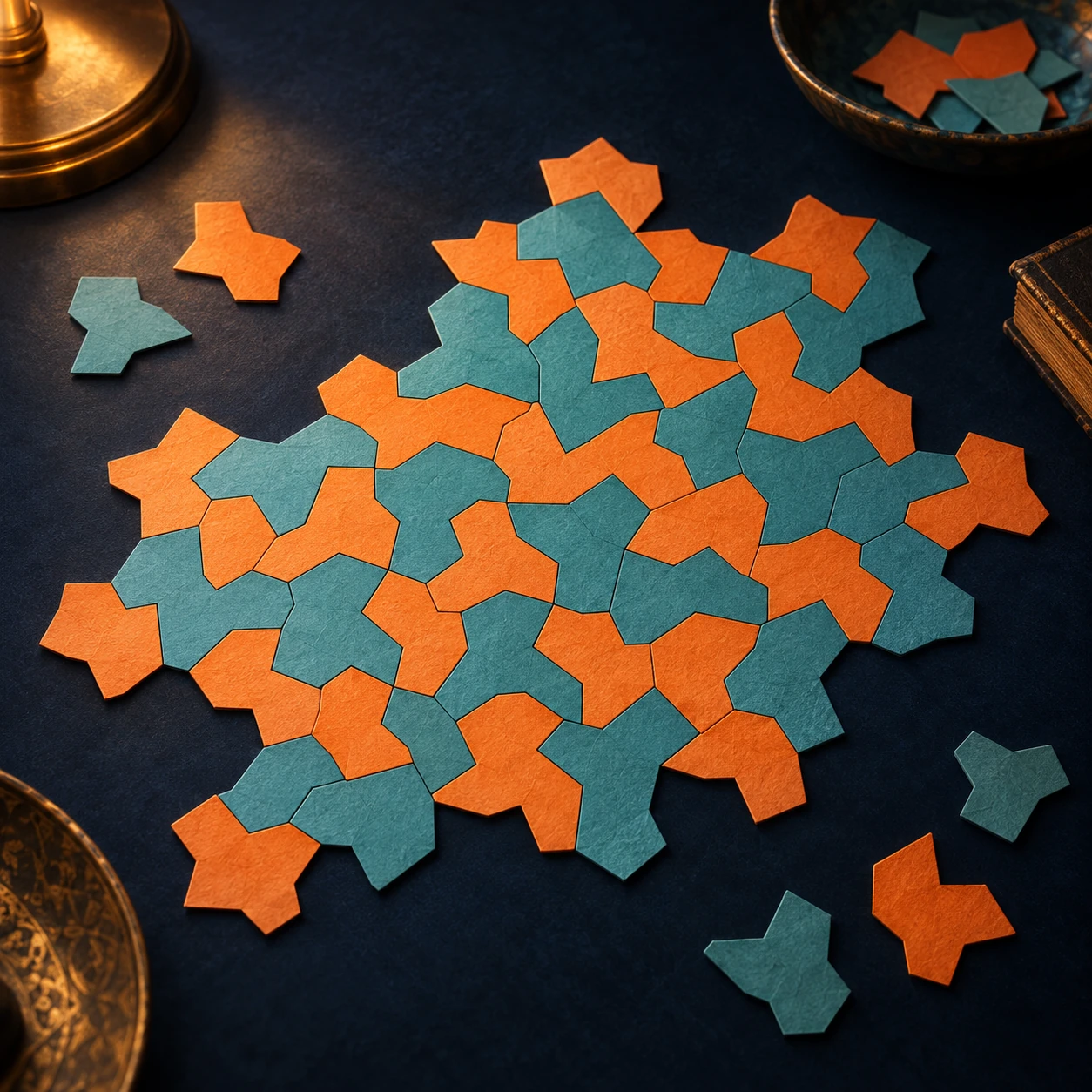
Orange and turquoise polygon paper pieces form an irregular patch on a dark tabletop.
Conceptual paper tiles introduce the search for structure. These shapes are not the mathematically certified hat; use the creators’ linked tools for its actual geometry.

The hat monotile separates familiar local patterns from global periodicity. Explore the creators’ actual shapes before trusting a small patch.

Mathematics · Patterns · Design · About 5 minutes
Read journey 49 →

A Pantograph Copies the Geometry of Your Gesture

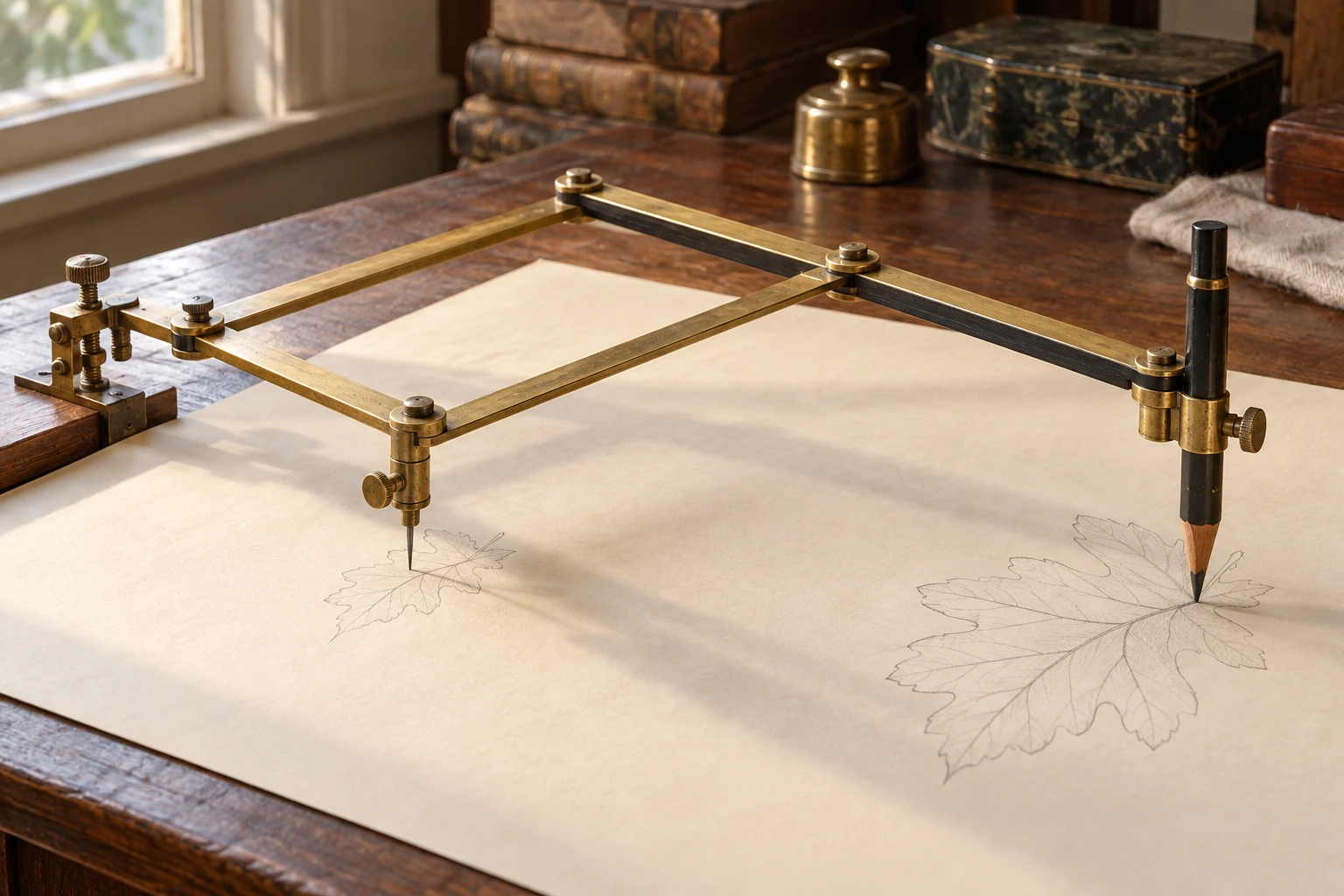
A brass jointed drawing instrument spans a sheet with small and large pencil outlines.
An interpretive pantograph scene. The geometric model below isolates scaling about a fixed point rather than certifying this pictured linkage.

Jointed arms keep a tracer and pencil in a scaling relationship. Follow the fixed point to understand enlargement, reduction, and error.

Drawing tools · Geometry · Mechanical design · About 5 minutes

Read journey 50 →