INCOPREA

Eighty Curious Journeys

Follow surprising questions through living worlds, Earth, human history, and everyday inventions. Eighty researched articles pair original illustrations with hands-on models, observation sheets, listening exercises, and further reading.

Browse the complete Curious World gallery →

80 articles shown

The Bombardier Beetle’s Defense Is a Pulse, Not a Continuous Blast
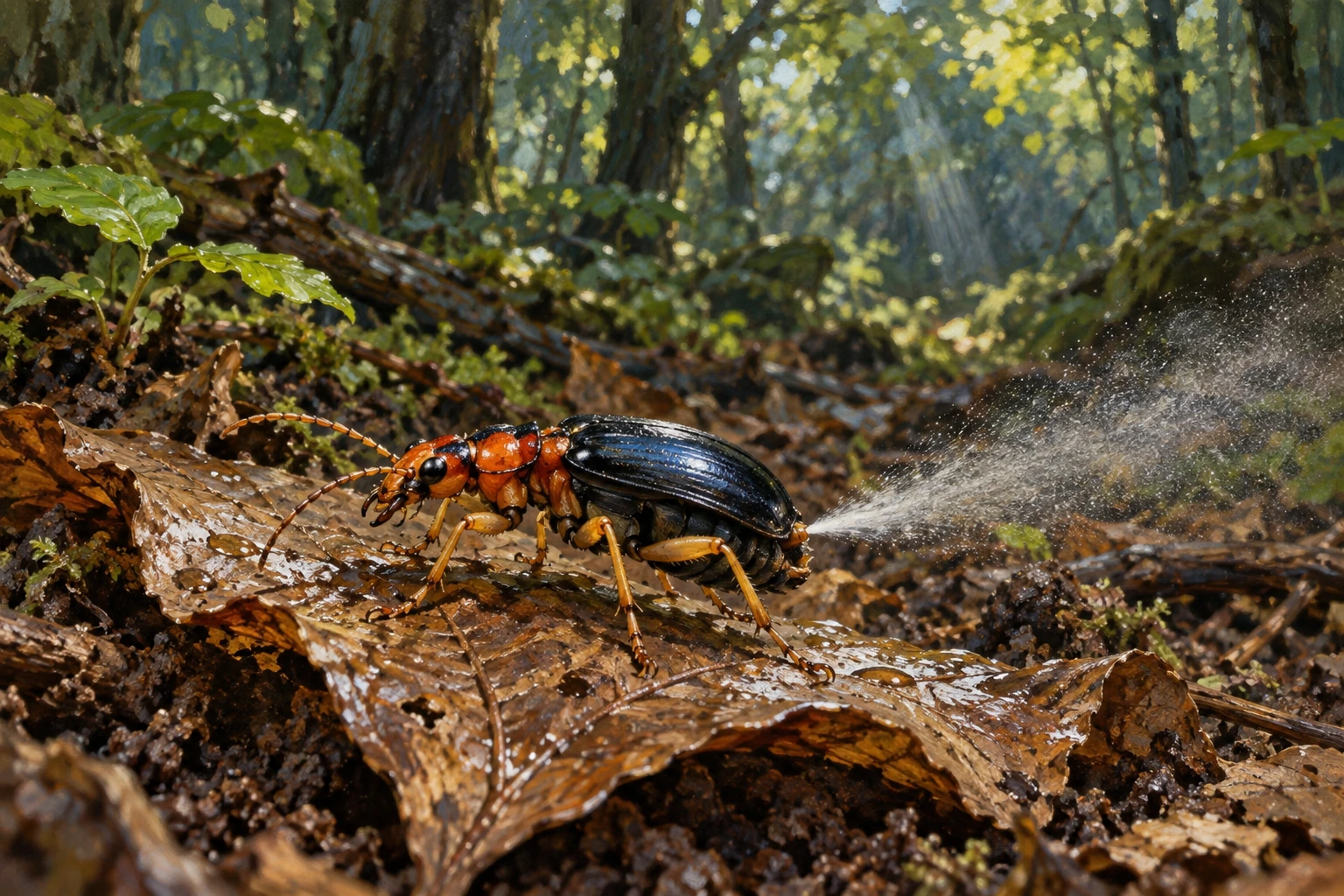
A small orange-and-dark ground beetle on a wet leaf, with a fine rearward spray.
An interpretive view of the defense in action. The visible mist does not resolve the much faster sequence of individual pulses.

Inside a brief spray, pressure and a flexible valve can organize hundreds of separate events.

Natural history · Animal defense · Biomechanics · About 5 minutes
Read journey 01 →

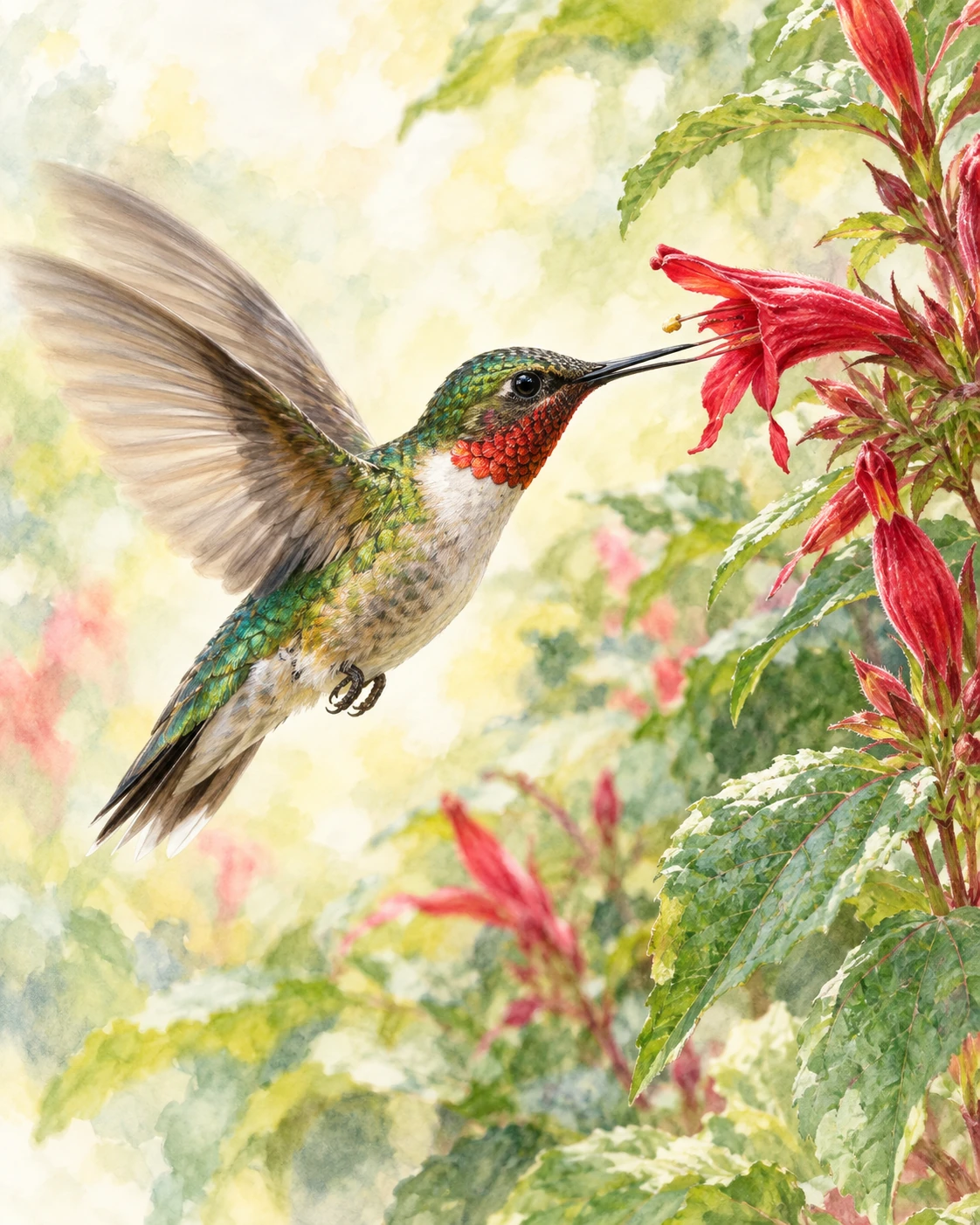
A Hummingbird’s Tongue Does More Than Dip Into Nectar

Hummingbird feeding at a flower in a tall watercolor composition
A flower visit contains several distinct steps, most too fast to separate with the unaided eye.

Slow down one lick to see a flexible tongue trap nectar, refill its grooves and hand liquid to the bill.

Birds · Biomechanics · Natural history · About 4 minutes
Read journey 02 →

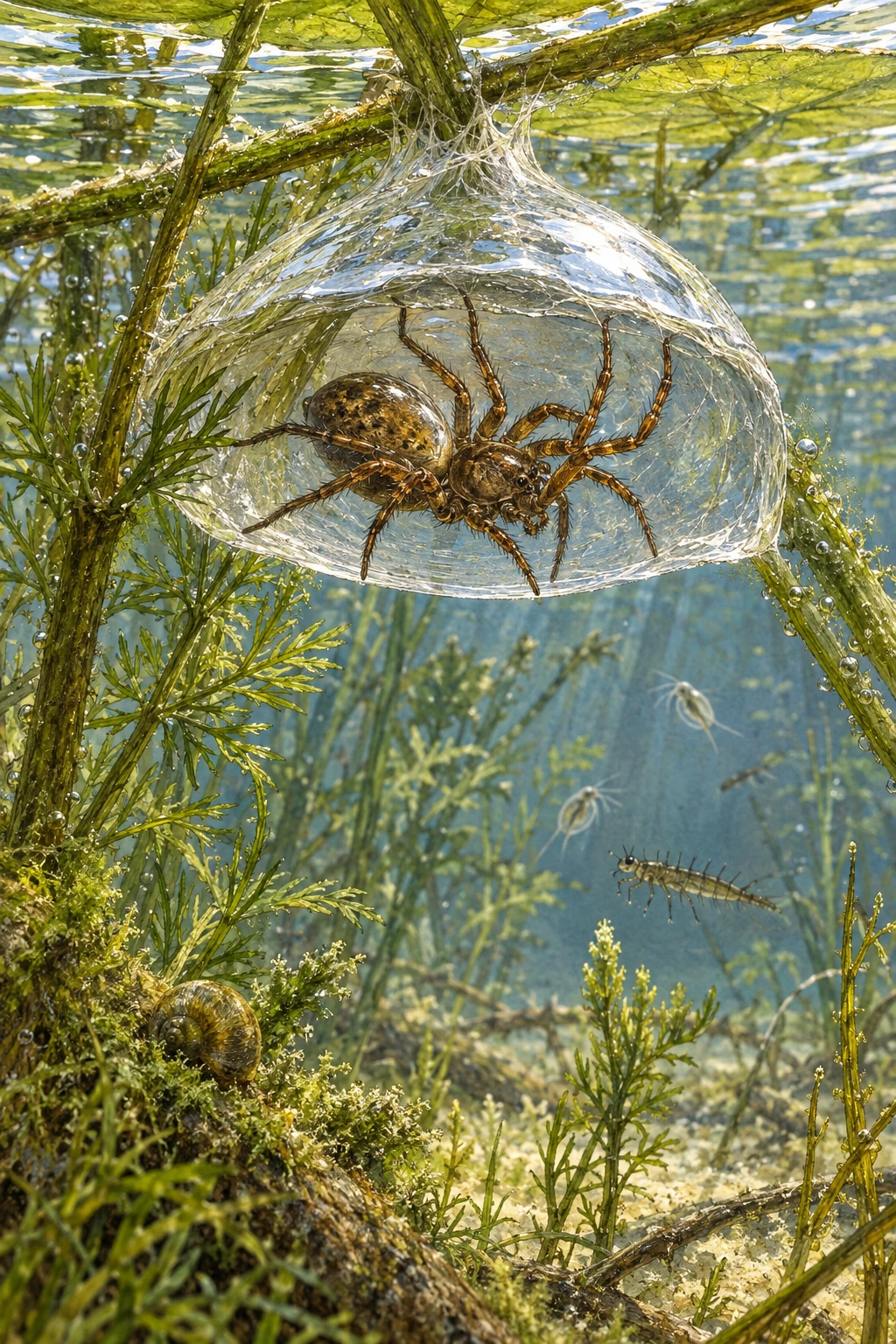
The Spider That Takes a Room of Air Underwater

Diving-bell spider inside a silken underwater air space among plants
The bell is an underwater air space connected to its surroundings by gas exchange; the scene is interpretive.

A diving bell is a gas store and a physical gill. Explore the oxygen budget that connects it to the water.

Spiders · Freshwater · Physiology · About 4 minutes
Read journey 03 →

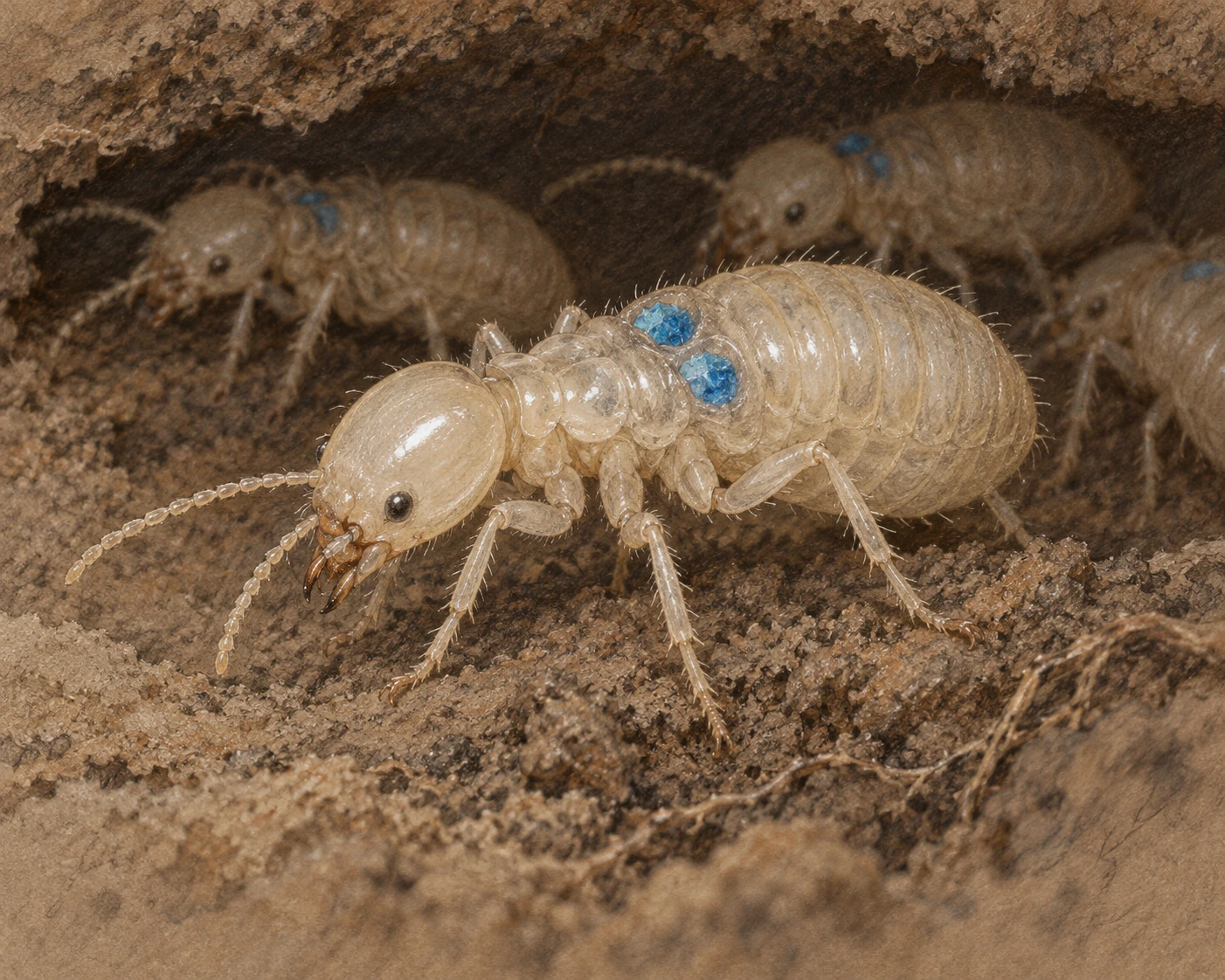
The Termite Workers That Grow a Final Defense on Their Backs

Pale termite workers with paired blue dorsal patches in an earthen passage
Blue dorsal material marks the unusual defensive system of Neocapritermes taracua; this is a natural-history interpretation.

Blue crystals on aging termite workers reveal a two-part defense and a changing division of labor.

Termites · Chemical ecology · Animal societies · About 4 minutes
Read journey 04 →

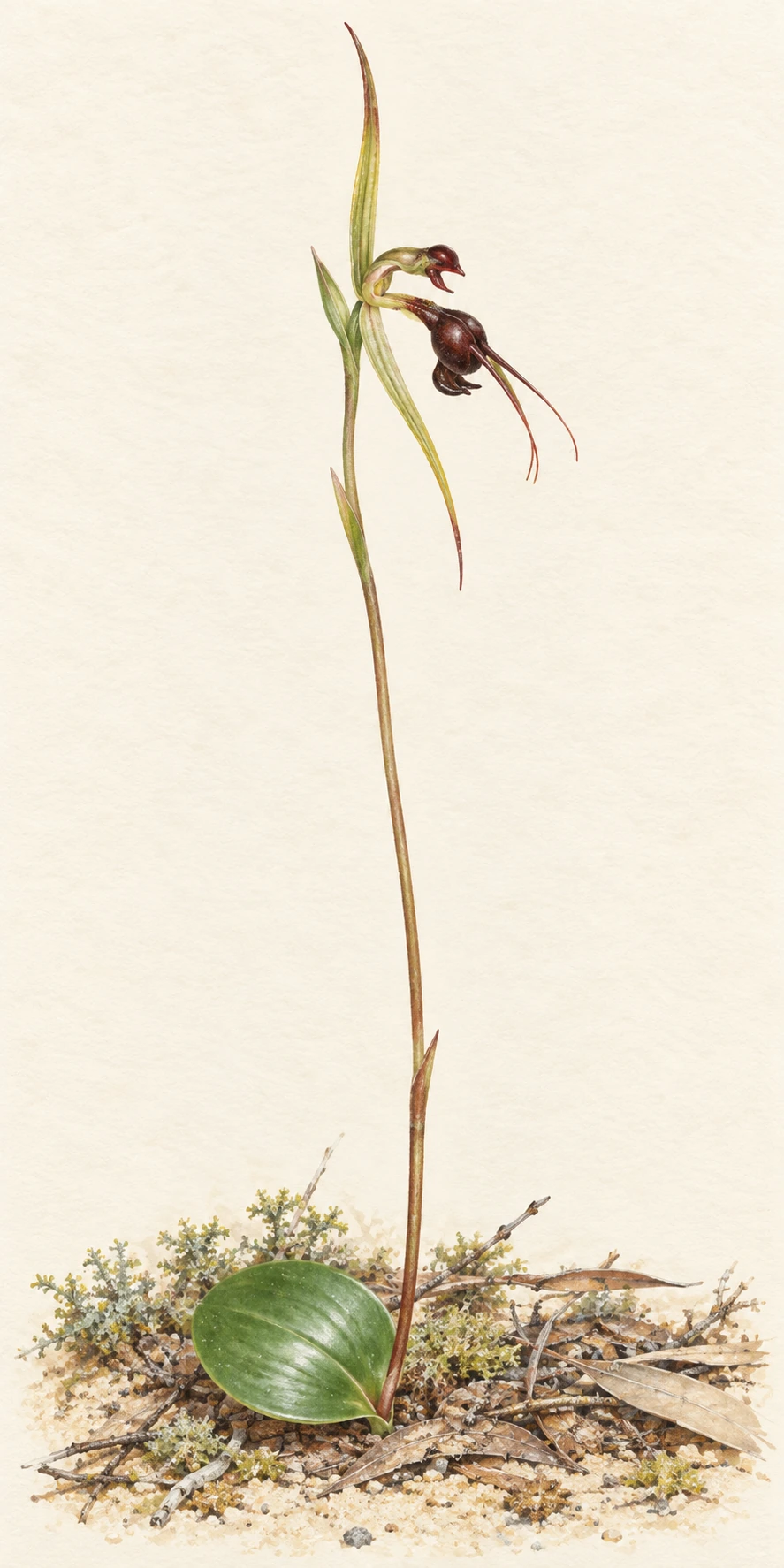
A Hammer Orchid Recruits a Visitor With the Wrong Promise

Slender hammer orchid with one basal leaf on sandy woodland ground
A hammer orchid’s reduced flower rewards a closer look at its hinge and insect-shaped lip.

A tiny hinged flower connects scent, wasp behavior and pollen transfer in a surprisingly precise sequence.

Orchids · Pollination · Chemical ecology · About 4 minutes
Read journey 05 →

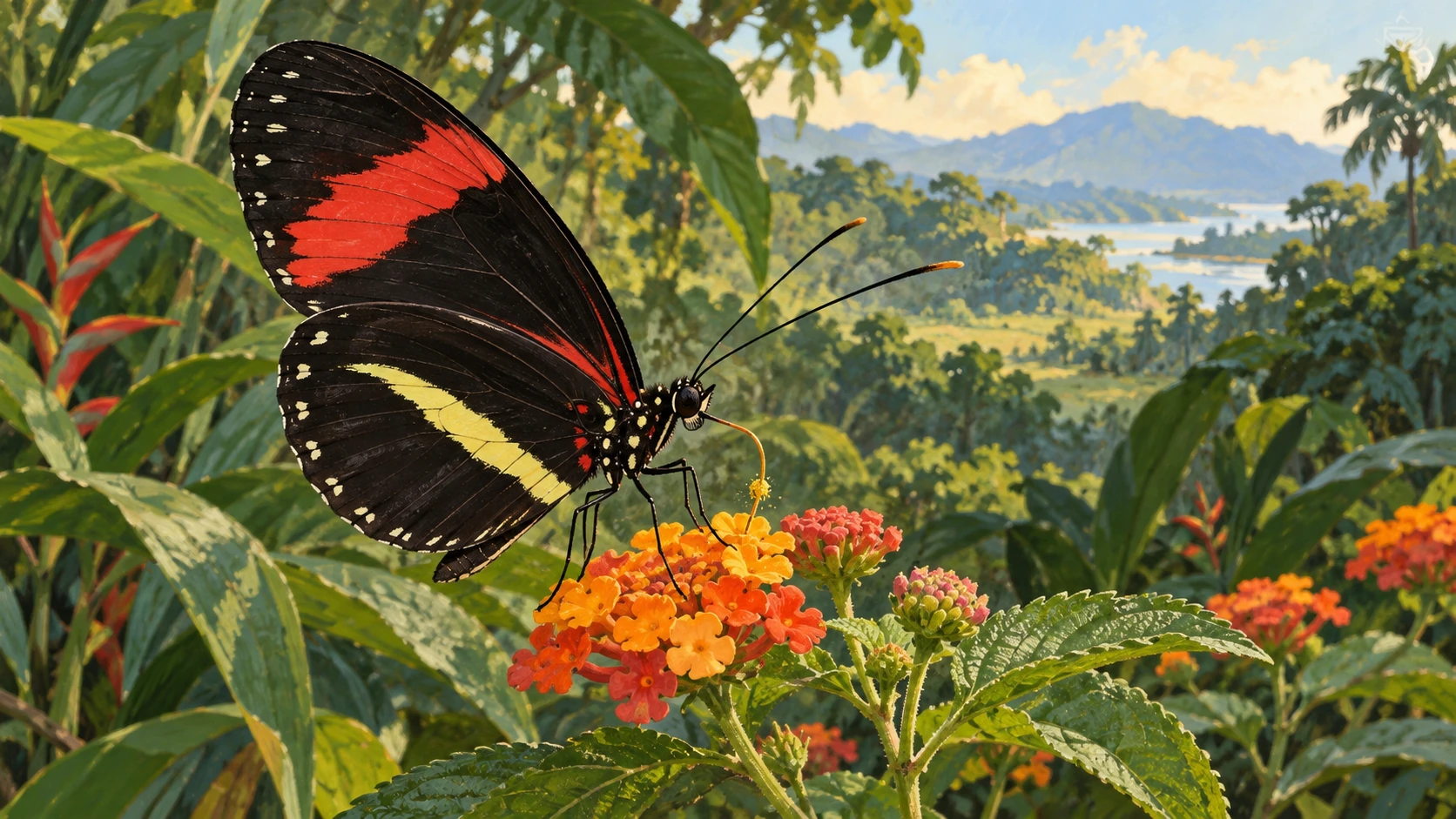
The Butterfly That Eats Pollen and Remembers a Route

A red-banded Heliconius butterfly feeding on orange flowers in a tropical clearing
A repeat visit can suggest a pattern; experiments are needed to establish how the butterfly finds the place again.

Heliconius feeding and navigation studies show why repeated flower visits deserve a careful second look.

Butterflies · Animal learning · Pollination · About 4 minutes
Read journey 06 →

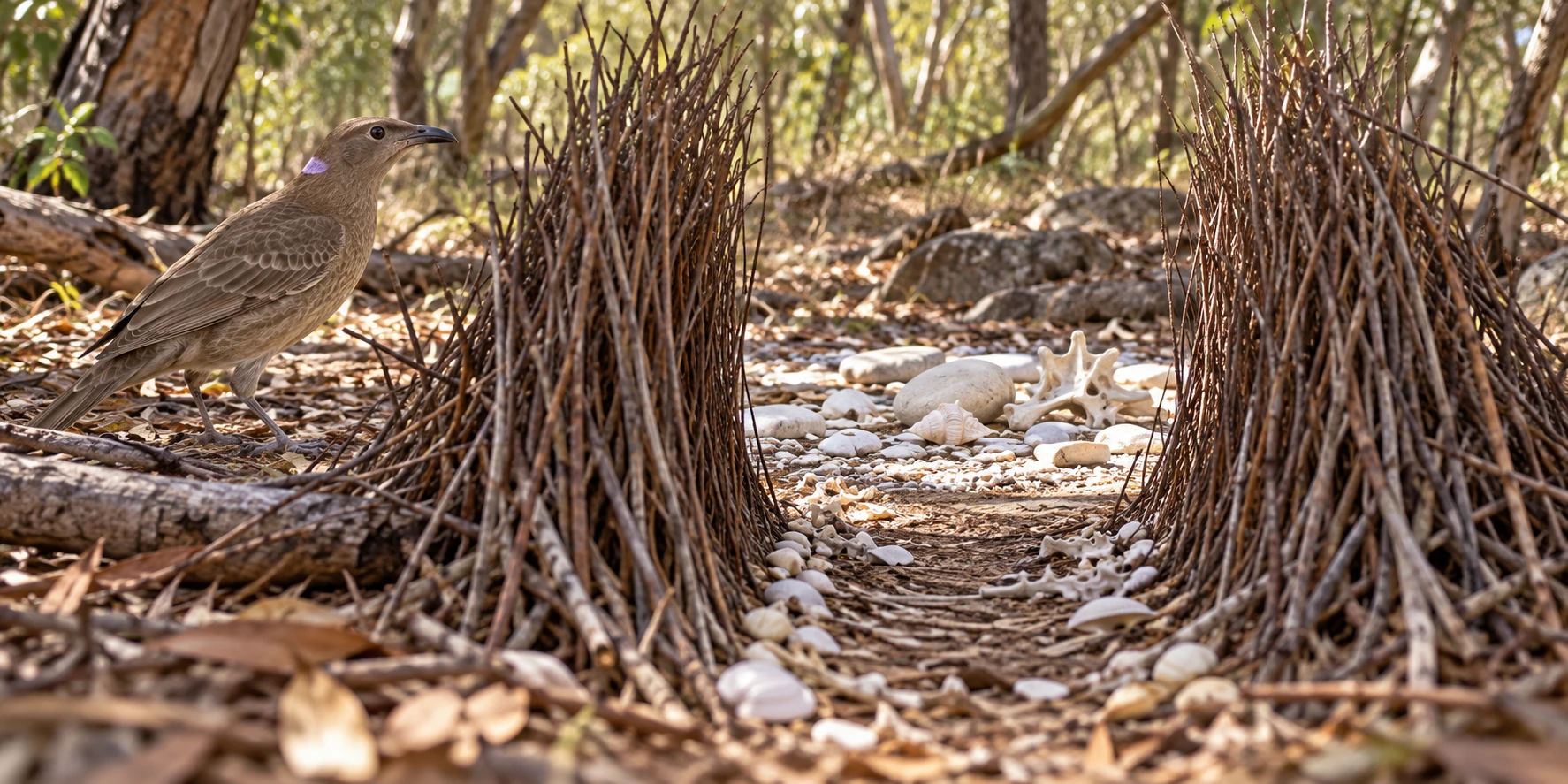
A Bowerbird Builds a View for One Particular Audience

Great bowerbird beside a stick avenue and a court of pale objects
The display has a viewing position: object size and distance must be considered together.

Move from an overhead inventory to the avenue viewpoint, then explore the geometry and its disputed biological meaning.

Birds · Animal behavior · Perception · About 4 minutes
Read journey 07 →

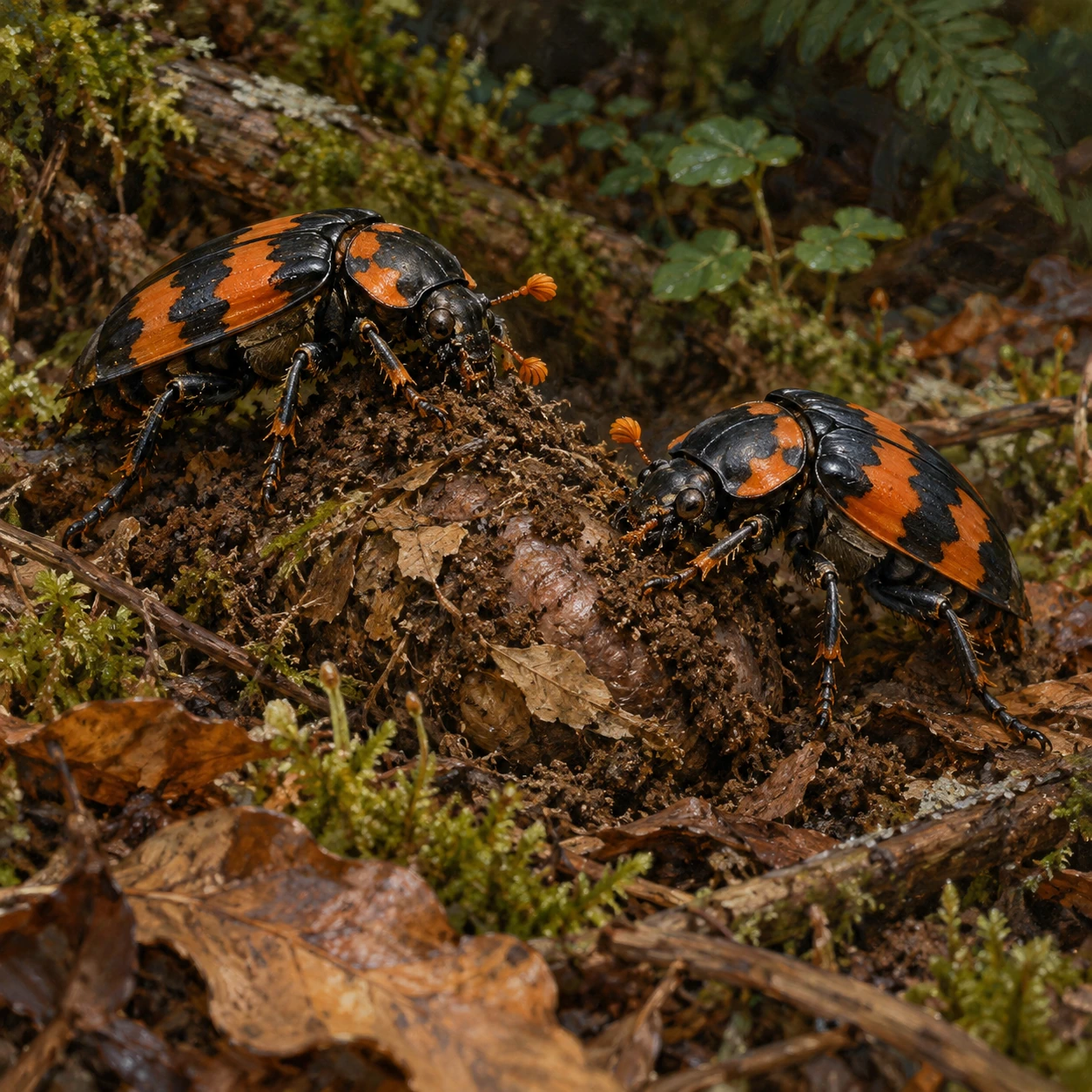
Burying Beetles Prepare a Nursery by Managing Its Microbes

Two orange-and-black burying beetles tending a concealed nursery in leaf litter
Preparing a nursery includes managing the changing resource around the larvae, not simply concealing it underground.

A carrion nursery is neither untouched food nor a sterile package. Experiments reveal a managed microbial interface.

Beetles · Microbiomes · Parental care · About 5 minutes

Read journey 08 →

A Hyena’s Social Inheritance Includes More Than Rank

Spotted hyena mother and offspring beside a den with other clan members beyond
A mother-offspring pair belongs to a larger network of relationships that unfolds over years.

Long-term observations reveal how a young hyena’s relationships can resemble its mother’s social network.

Hyenas · Animal societies · Behavioral ecology · About 5 minutes
Read journey 09 →

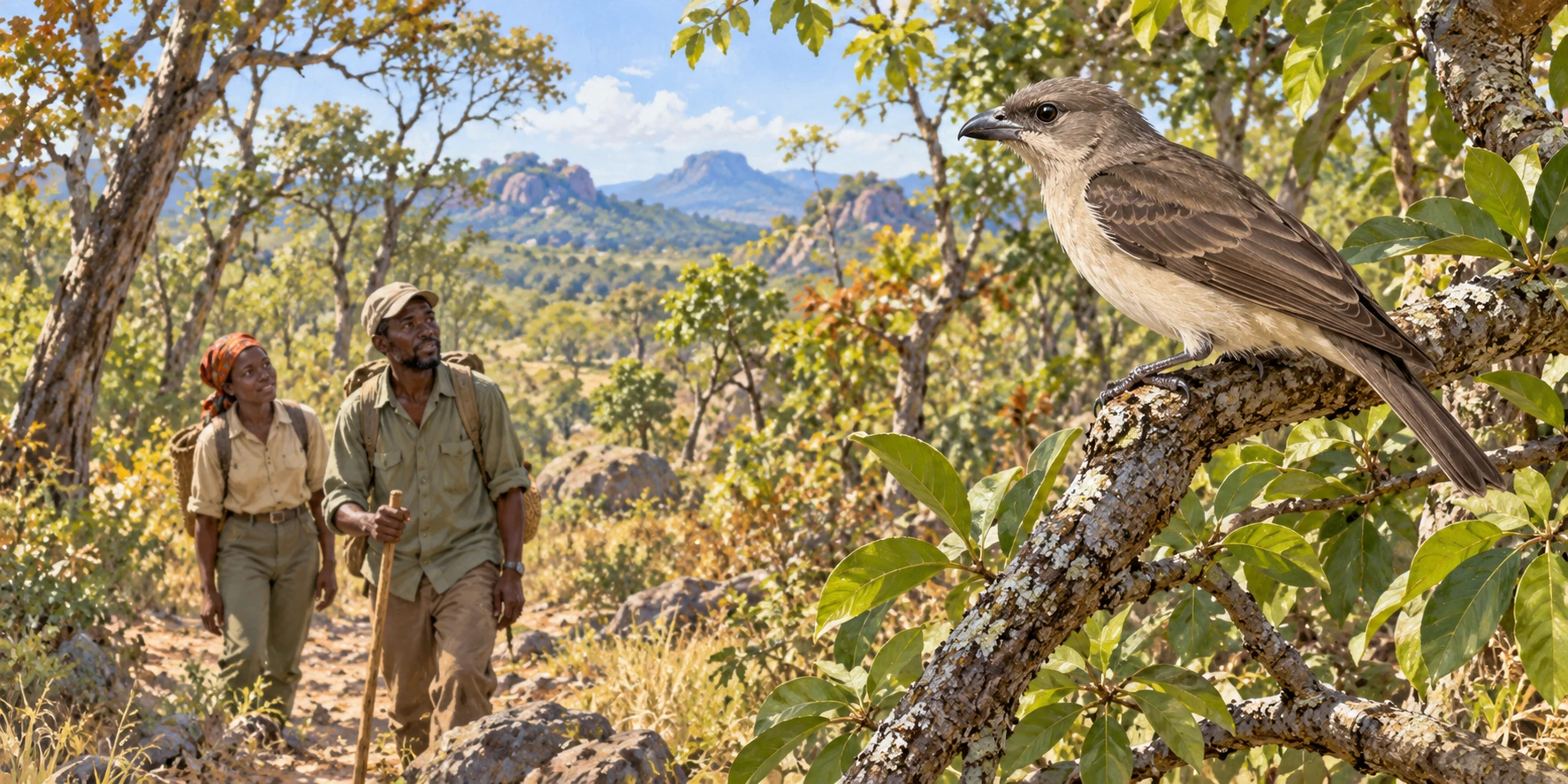
The Honeyguide Listens for a Human Partner’s Call

Greater honeyguide perched above a woodland path as two honey-hunters look toward it
The partnership joins a wild bird’s search with human knowledge and locally maintained signals.

Field experiments and regional dialect studies reveal a flexible partnership between wild birds and honey-hunters.

Birds · Cooperation · Animal communication · About 4 minutes
Read journey 10 →

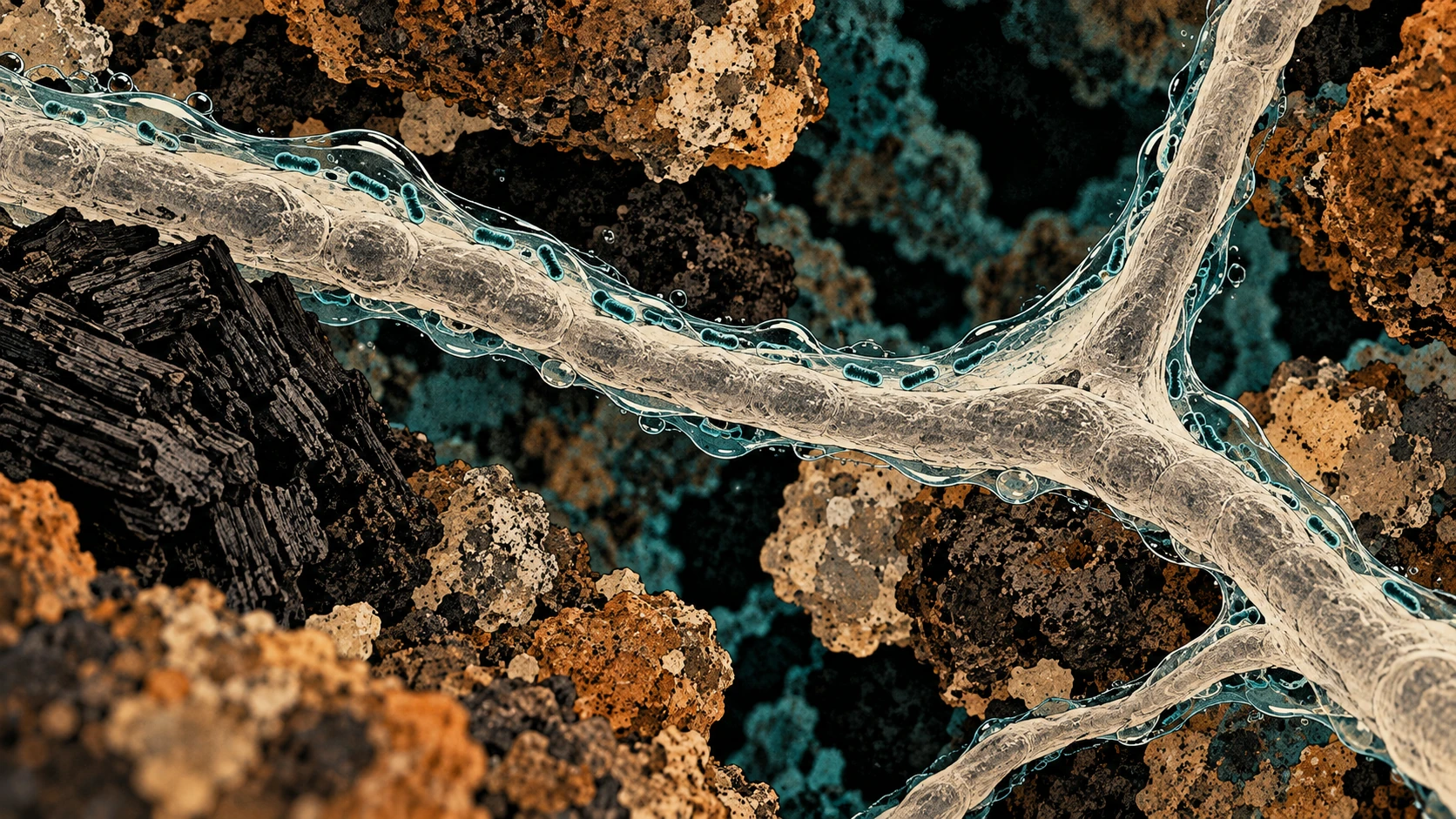
Bacteria Can Travel Along a Fungal Highway

Microscopy-inspired soil pore with bacteria in a water film along a branching hypha
A conceptual view of a connected water film; the artwork is not a micrograph or a measurement of scale.

Thin water films along fungal threads can connect a broken soil landscape, but the route depends on the partners.

Soil ecology · Fungi · Microbiology · About 6 minutes
Read journey 11 →

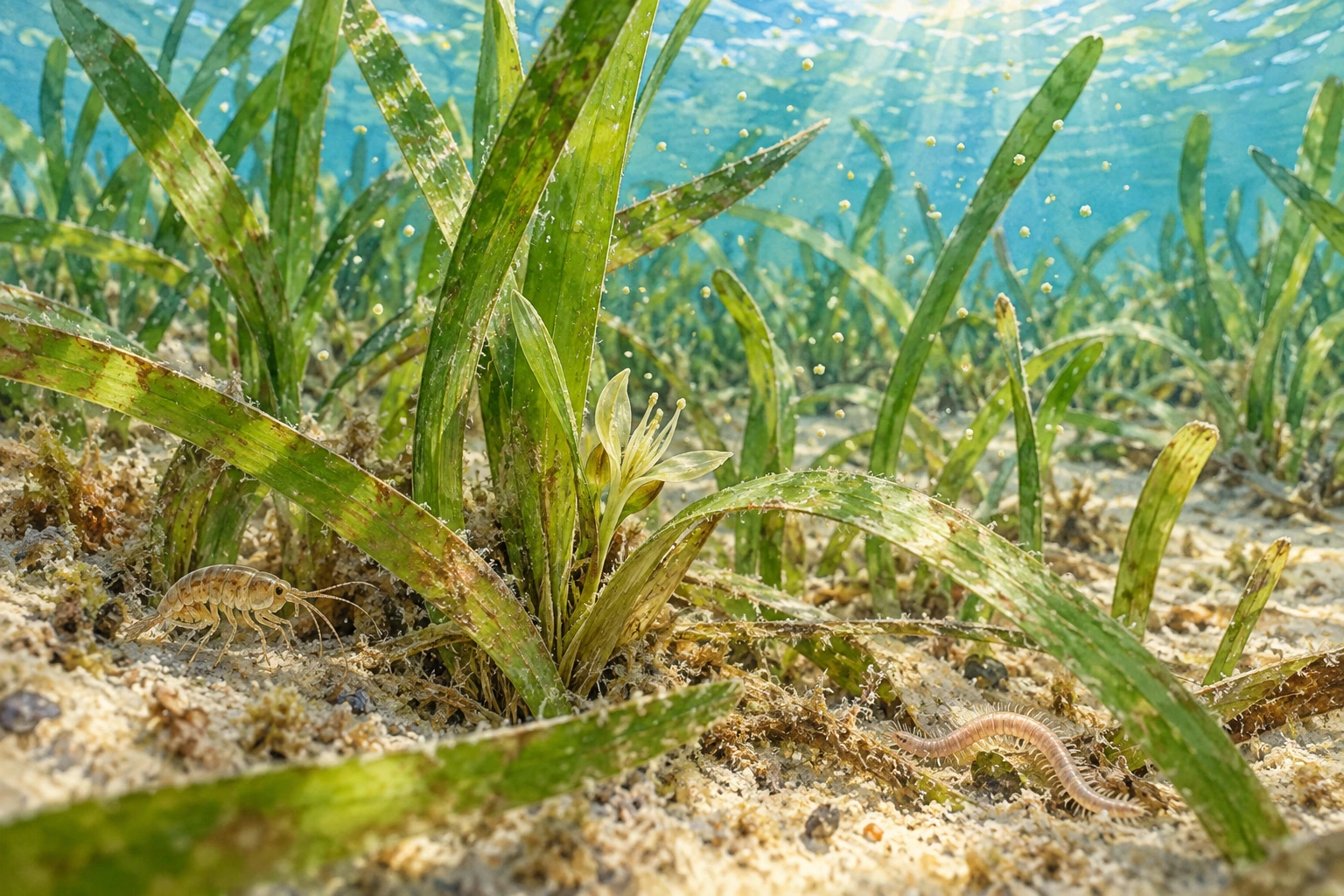
Pollination Has an Animal Chapter Beneath the Sea

Small invertebrates near a turtlegrass flower in a shallow seagrass meadow
A meadow’s small flower visitors can move pollen as well as consume it; the image is an ecological interpretation.

Turtlegrass experiments reveal a reproductive role for small invertebrates alongside water-borne pollen transport.

Seagrass · Pollination · Marine ecology · About 4 minutes
Read journey 12 →

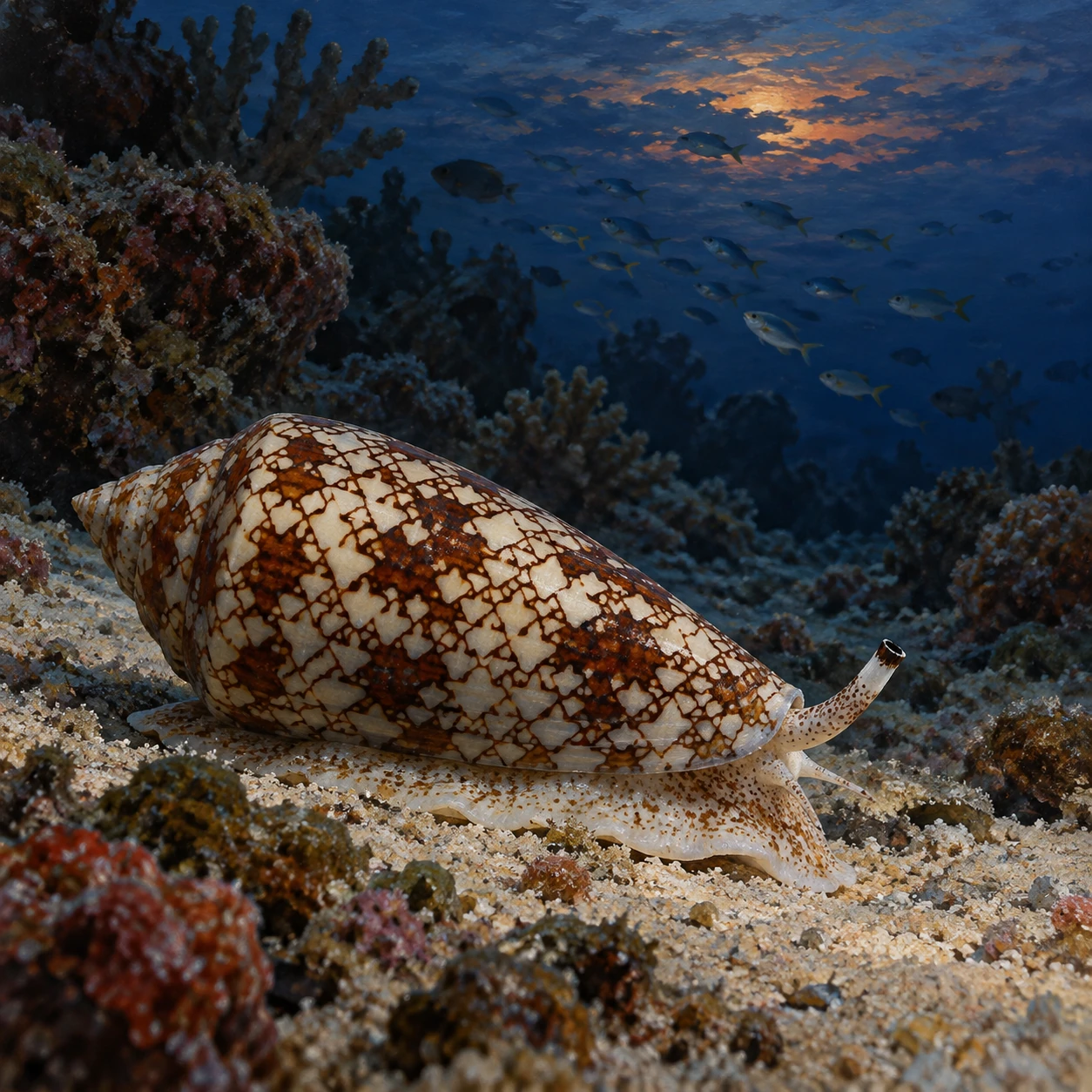
The Cone Snail That Puts Insulin Into Its Hunting Mixture

Geography cone snail on a dim reef floor with fish in the background
The shell is the visible part of a hunting system whose molecular interactions require separate experiments.

A fish-like venom insulin shows how a familiar signaling system can be recruited into a predator-prey encounter.

Cone snails · Chemical ecology · Evolution · About 4 minutes

Read journey 13 →

A Reindeer’s Reflecting Eyes Change With the Season

Reindeer portrait in deep blue Arctic twilight
The seasonal reflector lies behind the retina; an exterior eye portrait cannot demonstrate the tissue change.

Seasonal tissue changes behind the retina connect Arctic twilight, optical structure and the search for food.

Reindeer · Animal senses · Arctic ecology · About 6 minutes
Read journey 14 →

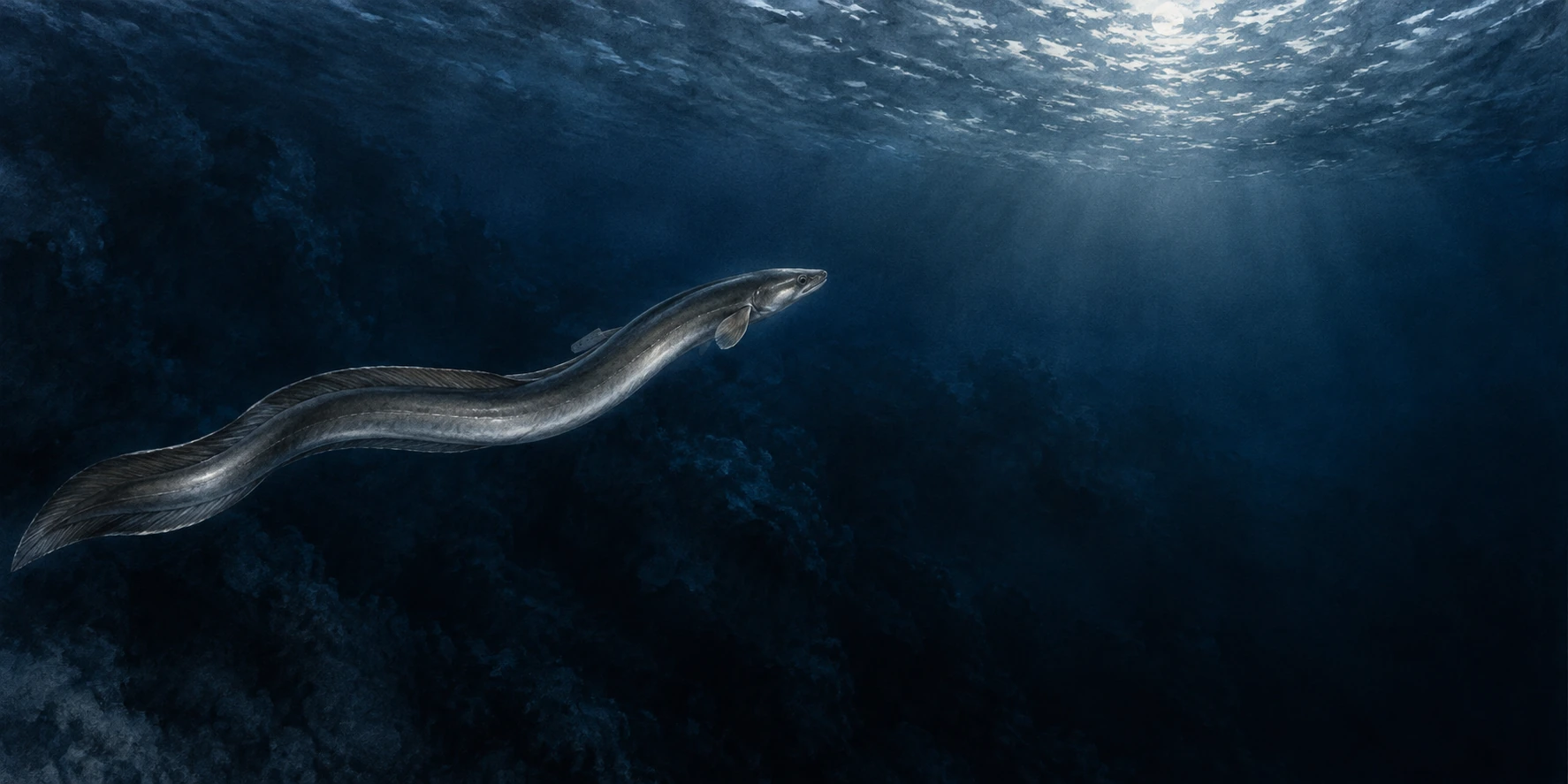
Following a European Eel Still Leaves the Last Chapter Open

A silver European eel swimming into a wide dark Atlantic scene
A tag can reveal a journey’s conditions and endpoints while leaving the final reproductive event outside its record.

Satellite tags have closed a major migration gap, while their records demand careful reading of routes and endpoints.

Eels · Animal migration · Marine biology · About 6 minutes
Read journey 15 →

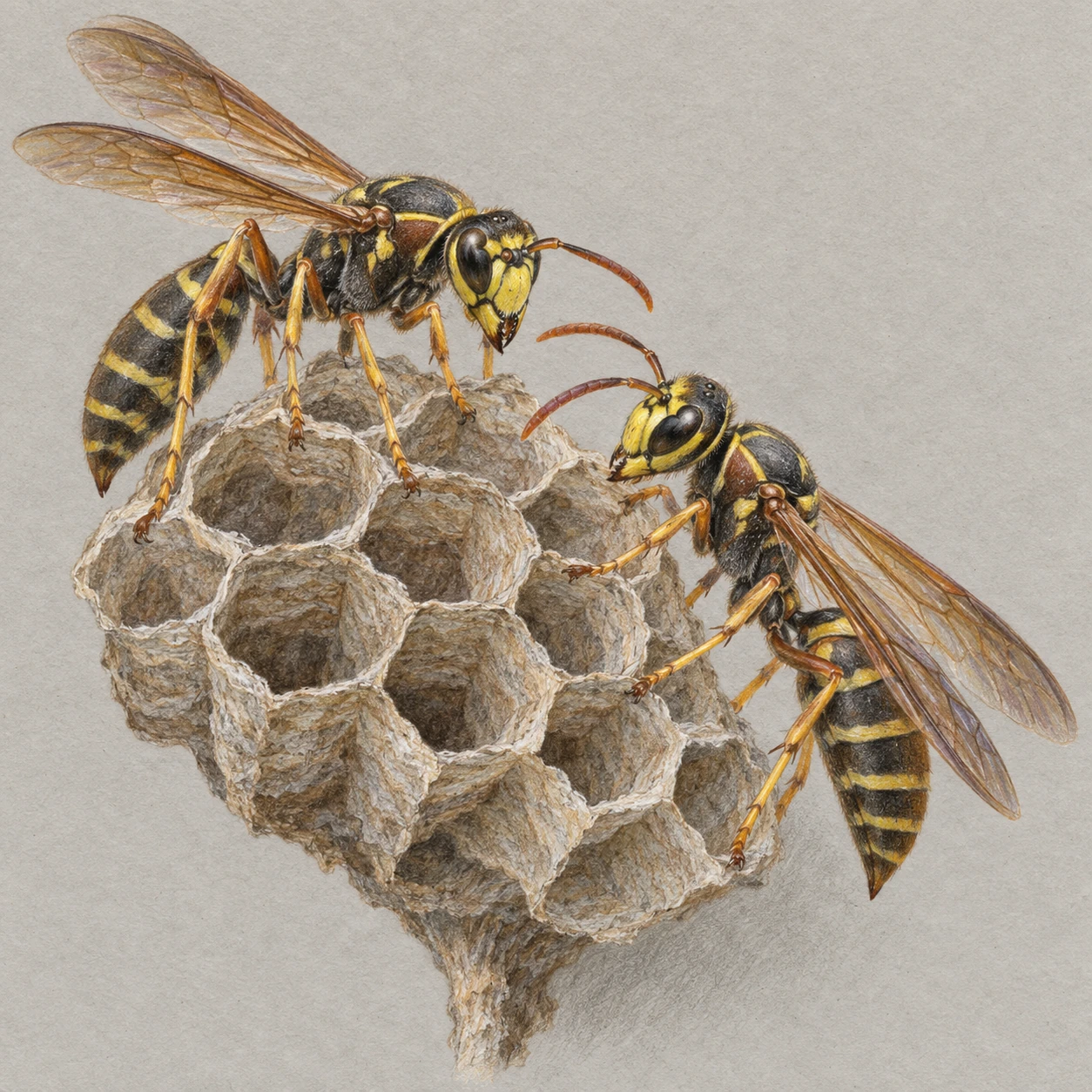
Some Paper Wasps Learn Faces as Individual Patterns

Two differently patterned paper wasps on an open paper comb
Individual facial patterns matter in the studied recognition system; the illustration is not an experimental stimulus set.

Controlled image tests reveal specialized face learning, color dependence and the influence of social experience.

Wasps · Animal cognition · Vision · About 4 minutes
Read journey 16 →

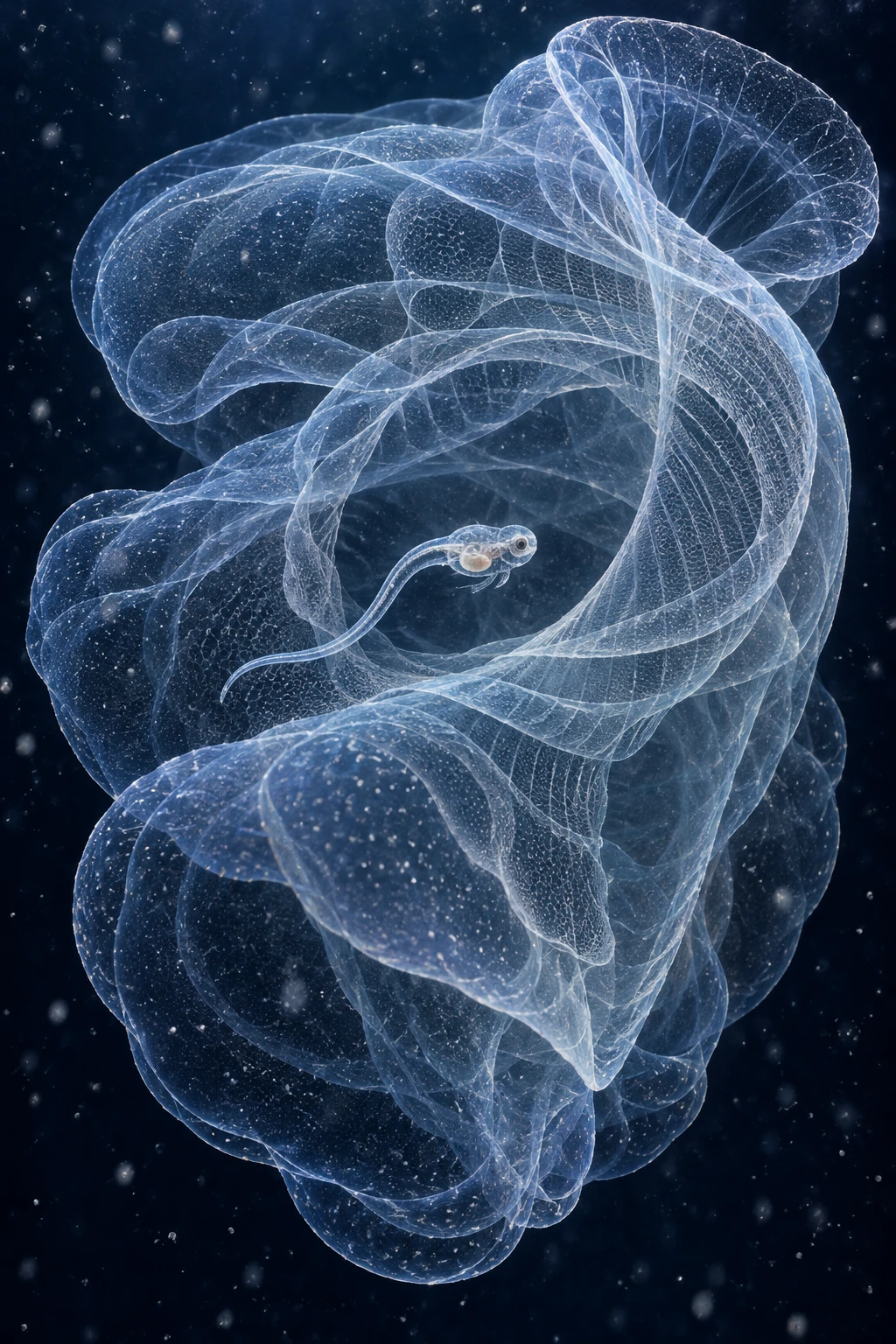
A Giant Larvacean Lives Inside a Disposable Filter

Small translucent larvacean within a much larger folded mucus house
The animal occupies a much larger feeding structure; the linked research reconstruction provides the measured geometry.

Laser imaging reveals a delicate feeding house whose ecological role continues after its builder leaves.

Larvaceans · Marine ecology · Animal architecture · About 6 minutes
Read journey 17 →

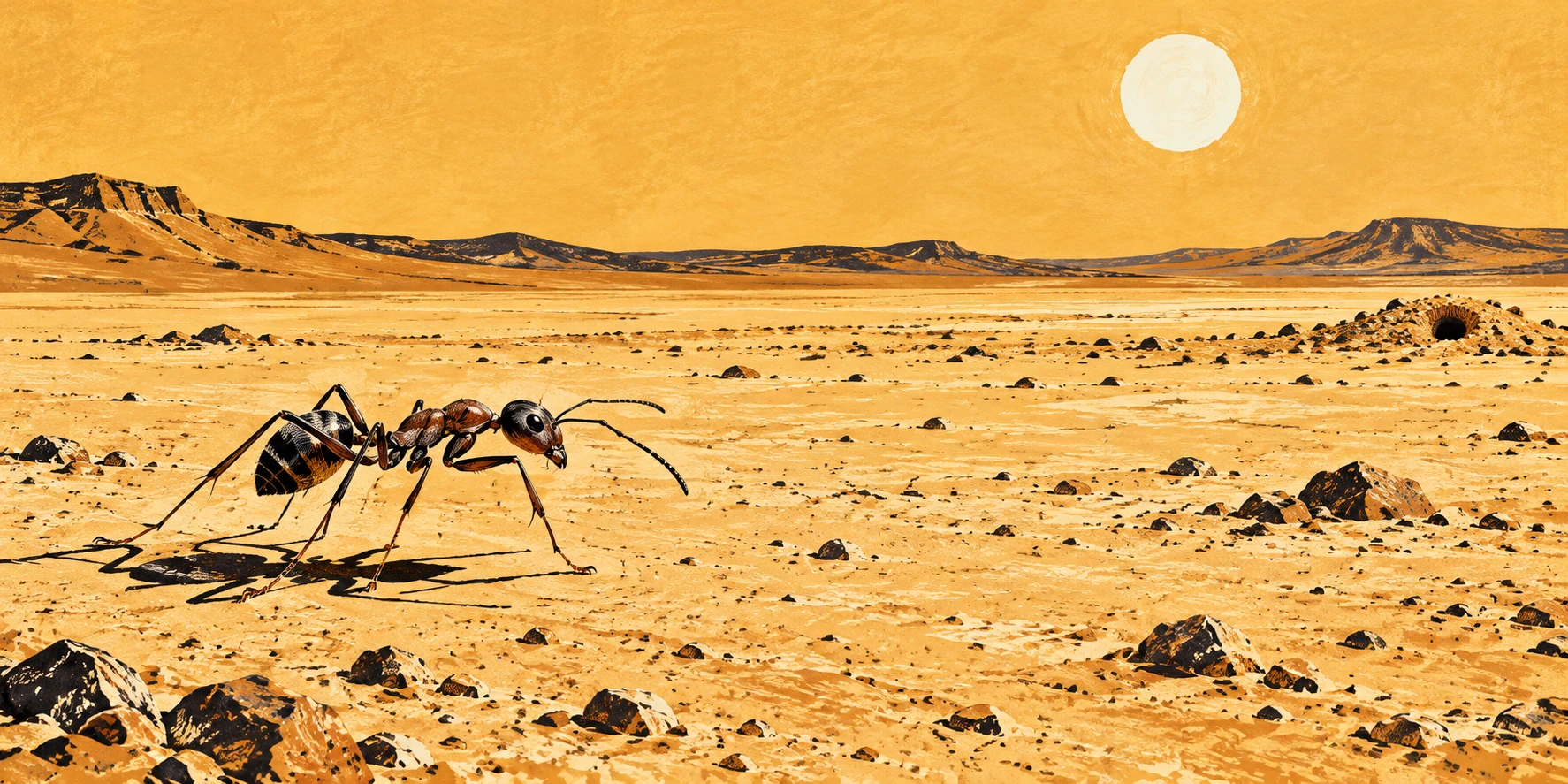
Desert Ants Keep a Journey in Their Steps

Long-legged desert ant crossing an ochre salt-flat landscape
The stride explorer changes a fictional walker; the illustrated ant has ordinary, unmodified legs.

Stride experiments and carried ants reveal more than one way to estimate distance across open ground.

Ants · Navigation · Animal senses · About 4 minutes
Read journey 18 →

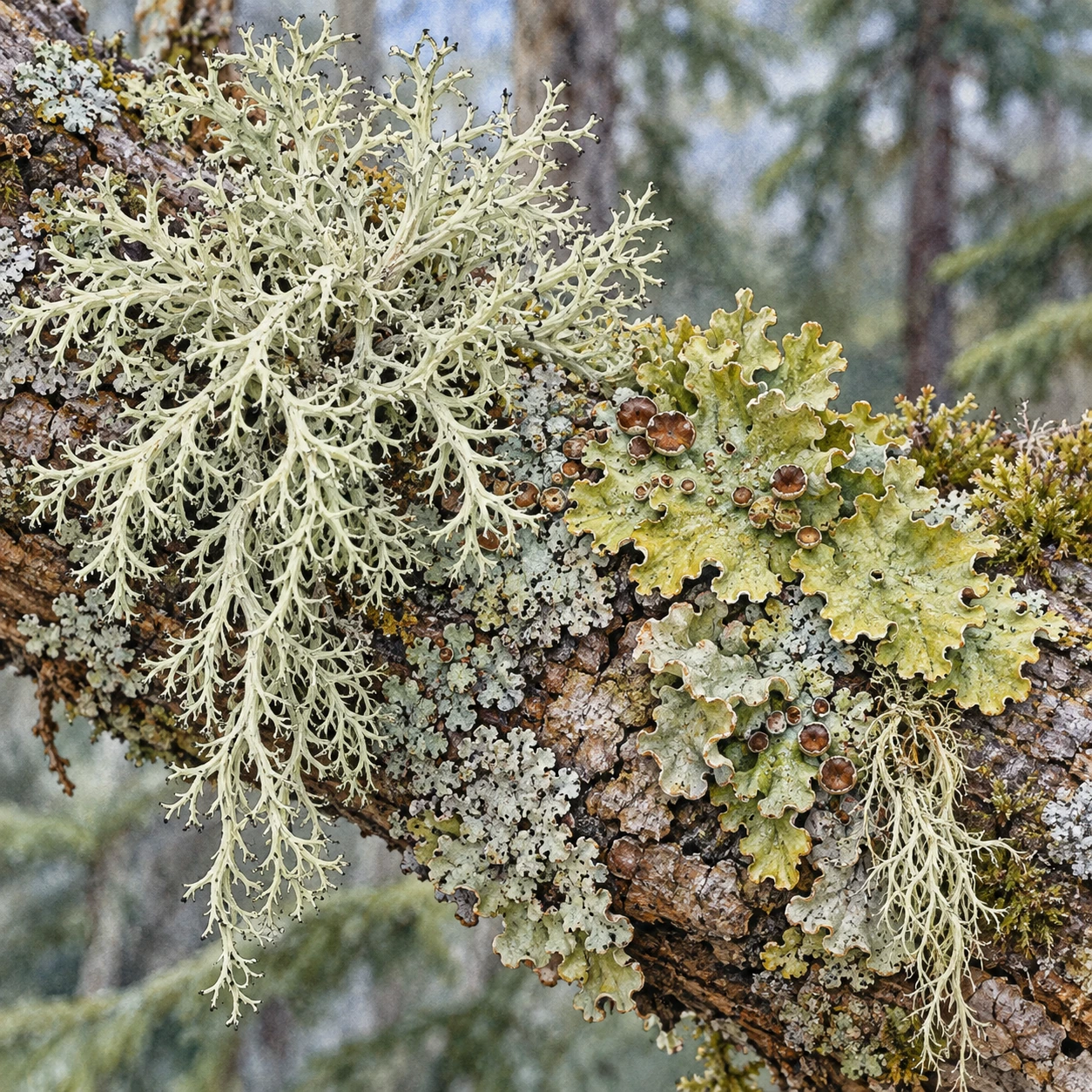
One Lichen Can Contain More Partners Than Its Familiar Definition

Leafy and branching lichens on a textured woodland branch
The visible body offers a starting point; its microscopic residents require other ways of looking.

Yeasts, broad surveys and recent genome work reveal a crowded lichen interior without a universal three-part rule.

Lichens · Symbiosis · Microbial ecology · About 6 minutes
Read journey 19 →

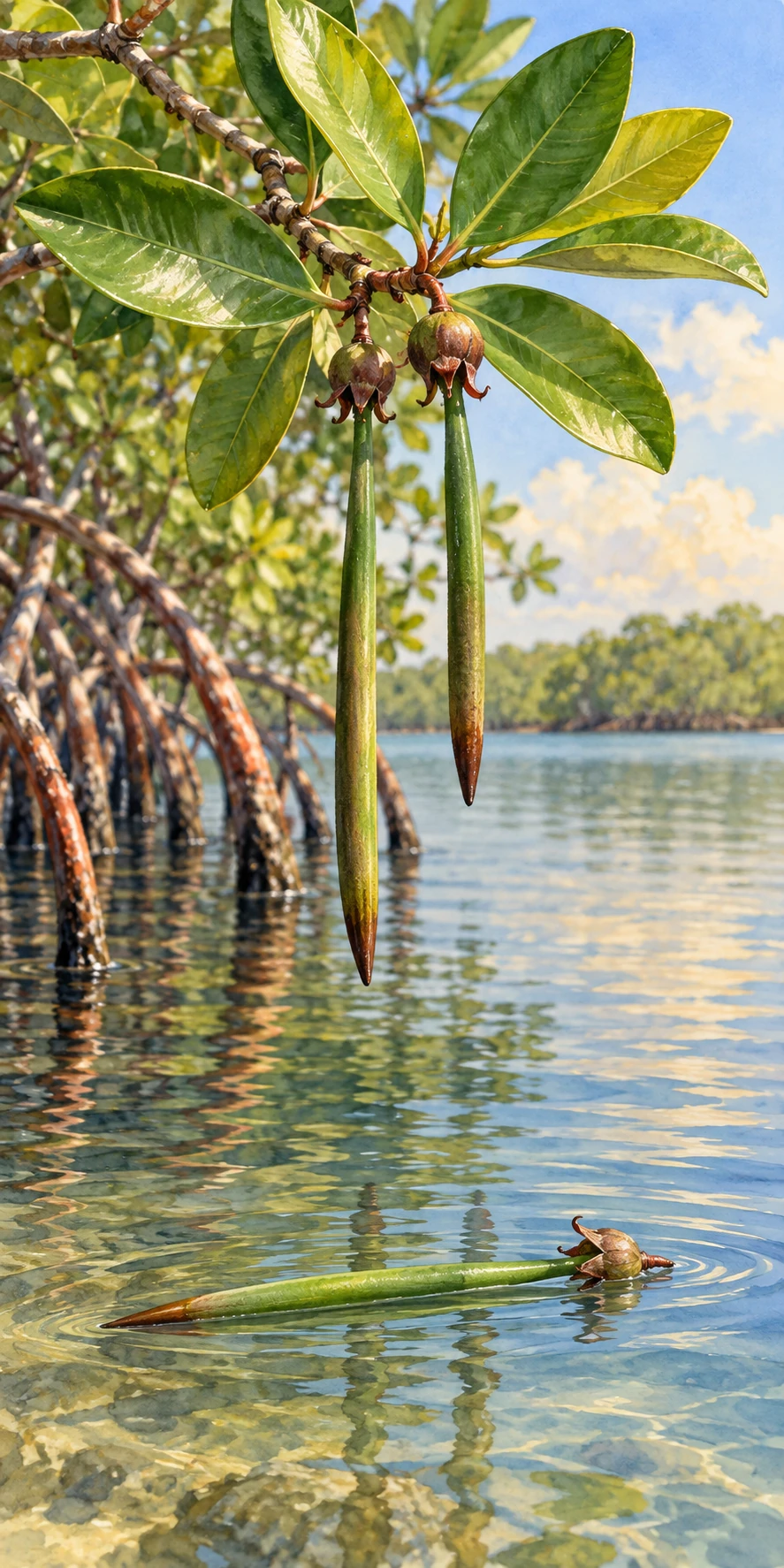
The Mangrove Seedling That Starts Before It Leaves the Tree

Long red mangrove propagules hang from a leafy branch above still coastal water
Botanical interpretation of attached and floating propagules. Germination has begun before release; later establishment is a separate stage.

A hanging mangrove propagule is already developing. Its later journey still depends on flotation, anchorage and survival.

Mangroves · Plant development · Coastal ecology · About 6 minutes
Read journey 20 →

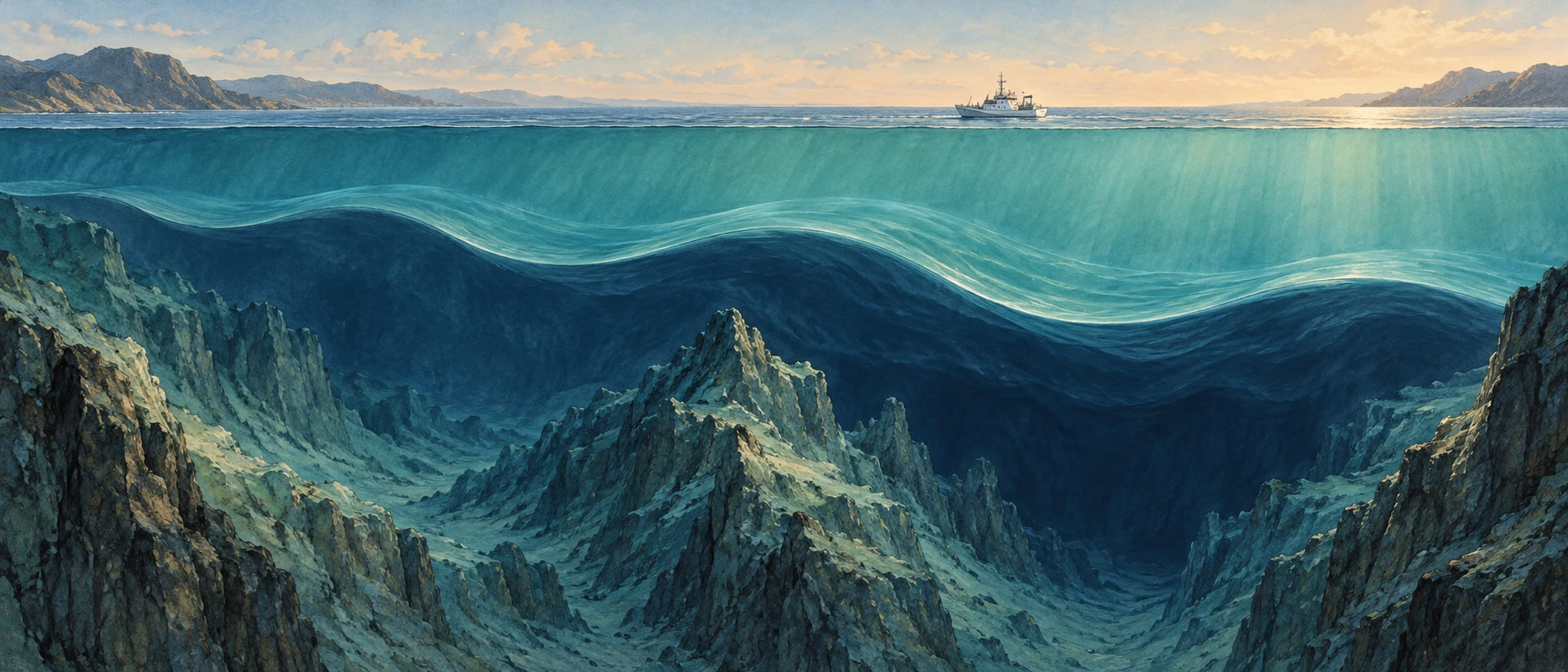
The Ocean’s Hidden Waves Can Rise Hundreds of Metres

Conceptual cutaway of a nearly level sea above an undulating deep-water boundary and submarine ridge.
An internal wave displaces density layers beneath a comparatively quiet surface. Depths, colors and the interface are simplified.

An almost calm sea can conceal enormous moving waves. Explore their layers, satellite traces and surprisingly slow speed.

Oceanography · Waves · Earth Science · About 5 minutes
Read journey 21 →

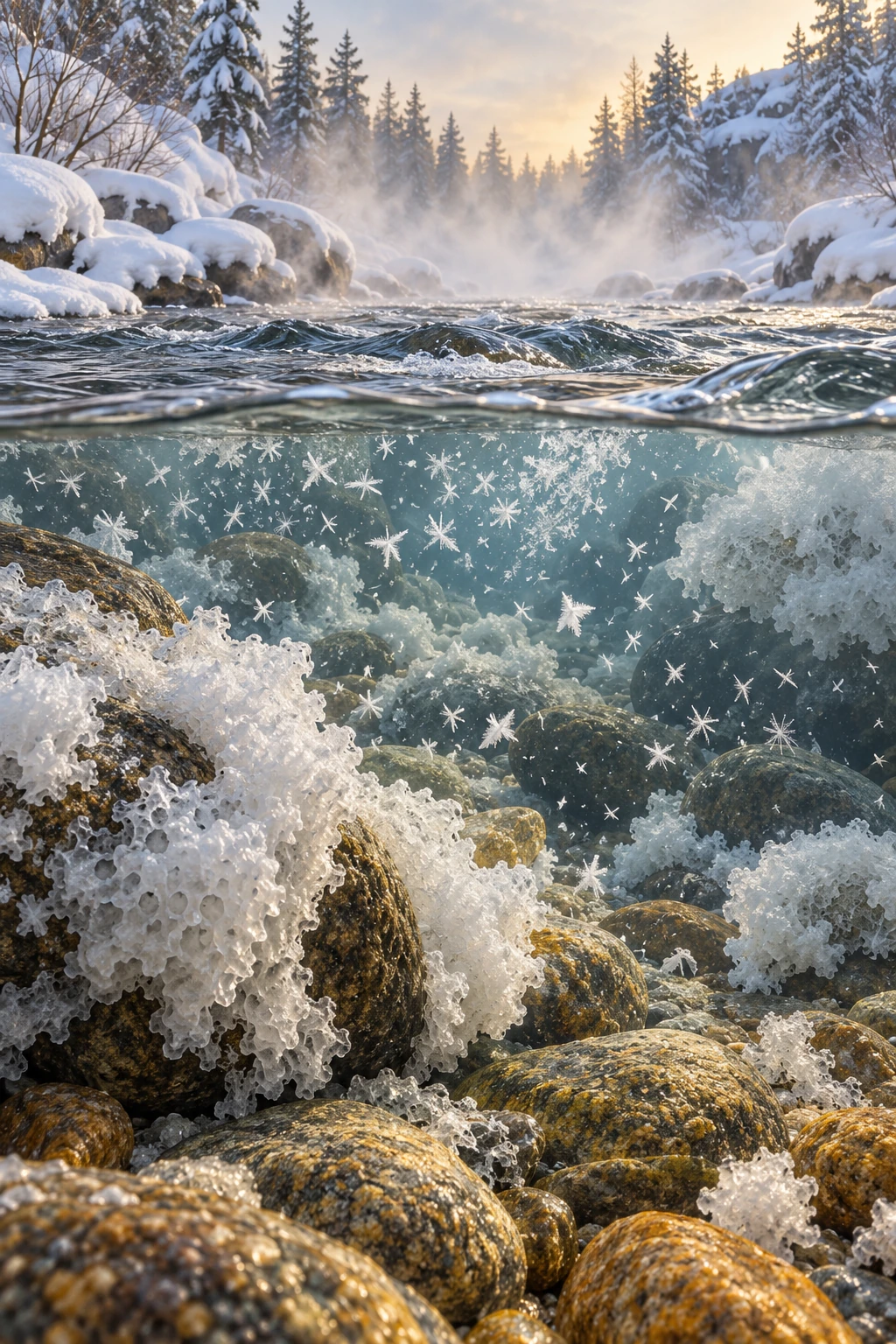
When a River Starts Freezing Below Its Surface

Interpretive winter-river cutaway with stylized suspended ice crystals and porous ice attached to submerged stones.
Open flow, suspended frazil and bed-attached ice can coexist. Crystal shapes and sizes are emphasized for visibility; this is a conceptual river scene.

Frazil and anchor ice turn an open winter river into an evolving mixture. Follow the heat budget and the evidence on its bed.

Rivers · Ice · Earth Science · About 5 minutes
Read journey 22 →

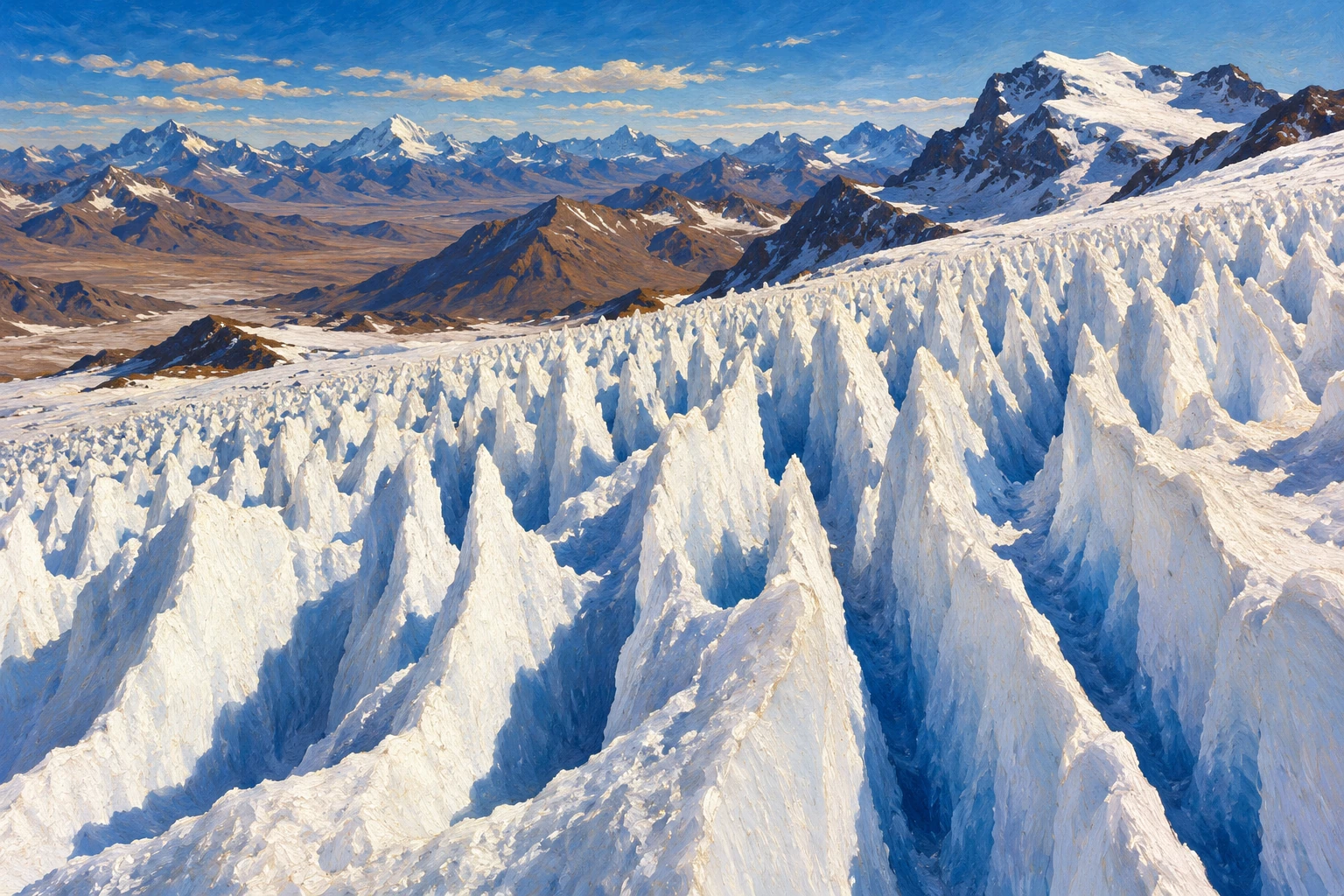
Penitentes: How Snow Carves a Field of Blades

An interpretive Andean snowfield contains sharp white blades and deep blue troughs beneath a dry mountain sky.
Penitente relief grows through uneven loss of snow and ice. This imagined mountain scene conveys shape and illumination, not measured growth or a particular field site.

Snow blades grow by losing material unevenly. Their shape joins sunlight, vapor transport and two very different energy budgets.

Snow · Glaciology · Patterns · About 4 minutes
Read journey 23 →

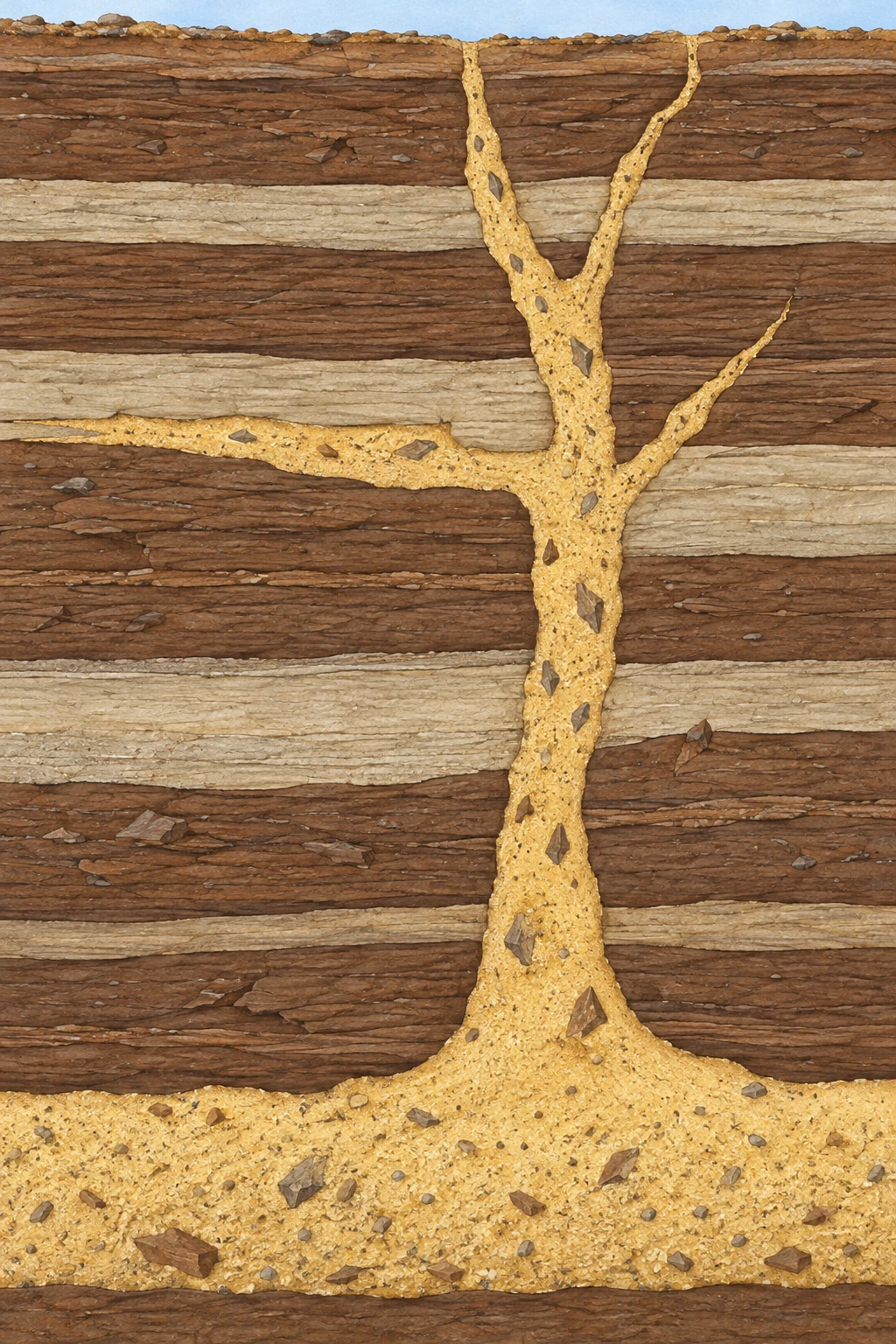
Sand Injectites: The Rock Layers That Broke Their Way Upward

Pale sand-filled branches cut across dark horizontal beds, with a short lateral sheet and host fragments.
A conceptual injectite cuts older beds and follows one contact. Geometry, scale and fragments are illustrative; this is not a mapped natural exposure.

Some sandstone cuts across beds instead of lying within them. Read the clues left when pressurized fluid carried sand through fractures.

Geology · Sediments · Rock Records · About 5 minutes
Read journey 24 →

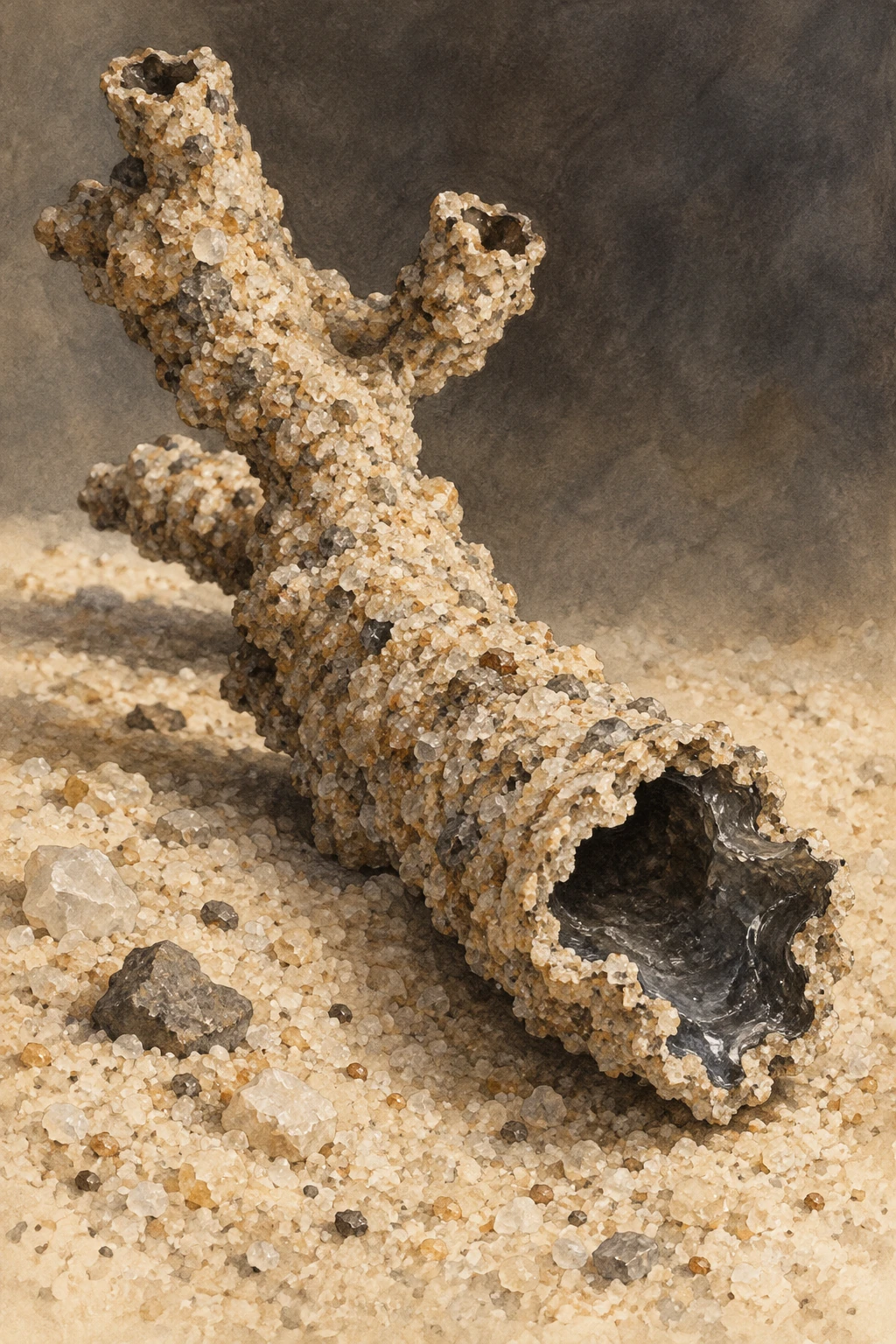
Fulgurites: The Brief Lightning Strike That Leaves a Glass Archive

A rough branching hollow glass tube lies in pale sand, its broken end revealing a darker glossy interior.
A specimen-inspired sand fulgurite. The branching tube and granular surface convey one form; clay and rock fulgurites can look quite different.

A fragile glass tube can preserve a lightning strike’s interaction with the ground, but reading its energy and chemistry takes care.

Geology · Lightning · Materials · About 5 minutes
Read journey 25 →

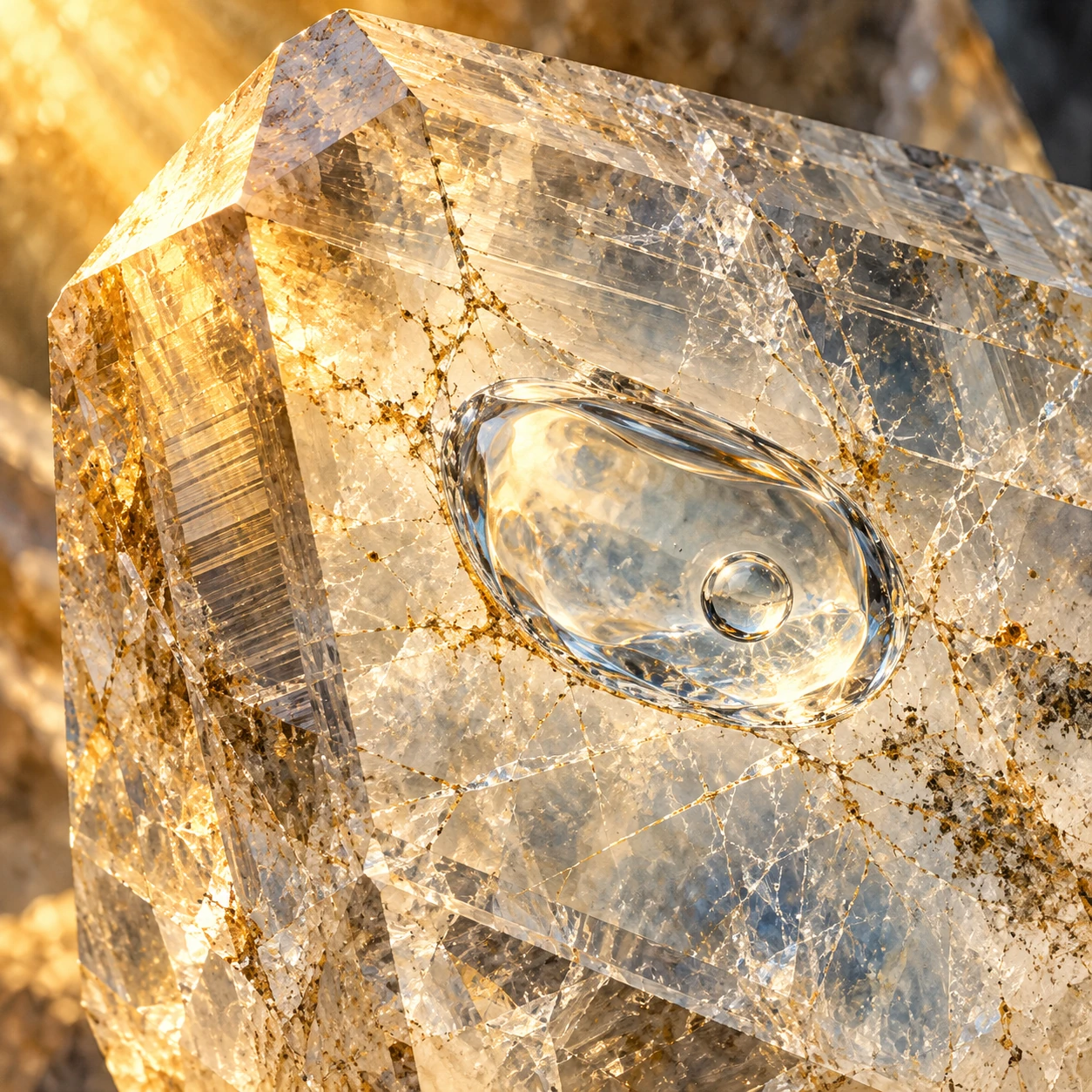
The Tiny Droplet That Stayed Inside a Crystal

An enlarged conceptual liquid pocket and vapor bubble are emphasized within a transparent quartz-like crystal.
The liquid pocket is greatly enlarged to show a two-phase inclusion. Its appearance does not establish its age, salinity or trapping temperature.

Fluid inclusions preserve traces of mineral-forming liquids. Their bubbles and phase changes reveal a history rather than a simple temperature.

Mineralogy · Geochemistry · Crystals · About 5 minutes
Read journey 26 →

Salt Fingers: When Warm Water Helps Cold Water Mix

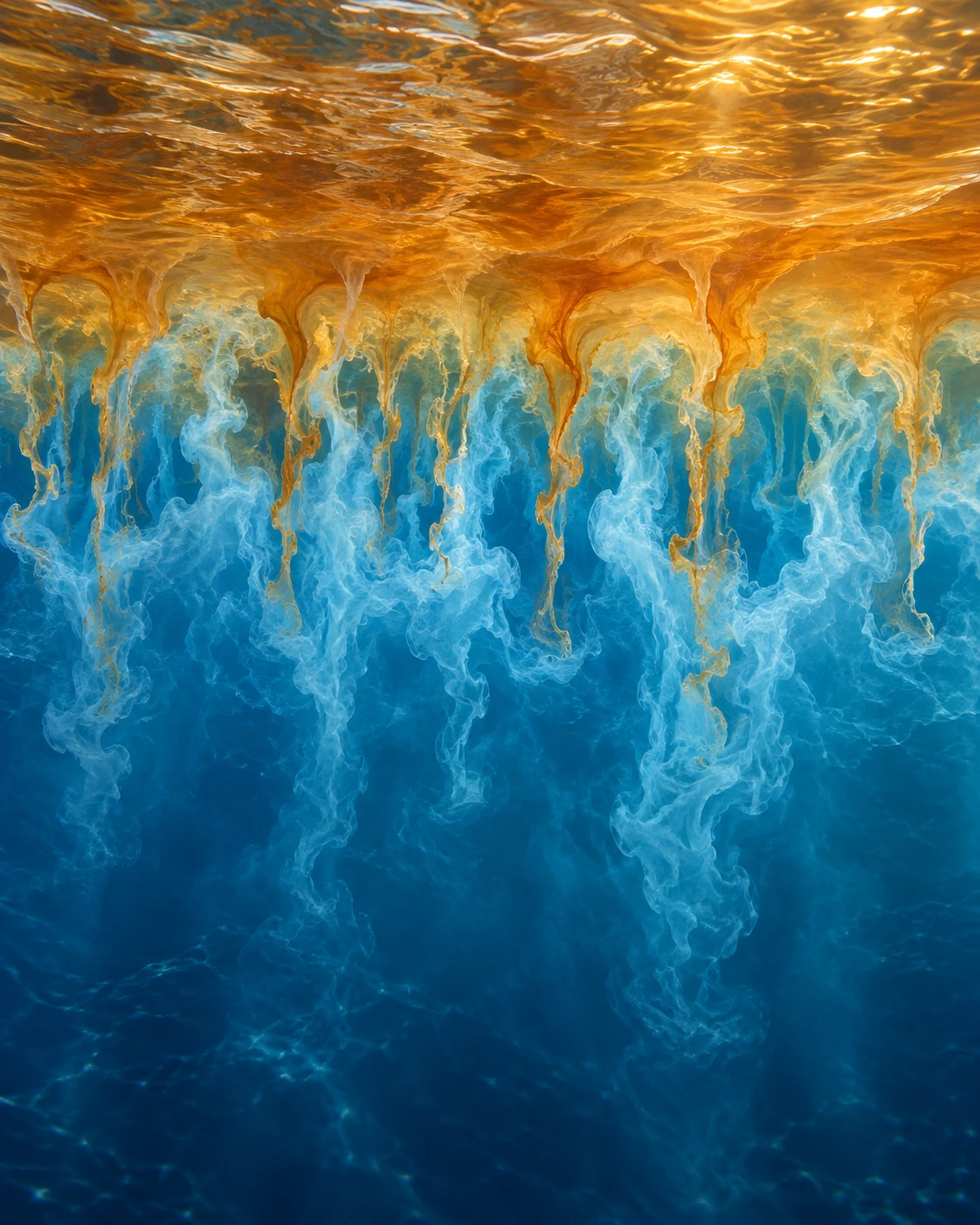
Warm-colored and cool-colored filaments interleave at an imagined water-layer boundary.
The colors distinguish conceptual water parcels and are not actual seawater colors. Filament shapes illustrate unequal exchange rather than a measured ocean flow.

A stable ocean layer can develop small sinking fingers because heat and salt move at different rates. Try a parcel’s buoyancy budget.

Oceanography · Convection · Water · About 4 minutes
Read journey 27 →

Methane Hydrate: Ice-Like Cages With a Changing Address

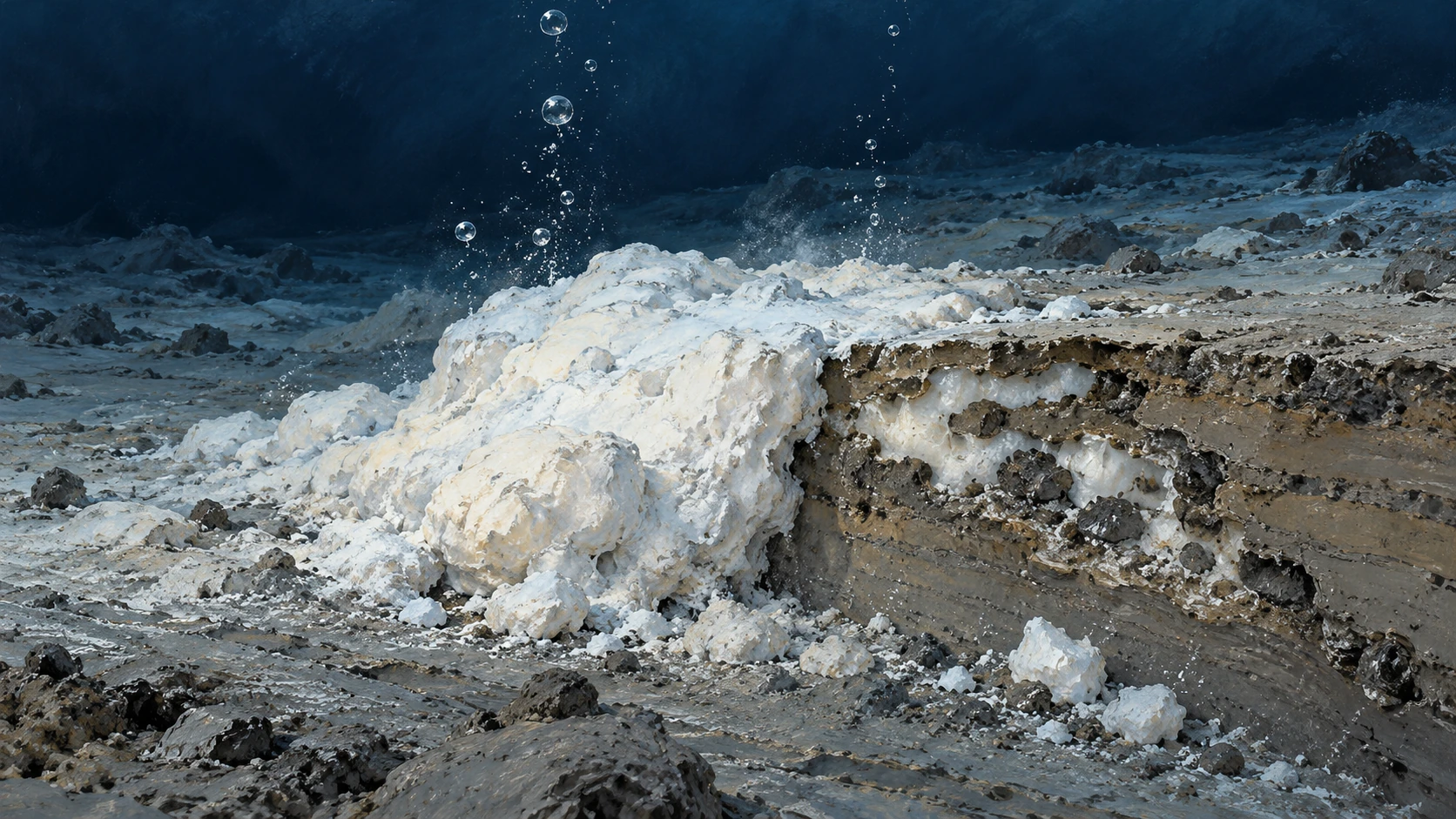
A conceptual white hydrate-bearing exposure lies in muddy seafloor sediment beneath a small bubble stream.
An interpretive seafloor hydrate exposure. Exposed mounds are only one setting; a bubble stream does not by itself reveal its methane’s source or eventual atmospheric contribution.

Methane hydrate depends on pressure, temperature and supply. A seafloor bubble is only one step in its possible route toward the air.

Geochemistry · Oceans · Climate · About 4 minutes
Read journey 28 →

The Earthquakes That Take Weeks to Finish

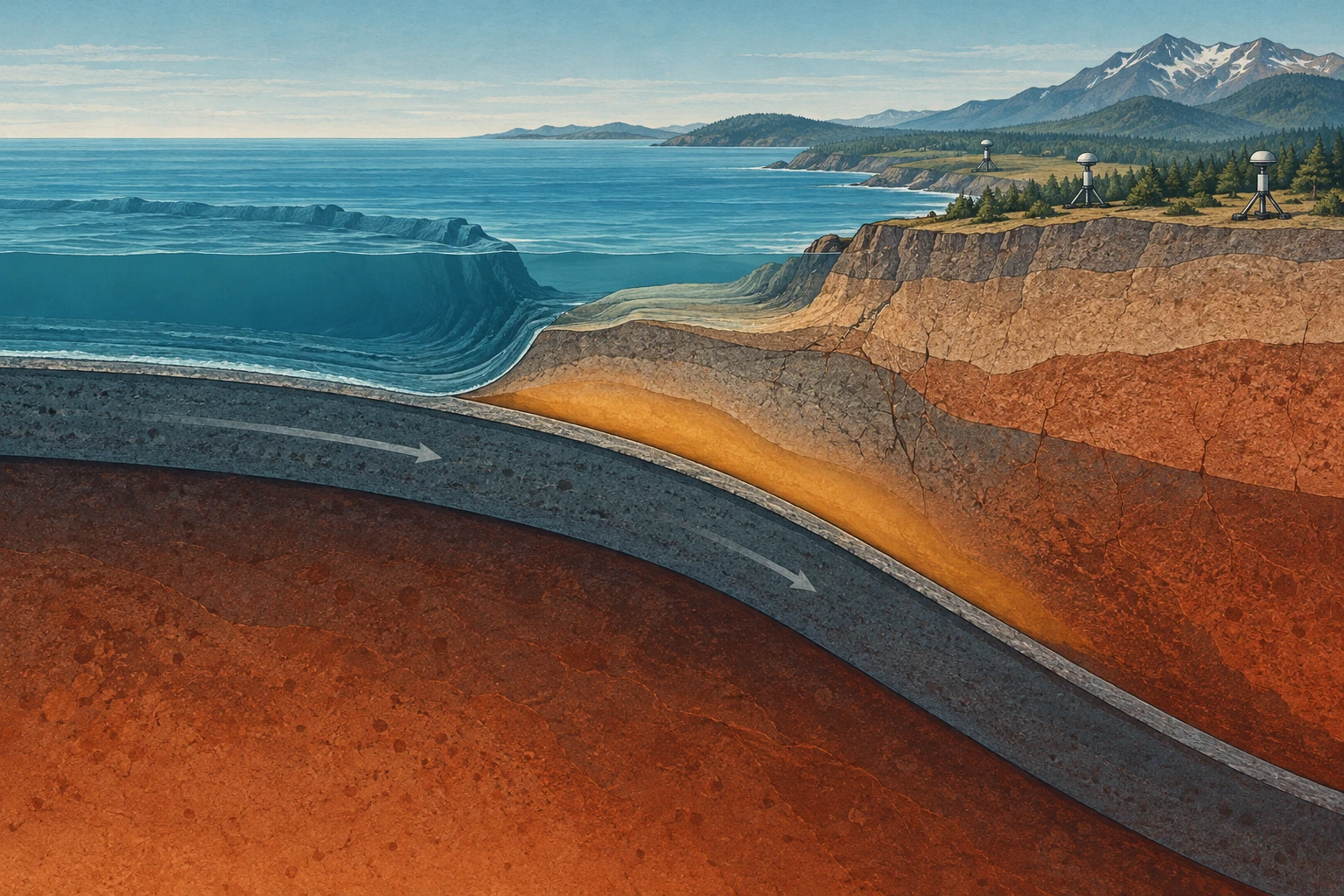
A conceptual subduction cutaway places a highlighted deep fault-contact region beneath a coast with surface survey stations.
Surface stations measure deformation above a buried fault. The highlighted contact and geometry are conceptual, not a map of a current event or a hazard forecast.

Slow-slip events reveal a quieter mode of fault motion. Learn why station movement, tremor and a hazard forecast are different things.

Geophysics · Earthquakes · Measurements · About 4 minutes
Read journey 29 →

Rogue Waves: A Rare Crest Made From Ordinary Ingredients

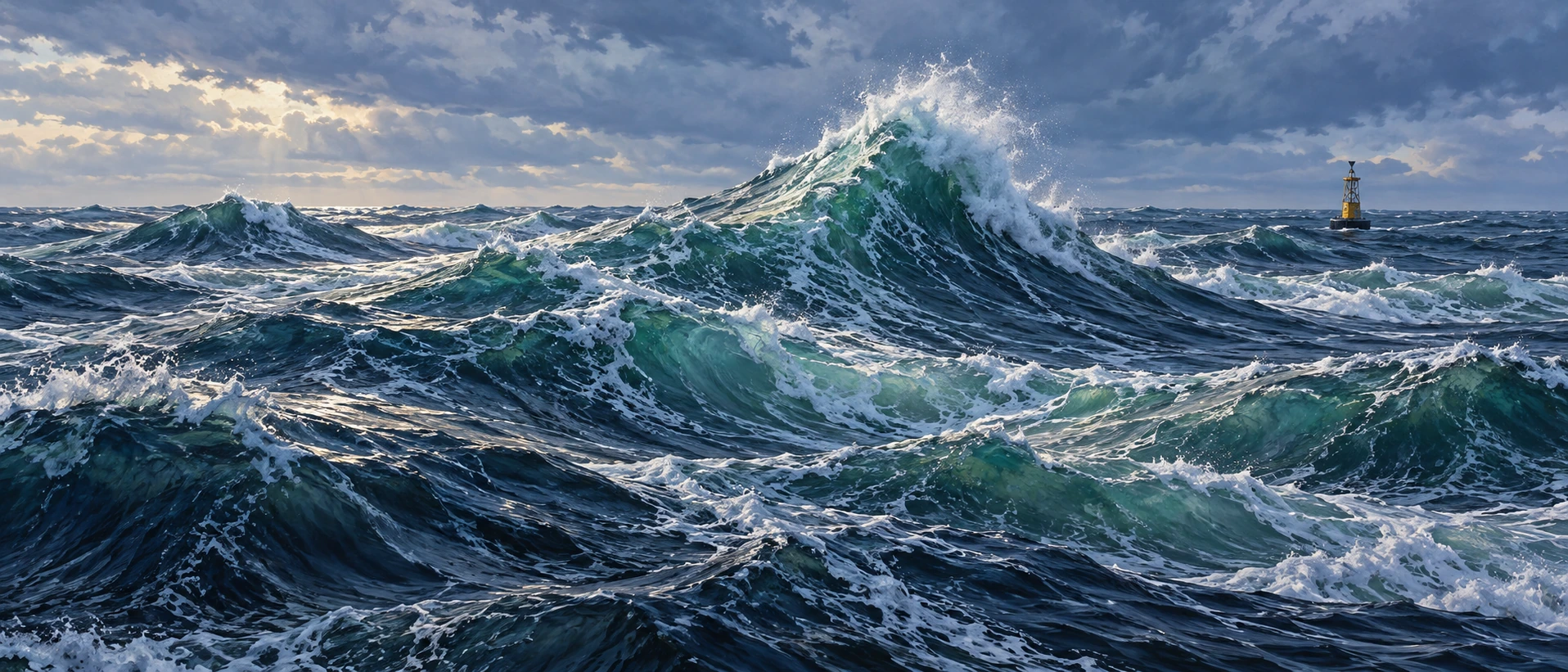
A panoramic marine painting places a steep crest among crossing ocean waves and a distant buoy.
An imagined steep crest in a crossing sea. The picture supplies no measured wave height, significant wave height or occurrence probability.

Explore how wave phases reinforce one another, then learn what a simple model leaves out of a real rogue-wave claim.

Oceanography · Waves · Physics · About 4 minutes
Read journey 30 →

Ringwoodite: The Water Held Inside a Mantle Mineral

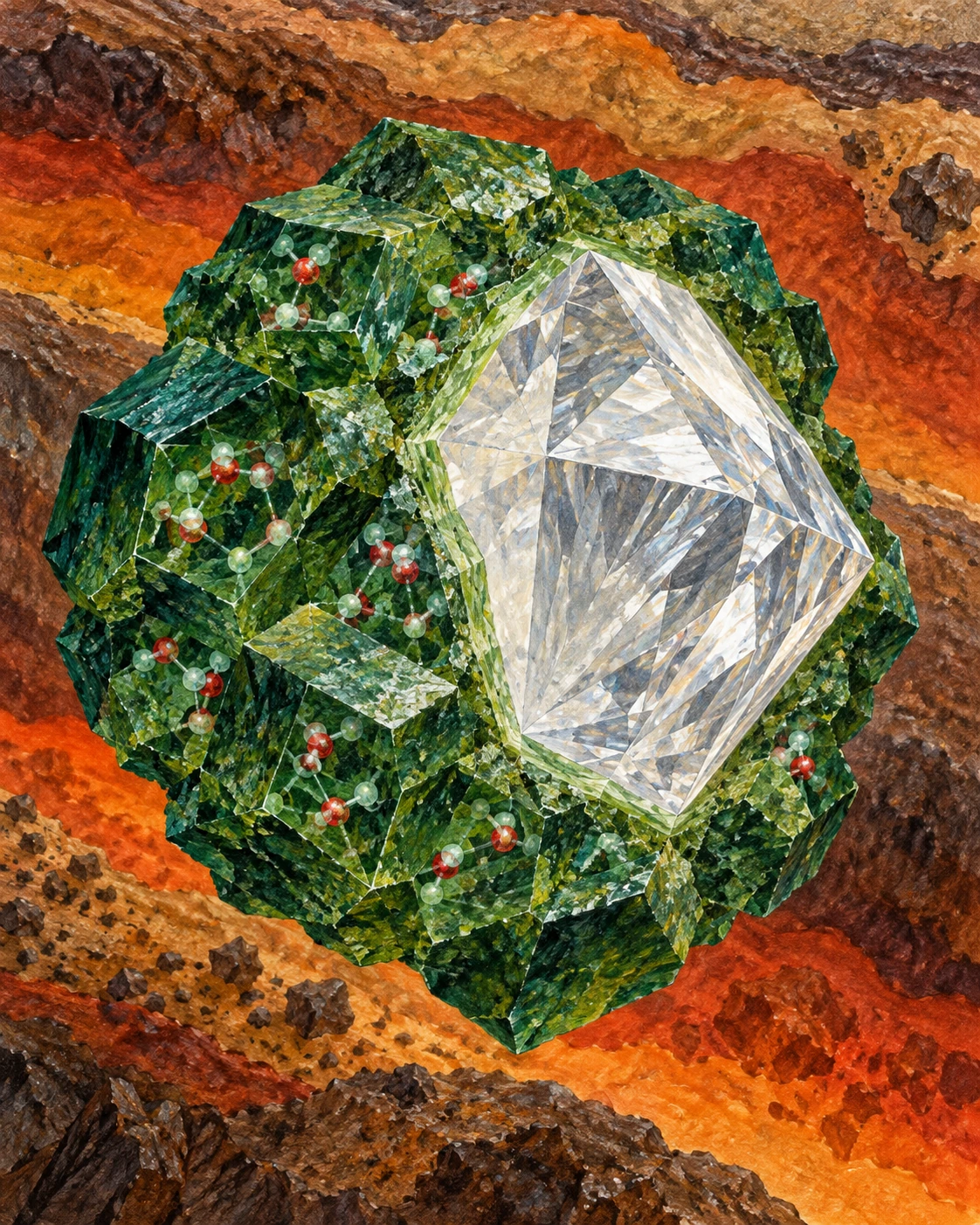
A conceptual arrangement places a diamond-like host, green mineral forms and molecular motifs against deep-Earth colors.
The mineral and diamond forms are arranged to explain a chemical relationship, not the actual geometry of the recovered inclusion. Molecular marks are symbolic and do not show measured bonding or free liquid.

A tiny diamond inclusion and deep-Earth experiments reveal how a mineral can store hydrogen—and why storage capacity is not a global census.

Mineralogy · Deep Earth · Water · About 5 minutes
Read journey 31 →

Triton’s Dark Plumes: A Voyager Image and Several Competing Engines

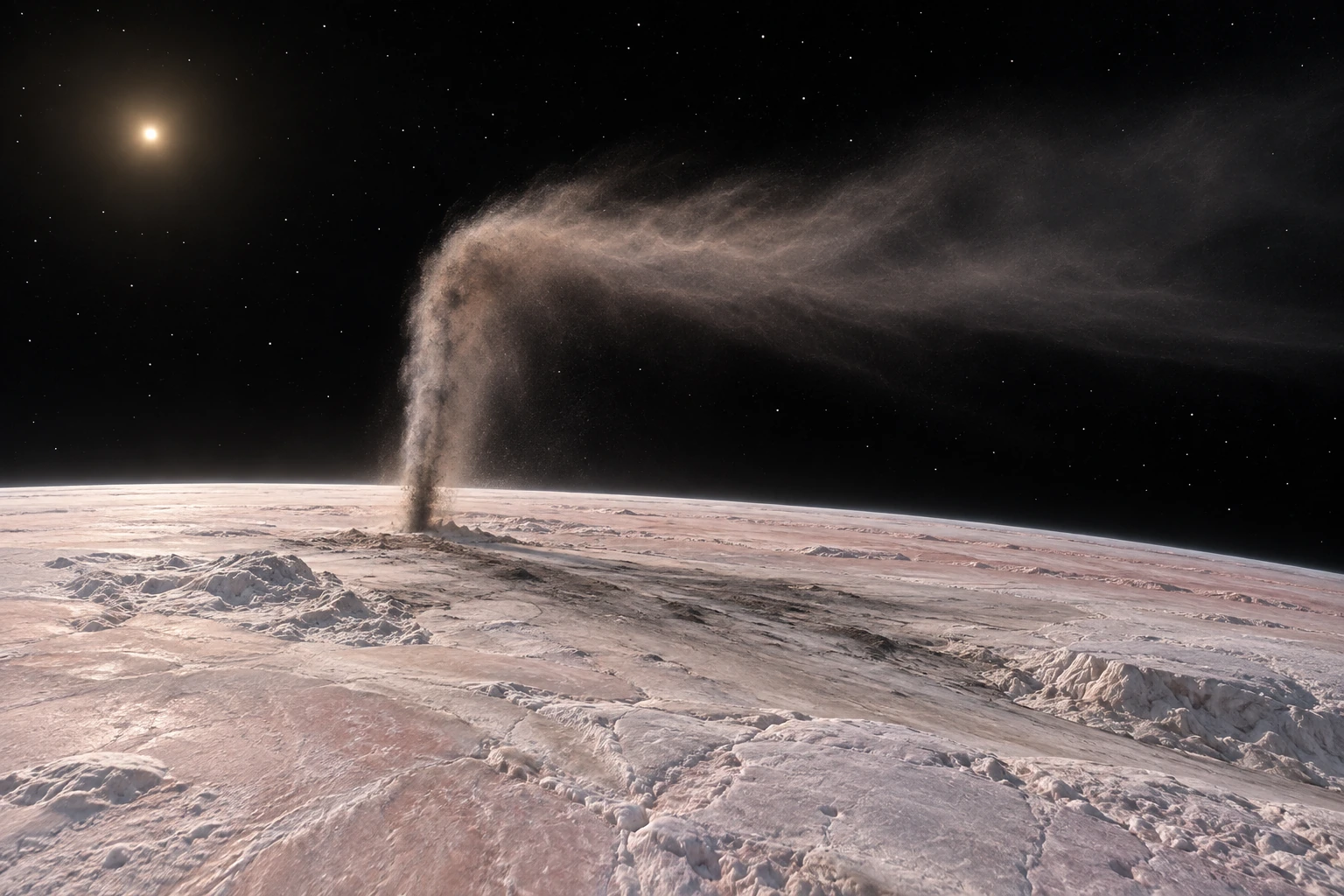
An imagined dark plume rises from pale Triton-like terrain and bends into a downwind streamer.
An interpretive plume inspired by Voyager’s geometry. It does not identify a heat source, measure a current eruption or reproduce one specific spacecraft frame.

Voyager saw material rising from a frozen moon. The images are secure evidence; the energy source remains a testable question.

Planetary Science · Triton · Space Exploration · About 4 minutes
Read journey 32 →

Inside Pluto’s Slowly Overturning Nitrogen Plain

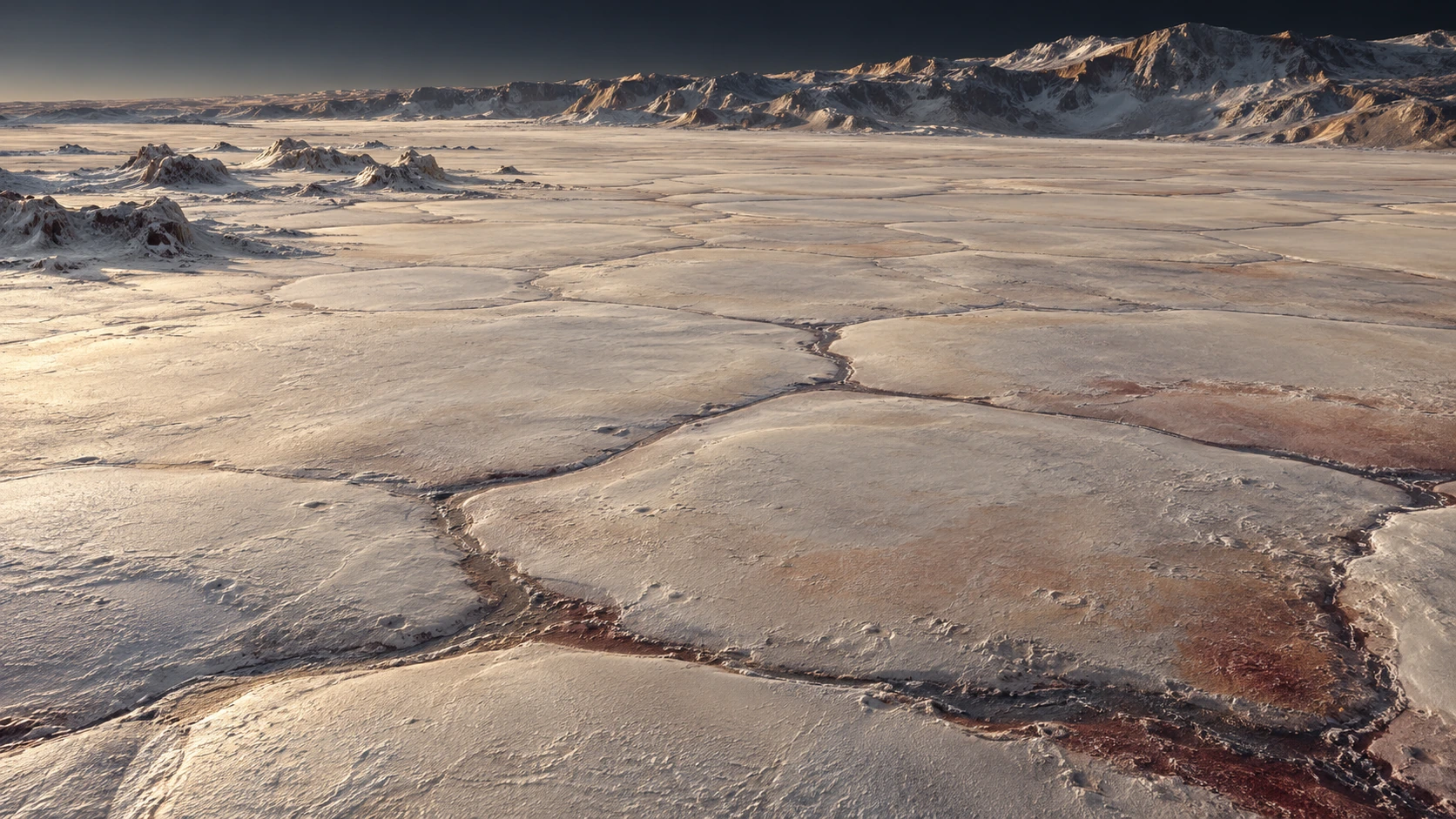
An interpretive low view crosses a pale polygonal ice plain toward distant rugged mountains and small scattered blocks.
Sputnik Planitia-inspired terrain. Cell shapes and scale are interpretive; this is not a New Horizons frame or evidence of present liquid.

Pluto’s polygonal ice cells connect spacecraft images to competing convection models—and a newer interpretation of possible liquid nitrogen.

Pluto · Planetary Geology · Ice · About 6 minutes
Read journey 33 →

Enceladus Sends Pieces of Its Ocean Into Space

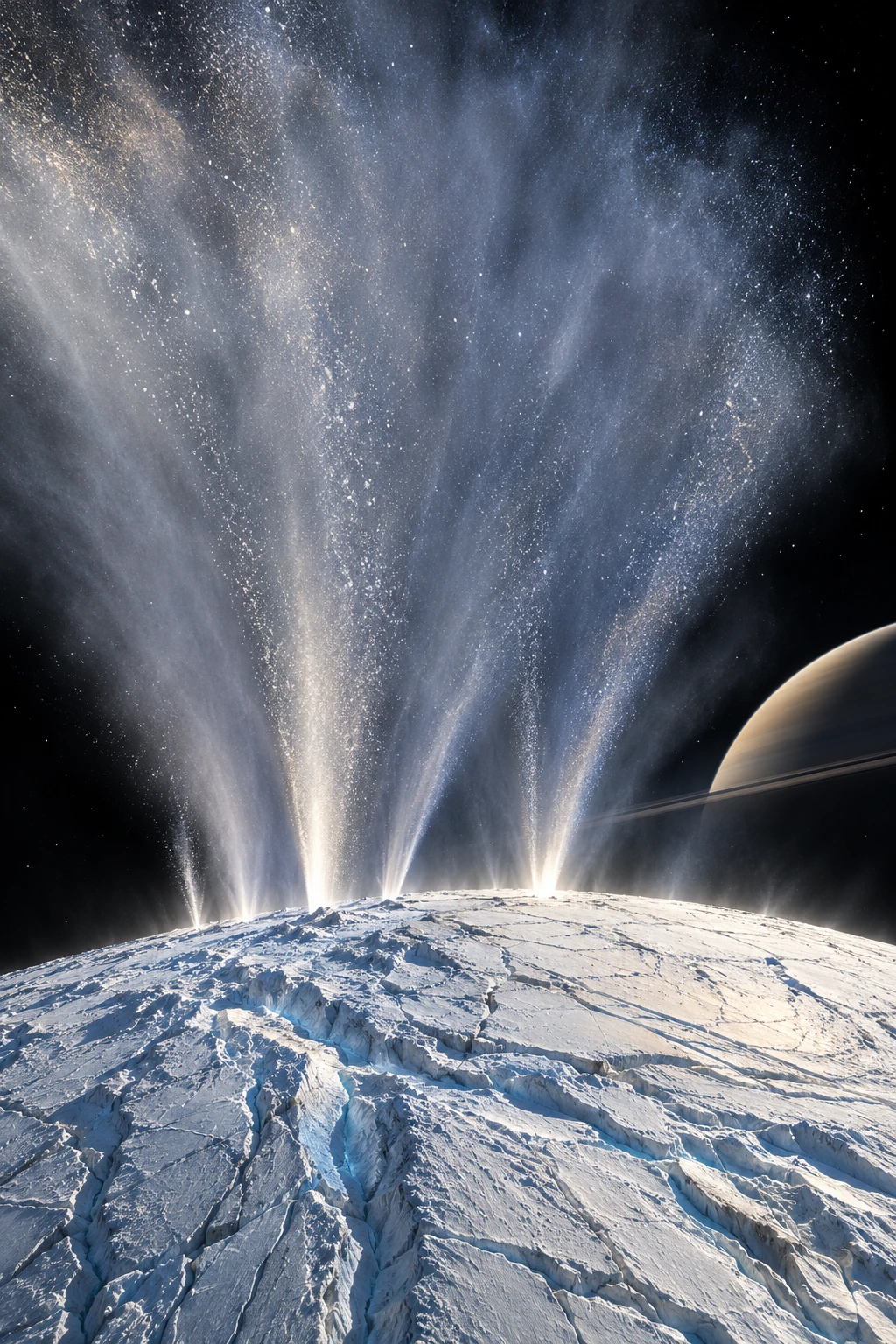
Interpretive ice-grain and vapor jets rise from cracked Enceladus-like terrain with Saturn in the background.
South-polar plume material offers a route to sample the hidden interior. Brightness, jet arrangement and Saturn’s placement are interpretive; this scene contains no chemical measurement.

Follow Cassini’s evidence from a striking plume to salt grains, silica, hydrogen and phosphate—and see where the ocean inference needs models.

Enceladus · Planetary Science · Geochemistry · About 6 minutes
Read journey 34 →

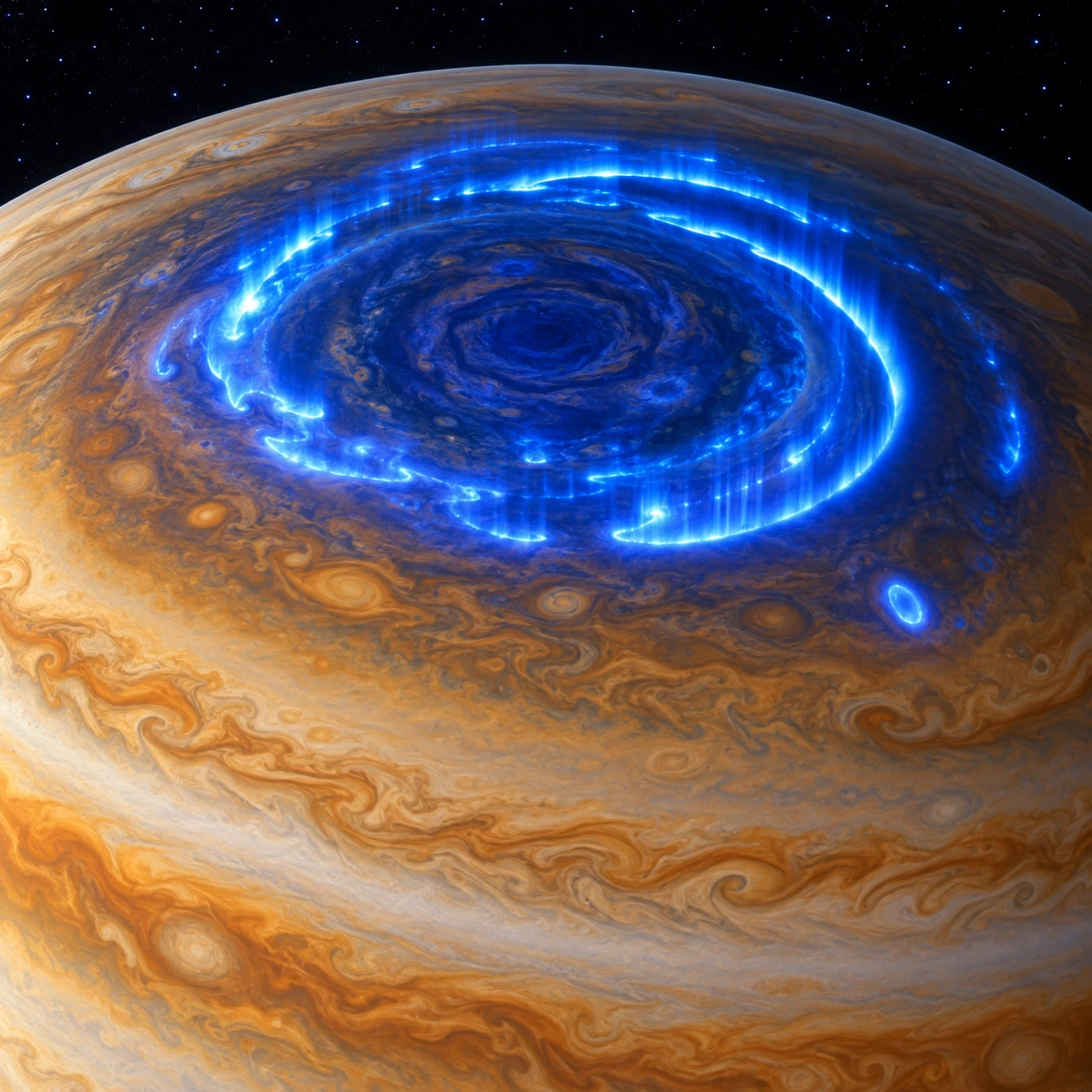
Jupiter’s Auroras Have More Than One Power Supply

A painterly view of Jupiter’s polar auroral oval glows against a dark atmosphere and banded limb.
An interpretive polar view. The luminous palette is illustrative; actual ultraviolet maps use assigned colors and require instrument context.

Rotation, solar disturbances and moon-linked currents leave different signatures in Jupiter’s ultraviolet auroras.

Jupiter · Space Physics · Auroras · About 6 minutes
Read journey 35 →

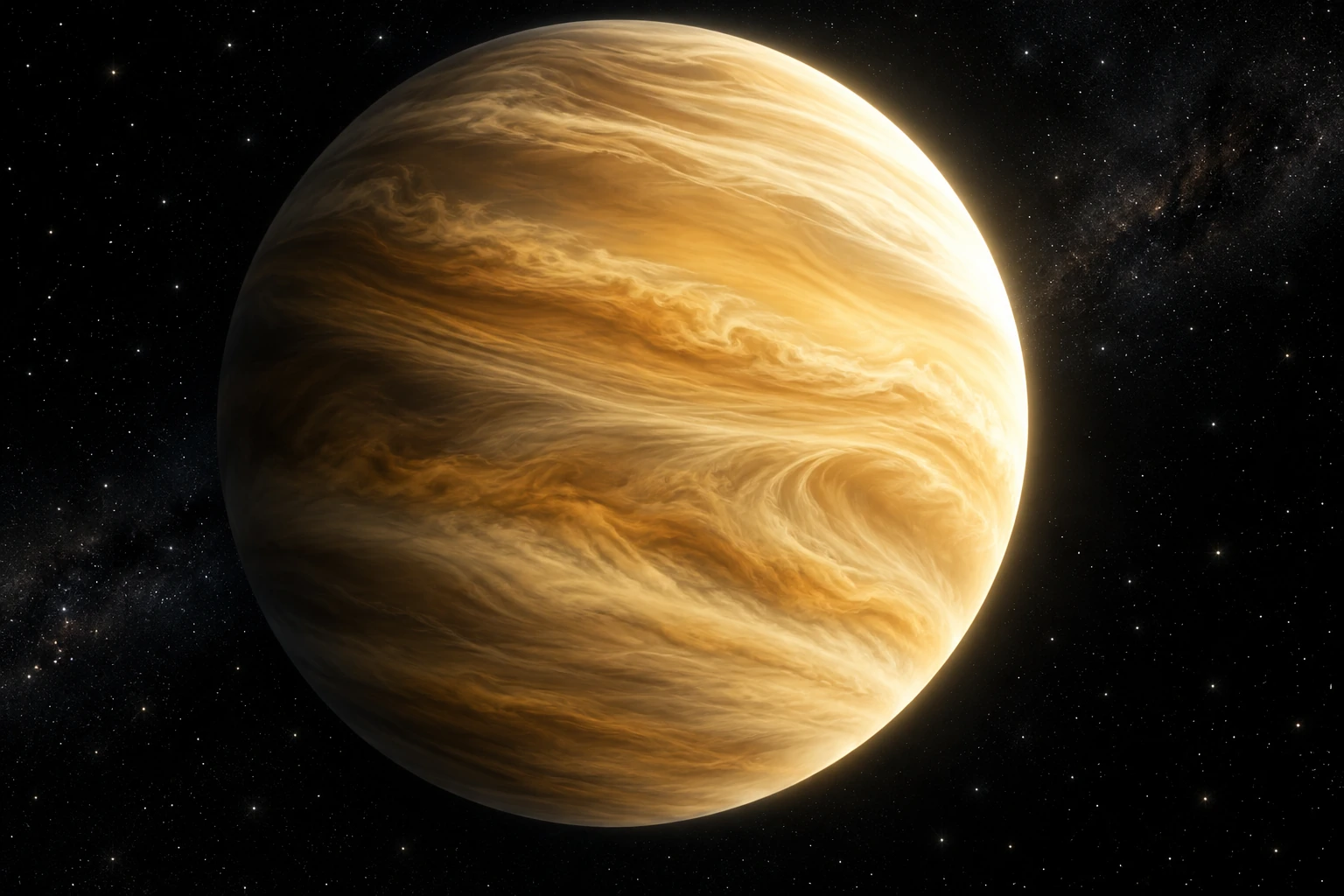
How Venus’s Atmosphere Outruns the Planet Beneath It

A broad amber cloudscape curves around a Venus-like globe, with sweeping bands emphasized in a painterly atmosphere.
Cloud patterns are tracers and evolving structures. This interpretive view does not locate measured wind vectors or represent the planet’s normally opaque clouds in natural color.

Cloud tracking reveals a fast-moving atmosphere over a slowly turning planet, with thermal tides redistributing momentum.

Venus · Atmospheres · Planetary Science · About 6 minutes

Read journey 36 →

The Supernova That Arrived More Than Once

An interpretive galaxy cluster bends the appearance of a background galaxy into curved arcs with repeated bright points.
Conceptual strong lensing. The arrangement is not a reconstruction of the Refsdal field, and bright points do not encode measured arrival times.

Gravitational lensing made one explosion appear along different routes. Align two light curves to understand what an arrival delay measures.

Gravitational Lensing · Cosmology · Supernovae · About 6 minutes
Read journey 37 →

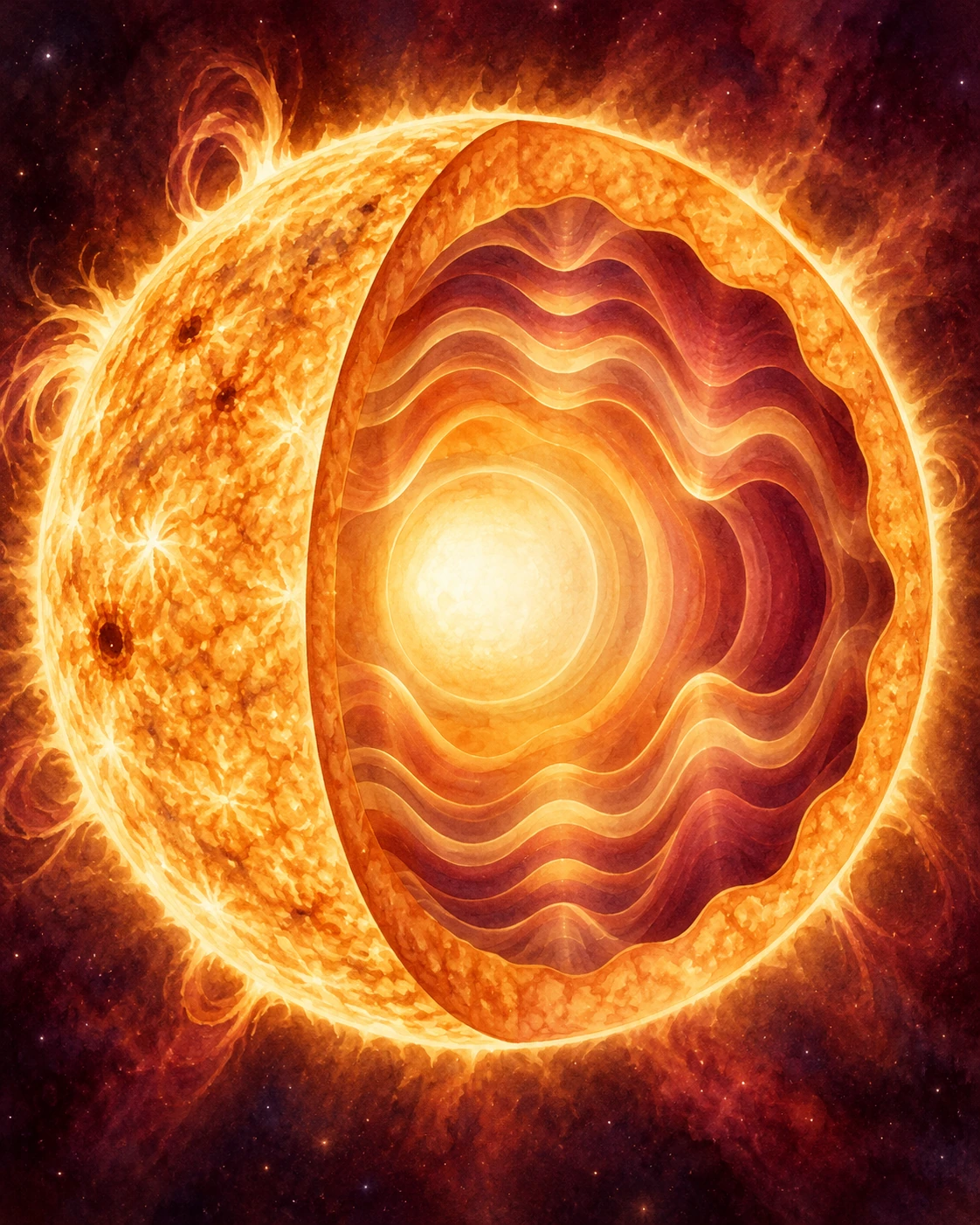
Reading a Star’s Interior From Its Flickering Light

A watercolor cutaway of a glowing star uses curved layers to suggest internal oscillations.
Conceptual stellar modes. The colored bands are an explanatory motif, not a resolved image of a star’s interior or a calculated eigenmode.

Asteroseismology separates tiny brightness oscillations into patterns that reveal structure hidden beneath a star’s surface.

Stars · Asteroseismology · Astronomy · About 6 minutes
Read journey 38 →

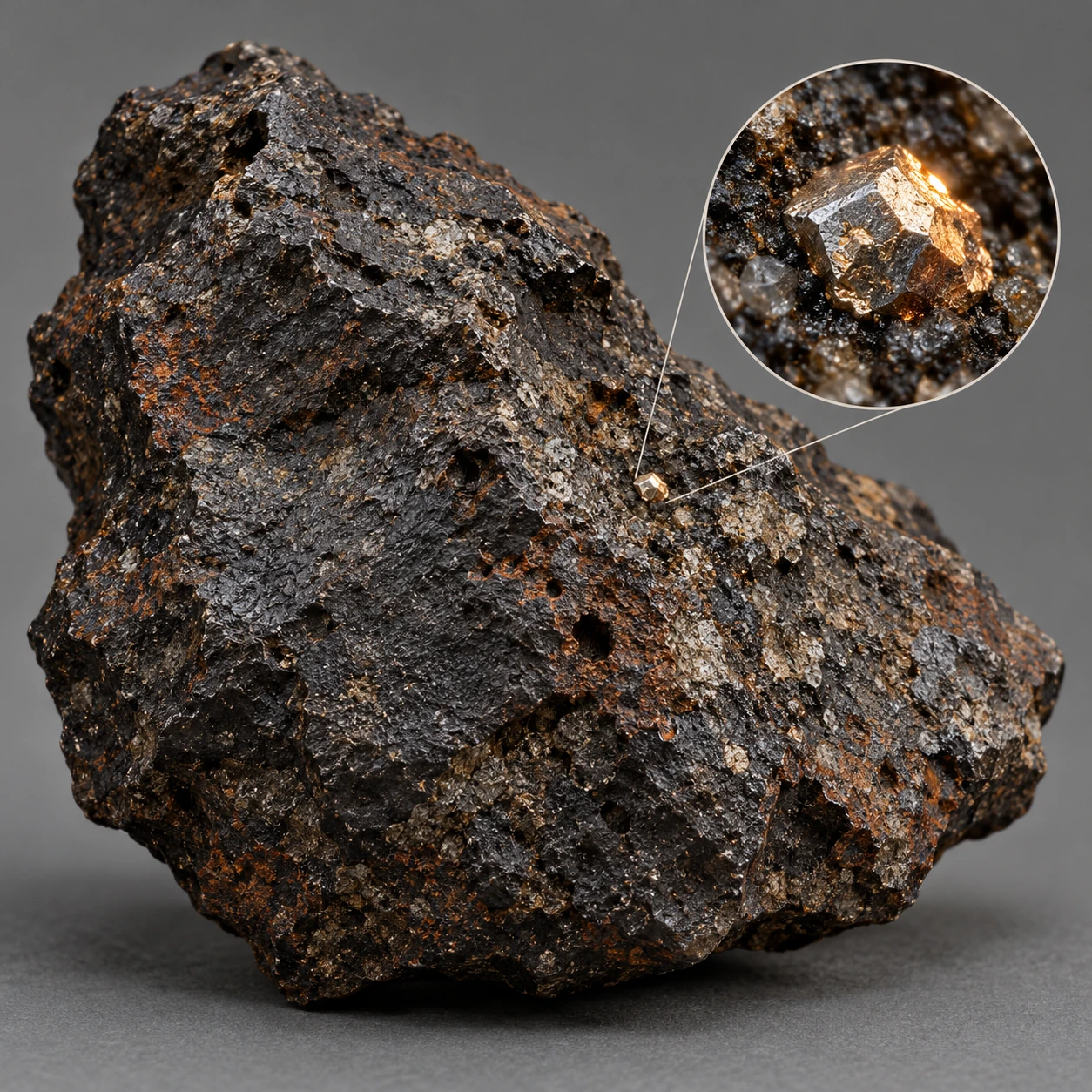
A Meteorite Held a Crystal With an Unfamiliar Kind of Order

A conceptual dark meteorite specimen includes a magnified metallic grain against a plain background.
Specimen-style interpretation, not a photograph of Khatyrka or its measured grains. The inset explains the change of scale without reproducing analytical evidence.

Natural quasicrystals connect sharp diffraction patterns, meteorite chemistry and shock experiments without requiring a repeating atomic cell.

Quasicrystals · Meteorites · Materials Science · About 6 minutes
Read journey 39 →

The Solid That Can Shrink When You Warm It

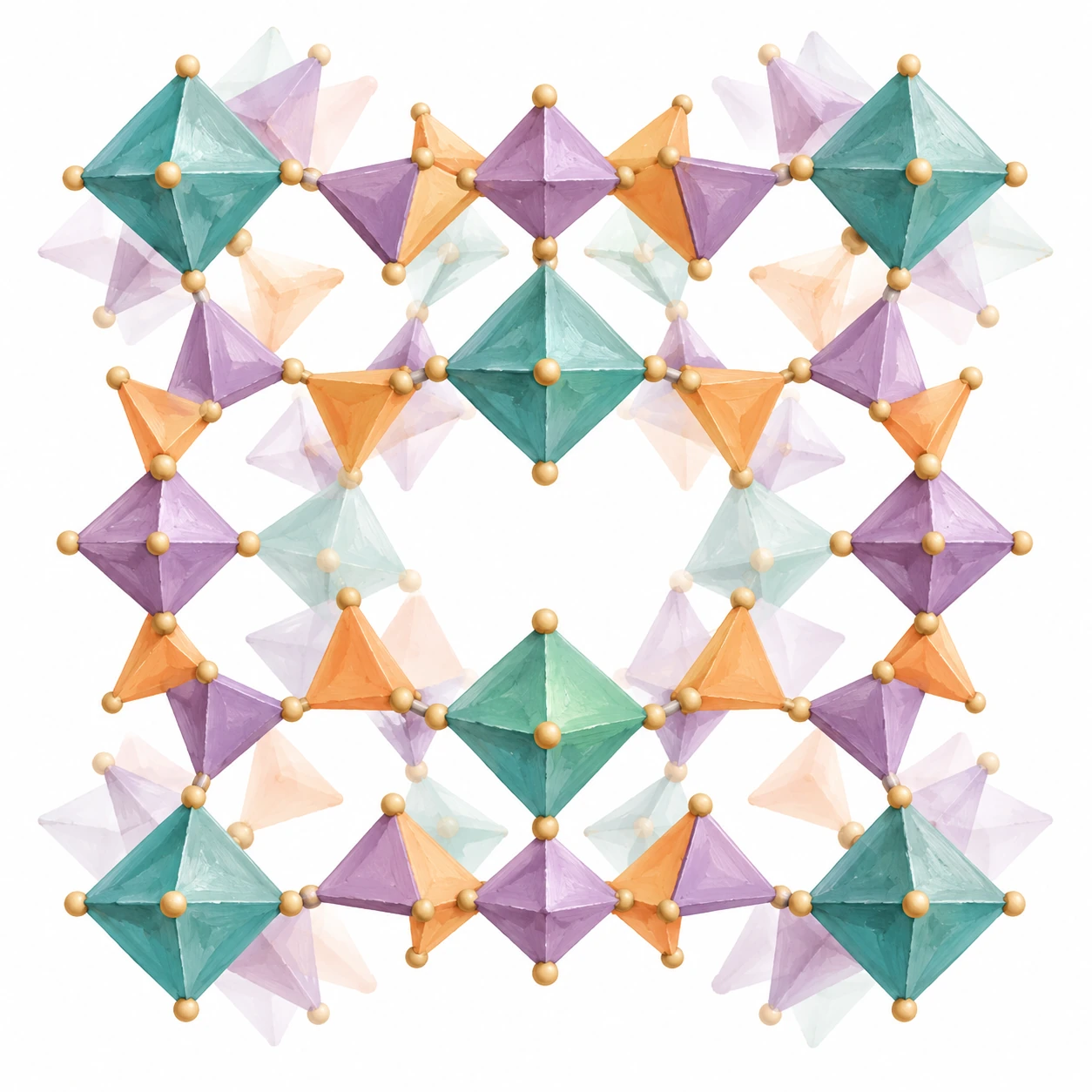
A watercolor lattice of linked colored tetrahedra and octahedra leaves open spaces between the units.
A conceptual open framework. Polyhedra organize local atomic environments; this arrangement is not the measured unit cell or an exact calculated contraction mode.

Zirconium tungstate shows how collective vibrations can outweigh ordinary bond expansion. Test the length-change arithmetic yourself.

Materials Science · Thermal Expansion · Crystal Structures · About 6 minutes
Read journey 40 →

An Invitation on a Sliver of Wood: The Everyday Voices of Vindolanda

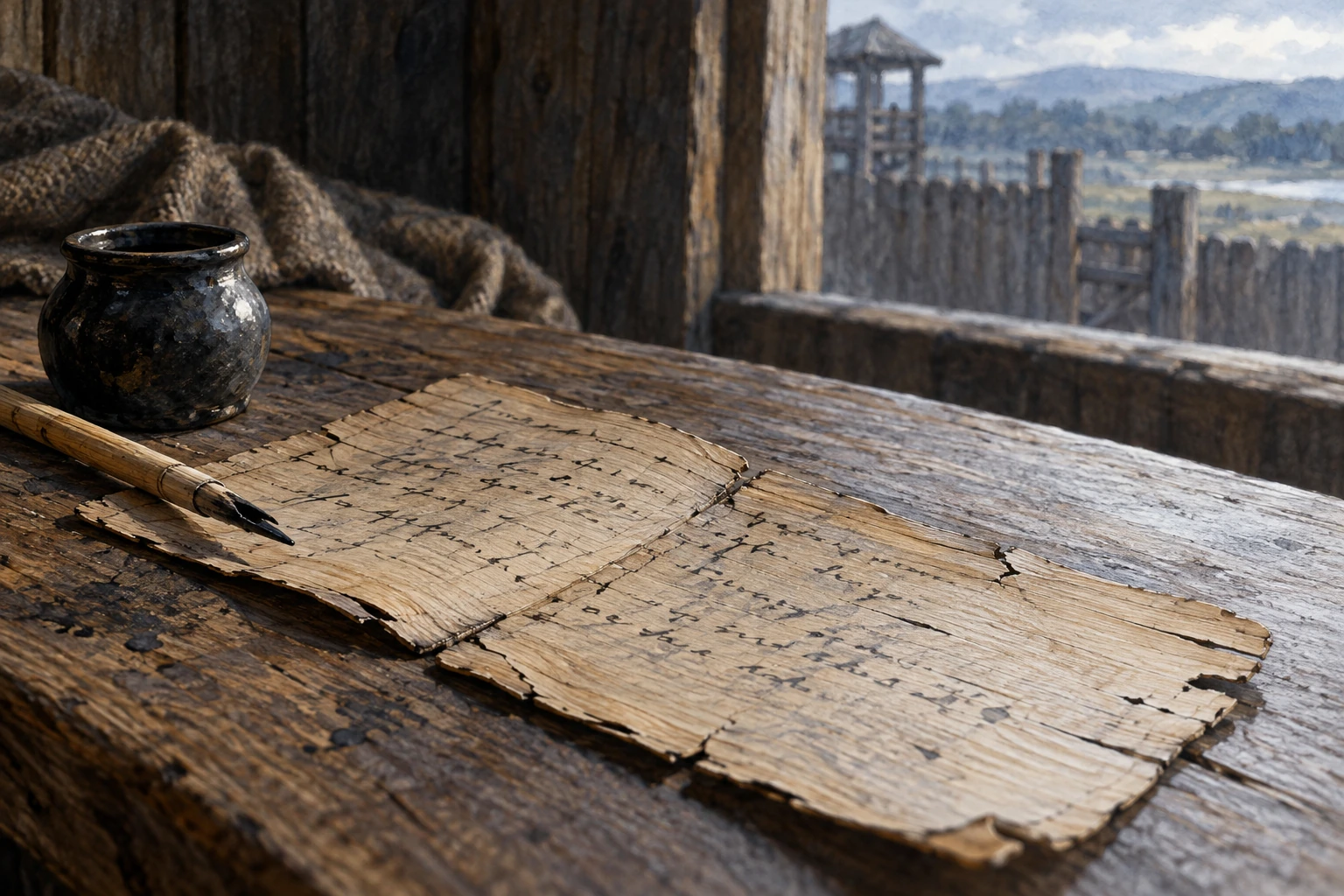
A thin wooden writing leaf with indistinct ink marks beside a reed pen and small ink pot in a northern Roman timber room.
A thin wooden leaf could carry a personal letter. The imagined marks here are not a transcription of a Vindolanda tablet.

A thin wooden birthday invitation opens a careful route into Roman handwriting, everyday life, and the evidence behind a translation.

History · Archaeology · Writing · About 5 minutes
Read journey 41 →

Faces Wrapped for Another World: Looking Carefully at Roman Egyptian Portraits

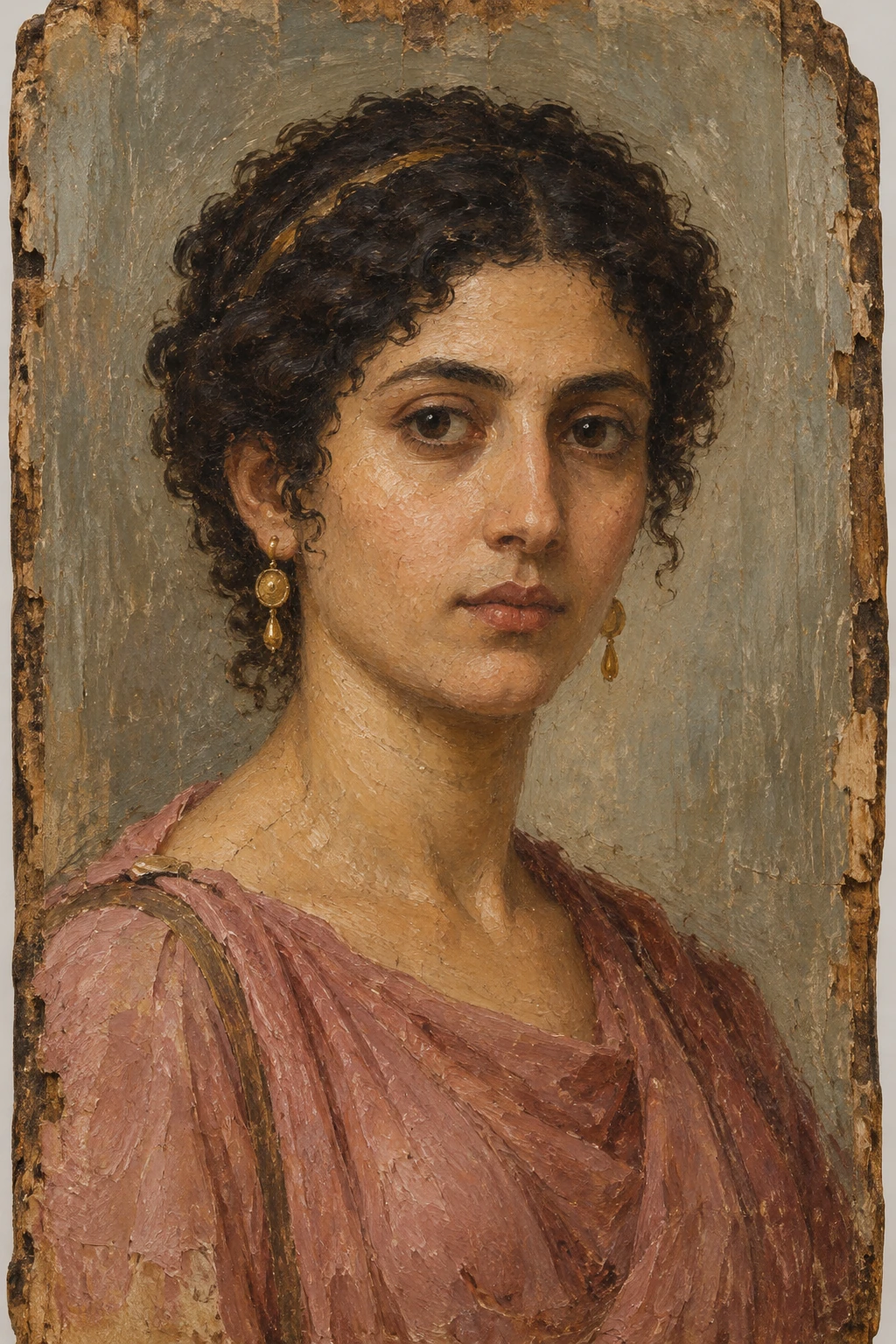
An invented Roman Egyptian portrait panel of an adult woman, chest and head only, dark curly hair, plain muted rose tunic, restrained gold earrings, waxy broad brush marks on weathered wood.
An original portrait study evokes the layered paint and wooden support of Roman Egyptian funerary panels; it is not a copy of an ancient individual.

Read Roman Egyptian portraits through paint, wooden supports, funerary settings, and the limits of what a vivid face can tell us.

Art History · Archaeology · Painting · About 5 minutes
Read journey 42 →

The Mold That Must Be Broken: Brass Casting in Benin

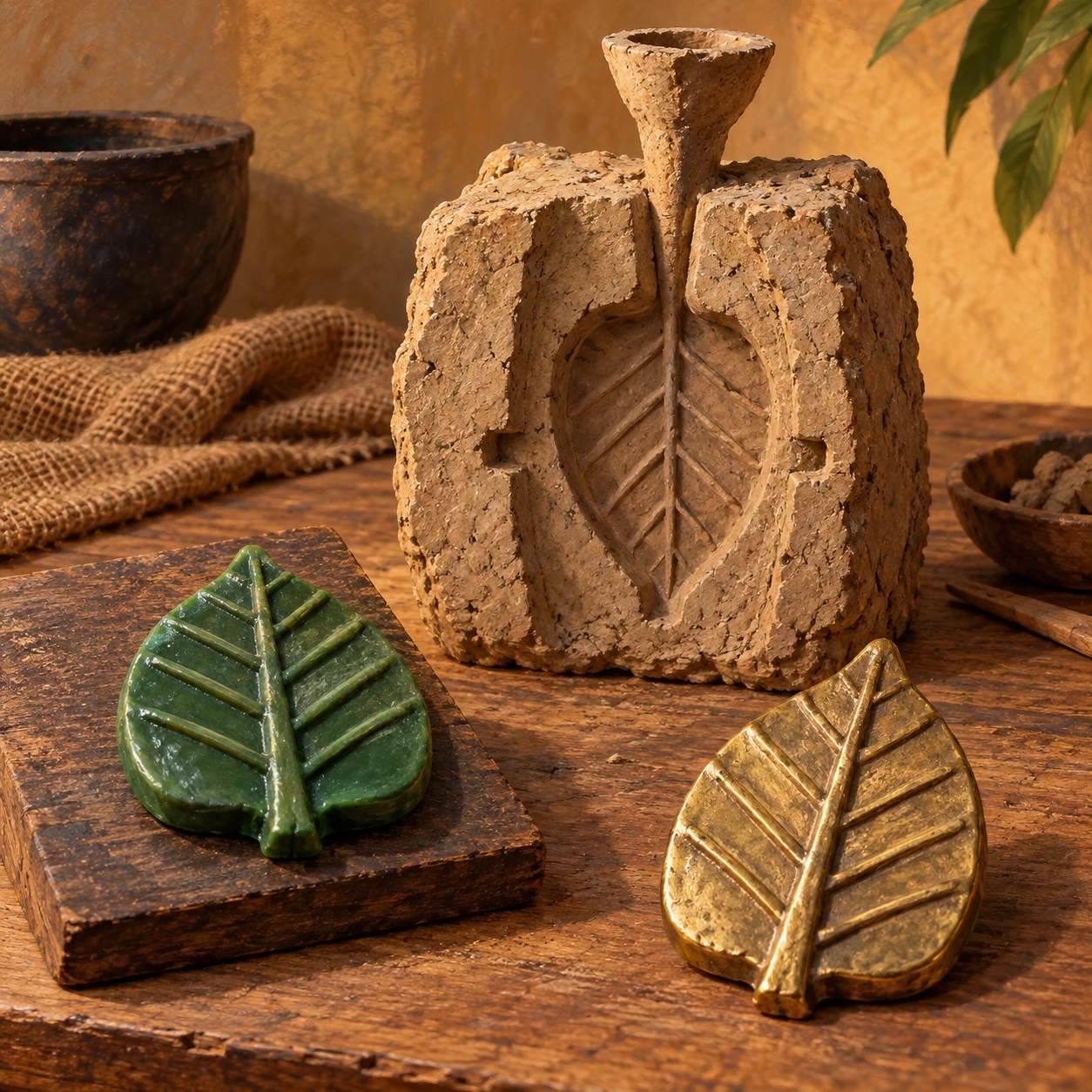
An illustrative Benin brass-casting material study: one small original abstract wax relief, a rough clay investment mold with a modest pouring channel, and a finished brass relief of the same simple leaf geometry.
Wax, an investment mold, and a finished brass surface suggest distinct stages. The invented motif is not a historical Benin court object.

Follow wax, clay, metal, and surviving surface traces through Benin casting, while keeping makers and object histories in view.

Material Culture · African Art · Craft · About 4 minutes
Read journey 43 →

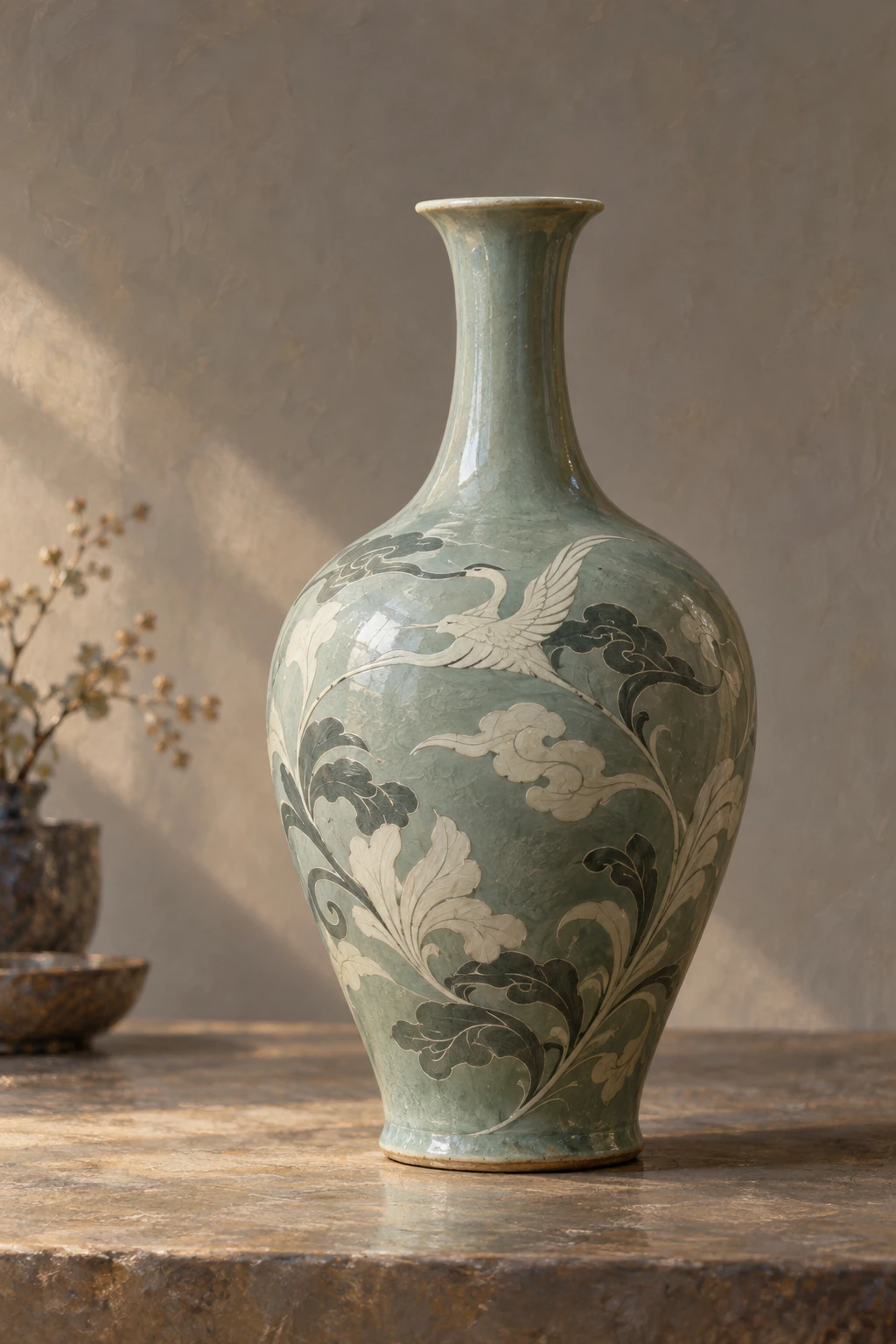
A Pattern Inside the Glaze: Goryeo Celadon and the Work of Inlay

One invented Goryeo-style celadon bottle with a restrained white and dark clay-inlaid cloud-and-crane-inspired abstract floral pattern beneath translucent gray-green glaze.
Light and dark clay inlays sit within the ceramic surface beneath a greenish glaze. This invented vessel illustrates the relationship of layers.

Goryeo celadon patterns can sit inside the clay beneath the glaze. Explore the inlay sequence and a small cup with several kinds of making.

Ceramics · Korean Art · Craft · About 4 minutes
Read journey 44 →

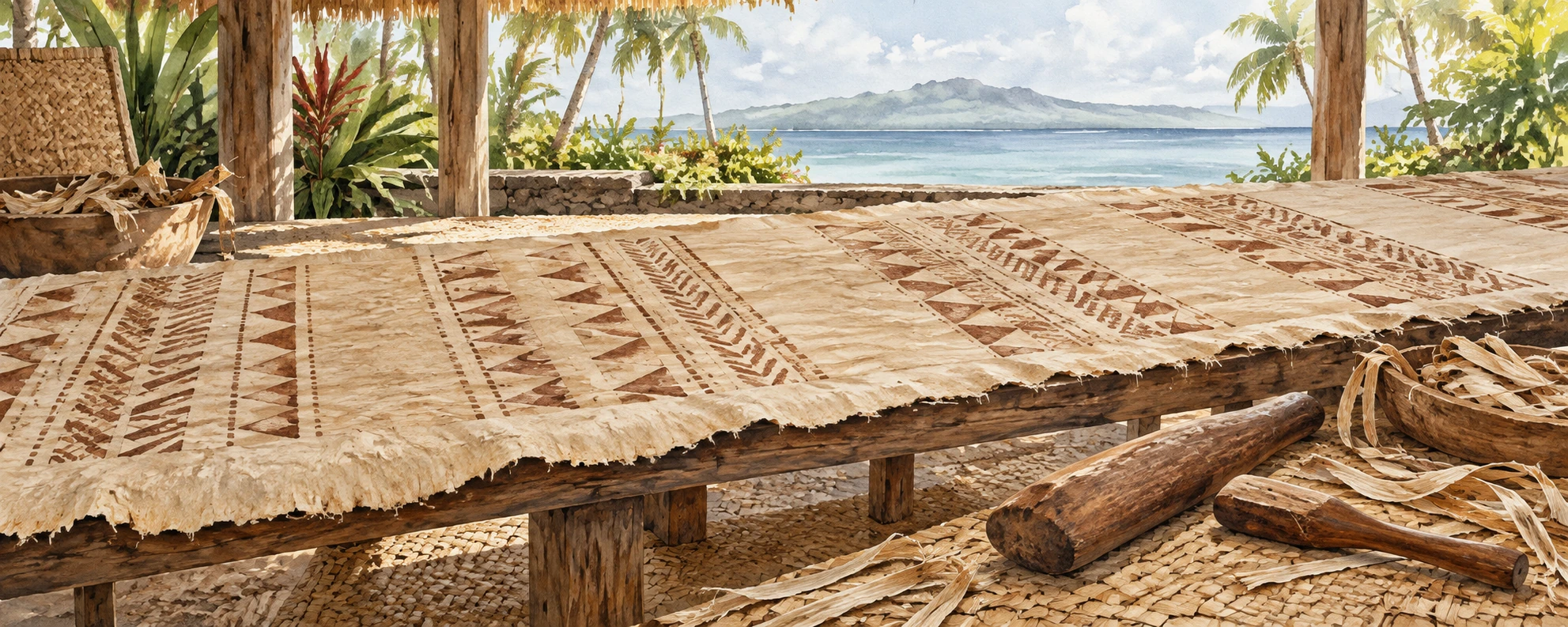
Ngatu: A Cloth Built by Beating, Joining, and Working Together

An interpretive Tongan ngatu-making space without people: a long wide cream barkcloth sheet over a low horizontal table, subtle original brown geometric rubbing marks with no named family design or coat of arms, wooden beaters and small plant-fiber strips nearby, airy open-sided setting, soft daylight.
Joined sheets, repeated marks, and working tools make barkcloth a record of skilled collective labor. The pattern is an original illustrative design.

Tongan ngatu brings fiber work, joined surfaces, ceremonial scale, and intergenerational knowledge into one remarkable cloth.

Textiles · Pacific Cultures · Craft · About 4 minutes
Read journey 45 →

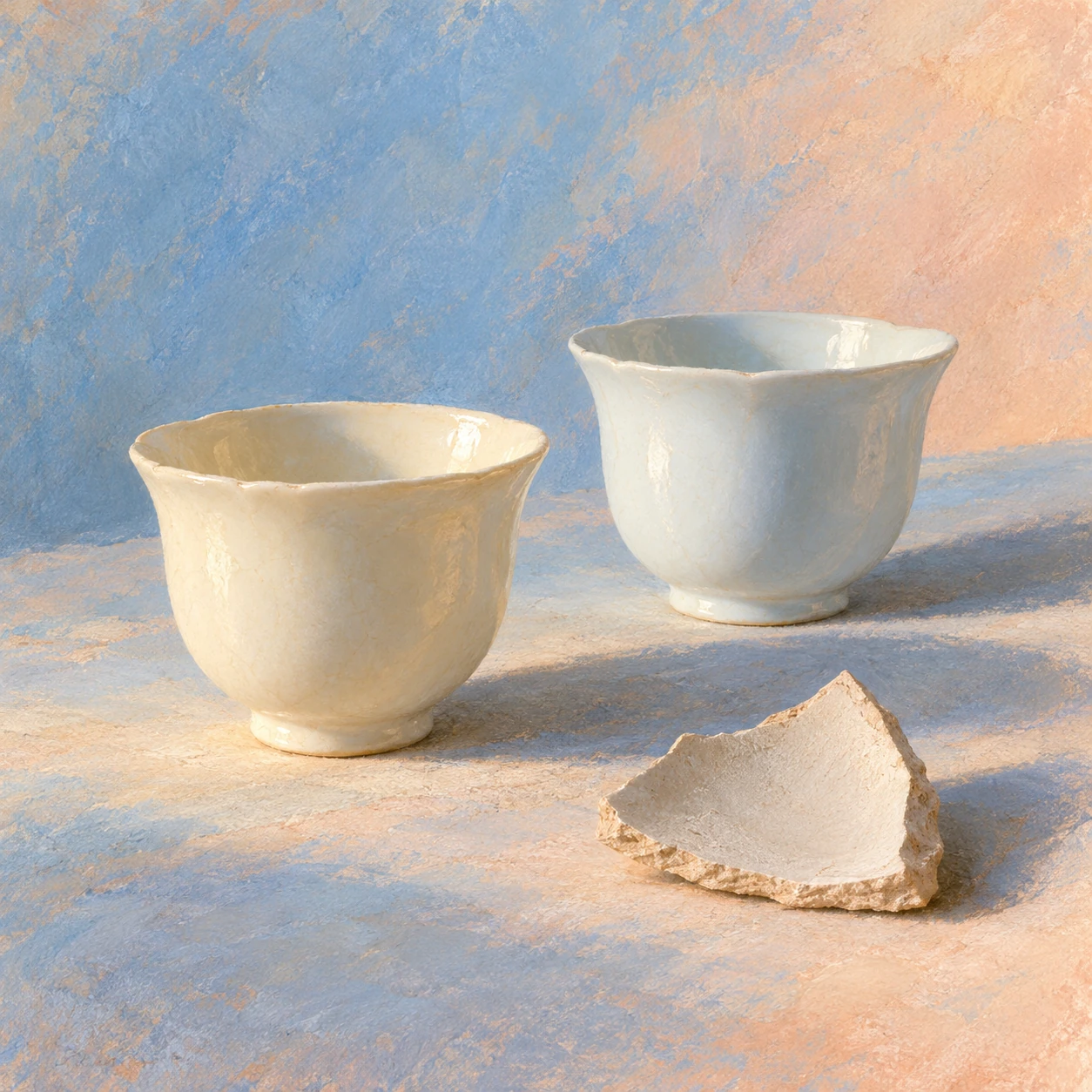
Before European Porcelain Settled Down: The Soft-Paste Experiment

Two small undecorated eighteenth-century French porcelain-inspired cups, one creamy white and one cool white, plus a separate unglazed ceramic shard.
Two invented cups invite a materials comparison. Color alone cannot reliably distinguish soft-paste from hard-paste porcelain.

Soft-paste and hard-paste porcelain preserve different material choices. Follow the experiments behind a seemingly simple white surface.

Ceramics · Material Culture · European History · About 4 minutes
Read journey 46 →

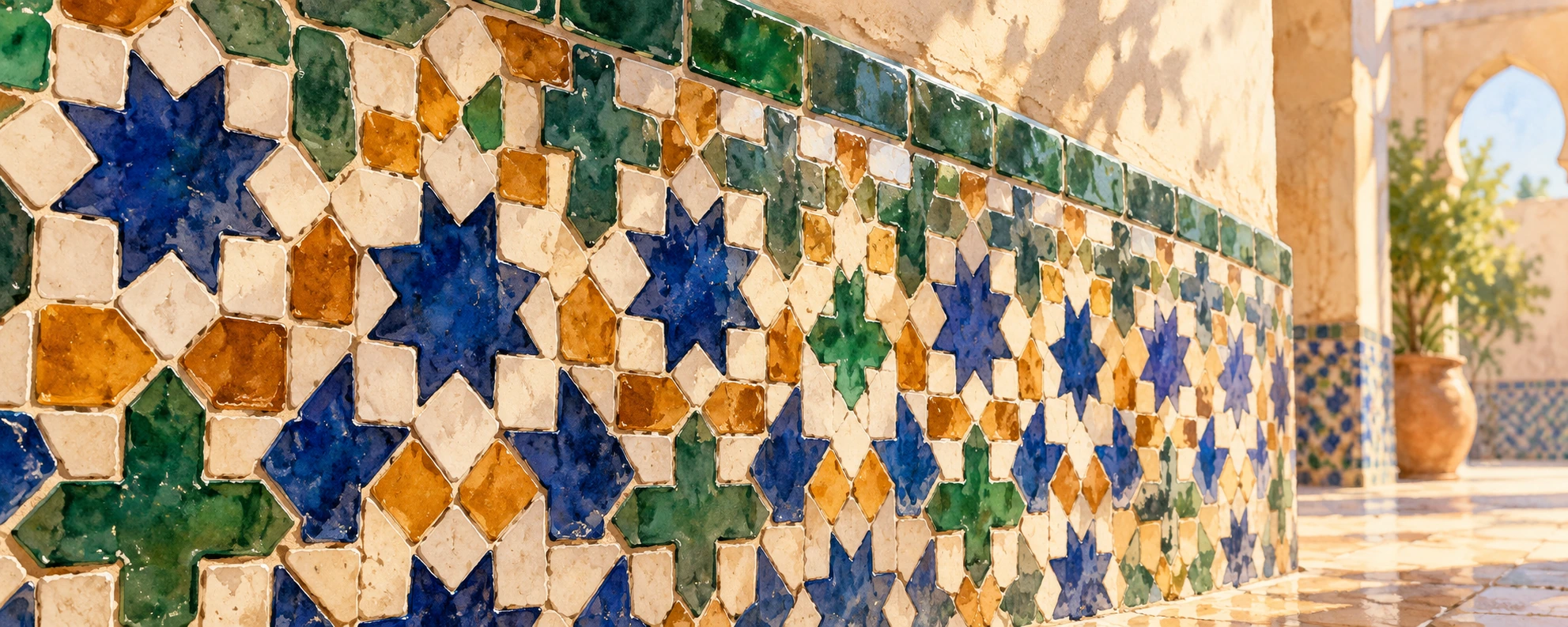
Zellige: The Picture Assembled From Pieces Cut Before It Exists

Close low-angle view of a Moroccan zellige-inspired wall dado: many small separately cut glazed tiles form an original simple eight-point star-and-cross composition, cobalt, white, green and amber.
Separately shaped glazed pieces make a larger geometric field. The original pattern illustrates assembly rather than a measured monument.

Look past the large pattern to the cut tile, the repeated unit, and the architectural edge, with a small rotation exercise and museum film.

Craft · Architecture · Geometry · About 4 minutes
Read journey 47 →

Kumiko: A Pattern Held Together by Fit and Repetition

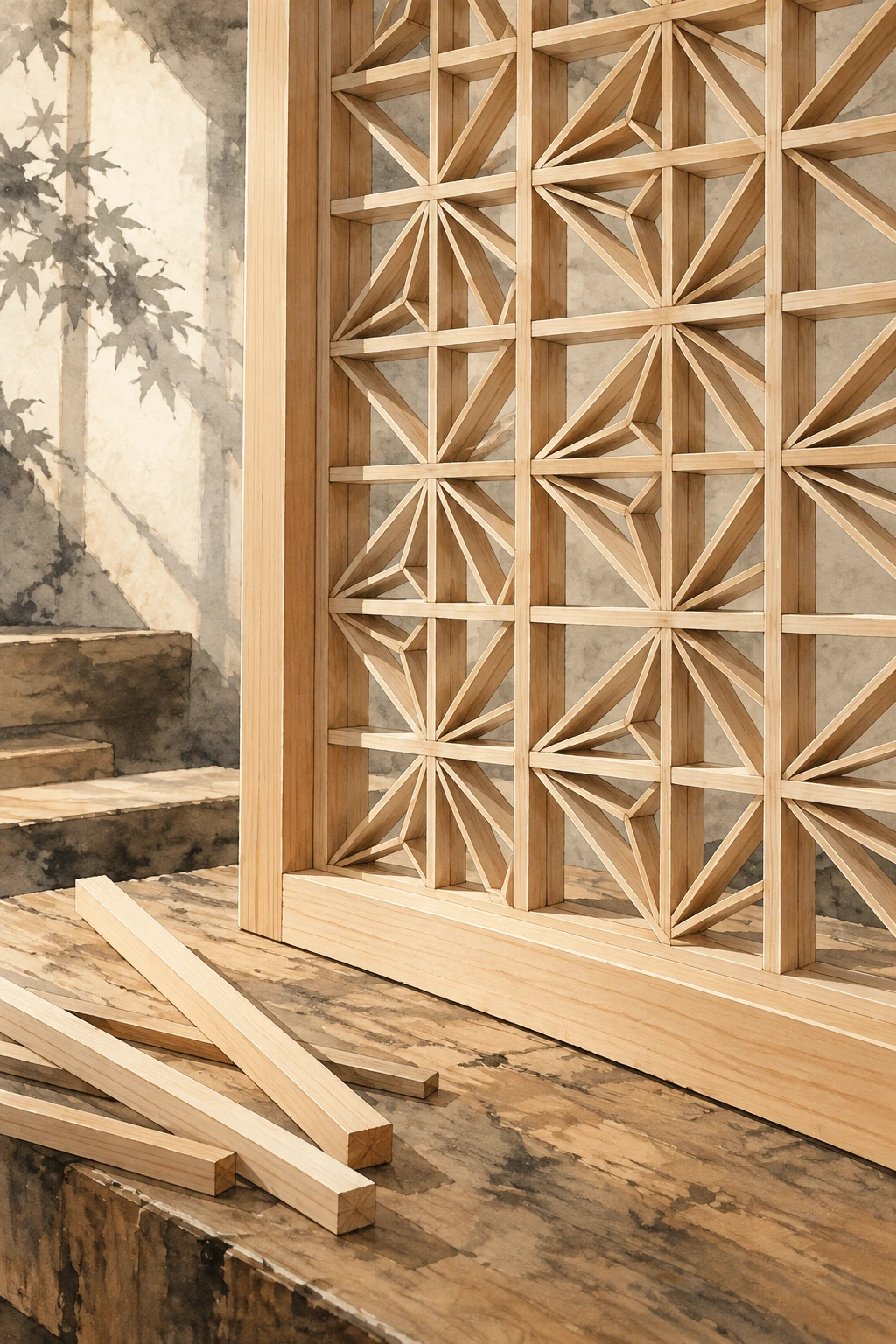
A tall close oblique view of an unfinished pale-cedar Japanese kumiko lattice panel, an original simple repeated asanoha-inspired geometric motif nested within a straight grid.
Slender members divide a larger frame into repeated geometries. This invented lattice is a visual study, not a cutting plan.

A kumiko lattice is a hierarchy of frame, grid, infill, and light. Learn to see the joins and relationships behind its apparent weightlessness.

Woodworking · Japanese Craft · Architecture · About 4 minutes
Read journey 48 →

The Runes Inside Maeshowe: A Monument With More Than One Lifetime

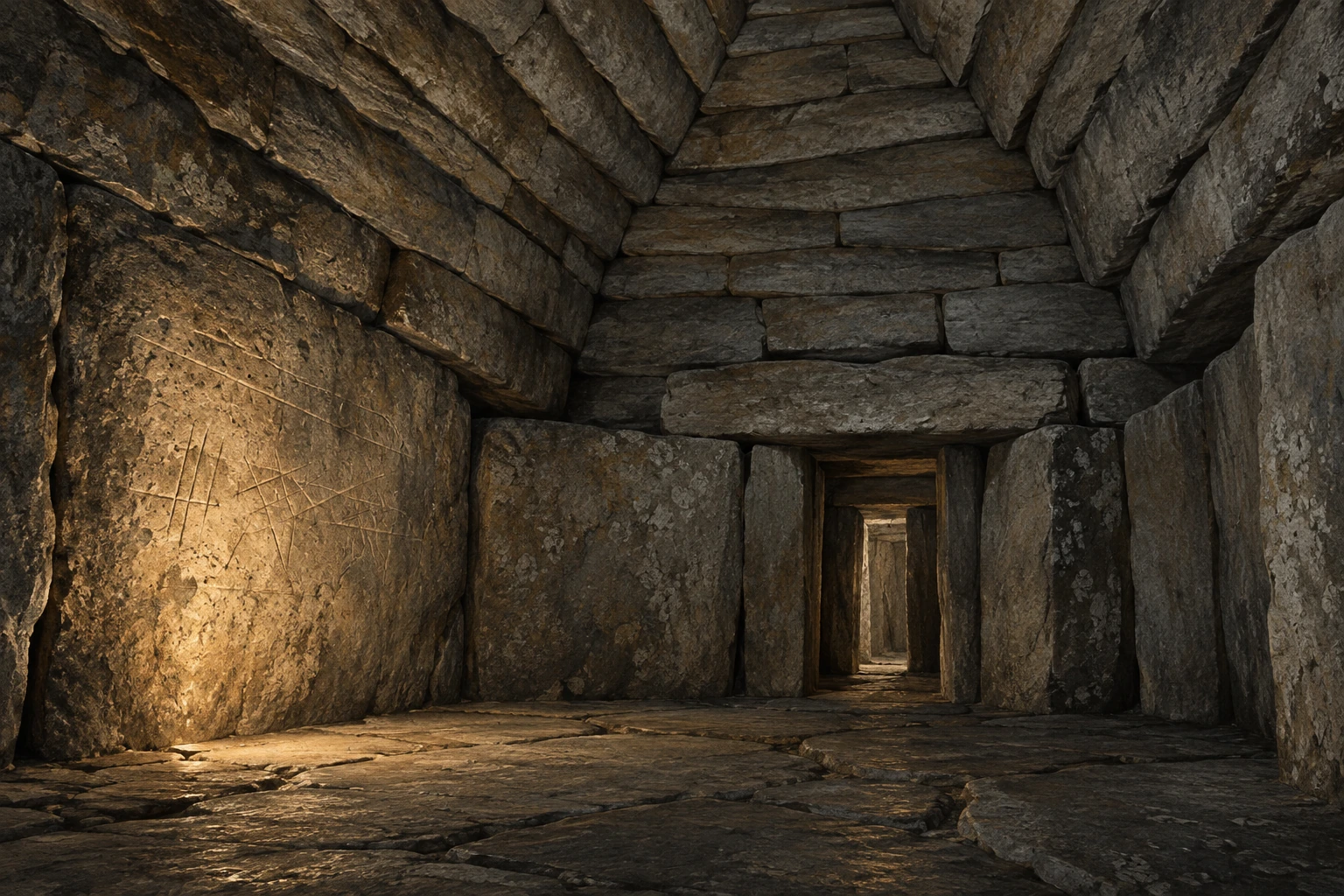
The inside of a generic Neolithic corbelled stone chamber inspired by Maeshowe, with a small patch of indistinct incised strokes on one side wall lit from an unseen low lamp.
A chamber can outlive its first purpose. The invented incisions stand for later visitors rather than a transcribed Maeshowe inscription.

Maeshowe holds a Neolithic chamber, later Norse runes, and modern conservation. Learn to read those histories without merging their dates.

Archaeology · Writing · Built Heritage · About 4 minutes
Read journey 49 →

Fram: The Ship Built to Let the Ice Lift It

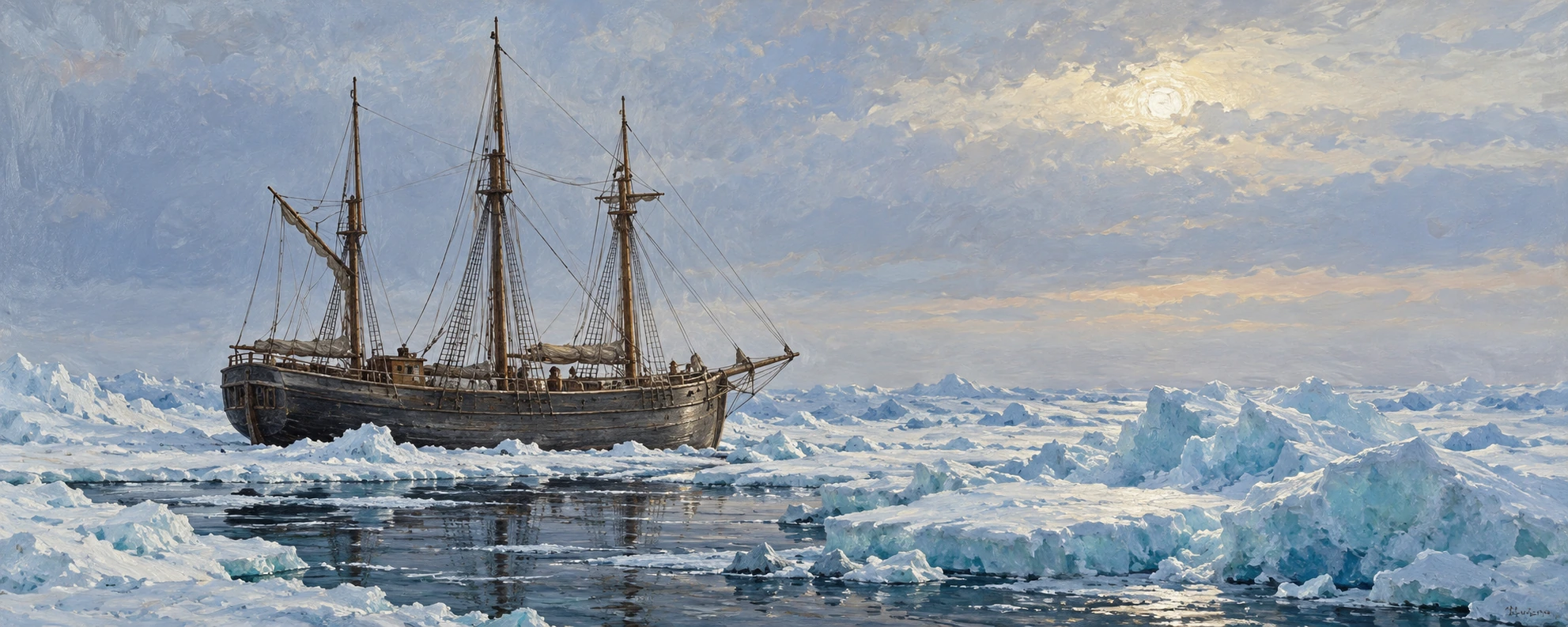
An interpretive side view of the wooden polar ship Fram at rest in Arctic pack ice, three masts and a robust rounded hull, small scale against low blue-white pressure ice and a dim pale sky.
Fram was designed for prolonged work in moving ice. This interpretive scene represents the design problem rather than a documented expedition moment.

Fram turned confinement in moving ice into an expedition strategy. Read its rounded hull, tradeoffs, living spaces, and later alterations together.

Maritime History · Design · Exploration · About 4 minutes
Read journey 50 →

Portolan Charts: A Sea of Directions Before the Familiar Map Grid

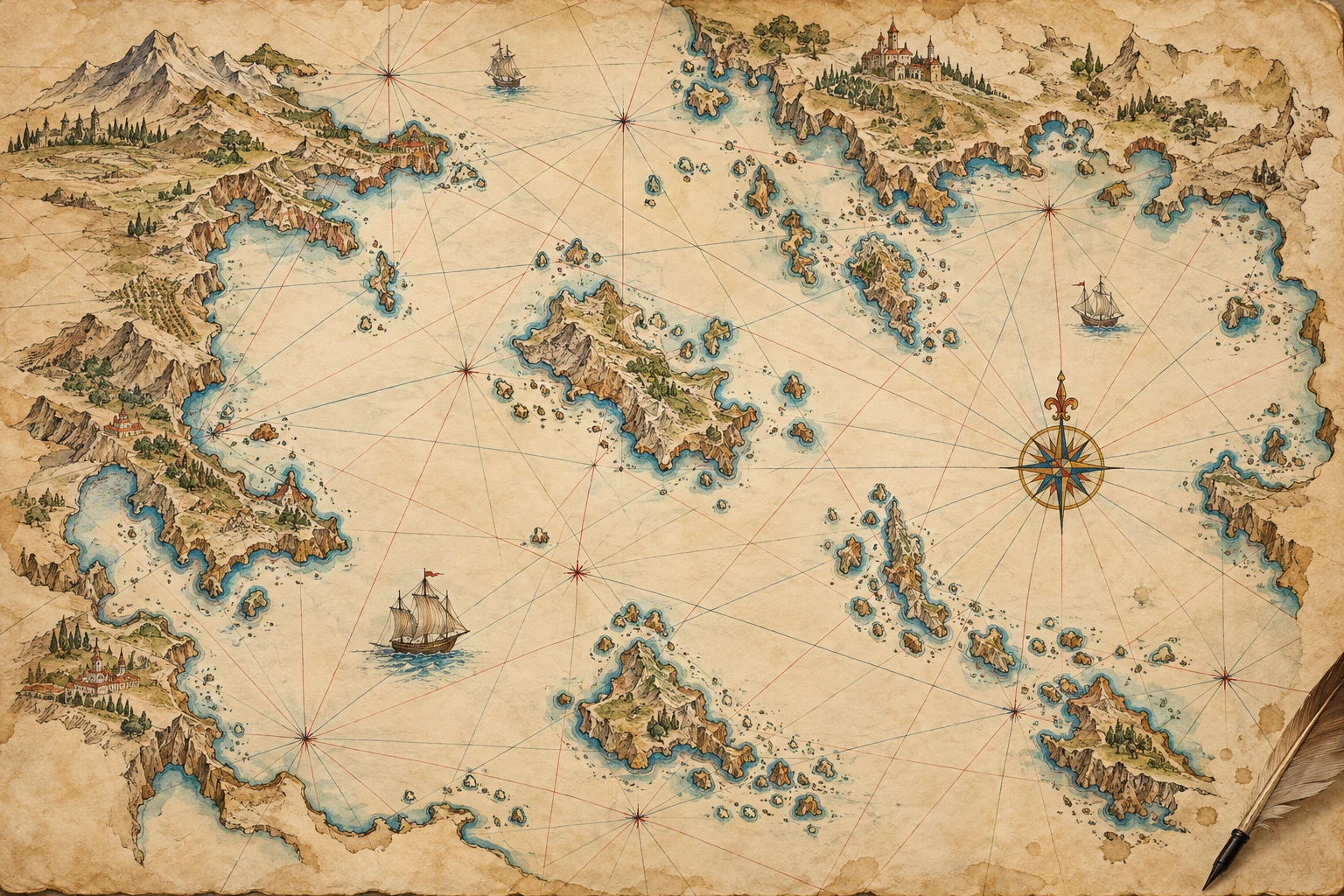
A fictional late-medieval Mediterranean-style sea chart on warm parchment viewed overhead, entirely invented coastline with bays and small islands, several fine multicolored bearing-line networks, one modest compass rose, no readable place names, no modern latitude-longitude grid, no exact historical chart.
Bearing lines organize a fictional coastline. Real portolan charts must be studied as individual objects with their own scale, geography, and labels.

A portolan chart organizes coasts, names, scales, and directions. Explore its bearing lines without assuming a modern map grid or north-up view.

Maps · Maritime History · Knowledge · About 4 minutes
Read journey 51 →

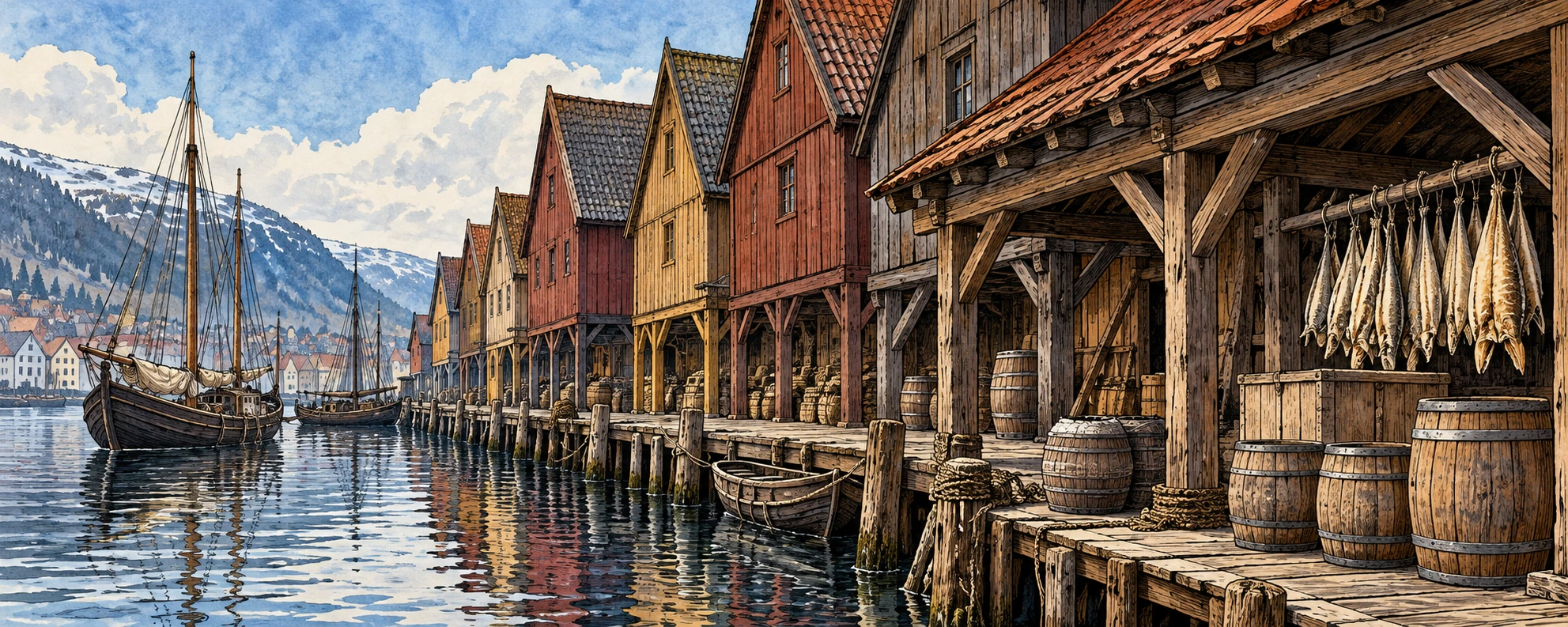
Bergen’s Warehouses: Following a Fish Through a Trading Town

An interpretive medieval Bergen warehouse wharf, steep-gabled narrow timber waterfront buildings and covered walkways, a small stack of pale dried fish under shelter and simple wooden cargo barrels.
Storage, handling, and access to the harbor connect buildings to trade. The invented wharf is not a reconstruction of one dated Bryggen phase.

Walk behind Bergen’s famous gables to discover fish grading, shared rooms, buried streets, and the water that helps preserve them.

History · Architecture · Trade · About 6 minutes
Read journey 52 →

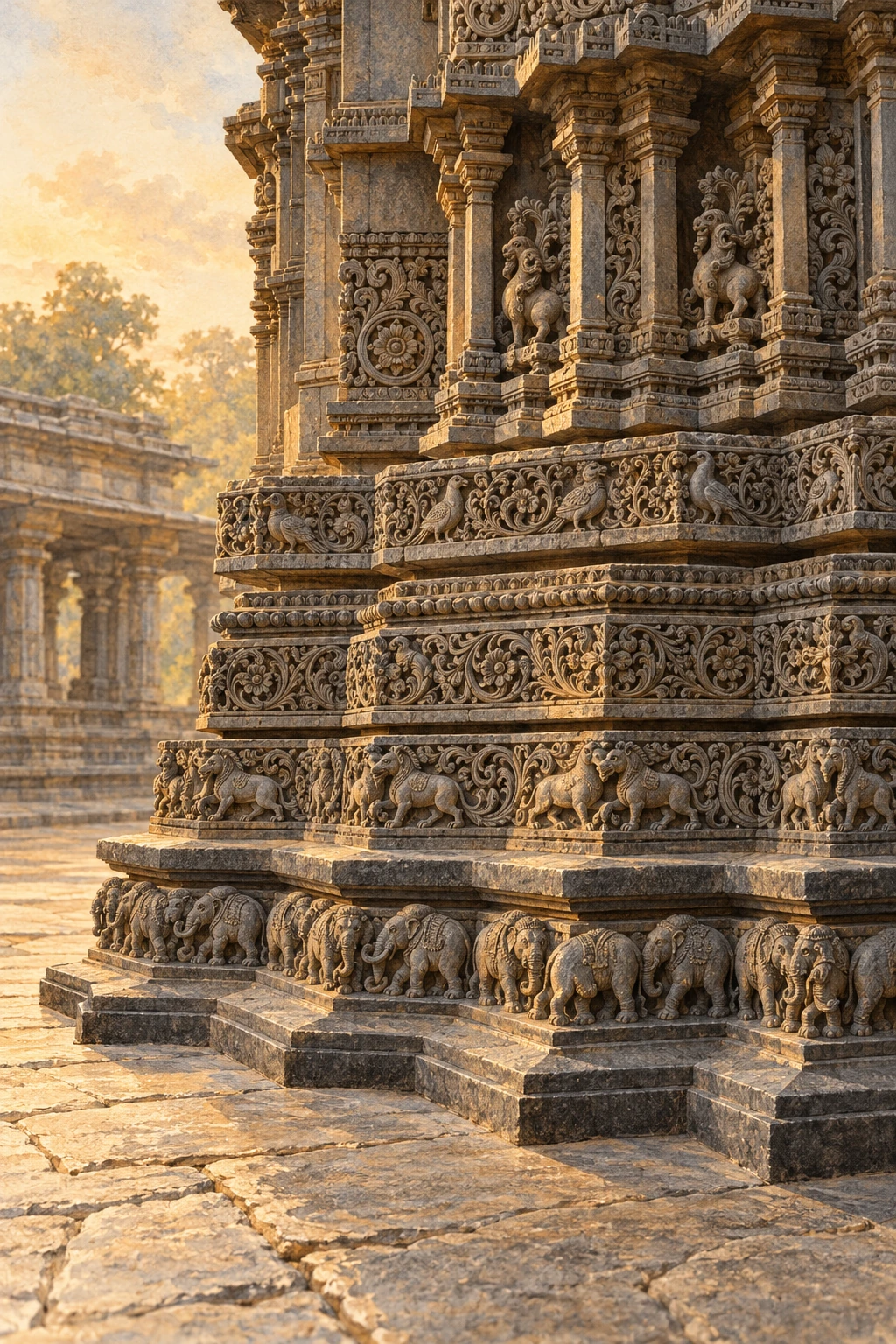
Soapstone and Shadow: Reading a Hoysala Temple Wall

An original architectural study inspired by Hoysala soapstone carving: a generic fluted star-plan base and stacked carved horizontal friezes, dense small floral and animal ornament, deep recesses with raking warm light, no identifiable deity, no exact Belur temple sculpture, no inscription or modern tourist..
Recesses, projecting bands, and repeated details organize light across an imagined Hoysala-inspired wall.

Learn to read a Hoysala temple wall through its plan, shadows, narrative bands, and the names some sculptors left behind.

History · Architecture · India · About 4 minutes
Read journey 53 →

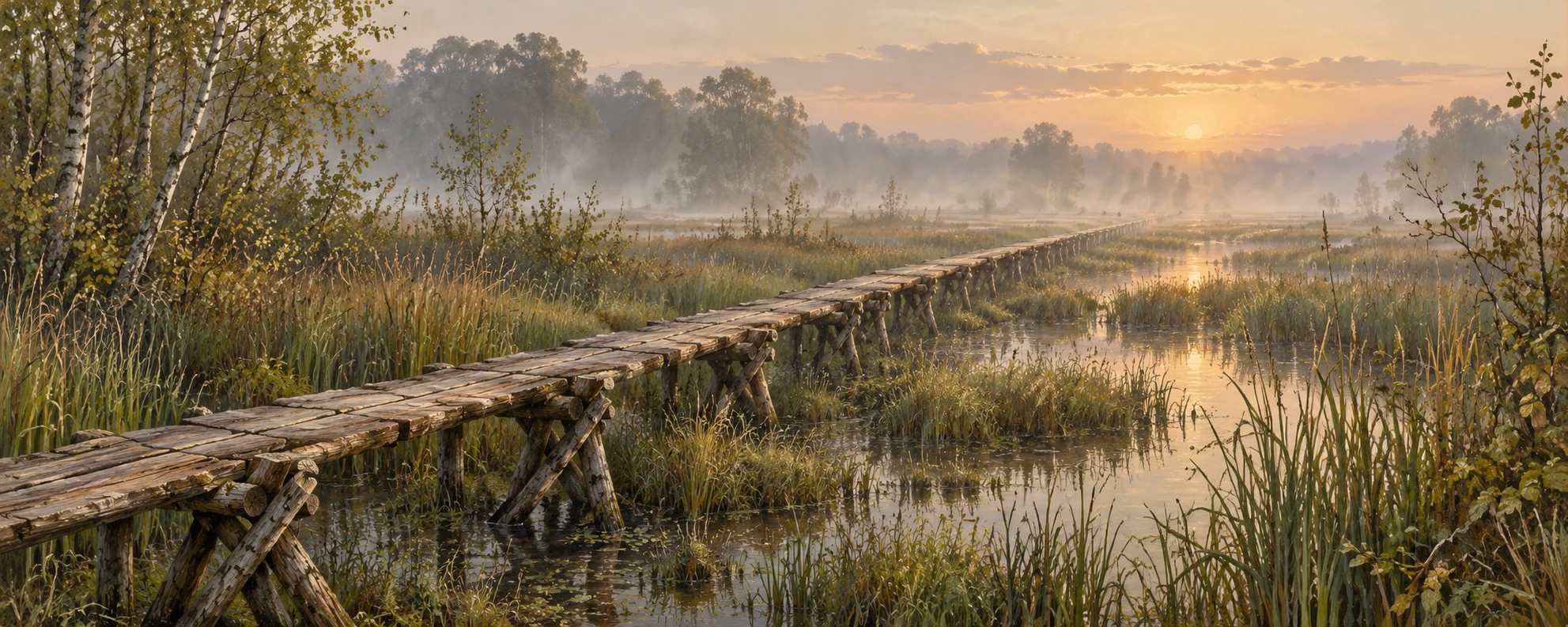
The Sweet Track: A Neolithic Route Built Across Wet Ground

An interpretive Neolithic timber walkway across an English reed wetland: narrow straight planks elevated modestly above wet ground on simple crossed timber supports, birch and hazel-like marsh-edge vegetation, dawn mist and subdued ochre greens.
The narrow wooden route is a reconstruction concept. The excavated Sweet Track provides the evidence for the much more specific account in the text.

A Neolithic crossing becomes an evidence dossier: timber supports, precise tree-ring dates, earlier routes, and a printable reading exercise.

Archaeology · History · Wetlands · About 6 minutes
Read journey 54 →

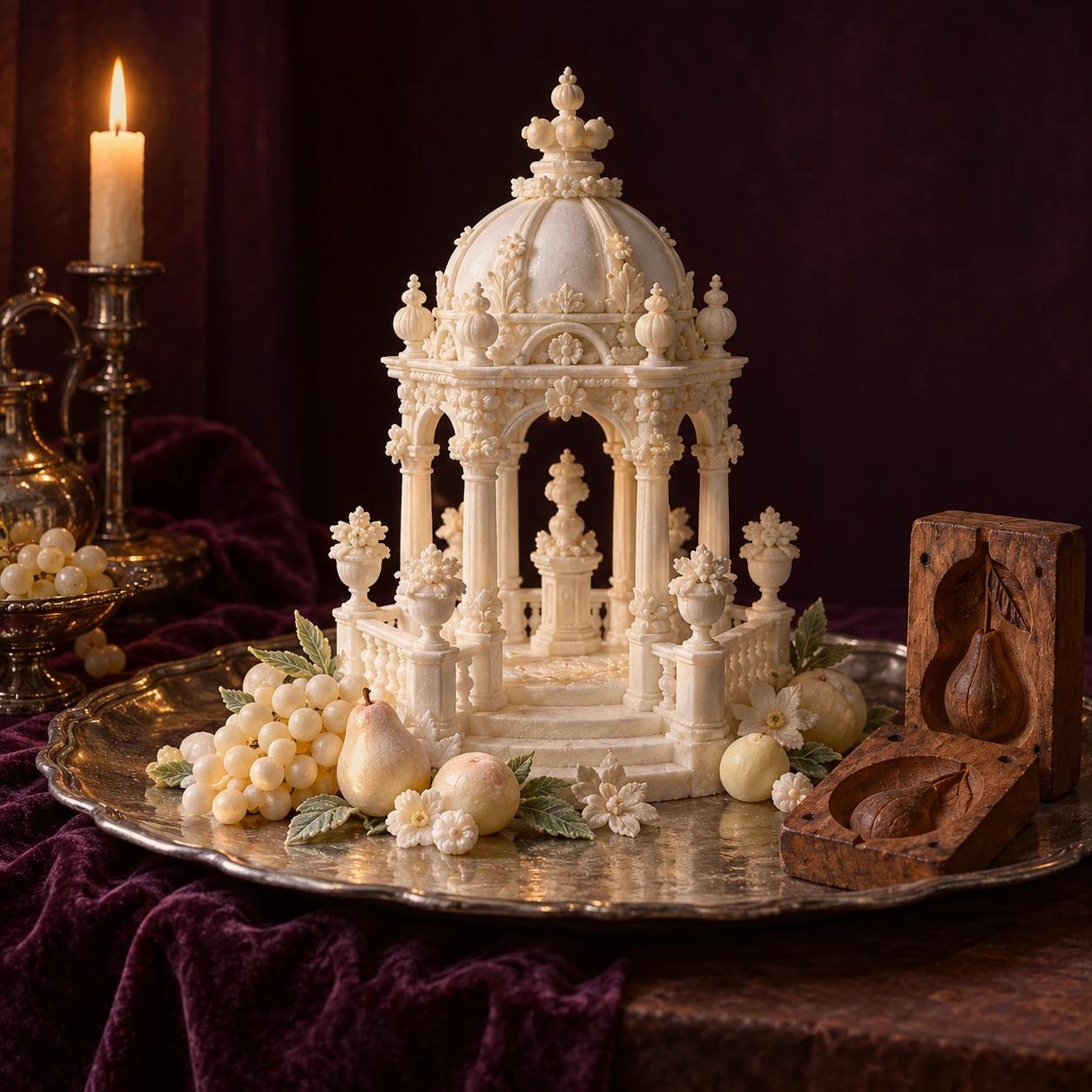
A Banquet You Could Look At: Sugar Sculpture and the Work Behind Wonder

An invented early-modern European sugar banquet centerpiece on a silver-colored plain tray: delicate white sugar-paste architectural pavilion and small pale fruit forms beside a simple wooden two-part mold.
Sugar could be shaped into a temporary spectacle. This invented centerpiece directs attention to labor, molds, and materials rather than a named feast.

Follow sugar sculpture from its material supply to the banquet table, surviving prints, and modern reconstructions using historical molds.

History · Food History · Craft · About 6 minutes
Read journey 55 →

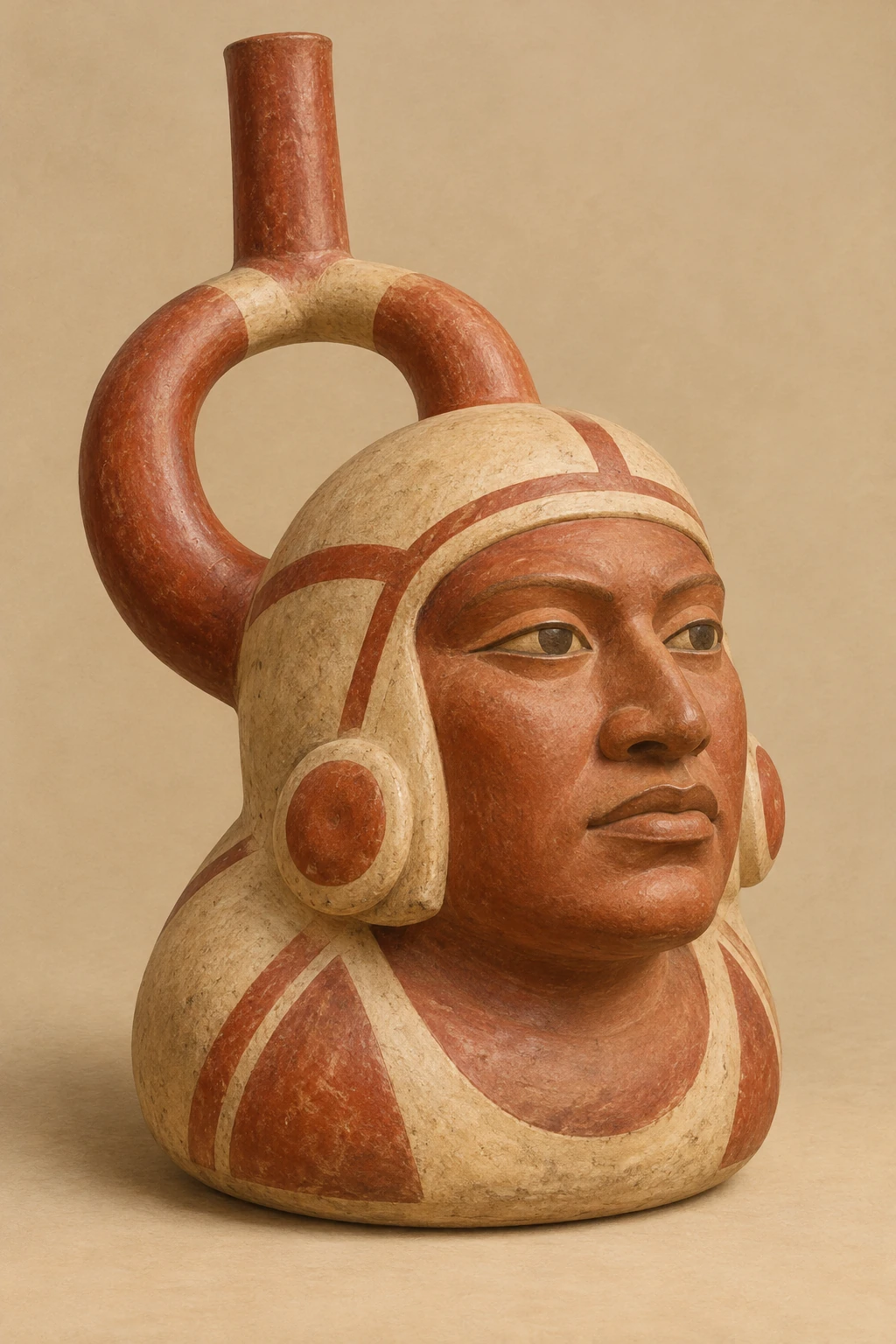
Moche Portrait Vessels: A Face Is More Than a Likeness

An original Moche-inspired stirrup-spout portrait vessel, seated as an object on plain sand-colored ground.
The face, hollow body, and stirrup spout must be read together. The invented form is not a portrait of an identified ancient person.

Read Moche portrait bottles as containers, repeatable images, and archaeological objects whose expressive faces do not reveal everything.

Archaeology · Ceramics · Peru · About 6 minutes
Read journey 56 →

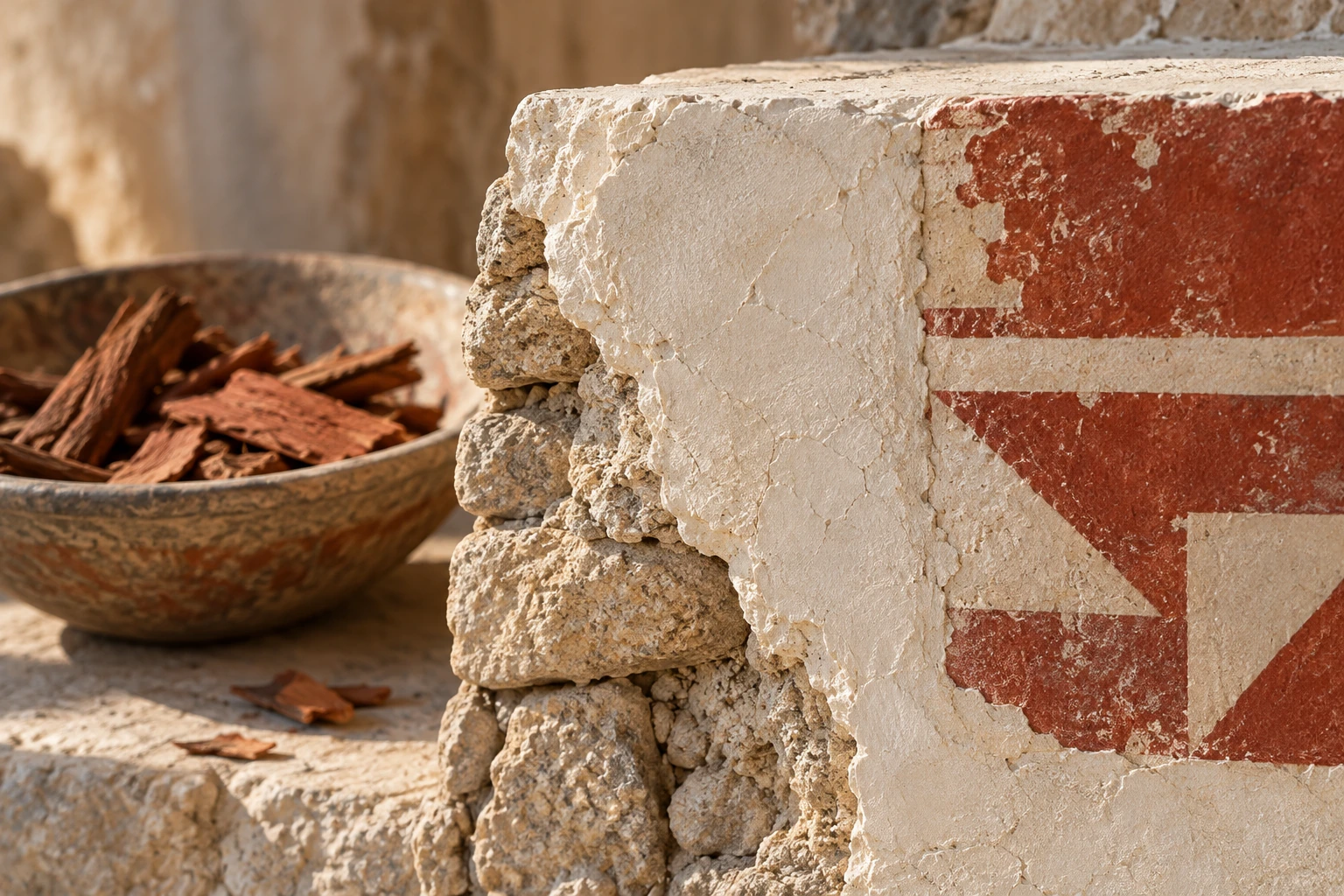
A Wall Made From Burned Stone: The Craft in Maya Lime Plaster

A horizontal close study of an imagined Maya lime-plaster wall edge: thick pale mineral plaster over rough masonry, a small area of muted red painted geometric surface, adjacent soft-focus bowl containing bark fragments as an explanatory separate ingredient cue.
A finished wall hides choices about lime, aggregates, water, and possible organic additions. This material study is not a sample from Copán.

Explore Maya lime plaster through craft knowledge, a Copán materials study, and a guide to reading claims about ancient building techniques.

Archaeology · Materials · Maya · About 6 minutes
Read journey 57 →

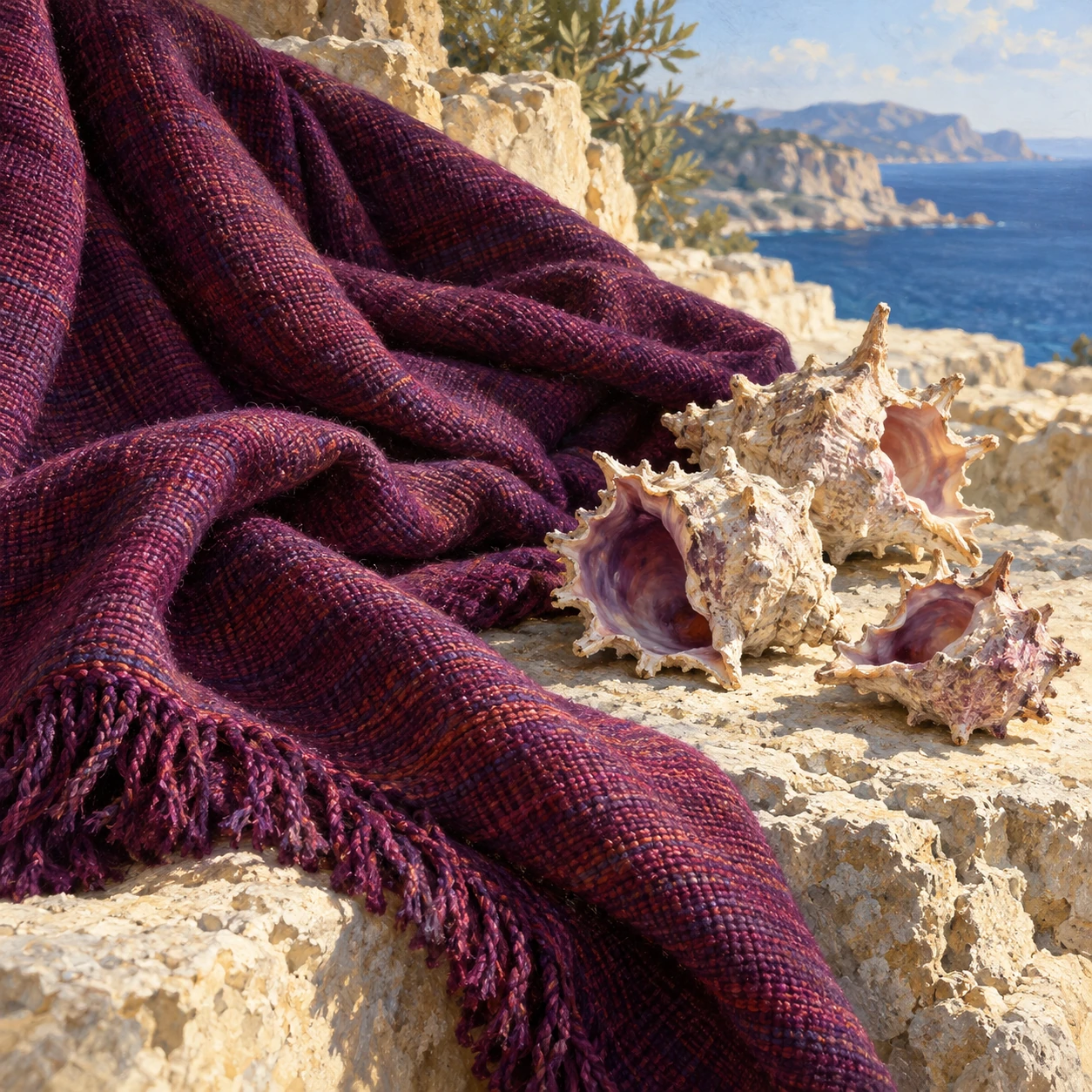
Tyrian Purple: When a Color Carried More Than a Price

A fold of woven dark reddish-purple wool cloth beside a few empty Mediterranean murex-like shells on rough pale limestone, angled daylight reveals thread texture.
Shells and cloth evoke shellfish-purple dyeing. A purple-looking textile still needs analysis before its dye or historical status can be identified.

Follow purple from fibers and shell deposits to chemical analysis and Pliny, while separating a prestigious dye from an imagined royal owner.

History · Textiles · Archaeology · About 6 minutes
Read journey 58 →

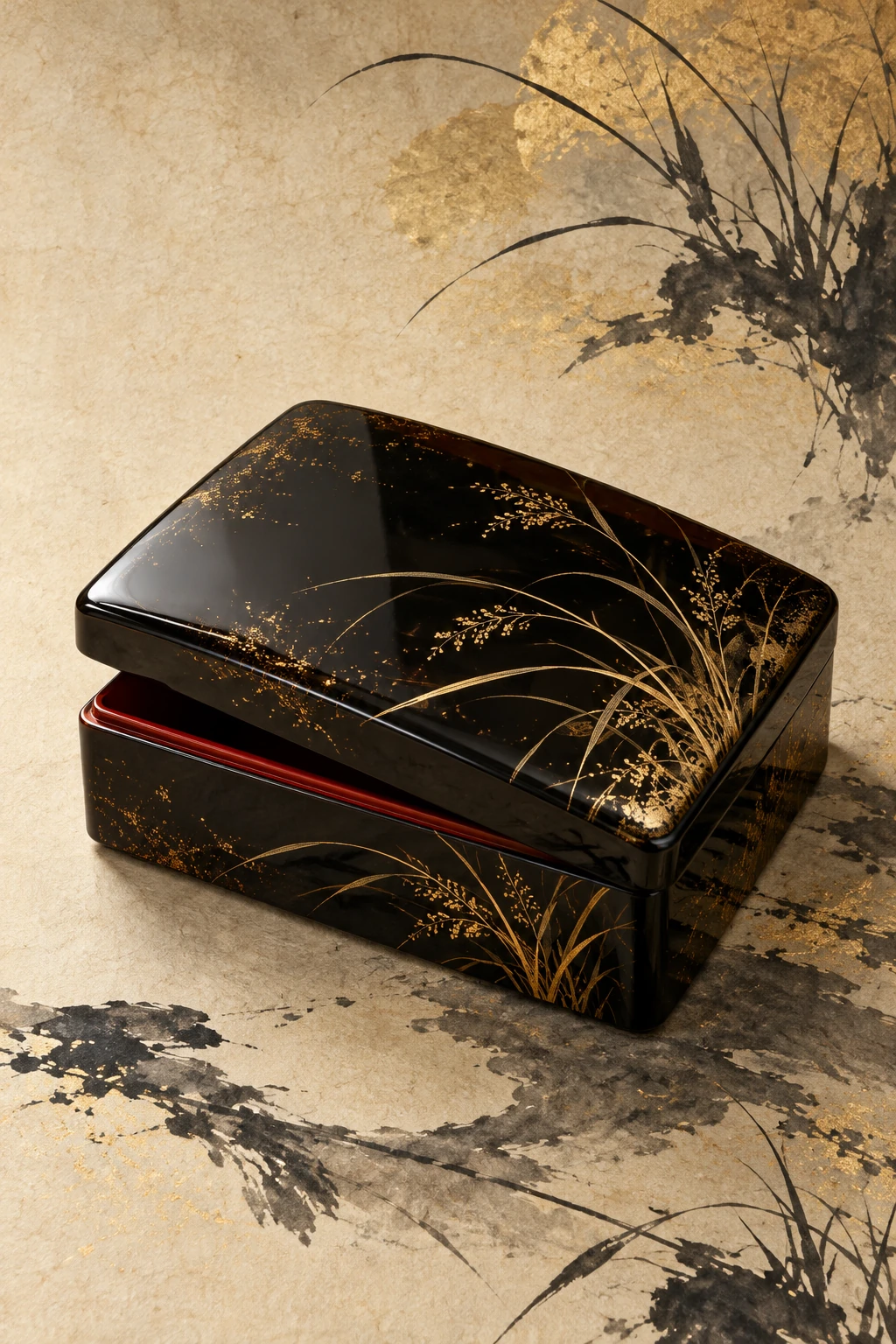
A Box Built Up in Thin Coats: The Patient Work of Japanese Lacquer

An original small Japanese urushi-inspired black lacquer lidded writing box with restrained gold powder scattered into a simple invented grass design, partly open with plain red inner rim.
Thin surface layers and decoration can transform a wooden body. The original grass motif illustrates lacquer decoration without reproducing a historical box.

Look through the shine of Japanese lacquer to trees, thin coatings, metal powders, and the changing views inside a historical writing box.

Craft · Japan · Lacquer · About 5 minutes
Read journey 59 →

Djenné’s Great Mosque: A Building Renewed by Many Hands

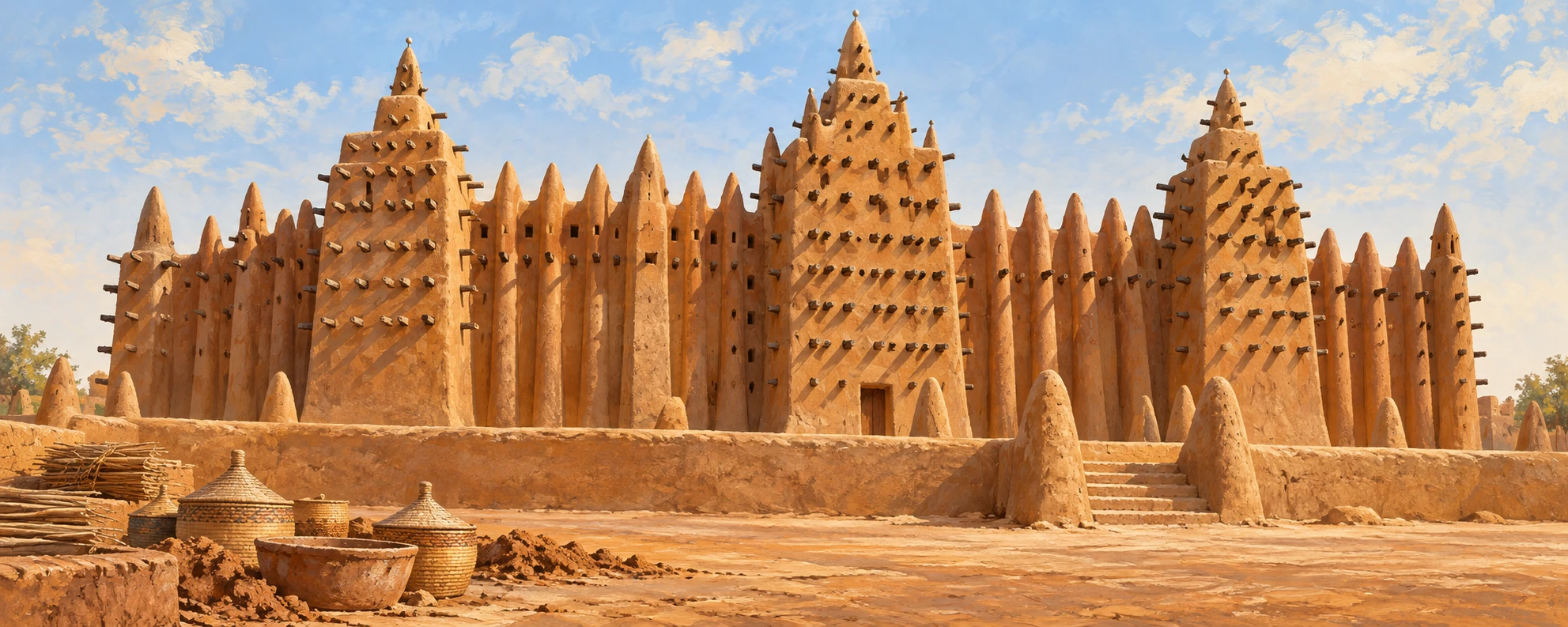
A respectful interpretive view of the Great Mosque of Djenné in Mali, monumental earthen buttresses and projecting timber toron against a pale sky, open foreground with small covered baskets and mud plaster material at edge but no people, no named festival scene or present-day condition claim.
Projecting timber members are part of the architecture and its maintenance access. This interpretive view is not a condition survey or a record of one replastering day.

See Djenné’s Great Mosque through skilled maintenance, structural conservation, and the everyday work of the town around it.

Architecture · History · Mali · About 6 minutes
Read journey 60 →

The Gearbox That Lets Two Wheels Disagree

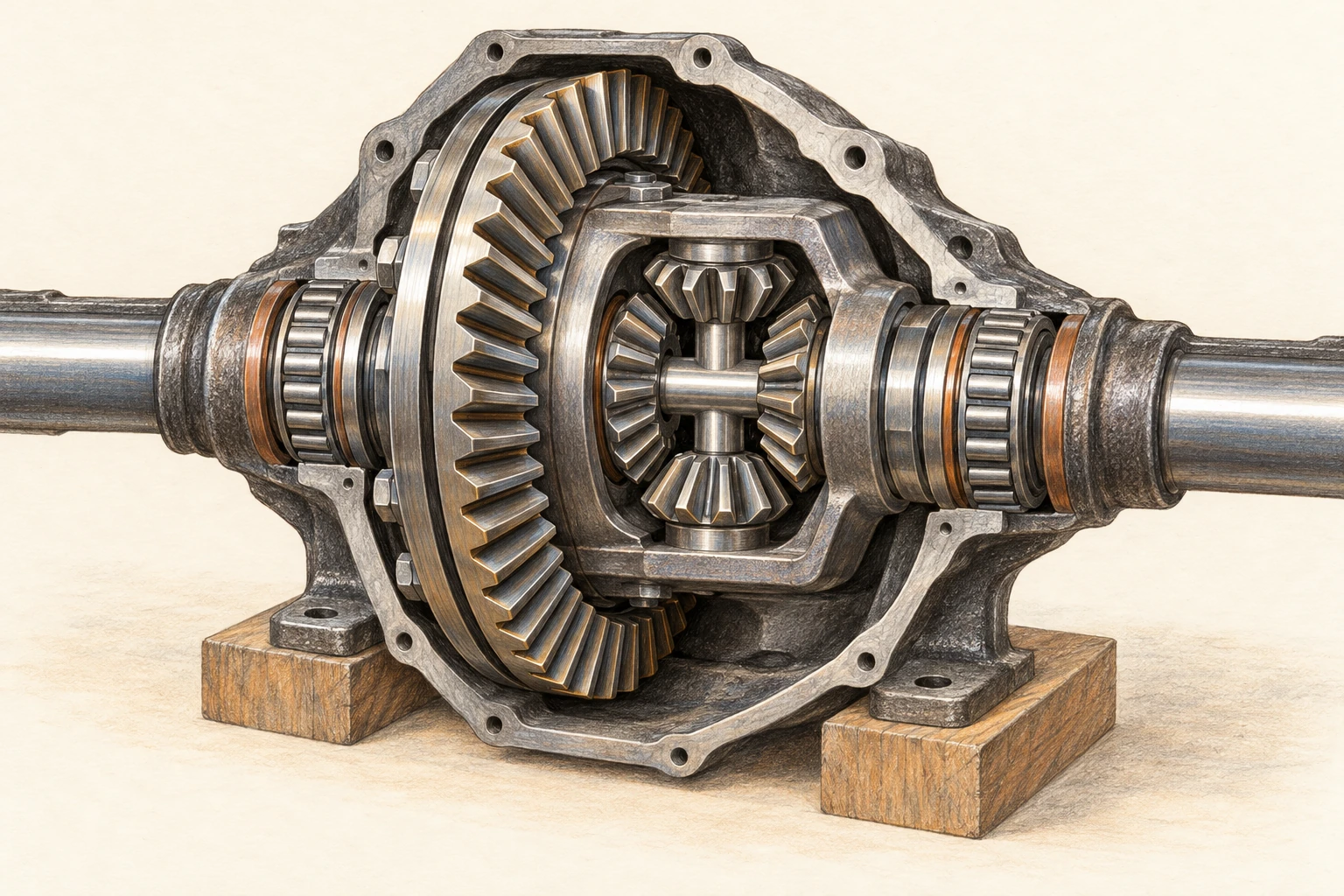
Cutaway illustration of a differential carrier, ring gear, small bevel gears, and opposing axle shafts.
The carrier moves the gear assembly; the smaller gears allow the two outputs to differ. Simplified cutaway, not a service diagram.

A corner demands different wheel speeds. An open differential makes room for them while preserving one simple average.

Everyday Engineering · Mechanisms · Mathematics · About 5 minutes

Read journey 61 →

Why a Camera Can Turn One Small Light Into a Star

Illustrated wet street at blue hour with a small lamp rendered as a starburst and a camera lens in the foreground.
A small bright light can reveal the aperture’s geometry. The illustration suggests the effect; it is not a measured comparison.

A night-light starburst can reveal the geometry of a lens aperture, along with a useful tradeoff in image detail.

Photography · Optics · Observation · About 5 minutes
Read journey 62 →

The Printer That Makes a Picture Without Ink

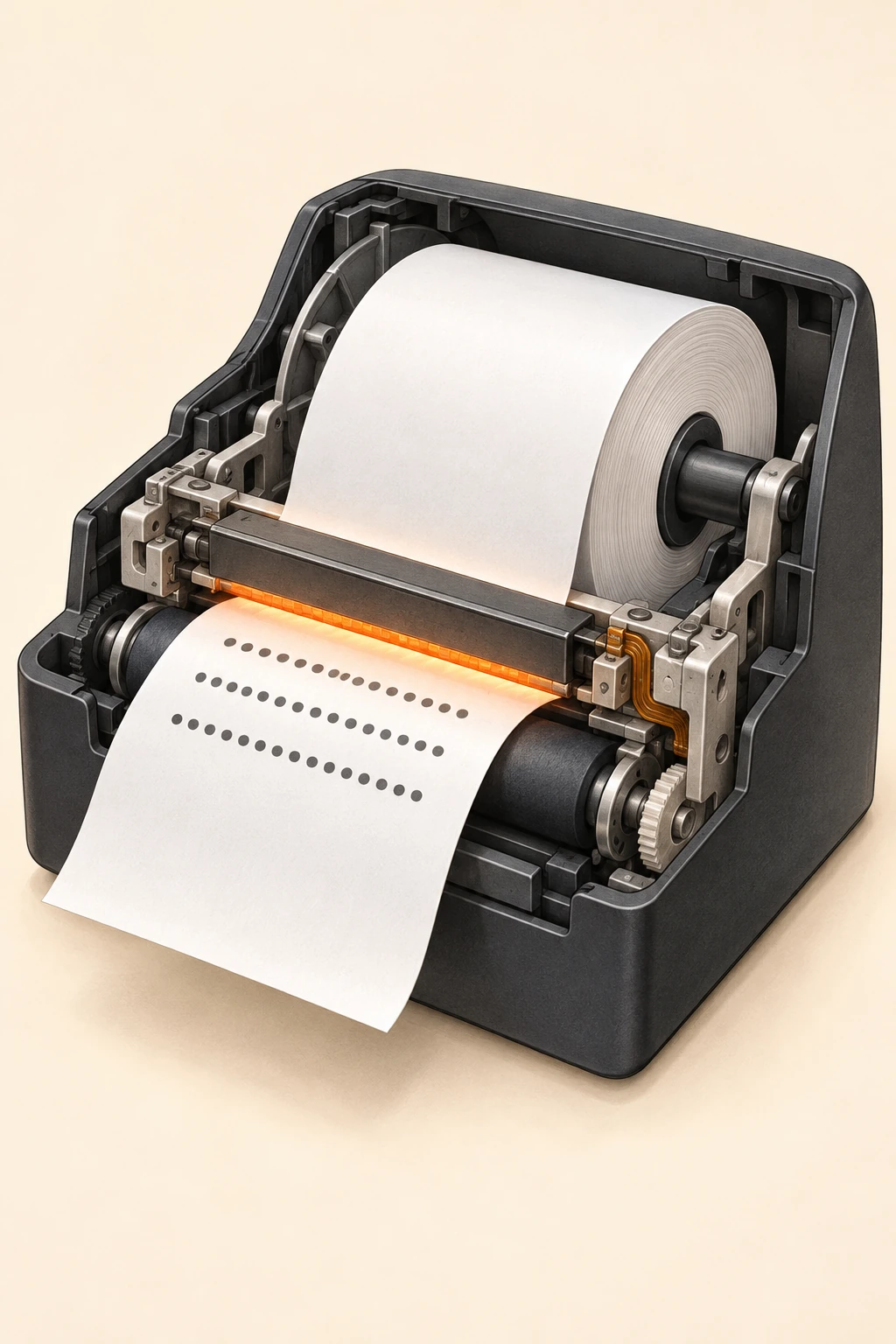
Portrait cutaway of a small thermal printer with a coated paper roll, linear printhead, and rubber roller.
A fixed line of heating elements and moving coated paper make the image together. Conceptual cutaway; parts are simplified.

Direct thermal printing puts image-making chemistry in the paper and creates a picture through selected rows of heat.

Everyday Engineering · Printing · Materials · About 5 minutes
Read journey 63 →

A Pair of Headphones Can Make a Second Sound to Reduce the First

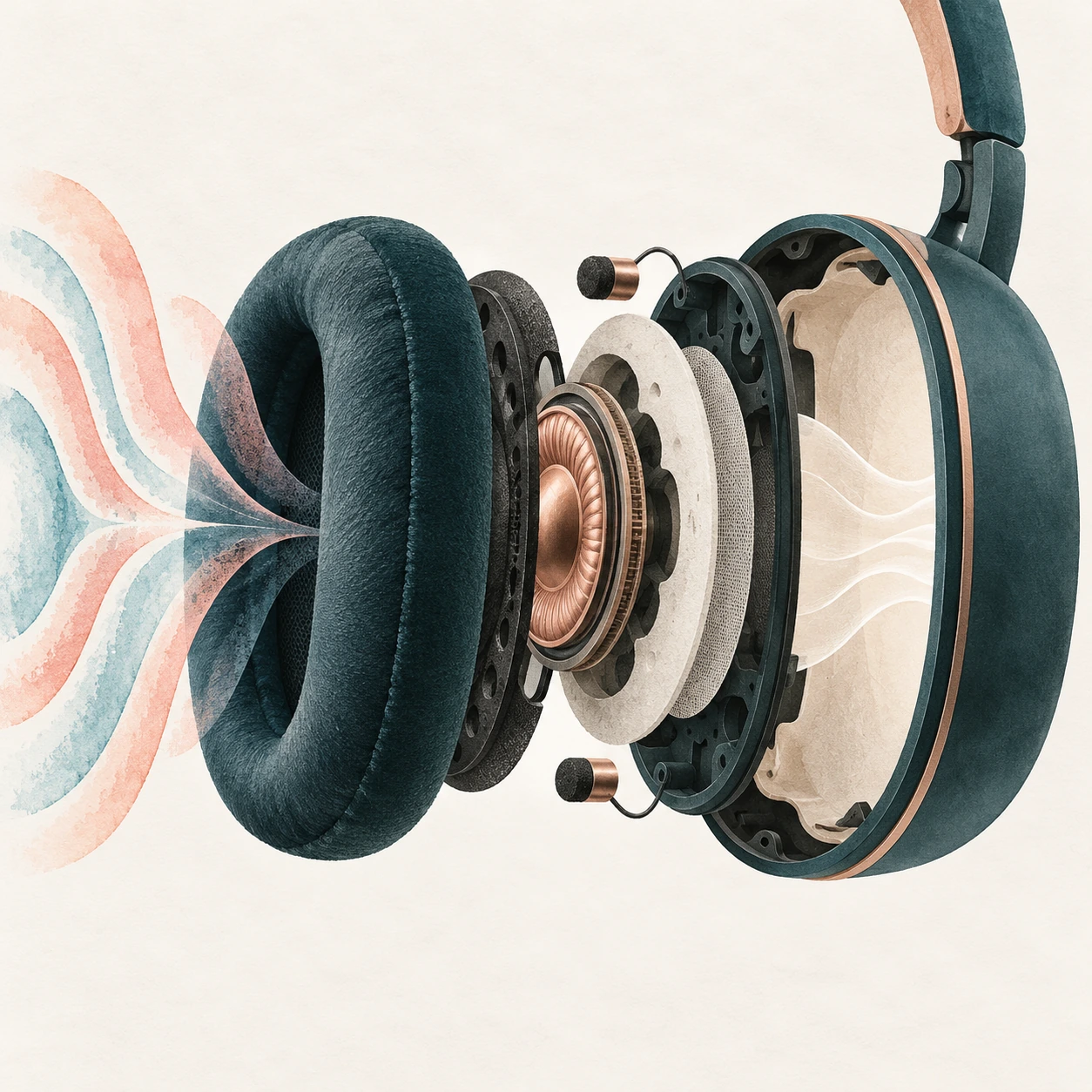
Square cut-paper and watercolor view of an exploded headphone earcup with cushion, speaker, and small microphones.
The physical seal and the electronic control work together. The quiet region is local, not the entire surrounding room.

Noise cancellation is a timed pressure-control problem. Explore what changes when the opposing sound arrives late.

Sound · Everyday Engineering · Signal Processing · About 5 minutes

Read journey 64 →

The Music Disc Whose Pits Are Not Simply Ones and Zeros

Illustrated silver compact disc above an enlarged optical pickup on a dark blue surface.
The pickup and light path are enlarged and shown in visible color for clarity; an actual CD reader uses near-infrared light.

A compact disc stores a timed channel code. Follow the difference between a physical pit, a transition, and recovered data.

Sound · Computing · Optical Media · About 5 minutes

Read journey 65 →

Two Wires Can Protect a Sound by Sharing the Same Trouble

Two differently colored insulated signal conductors twist into a three-pin audio connector on a studio desk.
Two signal paths can carry interference in common so that a differential receiver rejects much of it. The opened cable is illustrative.

Balanced audio rejects shared interference through a relationship among two paths and a receiver, not a noise-proof cable.

Sound · Signal Processing · Everyday Engineering · About 5 minutes

Read journey 66 →

A Fountain Pen Must Admit Air Before It Can Keep Giving Ink

Tall watercolor study of a silver fountain-pen nib, ribbed feed, blue ink, and textured paper.
The nib, feed, reservoir, and page form one flow system. This enlarged study simplifies the internal passages.

The hidden feed manages a two-way exchange: ink moves out, while air makes room for the next part of a written line.

Writing · Fluid Physics · Everyday Engineering · About 4 minutes
Read journey 67 →

The Second Thread Hidden Beneath Every Lockstitch

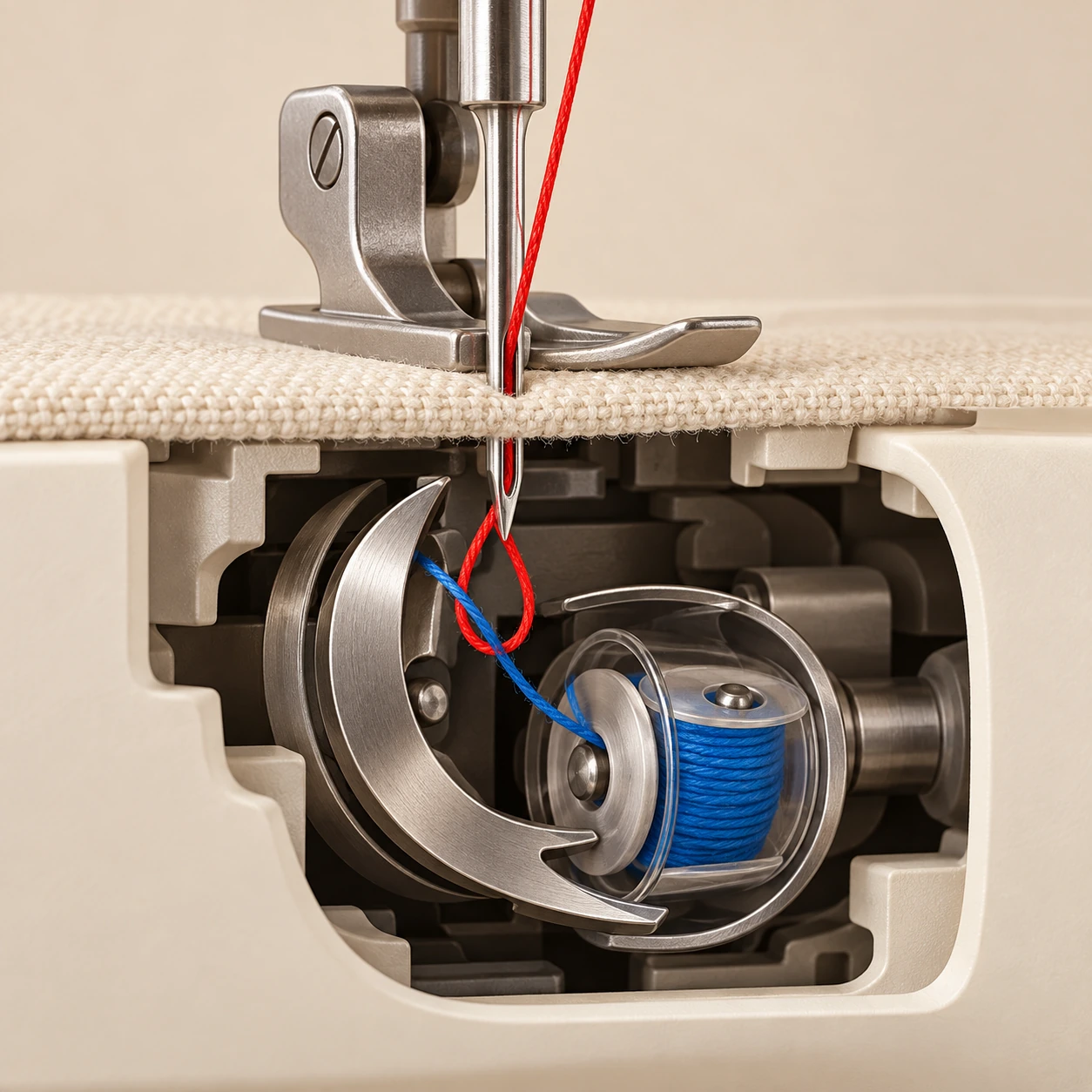
Conceptual sewing-machine cutaway with a red upper thread loop, blue bobbin thread, and eye-pointed needle.
The two colors separate the upper and lower thread paths. The paused cutaway is conceptual, not a timing or repair guide.

A sewing needle makes the obvious motion, but a lower-thread mechanism completes the relationship that holds the seam.

Everyday Engineering · Textiles · Mechanisms · About 5 minutes
Read journey 68 →

The Tiny Fork That Lets a Watch Count a Second

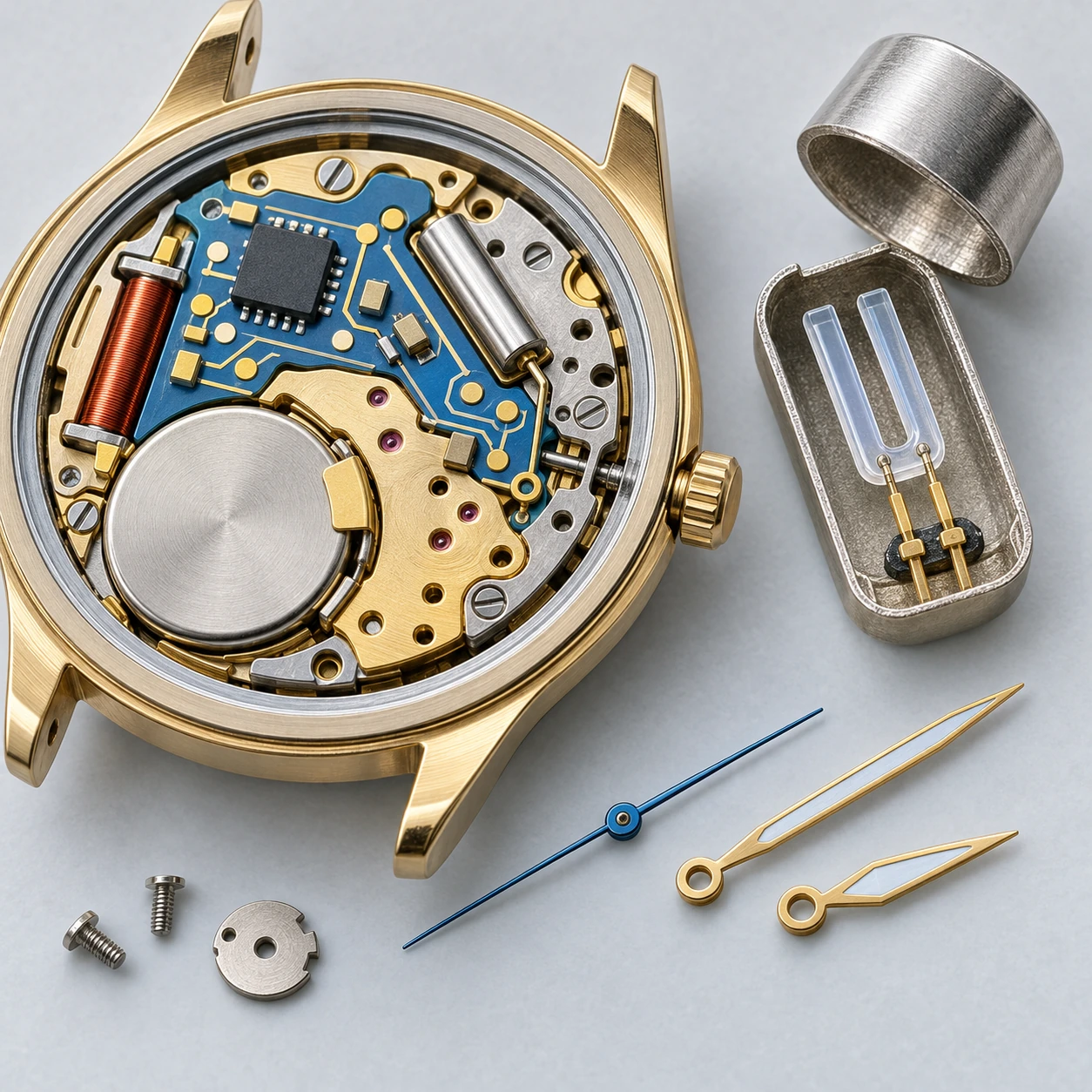
An enlarged quartz resonator capsule beside an unbranded watch movement
The resonator is enlarged to make its two-prong form visible.

Follow a quartz watch from its hidden vibration to a visible tick, with an interactive frequency divider.

Engineering · Time · About 5 minutes
Read journey 69 →

The Wheel That Reverses Only in the Camera

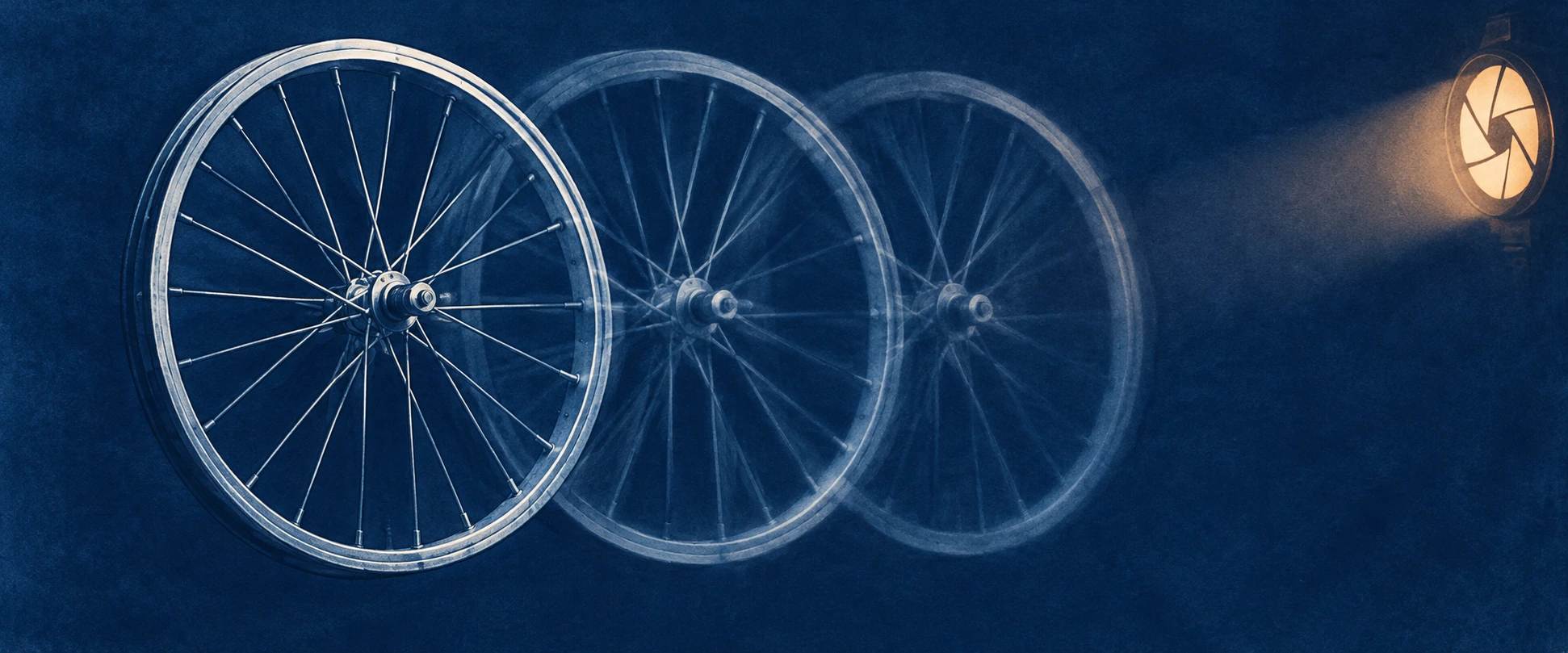
Pale bicycle-wheel positions overlap on a dark blue panoramic background
An interpretive sequence; the exact angles are explored in the sampler below.

A twelve-spoke wheel reveals how missing moments can turn forward motion into an apparent backward crawl.

Perception · Photography · About 5 minutes
Read journey 70 →

The Third Pattern Hiding Between Two Fences

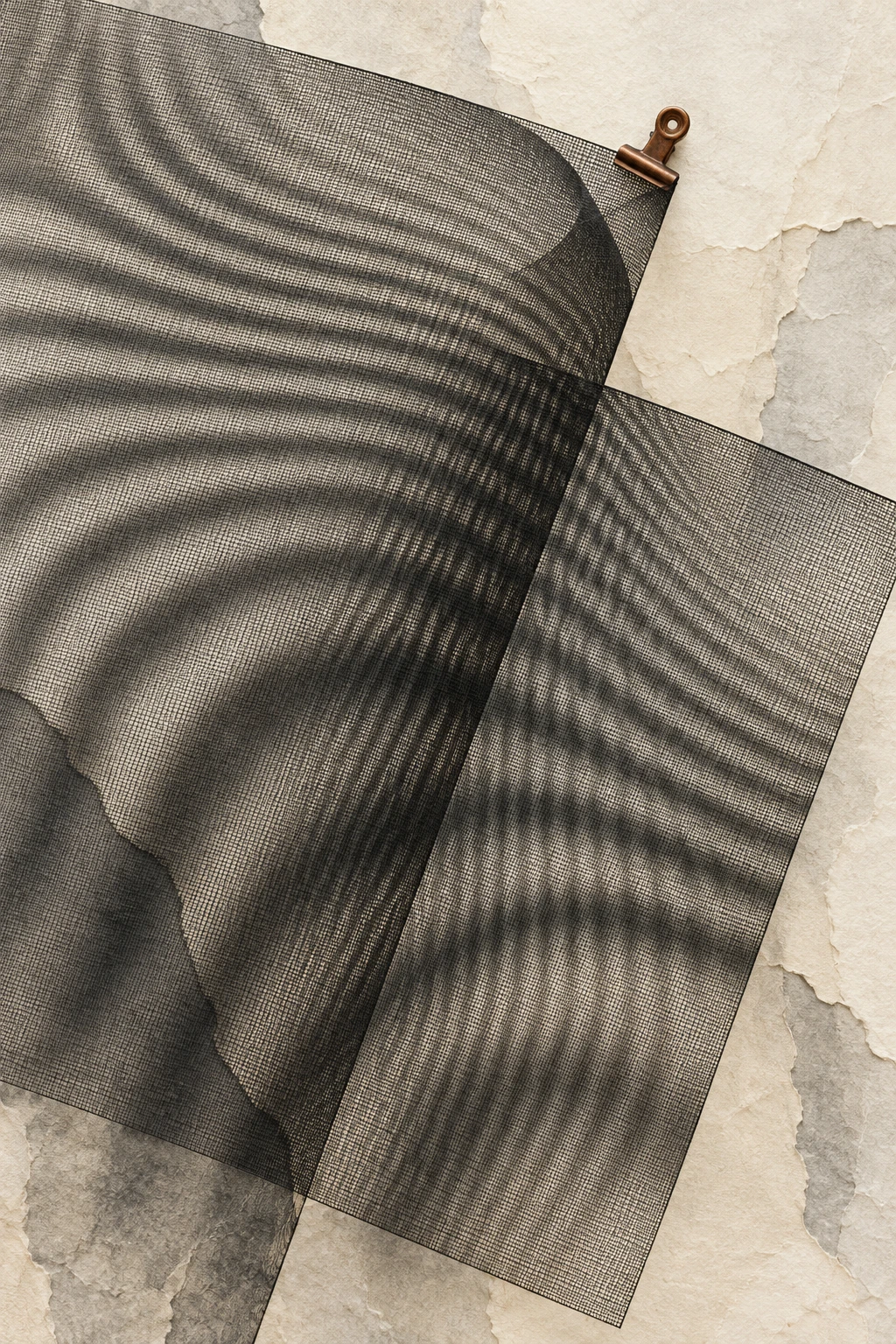
Two angled mesh sheets create broad dark bands on ivory paper
Overlapping meshes turn a fine structure into a much broader pattern.

Explore moiré bands by changing grid spacing and angle, then use the mismatch to understand a surprising measurement tool.

Optics · Perception · About 5 minutes
Read journey 71 →

Two Hands, One Cycle: Learning Three Against Two

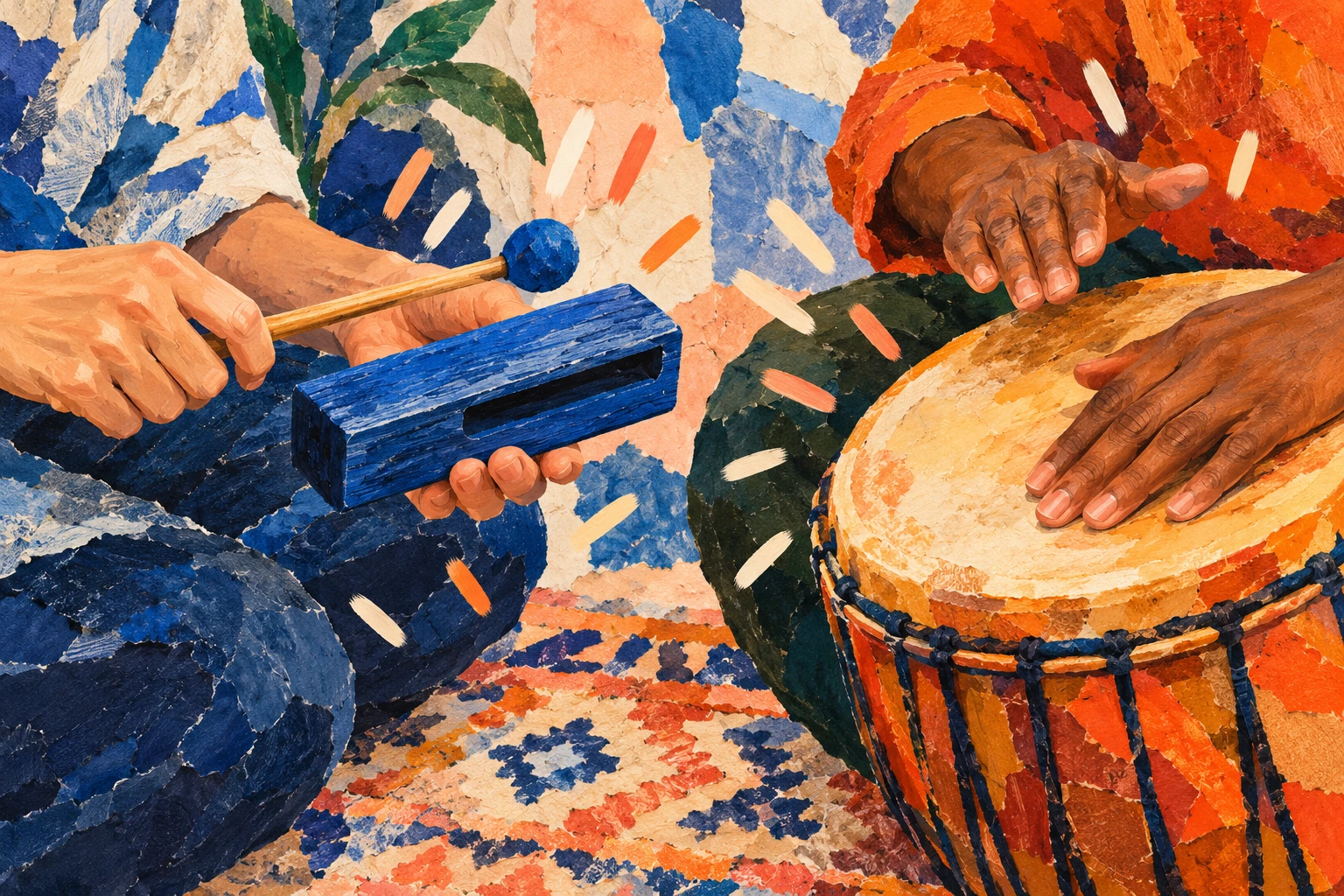
Hands play a woodblock and hand drum in a colorful rehearsal-room collage
Different rhythmic parts can share the same cycle.

A listening player and six-slot practice table make three-against-two rhythm tangible without rushing the exercise.

Music · Try It · About 5 minutes

Read journey 72 →

A Bell Rings Several Notes Before You Hear One

A bronze bell and clapper catch warm light in a quiet tower
A bell’s curved shell can vibrate in several patterns at once.

Listen inside a bell sound with a synthetic partial player and real university experiments on ringing plates.

Sound · Music · About 6 minutes

Read journey 73 →

The Keyboard That Writes in Chords

Hands rest on a compact unbranded stenotype machine with blank keys
An illustrative machine; actual key layouts and learned theories should be read in the linked guides.

A stenotype machine captures combinations of sounds, with a guided visit to an open browser demo.

Language · Design · About 5 minutes
Read journey 74 →

Three Jobs That Need Three Different Maps

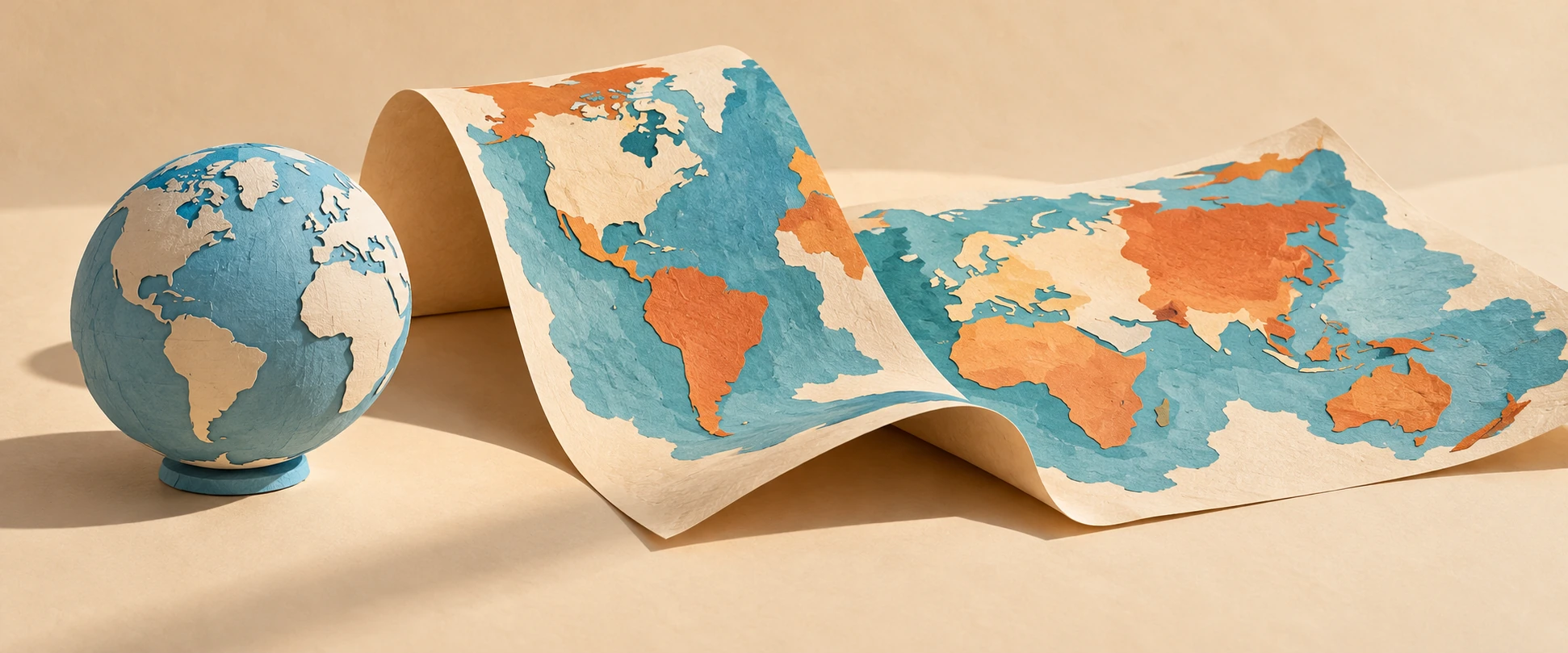
A paper globe stands beside curling unlabelled map sheets
A conceptual paper study, rather than an exact projection comparison.

Compare area, heading, and distance, then explore why Mercator and equal-area maps stretch space differently.

Geography · Design · About 6 minutes
Read journey 75 →

The Shortcut That Makes Everyone Later

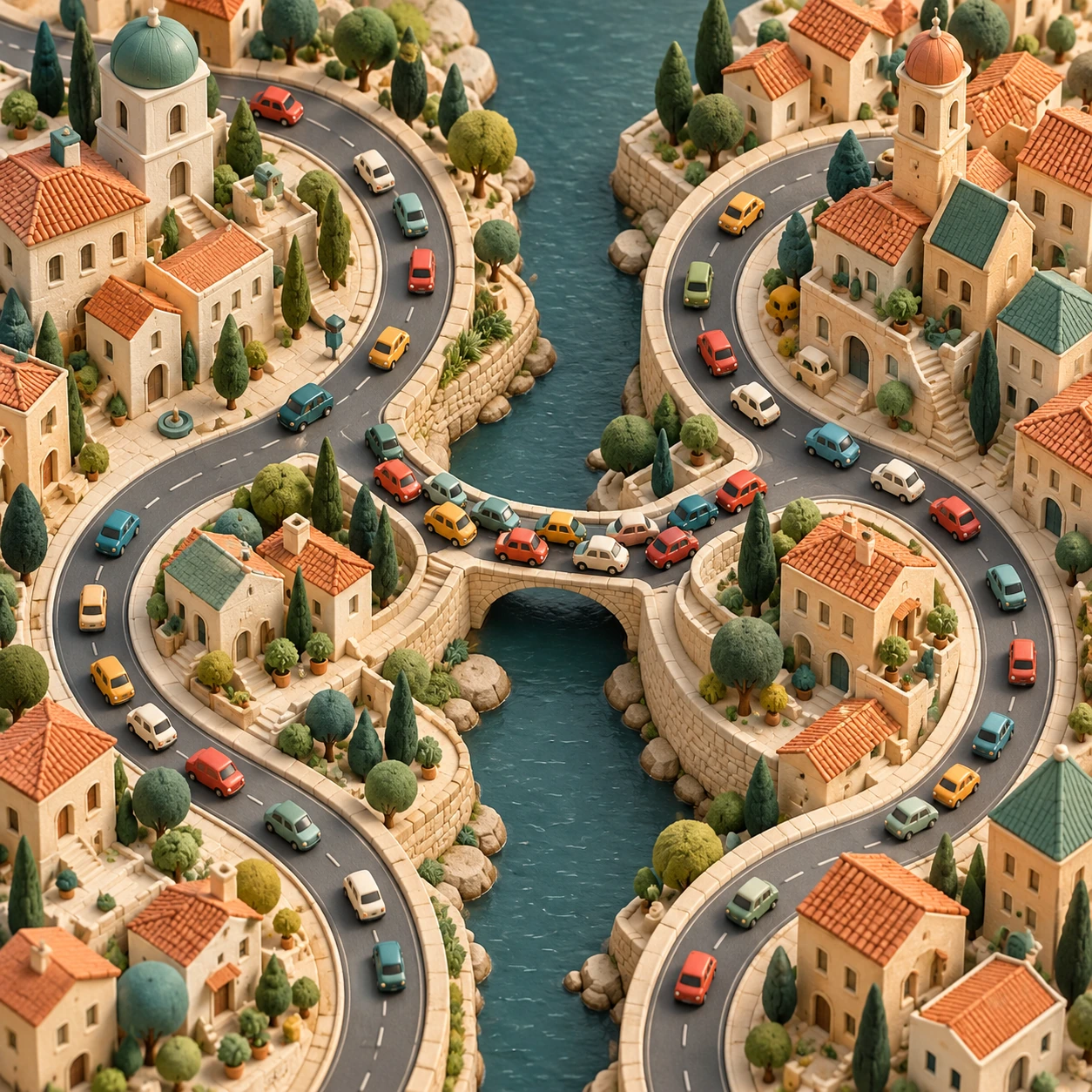
Toy cars converge on a small connecting bridge between looping roads
A conceptual city. The precise fictional network is specified in the article and calculator.

Calculate a fictional Braess network and discover when an optional shortcut helps, hurts, or breaks even.

Mathematics · Cities · About 5 minutes
Read journey 76 →

The Average That Reverses the Winner

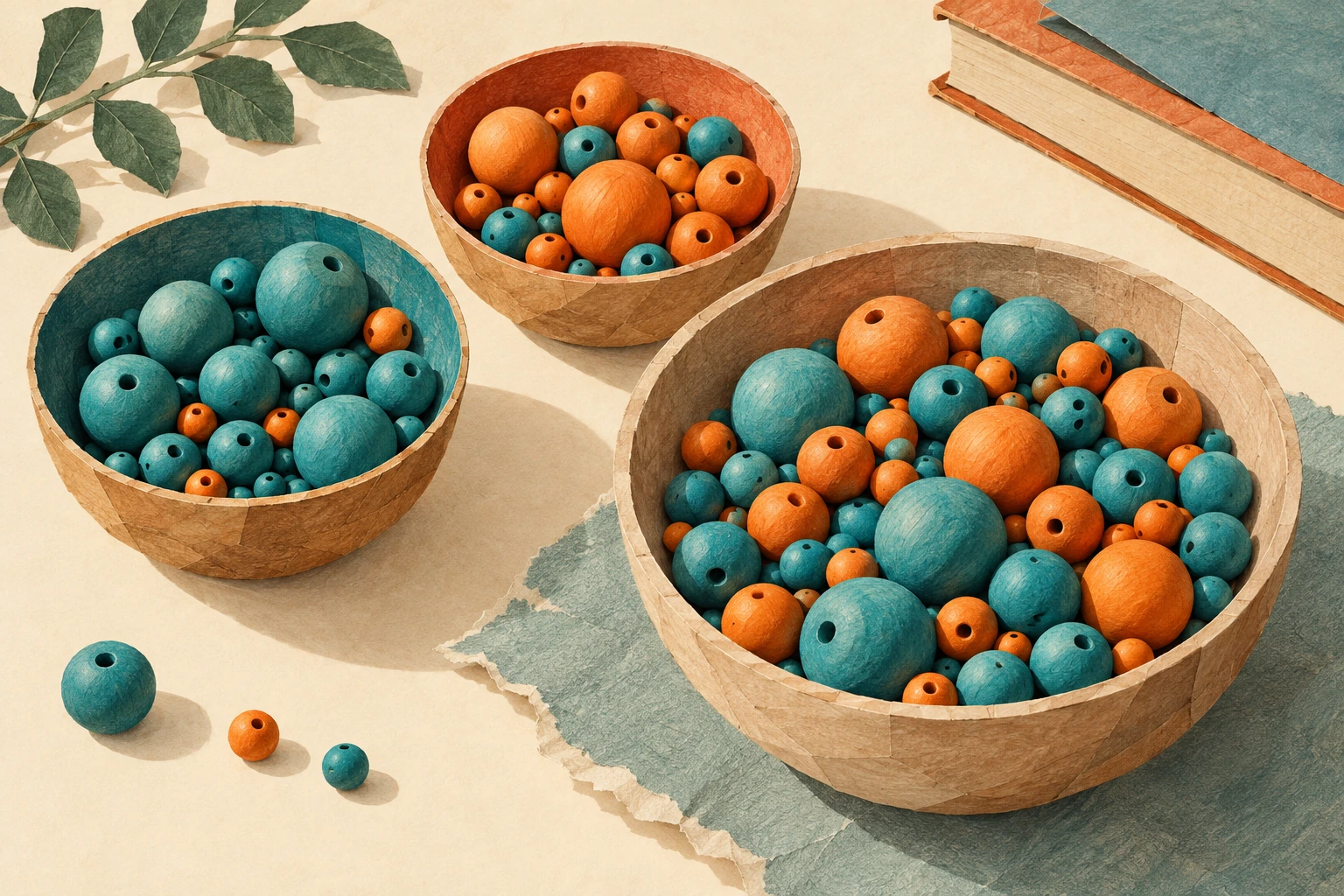
Two differently mixed bowls of colored beads sit beside a combined bowl
A visual metaphor for changing mixtures, not a representation of the order counts.

Two fictional print shops reveal Simpson’s paradox, with a mixture calculator and questions for reading any percentage.

Mathematics · Data Literacy · About 5 minutes

Read journey 77 →

Why One Gets More Than Its Share of First Digits

An imagined worn numerical table book lies open beside brass dividers
An interpretive library still life, not a scan of Newcomb’s or Benford’s original pages.

Build Benford-like and non-Benford samples, and learn why a digit pattern needs a data-generating story.

Mathematics · Data Literacy · About 5 minutes
Read journey 78 →

The Clock and the Planet Are Getting a New Agreement

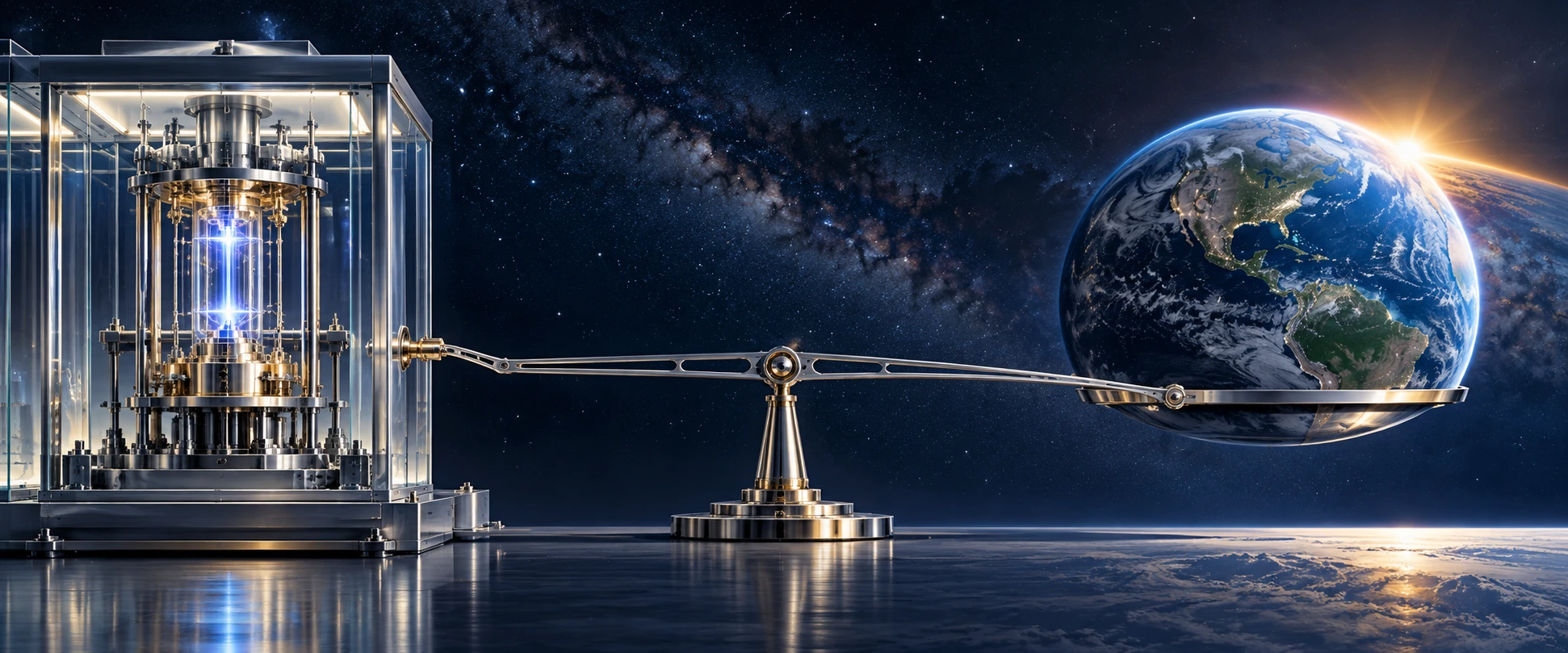
An imagined atomic-clock enclosure and Earth balance across a panoramic scene
Two physical references, pictured conceptually: an atomic rhythm and a rotating planet.

The October 2026 UTC decision, the 20 May 2027 transition, and why atomic time and Earth rotation are different questions.

Time · Science · About 6 minutes
Read journey 79 →

The Space Between A and V Is Part of the Design

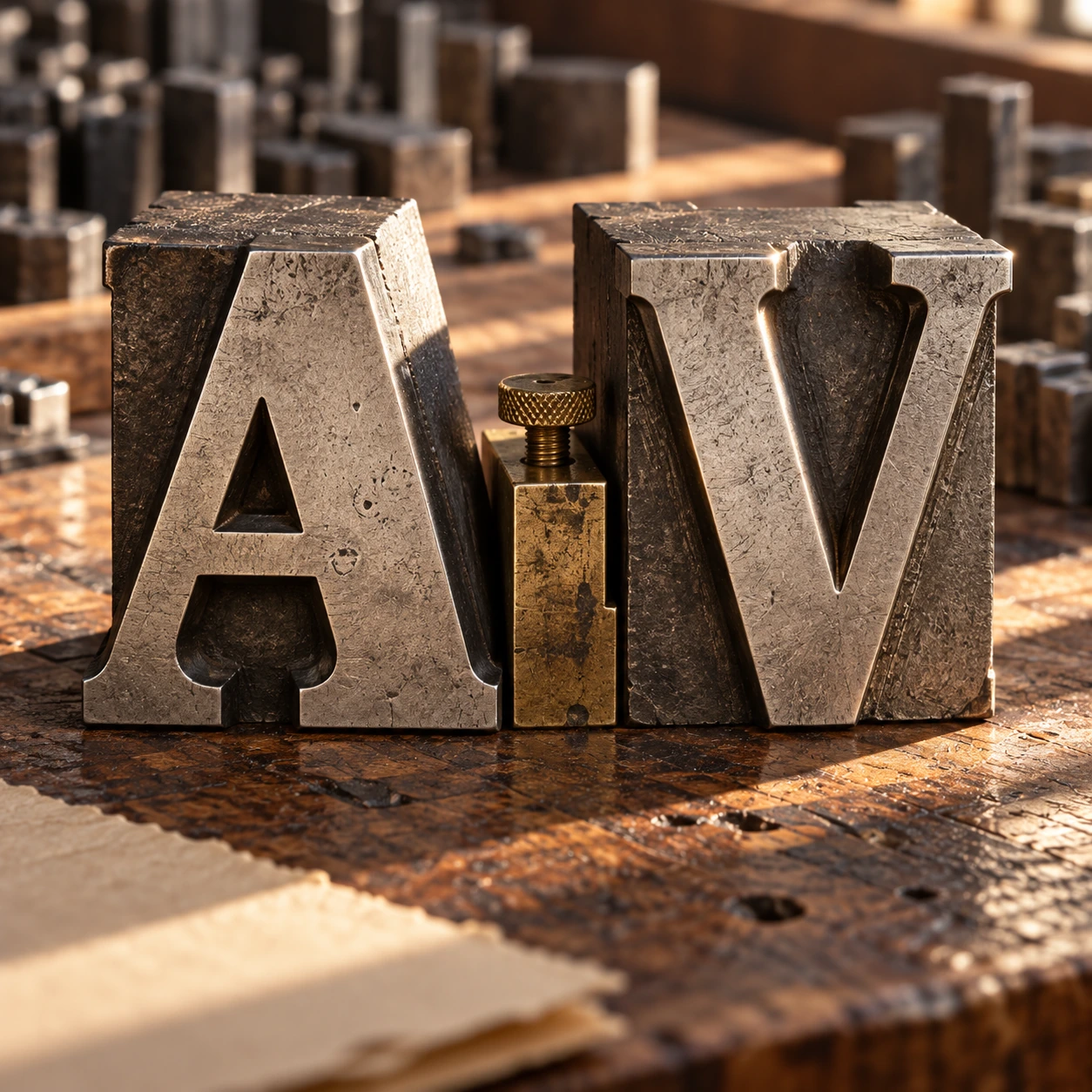
Metal A and V letter forms stand on a compositor’s workbench
A conceptual letterpress study of the forms and their intervening space.

Use a spacing laboratory to explore kerning, tracking, and the quiet rhythm of a readable title.

Typography · Design · About 6 minutes

Read journey 80 →