Alaska · Alutiiq halibut context; original modern adaptation
Food history and kitchen connections
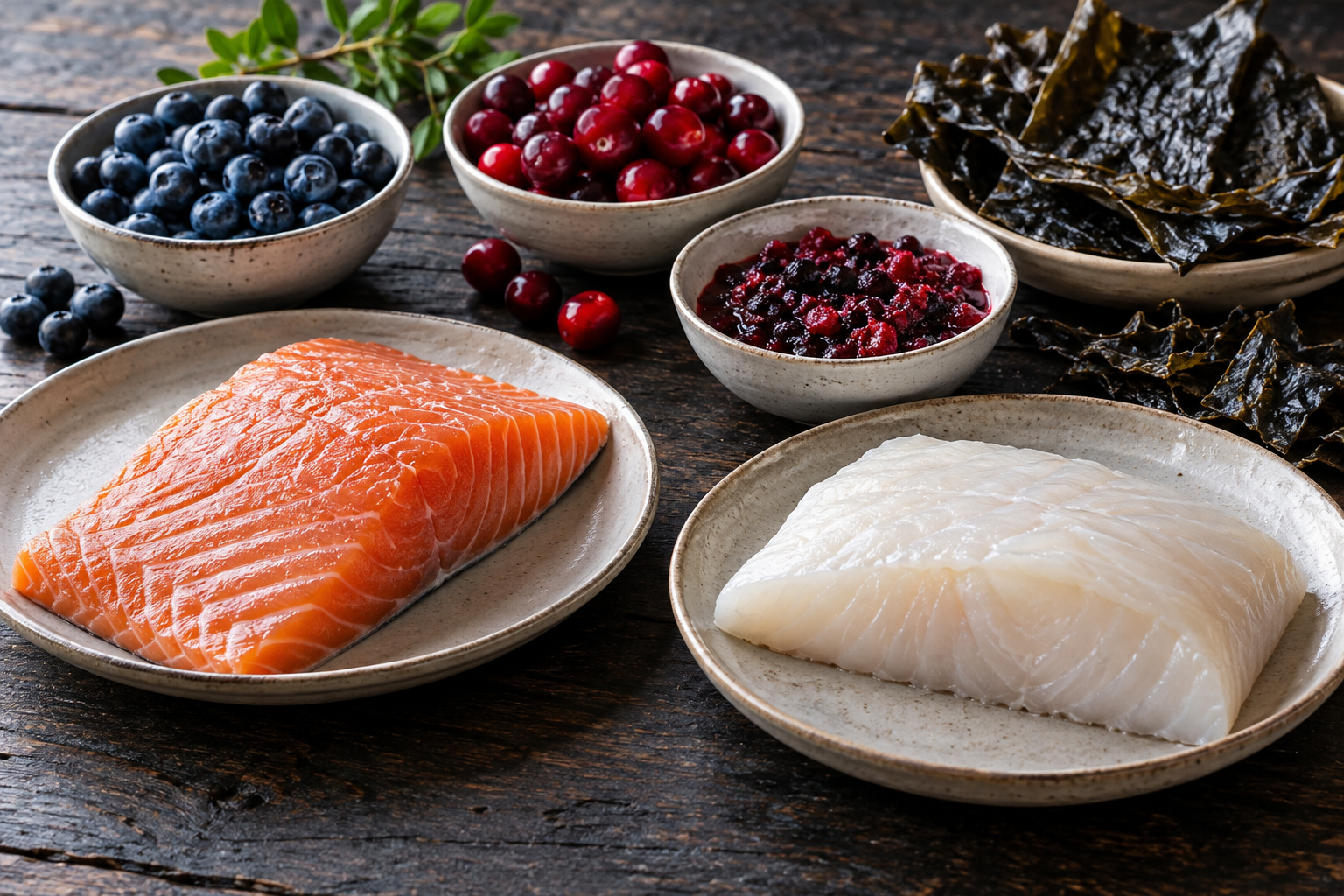
The Alutiiq Museum identifies halibut as an important continuing subsistence food around Kodiak. Its archaeological overview places coastal fishing technologies within the region’s deep history. These sources support attention to the fish, not a claim that parchment parcels, potatoes, or lemon reproduce an ancestral preparation.
A sealed oven parcel traps steam around a lean fish. Thin potato slices form a base, but they need a brief head start in boiling water or they may remain hard after the halibut is ready. The fish then cooks with a small amount of liquid, sliced leek, and bottled oil. The parcel is useful for an ordinary home cook because it keeps the juices together without needing a separate sauce. It also makes substitutions obvious: commercial parchment and market vegetables are modern equipment and ingredients. The historical account concerns Alutiiq halibut knowledge; the practical method belongs to this newly written recipe.
Modern adaptation: This is an original modern baked fish dish using market halibut, potatoes, cultivated leek, lemon, and parchment. None of those modern additions or its measurements are attributed to an ancient recipe. Use food-grade baking parchment within its manufacturer’s temperature limit, never waxed paper.
Cook it today
Yield: 4 main-course servings · Prep 25 min · Cook 25 min (approximate)
Ingredients
- 12 ounces small potatoes, scrubbed and sliced 1/8 inch thick
- 4 halibut fillets, about 5 ounces each
- 1 cultivated leek, white and pale green parts thinly sliced and thoroughly washed
- 2 tablespoons sunflower oil
- 1/2 teaspoon fine salt
- 4 thin lemon slices
- 4 tablespoons water
- 2 tablespoons chopped chives
Method
- Heat oven to 400°F. Simmer potato slices in a pan of water for 5 to 6 minutes until almost tender, then drain carefully.
- Cut four large sheets of food-grade parchment. Divide potatoes and washed leek among their centers, leaving enough clear paper to fold a sealed parcel.
- Check halibut for pin bones and put a fillet over each vegetable pile. Add equal amounts of oil, salt, lemon, water, and chives.
- Fold paper over each portion and crimp the edges tightly to hold steam. Set parcels on a rimmed tray and bake for 12 to 18 minutes, depending on fish thickness.
- Open one parcel carefully away from your face and check the fish for 145°F in its thickest part. Return any underdone parcels briefly, then serve with all the juices.
Substitutions
Cod may replace halibut if market availability or cost makes that useful; adjust time and check 145°F. Thinly sliced onion can replace leek. A covered baking dish is another modern option if parchment is unavailable.
Serving
Open parcels at the table only after warning diners about trapped steam. Transfer to plates if the paper is awkward to manage with a knife and fork.
Storage
Refrigerate opened leftovers within 2 hours at 40°F or below and use within 2 days. Reheat in a covered dish to 165°F; do not leave food sealed at room temperature.
Sources and evidence notes
- Alutiiq Museum: Halibut: Describes halibut as a continuing Alutiiq subsistence food and its seasonal context; supports ingredient history only.
- Alutiiq Museum: Our Stories, Deep History: Public archaeological overview describes longstanding Kodiak coastal food technologies; does not document this recipe.
These original modern recipes are inspired by documented ingredients and food traditions. They are not recovered ancient recipes or claims of tribal endorsement. Sources support the historical context; quantities, combinations, substitutions and appliance methods are modern.