California · Kawaiisu berry context; cultivated-fruit adaptation
Food history and kitchen connections
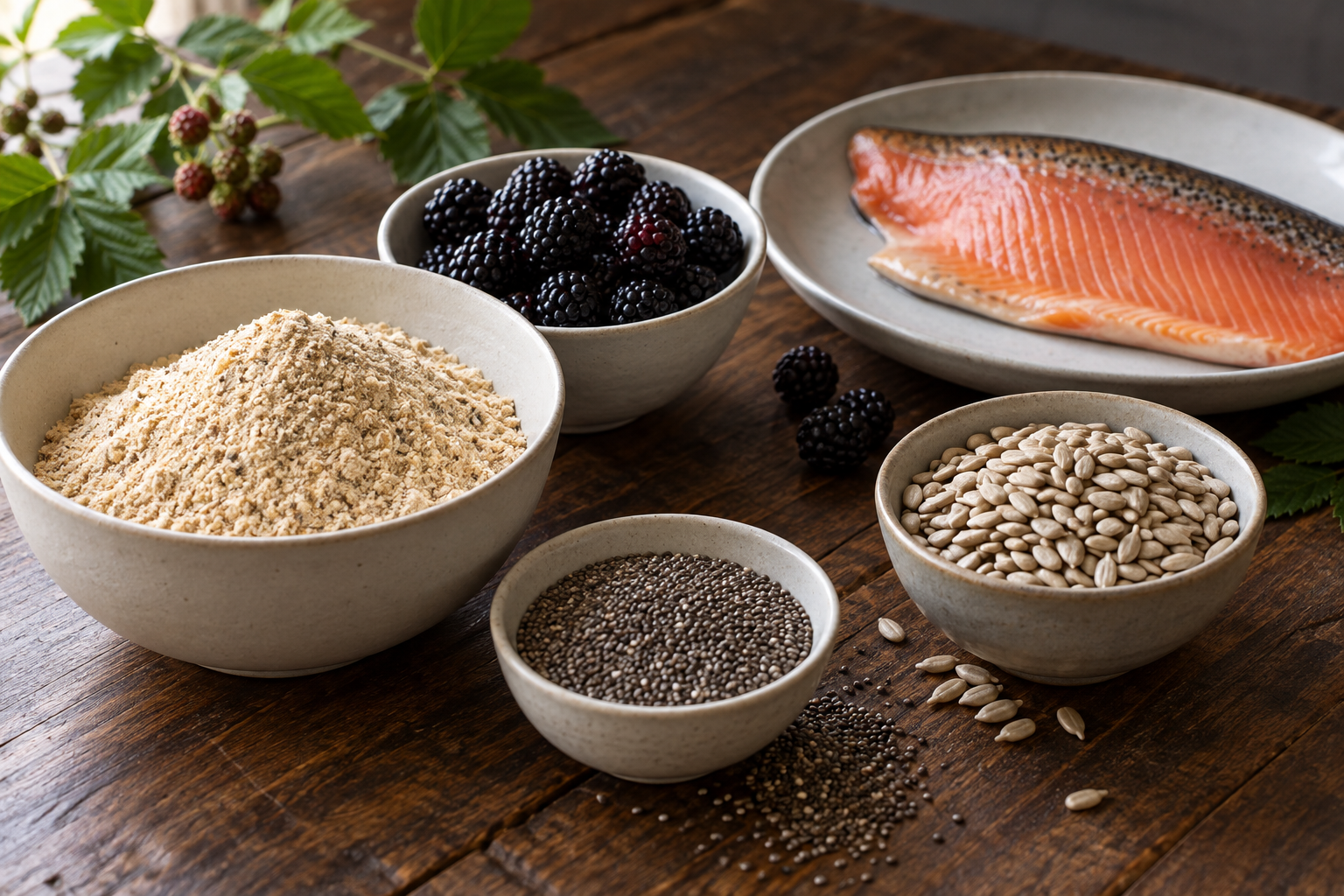
California State Parks describes berries among Kawaiisu foods, naming several different fruits rather than a single interchangeable berry. This recipe chooses cultivated blackberries as an easy grocery substitute. Their availability makes the cooking practical but does not establish them as the exact fruit used in a particular historical preparation.
A brief simmer makes a compote with whole pieces and a little juice. It differs from a dried berry cake or a pantry preserve. Crush only part of the fruit and keep the cooking time short so the result stays bright. A spoonful is useful with porridge, bread, or a plain contemporary dessert.
Modern adaptation: Cultivated blackberries, lemon, measured sweetener, and a saucepan compote are explicitly modern. This is not a reconstruction of a Kawaiisu dried fruit cake or a ceremonial dish. It is not presented as a recovered ancient recipe or as endorsed by a Native nation.
Cook it today
Yield: 6 small fruit portions · Prep 5 min · Cook 10 min (approximate)
Ingredients
- 450 g fresh or frozen cultivated blackberries (about 3½ cups)
- 45 ml water (3 tablespoons)
- 10 ml lemon juice (2 teaspoons)
- 15–25 g sugar (1–2 tablespoons), to taste
- 5 g cornstarch (2 teaspoons) mixed with 15 ml cold water, optional
Method
- Pick over purchased berries and rinse fresh fruit gently just before cooking. Frozen berries can go straight into the pan. Put two-thirds of the fruit into a medium saucepan with the measured water and bring to a gentle simmer.
- Cook for 5 minutes, stirring with a broad spoon. Crush a few berries against the side to release juice, but leave most intact. If using frozen fruit, allow an extra minute for the pan to return to a simmer.
- Add the remaining berries and cook for 2–3 minutes more. Stir in lemon juice and taste a cooled spoonful before adding sugar. Start with the smaller amount; fruit sweetness varies, and the sauce should keep some tartness.
- For a thicker topping, stir the optional cornstarch slurry again and add half. Simmer for 1 minute, then judge before adding more. For a looser compote, omit the starch entirely. Remove from the heat and rest for 5 minutes before serving.
- If seeds are unwelcome, pass part of the compote through a sieve and fold the smooth portion back into the whole fruit. Avoid pressing hard enough to force hard seed fragments through.
Substitutions
Use raspberries or a cultivated mixed-berry blend for a different fruit compote. These are grocery alternatives, not an assertion that all berries share the same cultural history. Lemon can be omitted for very tart fruit; add a tablespoon of water instead.
Serving
Serve a small warm portion beside corn or seed porridge, or chill and spoon over plain yogurt. The recipe makes a topping rather than a complete breakfast. Let very hot fruit cool slightly before offering it to children.
Storage
Refrigerate in a clean covered container within 2 hours and use within 3 days at 4°C/40°F or colder. Freeze in small portions for 1 month. No canning, sun-drying, or room-temperature storage is supported by this recipe.
Sources and evidence notes
- The Kawaiisu Culture — California State Parks: Public regional food history including seeds, berries, and nuts, not this modern recipe.
- Plant Use — Yosemite National Park: Documents Sierra Miwok plant foods, processing, and continuing practice; not an ancient dated recipe.
These original modern recipes are inspired by documented ingredients and food traditions. They are not recovered ancient recipes or claims of tribal endorsement. Sources support the historical context; quantities, combinations, substitutions and appliance methods are modern.